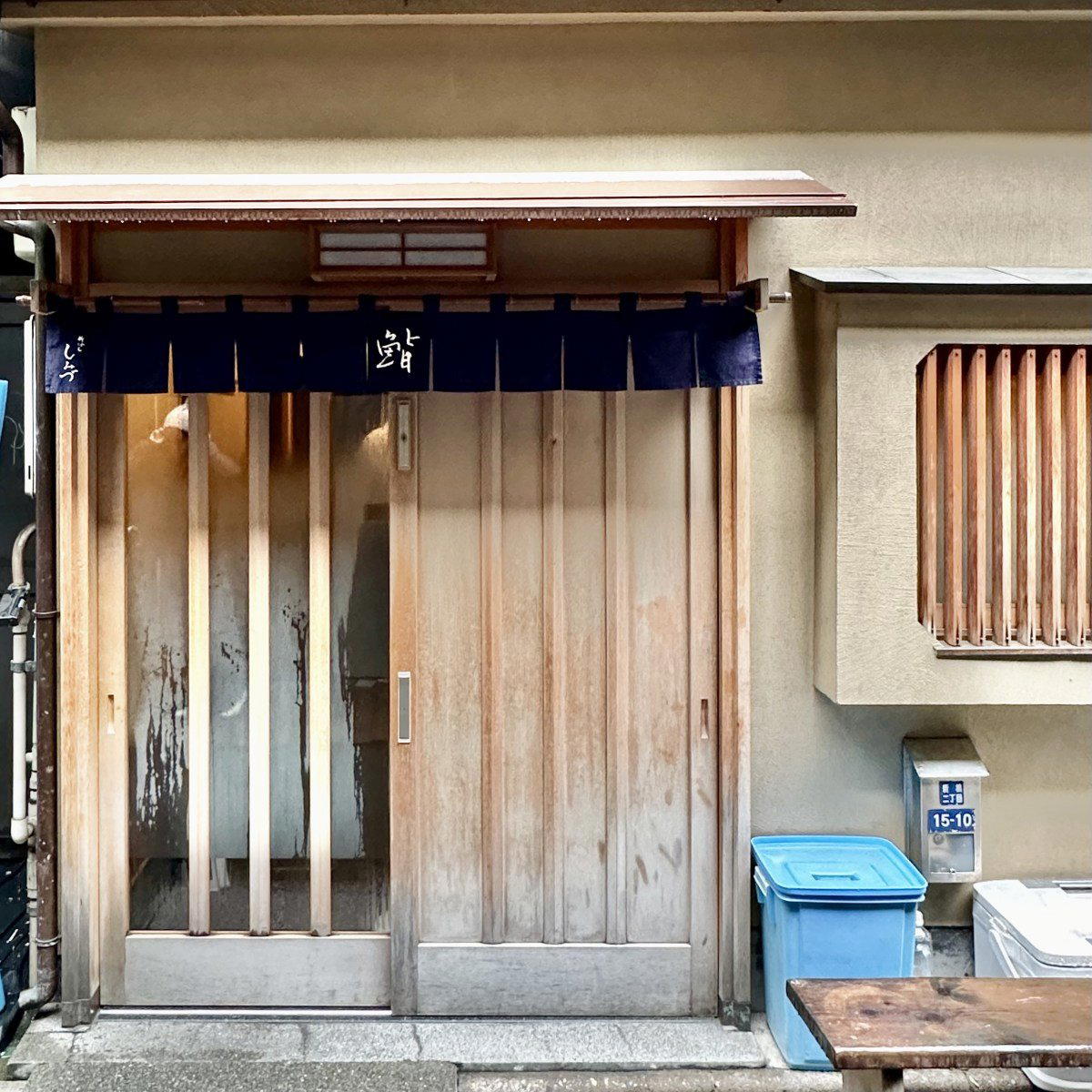

Daichan
Fushimi, Kyoto
Restaurant in Kyoto, Japan
 Book with Pearl
The Read
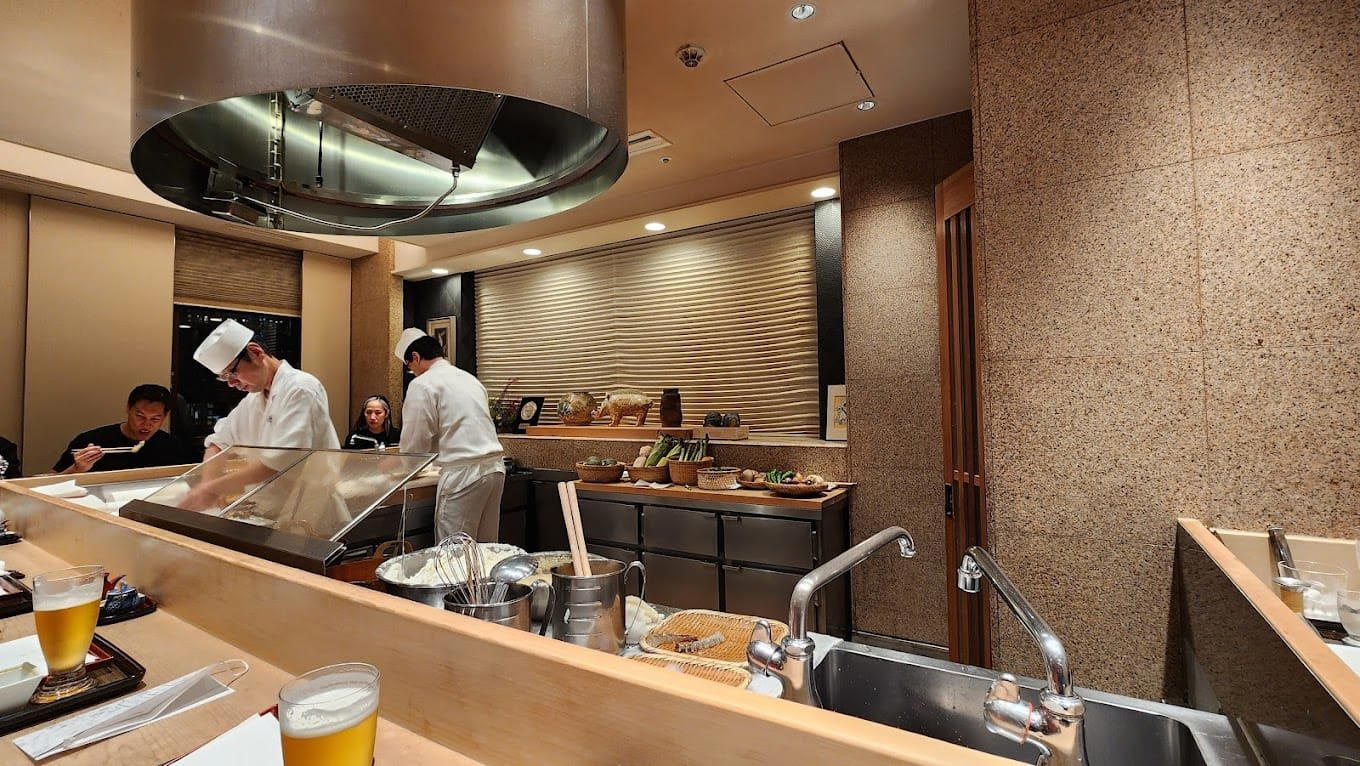
Nocturnal Grill Precision
Price
$200–300per person
Dress
Smart Casual
Why go
A 16-seat reservation-only yakiniku counter in Kyoto with Tabelog Bronze awards in both 2025 and 2026 and a score of 4.28. Budget JPY 20,000–29,999 per head for both lunch and dinner. Cash or PayPay only, no credit cards. Book well in advance via Tabelog and confirm hours before visiting, as closing days vary.
About Daichan
Verdict: A Tabelog-awarded yakiniku counter worth planning around
Budget JPY 20,000–29,999 per head and you get one of western Japan's most consistently decorated yakiniku rooms: a 16-seat counter that has held Tabelog Bronze in both 2025 and 2026, scored 4.28 on Tabelog, and appeared in the Tabelog 100 for yakiniku West in 2024 and 2025. At that price point, Daichan sits in the same spend-bracket as a serious kaiseki lunch at Kikunoi Honten or an omakase counter at Mizai, so the decision is whether yakiniku at this level justifies the outlay against kaiseki alternatives. For most visitors to Kyoto, it does: provided you go in knowing the format, the logistics, and the constraints.
What you're actually booking
Daichan operates as a reservation-only room with 16 seats and no private dining available. The full name on Tabelog is Shinya Yakiniku Daichan, with a category listing of yakiniku (Japanese BBQ) and tripe, which signals a focus on offal-forward cuts alongside premium beef. The address places it in Fushimi Ward, though the Tabelog record also references Nakagyo-ku (Nijo area), so confirm the specific location directly when you book. The room is entirely non-smoking, parking is unavailable, and the venue does not accept credit cards or electronic money: payment is cash or PayPay QR only. Factor that in before you arrive.
Hours vary and closing days are not fixed, which is the kind of operational detail that catches travellers off guard. The Tabelog listing explicitly notes that hours and closed days may change, so call ahead or check current status via Tabelog before you travel across the city. This is not a venue where you want to arrive on the wrong night.
Lunch vs dinner at Daichan
The Tabelog pricing lists JPY 20,000–29,999 for both lunch and dinner, which is unusual for yakiniku: most Japanese BBQ restaurants charge significantly less at lunch. That pricing parity suggests either that Daichan does not run a discounted lunch format, or that the lunch offering is as full a commitment as dinner. The practical implication: if you are looking for a lighter, lower-stakes introduction to the kitchen, Daichan is probably not the right venue. This is a full-spend, full-commitment meal at any hour. For a more approachable midday spend in Kyoto's premium restaurant tier, the kaiseki lunch formats at Hyotei or Isshisoden Nakamura offer better value at lunch relative to their dinner pricing. At Daichan, dinner is likely the right call for a special occasion, the yakiniku format plays better over a longer, unhurried evening than a compressed lunchtime slot.
Special occasion framing
A 16-seat counter at JPY 20,000–29,999, reservation-only, Tabelog Bronze, and a specific focus on premium cuts and offal: this is a celebration meal or a deliberate dining experience, not a casual dinner stop. The format rewards guests who want engagement with the cooking process rather than a set kaiseki sequence. Compare that to Gion Sasaki, where the experience is more structured and ceremony-driven, or HAJIME in Osaka if you want the highest technical register in the region. For a Kyoto special occasion where the guest wants direct participation in the meal rather than passive multi-course service, Daichan is among the few venues at this award level that delivers that format.
If you are comparing within Tokyo or further afield, Harutaka in Tokyo gives a sense of what counter-focused, reservation-only Japanese dining at this price tier looks like in a different city context. Daichan's Tabelog score of 4.28 places it well above the regional yakiniku average and in credible company nationally.
Practical details
| Detail | Daichan | Gion Sasaki (Kaiseki) | cenci (Italian) |
|---|---|---|---|
| Price per head | JPY 20,000–29,999 | ¥¥¥¥ | ¥¥¥ |
| Booking method | Reservation only | Reservation only | Reservation |
| Seats | 16 | ||
| Private rooms | No | ||
| Payment | Cash / PayPay only | ||
| Smoking | Non-smoking | Non-smoking | Non-smoking |
| Tabelog award | Bronze 2025, 2026 | Gold |
Booking intelligence
Daichan is reservation-only with no walk-in option. Given the 16-seat capacity, award recognition across two consecutive years, and Tabelog 100 status for yakiniku West, availability will be limited. Book as far ahead as possible, weeks rather than days for a specific date, particularly on weekends. Book via Tabelog directly. Note again: confirm hours before you visit, as closing days vary. The venue does not have a website listed, which means Tabelog is your primary source for current information.
For broader trip planning around this booking, see our full Kyoto restaurants guide, our full Kyoto hotels guide, and our full Kyoto bars guide. If you are building a wider Kansai itinerary, akordu in Nara and Goh in Fukuoka are worth adding to the comparison set. Further afield in Japan, 1000 in Yokohama and 6 in Okinawa round out the premium Japanese restaurant picture. For international reference points at comparable price tiers, Le Bernardin in New York City and Atomix in New York City give a sense of what this spend buys in other markets. See also our Kyoto wineries guide and our Kyoto experiences guide for trip context.
Planning details
- Hours
- Monday: 11 AM–10 PM · Tuesday: Closed
- Location
- 115 Nayamachi, Fushimi Ward, Kyoto, 612-8363, Japan
- Website
- kyomachichaya.gorp.jp/?_gl=1%2A993o1a%2A_ga%2AOTUzOTA5OTc1LjE2NjkyNzE1Njg.%2A_ga_L9BHK8C28C%2AMTY3NDQzODQxNC4yMjcuMC4xNjc0NDM4NDE0LjYwLjAuMA..
- Phone
- +81
The take
The Take
The Vibe
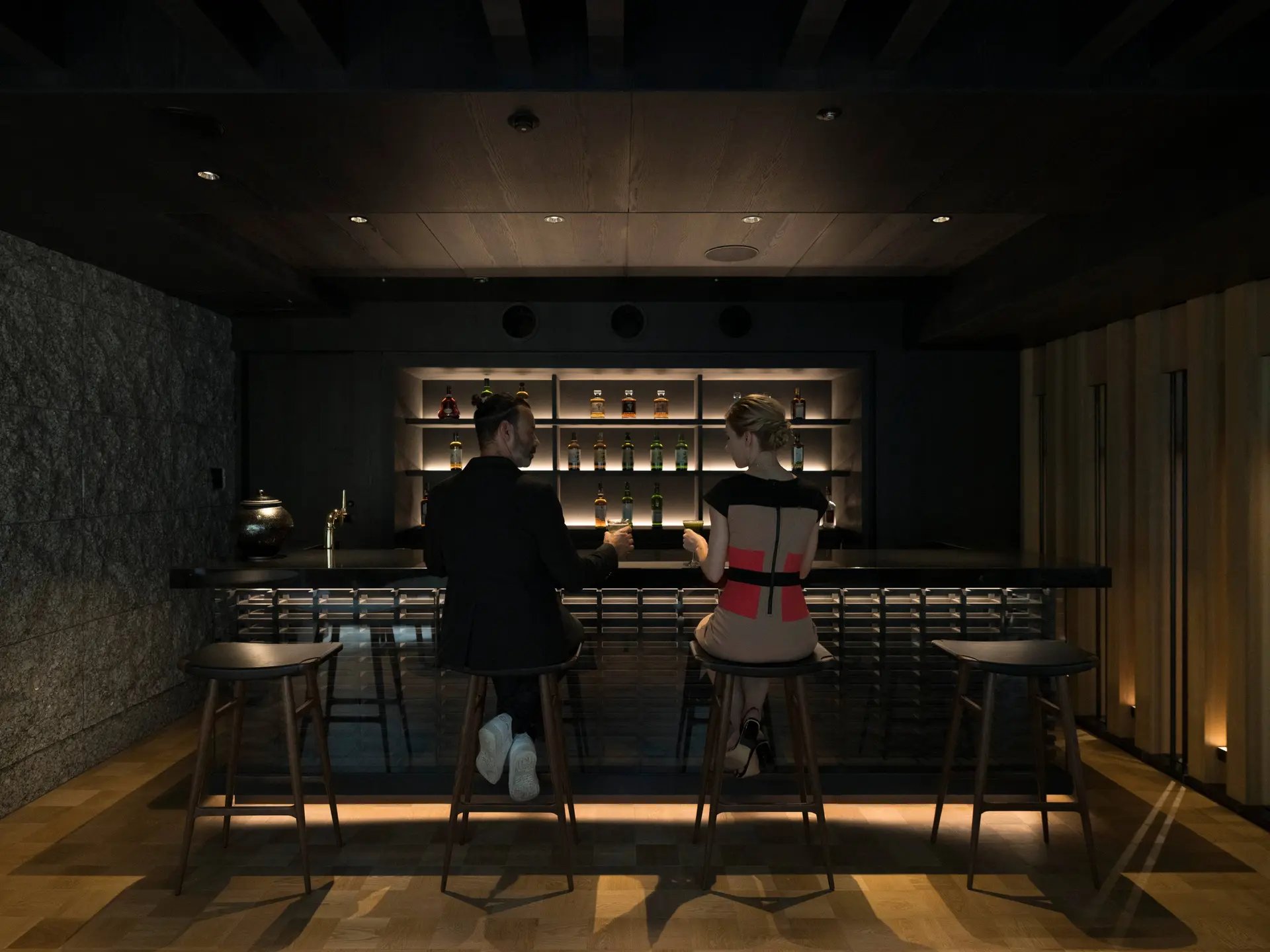
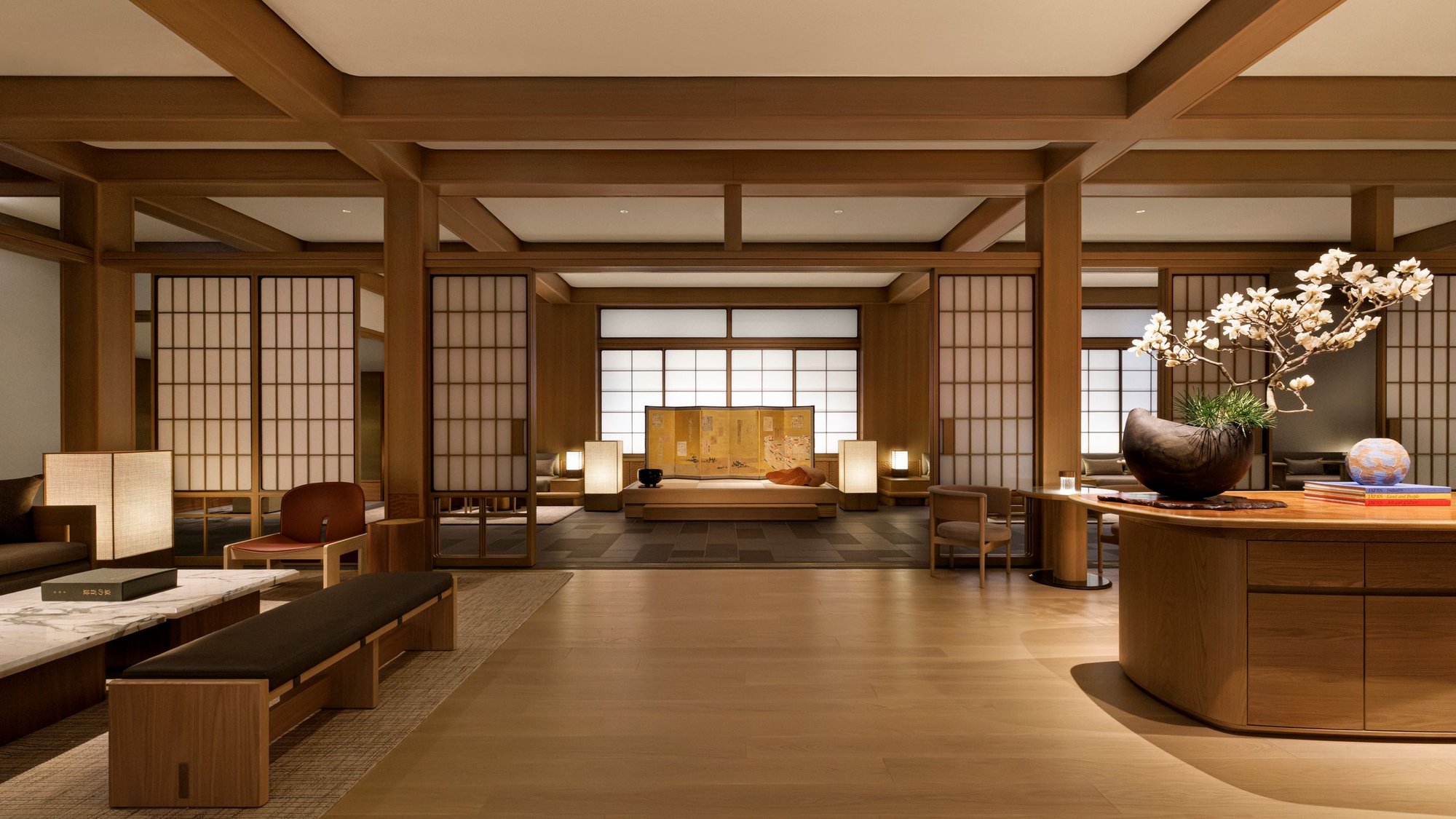
Daichan presents premium yakiniku through a decidedly restrained, late‑night lens. The 16‑seat counter concentrates attention on precision grilling and the exchange between cook and diner; it reads less like a boisterous barbecue and more like a focused dining room that borrows the rigor of Kyoto’s kaiseki tradition. Its Tabelog awards and inclusion in regional yakiniku and grill lists position it alongside the city’s serious dining destinations. Service and pacing reflect that pedigree: this is small‑room, meat‑centric craftsmanship where professionals and committed diners converge for considered, high‑quality cuts rather than casual feasting.
Best For
Daichan is best for diners seeking a late‑night, high‑end yakiniku experience: think after‑service gatherings of chefs, solo diners who want to watch the grill work, or small celebrations that prize exceptional beef. The price bracket and awards signal a restaurant tuned to special‑occasion sensibilities as much as industry rendezvous. With only 16 seats at the counter, it suits intimate parties or one‑to‑two person bookings more than large groups; reservations (when available) and openness to a counter format make it ideal for focused tasting of premium cuts at night.
Ordering Tips
Lean into the house’s signatures: the marbled beef platter and charcoal‑grilled short rib showcase the quality and technique, while mino sashimi, tongue and harami offer textural and flavor contrast. Expect a per‑person spend in the JPY 20,000–29,999 range across lunch and dinner, so plan for a multi‑course, meat‑forward meal rather than a quick snack. Given the counter format and small room, prioritize a selection of the highlighted cuts to experience the range of the grill and to make the most of the intimate chef‑to‑guest setting.
Venue details
Ambiance
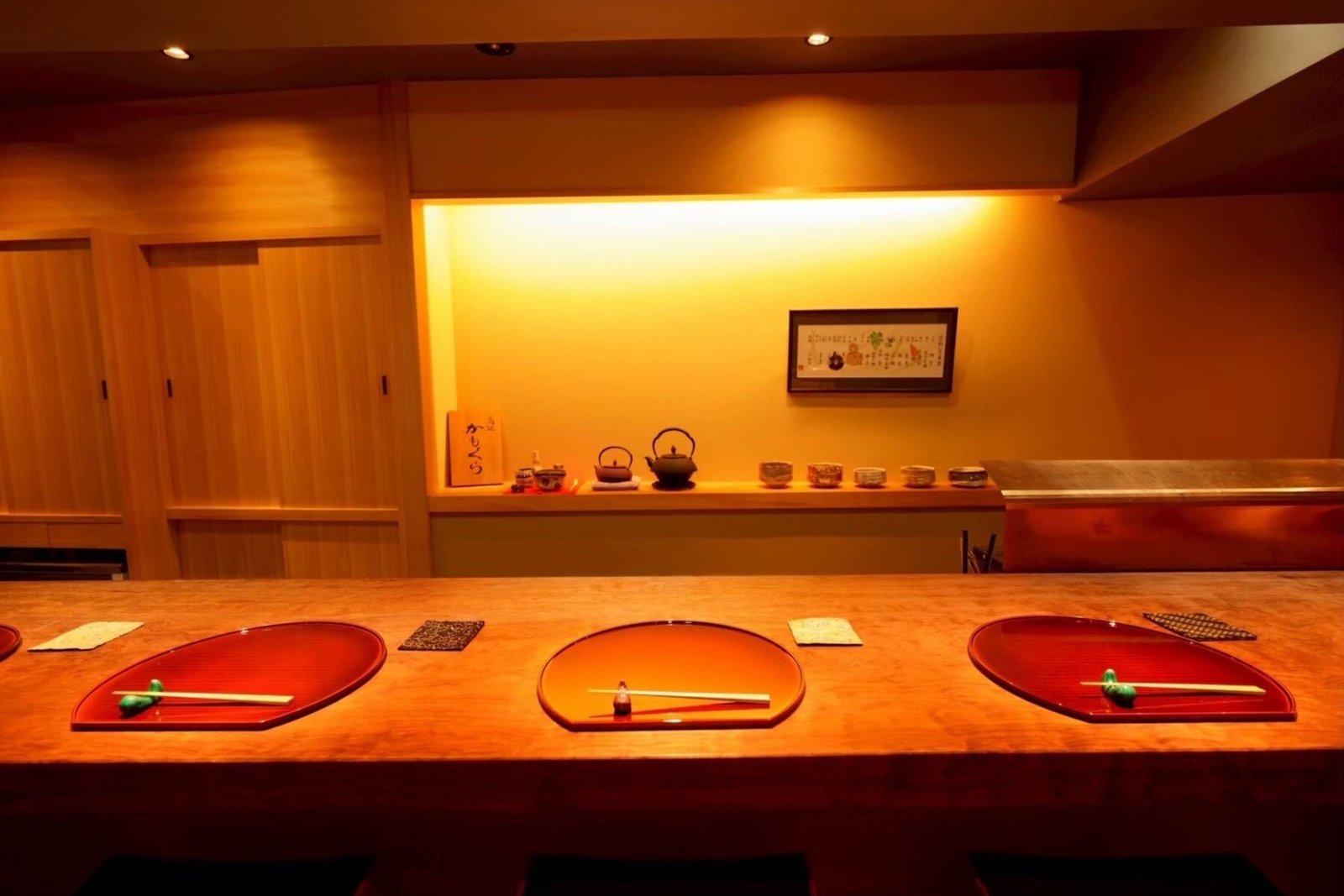
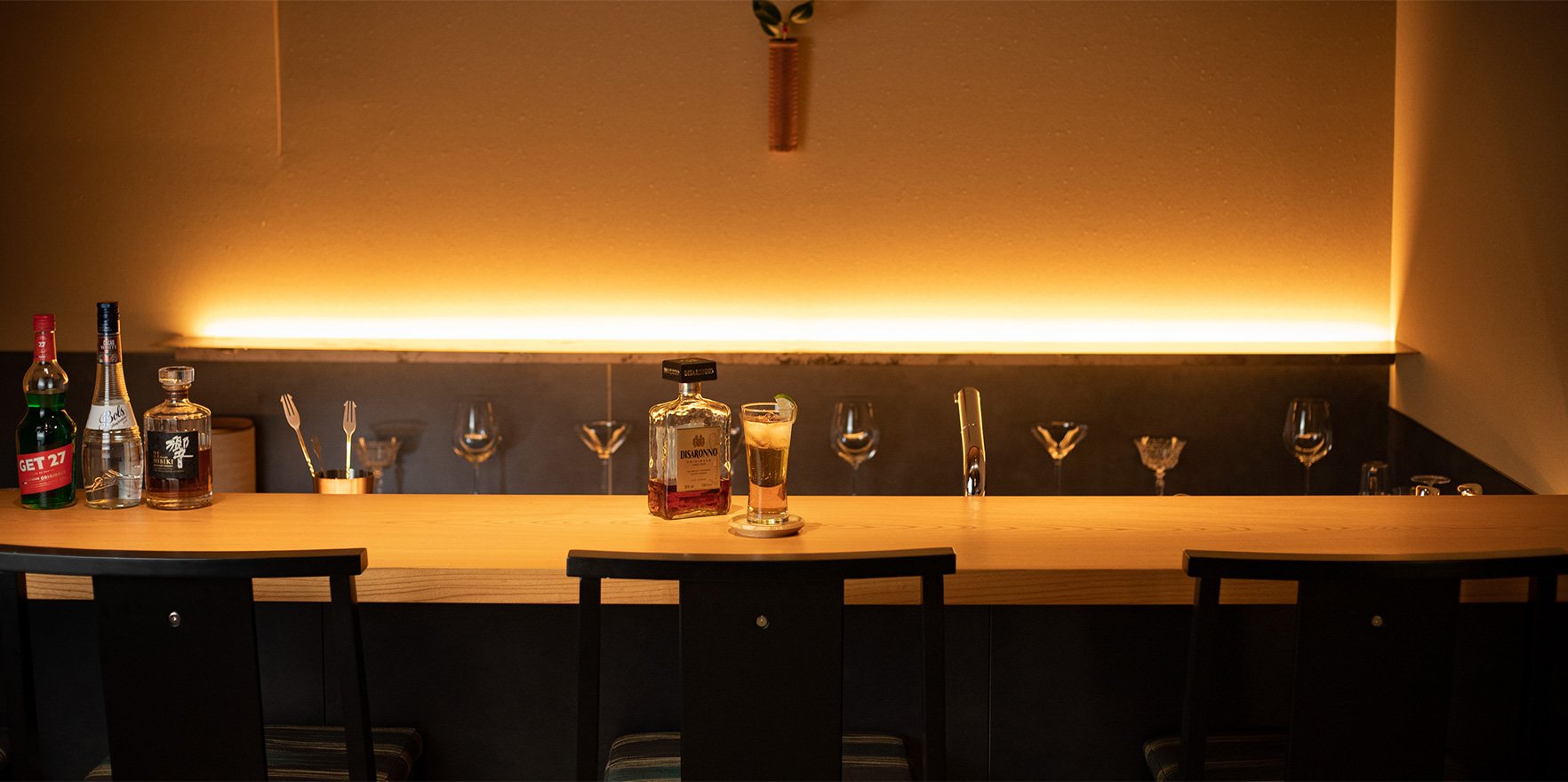
Warm, practical lighting in a compact, intentionally private space designed for intimate dining; soft hiss of grilling meat and gentle clink of plates create a focused, atelier-like atmosphere where attention stays on the food.
Tags
Vibe
Best For
Experience
Sourcing
At the Table
- Dress Code
- Smart Casual
- Noise Level
- Quiet
- Service Style
- Upscale Casual
- Meal Pacing
- Leisurely
- Capacity
- Intimate
- Kitchen
- Traditional
- Menu Format
- Counter dining, A la carte, Omakase
- Drinks Focus
- Cold beer, Sake, Wine
- Private Dining
- Available
Signature Dishes
- marbled beef platter
- charcoal-grilled short rib
- mino sashami
- tongue
- harami
Know before you go
Know Before You Go
- Getting there
- 115 Nayamachi, Fushimi Ward, Kyoto, 612-8363, Japan
Planning details
Hours
- Monday
- 11 AM–10 PM
- Tuesday
- Closed
- Wednesday
- 11 AM–10 PM
- Thursday
- 11 AM–10 PM
- Friday
- 11 AM–10 PM
- Saturday
- 11 AM–10 PM
- Sunday
- 11 AM–10 PM
Location
115 Nayamachi, Fushimi Ward, Kyoto, 612-8363, Japan · Directions
Recognition and awards
Also consider
Also Consider
- Gion Sasaki: Kaiseki, Japanese, ¥¥¥¥
- cenci: Italian, ¥¥¥
- Ifuki: Kaiseki, ¥¥¥¥
- Kyokaiseki Kichisen: Japanese, ¥¥¥¥
- Kyo Seika: Chinese, ¥¥¥
Restaurant context
At JPY 20,000–29,999, Daichan sits at the same price tier as Kyoto's serious kaiseki rooms. Against Gion Sasaki (¥¥¥¥, Tabelog Gold) or Kyokaiseki Kichisen (¥¥¥¥), the comparison is format rather than quality: kaiseki is structured, ceremony-led, and multi-course; Daichan is participatory, cut-focused, and interactive. If your group wants to engage with the meal rather than receive it, Daichan has the stronger case. If the occasion calls for kaiseki's formal progression, Gion Sasaki is the right call at this price.
Ifuki (kaiseki, ¥¥¥¥) offers another serious kaiseki alternative at comparable spend, and is worth comparing if kaiseki is the preferred format. For diners who want a Kyoto special occasion meal at a lower price point, cenci (Italian, ¥¥¥) and Kyo Seika (Chinese, ¥¥¥) both come in a tier below Daichan and represent reasonable alternatives if the JPY 20,000+ commitment feels steep for the format.
On booking difficulty, Daichan's 16-seat capacity and consecutive Tabelog Bronze recognition make it harder to secure than most ¥¥¥ options and roughly comparable in difficulty to the top kaiseki rooms. The payment constraint (cash or PayPay, no cards) is a practical differentiator that none of the comparison venues share, and it is worth planning for specifically. If you are building a Kyoto itinerary and want to see how Daichan fits in the broader premium dining picture, start with our full Kyoto restaurants guide.
Explore Kyoto
Around this place
Discover more on Pearl
Unlock the full Daichan guide in Pearl, including awards, comparisons, FAQs, planning details, and nearby places.
FAQ
Frequently Asked Questions
Is lunch or dinner better at Daichan?
Lunch and dinner are priced identically at JPY 20,000–29,999, which is rare for yakiniku and suggests both services run to the same standard. Most yakiniku restaurants in Japan price lunch at a significant discount, so the parity here signals that Daichan is not treating lunch as a lower-tier offering. If your schedule allows flexibility, dinner is the more conventional choice for a counter of this calibre, but lunch is a legitimate option with no apparent quality trade-off.
How far ahead should I book Daichan?
Book as early as possible: ideally four to six weeks out. Daichan is reservation-only with just 16 seats, no private dining, and consecutive Tabelog Bronze wins in 2025 and 2026, which drives consistent demand from both locals and food-focused travellers. There is no walk-in option, and the restaurant operates under variable closing days.
What are alternatives to Daichan in Kyoto?
If you want the prestige-counter experience at a higher price point, Kyokaiseki Kichisen and Gion Sasaki operate in a different format entirely, kaiseki rather than yakiniku, but both carry stronger international recognition. For something closer in format but broader in cuisine scope, cenci and Ifuki offer more accessible bookings. Kyo Seika suits guests who want a lighter meal over a long, meat-forward session.
Does Daichan handle dietary restrictions?
No dietary information is documented for Daichan. Given the restaurant's focus on yakiniku and tripe, this is a meat-forward counter: not a suitable booking for vegetarians, and likely limited for those with significant dietary restrictions. Confirm specifics directly with the restaurant before reserving, especially given the reservation-only format and premium per-head spend.
Is Daichan good for solo dining?
Yes: a 16-seat counter format is one of the better settings for solo dining in Japan, where counter seats are standard and single diners are not treated as an anomaly. The reservation-only policy means a solo booking is entirely normal at Daichan. At JPY 20,000–29,999 per head, solo diners pay the same rate as groups, so budget accordingly.
Is Daichan good for a special occasion?
It works well as a celebration meal if your group appreciates premium yakiniku and offal. The 16-seat counter, Tabelog Bronze recognition, and JPY 20,000–29,999 price point position it squarely in the special-occasion tier. Note that private rooms are unavailable, so this is a shared-counter experience rather than an intimate private setting: if a private room is essential, look elsewhere in Kyoto.
What should a first-timer know about Daichan?
Daichan is reservation-only, accepts no credit cards or electronic money, and only takes QR code payments via PayPay: sort out your payment method before you arrive. The full Tabelog name is Shinya Yakiniku Daichan, and the restaurant focuses on premium cuts alongside tripe, so expect an offal-inclusive menu rather than a straight beef showcase. Closing days vary, so verify hours before your visit. With a Tabelog score of 4.28 and consecutive Bronze awards, the quality case is well-established, but the logistics require more preparation than a typical Kyoto dinner booking.