

2026 Falstaff Winery Guide: The Ultimate Wine Authority — Page 75
Falstaff's 2026 Wineries guide.

Venues on this list
Biolenz - Engelwurz
Uesslingen, Switzerland
Book Biolenz - Engelwurz for a small, appointment-led organic farm-winery visit where biodiversity is the draw. It is a better fit for curious couples or small special-occasion groups than for anyone seeking a formal tasting room, a published food program, or luxury service cues.
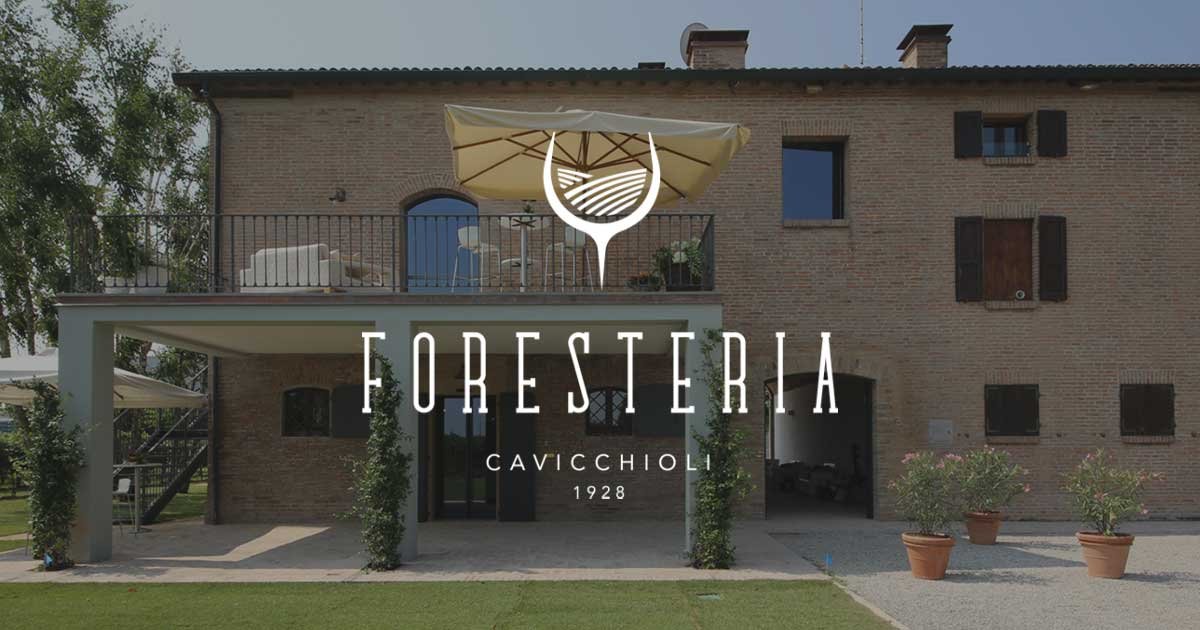
Cavicchioli
San Prospero, Italy
Cavicchioli is worth shortlisting if you want a recognized San Prospero wine stop with Falstaff-listed credibility. It is better treated as a focused Emilia-Romagna wine visit than as a full special-occasion plan unless the practical details match your timing, group size, and food expectations.
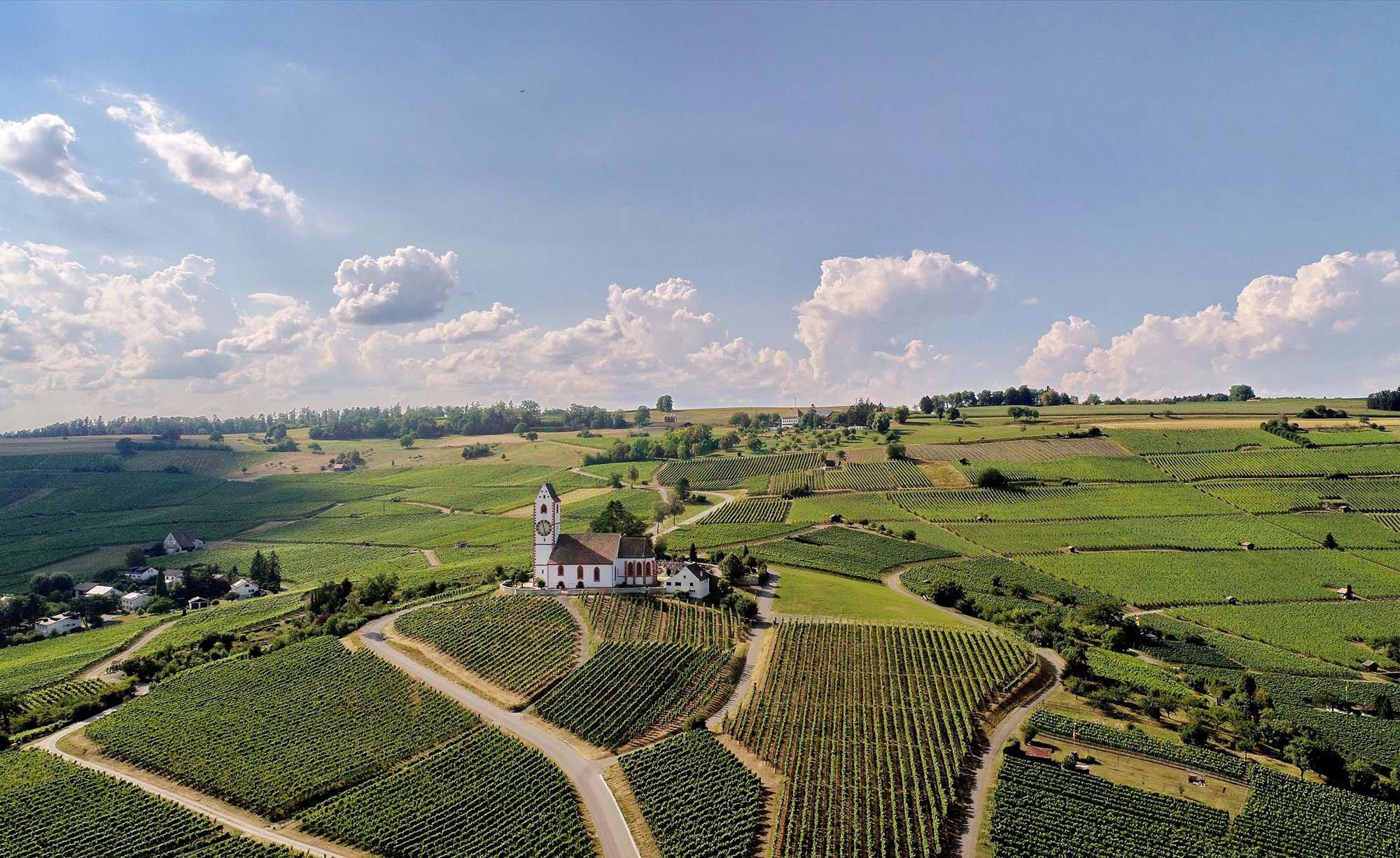
aagne weingut
Hallau, Switzerland
Book aagne weingut only if wine is the main reason for the Hallau stop. The case for visiting is strongest for serious Swiss-wine buyers and celebration trips built around a focused tasting, with Falstaff 3 Stars in 2026 giving it a clear quality signal. Confirm logistics before planning around food, groups, or shipping.
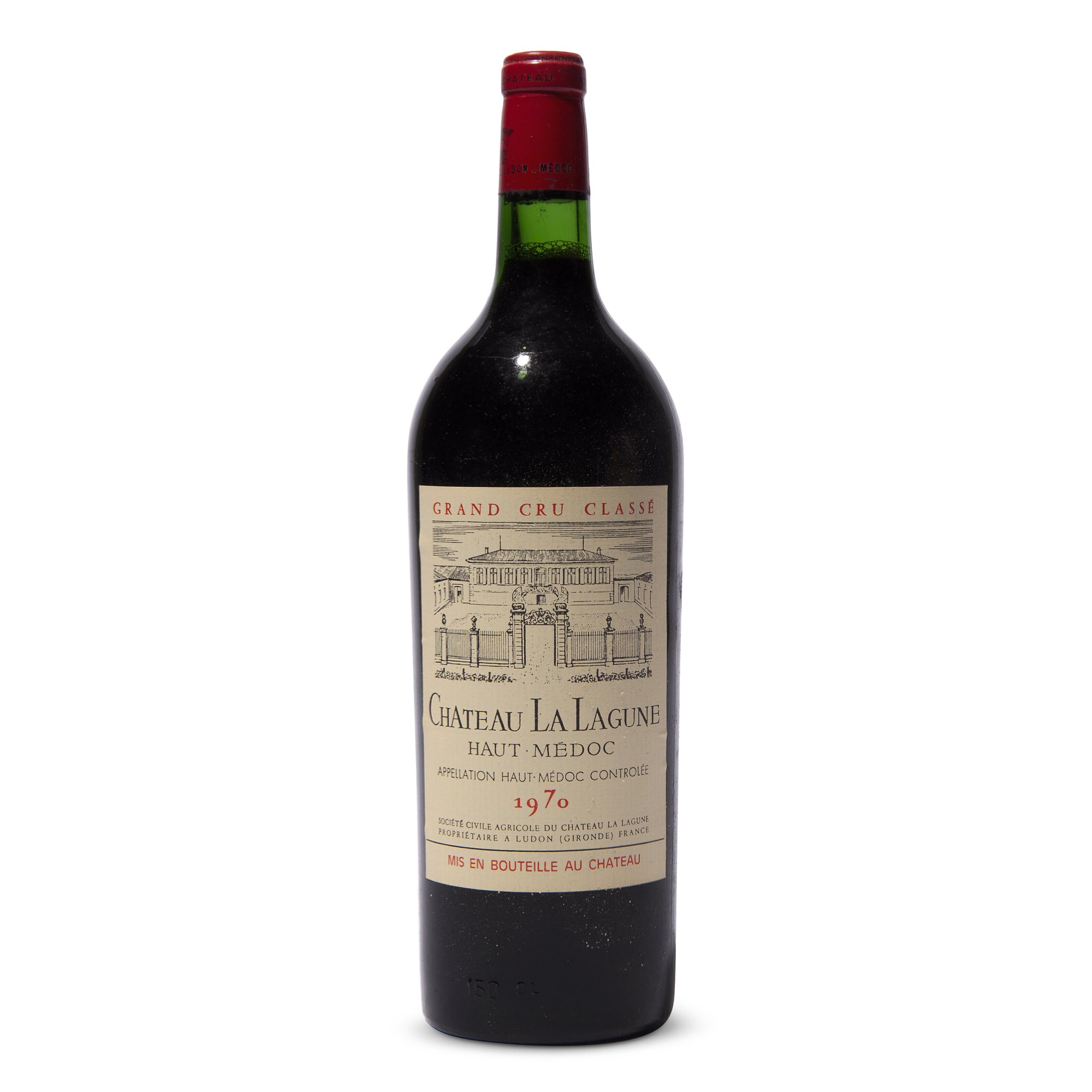
Château La Lagune
Ludon, France
Château La Lagune is worth pursuing when a Ludon wine visit needs to feel like the anchor of the day, not a casual add-on. The draw is prestige and Médoc seriousness; the caution is planning friction, especially if you need group logistics, food details, or easy confirmation.
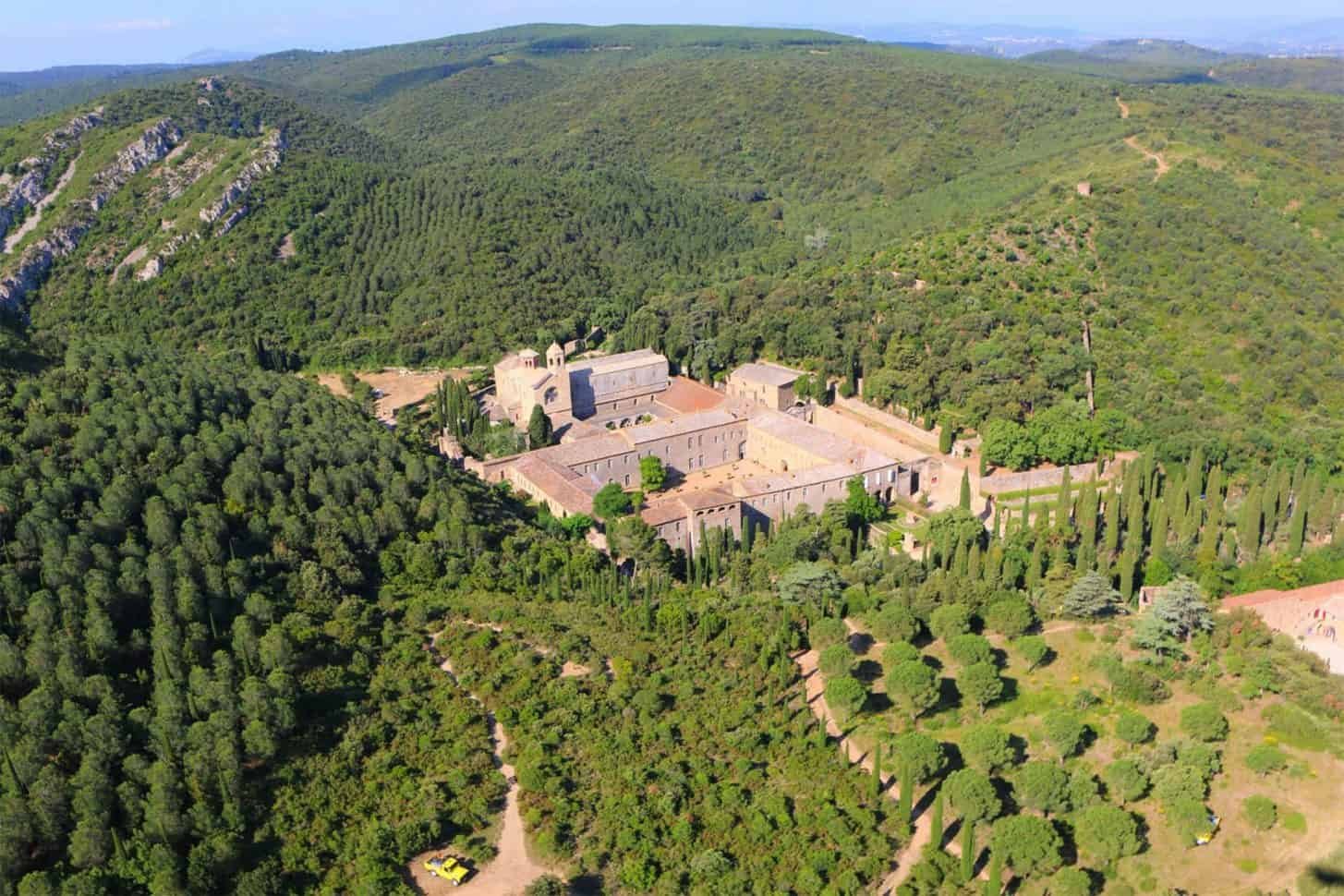
Domaine Bertrand-Bergé
Paziols, France
Domaine Bertrand-Bergé works if your Paziols plan is wine-led and you are comfortable doing a little planning before visiting. Its 2026 Falstaff listing gives it a useful recognition signal, but the better fit is a traveler seeking regional context rather than a fully packaged hospitality stop.
Esk Valley
Roy S Hill, New Zealand
Esk Valley works as an easy Roy S Hill wine-country stop, especially if the day is built around Hawke’s Bay cellar-door planning rather than a restaurant reservation. Treat it as a flexible tasting anchor and confirm practical details before setting out, since food, hours, website, and group capacity are not listed.
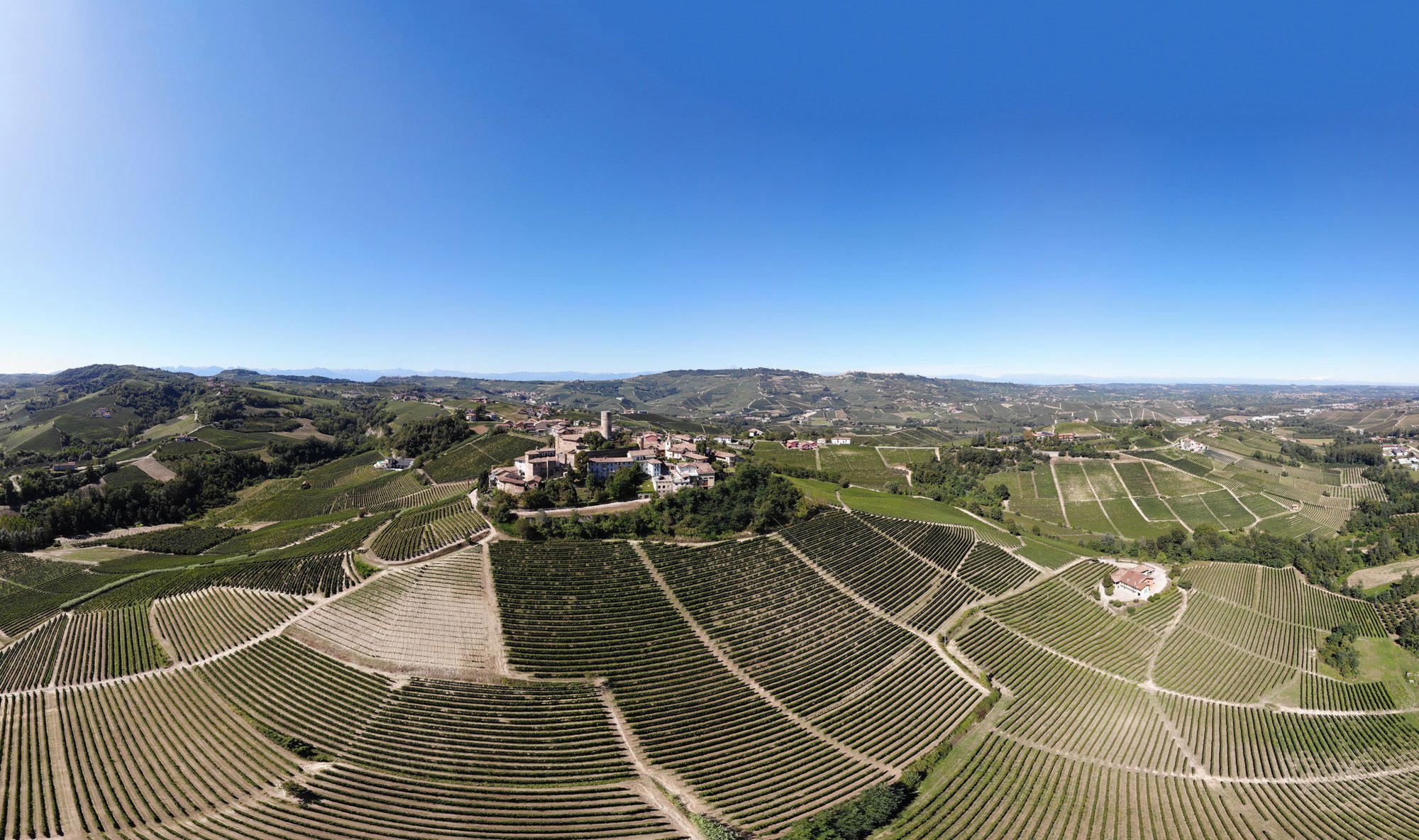
Azienda Agricola Veglio Giovanni & Figli
Barolo, Italy
A traditional, family-run Langhe winery worth booking if you want an informal cellar tasting rather than a polished hospitality production. The strongest reason to go is the setting: classic, rustic, and tied to Barolo-area wine culture, with Barolo DOCG as the flagship and a wider Piedmont portfolio for context.
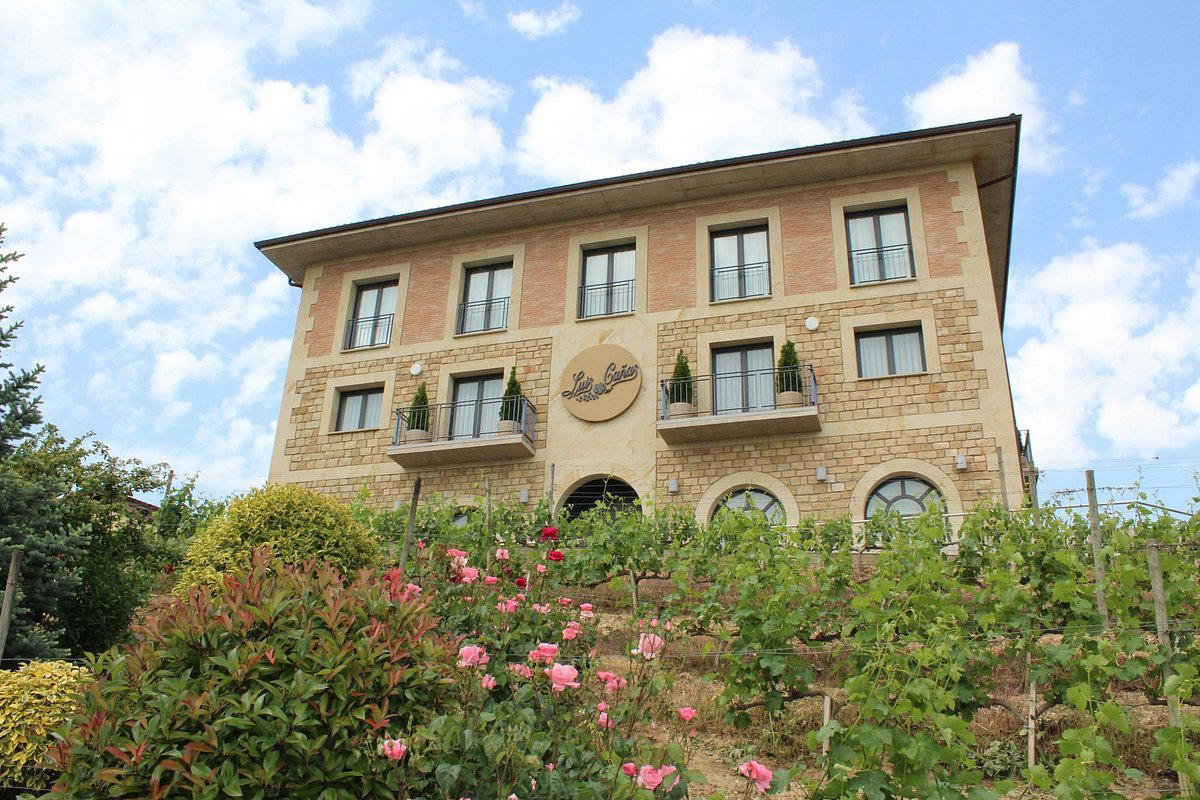
Bodegas Luis Cañas
Villabuena Alava, Spain
A Falstaff 3 Stars signal makes Bodegas Luis Cañas a serious Villabuena Alava winery choice for a wine-led celebration or focused Rioja Alavesa stop. Plan ahead rather than treating it as a casual drop-in, especially for groups or fixed itineraries.
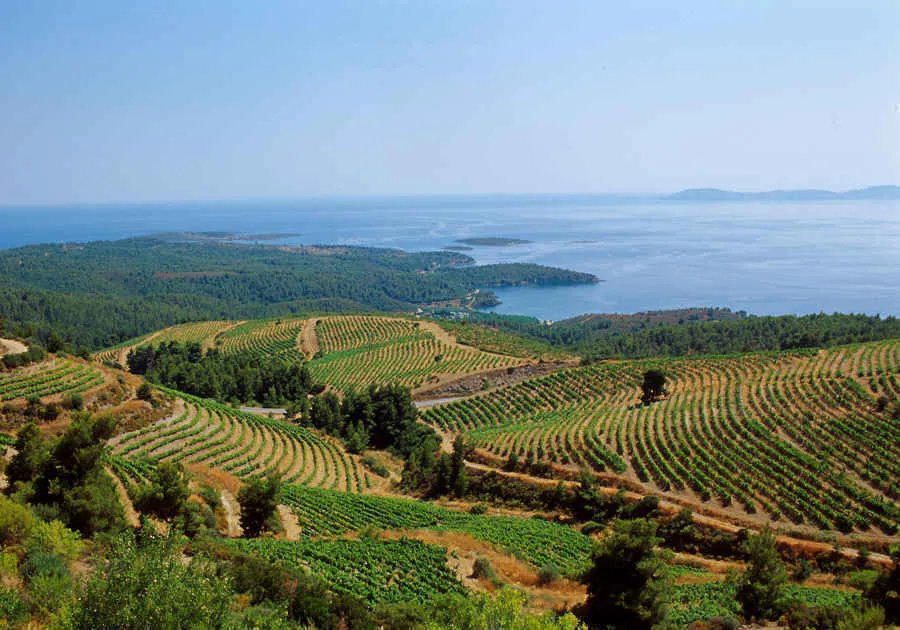
Porto Carras Winery
Halkidiki, Greece
Book Porto Carras Winery when the winery visit needs to feel occasion-worthy, with Sithonia's coastal setting doing much of the work. It is a stronger choice for a polished Halkidiki wine day than for a casual, last-minute tasting stop, so line up alternatives if your date is fixed.
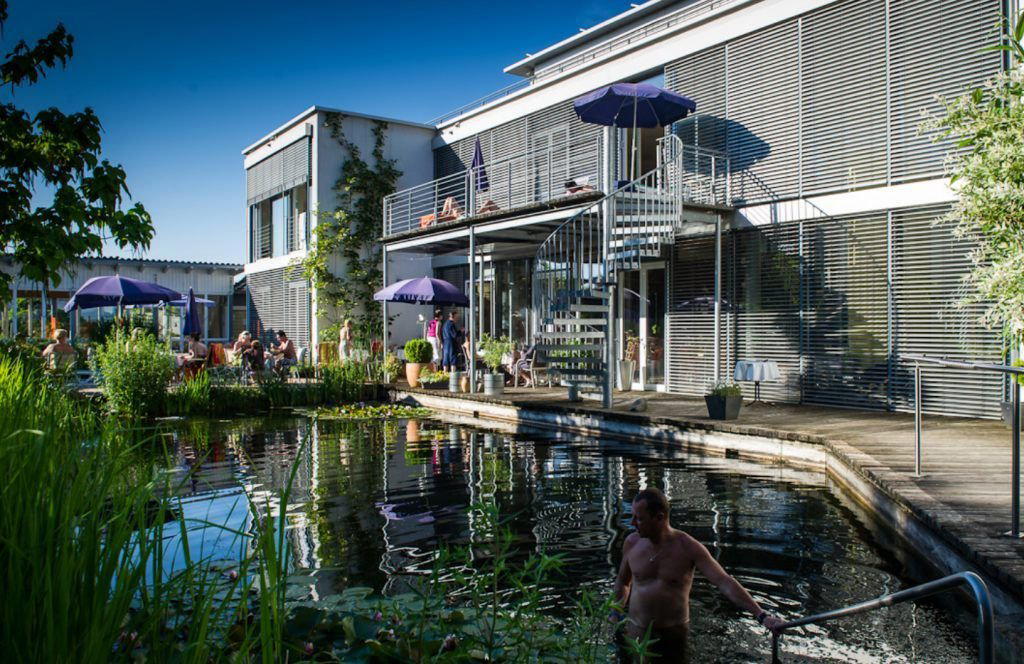
Bio Weingut Schaffner
Botzingen, Germany
Book Bio Weingut Schaffner if you want a quiet, educational Kaiserstuhl tasting focused on organic Baden wine rather than a polished destination-winery production. The value is strongest for visitors interested in ecological farming, Burgundian varieties, and personal guidance in a small-village vinothek setting.
Cave Colline de Daval
Sierre, Switzerland
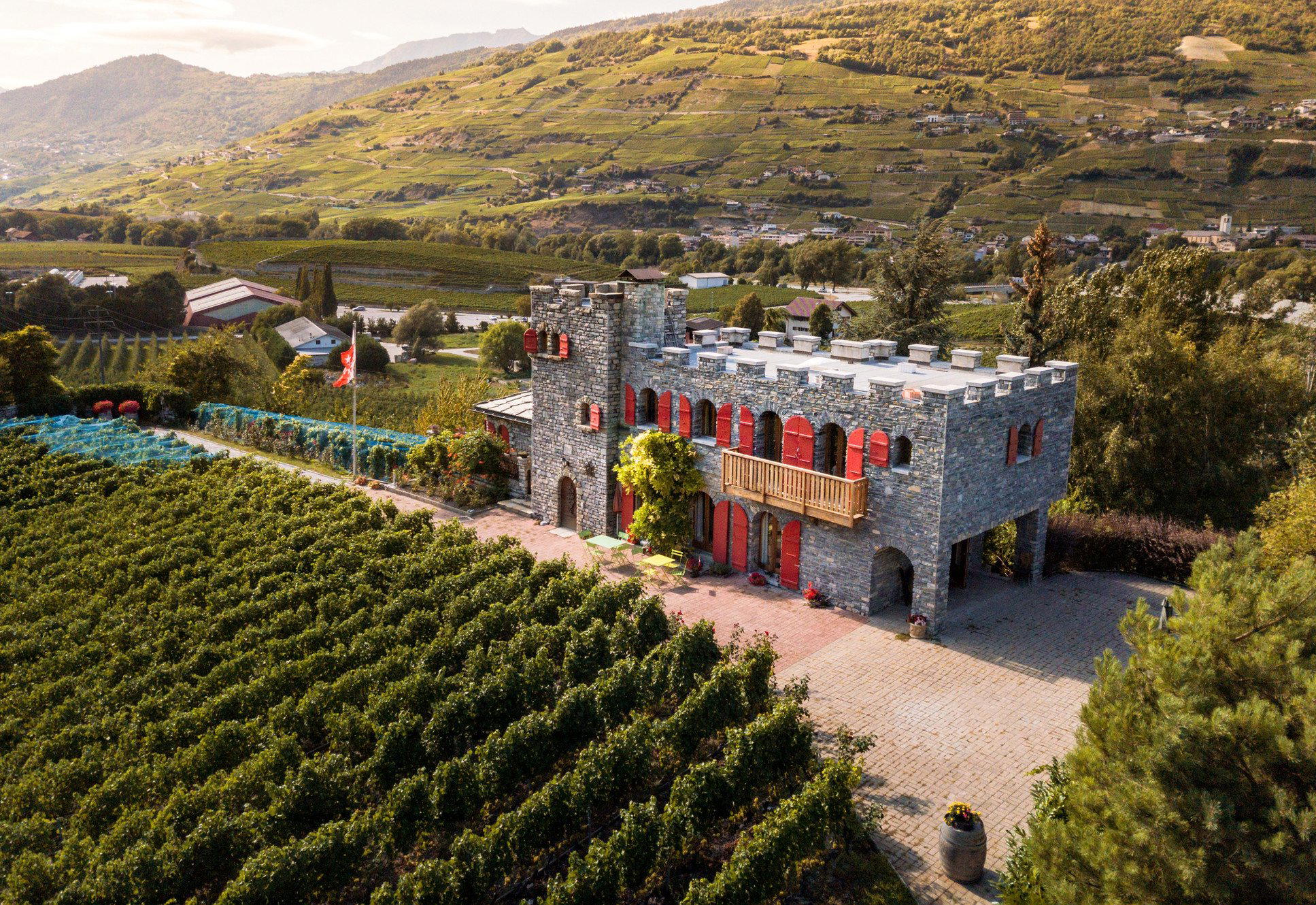
A strong choice for a planned Sierre wine visit, especially for couples or small celebrations that want scenery, cellar context, and a broad Valais range in one stop. Cave Colline de Daval has five-generation family roots, organic certification, Falstaff recognition for 2026, and a hospitality setup that feels more complete than a quick tasting-room visit.
Château Grand Corbin
Saint-Émilion, France
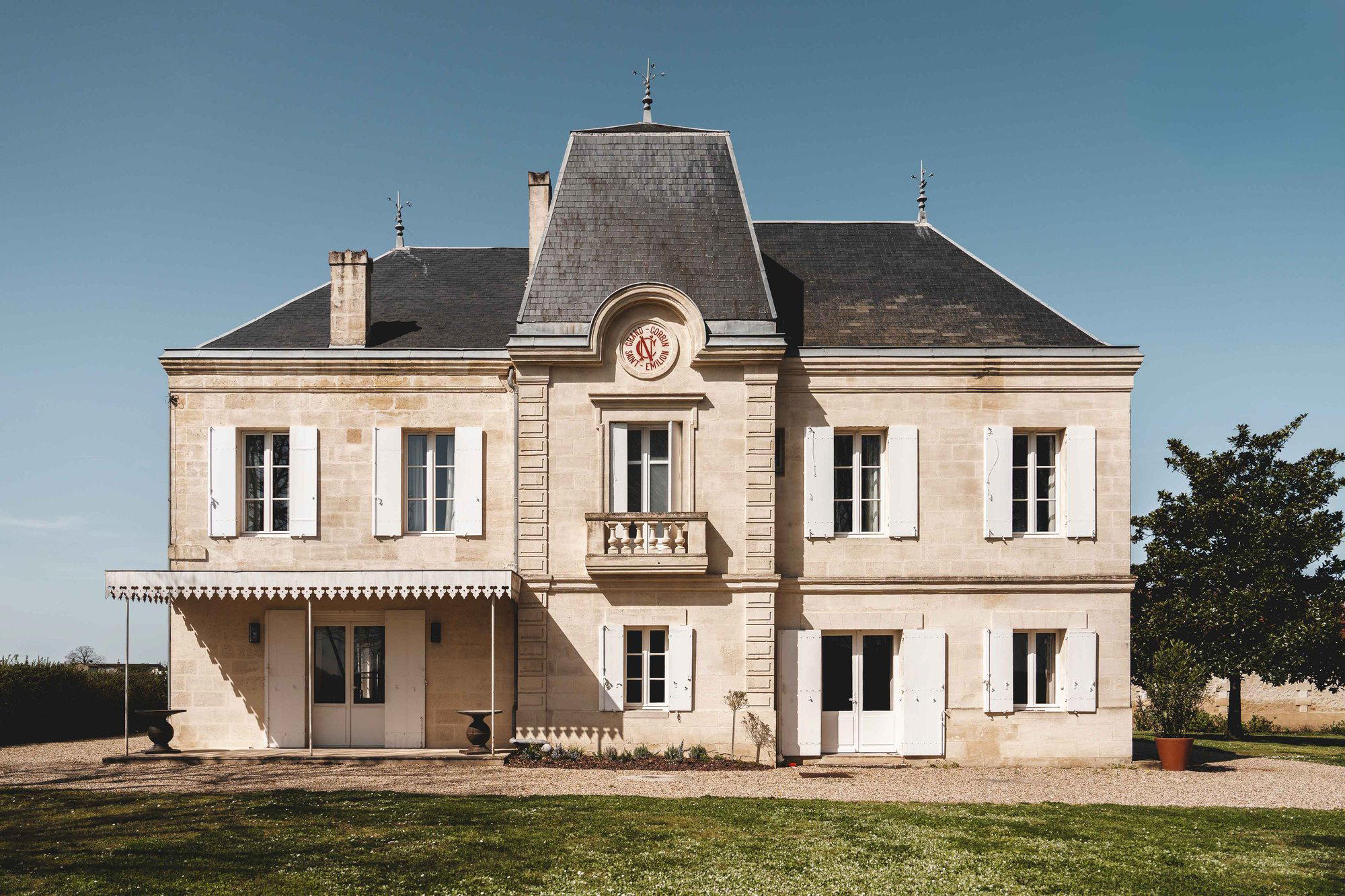
Château Grand Corbin is worth planning for if you want a calm, cellar-led Saint-Émilion tasting with Grand Cru Classé context rather than a busy tasting-room stop. It suits couples, small celebration groups, and business guests who care about vineyard detail, Bordeaux structure, and a quieter appointment format.
Domaine Bonneau du Martray
Pernand-Vergelesses, France
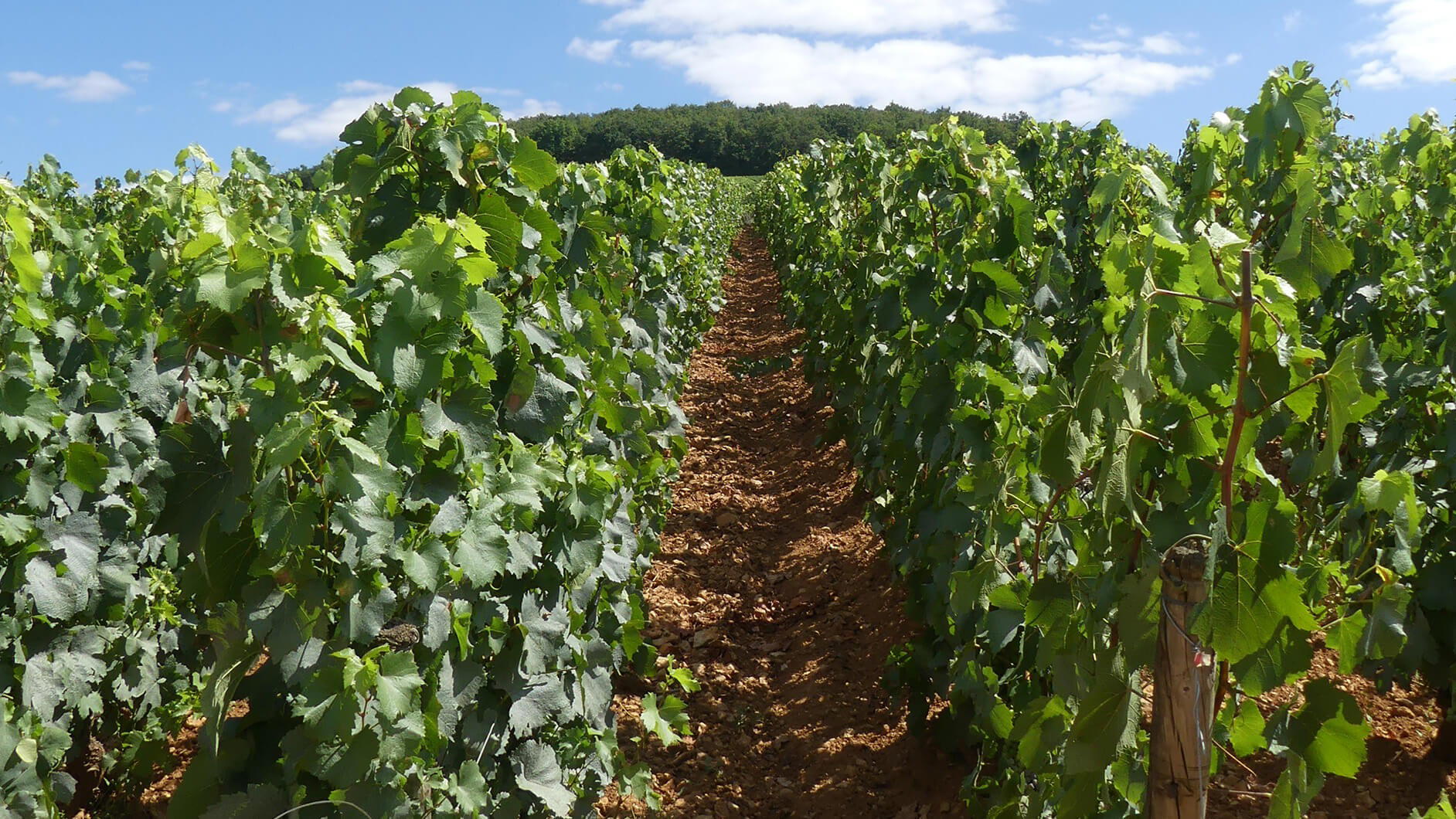
Domaine Bonneau du Martray is a winery on Rue de Fretille in Pernand-Vergelesses.
Chioccioli
Greve in Chianti, Italy
Chioccioli is a cautious yes for wine-focused travelers in Greve in Chianti who want a Falstaff-listed stop, but it should not be the anchor of the day without confirmed tasting, food, and shipping details. Treat it as a flexible add-on within a wider Greve wine plan rather than a destination to over-schedule around.
Lafouge
Auxey Duresses, France
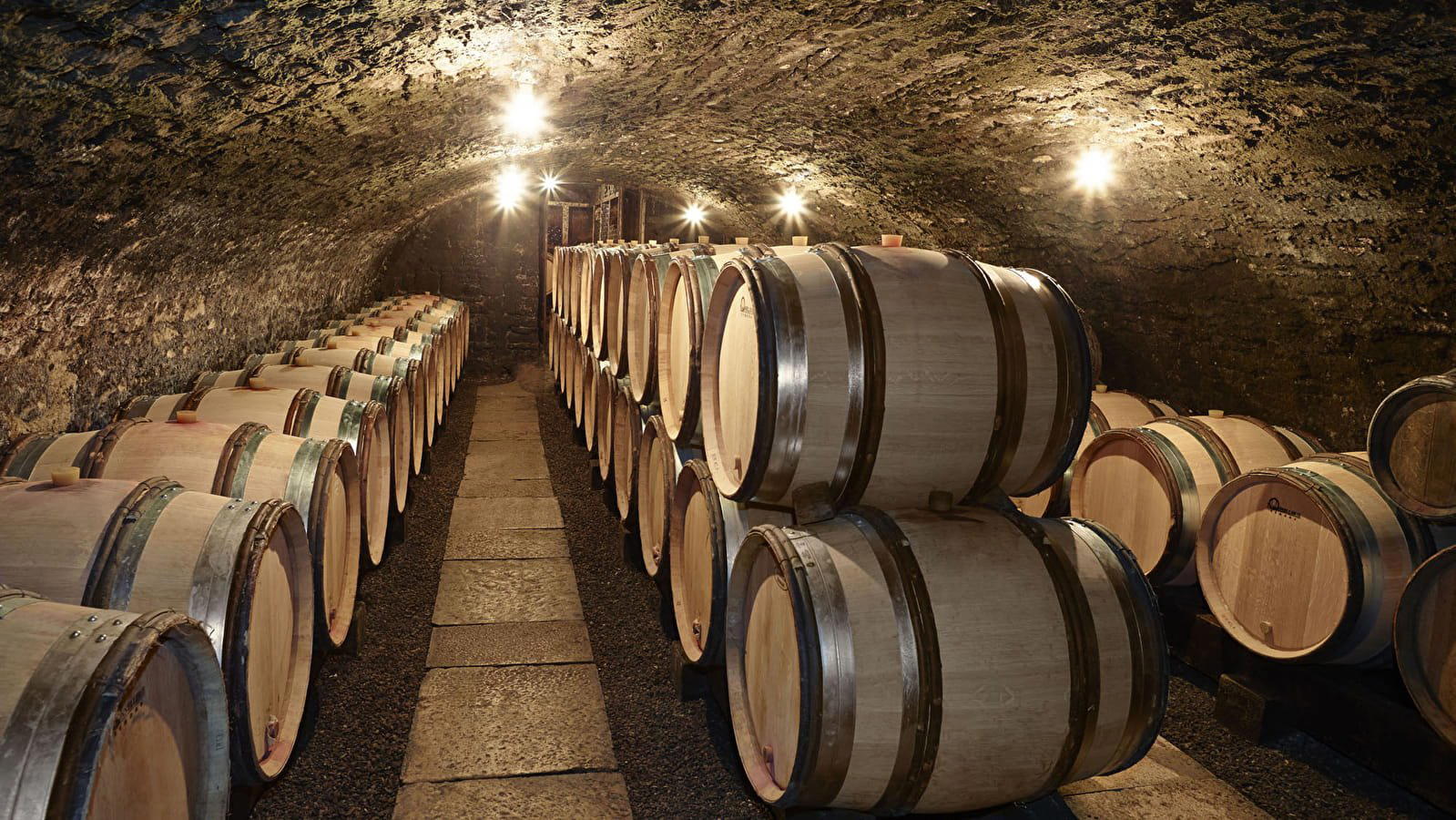
Lafouge is a sensible Auxey-Duresses pick if you want a low-friction Burgundy stop with Michelin Main Selection recognition in 2026. Treat it as a flexible part of a wine-focused itinerary rather than a destination to plan the whole day around, especially if wine club access, shipping, hours, or pricing matter to the decision.
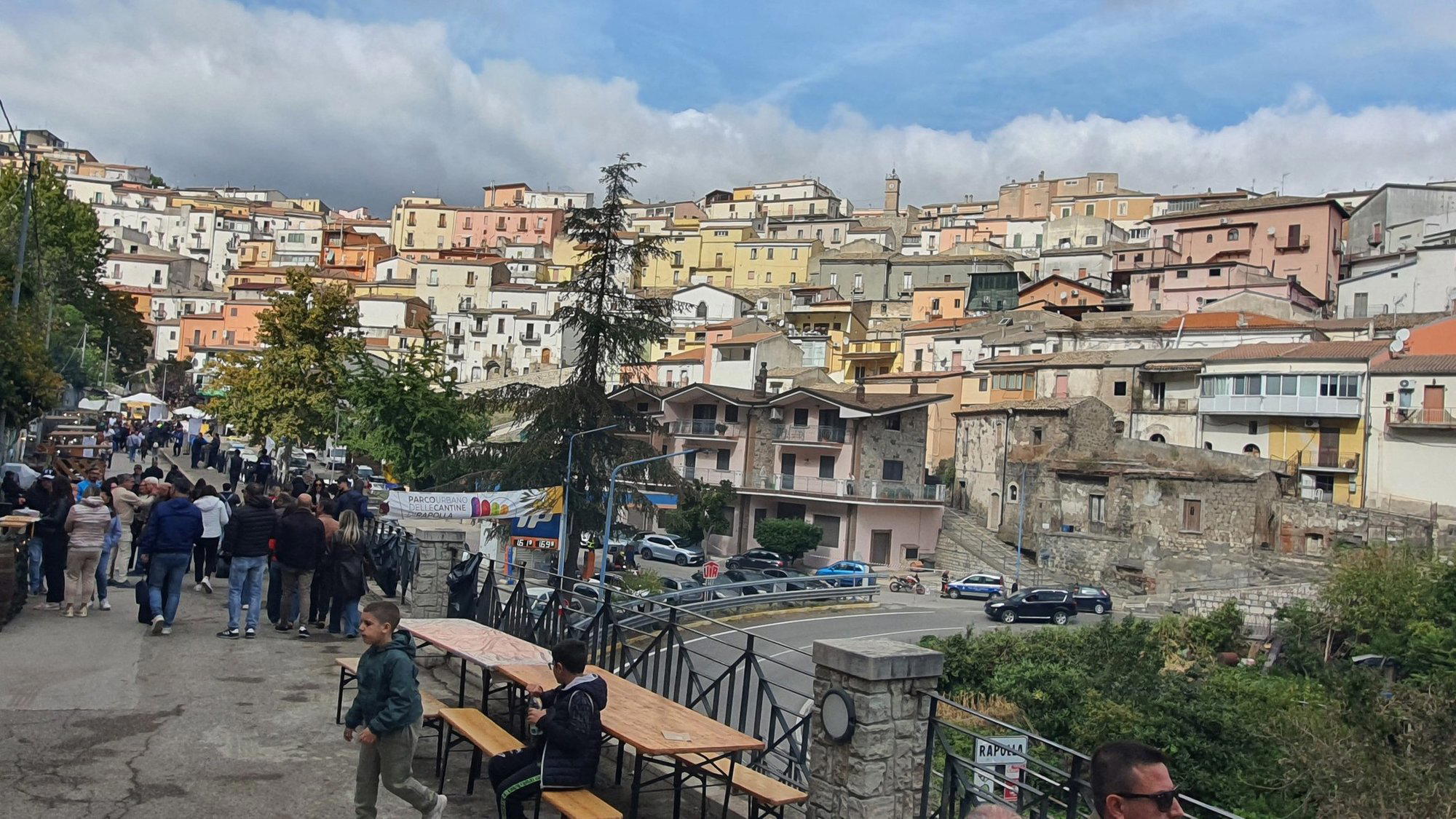
Agricola Strapellum
Rapolla, Italy
Book Agricola Strapellum if you want a deeper Basilicata winery visit built around Aglianico del Vulture, vineyard context, cellar time, and food pairings. The $$ positioning works best when you choose the fuller guided format; casual drinkers looking for a quick tasting may find the appointment-only setup too involved.
Dezzani
Cocconato, Italy
Dezzani works if you want a classic Monferrato winery stop with countryside views, traditional cellar atmosphere, and a relaxed pace. It is better for wine-focused couples or small groups than for travelers looking for a polished hospitality production or restaurant-led visit.
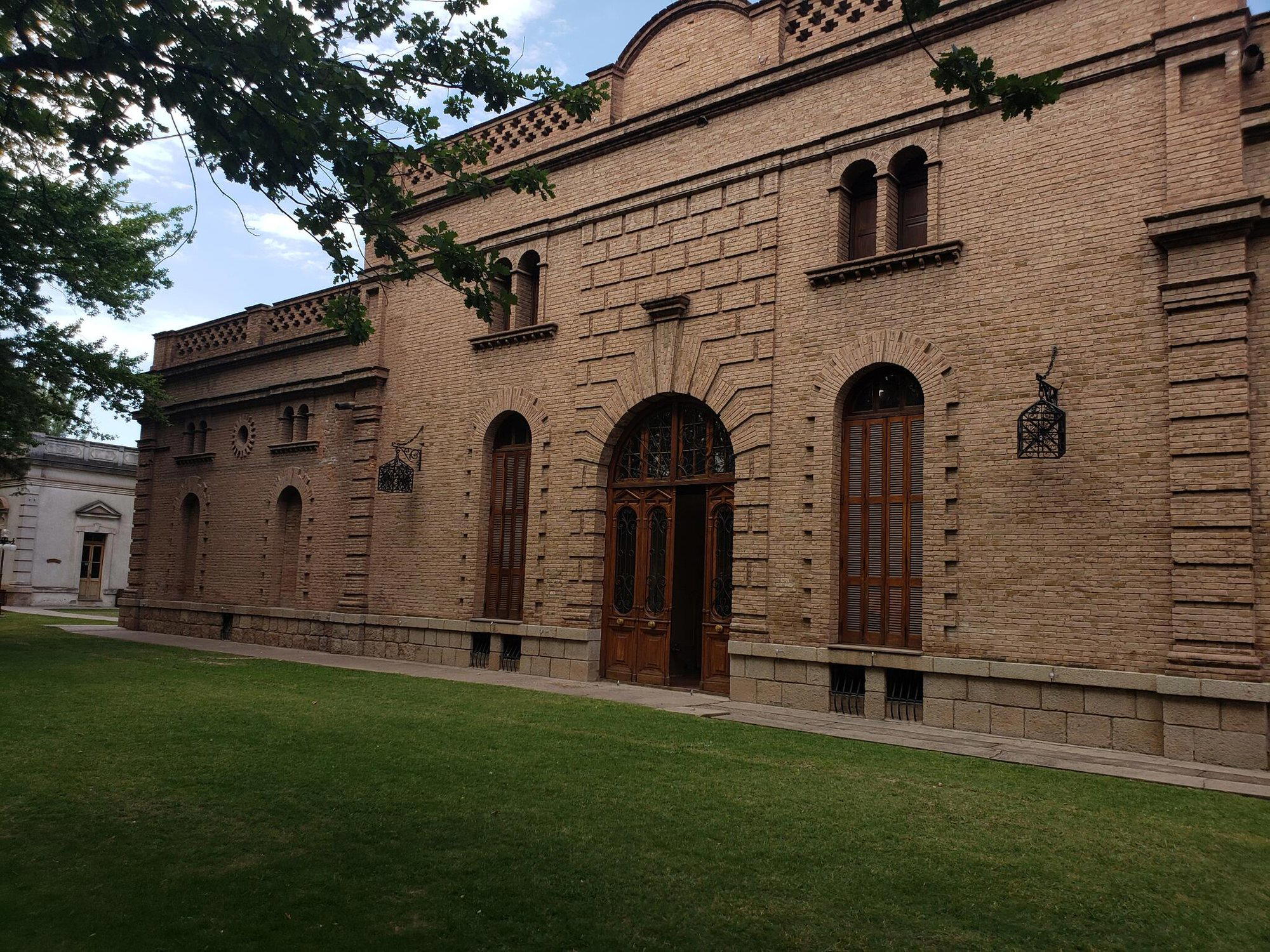
Bodega Weinert
Luján de Cuyo, Argentina
A strong pick for a more deliberate Luján de Cuyo wine day, especially if this is not your first Mendoza tasting circuit. Plan it as an anchor appointment, keep nearby backups ready, and avoid overloading the schedule with too many stops.
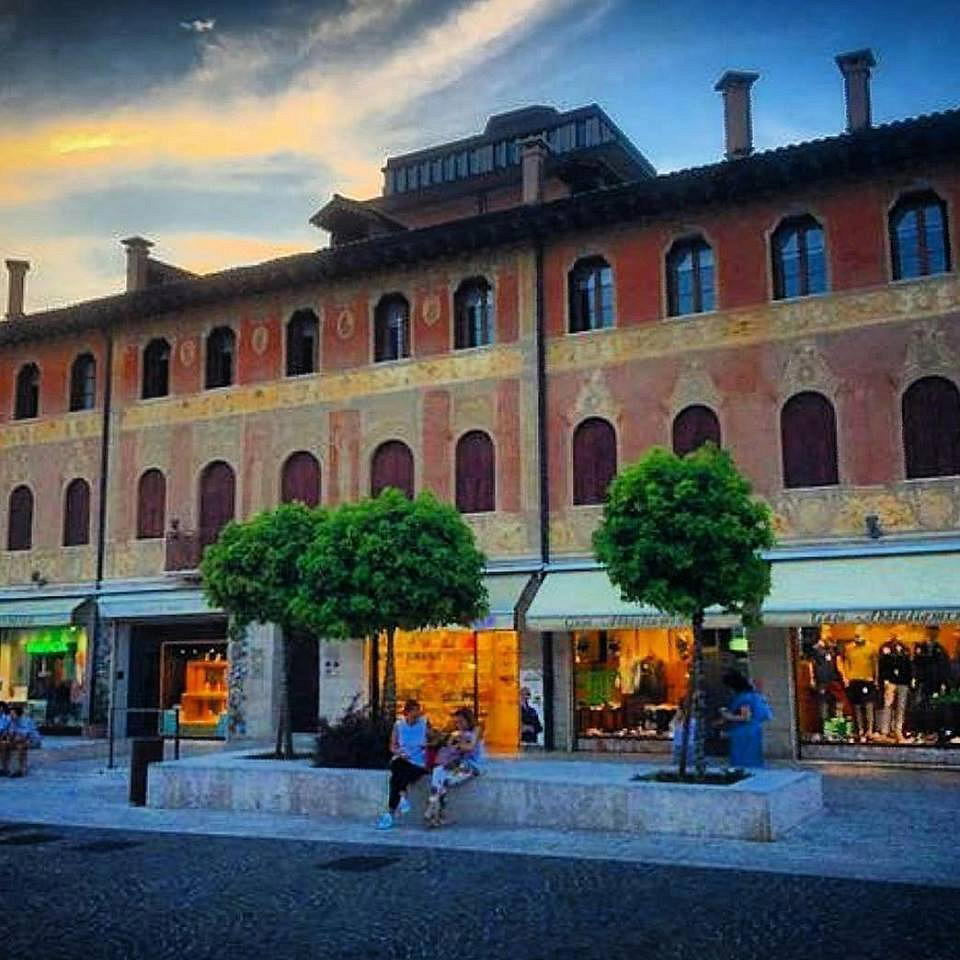
Amistani-Guarda
Valdobbiadene, Italy
Book Amistani-Guarda if you want a relaxed Prosecco Superiore countryside stop rather than a formal cellar appointment. The draw is the combination of guided vine walks, casual tastings, al fresco meals, and approachable $$ pricing, with the “Spago” Semi Sparkling and Falstaff-scored Treviso DOC Vino Frizzante as the bottles to focus on.
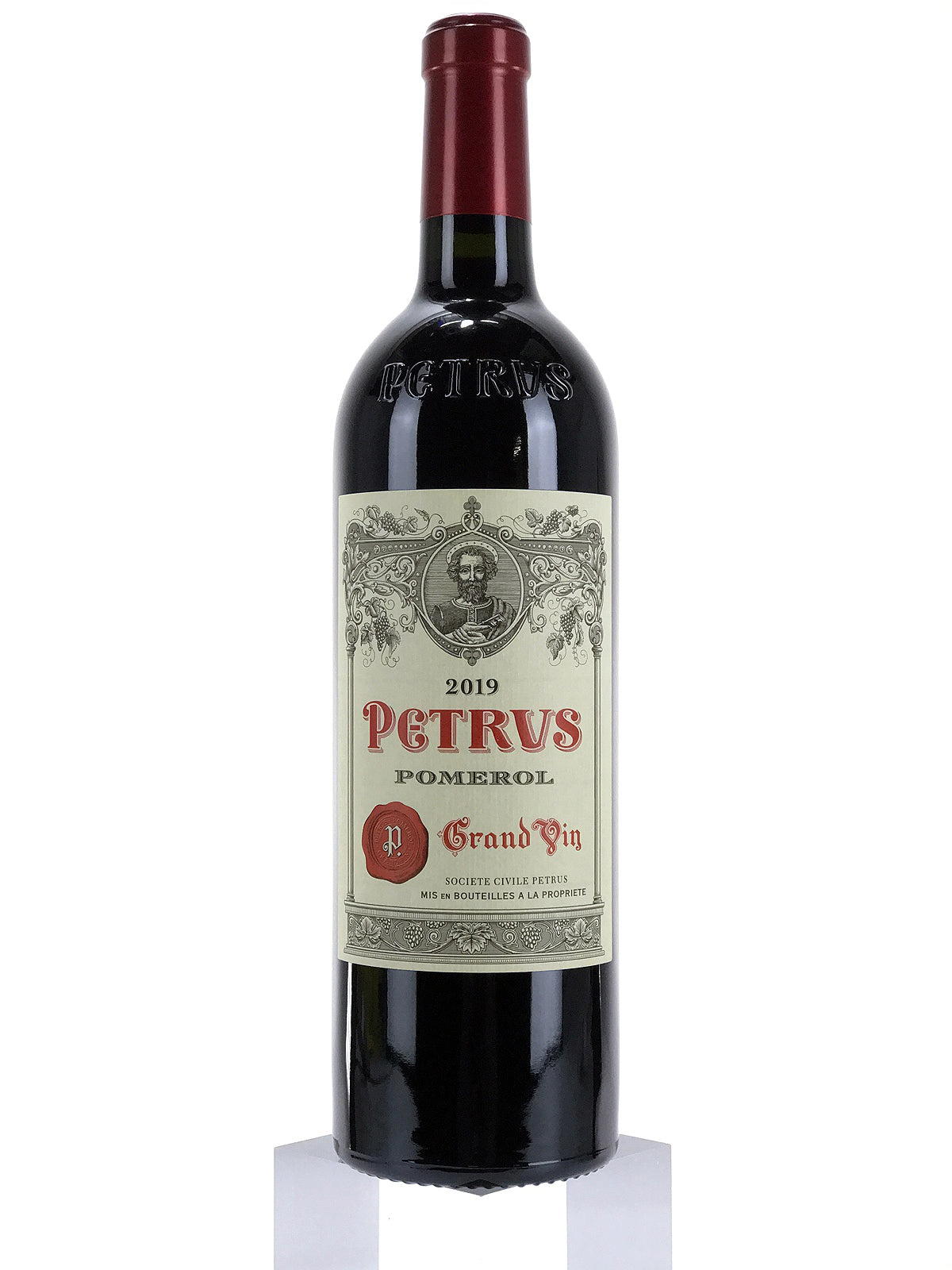
Château La Fleur-Pétrus
Pomerol, France
A serious Pomerol target for collectors and special-occasion buyers, not a casual tasting-room stop. Château La Fleur Petrus makes sense if allocation value, Right Bank reputation, and gifting credibility matter more than easy access or hospitality breadth.
Domaine de Poulvarel
Sernhac, France
Domaine de Poulvarel is worth adding to a Pont du Gard or Sernhac itinerary if the goal is a good-value Rhône tasting with real local context. The draw is the mix of family ownership, broad Costières de Nîmes wine styles, Roman-tunnel heritage, HVE certification, and an approachable tasting setup rather than luxury extras.
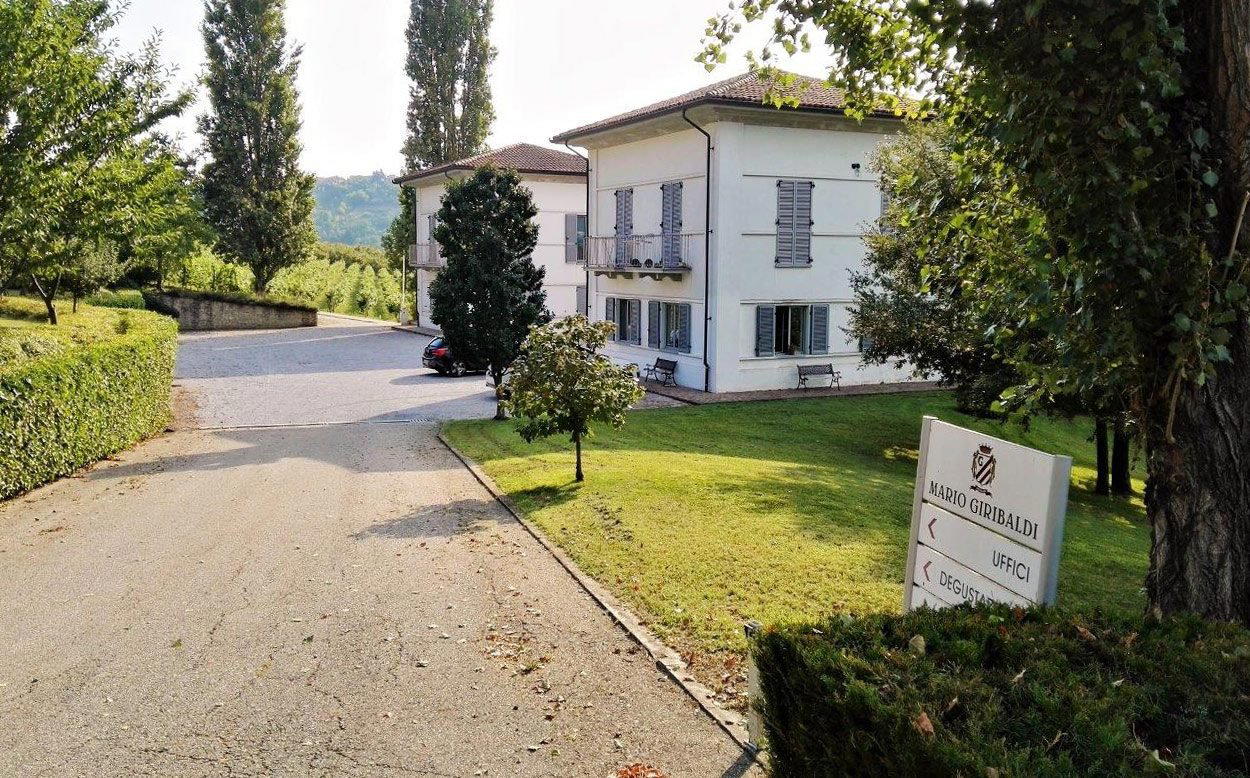
Giribaldi
Rodello, Italy
Book Giribaldi if the plan is a grounded Langhe winery visit focused on organic farming, family continuity, and Piedmont reds rather than a polished luxury tasting room. The value is strongest for Nebbiolo and Barolo drinkers who may buy bottles after the visit; casual visitors looking for a clearly packaged tasting format should plan ahead.
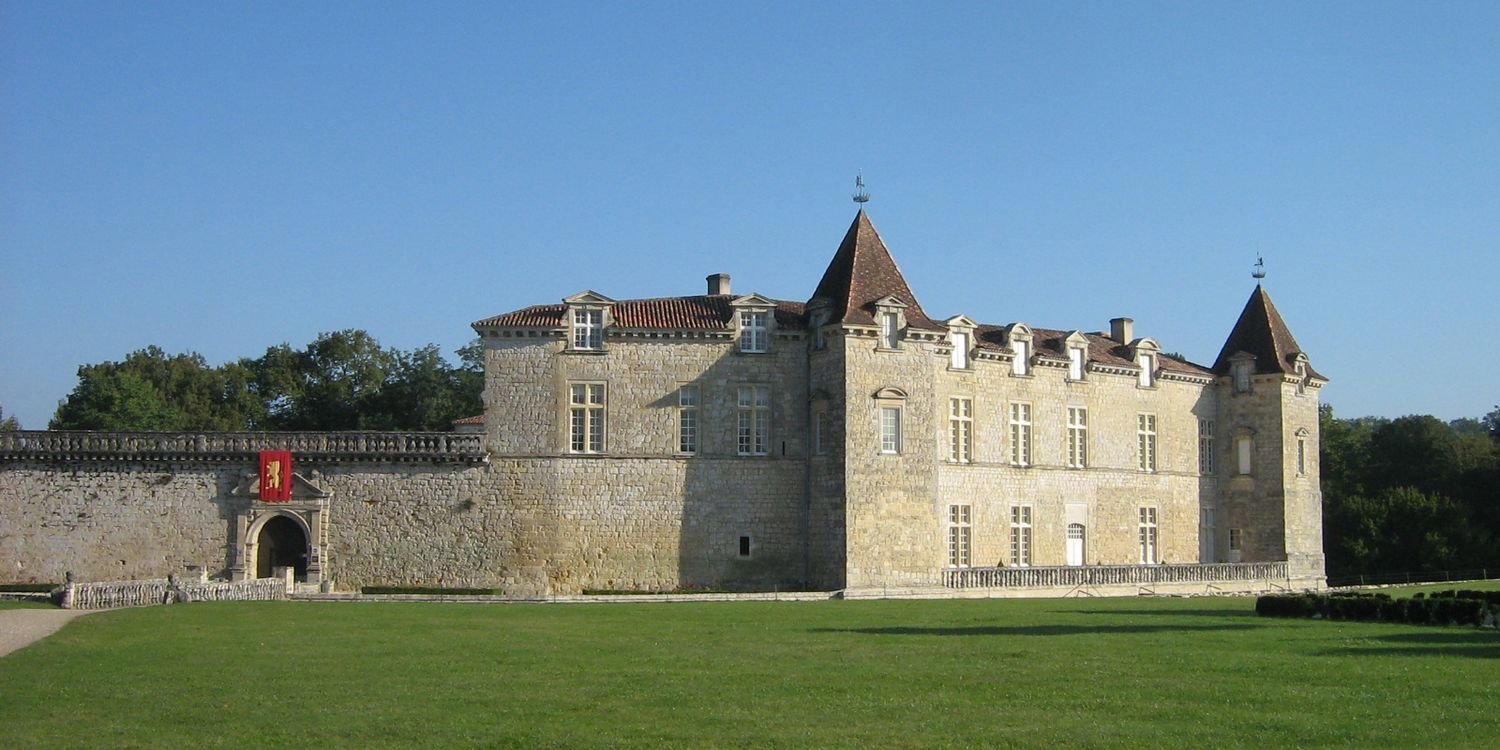
Château de Cazeneuve
Prechac, France
Château de Cazeneuve is worth prioritizing for a first-time Prechac visit if you want royal history, a calm countryside setting and a light sweet-white-wine tasting rather than a technical winery appointment. The stronger value is the guided apartment access, medieval cellars and large protected park; wine collectors should treat the tasting as a bonus, not the main event.
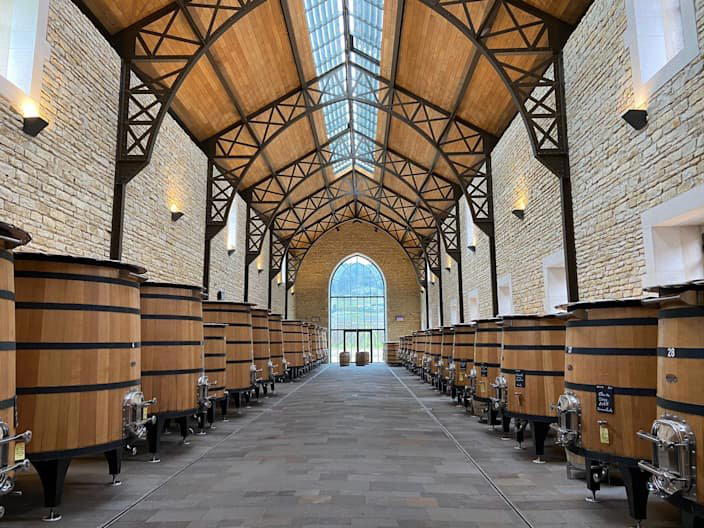
Domaine Hudelot-Noëllat
Chambolle-Musigny, France
A serious Chambolle-Musigny pick for collectors and special-occasion Burgundy travelers, especially if the appeal is estate pedigree over a broad tourism format. Access is the main friction, so treat it as a hard-to-secure appointment and line up nearby alternatives rather than building the whole day around one request.
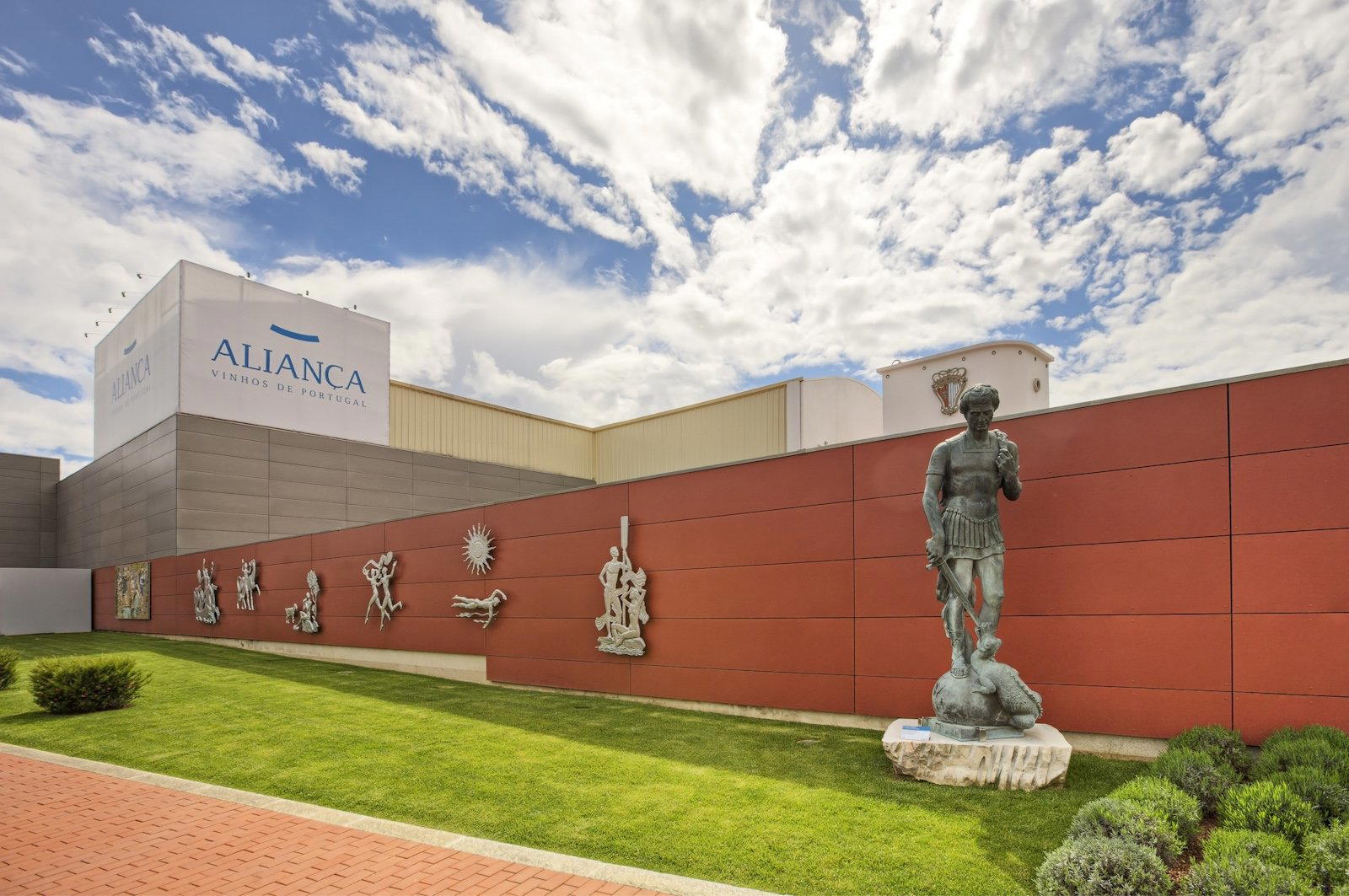
Caves Alianca
Anadia, Portugal
Falstaff-listed in 2026, Caves Alianca works for a quiet underground cellar visit in Anadia rather than a restaurant-style wine stop. Go for the museum-like galleries, art collections, and historic aging-cellar atmosphere; plan food separately and treat it as one piece of a broader Bairrada itinerary.
Fazio
Erice, Italy
Book Fazio if the priority is a structured Erice DOC tasting with family-run Sicilian character, countryside atmosphere, and a clear production story. At $29 per person, it works well for dates, small groups, and relaxed celebrations, especially if Grillo, Charmat-method sparkling wine, or a BIO line are part of the appeal.
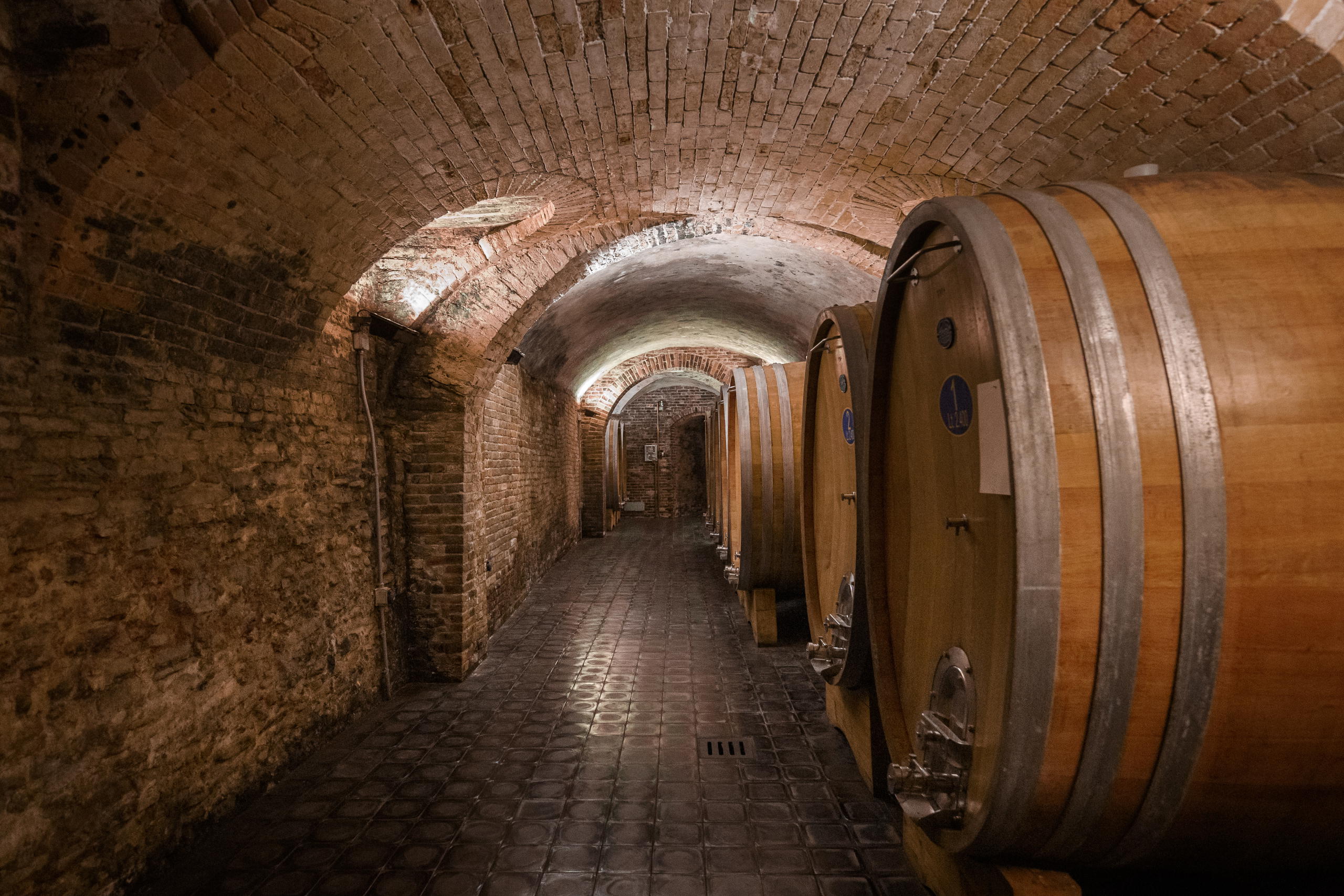
Gaja
Barbaresco, Italy
Gaja is a wine estate on Via Torino in Barbaresco, Italy.
Georges Descombes
Villié-Morgon, France
Book Georges Descombes if the priority is serious, low-intervention Beaujolais rather than polished wine-tourism amenities. The draw is the production philosophy: organic farming methods, ambient-yeast fermentations, old-vine cru bottlings, and a Morgon-led portfolio with real cellar identity. Better for wine-focused couples, collectors, and trade-minded visitors than for groups seeking food or a scripted hospitality format.
Dal Din Spumanti
Vidor, Italy
Dal Din Spumanti is worth shortlisting for a Vidor sparkling-wine stop when the occasion calls for a credible local producer rather than a fully mapped visitor experience. The key trust signal is Falstaff 3 Stars in 2026; plan flexibly because public details on pricing, hours, group capacity, and booking format are not listed here.
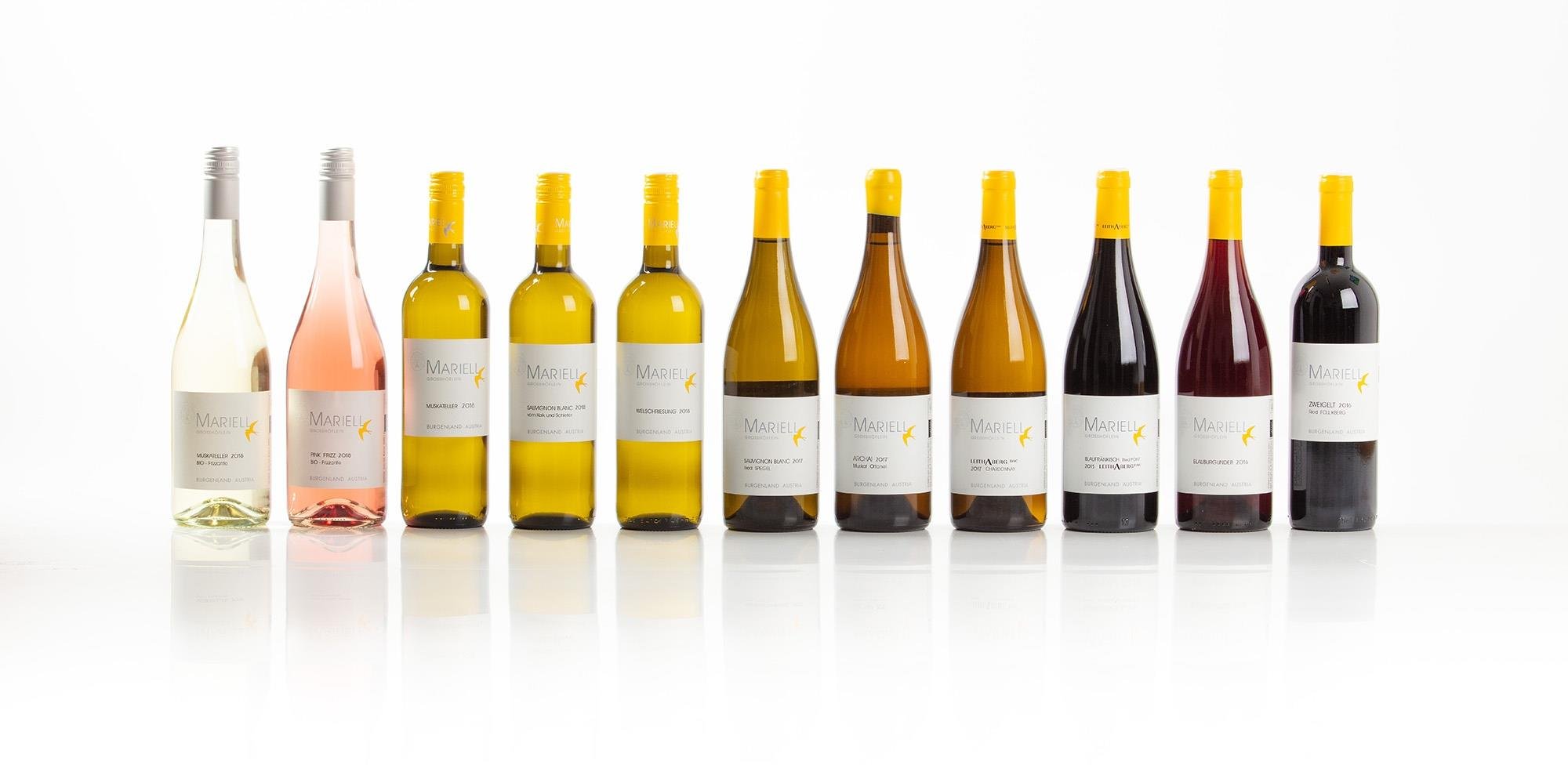
Biowein und Schnaps Mariell
Großhöflein, Austria
Book Biowein und Schnaps Mariell if you want a small organic Burgenland farm-winery visit with wine and schnaps rather than a formal tasting-room production. It is strongest for couples or small groups who value estate-grown fruit, rustic atmosphere and direct sales; skip it for large-format hospitality or restaurant-style service.
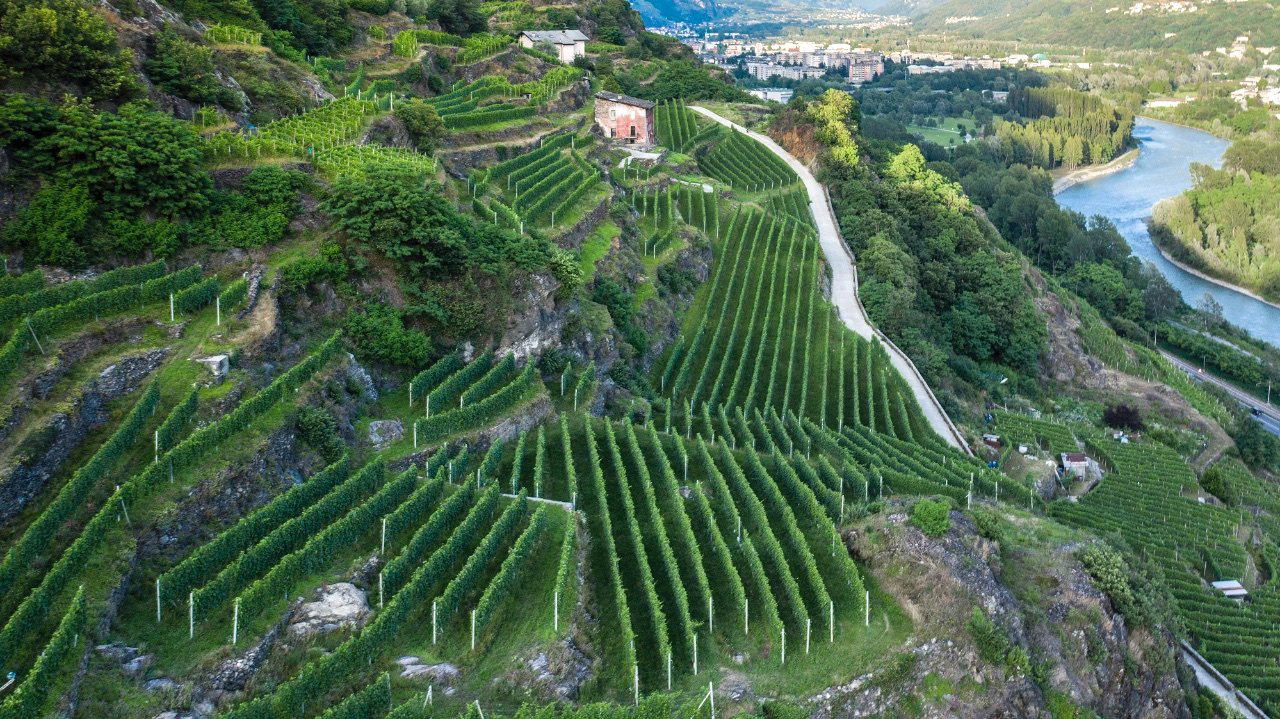
Mamete Prevostini
Mese, Italy
Mamete Prevostini is a sensible Mese pick if the goal is a focused winery visit backed by a 2026 Falstaff listing. Plan it as the wine anchor of a Sondrio-area day, then use nearby dining, hotel, bar, or experience planning to round out the itinerary.
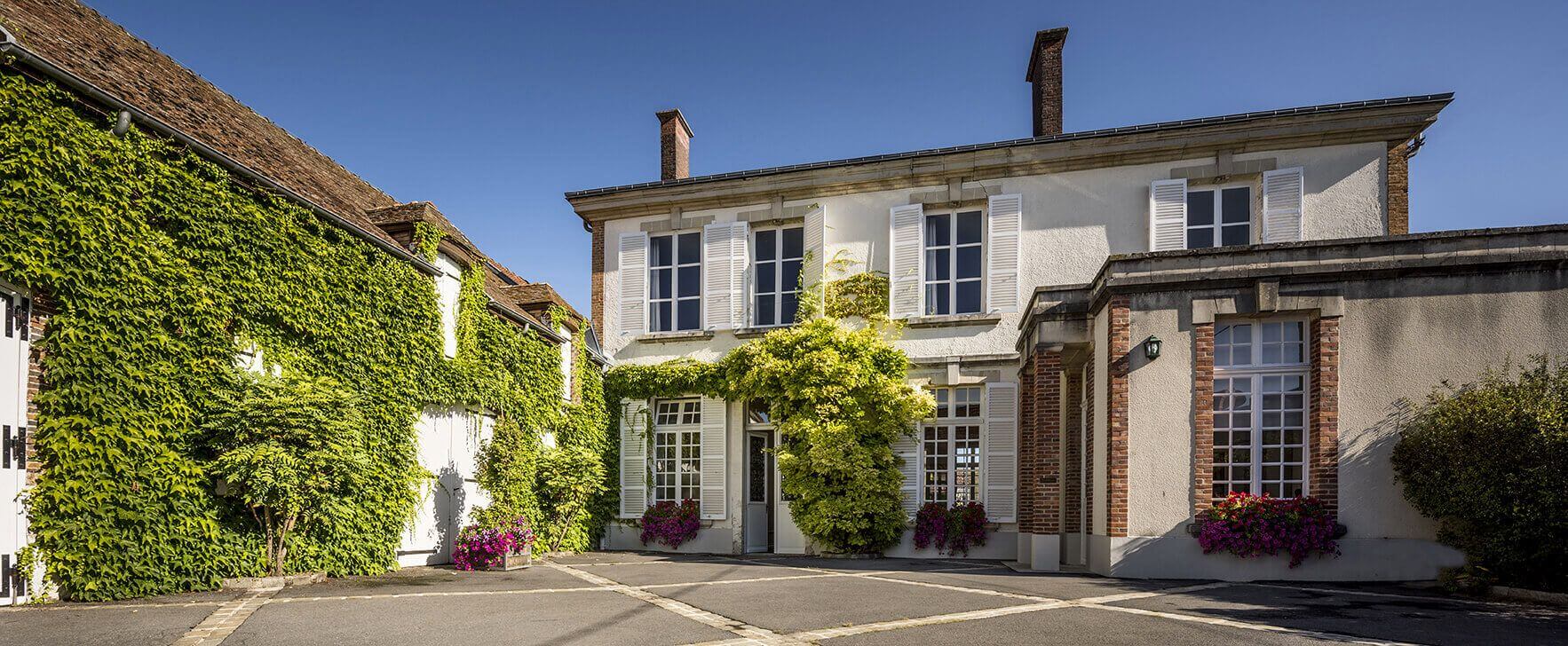
Delamotte
Le Mesnil-sur-Oger, France
Delamotte is a historic Champagne house now based in Le Mesnil-sur-Oger. François Delamotte founded it in Reims in 1760; the house dates its Le Mesnil-sur-Oger chapter to 1927. Its four Champagnes include Brut, Rosé and two Blanc de Blancs wines that put Côte des Blancs Chardonnay in focus. House visits are restricted to wine professionals.
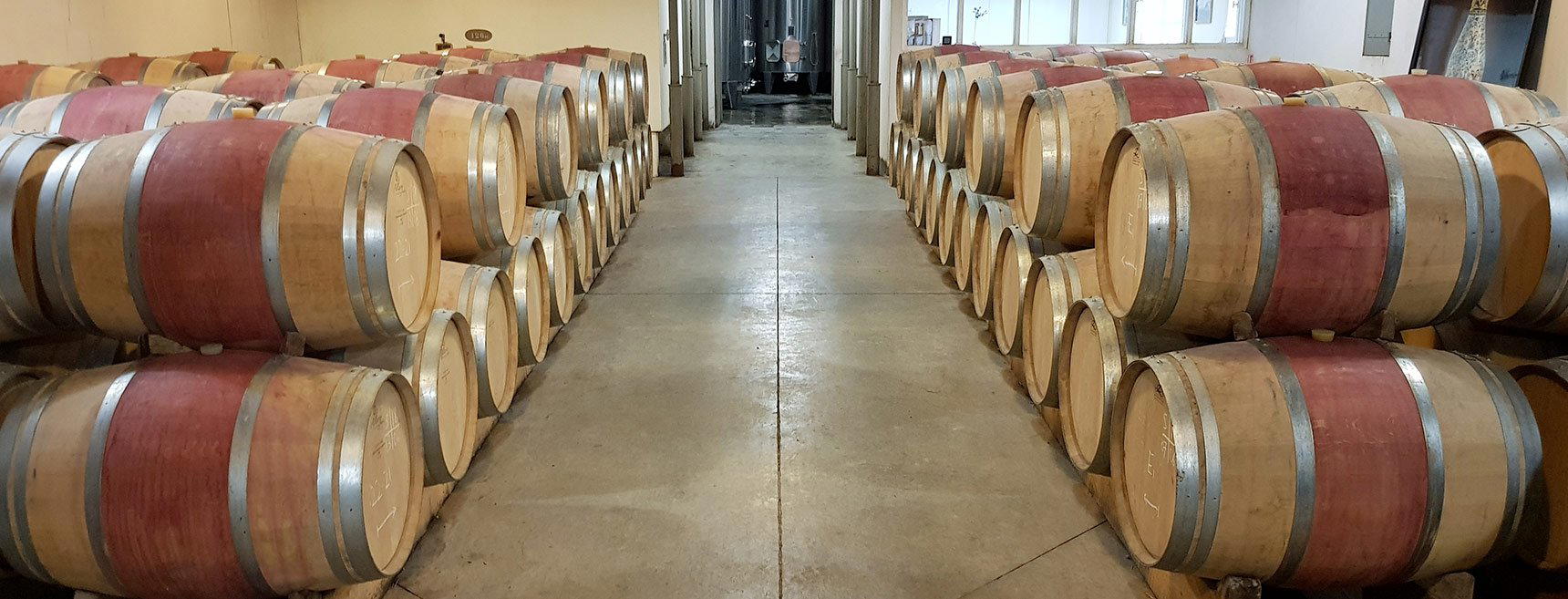
Château de Birot
Beguey, France
Quiet, wine-focused, and useful for a Cadillac-area itinerary, Château de Birot works if the goal is a Beguey estate stop rather than a full restaurant experience. Falstaff listing for 2026 gives it a credible signal, but confirm tasting format, timing, and any club terms before building the day around it.
Domaine Mosse
Saint Lambert Du Lattay, France
Book Domaine Mosse if Loire Chenin Blanc and natural wine are the point of the trip. This is a family-run Anjou estate with organic and biodynamic farming behind the wines, a rural feel, and enough critical recognition to justify planning around it; casual groups wanting a polished tourist tasting may prefer a broader Saint-Lambert-du-Lattay itinerary.
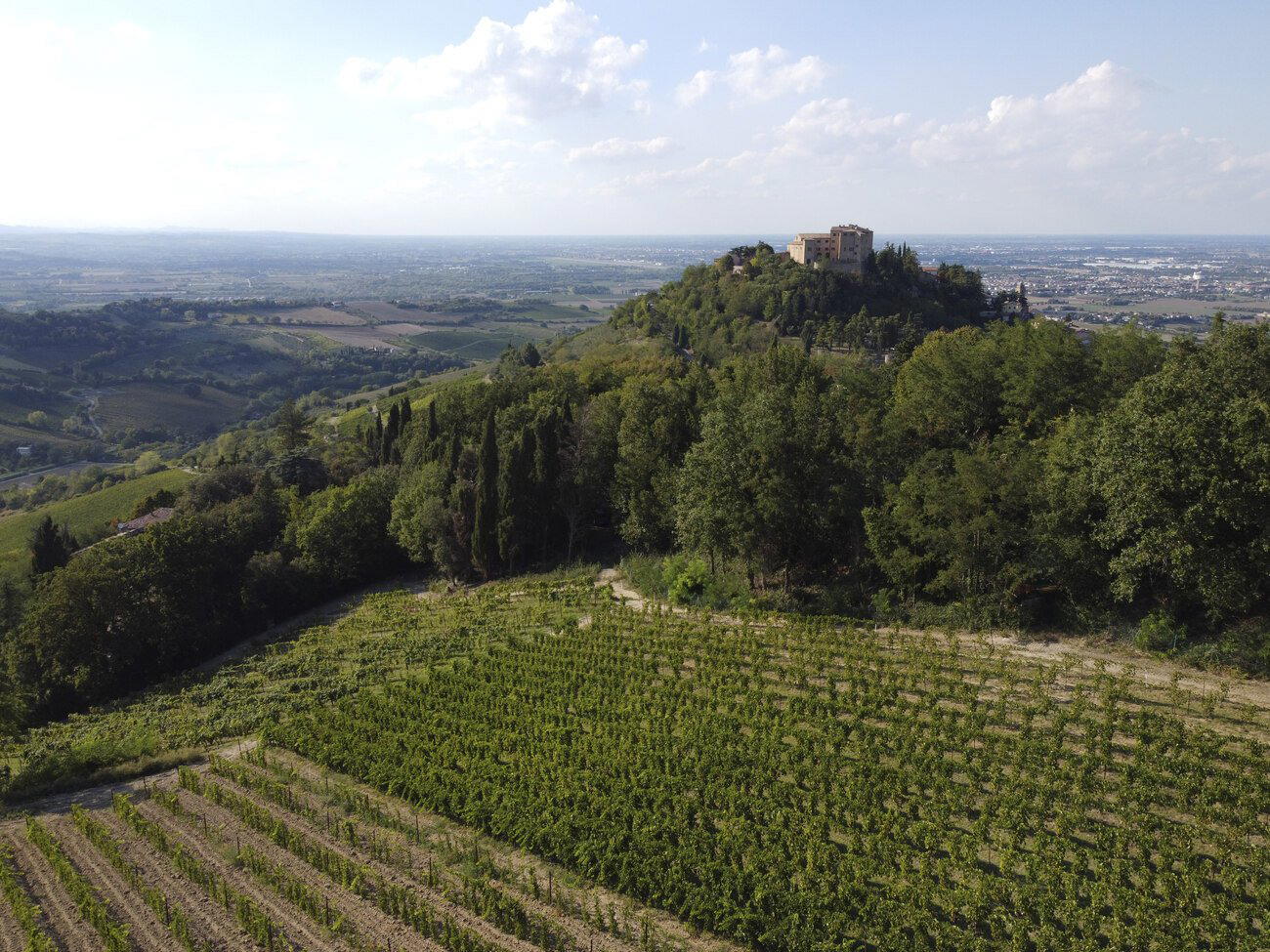
Giovanna Madonia
Bertinoro, Italy
Book Giovanna Madonia if the point is serious Romagna context: Albana, Sangiovese, hillside vineyards, and an underground cellar dating to the 1700s. The strongest draw is Neblina Romagna DOCG Albana Secco, tied to a first Tre Bicchieri for dry-styled Albana; the fit is weaker for visitors seeking a broad hospitality setup or casual walk-in tasting.
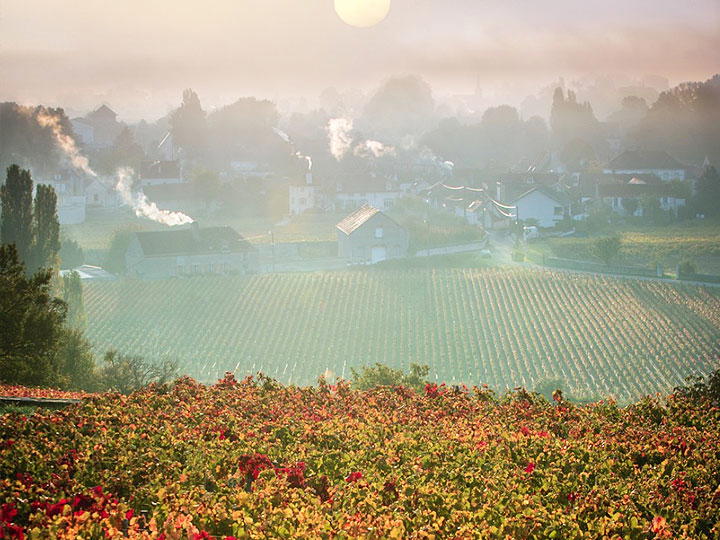
Domaine de la Vougeraie
Premeaux-Prissey, France
A serious Premeaux-Prissey target for Burgundy-focused travelers, not a casual food-and-wine stop. Domaine de la Vougeraie is worth prioritizing if producer depth, vintage continuity, and Côte de Nuits context matter more than convenience; keep nearby backups ready because access should be treated as difficult.
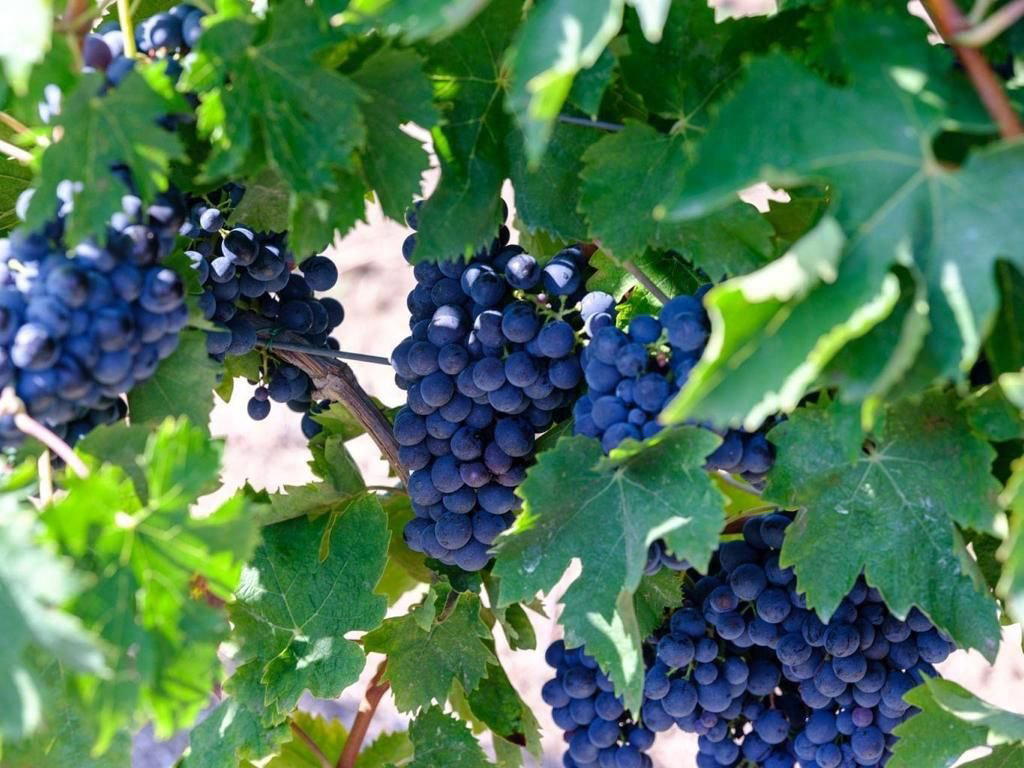
Catabbo
San Martino In Pensilis, Italy
Catabbo is worth booking for a relaxed Molise tasting centered on Tintilia, organic farming, and a family-run estate setting overlooking the Adriatic. It is a strong fit for couples, small celebrations, and wine-curious groups who want regional context rather than a formal luxury cellar visit.
Domaine Louis Bovard
Cully, Switzerland
Domaine Louis Bovard is worth prioritizing for a serious Cully wine stop, especially if regional credibility matters more than a casual tasting-room setup. The clear trust signal is Falstaff 5 Stars (2026), which gives it more decision value than an unranked name on a crowded Lavaux itinerary. Confirm logistics before planning around food, groups, or a fixed tasting format.
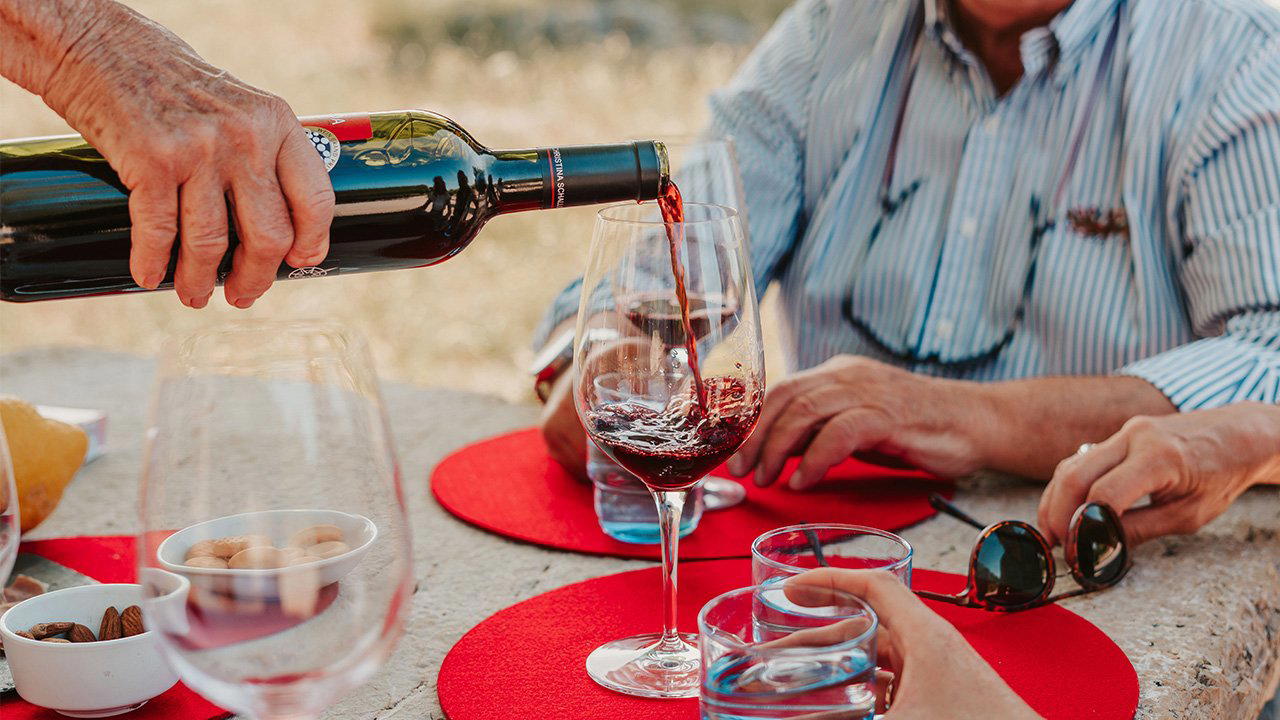
Bodega Son Mayol
Palma de Mallorca, Spain
Book Bodega Son Mayol if the priority is a serious, appointment-led Mallorca winery focused on ageworthy Bordeaux-style reds. It is better suited to collectors, couples, and small celebration groups than casual drop-in tasters, with a modern cellar, parcel-driven viticulture, and Falstaff 4 Stars (2026) supporting the premium positioning.
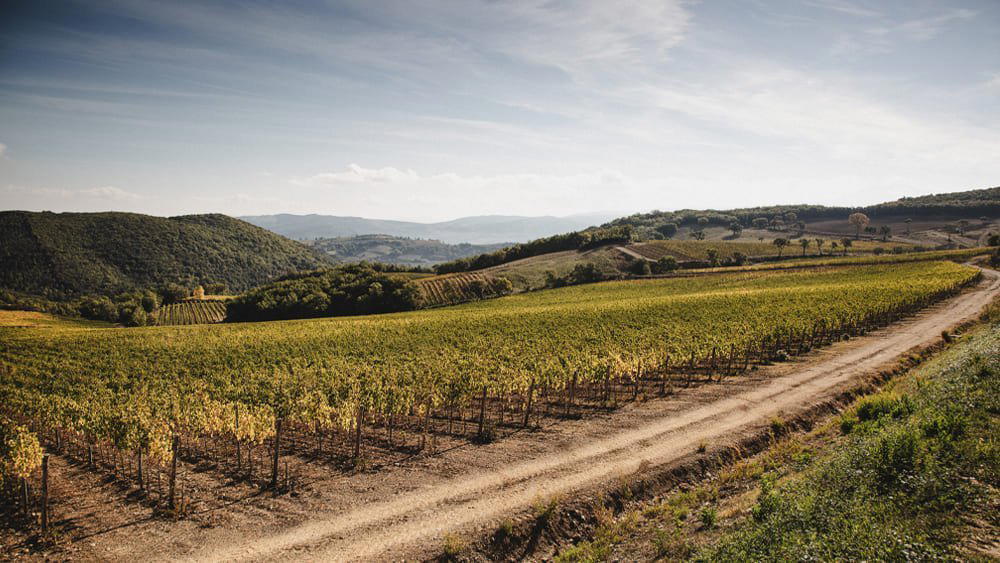
Casisano
Montalcino, Italy
Casisano is a stronger choice for return visitors to Montalcino than for first-timers trying to cover the region in one stop. The draw is its place in a deeper Brunello itinerary, backed by Falstaff 3 Stars (2026), so it works best when compared against other local producers during the same trip.
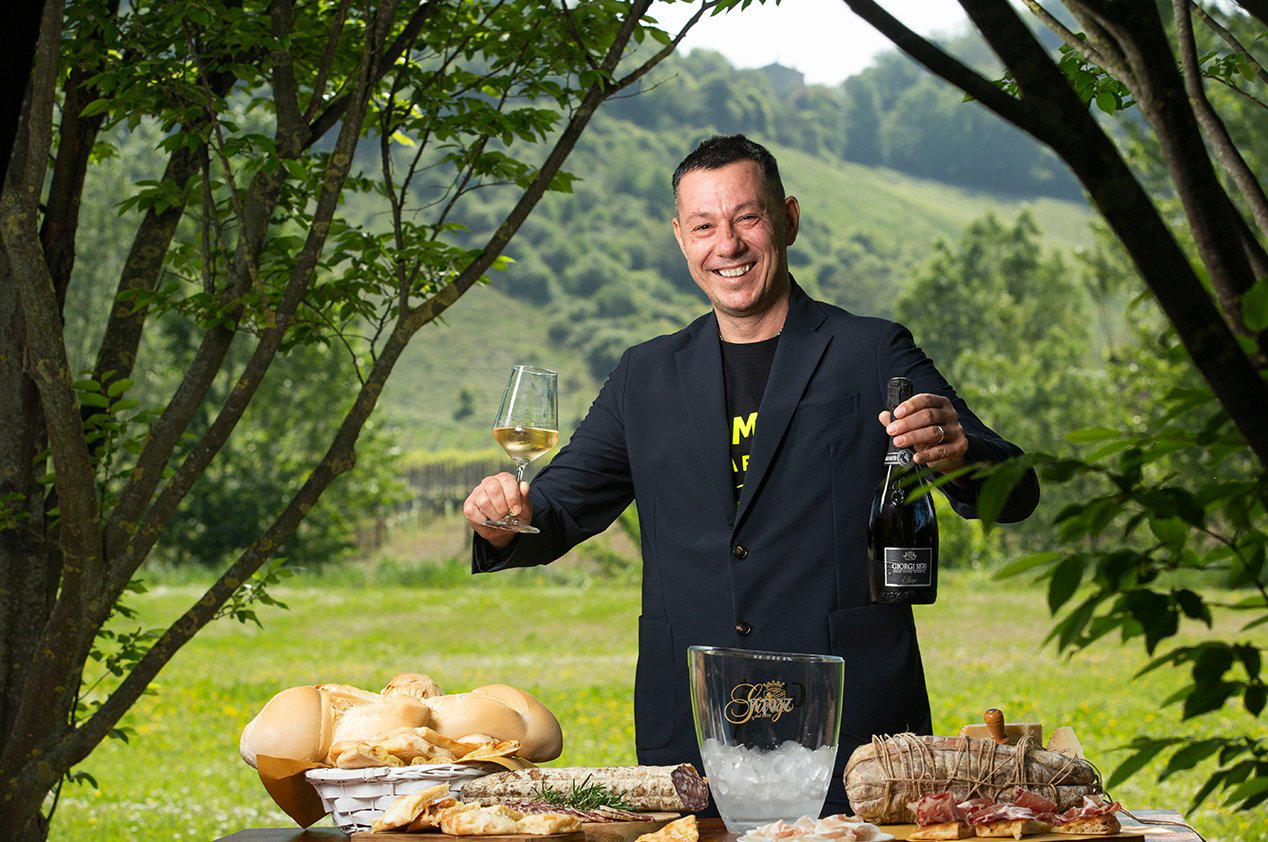
Cantine Giorgi
Canneto Pavese, Italy
Book Cantine Giorgi if Oltrepò Pavese Pinot Nero and Metodo Classico are the reason for the trip. The $$ price point is justified by the family history dating to 1875, serious sparkling-wine focus, Falstaff Listed 2026 recognition, and a private tasting format that suits curious wine travelers more than luxury-service seekers.
JLC Georgian Sparkling
Vienna, Austria
JLC Georgian Sparkling works if the draw is a focused Georgian sparkling-wine concept in Vienna rather than a fully mapped traditional winery visit. Its Falstaff Listed 2026 recognition gives it a useful signal, but the public-facing detail is sparse, so it suits curious wine explorers more than planners needing confirmed food, group, or bottle-list information.
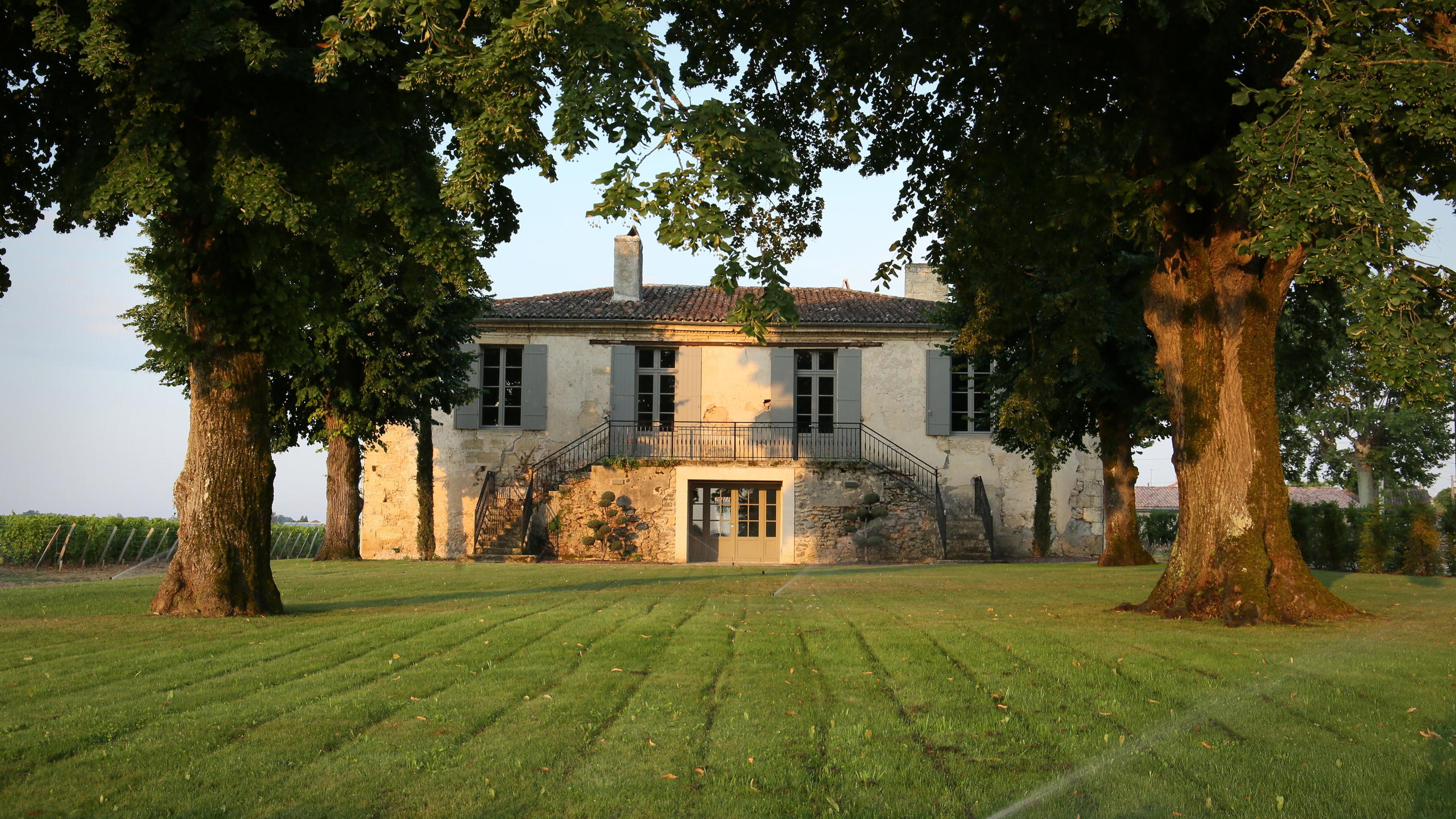
Château Doisy-Daëne
Barsac, France
Château Doisy-Daëne is worth prioritizing if the goal is a serious Barsac winery stop rather than an easy visitor-center tasting. Plan around the booking request first, then use nearby Barsac alternatives as backup if access is tight.

Bodegas y Viñedos de Aguirre
Vitacura, Chile
Bodegas y Viñedos de Aguirre works for a focused Chilean wine appointment, especially for collectors, business guests, or anyone assessing approachable varietal and Reserva wines. It is not the right pick for a scenery-led vineyard day or food-heavy celebration. The value sits in producer access, Maule Valley context, and a professional tasting format.
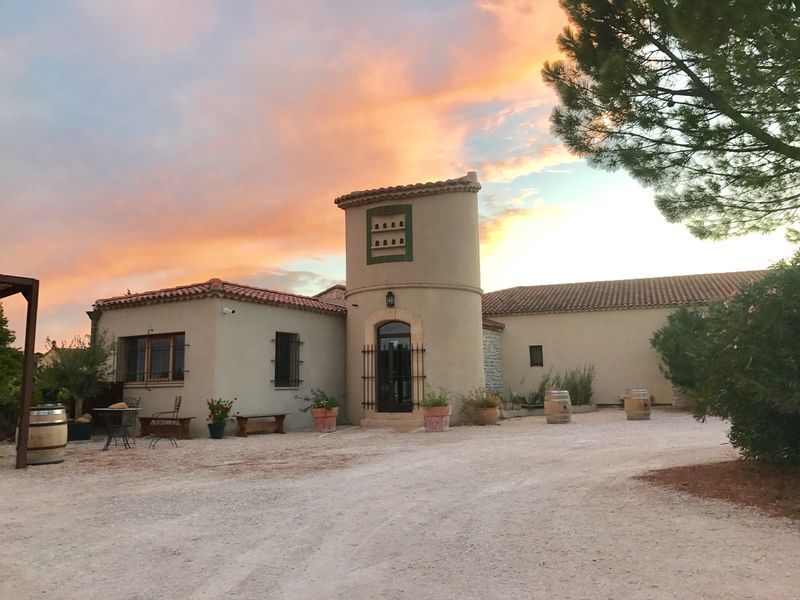
Domaine de la Mordorée
Tavel, France
Domaine de la Mordorée is worth prioritizing if the goal is a focused Tavel winery visit with serious Southern Rhône context. Treat access as difficult and plan ahead; this is a stronger fit for wine-focused travelers than casual groups looking for an easy tasting-room stop.
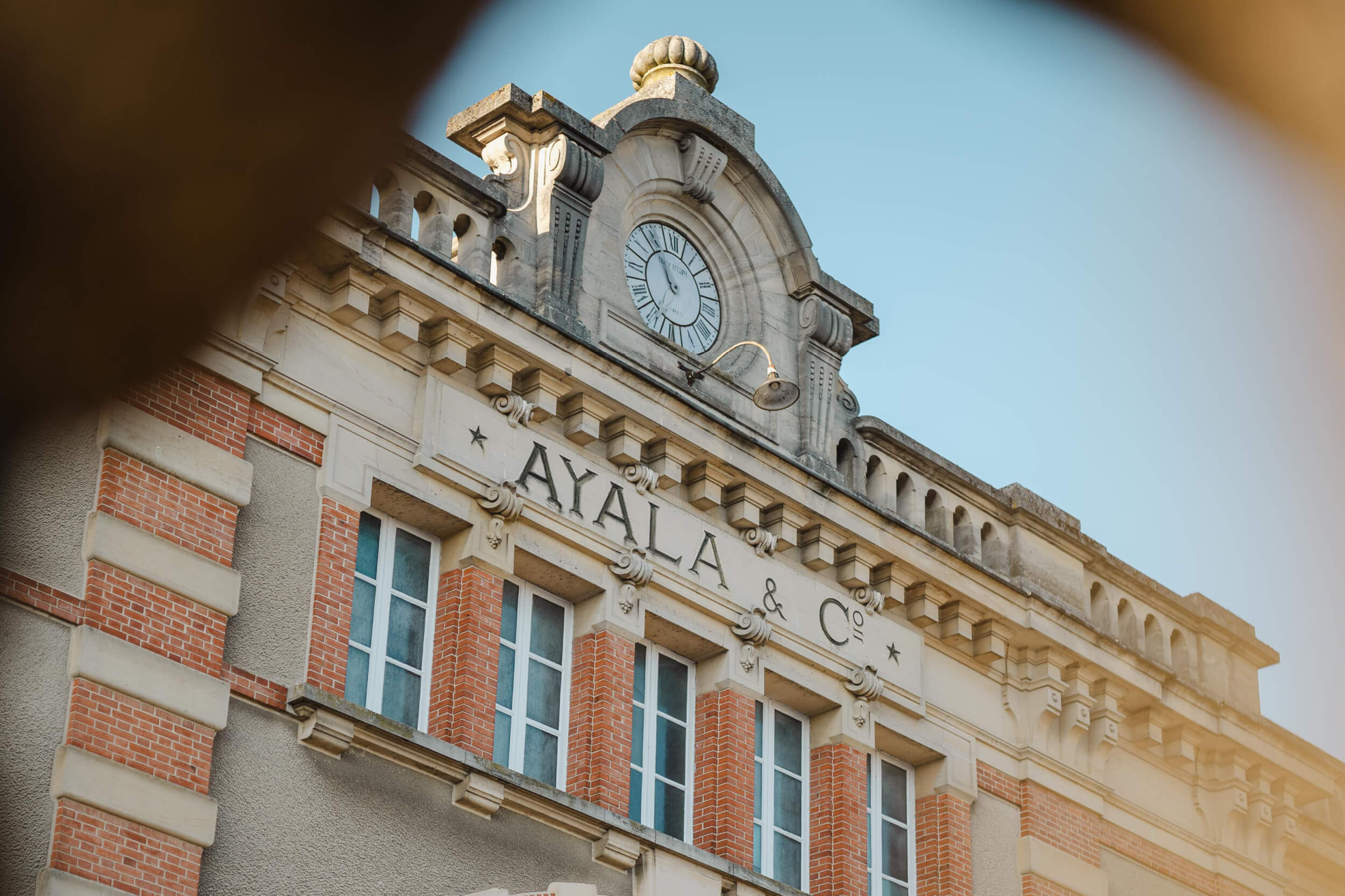
Ayala
Aÿ, France
Ayala is worth targeting if you want a focused Champagne-house appointment in Aÿ rather than just another famous-name stop. The stronger play is an upgraded or private tasting, especially for return visitors who want to compare house style and winemaking direction against Bollinger, Deutz, Lallier, and Philipponnat.
Château La Chenade
Pomerol, France
Château La Chenade is worth targeting if the goal is a focused Right Bank Bordeaux visit centered on wine rather than hospitality. Its Falstaff 1 Star recognition in 2026 and Merlot-led Lalande-de-Pomerol profile make it a strong fit for collectors and serious wine travelers, but appointment-only access means casual drop-ins should plan another option.
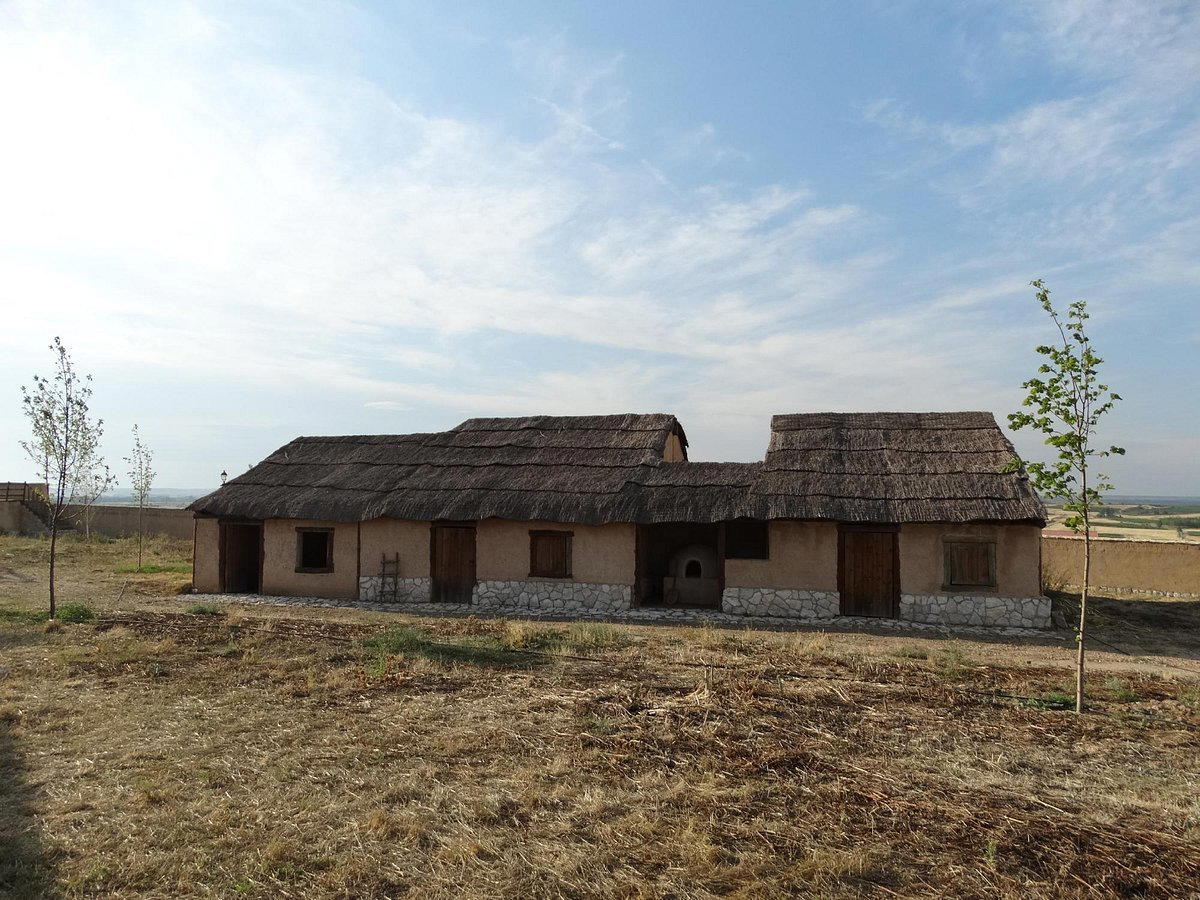
Bodegas y Viñedos Rauda
Roa, Spain
A traditional Ribera del Duero cooperative winery in Roa, Bodegas y Viñedos Rauda works for guests who want Tempranillo, concrete-tank fermentation, and a working-cellar feel rather than polished luxury hospitality. The value case is strongest for wine learners and Ribera drinkers, not status collectors.
Companhia das Quintas
Sangalhos, Portugal
Companhia das Quintas is a better fit for wine explorers than casual tasting-room visitors. Its draw is a modern, production-focused Portuguese portfolio across Douro, Lisbon, Beira Interior, and Alentejo, with a value-led buying case and Falstaff Listed recognition in 2026. Choose it for producer depth, not scenery-led hospitality.
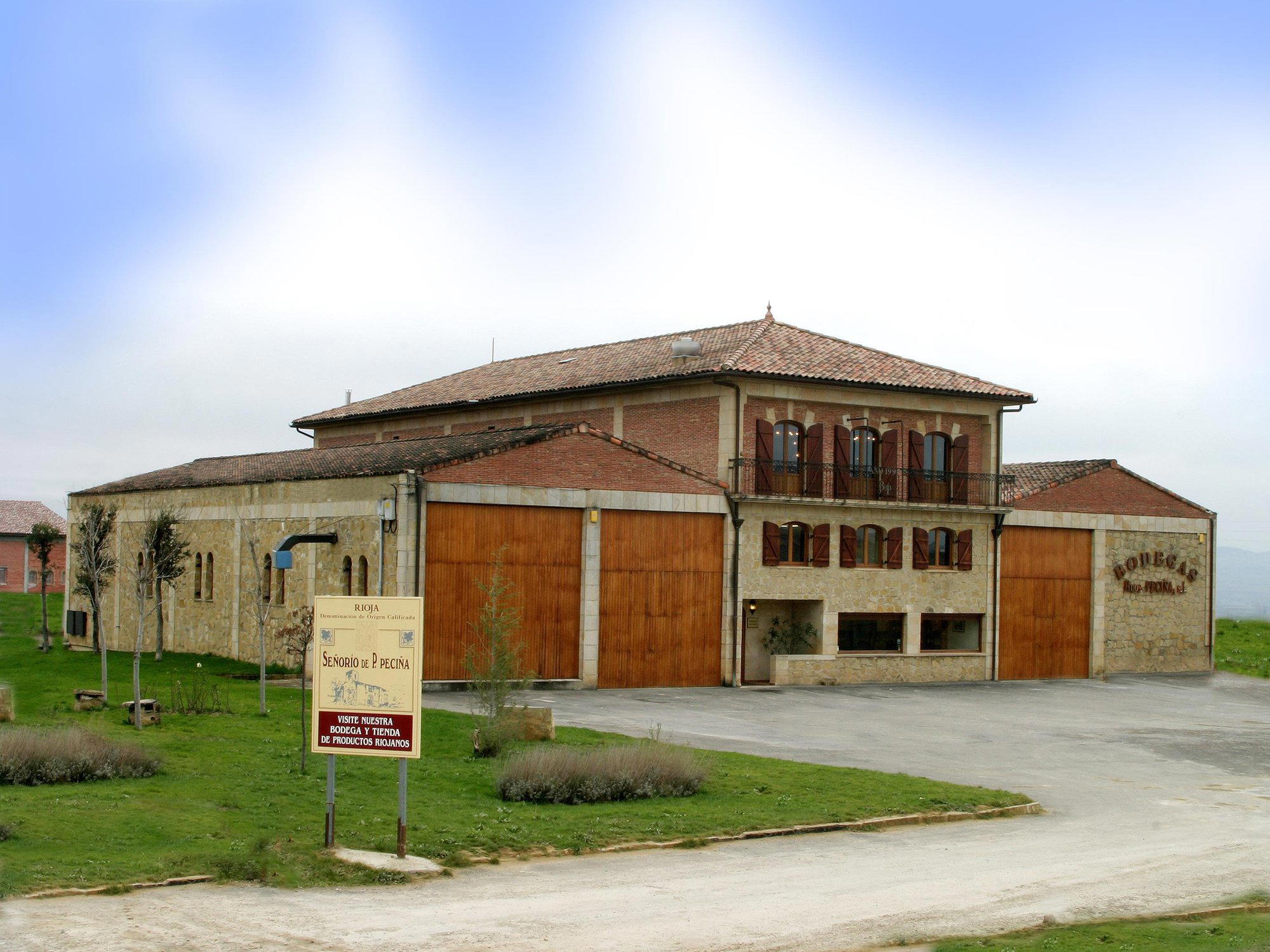
Bodegas Hermanos Peciña
San Vicente de la Sonsierra, Spain
Book Bodegas Hermanos Peciña if the goal is traditional Rioja Alta rather than a polished food-and-wine production. The draw is the cellar method: estate vineyards, native yeasts, American oak, manual racking and long ageing. First-timers should treat it as the wine anchor of a San Vicente de la Sonsierra day, with lunch planned separately.
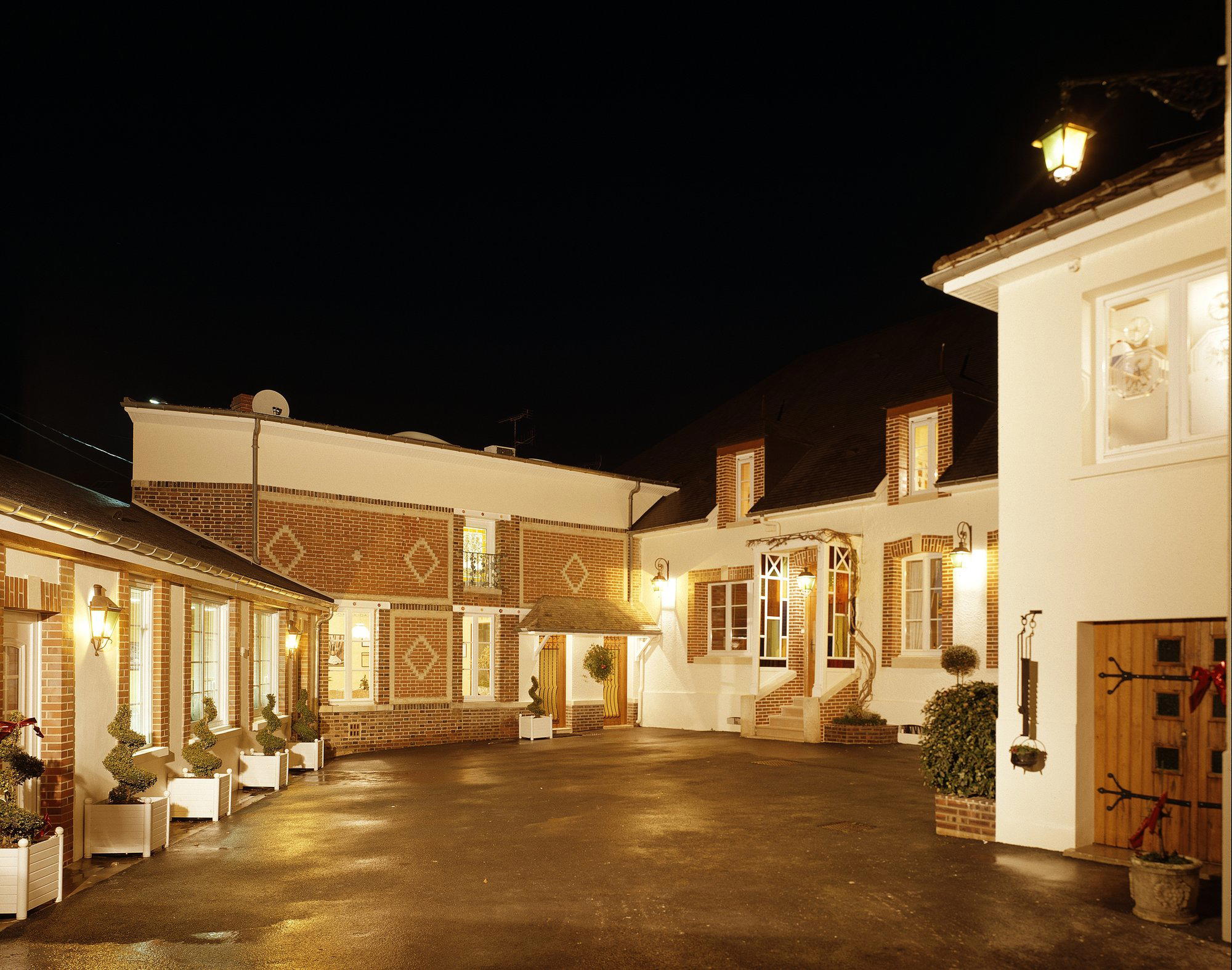
Champagne Guy Charlemagne
Mesnil Sur Oger, France
Champagne Guy Charlemagne is worth booking if the goal is a focused grower Champagne visit in Le Mesnil-sur-Oger rather than a glossy house experience. The value case is strongest for drinkers who want chalky Côte des Blancs Chardonnay, family continuity, and cellar context in a quiet, traditional setting.
Clos des Colombes
Oras Olimp, Romania
Book Clos des Colombes if the goal is a quiet coastal winery meal built around Romanian varieties rather than a large tasting-room circuit. The strongest reason to go is the small estate setting, French-leaning restaurant service, and indigenous white grapes such as Fetească Albă, Fetească Regală, and Crâmpoșie.
How many of these have you visited?
Find out on Pearl and keep score across every place in 2026 Falstaff Winery Guide.