
Bodega Weinert
Luján de Cuyo
Winery in Luján de Cuyo, Argentina
 Book with Pearl
The Read
Long-Aged Mendoza Reds
Why go
A strong pick for a more deliberate Luján de Cuyo wine day, especially if this is not your first Mendoza tasting circuit. Plan it as an anchor appointment, keep nearby backups ready, and avoid overloading the schedule with too many stops.
About Bodega Weinert
Bodega Weinert is a Luján de Cuyo venue with a clearly confirmed Pearl 2 Star Prestige recognition for 2025. With only a small set of planning details available, the safest way to approach it is as a considered stop: confirm current visit details directly with the venue, dress smart casual, and avoid building the day around assumptions that are not confirmed here.
This guide keeps to the record. Bodega Weinert is in Luján de Cuyo, carries Pearl 2 Star Prestige (2025), and lists a smart casual dress code.
Plan this as the serious Luján de Cuyo stop, not a quick add-on
If Bodega Weinert is part of a Luján de Cuyo itinerary, give it enough space in the day to confirm practical details before you go. Use Our full Luján de Cuyo restaurants guide and related Luján de Cuyo planning resources to shape the rest of the day without assuming services at Bodega Weinert itself.
The confirmed hook is direct: Bodega Weinert is a Pearl 2 Star Prestige venue in Luján de Cuyo with a smart casual dress code. For anything more specific, including timing, visit format, food, or purchasing options, check directly with the venue before finalizing plans.
Keep backup options ready before locking the day
For comparison planning, consider names such as Benegas Lynch, Bodega Alta Vista, and Bodega Luigi Bosca. They are useful reference points when deciding how to structure a day around Bodega Weinert without assuming the same format, services, or access details.
If the trip extends beyond a single venue visit, compare the overall style of the day rather than assuming identical experiences everywhere. Destilados Spiritu and Hilbing Franke Distillery can be considered separately as additional reference points, while other dining in Luján de Cuyo can round out the plan generically.
Planning details
- Location
- San Martín 5923, M5505 Luján de Cuyo, Mendoza
- Website
- bodegaweinert.com
- Phone
- +54 261 244-6669
The take
The Take
The Vibe
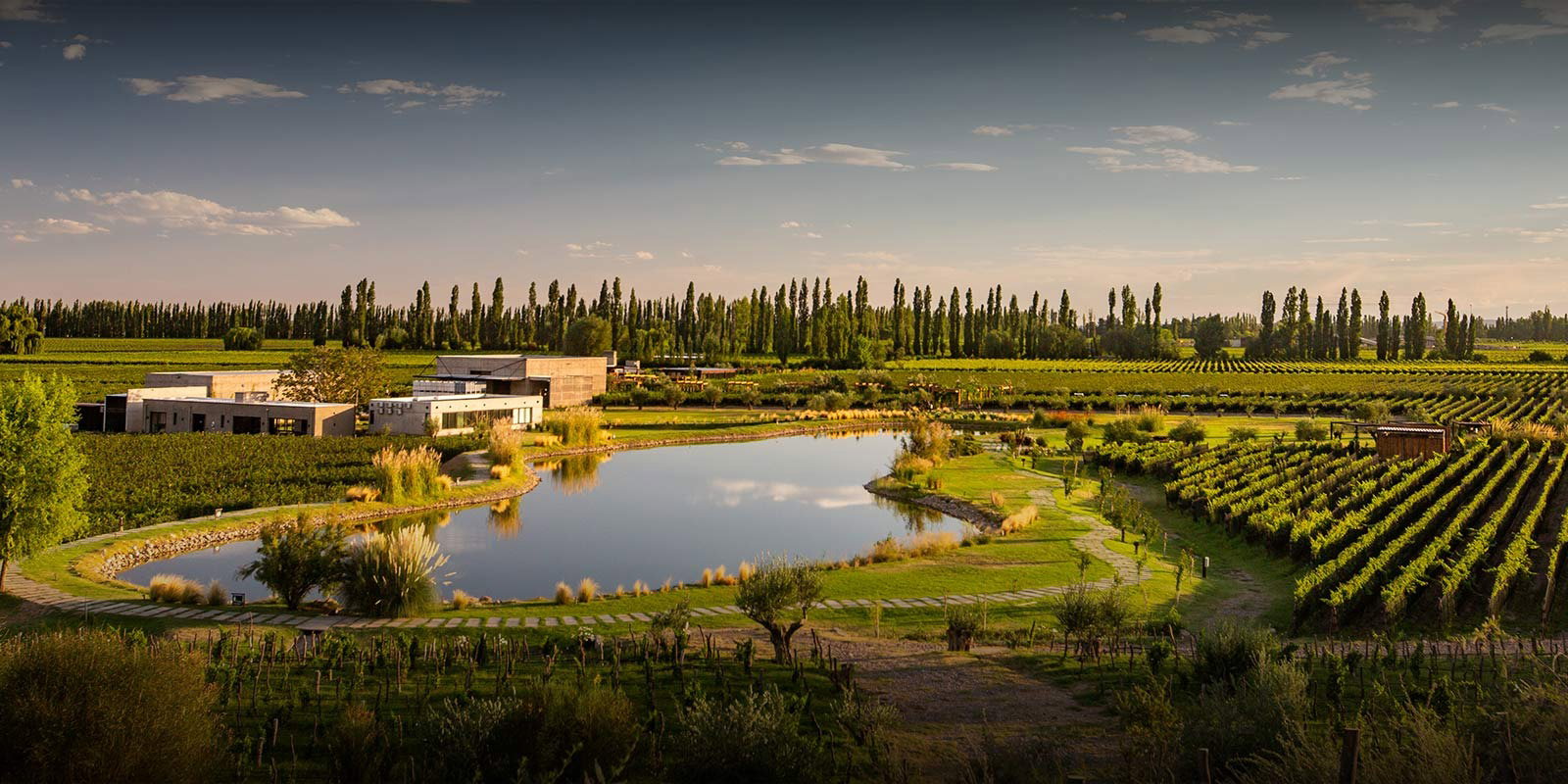
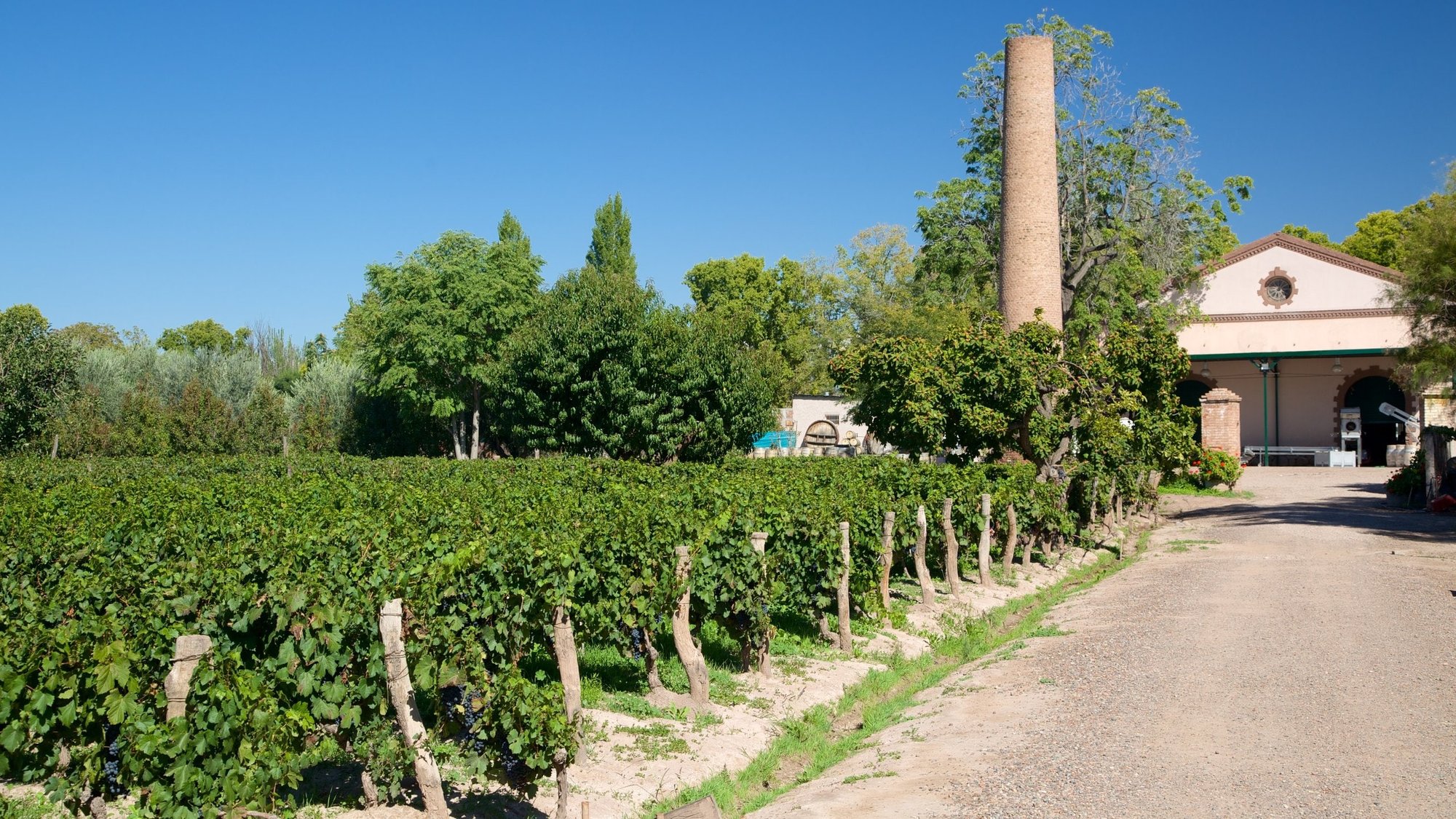
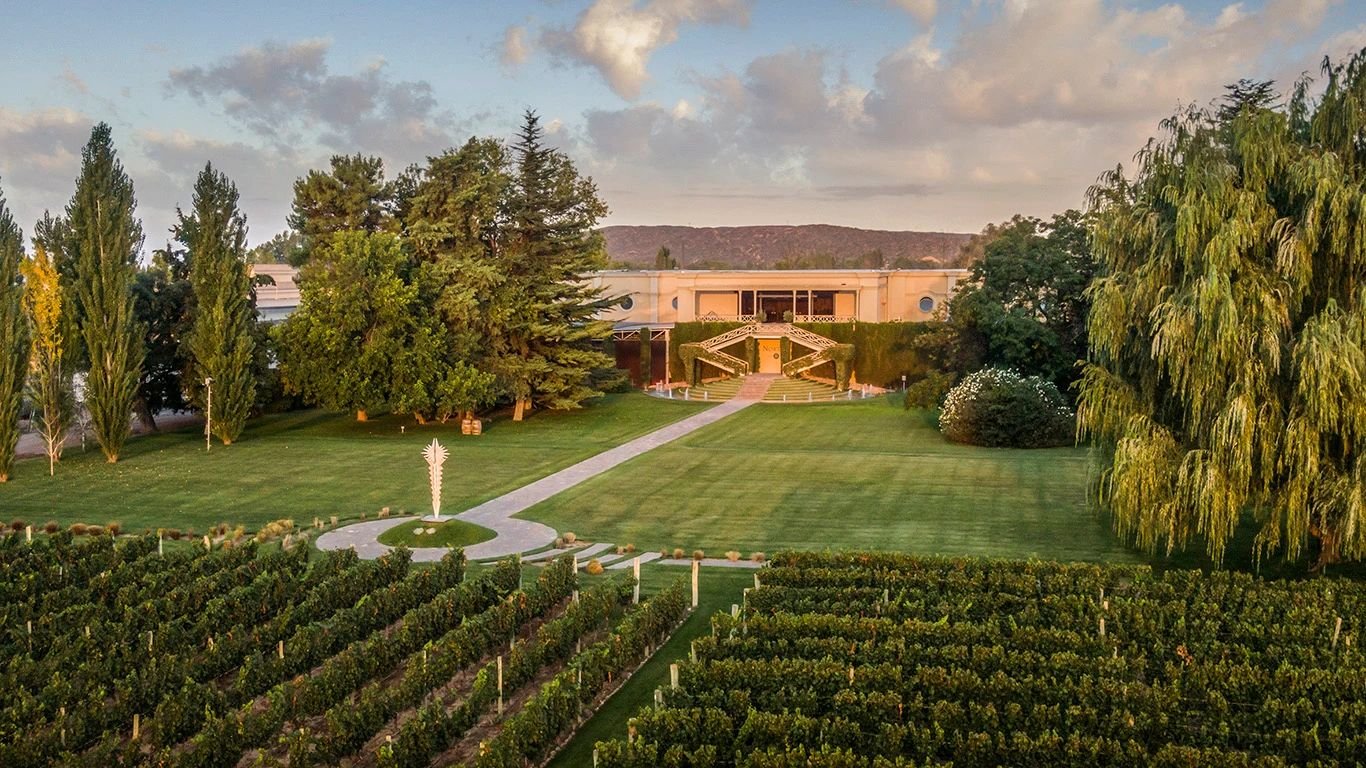
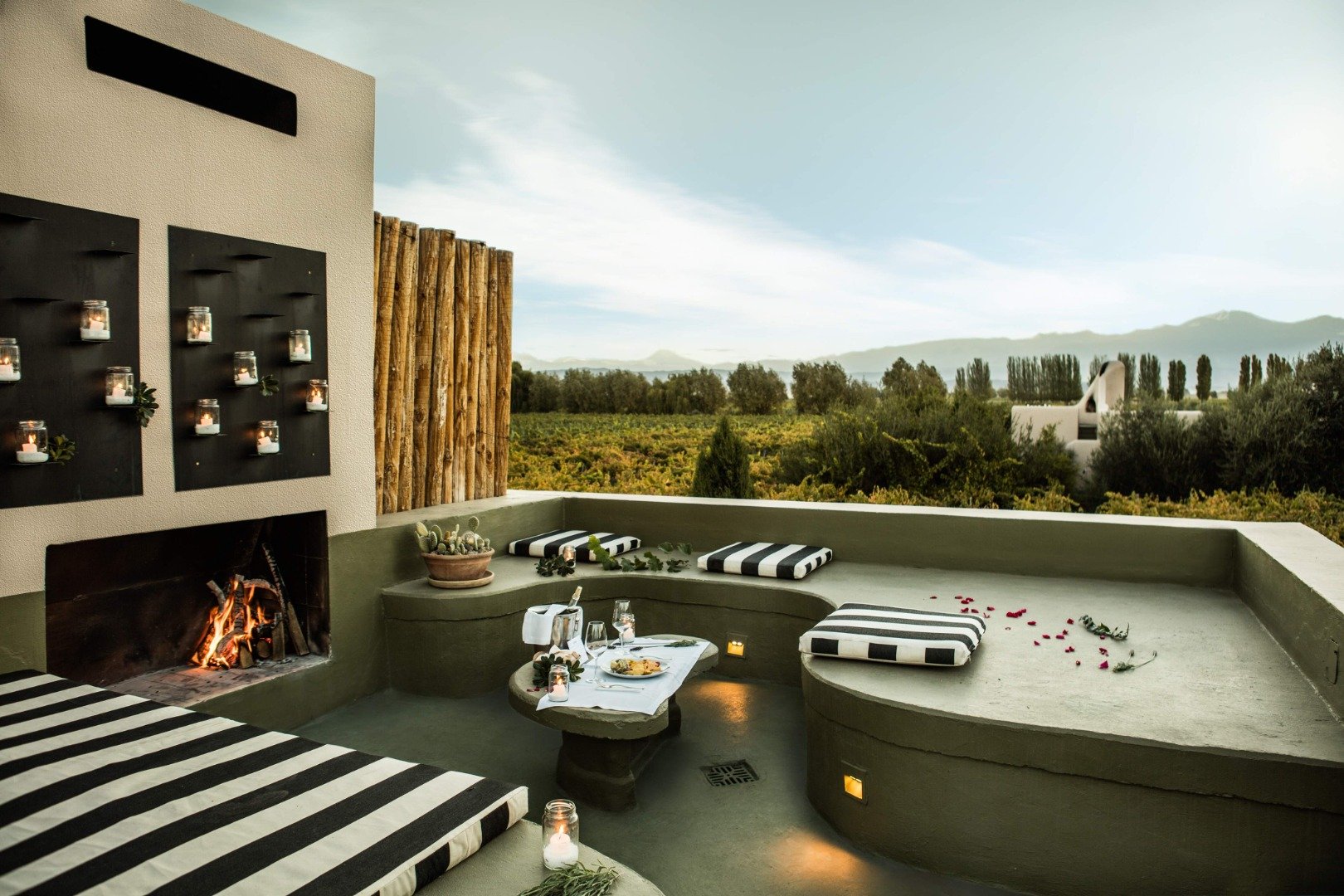
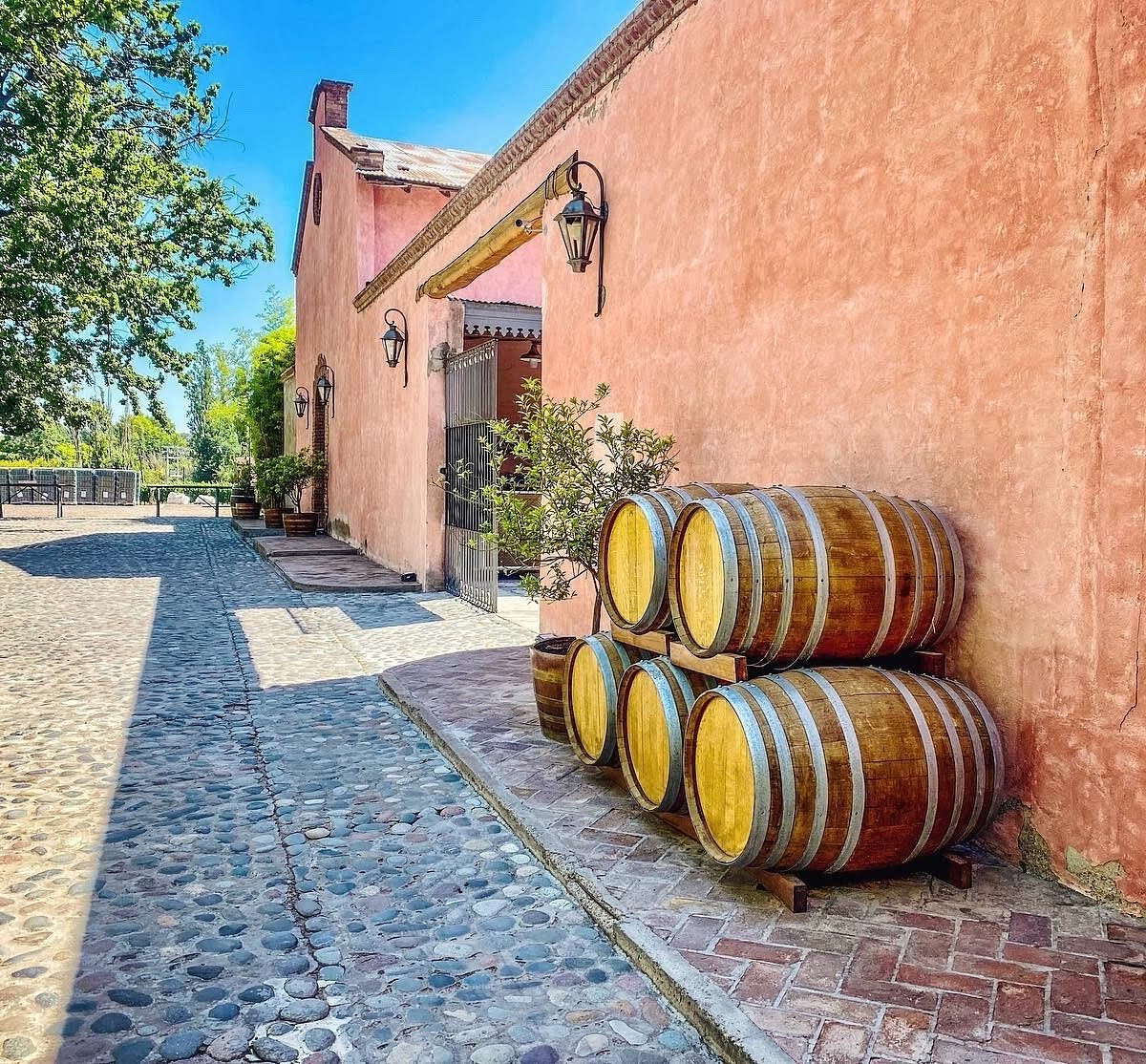
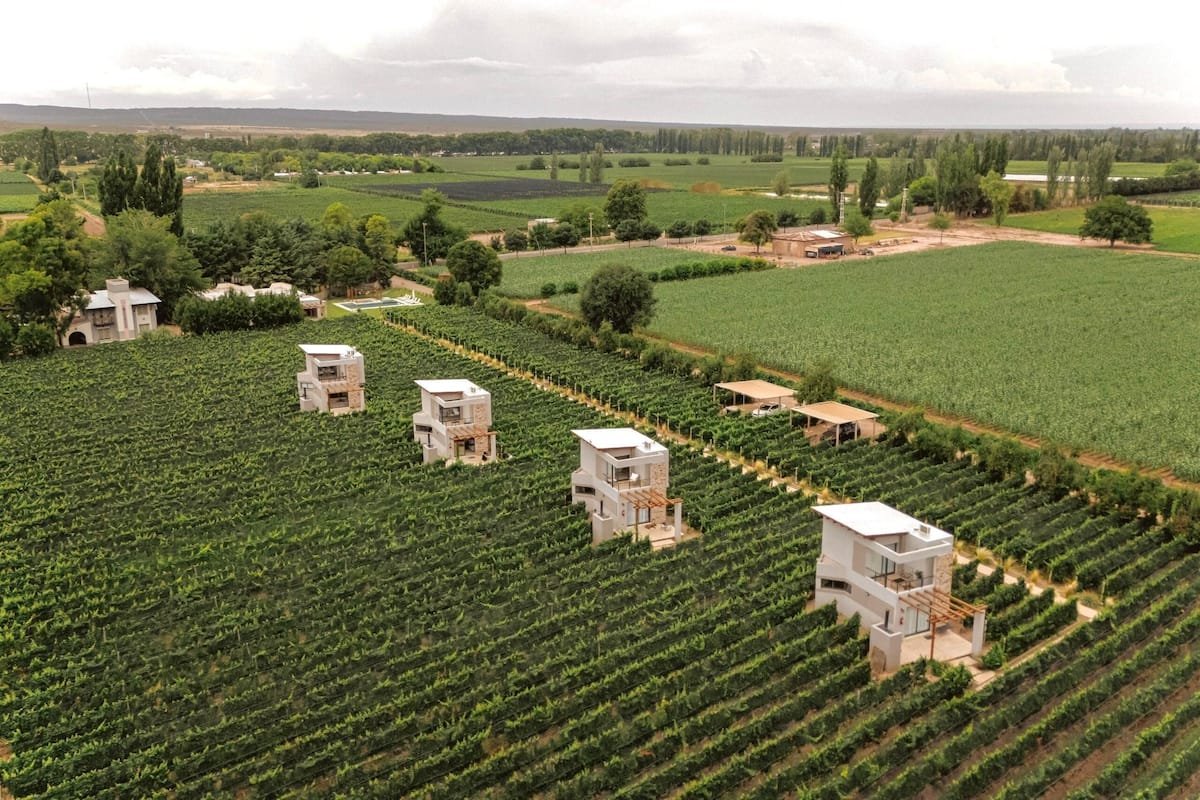
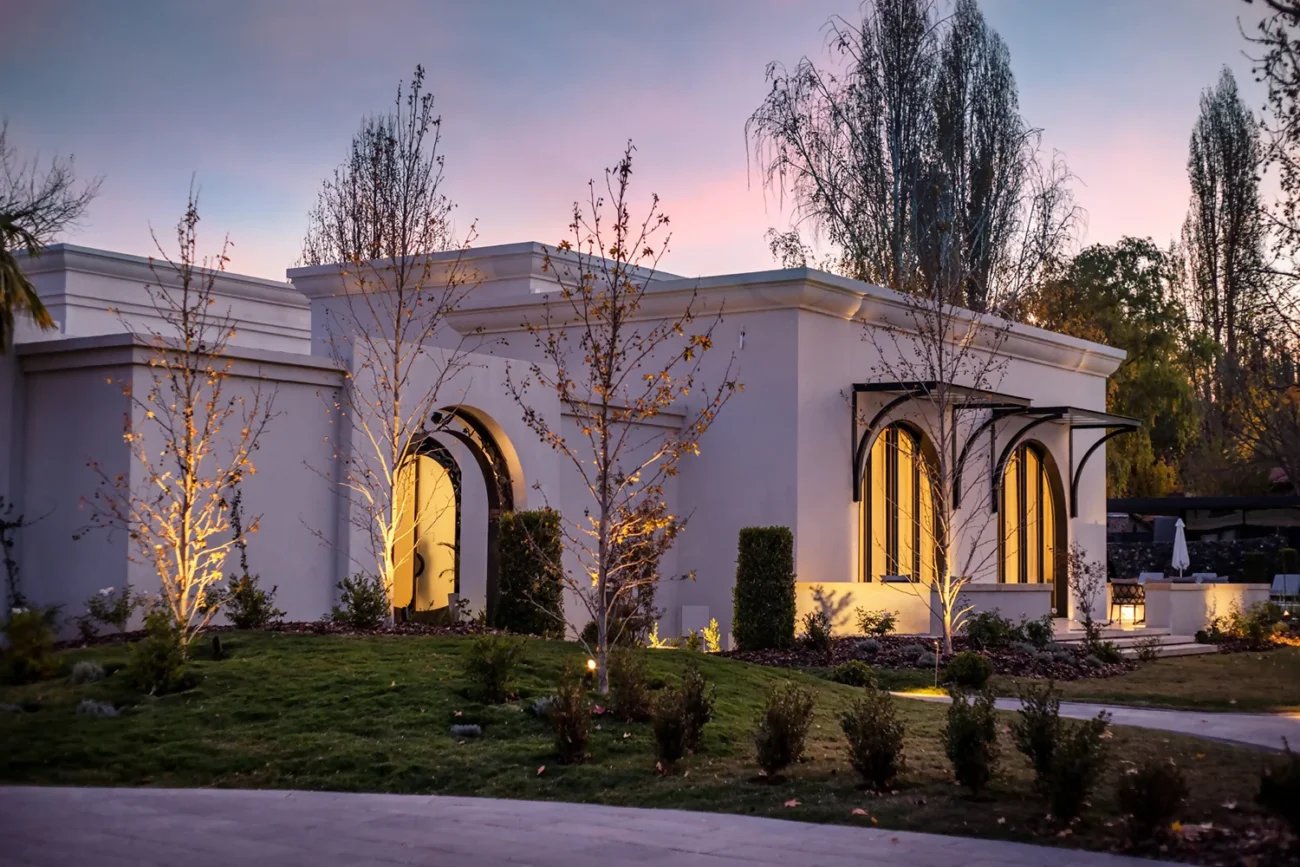
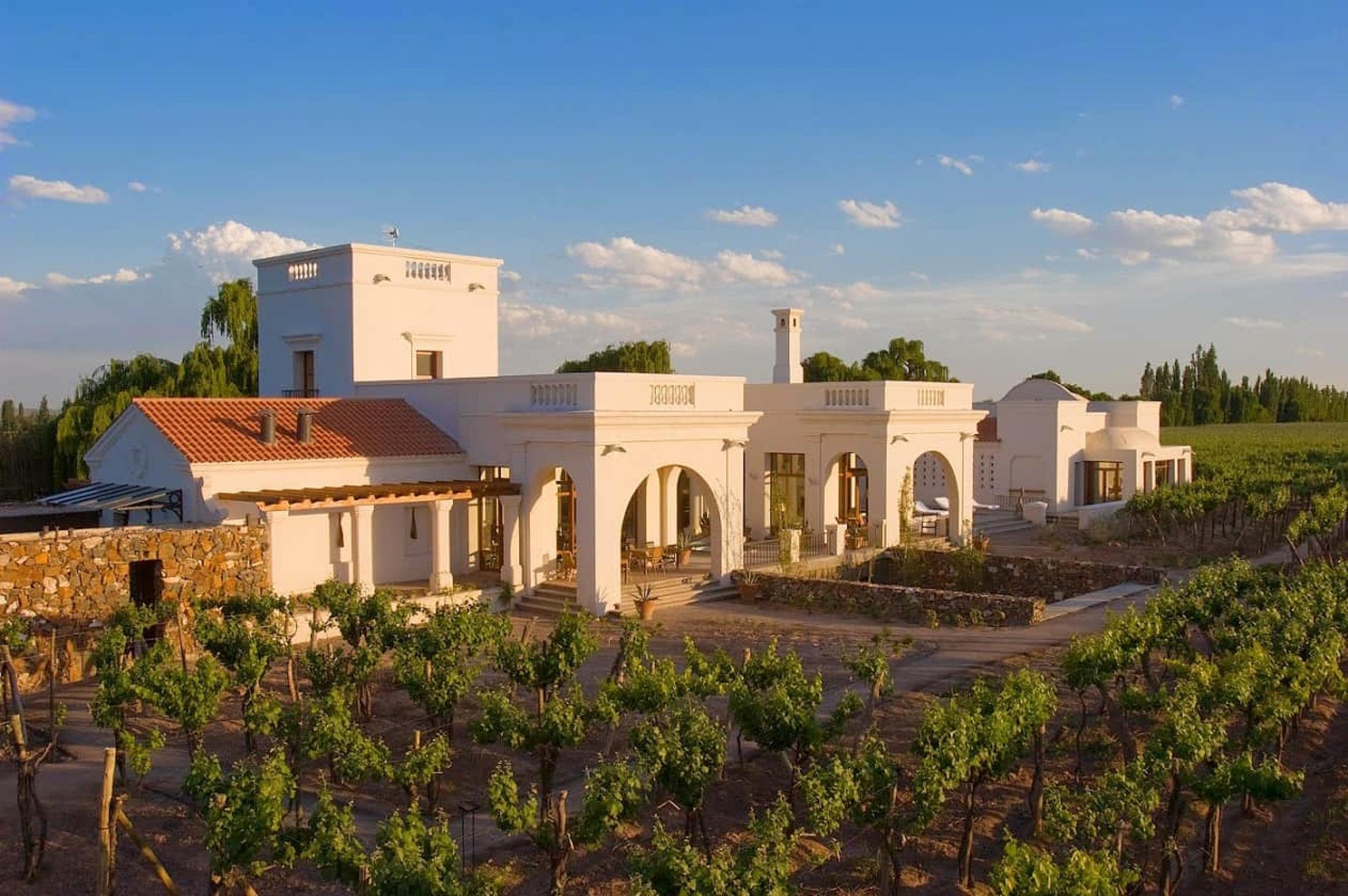
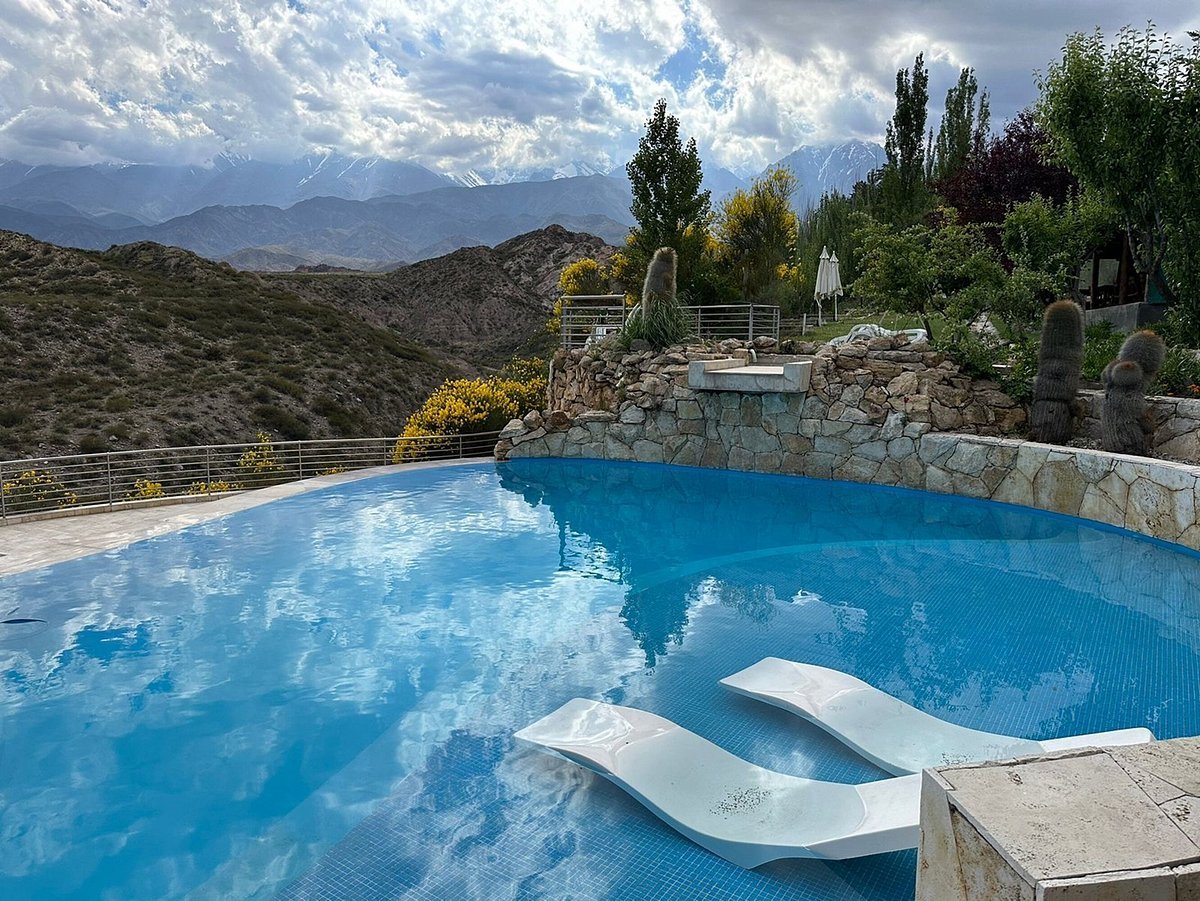
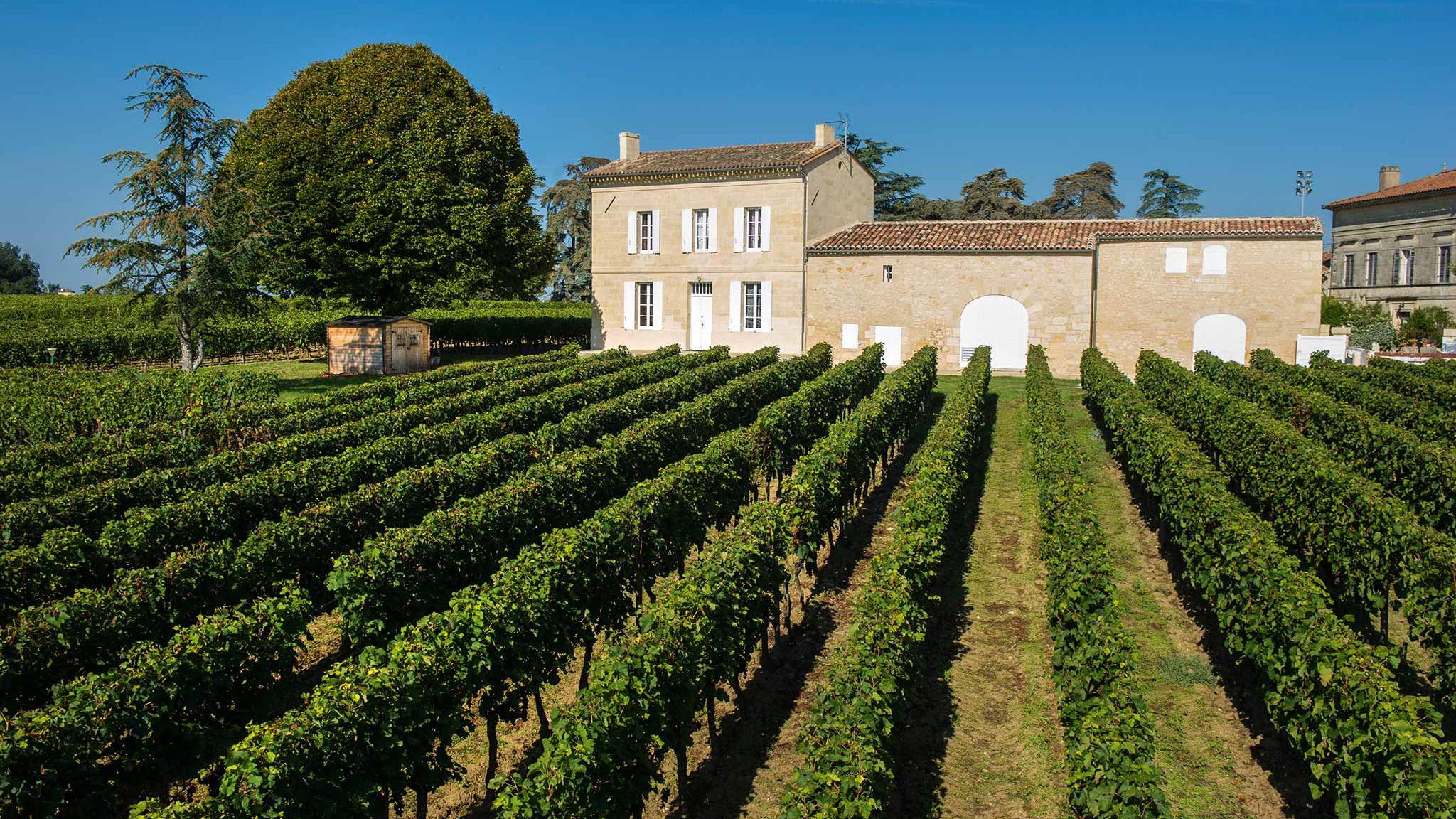
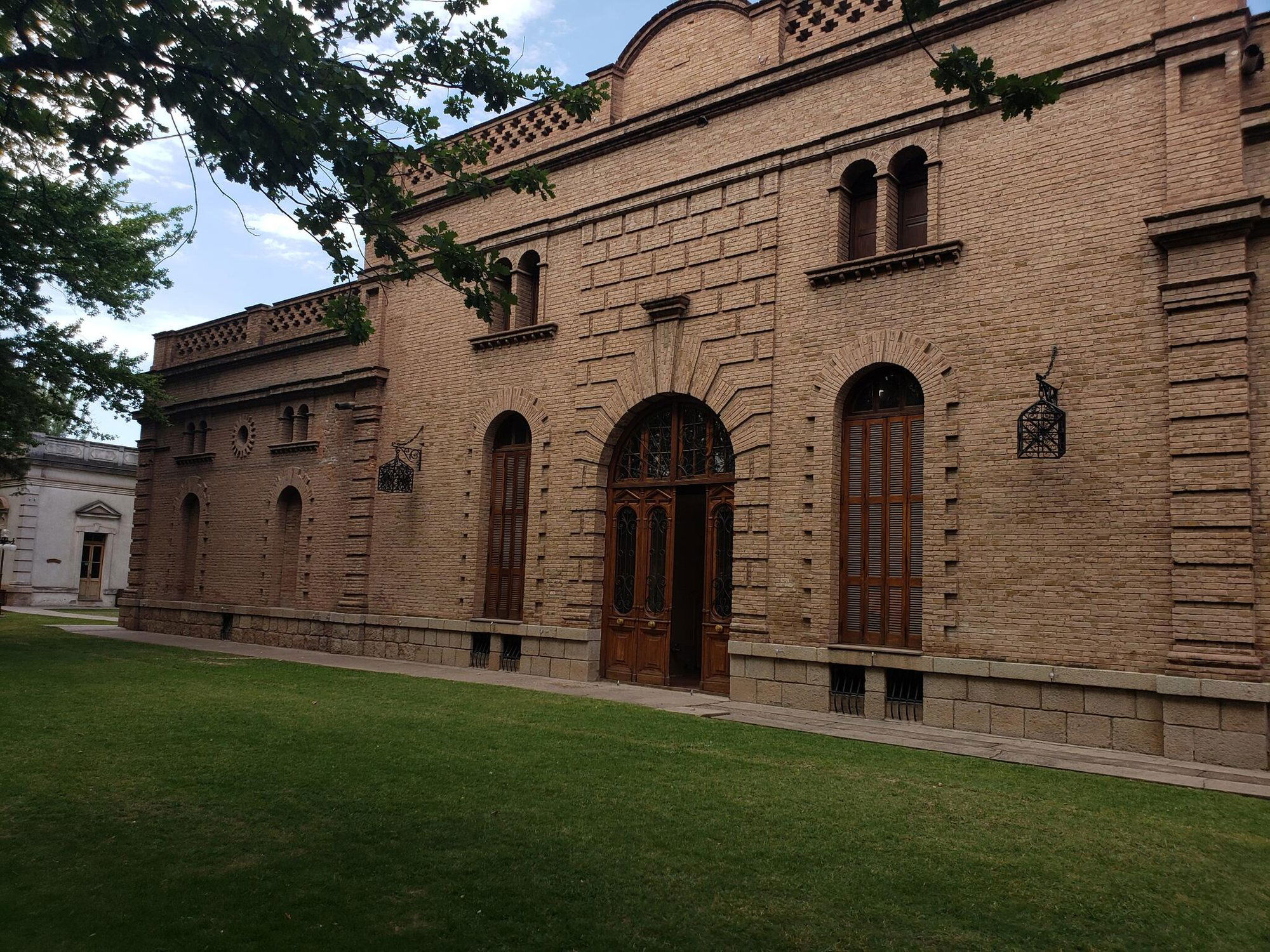
Bodega Weinert presents a restrained, classical presence in Luján de Cuyo. The approach reads as quiet and contemplative rather than flashy: a built environment that predates the region's recent architectural showpieces, poplar-lined irrigation canals and the dry, high-altitude air all reinforce a sense of place. The winery’s philosophy — extended oak aging and traditional cellar practices — further deepens that mood, favoring slow, considered development over immediate theatrics. The result is an understated, scenic compound where terroir and time feel like the primary curators of experience.
Best For
Weinert is best suited to people who care about wine as an evolving, place-driven art. The estate’s Pearl 2 Star Prestige standing and its emphasis on classical Argentine winemaking make it a natural pick for wine-education visits and milestone tastings. Collectors and enthusiasts who appreciate ageworthy, oak-aged bottlings will find the portfolio rewarding, and the winery’s historical positioning in the region lends itself to special-occasion visits that favor deliberation and depth over immediate showmanship.
Tasting Tips
When exploring Weinert’s wines, prioritize bottles that reflect the estate’s patience in oak and capacity to age. The winery explicitly emphasizes extended oak aging and wines built to evolve in bottle, so older vintages and structured releases are likely to reveal the producer’s intent. If buying at the cellar, look beyond early-drinking offerings and consider wines that benefit from short- to medium-term cellaring to appreciate their development.
Venue details
Ambiance
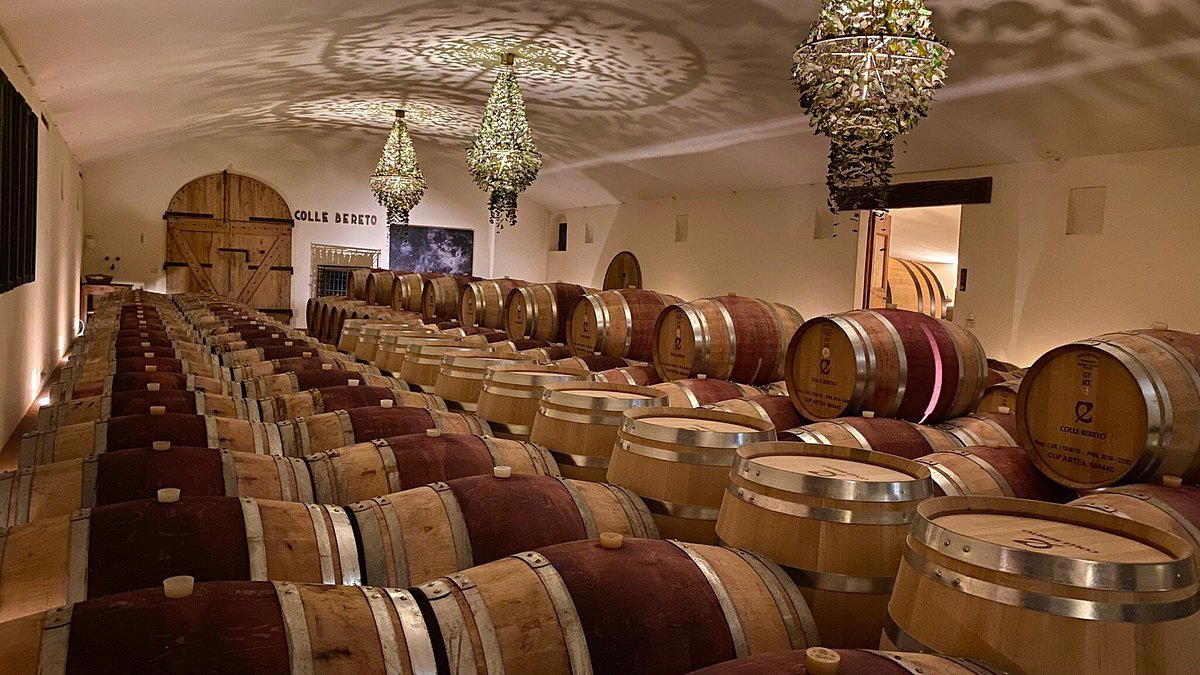
Mystical underground cellars with thick stone walls maintaining perfect temperature and humidity, evoking a bygone era of traditional winemaking.
Tags
Vibe
Best For
Experience
View
At the Vineyard
- Appellation
- Luján de Cuyo
- Varietals
- Malbec, Cabernet Sauvignon, Merlot, Chardonnay, Pinot Noir
- Tour Duration
- 60-90 minutes
- Tour Languages
- Spanish, English
- Visits
- By reservation
- Wine Styles
- Still Red
- Wine Club
- Not available
Know before you go
Know Before You Go
- Getting there
- San Martín 5923, M5505 Luján de Cuyo, Mendoza
Planning details
Location
Recognition and awards

Also consider
Also Consider
- Benegas Lynch, Notable alternative
- Bodega Alta Vista, Notable alternative
- Destilados Spiritu, Notable alternative
- Hilbing Franke Distillery, Notable alternative
- Bodega Luigi Bosca, Notable alternative
Winery context
How It Compares in Luján de Cuyo
Bodega Weinert is the stronger fit if the goal is a serious, slower-paced winery appointment in Luján de Cuyo. Benegas Lynch and Bodega Alta Vista are better backups for keeping the day local if availability gets difficult, while Bodega Luigi Bosca is the easier name to slot into a classic Mendoza itinerary when broad appeal matters more than a quieter visit.
For value, the smarter move is to decide by trip style rather than chase a single winner. Choose this venue when one deeper winery stop is the point of the day; choose Bodega Alta Vista or Benegas Lynch when the schedule needs flexibility. If the group is split between wine and spirits, Hilbing Franke Distillery and Destilados Spiritu change the format entirely, so use them as contrast picks rather than direct substitutes.
For ambiance, keep expectations practical: this is the recommendation for a calmer wine-led day, not for a high-energy crawl. Large mixed-interest groups may be happier with Luigi Bosca or a winery-plus-distillery pairing; repeat Mendoza visitors should prioritize Weinert first and hold Benegas Lynch or Alta Vista as Plan B.
Explore Luján de Cuyo
Around this place
Discover more on Pearl
Unlock the full Bodega Weinert guide in Pearl, including awards, comparisons, FAQs, planning details, and nearby places.
Compare Bodega Weinert
| Venue | Location | Awards |
|---|---|---|
| Bodega Weinert | Luján de Cuyo | 2026 Falstaff Winery Guide |
| Benegas Lynch | Luján de Cuyo | No published awards |
| Bodega Alta Vista | Luján de Cuyo | No published awards |
| Destilados Spiritu | Godoy Cruz | No published awards |
| Hilbing Franke Distillery | Luján de Cuyo | No published awards |
| Bodega Luigi Bosca | Luján de Cuyo | 2026 Falstaff Winery Guide |
How Bodega Weinert Luján de Cuyo compares with similar nearby venues.
FAQ
Frequently Asked Questions
When is the best time to visit Bodega Weinert?
This record does not verify Bodega Weinert's hours or best visiting time. Treat it as a Luján de Cuyo stop worth planning carefully because it holds Pearl 2 Star Prestige (2025), and confirm current timing directly with the venue.
Does Bodega Weinert offer memberships or special programs?
This record does not verify whether Bodega Weinert has memberships or special programs, or list any terms. If that matters to your visit, ask the venue directly before making plans.
Do I need a reservation at Bodega Weinert?
This record does not verify Bodega Weinert's reservation policy. Because it is a Pearl 2 Star Prestige (2025) venue in Luján de Cuyo, the practical move is to confirm visit requirements directly before you go.
What other venues can I compare with Bodega Weinert?
For comparison planning, consider Benegas Lynch, Bodega Alta Vista, and Bodega Luigi Bosca alongside Bodega Weinert. Use those names as planning references rather than assuming identical visit formats.
What specific products or highlights is Bodega Weinert known for?
This record does not name any specific product or highlight for Bodega Weinert. If you want to plan around a particular item, confirm that detail directly with the venue.
Can Bodega Weinert handle large groups?
This record does not verify group capacity or large-group policies for Bodega Weinert. If you are planning with a group, confirm requirements directly with the venue in Luján de Cuyo.