
Château La Lagune
Ludon-Médoc, Ludon
Winery in Ludon, France
 Book with Pearl
The Read
Southern Médoc Classified Precision
Price
$50–100tasting
Why go
Château La Lagune is worth pursuing when a Ludon wine visit needs to feel like the anchor of the day, not a casual add-on. The draw is prestige and Médoc seriousness; the caution is planning friction, especially if you need group logistics, food details, or easy confirmation.
About Château La Lagune
Château La Lagune is a Ludon venue with Pearl 3 Star Prestige recognition for 2025. It is best approached as a high-prestige Ludon venue, with visit details confirmed directly before building an itinerary around it.
The confirmed dress code is smart casual. Beyond that, specific details such as service format, pricing, food availability, group handling, opening hours, or appointment structure should be confirmed directly with the venue before committing.
A prestige-led Ludon stop
For travelers comparing Ludon options, the grounded point is direct: Château La Lagune carries Pearl 3 Star Prestige recognition in 2025. That makes it relevant for visitors who are prioritizing a premium, recognized venue in Ludon rather than simply looking for a broadly documented casual stop.
Because operational details are limited, plan conservatively. Keep meals, transport, timing, and any group requirements flexible until the venue has confirmed the information you need. The smart-casual dress code is the one practical planning detail that can be stated with confidence here.
Worth pursuing when the venue itself is the point
Château La Lagune is best approached as a Ludon venue to consider for its recognized prestige, not as a listing where assumptions should drive the plan. Do not rely on this page for claims about menus, service style, pricing, hours, or special access arrangements.
If you need a tightly scheduled outing, confirm the essentials directly: whether the venue can receive visitors, what the expected format is, and whether any additional arrangements are available. Until those details are confirmed, keep the plan simple and centered on the venue's recognized status in Ludon.
Quick reference: consider Château La Lagune for a Pearl 3 Star Prestige-recognized Ludon venue; dress smart casual; confirm all operational details directly before planning around them.
Planning details
- Location
- 81 Av. de l'Europe, 33290 Ludon-Médoc
- Website
- chateau-lalagune.com
- Phone
- +33 5 57 88 82 77
The take
The Take
The Vibe
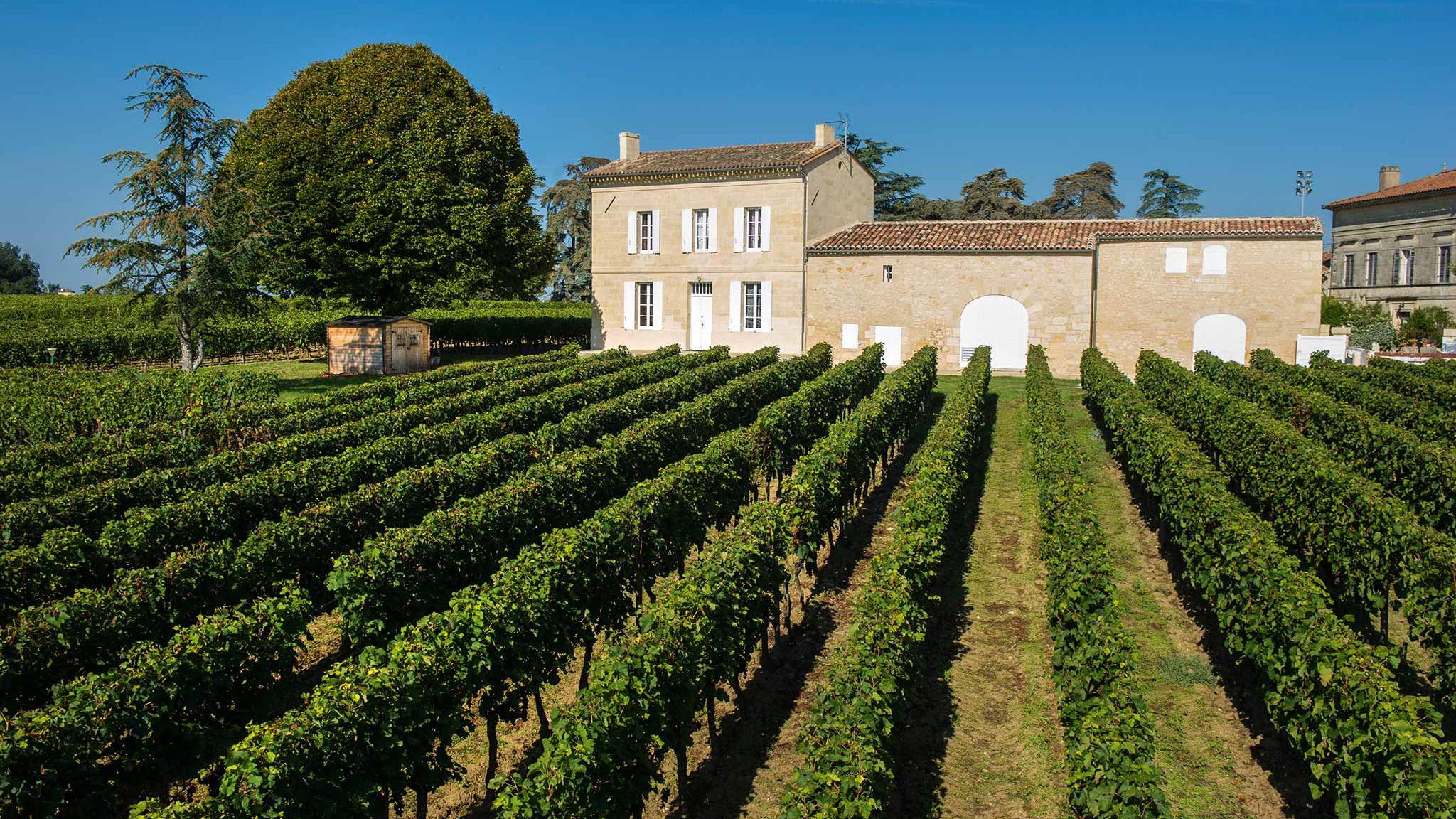
Château La Lagune presents as a quietly distinguished Haut-Médoc estate that reads through its geology as much as its label. Set at the southern threshold of the appellation along the Route des Châteaux, the property leans on a long regional history—its 1855 classification and position in the Left Bank conversation are central. The writing is less about flash and more about place: shallower Günzian gravel giving way to clay, a slower ripening cycle and textured mid-palates. Visitors encounter a terroir-first personality: thoughtful, grounded and framed by vineyard land rather than village celebrity.
Best For
La Lagune is best for travelers who want to explore terroir and classification context rather than chase marquee commune names. It suits wine-education–minded visitors keen to read how gravel and clay influence Cabernet structure, and it answers well for groups or couples marking a special occasion at a classified estate. Because the estate is positioned near Bordeaux yet expresses a distinct Haut-Médoc identity, it also works for short regional itineraries where guests prioritize comparative tasting and a quieter, more considered winery experience.
Tasting Tips
When seeking bottles from Château La Lagune, pay attention to its en primeur presence—the listing notes EP Club recognition—so follow releases if you’re buying futures. Tasting notes in the description point toward structured Cabernet expressions with textured mid-palates, so look for vintages that show phenolic maturity without excessive alcohol. For collectors, compare La Lagune’s Haut-Médoc positioning against nearby village-labeled producers to judge price-to-terroir value; the estate often offers a gravel-driven backbone with a bit more clay softness that rewards patient cellaring.
Venue details
Ambiance
Refined and elegant atmosphere blending French classical architecture with contemporary design; the vaulted kitchen honors French art de vivre with refinement and conviviality.
Tags
Vibe
Best For
Experience
Sourcing
View
At the Vineyard
- Appellation
- Haut-Médoc AOC
- Varietals
- Cabernet Sauvignon, Merlot, Petit Verdot
- Tour Duration
- 60 minutes
- Tour Languages
- French, English
- Visits
- By appointment only
- Farming
- Biodynamic
- Wine Styles
- Still Red
- Wine Club
- Not available
Know before you go
Know Before You Go
- Getting there
- 81 Av. de l'Europe, 33290 Ludon-Médoc
Planning details
Location
Recognition and awards

Also consider
Also Consider
- Château Cantemerle, Notable alternative
- Château Giscours, Notable alternative
- Château Dauzac, Notable alternative
- Château Boyd-Cantenac, Notable alternative
- Château Pouget, Notable alternative
Winery context
How Château La Lagune compares in Ludon
Choose Château Cantemerle instead if the priority is a less pressured Médoc visit with a similarly serious château frame. Château La Lagune is the stronger pick for a celebration where prestige matters, but Cantemerle is the safer cross-shop when the group needs more planning margin.
Château Giscours and Château Dauzac are better alternatives for readers comparing overall experience feel rather than only address prestige. If the visit needs to work for mixed-interest guests, those two are sensible backups; if the group is wine-focused and wants the day to revolve around one serious stop, Château La Lagune remains the more occasion-led choice.
Château Boyd-Cantenac and Château Pouget make sense as fallback options when access or timing becomes the deciding factor. They are the practical cross-shops for travelers who would rather secure a solid Médoc appointment than gamble the itinerary on a harder table-equivalent winery slot.
Explore Ludon
Around this place
Discover more on Pearl
Unlock the full Château La Lagune guide in Pearl, including awards, comparisons, FAQs, planning details, and nearby places.
Compare Château La Lagune
| Venue | Location | Awards |
|---|---|---|
| Château La Lagune | Ludon | 2026 Falstaff Winery Guide |
| Château Cantemerle | Haut-Médoc | 2026 Falstaff Winery Guide2025 Pearl 3 Star Prestige |
| Château Giscours | Labarde | 2026 Michelin 1 Grape - Bordeaux2026 Falstaff Winery Guide |
| Château Dauzac | Labarde | 2026 Falstaff Winery Guide |
| Château Boyd-Cantenac | Cantenac | 2026 Falstaff Winery Guide |
| Château Pouget | Cantenac | 2026 Falstaff Winery Guide |


How Château La Lagune Ludon compares with similar nearby venues.
FAQ
Frequently Asked Questions
Can Château La Lagune handle large groups?
Group suitability should be confirmed directly with Château La Lagune before making firm plans for several guests.
How long should I plan for a visit to Château La Lagune?
Does Château La Lagune serve food?
Are additional services available at Château La Lagune?
When is the best time to visit Château La Lagune?
The safest approach is to contact Château La Lagune directly, confirm availability, and plan around the time the venue provides. The confirmed dress code is smart casual.