




Gaja
Barbaresco
Winery in Barbaresco, Italy
 Book with Pearl
The Read
Single-Vineyard Nebbiolo Authority
Price
$150–200tasting
Why go
Gaja is a wine estate on Via Torino in Barbaresco, Italy.
About Gaja
Is Gaja worth planning around in Barbaresco? It can be, if the goal is to include a highly recognized name tied to Angelo Gaja and a venue recognized with Pearl 5 Star Prestige (2025) and World's 50 Best Vineyards #36 (2020). Plan with care and confirm practical arrangements directly before building a full day around the stop.
Gaja is tied to Angelo Gaja and is in Barbaresco. The dress code is smart casual.
A focused Barbaresco stop is the right way to think about it
The grounded reason to prioritize Gaja is recognition: Pearl 5 Star Prestige (2025), World's 50 Best Vineyards #36 (2020), and the Angelo Gaja name. Those facts make it a serious entry on a Barbaresco itinerary, but they do not by themselves confirm how visits are structured or what will be offered on a given day.
For comparison planning, Produttori del Barbaresco, Roagna, and Bruno Giacosa are relevant names to consider when shaping an itinerary around notable names in and around Barbaresco. Gaja is the stronger target when your plan centers on a highly recognized Barbaresco name; other options may suit travelers who want a broader mix of stops.
Plan the day around Barbaresco, not just one stop
The smart move is to make Barbaresco itself the day's anchor. Pair any Gaja plan with other Barbaresco dining or travel logistics, and decide how much of the day should focus on Gaja versus other broader-area stops such as Engine Gin.
Because the details for Gaja do not include hours, pricing, tasting format, or visitor policies, avoid treating it as a casual add-on until those details are confirmed directly. If your group wants variety, consider pairing a Barbaresco plan with Pearl's Barbaresco bars guide or other local planning resources.
Verdict: prioritize Gaja if Barbaresco and the Angelo Gaja name are central to the trip. Keep the rest of the itinerary flexible until you have confirmed the practical details that matter for your visit.
Planning details
- Location
- Via Torino, 5, 12050 Barbaresco CN
- Website
- gaja.com
- Phone
- +39 0173 635158
The take
The Take
The Vibe
Gaja reads as a working Piedmont estate rather than a wine-tourism stage set. The writing emphasizes the village scale of Barbaresco and the agricultural rhythms that shape the place: vineyards, soils and seasonal work dictate how the property functions. At the same time the estate occupies a singular position in regional history — Angelo Gaja’s interventions in the 1970s and 1980s reframed Barbaresco’s identity and introduced a single-vineyard logic that still defines its prestige. The overall feel is deeply rooted, measured and terroir-driven: serious, quietly authoritative and tied to the land.
Best For
Gaja is best for visitors who want to learn and commemorate. The estate’s focus on Nebbiolo, site-specific bottlings and the historical role of Angelo Gaja makes it a natural stop for wine education and comparative tasting. Its premium reputation and long-lived wines suit special occasions and celebrations when a more considered bottle feels appropriate. The village setting and vineyard-focused character also make it an appealing choice for a romantic getaway where quiet, place-based wine experiences are the point.
Tasting Tips
Center your tasting on the single-vineyard Barbarescos and the named sites the text calls out — Sorì San Lorenzo, Sorì Tildìn and Costa Russi — to understand how Gaja translates specific soils into wine. Ask about vintages and age, because Nebbiolo and Barbaresco are structurally demanding in youth (the description notes the legal aging minimums and the wines’ capacity to evolve for decades). If comparative flights are available, taste multiple vineyard bottlings side by side to hear how site differences register in tannin, acidity and aromatic complexity.
Venue details
Ambiance
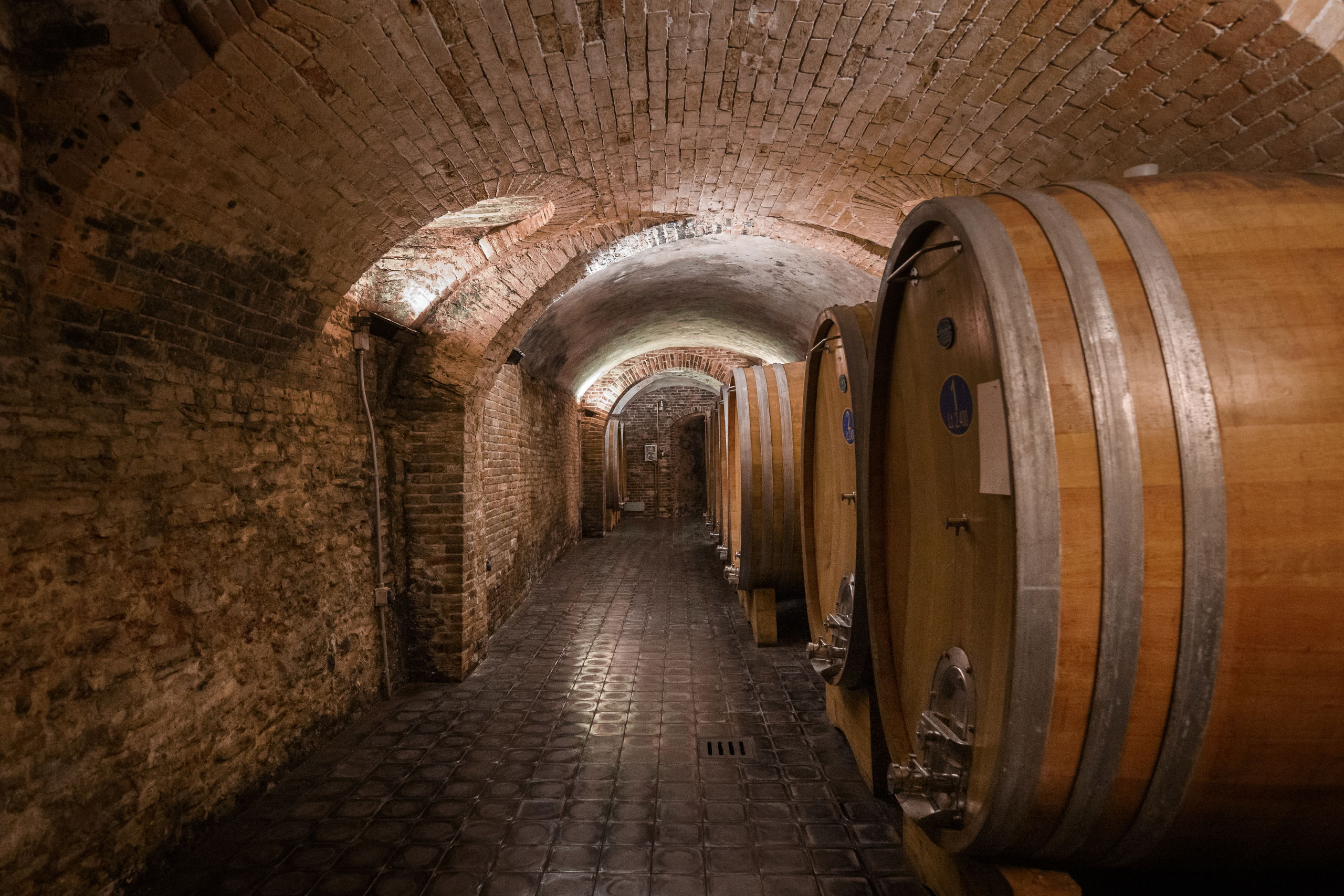
Historic estate with traditional Piedmont charm, blending centuries-old winemaking heritage with modern innovation in a refined, terroir-focused setting.
Tags
Vibe
Best For
Experience
Sourcing
View
At the Vineyard
- Appellation
- Barbaresco DOCG
- Varietals
- Nebbiolo, Barbera, Cabernet Sauvignon, Chardonnay, Sauvignon Blanc
- Tour Duration
- 90-120 minutes
- Tour Languages
- Italian, English
- Visits
- By appointment only
- Farming
- Sustainable
- Wine Styles
- Still Red, Still White
- Shipping
- Available
- Wine Club
- Available
Know before you go
Know Before You Go
- Getting there
- Via Torino, 5, 12050 Barbaresco CN
Planning details
Location
Recognition and awards


Also consider
Where to look if access is difficult
If this visit cannot be lined up, start with Produttori del Barbaresco for a stronger first-timer overview of the village. For a more serious wine itinerary, add Roagna as the closest stylistic cross-shop.
Winery context
How it compares in Barbaresco
Produttori del Barbaresco is the better first stop for visitors who want a clearer village-wide reference point and likely better value for a classic Barbaresco education. Gaja is the higher-prestige target, but that only pays off if the group cares about collector status and can plan around difficult access.
Roagna is the stronger cross-shop for wine obsessives who want a more cellar-driven comparison within Barbaresco. Engine Gin is not a direct wine substitute, but it works well for mixed groups that need a lower-pressure drinks stop in the same area.
For out-of-metro comparisons, Bruno Giacosa makes sense for travelers building a serious Piedmont producer itinerary, while Distilleria Romano Levi is the better detour when the group wants spirits heritage rather than another high-commitment wine appointment.
Explore Barbaresco
Around this place
Discover more on Pearl
Unlock the full Gaja guide in Pearl, including awards, comparisons, FAQs, planning details, and nearby places.
Compare Gaja
| Venue | Location | Awards |
|---|---|---|
| Gaja | Barbaresco | 2026 Falstaff Winery Guide2025 Pearl 5 Star Prestige2020 World's 50 Best Vineyards · #36 |
| Produttori del Barbaresco | Barbaresco | 2026 Falstaff Winery Guide |
| Engine Gin | Barbaresco | No published awards |
| Roagna | Barbaresco | No published awards |
| Distilleria Romano Levi | Neive | No published awards |
| Bruno Giacosa | Neive | 2026 Falstaff Winery Guide2025 Pearl 4 Star Prestige |
How Gaja Barbaresco compares with similar nearby venues.
FAQ
Frequently Asked Questions
What is the flagship wine at Gaja?
No single flagship wine is listed here, so do not plan around a specific bottle based on this guide alone. The key facts are that Gaja is in Barbaresco, is tied to Angelo Gaja, and carries Pearl 5 Star Prestige (2025) plus World's 50 Best Vineyards #36 (2020).
Is the wine club at Gaja worth joining?
A wine club or membership program is not listed here. If that matters to your trip or buying plans, confirm directly with Gaja before making arrangements.
Does Gaja ship wine?
Shipping details are not listed here. Confirm directly with Gaja before relying on shipping, especially if purchasing wine is a major reason for the visit.
Can Gaja handle large groups?
What other venues can I compare with Gaja?
Produttori del Barbaresco, Roagna, and Bruno Giacosa are relevant comparisons if you are building a plan around notable names in and around Barbaresco. For something different, Engine Gin and Distilleria Romano Levi can add variety to a broader area itinerary.
Do I need a reservation at Gaja?
Reservation requirements are not listed here. Because Gaja is a highly recognized Barbaresco name with Pearl 5 Star Prestige (2025), confirm access directly before planning around a visit.