

2026 Falstaff Winery Guide: The Ultimate Wine Authority — Page 74
Falstaff's 2026 Wineries guide.

Venues on this list
Château Romer du Hayot
Barsac, France
Book Château Romer du Hayot if Sauternes is the point of the trip, not a casual add-on. The draw is a traditional Barsac tasting room, classified-growth heritage, and a flagship sweet Bordeaux that justifies attention from collectors and curious wine travelers; skip it if the group wants a food-led or quick multi-stop tasting day.
Echo Ridge Vineyards
Echo, United States
Echo Ridge Vineyards is a good call if you want a relaxed Echo tasting with a stronger sense of place than a standard tasting counter. The repurposed grain-elevator setting and group-friendly hospitality are the draw; collectors looking for named flagship wines, scores, or a formal tasting structure may want a more documented winery profile.
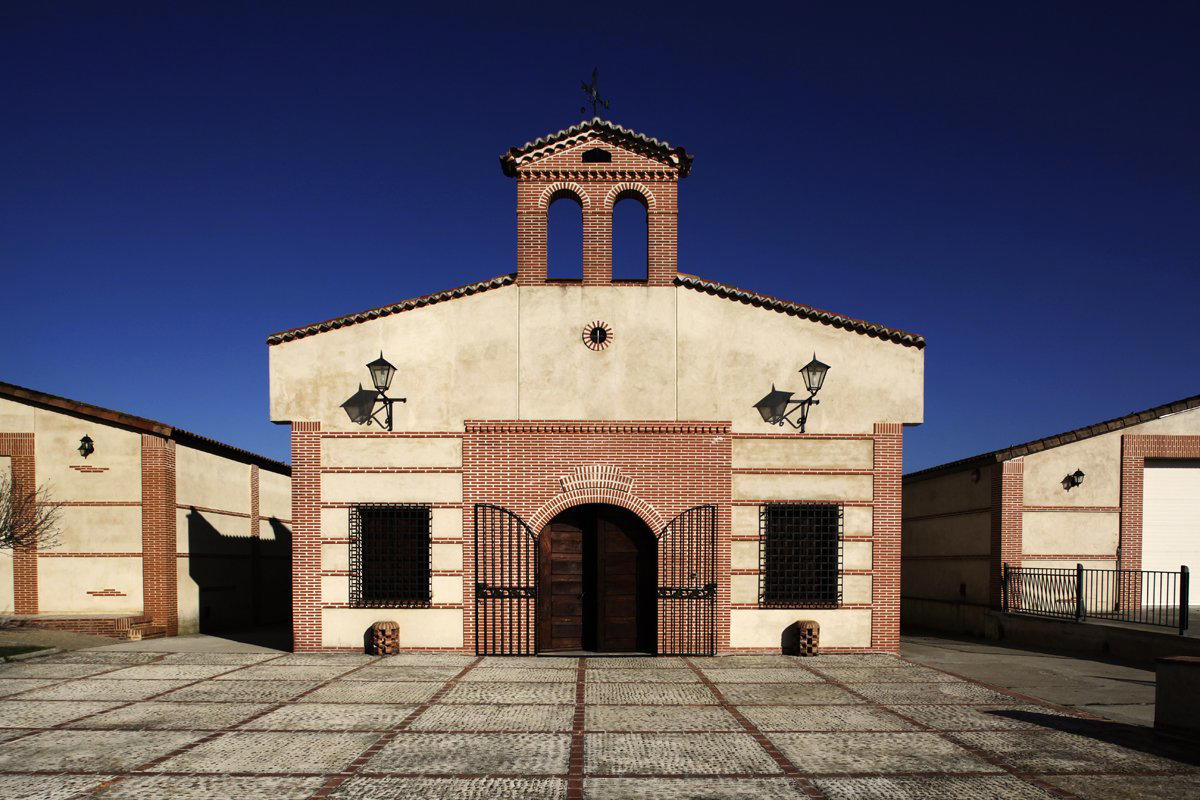
Numanthia
Valdefinjas, Spain
Numanthia is worth pursuing for serious Spanish red-wine travellers, especially collectors who value external recognition and scarcity over an easy tasting-room setup. Treat it as a hard-to-secure anchor booking in Valdefinjas, with backup wineries planned before committing the rest of the day.
Cháteau Schembs
Worms Herrnsheim, Germany
Cháteau Schembs works as a calm Worms-Herrnsheim wine stop, especially for buyers who care about value rather than a packaged visitor experience. Its Falstaff Listed (2026) recognition gives it a useful quality signal, but plan around a focused tasting or purchase decision rather than assuming food, fixed hours, or large-group hospitality.
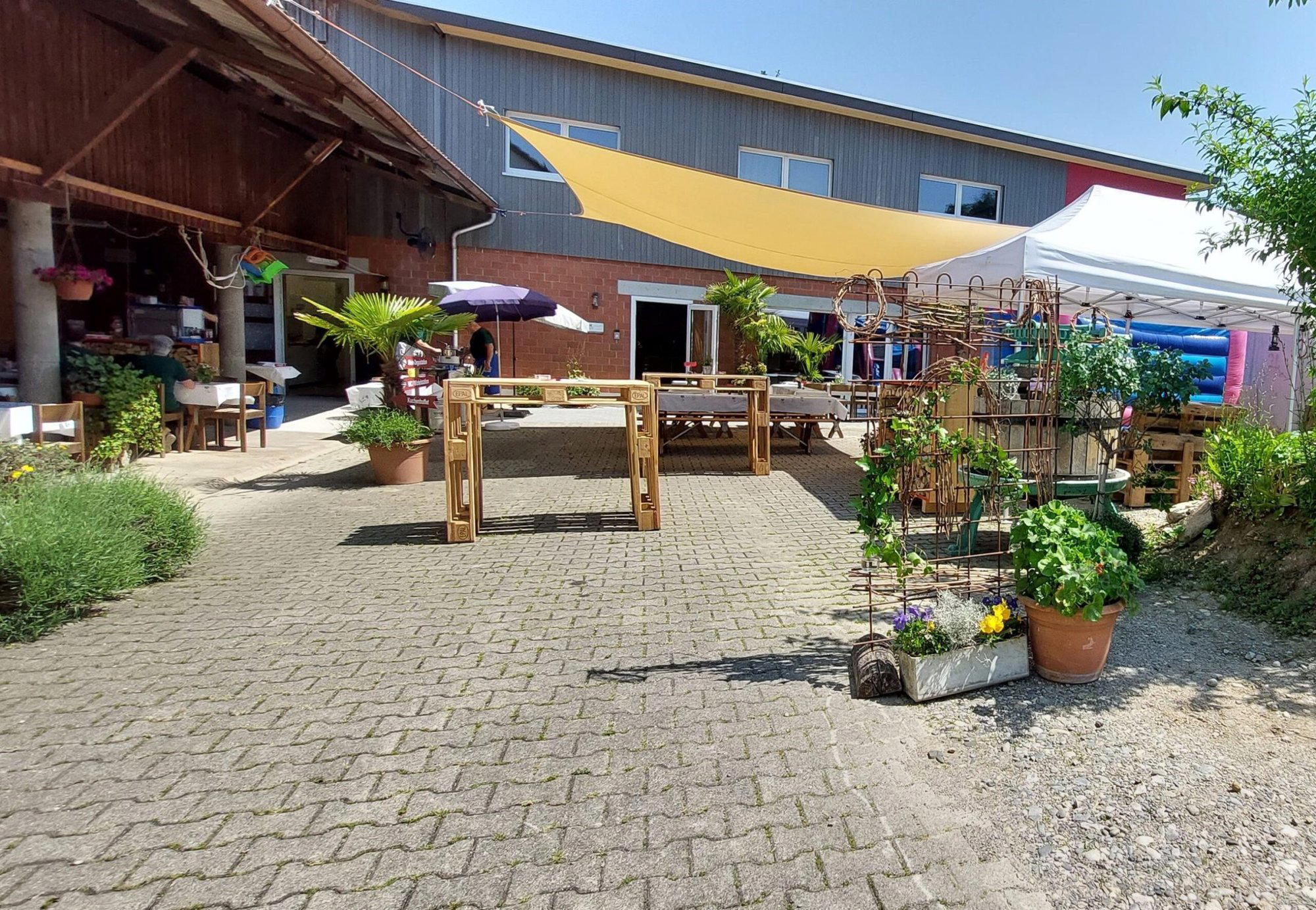
Jeck Weine
Zeiningen, Switzerland
Jeck Weine is worth a stop if you want a practical, low-cost farm-shop wine visit in Zeiningen rather than a formal tasting-room experience. Expect a direct retail feel centered on red and white wines, with Swiss agricultural credentials giving it more substance than the simple setup suggests.
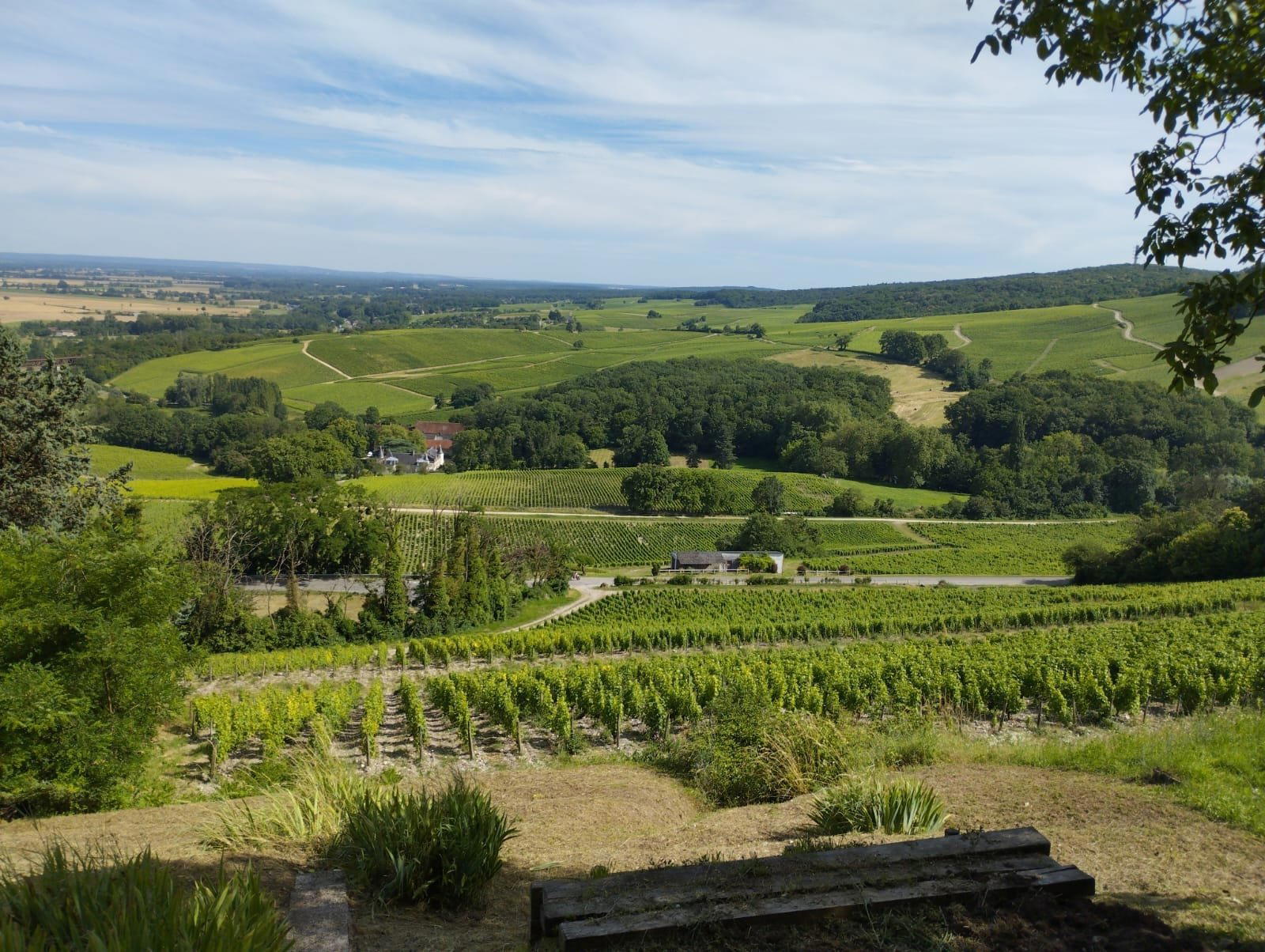
Joseph Mellot
Sancerre, France
Book Joseph Mellot if the goal is a serious Sancerre tasting with Centre-Loire context, not a leisurely winery-resort afternoon. Its strongest draw is breadth across all eight Centre-Loire AOCs, backed by deep family history and concrete environmental certifications.
Colli Vaibò
Pozzolengo, Italy
Book Colli Vaibò if you want a quiet, appointment-led Lugana tasting with serious Turbiana focus rather than a glossy Lake Garda visitor setup. The $$ positioning looks strongest for travellers who care about production detail, Riserva ageing, and regional context; Falstaff Listed (2026) adds a useful trust signal.
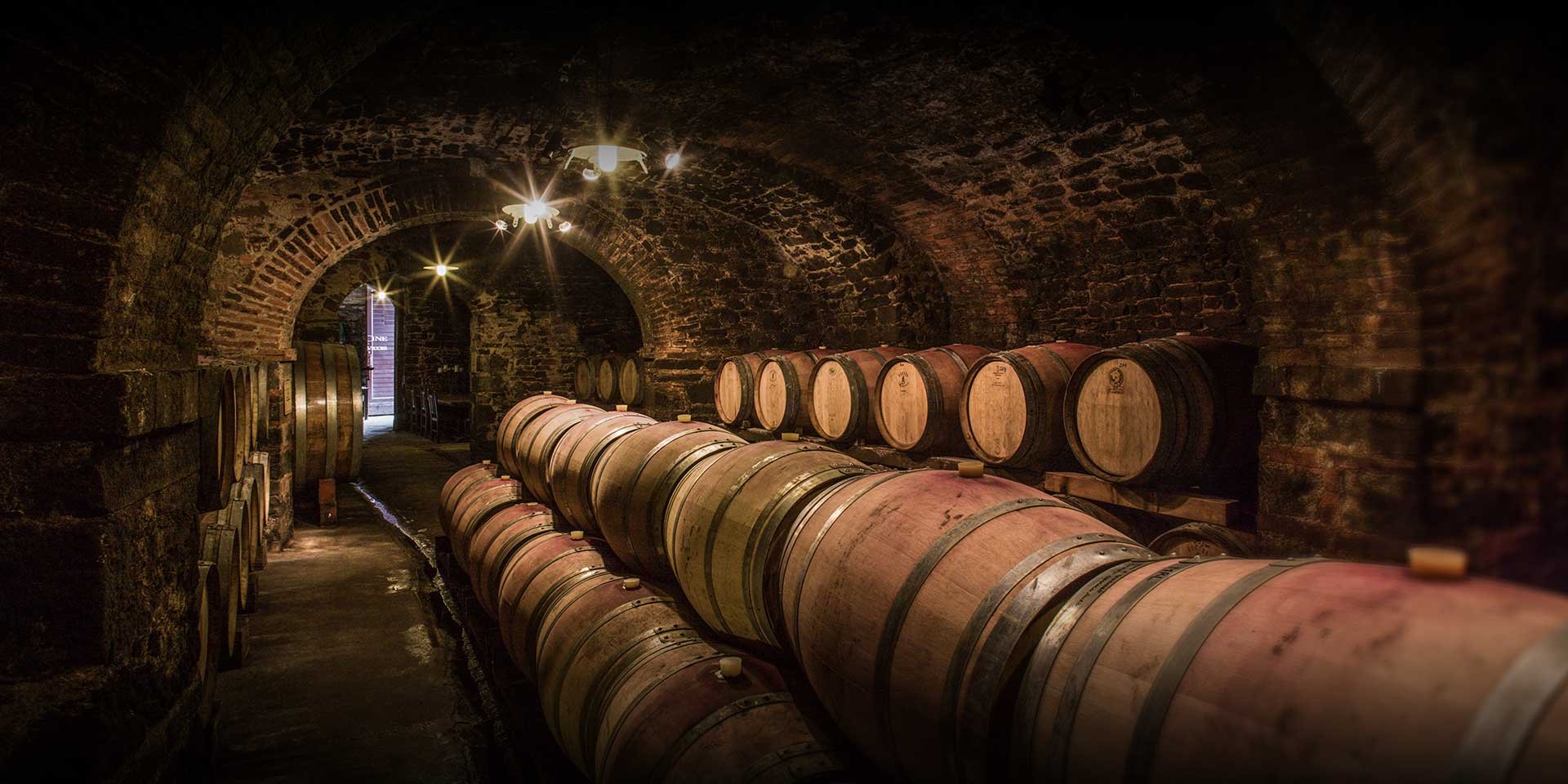
Fattoria di Castelvecchi
Radda in Chianti, Italy
A strong choice for a quiet Chianti Classico tasting built around cellar history and old-vine Sangiovese. Book it for a date, anniversary, or wine-focused afternoon where the draw is production detail and medieval-hamlet atmosphere rather than a lively tasting-room scene.
Claudia Gänsdorfer
Gfohl, Austria
Claudia Gänsdorfer is a cautious add-on for a Gföhl wine-country plan, not a venue to build a celebration around without confirmed logistics. The listing has a Falstaff Listed recognition for 2026, but practical visit details are thin, so use it only if your timing is flexible and the rest of the day is already secure.
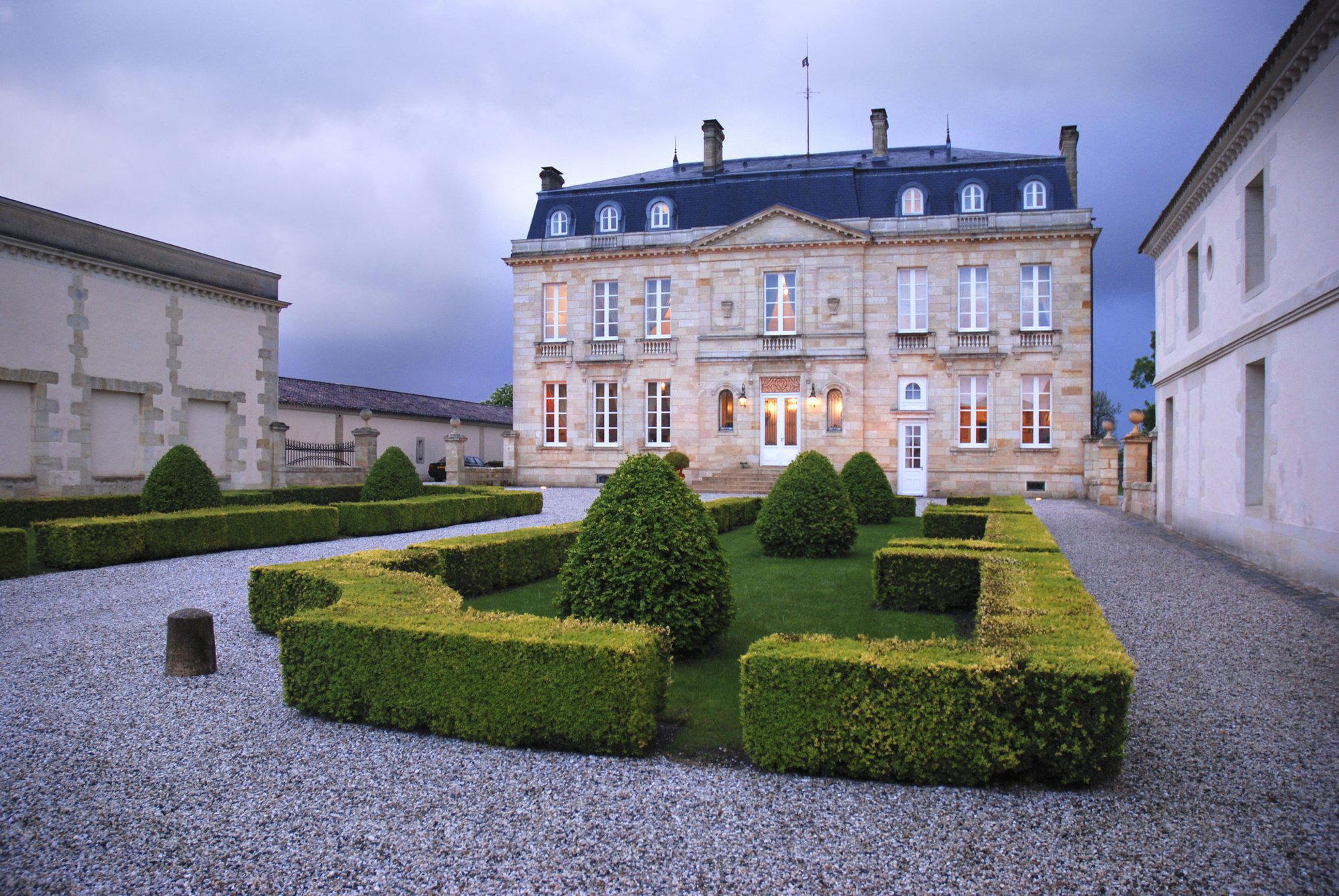
Château Labégorce
Margaux, France
A polished Margaux château visit for travelers who want classic Médoc setting plus a clear look at Cabernet-led production. Château Labégorce is strongest as a planned special-occasion stop, especially if the appeal is cellar context, estate history, and a relaxed tasting rather than a casual walk-in feel.
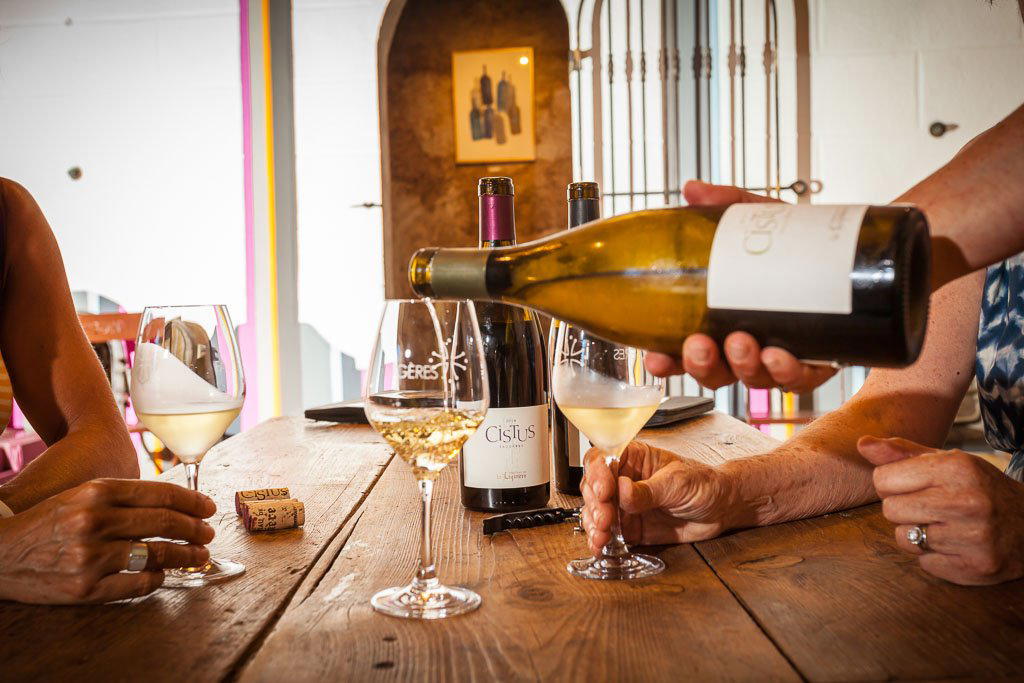
Château de la Liquière
Cabrerolles, France
Worth planning if you want an appointment-only Faugères tasting focused on organic farming, schist soils, and estate-grown wines rather than polished wine-tourism extras. The $$ price tier and Falstaff Listed 2026 recognition make it a strong fit for couples or small groups who care about production detail and a quiet cellar setting.
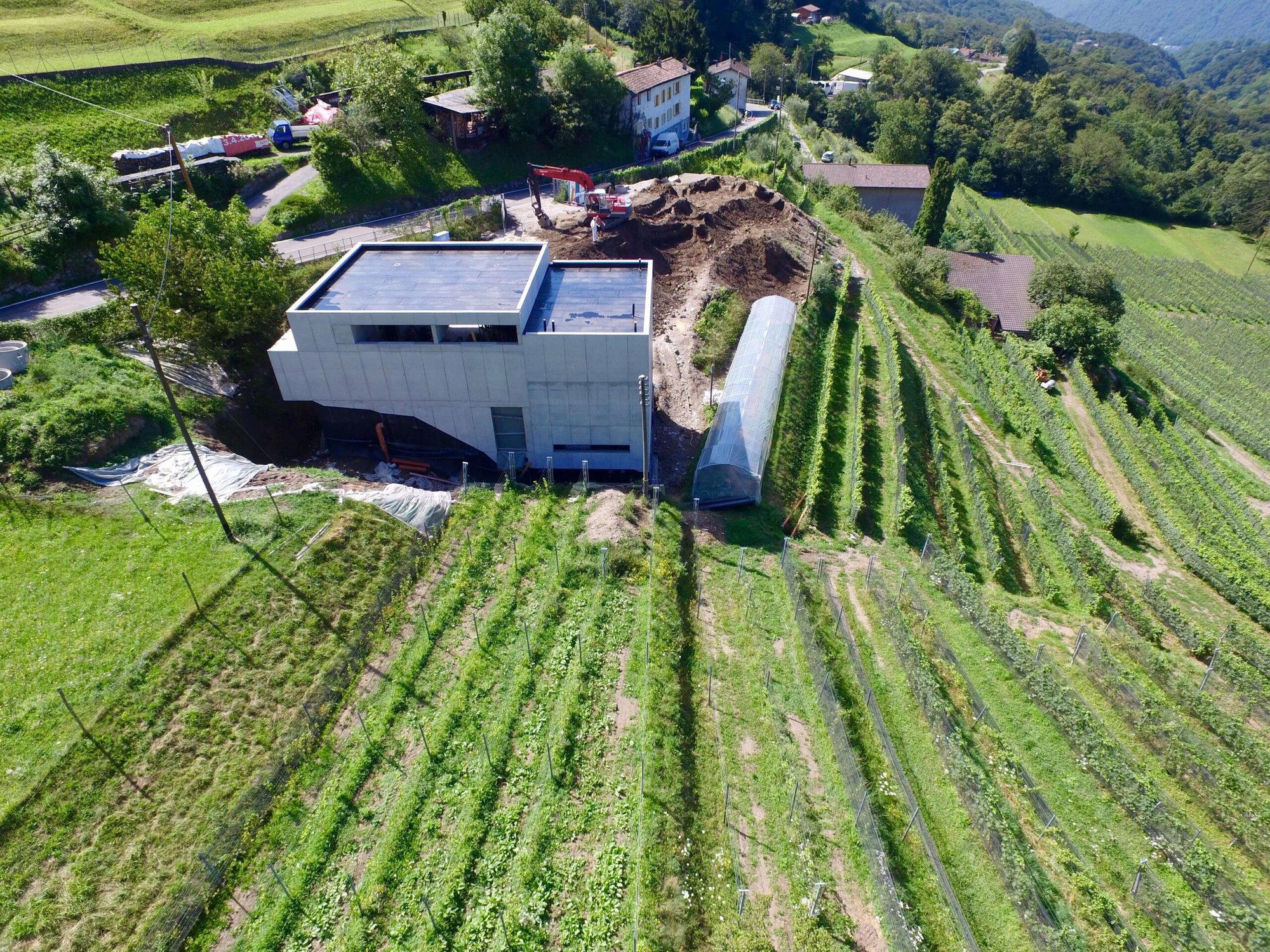
Azienda Agricola Bianchi
Arogno, Switzerland
Azienda Agricola Bianchi is worth booking for a quiet, appointment-only organic wine tasting in Arogno, especially for couples or small celebration groups who care about Ticino farming and sustainability. Falstaff 3 Stars for 2026 and BioSuisse certification give it more credibility than a casual scenic stop, while the $$ positioning keeps it sensible for a special afternoon.
Col de Mar
Pramaggiore, Italy
Col de Mar works for wine travelers who want a focused look at Millesimato Prosecco rather than a broad estate tasting. The appeal is the five-wine structure across DOC, DOCG, Rosé, Venezia DOC, and Frizzante styles, supported by a design-led identity and a 2026 Falstaff listing.
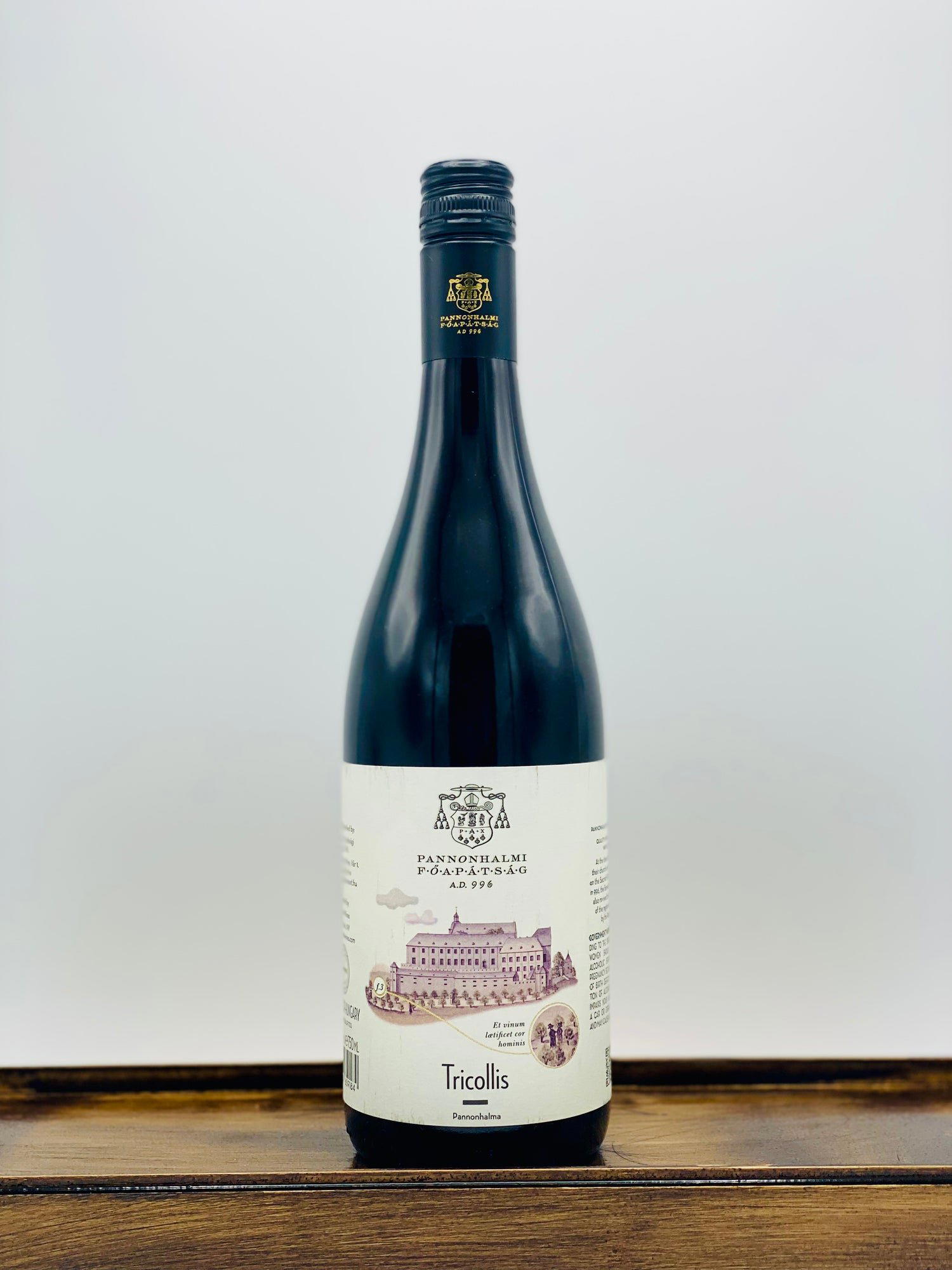
Pannonhalmi Apátsági Pincészet
Pannonhalma, Hungary
Prioritise Pannonhalmi Apátsági Pincészet if the Pannonhalma trip is wine-led and you want the more serious, prestige-coded stop rather than an easy backup tasting. It is a better fit for planned visits and potential allocation interest than for casual walk-ins, especially when food, shipping, and membership terms need to be confirmed before committing.
Erich Andrey
Ligerz Am Bielersee, Switzerland
Book Erich Andrey if you want a small, direct Ligerz wine stop focused on tasting and purchase rather than a polished hospitality setup. It is better for couples or small groups with a wine-first plan than for large parties, food-led visits, or anyone expecting a long hosted experience.
Château Laurétan
Langoiran, France
Château Laurétan is a smart Langoiran stop for value-focused Bordeaux travelers who care about organic farming, vineyard context, and a quiet estate setting. The draw is not luxury polish; it is a 26-hectare organic vineyard, a 17th-century cellar, and a clear Bordeaux Supérieur focus that makes the visit easy to justify.

Champagne Sanger
Avize, France
Book Champagne Sanger if you want an Avize Champagne visit with a serious educational core rather than polished house theater. Its teaching-winery model, extended lees aging, and minimalist cellar approach make it a strong fit for wine-focused couples, small celebration groups, and business guests who want substance at a moderate price point.
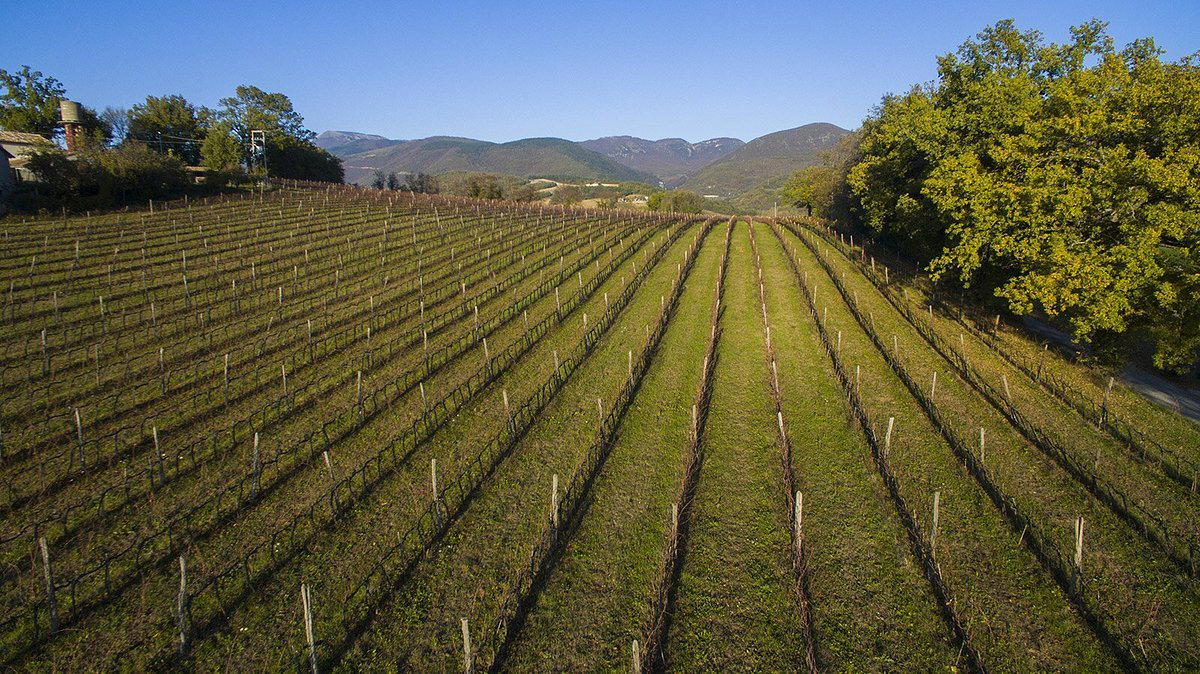
Cantine Belisario
Matelica, Italy
Worth considering if Verdicchio di Matelica Riserva is the point of the trip, especially for drinkers deciding what to buy or ship rather than casual visitors looking for a polished tasting experience. Cantine Belisario is Falstaff Listed for 2026, which gives it a useful quality signal, but confirm visit logistics and shipping before planning the day around it.
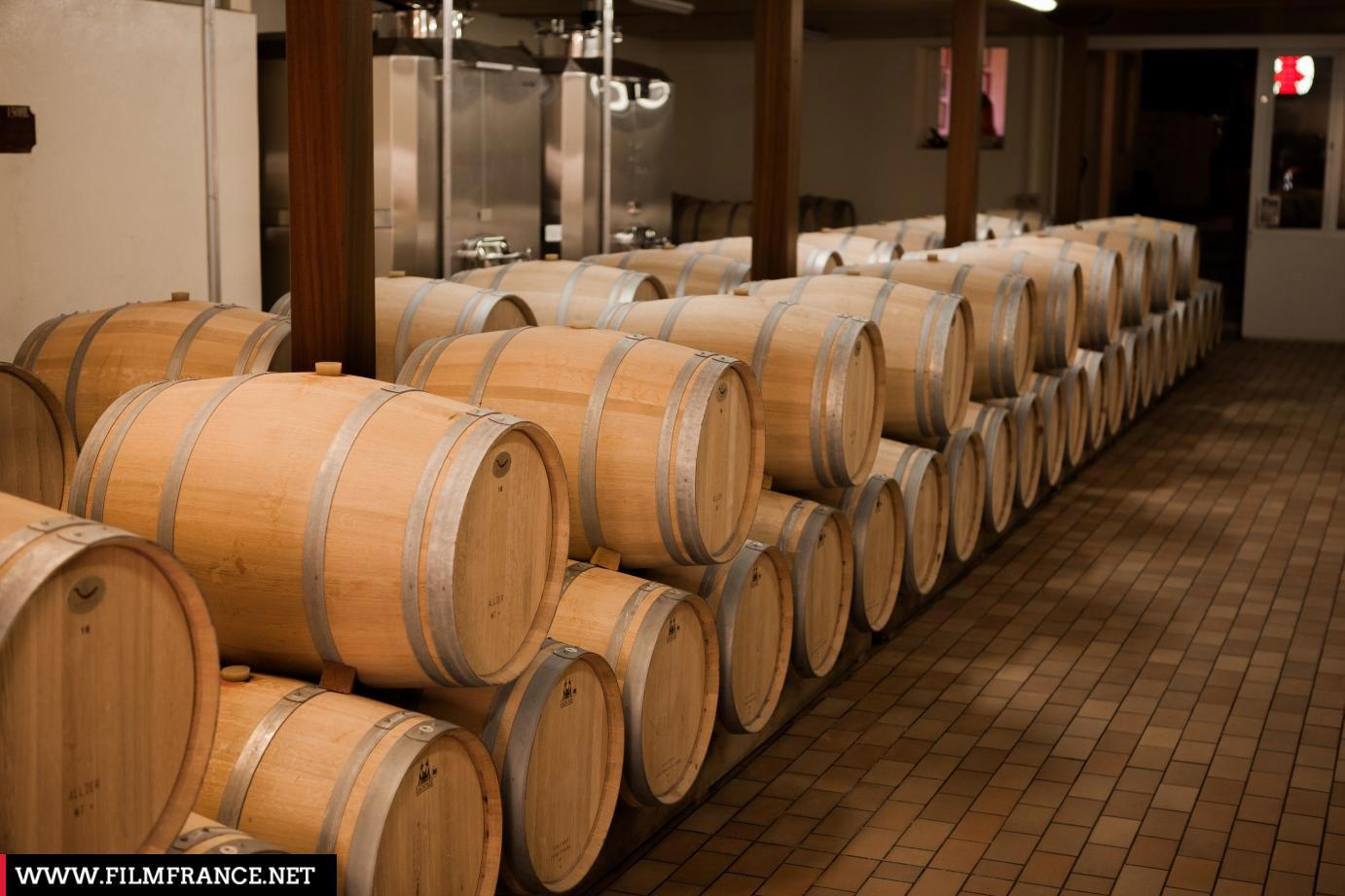
Château du Moulin Rouge
Cussac Fort Medoc, France
Book Château du Moulin Rouge as a focused Haut-Médoc stop if the goal is bottle research, not a full-day château production. Its 2026 Falstaff listing gives it a useful credibility signal, and it fits best into a Cussac-Fort-Médoc route with a few nearby wineries rather than as a standalone detour.
Domaine Hubert de Montille
Puligny-Montrachet, France
A strong pick for Burgundy collectors and serious wine-focused celebrations, especially if restrained Volnay Pinot Noir and mineral Côte de Beaune Chardonnay are the priority. Domaine Hubert de Montille is better suited to guests who value lineage, cellar discipline, and age-worthy bottles over polished wine-tourism extras.
Domaine de Roliebot
Mont Sur Rolle, Switzerland
Domaine de Roliebot is a sensible pick for wine travelers building a Mont Sur Rolle route, especially if the goal is local context rather than a polished tasting-room production. Booking difficulty is easy, and Falstaff listing in 2026 gives it a useful recognition signal, but plan around confirmed visit details rather than assuming fixed hospitality formats.
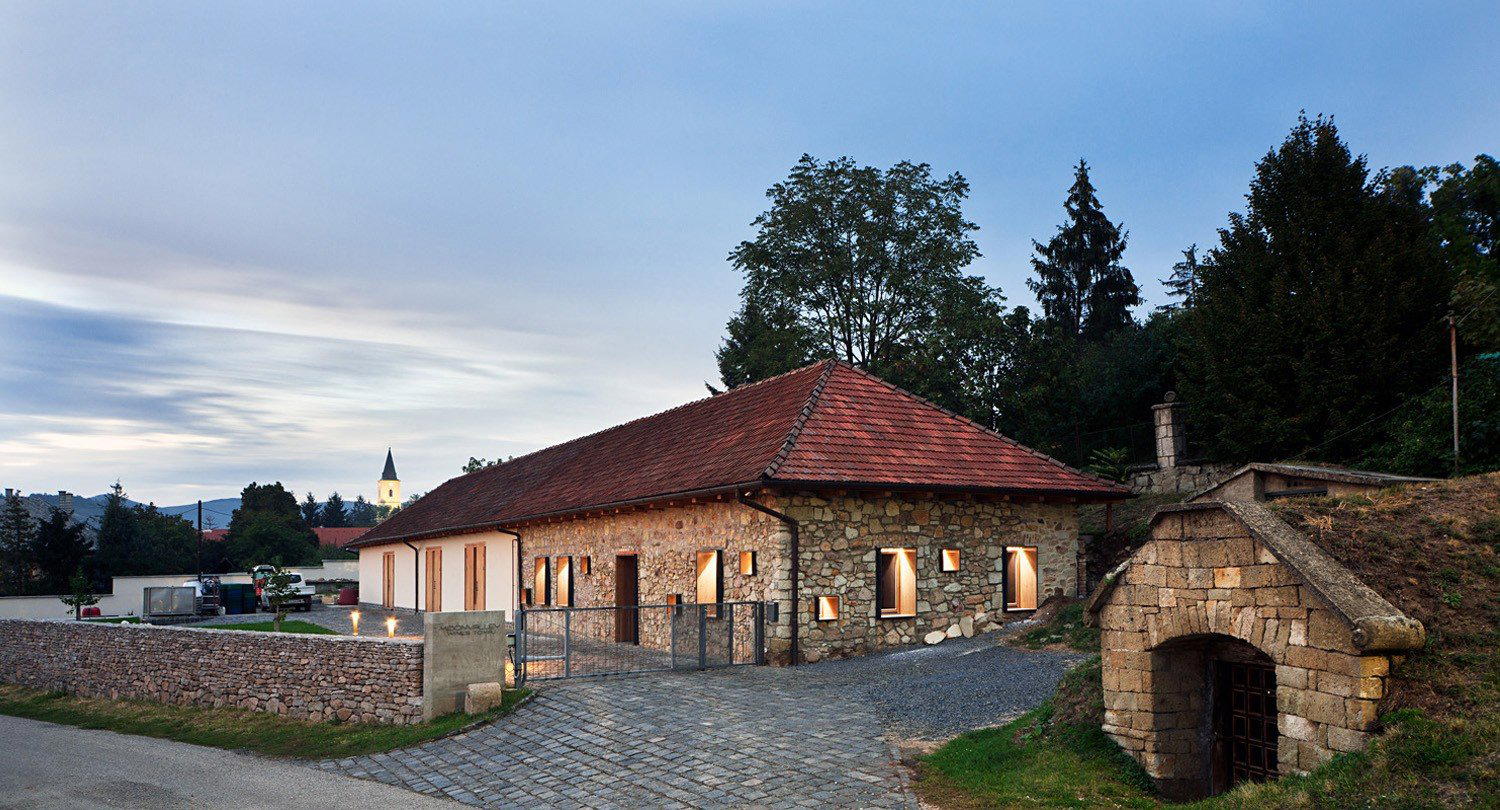
Holdvölgy
Mád, Hungary
Holdvölgy is worth prioritizing for a structured Tokaj tasting in Mád, especially for first-timers who want guidance rather than a casual glass. Plan it as a serious winery stop and compare it with Szepsy, Royal Tokaji, Barta Pince, Zsirai Winery, and Szent Tamás Winery before building the rest of the day.
Domaine Jean-René Germanier
Vetroz, Switzerland
Plan this as a serious Valais cellar stop, not a casual food-and-wine afternoon. Domaine Jean-René Germanier is worth booking for Swiss wine drinkers who want organic credentials, fourth-generation continuity and a portfolio that runs from Chasselas and Pinot Blanc to Pinot Noir and Syrah. It is less compelling if dining or a broad hospitality setup is the priority.
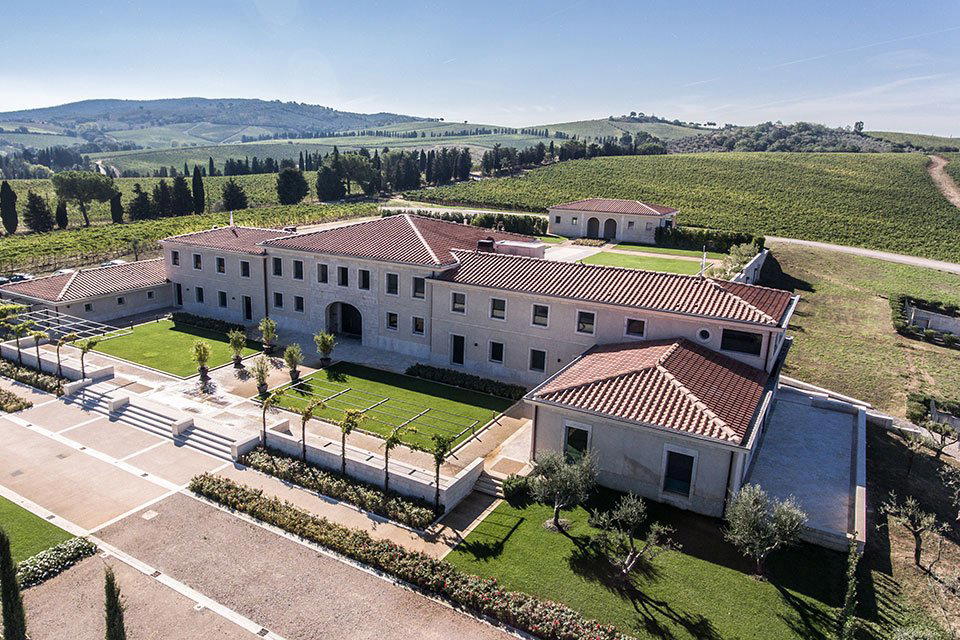
Famiglia Cecchi
Castellina in Chianti, Italy
Famiglia Cecchi is a stronger fit for travellers who want a wine-first Castellina in Chianti stop with external recognition than for visitors building the day around a guaranteed food pairing. Falstaff 3 Stars in 2026 gives it a useful trust signal; plan food separately unless a pairing format is confirmed.
Gästehaus & Weinbau Pammer
Mitterarnsdorf, Austria
Book Gästehaus & Weinbau Pammer if you want a quiet Wachau guesthouse-winery base rather than a formal, high-production tasting. It is strongest for couples or small groups who value rustic atmosphere, casual dress, and local wine-country pacing; confirm any tasting or food expectations before building the whole trip around it.
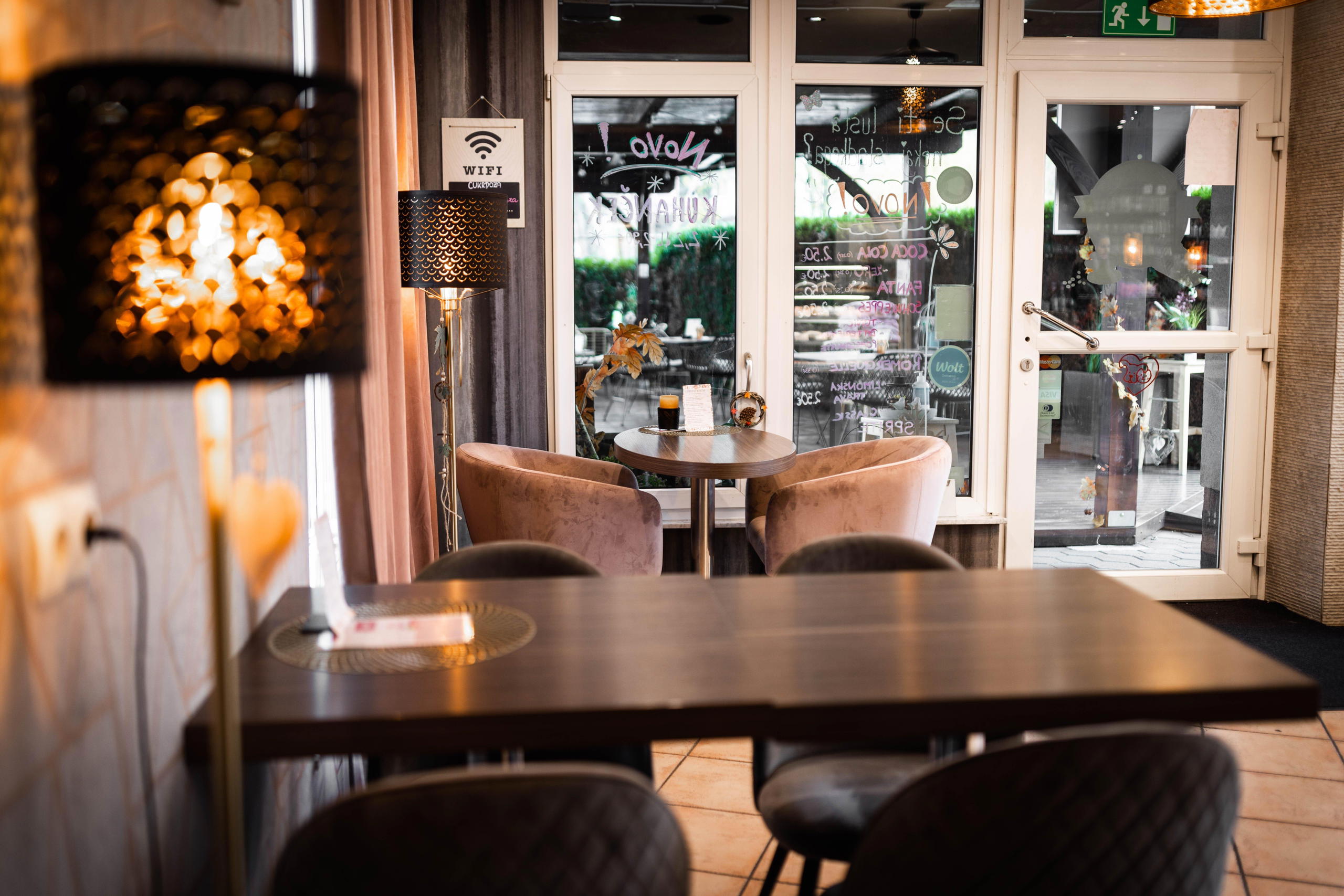
Dveri Pax
Jarenina, Slovenia
Dveri Pax is worth planning around if Jarenina is already part of a wine-country itinerary and €€€ feels right for contemporary cooking with Michelin Plate recognition. It is a better fit for a calm regional meal than for diners seeking a star-level splurge or a chef-led destination with famous signature dishes.
HandCraft Artisan Collection
Manteca, United States
HandCraft Artisan Collection is a practical Manteca pick for a relaxed California wine stop, especially when the group wants an approachable $$ experience rather than a high-ceremony tasting. Its 2026 Falstaff listing adds credibility, but no named flagship bottle is specified, so treat it as a casual discovery option rather than a collector-focused destination.
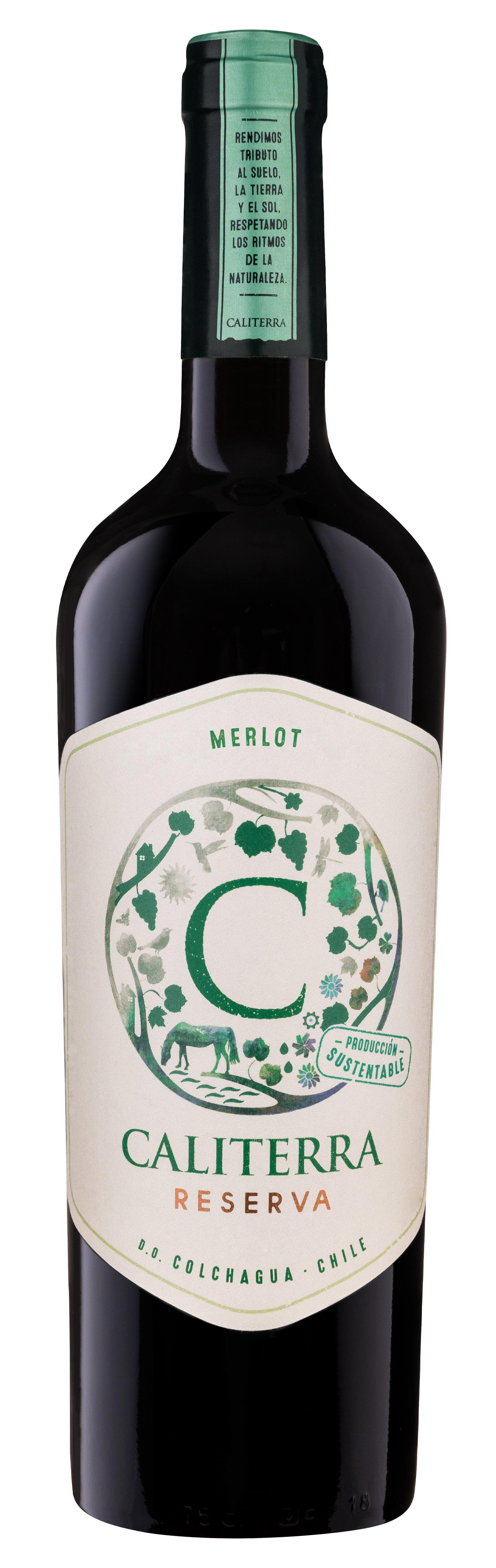
Viña Caliterra
Colchagua, Chile
Viña Caliterra is worth prioritising for a planned Colchagua wine-country day, especially for a celebration or hosted itinerary where the winery stop needs to feel considered. Treat it as a reservation-led visit and build meals, transport, and backup tastings around it rather than assuming a casual walk-in plan will work.
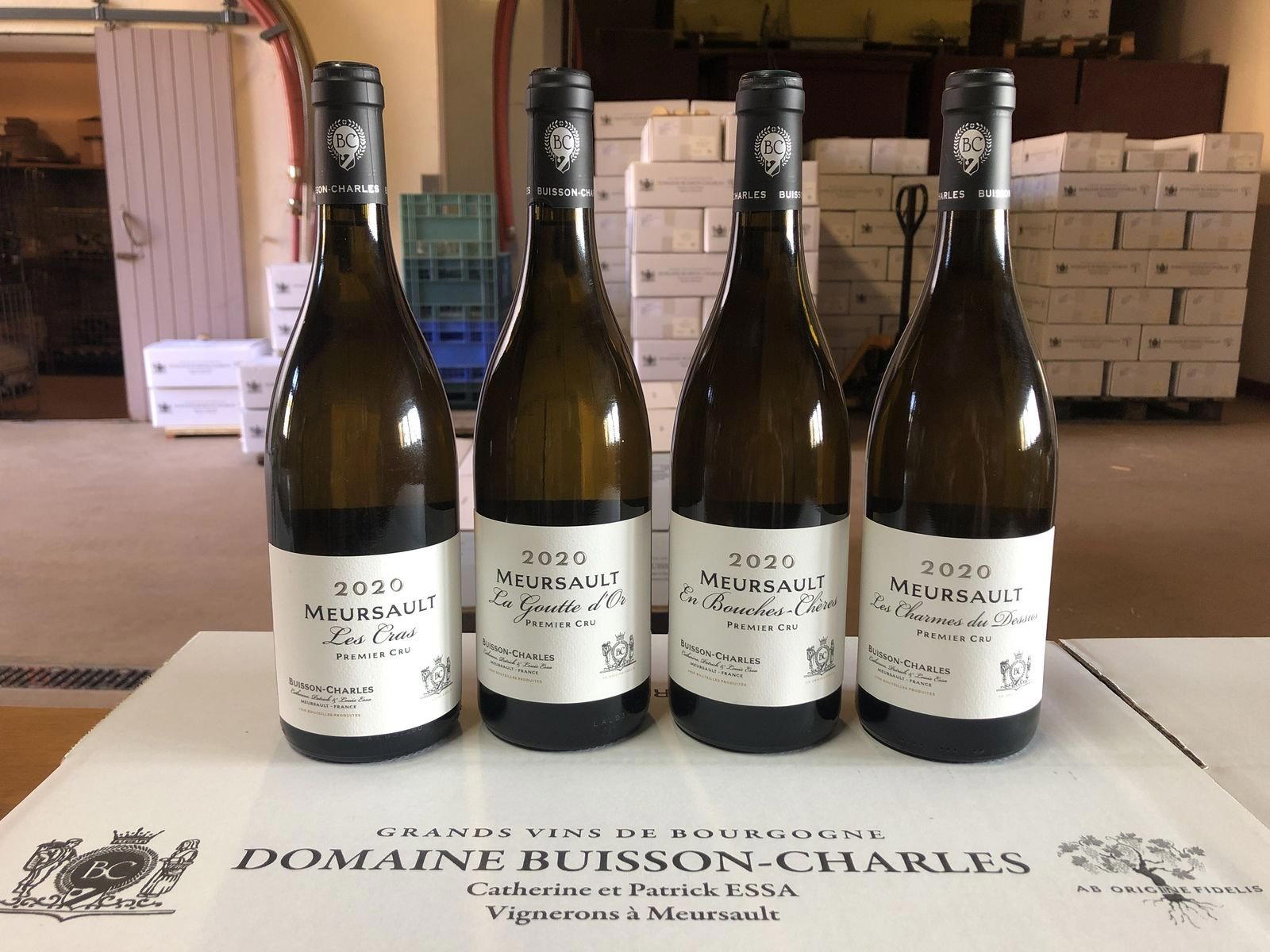
Domaine Buisson-Charles
Meursault, France
Worth considering for a Burgundy-focused Meursault itinerary, especially if the priority is producer context over a meal or visitor-center setup. Recognition from Michelin Main Selection (2026) and Falstaff Listed (2026) gives it a credible signal, but plan it as a wine stop: dining, hotels, and evening plans should be arranged separately.

Cantine Mucci
Torino Di Sangro, Italy
Cantine Mucci works if the plan is an Abruzzo-focused wine stop near Torino di Sangro, especially for travelers who value a Falstaff-listed producer over a heavily packaged visitor experience. Go with flexible expectations and plan meals, hotels, bars, and other activities separately around the town.
Fattoria Paradiso
Bertinoro, Italy
Fattoria Paradiso is worth shortlisting for a wine-focused Bertinoro stop, especially if the day is already built around Emilia-Romagna cellar visits. The safer expectation is tasting and regional context rather than a restaurant-style plan. Falstaff Listed in 2026, it suits travelers who want depth but should confirm any private tasting, group, or shipping needs before planning around it.
Karnerhof Manfred Karner
Rust, Austria
Karnerhof Manfred Karner works as a relaxed Rust winery stop if you want traditional Burgenland atmosphere over a heavily structured tasting. The 2026 Falstaff listing gives it a useful credibility signal, but the stronger reason to go is the classic, rustic setting and regional wine context rather than a documented flagship portfolio.
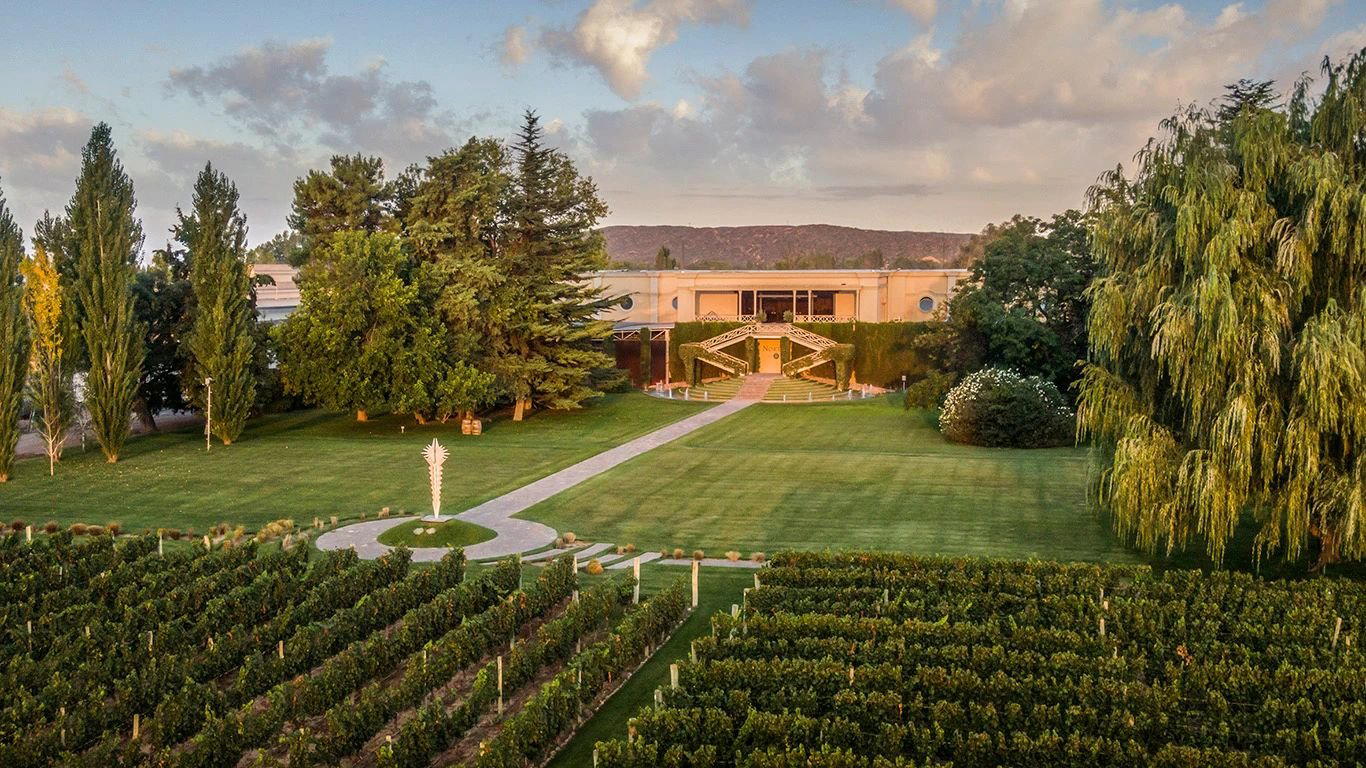
Bodega Norton
Luján de Cuyo, Argentina
Bodega Norton is a strong Luján de Cuyo choice when the brief is a polished Mendoza winery visit with serious planning value. Book it as an anchor stop rather than a casual add-on, especially if food pairing and a structured wine day matter more than chasing smaller, lower-profile producers.
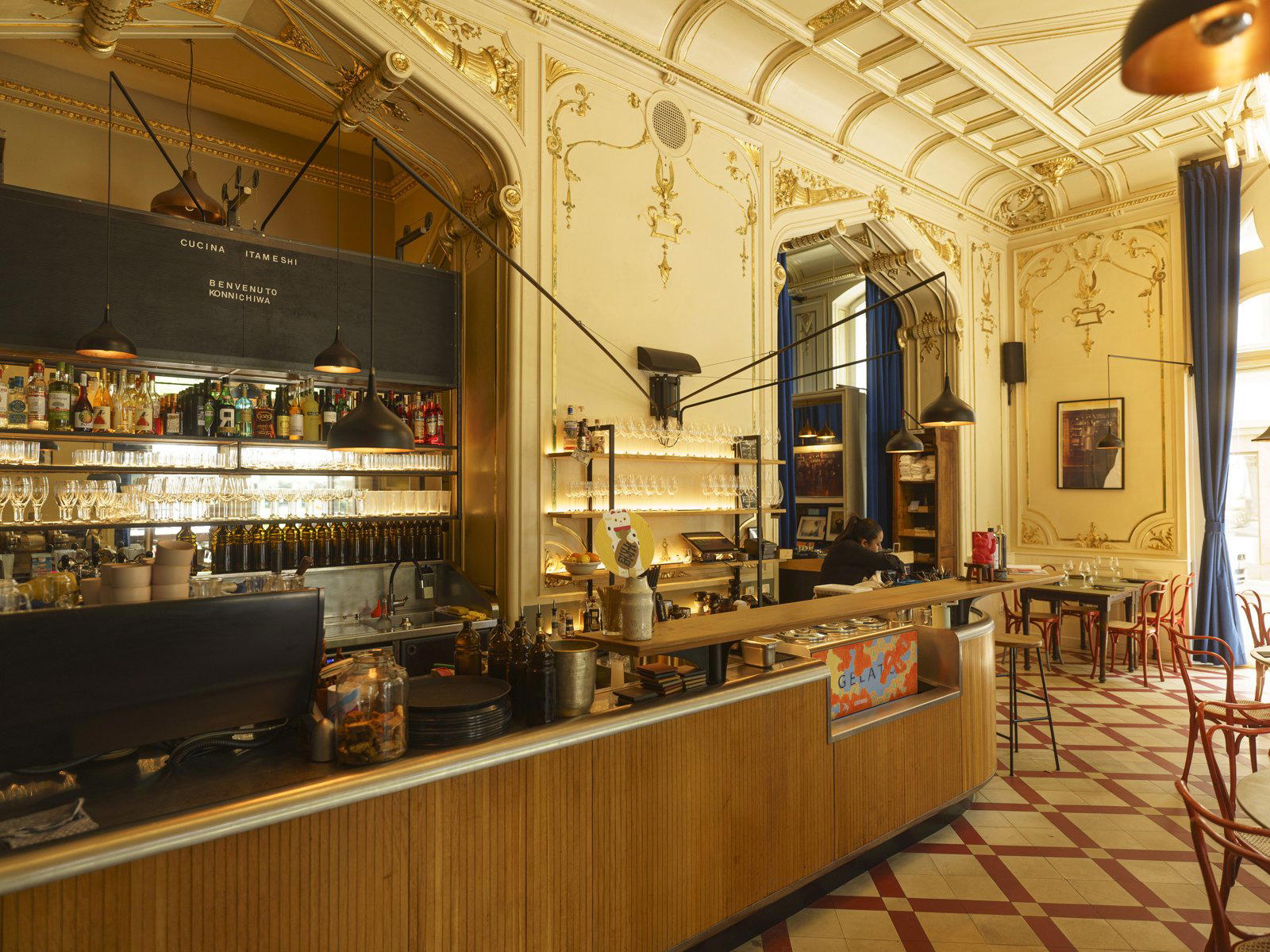
Weingut Ingrid Groiss
Breitenwaida, Austria
Try for Weingut Ingrid Groiss when the occasion is wine-led and planning flexibility is acceptable. Its Pearl 2 Star Prestige recognition makes it a stronger choice than a casual tasting stop, but the lack of listed food, hours, and direct booking details means small, serious wine groups will get the clearest value.
Clos Du Mont-Olivet
Châteauneuf-du-Pape, France
A quiet, focused Châteauneuf-du-Pape winery stop for travelers who want appellation context rather than a restaurant-style visit. Clos Du Mont-Olivet is listed by Falstaff in 2026, which gives it a useful recognition signal, but plan it as one part of a broader wine day, not the full itinerary.
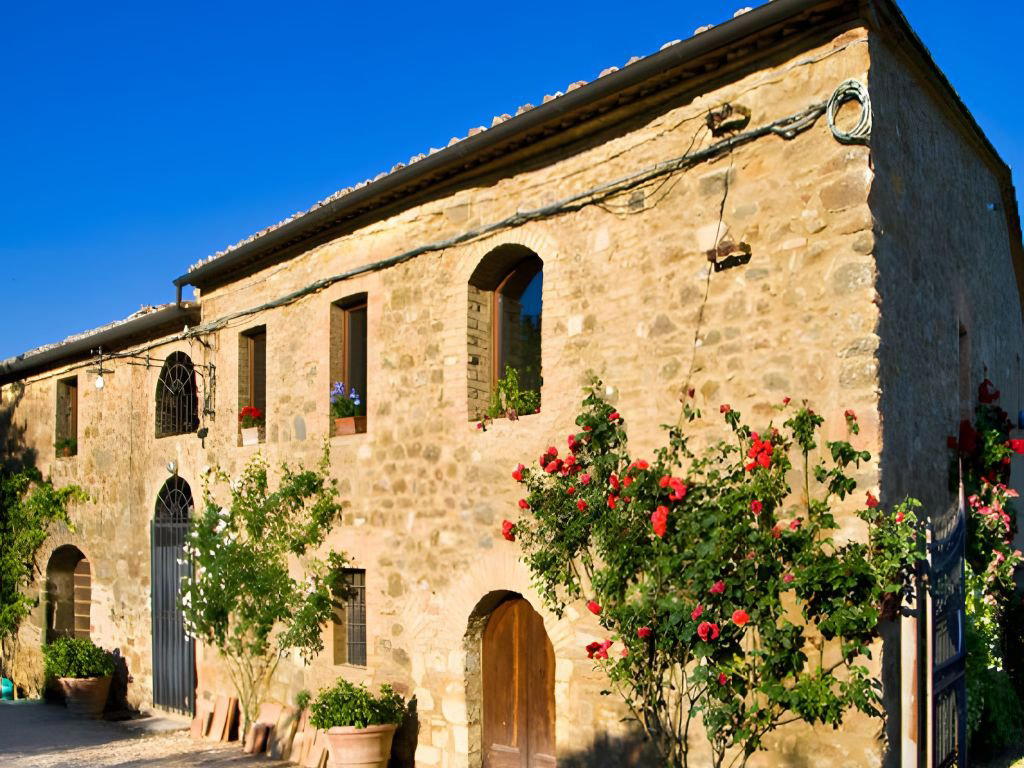
Borgo Villa a Tolli
Montalcino, Italy
Book Borgo Villa a Tolli if the goal is a quiet Brunello-country base with history, vineyard atmosphere, and relaxed farmstay hospitality. It is better suited to couples and wine-focused travelers than to guests who want full-service resort polish or town-center convenience.
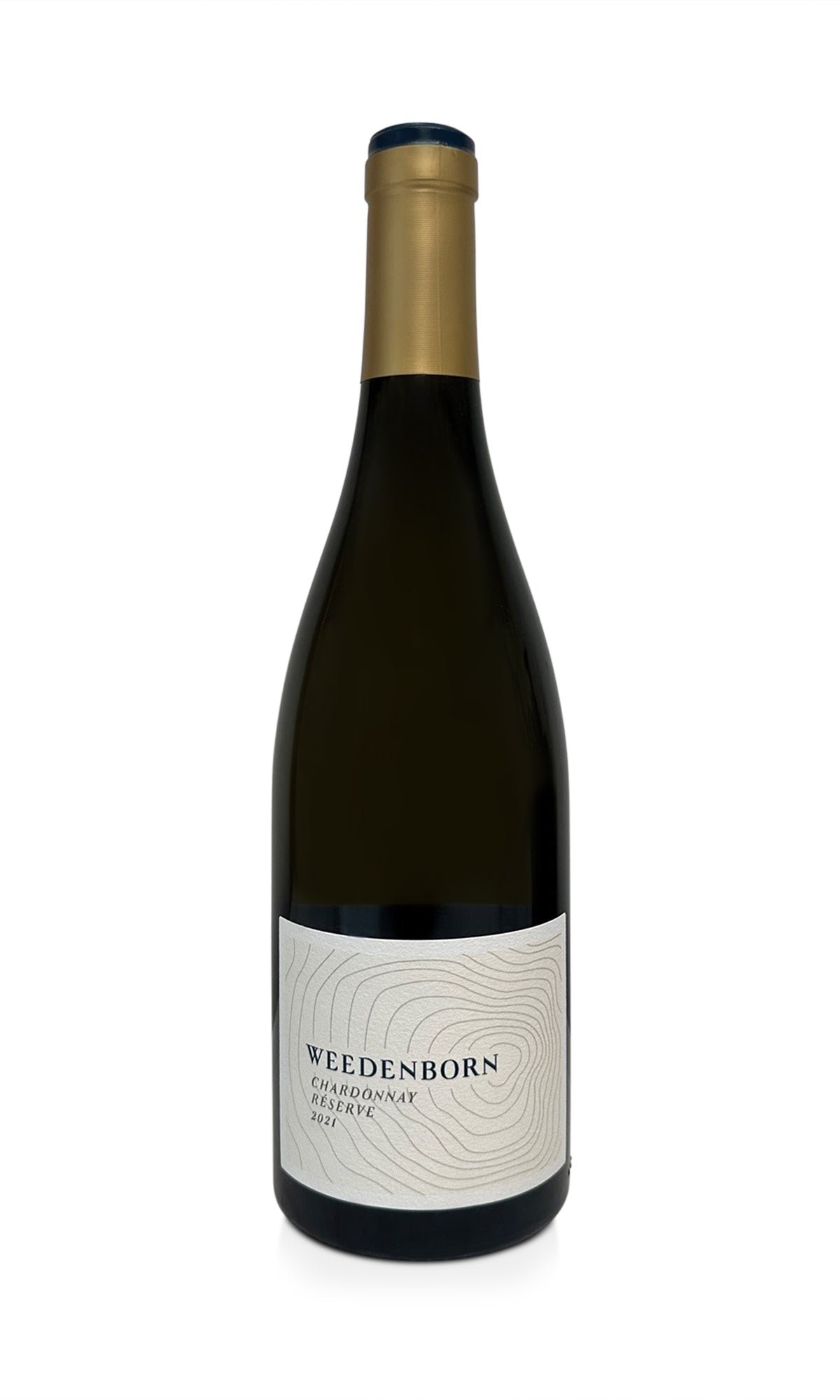
Weingut Weedenborn
Monzernheim, Germany
Book Weingut Weedenborn if the goal is a serious Rheinhessen producer visit rather than a casual tasting-room stop. It suits small groups and wine-focused travellers, especially if a more private format can be arranged; larger groups should confirm fit before building the day around it.
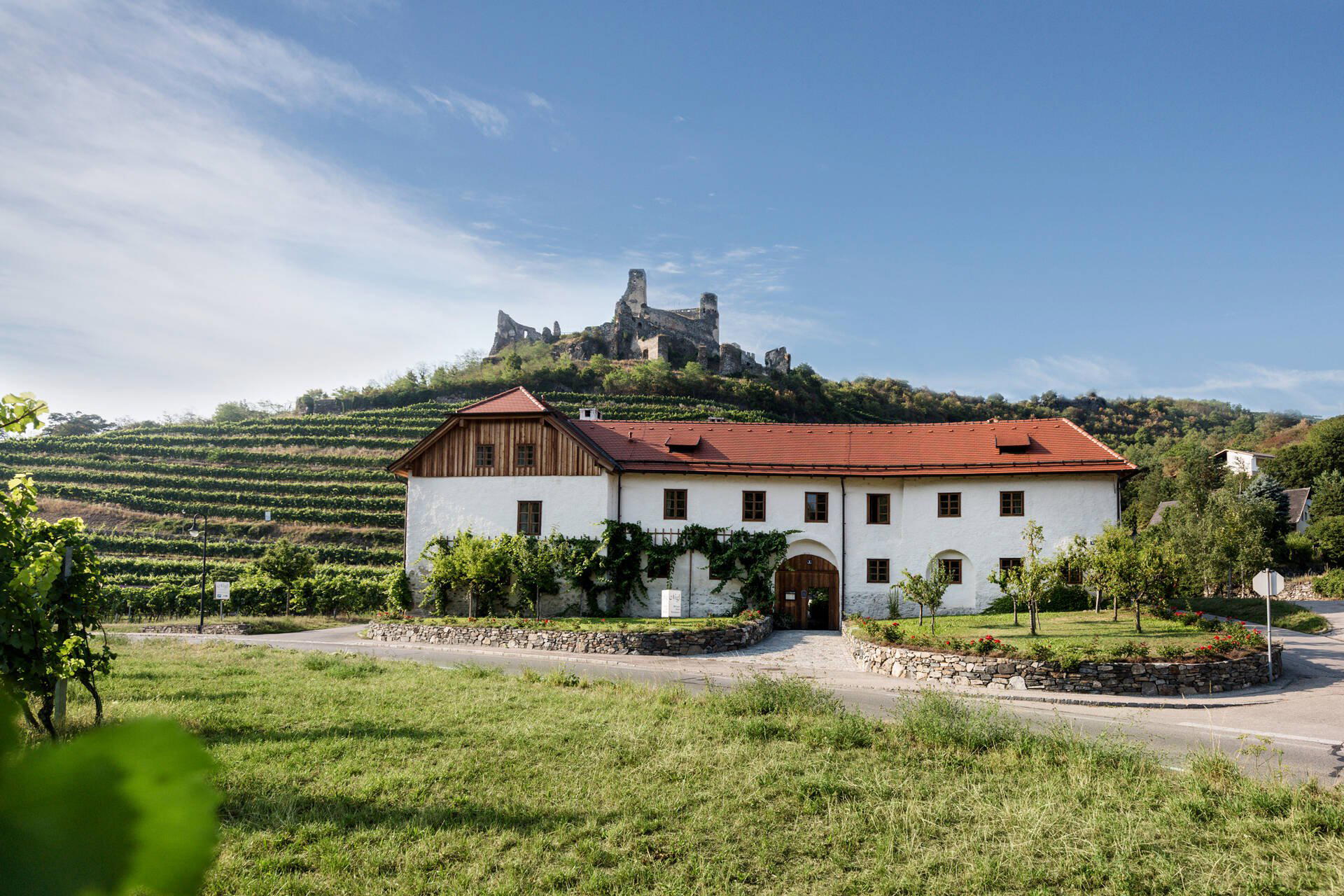
Wein-Gut Nigl
Senftenberg, Austria
Wein-Gut Nigl is the Senftenberg pick for a focused, special-occasion winery visit rather than a casual tasting crawl. Choose it when the wine is the point of the day and the group is small enough to plan carefully; compare with Weingut Familie Proidl if staying local and flexible matters more.
Château Balestard La Tonnelle
Saint-Émilion, France
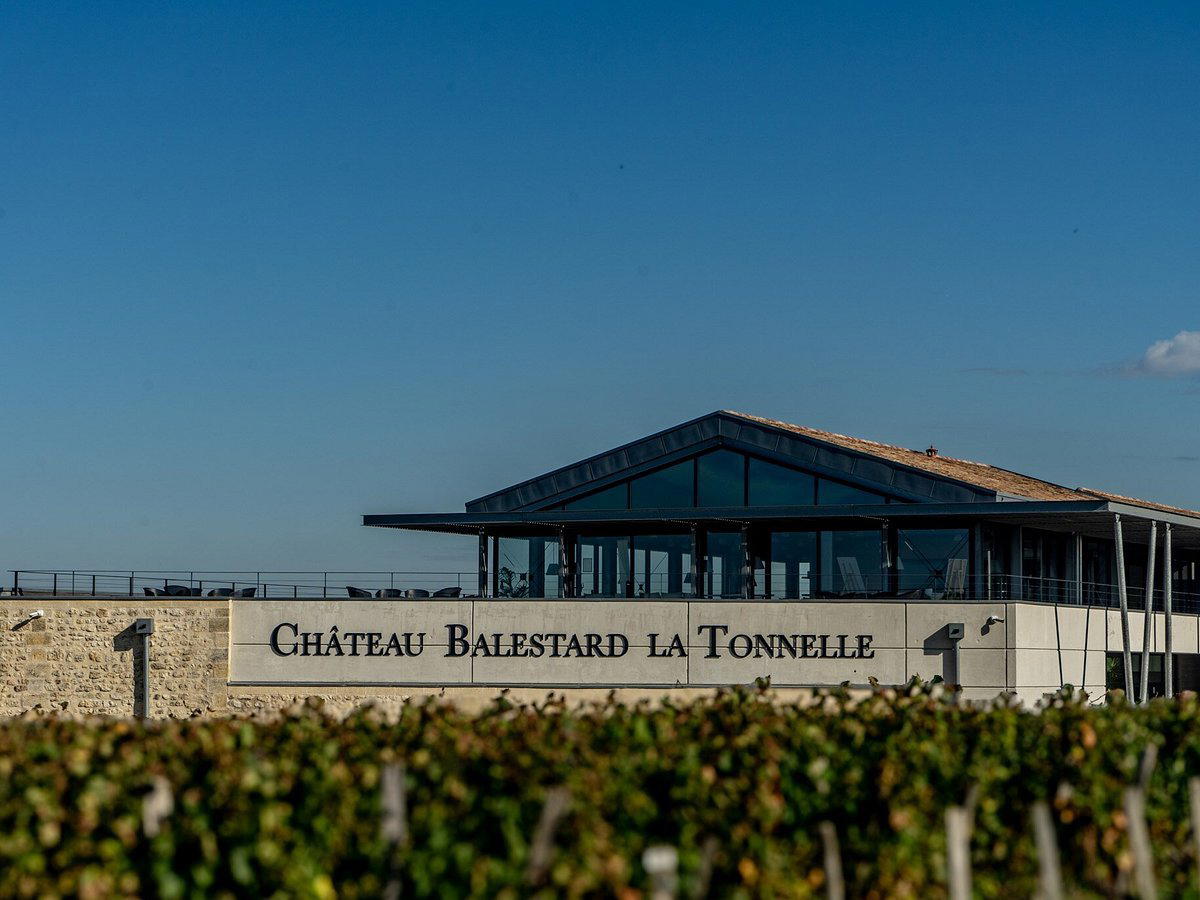
Prioritise Château Balestard La Tonnelle if the Saint-Émilion trip is built around serious château visits and advance planning. Falstaff’s 2 Stars for 2026 gives it a clear recognition signal, but the lack of public-facing practical detail makes it a poor fit for travellers who need flexible timing or transparent visit logistics before choosing.
Domaine Boeckel
Mittelbergheim, France
Prioritise Domaine Boeckel if the point of the trip is serious Alsace wine rather than a glossy tasting-room experience. The draw is Grand Cru Zotzenberg Sylvaner, organic farming since 2010, and a range that covers classic bottlings, Crémant d’Alsace, and natural wines in a historic Mittelbergheim setting.
Viña Garcés Silva (Amayna)
San Antonio, United States
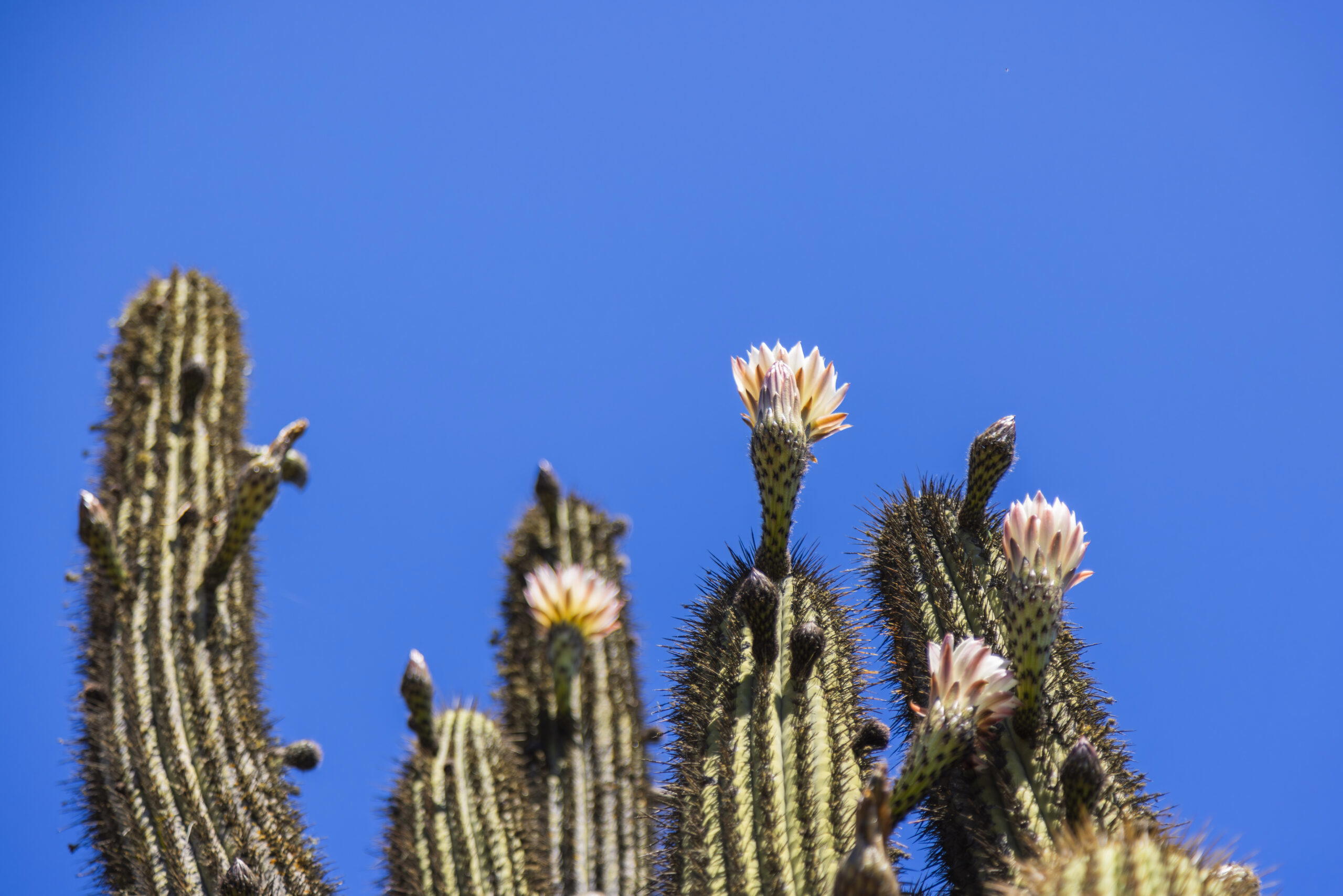
A better fit for a planned wine-focused stop than a casual San Antonio drop-in. The Pearl 1 Star Prestige recognition gives Viña Garcés Silva (Amayna) a quality signal, but first-timers should confirm practical details before shaping an itinerary around it.
Château Pineraie
Puy-L’Évêque, France
Prioritise Château Pineraie if you want a grounded Cahors Malbec visit rather than a polished wine-tourism production. The value is in the sixth-generation family history, Lot terrace terroir, organic-conversion work, and focused AOC Cahors reds, especially for first-timers trying to understand the region.
Château Couhins-Lurton
Villenave D Ornon, France
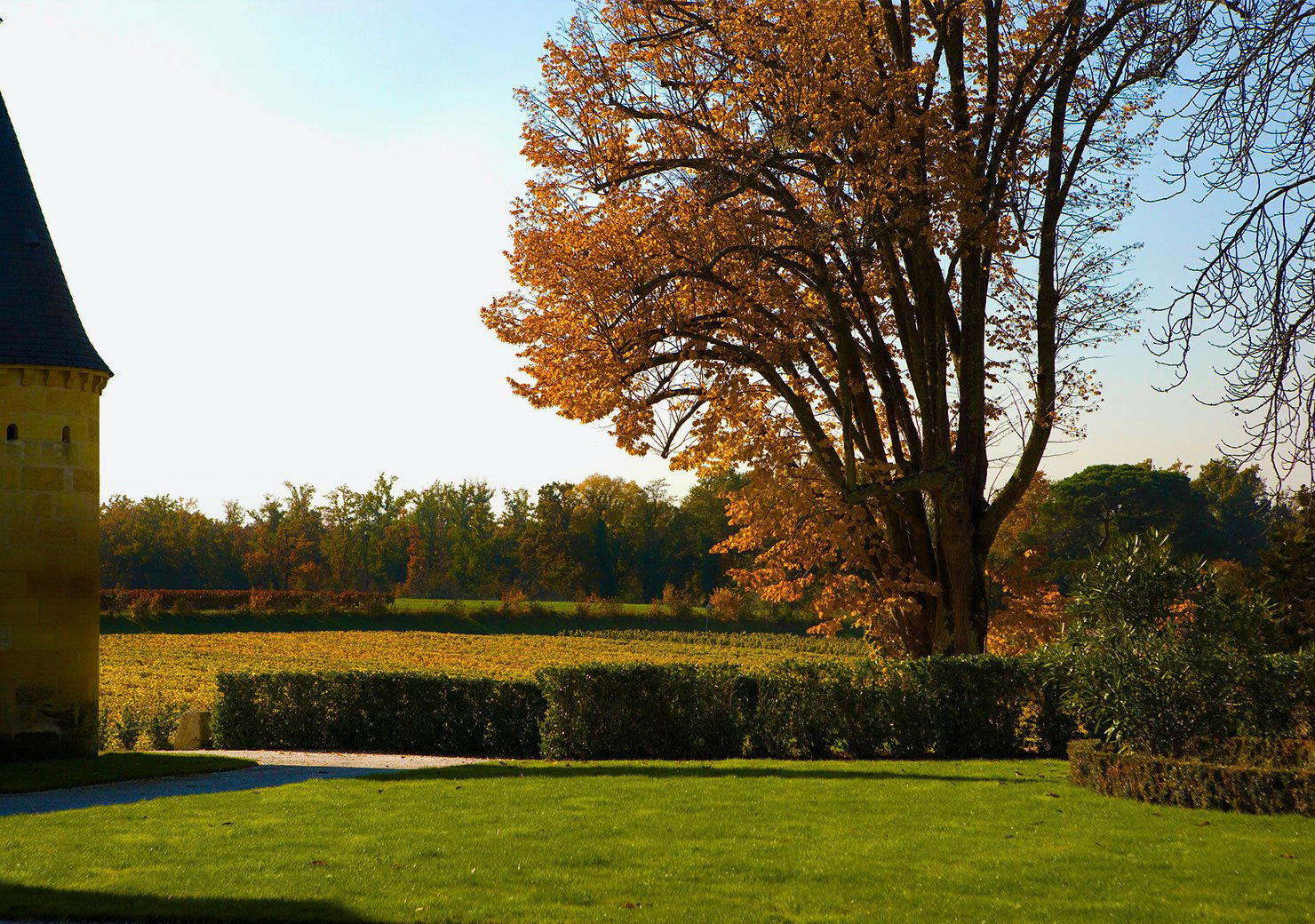
Château Couhins-Lurton is worth booking if dry white Bordeaux is the point of the trip. Its Graves-classified white-wine identity, organic Sauvignon Blanc-led vineyard, and quiet 18th-century château setting make it a strong choice for wine travelers who want depth near Bordeaux. Plan early: visits are appointment-only and not built for last-minute flexibility.
Chateau Mouton Rothschild
Pauillac, France
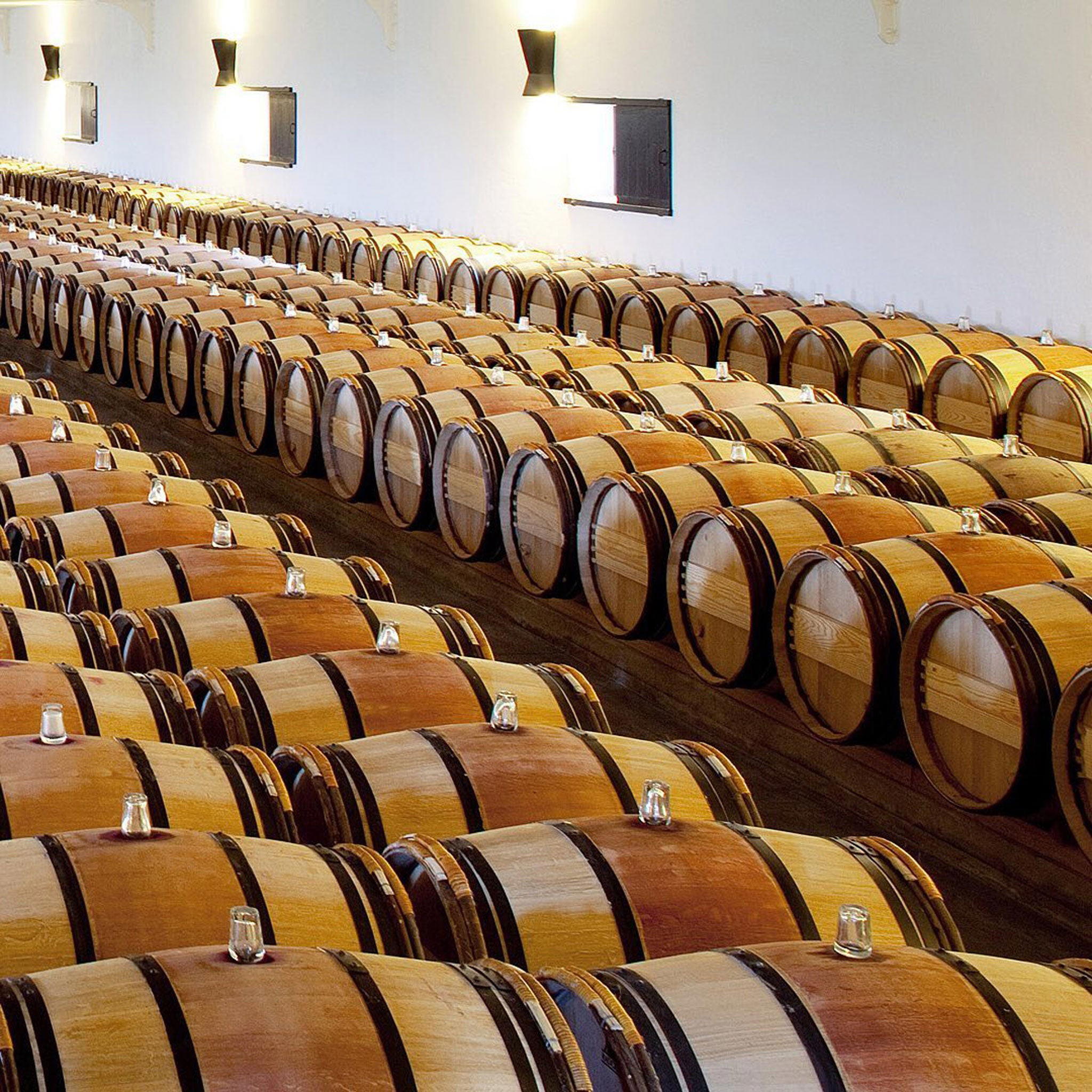
Château Mouton Rothschild is a classified First Growth wine estate in Pauillac, Bordeaux.
How many of these have you visited?
Find out on Pearl and keep score across every place in 2026 Falstaff Winery Guide.