
Weingut Ingrid Groiss
Breitenwaida
Winery in Breitenwaida, Austria
 Book with Pearl
The Read
Northern Quadrant Precision
Why go
Try for Weingut Ingrid Groiss when the occasion is wine-led and planning flexibility is acceptable. Its Pearl 2 Star Prestige recognition makes it a stronger choice than a casual tasting stop, but the lack of listed food, hours, and direct booking details means small, serious wine groups will get the clearest value.
About Weingut Ingrid Groiss
Weingut Ingrid Groiss is a Breitenwaida venue with a casual dress code and Pearl 2 Star Prestige recognition for 2025. Those two points are the firm foundation for planning: the venue has a confirmed recognition marker, and the clothing expectation is relaxed rather than formal. Beyond those points, specific visit details such as hours, pricing, booking method, service details, and visit format are not provided here, so this guide keeps the planning advice deliberately conservative. That restraint matters, because a stop can become inconvenient if the practical pieces are assumed rather than checked.
Use the confirmed recognition as a planning signal, but avoid building plans around assumptions. The Pearl 2 Star Prestige note makes Weingut Ingrid Groiss worth attention when you are weighing Breitenwaida and regional options, while the casual dress code helps set expectations for how to arrive. Still, recognition and dress guidance do not answer questions about availability, timing, reservations, or what a visitor should expect on the day. For the latest practical details, confirm directly with the venue before making Weingut Ingrid Groiss the anchor of a trip.
Worth considering for a Breitenwaida stop
Weingut Ingrid Groiss is best approached as a Breitenwaida venue with limited public-planning data in this guide. The strongest confirmed facts are its Pearl 2 Star Prestige recognition in 2025 and its casual dress code. Taken together, those details suggest a place that belongs on a considered shortlist, but they do not provide enough operational detail to treat the visit as fixed without additional confirmation.
If you are comparing regional options, consider Weingut Ingrid Groiss alongside Weinberghof Fritsch, Weingut Setzer, Weingut Leth, Weingut Bernhard Ott, and Weingut Arndorfer. The useful comparison is not simply which names are most appealing, but which venues can currently support the kind of stop you are planning. Choose based on the current information each venue provides directly, especially if timing, group size, service details, or booking requirements matter to your plans. In practice, that means letting confirmed logistics decide the final itinerary rather than relying on reputation alone.
Plan with confirmed details only
Because this record does not include hours, prices, phone details, booking rules, service details, or a visit format, do not assume a particular style of visit. It may be tempting to fill in those blanks from experience with other venues, but that is exactly where planning can become inaccurate. Keep plans flexible until current details are confirmed with the venue, and avoid arranging the rest of the day around details that are not stated here.
The confirmed casual dress code makes the wardrobe guidance simple, while the Pearl 2 Star Prestige 2025 recognition gives the venue a clear recognition marker. Casual dress guidance is helpful because it removes the need to overthink formality, but it should not be stretched into broader conclusions about the setting, service, or structure of a visit. Similarly, the recognition is meaningful as a signal, yet it does not replace the need for up-to-date operational information. For anything operational, rely on the venue's current official information rather than assumptions.
Bottom line: Weingut Ingrid Groiss is a recognized Breitenwaida venue to keep on a shortlist, but the practical plan should be confirmed directly before you commit your day around it. Treat the available facts as a starting point: the venue has Pearl 2 Star Prestige recognition for 2025, it has a casual dress code, and the remaining visit details need verification. That approach keeps expectations clear, preserves flexibility, and makes the stop easier to fit into a wider regional plan without overstating what is known.
Planning details
- Location
- Tullner Str., 2014 Breitenwaida
- Website
- ingrid-groiss.at
- Phone
- +43 676 3927703
The take
The Take
The Vibe
Weingut Ingrid Groiss sits in Weinviertel's quieter register, where loess-covered plateaus and open exposures replace the steep, terraced drama of the Danube valley. The writing emphasizes calm and close attention: this is a place where lighter-bodied Grüner Veltliner, peppery lift and lively acidity define the local identity. The estate’s Pearl 2 Star Prestige rating signals focused, high-quality production rather than commercial scale. Visitors encounter a serene, understated winery experience that rewards slow, attentive tasting and an appreciation for subtle terroir differences across loess, sand and gravel parcels.
Best For
This estate is best for people who come seeking wine education and a focused tasting experience rather than a bustling, tourist-oriented stop. It suits solo explorers and wine lovers who prize nuance—those who want to study Grüner Veltliner’s pepper-driven profile and how cooler nights and wind exposure shape aromatic lift. The producer’s small-scale reputation and notable rating also make it a worthy choice for special-occasion visits when thoughtful, terroir-driven bottlings are the aim.
Tasting Tips
When approaching Groiss’s wines, orient toward the region’s hallmarks: Grüner Veltliner driven by peppery spice, freshness and a lighter body compared with Danube-valley grands crus. Pay attention to soil-driven distinctions—notes about loess, sand and gravel appear in the estate’s profile—and taste for aromatic lift and acidity rather than sheer density. Rather than expecting the concentrated power of Smaragd Riesling, come prepared to evaluate finesse, elevation and wind influence; these are the measures by which the estate’s wines reward close attention.
Venue details
Ambiance
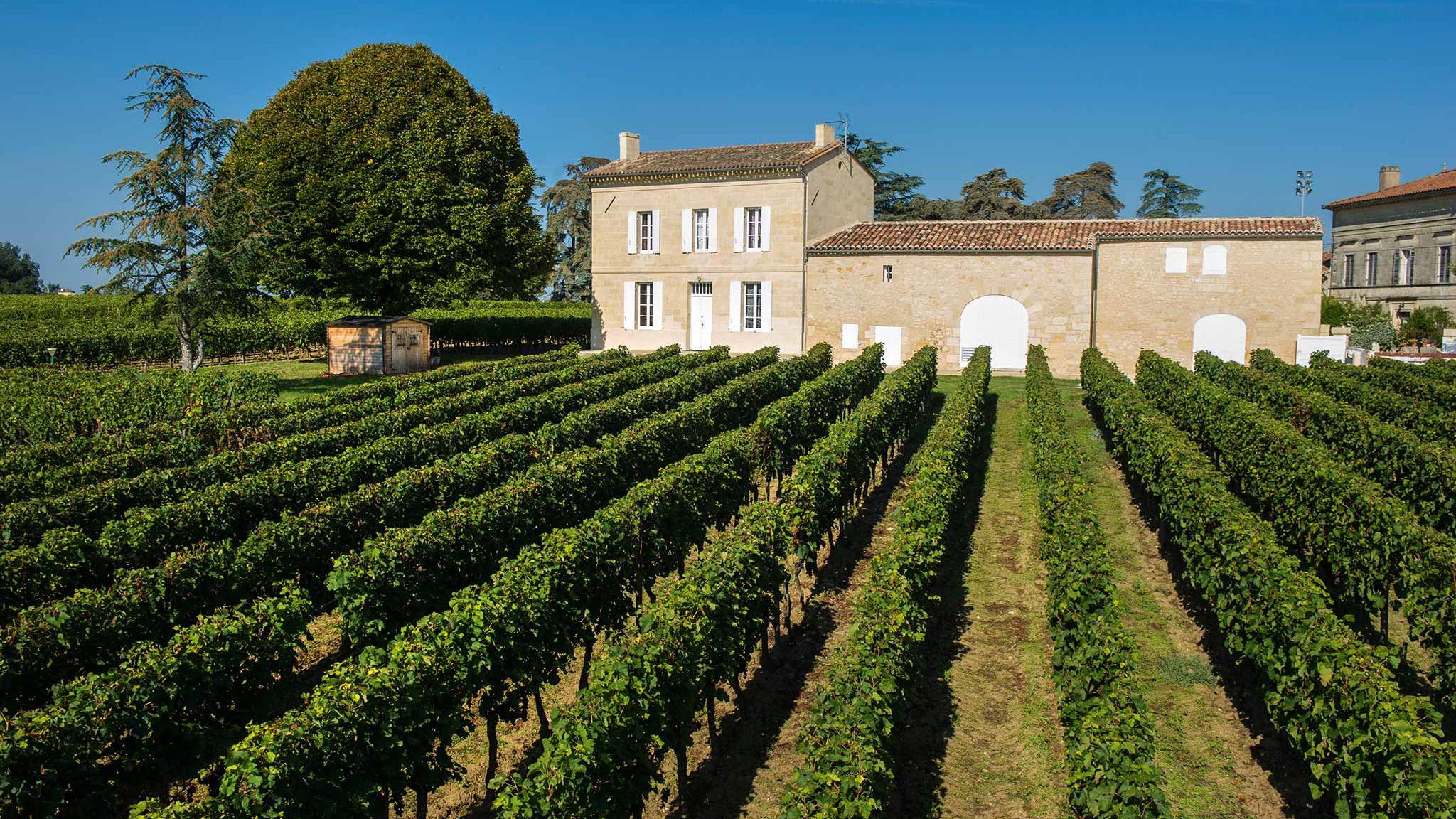
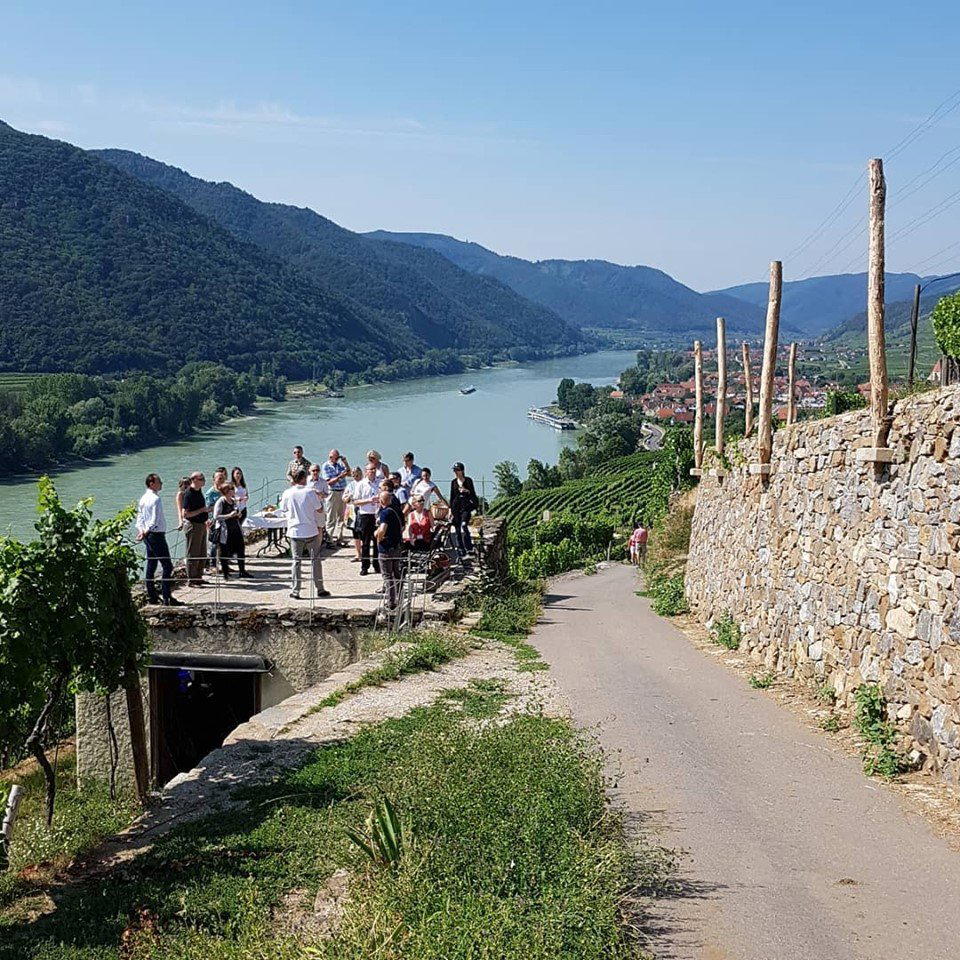
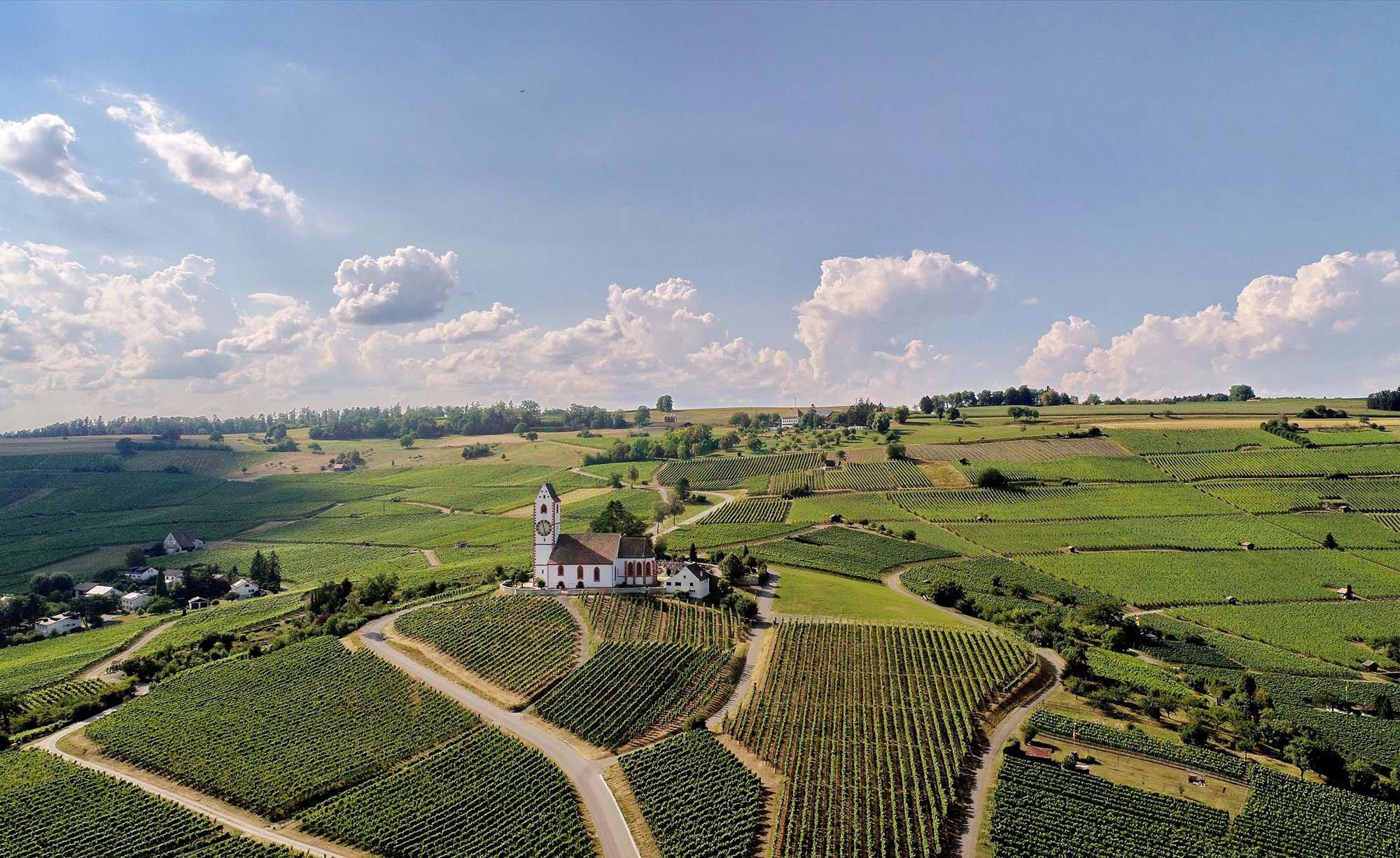
Idyllic rural setting amid vineyards with pure, mineral-driven wines evoking harmony with nature.
Tags
Vibe
Best For
Experience
Sourcing
View
At the Vineyard
- Appellation
- Weinviertel DAC
- Varietals
- Grüner Veltliner, Riesling, Gemischter Satz, Pinot Noir, Zweigelt
- Tour Duration
- 60-90 minutes
- Tour Languages
- German
- Visits
- By reservation
- Farming
- Organic
- Production
- Small producer
- Wine Styles
- Still White, Still Red, Still Rose
- Wine Club
- Not available
Know before you go
Know Before You Go
- Getting there
- Tullner Str., 2014 Breitenwaida
Planning details
Location
Recognition and awards

Also consider
Also Consider
- Weinberghof Fritsch, Notable alternative
- Weingut Setzer, Notable alternative
- Weingut Leth, Notable alternative
- Weingut Bernhard Ott, Notable alternative
- Weingut Arndorfer, Notable alternative
Winery context
How Weingut Ingrid Groiss compares in the Breitenwaida wine set
Choose Weingut Ingrid Groiss when the priority is a more selective, quality-led winery visit and the group can tolerate harder access. Compared with Weinberghof Fritsch and Weingut Setzer, it is the stronger call for a special occasion where the wine itself needs to justify the trip, not just fill an afternoon.
Weingut Leth and Weingut Bernhard Ott are the better cross-shops if the party wants a broader comparison before committing to one cellar-door plan. For value, Ingrid Groiss makes sense when recognition and focus matter more than easy scheduling; if convenience is the deciding factor, compare availability across the group before locking the day.
Weingut Arndorfer is the practical alternative for readers building a multi-stop wine route rather than a single celebration visit. The simplest split: Ingrid Groiss for a compact, wine-first occasion; the peers for groups that need a more flexible itinerary, different atmospheres, or a safer backup if access is tight.
Explore Breitenwaida
Around this place
Discover more on Pearl
Unlock the full Weingut Ingrid Groiss guide in Pearl, including awards, comparisons, FAQs, planning details, and nearby places.
Compare Weingut Ingrid Groiss
| Venue | Location | Awards |
|---|---|---|
| Weingut Ingrid Groiss | Breitenwaida | 2026 Falstaff Winery Guide |
| Weinberghof Fritsch | Oberstockstall | 2026 Falstaff Winery Guide |
| Weingut Setzer | Hohenwarth | 2026 Falstaff Winery Guide |
| Weingut Leth | Fels am Wagram | 2026 Falstaff Winery Guide |
| Weingut Bernhard Ott | Feuersbrunn | 2026 Falstaff Winery Guide |
| Weingut Arndorfer | Straß im Straßertale | 2026 Falstaff Winery Guide |
How Weingut Ingrid Groiss compares with similar nearby venues.
FAQ
Frequently Asked Questions
What other venues can I compare with Weingut Ingrid Groiss?
If you are comparing venues, consider Weingut Ingrid Groiss alongside Weingut Setzer, Weingut Leth, Weingut Bernhard Ott, Weingut Arndorfer, and Weinberghof Fritsch. Weingut Ingrid Groiss has confirmed Pearl 2 Star Prestige recognition for 2025.
Do I need a reservation at Weingut Ingrid Groiss?
Reservation requirements are not included in the information provided here. Confirm directly with Weingut Ingrid Groiss before planning a visit, and compare current details with venues such as Weingut Setzer or Weingut Leth if you are organizing a wider route.
What practical details should I confirm before visiting?
Hours, prices, booking rules, and service details are not included in the information provided here. Confirm the current details directly with Weingut Ingrid Groiss before deciding.
Does Weingut Ingrid Groiss serve food?
Food service details are not included in the information provided here. Treat dining availability as unconfirmed and check directly with the venue before planning around a meal.
When is the best time to visit Weingut Ingrid Groiss?
Hours and seasonal visit details are not included in the information provided here. The safest approach is to confirm current timing directly with Weingut Ingrid Groiss before visiting Breitenwaida.
Where is Weingut Ingrid Groiss?
Weingut Ingrid Groiss is in Breitenwaida. Specific address details are not included in the information provided here, so confirm the current location details directly before visiting.