

2026 Falstaff Winery Guide: The Ultimate Wine Authority — Page 73
Falstaff's 2026 Wineries guide.

Venues on this list
Château Mondou
Saint-Sulpice-de-Faleyrens, France
Book Château Mondou if you want a compact Saint-Émilion Grand Cru tasting focused on vineyard work rather than polished hospitality. The appeal is its small 2.2-hectare scale, old Merlot-and-Cabernet Franc vines, manual harvest, and 2026-relevant 2022 vintage window. It works better as a focused second stop than as a full-day destination.
Bodegas Enguera
Enguera, Spain
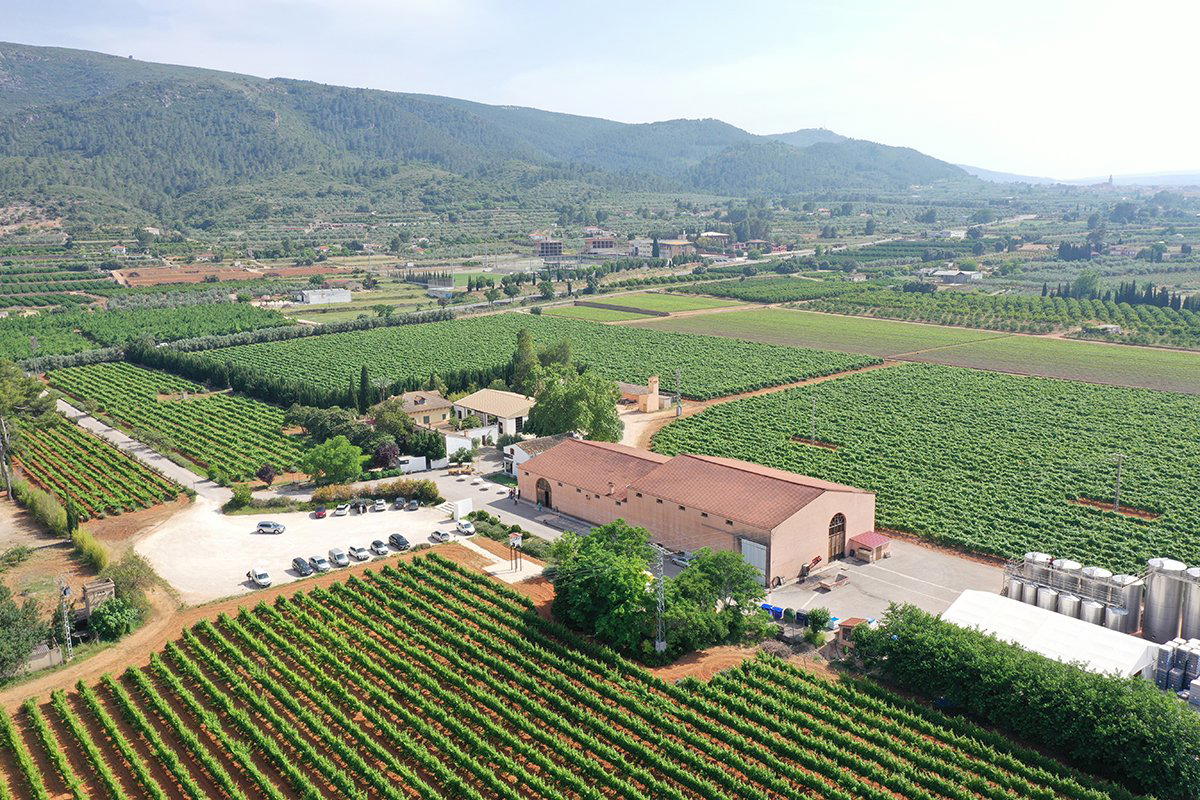
Bodegas Enguera is a better choice for travelers building a thoughtful Enguera wine stop than for anyone seeking a fully packaged tasting-room outing. The 2026 Falstaff one-star recognition gives it a credible reason to plan around, but the smart move is to coordinate ahead and pair the visit with nearby food, lodging, or experience planning in Enguera.
Conceito Vinhos
Cedovim, Portugal
Conceito Vinhos is a good fit for a low-key Cedovim wine stop if the priority is producer discovery over a fully serviced hospitality experience. Falstaff Listed (2026) gives it a credible recognition signal, but plan ahead for visit details and build food, transport, and timing separately.
Domaine Ciringa
Zgornja Kungota, Slovenia
Domaine Ciringa is worth targeting for a serious Zgornja Kungota wine itinerary, especially given its Falstaff 4 Stars recognition for 2026. It is not the easiest choice for casual planners: confirm visit details, group suitability, and any wine-club or shipping terms before building the day around it.
Cantine Sardus Pater
Sant Antioco, Italy
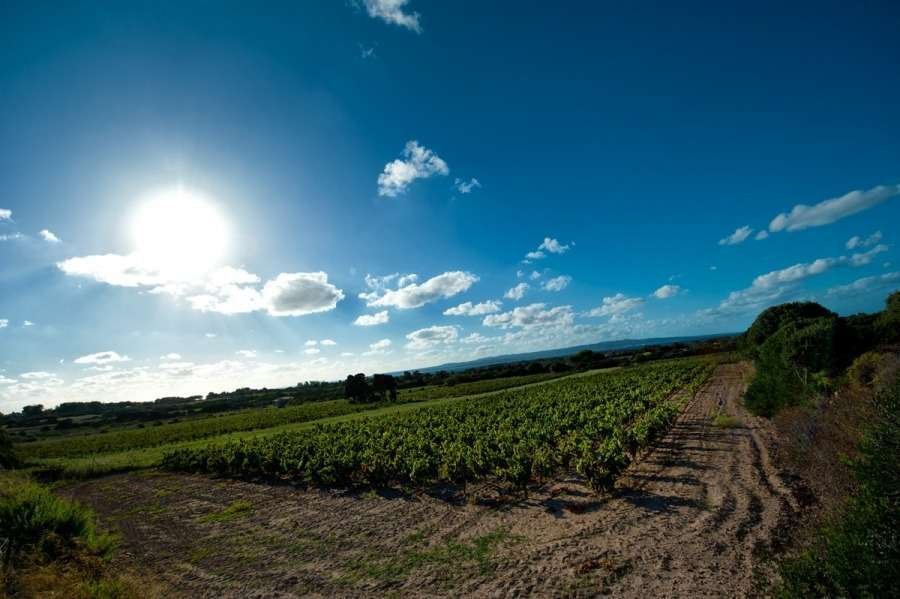
Plan Cantine Sardus Pater for a grounded Sulcis wine tasting, especially if Carignano is the reason for the trip. The private tasting is the better call for special occasions or mixed-knowledge groups, while the $$ price signal and Falstaff 3 Stars recognition make the visit feel easy to justify without expecting a glossy luxury cellar.
Hof Obstgarten
Spreitenbach, Switzerland
Worth considering as a casual, low-cost Spreitenbach stop rather than a destination winery. Hof Obstgarten suits visitors who want a simple rural farm-shop atmosphere and an easy visit; skip it if the plan depends on named wines, shipping, or a structured private tasting. Falstaff listing adds a light recognition signal, but the practical appeal is the relaxed format.
Fredholms Vingård
Aby, Sweden
Book Fredholms Vingård if you want a quiet, appointment-led Swedish vineyard visit with a rural feel and a guided focus on vines and production. Its $$ positioning and Falstaff Listed 2026 recognition make it a worthwhile stop for curious wine travelers, but it is not the right pick if you need confirmed food service, drop-in flexibility, or large-group logistics.
Guia
Valdobbiadene, Italy
Guia is worth booking if the appeal of Valdobbiadene is old-vine, hillside Prosecco Superiore rather than a quick tasting-room stop. The food pairing is intentionally simple, with local cheeses, salami, and bread supporting the wines, so come for vineyard context and a relaxed terrace experience rather than a restaurant-style visit.
Champagne Vouette & Sorbée
Buxieres Sur Arce, France
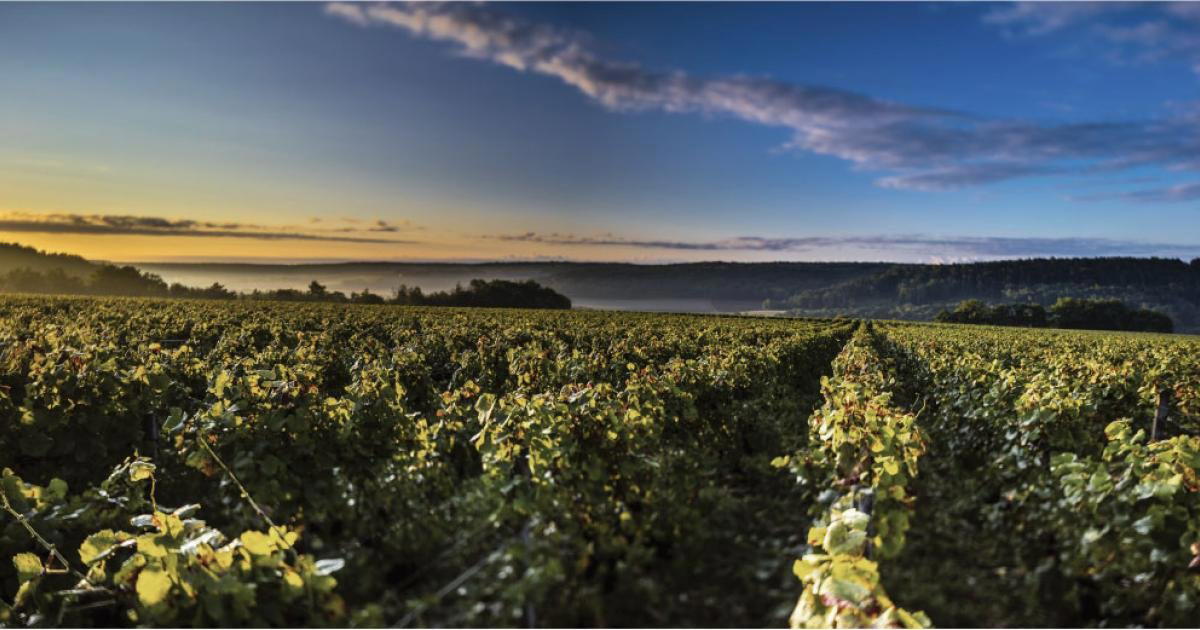
Champagne Vouette & Sorbée is a serious Côte des Bar target for travelers who care more about grower-producer depth than easy tasting-room logistics. Falstaff 3 Stars in 2026 gives it a clear quality signal; pursue it if Champagne is the focus of the trip, not a casual add-on.
Ste. Michelle Wine Estates
Woodinville, United States
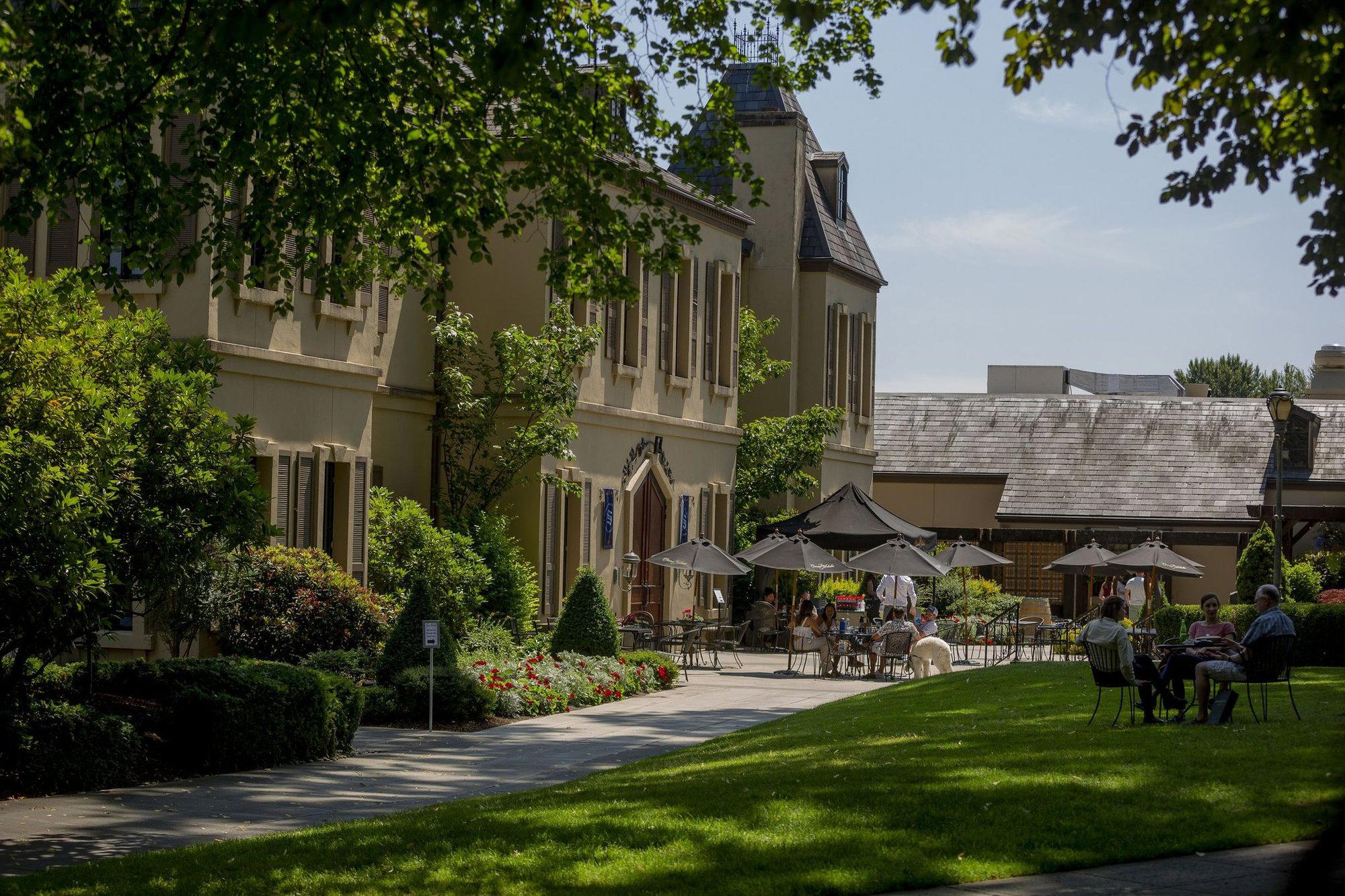
A sensible first stop in Woodinville for visitors who want a polished, easy-to-understand introduction to Washington wine country. Chateau Ste. Michelle is Falstaff Listed for 2026, which gives it a useful recognition signal, but the better reason to go is its role as an accessible anchor for planning a wider Woodinville tasting day.
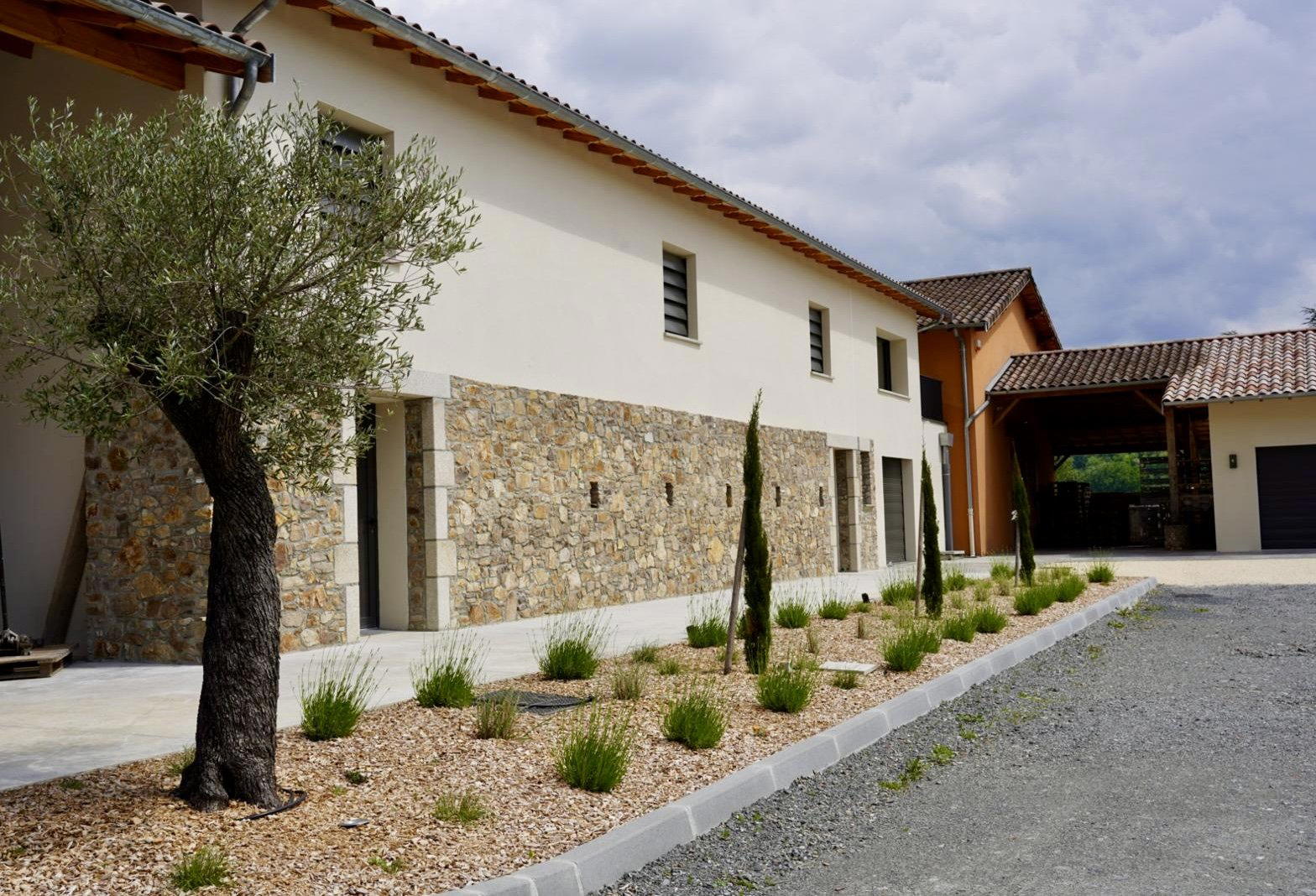
Domaine Garon
Ampuis, France
Book Domaine Garon if the Ampuis trip is about a focused, appointment-led Côte-Rôtie tasting rather than a casual drop-in stop. It is strongest for returning Rhône visitors who want parcel detail, Syrah context, and a quieter family-estate setting, with Falstaff Listed recognition for 2026 adding a useful trust signal.
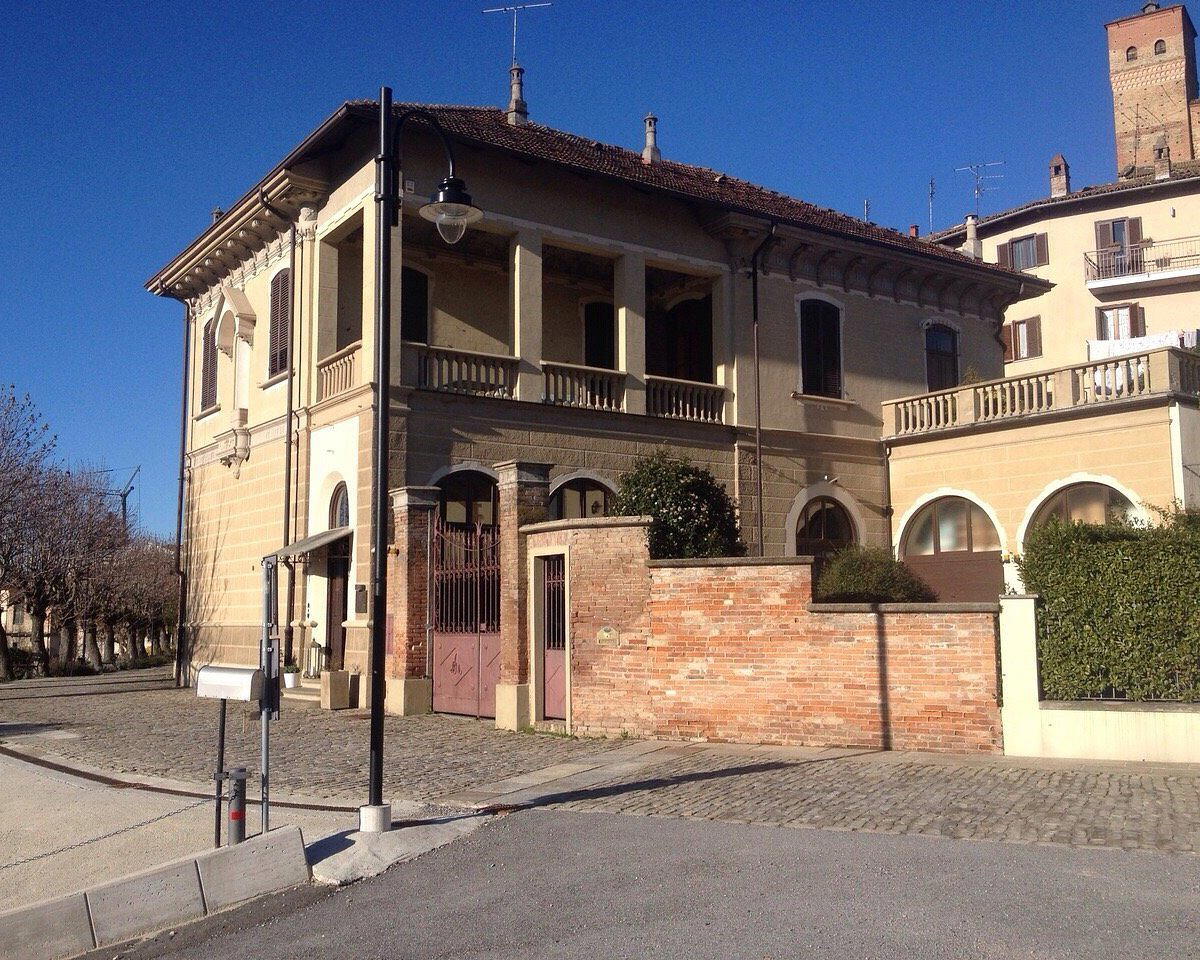
Azienda Agricola Sukula
Serralunga d'Alba, Italy
Azienda Agricola Sukula is worth booking for a quiet, appointment-only Barolo tasting built around Meriame Barolo and small-scale family hospitality. It suits couples, collectors, and special-occasion wine travelers better than groups looking for a large tasting room or broad lineup. The strongest reason to go is the focused Serralunga d’Alba perspective, supported by Falstaff listing and strong past critic scores.
Château Plince
Libourne, France
Book Château Plince if the goal is serious Pomerol context rather than a polished tasting-room experience. The estate’s single-block vineyard, Merlot-led blend, and traditional Right Bank style make it better for collectors and wine-focused travellers than casual drop-ins; appointment-only access means it needs advance planning.
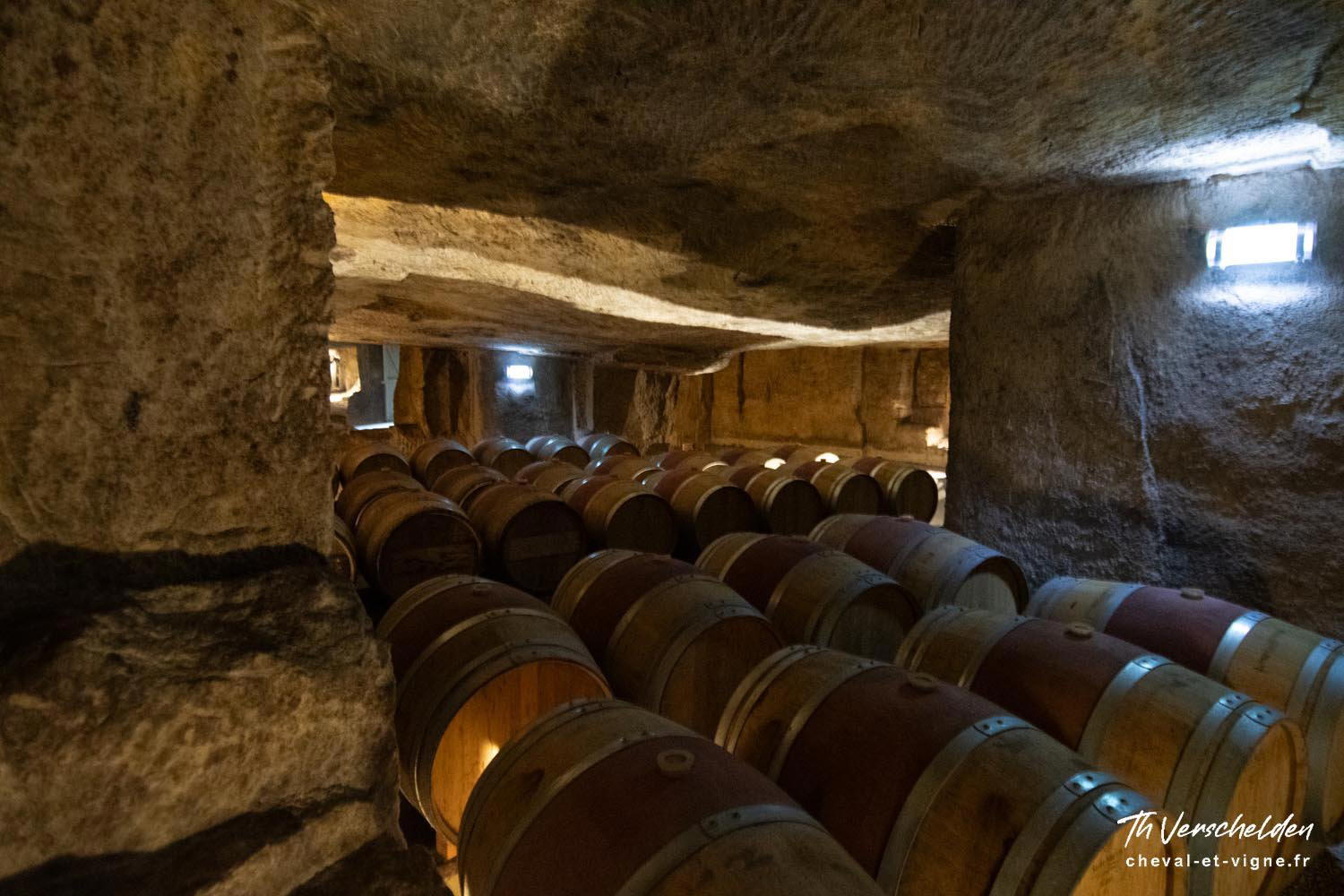
Château Berliquet
Saint-Émilion, France
Château Berliquet is a strong Saint-Émilion target if you want a recognised winery stop and can plan well ahead. Its 2026 Falstaff two-star recognition gives it a clear quality signal, but access is the catch: treat it as an anchor booking, not a casual drop-in between other village plans.
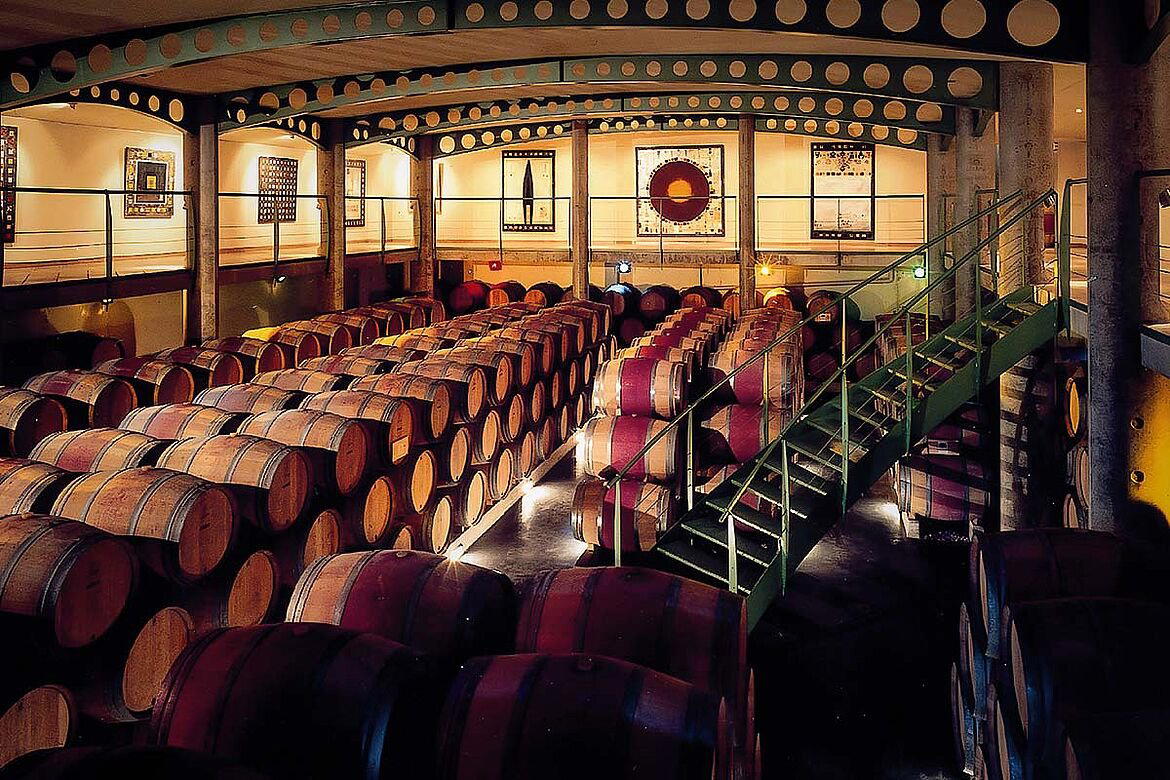
Clos de la Vieille Eglise
Les Artigues De Lussac, France
A quiet Les Artigues de Lussac winery to consider if the goal is Right Bank context rather than a scripted château experience. The 2026 Falstaff listing is the main external trust signal; plan ahead, as public visitor details such as hours, tasting fees, food service, phone, and website are not listed.
Bodegas Monte la Reina
Toro, Spain
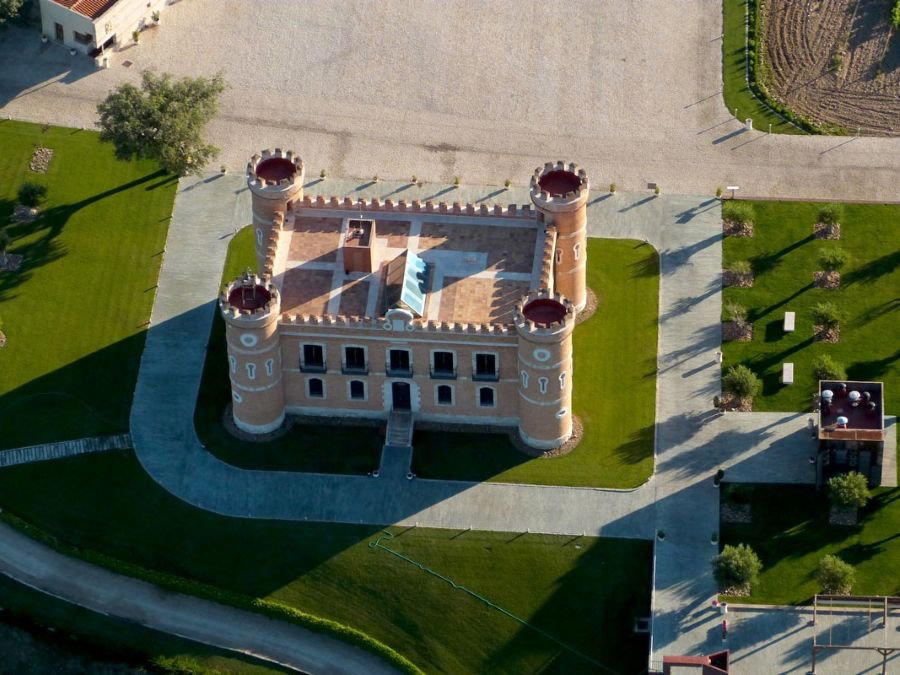
Book Bodegas Monte la Reina if the goal is a full Toro wine-estate visit rather than a quick tasting. The draw is estate-grown Tinta de Toro, a 19th-century Neo-Gothic castle setting, modern winery facilities, and enough countryside hospitality to make it worth planning as a slower stop.
Herbst Wein
Zürich, Switzerland
Herbst Wein is worth arranging if the goal is a focused Zürich wine stop for regional bottles and brief guidance, not a leisurely tasting-room experience. The appeal is direct-sale access and local provenance, backed by Falstaff 1 Star recognition in 2026; skip it if the occasion needs food, scenery, or a long hosted format.
Weingut Sepp Moser
Rohrendorf, Austria
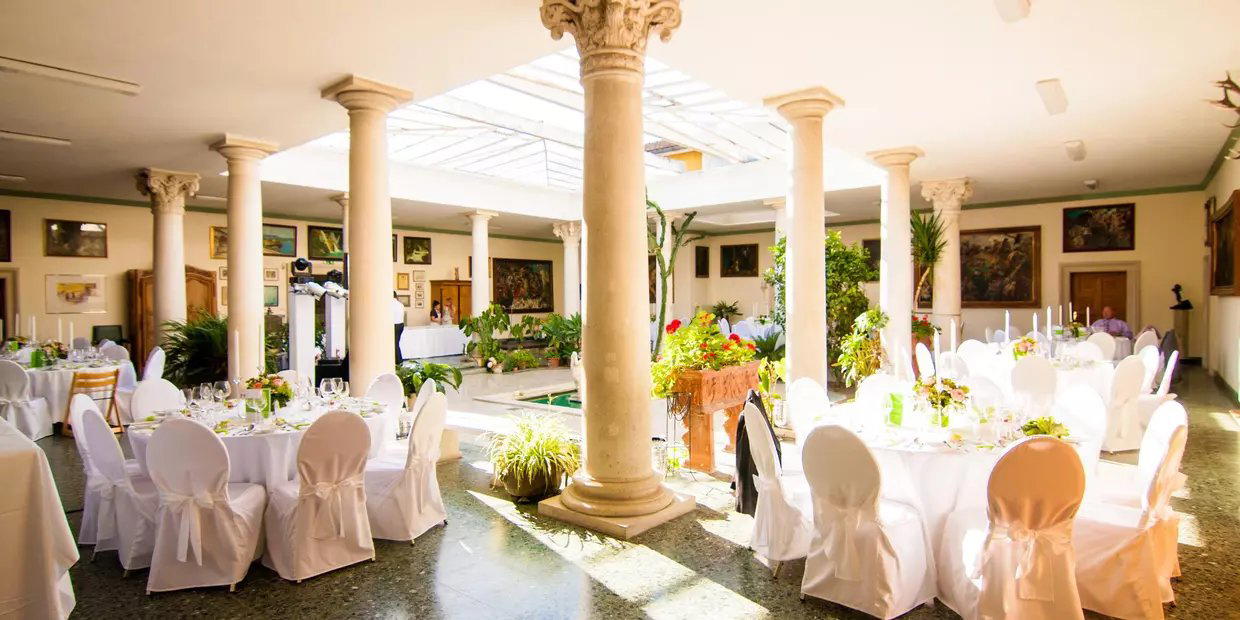
Choose Weingut Sepp Moser if the day is built around serious wine in Rohrendorf rather than a general sightseeing stop. The available public detail is limited, so confirm tasting, purchase, and shipping logistics before planning around a specific bottle or format. It is strongest for first-timers already focused on Austrian wine.
Cantina Tollo
Tollo, Italy
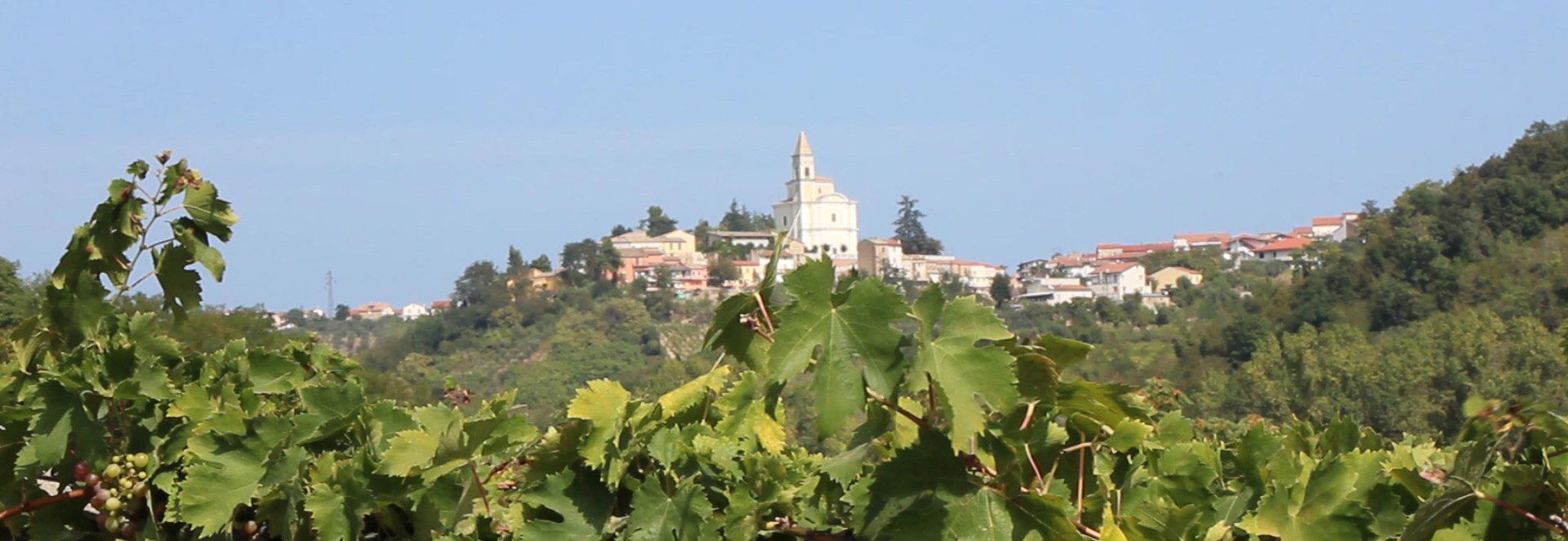
Cantina Tollo is worth prioritizing for a polished Abruzzo winery visit with cooperative scale, regional grape depth, and approachable value. Go for the cellar context and broad tasting perspective rather than a restaurant-style food pairing experience; it suits curious couples, small celebrations, and groups who want a clear introduction to Tollo’s wine identity.
Domaine de Suremain
Mercurey, France
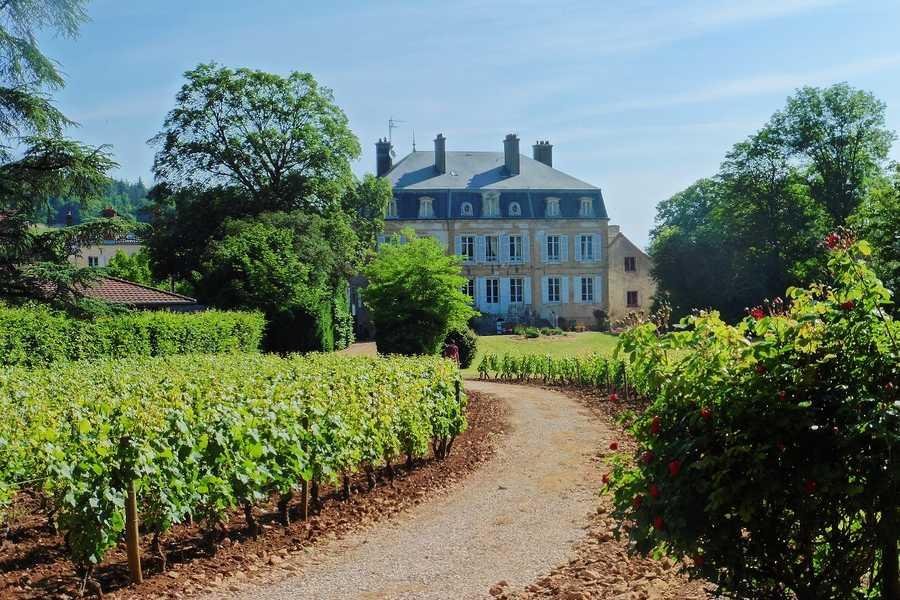
A practical Mercurey choice for wine travelers who want estate context in the Côte Chalonnaise rather than a restaurant-style stop. Domaine de Suremain is Falstaff Listed for 2026, making it worth considering if your Burgundy itinerary is focused on Mercurey and you value place, vineyard setting, and regional specificity over a heavily packaged visitor experience.
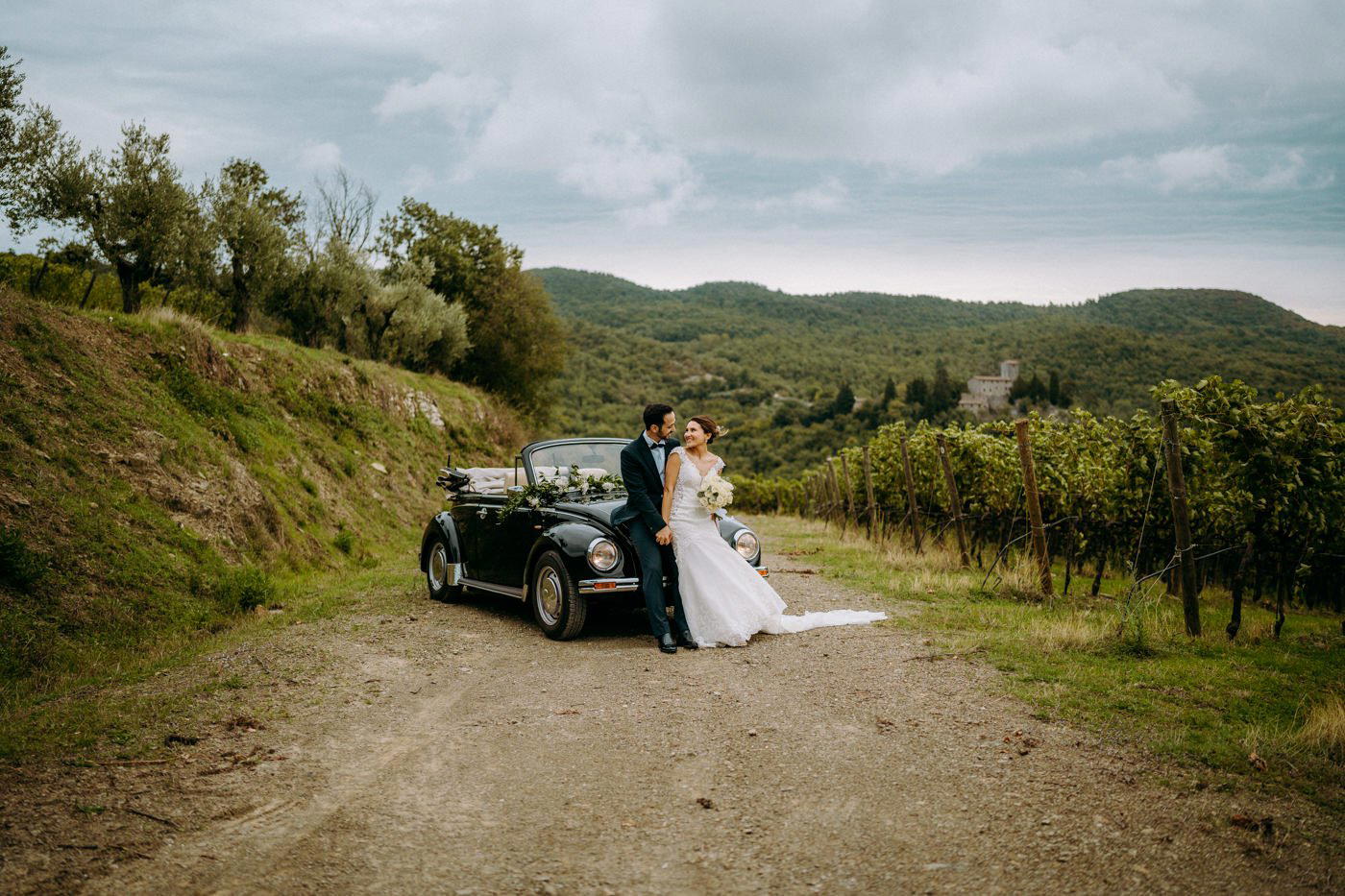
Castello di Albola
Radda in Chianti, Italy
Castello di Albola works for a wine-led stop in Radda in Chianti, especially if the goal is bottle assessment rather than a long hospitality itinerary. Plan it as a focused winery appointment and confirm visit details before building a special occasion around it.
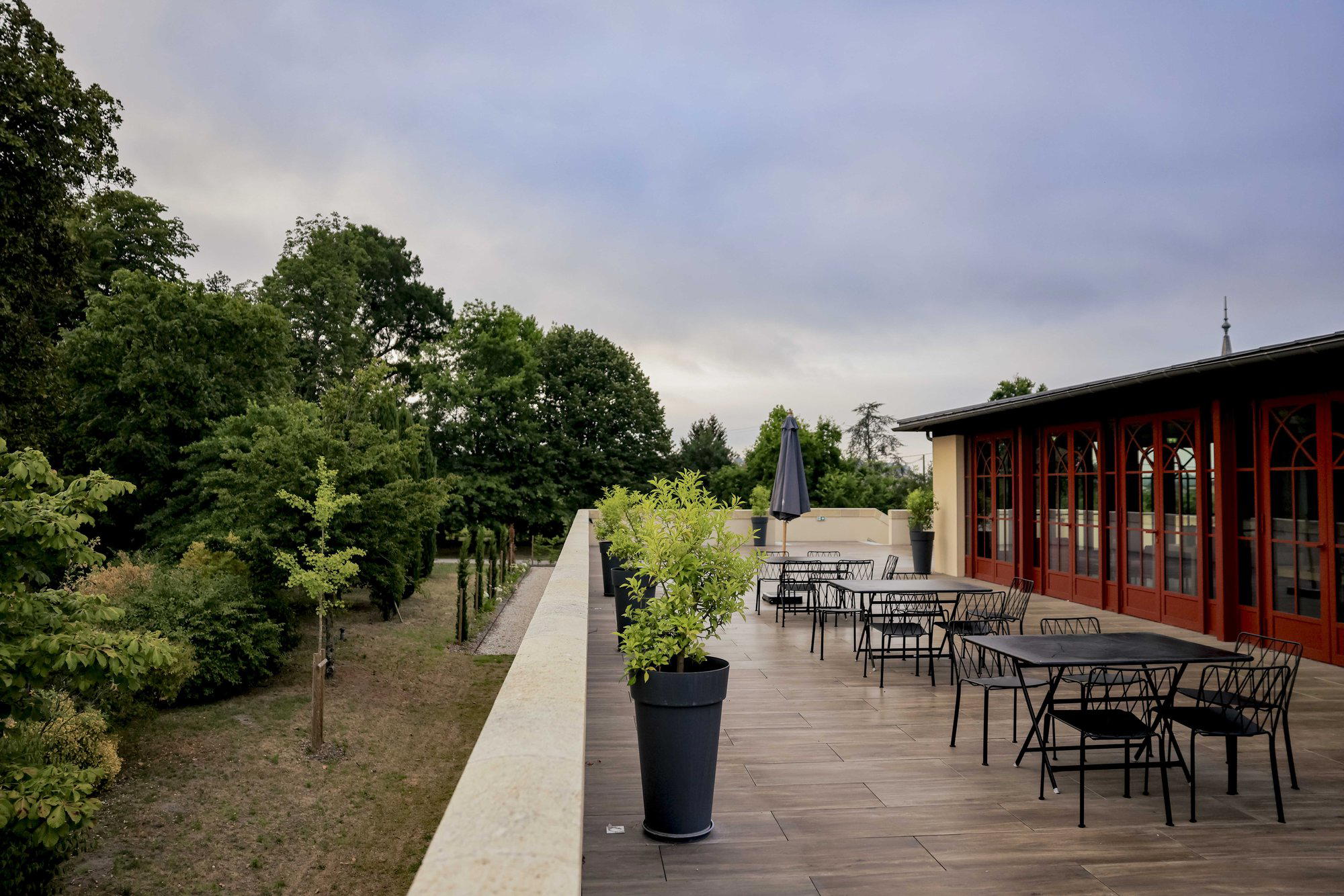
Château Yon-Figeac
Saint-Émilion, France
Book Château Yon-Figeac if you want a calm, context-rich Saint-Émilion estate visit with Grand Cru Classé credibility and a focused tasting rather than a showy cellar experience. The private or upgraded format makes the most sense for serious tasters who want time to discuss the flagship, second wine, vineyard work, and estate history.
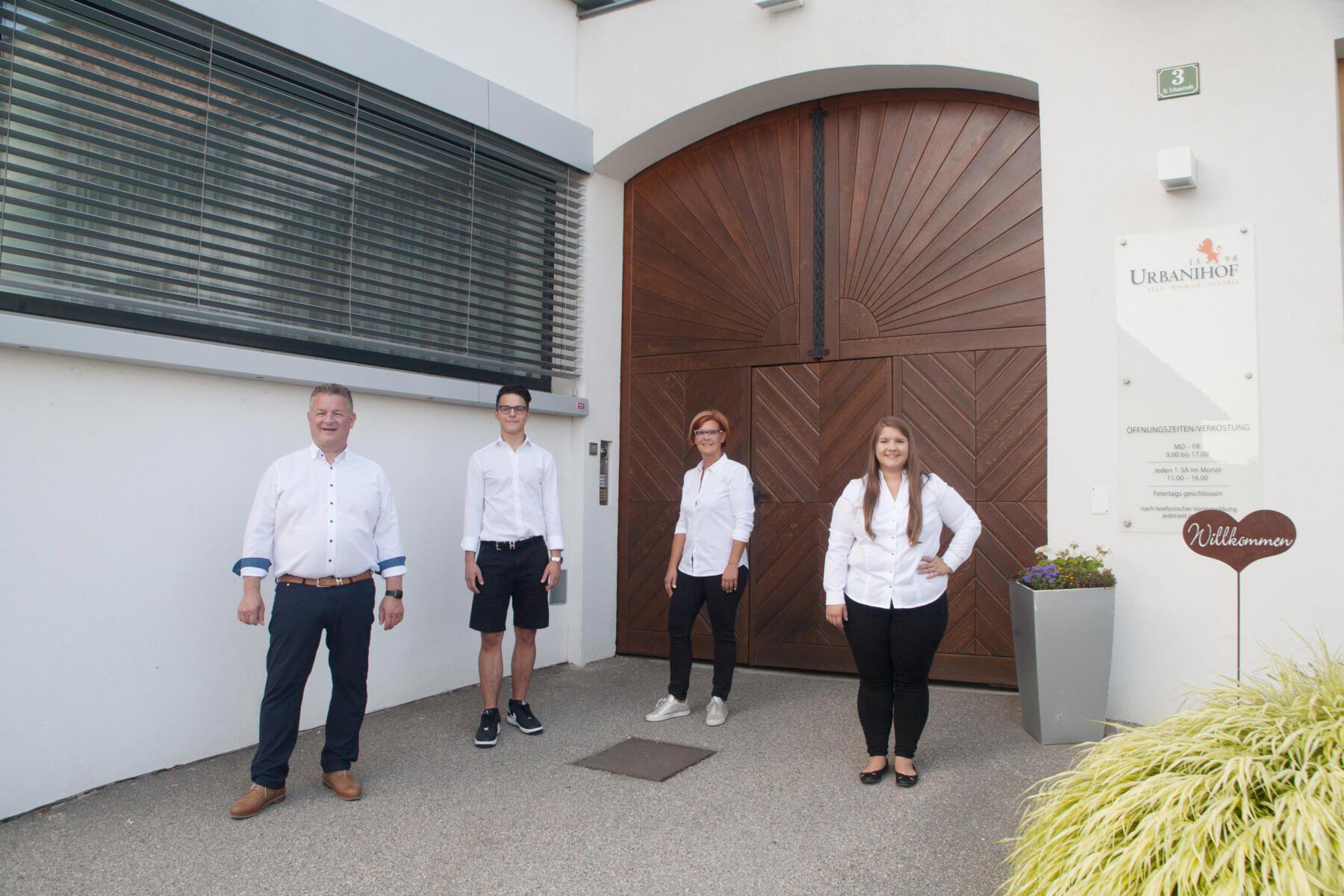
BIO Weingut Urbanihof – Familie Paschinger
Fels am Wagram, Austria
A better fit for wine-focused travelers than casual drop-ins, BIO Weingut Urbanihof – Familie Paschinger works if an organic Wagram producer visit is the point of the day. Falstaff’s 2 Stars for 2026 gives it a credible quality signal, but plan meals, timing, and wider logistics separately.
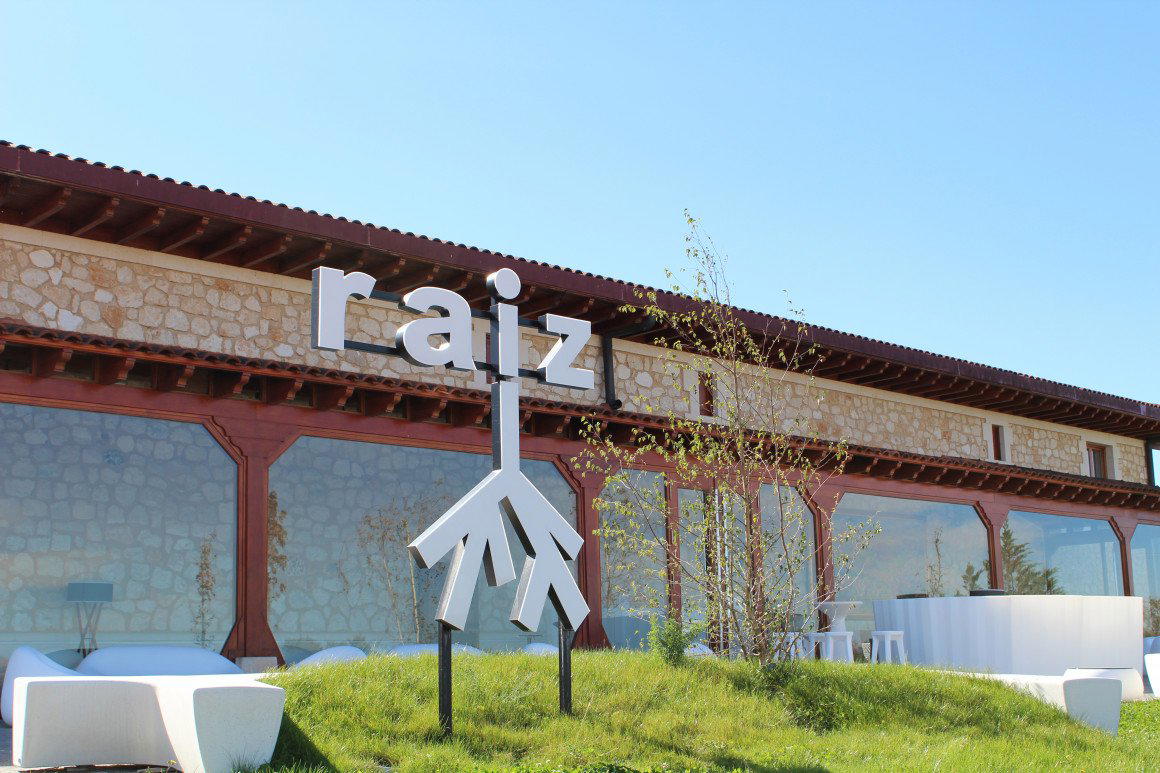
Bodegas Raíz y Quesos Páramo De Guzmán, S.L.
Roa, Spain
Book this Roa winery if the draw is Ribera del Duero wine with a serious cheese connection, not a glossy tasting-room setup. The appointment-only format makes it harder to treat casually, but the $$ price tier can make sense for travelers who want Tempranillo context, oak-aged reds, and the Páramo de Guzmán link in one focused producer visit.
Domaine Christophe Mestre
Châteauneuf-du-Pape, France
A practical pick for Rhône-focused travelers building a Châteauneuf-du-Pape wine day, Domaine Christophe Mestre is better as one focused producer stop than as a full special-occasion anchor. The 2026 Falstaff listing gives it a credible signal, but visitor logistics are lean, so it suits small, flexible groups more than large parties or tightly scheduled itineraries.
Fonseca Porto
Valenca Do Douro, Portugal
Fonseca Porto works for a relaxed Port-focused tasting rather than a full winery-day program. The appeal is classic Douro atmosphere, cellar context, and an easygoing format suited to couples or small celebration groups. Falstaff Winery listed in 2026, with $$ pricing, it is strongest for visitors deciding which Port styles merit buying or shipping later.
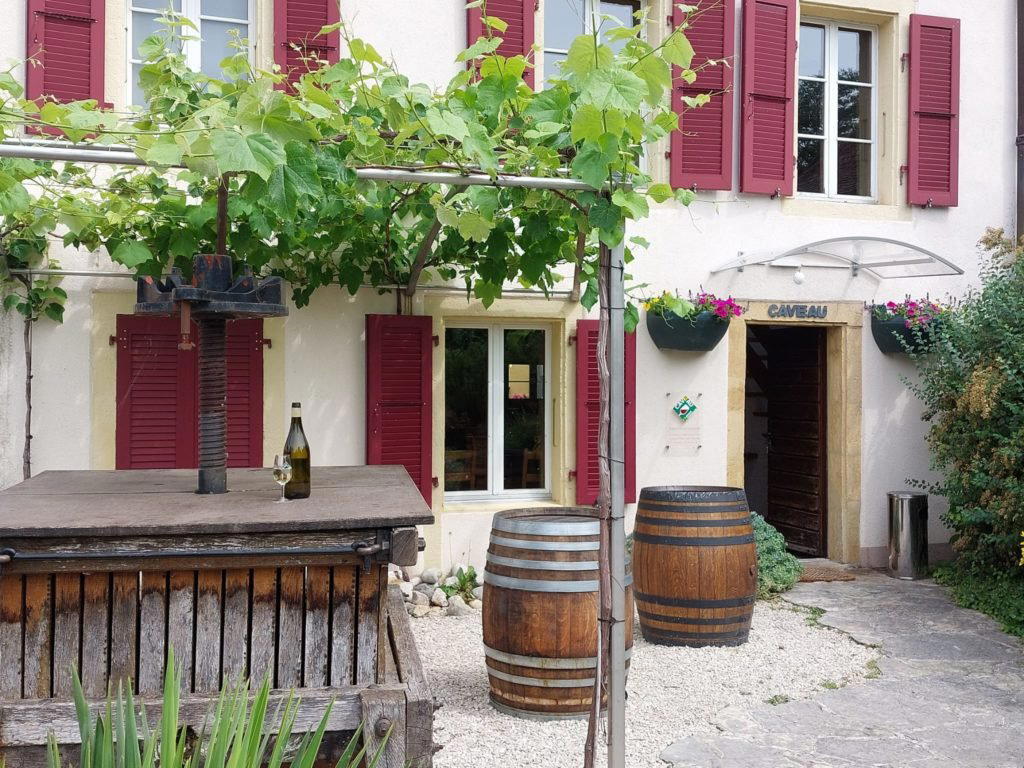
Caves de la Béroche
Saint-Aubin-Sauges, Switzerland
Book Caves de la Béroche if you want a grounded Neuchâtel tasting rather than a luxury cellar performance. The value is in the cooperative format, Chasselas and Pinot Noir range, organic credentials, and easy booking; skip it only if you are chasing collector-level scarcity or a highly formal hospitality experience.
Domaine Louis Moreau
Legs, France
Domaine Louis Moreau is a sensible pick for travelers who want a Chablis-focused winery stop in Bourgogne-Franche-Comté rather than a broad hospitality venue. The main reason to consider it is regional relevance, supported by a Falstaff listing in 2026; plan it as a tasting-led visit and arrange meals, hotels, and bars separately in Legs.
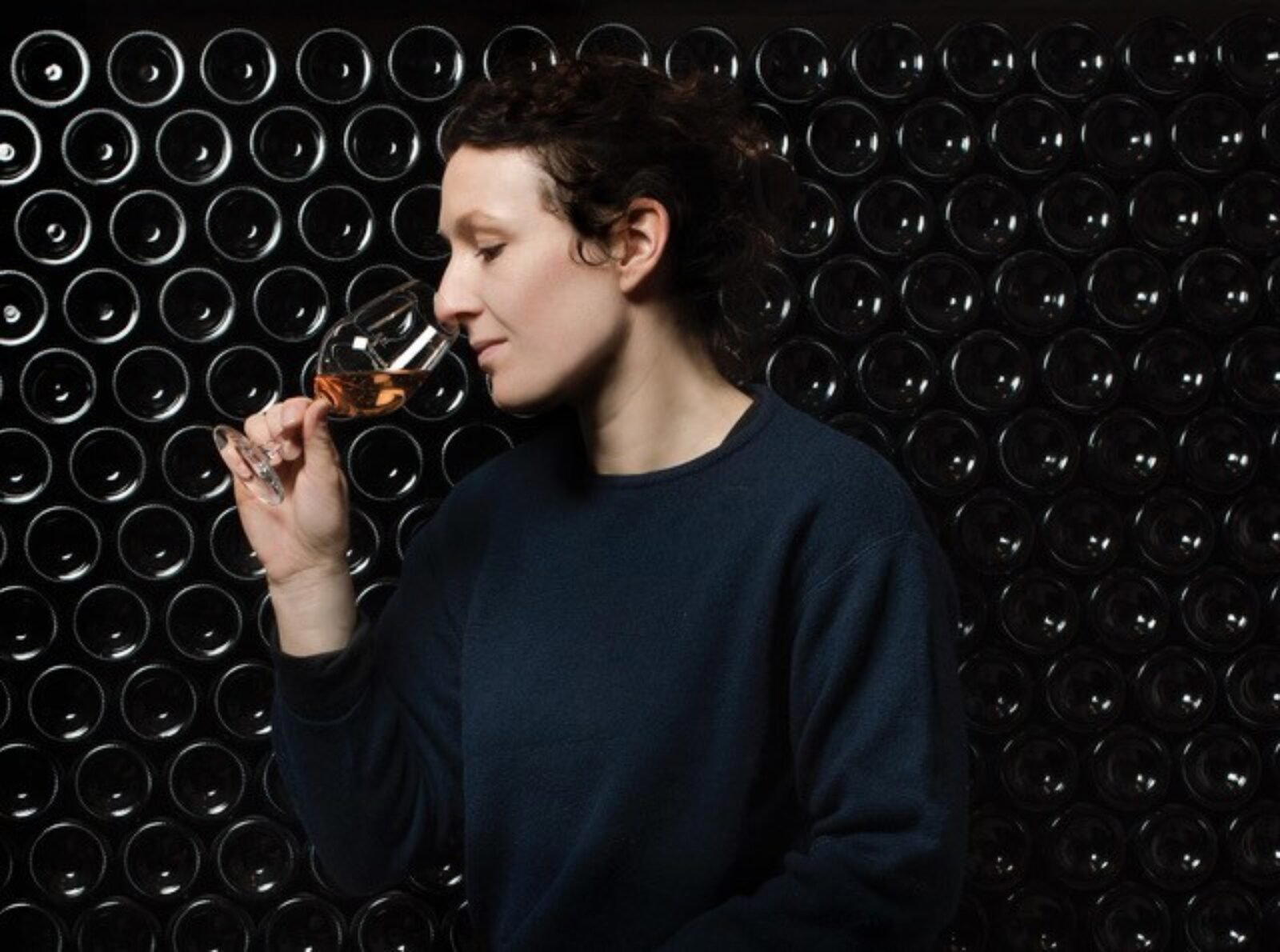
Anne-Claire Schott Weine
Twann, Switzerland
Prioritize Anne-Claire Schott Weine if the goal is a serious Twann wine stop with clear recognition behind it. The 2026 Falstaff 3 Stars make it worth planning around, but treat it as a focused winery visit rather than a casual food or group-hospitality pick.
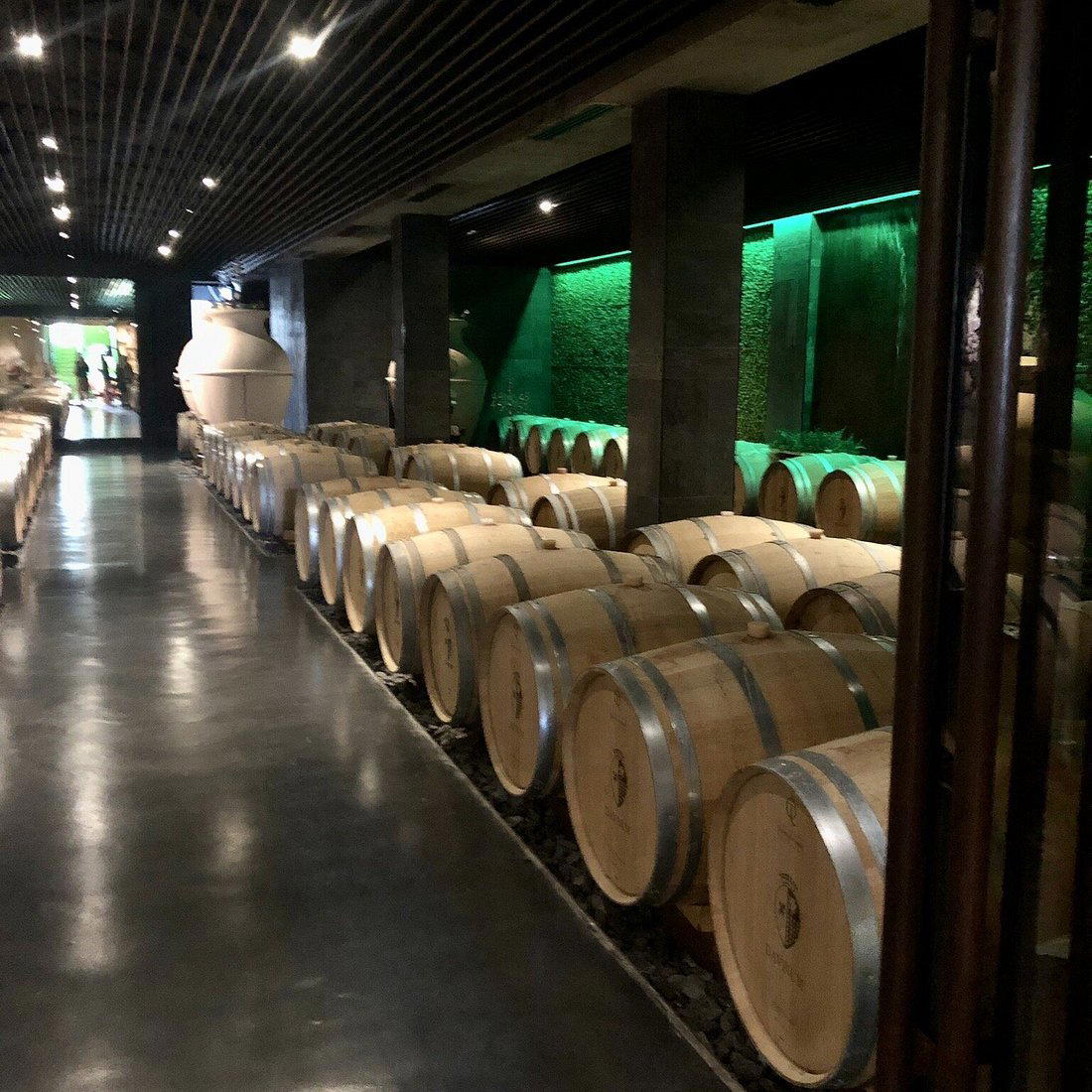
Bartali
Siena, Italy
Bartali works for a wine-led Siena outing, especially if Sangiovese, Chianti DOCG, and Brunello di Montalcino DOCG are the draw. It suits a calm special occasion more than a restaurant-first meal, with the strongest case built around Tuscan heritage, estate-grown grapes, and a 2026 Falstaff listing.
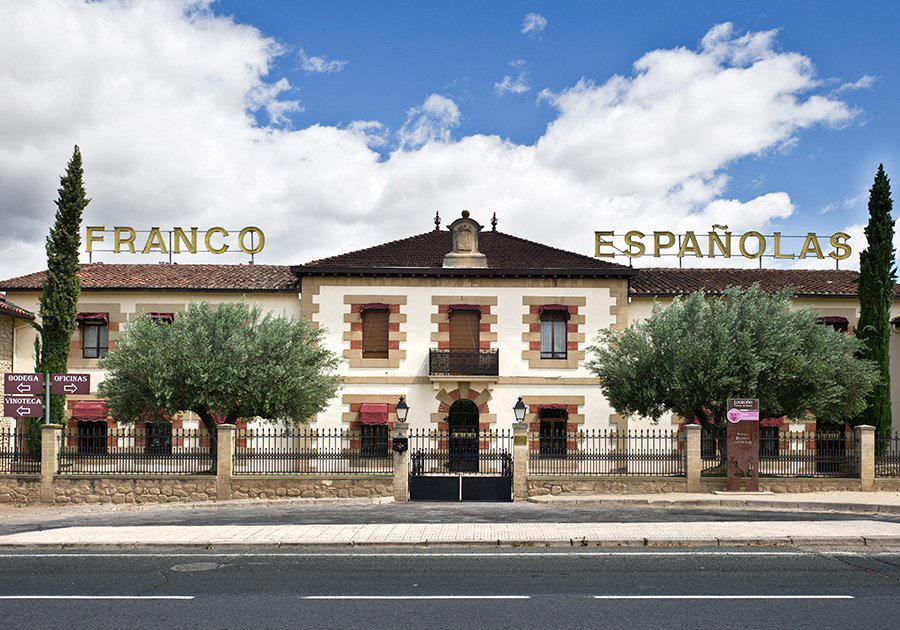
Bodegas Franco-Españolas
Logroño, Spain
A strong city-based Rioja pick for travellers who want wine context without leaving Logroño's restaurant and bar circuit. Book it for regional depth, recognised winery credibility, and efficient logistics; look to Marqués de Riscal or Finca Valpiedra instead if the priority is a destination-estate day outside the city.
Bodegas Viña Mayor
Quintanilla de Onésimo, Spain
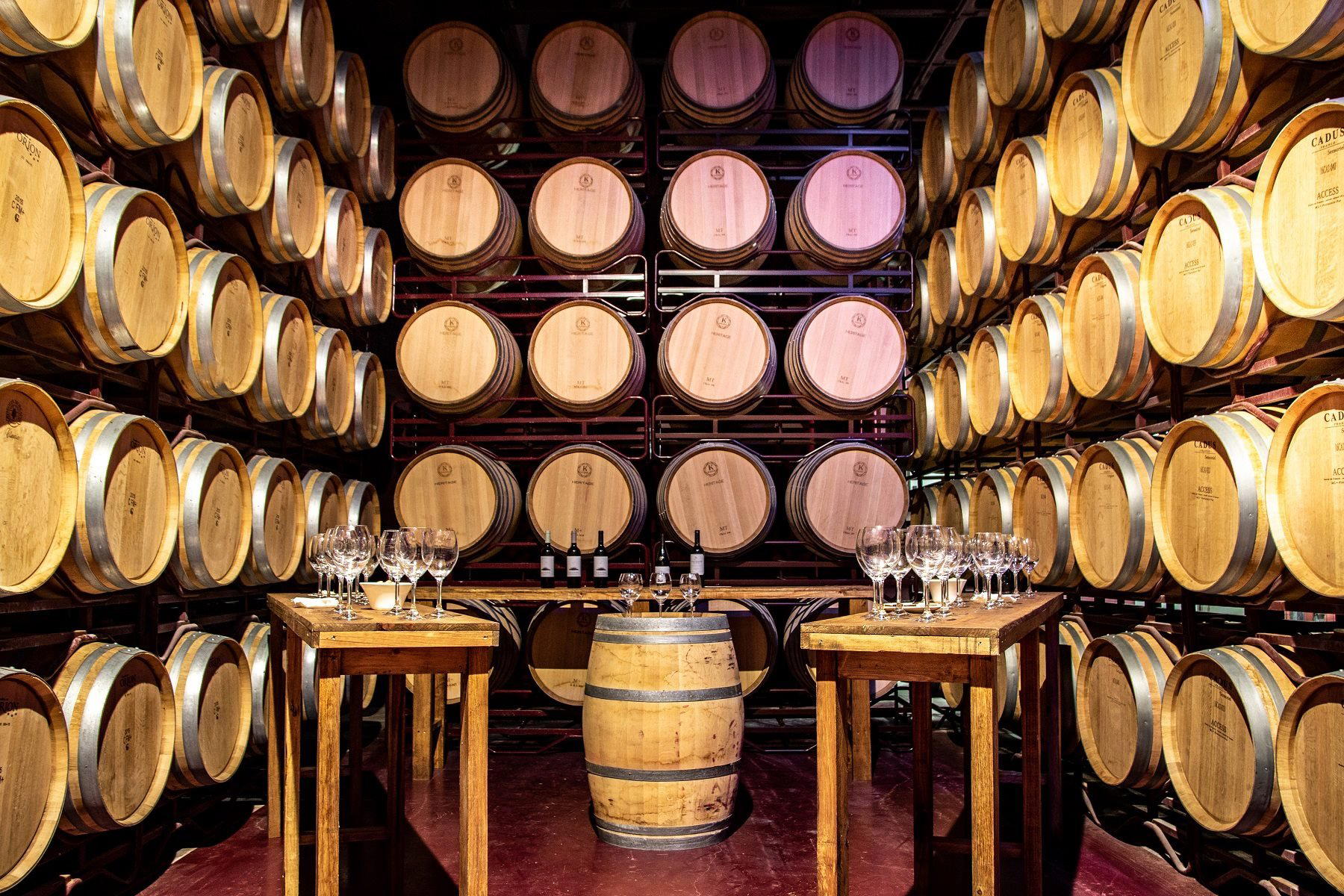
Bodegas Viña Mayor works for a Ribera del Duero wine-focused stop, especially if third-party recognition matters: it holds Falstaff 3 Stars for 2026. Treat it as a tasting and bottle-assessment play rather than a food-led visit, since dining, pricing, and visit-format details are not confirmed here.
Johannes Weine
Knoringen, Germany
Choose Johannes Weine for an approachable, maker-led German wine range rather than a polished cellar-door outing. The value is in the breadth: everyday Schorlewein, classic varietal bottles, premium wines, Sekt, and seasonal Glühwein. It suits curious buyers who want bottle discovery; it is less compelling as the anchor for a formal wine-tourism day.
Château Changyu Moser XV
Shandong, China
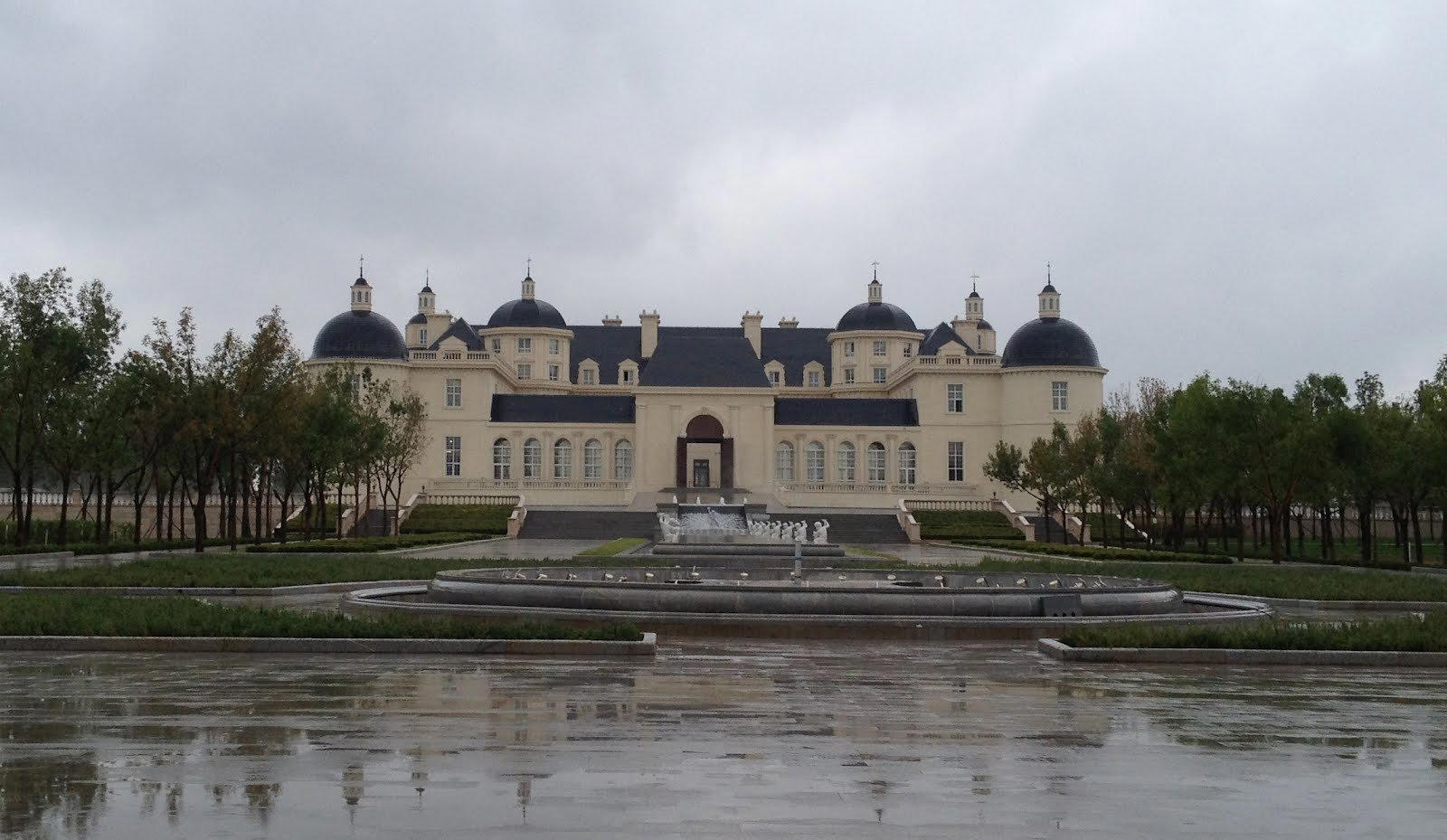
A worthwhile Shandong winery visit if the priority is a visually substantial château-style setting and a more focused tasting plan. The upgraded or private experience makes sense for wine-led itineraries and groups who want guidance; casual visitors can keep it simpler and prioritize daylight timing.
Bodega Alegre Valgañon
Sajazarra, Spain
Book Bodega Alegre Valgañon if the goal is a focused winery stop in Sajazarra with recognized credibility, not a full food-led experience. First-timers should build the day around the tasting, then plan meals and backup stops separately, especially if group logistics or food pairing expectations matter.
Ponzi Vineyards
Sherwood, United States
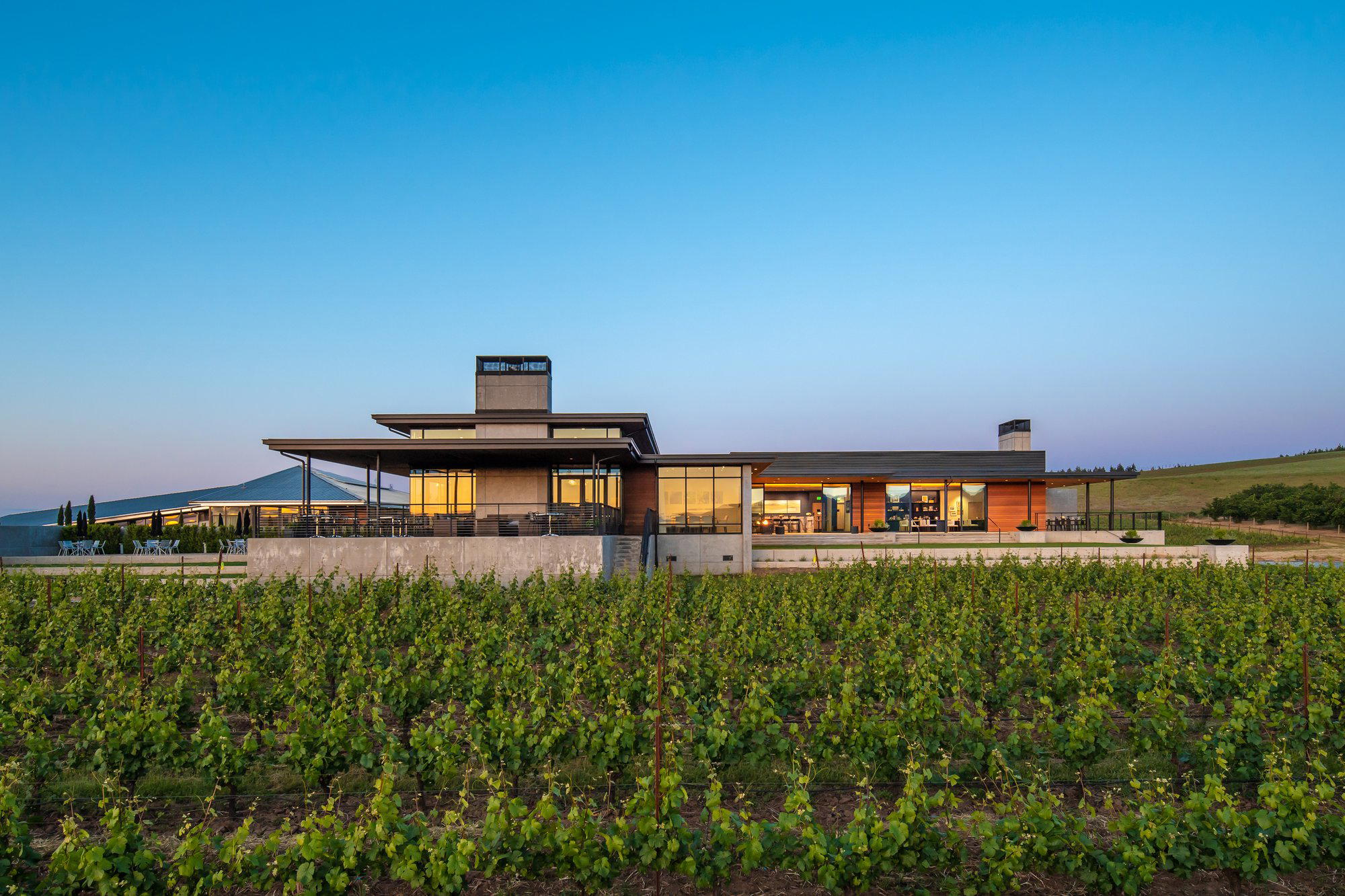
Ponzi Vineyards is the Sherwood pick for a first-time Oregon wine-country visit where the estate setting matters. It is better suited to an anchored tasting day than a fast multi-winery crawl, especially for mixed groups where not everyone wants a technical deep dive.
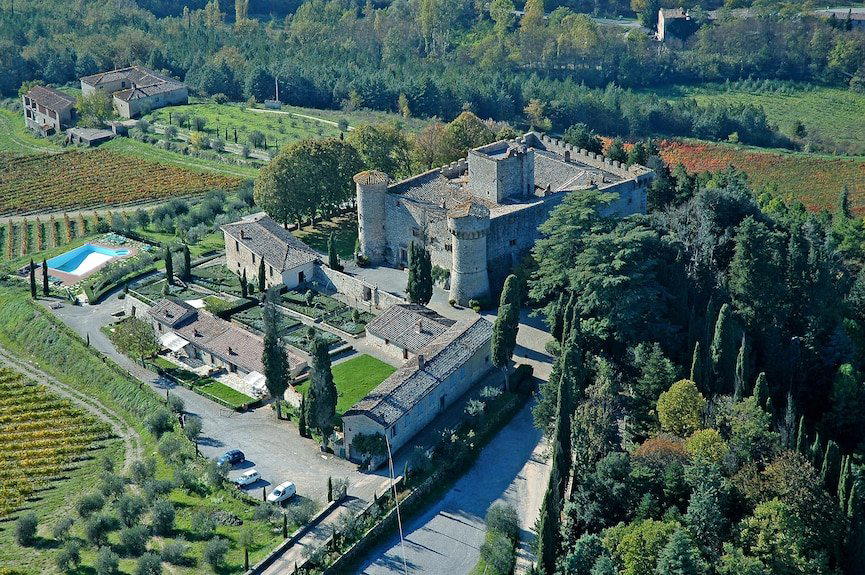
Castello di Meleto
Gaiole in Chianti, Italy
Castello di Meleto is worth planning around if you want a Chianti Classico visit where the winemaking choices matter as much as the castle setting. The strongest angle is its estate-grown fruit, organic farming, hand-harvested parcels, and range from Chianti Classico through Gran Selezione and Vin Santo.
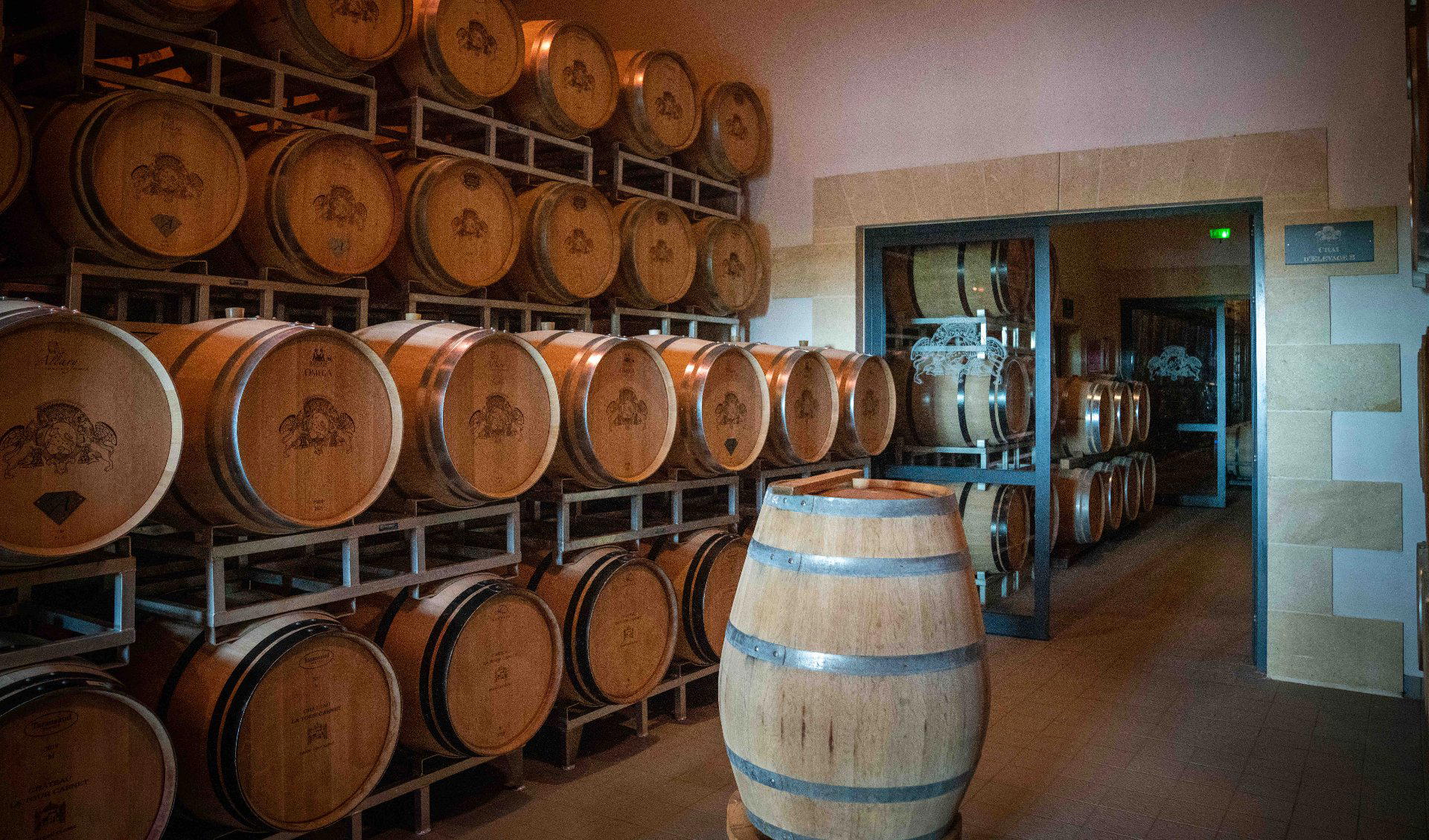
Château la Grâce Fonrazade
Saint-Émilion, France
Château la Grâce Fonrazade is a sensible Saint-Émilion add-on for visitors who want a quieter winery stop in Libournais vineyard country rather than a heavily staged château visit. Falstaff listing in 2026 gives it a useful recognition signal, but plan it as part of a broader wine day and confirm practical details before arranging a group or celebration around it.
Frank Weine
Gro Meiseldorf, Austria
Book Frank Weine if the goal is a Weinviertel cellar-lane experience with local wine culture at the center. It is better suited to travelers who want Großmeiseldorf’s press-house and Kellergasse context than to anyone seeking a fully documented tasting-room format, named flagship bottles, or a luxury winery setup.
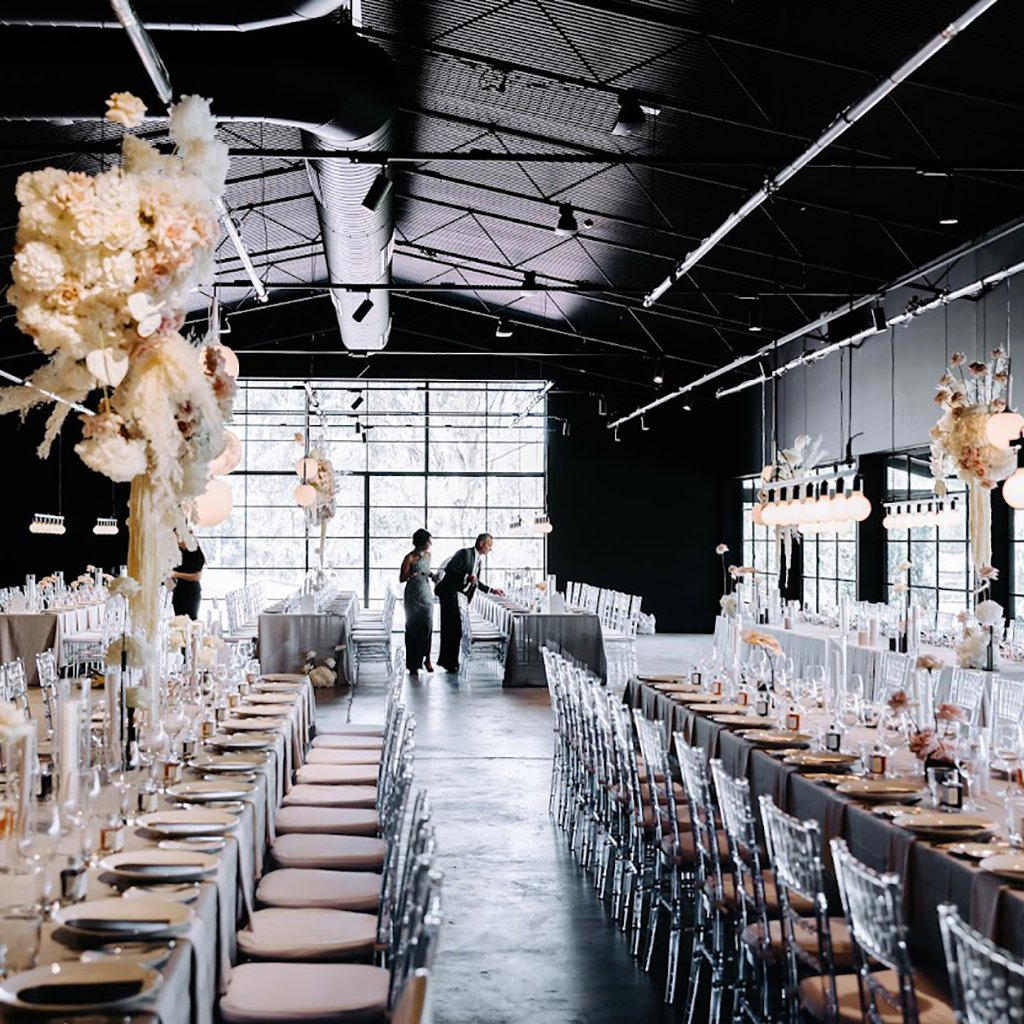
Peter Lehmann
Barossa Valley, Australia
Peter Lehmann is a practical Tanunda anchor for a Barossa Valley wine day, especially if the goal is regional context rather than a niche-only tasting route. Prioritise it for a dependable reference point, then cross-shop Langmeil, Turkey Flat, John Duval Wines, St Hallett, or Château Tanunda depending on whether you want heritage, focus, or a grander estate feel.
Gysel Weinbau zum Haumesser
Wilchingen, Switzerland
Gysel Weinbau zum Haumesser works for a quiet Wilchingen cellar stop focused on tasting and direct wine buying, especially for travelers who prefer small village wineries over polished hospitality spaces. It is less suited to visitors looking for named flagship bottles, formal pairings, or a heavily structured tour.
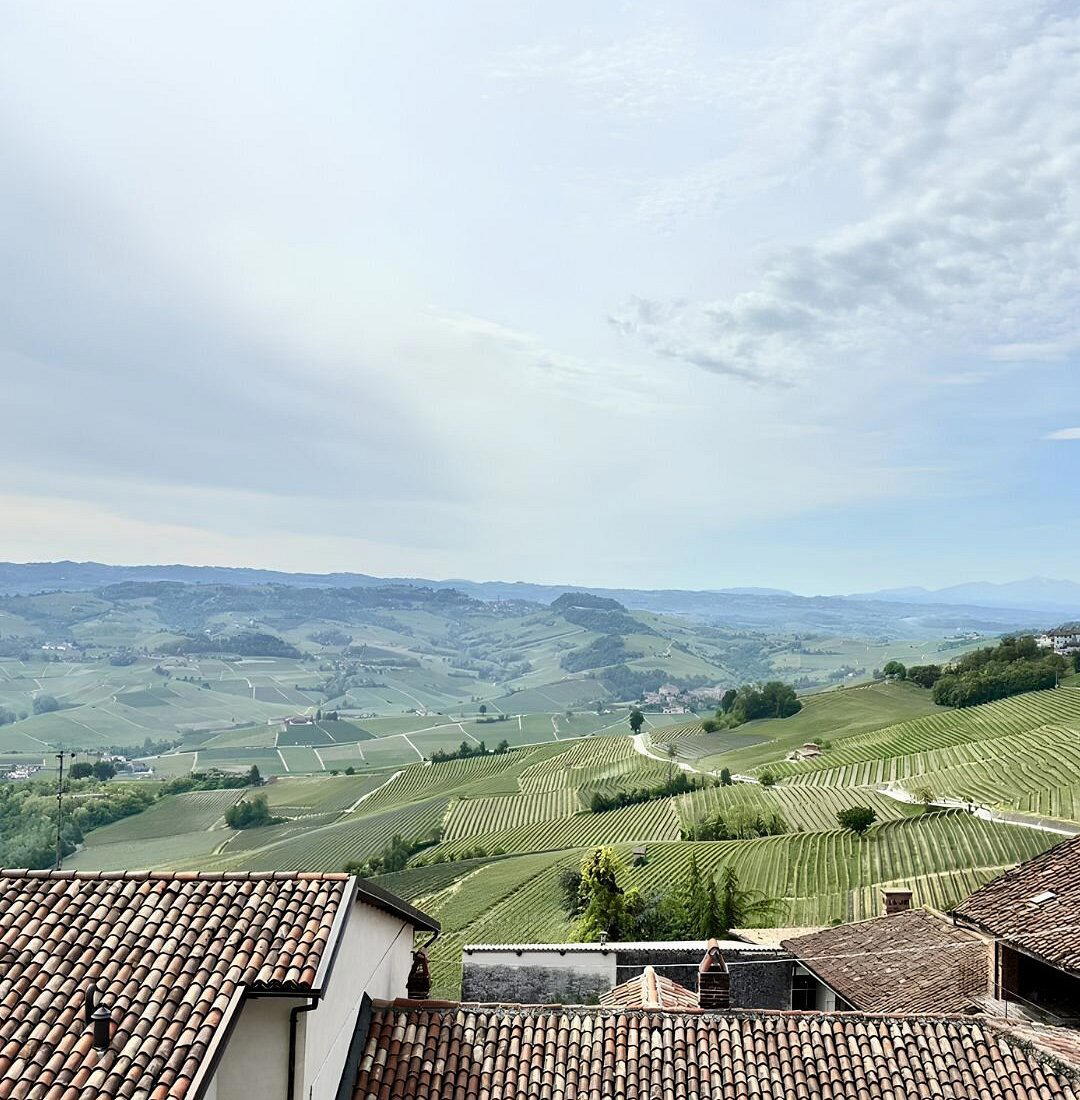
Azienda Agricola Gianni Voerzio
La Morra, Italy
Choose Azienda Agricola Gianni Voerzio if the goal is focused La Morra Nebbiolo, especially Barolo DOCG La Serra, rather than a polished visitor-center tasting. The appeal is traditional production, cru specificity, and a quiet rural format; it is less suited to large groups or travellers wanting broad amenities.
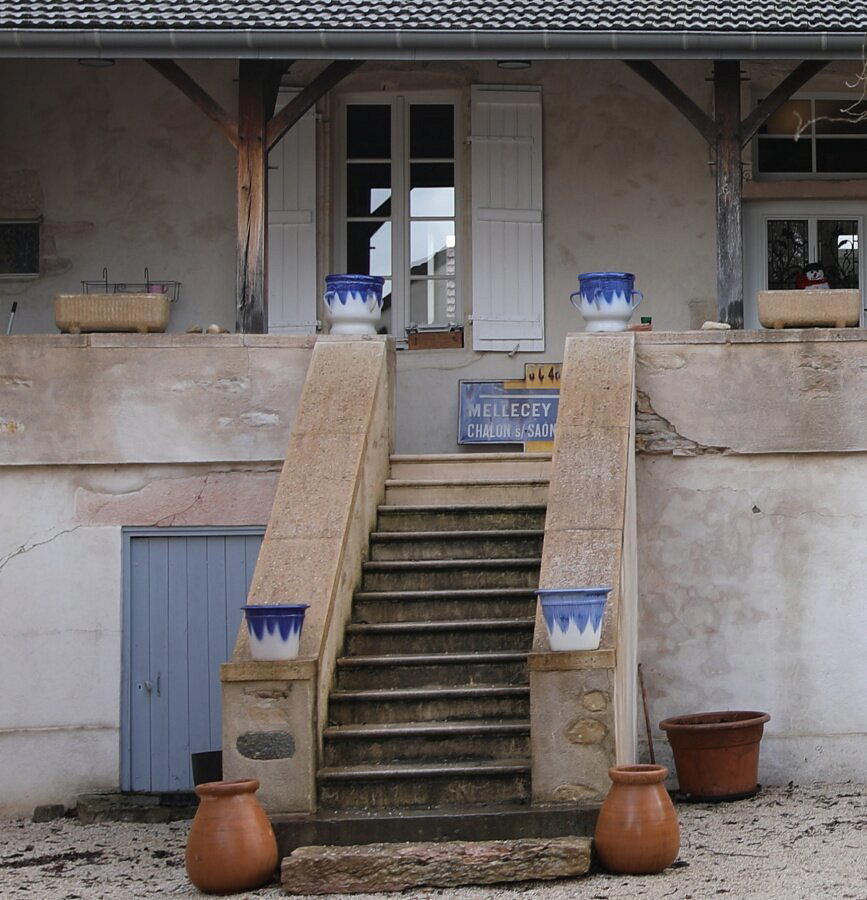
Domaine Bruno Lorenzon
Mercurey, France
Book Domaine Bruno Lorenzon if you want a serious, appointment-led Mercurey tasting focused on biodynamic farming, premier cru vineyards, and precise Côte Chalonnaise Pinot Noir and Chardonnay. It is better for committed Burgundy drinkers than casual groups, with the setting adding context rather than acting as the main attraction.
How many of these have you visited?
Find out on Pearl and keep score across every place in 2026 Falstaff Winery Guide.