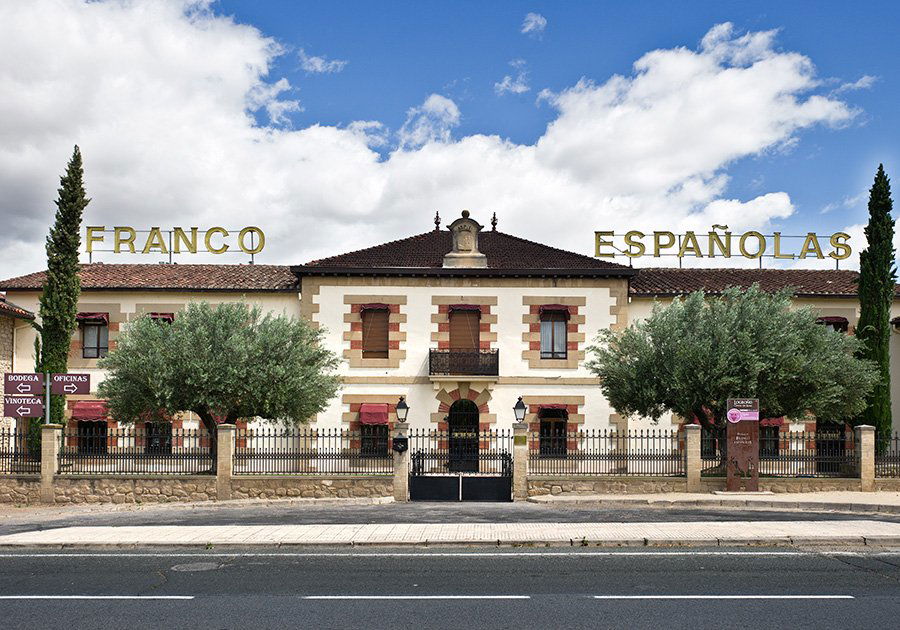


Bodegas Franco-Españolas
Logroño
Winery in Logroño, Spain
 Book with Pearl
The Read
Decanter-Medalled Rioja Heritage
Price
$20–30tasting
Why go
A strong city-based Rioja pick for travellers who want wine context without leaving Logroño's restaurant and bar circuit. Book it for regional depth, recognised winery credibility, and efficient logistics; look to Marqués de Riscal or Finca Valpiedra instead if the priority is a destination-estate day outside the city.
About Bodegas Franco-Españolas
For travellers planning time in Logroño, Bodegas Franco-Españolas is a winery to consider when the goal is to keep this part of the itinerary anchored in the city. The venue has recognised standing: Pearl 2 Star Prestige (2025) and Decanter World Wine Awards Derived Winery Prestige (2025). Dress is smart casual.
The decision point is simple. Consider Bodegas Franco-Españolas if you want a Logroño-based winery with recognition. If the trip is mainly about comparing different winery names, Marqués de Riscal, Finca Valpiedra, Campo Viejo, Marqués de Murrieta, and Bodegas Faustino are natural reference points to research alongside it.
A Logroño winery for city-based planning
Logroño rewards visitors who plan carefully: dining, bars, hotels, and winery options can be considered together when the logistics are kept simple. Bodegas Franco-Españolas has the practical advantage of being in Logroño, so it can be assessed as part of a city-based itinerary. Pair it with Our full Logroño restaurants guide, Our full Logroño bars guide, and Our full Logroño hotels guide rather than treating every winery option as a separate trip.
The strongest reasons to keep Bodegas Franco-Españolas on the shortlist are its Logroño location and its 2025 recognition: Pearl 2 Star Prestige and Decanter World Wine Awards Derived Winery Prestige. Beyond that, travellers should confirm current availability and any practical details directly with the venue before building a day around it.
When to go, and who should choose a peer instead
For specific opening times and visit formats, do not assume a particular schedule, lunch pairing, tasting structure, or walk-in policy. The safest planning approach is to check the venue's current channels before committing. If Bodegas Franco-Españolas is not the right fit, Campo Viejo, Marqués de Murrieta, Bodegas Faustino, Finca Valpiedra, and Marqués de Riscal are useful winery comparisons to research.
Use Our full Logroño wineries guide and Our full Logroño experiences guide to decide whether the day should stay focused on Logroño or include a broader winery plan. Keep the comparison practical: Bodegas Franco-Españolas is the Logroño anchor, while other winery names may suit travellers looking for a different setting or emphasis.
Know Before You Go
- Book if: Logroño location and recognised winery credibility matter to your planning.
- Think twice if: you need specific details on a specific visit format, schedule, meal, or service before choosing.
- Dress code: Smart casual.
- Recognition: Pearl 2 Star Prestige (2025) and Decanter World Wine Awards Derived Winery Prestige (2025).
- Useful planning: Build the day around Logroño, then confirm current winery details directly.
Planning details
- Location
- C. Cabo Noval, 2, 26009 Logroño, La Rioja
- Website
- enoturismo.francoespanolas.com
- Phone
- +34 941 25 12 90
The take
The Take
The Vibe
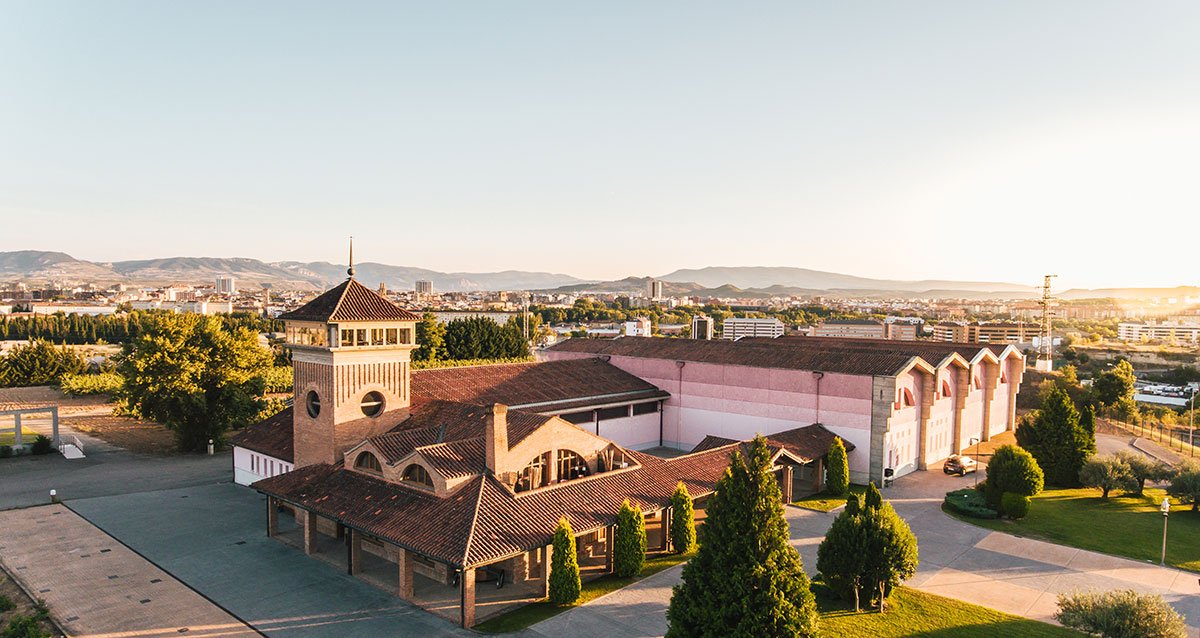
Bodegas Franco-Españolas reads like an urban production house with an industrial pedigree. The writing emphasizes Logroño's working-wine-city character and the bodega’s continuity over a century, so the experience feels institutional and disciplined rather than bucolic. Expect a sense of scale and steadiness: this is a house shaped by volume, consistency and the conventions of Rioja’s classical registers. The tone is authoritative rather than boutique, with the winery positioned as a regional benchmark—practical, grounded and firmly embedded in the city’s industrial winemaking tradition.
Best For
This is a go-to stop for anyone studying Rioja’s mainstream styles and for groups who want a clear sense of the region’s institutional benchmarks. The bodega’s profile and the text’s emphasis on medal-driven consistency make it well suited to wine-education visits and to those booking tastings for special occasions when a reliable, classical Rioja palate is desired. Visitors interested in comparing city-based production houses to village or estate operations will find Franco-Españolas especially illuminating.
Tasting Tips
Approach tastings here with a focus on house identity rather than boutique rarity. The copy highlights medal results and a consistent, classical register, so prioritize comparative flights that show core bottlings across vintages or styles to understand the winery’s signature. Ask staff to frame wines against the broader Rioja benchmarks mentioned in the text—it helps place Franco-Españolas within the region’s institutional spectrum rather than the critic-driven prestige axis.
Venue details
Ambiance
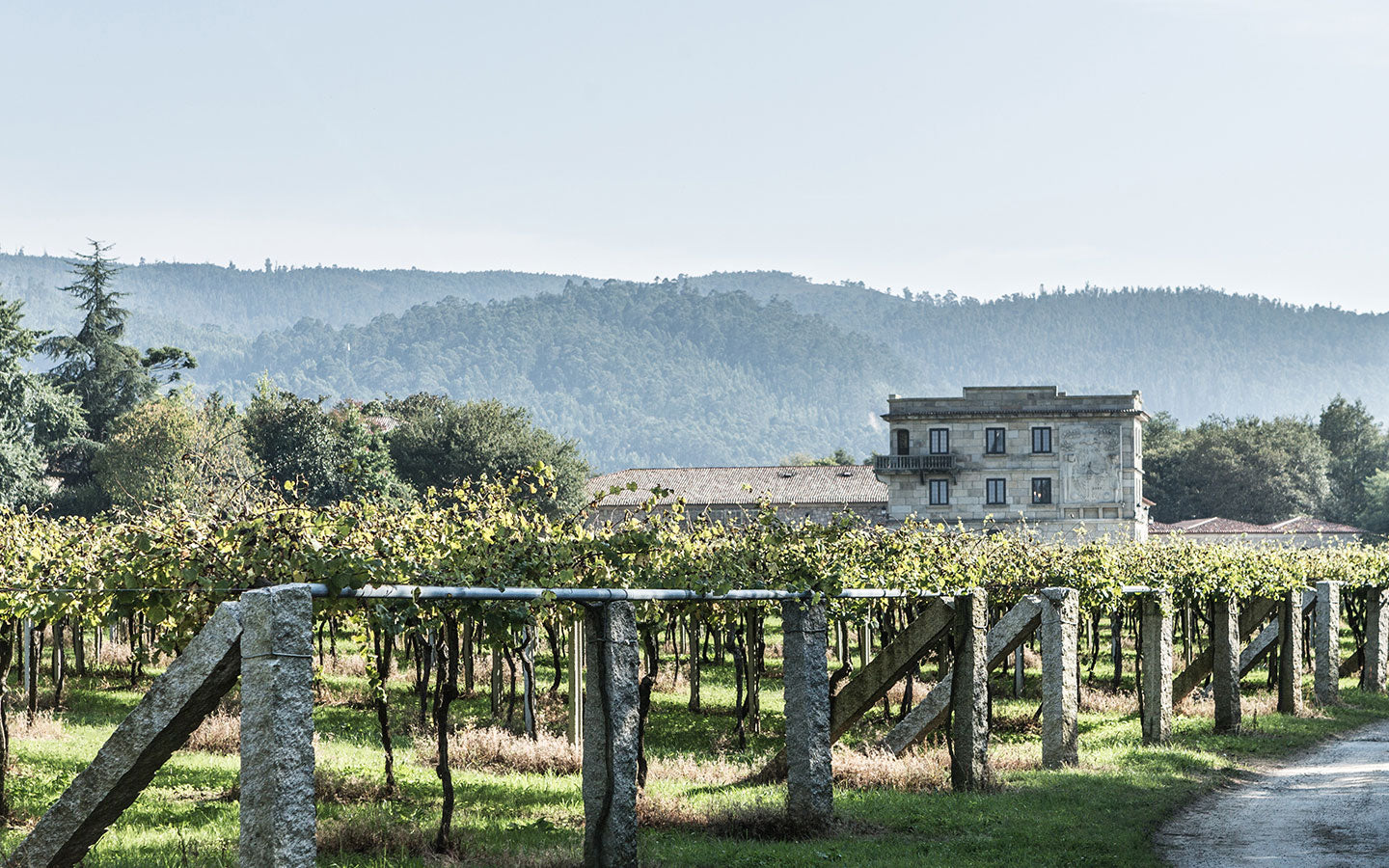
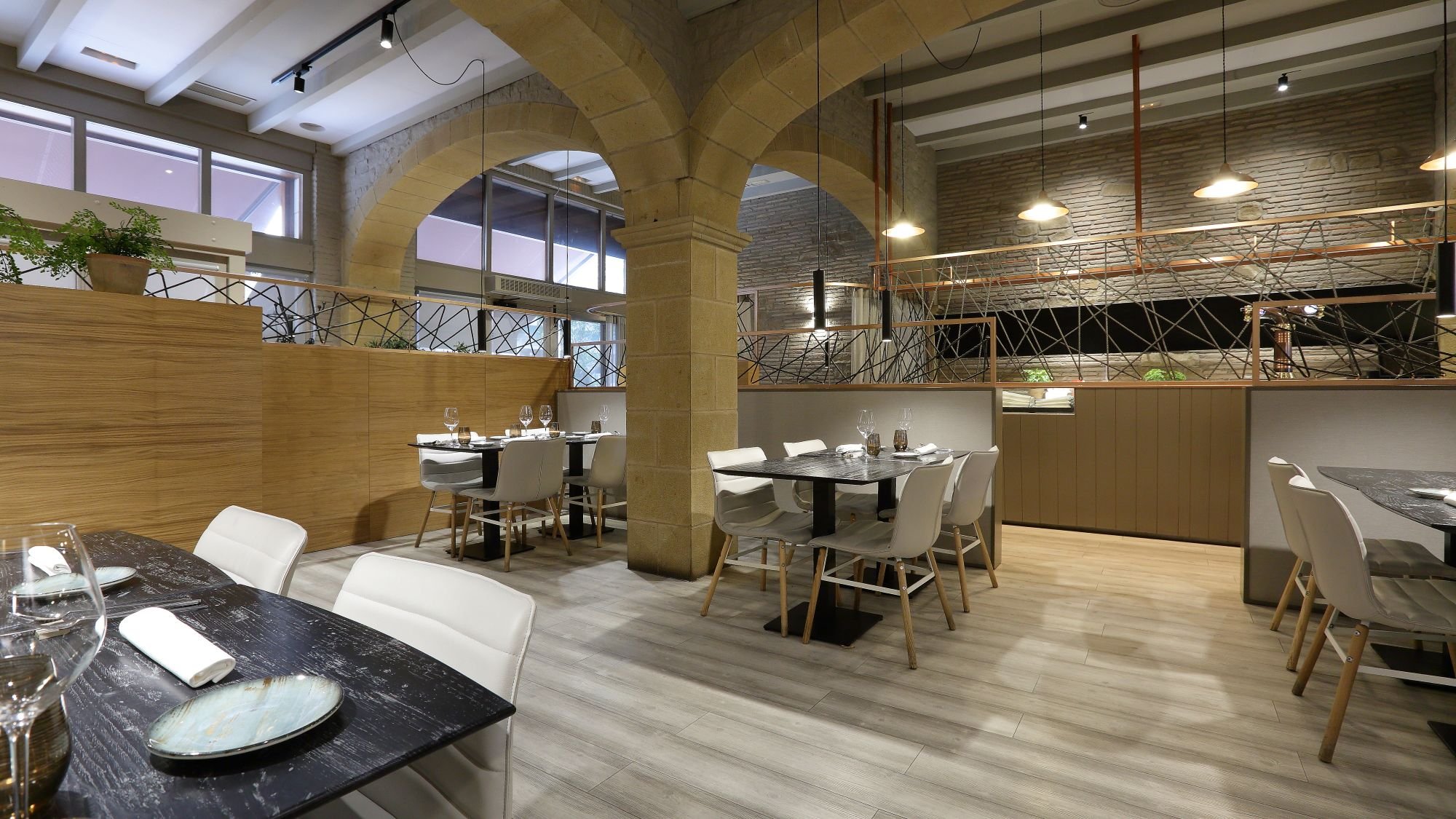
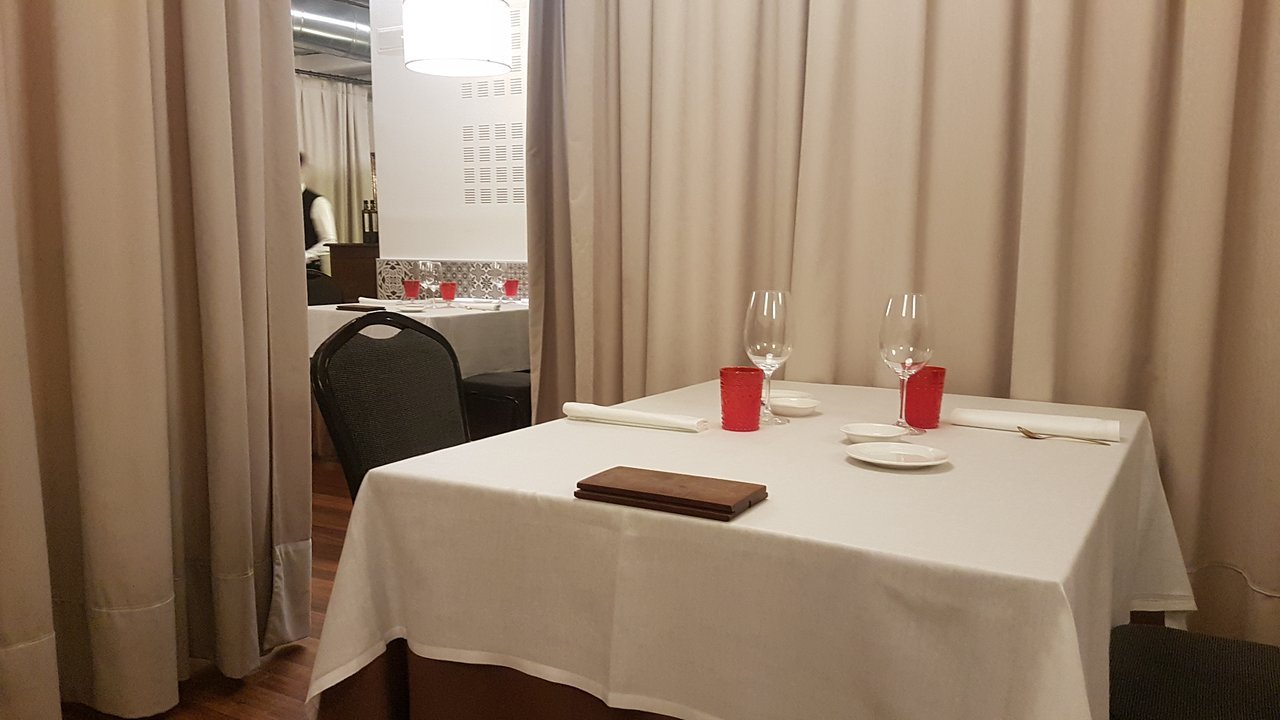
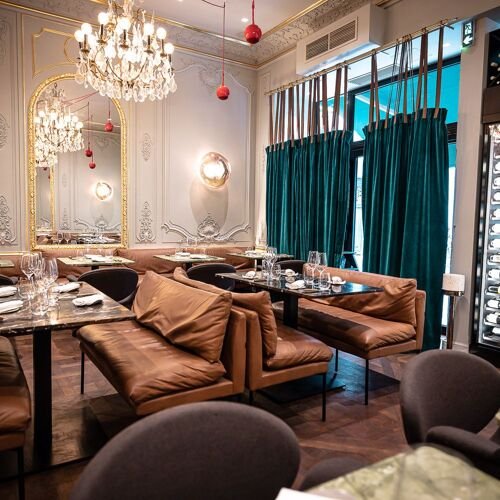
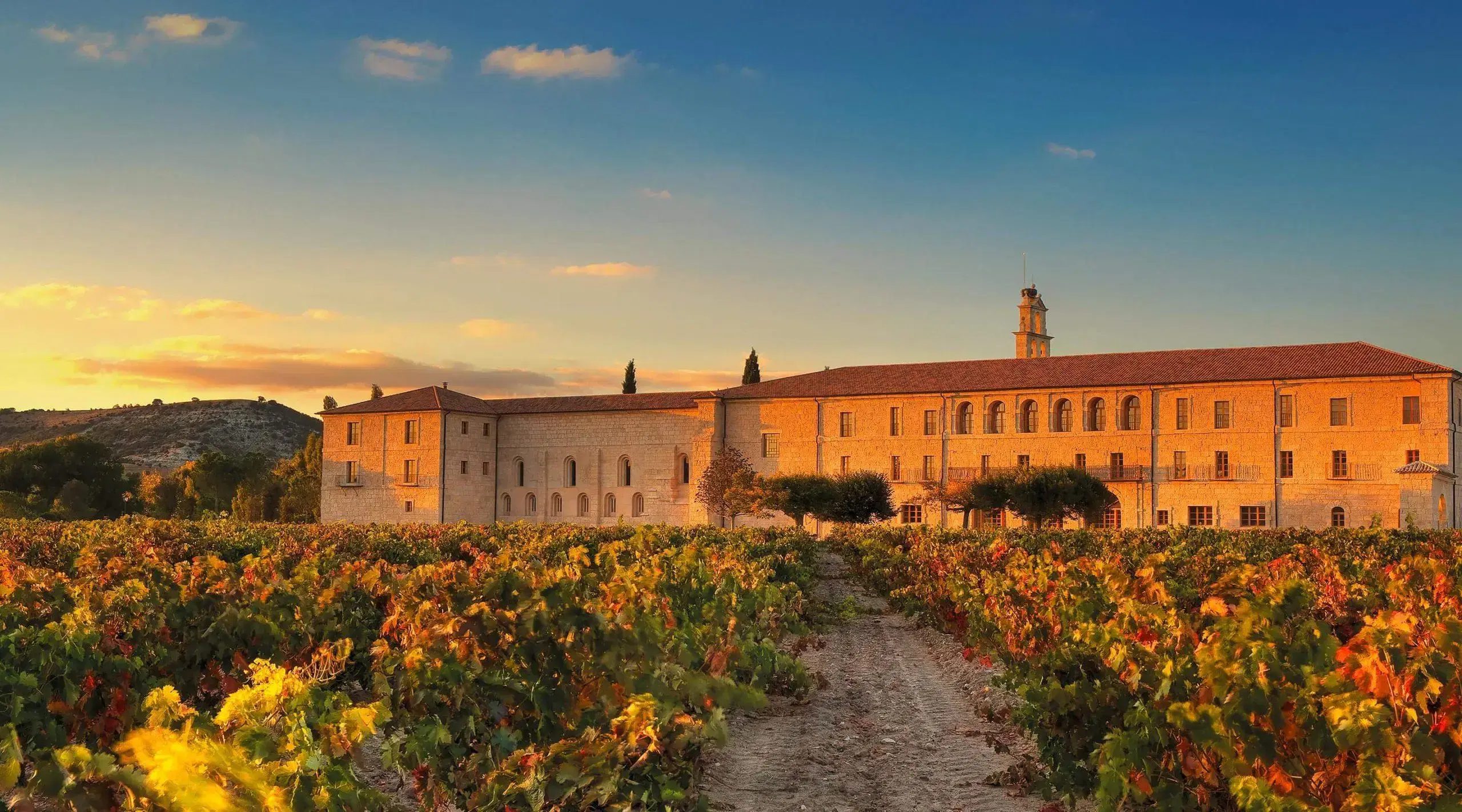
Classic and elegant atmosphere in a riverside historic building with timeless Rioja charm.
Tags
Vibe
Best For
Experience
At the Vineyard
- Appellation
- DOCa Rioja
- Varietals
- Tempranillo, Garnacha, Graciano, Viura, Mazuelo
- Tour Duration
- 60-90 minutes
- Tour Languages
- Spanish, English
- Visits
- By reservation
- Production
- Mid-size producer
- Wine Styles
- Still Red, Still White, Still Rose
- Wine Club
- Not available
Know before you go
Know Before You Go
- Getting there
- C. Cabo Noval, 2, 26009 Logroño, La Rioja
Planning details
Location
C. Cabo Noval, 2, 26009 Logroño, La Rioja · Directions
Recognition and awards

Also consider
If you can't get in
Try Campo Viejo first if the schedule needs to stay in Logroño. It is the cleanest substitute for travellers who want a city-based Rioja visit without rebuilding the day.
Choose Marqués de Murrieta instead if missing out is an opportunity to shift toward a more estate-led Rioja plan near Logroño. For a fuller day outside the city, compare Finca Valpiedra and Marqués de Riscal before committing.
Winery context
How It Compares
Bodegas Franco-Españolas is the practical Logroño choice for travellers who want Rioja credibility without giving up city time. Marqués de Murrieta is the stronger pick if the goal is a more estate-led experience near Logroño, while Campo Viejo is the closest like-for-like city cross-shop for visitors keeping the day compact.
For a more destination-driven Rioja day, Finca Valpiedra and Marqués de Riscal make more sense than staying in Logroño. Choose them when ambiance and the journey out of town are part of the value equation. Choose Bodegas Franco-Españolas when the better value is time saved, city access, and a visit that can sit cleanly between lunch, bars, and dinner.
Bodegas Faustino belongs on the list for travellers comparing Rioja beyond Logroño, but it asks more from the itinerary. With availability treated as highly constrained here, the smart fallback order is Campo Viejo for city logistics, Marqués de Murrieta for a stronger estate feel, then the out-of-metro options if the day can absorb the travel.
Explore Logroño
Around this place
Discover more on Pearl
Unlock the full Bodegas Franco-Españolas guide in Pearl, including awards, comparisons, FAQs, planning details, and nearby places.
Compare Bodegas Franco-Españolas
| Venue | Location | Awards |
|---|---|---|
| Bodegas Franco-Españolas | Logroño | 2026 Falstaff Winery Guide2025 Decanter Winery Prestige |
| Marqués de Murrieta | Logroño | 2026 Falstaff Winery Guide2025 World's 50 Best Vineyards · #482024 World's 50 Best Vineyards · #30 |
| Bodegas Faustino | Oyón | 2026 Falstaff Winery Guide2025 Decanter Winery Prestige |
| Campo Viejo | Logroño | 2026 Falstaff Winery Guide |
| Finca Valpiedra | Fuenmayor | 2026 Falstaff Winery Guide |
| Marqués de Riscal | Elciego | No published awards |

How Bodegas Franco-Españolas Logroño compares with similar nearby venues.
FAQ
Frequently Asked Questions
Is the wine club at Bodegas Franco-Españolas worth joining?
Information about a wine club should be confirmed directly with the venue. If membership is important to your decision, confirm current terms, benefits, and availability directly with Bodegas Franco-Españolas before joining.
Does Bodegas Franco-Españolas ship wine?
Shipping details should be confirmed directly. Ask Bodegas Franco-Españolas whether shipping is available and whether it works for your destination.
What other wineries should I compare with Bodegas Franco-Españolas?
For comparison, research Campo Viejo, Marqués de Murrieta, Bodegas Faustino, Finca Valpiedra, and Marqués de Riscal alongside Bodegas Franco-Españolas. They offer useful reference points when planning a broader itinerary.
When is the best time to visit Bodegas Franco-Españolas?
Specific visit times should be checked directly with the venue. Check Bodegas Franco-Españolas for current hours, available formats, and any seasonal changes before planning your Logroño day.
Do I need a reservation at Bodegas Franco-Españolas?
Reservation requirements should be confirmed directly with the venue. Confirm directly with Bodegas Franco-Españolas before you go, especially if your itinerary depends on a specific date or time.