
Ponzi Vineyards
Sherwood
Winery in Sherwood, United States
 Book with Pearl
The Read
Chehalem Mountain Pinot Precision
Price
$30–50tasting
Why go
Ponzi Vineyards is the Sherwood pick for a first-time Oregon wine-country visit where the estate setting matters. It is better suited to an anchored tasting day than a fast multi-winery crawl, especially for mixed groups where not everyone wants a technical deep dive.
About Ponzi Vineyards
Ponzi Vineyards is a Sherwood venue with Pearl 2 Star Prestige (2025) recognition. That recognition gives travelers a concrete reason to keep the name on a shortlist when considering notable places in and around Sherwood. For planning, use the recognition and location as starting points, then confirm visit logistics directly with the venue before relying on details such as format, hours, pricing, menus, or specific services. A venue can be notable while still requiring a quick check on the practical details that shape the visitor experience.
The dress code is smart casual. That guidance gives guests a reasonable baseline without implying a more formal or more relaxed experience. Smart casual generally points toward clothing that feels polished and comfortable, which helps visitors prepare without over-interpreting the venue's format. For guests comparing the name against other notable venues, Ponzi Vineyards can be considered alongside A to Z Wineworks, Adelsheim Vineyard, Brick House Wine Co. Chehalem Winery, and Patricia Green Cellars without assuming that each offers the same style of visit or is in the same city. The comparison is best understood as a way to place Ponzi Vineyards among recognizable names, not as a statement that the venues share identical logistics, settings, services, or visitor expectations.
Choose it as a Sherwood name with recognition
Ponzi Vineyards is best framed around three practical points: it is in Sherwood, it has Pearl 2 Star Prestige (2025) recognition, and smart casual dress is appropriate. Those three points are enough to define the venue for a cautious itinerary, especially for someone who wants a notable name without overbuilding the plan. If you are building a broader itinerary, use current official sources to identify other options, and confirm details directly before making plans. This matters because the shape of a visit can depend on timing, access, reservations, or offerings, and assumptions can quickly lead to a plan that does not match the venue's current reality. If the trip also includes meals or an overnight, consult current Sherwood resources and official venue information. Keeping those separate pieces of planning grounded in current sources will make the overall visit easier to organize.
For reservation requirements, visit length, visit format, group policies, and specific offerings, contact Ponzi Vineyards directly before going. Checking directly is especially important when a venue is being used as part of a larger schedule, since even a small uncertainty about timing or format can affect the rest of the day. The recognition makes it a notable Sherwood venue, but practical decisions should come from current official information. In other words, Ponzi Vineyards is a strong candidate for consideration, while final planning details should be checked at the source.
Planning details
- Location
- 19500 SW Mountain Home Rd, Sherwood, OR 97140
- Website
- ponzivineyards.com
- Phone
- +1 503-628-1227
The take
The Take
The Vibe
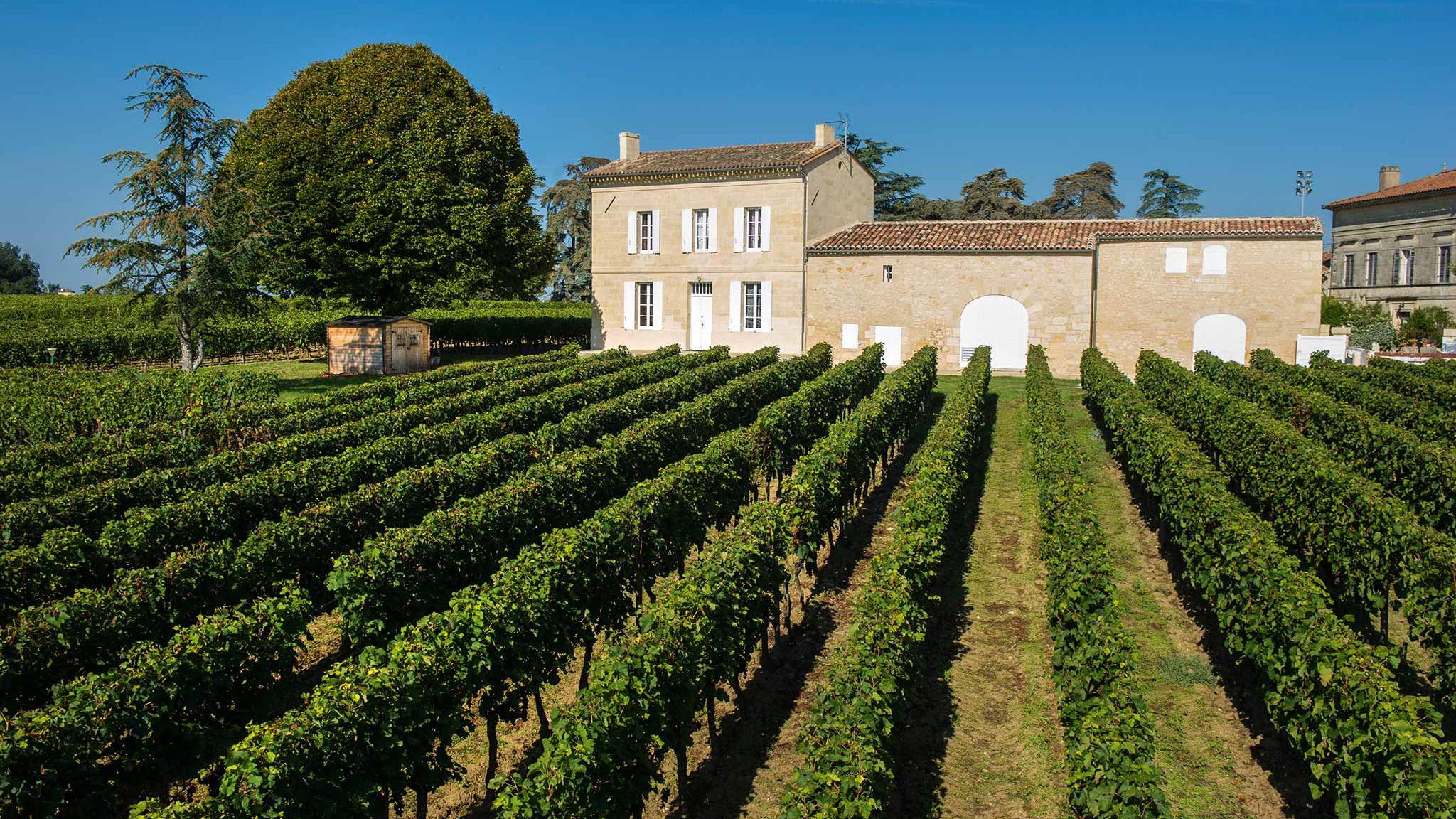
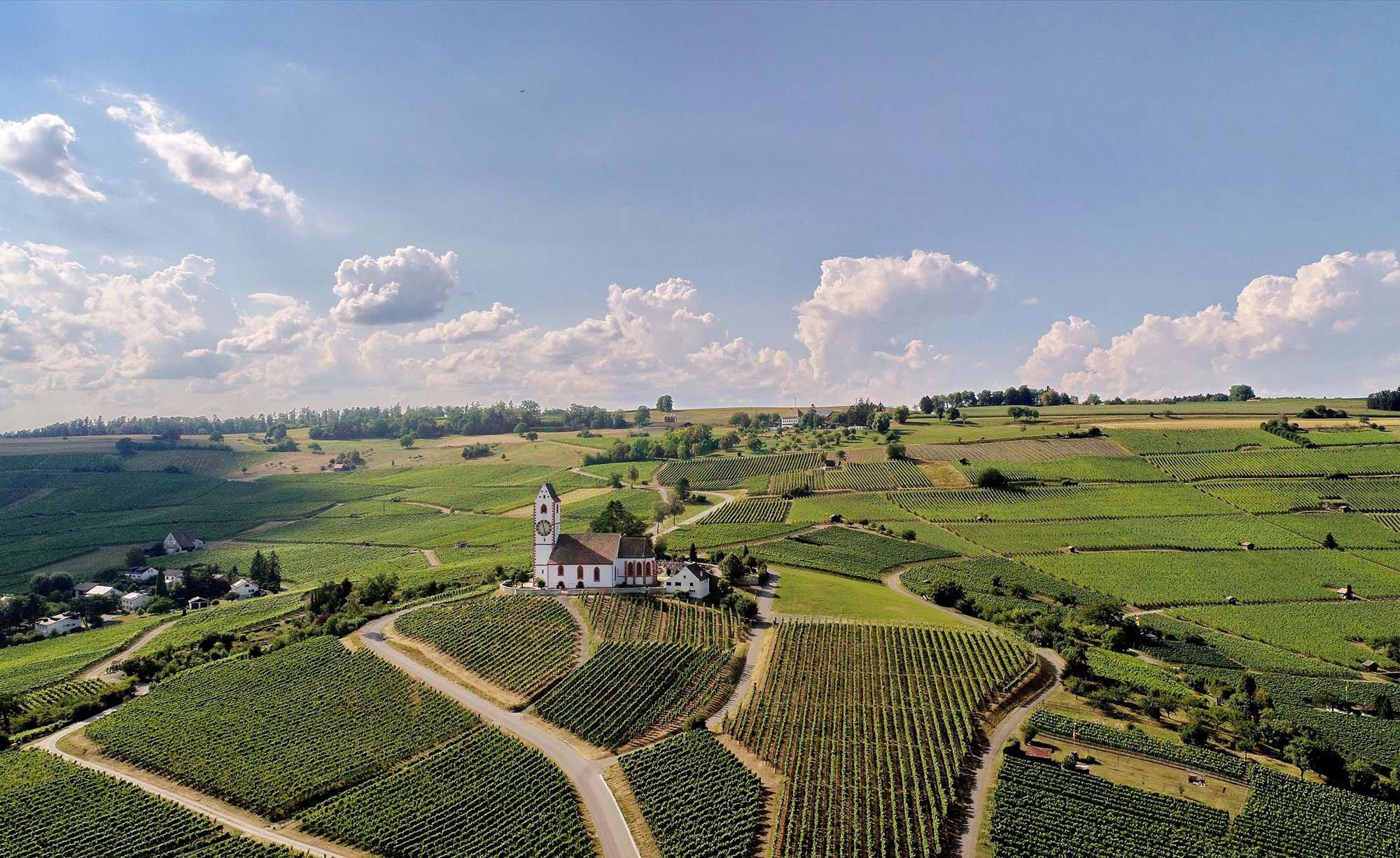
Ponzi Vineyards reads like an argument made in terroir rather than flourish: cool-climate rigor, fog-threaded mornings and varied soils frame a measured, refined approach to Pinot Noir. The copy emphasizes geological complexity and microclimates, so the estate feels thoughtful and disciplined rather than flashy. Rolling hills and mountain elevations give the setting an iconic Pacific Northwest clarity—scenic and purposeful—where elegance is expressed through restraint and structure in the wines. Visitors can expect a grounded, agricultural elegance rooted in place, with tasting experiences that reward patience and comparative attention across blocks.
Best For
This estate is best for visitors who want to dig into what makes Willamette Valley Pinot Noir distinct. It suits wine-education minded outings and special occasions where the focus is on tasting, comparing and discussing vineyard expression across lots. The narrative also supports intimate group visits—small groups or couples who appreciate geology, viticulture and aging potential—rather than rowdy social hangs. Expect experiences oriented around learning and focused tasting, where the landscape and soils are as much the point of interest as the finished bottles.
Tasting Tips
When tasting or selecting bottles from Ponzi, prioritize Pinot Noir and estate-designate wines that highlight different blocks or clones. The estate underscores cool-climate acidity and structure, so look for wines that show lively acidity and aging potential rather than immediate ripeness. Ask about bottlings from specific blocks or soils—comparative sipping across Laurlwood, Jory and Willakenzie expressions is particularly revealing. If you plan to cellar, favor wines described with structure and ageability; if you want something to drink sooner, seek vintages noted for balanced acidity and approachable tannin.
Venue details
Ambiance
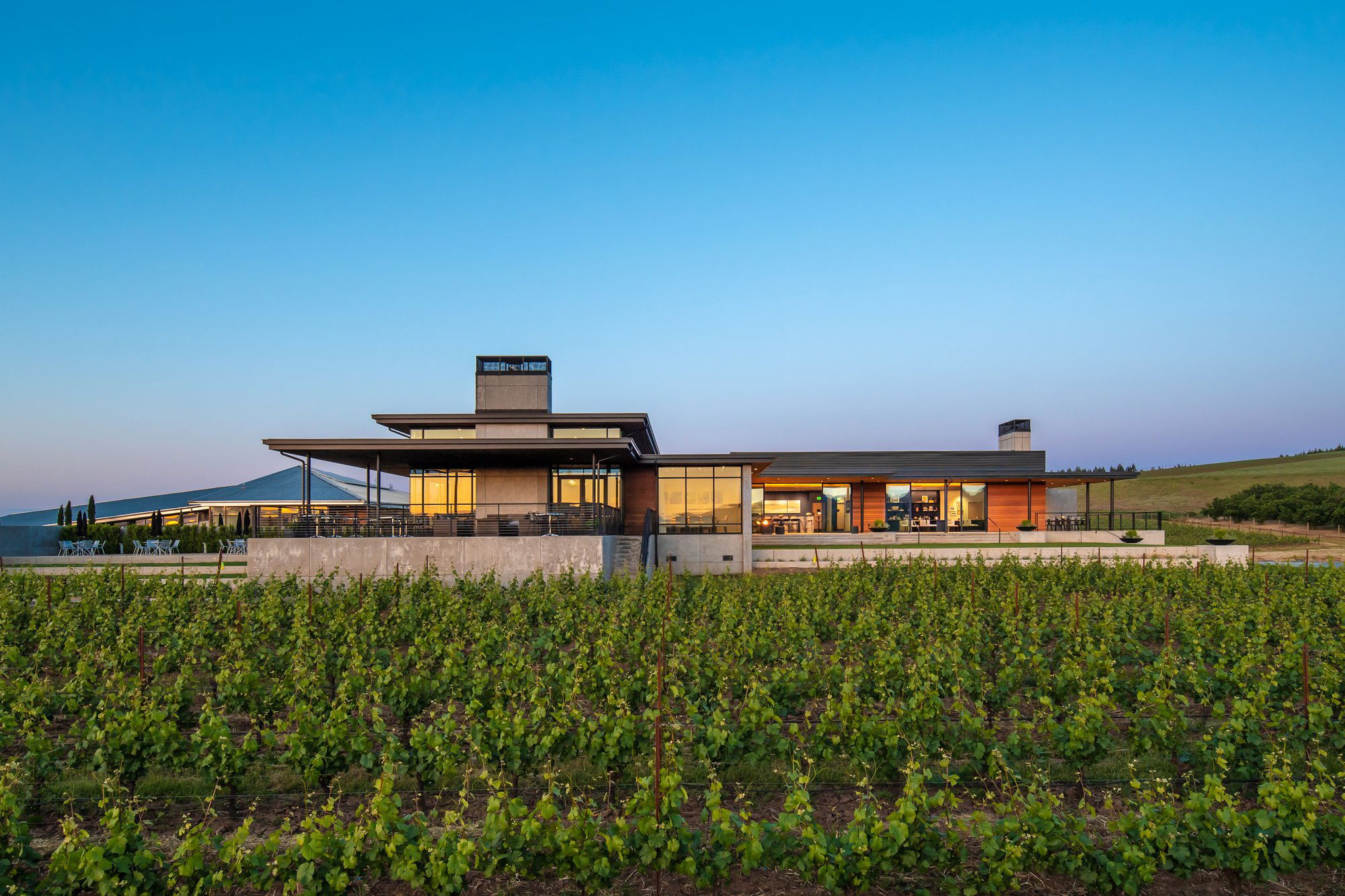
Beautiful hilltop setting with stunning vineyard views, elegant modern tasting room, relaxed patio atmosphere, and natural light enhancing the scenic surroundings.
Tags
Vibe
Best For
Experience
Sourcing
View
At the Vineyard
- Appellation
- Laurelwood District AVA
- Varietals
- Pinot Noir, Chardonnay, Pinot Gris
- Visits
- By reservation
- Farming
- Sustainable
- Wine Styles
- Still Red, Still White
- Food Pairing
- Offered
- Wine Club
- Available
Know before you go
Know Before You Go
- Getting there
- 19500 SW Mountain Home Rd, Sherwood, OR 97140
Planning details
Location
Recognition and awards

Also consider
Also Consider
- Chehalem Winery, Notable alternative
- A to Z Wineworks, Notable alternative
- Adelsheim Vineyard, Notable alternative
- Brick House Wine Co., Notable alternative
- Patricia Green Cellars, Notable alternative
Winery context
How Ponzi Vineyards compares in Sherwood wine country
Ponzi Vineyards is the stronger choice if ambiance and a polished estate feel are the priority. Chehalem Winery and A to Z Wineworks are better cross-shops for drinkers who want a broader Oregon producer comparison without making the setting the main event.
For a more wine-geek itinerary, compare it with Adelsheim Vineyard, Brick House Wine Co. and Patricia Green Cellars. Those are the smarter alternatives when the group cares more about producer-to-producer contrast than a single estate-led stop.
Booking difficulty is the main reason to have backups ready. If Ponzi is unavailable, start with Adelsheim Vineyard or Chehalem Winery for a similarly serious Oregon wine-country plan; choose A to Z Wineworks when value and flexibility matter more than a destination-style visit.
Explore Sherwood
Around this place
Discover more on Pearl
Unlock the full Ponzi Vineyards guide in Pearl, including awards, comparisons, FAQs, planning details, and nearby places.
Compare Ponzi Vineyards
| Venue | Location | Awards |
|---|---|---|
| Ponzi Vineyards | Sherwood | 2026 Falstaff Winery Guide |
| Chehalem Winery | Newberg | 2026 Falstaff Winery Guide |
| A to Z Wineworks | Newberg | No published awards |
| Adelsheim Vineyard | Newberg | No published awards |
| Brick House Wine Co. | Newberg | No published awards |
| Patricia Green Cellars | Newberg | No published awards |
How Ponzi Vineyards Sherwood compares with similar nearby venues.
FAQ
Frequently Asked Questions
Do I need a reservation at Ponzi Vineyards?
Check Ponzi Vineyards' official channels for current reservation requirements before planning a visit. Ponzi Vineyards is in Sherwood and has Pearl 2 Star Prestige (2025) recognition. If you are comparing options, Chehalem Winery and A to Z Wineworks are also names to consider.
What other venues can I compare with Ponzi Vineyards?
A to Z Wineworks, Adelsheim Vineyard, Brick House Wine Co. Chehalem Winery, and Patricia Green Cellars are useful comparison points for Ponzi Vineyards. Do not assume they share the same city, format, hours, or booking requirements; check current details directly with each venue.
How long should I plan for a visit to Ponzi Vineyards?
Check Ponzi Vineyards' official channels for current guidance on visit length before you go. Ponzi Vineyards is in Sherwood and carries Pearl 2 Star Prestige (2025) recognition, but timing, booking requirements, and visit format should be checked through official channels.
Is there a membership or recurring-purchase option at Ponzi Vineyards?
If you are considering a membership or recurring-purchase option, review the current terms directly with Ponzi Vineyards and compare them with your own visit frequency and preferences. Chehalem Winery and A to Z Wineworks may also be worth comparing for broader context.
What specific offerings is Ponzi Vineyards known for?
Pearl 2 Star Prestige (2025) is the main quality signal for Ponzi Vineyards. Check Ponzi Vineyards' official channels for current details on specific offerings.
Can Ponzi Vineyards handle large groups?
Contact Ponzi Vineyards directly about large-group planning. Ponzi Vineyards is a Sherwood venue with Pearl 2 Star Prestige (2025) recognition and a smart casual dress code, but group size, booking rules, and visit format should be checked directly. Brick House Wine Co. and Patricia Green Cellars are additional names to compare when planning.