
Peter Lehmann
Tanunda, Barossa Valley
Winery in Barossa Valley, Australia
 Book with Pearl
The Read
Barossa Floor Depth
Why go
Peter Lehmann is a practical Tanunda anchor for a Barossa Valley wine day, especially if the goal is regional context rather than a niche-only tasting route. Prioritise it for a dependable reference point, then cross-shop Langmeil, Turkey Flat, John Duval Wines, St Hallett, or Château Tanunda depending on whether you want heritage, focus, or a grander estate feel.
About Peter Lehmann
Peter Lehmann is a Barossa Valley venue with a casual dress code and Pearl 3 Star Prestige recognition for 2025. It is a practical Barossa Valley option for visitors planning a regional itinerary.
That makes the planning question direct: consider Peter Lehmann as one Barossa Valley option, and confirm any practical details directly before building a day around it. If you are comparing several stops, keep the decision focused on the basics rather than assuming a particular experience.
A Barossa Valley option for a regional itinerary
For visitors planning around Barossa Valley, Peter Lehmann can be compared with Château Tanunda, Langmeil, Turkey Flat, John Duval Wines, and St Hallett. Those comparisons are most useful when you are deciding how to balance a day across multiple venues.
Who should prioritise it, and who should cross-shop
Prioritise Peter Lehmann if a casual Barossa Valley venue with Pearl 3 Star Prestige recognition fits the kind of stop you want to include. Cross-shop Château Tanunda, John Duval Wines, Langmeil, St Hallett, or Turkey Flat if you are still deciding which venues best suit your plans.
Use Peter Lehmann as a candidate for a Barossa Valley itinerary, then verify the current details through the venue before finalising your plans.
For wider trip planning, use Our full Barossa Valley guide alongside other Barossa Valley guides, including Our full Barossa Valley restaurants guide, Our full Barossa Valley hotels guide, Our full Barossa Valley bars guide, and Our full Barossa Valley experiences guide.
Planning details
- Location
- Para Rd, Tanunda SA 5352
- Website
- peterlehmannwines.com
- Phone
- +61 8 8565 9555
The take
The Take
The Vibe
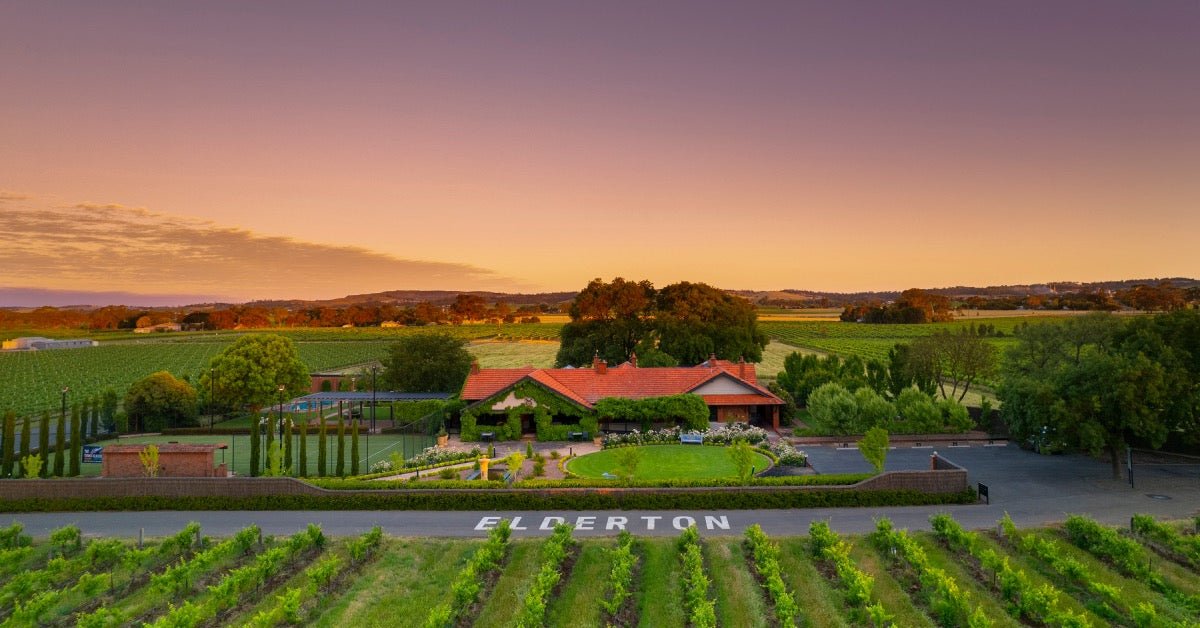
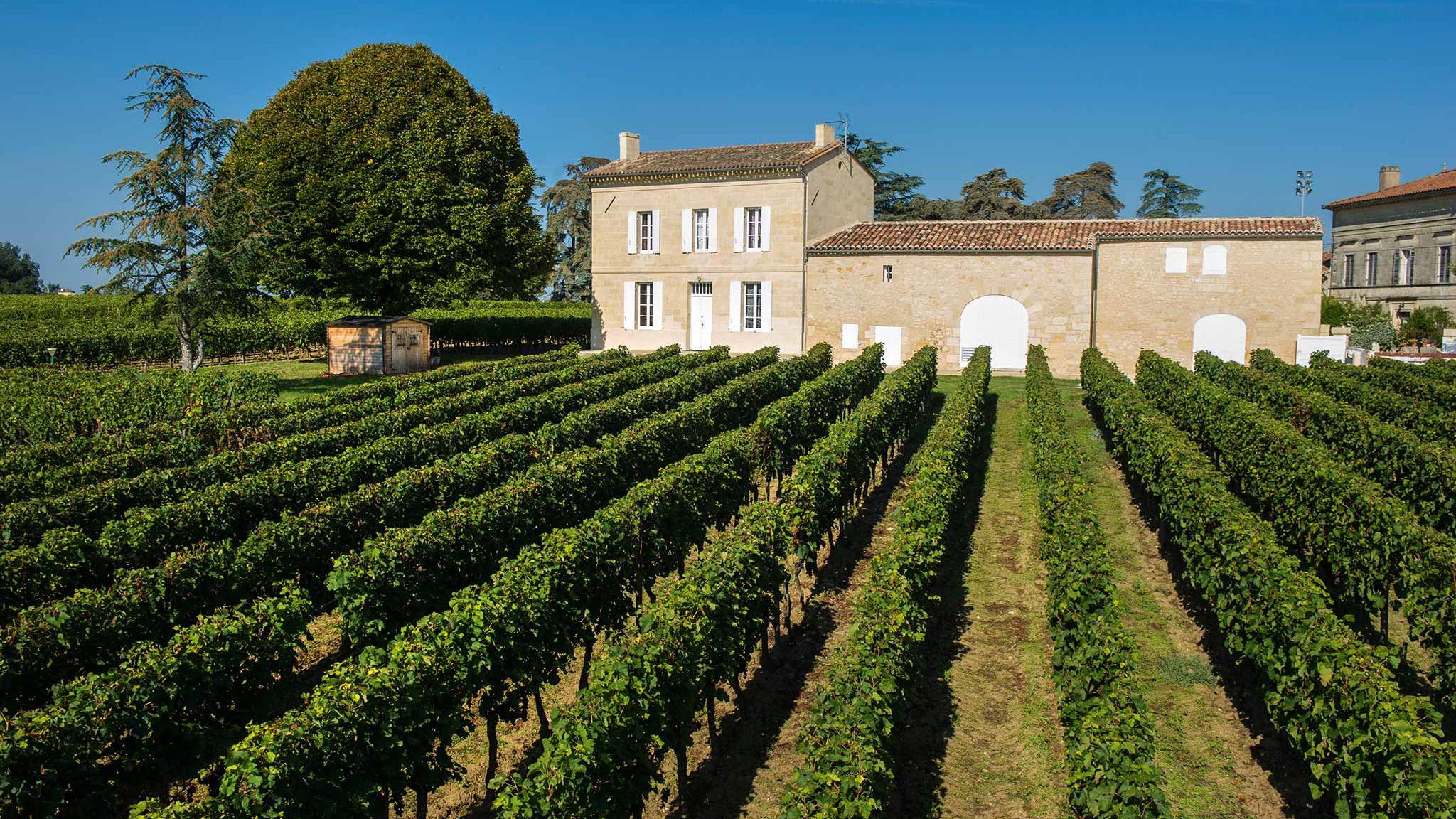
Peter Lehmann’s cellar door reads as restrained and deliberately low-key. The architecture and siting answer to the land: old vines, ochre soil and a long, flat valley set the tone. Rather than theatre or spectacle, the property favors clarity and measured hospitality, so the mood is quietly authoritative—rooted in place and history. That restraint lends a sophisticated, contemplative feel; visitors encounter wines in a context that privileges lineage and terroir over flash. It’s a place for steady attention, where the landscape and vine age frame your impressions more than any curated entertainment program.
Best For
This cellar door is best for visitors who come to learn rather than to be entertained. The tasting program and portfolio are presented like a curriculum: approachable, fruit-forward entry wines lead through reserve and special-release bottlings that demonstrate what vine age and careful winemaking contribute. It suits curious wine lovers, students of regional style and groups focused on comparative tasting. If you’re planning a rollicking tourist stop, this isn’t it; if you want a focused education in Barossa shiraz and the region’s stylistic range, Peter Lehmann is an efficient, illuminating stop.
Tasting Tips
Approach your tasting in tiers: begin with the entry-level, fruit-forward Barossa Shiraz to calibrate expectations, then work upward through reserve and special-release wines to appreciate differences that come with vine age and technique. Ask staff to point out the structural through-lines in the portfolio so you can compare how the same variety expresses itself across price points and vintages. Given the cellar door’s pedagogical aim, take your time with comparative sips rather than rushing through flights; focus on Shiraz as the dominant thread but taste other varieties if offered to round out your sense of the estate.
Venue details
Ambiance
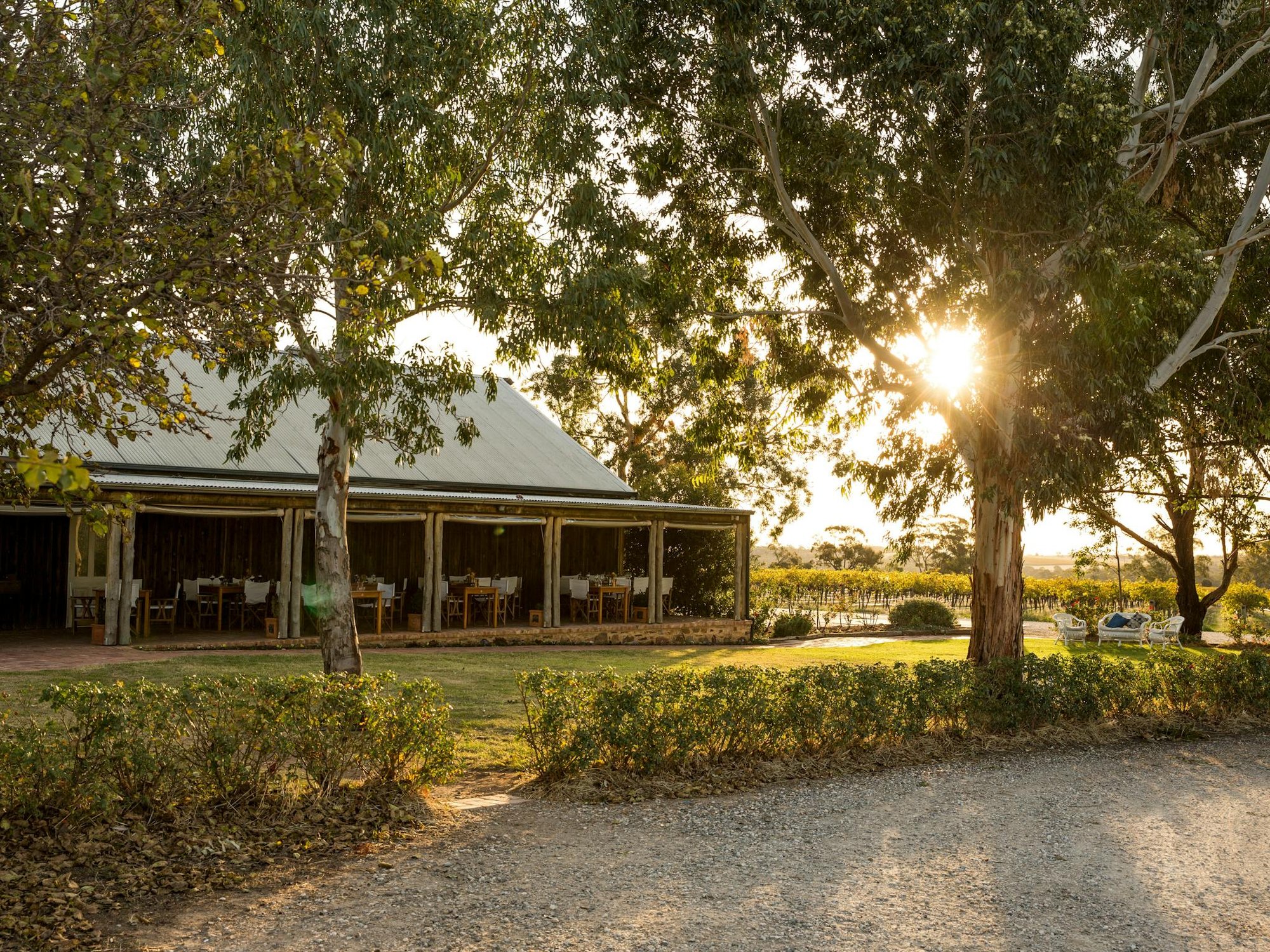
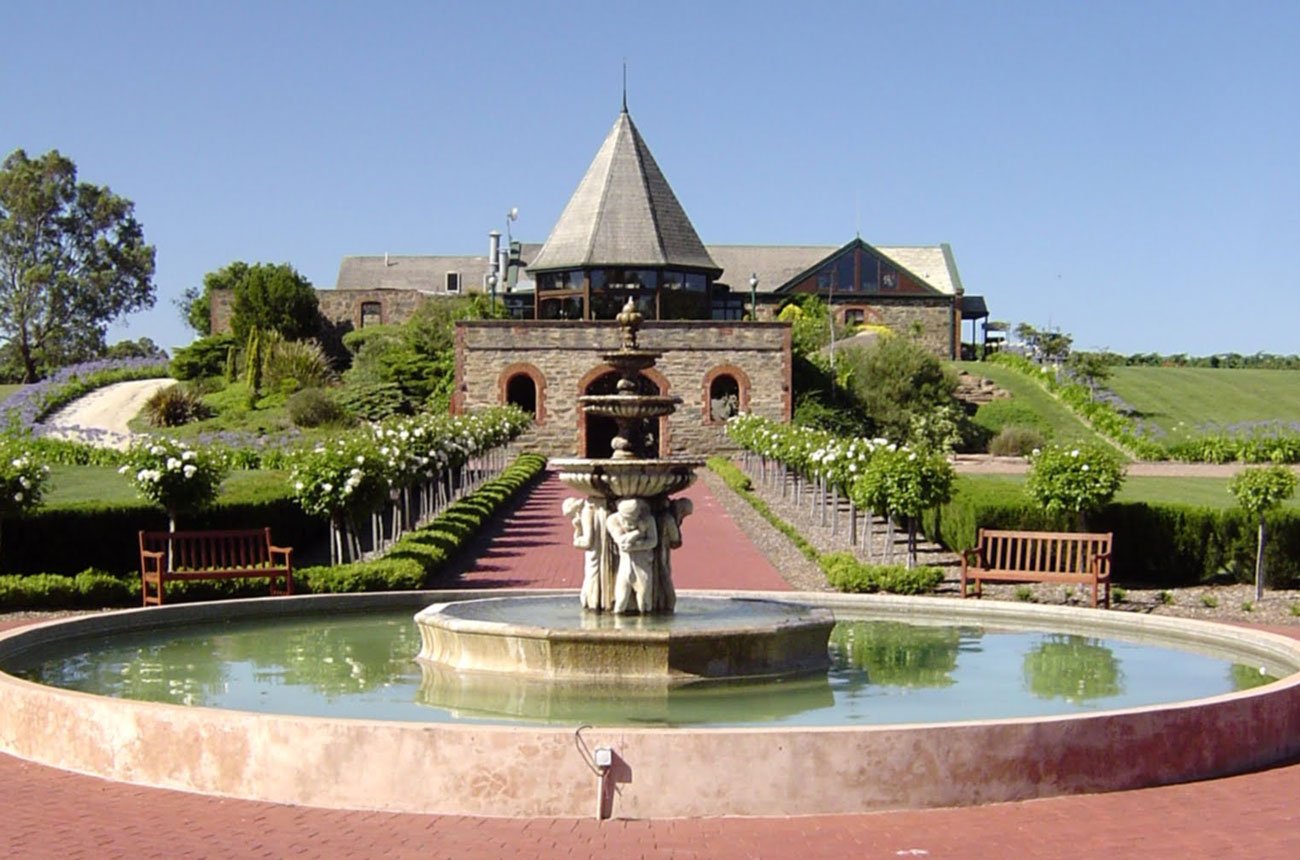
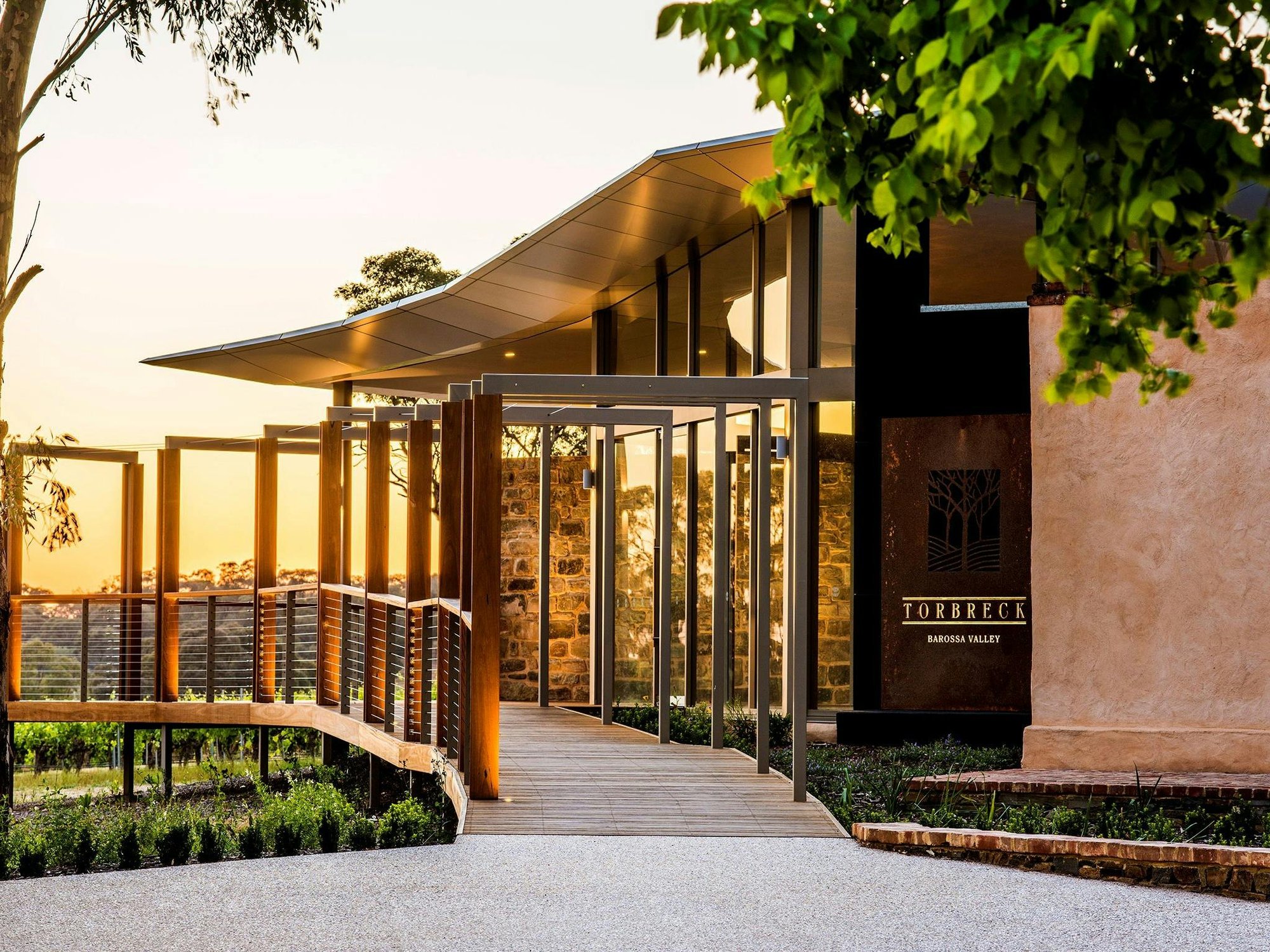
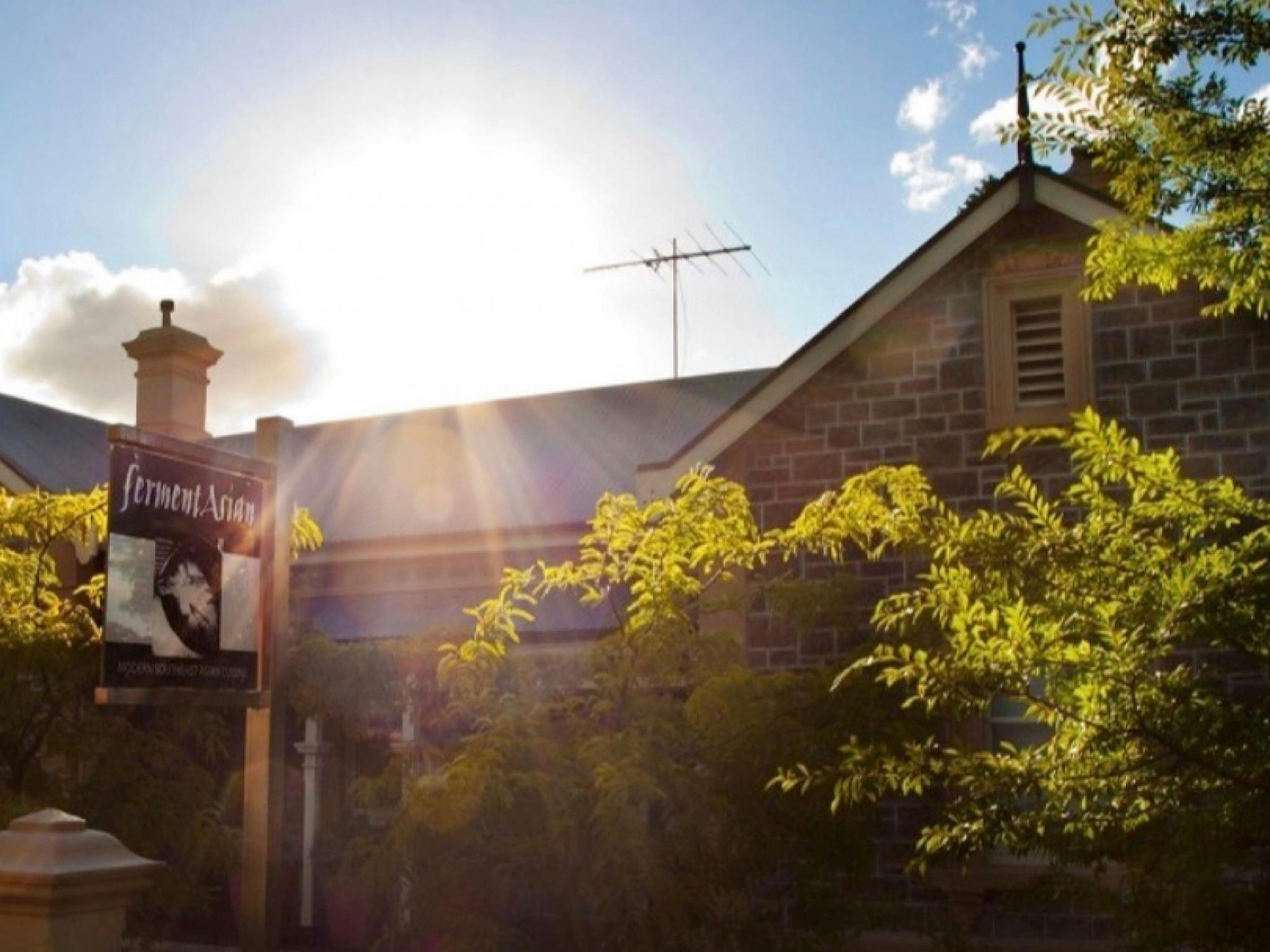
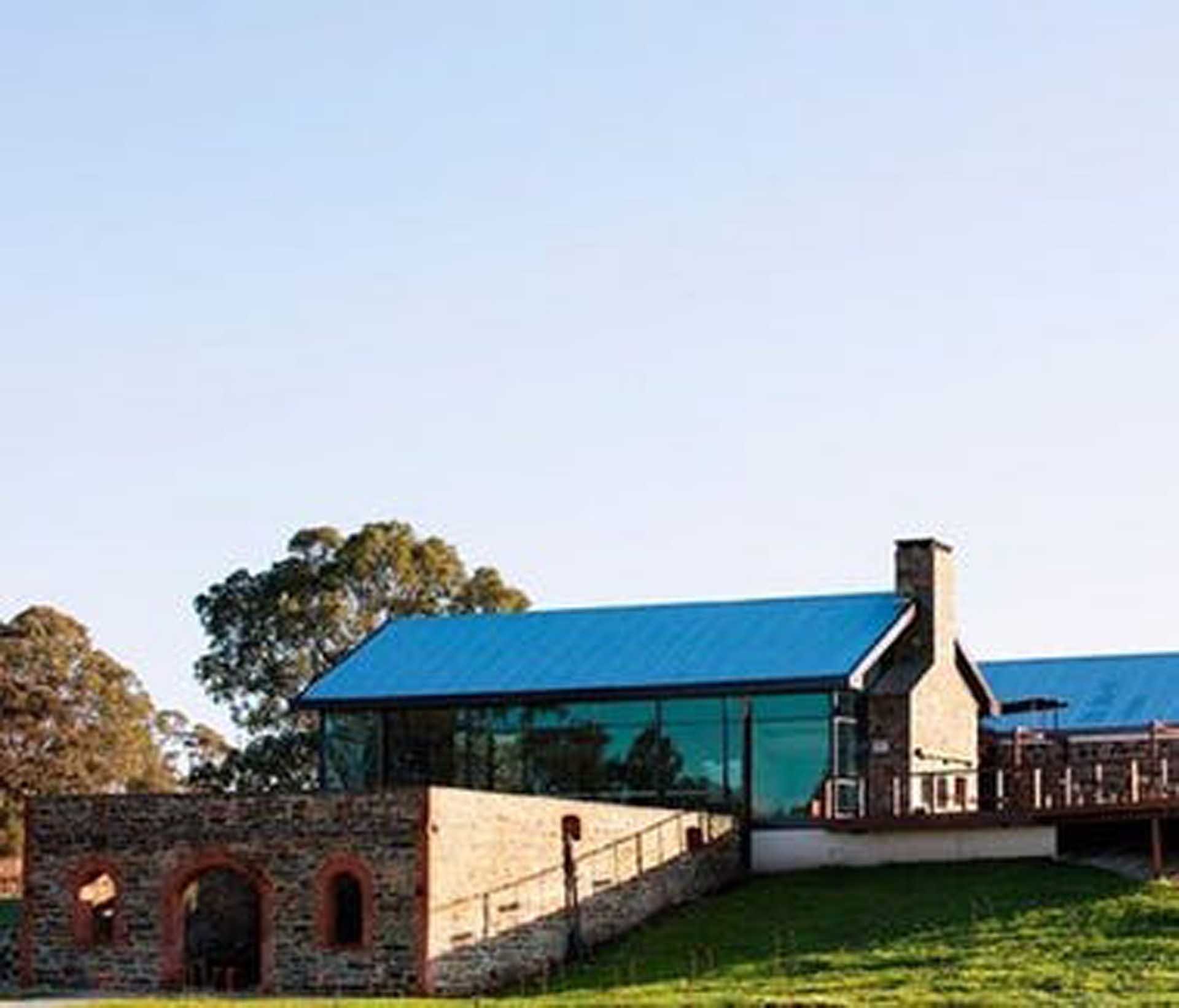
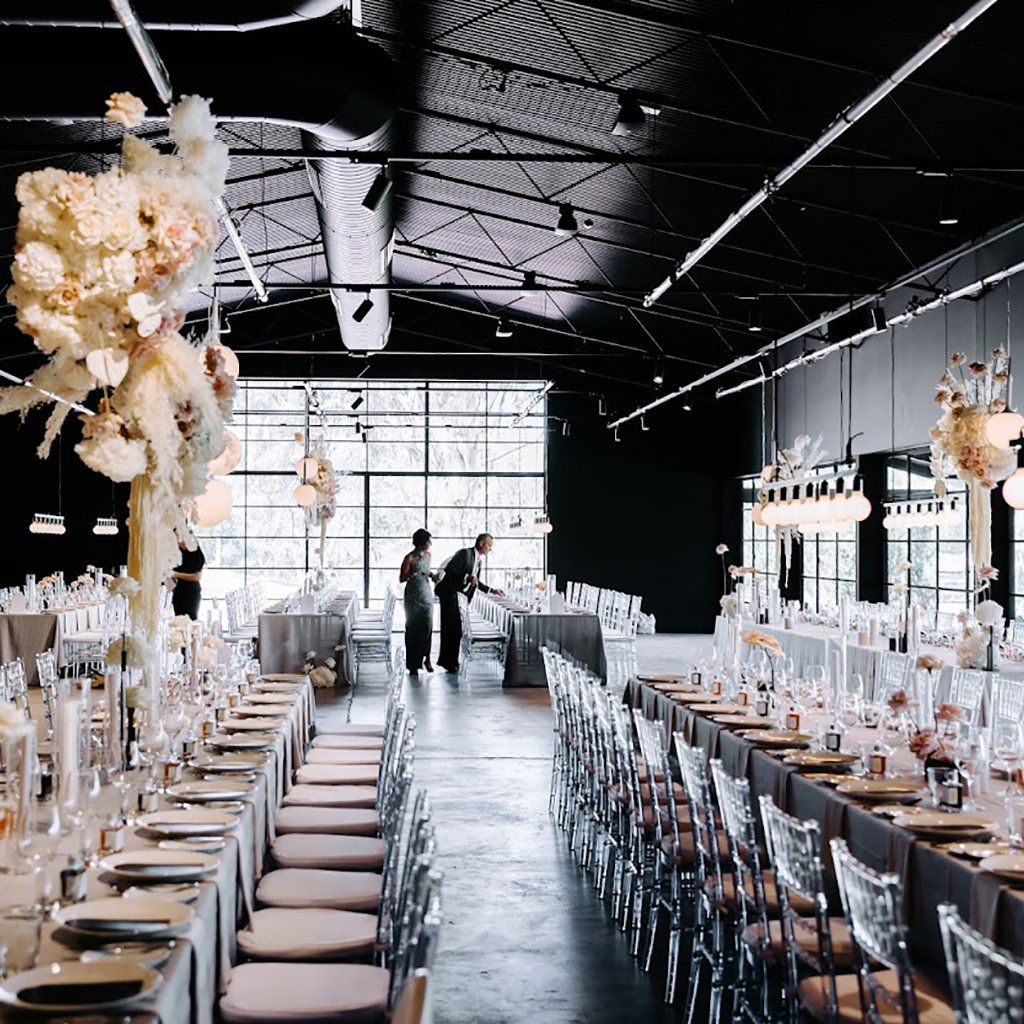
Relaxed and welcoming with beautiful gardens, cozy indoor fire, historic stone building, and verandah ideal for picnics and enjoying wines outdoors on sunny days.
Tags
Vibe
Best For
Experience
Sourcing
View
Accessibility
At the Vineyard
- Appellation
- Barossa Valley
- Varietals
- Shiraz, Riesling, Semillon, Chardonnay, Cabernet Sauvignon
- Tour Duration
- 60-90 minutes
- Visits
- Walk-ins welcome
- Farming
- Sustainable
- Production
- Large producer
- Wine Styles
- Still Red, Still White, Dessert
- Food Pairing
- Offered
- Shipping
- Available
- Wine Club
- Not available
Know before you go
Know Before You Go
- Getting there
- Para Rd, Tanunda SA 5352
Planning details
Location
Recognition and awards

Also consider
Also Consider
- Langmeil, Notable alternative
- John Duval Wines, Notable alternative
- St Hallett, Notable alternative
- Château Tanunda, Notable alternative
- Turkey Flat, Notable alternative
Winery context
How it compares in Barossa Valley
Choose Peter Lehmann when the day needs a central, recognisable Barossa reference point. Langmeil is the stronger cross-shop for visitors who want a more heritage-led stop, while John Duval Wines makes more sense for drinkers who prefer a tighter specialist focus over a broader cellar-door anchor.
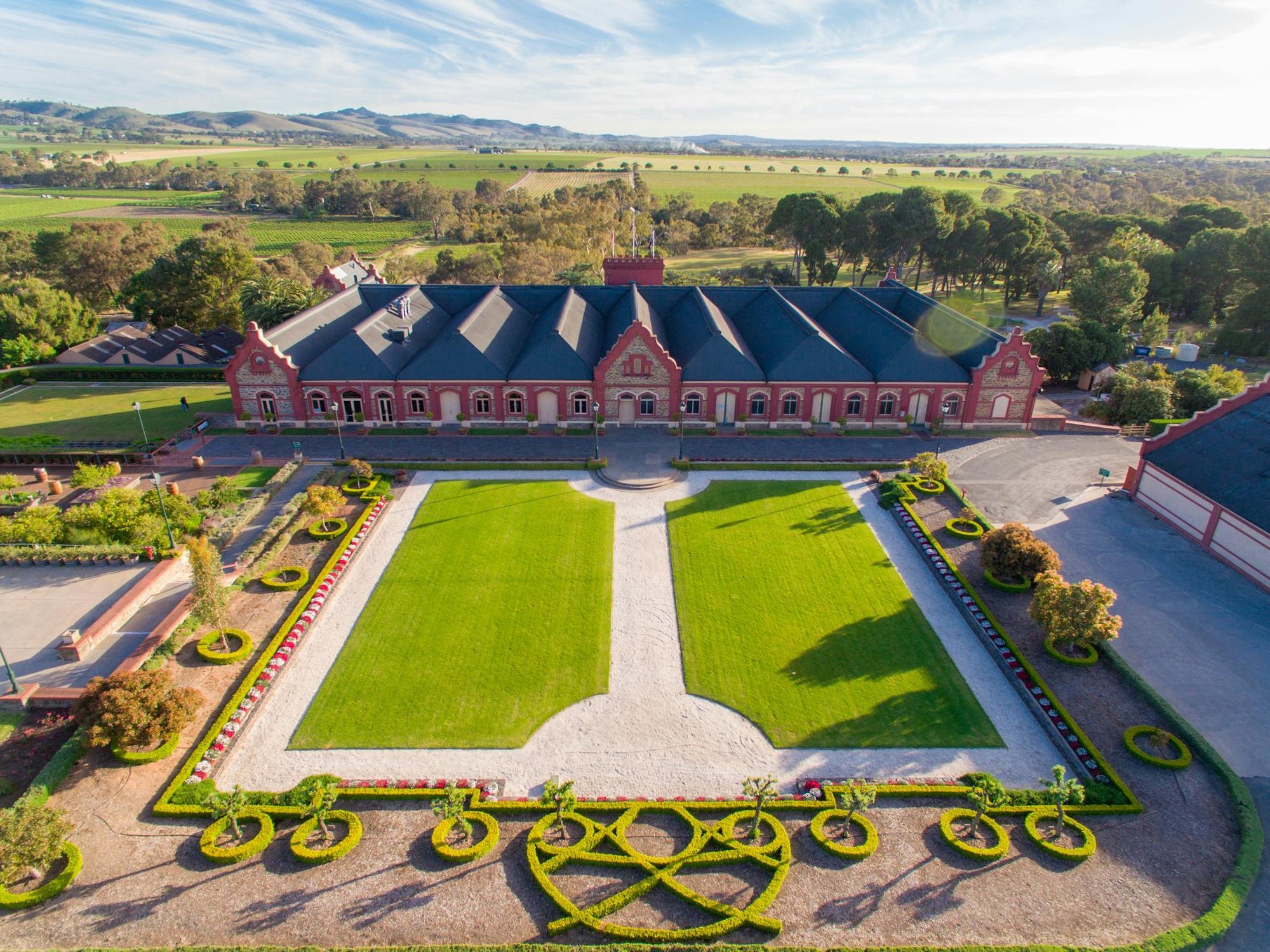
For ambiance, Château Tanunda is the clearer pick if estate scale and a more formal setting matter. Turkey Flat is better for travellers who want a smaller-feeling Barossa stop, while St Hallett is the practical alternative when the itinerary is built around classic Barossa red-wine territory.
Value depends on what the visit is meant to do. Peter Lehmann is worth prioritising as the orientation stop; Langmeil and Turkey Flat are better second stops for added contrast, John Duval Wines is the sharper enthusiast pick, and Château Tanunda is the safer choice for visitors who want the setting to carry more of the experience.
Explore Barossa Valley
Around this place
Discover more on Pearl
Unlock the full Peter Lehmann guide in Pearl, including awards, comparisons, FAQs, planning details, and nearby places.
Compare Peter Lehmann
| Venue | Location | Awards |
|---|---|---|
| Peter Lehmann | Barossa Valley | 2026 Falstaff Winery Guide |
| Langmeil | Barossa Valley | No published awards |
| John Duval Wines | Barossa Valley | No published awards |
| St Hallett | Barossa Valley | No published awards |
| Château Tanunda | Barossa Valley | 2026 Falstaff Winery Guide |
| Turkey Flat | Barossa Valley | 2026 Falstaff Winery Guide |
How Peter Lehmann Barossa Valley compares with similar nearby venues.
FAQ
Frequently Asked Questions
What recognition does Peter Lehmann have?
Peter Lehmann has Pearl 3 Star Prestige recognition for 2025.