

2026 Falstaff Winery Guide: The Ultimate Wine Authority — Page 72
Falstaff's 2026 Wineries guide.

Venues on this list
François Confuron-Gindre
Vosne-Romanée, France
François Confuron-Gindre is a fit for Burgundy travelers who want an appointment-led Vosne-Romanée stop rather than a casual tasting-room visit. The value is strongest for collectors and wine-focused explorers who care about commune context, with Falstaff Listed recognition in 2026 adding a useful external signal.
Domaine Jean-Paul & Benoît Droin
Chablis, France
A strong booking for serious Chablis drinkers, especially those deciding whether to buy regularly or pursue allocations. The value case is strongest in the village and Premier Cru range before stepping up to Grand Cru pricing; plan ahead, since visits are by appointment rather than casual drop-in.
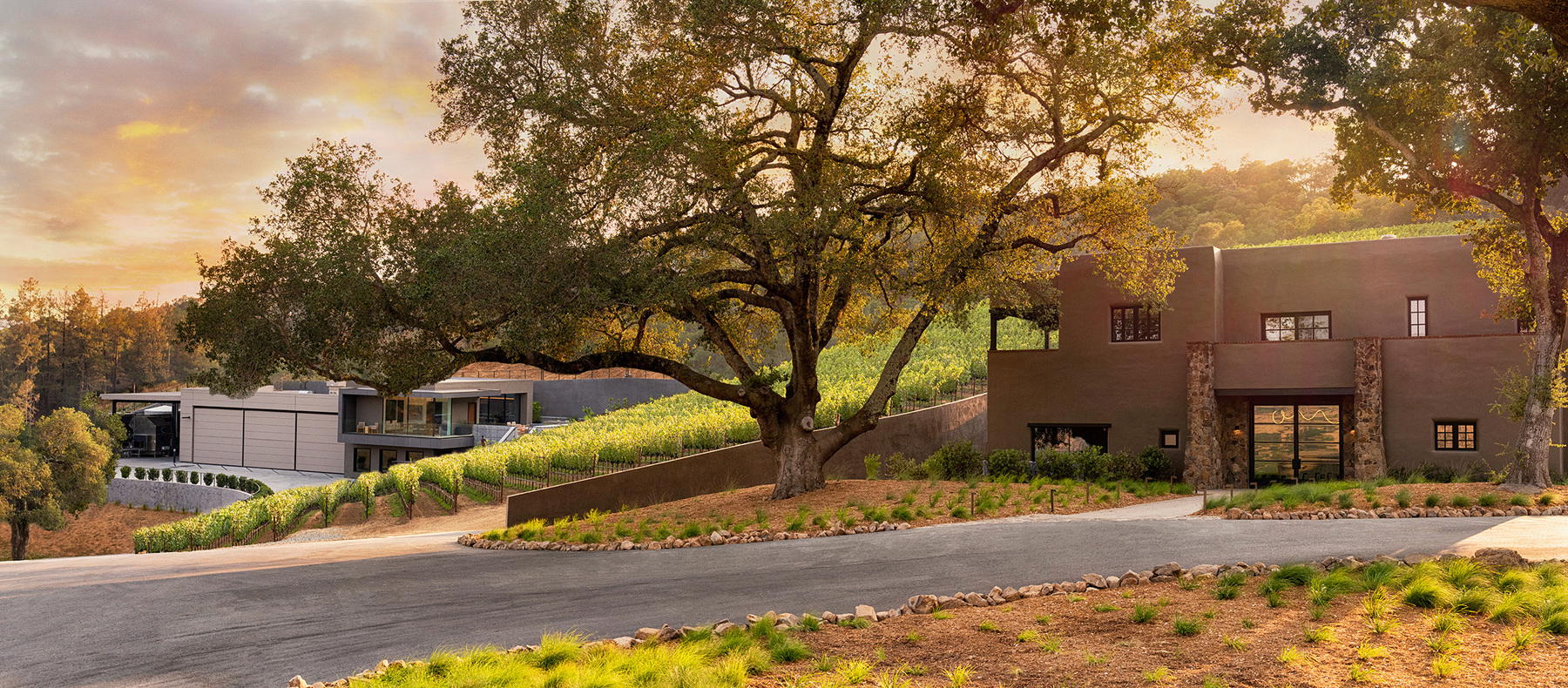
Realm Cellars
Napa, United States
Realm Cellars is worth pursuing for allocation-minded Napa travelers who care more about producer access than a casual tasting-room stop. It is a difficult fit for flexible itineraries, but a smart target if Cabernet depth and collector relevance are central to the trip.
Bodegas Vatan S.L.
Vélez-Málaga, Spain
Worth considering if the goal is serious Spanish wine context rather than a polished tasting-room outing. Bodegas Vatan S.L. is a production-focused winery tied to Tinta de Toro and Verdejo, with the value case built around old-vine material, indigenous grapes, organic viticulture, and a functional cellar feel.
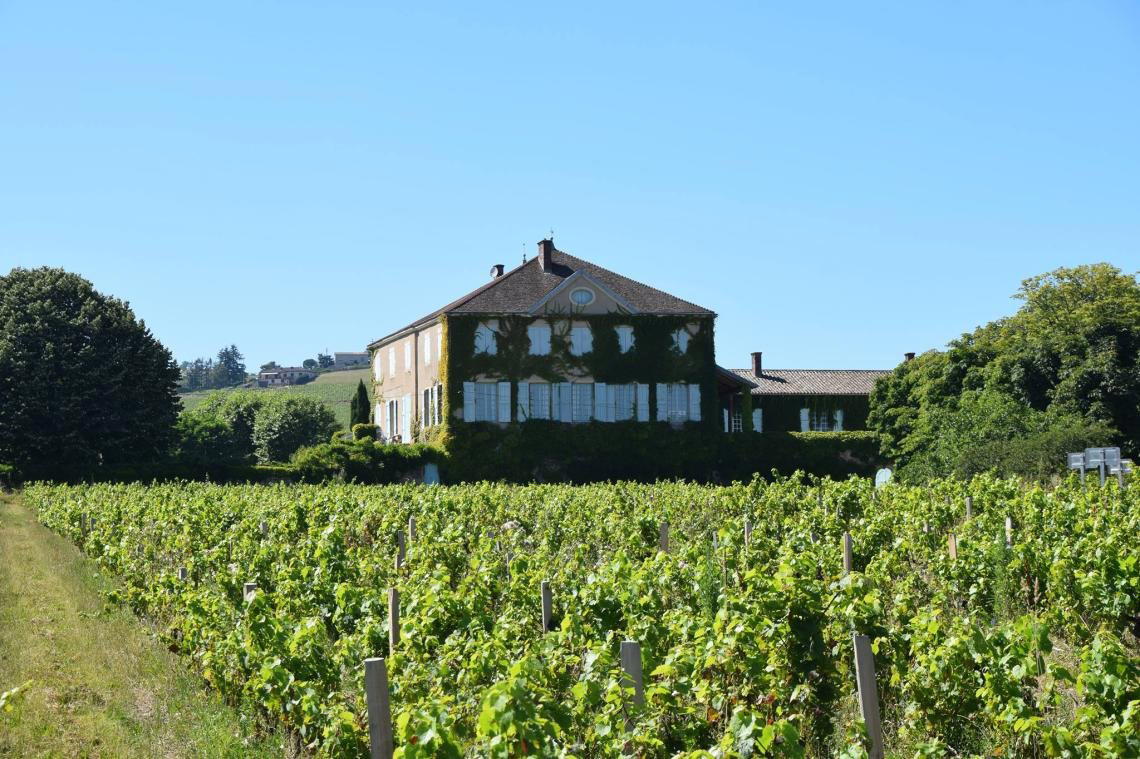
Château des Bachelards
Fleurie, France
A practical Fleurie winery pick for visitors who want a focused Beaujolais stop with current Falstaff recognition. Prioritize it if the trip is about assessing bottles for purchase or shipping; skip if you need a fully documented hospitality experience with published hours, pricing, and group details.
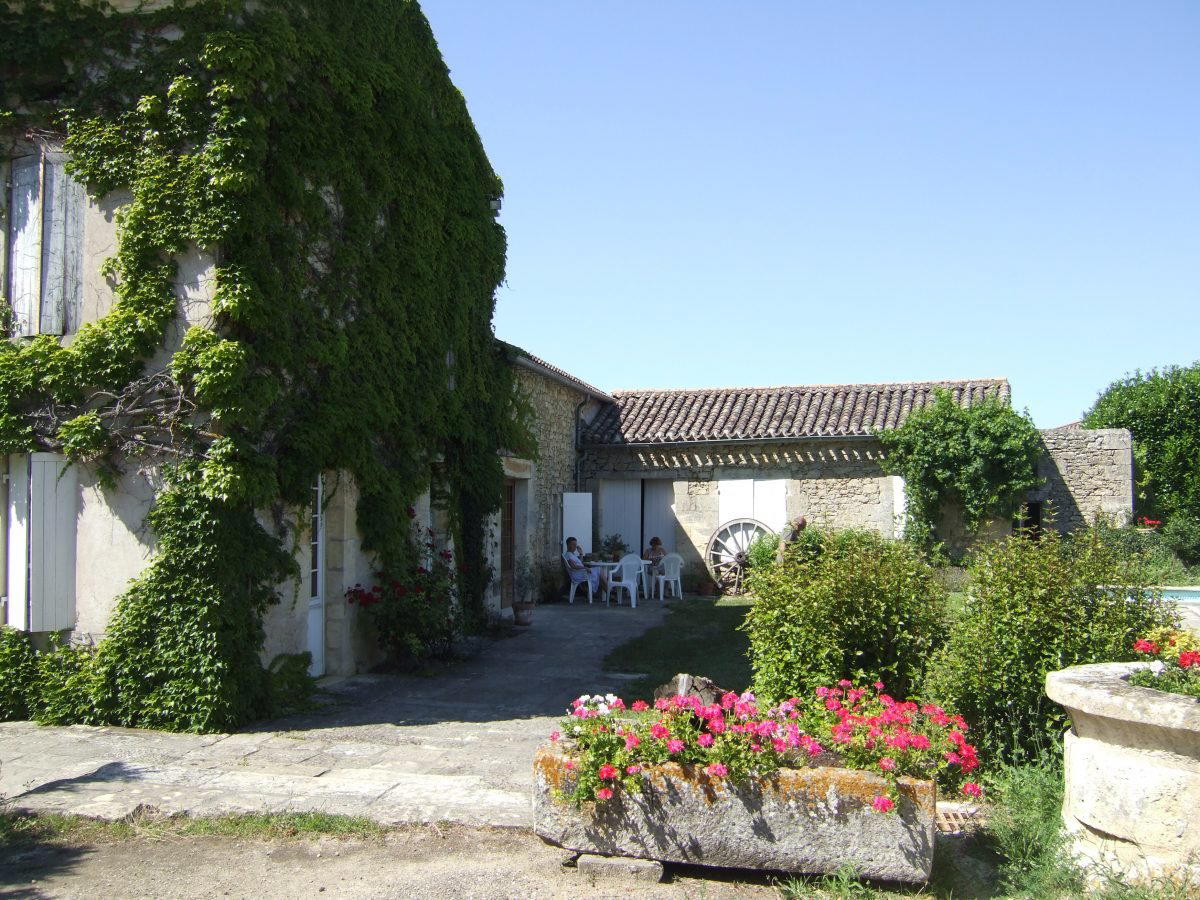
Château Pertignas
Saint Vincent De Pertignas, France
Choose Château Pertignas for a quiet, small-scale Bordeaux stay where wine, meals, vineyard time, and rural lodging sit together. It is a stronger fit for couples and intimate celebrations than for large groups or visitors who want a highly formal tasting-room setup. The 2026 Falstaff Winery listing and sustainable vineyard practices give it more substance than a simple countryside stop.
ColleMassari
Cinigiano, Italy
Book ColleMassari if the priority is a serious Montecucco estate visit rather than a quick tasting-room stop. The $$$ value is strongest for travelers interested in organic farming, Sangiovese, Vermentino, and a quiet Maremma setting with hospitality options around the winery.
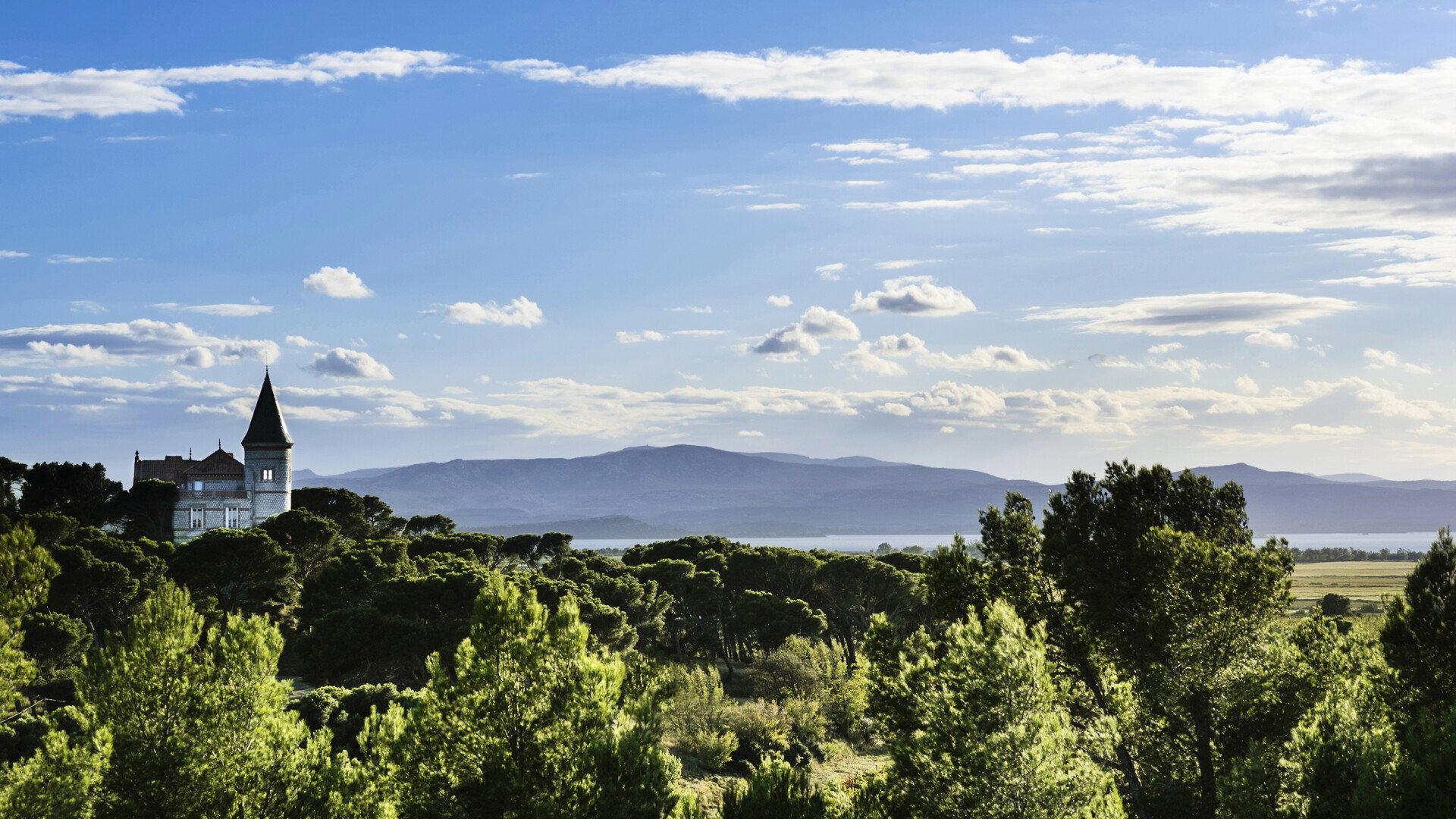
Château Capitoul
Boujan Sur Libron, France
Château Capitoul is a good Boujan Sur Libron choice for travelers who want a calm Occitanie château wine stop with recognized standing, not a pre-planned flagship-bottle mission. Book it as part of a Languedoc itinerary if atmosphere and estate context matter; compare other winery options first if purchasing details or a named cuvée drive the decision.
Bodegas Faustino
Oyón, Spain
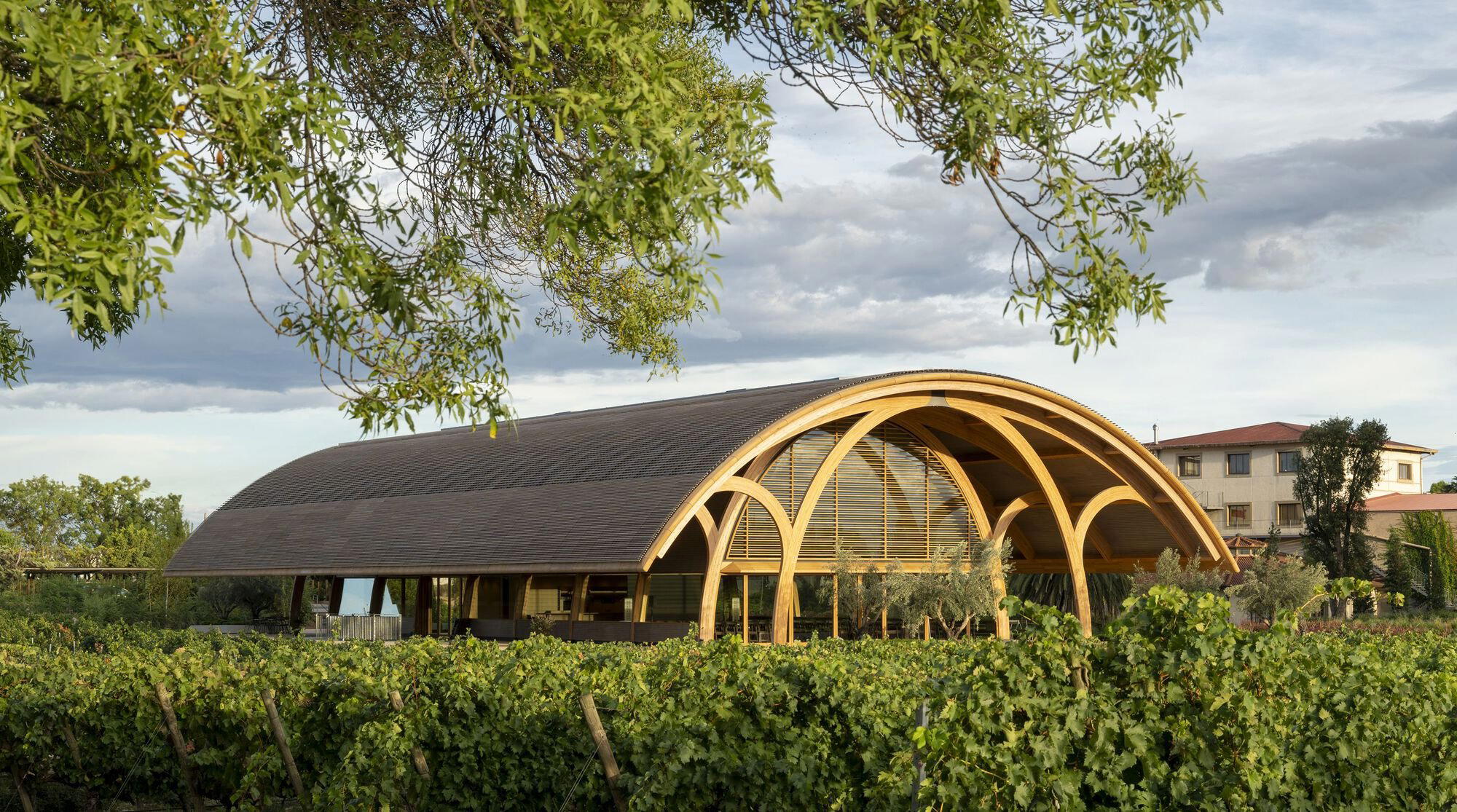
Book Bodegas Faustino if the goal is a serious Rioja winery visit with recent prestige recognition, not a casual drop-in tasting. It suits special occasions, wine-focused travellers, and small groups willing to plan around a difficult booking; choose an easier peer if confirmed hours, food, or flexible timing matter more.
Château Bel Air – Marquis d'Aligre
Soussans, France
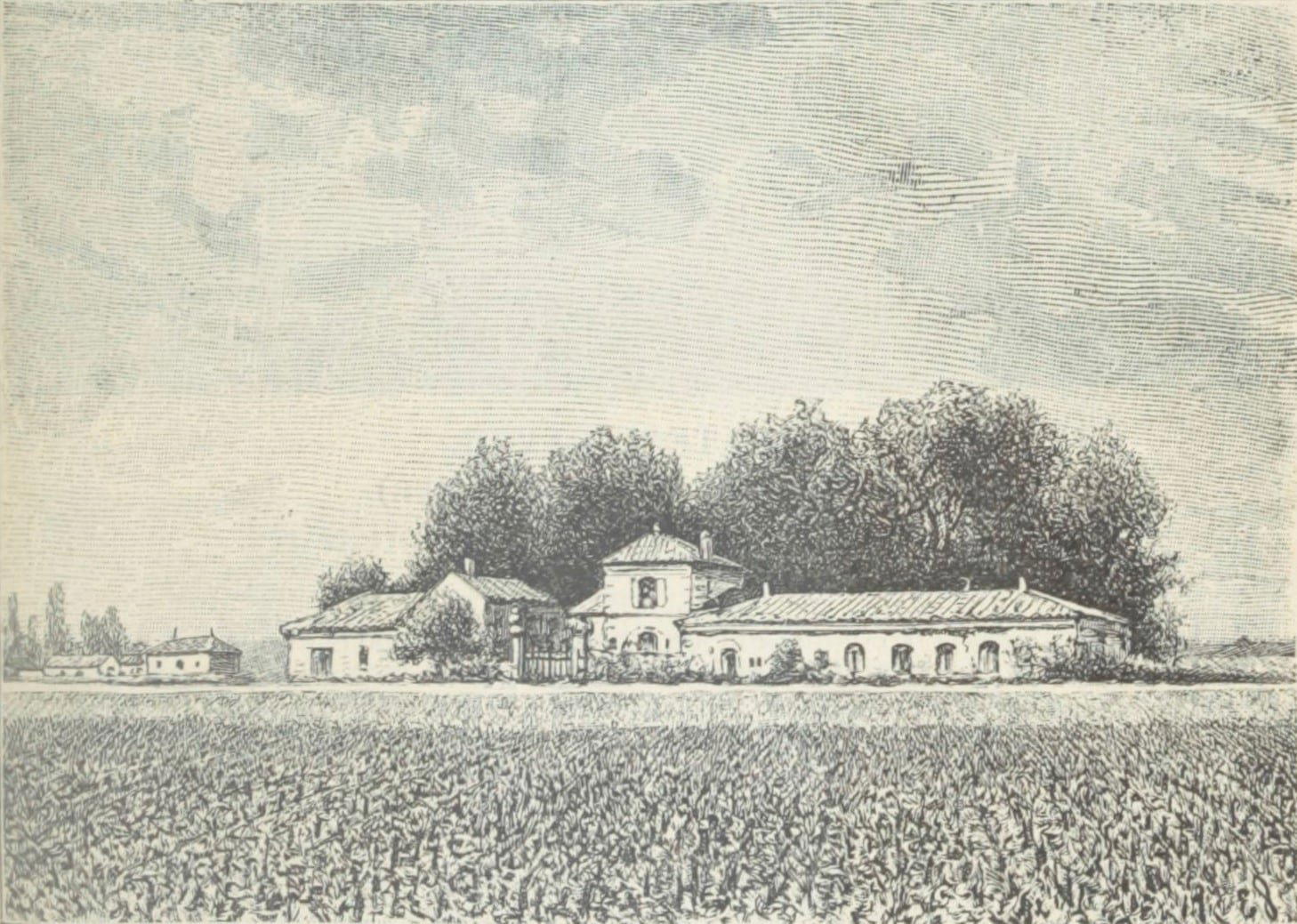
Book Château Bel Air – Marquis d'Aligre only if the point of the trip is serious Margaux context, not casual tasting-room ease. Its appeal is old vines, cement-vat ageing, mature releases and Cru Bourgeois Exceptionnel credibility at a price band that can be compelling for Bordeaux collectors.
Château Bernateau
Saint Etienne De Lisse, France
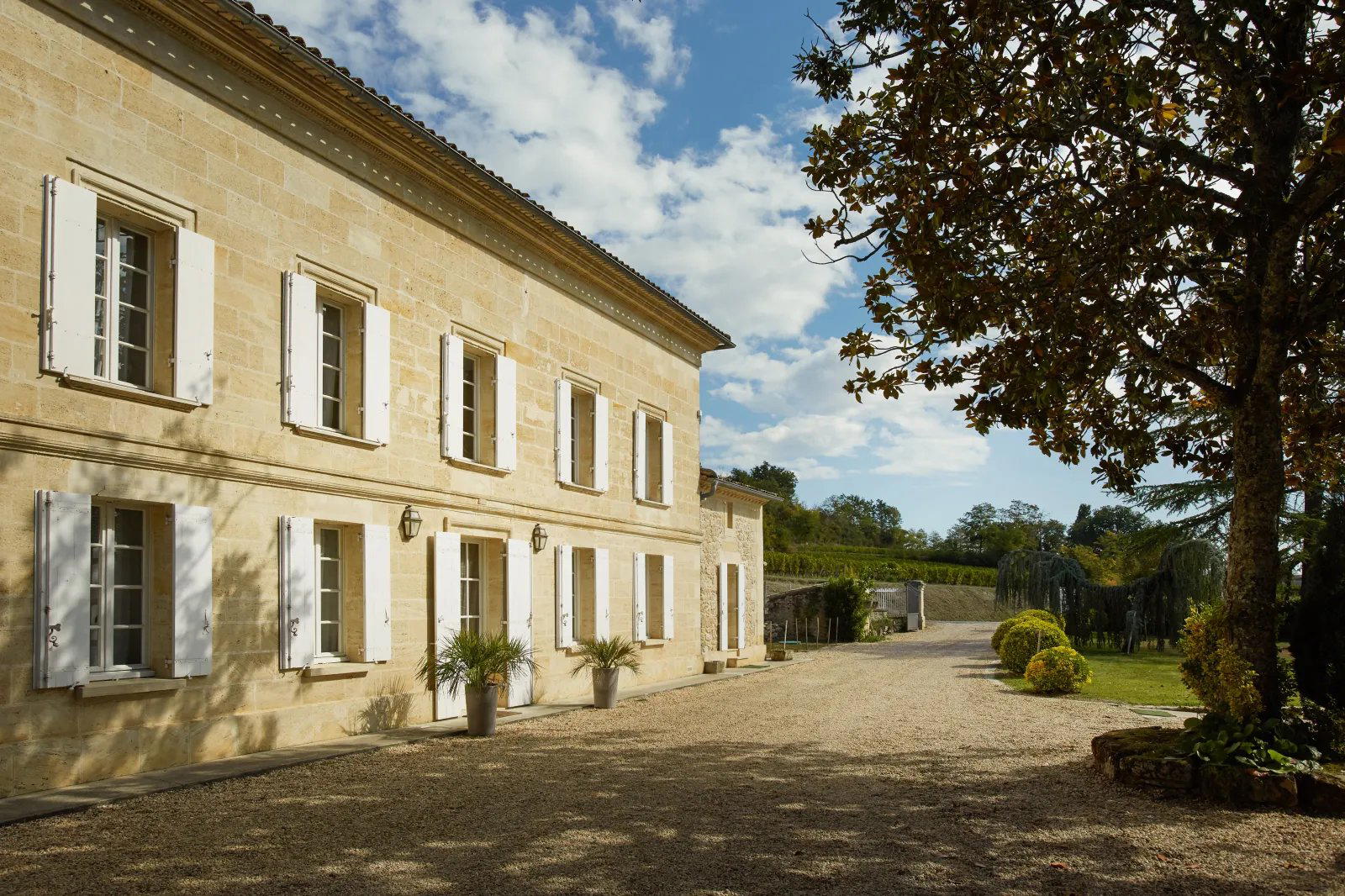
Château Bernateau is a sensible Saint-Etienne-de-Lisse choice for a wine-first visit, especially if the occasion calls for a calm château stop rather than a full dining experience. Book it as part of a wider Libournais day, with food planned separately and group details checked in advance.
Château Villemaurine
Saint-Émilion, France
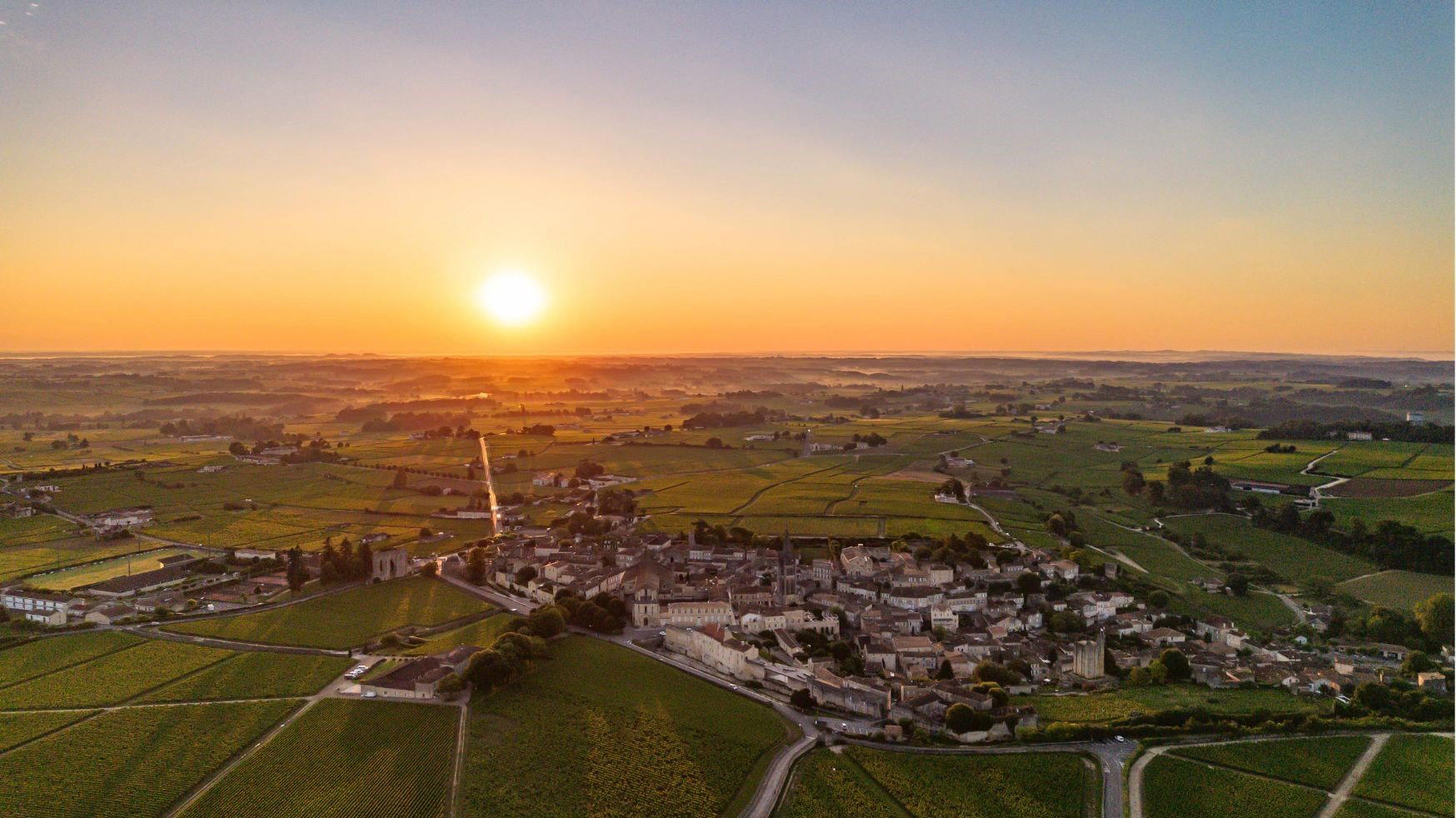
Château Villemaurine is worth booking for a planned, cellar-focused Saint-Émilion visit rather than a casual tasting stop. The strongest reason to go is the guided access to limestone heritage, monolithic cellars, and modern winemaking context; choose the private format if the group wants depth, time, and technical explanation.
Alberto Nani
Calmasino, Italy
Book Alberto Nani as a flexible, wine-first Prosecco stop rather than a destination tasting. It makes the most sense for drinkers who value organic and vegan production, clean Glera-driven sparkling wine, and an approachable $$ price tier; look elsewhere if the priority is a formal private tasting or a long cellar experience.
Cave Bétrisey
St Leonard, Switzerland
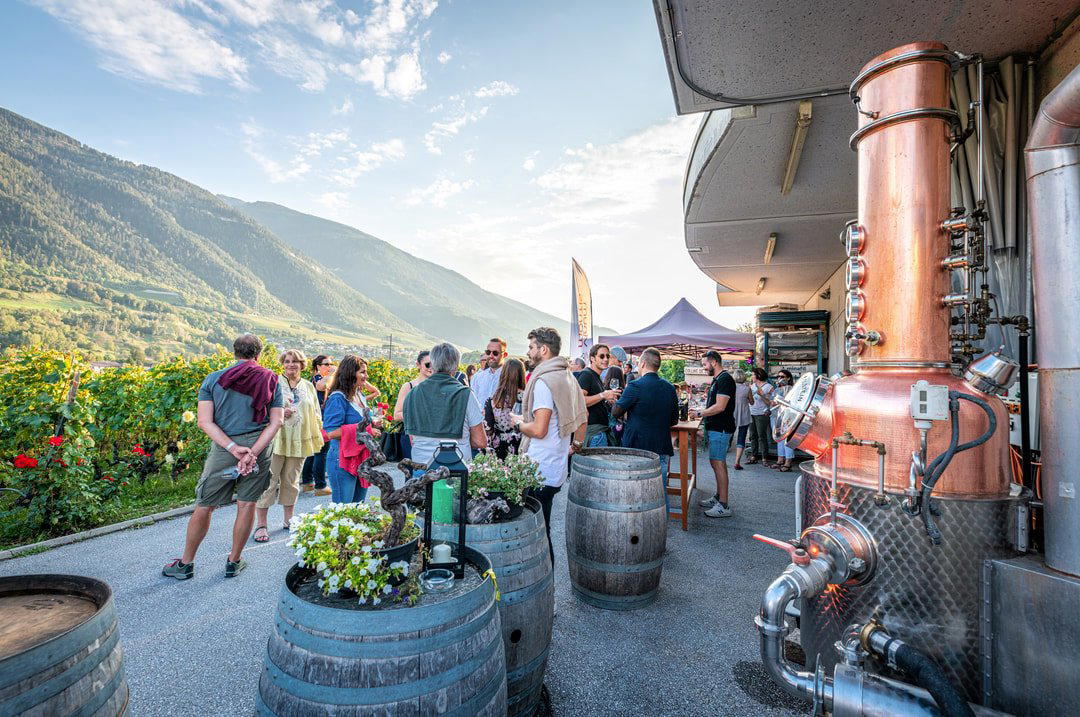
Cave Bétrisey is a sensible St Leonard winery pick for travelers already exploring Valais wine and looking for a focused producer stop rather than a polished destination experience. Its Falstaff Listed 2026 recognition gives it a credible quality signal, but plan with flexible expectations because public visitor details are lean.
Fietri
Gaiole in Chianti, Italy
Fietri is worth shortlisting if you want an easygoing Chianti Classico countryside experience rather than a formal, high-production tasting room. The $$ positioning, casual dress code, organic farm identity, estate-grown Sangiovese focus, and Falstaff Listed recognition in 2026 make it a practical value pick for a slower Gaiole in Chianti wine day.
Azienda Agricola Giovanni Corino
La Morra, Italy
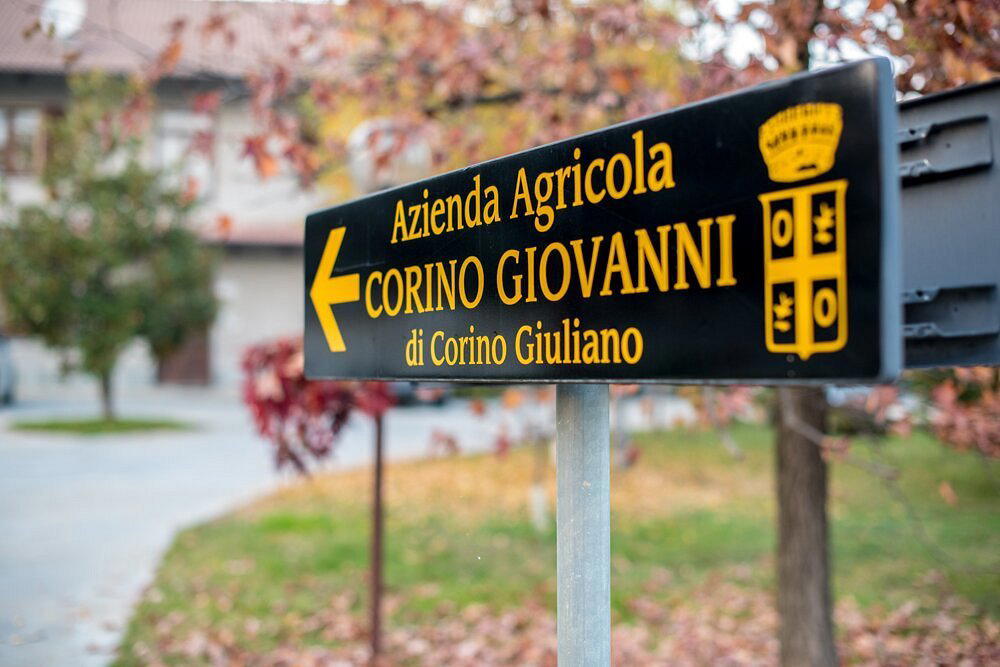
Azienda Agricola Giovanni Corino works as a focused La Morra wine stop, especially if the goal is producer context rather than a food-led tasting. Plan meals separately, use it as one anchor in a Barolo-area route, and avoid treating it as an all-in-one dining experience.
Barbanera
Cetona, Italy
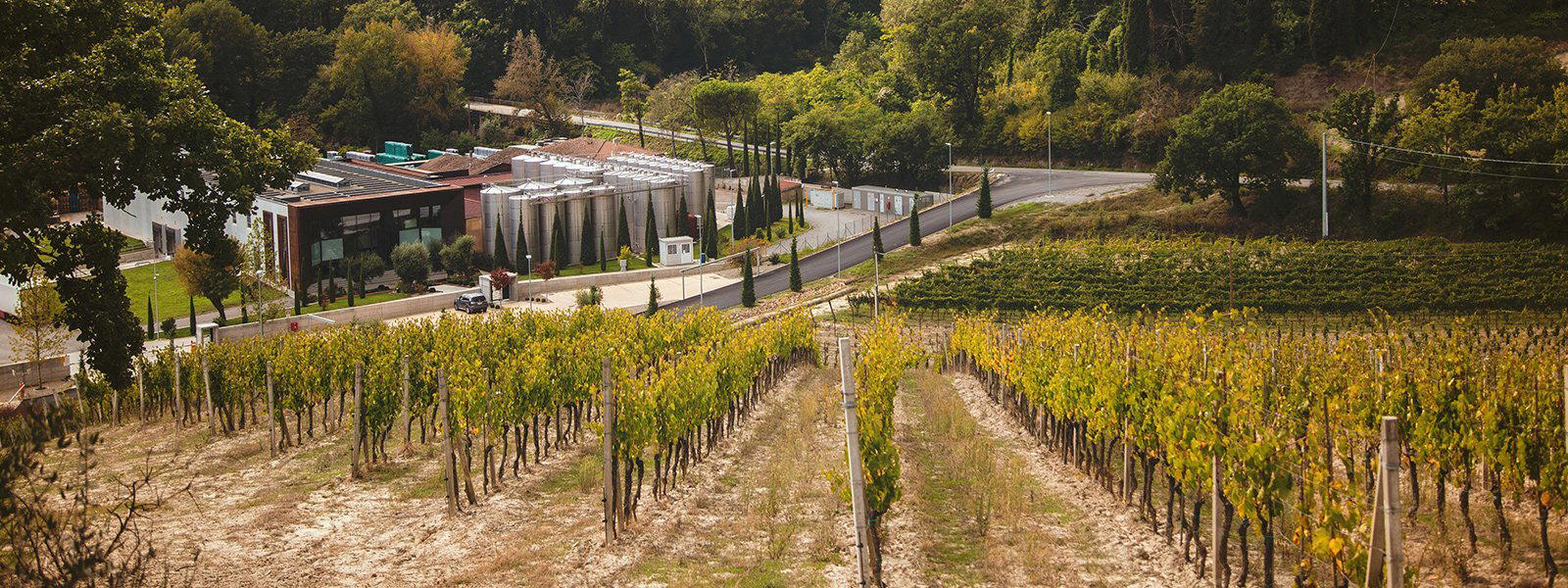
Book Barbanera if you want a value-led Tuscan winery visit with range: Sangiovese-based regional wines, broader Italian selections, and a family story dating to 1938. It is a stronger fit for curious travelers and mixed-palate groups than for collectors seeking a narrow single-site tasting.
Geschwister Kolb
Bad Kreuznach, Germany
Geschwister Kolb is worth planning as a short, appointment-only drinks retail stop in Bad Kreuznach, not as a full winery tasting. The $$ positioning and Falstaff Listed 2026 recognition make it more interesting than a routine shop, but book only if buying or focused beverage browsing is the goal.
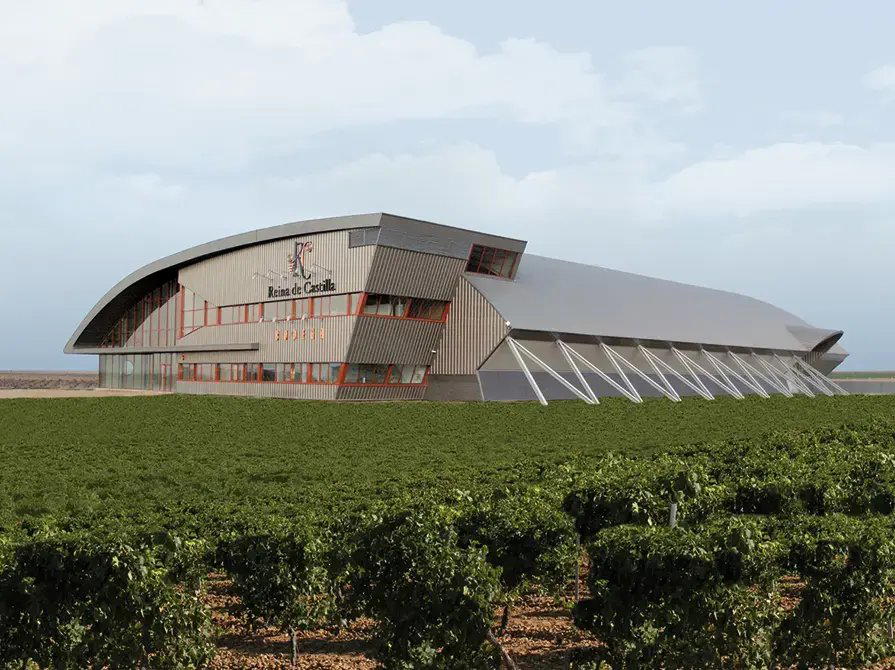
Bodega Reina de Castilla
La Seca, Spain
Worth pursuing for old-vine Verdejo and a grounded La Seca cooperative perspective, especially if Isabelino Verdejo is available to taste or buy. The setting is rural and production-led rather than polished, so it suits wine travelers who care more about Rueda’s freshness, altitude, and grower history than a scripted hospitality experience.
Cossetti 1891
Castelnuovo Belbo, Italy
A good pick for travellers who want a serious Monferrato winery stop focused on Barbera, Nizza DOCG, and family continuity rather than a polished resort-style tasting. The setting matters: Castelnuovo Belbo’s rural Asti context, older vines, and broad Piedmont portfolio give the visit useful depth for wine-focused itineraries.
Domaine Saint Antonin
Laurens, France
Domaine Saint Antonin is a good Laurens pick for wine drinkers who want Faugères depth over a polished visitor setup. The draw is its family-run, schist-terroir focus, estate-owned vineyards, and restrained cellar style. Treat it as part of a wider appellation day, especially if comparing local producers before buying bottles.
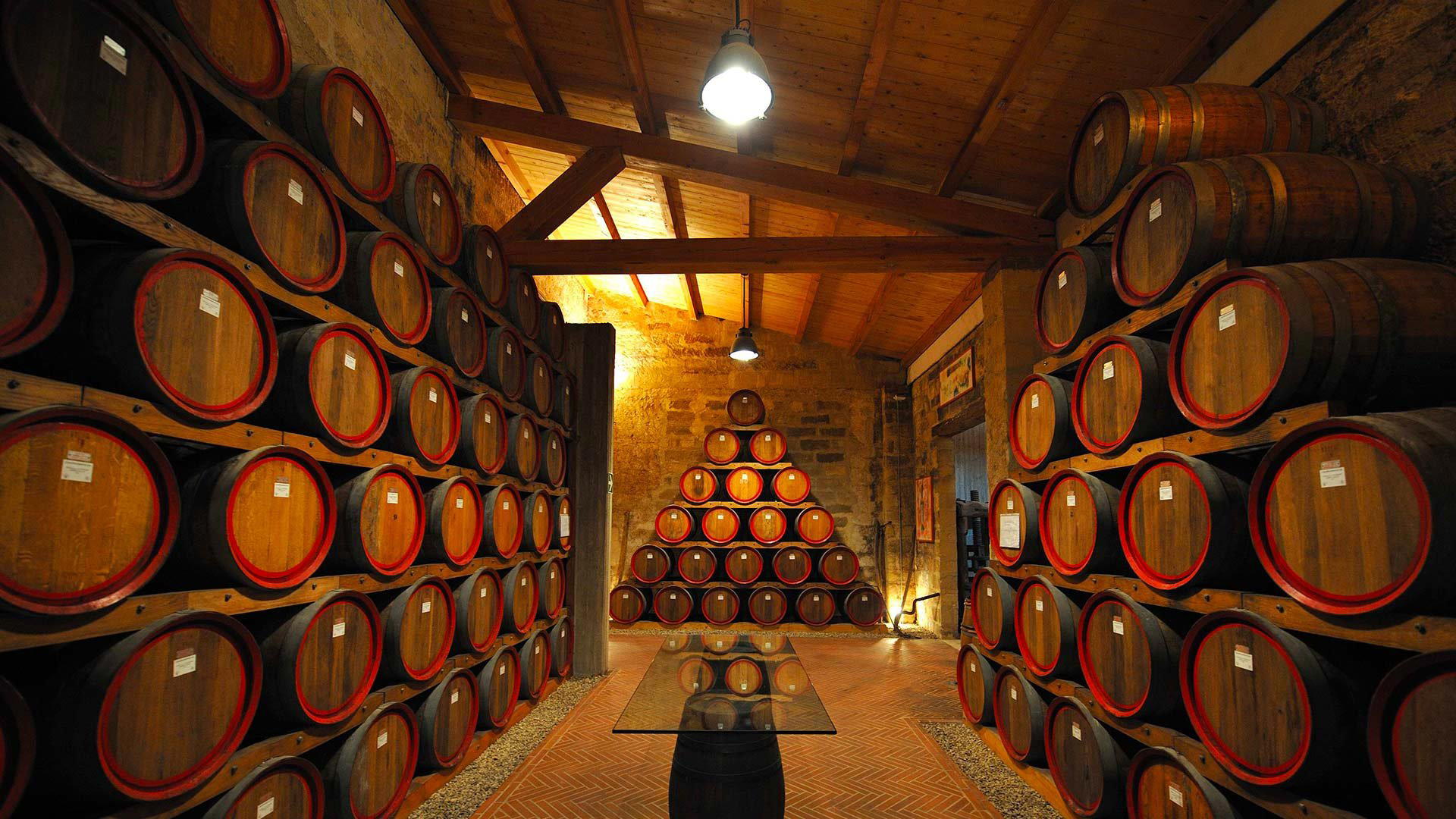
Cantine Pellegrino
Marsala, Italy
Book Cantine Pellegrino if the goal is a structured Marsala tasting with historic-cellar atmosphere rather than a casual pour. It suits dates, celebrations, and business-friendly afternoons where the guided format and food-pairing angle help make fortified and sweet Sicilian wines easier to understand.
Dri Giovanni Il Roncat
Nimis, Italy
Dri Giovanni Il Roncat works for a simple Friuli winery stop in Nimis, especially if the plan is flexible and wine-focused. Falstaff listing recognition gives it a useful trust signal, but the absence of published visit details means it is better for small, adaptable groups than for anyone planning a tightly scheduled tasting day.
Domaine Bernard Reverdy
Verdigny, France
Book Domaine Bernard Reverdy as a focused Verdigny wine stop, especially if this is not a first Sancerre visit. The appeal is comparative tasting and producer context rather than a polished hospitality setup; Falstaff Listed recognition in 2026 gives it a useful trust signal, but confirm practical details before shaping a full itinerary around it.
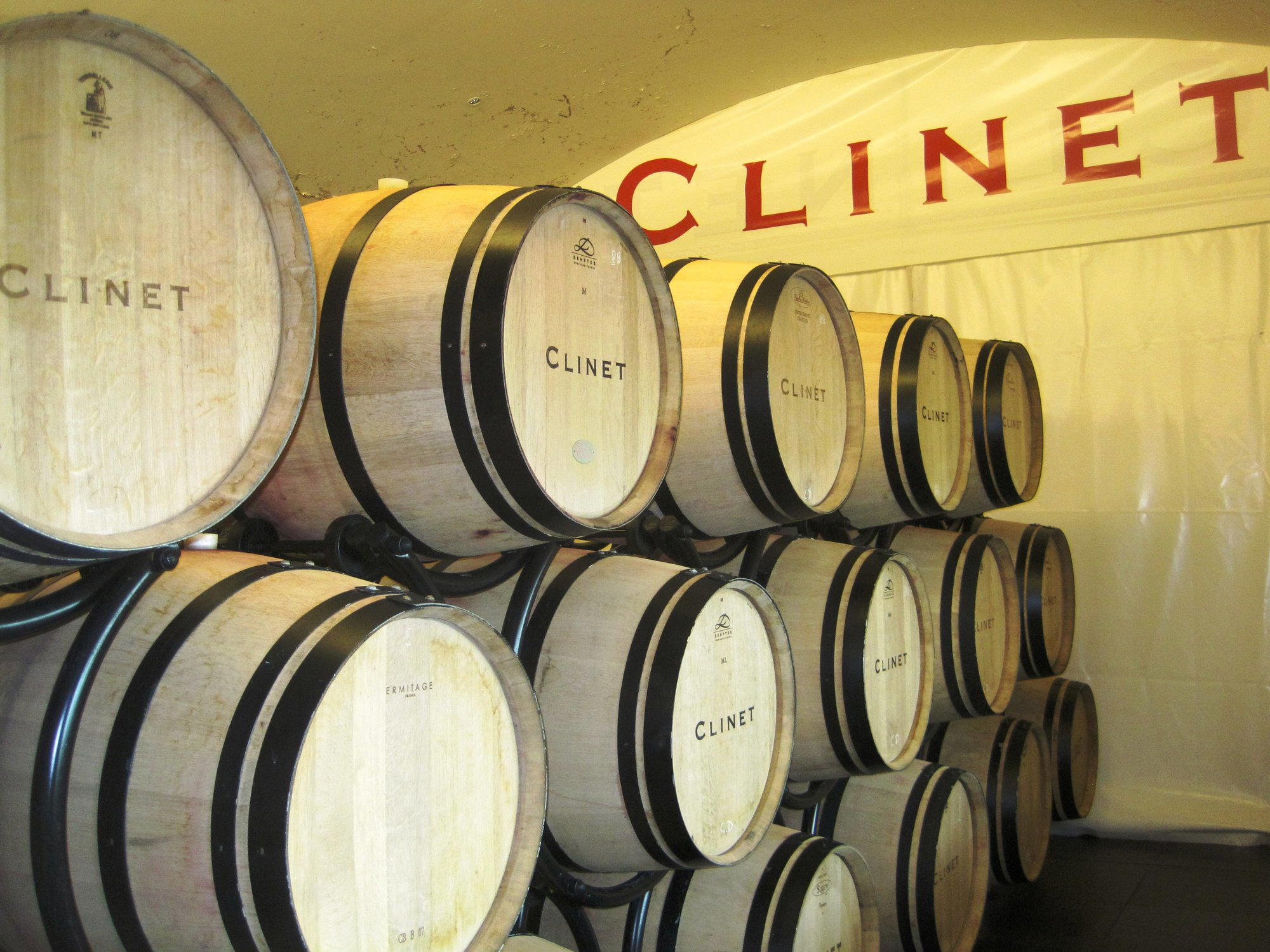
Château Feytit-Clinet
Pomerol, France
A serious pick for Pomerol drinkers who care more about the wine than a polished visitor setup. Château Feytit-Clinet is a small, traditional estate with classic Right Bank character and Falstaff Winery 2 Stars in 2026; pursue it for bottle depth or private-access potential, not for an easy drop-in tasting day.
Ferdinand Mayr
Senftenberg, Austria
Prioritise Ferdinand Mayr if you want a thoughtful Senftenberg winery visit built around Grüner Veltliner, Riesling, and vineyard identity rather than a drop-in tasting-room scene. The small-volume KAISERWETTER wines are the main draw; the broader NA ALSDANN range makes the stop feel approachable rather than overly academic.
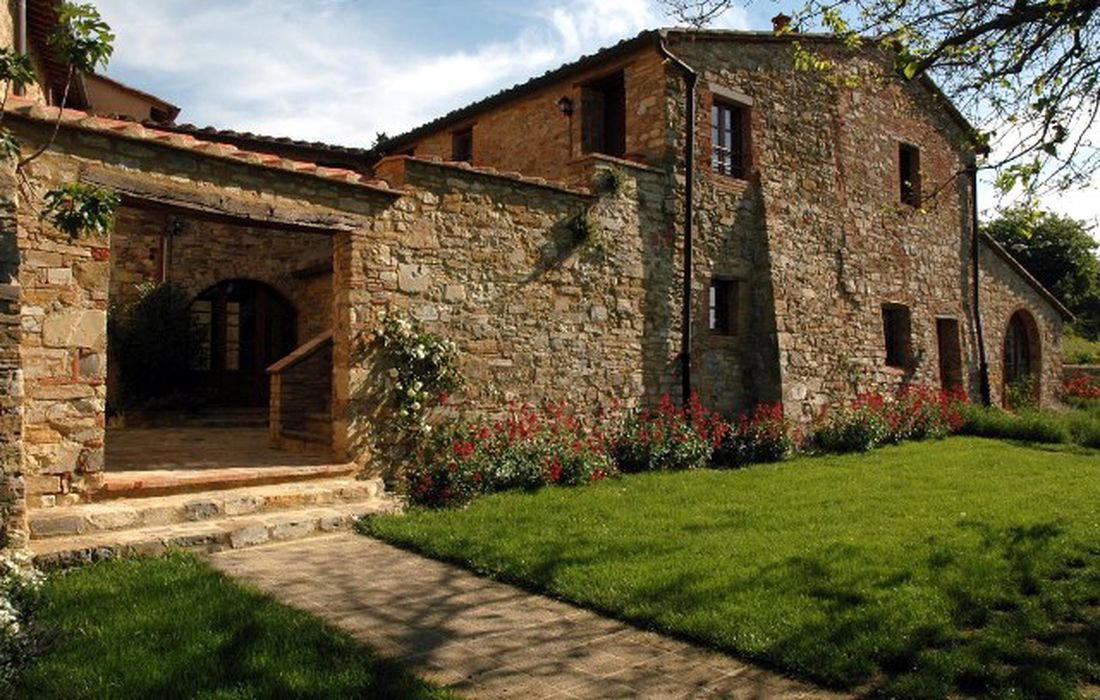
Casa Sola
Barberino Val D Elsa, Italy
Casa Sola is worth choosing for a quiet Chianti Classico tasting where the food pairings are part of the point, not an add-on. It suits couples, small celebrations, and wine-curious groups who want Sangiovese, Tuscan snacks, Vin Santo, and countryside atmosphere in one easy winery stop.
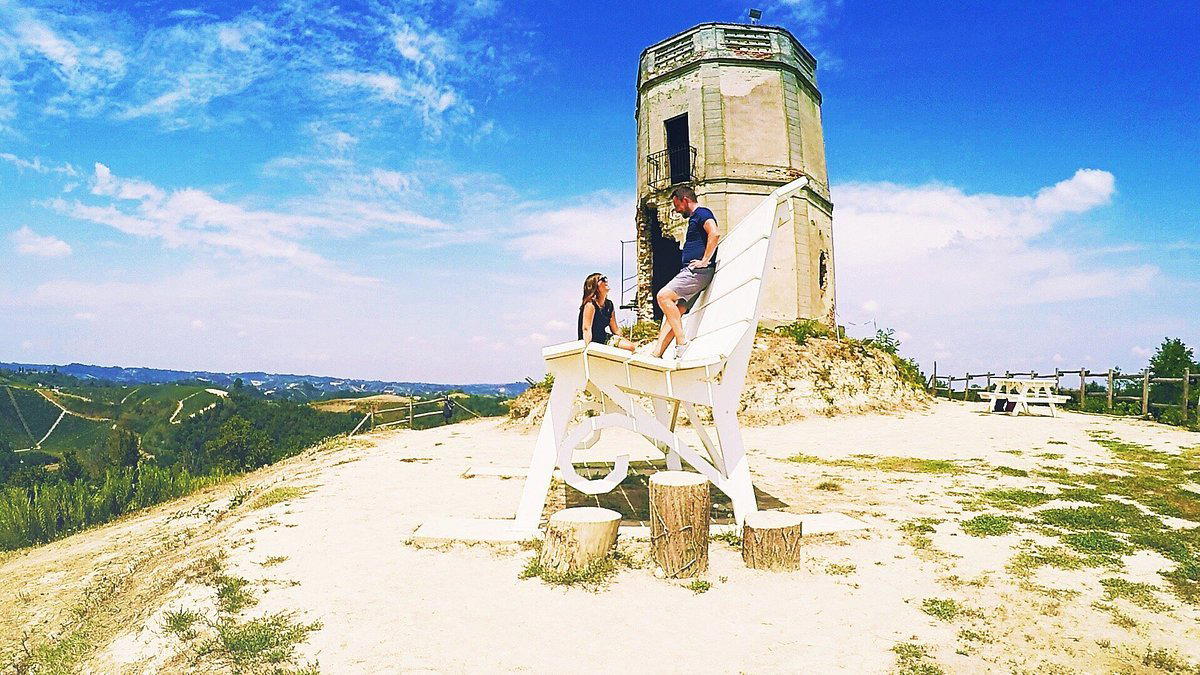
Antica Cascina dei Conti di Roero
Vezza D Alba, Italy
A good Roero choice for couples or small groups who want a quiet, native-grape tasting rather than a showy cellar-door experience. The draw is the farmhouse setting, modern cellar, and focus on Nebbiolo, Arneis, Favorita, and Barbera; confirm tasting format before building the day around it.
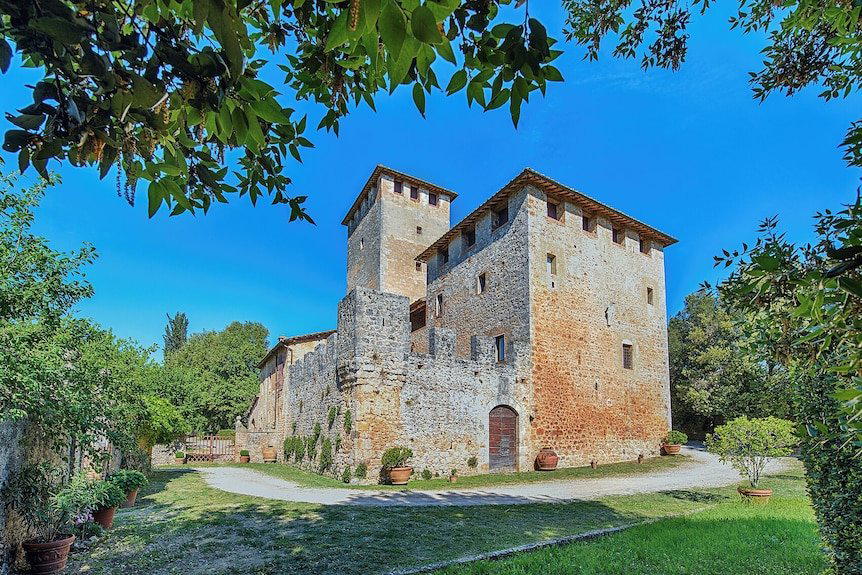
Castello Poggiarello
Sovicille, Italy
Castello Poggiarello is a good Sovicille shortlist pick when the estate setting is part of the occasion. The Falstaff Listed recognition adds a useful quality signal, but confirm tasting, food, group, and shipping details before planning a full day around it.
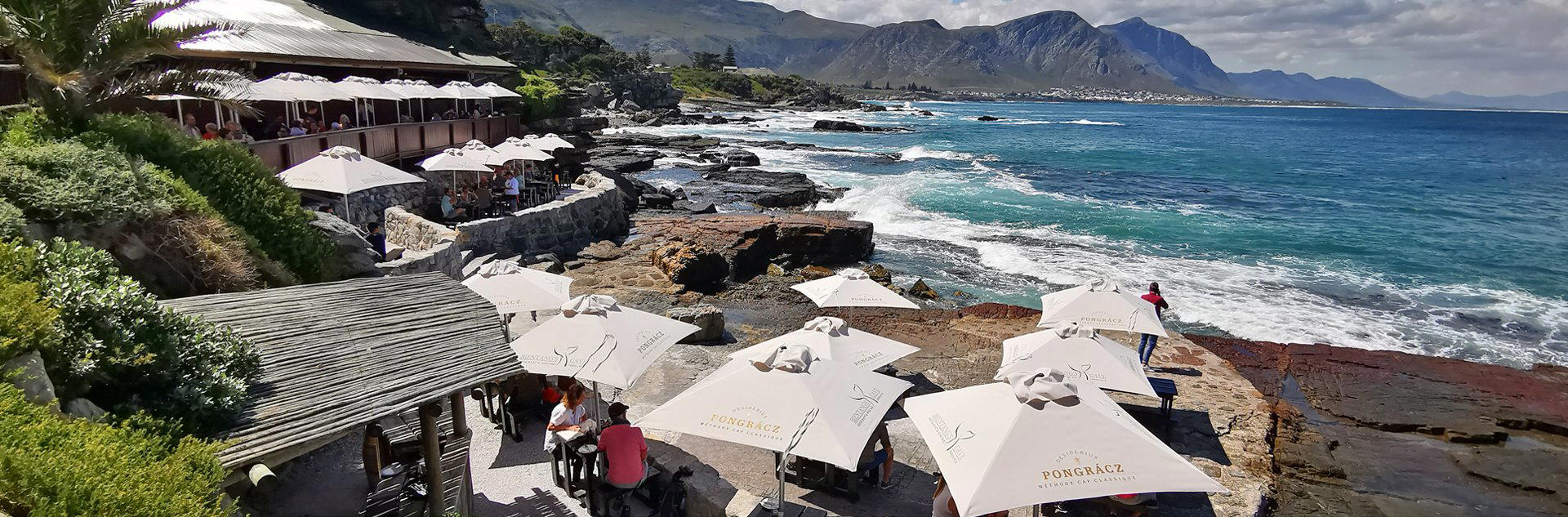
Cave de Pongrácz
Stellenbosch, South Africa
Cave de Pongrácz works as a focused sparkling-wine stop in Stellenbosch, especially if the day already includes multiple wine-country visits. The Falstaff Listed 2026 recognition gives it a useful quality signal, but it is better as a compact itinerary add-on than a standalone destination for travelers seeking food, broad estate amenities, or detailed published logistics.
Domaine des Terres Dorées
Charnay, France
Domaine des Terres Dorées works if Charnay is part of a serious wine-focused route, especially for travelers who prefer regional context over a staged visitor experience. Treat it as a planned winery stop rather than a casual drop-in, and keep the day flexible because public visitor logistics are thin.
Château Lacombe Noaillac
Jau Dignac Et Loirac, France
Château Lacombe Noaillac is a good fit for travelers who want a focused Cru Bourgeois Médoc visit rather than a broad hospitality experience. Expect a red-Bordeaux lens: estate-grown fruit, oak aging, gravel-soil context and a practical value argument for this tier of the Left Bank.
Domaine du Carrou
Bué, France
Domaine du Carrou works as a focused Bué winery stop for travelers who want Sancerre context rather than a heavily staged visitor experience. Falstaff Listed in 2026, it makes the most sense as one appointment within a wider village wine day, with plans confirmed before arrival.
Fasoli Gino
Cologna Ai Colli, Italy
Book Fasoli Gino if the priority is a countryside Veneto winery visit with substance behind the farming story. At $45 per person, it is a strong fit for travelers interested in organic and biodynamic production, vineyard context, and a relaxed family-run setting rather than a highly formal tasting room.
Domaine de la Commanderie
Cerbois, France
Worth considering if the trip is already centered on Quincy or Cerbois wine country. Domaine de la Commanderie is better treated as a focused Loire itinerary stop than a fully structured visitor attraction, so confirm plans ahead and pair it with nearby dining, lodging, or experiences.
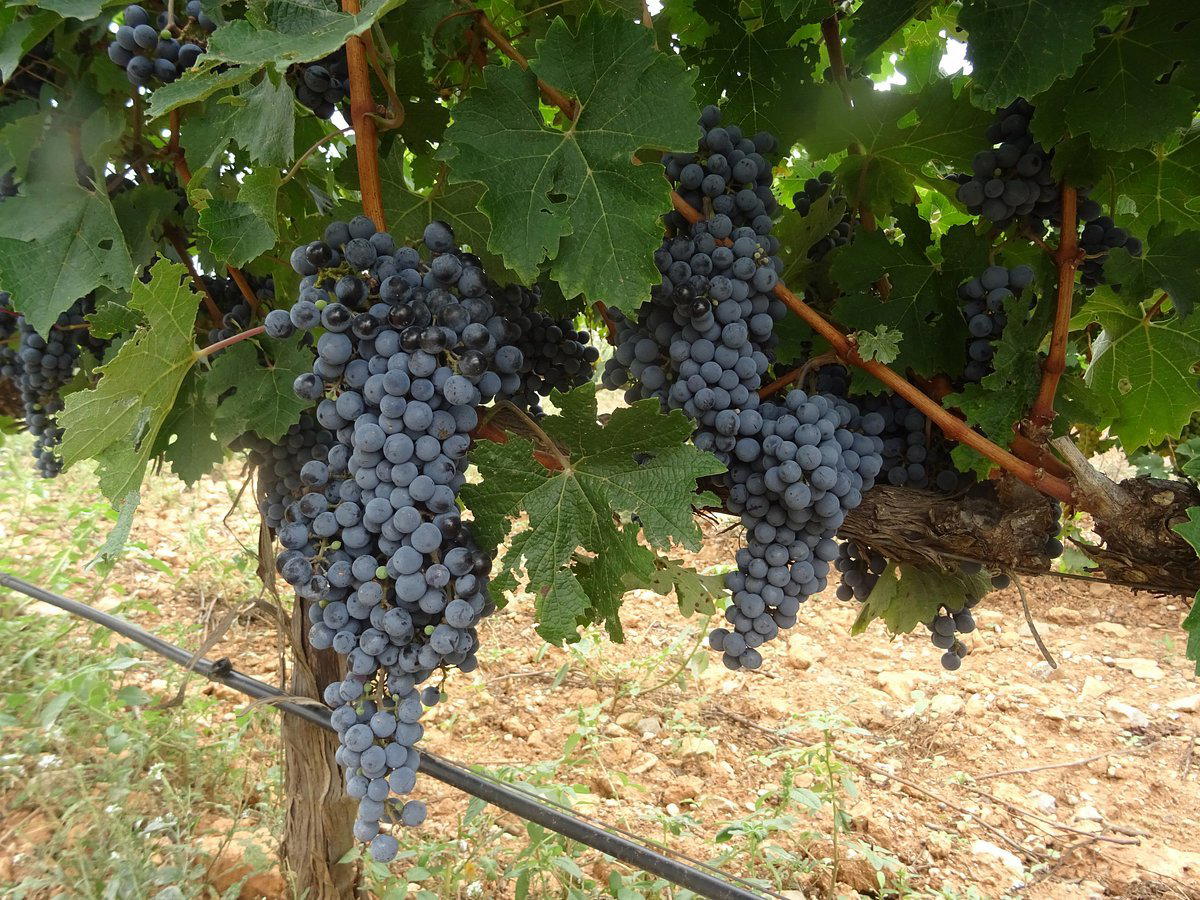
Bodega Les Useres
Les Useres, Spain
Book Bodega Les Useres if the draw is a quiet, production-led winery visit rooted in old vines and traditional, minimal-intervention winemaking. It is better for a Castellón wine-route detour than for a formal food-pairing experience, though its Falstaff 2 Stars (2026) gives it a useful quality signal.
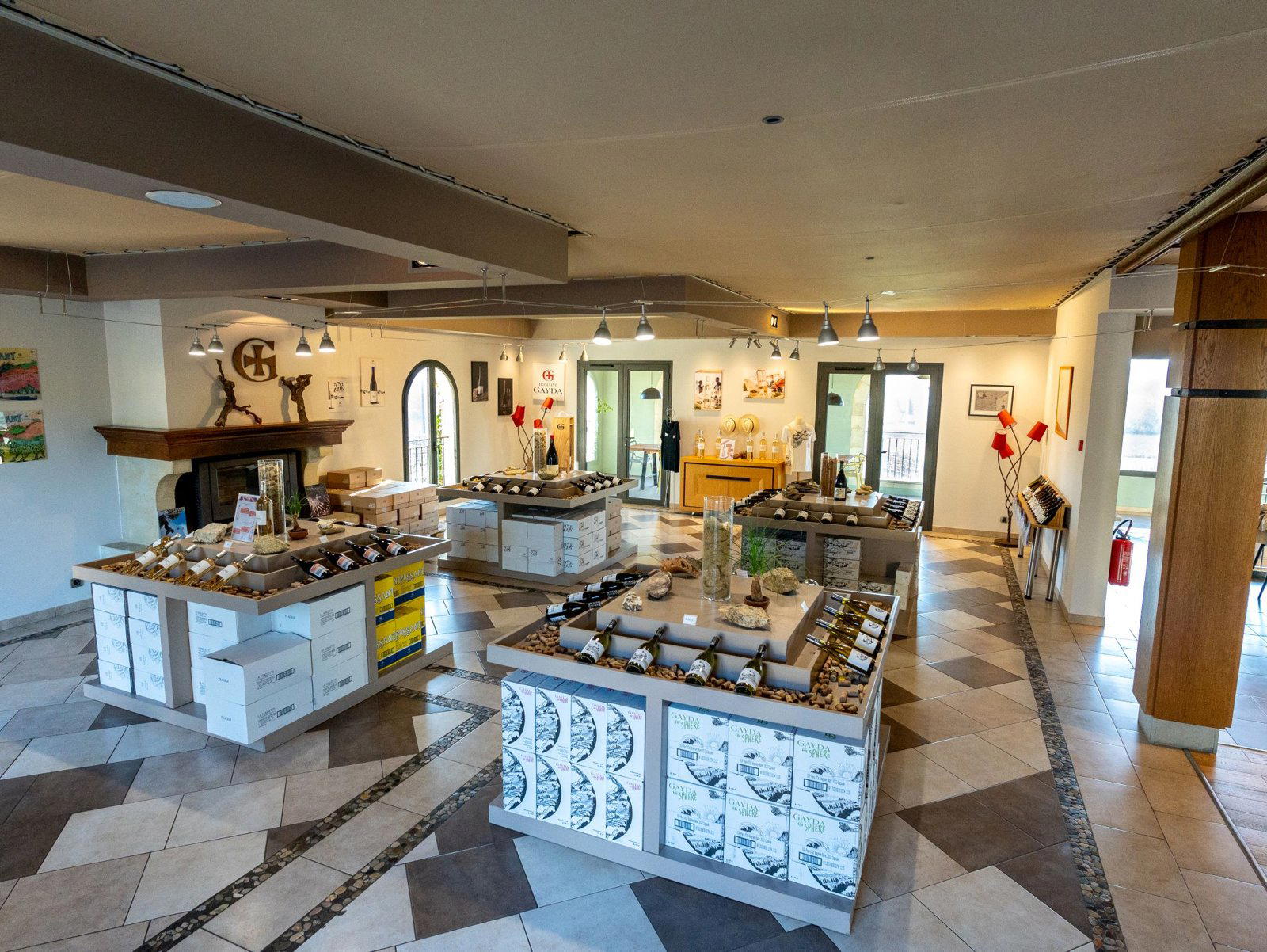
Domaine Gayda
Brugairolles, France
Domaine Gayda is an accessible wine estate in Brugairolles, in the heart of the Languedoc, with no significant booking friction. It suits wine-focused travellers who want to taste and dine where the wines are made. Visit late summer to early autumn to align with harvest season and the estate's most active period.
Domaine Humbert Frères
Gevrey-Chambertin, France
Domaine Humbert Frères is a good fit for Pinot Noir drinkers planning a quiet, appointment-led Gevrey-Chambertin stop. The draw is the range across Bourgogne, Fixin, village Gevrey-Chambertin, Premier Cru climats, and Charmes-Chambertin Grand Cru, backed by fourth-generation family stewardship and HVE-certified vineyard practice.
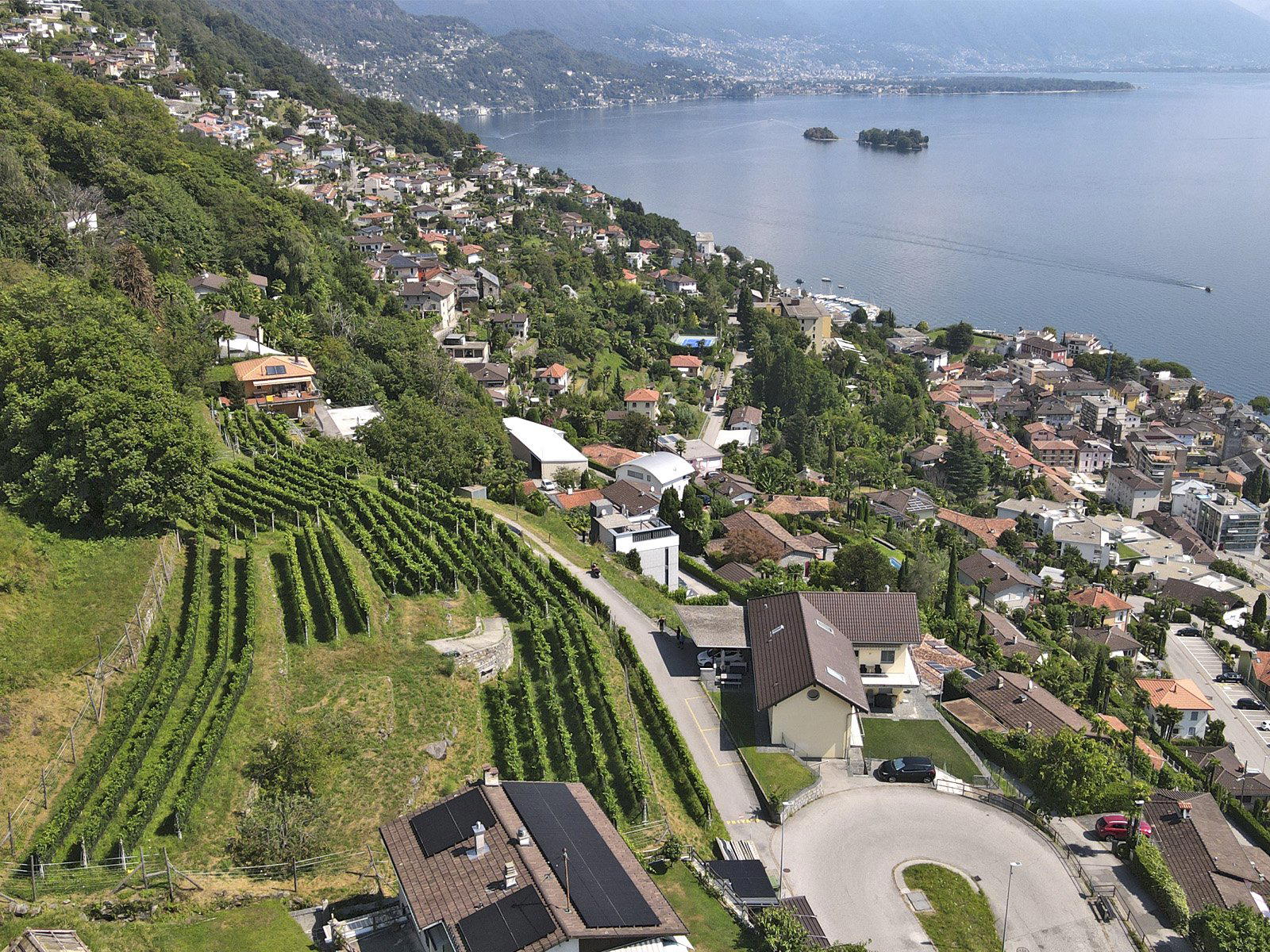
Azienda Vitivinicola Giromit Sagl
Brissago, Switzerland
A Brissago winery to shortlist for a Ticino-focused special occasion, especially if the appeal is regional wine context and a quieter lakeside itinerary. Falstaff 2 Stars in 2026 gives it a credible quality signal, but plan meals, timing, and group logistics separately unless those details are confirmed before you go.
Crystallum Wines
Bot River, South Africa
A focused Bot River wine stop with current Falstaff 2026 recognition, Crystallum Wines is worth shortlisting for travelers who care more about wine credibility than built-out visitor amenities. Better for couples or small wine-focused groups than casual walk-ins; confirm logistics before planning a special occasion around it.
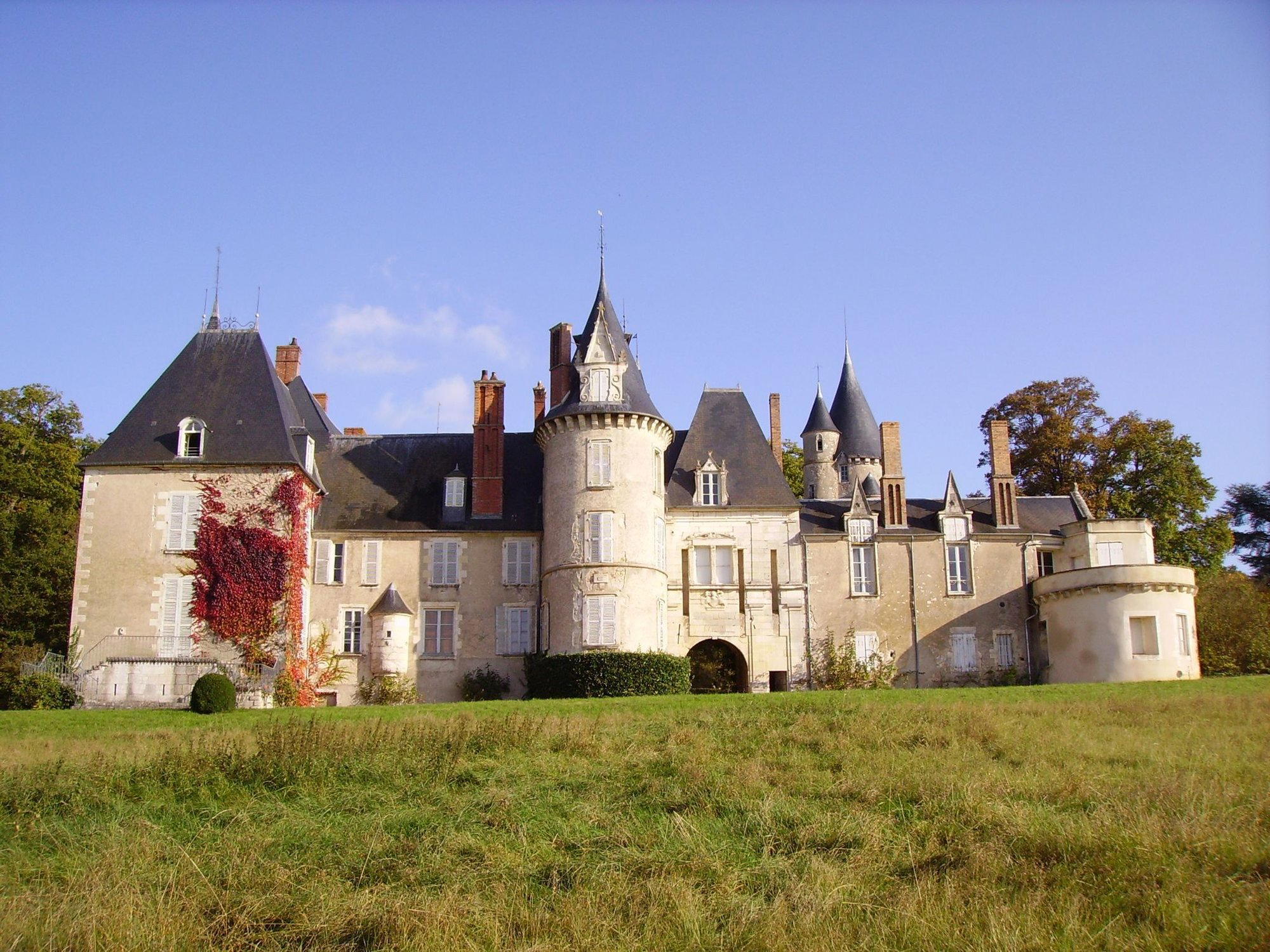
Château de Tracy
Tracy Sur Loire, France
Château de Tracy is worth planning around if the goal is a focused Pouilly-Fumé winery stop rather than a food-led outing. Its Falstaff Winery listing for 2026 gives it a clear recognition signal, but visitors should treat food pairing as a planning exercise around the tasting, not the main reason to go.
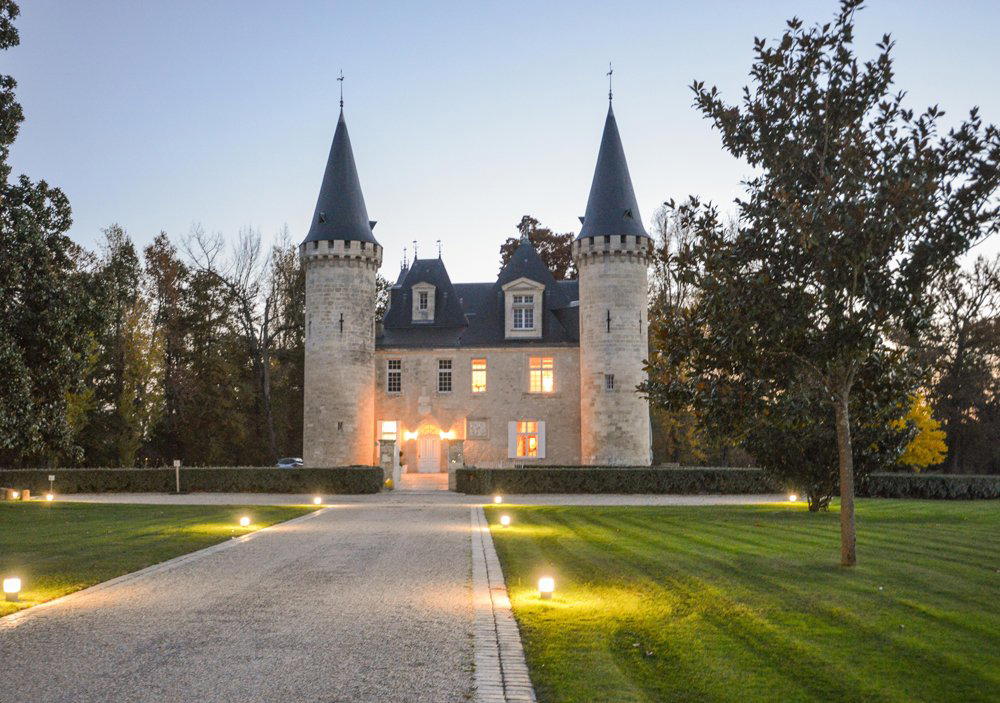
Château Be Bordô
Bordeaux, France
Book Château Be Bordô if the brief is an approachable Bordeaux tasting with a contemporary boutique feel rather than a formal estate visit. The $$ positioning and Falstaff Listed recognition for 2026 make it a sensible choice for a relaxed special occasion, with reservations recommended and booking difficulty marked easy.
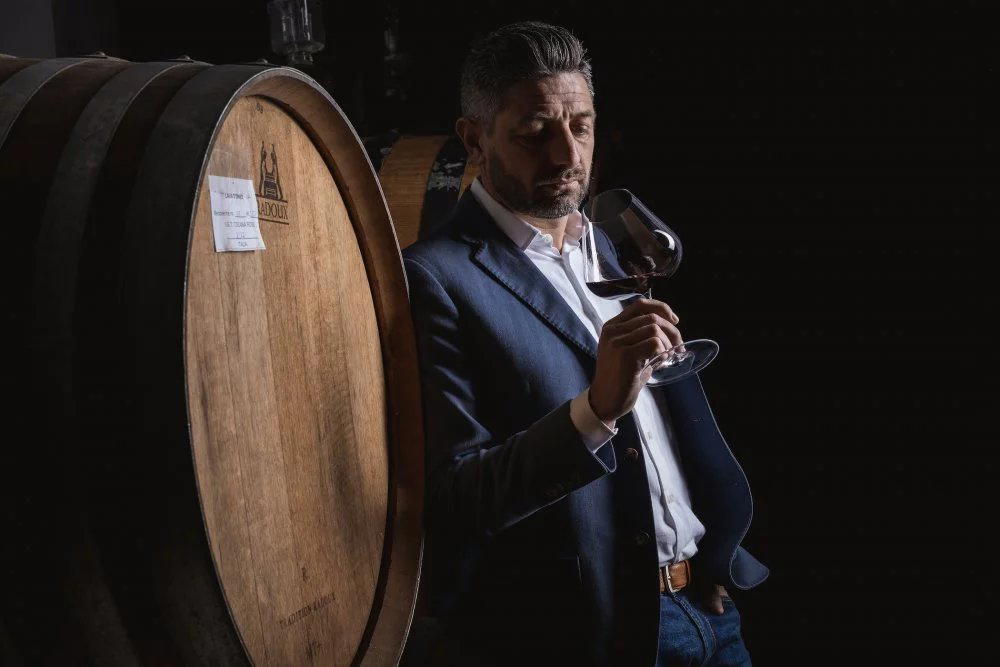
Cava d'Onice
Montalcino, Italy
Cava d'Onice is a strong Montalcino pick for travelers who want a quiet, family-run Sangiovese tasting rather than a large cellar production. The value is in the guided context, small-group feel, hillside setting, and Brunello/Rosso focus, especially for visitors who care about how a boutique estate works from vineyard to glass.
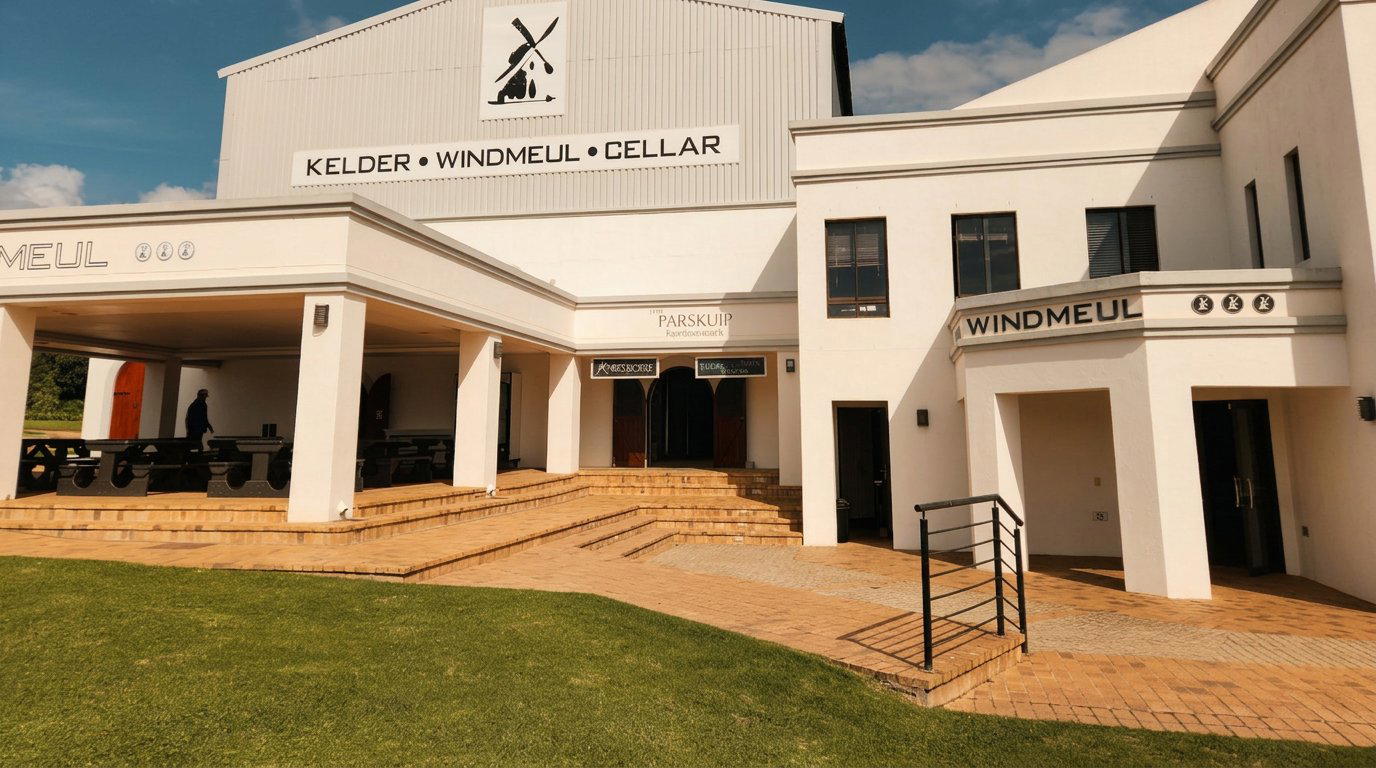
Boland Cellar
Paarl, South Africa
Boland Cellar is worth a stop if the goal is an accessible Paarl tasting with regional range rather than a formal estate experience. The Falstaff Listed 2026 cellar works especially well for visitors who want Chenin Blanc, Pinotage, and a broad introduction to South African wine in a relaxed setting.
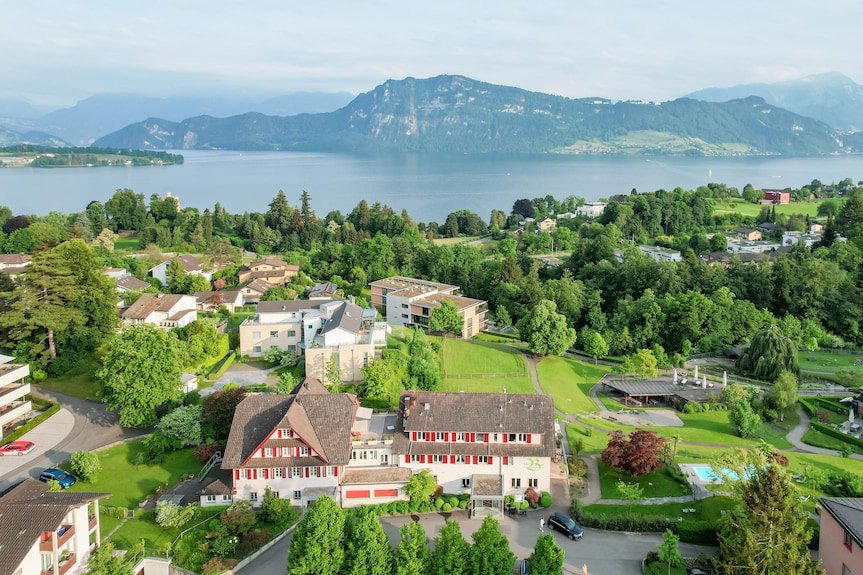
Bioweingut Sitenrain
Meggen, Switzerland
Bioweingut Sitenrain works for a bottle-focused Meggen wine stop near Lake Lucerne, especially if the plan is a quiet celebration rather than a full dining experience. Falstaff listing in 2026 gives it a useful credibility signal, but visitors should plan logistics carefully because public-facing practical details are thin.
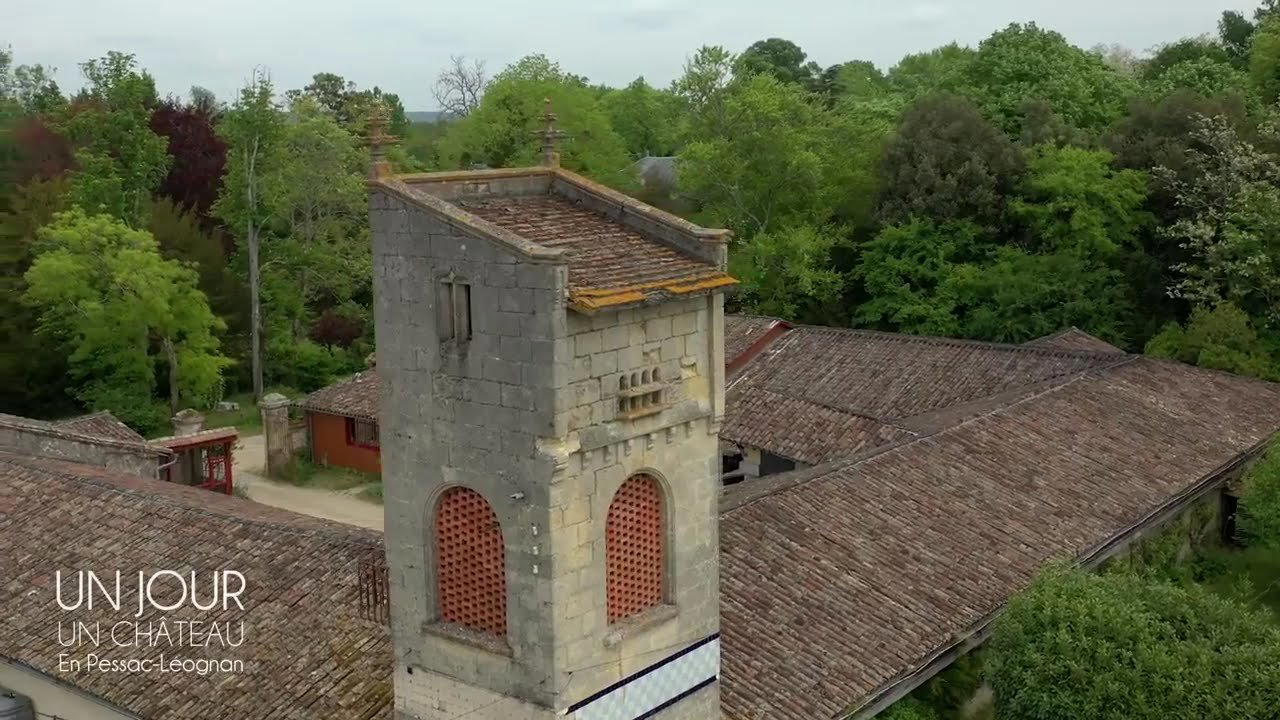
Château Haut-Bardin
Saint Martial, France
Château Haut-Bardin works if your Bordeaux plans favor family-run estates and classic red blends over high-production visitor theatrics. The draw is Saint Martial context, seven generations of Dumas family stewardship, chalky-clay vineyards, and a Falstaff Listed 2026 signal, not a confirmed luxury tasting format or membership program.
Lindeman's
Red Cliffs, Australia
A practical Red Cliffs winery stop for travelers who value an easy, recognizable name over a highly specified tasting format. Lindeman's works better as one part of a Murray-region wine day than as the entire itinerary, especially because food, pricing, and tasting structure are not confirmed here.
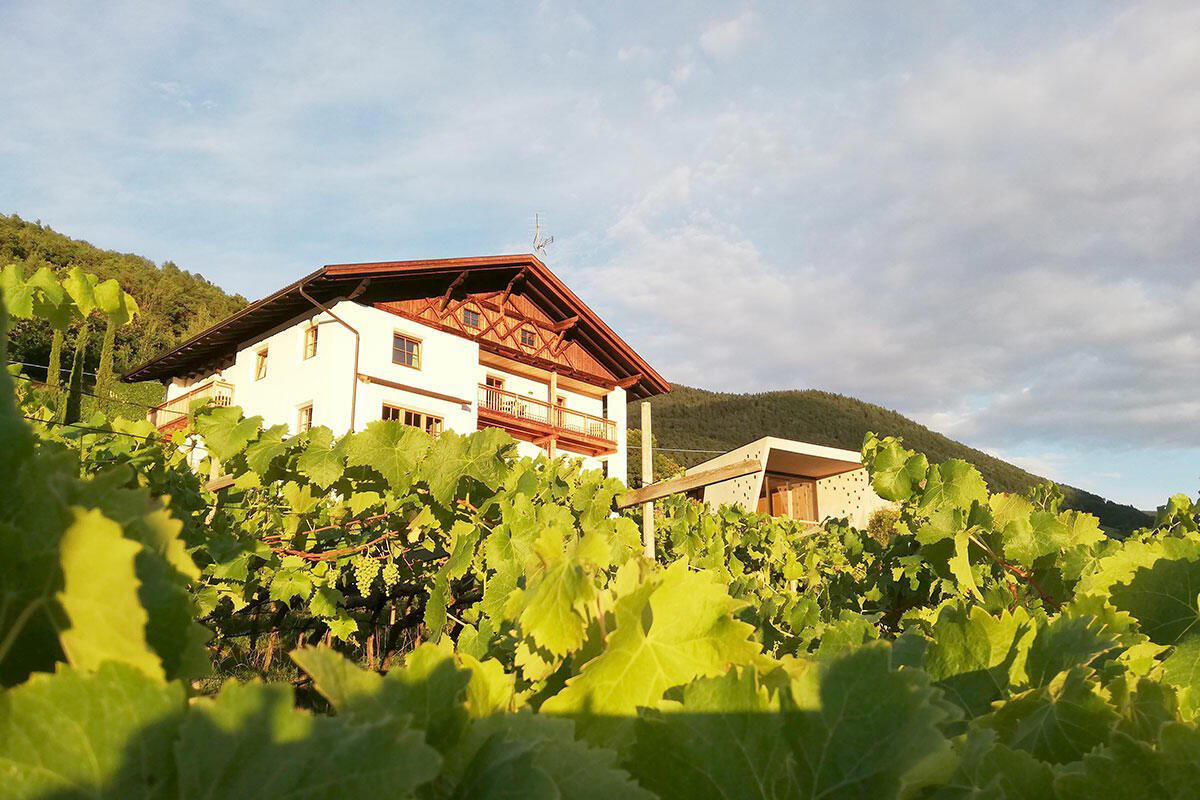
Franz Gojer - Glögglhof
Karneid, Italy
A focused Karneid winery pick for drinkers who want Alto Adige white wines rather than a full hospitality production. Franz Gojer - Glögglhof is easiest to justify if Kerner, Sauvignon, and place-specific bottles are the point; Falstaff 4 Stars (2026) adds a useful quality signal.
Fattoria Valtellina
Gaiole in Chianti, Italy
A better fit for a slow Chianti villa stay than a formal winery tasting. Fattoria Valtellina works for groups who want rustic farmhouse atmosphere, olive groves, vineyards, and privacy near Gaiole in Chianti; it is less compelling for travelers seeking a documented cellar program or flagship wine experience. Falstaff Listed for 2026, with $$$ positioning.
Château le Crock
Saint-Estèphe, France
Château le Crock is worth booking if the goal is a focused Saint-Estèphe tasting rather than a meal-driven château visit. The draw is the estate’s Cru Bourgeois Exceptionnel status, Cuvelier family stewardship, old-vine Médoc structure, and the timely story around the low-yield 2024 vintage.
How many of these have you visited?
Find out on Pearl and keep score across every place in 2026 Falstaff Winery Guide.