

2026 Falstaff Winery Guide: The Ultimate Wine Authority — Page 71
Falstaff's 2026 Wineries guide.

Venues on this list
Domaine Anne Gros & Jean.Paul Tollot
Aigues Vives, France
Book Domaine Anne Gros & Jean.Paul Tollot if the draw is serious Minervois wine with a Burgundian hand, especially Les Carrétals from old Carignan and Grenache vines. It suits planned wine travellers more than casual drop-ins: visits are appointment only, the mood is rural and quiet, and the strongest value is in understanding the bottles before buying.
Château Lamothe-Despujols
Sauternes, France
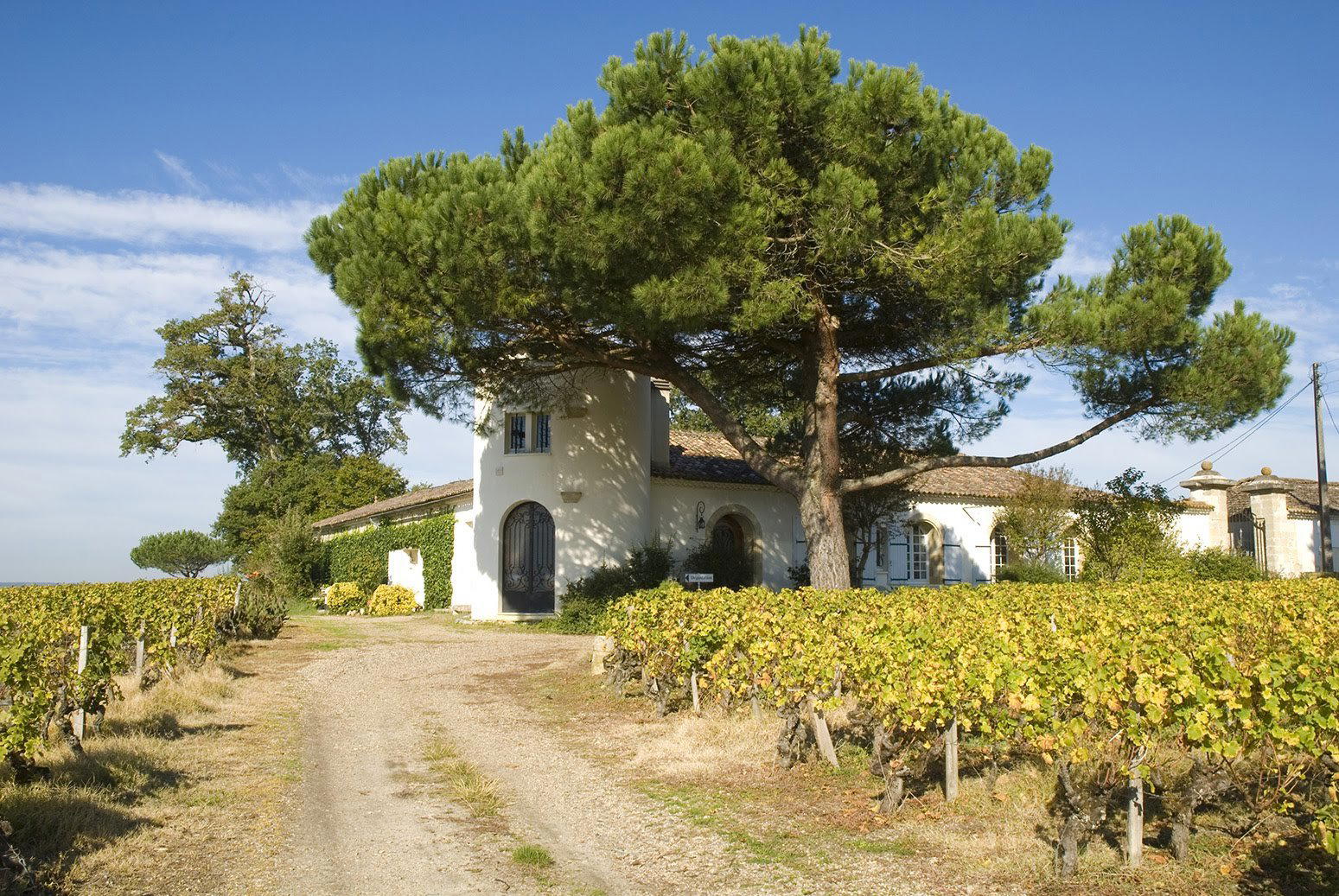
Book Château Lamothe-Despujols if the goal is a quieter, production-led Sauternes visit rather than a broad wine-tourism stop. The appeal is the classified-growth context, historic château setting, and focused sweet-wine craft, especially for visitors who want to understand the role of Sémillon, botrytis, clay-gravel soils, and measured oak use.
Brovia
Castiglione Falletto, Italy
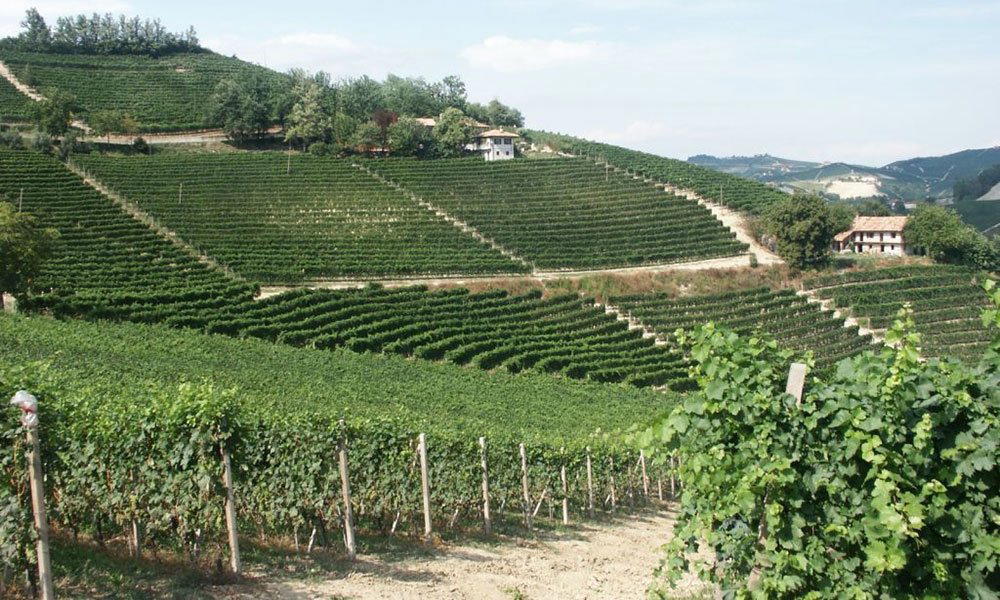
Prioritise Brovia if your Castiglione Falletto plan is built around serious Barolo producers rather than casual tasting-room hopping. It is a stronger fit for wine-focused travellers who can plan around limited availability, and it pairs naturally with nearby names like Cavallotto, Paolo Scavino, and Vietti.
De Trafford Wines
Stellenbosch, South Africa
De Trafford works for a wine-first Stellenbosch itinerary, especially for travelers who value external recognition: it is Falstaff listed for 2026. Do not treat it as a confirmed food-pairing or lunch stop; use it as a focused cellar-door visit and build meals elsewhere in town.
Château Franc de Maine
Saint-Émilion, France
Château Franc de Maine works if you want a quieter, wine-first Saint-Émilion Grand Cru stop with a clear terroir and low-intervention angle. It suits travelers who care about Merlot-led Right Bank structure, cellar choices, and family ownership more than a high-production tasting-room experience.
Casina di Cornia
Castellina in Chianti, Italy
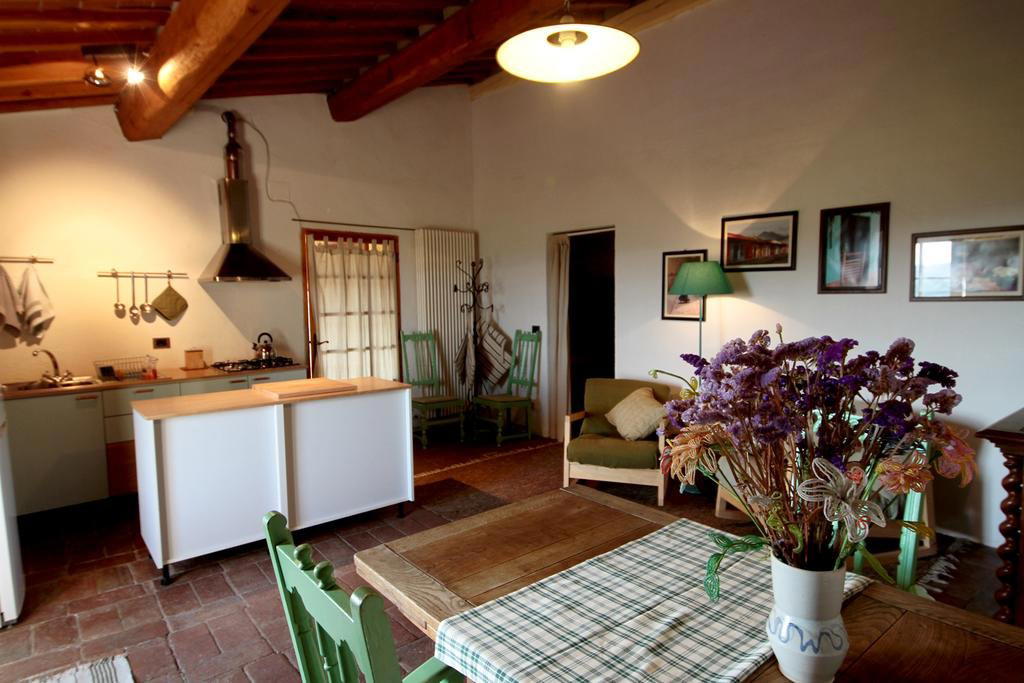
Book Casina di Cornia if you want a quiet, small-scale Chianti Classico tasting with serious organic farming context. The draw is not a polished hospitality production; it is Sangiovese, estate-grown fruit, family-run winemaking, and practical insight into what these wines are built to drink with at the table.
Guenoc Winery
Middletown, United States
Guenoc Winery is worth booking when the setting matters as much as the tasting. The draw is a historic, rural estate tied to the Guenoc Valley AVA, with a relaxed countryside feel and an accessible listed tasting price. Choose it for a quiet date or small celebration, not for a highly polished urban tasting-room format.
Bura Winry
Potomje, Croatia
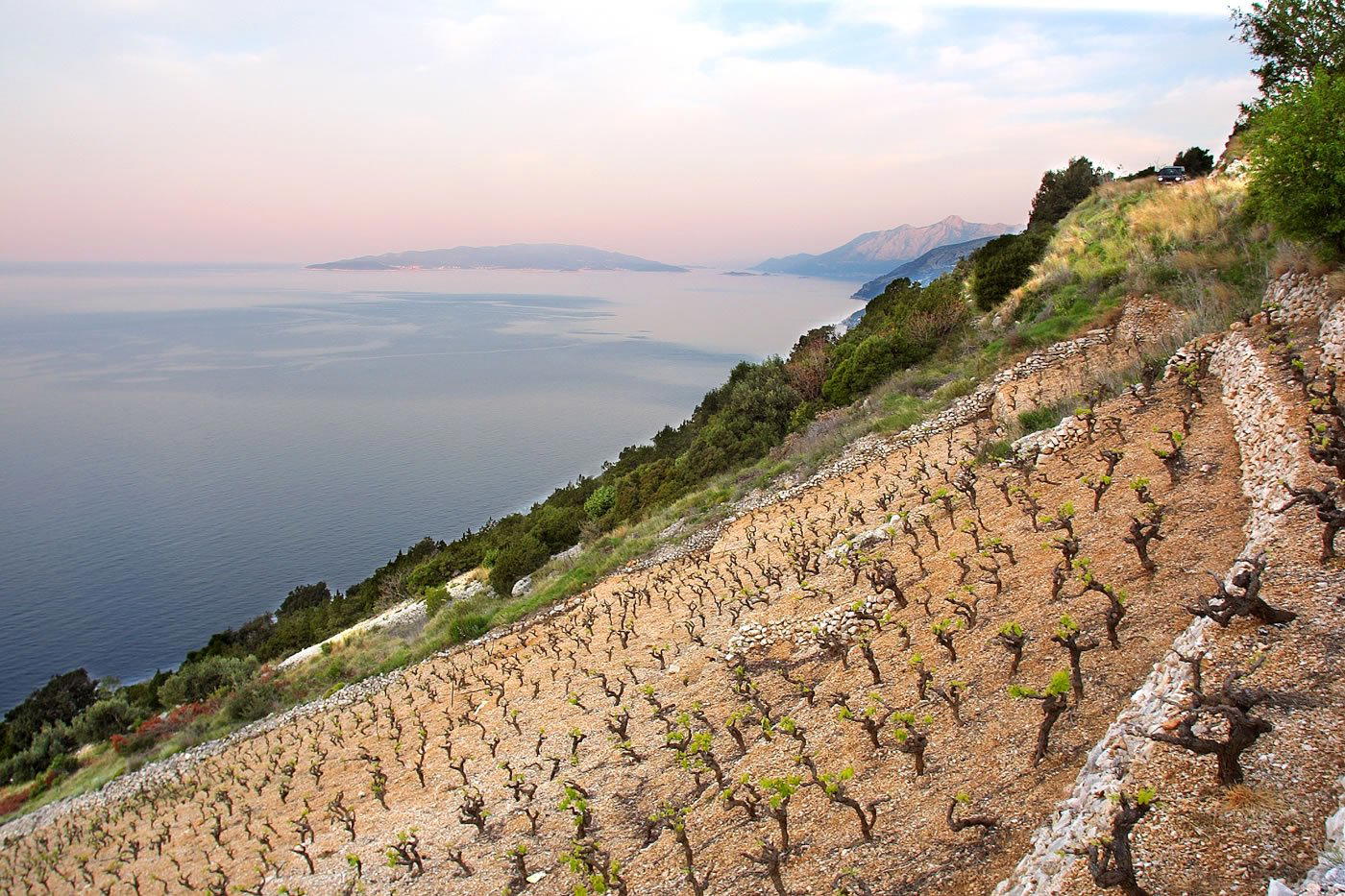
Bura Winery works as a flexible Potomje winery stop, especially if the day is already built around Pelješac wine. Treat any wine-club or allocation offer cautiously: join only if bottle commitments, pickup or shipping rules, release timing, and cancellation terms are clear before payment.
Château Ducluzeau
Saint-Julien-Beychevelle, France
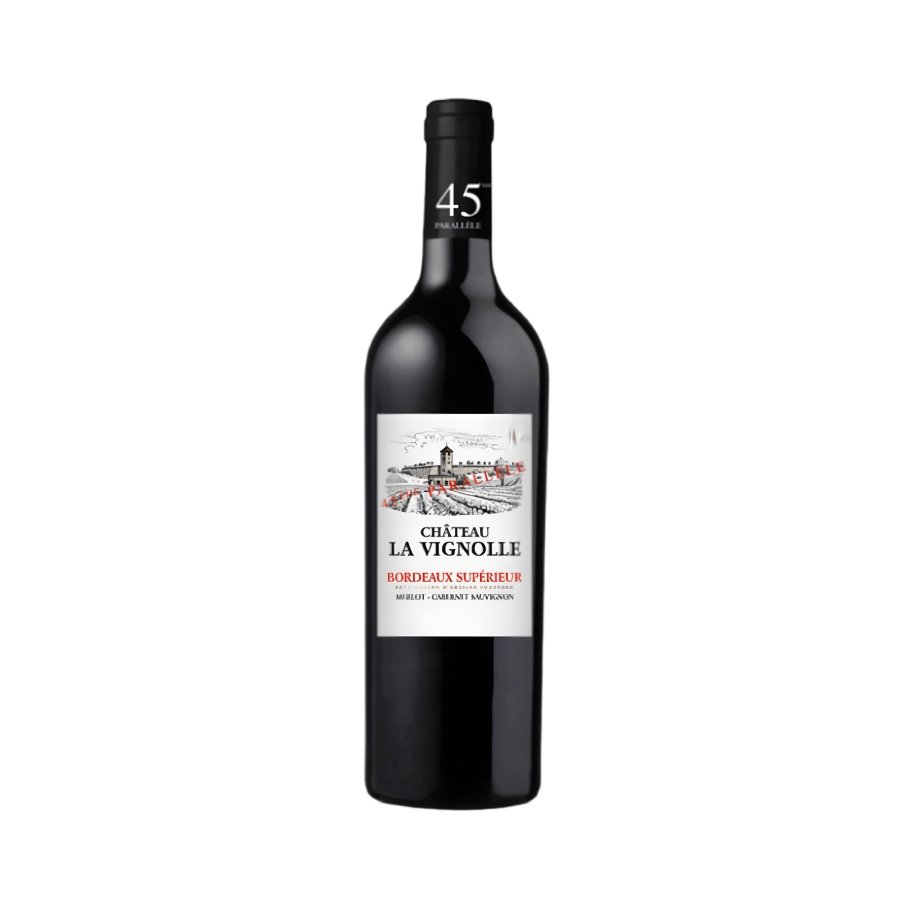
Château Ducluzeau works for buyers who want classic, balanced Listrac-Médoc without paying mainly for château theatre. Its appeal is the bottle: a modest 10-hectare Left Bank estate, Falstaff Listed in 2026, with a quiet, traditional profile suited to special-occasion dining rather than on-site hospitality.
Bodega Pago Aylés
Mezalocha, Spain
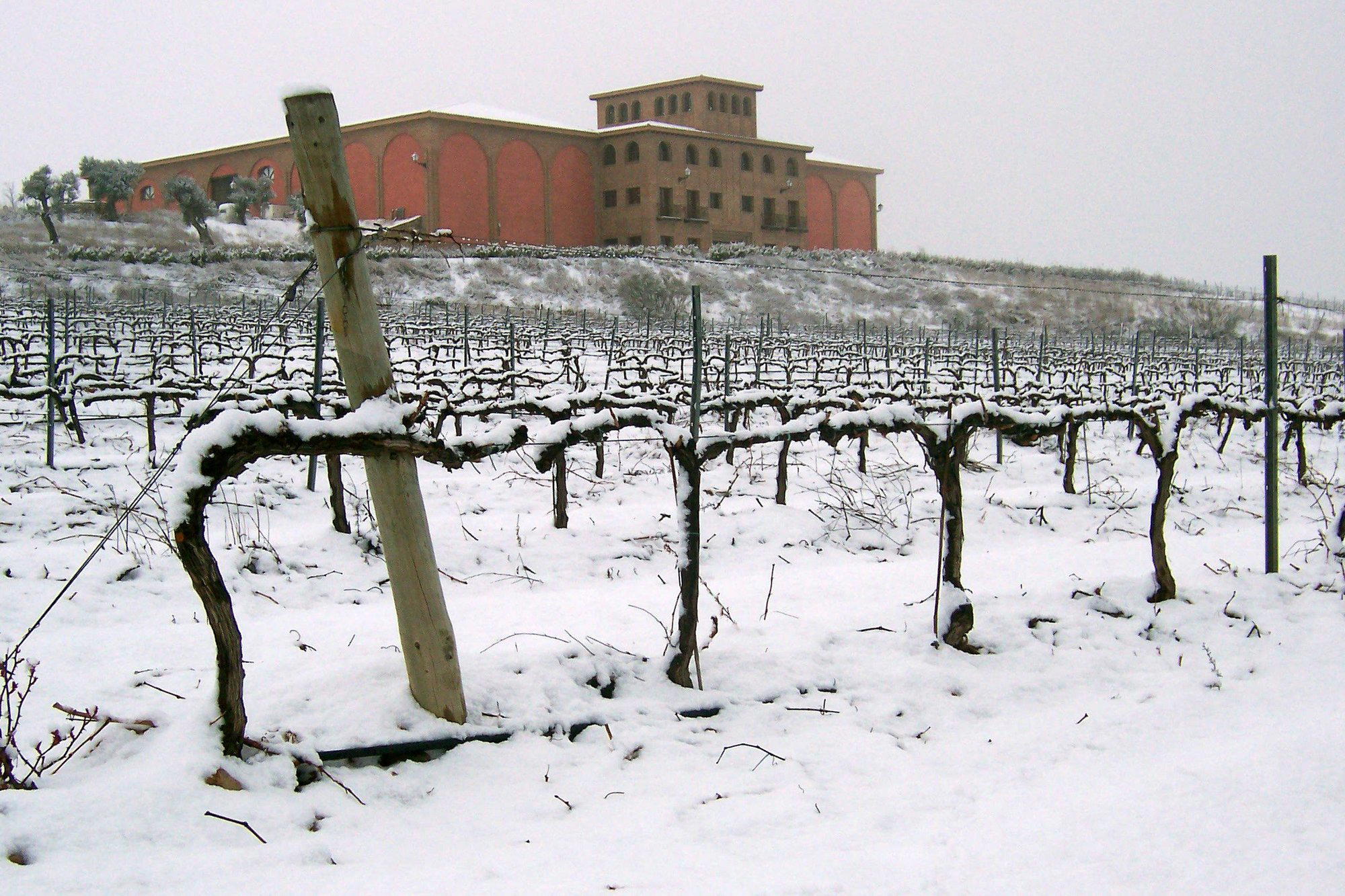
Book Bodega Pago Aylés if you want a serious Aragón winery visit built around single-estate Vino de Pago status rather than casual cellar-door tourism. The strongest case is the estate red program, especially Cuesta del Herrero, backed by critic recognition and a structured guided visit format. Plan ahead, because the known public visit timing is limited.
Crama Oliver Bauer
Dragasani, Romania
Crama Oliver Bauer is a cautious yes for travelers already focused on Dragasani wine country. Its Falstaff Listed status gives it a credible reason to be on a Romanian winery itinerary, but the lack of clear public detail on pricing, visit format, and any club model means it is better approached as a first tasting stop than an automatic membership decision.
Bodega Garzón
Maldonado, Uruguay
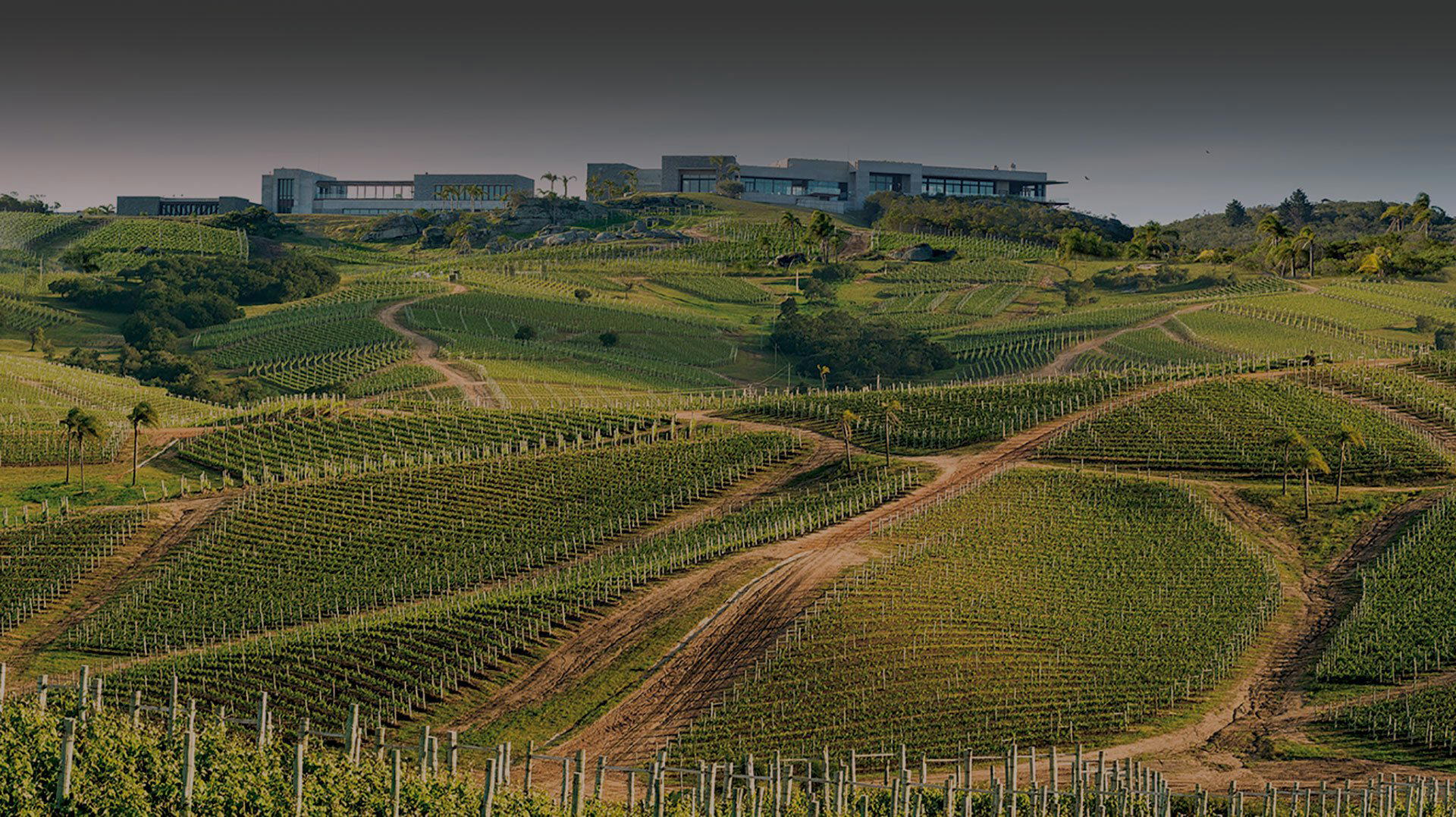
Bodega Garzón is a winery in Uruguay's Maldonado department.
Alto Wine Estate
Stellenbosch, South Africa
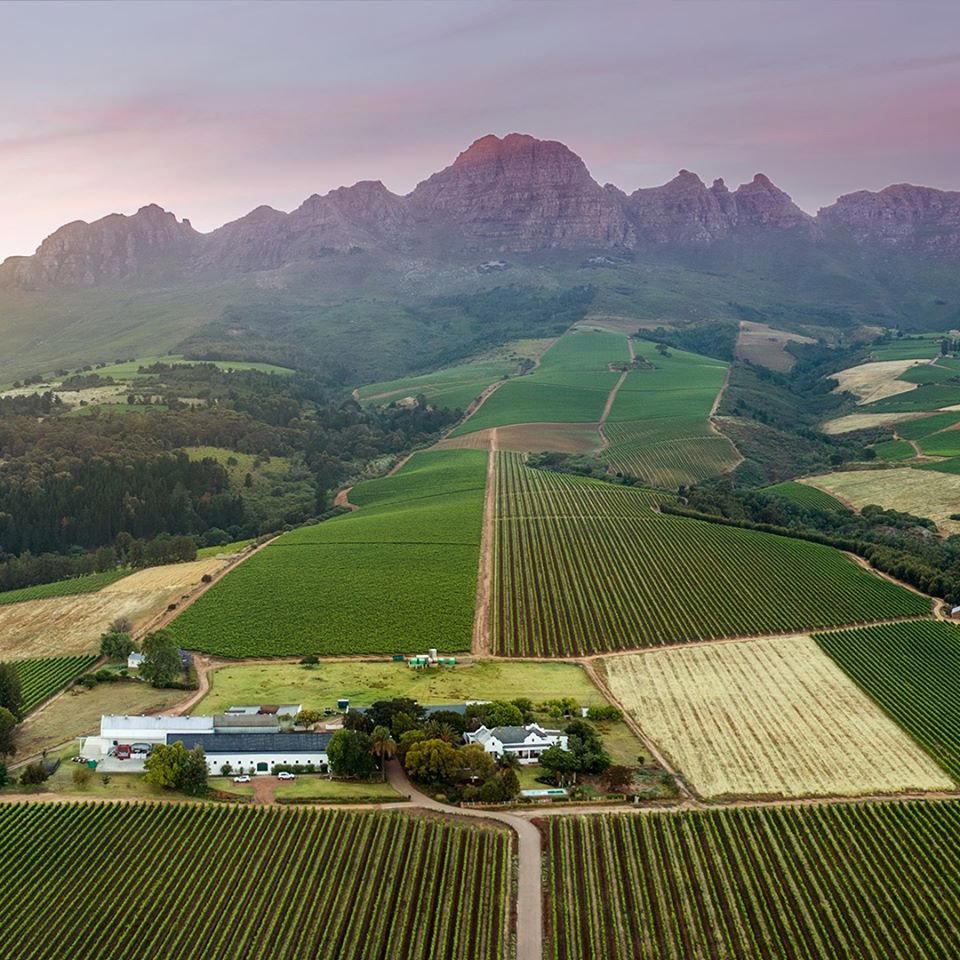
Alto Wine Estate is worth prioritizing for a serious, wine-led Stellenbosch itinerary, especially if the group wants a calmer estate stop rather than a full dining or leisure day. Access is flagged as difficult, so treat it as a planned anchor, not a casual add-on.
Domaine Roland Schmitt
Bergbieten, France
Domaine Roland Schmitt is a strong choice for first-time visitors who want a focused Alsace winery stop built around dry whites, Grand Cru Altenberg de Bergbieten context, and family-run production. It is better for serious tasting and bottle buying than for polished wine-tourism extras, with the strongest appeal for Riesling, Gewürztraminer, Pinot Gris, and Pinot Blanc drinkers.
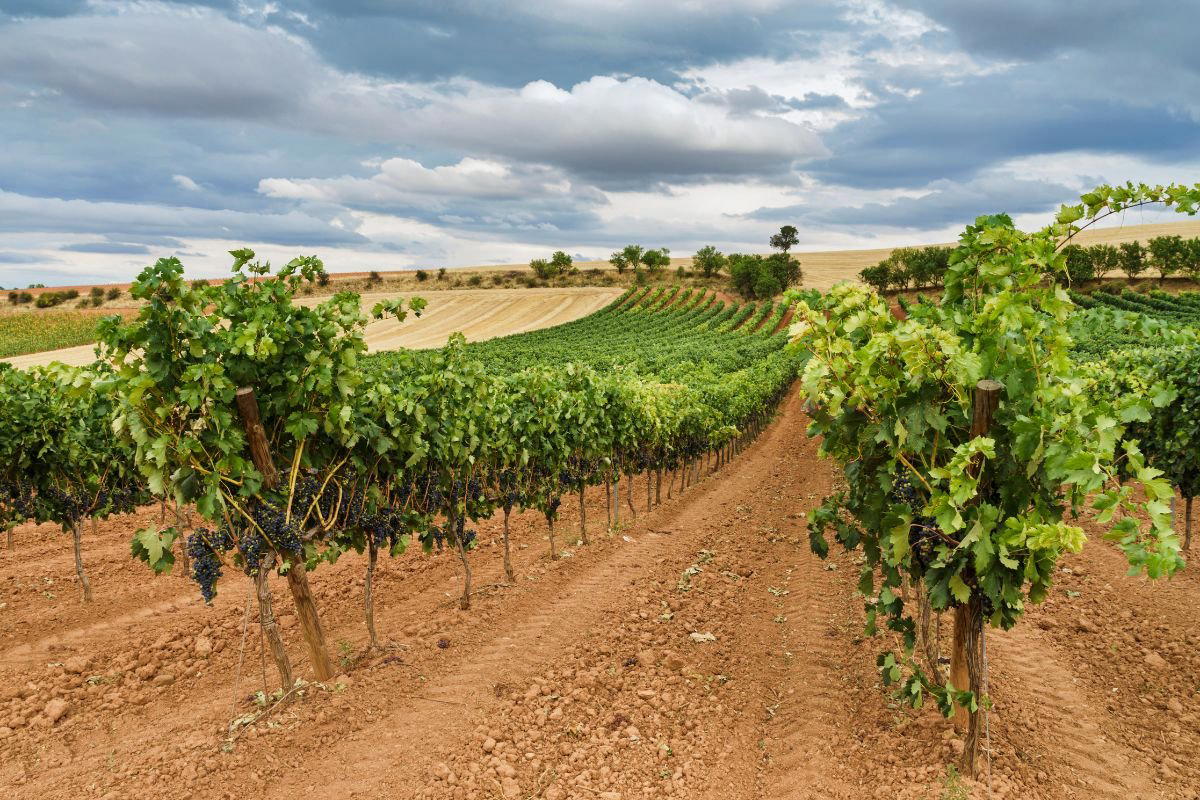
Bodegas y Viñedos de Cal Grau
El Molar, Spain
A worthwhile Priorat stop for travelers who want slate-terrace context, native red varieties, and a rural El Molar setting rather than a casual tasting-room add-on. Cal Grau is strongest for drinkers already interested in structured Priorat reds and the link between mountain viticulture, underground aging, and Garnacha-Cariñena blends.
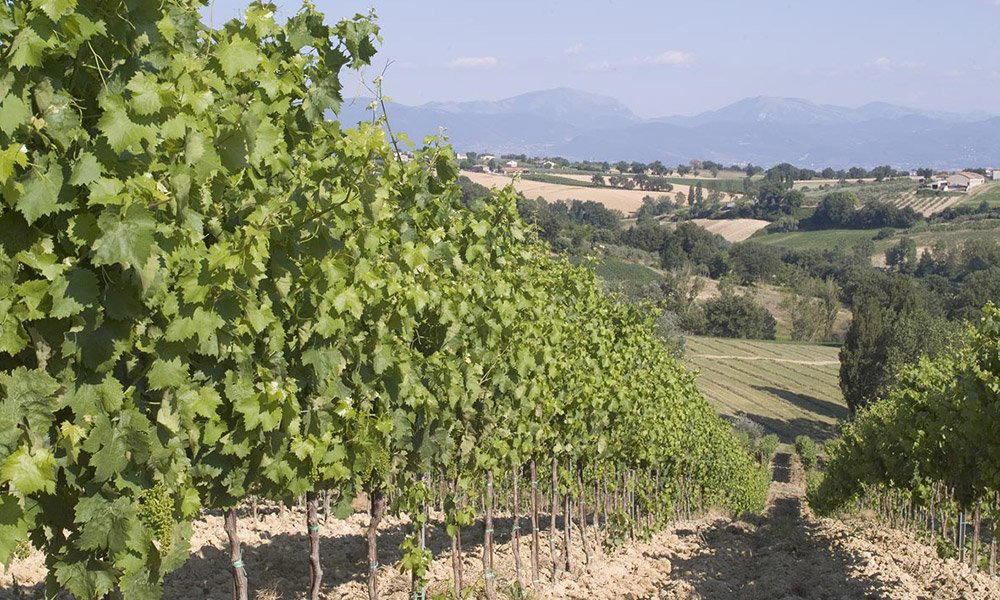
Bocale
Montefalco, Italy
Book Bocale if you want a small, family-run Montefalco tasting focused on Sagrantino, artisanal production, and vineyard context rather than a large visitor-center experience. The draw is structured, age-worthy reds shaped by restrained large-barrel aging, plus a quieter tasting format that suits couples and serious wine travelers.
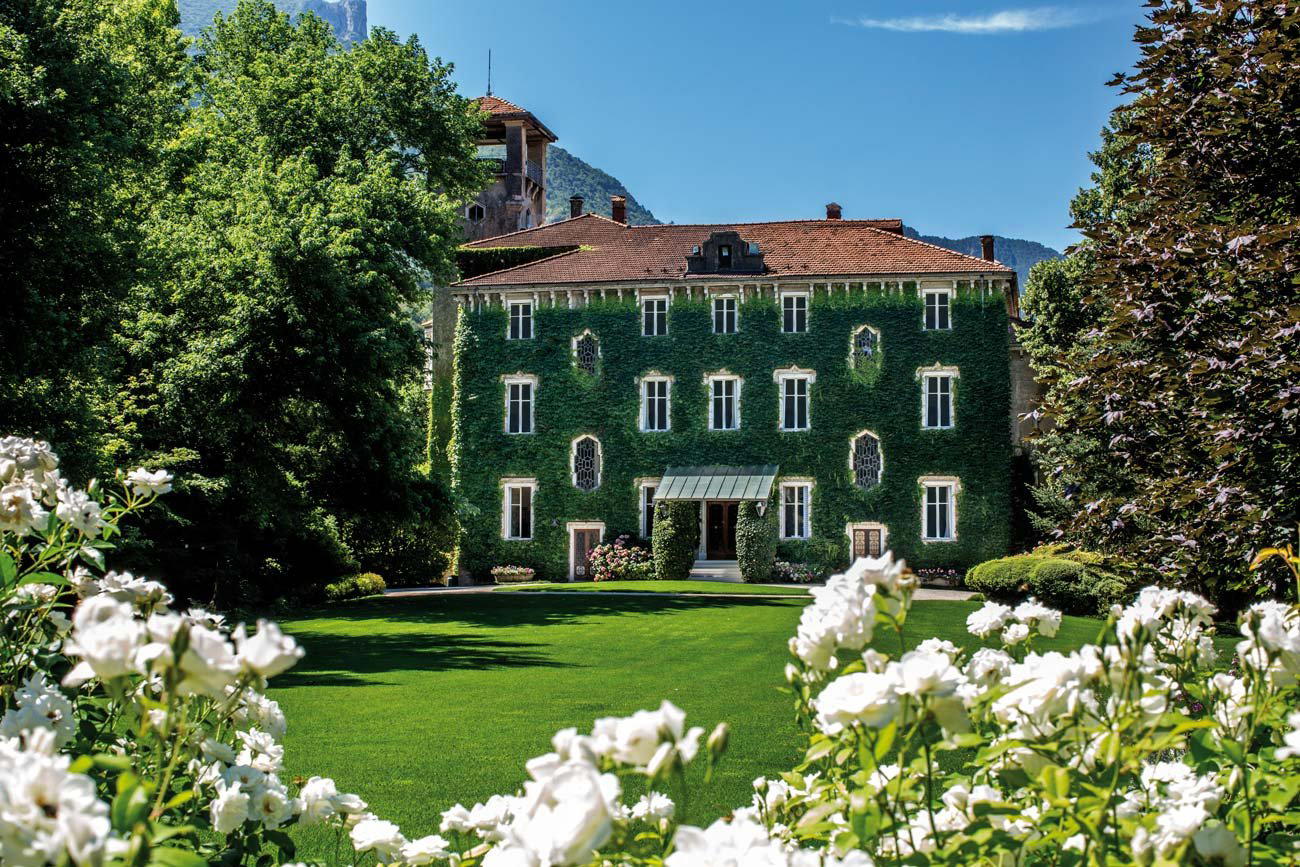
San Leonardo
Avio, Italy
San Leonardo is worth prioritizing if the goal is a serious, quiet winery visit in Avio rather than an easy drop-in tasting. Access looks difficult, so treat it as the anchor booking and keep alternatives ready, especially if the group needs clearer food, pricing, or hospitality details in advance.
Domaine Jean-Jacques Confuron
Premeaux-Prissey, France
Domaine Jean-Jacques Confuron is worth pursuing for serious Burgundy buyers, especially those focused on organic Côte de Nuits Pinot Noir and age-worthy single-site bottlings. It is a poor fit for casual wine tourism: treat it as an allocation-minded producer visit, not an easy tasting-room stop.
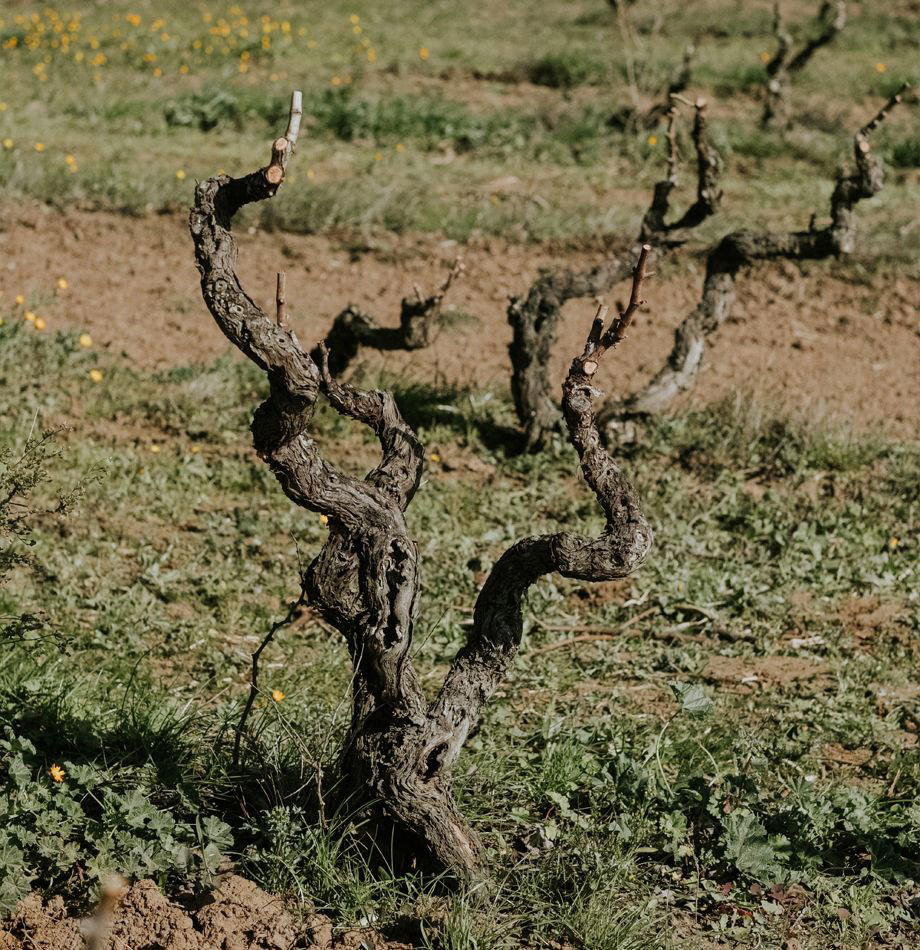
Agricola Marilù
Brindisi, Italy
Agricola Marilù works if the goal is a focused Salento wine stop built around Negroamaro, Primitivo, Susumaniello and sustainability rather than a big hospitality production. The $$ positioning and Falstaff Listed recognition in 2026 make it a sensible discovery pick for travelers who care about native grapes and farming choices.
BelColle - Bosio
Santo Stefano Belbo, Italy
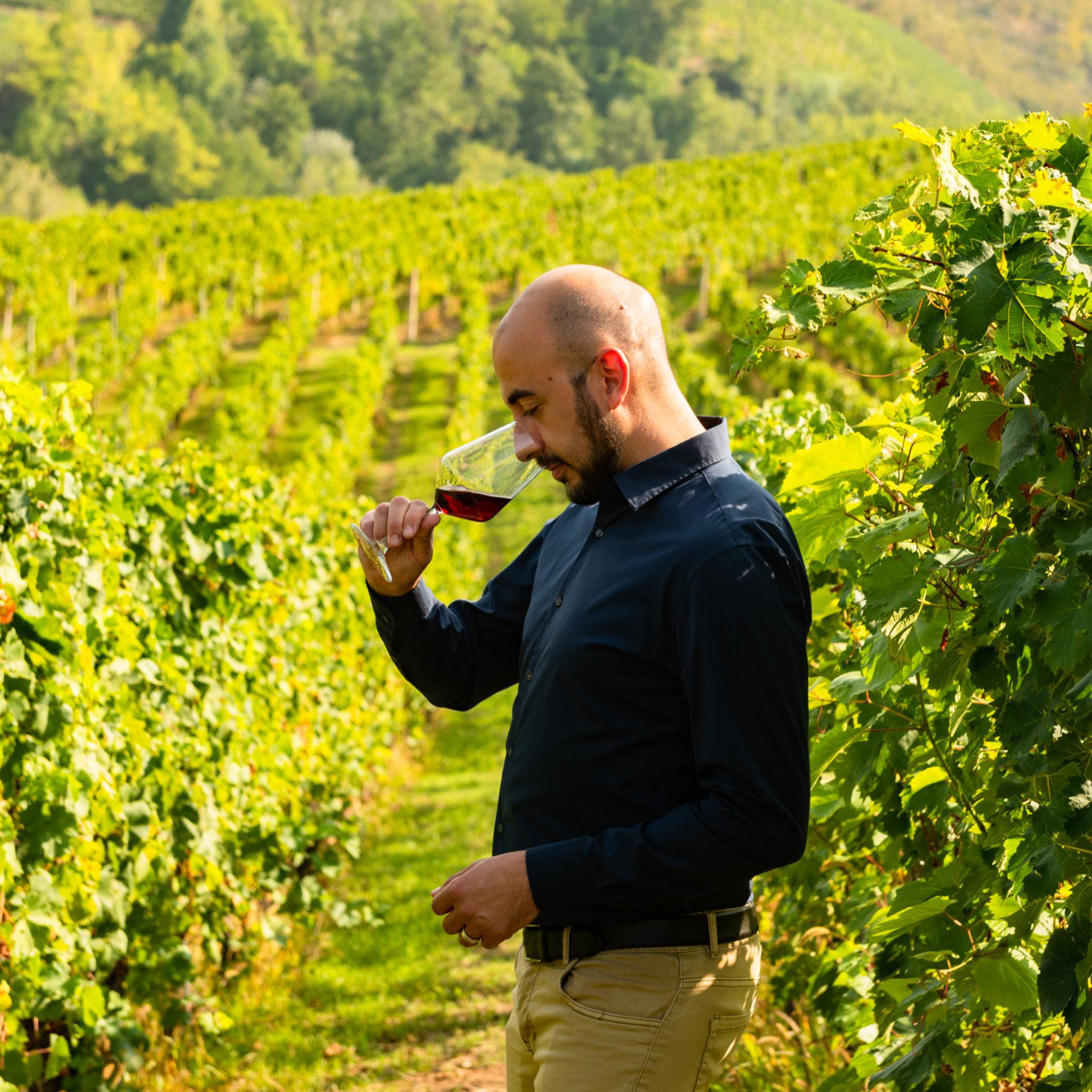
BelColle - Bosio is better treated as a focused winery stop than a food-led tasting commitment. Its Santo Stefano Belbo location makes sense for travelers building a compact Piedmont wine day, and its Falstaff Listed 2026 recognition gives it a useful trust signal without requiring a major detour.
Beatesca
Montalcino, Italy
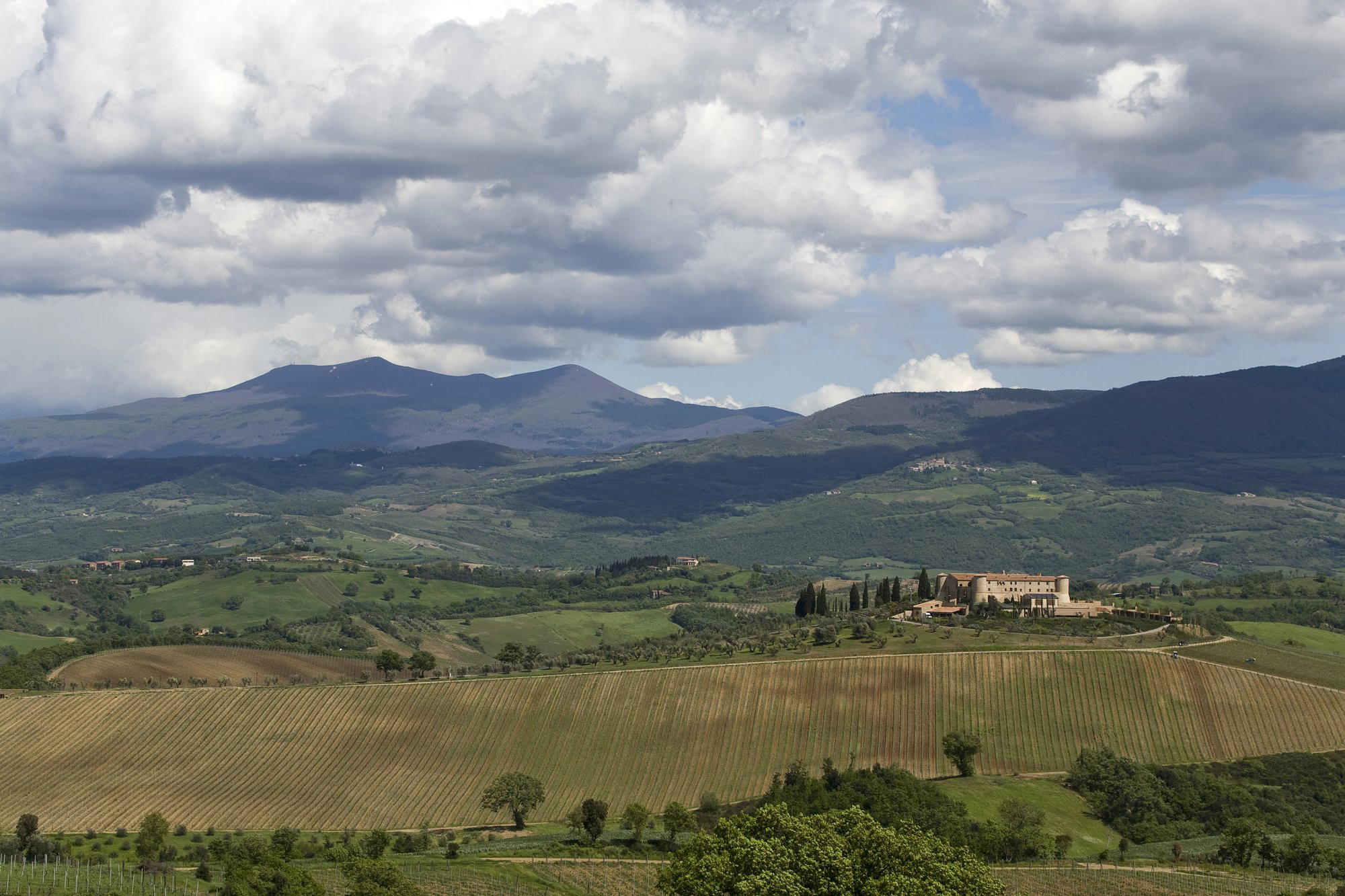
Quiet, classic, and Sangiovese-focused, Beatesca is a strong fit for travellers who want a serious Montalcino winery appointment rather than a casual tasting-bar stop. Book it for Brunello context, small-vineyard detail, and a restrained atmosphere; skip it if the group wants a broad, high-energy tasting format.
Borgo San Daniele
Cormons, Italy
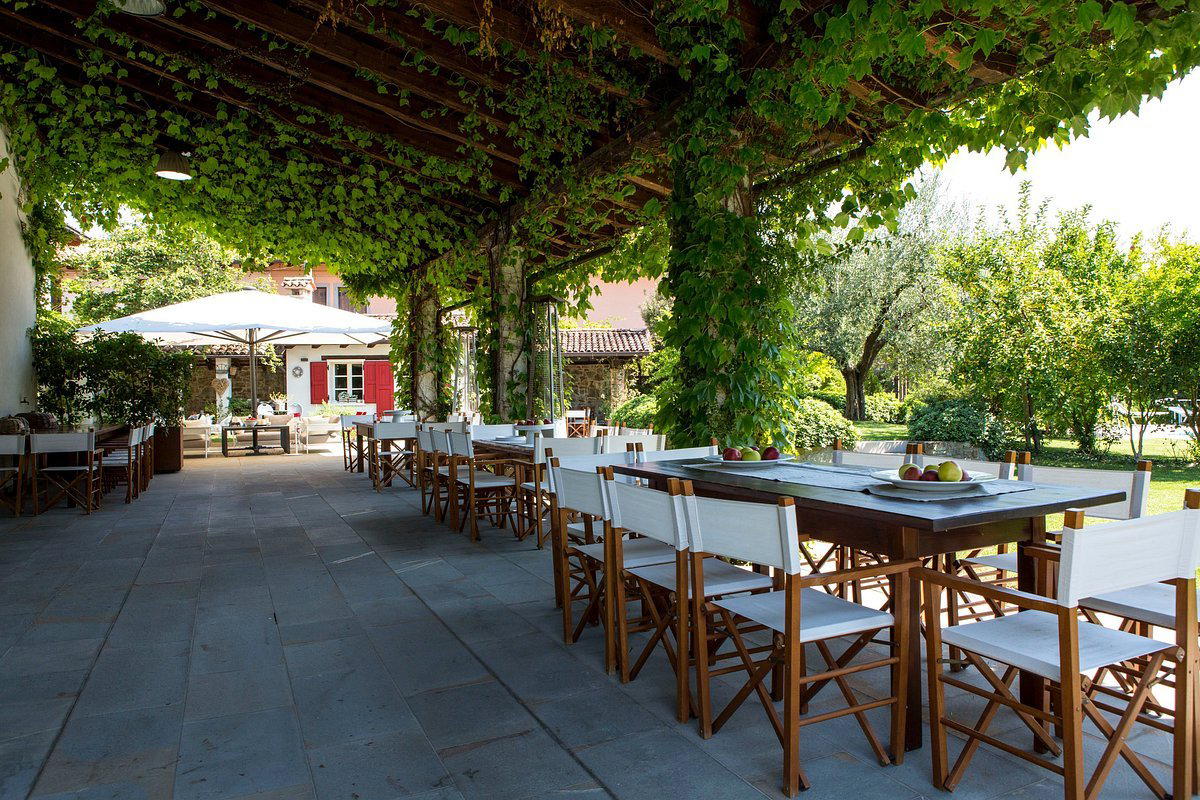
Borgo San Daniele works for a planned Cormons wine visit, especially if external recognition matters: Falstaff lists it at 4 Stars for 2026. Confirm tasting format, timing, food availability, and group capacity before committing, because the public-facing practical details are thin.
Azienda Agricola Gian Paolo e Giovanni Cavalleri
Erbusco, Italy
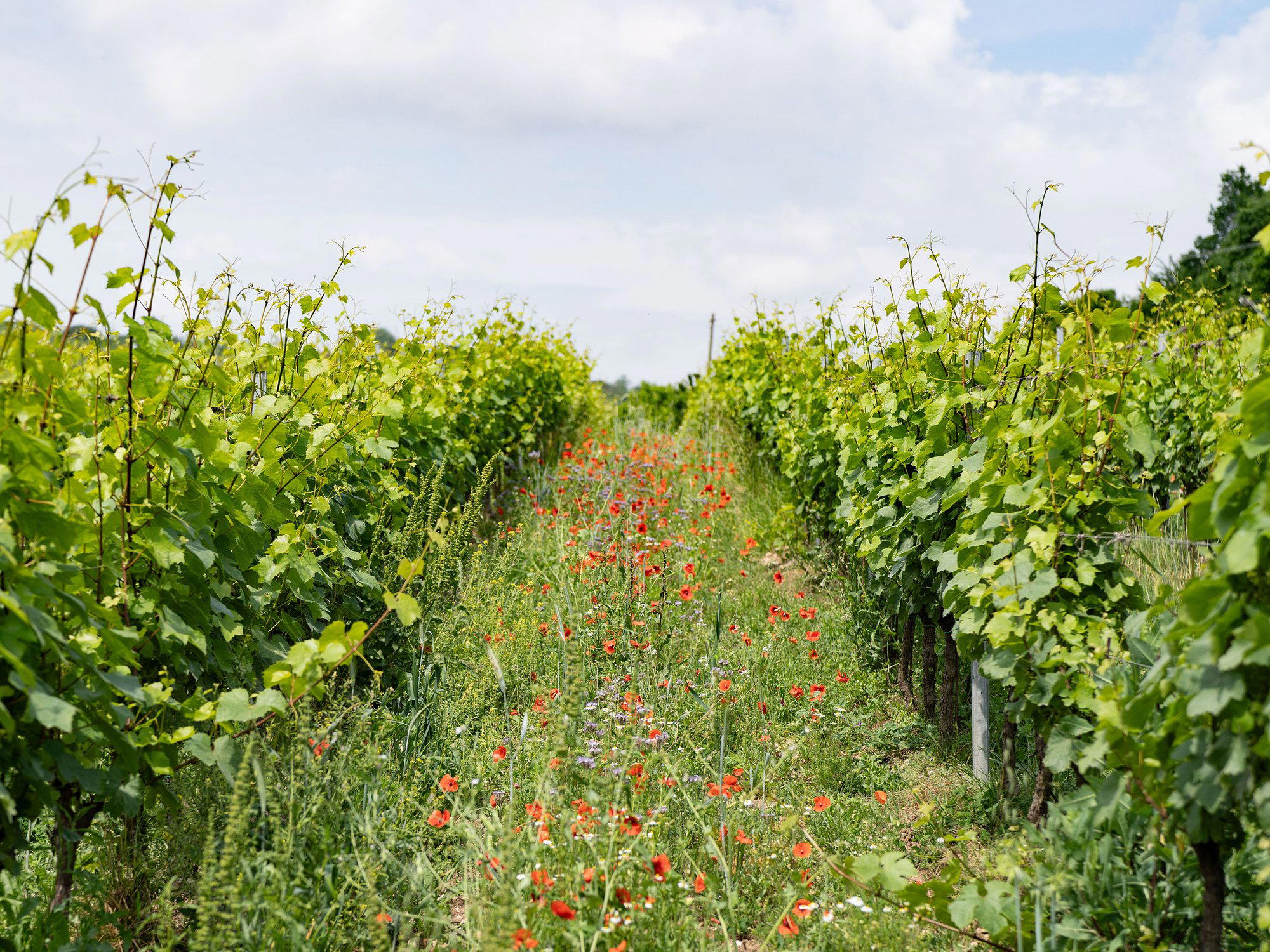
Book Azienda Agricola Gian Paolo e Giovanni Cavalleri if the point of the trip is serious Franciacorta, not a glossy tasting-room afternoon. Its Erbusco hillside setting, organic and biodynamic farming, and Falstaff recognition make it a strong fit for first-time visitors who want a focused look at the appellation’s Chardonnay-led sparkling wines.
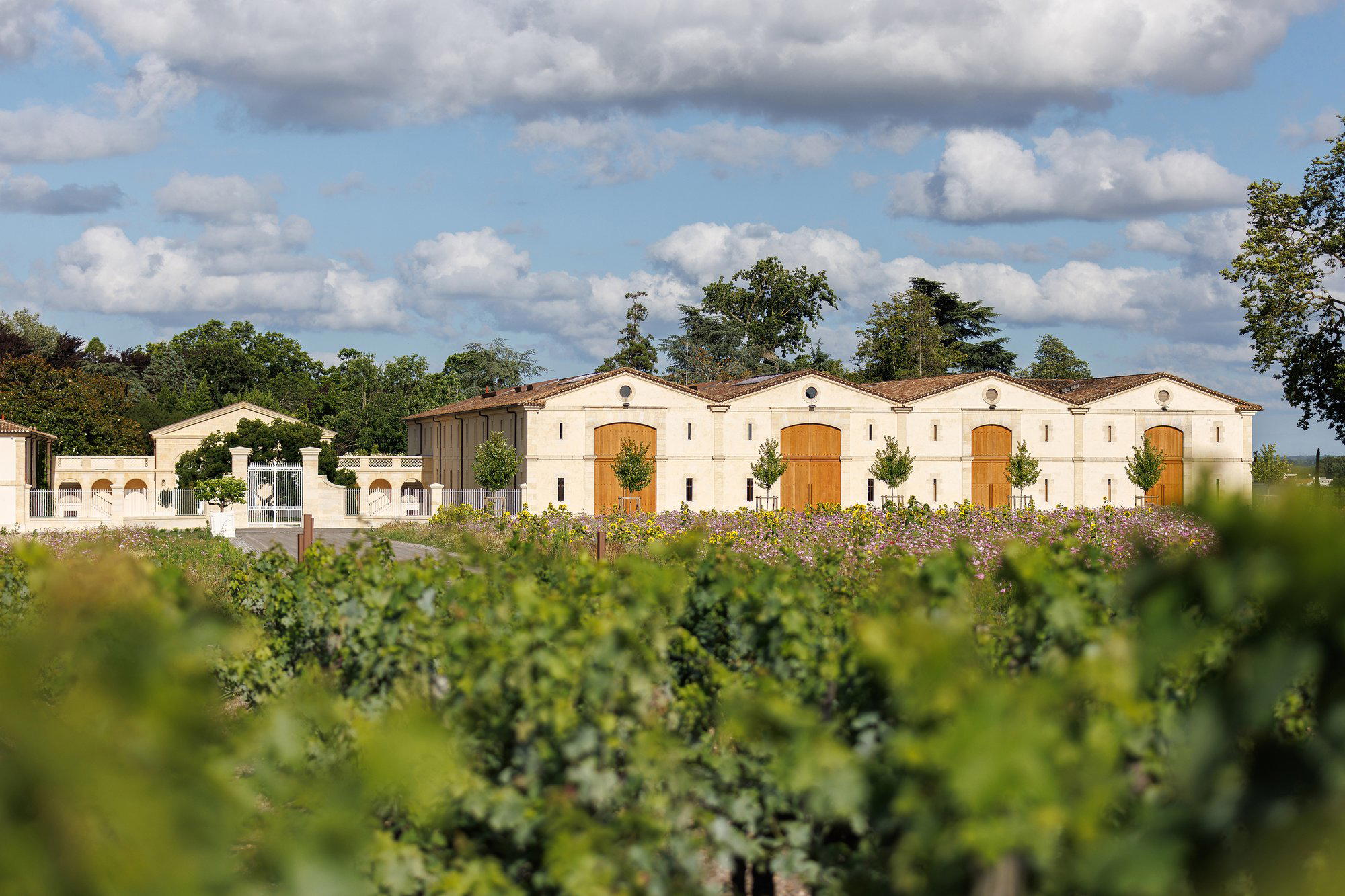
Baron Philippe de Rothschild
Pauillac, France
Book Baron Philippe de Rothschild if the Pauillac day is about serious Médoc context rather than casual tasting volume. The venue carries Falstaff Listed recognition for 2026, so it is a stronger fit for wine travelers building a focused Left Bank itinerary than for visitors trying to squeeze in many scattered stops.
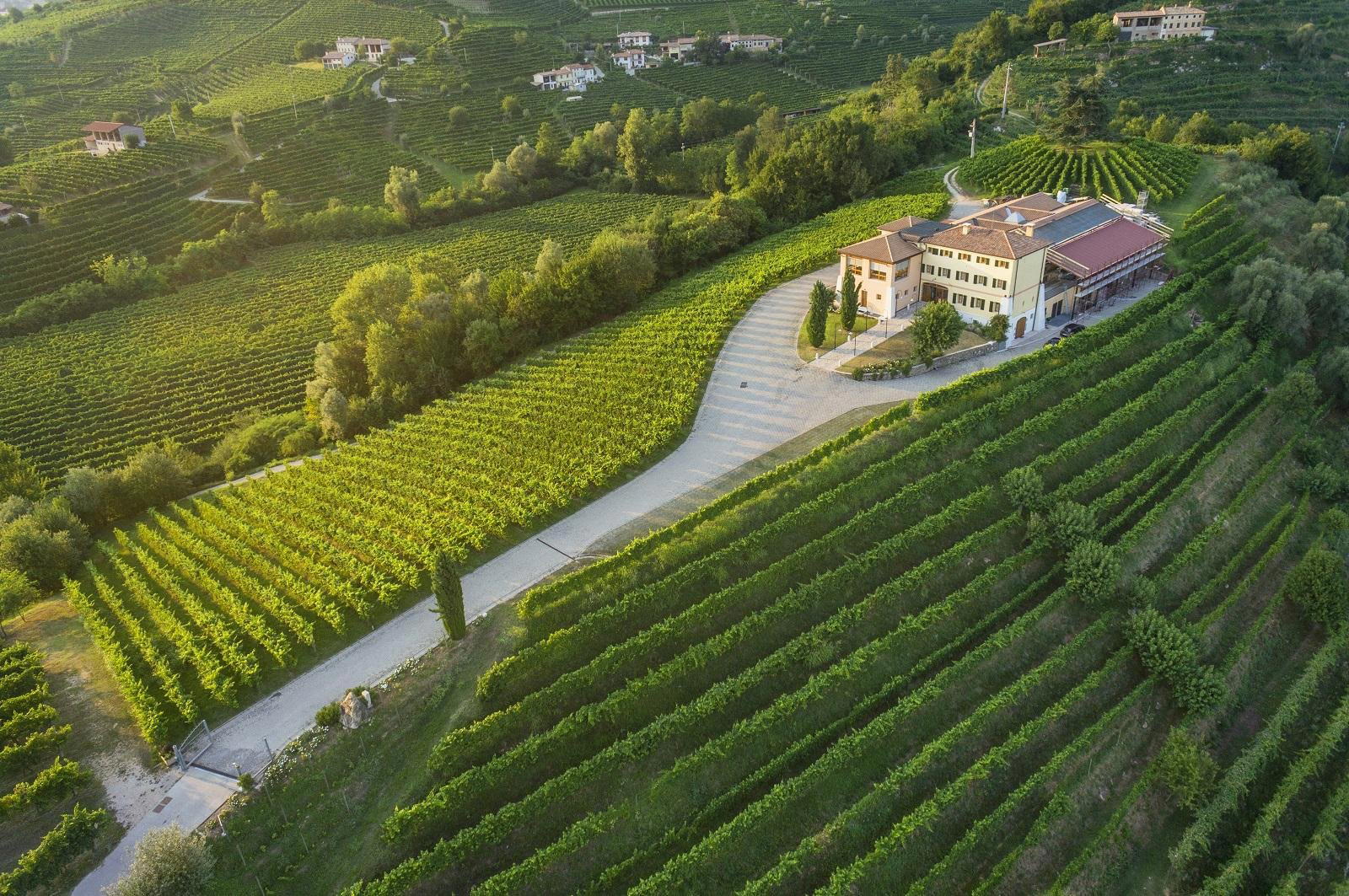
Canevel Spumanti
Valdobbiadene, Italy
Canevel Spumanti is a strong Valdobbiadene pick for travelers who want Prosecco Superiore DOCG explained with production context, not just poured with a view. The case is helped by Falstaff 3 Stars (2026), a focused sparkling-wine portfolio, vineyard setting, and a guided format that suits couples or small groups more than casual party tastings.
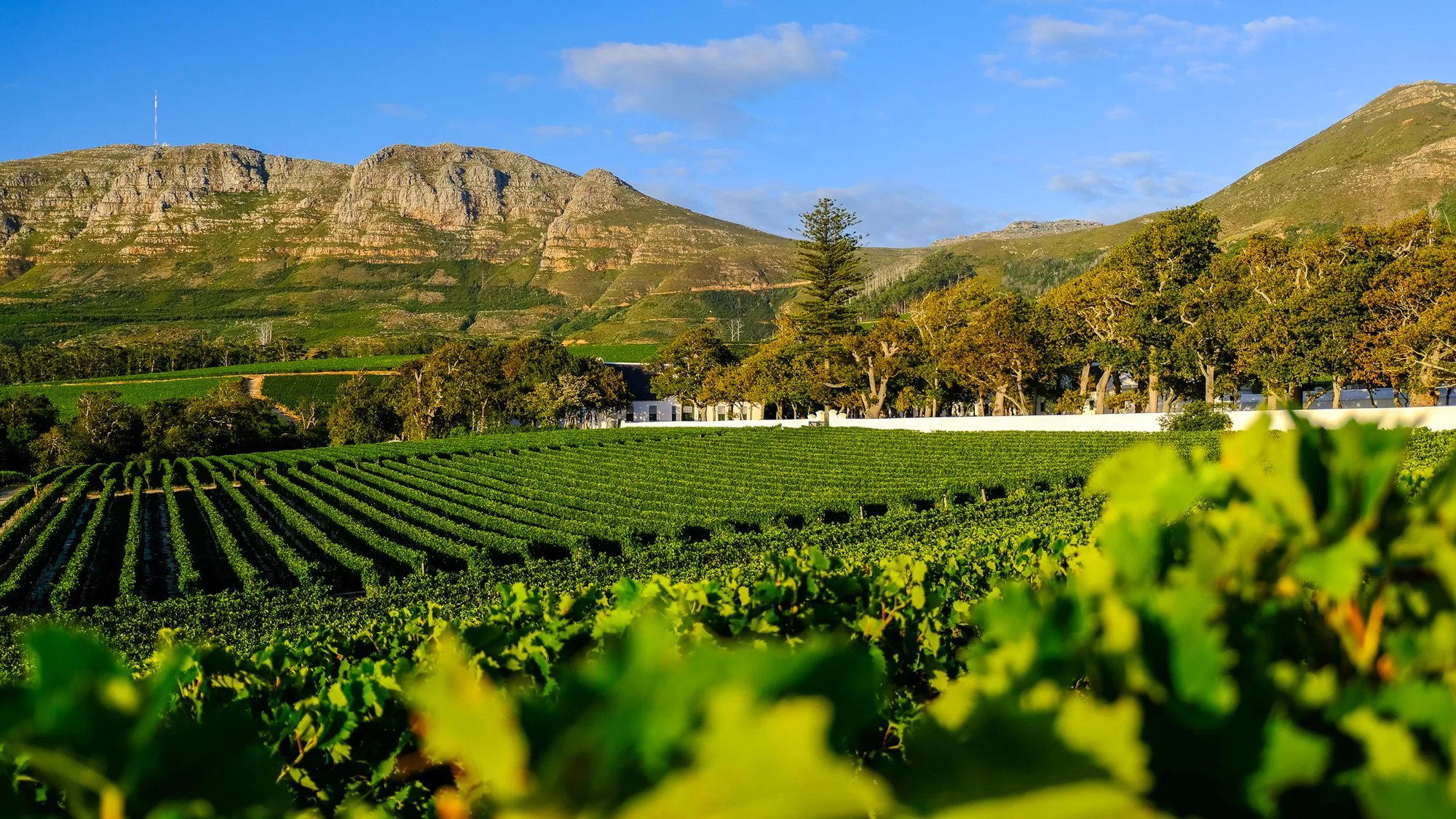
Groot Constantia
Cape Town, South Africa
Book Groot Constantia when the occasion needs Cape Town wine heritage, estate scale, and a setting that feels substantial enough for visitors or celebrations. For a smaller, quieter tasting, Constantia Glen, Beau Constantia, or Buitenverwachting may fit better; this is the stronger choice when the day needs a historic anchor.
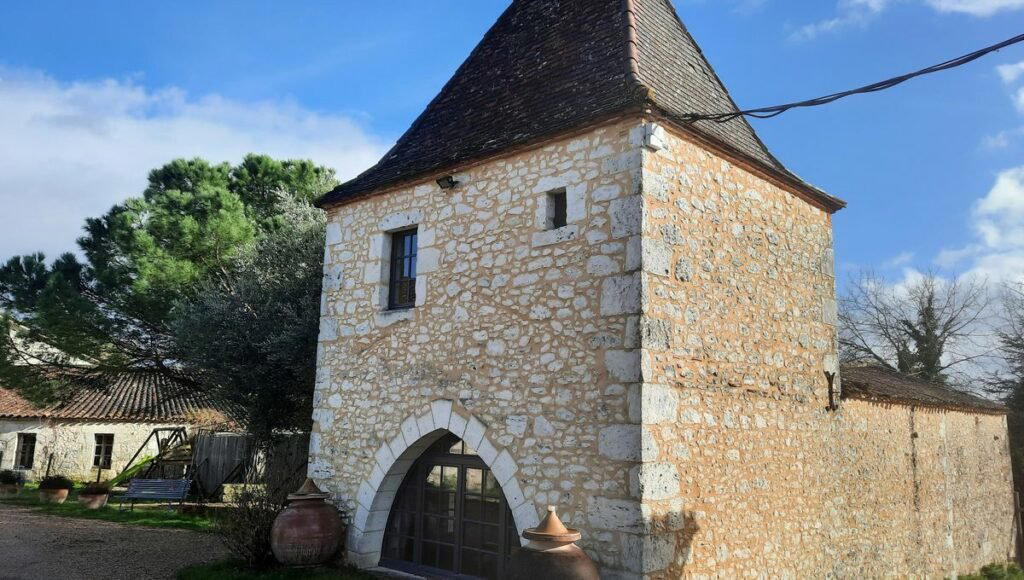
Château Tour des Gendres
Ribagnac, France
Worth shortlisting if the occasion is built around wine rather than a full restaurant experience. Château Tour des Gendres has a 2026 Falstaff winery listing, which gives it a credible quality signal, but details on food, tasting format, group capacity, and shipping need confirmation before planning a celebration around it.
Château du Domaine de l’Eglise
Pomerol, France
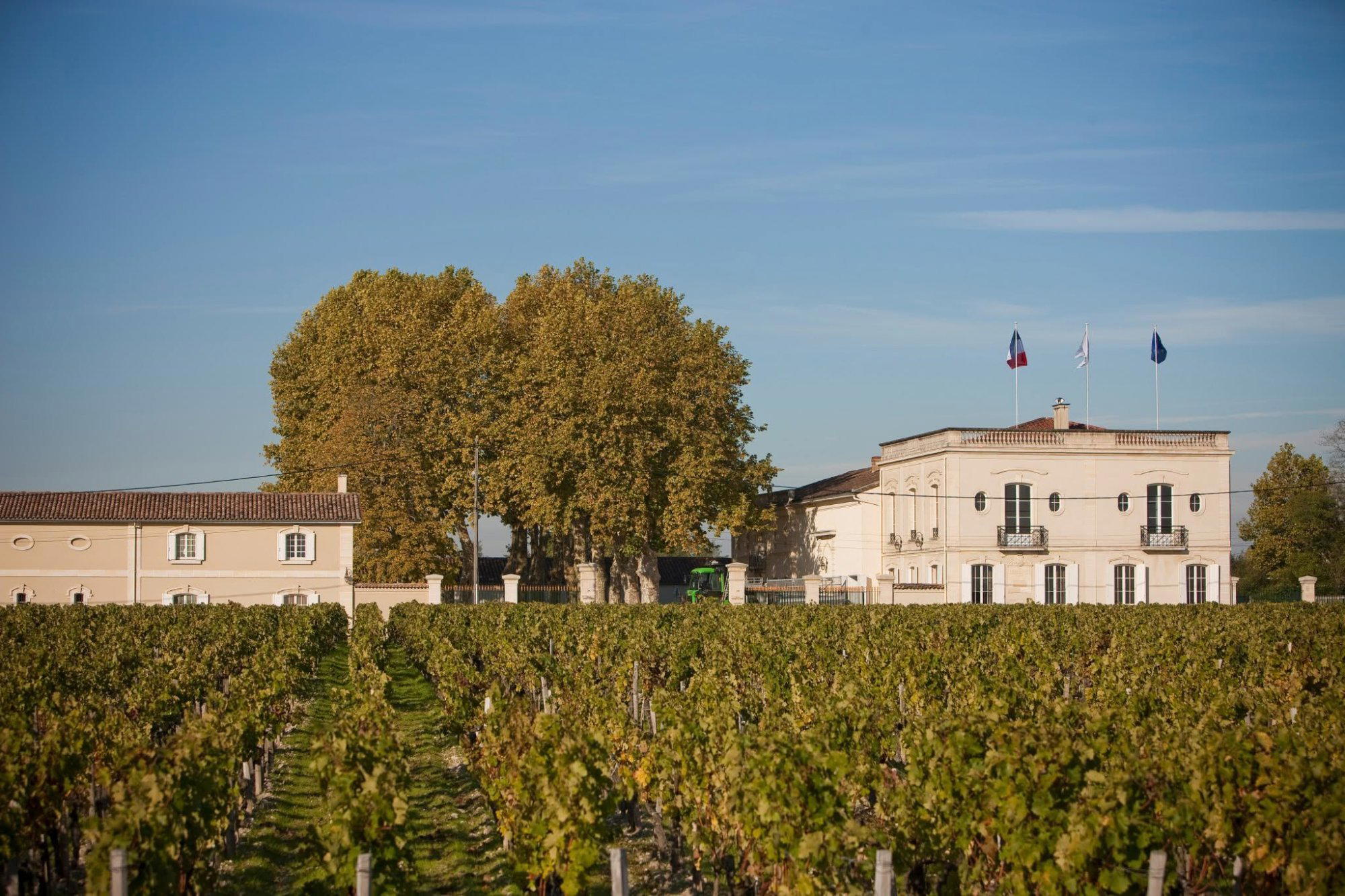
Book Château du Domaine de l’Eglise if the priority is a focused Pomerol visit rather than a broad tasting-room format. The 7-hectare estate centers on one Merlot-led flagship wine, with a style that makes particular sense alongside richer food. It suits wine travellers who want history, vineyard context and cellar perspective more than casual walk-in convenience.
Dalle Vigne
Vinci, Italy
Dalle Vigne works if the goal is wine-business depth in Vinci rather than a classic estate tasting. Its strength is portfolio curation through a network of Italian and international wineries, with ties to the Leonardo da Vinci wine orbit; casual visitors seeking a scenic cellar-door stop should compare other Vinci winery options first.
Château Tour Haut-Caussan
Blaignan Prignac, France
Book Château Tour Haut-Caussan if you want a grounded northern Médoc estate rather than a high-gloss château stop. The draw is the combination of Courrian family continuity since 1877, gravel-grown Médoc structure, an 18th-century windmill setting and serious-value Bordeaux credentials. It is better for wine context than for spectacle.
G-Wine Cradle of Wine
Tbilisi, Georgia
Use G-Wine Cradle of Wine as a flexible Tbilisi wine stop rather than the centerpiece of a winery itinerary. Its 2026 Falstaff listing gives it a credible recognition marker, but the stronger reason to go is convenience within the city, especially if Georgian wine is one part of a broader Tbilisi day.
Kaesler Wines
Barossa Valley, Australia
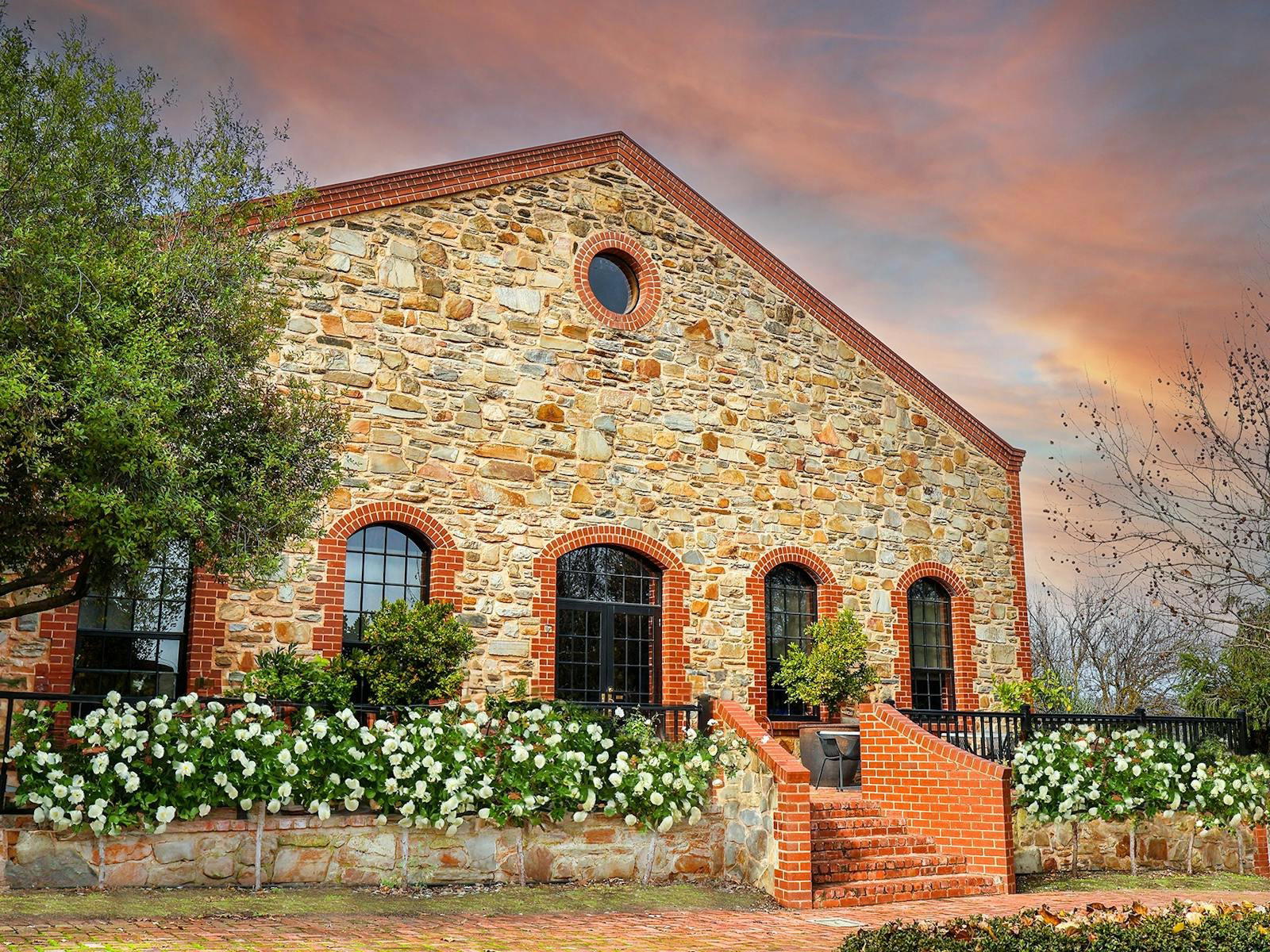
A serious Nuriootpa stop for Barossa visitors who want focused regional context rather than a broad tourism experience. Book it for a calmer, wine-led itinerary; cross-shop larger estates if the group wants dining, architecture, or an easier social tasting built into the same stop.
Weingut Juliusspital
Würzburg, Germany
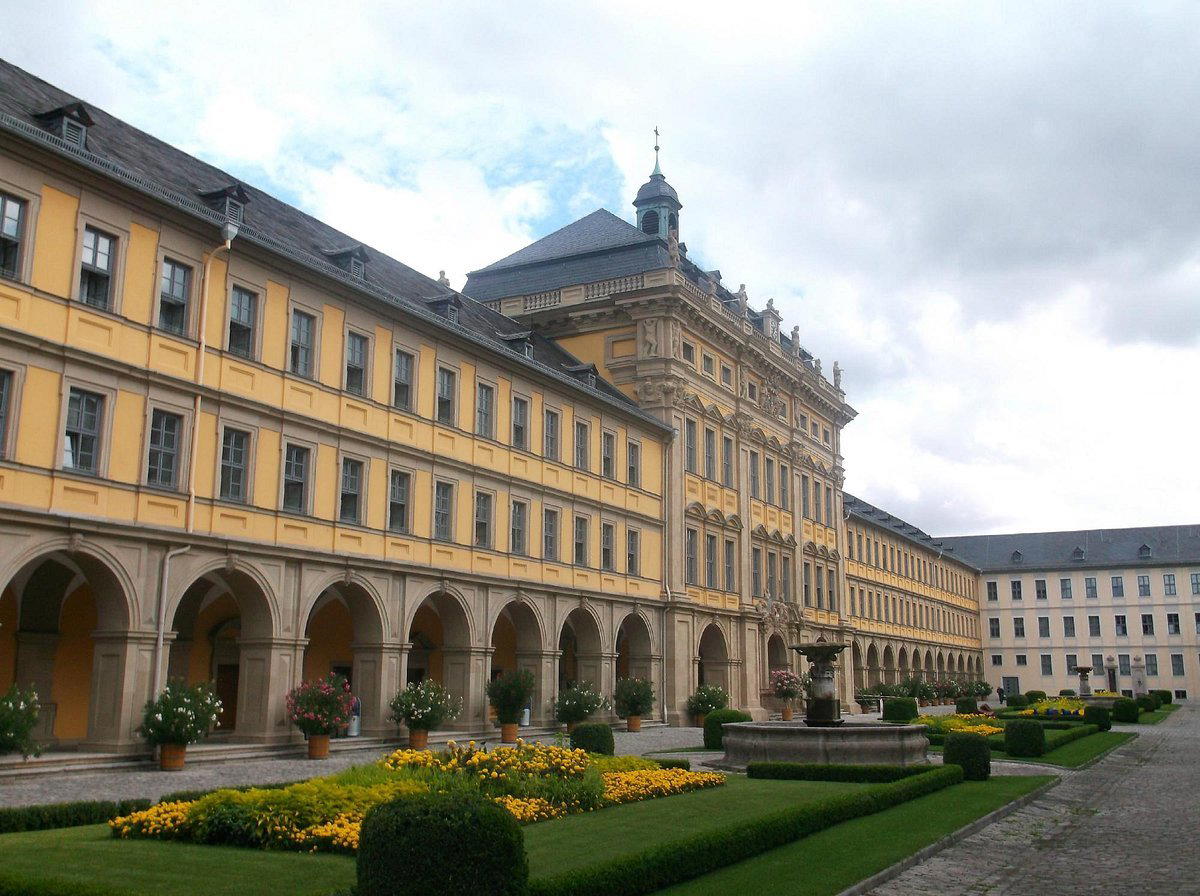
Prioritise Weingut Juliusspital if you want a serious Würzburg wine anchor rather than a casual tasting stop. It is strongest for first-timers trying to understand Franconian wine through a prestige city producer, especially if flagship bottles and cellar-worthy purchases matter more than food or a countryside setting.
Anne-Catherine et Sébastien Ruchonnet
Rivaz, Switzerland
A good Rivaz booking for wine travelers who care about Lavaux’s terrace setting, not just a quick tasting. The estate is intimate and appointment-led, with Grand Cru Chasselas and elegant reds giving enough depth to justify the stop for couples or small groups focused on Swiss wine.
Château Hostens-Picant
Les Leves Et Thoumeyragues, France
Book Château Hostens-Picant if you want a quiet, guided Sainte-Foy Côtes de Bordeaux tasting with real farming context. The draw is the family-owned organic estate, hillside setting and red-white Bordeaux range, not a flashy hospitality setup. It is strongest for couples or small groups planning ahead.
Château Biston Brillette
Moulis En Medoc, France
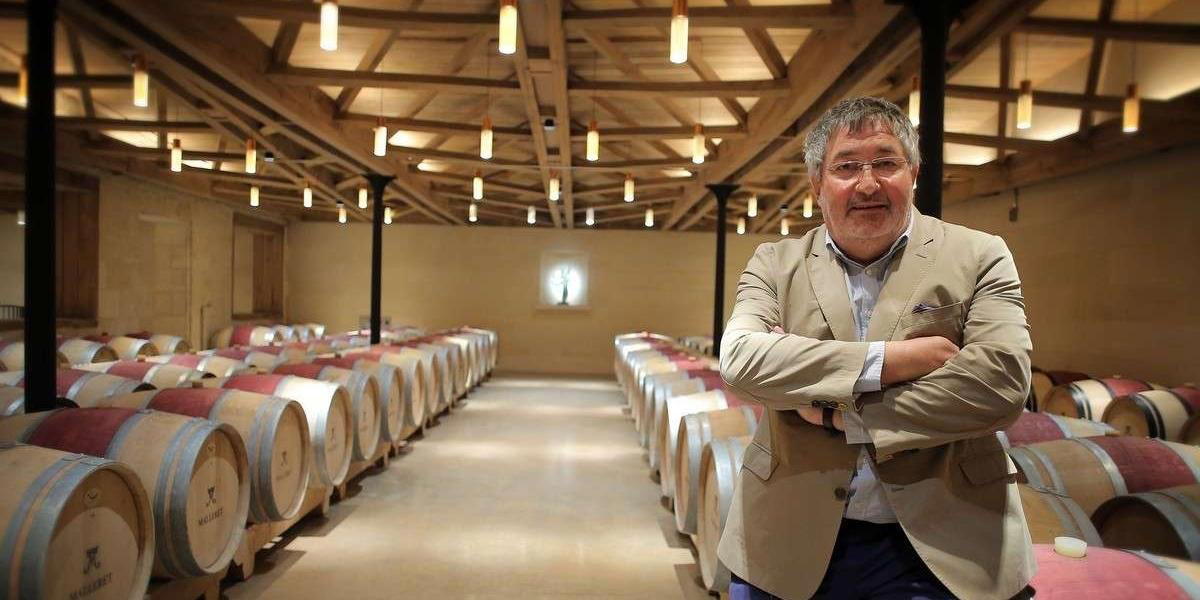
Book Château Biston Brillette if you want a relaxed, producer-led Moulis-en-Médoc visit with cellar context rather than a polished luxury tasting. The estate is a strong fit for wine travelers who care about Cabernet-Merlot blends, gravel and clay-limestone soils, and family-estate continuity. Booking is recommended, and the tone suits small, curious groups better than visitors seeking a formal hospitality production.
Domaine des Gourdins
Libourne, France
Worth considering for serious Right Bank context rather than a polished tasting-room outing. Domaine des Gourdins is a tiny Saint-Émilion A.O.C. estate with a single Merlot-Cabernet Franc red, Pomerol vinification, and Falstaff Listed recognition in 2026. Go if production choices matter more than visitor amenities.

Cantine Delibori
Bardolino, Italy
Book Cantine Delibori if the priority is a practical Bardolino Classico tasting with broad Verona-area coverage rather than a high-gloss hospitality experience. The draw is range: Garda whites, Bardolino, Valpolicella, Ripasso and Amarone give mixed-taste groups a useful regional overview in one appointment.
Jako vino
Bol, Croatia
A strong first Brač tasting if you want local grapes, waterfront setting, and a polished room inside a renovated 1903 cooperative building. The private or upgraded format is worth considering because the venue’s value comes from context as much as the glass: stone, island identity, and Dalmatian varieties.
La Bollina
Serravalle Scrivia, Italy
A sensible Serravalle Scrivia winery pick for first-timers who want an easy-to-plan Piedmont stop with a credible Falstaff Listed 2026 signal. Book it for a flexible tasting and on-site value judgment, not for a preconfirmed flagship bottle, published wine club terms, or detailed pricing in advance.
Bioweingut Moritz
Horitschon, Austria
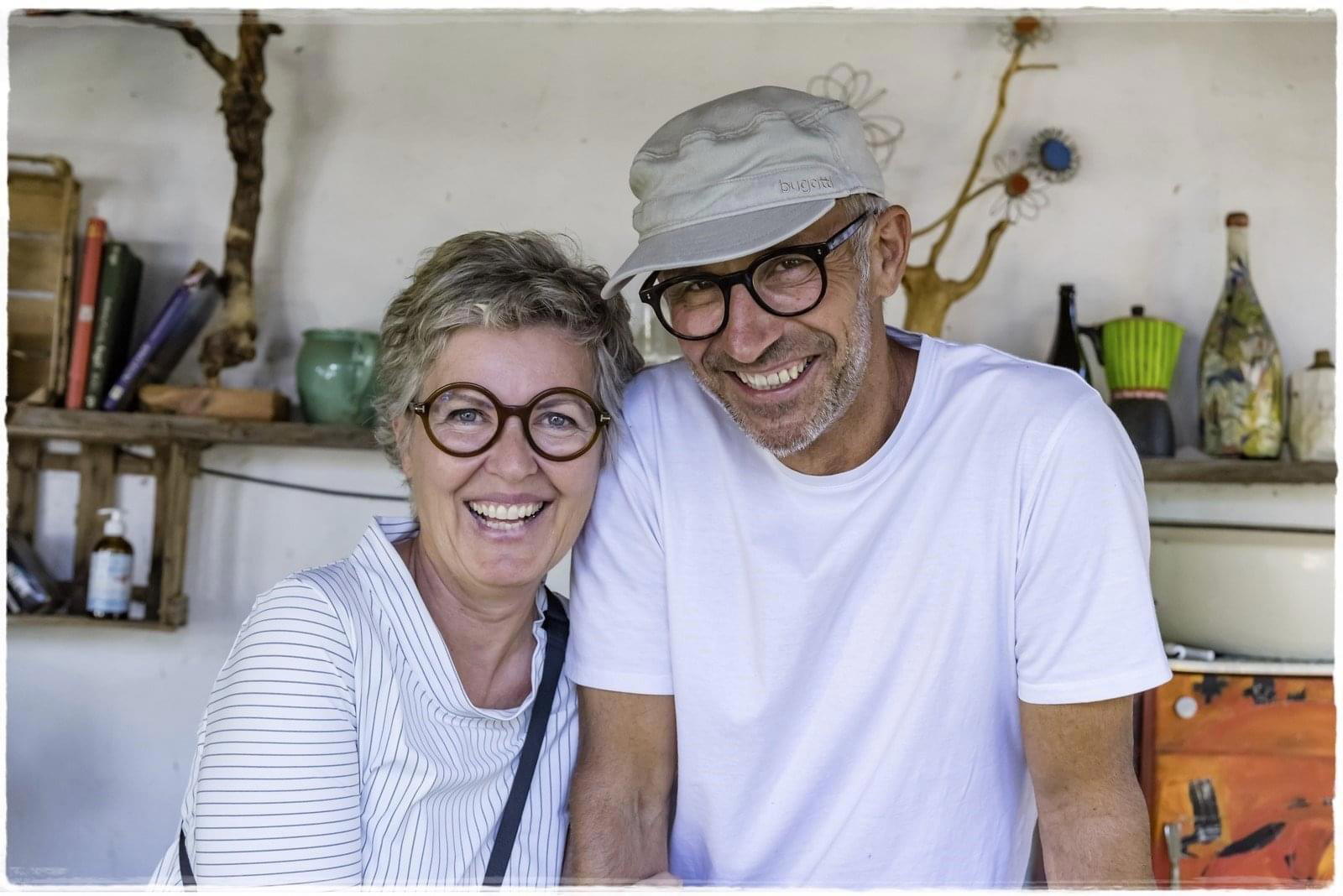
Bioweingut Moritz is a sensible Horitschon stop for drinkers specifically interested in organic wine and Central Burgenland context. The value case is promising but not fully transparent without published pricing or tasting details, so treat it as one stop within a wider winery route rather than the sole reason for a trip.
Château La Mission Haut-Brion
Talence, France
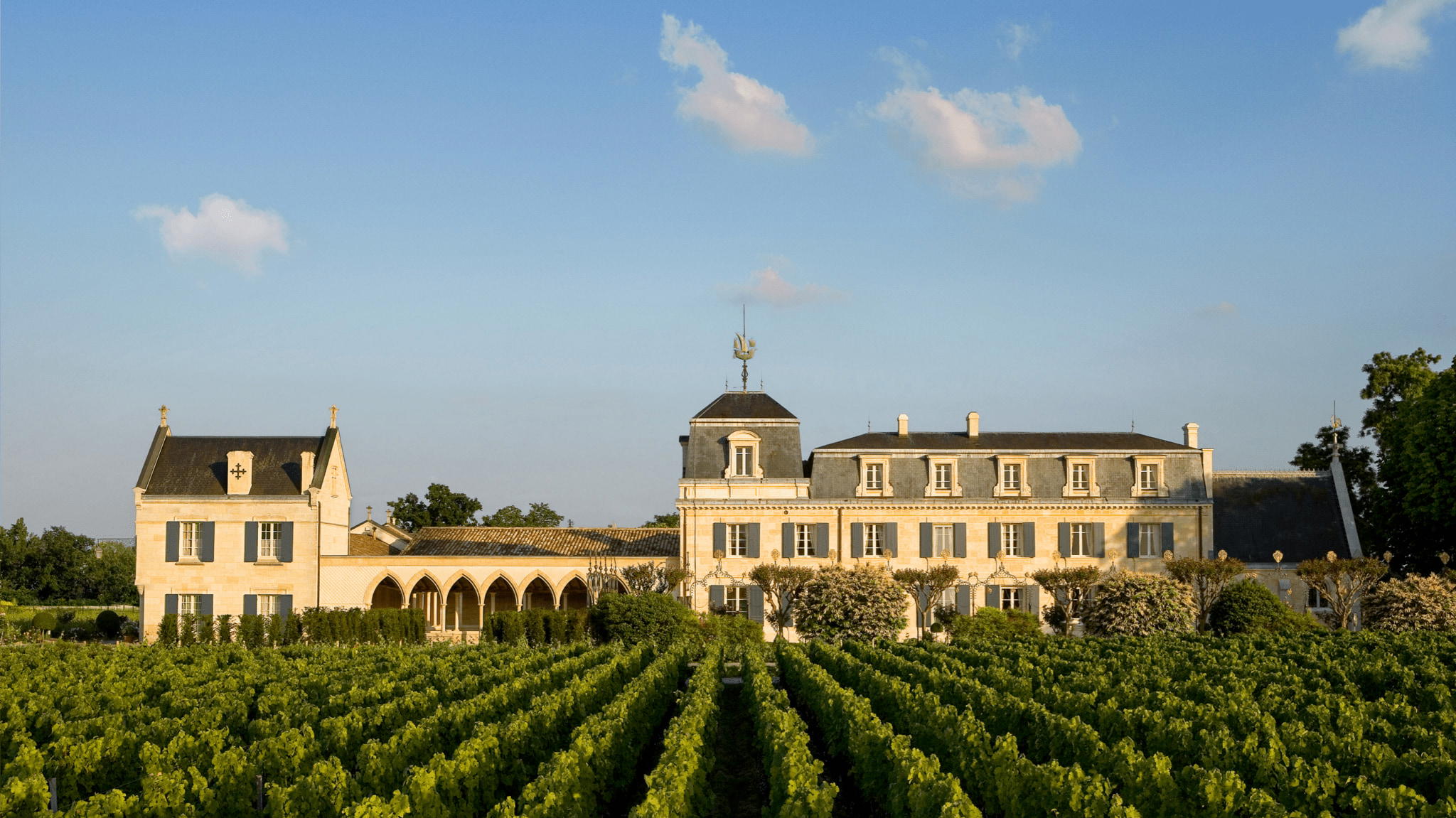
Book Château La Mission Haut-Brion for a serious Pessac-Léognan wine visit where the chapel, cloister, and Graves setting add real weight to the experience. It is strongest for collectors, special occasions, and Bordeaux-focused travelers, with Falstaff Winery 4 Stars in 2026 and a reputation anchored by its Graves Cru Classé status.
Château Petit Bocq
Saint-Estèphe, France
Château Petit Bocq is worth arranging for Saint-Estèphe visitors who want a practical, vineyard-first appointment rather than a luxury château showcase. The appeal is its Merlot-led Left Bank blend, working-winery atmosphere, and value-minded position in the Médoc, especially for drinkers comparing vintages or building a cellar around structured but accessible Bordeaux.
Soalheiro
Melgaço, Portugal
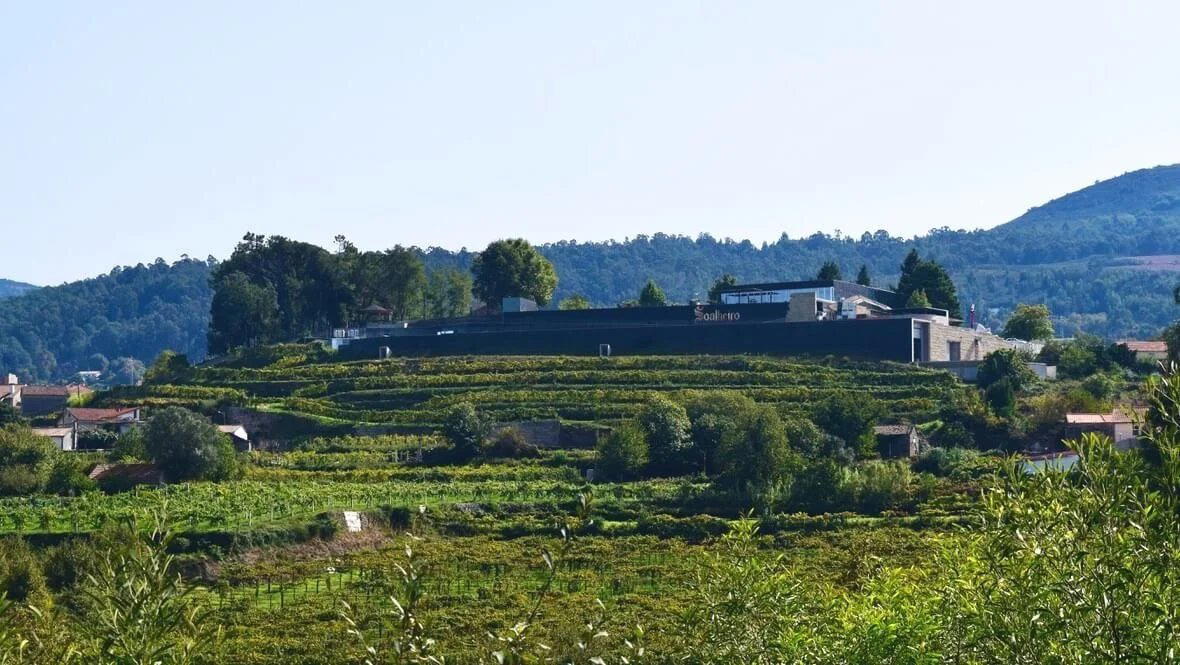
Soalheiro is the Melgaço winery to prioritize if the trip is about Alvarinho and the more serious side of Vinho Verde. It is better for focused first-timers than casual drop-ins, with recognition from Pearl 2 Star Prestige and World's 50 Best Vineyards supporting its place on a northern Portugal wine itinerary.
Domaine Meyer-Fonné
Katzenthal, France
Book Domaine Meyer-Fonné if the goal is a serious, low-frill Alsace tasting focused on dry, terroir-driven whites. The $$ positioning and Falstaff 2 Stars recognition make it a strong value play for wine-focused visitors, but it is not the pick for groups wanting food, polished hospitality or a long lounge-style stop.
Dublette Pasqua
Verona, Italy
Dublette Pasqua is worth booking if you want a polished Verona winery visit with guided Veneto context rather than a casual cellar stop. The fit is strongest for celebrations, business hosting, and travelers who want Amarone, Valpolicella, and Soave explained in a structured tasting setting. Falstaff Listed in 2026, it offers a credible, accessible entry point into the region.
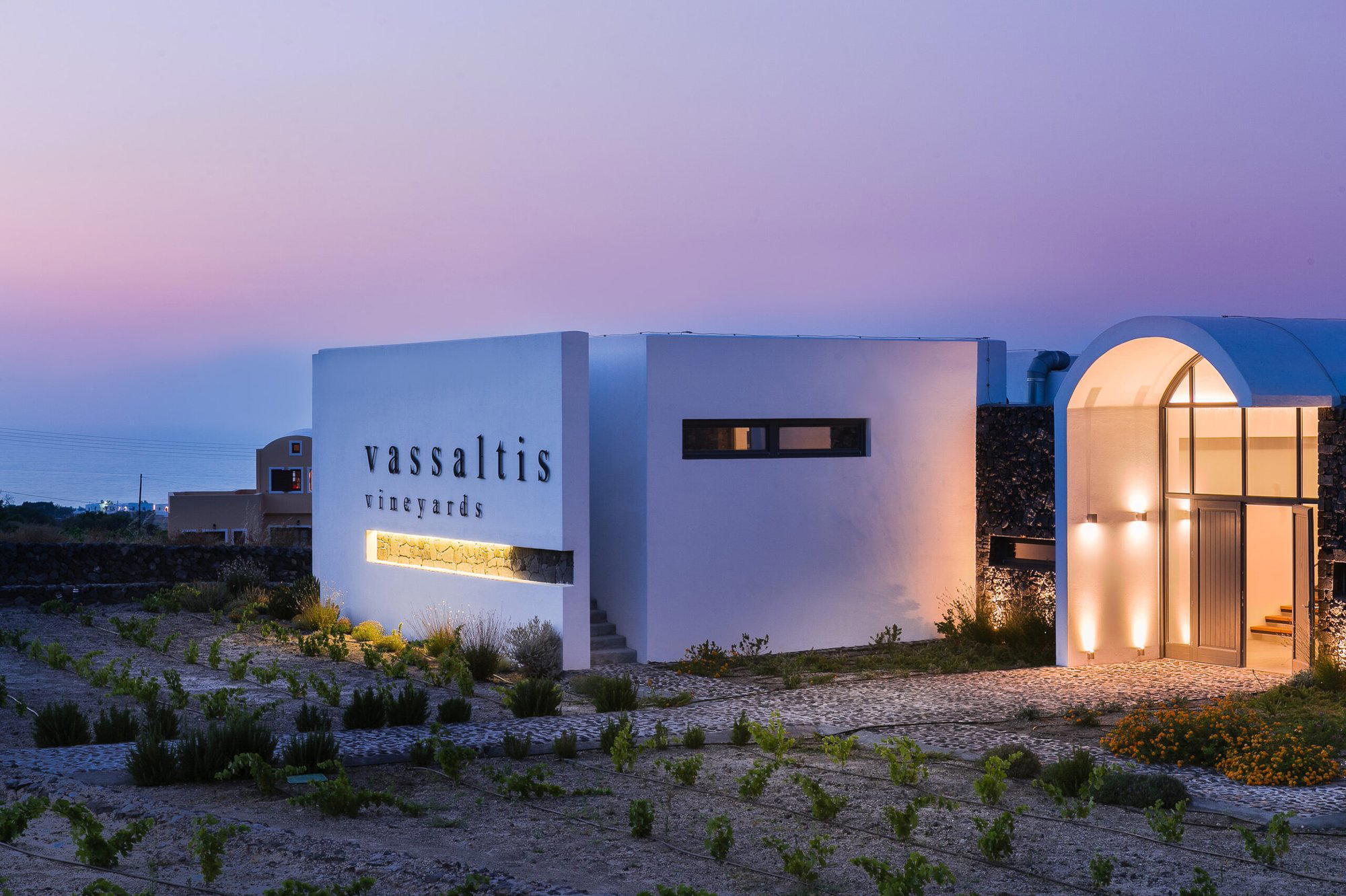
Vassaltis Vineyards
Vourvoulos, Greece
Vassaltis Vineyards is the Santorini choice for a quieter, wine-led tasting rather than a broad sightseeing stop. It suits couples, small groups, and celebration itineraries that need a composed setting, but peak-season availability can be difficult, so treat it as an early booking rather than a fallback.
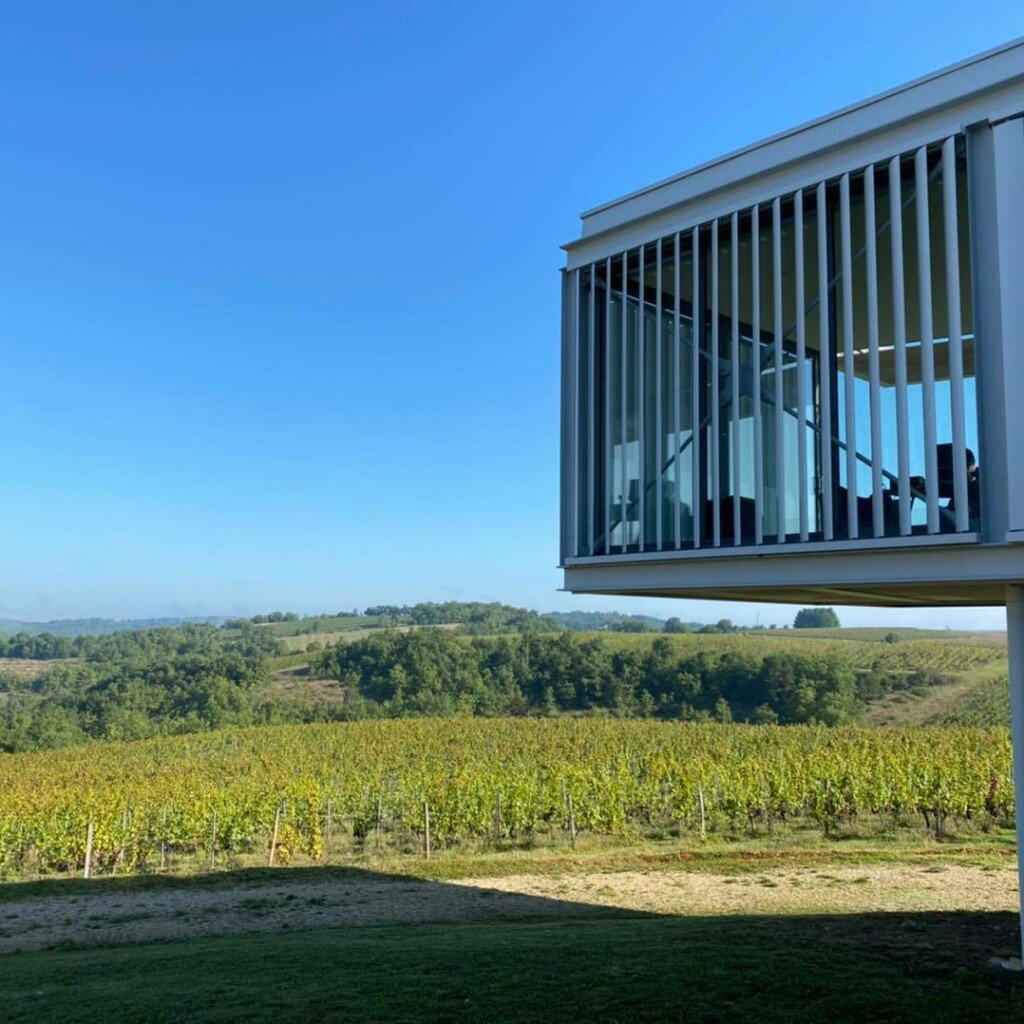
Château de Chambert
Floressas, France
Château de Chambert works as a Floressas wine-country stop, especially for travelers building an Occitanie itinerary around estates rather than confirmed restaurant dining. The 2026 Falstaff listing adds credibility, but cuisine, pricing, and booking specifics are not established here, so plan it as a wine visit first.
Château Maine Chaigneau
Neac, France
Château Maine Chaigneau is a good fit for a quieter Lalande de Pomerol tasting focused on Merlot, cellar work, and family-run Bordeaux rather than elaborate food pairings. Prioritize Cuvée JS and the estate’s low-intervention vineyard practices if you want a more technical visit.
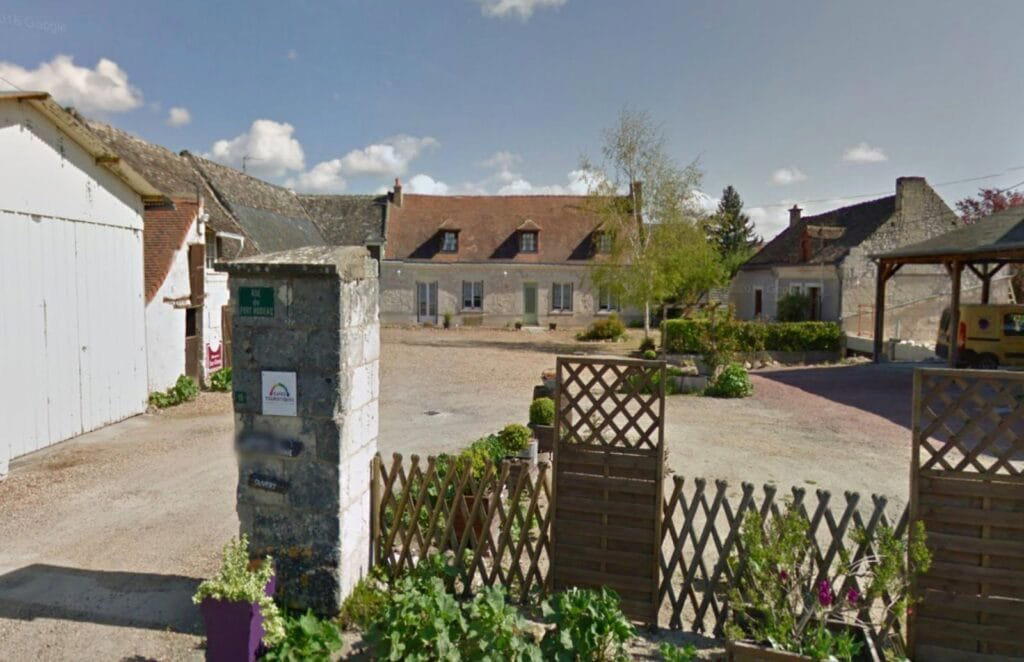
Domaine de la Chevalerie
Restigne, France
A strong pick for serious Loire wine travelers who want Cabernet Franc, cellar context, and family-run Bourgueil history rather than a food-pairing showcase. The visit is best treated as a focused tasting stop: intimate, guided, and rooted in biodynamic farming, with the tuffeau caves doing much of the work.
Château Saint Hilaire
Castres Gironde, France
Château Saint Hilaire is worth prioritizing if you want relaxed, family-run organic Graves rather than a formal Bordeaux château experience. The draw is practical: a long organic track record since 1970, accessible $$ positioning, walk-in-friendly planning, and Falstaff listing recognition for 2026. Best for couples or small groups building a low-pressure Castres-Gironde wine day.
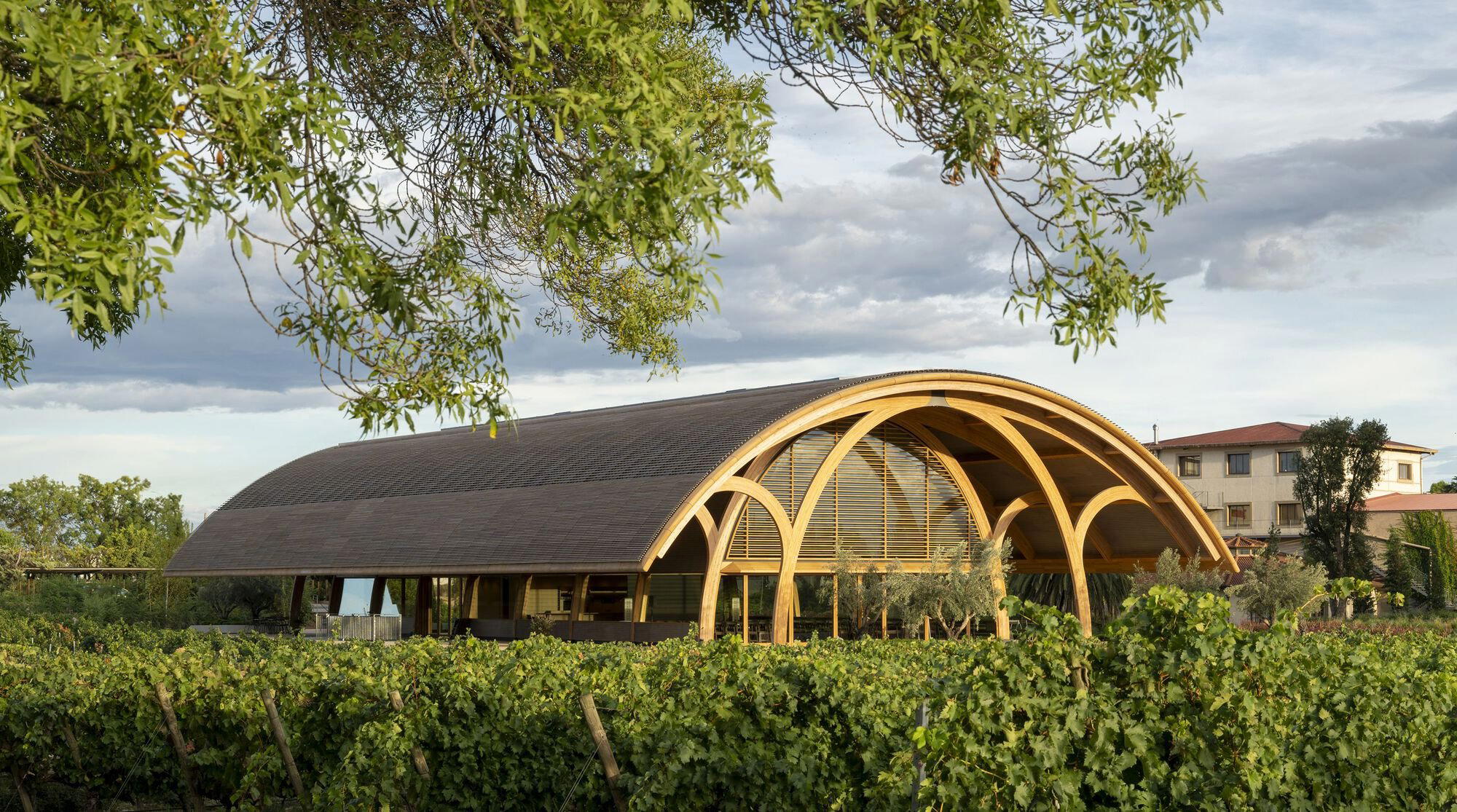
Bodegas Laturce
Oyón, Spain
Book Bodegas Laturce if the goal is a reliable Rioja Reserva reference rather than a boutique cellar-door showpiece. Its strongest argument is traditional Tempranillo from Rioja Alavesa with El Coto de Rioja group backing and Falstaff 2 Stars in 2026; confirm access before building a day around it.
Casa de Sezim
Guimaraes, Portugal
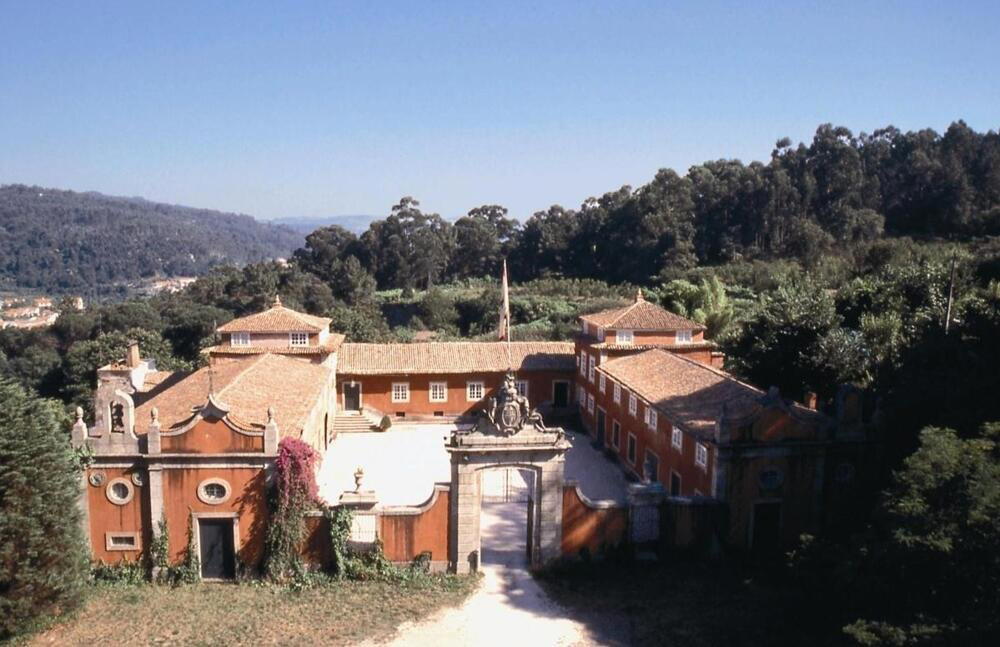
Casa de Sezim is worth booking if the priority is a peaceful Vinho Verde visit tied to an 18th-century manor setting near Guimarães. The value is in the estate context, guided vineyard and winery visit, and two-wine tasting with snacks, not a large technical flight. Best for couples, small groups, and wine travelers who want heritage with production detail.
Greyrock
Hastings, New Zealand
Greyrock is a focused Hastings-linked wine pick for travellers who want New Zealand Sauvignon Blanc context rather than a long hospitality agenda. The draw is its Hawke’s Bay and Marlborough sourcing, approachable premium style, and Falstaff Listed 2026 recognition; plan it as part of a wider Hawke’s Bay wine day, not as the only stop.
Caves du Paradis Olivier Roten SA
Sierre, Switzerland
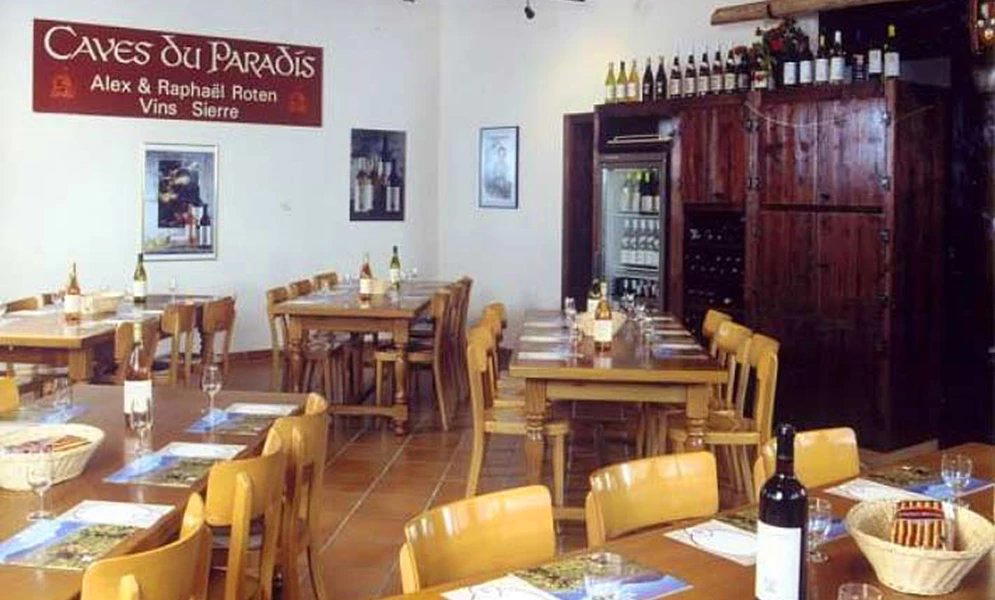
Caves du Paradis Olivier Roten SA is a focused Sierre wine stop for travelers who care more about bottle assessment than a heavily produced visitor experience. The key trust signal is Falstaff listing in 2026; go with buying questions ready, keep timing flexible, and use it as part of a broader Valais wine day rather than the only anchor.
Corte Sermana
Peschiera del Garda, Italy
Book Corte Sermana if you want a focused Lugana tasting rather than a broad Veneto sampler. The draw is Turbiana in several formats, from dry Lugana to Reserve, sparkling, Passito, and grappa, with a food-friendly profile that makes sense around Lake Garda meals. It suits curious wine travelers more than groups chasing a quick pour.
Giovanni Ruffo
Lavagno, Italy
Giovanni Ruffo is a cautious add-on for a Lavagno wine itinerary, not a venue to build the whole day around. The Falstaff Listed (2026) recognition gives it a useful trust signal, but practical details on tastings, food, flagship wines, and hospitality format are thin, so flexible planners will get more from it than tightly scheduled groups.
How many of these have you visited?
Find out on Pearl and keep score across every place in 2026 Falstaff Winery Guide.