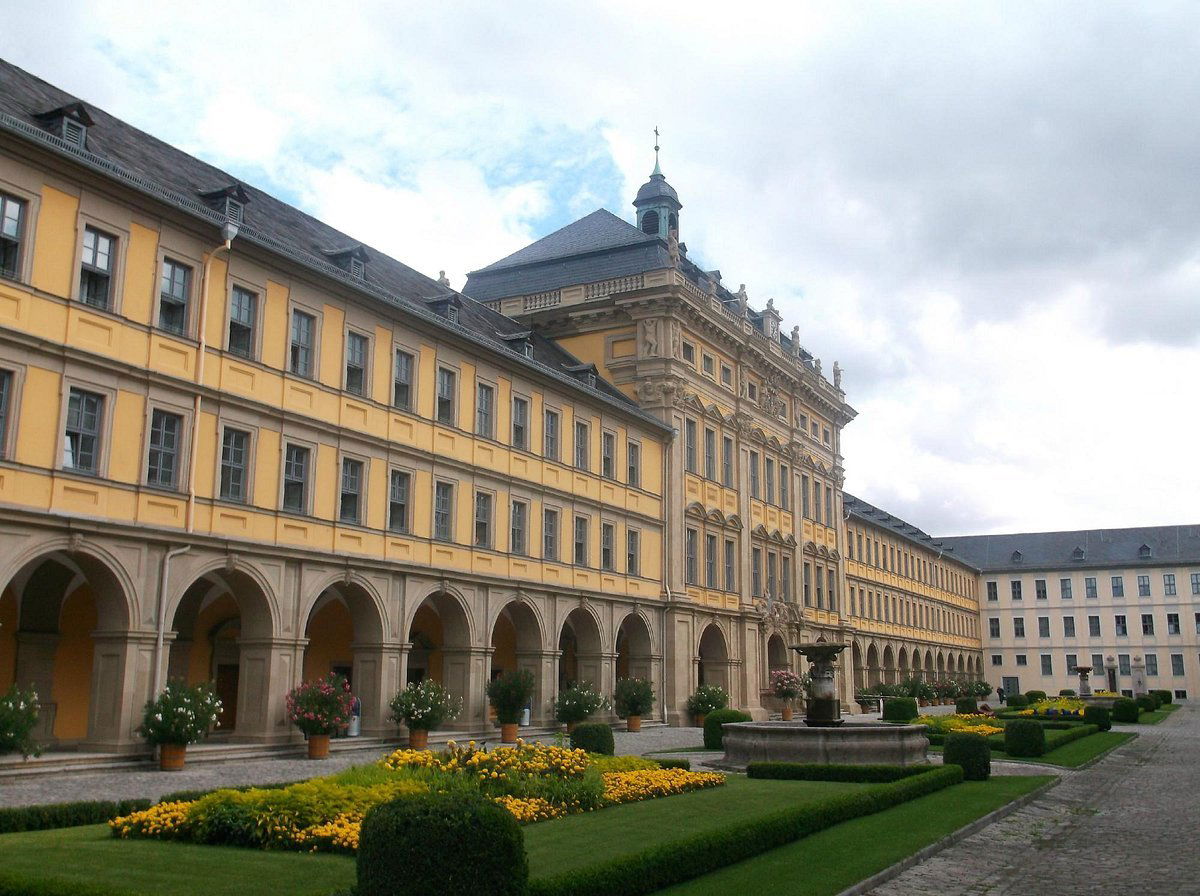

Weingut Juliusspital
Würzburg center, Würzburg
Winery in Würzburg, Germany
 Book with Pearl
The Read
Institutional Franconian Silvaner
Price
$20–30tasting
Why go
Prioritise Weingut Juliusspital if you want a serious Würzburg wine anchor rather than a casual tasting stop. It is strongest for first-timers trying to understand Franconian wine through a prestige city producer, especially if flagship bottles and cellar-worthy purchases matter more than food or a countryside setting.
About Weingut Juliusspital
Weingut Juliusspital is a Würzburg venue with clearly confirmed Pearl 3 Star Prestige recognition for 2025. With limited public details available here, the safest way to plan is to check directly before you go rather than relying on assumptions about format, menus, prices, hours, or services.
The dress code is smart casual, so visitors should plan for a polished but not overly formal appearance. Beyond that, confirm any practical details with the venue in advance, especially if your visit depends on a particular timing, service, or group arrangement.
Prioritise the confirmed essentials over assumptions
The most reliable planning details are direct: the venue is in Würzburg, it carries Pearl 3 Star Prestige recognition for 2025, and the dress code is smart casual.
That makes Weingut Juliusspital best approached with a confirmation-first mindset. If it is an important part of your Würzburg itinerary, contact the venue directly and verify the exact experience available on the date you plan to visit.
Who should choose it, and who should cross-shop
Choose this if you want a Würzburg venue with a confirmed Pearl 3 Star Prestige distinction and you are comfortable checking the details before committing. If food is the centre of the plan, cuisine details are not part of the available profile, so pair the decision with separate dining research through Our full Würzburg restaurants guide, and use Our full Würzburg hotels guide if the visit is part of an overnight stay.
For comparison, Weingut Bürgerspital zum Heiligen Geist is another Würzburg name to consider. Other relevant names include Weingut Schmitt's Kinder, Weingut Rainer Sauer, Weingut Horst Sauer, and Weingut Hans Wirsching, depending on how broadly you are planning around the region.
Bottom line: keep Weingut Juliusspital on the shortlist if you want a Würzburg venue with confirmed Pearl 3 Star Prestige recognition and a smart-casual expectation. Confirm the rest directly before building a day around it.
Planning details
- Location
- Klinikstraße 1, 97070 Würzburg
- Website
- juliusspital-weingut.de/index.html
- Phone
- +49 931 3931400
The take
The Take
The Vibe
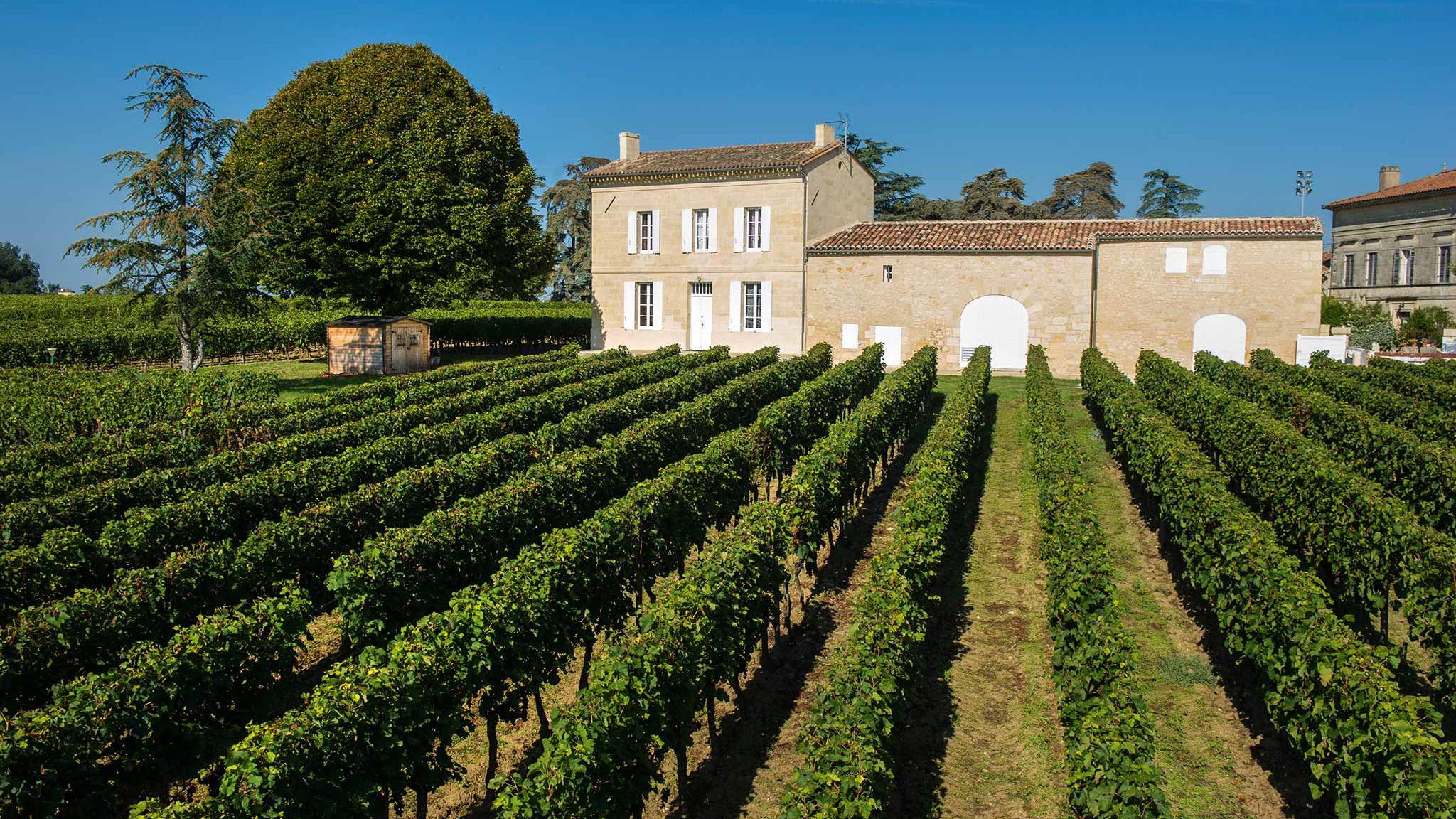
Weingut Juliusspital reads like an institutional pillar of Franconian winemaking: historic in origin, quietly prestigious in execution and anchored to civic purpose. The estate’s century-spanning role — producing wines to fund hospitals and social care — gives it a gravitas that feels both communal and ceremonial. In the glass the wines show mineral austerity shaped by shell limestone and Muschelkalk soils; stylistically they favour dry, food-friendly profiles rather than international fruitiness. Visiting feels like stepping into a regional tradition where place, geology and a long-running mission matter as much as individual bottlings.
Best For
This is a destination for anyone interested in the intersection of history and terroir: students of German wine, specialists exploring Franconian Silvaner and Riesling, and visitors marking a memorable occasion. The estate’s holdings in top sites such as Würzburger Stein make it especially relevant for comparative tastings and focused wine-education outings. Its institutional stature and award recognition also suit visits tied to celebrations or formal tastings where provenance and consistency across a range are priorities.
Tasting Tips
When tasting here, prioritise the regionally emblematic grapes mentioned in the description: Franconian Silvaner and Riesling presented in dry, food-compatible styles. Look for bottlings that reference single sites — the text singles out parcels in Würzburger Stein — and note wines sold in the traditional Bocksbeutel as a visual cue to Franconian identity. Ask staff about the range rather than a single flagship wine to appreciate the estate’s consistent quality across different sites and soil types.
Venue details
Ambiance
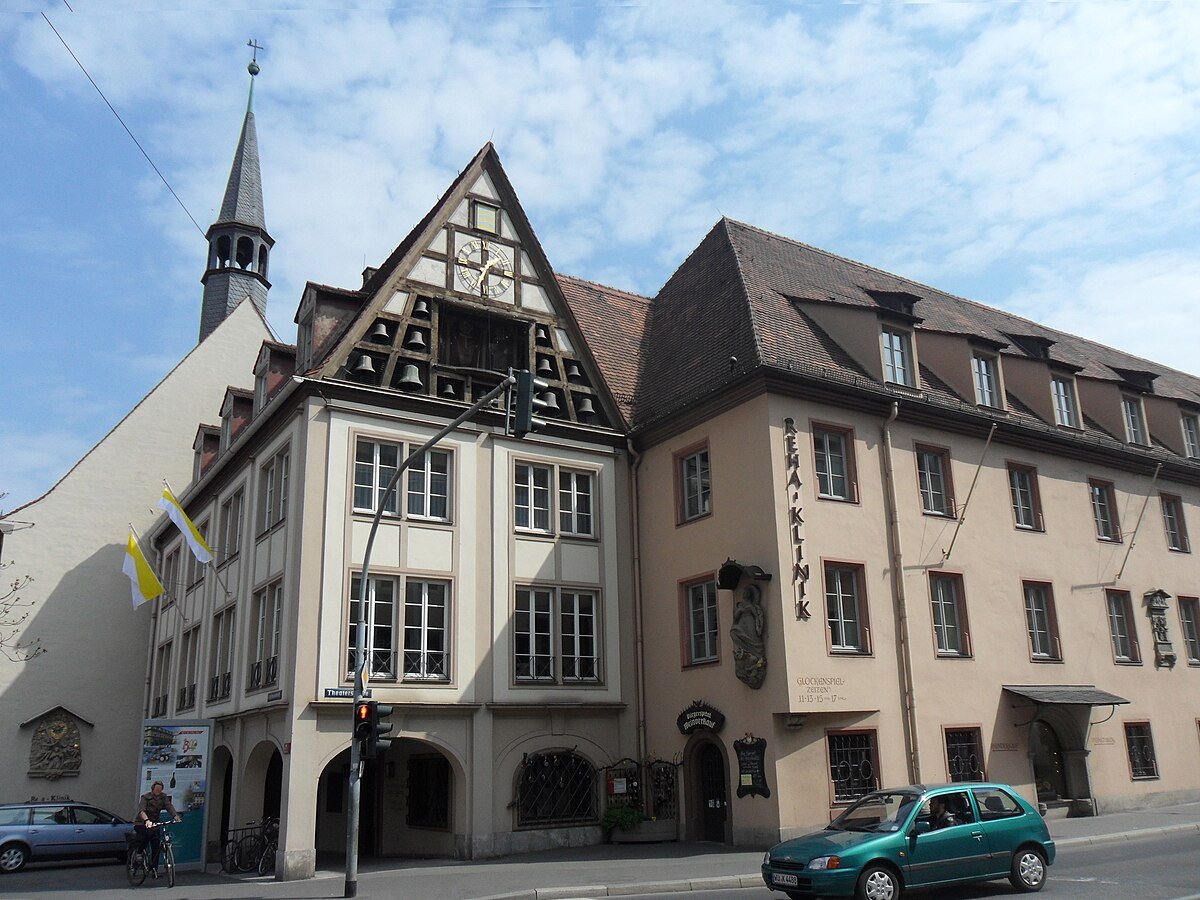
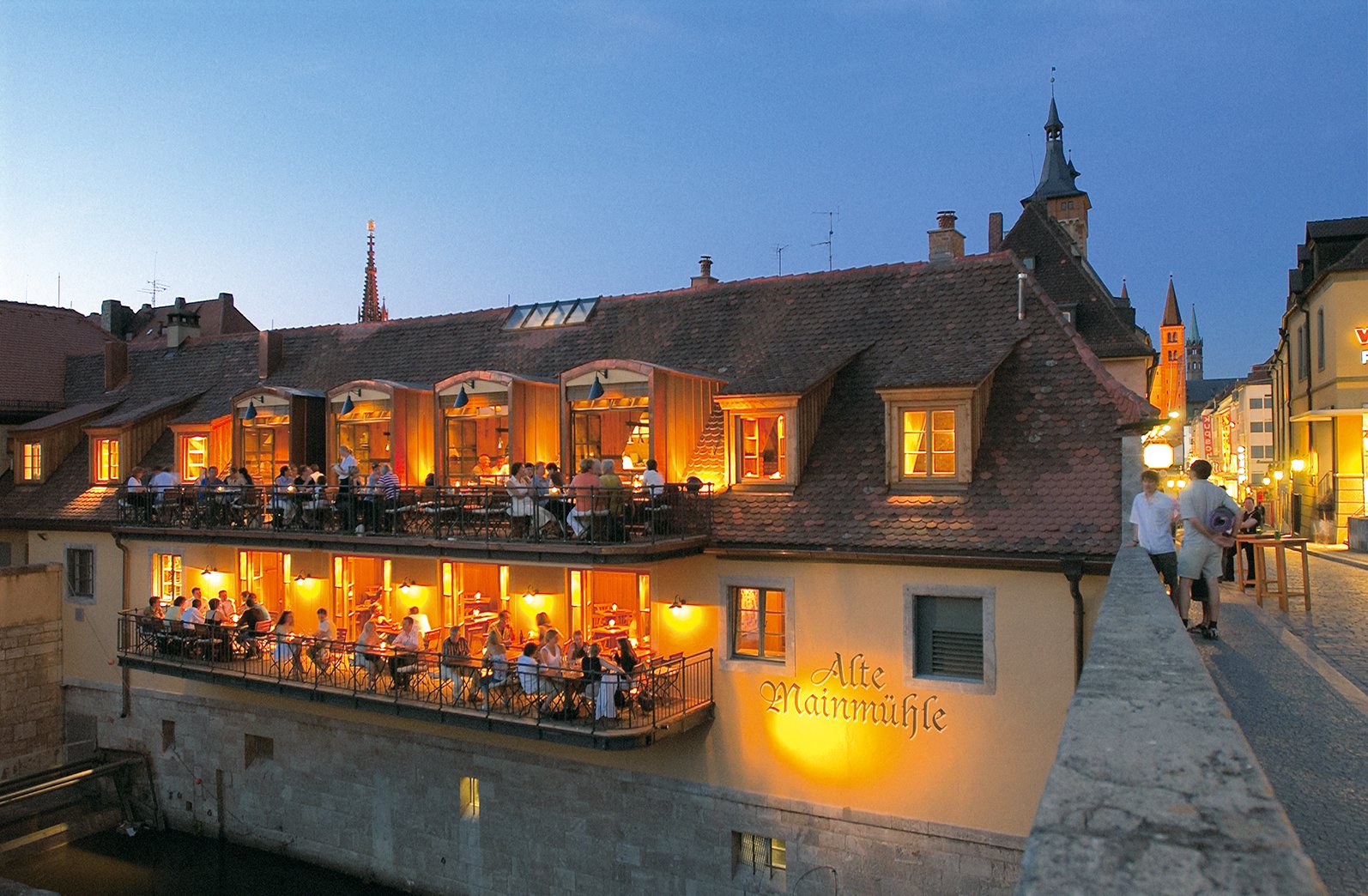
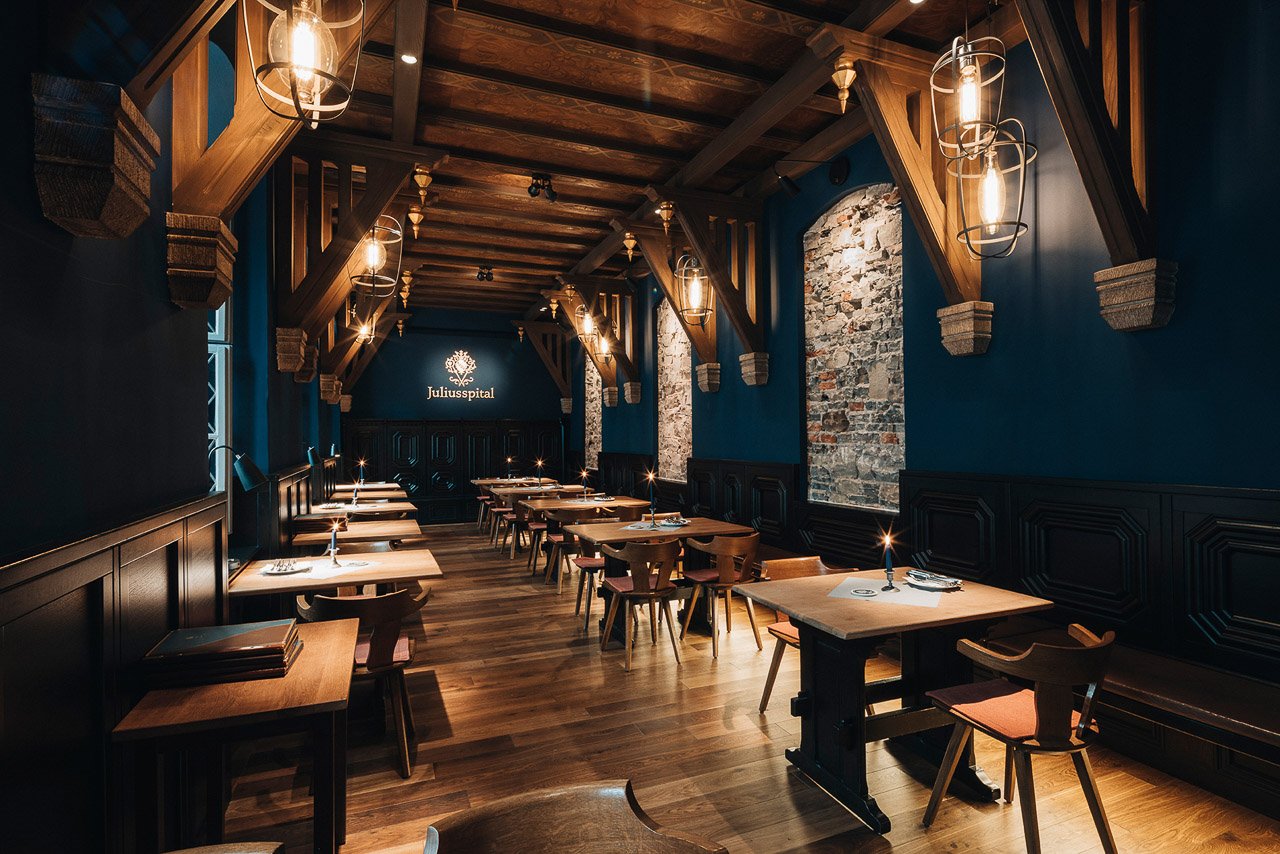
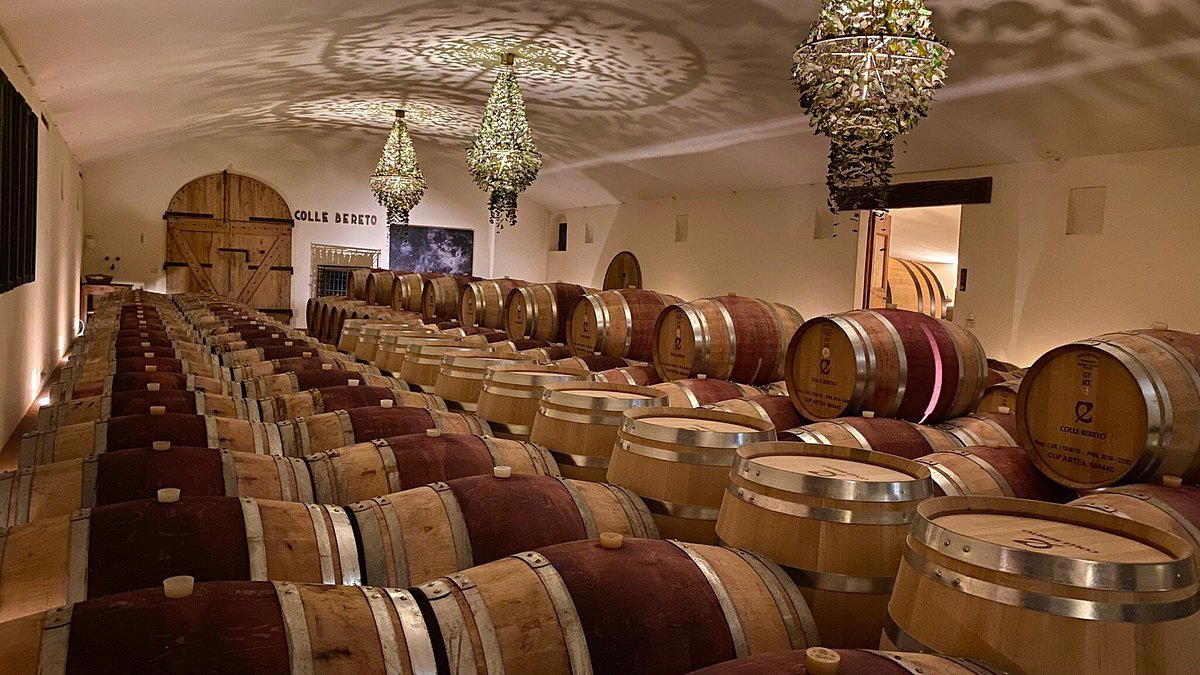
Historic barrel cellar with impressive size and atmosphere, combined with modern cellar technology.
Tags
Vibe
Best For
Experience
Sourcing
View
At the Vineyard
- Appellation
- Franconia
- Varietals
- Silvaner, Riesling, Müller-Thurgau, Pinot Noir, Pinot Blanc
- Tour Duration
- 60-90 minutes
- Tour Languages
- English, German
- Visits
- By reservation
- Wine Styles
- Still White, Still Red
- Wine Club
- Not available
Know before you go
Know Before You Go
- Getting there
- Klinikstraße 1, 97070 Würzburg
Planning details
Location
Recognition and awards

Also consider
Also Consider
- Weingut Bürgerspital zum Heiligen Geist, Notable alternative
- Weingut Schmitt's Kinder, Notable alternative
- Weingut Rainer Sauer, Notable alternative
- Weingut Horst Sauer, Notable alternative
- Weingut Hans Wirsching, Notable alternative
Winery context
How it compares in and around Würzburg
Weingut Juliusspital is the pick for travellers who want the most central, flagship-feeling Würzburg winery decision. Weingut Bürgerspital zum Heiligen Geist is the closest practical cross-shop: choose it if you want another city-based producer in the same planning frame, especially when comparing established Würzburg names without adding regional driving time.
Weingut Schmitt's Kinder, Weingut Rainer Sauer, and Weingut Horst Sauer make more sense if the day is built around leaving Würzburg for a quieter wine-country rhythm. That trade-off is simple: less city convenience, more estate-to-estate pacing. For visitors without a car or with a tight schedule, Juliusspital and Bürgerspital are easier to justify.
Weingut Hans Wirsching belongs on the list for drinkers who want to widen the Franconian comparison beyond Würzburg itself. If the goal is one serious stop, choose Juliusspital. If the goal is a more complete regional read, pair it with one city peer and one out-of-metro producer rather than trying to squeeze every name into the same day.
Around this place
Discover more on Pearl
Unlock the full Weingut Juliusspital guide in Pearl, including awards, comparisons, FAQs, planning details, and nearby places.
Compare Weingut Juliusspital
| Venue | Location | Awards |
|---|---|---|
| Weingut Juliusspital | Würzburg | 2026 Falstaff Winery Guide |
| Weingut Bürgerspital zum Heiligen Geist | Würzburg | 2026 Falstaff Winery Guide |
| Weingut Schmitt’s Kinder | Randersacker | 2026 Falstaff Winery Guide |
| Weingut Rainer Sauer | Escherndorf | 2026 Falstaff Winery Guide |
| Weingut Horst Sauer | Escherndorf | 2026 Falstaff Winery Guide |
| Weingut Hans Wirsching | Iphofen | 2026 Falstaff Winery Guide |
How Weingut Juliusspital Würzburg compares with similar nearby venues.
FAQ
Frequently Asked Questions
Does Weingut Juliusspital serve food?
What other venues can I compare with Weingut Juliusspital?
For comparison, consider Weingut Bürgerspital zum Heiligen Geist and Weingut Schmitt's Kinder. For a broader plan, you may also compare Weingut Rainer Sauer, Weingut Horst Sauer, and Weingut Hans Wirsching.
When is the best time to visit Weingut Juliusspital?
Is there a membership option at Weingut Juliusspital?
Ask the venue directly whether any such option is available before making a decision.
What is the signature offering at Weingut Juliusspital?
If that matters to your visit, ask the venue directly what best represents the current experience.