
Brovia
Castiglione Falletto
Winery in Castiglione Falletto, Italy
 Book with Pearl
The Read
Cru-Level Barolo Precision
Why go
Prioritise Brovia if your Castiglione Falletto plan is built around serious Barolo producers rather than casual tasting-room hopping. It is a stronger fit for wine-focused travellers who can plan around limited availability, and it pairs naturally with nearby names like Cavallotto, Paolo Scavino, and Vietti.
About Brovia
Brovia is a venue in Castiglione Falletto with Pearl 2 Star Prestige recognition for 2025. Plan to treat it as a focused Castiglione Falletto stop and confirm any operational specifics directly before building a day around it.
The dress code is smart casual. Beyond that, avoid assuming particular services, formats, menus, opening times, prices, or booking rules unless confirmed directly.
Plan it as a focused Castiglione Falletto stop
The practical call is simple: make Brovia part of a planned Castiglione Falletto itinerary rather than relying on assumptions. Its Pearl 2 Star Prestige (2025) recognition makes it a notable option for travellers who are choosing carefully among premium stops.
If the day is centred on Castiglione Falletto, compare Brovia with Cavallotto, Paolo Scavino, or Vietti according to availability and the kind of visit you are trying to arrange. If you are considering a broader itinerary, Aldo Conterno and Luciano Sandrone can also be useful points of comparison, but confirm location and logistics separately before grouping visits together.
Brovia is a Castiglione Falletto venue with a smart casual dress code and Pearl 2 Star Prestige (2025) recognition. For anything more specific, confirm directly before you go.
Who should put it ahead of other named options
Choose Brovia if you want a Castiglione Falletto stop with Pearl 2 Star Prestige (2025) recognition and are comfortable checking the remaining details yourself. Choose Paolo Scavino, Vietti, or Cavallotto when you are comparing other prominent names and want to decide based on availability and logistics.
For broader planning, keep the day simple. Build other local plans separately through Our full Castiglione Falletto restaurants guide, then use Our full Castiglione Falletto bars guide only if there is real space in the schedule.
Brovia should not be treated as interchangeable with every premium venue elsewhere. It is a Castiglione Falletto option to compare naturally with names such as Aldo Conterno, Cavallotto, Luciano Sandrone, Paolo Scavino, and Vietti, while checking each venue's current details directly.
Planning details
- Location
- via 12060, Via Alba Barolo, 145, 12060 Garbelletto CN
- Website
- brovia.net
- Phone
- +39 0173 62852
The take
The Take
The Vibe
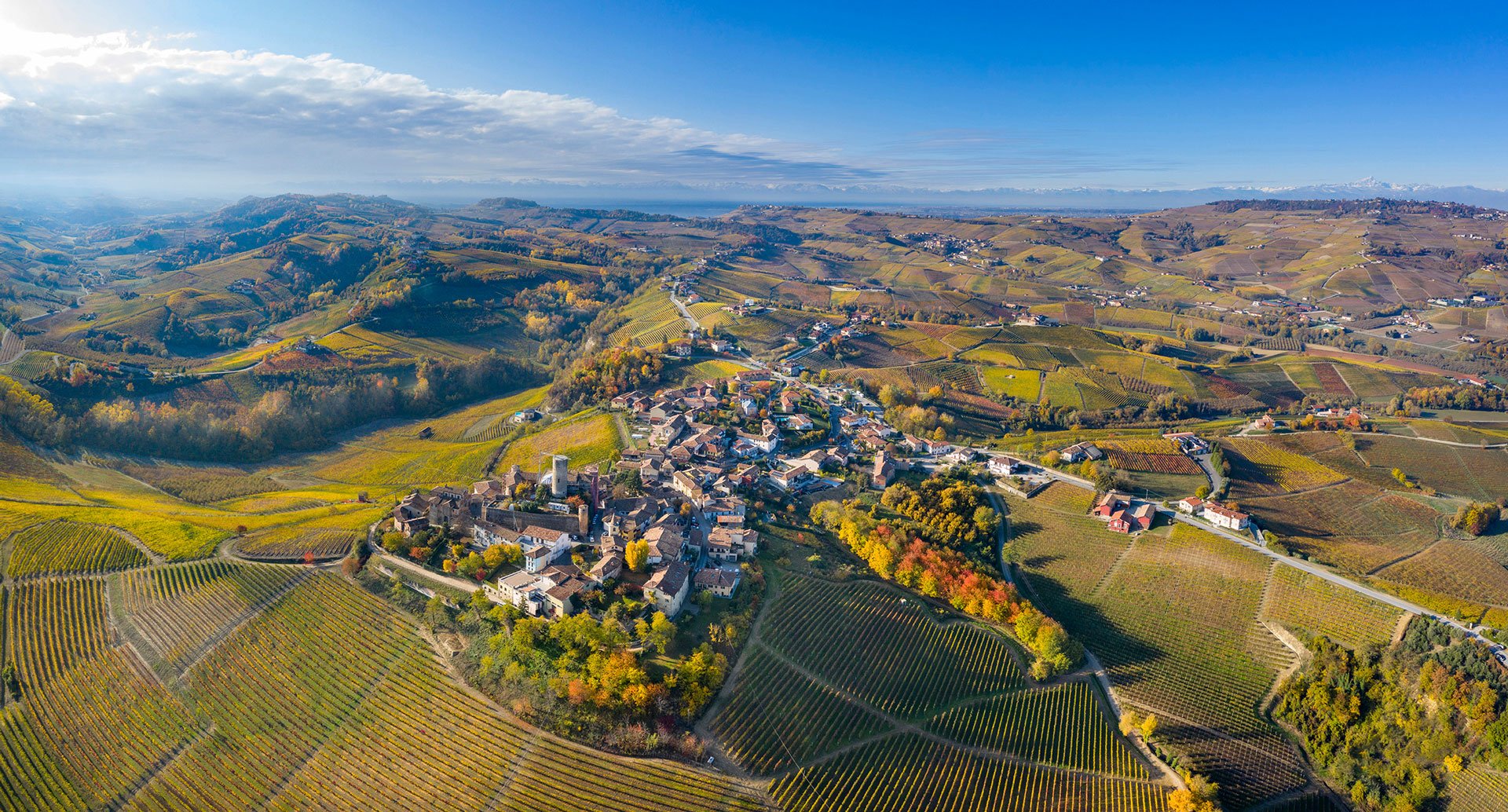
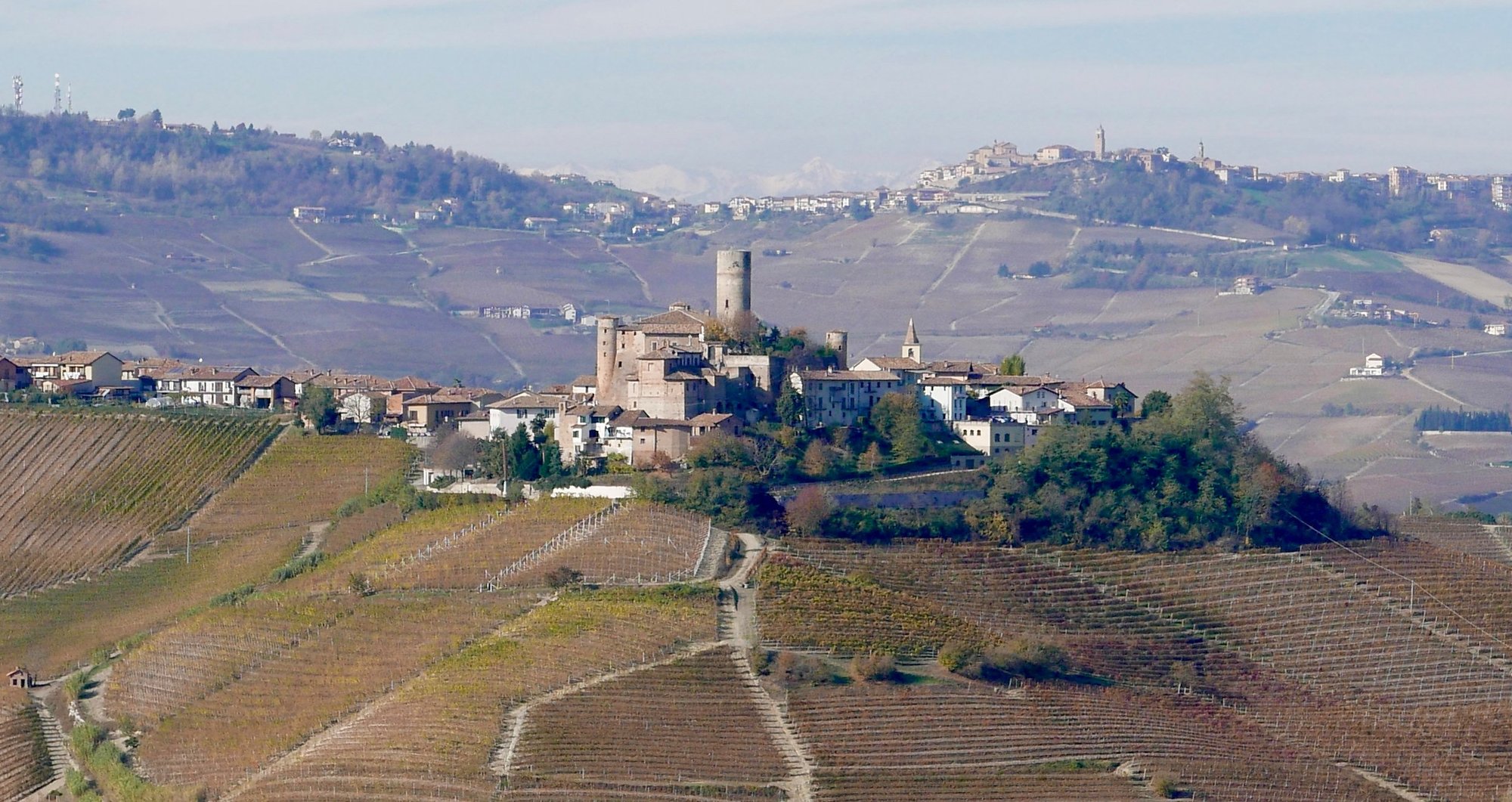
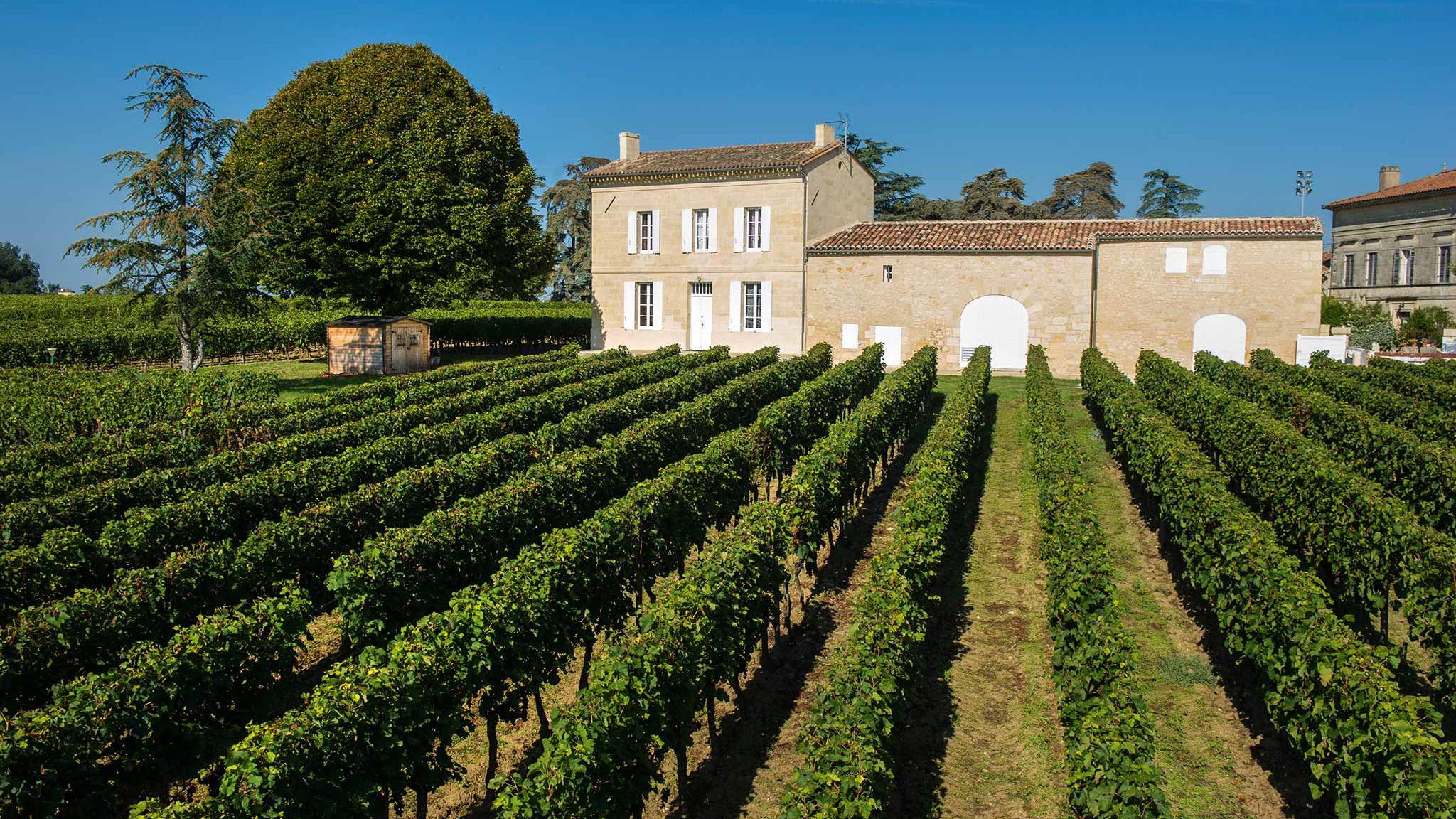
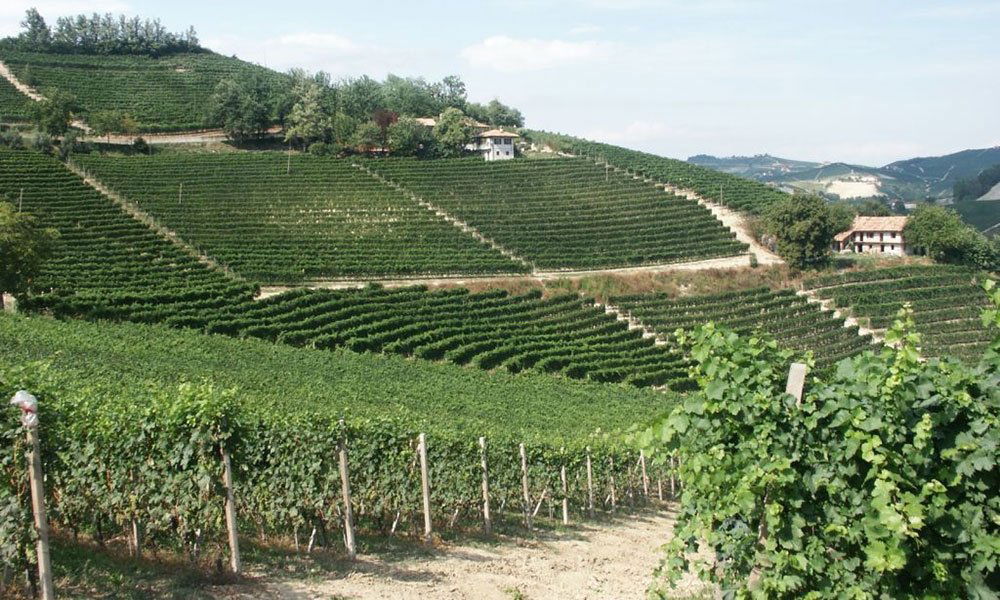
Brovia presents a quietly scenic, historically rooted expression of Castiglione Falletto. Perched on a ridge that catches the Langhe’s first and last light and overlooked by a medieval tower, the estate feels contemplative rather than theatrical. The writing privileges place over personality: vineyard holdings and shifting hillside exposures are the protagonists, and the tasting room—if visited—reads like an extension of the hills. Visitors encounter vineyard panoramas and a sense of longevity that comes from centuries of cultivated hillside agriculture rather than commercial flash, making the estate feel like a measured, authentic stop in central Barolo.
Best For
Brovia is best for wine-focused visits where terroir matters more than spectacle. The estate’s dual holdings—Tortonian and Helvetian soils—make it ideal for comparative tasting and study, so it suits travelers seeking wine education or a focused, solitary exploration of Nebbiolo’s regional expressions. Its central Barolo address and serious, site-driven wines also make Brovia an appropriate choice when selecting bottles for a special occasion. This is a place to slow down, read the slope and soil in the glass, and leave with a clearer sense of Castiglione Falletto identity.
Tasting Tips
When sampling Brovia, prioritize comparisons that underline the estate’s thesis: taste wines that manifest the Tortonian lift alongside those showing Helvetian firmness. The description highlights Tortonian soils as yielding aromatic, relatively approachable Nebbiolo and Helvetian pockets as producing firmer, more austere profiles—so order (or request) examples that let you contrast aromatic lift and tannic structure. If possible, choose bottles that specify vineyard or site designations to track how exposures and microsoils translate into texture and aromatic profile; the estate’s emphasis is on site expression rather than stylistic uniformity.
Venue details
Ambiance
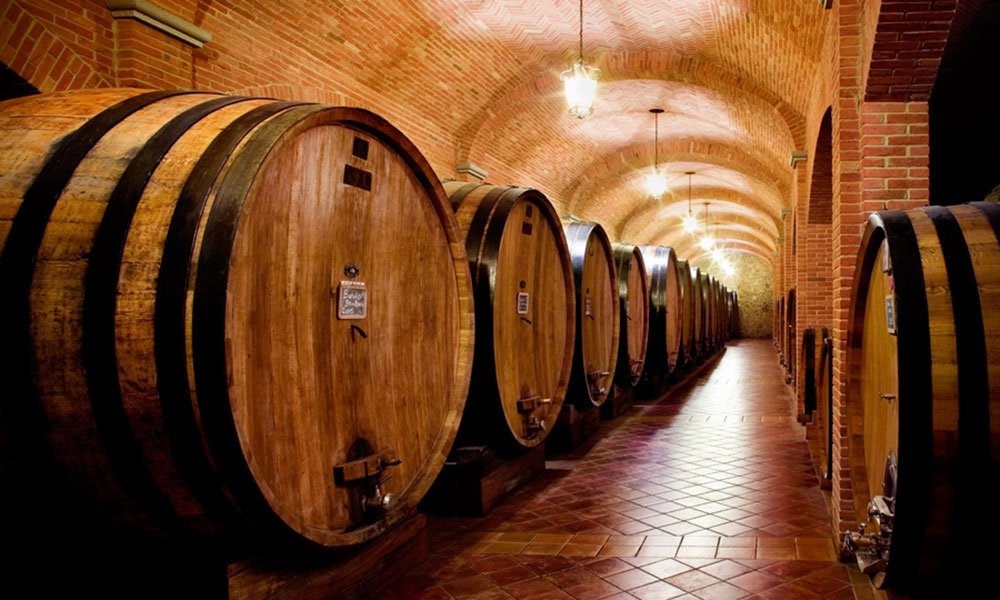
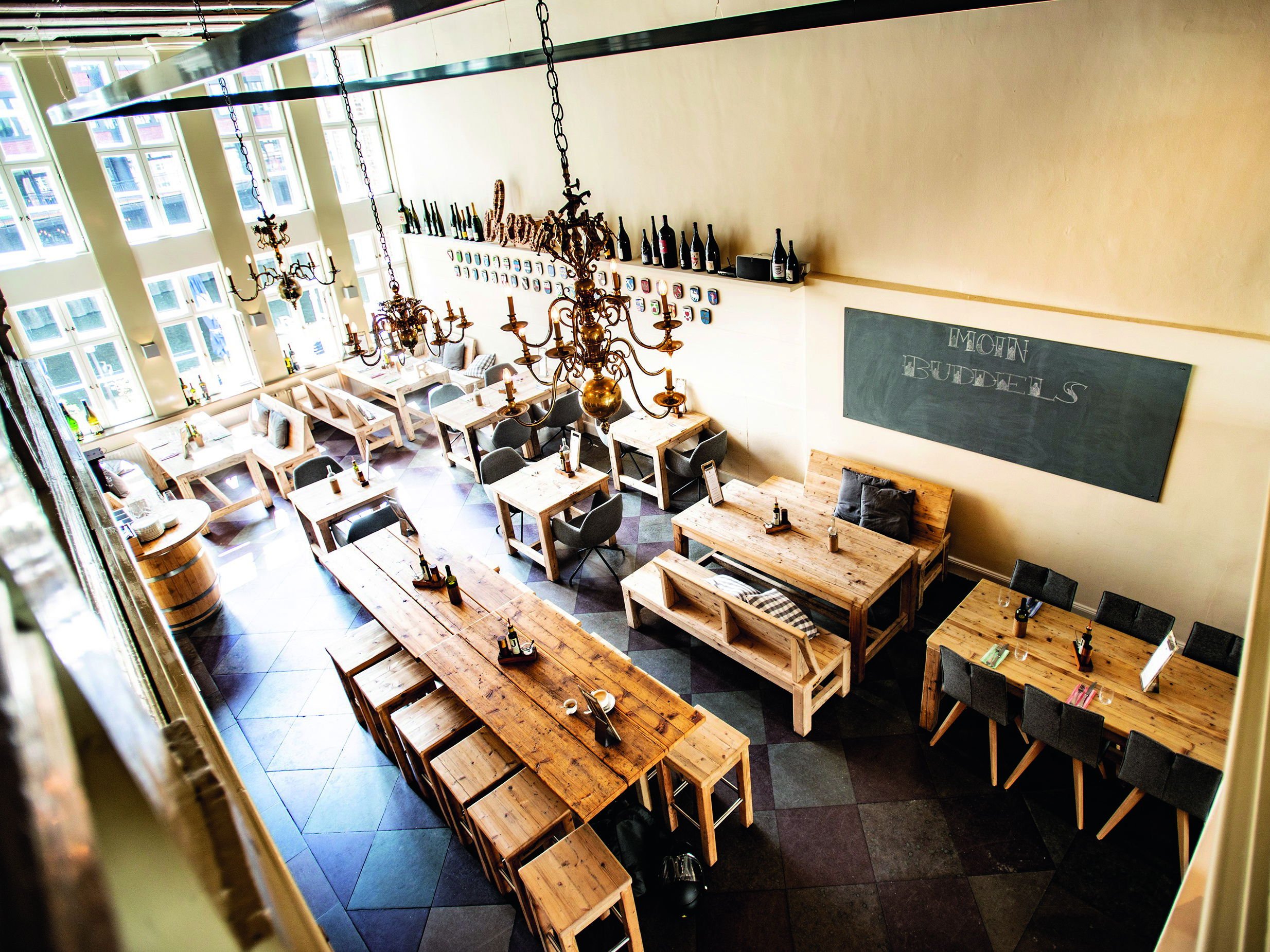
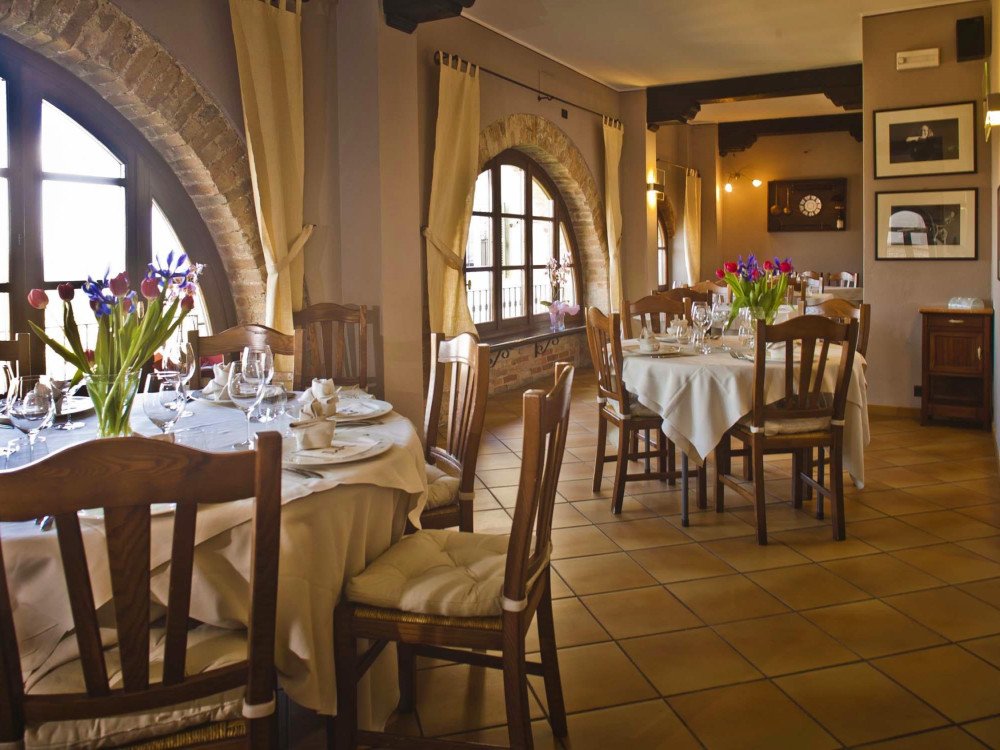
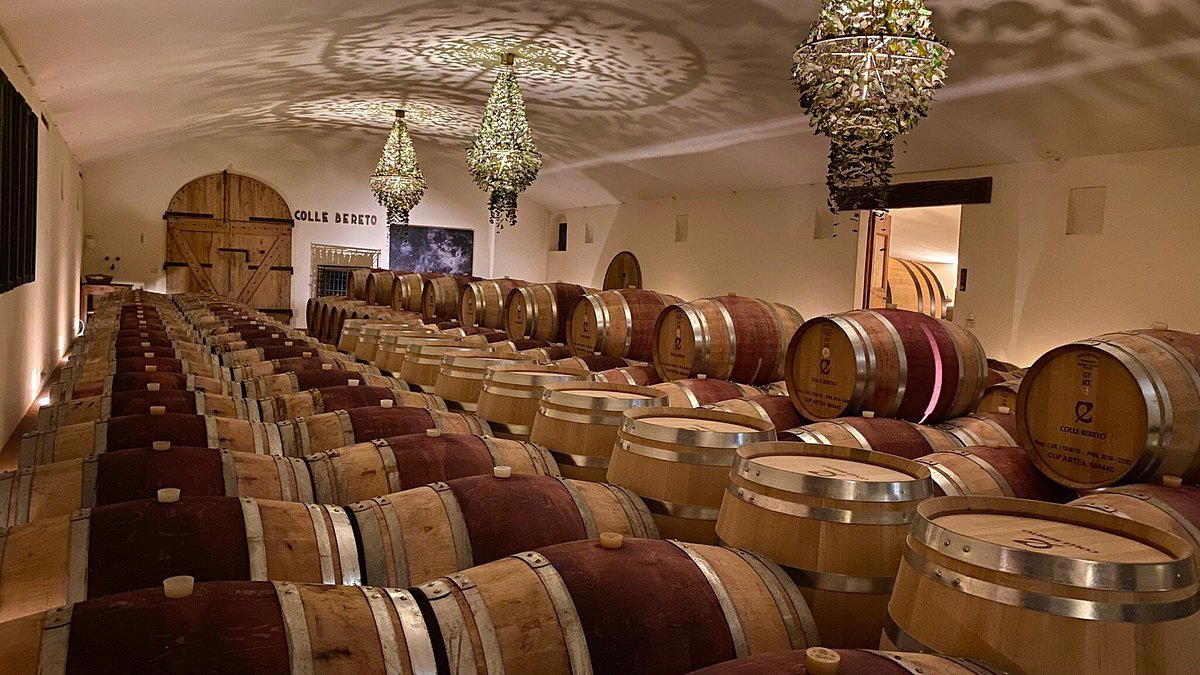
Classic and traditional atmosphere reflecting old-school Piedmontese winemaking with emphasis on terroir expression and elegance.
Tags
Vibe
Best For
Experience
View
At the Vineyard
- Appellation
- Barolo DOCG
- Varietals
- Nebbiolo, Dolcetto, Barbera, Arneis, Freisa
- Visits
- By appointment only
- Production
- Small producer
- Wine Styles
- Still Red
- Wine Club
- Not available
Know before you go
Know Before You Go
- Getting there
- via 12060, Via Alba Barolo, 145, 12060 Garbelletto CN
Planning details
Location
Recognition and awards

Also consider
Also Consider
- Paolo Scavino, Notable alternative
- Cavallotto, Notable alternative
- Vietti, Notable alternative
- Luciano Sandrone, Notable alternative
- Aldo Conterno, Notable alternative
Winery context
How Brovia compares in Castiglione Falletto
Brovia is the pick when the day is about a focused Barolo producer visit and the group is comfortable planning around a hard-to-secure appointment. Paolo Scavino, Cavallotto, and Vietti are the more natural cross-shops inside Castiglione Falletto, especially if the goal is to compare village producers without adding driving time.
For value, the better choice is the winery that actually fits the schedule. If Brovia is unavailable, do not force the day around a gap; choose Cavallotto for another Castiglione Falletto benchmark or Paolo Scavino for a nearby alternative with similar regional relevance. Vietti makes sense for travellers who want a well-known name in the same village context.
If the itinerary can stretch beyond Castiglione Falletto, Luciano Sandrone and Aldo Conterno become stronger cross-shops for a broader Barolo-area day. Keep Brovia ahead when the priority is staying local to Castiglione Falletto; look outward when the trip is designed around a wider Langhe comparison.
Explore Castiglione Falletto
Around this place
Discover more on Pearl
Unlock the full Brovia guide in Pearl, including awards, comparisons, FAQs, planning details, and nearby places.
Compare Brovia
| Venue | Location | Awards |
|---|---|---|
| Brovia | Castiglione Falletto | 2026 Falstaff Winery Guide |
| Paolo Scavino | Castiglione Falletto | No published awards |
| Cavallotto | Castiglione Falletto | 2026 Falstaff Winery Guide |
| Vietti | Castiglione Falletto | 2026 Falstaff Winery Guide |
| Luciano Sandrone | Barolo | 2026 Falstaff Winery Guide |
| Aldo Conterno | Monforte d'Alba | 2026 Falstaff Winery Guide |
How Brovia Castiglione Falletto compares with similar nearby venues.
FAQ
Frequently Asked Questions
How long should I plan for a visit to Brovia?
Visit length is not specified. Treat Brovia as a planned Castiglione Falletto stop, allow enough time for a proper visit, and confirm timing directly with the venue before finalising the day. Its Pearl 2 Star Prestige (2025) status makes it worth avoiding a rushed plan.
When is the best time to visit Brovia?
No seasonal or daily visiting window is specified. Plan around availability from Brovia and keep the rest of your Castiglione Falletto itinerary flexible. If you are comparing options, Paolo Scavino, Vietti, and Cavallotto are natural names to consider separately.
What details are known for Brovia?
Brovia is in Castiglione Falletto, has a smart casual dress code, and holds Pearl 2 Star Prestige recognition for 2025. Do not assume additional services, formats, prices, hours, or booking rules unless Brovia confirms them directly.
What should I confirm before visiting Brovia?
Confirm any operational details that matter to your plan directly with Brovia. The Pearl 2 Star Prestige (2025) recognition supports Brovia as a venue worth looking into, but specific arrangements require direct confirmation. Aldo Conterno and Luciano Sandrone may be useful comparison points for broader planning.
What is Brovia known for in this guide?
Brovia is a Castiglione Falletto venue with Pearl 2 Star Prestige (2025) recognition and a smart casual dress code. A specific menu, service format, price point, schedule, or other operational detail is not specified. If a specific detail matters, confirm it directly with the venue.
Do I need a reservation at Brovia?
A reservation policy is not specified. Plan ahead, confirm directly with Brovia, and do not rely on walk-in availability. Smart casual dress is the dress code, and Pearl 2 Star Prestige (2025) is the recognition.