
Groot Constantia
Constantia, Cape Town
Winery in Cape Town, South Africa
 Book with Pearl
The Read
Cape Peninsula Heritage Viticulture
Price
$10–20tasting
Why go
Book Groot Constantia when the occasion needs Cape Town wine heritage, estate scale, and a setting that feels substantial enough for visitors or celebrations. For a smaller, quieter tasting, Constantia Glen, Beau Constantia, or Buitenverwachting may fit better; this is the stronger choice when the day needs a historic anchor.
About Groot Constantia
Groot Constantia is a Cape Town venue to consider when the plan needs a direct premium-venue choice. Key planning points: the dress code is smart casual, and the venue holds Pearl 3 Star Prestige recognition for 2025. Beyond that, avoid building the plan around assumptions about menus, service formats, pricing, hours, or specific offerings.
For a Cape Town itinerary, treat Groot Constantia as one option among several comparable venues. Beau Constantia, Buitenverwachting, Constantia Glen, Eagles' Nest Wines, and Klein Constantia are natural names to compare when shaping the wider plan, while other dining in Cape Town can be considered generically.
Book this for a premium Cape Town venue with smart-casual expectations
The key planning note is the dress code: smart casual. That makes Groot Constantia suitable to approach as a Cape Town stop where smart-casual dress is expected. If you are choosing between several options, compare Groot Constantia with Beau Constantia, Buitenverwachting, Constantia Glen, Eagles' Nest Wines, and Klein Constantia according to your own timing and reservation needs.
If your plans depend on a particular menu format, beverage programme, price point, or dining schedule, check directly before booking. For the rest of the plan, use our full Cape Town restaurants guide, our full Cape Town hotels guide, or our full Cape Town bars guide so the day is not dependent on assumptions about venue details.
How to build the day around it
Keep the itinerary flexible and confirm any operational details directly before you go. Groot Constantia can be part of a Cape Town day alongside other named comparison venues such as Klein Constantia, Buitenverwachting, Eagles' Nest Wines, Constantia Glen, and Beau Constantia, or it can be paired with other Cape Town dining and drinking plans more generally.
The practical verdict: choose Groot Constantia when you want a Cape Town venue with smart-casual expectations and Pearl 3 Star Prestige recognition for 2025. If your decision depends on specific hours, pricing, menu details, take-out, delivery, dietary accommodations, or a particular service style, verify those details with the venue before booking.
Planning details
- Location
- Groot Constantia Rd, Constantia, Cape Town, 7806
- Website
- grootconstantia.co.za
- Phone
- +27 21 794 5128
The take
The Take
The Vibe
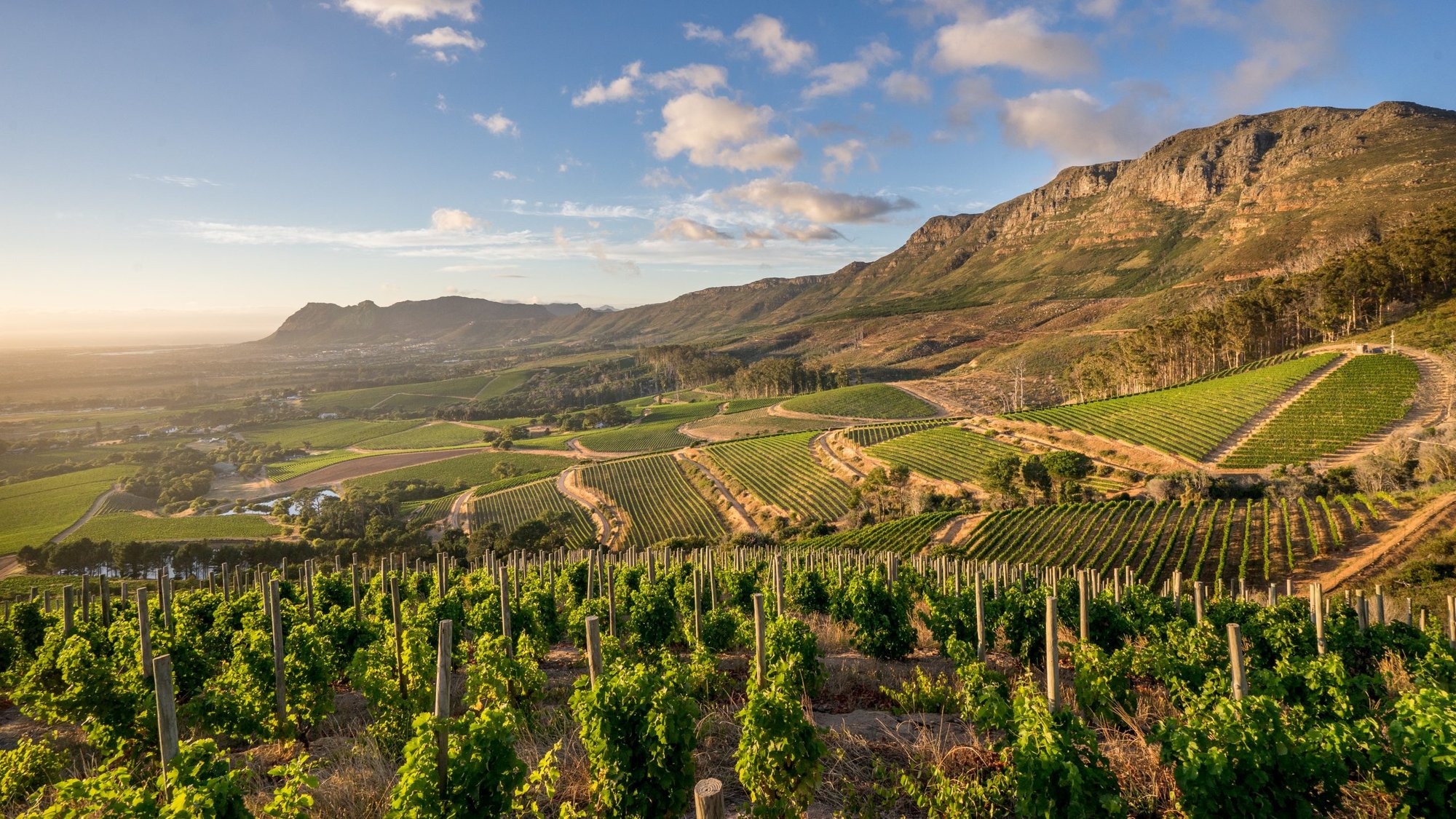
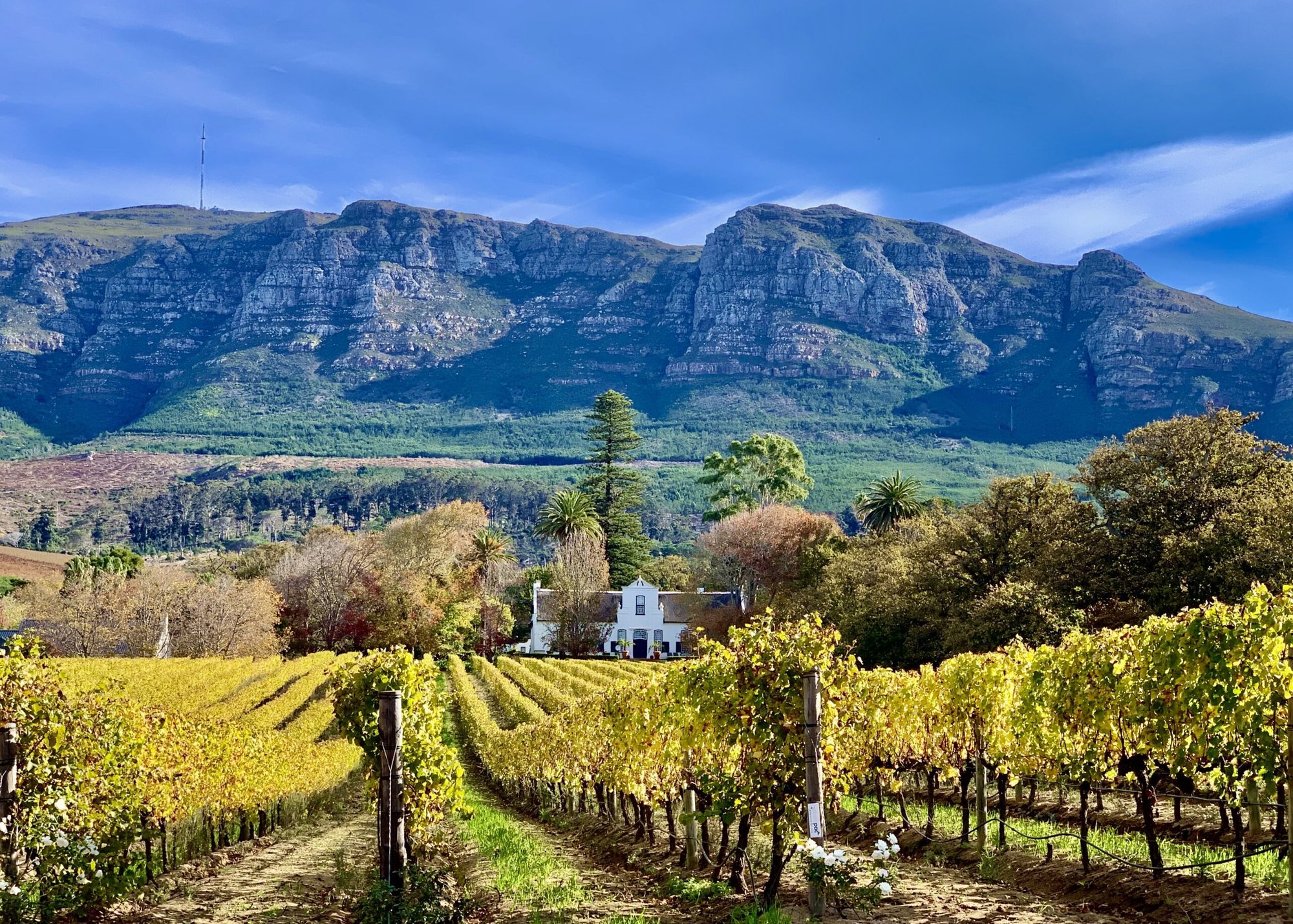
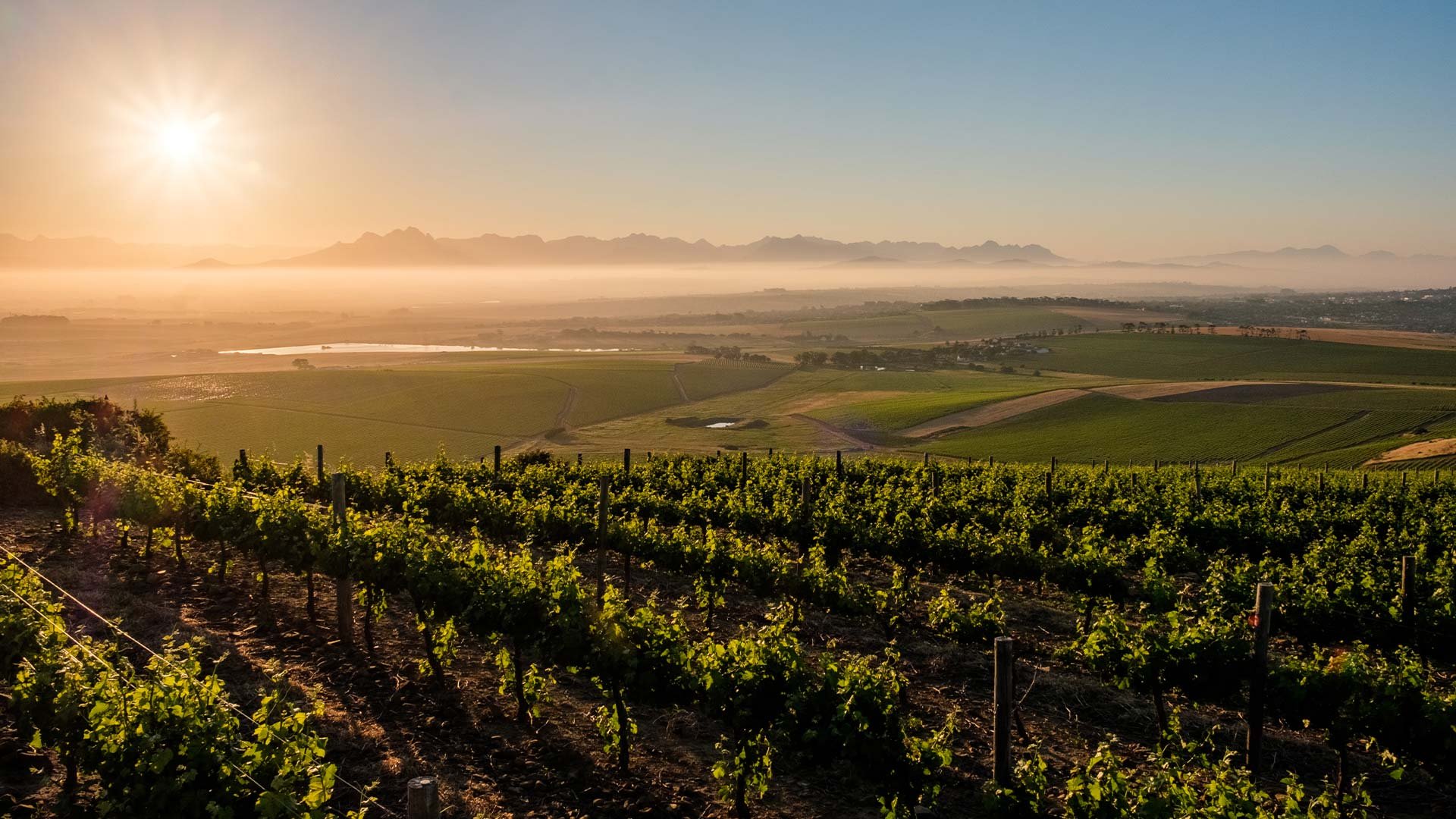
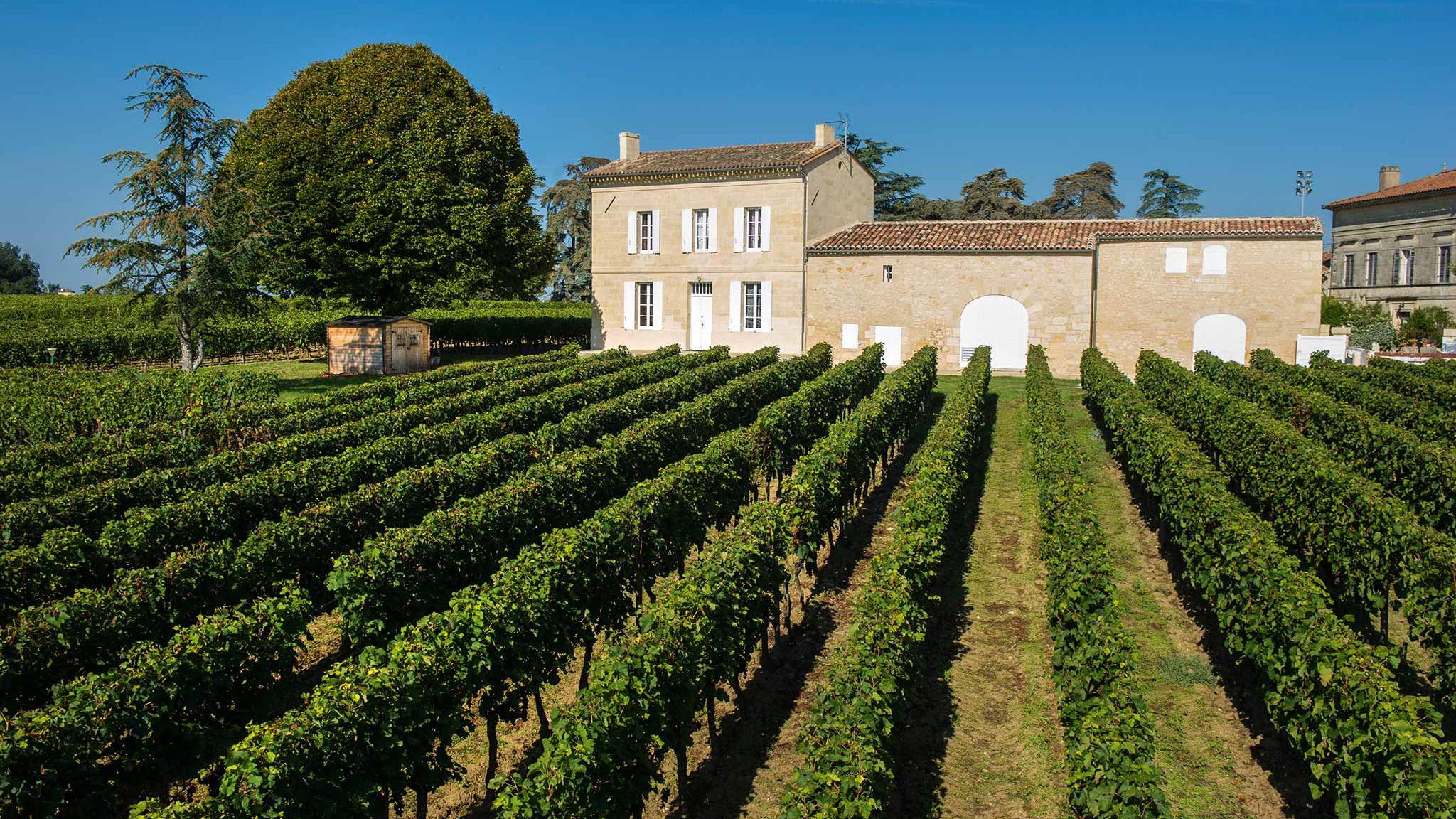
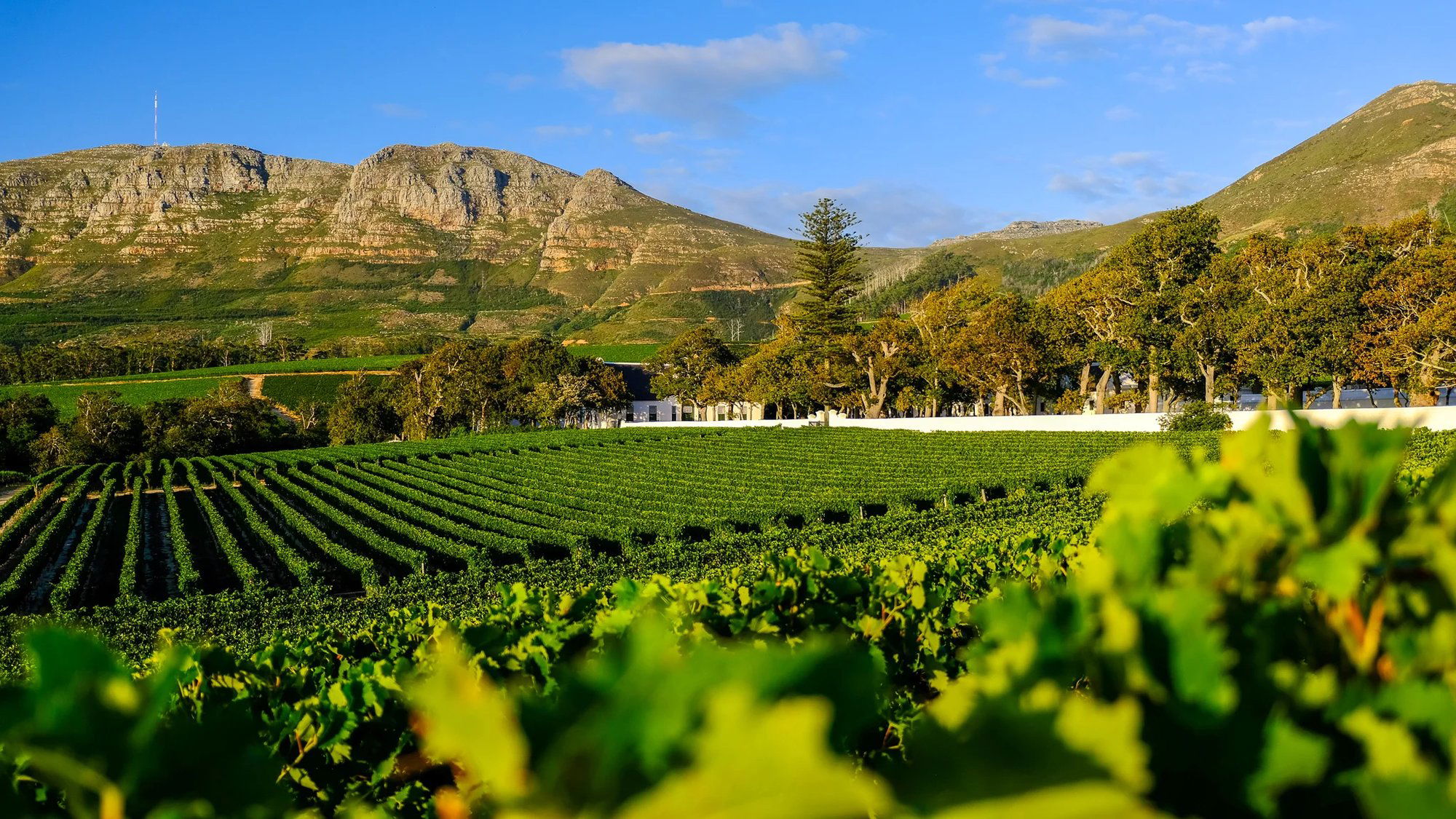
Groot Constantia presents itself with a composed, almost measured calm. An oak-lined avenue leads to a whitewashed Cape Dutch manor and carefully arranged cellar buildings; the place feels lived-in rather than staged. The estate’s long continuity—records stretching to 1685—gives the grounds a quiet authority: history is present but not performative. Visitors move slowly here, taking in vine rows that run toward the Constantiaberg and the sense of an environment organized around winemaking rituals. The overall impression is serene and understated, the kind of destination that rewards observation and a deliberate, unhurried rhythm.
Best For
Groot Constantia is foremost a place for people who want to understand wine in context. The estate’s layout and tasting approach favor visitors committed to learning—the grounds, cellar and history are integral to tasting the wines. It also suits milestone visits where the setting matters: the classic manor and historic cellars create a memorable backdrop for special occasions and curated tastings. Close to the city and anchored in the Constantia Valley’s cooler maritime climate, the estate works well as a day destination for small groups and anyone keen on a historically framed wine experience.
Tasting Tips
Plan to slow down. The estate explicitly frames tasting as a progression—the grounds before the glass, the cellar before the food, the history before the wine—so allow time to move through that sequence rather than rushing straight to a flight. Walk the vine rows to get a sense of site and exposure, visit the cellar buildings to see the production context, then taste with that physical and historical information in mind. This paced approach makes the wines more legible and deepens appreciation of Groot Constantia’s long winemaking tradition.
Venue details
Ambiance
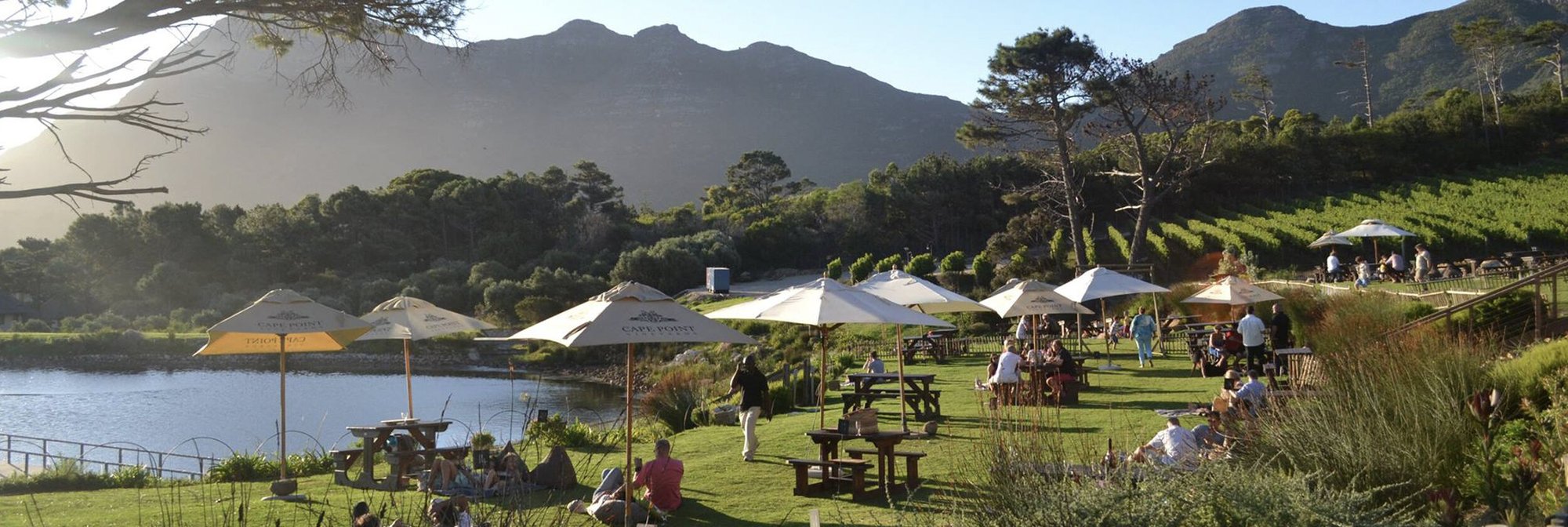
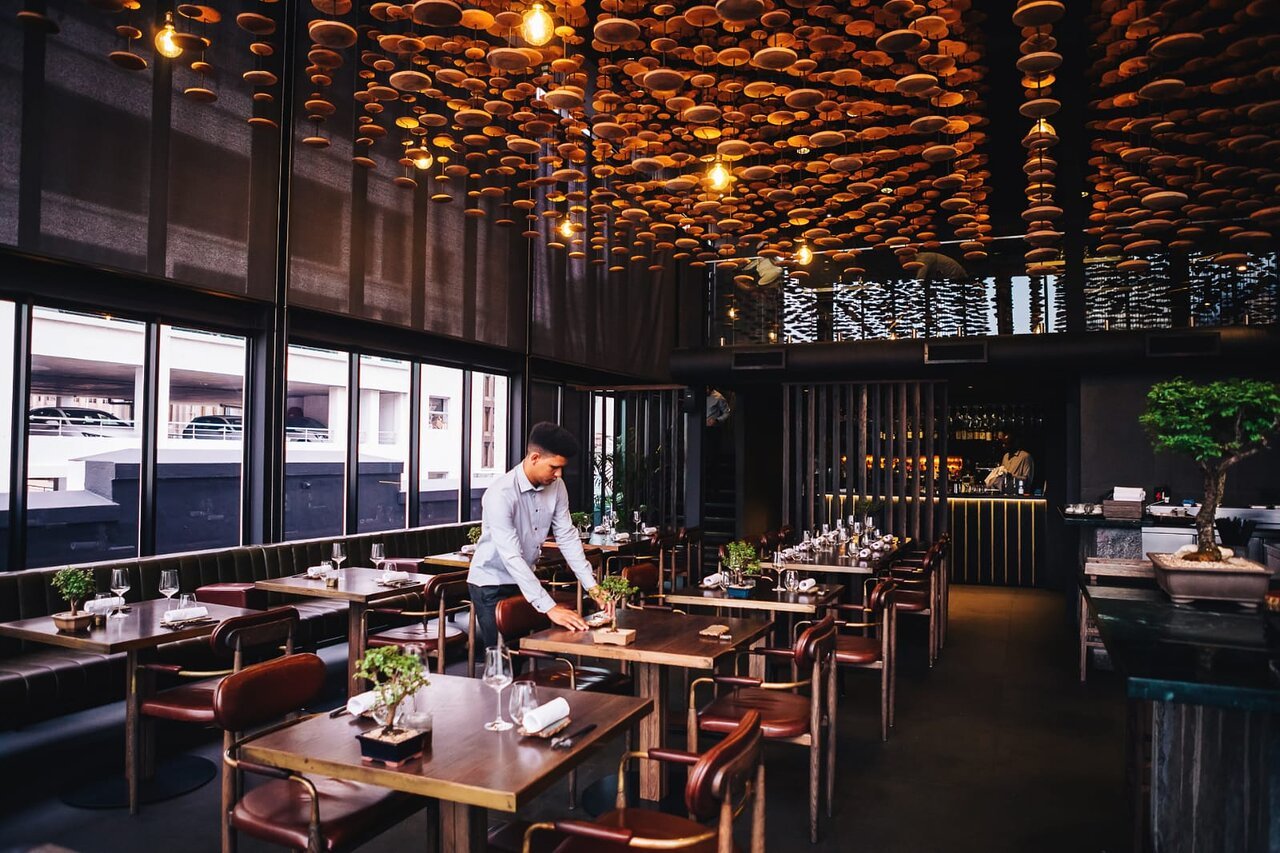
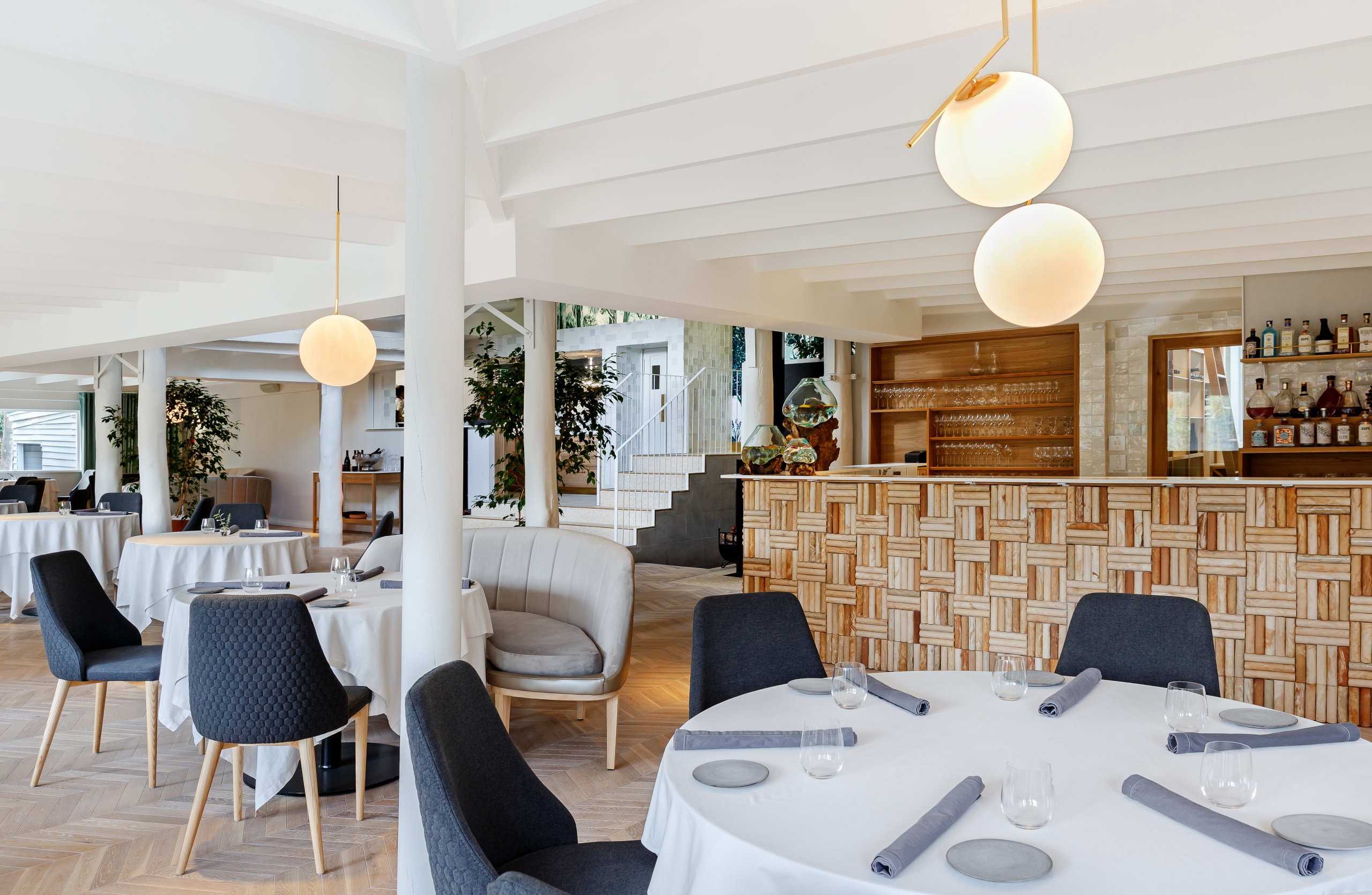
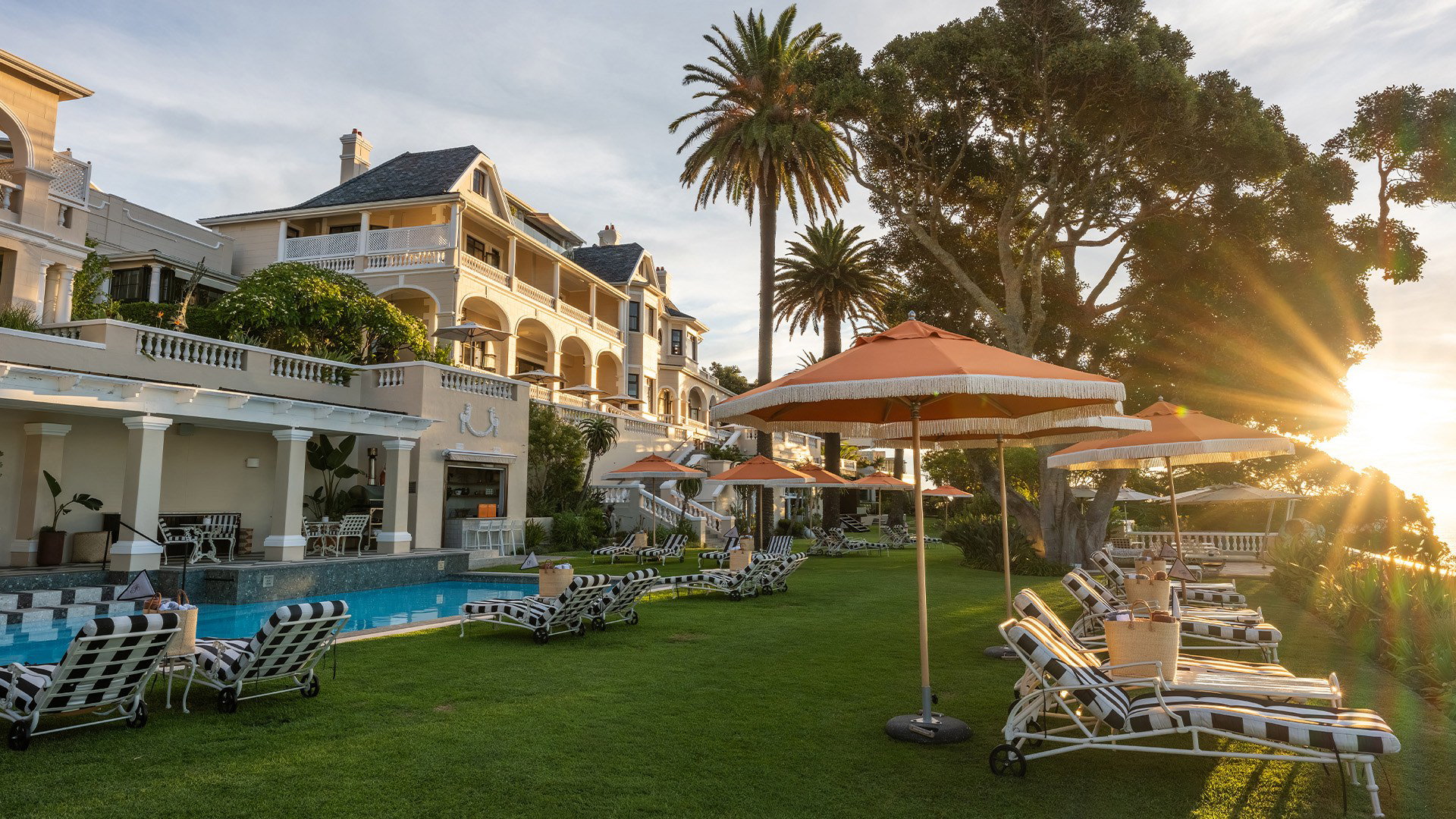
Historic Cape Dutch manor with lush gardens, vineyards, and mountain views; cozy fireplaces on rainy days and shaded outdoor terrace dining create a timeless, elegant atmosphere.
Tags
Vibe
Best For
Experience
View
At the Vineyard
- Appellation
- Constantia
- Tour Duration
- 20-30 minutes
- Visits
- Walk-ins welcome
- Wine Styles
- Still Red, Still White, Dessert, Fortified
- Food Pairing
- Offered
- Shipping
- Available
- Wine Club
- Not available
Know before you go
Know Before You Go
- Getting there
- Groot Constantia Rd, Constantia, Cape Town, 7806
Planning details
Location
Recognition and awards

Also consider
If this is not the right fit
Book Constantia Glen or Beau Constantia if the group wants a more compact, scenic tasting. Choose Buitenverwachting if the brief is calmer and more polished rather than heritage-heavy.
Winery context
How It Compares
Groot Constantia is the heritage-led choice in this Cape Town set. Choose it when the group wants a substantial estate setting and a clear Constantia reference point. Klein Constantia is the stronger cross-shop for visitors who care more about producer reputation and wine focus than estate-scale sightseeing.
Buitenverwachting is the better fit for a calmer, more polished stop, while Eagles' Nest Wines suits a smaller-feeling visit. Constantia Glen and Beau Constantia are stronger if ambiance and views matter more than heritage weight.
For booking difficulty, treat Groot Constantia as the one to plan around if the date is fixed, especially for a special occasion. If flexibility is limited, build a backup around Constantia Glen or Buitenverwachting rather than trying to force the same style of visit elsewhere.
Around this place
Discover more on Pearl
Unlock the full Groot Constantia guide in Pearl, including awards, comparisons, FAQs, planning details, and nearby places.
Compare Groot Constantia
| Venue | Location | Awards |
|---|---|---|
| Groot Constantia | Cape Town | 2026 Falstaff Winery Guide |
| Klein Constantia | Cape Town | 2026 Falstaff Winery Guide2025 World's 50 Best Vineyards · #62024 World's 50 Best Vineyards · #412023 World's 50 Best Vineyards · #322022 World's 50 Best Vineyards · #392021 World's 50 Best Vineyards · #44 |
| Buitenverwachting | Cape Town | 2026 Falstaff Winery Guide |
| Eagles’ Nest Wines | Cape Town | No published awards |
| Constantia Glen | Cape Town | 2026 Falstaff Winery Guide |
| Beau Constantia | Cape Town | No published awards |

How Groot Constantia Cape Town compares with similar nearby venues.
FAQ
Frequently Asked Questions
What other venues are often compared with Groot Constantia?
Comparable names include Klein Constantia, Buitenverwachting, Eagles' Nest Wines, Constantia Glen, and Beau Constantia. Other dining in Cape Town can also be considered generically when planning the rest of the day.
What is Groot Constantia known for?
Groot Constantia is in Cape Town, has a smart-casual dress code, and holds Pearl 3 Star Prestige recognition for 2025.
Where is Groot Constantia located?
Groot Constantia is located in Cape Town.