
Cape Point Vineyards
Noordhoek, Cape Town
Winery in Cape Town, South Africa
 Book with Pearl
The Read
Peninsula-Edge Viticulture
Price
$20–30tasting
Why go
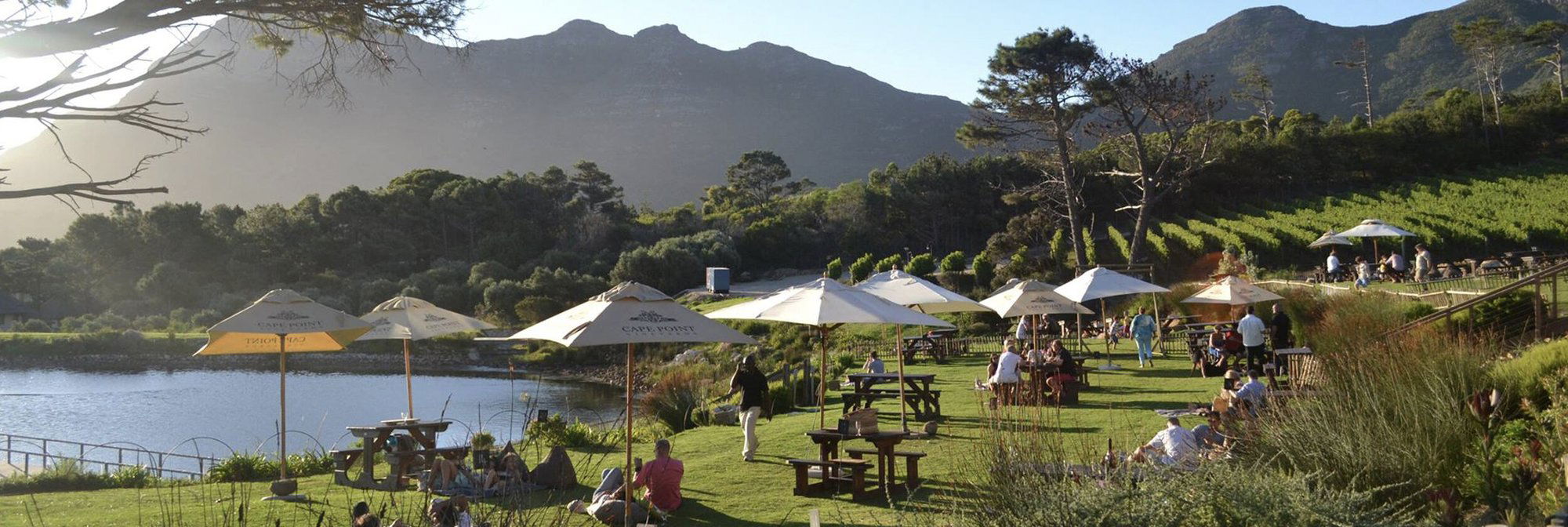
Cape Point Vineyards is worth prioritizing when the visit is about a spacious Noordhoek setting as much as wine. Choose it for a slower peninsula outing, clear-weather timing, and a more scenic Cape Town wine stop; choose Constantia peers if the goal is a tighter multi-estate tasting route.
About Cape Point Vineyards
Cape Point Vineyards is a Cape Town venue with a smart casual dress code and Pearl 2 Star Prestige recognition for 2025. Operational details such as tasting format, food service, hours, pricing, reservation policy, group capacity, or a specific wine program are not available.
The safest way to plan is to use the basics first: it is Cape Point Vineyards in Cape Town, and smart casual dress is appropriate. If you need current details on bookings, menus, tastings, access, or event arrangements, confirm directly with the venue before building an itinerary around the visit.
Choose it for a Cape Town venue
Cape Point Vineyards is best considered when you want a Cape Town venue that has Pearl 2 Star Prestige (2025) recognition and a smart casual dress code. For a broader city itinerary, pair it with Our full Cape Town restaurants guide, Our full Cape Town hotels guide, Our full Cape Town bars guide, Our full Cape Town wineries guide, or Our full Cape Town experiences guide rather than treating the venue as an isolated decision.
For cross-shopping, compare Cape Point Vineyards with other options such as Buitenverwachting, Klein Constantia, Steenberg Vineyards, Deep South Distillery, or Republic of Hout Bay Distillery. The right choice depends on what each venue currently offers, so check direct sources before assuming a specific tasting, dining, drinks, or event format.
Worth it when the plan matches the details
Cape Point Vineyards earns attention as a Pearl 2 Star Prestige-recognized Cape Town venue, but information is limited. Do not rely on assumptions about lunch, dinner, tastings, transport, walk-ins, group handling, or special services. Use the smart casual dress code as the preparation point, and confirm any practical details with the venue before you go.
Planning details
- Location
- Silvermine Rd, Noordhoek, Cape Town, 7985
- Website
- cpv.co.za
- Phone
- +27 21 789 0900
The take
The Take
The Vibe
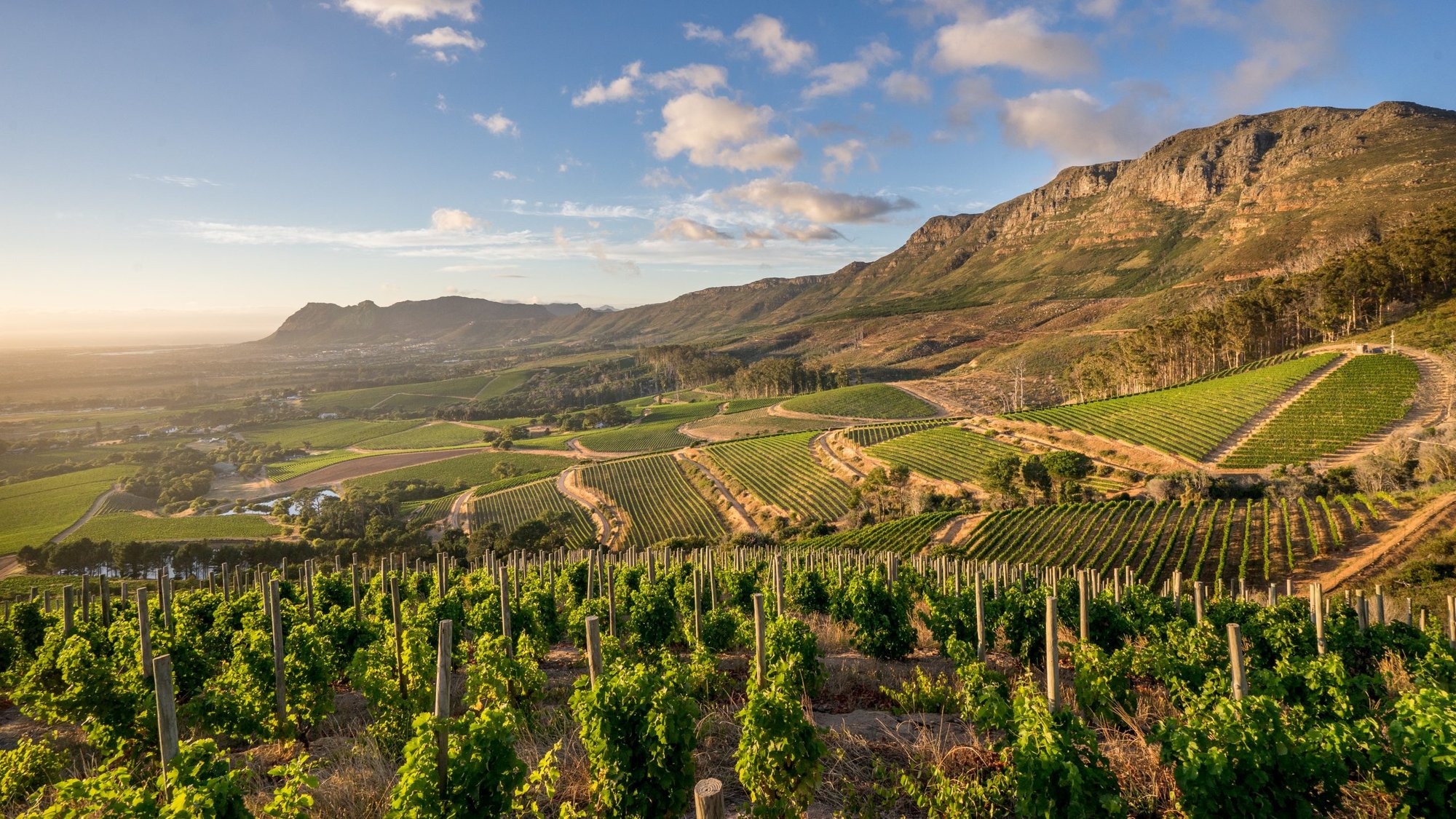
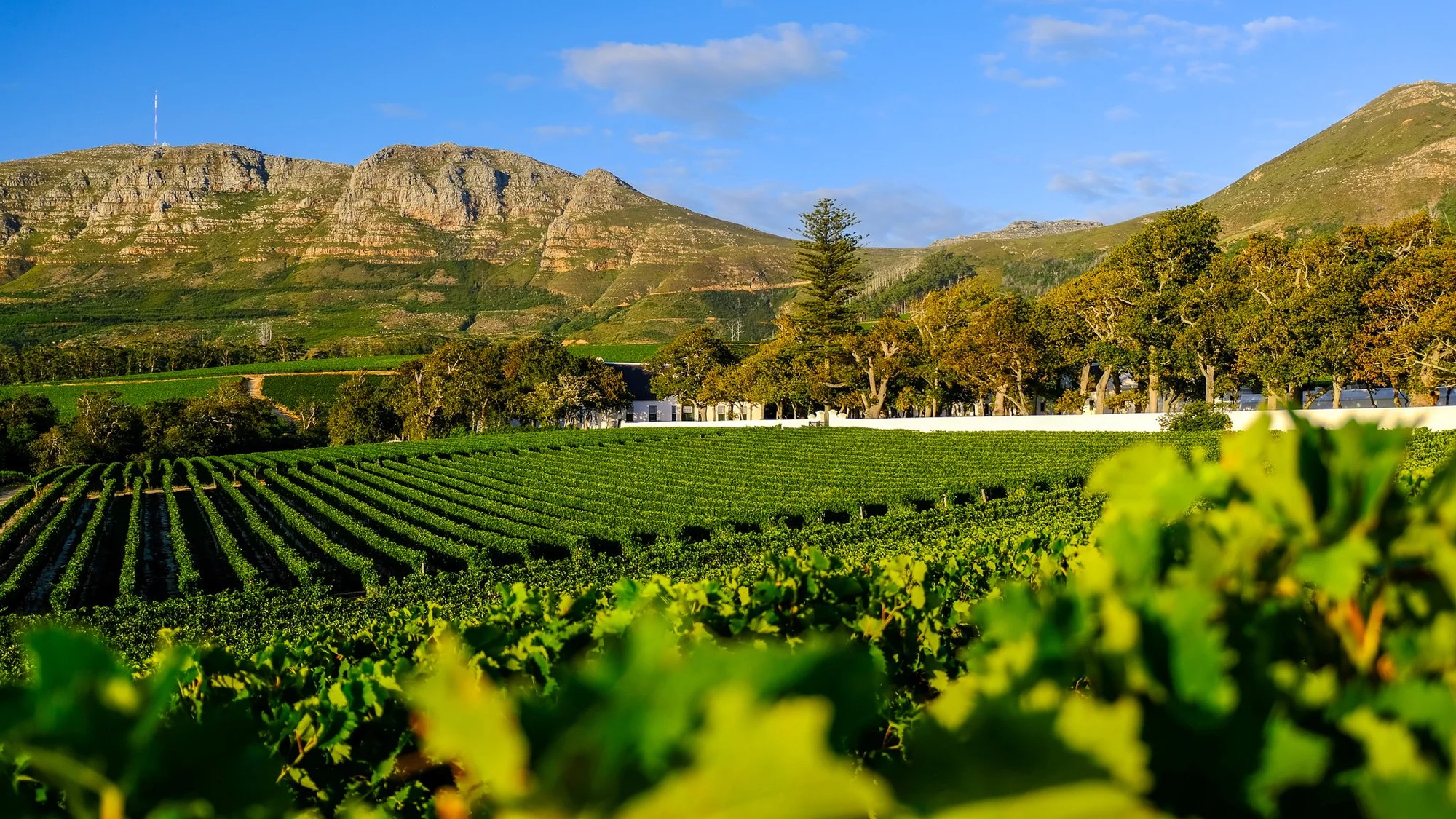
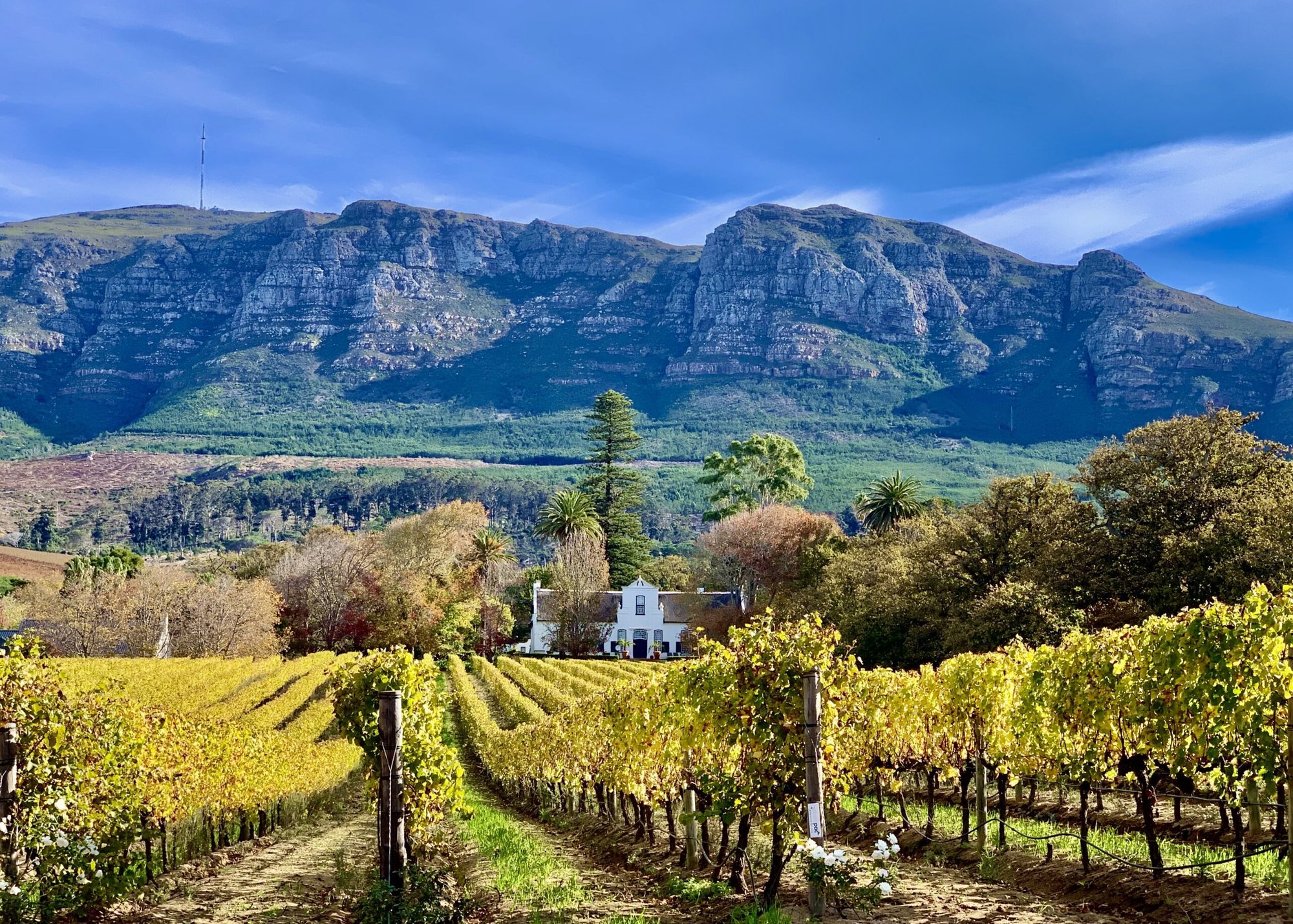
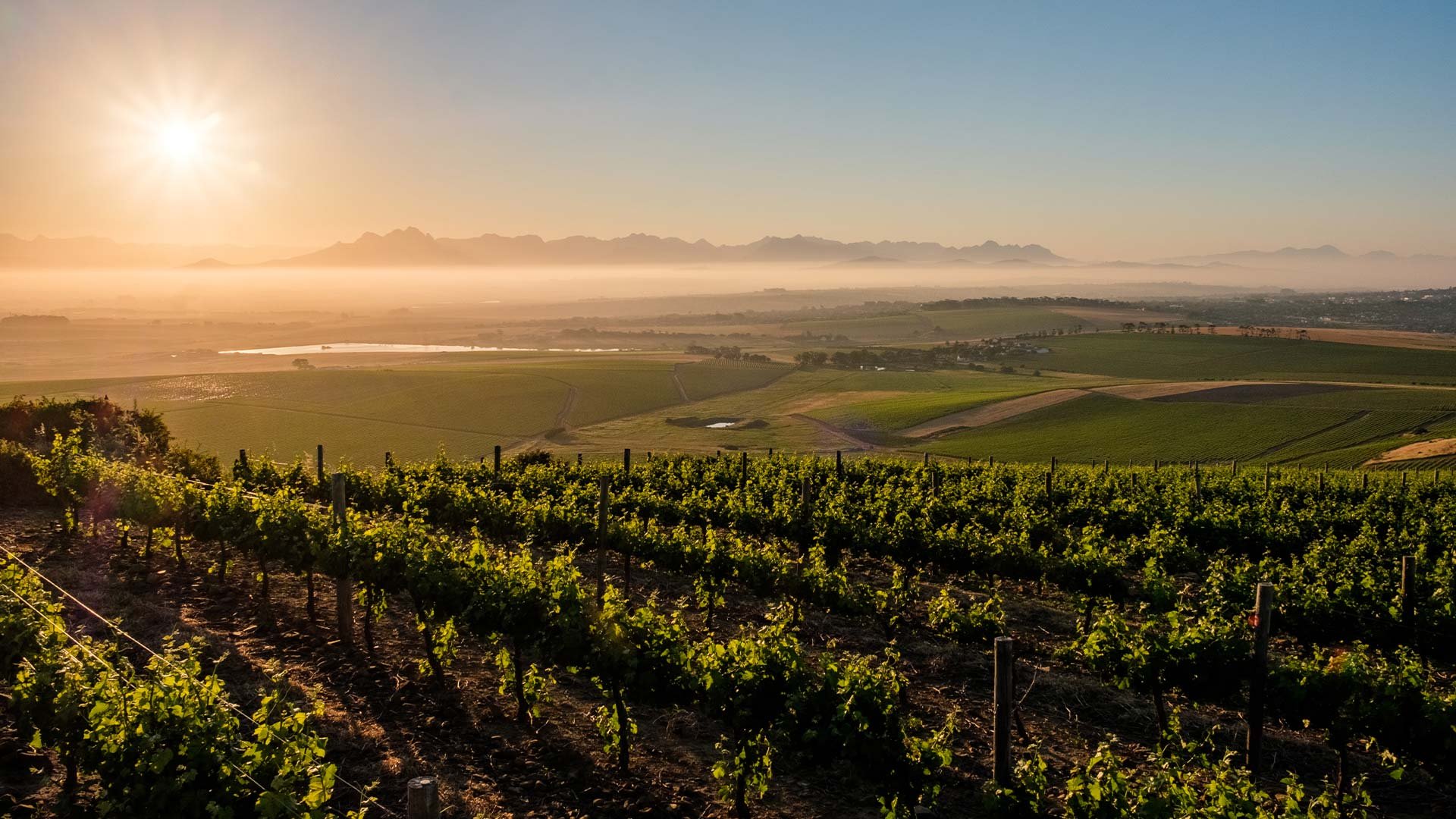
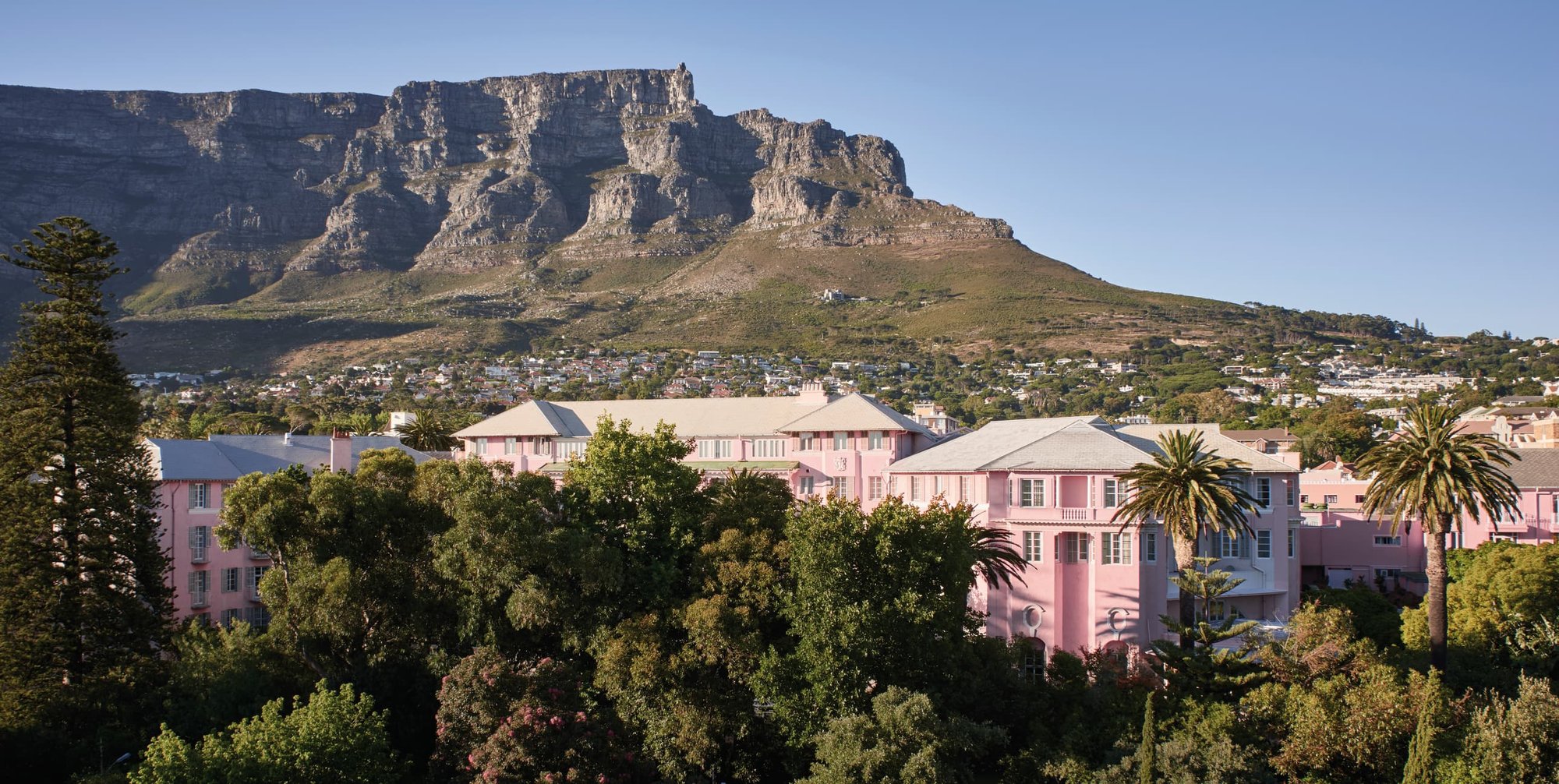
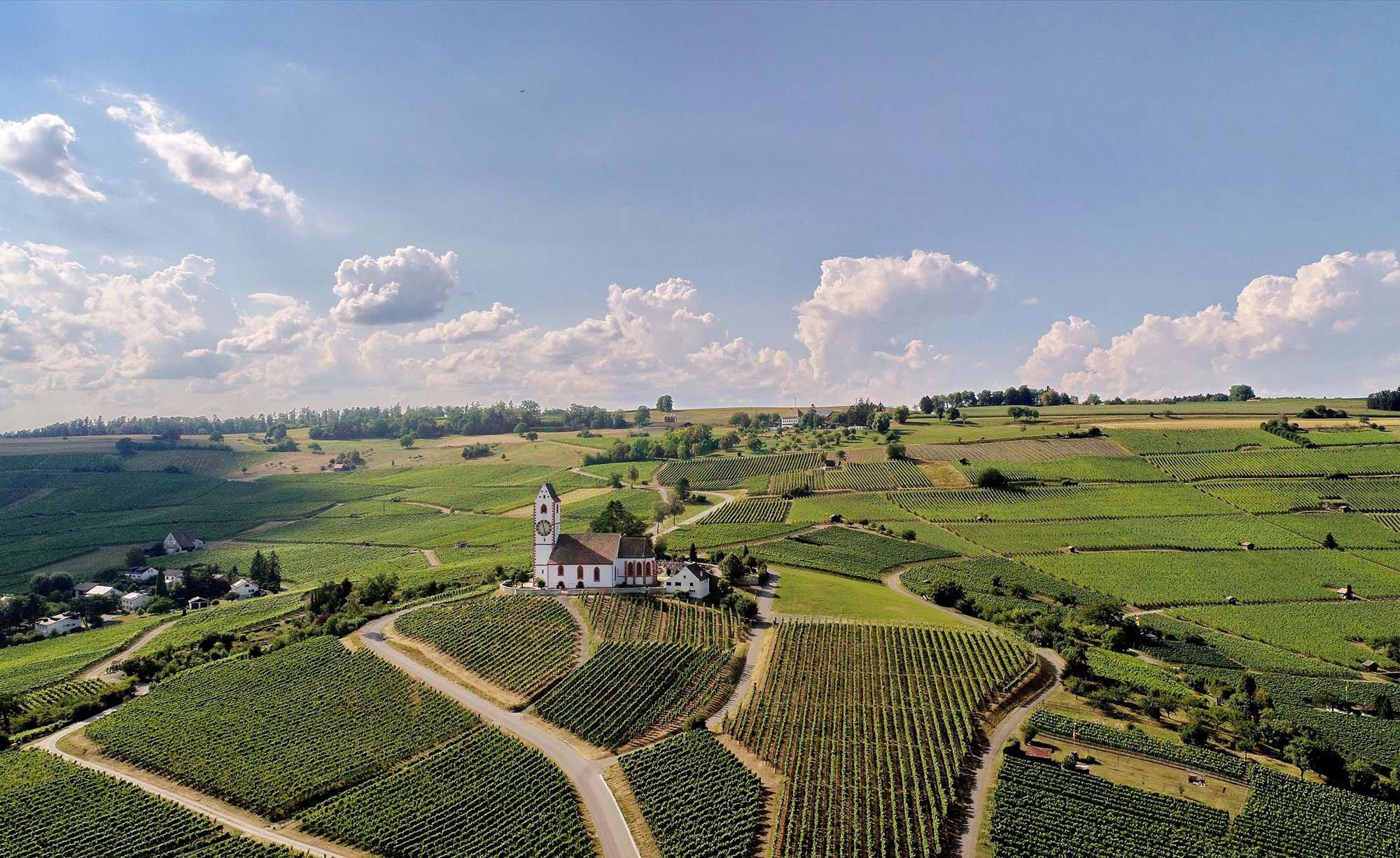
Cape Point Vineyards sits at a dramatic coastal edge where mountain, sea and vineyard converge. The estate’s cool maritime setting and Table Mountain Sandstone soils produce a restrained, tensile style in the cellar; winds off the Atlantic lengthen the growing season and give the wines a distinctively maritime tension. The property reads like a deliberate counterpoint to the busier Constantia corridor — less about polished tourism and more about place-driven expression. Visitors encounter a winery that foregrounds terroir and coastal character, an understated but assured presence on the far southern fringe of the Peninsula.
Best For
This estate is best for visitors interested in cool-climate wines and a scenic detour from Cape Town’s usual routes. The drive along Silvermine Road and the estate’s position where mountain meets ocean make it a rewarding stop for people who prioritize landscape as much as tasting. It also suits travellers keen on learning regional distinctions: Cape Point is presented as its own district within the Wine of Origin system, so guests who want to compare Peninsula expressions or deepen their understanding of sub-regional terroir will get the most out of a visit.
Tasting Tips
When tasting at Cape Point Vineyards, focus questions and samples on how maritime influence and sandstone-derived soils shape the wines. The write-up highlights a longer growing season and ocean winds that contribute to structural tension, so ask staff to point out bottles that best show that tension and salt-tinged acidity. Inquire about vineyard sites and the Wine of Origin designation to understand how the estate’s sub-regional identity differentiates its wines from those further north on the Peninsula.
Venue details
Ambiance
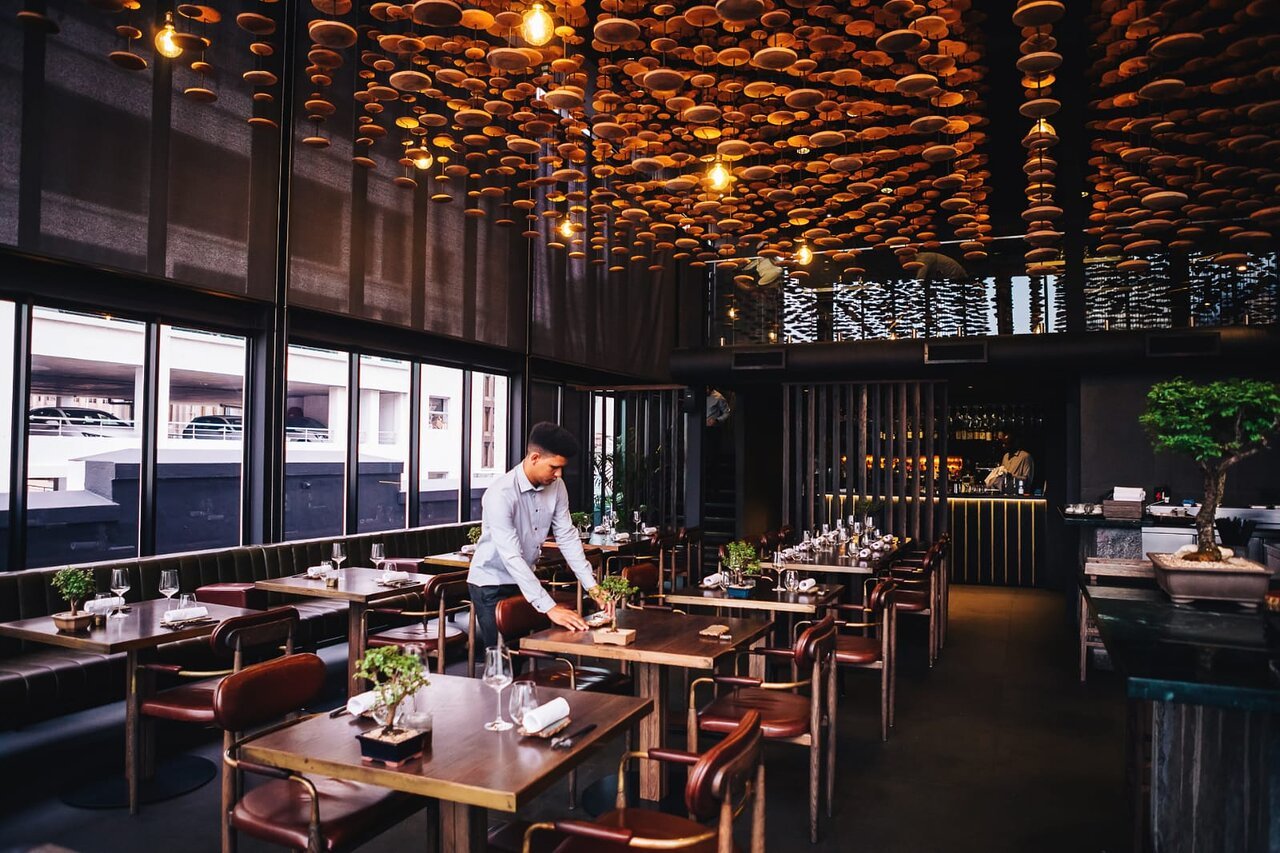
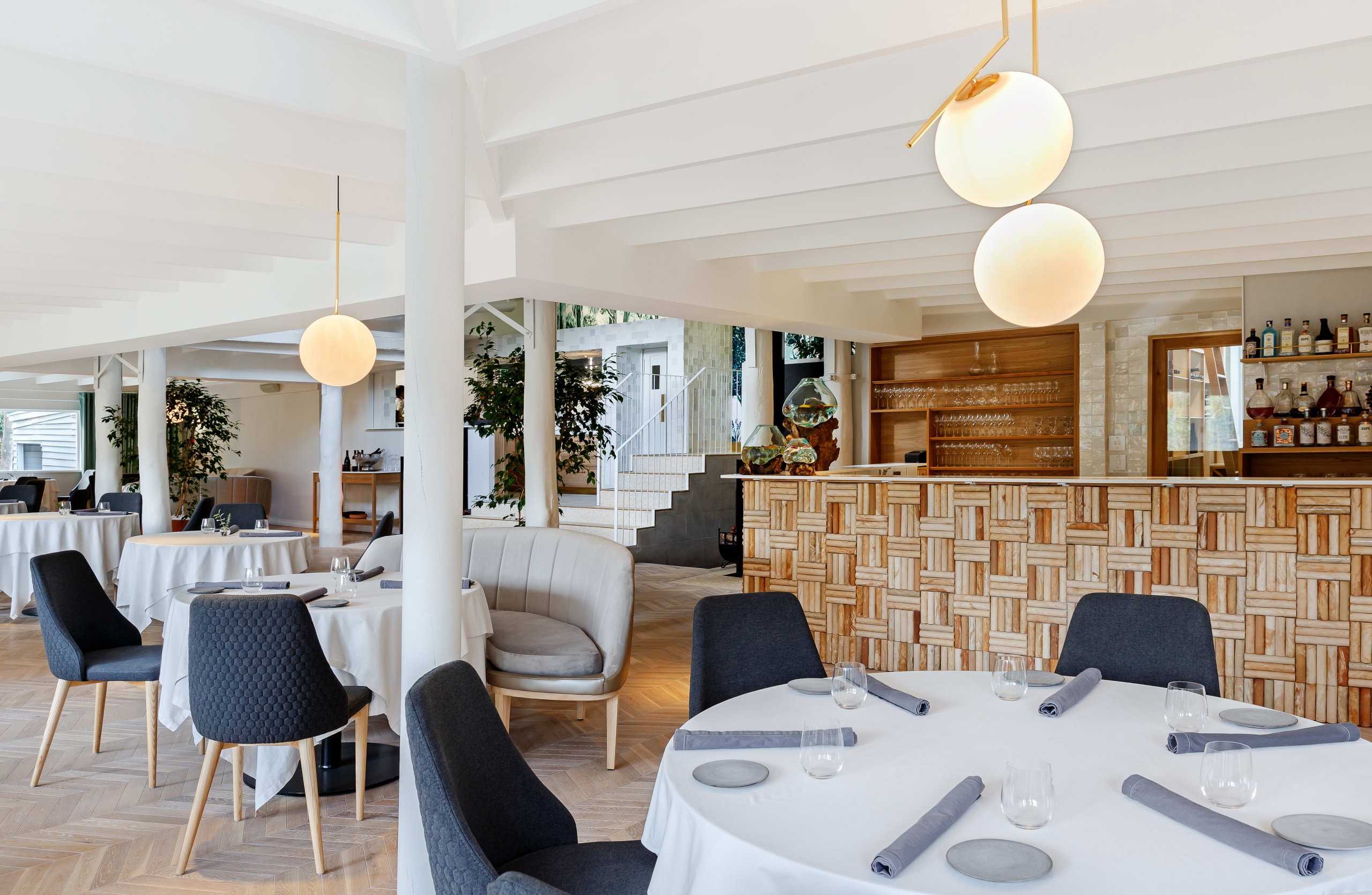
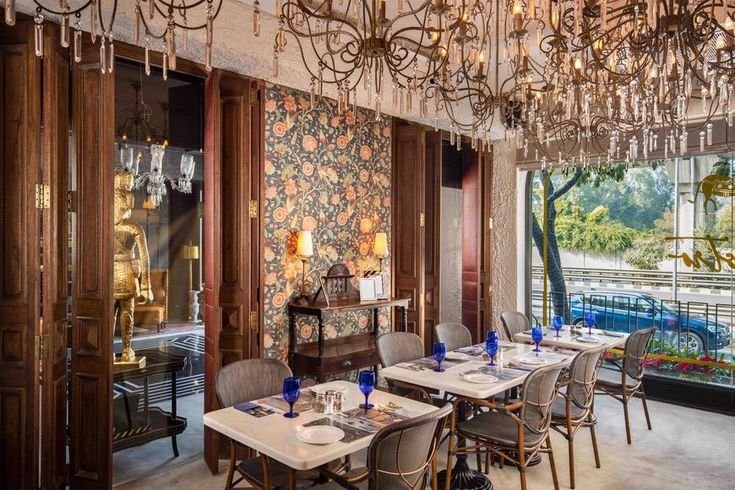
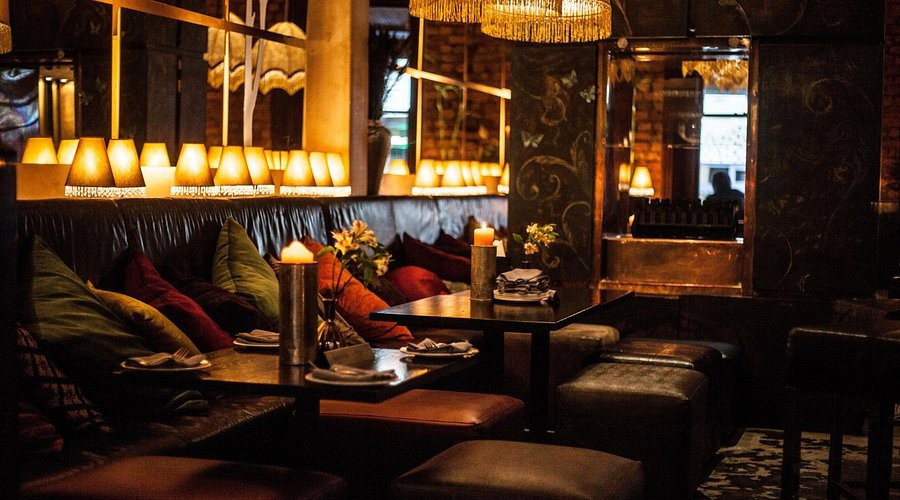
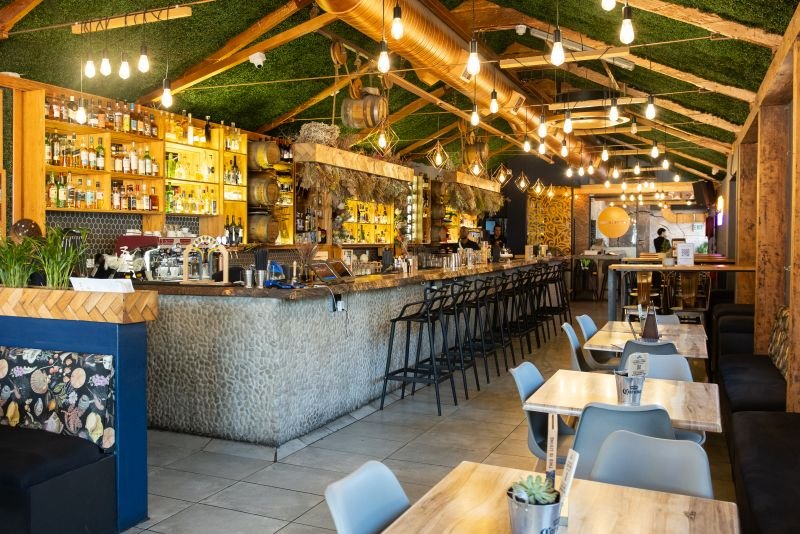
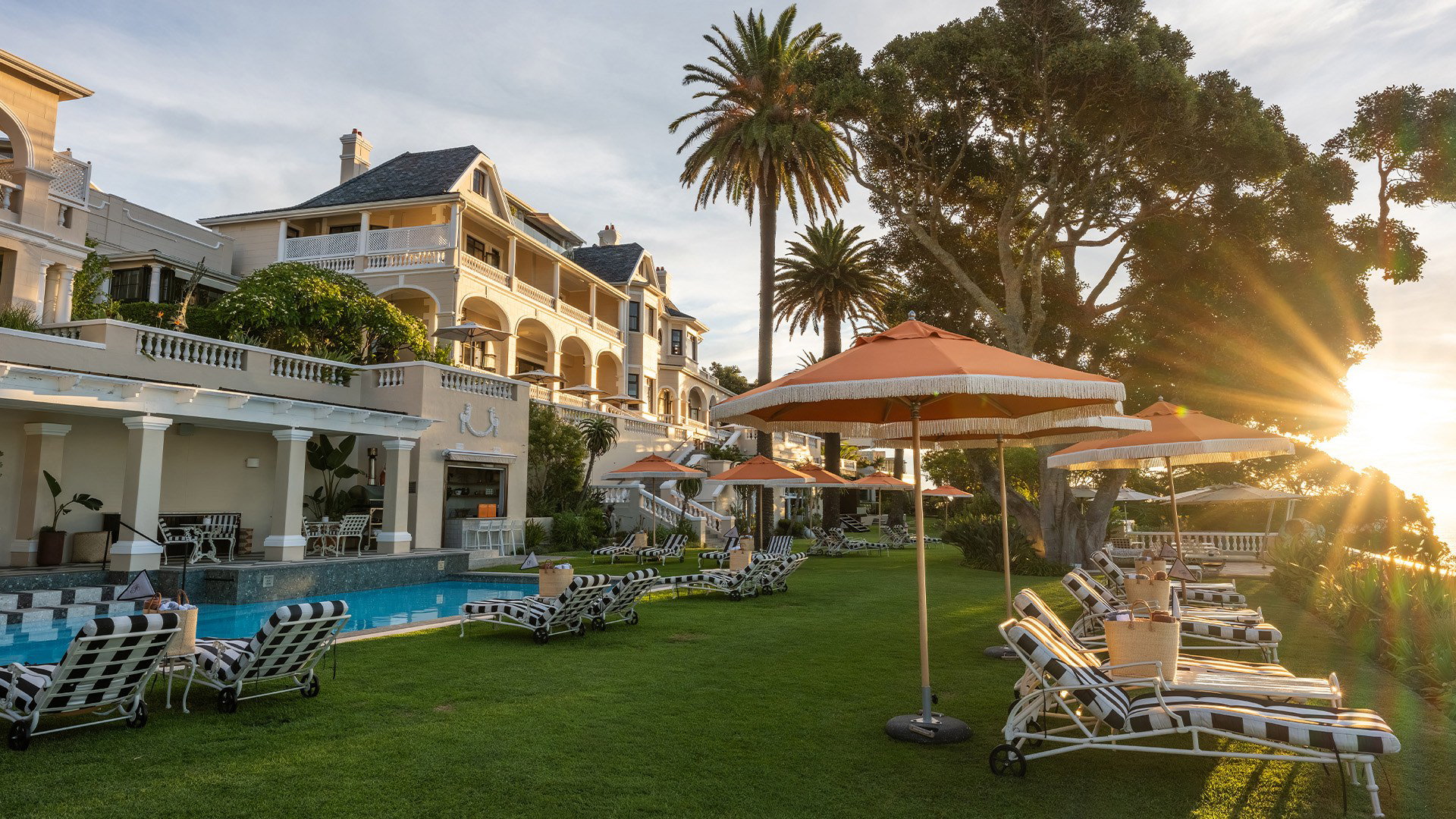
Warm and inviting with cozy fireplaces, elegant yet relaxed atmosphere, and breathtaking ocean vistas.
Tags
Vibe
Best For
Experience
View
Accessibility
At the Vineyard
- Appellation
- Cape Point
- Varietals
- Sauvignon Blanc, Semillon, Chenin Blanc
- Visits
- By reservation
- Wine Styles
- Still White
- Food Pairing
- Offered
- Wine Club
- Not available
Know before you go
Know Before You Go
- Getting there
- Silvermine Rd, Noordhoek, Cape Town, 7985
Planning details
Location
Recognition and awards

Also consider
If this is hard to secure
Try Buitenverwachting for a classic Constantia alternative, or Steenberg Vineyards if the group wants an estate experience that is easier to combine with other stops. For a non-wine backup, Republic of Hout Bay Distillery is the more practical switch.
Winery context
How it compares in Cape Town
Cape Point Vineyards is the stronger choice for a scenic, slower-paced wine stop, while Steenberg Vineyards, Buitenverwachting, and Klein Constantia make more sense if the day is built around the Constantia wine route. The trade-off is convenience: Noordhoek feels more removed, which is part of the appeal, but it is less efficient for a tasting crawl.
For value, decide by format rather than price. If the group wants wine-country ambiance and time on the estate, Cape Point Vineyards is easier to justify. If the group wants a more cellar-focused comparison tasting, Buitenverwachting or Klein Constantia is the better cross-shop. Steenberg Vineyards suits travellers who want a more resort-adjacent estate feel.
If wine is not the priority, Deep South Distillery and Republic of Hout Bay Distillery are better alternatives for spirits-led outings. They are not like-for-like winery substitutes, but they work well for groups where half the table is less interested in wine.
Around this place
Discover more on Pearl
Unlock the full Cape Point Vineyards guide in Pearl, including awards, comparisons, FAQs, planning details, and nearby places.
Compare Cape Point Vineyards
| Venue | Location | Awards |
|---|---|---|
| Cape Point Vineyards | Cape Town | 2026 Falstaff Winery Guide |
| Steenberg Vineyards | Cape Town | 2026 Falstaff Winery Guide |
| Deep South Distillery | Cape Town | No published awards |
| Republic of Hout Bay Distillery | Cape Town | No published awards |
| Buitenverwachting | Cape Town | 2026 Falstaff Winery Guide |
| Klein Constantia | Cape Town | 2026 Falstaff Winery Guide2025 World's 50 Best Vineyards · #62024 World's 50 Best Vineyards · #412023 World's 50 Best Vineyards · #322022 World's 50 Best Vineyards · #392021 World's 50 Best Vineyards · #44 |

How Cape Point Vineyards Cape Town compares with similar nearby venues.
FAQ
Frequently Asked Questions
How long should I plan for a visit to Cape Point Vineyards?
A recommended visit length is not available. Plan only after checking Cape Point Vineyards directly for current opening times, booking requirements, and available experiences.
Is a flagship bottle for Cape Point Vineyards?
A flagship bottle is not named. If your priority is comparing specific wines, confirm the current offering directly with Cape Point Vineyards, Steenberg Vineyards, Buitenverwachting, or another venue before you go.