
Campo Viejo
Logroño
Winery in Logroño, Spain
 Book with Pearl
The Read
Rioja at Scale
Price
$30–50tasting
Why go
Campo Viejo is worth prioritizing if the aim is a structured Rioja winery stop in Logroño, especially as part of a food-and-wine weekend rather than a standalone meal plan. Treat the wine visit as the anchor and arrange restaurants, bars, and hotels around it; travelers wanting easier spontaneity should cross-shop Bodegas Franco-Españolas or Marqués de Murrieta.
About Campo Viejo
Campo Viejo in Logroño has a casual dress code and Pearl 2 Star Prestige recognition for 2025. Before building an itinerary around it, check practical details such as service format, menu, pricing, hours, reservations, group capacity, and specific offerings directly with the venue. That information is useful for identifying Campo Viejo as a relevant Logroño name, but a smooth visit still depends on current planning details.
Use the key details narrowly: Campo Viejo is a Logroño venue with a casual standard, and its 2025 recognition makes it a notable entry for travelers comparing options in the area. The casual dress code suggests there is no need to frame the stop as a formal occasion, but it does not answer the practical questions that usually shape a day. For meal planning, use Our full Logroño restaurants guide rather than assuming Campo Viejo itself provides lunch, dinner, pairings, or any particular dining format.
Choose it for a recognized Logroño venue, not an assumed format
Campo Viejo makes the most sense for visitors who want to include a recognized Logroño name in their plans while keeping expectations grounded. The dress code is casual, but details such as visit structure, availability, timing, and on-site services should be checked with the venue before arrival. This is especially important if the stop needs to fit around transport, meals, or other timed plans. Use Our full Logroño hotels guide, Our full Logroño bars guide, and Our full Logroño experiences guide if Campo Viejo is one part of a broader stay.
The planning angle needs realistic expectations. Treat Campo Viejo as a Logroño venue with Pearl 2 Star Prestige recognition, not as proof of any specific menu, tasting, bottle, food service, or event format. Recognition can help a traveler decide what deserves attention, but it should not be stretched into assumptions about the details of a visit. If food is important to the day, make a separate restaurant booking in Logroño and check any Campo Viejo details through official channels. That approach keeps the venue in the plan without making the rest of the day depend on assumptions. For broader venue research, use current official sources as a starting point, and check individual details before finalizing plans.
How to cross-shop the day
If the decision is between notable venue names, compare Campo Viejo with Marqués de Murrieta and Bodegas Franco-Españolas. Those comparisons are useful for travelers deciding which venue best fits their schedule, but the specific experience, format, access, and services at each should be checked directly. In practical terms, the comparison should begin with the core facts, then move to direct checks for anything that affects timing, meals, transport, or the shape of the visit. Campo Viejo remains a Logroño option with casual dress code and Pearl 2 Star Prestige recognition for 2025.
Other names to consider when building a broader plan include Bodegas Faustino, Finca Valpiedra, and Marqués de Riscal. Use them as comparison points rather than assuming they offer the same style of visit, location convenience, or services as Campo Viejo. The value of that shortlist is in helping travelers organize their research, not in implying that the venues are interchangeable. For other dining in Logroño, compare generically by mood, timing, and current availability instead of relying on assumptions about Campo Viejo's food, drink, or booking format.
Planning details
- Location
- Cam. de Lapuebla de Labarca, 50, 26007 Logroño, La Rioja
- Website
- campoviejo.com
- Phone
- +34 941 27 99 00
The take
The Take
The Vibe
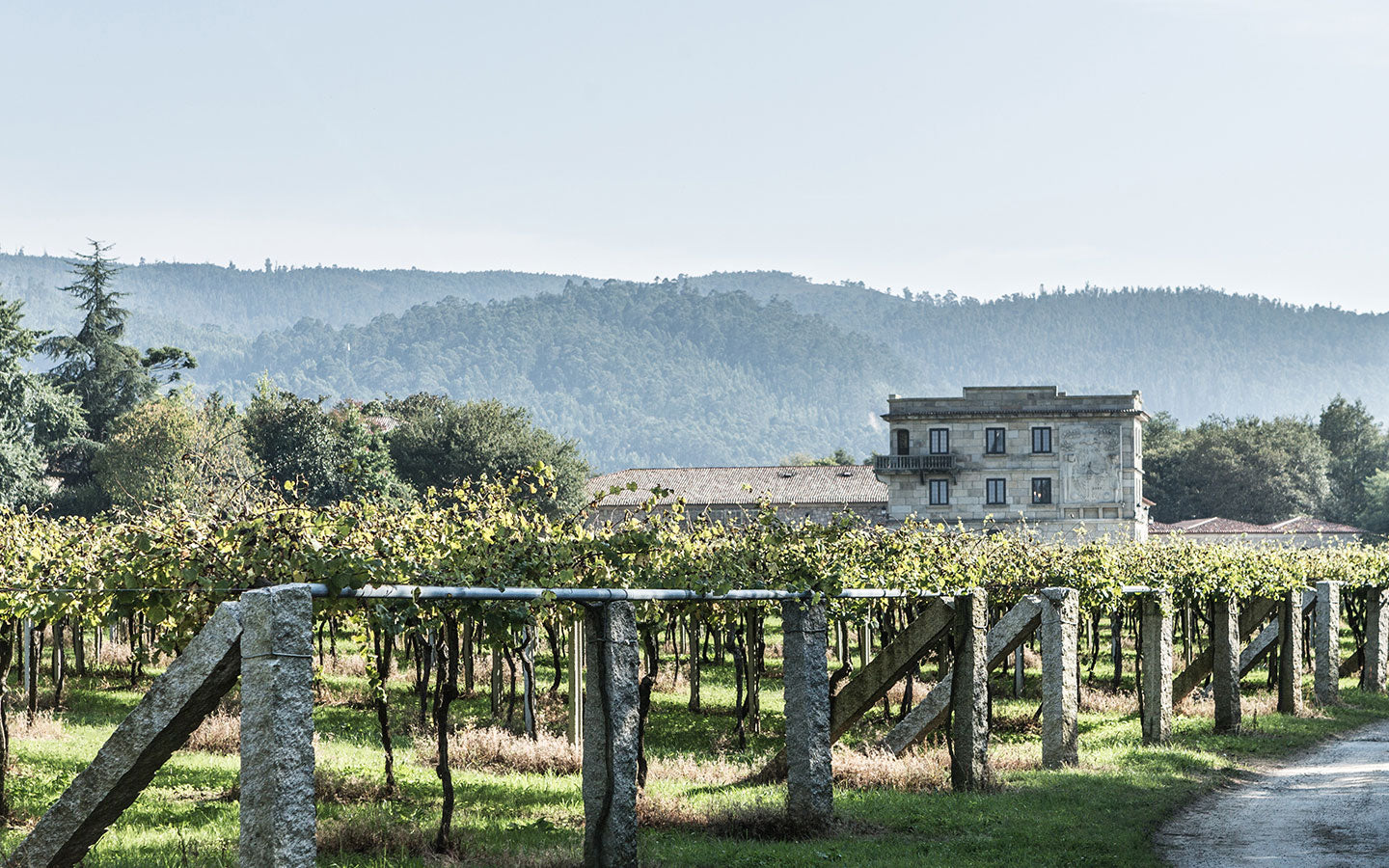
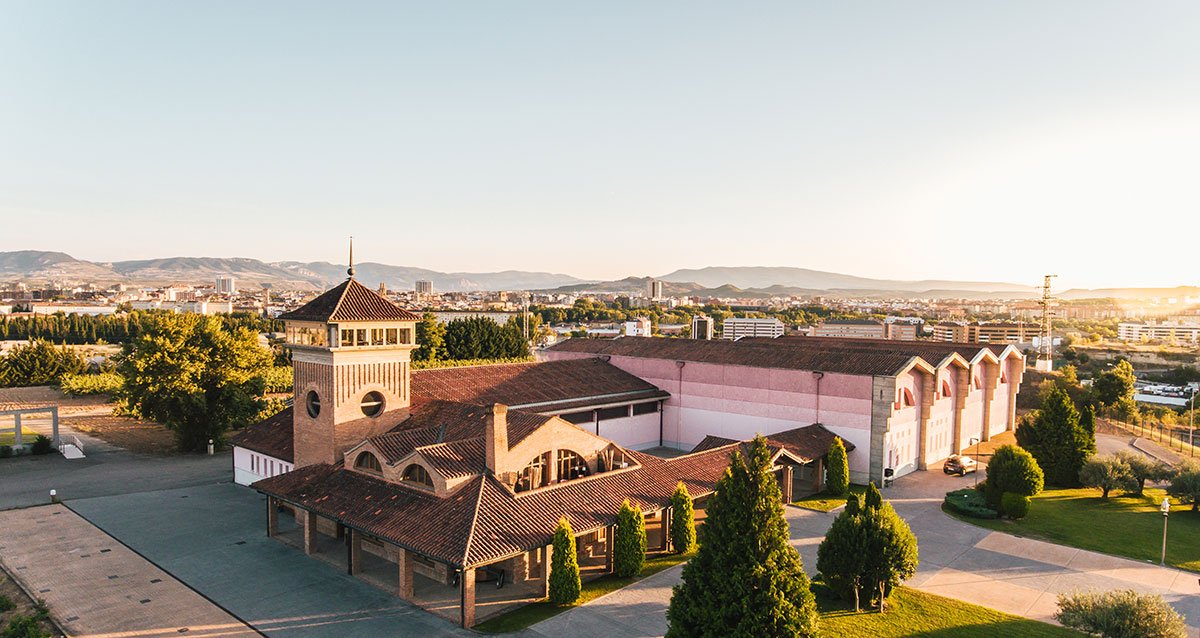
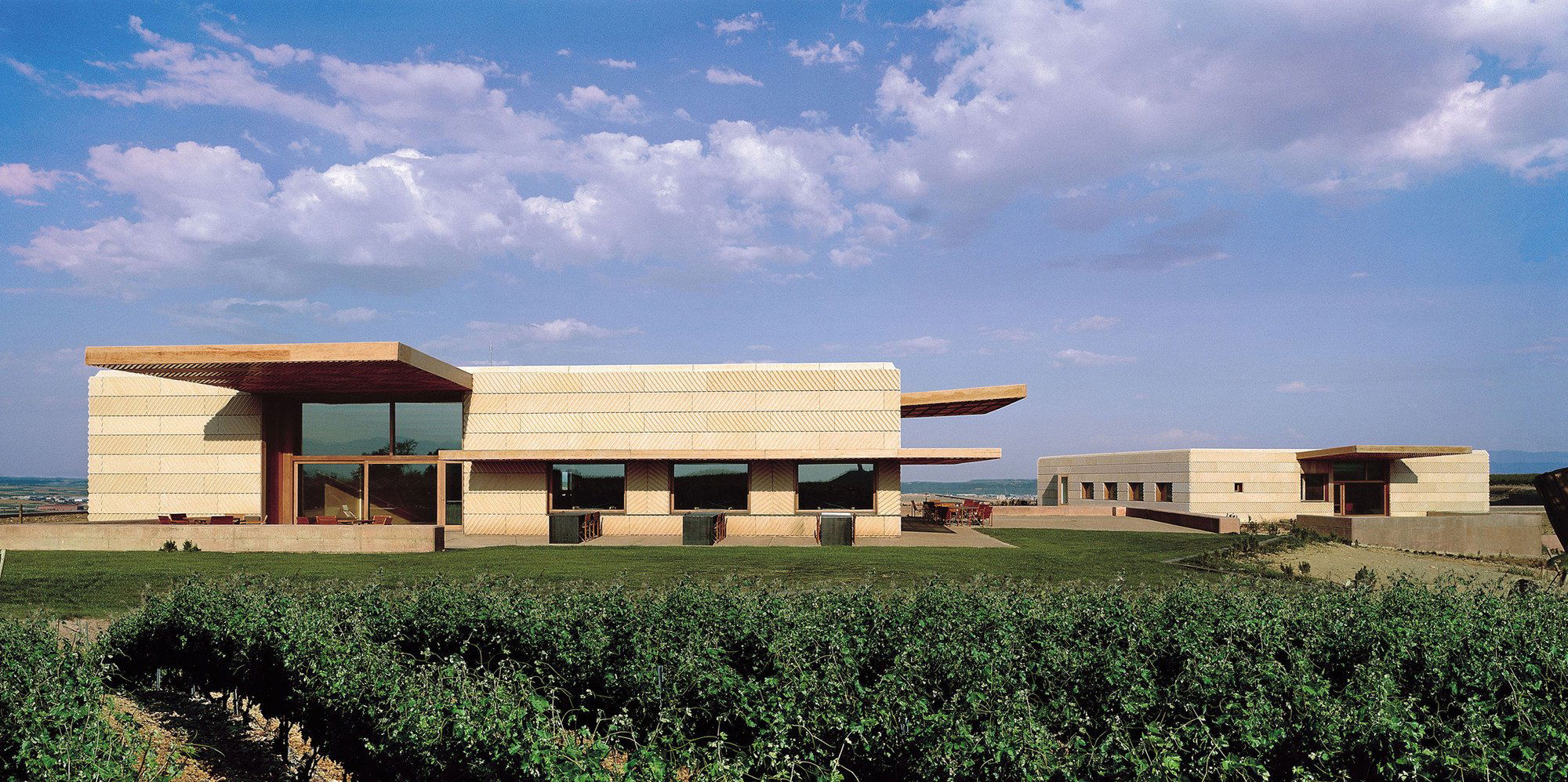
Campo Viejo reads as a large-scale, authoritative Rioja producer rather than a boutique estate. The winery sits on an industrial and agricultural corridor outside Logroño, and that setting frames the visit: this is production at volume, shaped by commercial scale and broad influence. The estate’s work has helped define what many people think of as Rioja, giving it an imprint on the region’s global identity. Visitors who expect intimate, small-lot charm will find instead a confident, workmanlike operation — modern and polished but grounded in the classic Rioja tradition it helps to represent.
Best For
Campo Viejo suits groups, comparative tastings and anyone interested in understanding Rioja at scale. The estate’s profile and facilities make it a logical stop for wine-education visits that aim to compare large-house production with smaller makers nearby. It also works for celebratory visits where accessibility and breadth of wines matter more than boutique rarity. Travelers seeking a picture of how Rioja presents itself globally — rather than a niche collector’s experience — will get the clearest read here.
Tasting Tips
Approach tastings at Campo Viejo with an eye to context: the house is a major commercial producer whose wines are crafted for wide distribution. Look for the wines or tiers that reference the Pearl 2 Star Prestige recognition mentioned in the write-up, since that designation signals structured assessment beyond brand reach. Use visits to compare house styles across Rioja producers in the Logroño corridor, and favor comparative flights or guided tastings that clarify how a large-scale operation translates regional character into widely available bottles.
Venue details
Ambiance
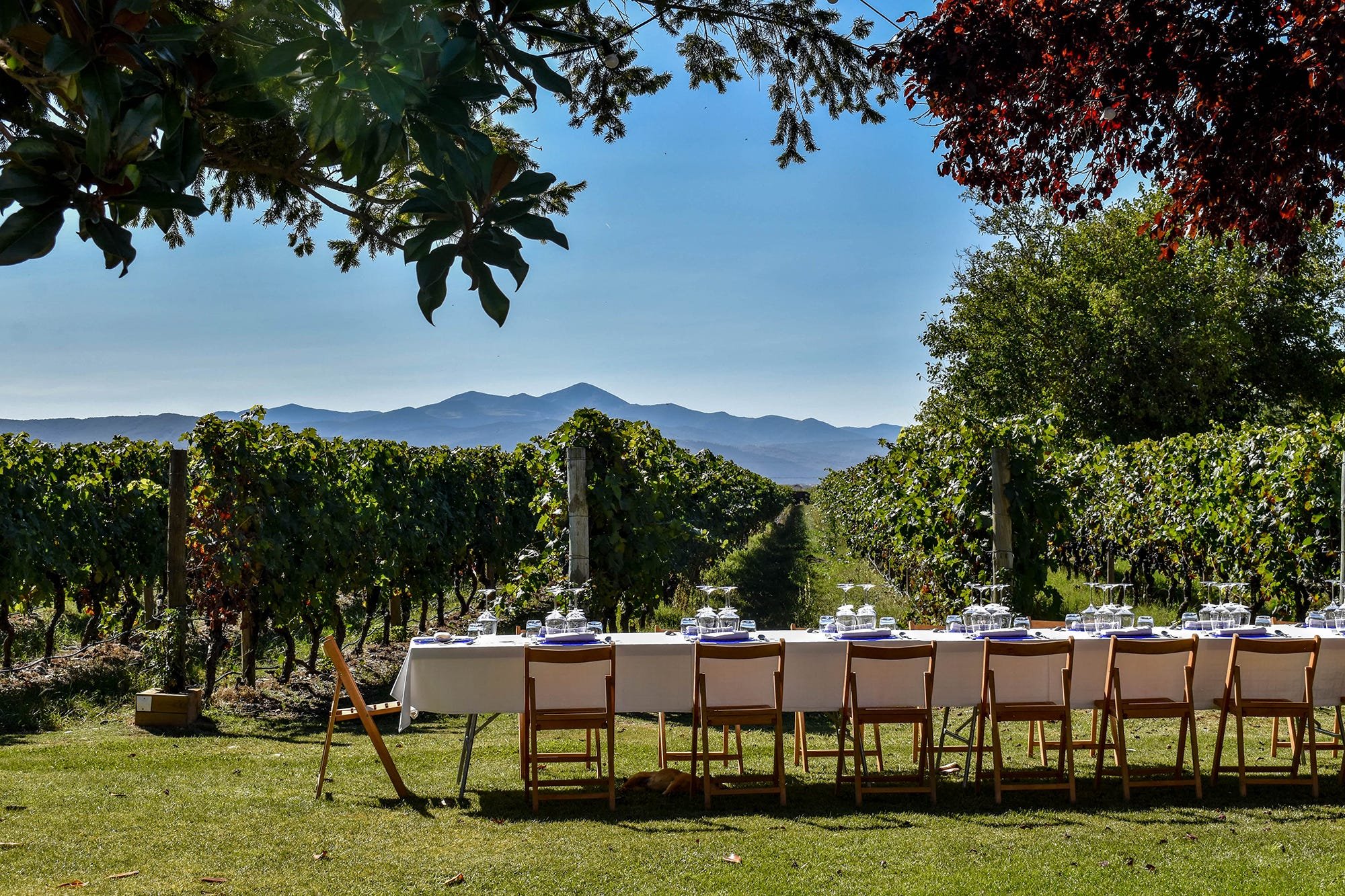
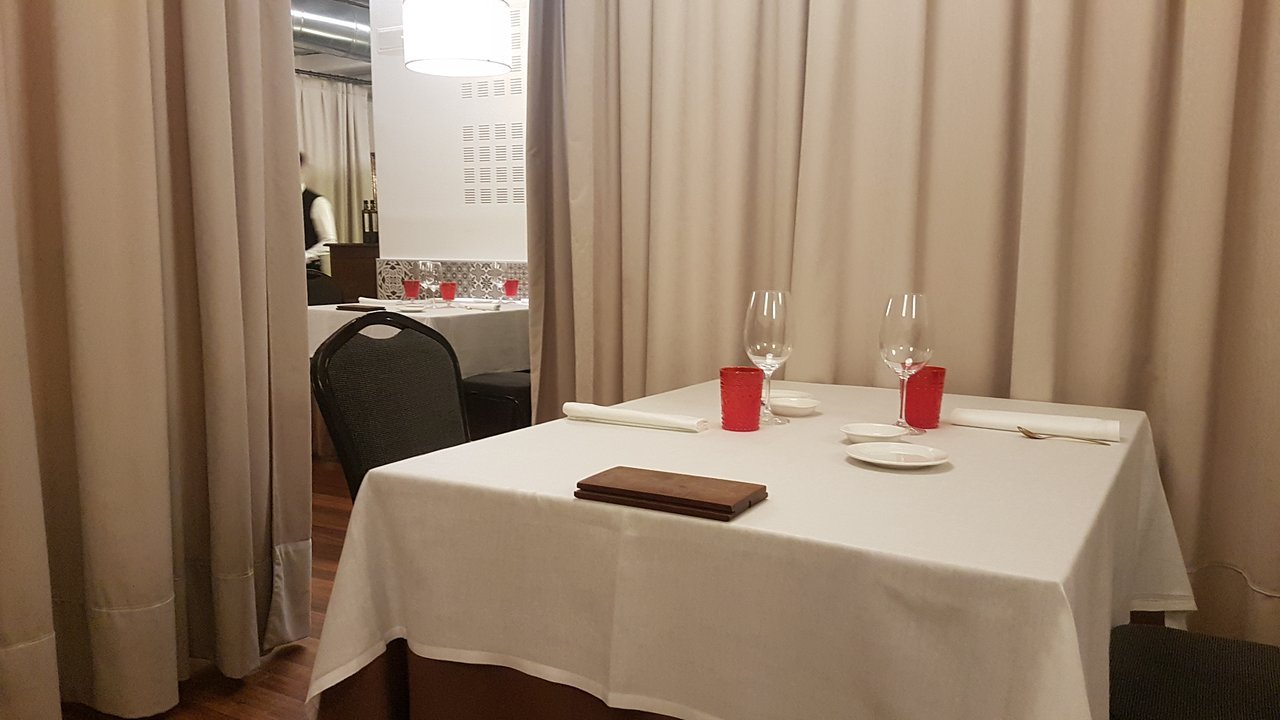
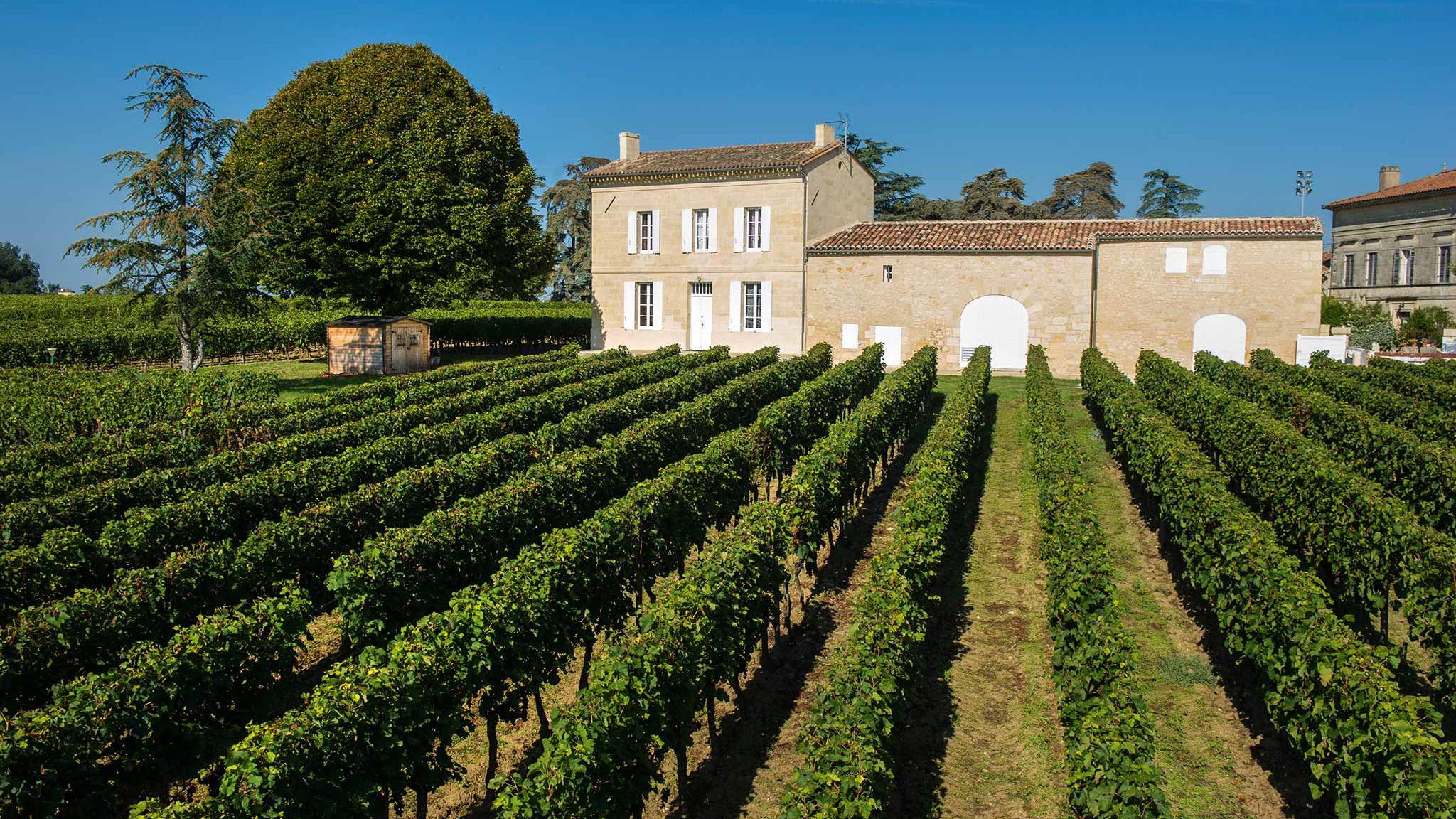
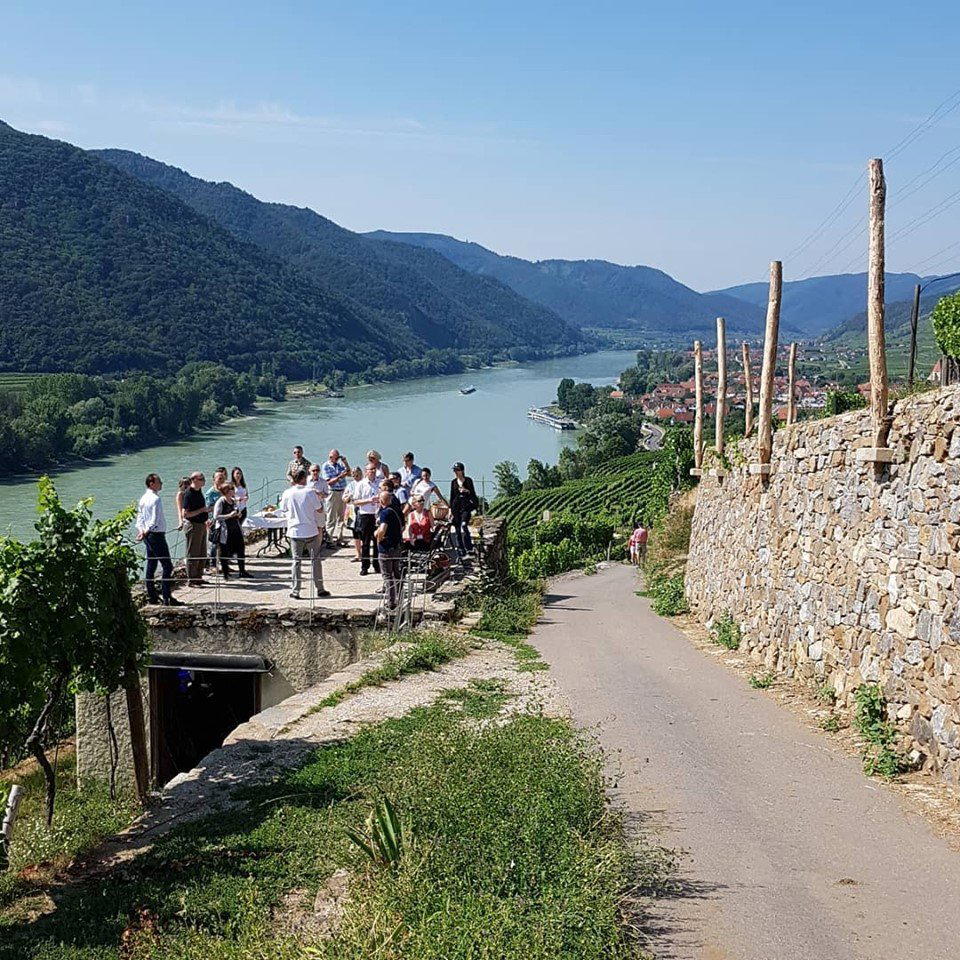
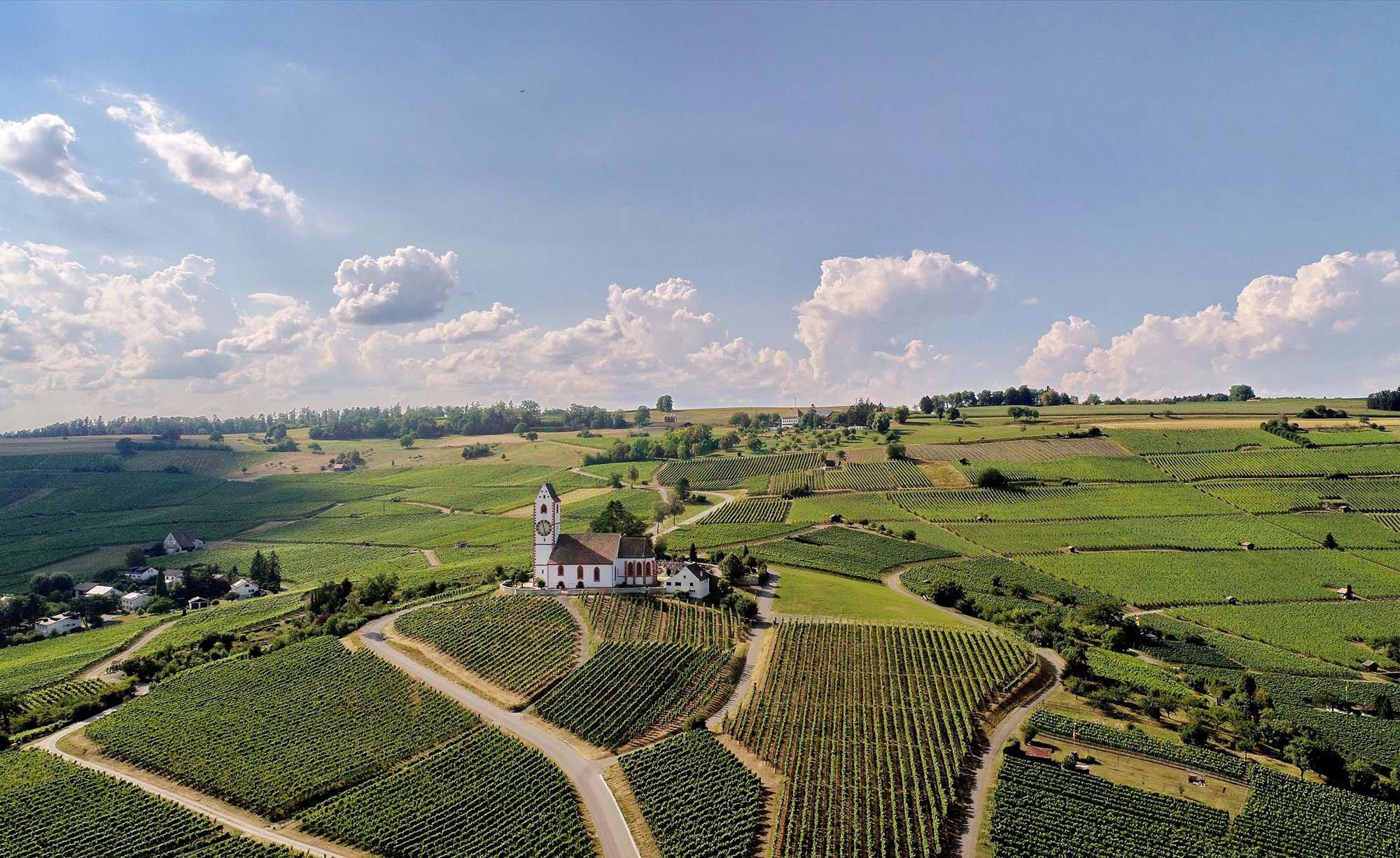
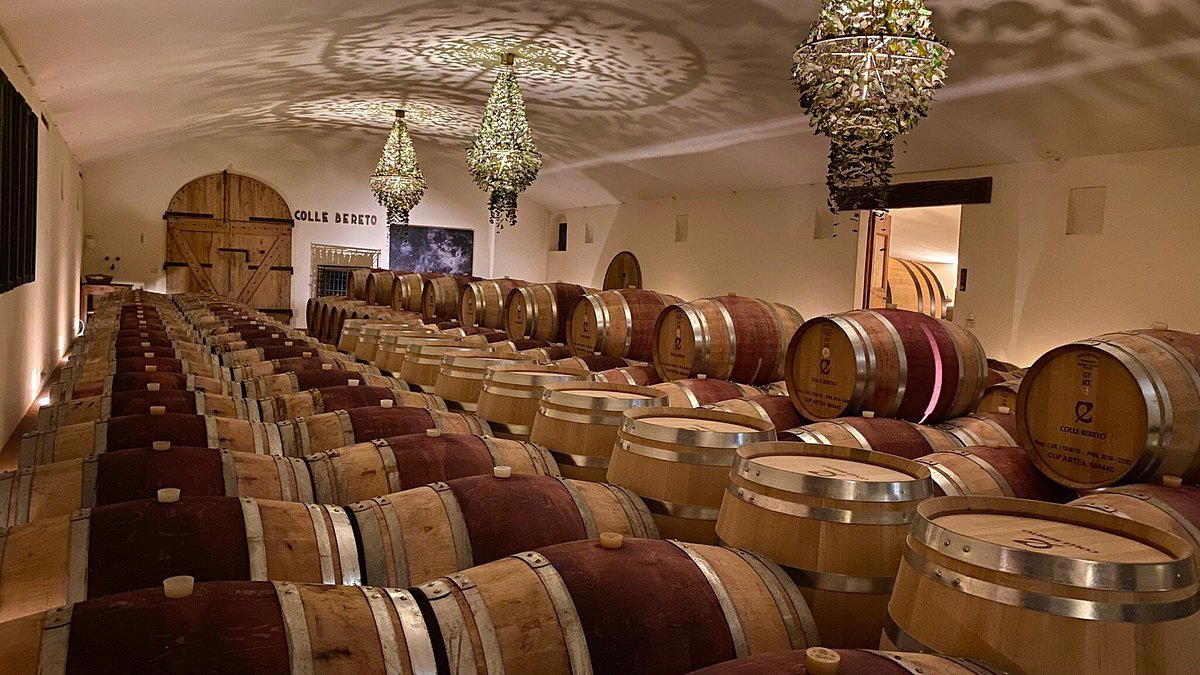
Modern underground facility with natural lighting and temperature control, featuring art installations, comfortable tasting areas with sofas and stools, and outdoor terraces overlooking vineyards with mountain views.
Tags
Vibe
Best For
Experience
Sourcing
View
At the Vineyard
- Appellation
- Rioja
- Varietals
- Tempranillo, Garnacha, Graciano
- Tour Duration
- 90-120 minutes
- Tour Languages
- Spanish, English, French
- Visits
- By appointment only
- Farming
- Sustainable
- Wine Styles
- Still Red, Still White, Still Rose, Sparkling
- Food Pairing
- Offered
- Shipping
- Available
- Wine Club
- Not available
Know before you go
Know Before You Go
- Getting there
- Cam. de Lapuebla de Labarca, 50, 26007 Logroño, La Rioja
Planning details
Location
Recognition and awards

Also consider
If Campo Viejo is hard to schedule
Try Bodegas Franco-Españolas first if the priority is a simpler Logroño winery day with fewer moving parts. Try Marqués de Murrieta if the goal is a more heritage-focused Rioja visit and the schedule can support a more deliberate appointment.
Winery context
How It Compares
Campo Viejo is the practical pick for travelers who want a recognizable Rioja stop close to a Logroño itinerary, but it is not the fallback for loose planning. Marqués de Murrieta is the better choice for a more heritage-weighted winery day, while Bodegas Franco-Españolas is the easier city-minded alternative when logistics matter more than ceremony.
For a broader Rioja comparison, Bodegas Faustino, Finca Valpiedra, and Marqués de Riscal make more sense when the trip can absorb an out-of-metro winery plan. Campo Viejo works better when the day is anchored in Logroño and the priority is a controlled tasting experience rather than a countryside detour.
Value depends on the itinerary: choose Campo Viejo if one strong winery appointment is enough, choose Bodegas Franco-Españolas if ease is the deciding factor, and choose Marqués de Riscal if the trip is built around a larger destination winery experience.
Explore Logroño
Around this place
Discover more on Pearl
Unlock the full Campo Viejo guide in Pearl, including awards, comparisons, FAQs, planning details, and nearby places.
Compare Campo Viejo
| Venue | Location | Awards |
|---|---|---|
| Campo Viejo | Logroño | 2026 Falstaff Winery Guide |
| Marqués de Murrieta | Logroño | 2026 Falstaff Winery Guide2025 World's 50 Best Vineyards · #482024 World's 50 Best Vineyards · #30 |
| Bodegas Franco-Españolas | Logroño | 2026 Falstaff Winery Guide2025 Decanter Winery Prestige |
| Bodegas Faustino | Oyón | 2026 Falstaff Winery Guide2025 Decanter Winery Prestige |
| Finca Valpiedra | Fuenmayor | 2026 Falstaff Winery Guide |
| Marqués de Riscal | Elciego | No published awards |


How Campo Viejo Logroño compares with similar nearby venues.
FAQ
Frequently Asked Questions
What other venues can I compare with Campo Viejo?
Marqués de Murrieta and Bodegas Franco-Españolas are natural names to compare with Campo Viejo when planning a broader itinerary. Bodegas Faustino, Finca Valpiedra, and Marqués de Riscal can also be considered for a wider comparison, with exact logistics checked separately.
Does Campo Viejo offer memberships or special programs?
For memberships or special programs, check the current terms directly with the venue and decide based on how often you expect to use the benefits.