
Steenberg Vineyards
Constantia Valley, Cape Town
Winery in Cape Town, South Africa
 Book with Pearl
The Read
Constantia Valley Precision
Why go
Steenberg Vineyards is worth shortlisting for a Constantia wine visit where food pairing and a fuller estate experience matter. Treat it as a planned stop rather than a casual add-on, and compare it against Buitenverwachting, Klein Constantia, Cape Point Vineyards, Groot Constantia, and Eagles' Nest Wines before deciding how much of the day to give it.
About Steenberg Vineyards
Steenberg Vineyards is a Cape Town venue with a smart-casual dress code and Pearl 2 Star Prestige recognition for 2025. Public-facing planning details such as prices, menus, hours, service formats, and specific visit options should be checked directly with the venue's official channels before making a plan.
If you are comparing Cape Town venues for an itinerary, keep Steenberg Vineyards on the shortlist, then confirm the practical details directly before you travel.
Book this when you want a Pearl-recognised Cape Town venue
A strong reason to prioritise Steenberg Vineyards is its Pearl 2 Star Prestige recognition in 2025. The dress code is smart casual, so plan for a polished but not overly formal visit. Specific details about food, tastings, pricing, and service style should be confirmed directly with the venue.
For a broader Cape Town day, pair the visit with wider Cape Town planning rather than treating any single venue as the whole plan. If the day is more dining-led, use the Cape Town restaurants guide before committing to a venue stop. For travellers building a full city weekend, the Cape Town hotels guide and Cape Town bars guide can help keep the visit in context.
Cape Town venues are the comparison set
Steenberg Vineyards makes the most sense when compared with other Cape Town venues that may fit a similar planning brief. Buitenverwachting, Cape Point Vineyards, Eagles' Nest Wines, Groot Constantia, and Klein Constantia are useful names to consider alongside Steenberg Vineyards, depending on the kind of Cape Town itinerary you are building.
Compare venues on basics before booking: location at the city level, dress expectations, current availability, and any directly published policies. Other Cape Town dining and venue options may also suit the same day, but specific claims about menus, formats, prices, or experiences should be checked with each venue directly.
Planning details
- Location
- Steenberg Rd, Steenberg Estate, Cape Town, 7945
- Website
- steenbergfarm.com
- Phone
- +27 21 713 3211
The take
The Take
The Vibe
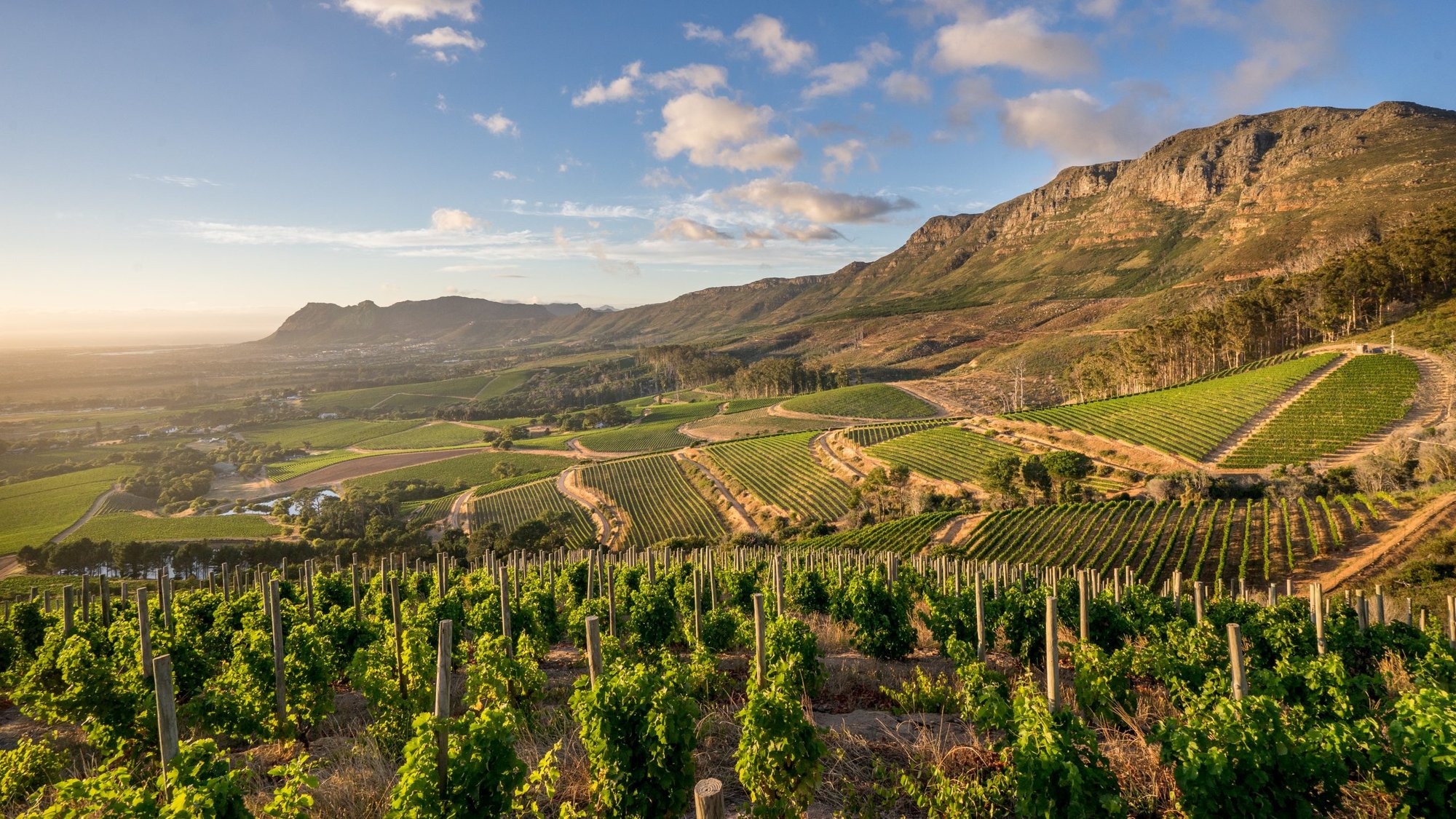
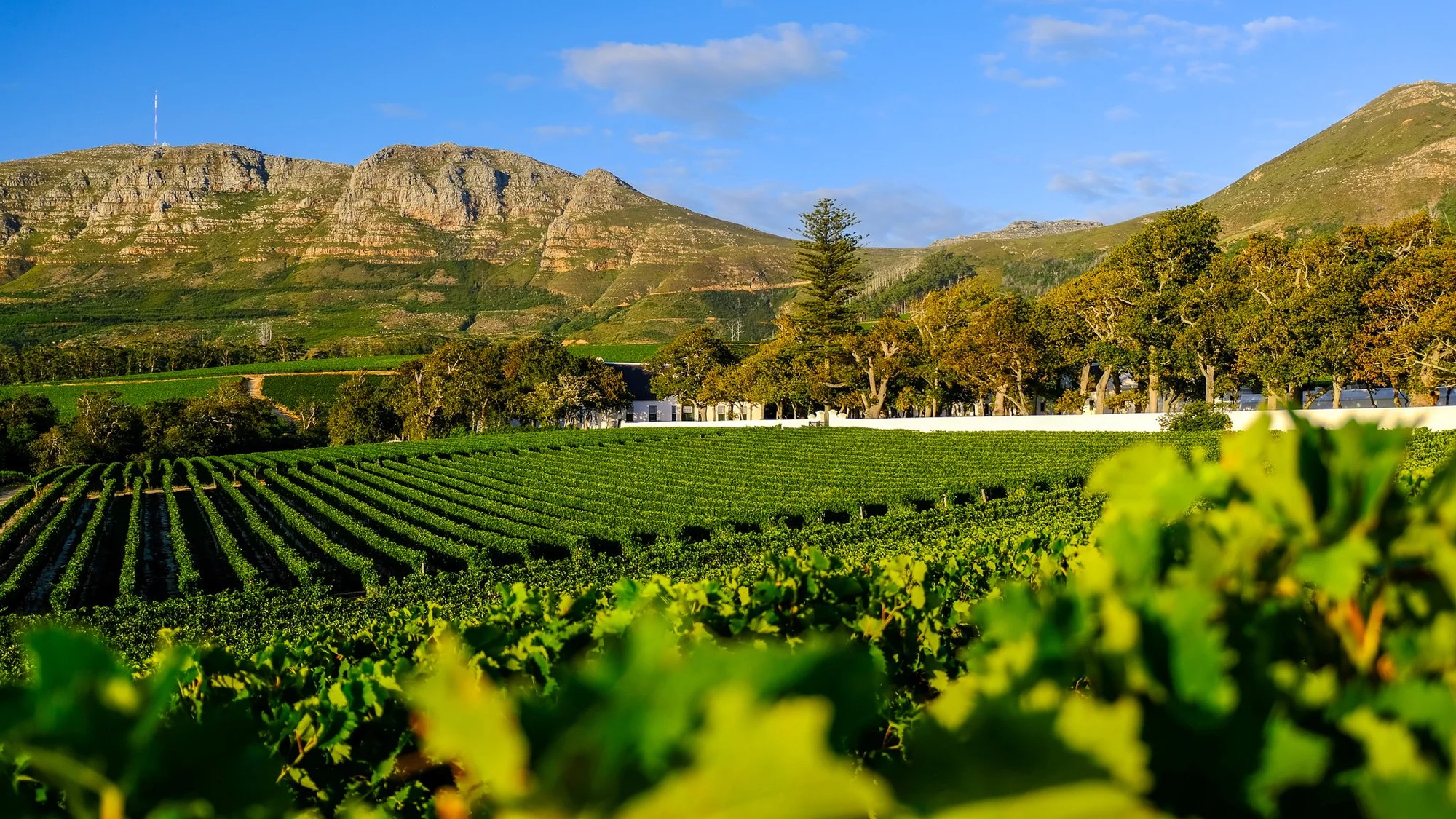
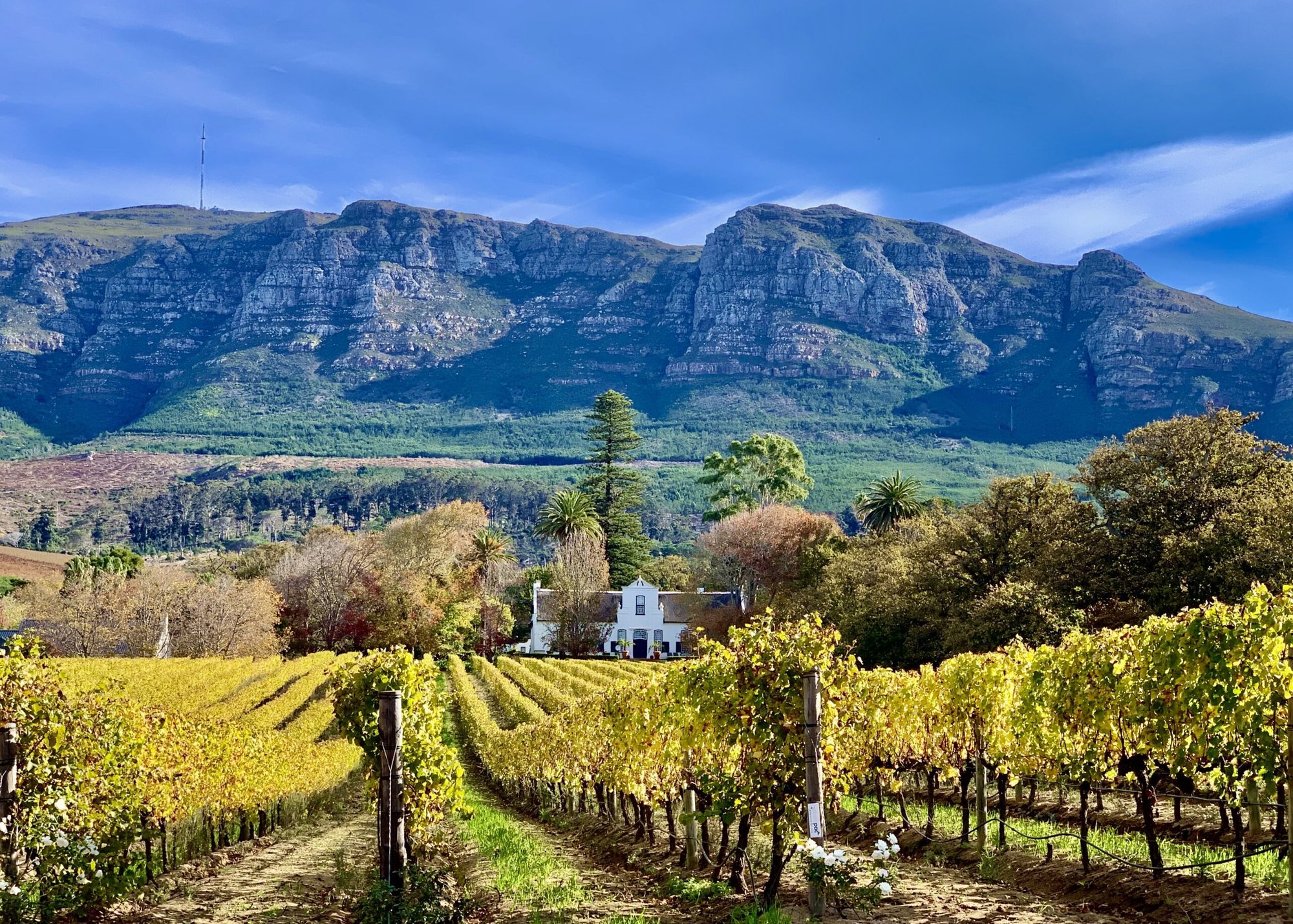
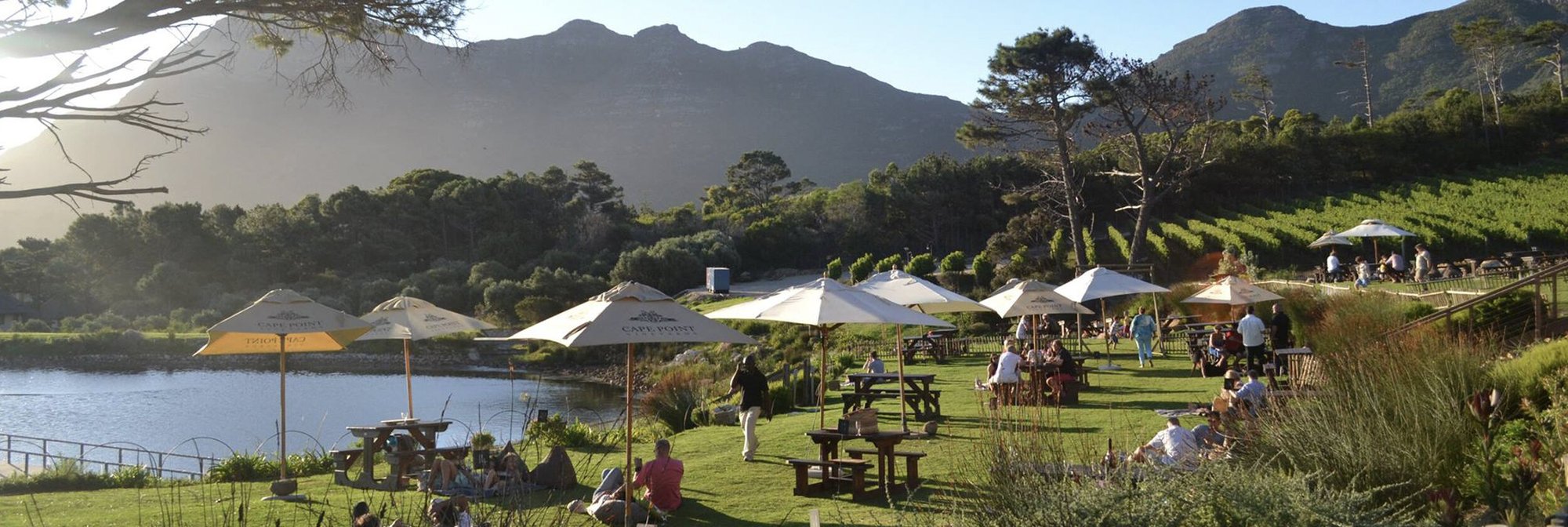
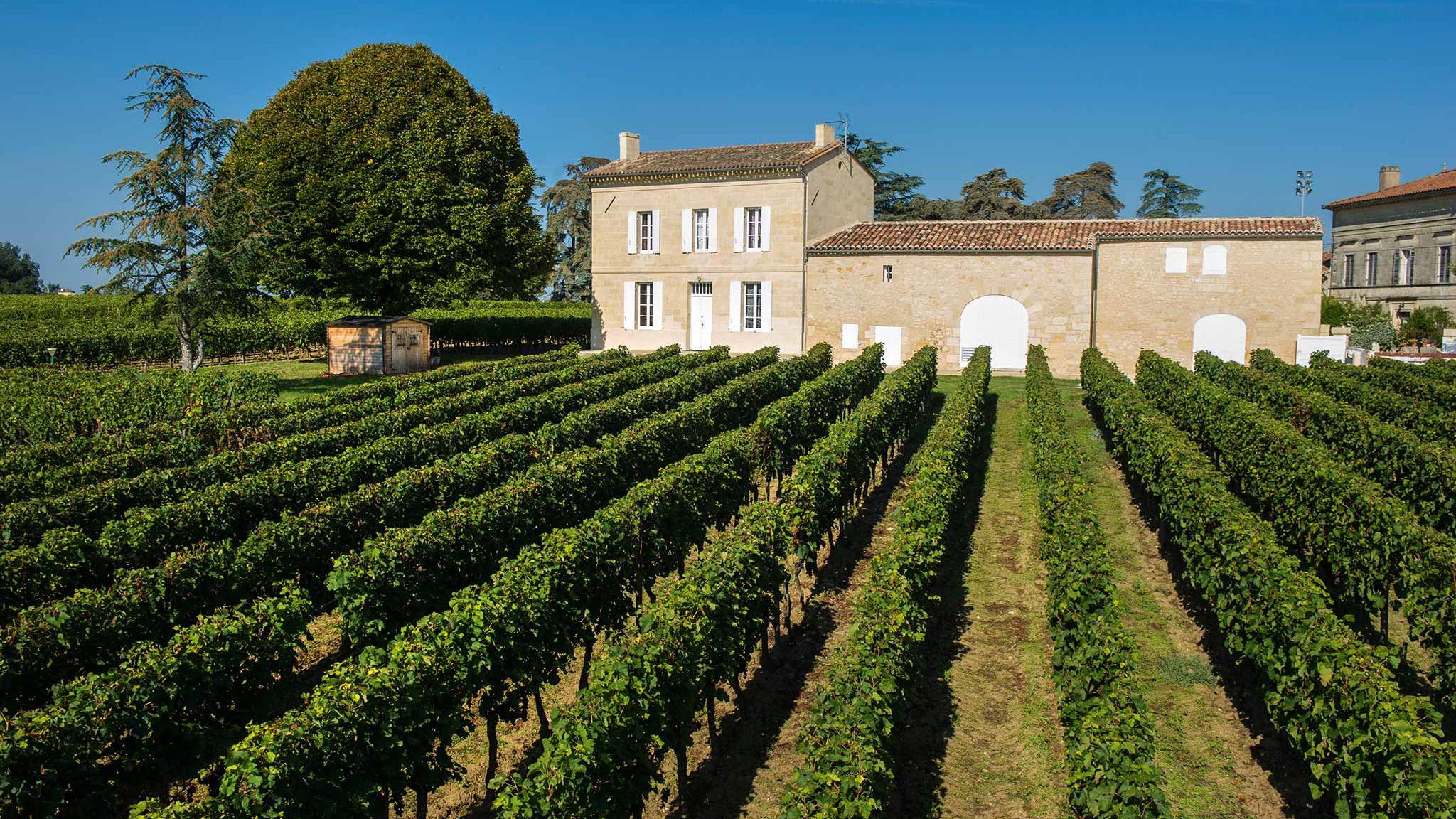
Steenberg sits at the southern end of Constantia’s cool, fog‑influenced corridor, framed by the Steenberg Mountains and fynbos‑covered slopes. The copy emphasizes terroir—maritime cooling, decomposed granite and clay soils—and an estate scale that reads as refined and quietly authoritative. A recent Pearl 2 Star Prestige nod places the property in the upper tier of Cape wine addresses, so the overall mood is composed and contemplative rather than flashy. Visitors encounter a cultivated agricultural landscape with a clear sense of place: measured, scenic and quietly steeped in the Valley’s long viticultural memory.
Best For
Steenberg is best for travelers who care about terroir and steady quality: wine students, collectors and visitors who want a clear demonstration of Constantia’s maritime influence and mineral‑driven styles. The estate’s Pearl 2 Star Prestige recognition signals consistent quality across the range, so it also suits special‑occasion visitors and small group outings that favor a polished, estate‑scale tasting experience. Families and romantic getaways find the pastoral setting and gentle topography welcoming, while anyone focused on wine education will appreciate the property’s clear link to the valley’s distinctive soils and climate.
Tasting Tips
When tasting at Steenberg, orient yourself around the estate’s sense of place: seek out wines that show maritime cooling and mineral notes—these features are repeatedly highlighted in the description. Ask which parcels sit on decomposed granite and clay and which bottlings most clearly reflect False Bay’s influence. The Pearl 2 Star Prestige designation is a useful shorthand for the estate’s reliable lineup, so include one or two flagship or prestige cuvées to understand the property’s benchmark stylistic aims. Take time to walk the vine rows if offered to connect the wines to the slopes and soils described.
Venue details
Ambiance
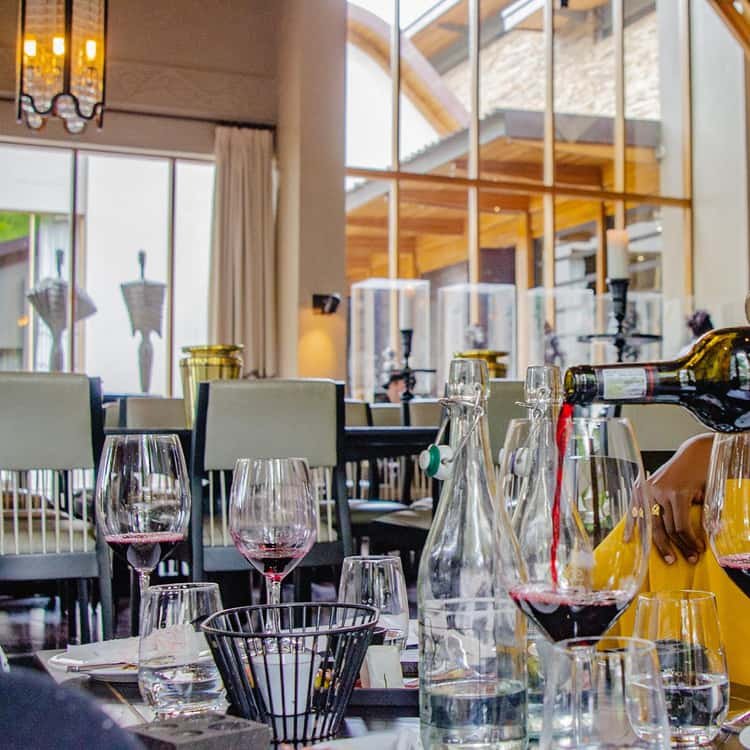
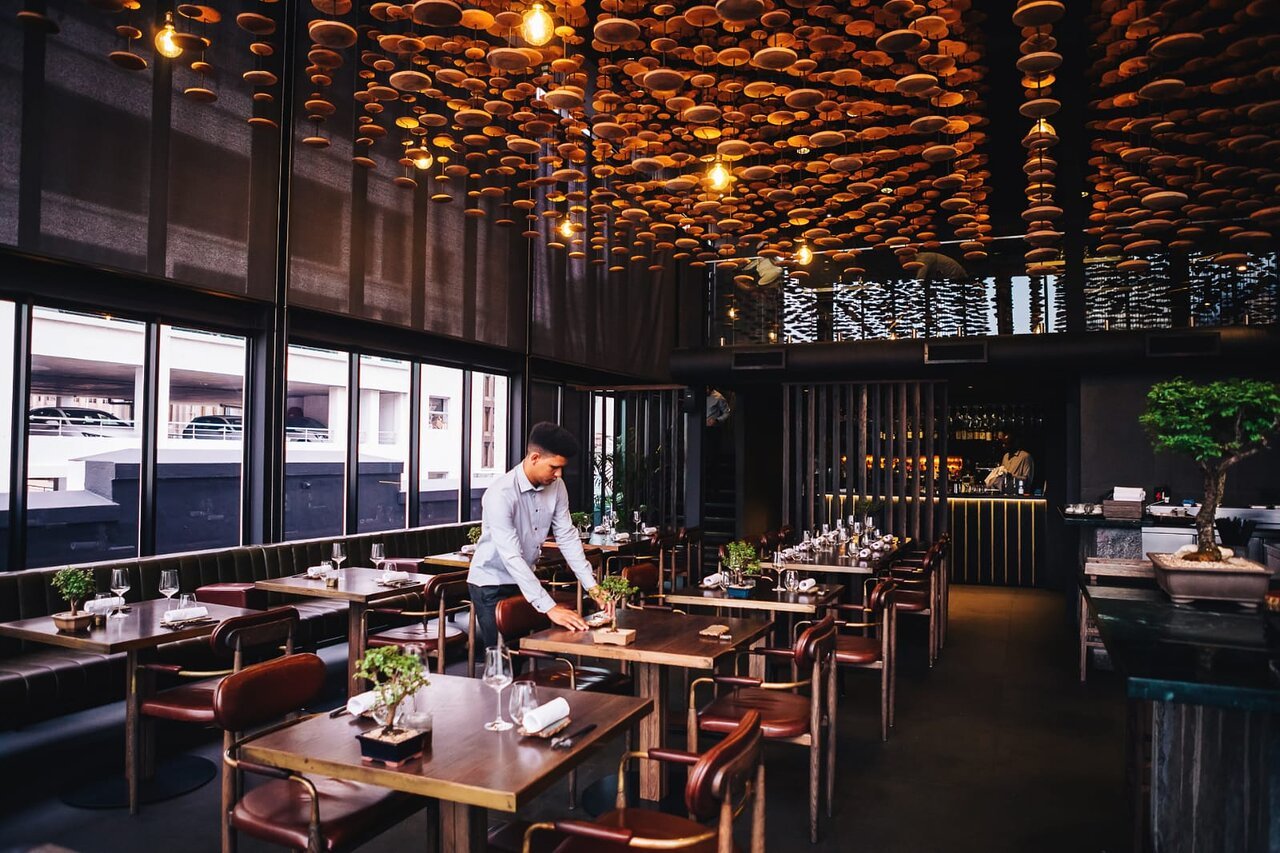
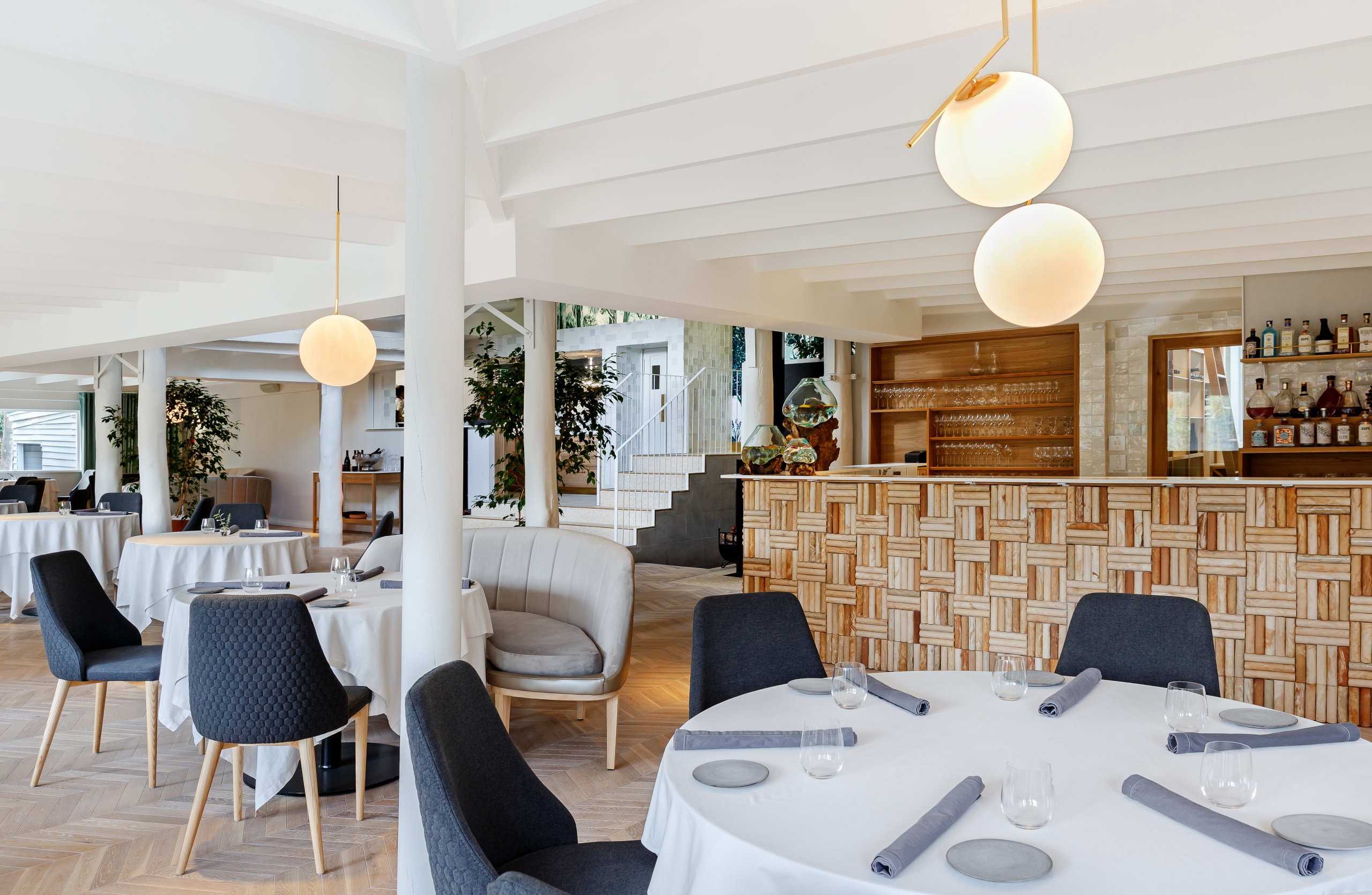
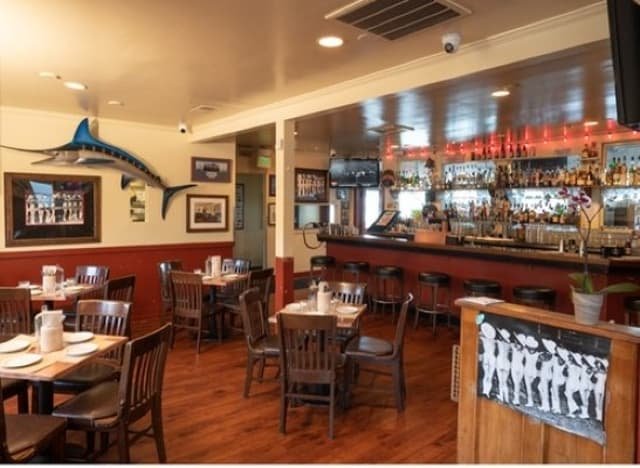
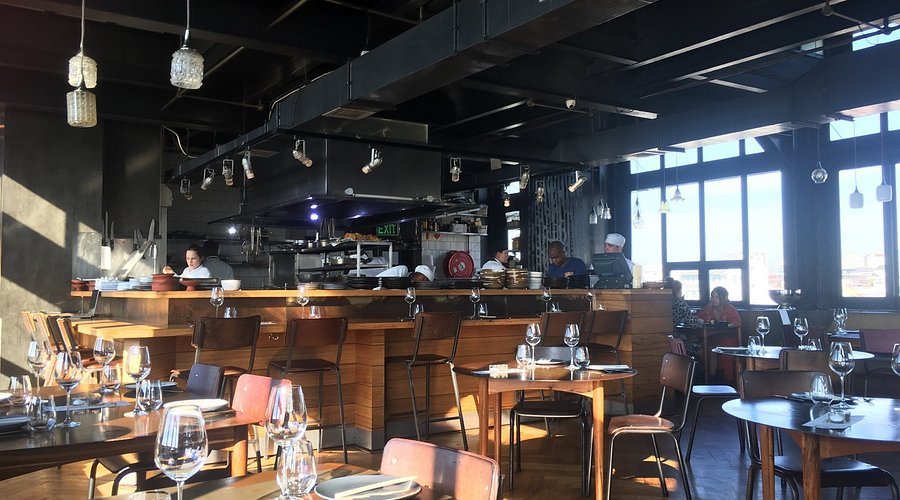
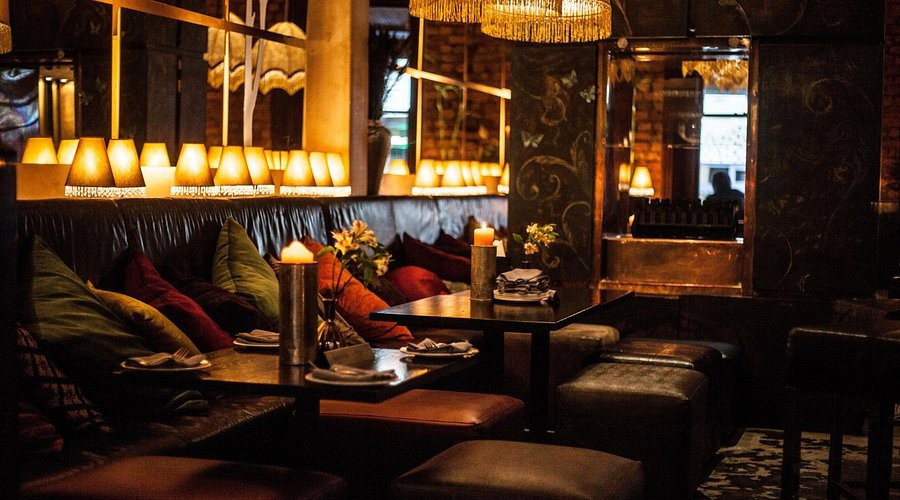
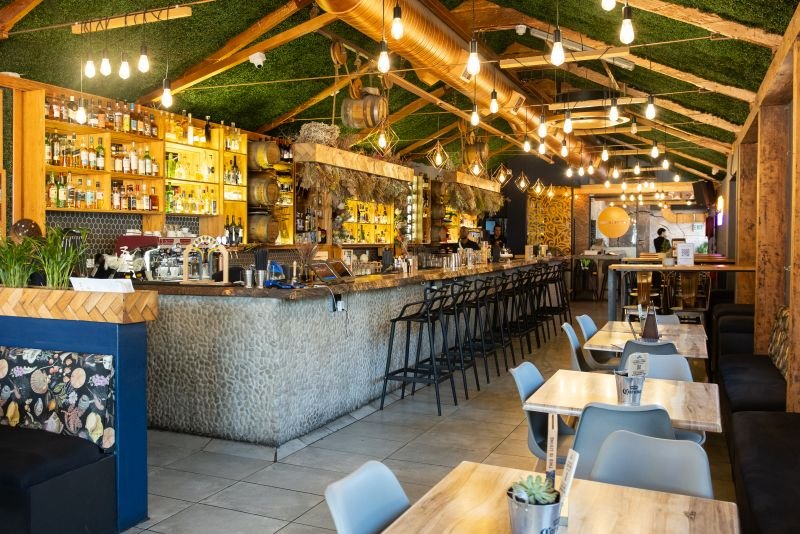
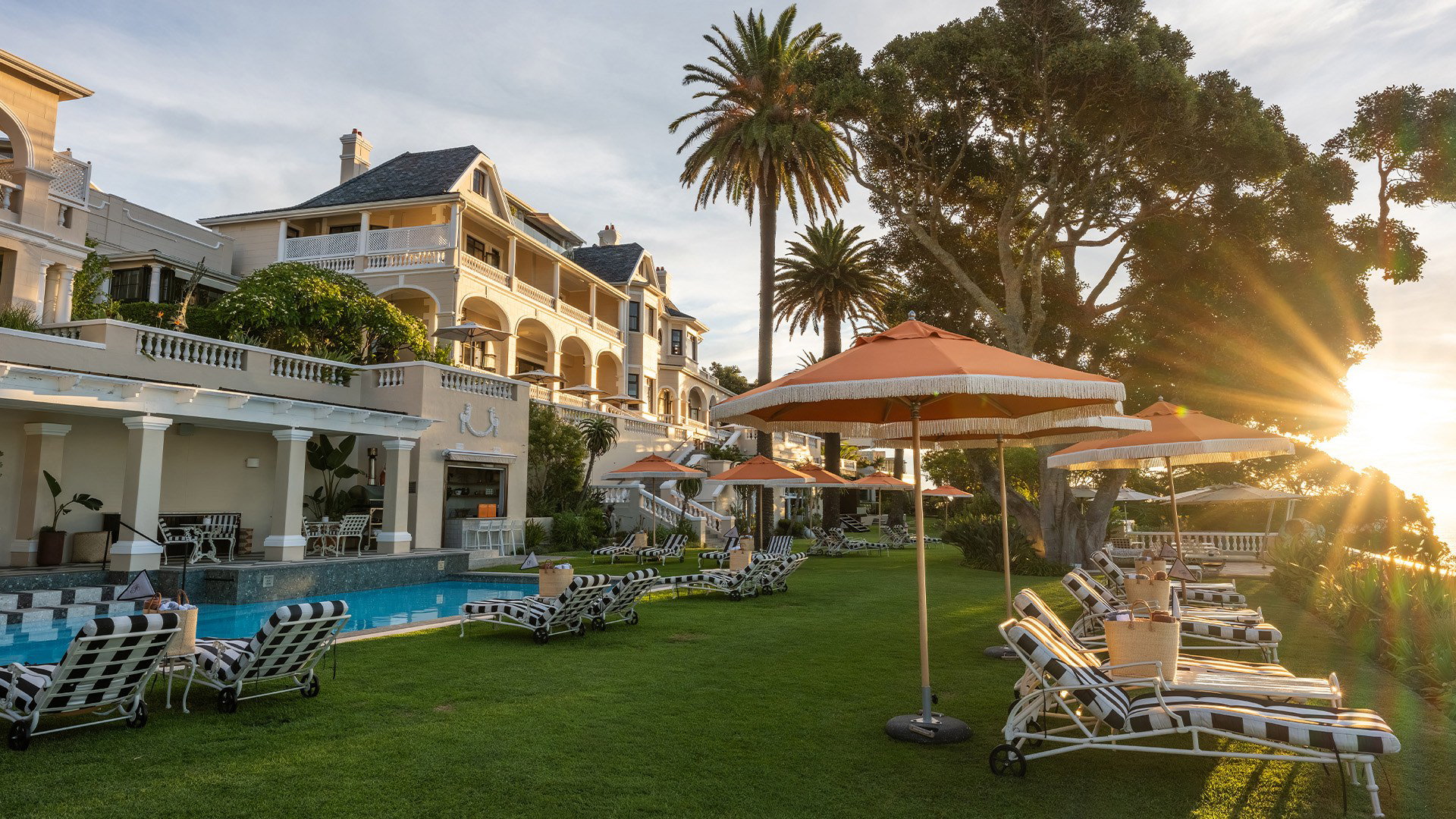
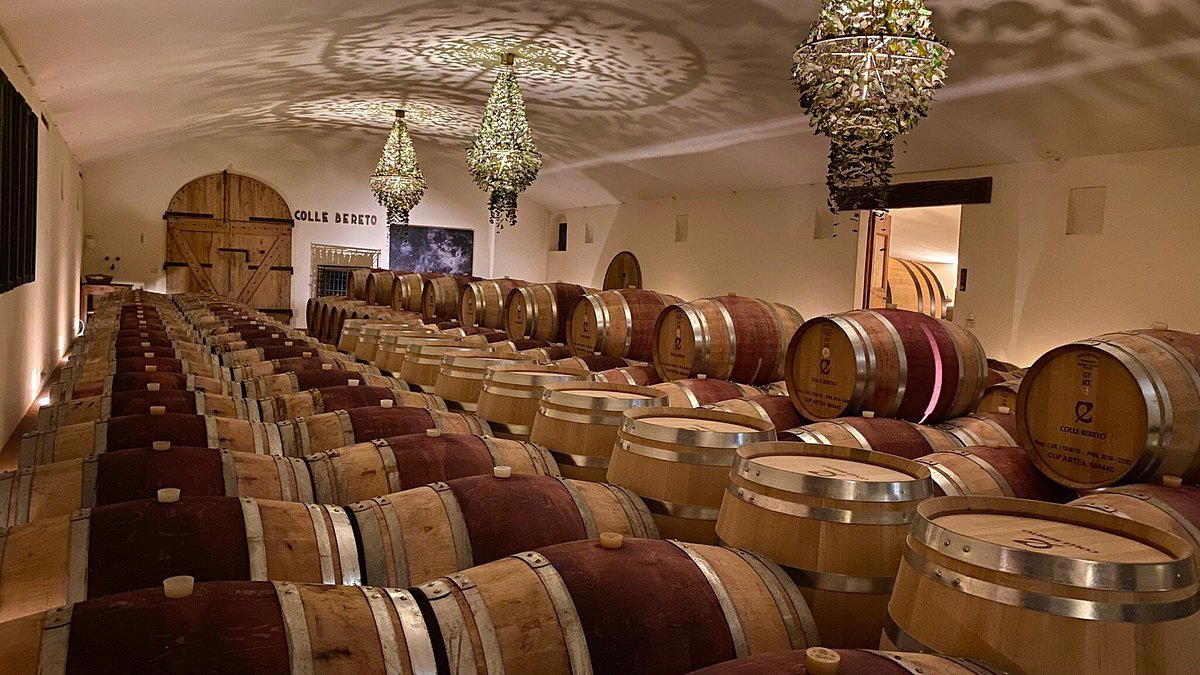
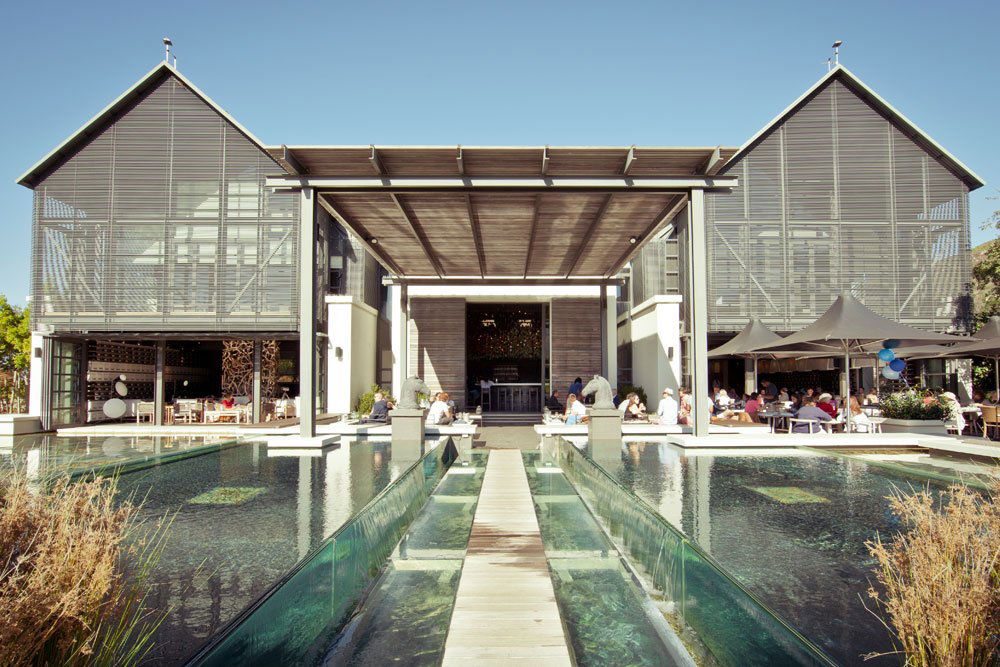
Refined and relaxed with natural light, terrace seating overlooking pristine lawns and water features, blending 17th-century elegance with modern luxury.
Tags
Vibe
Best For
Experience
Sourcing
View
At the Vineyard
- Appellation
- Constantia Valley
- Varietals
- Sauvignon Blanc, Semillon, Merlot, Cabernet Sauvignon, Syrah
- Tour Duration
- 60-90 minutes
- Wine Club
- Available
Know before you go
Know Before You Go
- Getting there
- Steenberg Rd, Steenberg Estate, Cape Town, 7945
Planning details
Location
Recognition and awards

Also consider
If you cannot secure this visit
Try Buitenverwachting first if the goal is to stay in the Constantia lane with a similarly classic winery feel. Choose Klein Constantia instead if the priority is a more heritage-focused wine stop.
If the group wants the day to feel more scenic than cellar-led, Cape Point Vineyards is the better backup.
Winery context
How it compares in Cape Town
Choose Steenberg Vineyards if the brief is a polished Constantia estate visit with food playing a real role in the decision. Buitenverwachting is the closest practical cross-shop for a classic Constantia winery day, while Klein Constantia is the stronger pick for readers who want the visit to lean harder into historic wine reputation.
Cape Point Vineyards is better when scenery and a coastal-feeling outing matter more than staying within Constantia. Groot Constantia is the safer choice for visitors who want a heritage-led stop with broad name recognition, while Eagles' Nest Wines suits a smaller-scale Constantia plan.
For value, the right move is to decide by format before booking: Steenberg is the pick when the meal-and-wine combination is central; Groot Constantia or Buitenverwachting may suit a simpler tasting route; Cape Point Vineyards is the better alternative when the outing itself matters as much as the wine.
Around this place
Discover more on Pearl
Unlock the full Steenberg Vineyards guide in Pearl, including awards, comparisons, FAQs, planning details, and nearby places.
Compare Steenberg Vineyards
| Venue | Location | Awards |
|---|---|---|
| Steenberg Vineyards | Cape Town | 2026 Falstaff Winery Guide |
| Buitenverwachting | Cape Town | 2026 Falstaff Winery Guide |
| Klein Constantia | Cape Town | 2026 Falstaff Winery Guide2025 World's 50 Best Vineyards · #62024 World's 50 Best Vineyards · #412023 World's 50 Best Vineyards · #322022 World's 50 Best Vineyards · #392021 World's 50 Best Vineyards · #44 |
| Cape Point Vineyards | Cape Town | 2026 Falstaff Winery Guide |
| Groot Constantia | Cape Town | 2026 Falstaff Winery Guide |
| Eagles’ Nest Wines | Cape Town | No published awards |

How Steenberg Vineyards Cape Town compares with similar nearby venues.
FAQ
Frequently Asked Questions
How long should I plan for a visit to Steenberg Vineyards?
A specific visit length should be confirmed directly with Steenberg Vineyards. Confirm current availability, timing, and any booking requirements through the venue's official channels before you go.
Are shipping options for Steenberg Vineyards?
Steenberg Vineyards' shipping policy should be confirmed directly with the venue. If shipping is important, confirm the current policy directly with Steenberg Vineyards and compare the response with other Cape Town venues such as Groot Constantia or Klein Constantia.
Are membership options for Steenberg Vineyards?
Membership details should be confirmed directly with Steenberg Vineyards. Join only after confirming the current benefits, terms, and any costs directly with Steenberg Vineyards. If membership perks matter, compare information from Klein Constantia and Groot Constantia before deciding.
What other Cape Town venues can I compare with Steenberg Vineyards?
Relevant Cape Town comparisons include Buitenverwachting, Klein Constantia, Cape Point Vineyards, Groot Constantia, and Eagles' Nest Wines. Use them as planning references alongside Steenberg Vineyards, then confirm current details with each venue directly.