
Diemersdal Wine Estate
Durbanville, Cape Town
Winery in Cape Town, South Africa
 Book with Pearl
The Read
Durbanville Terroir Precision
Price
$1–10tasting
Why go
Diemersdal Wine Estate is worth prioritising if Durbanville is the focus of a Cape Town wine day and the plan needs a serious estate rather than a casual stop. Booking pressure is high, so confirm timing and any food-pairing format before building the day around it, especially for groups.
About Diemersdal Wine Estate
Diemersdal Wine Estate is a Cape Town venue with a casual dress code and Pearl 2 Star Prestige recognition for 2025. For menus, tasting formats, bottles, prices, opening hours, group capacity, shipping, or club benefits, check directly with the estate before planning around a specific experience or service.
Use Diemersdal Wine Estate as a Cape Town option when you want a venue with a clear recognition signal, and check directly with the estate before planning around any specific experience or service.
Choose it for a recognized Cape Town venue
The strongest reason to shortlist Diemersdal Wine Estate is its Pearl 2 Star Prestige recognition in 2025. The venue is also listed with a casual dress code, which makes it easier to approach than a formal dress-code setting.
For broader comparison, consider other options such as Durbanville Hills, Meerendal Wine Estate, Nitida Wine Farm, Durbanville Distillery, and New Harbour Distillery. Use these as planning references, and check each venue’s format, location, pricing, and service style directly.
How to build the day around key details
Start with the essentials: the venue is Diemersdal Wine Estate in Cape Town, the dress code is casual, and the estate holds Pearl 2 Star Prestige recognition for 2025. If food, tastings, bottle purchases, group arrangements, shipping, or timing are important, confirm those details directly before you commit.
For a fuller Cape Town itinerary, use Our full Cape Town restaurants guide, Our full Cape Town hotels guide, and Our full Cape Town bars guide. You can also compare Diemersdal Wine Estate with Durbanville Hills, Meerendal Wine Estate, Nitida Wine Farm, Durbanville Distillery, and New Harbour Distillery when building a wider venue shortlist.
Planning details
- Location
- Koeberg Road, Durbanville, Cape Town, 7550
- Website
- diemersdal.co.za
- Phone
- +27 21 976 3361
The take
The Take
The Vibe
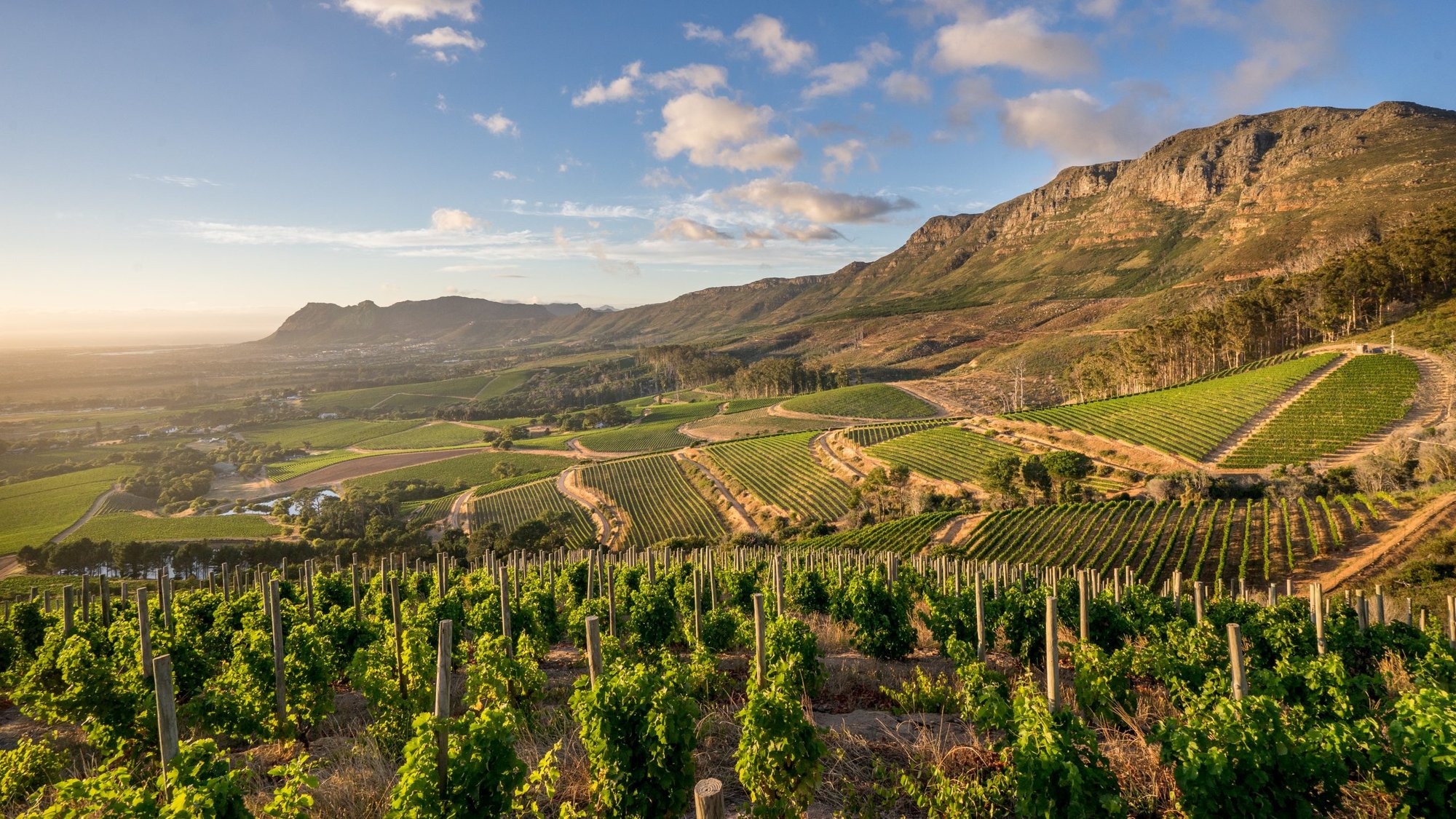
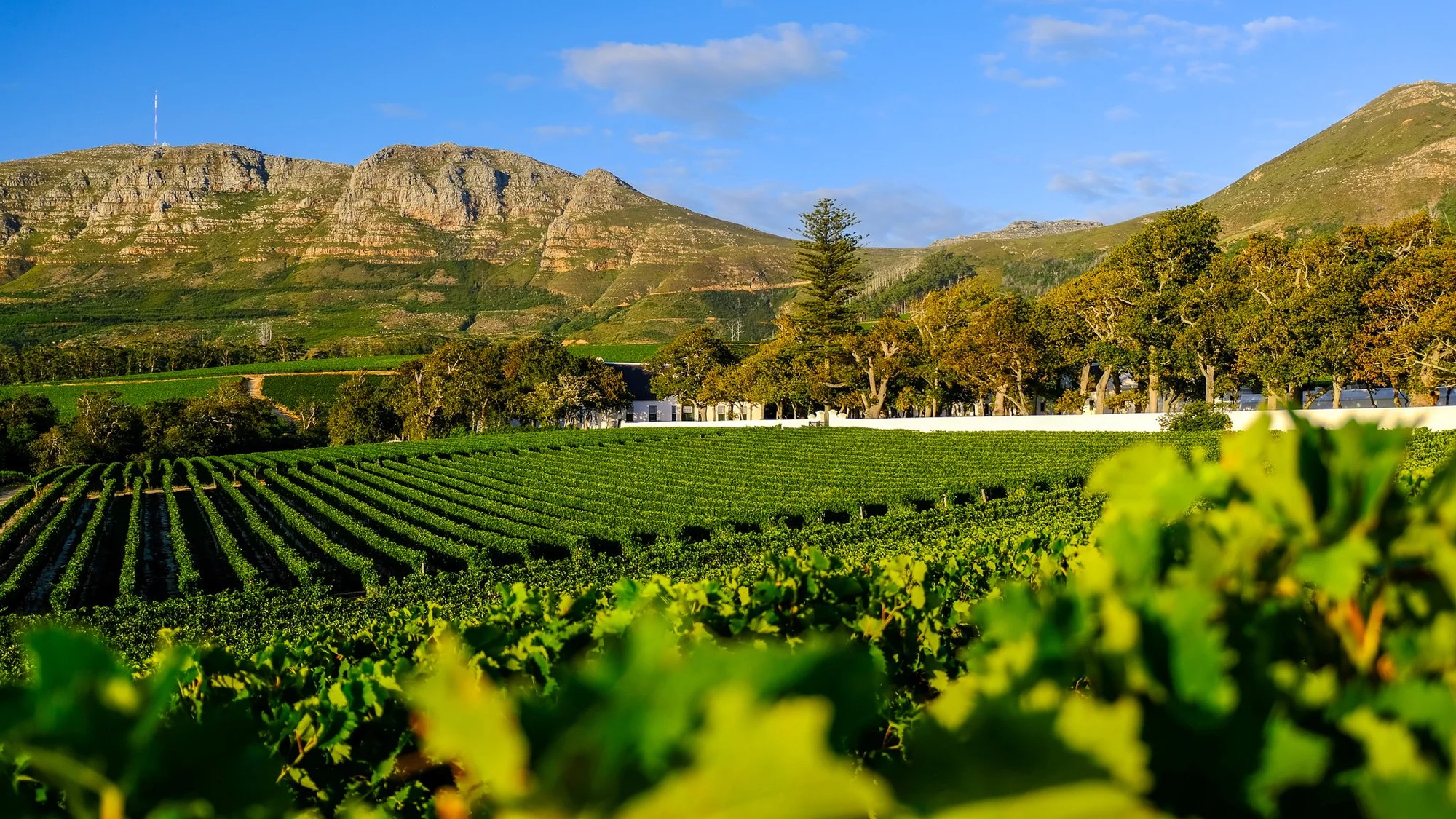
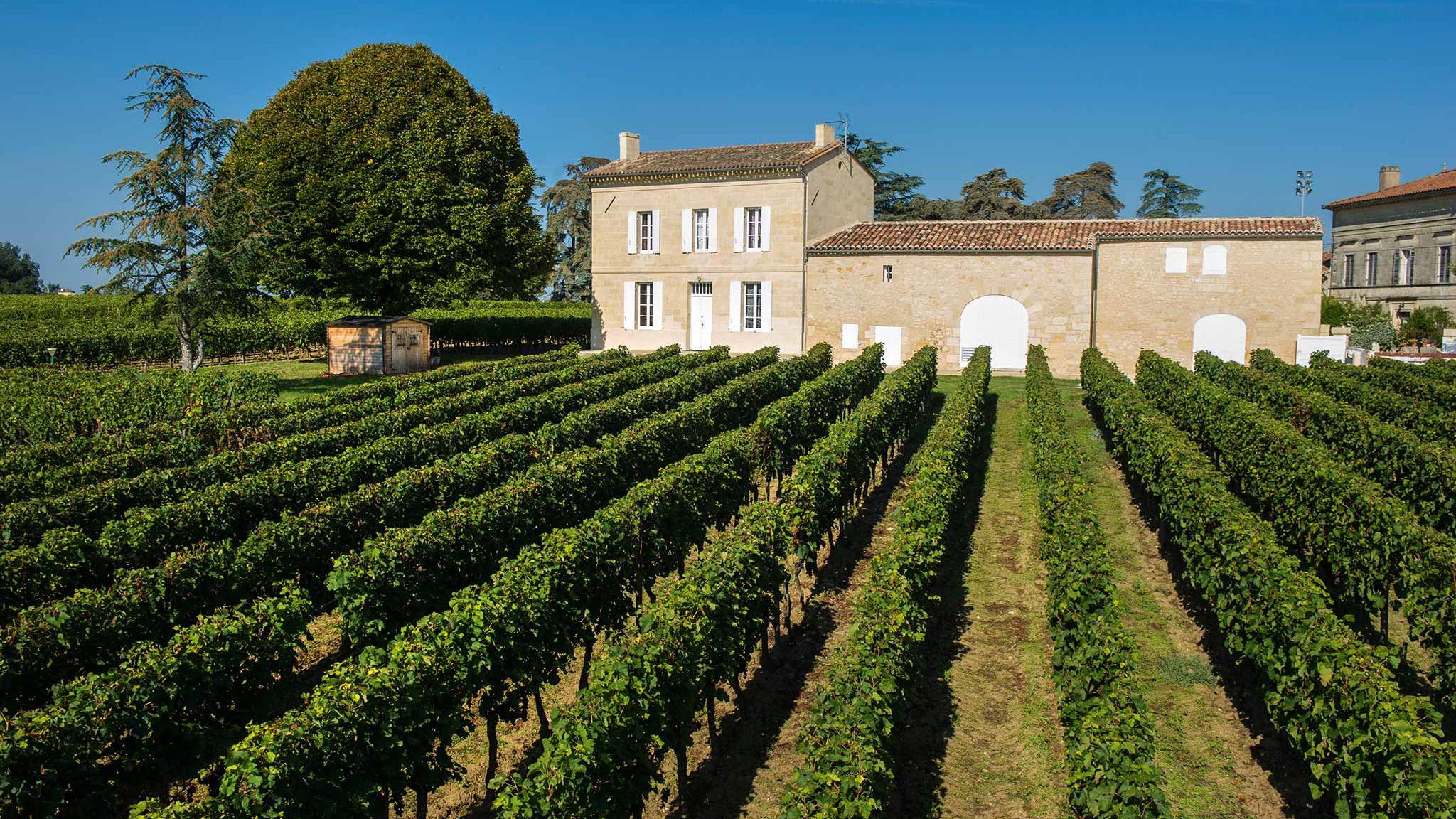
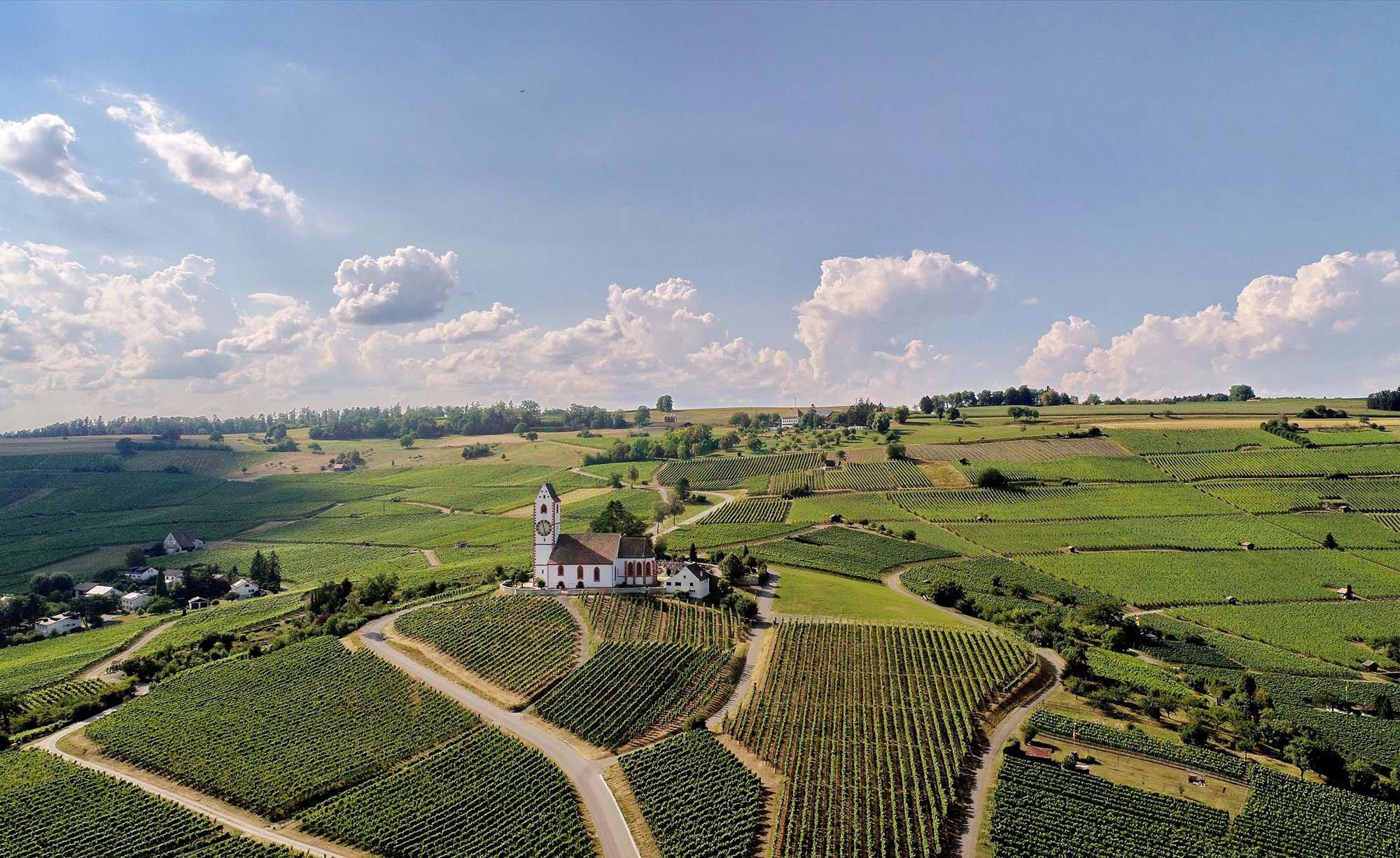
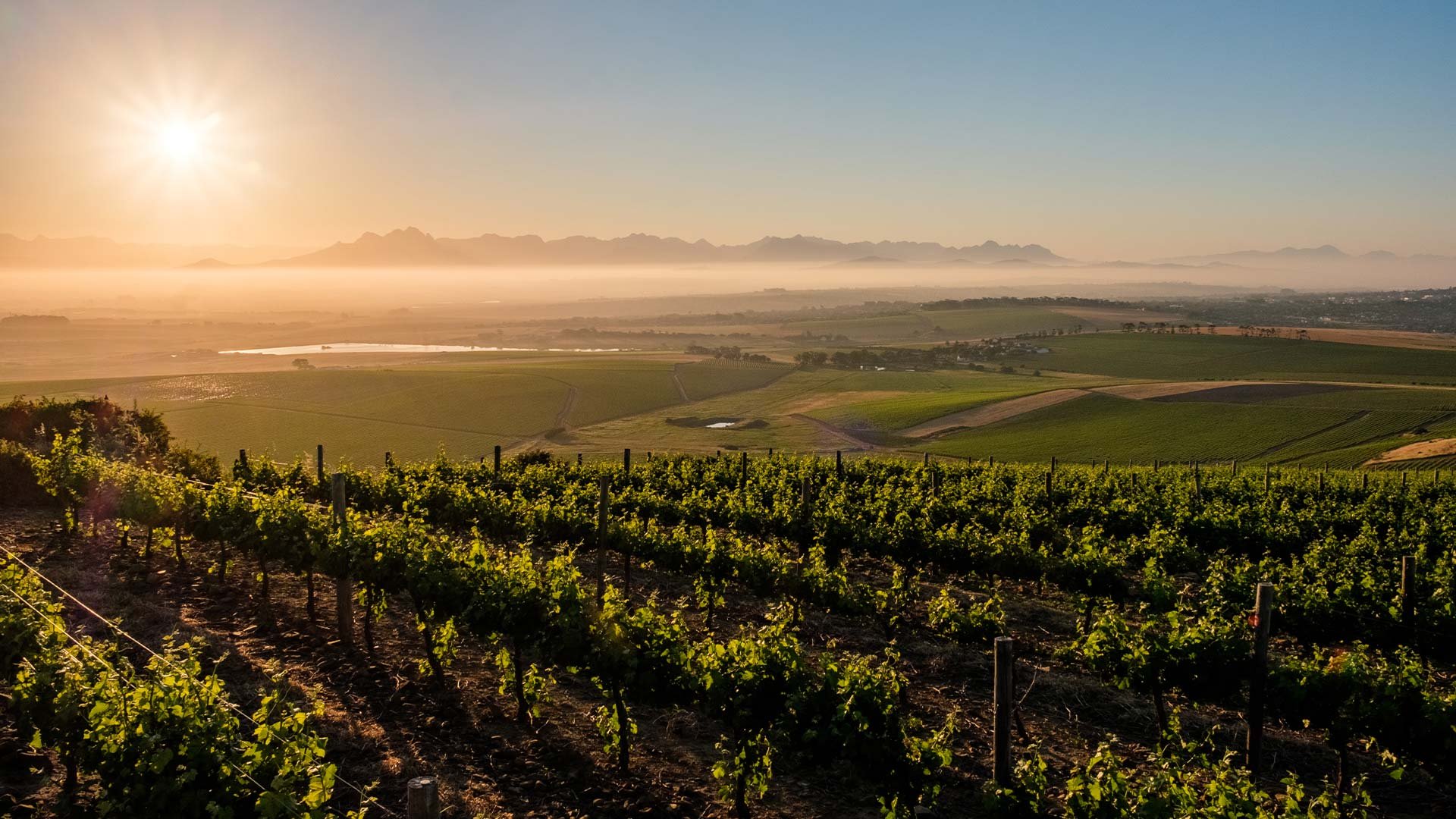
Diemersdal presents as a quietly refined working estate in Durbanville, where agricultural scale and Atlantic air define character more than tourist gloss. The prose emphasises the steady influence of the southern wind—preserving acidity and moderating ripeness—and a landscape of rolling vineyards and farms rather than manicured showpieces. The estate reads as purposeful and understated: viticulture-led, attentive to site expression and varietal clarity. Visitors encounter a sense of restraint and focus on terroir, making the place feel like a serious, low-key wine producer rather than a theatrical wine‑tour destination.
Best For
This estate is best for visitors who come for the wines and the story behind them: people curious about how Atlantic influence shapes Sauvignon Blanc and local red blends, and groups that appreciate a working‑farm setting. It suits wine students, educators and focused tastings that prioritise vineyard practices and varietal expression over flashy visitor amenities. Because the region trades on subtlety rather than spectacle, Diemersdal appeals to those seeking a calm, instructive wine experience on estate grounds rather than a high‑energy tourist hub.
Tasting Tips
When tasting at Diemersdal, prioritise the estate’s Sauvignon Blancs and the increasingly prominent red blends—the description singles these out as the region’s strengths. Pay attention to acidity and balance, which the copy attributes to the prevailing southerly wind; these are defining traits rather than stylistic flourishes. Ask staff about vineyard management and how the Atlantic air influences ripening and wine style to deepen your tasting. Keep expectations modest on tourism trappings and focus on comparative sips that reveal site and climate rather than cellar theatrics.
Venue details
Ambiance
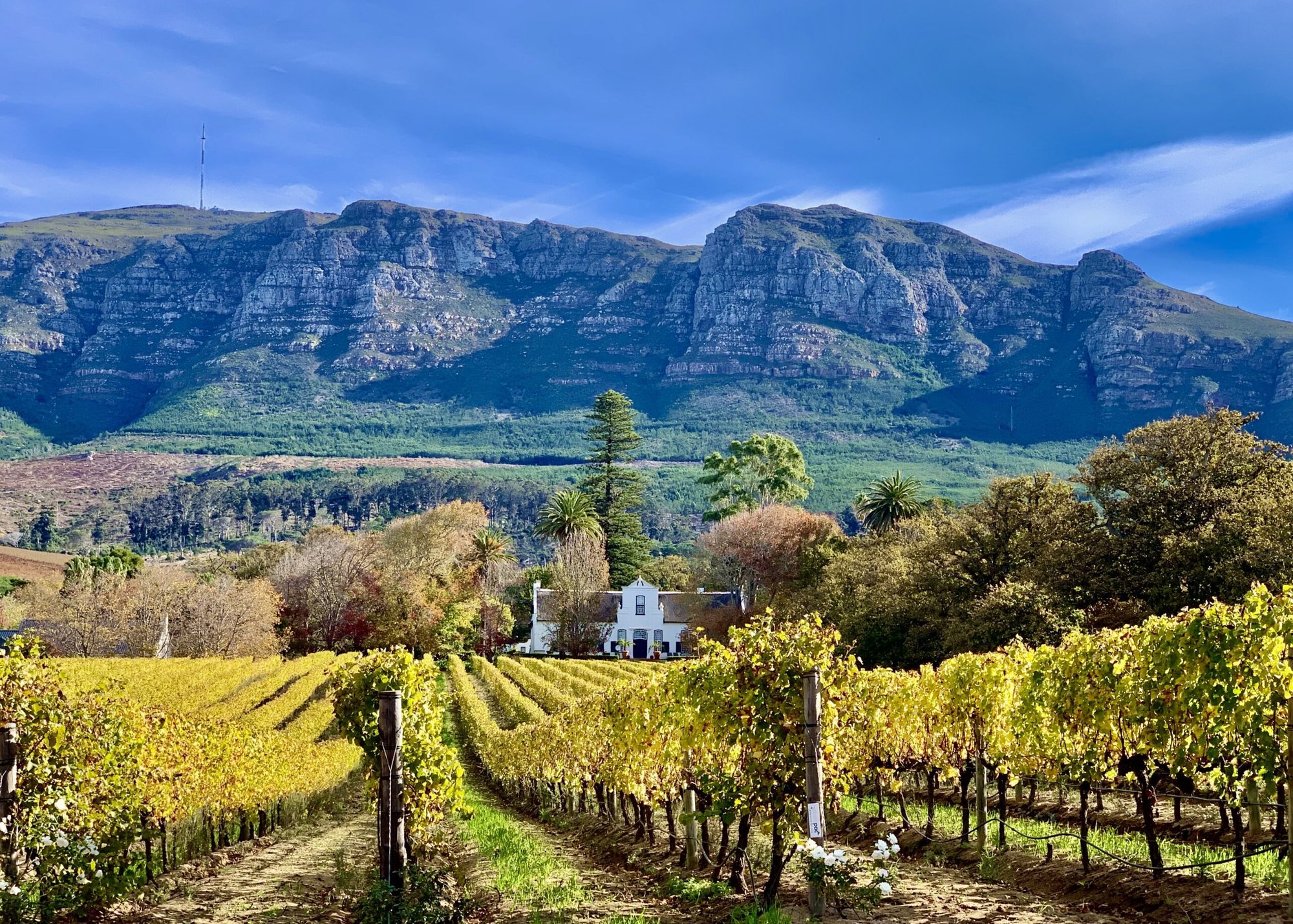
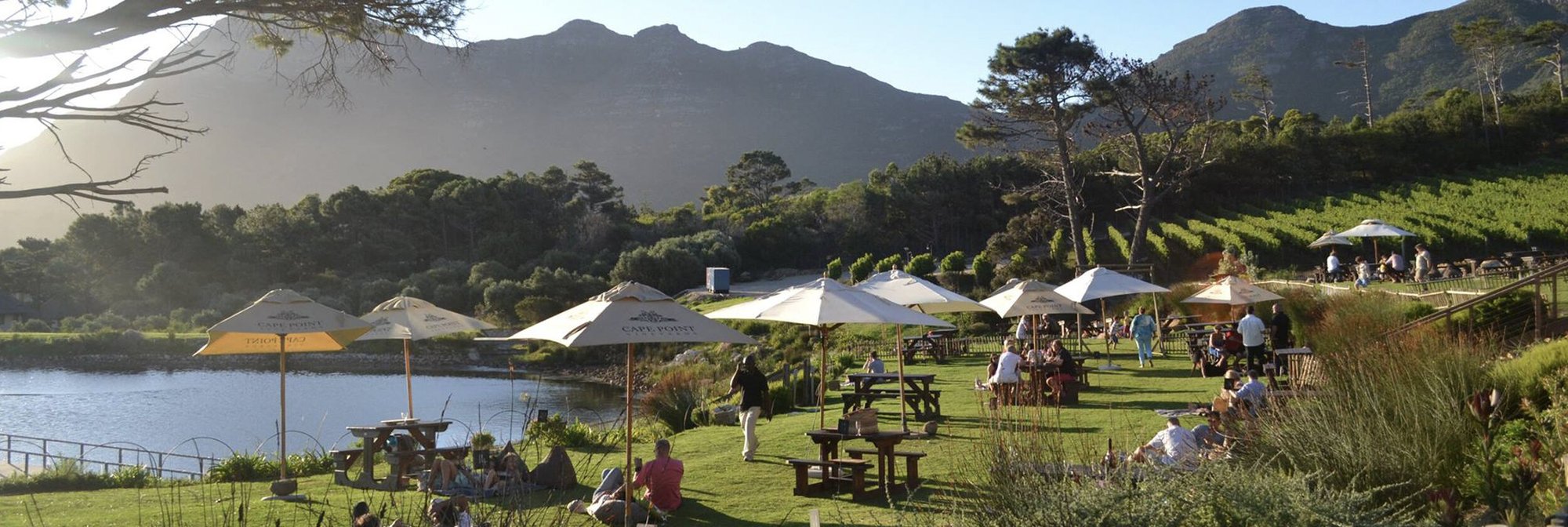
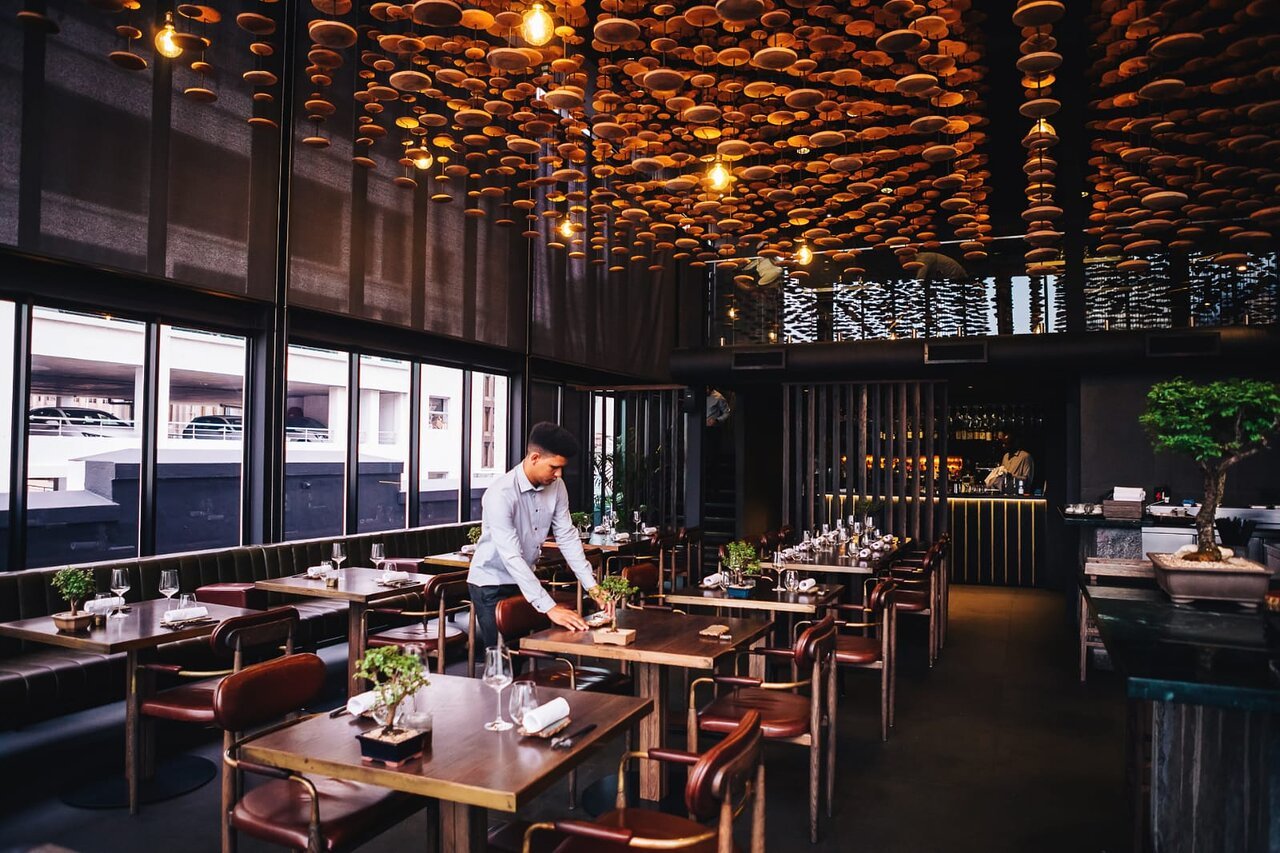
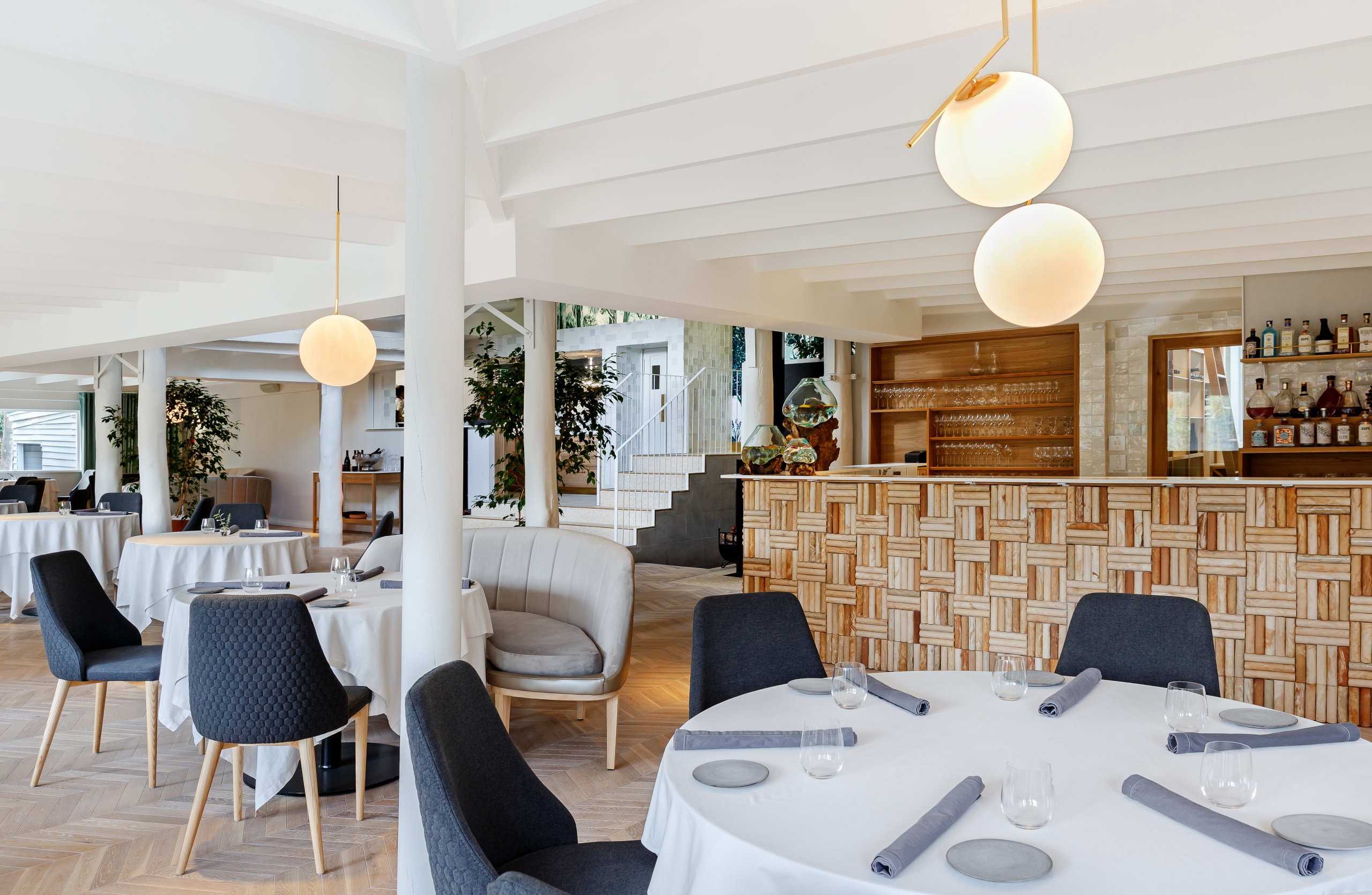
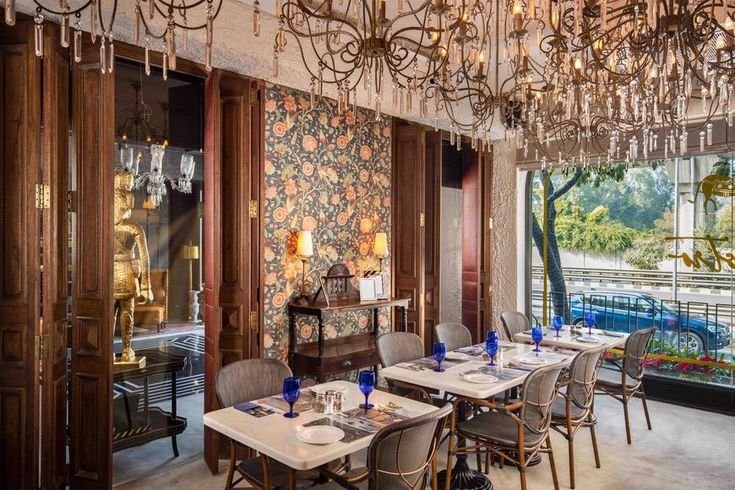
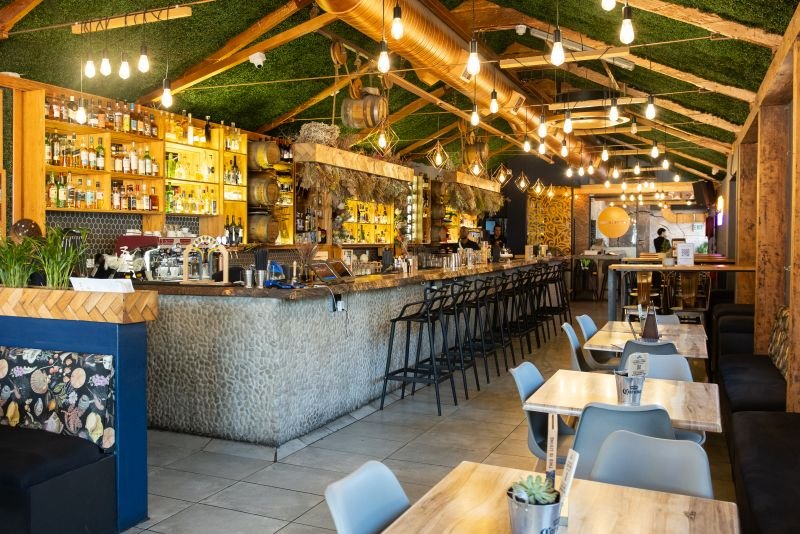
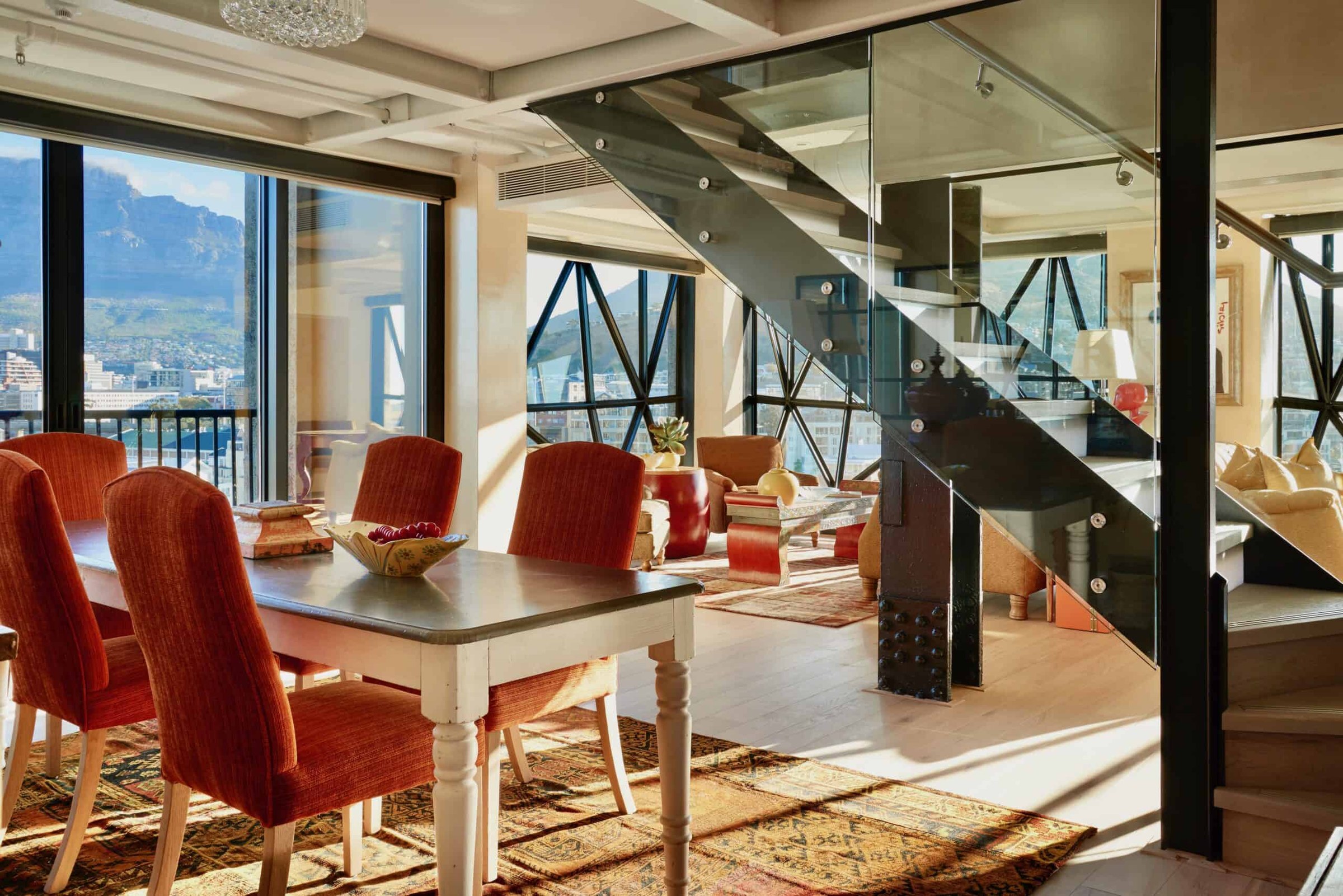
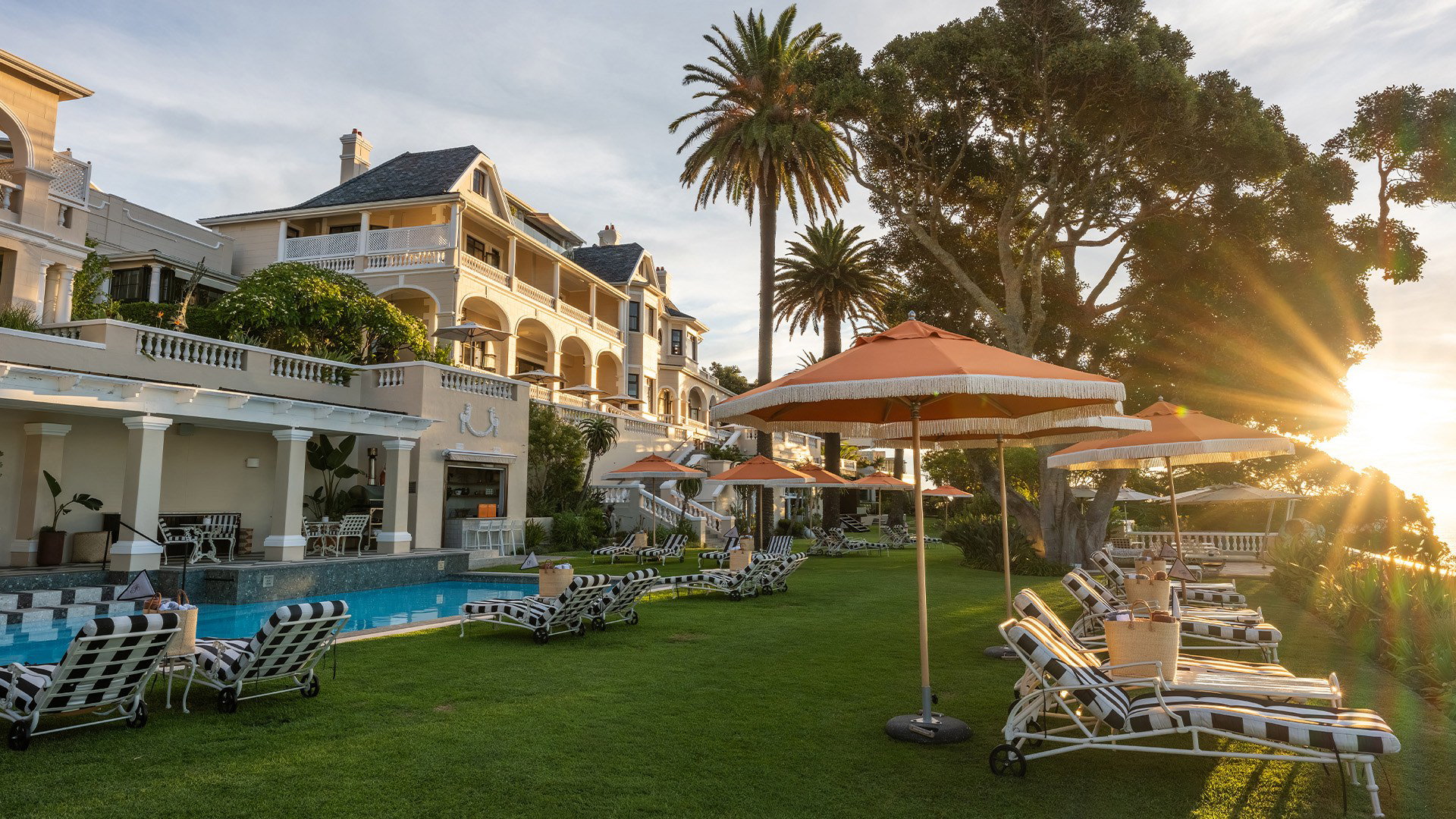
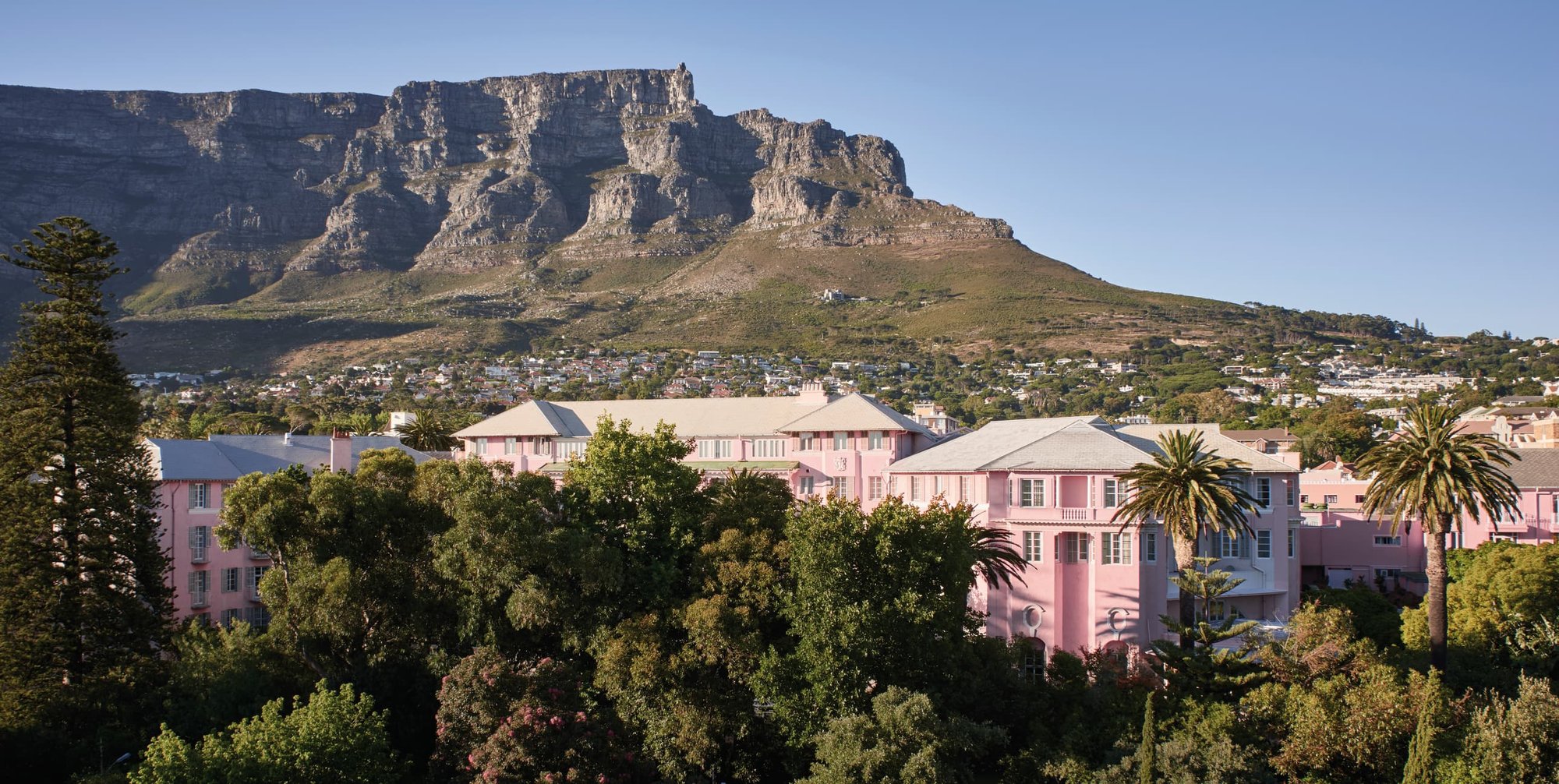
Relaxed and calm with scenic views of Table Mountain, shaded outdoor patios, and a welcoming historic homestead atmosphere.
Tags
Vibe
Best For
Experience
Sourcing
View
At the Vineyard
- Appellation
- Durbanville
- Varietals
- Sauvignon Blanc, Pinotage, Chardonnay, Syrah, Cabernet Sauvignon
- Tour Duration
- 60-90 minutes
- Visits
- Walk-ins welcome
- Farming
- Sustainable
- Wine Styles
- Still White, Still Red
- Food Pairing
- Offered
- Wine Club
- Available
Know before you go
Know Before You Go
- Getting there
- Koeberg Road, Durbanville, Cape Town, 7550
Planning details
Location
Recognition and awards

Also consider
If this is hard to secure
Try Meerendal Wine Estate first if the goal is to stay within a Durbanville wine-estate format. Choose Durbanville Hills if the group needs a simpler, more familiar Cape Town wine stop.
For a looser drinks itinerary, Durbanville Distillery is the more practical pivot than adding another winery without a clear reason.
Winery context
How it compares in Cape Town
Diemersdal Wine Estate is the pick when the day is centred on Durbanville wine rather than a broader drinks crawl. Meerendal Wine Estate is the closest cross-shop for a similar wine-estate plan, while Durbanville Hills is the cleaner choice for visitors who want a more recognisable, easy-to-explain stop in the same area.
If the group is split between wine and spirits, Durbanville Distillery and New Harbour Distillery make more sense than forcing a winery-only itinerary. For a softer, more relaxed wine-farm alternative, Nitida Wine Farm is the better fallback if Diemersdal is too difficult to secure at the right time.
Value comes down to itinerary fit. Choose Diemersdal when wine depth is the point of the outing; choose Durbanville Hills for a safer general-audience stop; choose the distilleries when the group cares more about variety than estate wine context.
Around this place
Discover more on Pearl
Unlock the full Diemersdal Wine Estate guide in Pearl, including awards, comparisons, FAQs, planning details, and nearby places.
Compare Diemersdal Wine Estate
| Venue | Location | Awards |
|---|---|---|
| Diemersdal Wine Estate | Cape Town | 2026 Falstaff Winery Guide |
| Meerendal Wine Estate | Cape Town | No published awards |
| Durbanville Distillery | Cape Town | No published awards |
| Durbanville Hills | Cape Town | 2026 Falstaff Winery Guide |
| Nitida Wine Farm | Cape Town | No published awards |
| New Harbour Distillery | Cape Town | No published awards |
How Diemersdal Wine Estate Cape Town compares with similar nearby venues.
FAQ
Frequently Asked Questions
Can Diemersdal Wine Estate handle large groups?
If you are planning for a larger party, contact Diemersdal Wine Estate directly before relying on availability.
What is the flagship wine at Diemersdal Wine Estate?
What other venues can I compare with Diemersdal Wine Estate?
For comparison, consider Meerendal Wine Estate, Durbanville Hills, and Nitida Wine Farm, along with other Cape Town venues. Check distance, route, and service format directly when planning.
Is the wine club at Diemersdal Wine Estate worth joining?
If membership benefits matter to your visit, verify them directly with Diemersdal Wine Estate.