

Klein Constantia
Constantia, Cape Town
Winery in Cape Town, South Africa
 Book with Pearl
The Read
Historic Sweet Wine Revival
Why go
Klein Constantia is a wine estate in Constantia, Cape Town.
About Klein Constantia
Klein Constantia is a Cape Town venue with two useful points for planning: the dress code is smart casual, and its recognition includes Pearl 4 Star Prestige (2025) and World's 50 Best Vineyards #6 (2025). Beyond those facts, specific details such as menus, tasting formats, prices, hours, group capacity, shipping, or food service should be confirmed directly with the venue before you plan around them.
Use Klein Constantia as a prestige-led Cape Town choice when recognition and a smart-casual setting are the important planning signals. If you are comparing options, keep the decision practical: confirm the current visit format, availability, and any service details with the venue before booking.
What is for planning
Klein Constantia carries notable 2025 recognition and has a smart-casual dress code, which makes it a more considered option than an entirely casual stop. Specific details such as a private tasting format, upgraded tasting structure, menu, price, or service style are not stated here.
If you are planning a hosted visit, special occasion, or Cape Town outing, contact Klein Constantia directly for the latest booking requirements and experience details. That is the safest way to avoid assuming a format, pace, or level of service that is not confirmed.
Who should choose it over another venue
Choose Klein Constantia when recognition is central to the decision. Other natural comparison points include Beau Constantia, Buitenverwachting, Constantia Glen, Eagles' Nest Wines, and Groot Constantia, but any comparison should be based on current availability and directly confirmed visit details rather than assumptions about food, views, group size, or tasting style.
For planning a wider Cape Town trip, use our full Cape Town restaurants guide, our full Cape Town hotels guide, our full Cape Town bars guide, and other Cape Town planning resources to build the rest of the day around it. If the trip extends beyond this visit, compare the tone with other destinations generically and verify each venue's current offering before booking.
Planning details
- Location
- End of, Klein Constantia Rd, Constantia, Cape Town, 7806
- Website
- kleinconstantia.com
- Phone
- +27 21 794 5188
The take
The Take
The Vibe
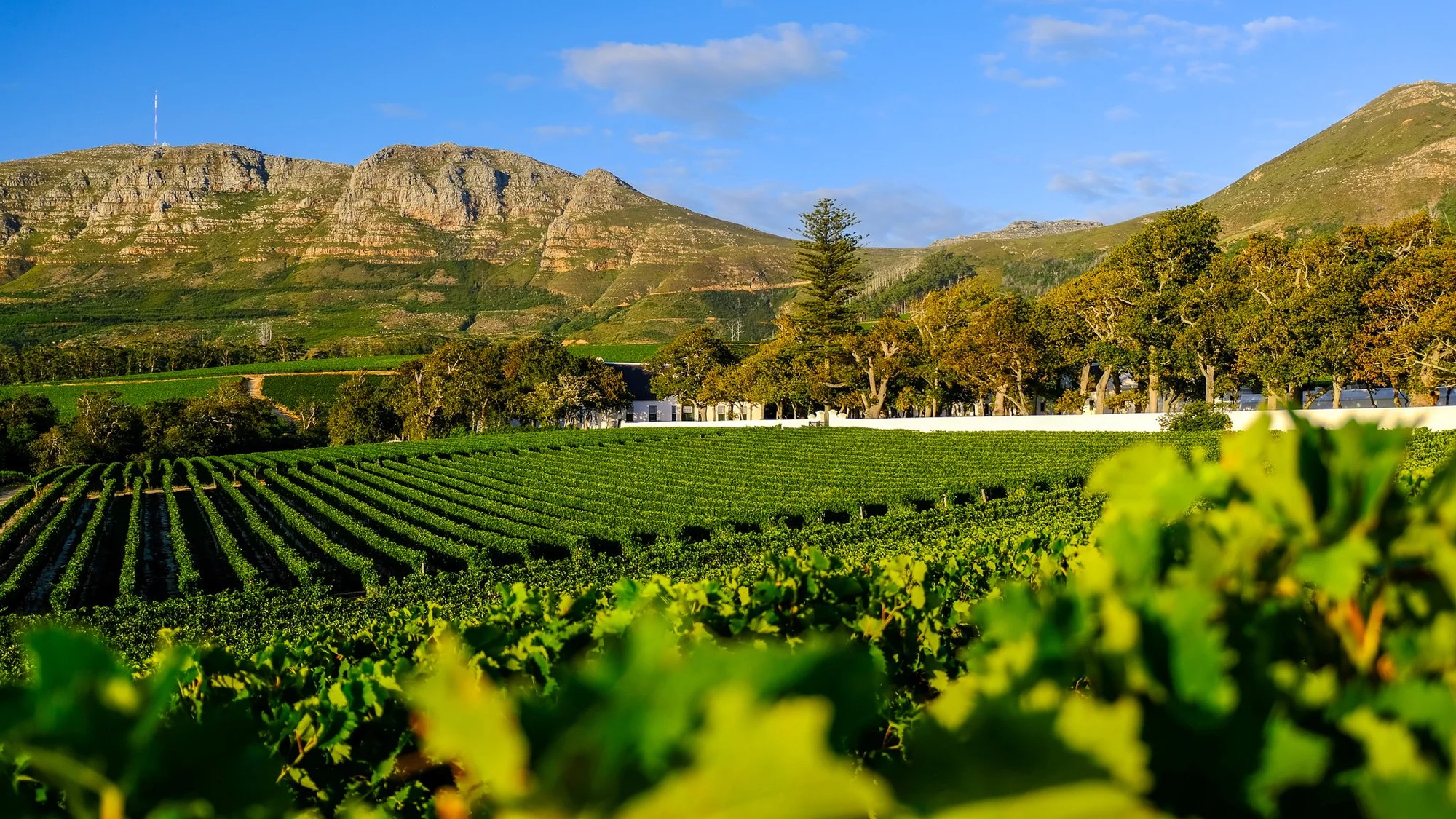
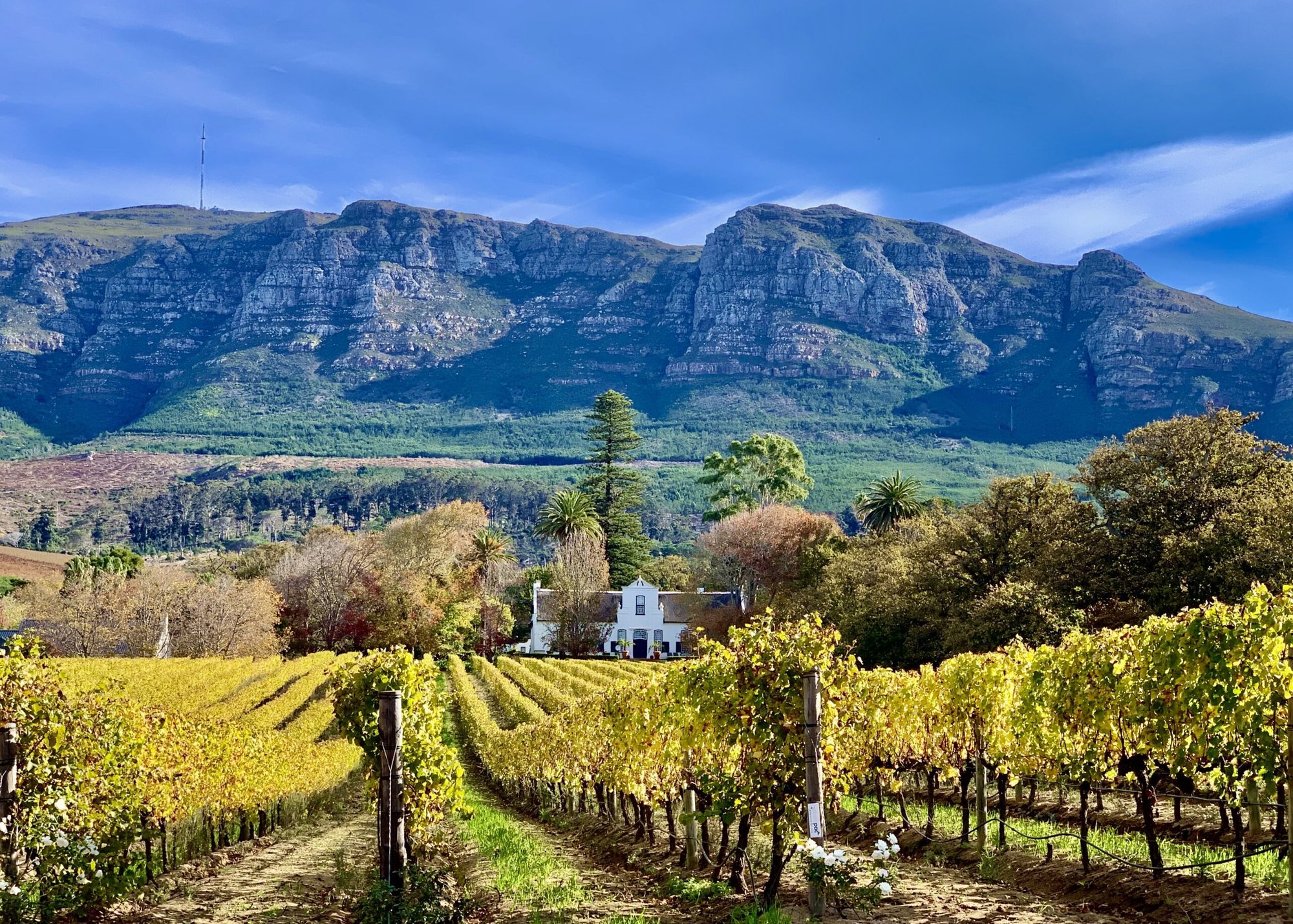
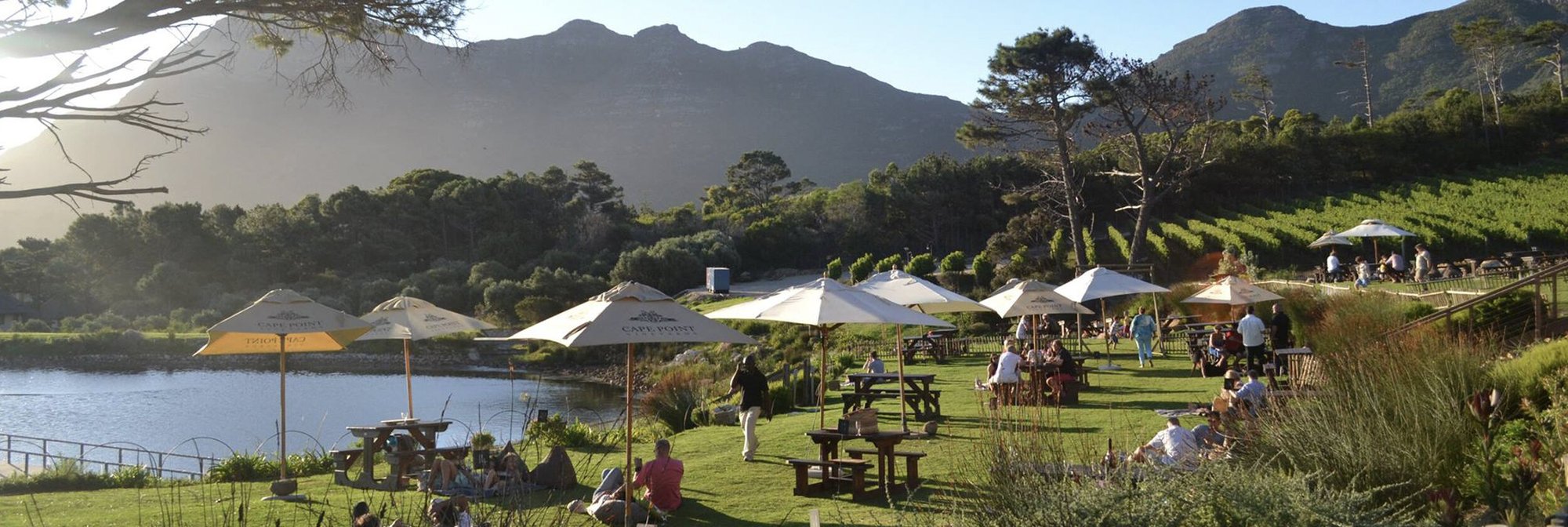
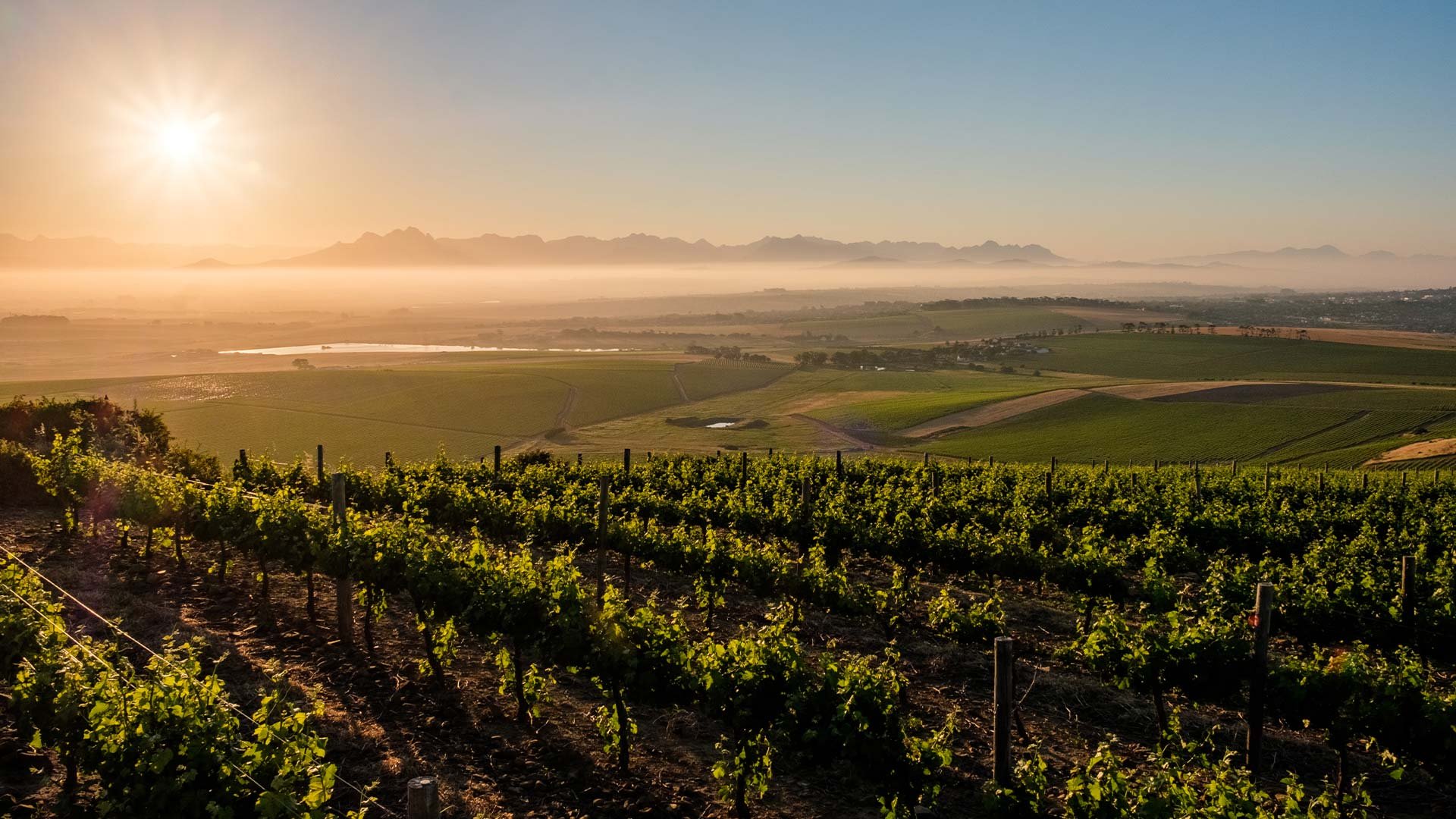
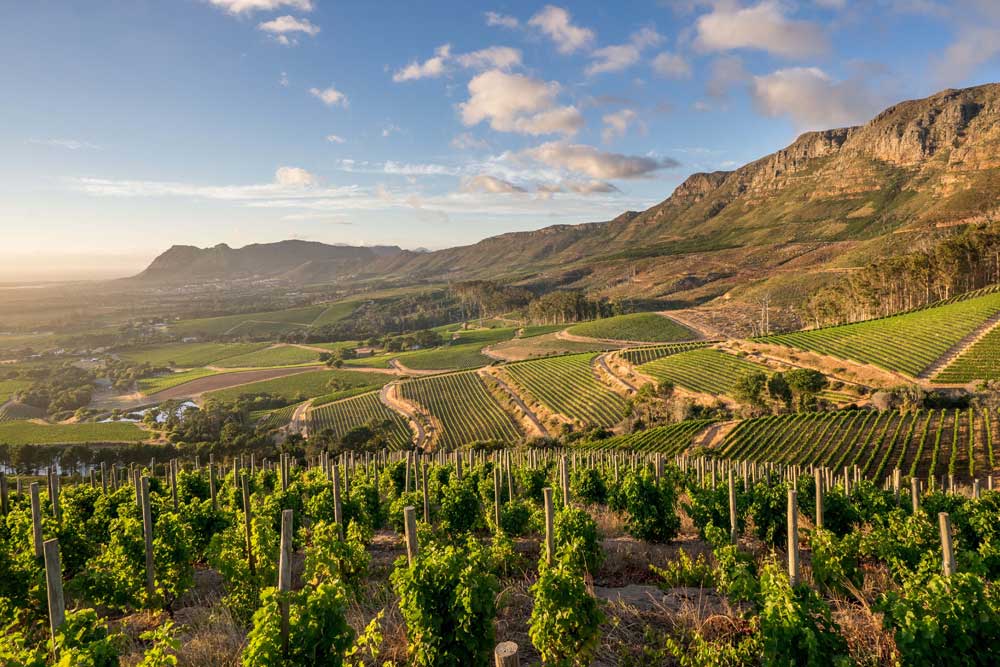
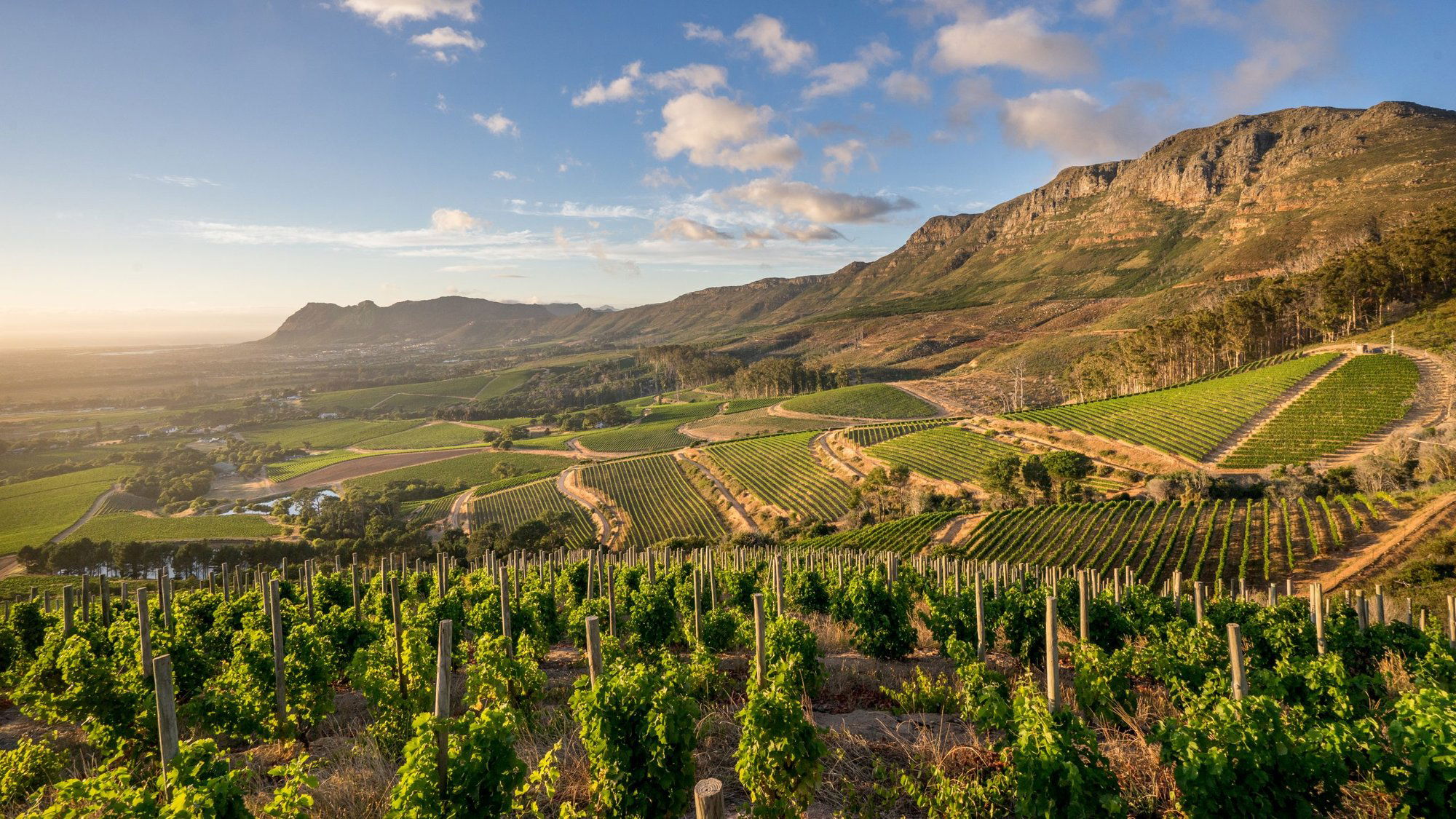
Klein Constantia reads as a quietly composed country estate where landscape sets the tone. The estate sits at the enclosed end of the Constantia Valley, where vineyards press close and the rocky southern face of Table Mountain frames the view. A cooler, ocean‑softened air and the afternoon southeaster give the place a restrained, measured mood: arrivals feel like a gradual shift from suburbia into working farmland. The result is a serene, intimate experience that privileges place over theatrical architecture—sophistication rooted in geology, vineyard rows and the long, ocean‑touched horizon.
Best For
This is a property built for wine‑minded visits and meaningful, low‑key celebrations. The copy foregrounds the valley’s unique climate and the estate’s position within a dense corridor of serious producers, making it an apt stop for wine education and for special‑occasion outings that prize setting as much as the bottle. Visitors come for the sense of provenance—the cool, sheltered kloofs, Table Mountain’s presence and the close‑pressed vineyards—so it suits small groups and couples seeking a contemplative wine experience framed by landscape rather than spectacle.
Venue details
Ambiance
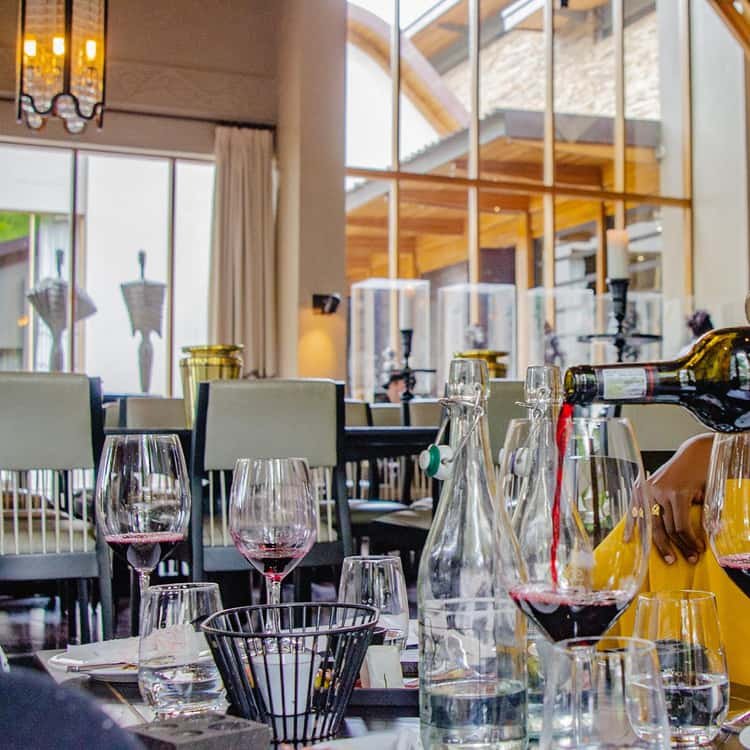
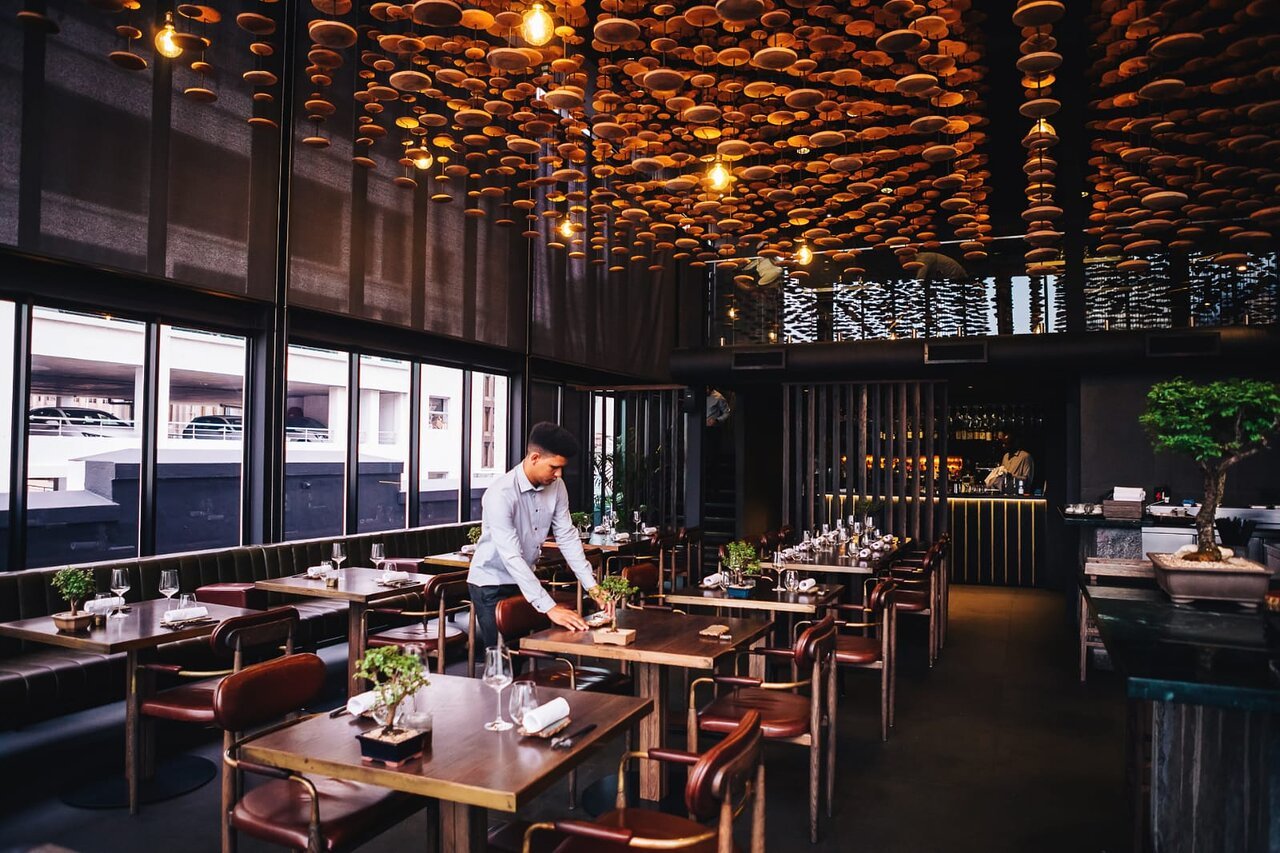
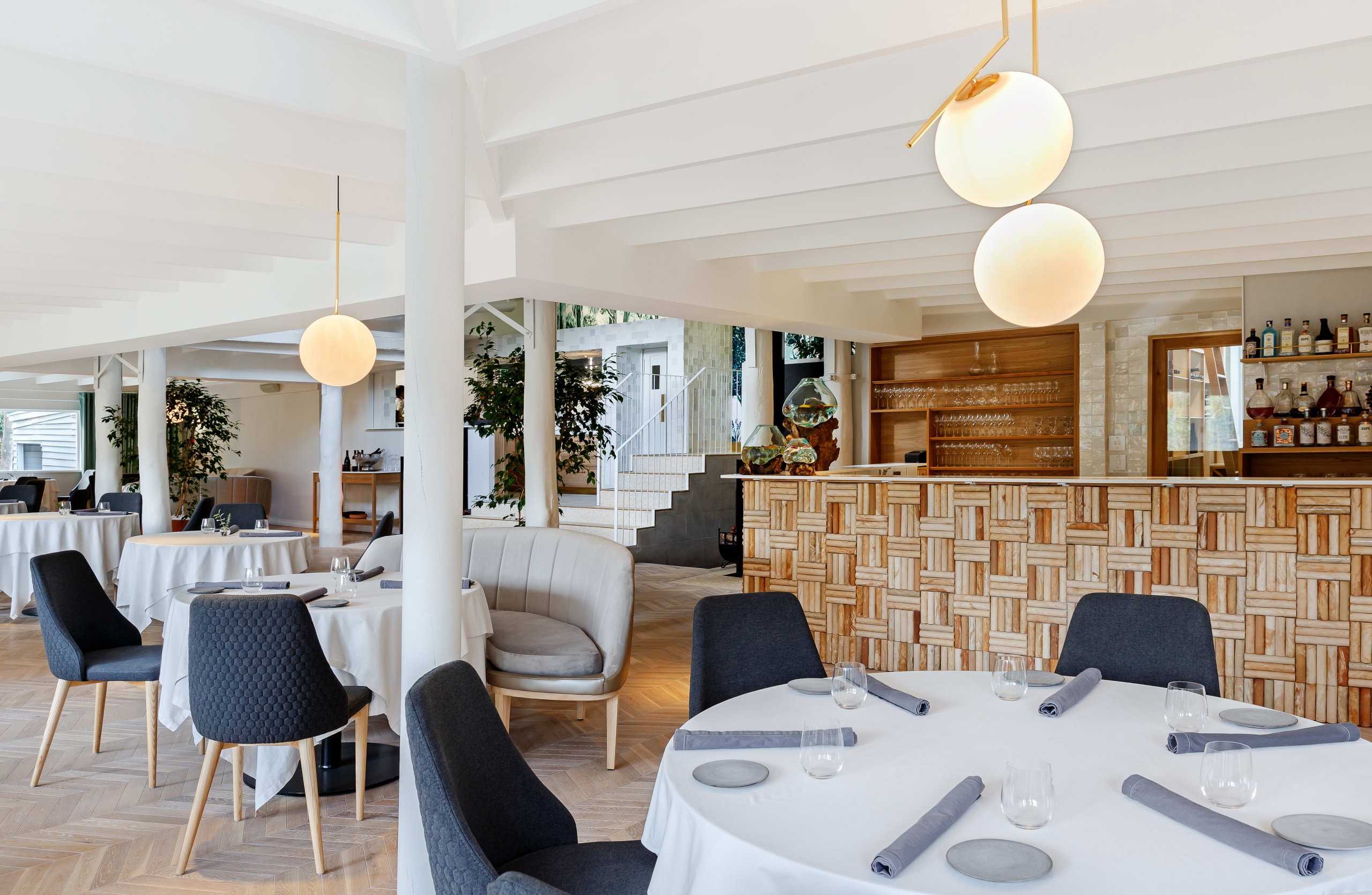
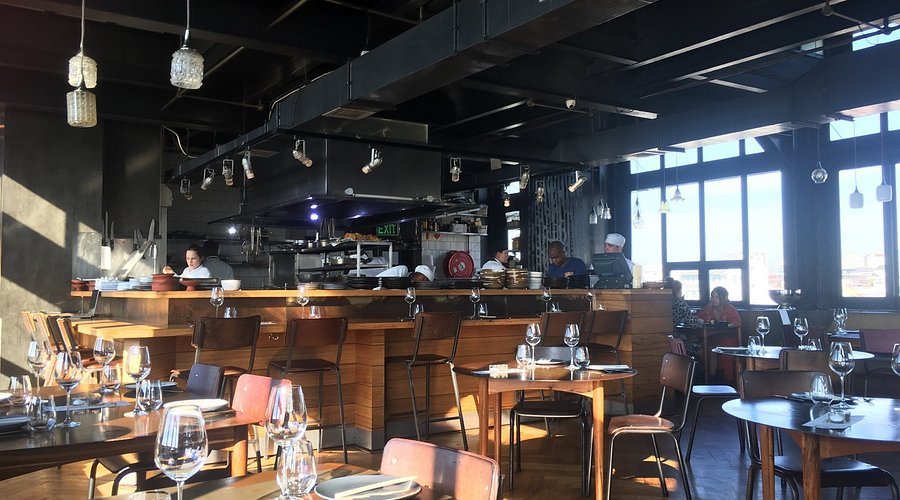
Light-filled contemporary tasting studio and restaurant amid leafy hills with majestic Table Mountain views and elegant Cape Dutch homestead.
Tags
Vibe
Best For
Experience
Sourcing
View
At the Vineyard
- Appellation
- Constantia
- Varietals
- Sauvignon_Blanc, Muscat_de_Frontignan, Semillon, Riesling, Chardonnay
- Wine Club
- Not available
Know before you go
Know Before You Go
- Getting there
- End of, Klein Constantia Rd, Constantia, Cape Town, 7806
Planning details
Location
End of, Klein Constantia Rd, Constantia, Cape Town, 7806 · Directions


Also consider
Where to look if this is full
If the preferred tasting time is not workable, try Constantia Glen for a similarly wine-focused Constantia stop with a more relaxed feel, or Beau Constantia when the priority is a more social setting.
Winery context
How it compares in Constantia
Klein Constantia is the higher-prestige choice in this Cape Town set, helped by international vineyard recognition and a setting that suits more deliberate tastings. Buitenverwachting and Groot Constantia are the safer picks for a broader day out, especially if the group includes guests who want more than a wine-focused visit.
For ambiance, Constantia Glen, Eagles' Nest Wines, and Beau Constantia are stronger cross-shops when views and a lighter mood matter more than heritage. Klein Constantia is better for a hosted or celebratory tasting where the room needs to feel composed and the wine reputation carries weight.
Value depends on the purpose of the visit. For a casual afternoon, the easier Constantia estates may feel more relaxed. For a special occasion, paying more attention to booking and format here makes sense because the experience is less about volume and more about control, pacing, and the sense of place.
Around this place
Discover more on Pearl
Unlock the full Klein Constantia guide in Pearl, including awards, comparisons, FAQs, planning details, and nearby places.
Compare Klein Constantia
| Venue | Location | Awards |
|---|---|---|
| Klein Constantia | Cape Town | 2026 Falstaff Winery Guide2025 World's 50 Best Vineyards · #62024 World's 50 Best Vineyards · #412023 World's 50 Best Vineyards · #322022 World's 50 Best Vineyards · #392021 World's 50 Best Vineyards · #44 |
| Buitenverwachting | Cape Town | 2026 Falstaff Winery Guide |
| Groot Constantia | Cape Town | 2026 Falstaff Winery Guide |
| Constantia Glen | Cape Town | 2026 Falstaff Winery Guide |
| Eagles’ Nest Wines | Cape Town | No published awards |
| Beau Constantia | Cape Town | No published awards |
How Klein Constantia Cape Town compares with similar nearby venues.