Beau Constantia
Constantia, Cape Town
Winery in Cape Town, South Africa
 Book with Pearl
The Read
Altitude-Driven Constantia Terroir
Price
$20–30tasting
Why go
Book Beau Constantia if you want a polished Constantia winery stop with a contemporary feel and strong quality signal. It is better for couples or smaller groups than loose, large-party planning; cross-shop Groot Constantia for heritage scale or Eagles' Nest Wines for a smaller nearby alternative.
About Beau Constantia
Beau Constantia in Cape Town is best assessed on its known facts rather than on assumptions about format, menus, service style, or setting. The clearest planning signals are its Pearl 2 Star Prestige recognition for 2025 and a smart casual dress code.
That makes Beau Constantia a venue to shortlist when you want a Cape Town option with a notable distinction, while still checking the venue directly for practical details before you plan around it. Specifics such as hours, pricing, menu format, group capacity, and services should be confirmed directly with the venue.
A Cape Town choice for first-timers
The strongest reason to consider Beau Constantia is its Pearl 2 Star Prestige recognition for 2025. For visitors comparing Cape Town venues, that is a reliable quality signal; any more detailed claims should be confirmed with the venue before booking.
It is safest not to assume walk-in flexibility, group capacity, dining format, or special services. If those details matter, compare Beau Constantia with names such as Groot Constantia, Buitenverwachting, Constantia Glen, Eagles' Nest Wines, and Klein Constantia, then confirm directly with the venues.
How to choose it against other Cape Town options
Choose Beau Constantia when a Pearl 2 Star Prestige signal in Cape Town is the deciding factor. Consider Constantia Glen, Buitenverwachting, Groot Constantia, Eagles' Nest Wines, or Klein Constantia when your decision depends on specific formats, services, availability, or group arrangements.
For a Cape Town plan, keep the comparison simple: use Beau Constantia's recognition and smart casual dress code as the starting point, then verify current practical details through official channels. That avoids building an itinerary around unconfirmed assumptions.
Planning details
- Location
- 1043 Constantia Main Rd, Constantia, Cape Town, 7806
- Website
- beauconstantia.com
- Phone
- +27 21 794 8632
The take
The Take
The Vibe
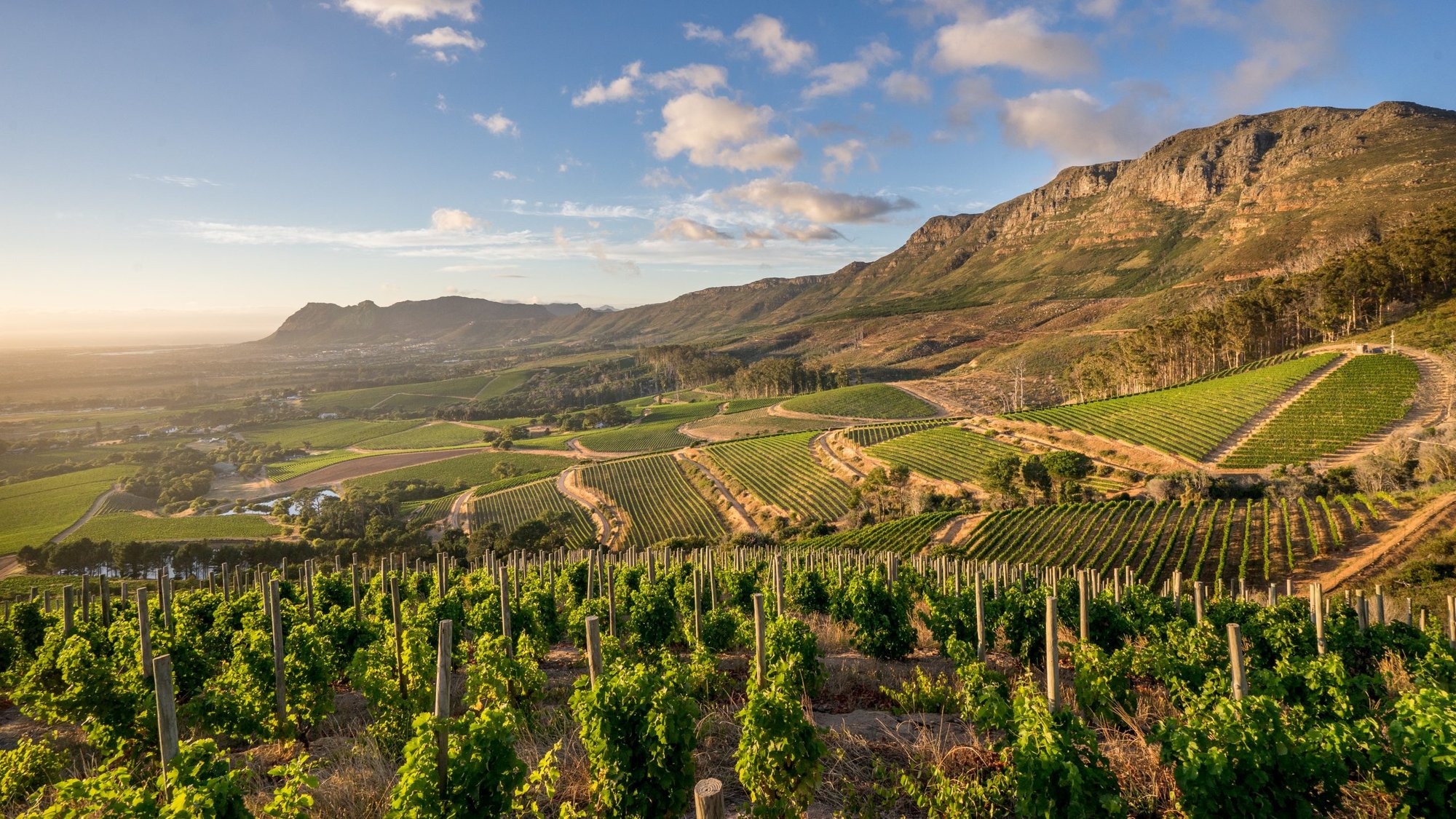
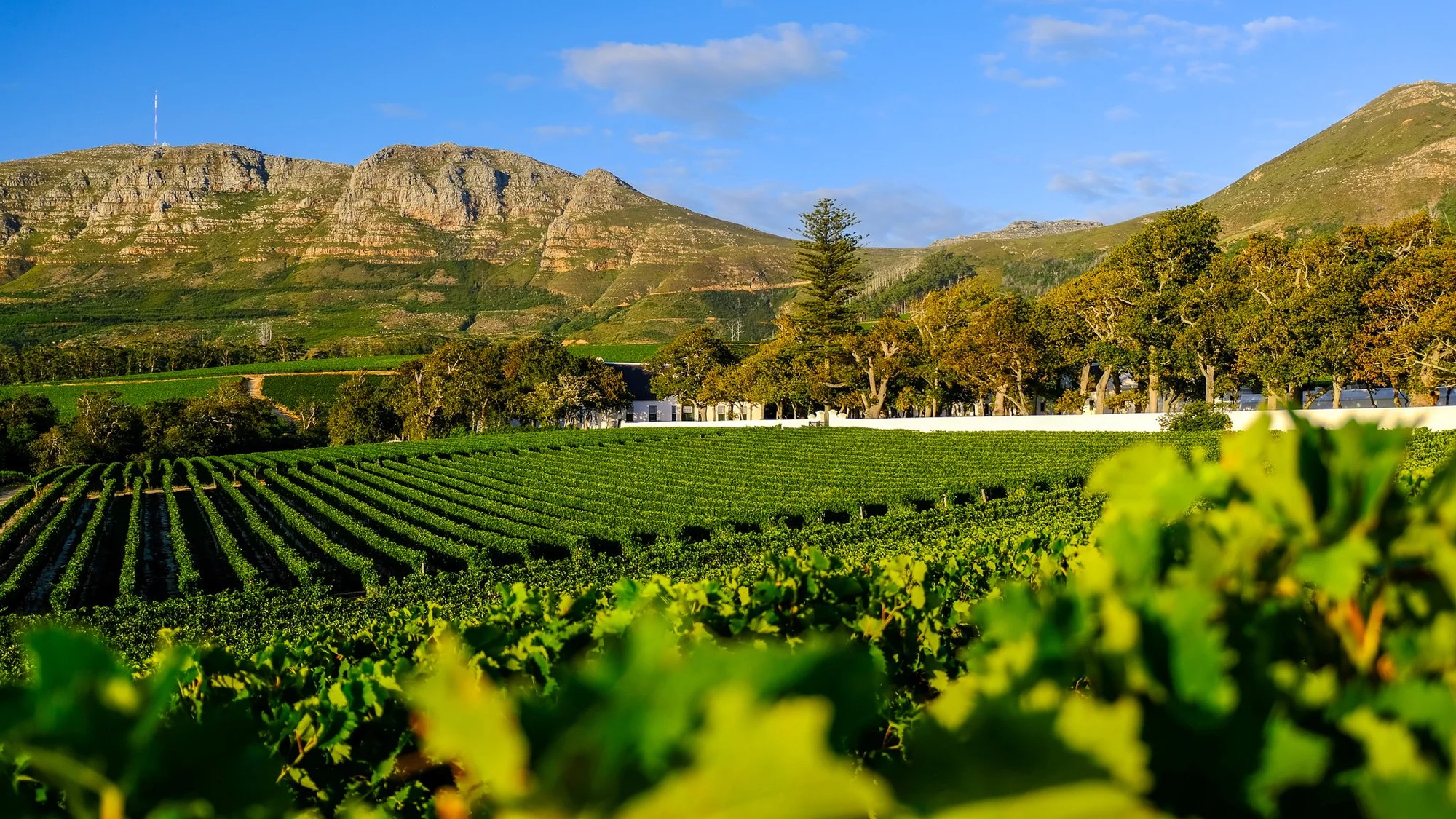
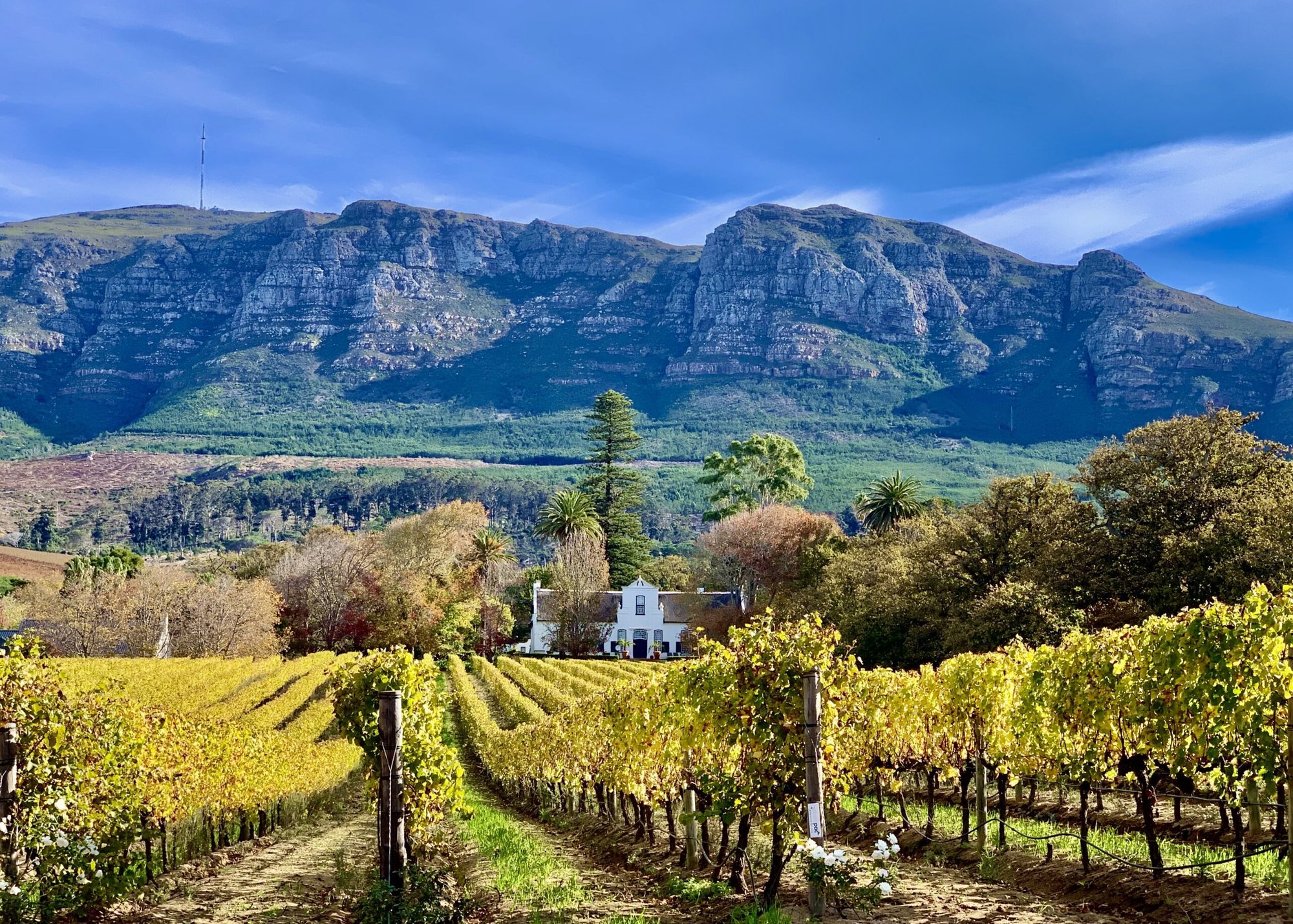
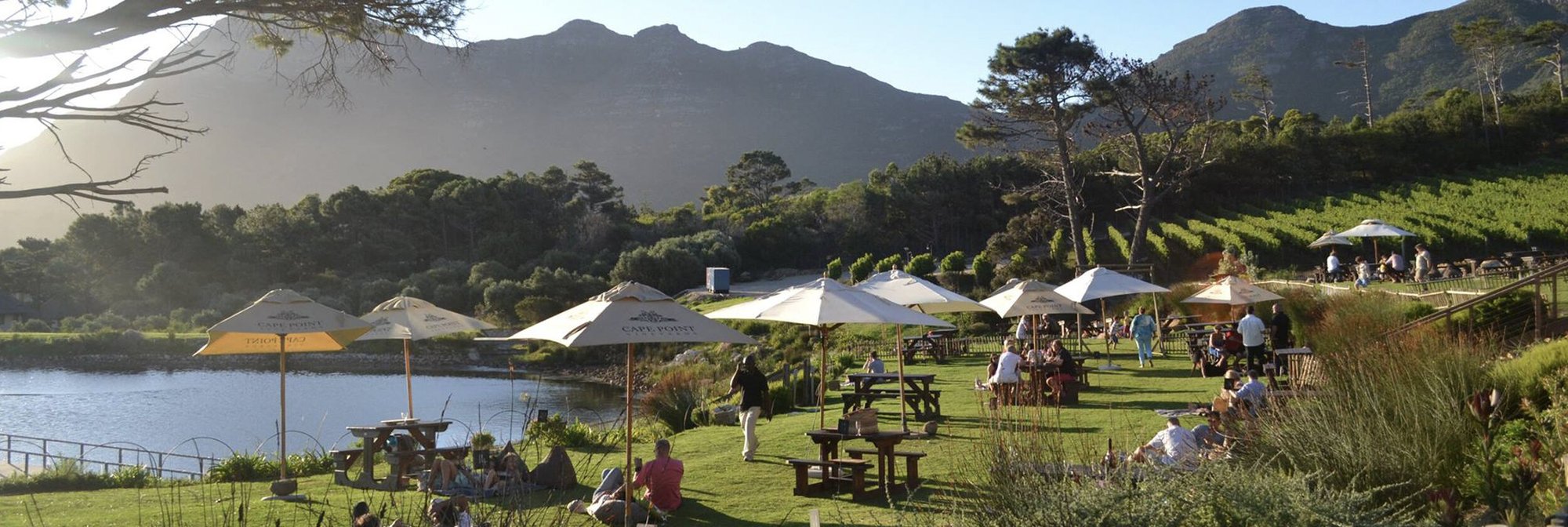
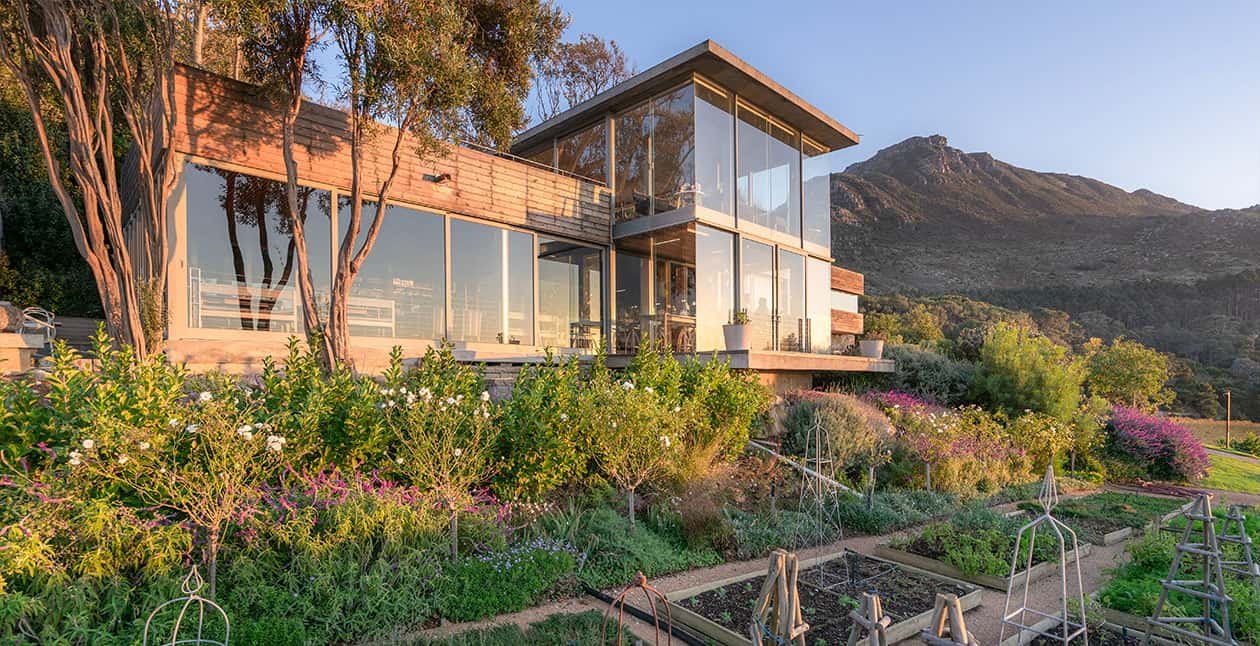
Beau Constantia sits high on the Constantiaberg, where mountain and valley meet and the canopy thickens as you climb. The property’s elevation places it above the fog line and exposes vines to afternoon moisture off False Bay, lending the site a cool, restrained character. The writing emphasizes terroir—decomposed granite and Table Mountain Sandstone soils, steady coastal breezes and longer hang times—so the visitor encounters a serene, place-driven wine experience rooted in Constantia’s long history. The tone is thoughtful rather than flashy: elegant, measured and focused on how site shapes the wines.
Best For
Beau Constantia is best for visitors who come for the terroir as much as the bottle. The setting—an upper-slope estate with mountain presence and cooler maritime influence—lends itself to contemplative tastings, focused comparative sessions and quiet scenic drives up Constantia Main Road. It suits couples and small groups seeking a scenic, slightly elevated wine visit and guests interested in understanding cool-climate expression in South African wine. Critics and students of terroir will find the site particularly instructive; the estate reads like a case study in altitude, aspect and coastal influence.
Tasting Tips
When tasting at Beau Constantia, center your attention on wines that show preserved acidity and structural tension—those are the hallmarks the copy highlights. Ask about site and aspect: the estate’s upper-slope position is the editorial decision that shapes ripening windows, so compare bottles from this property with examples from lower terraces or inland regions like Stellenbosch and Paarl to hear the differences. Favor flights or samples that emphasize terroir and cool-climate expression rather than broad commercial styles; the value here is in nuance and place-driven structure.
Venue details
Ambiance
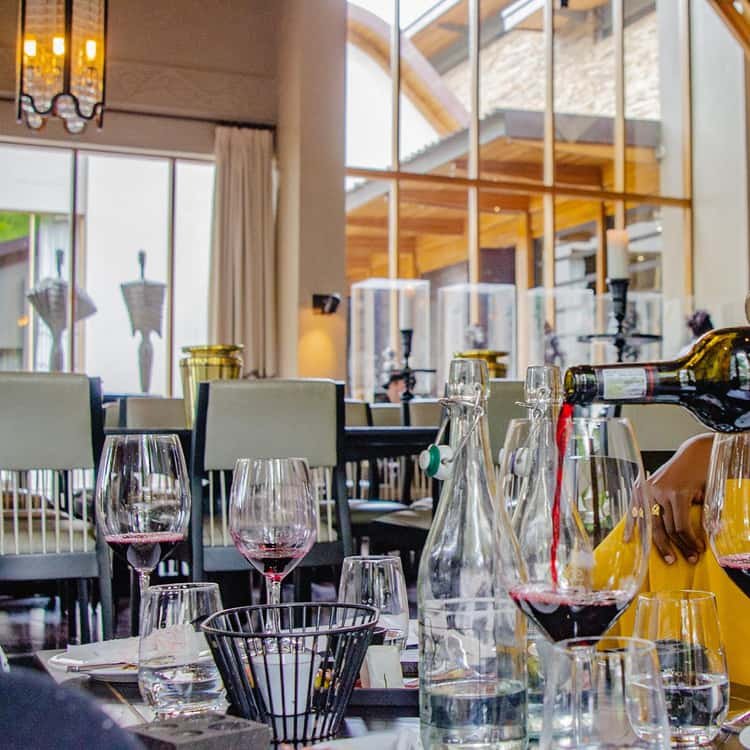
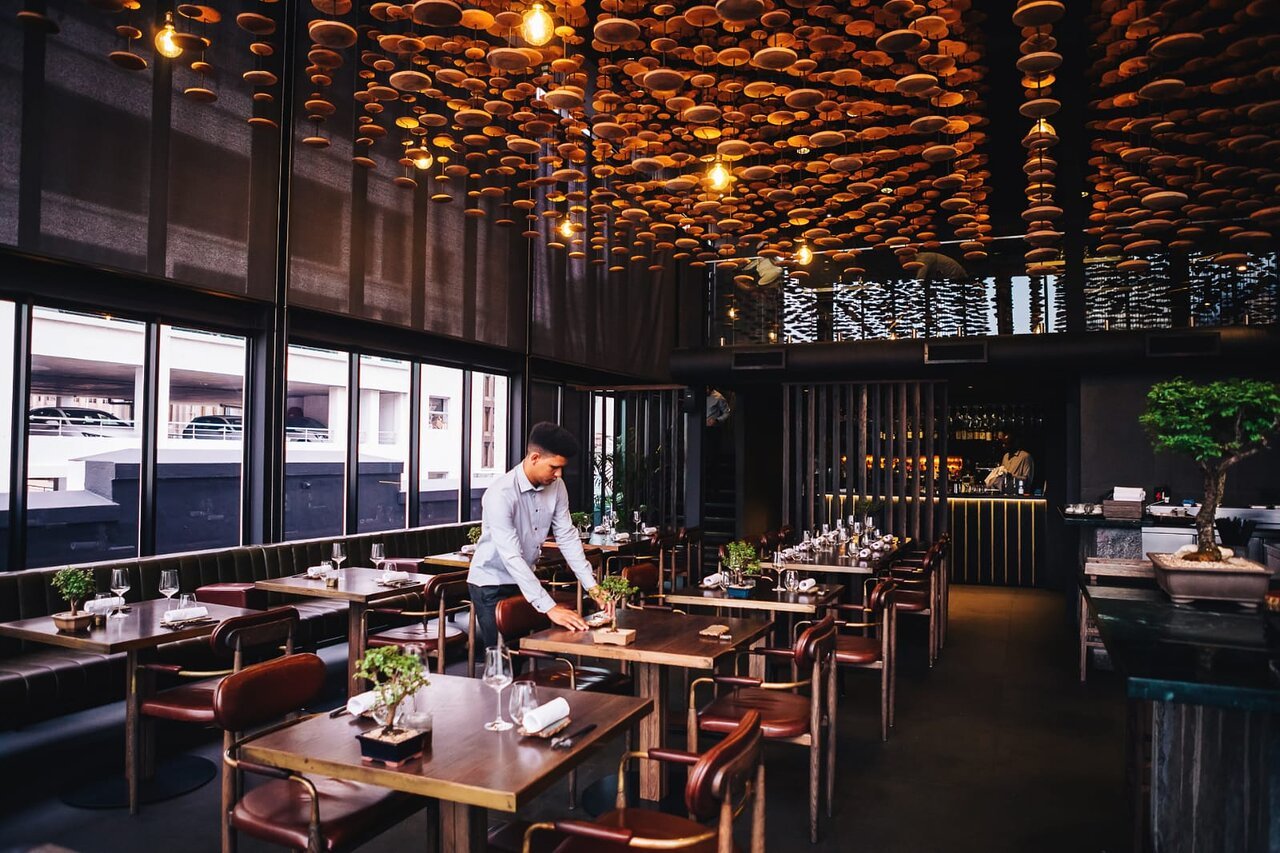
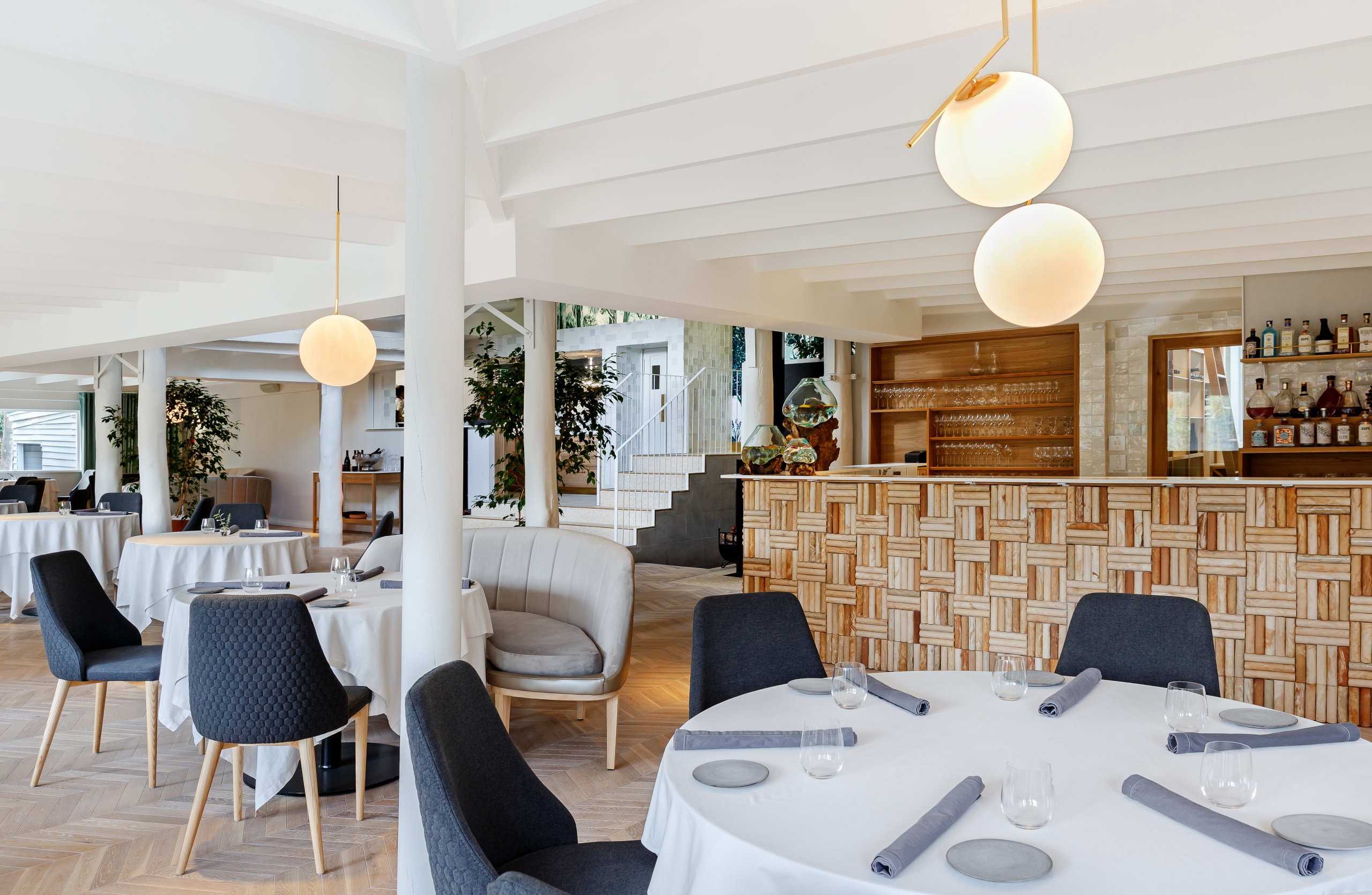
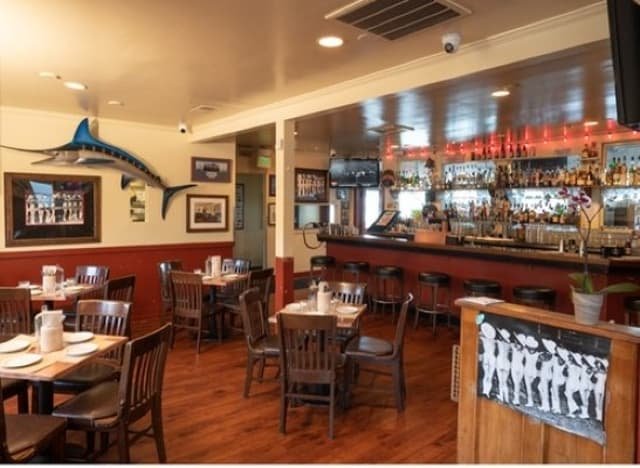
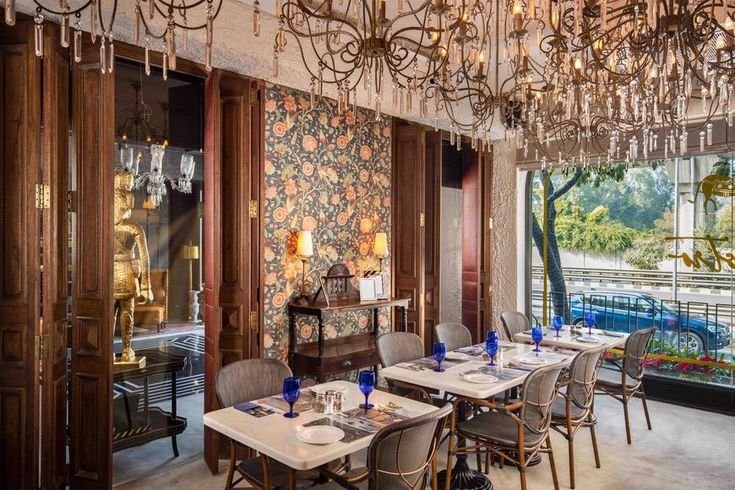
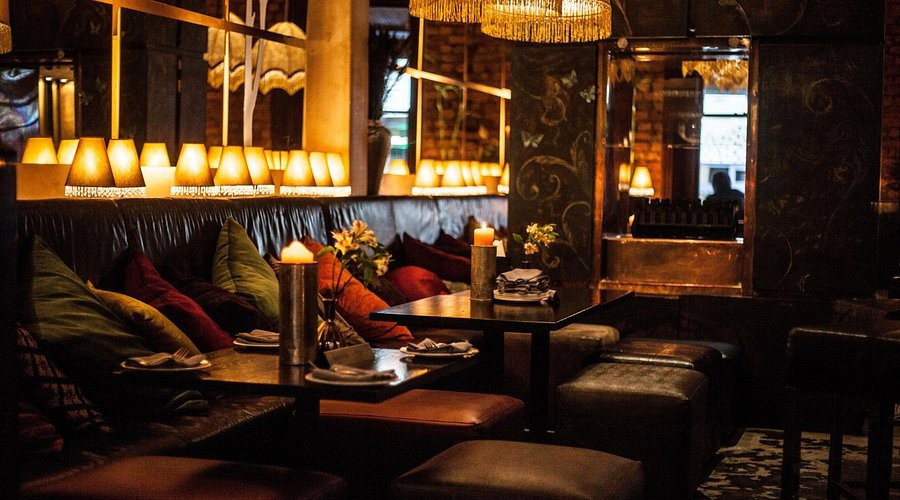
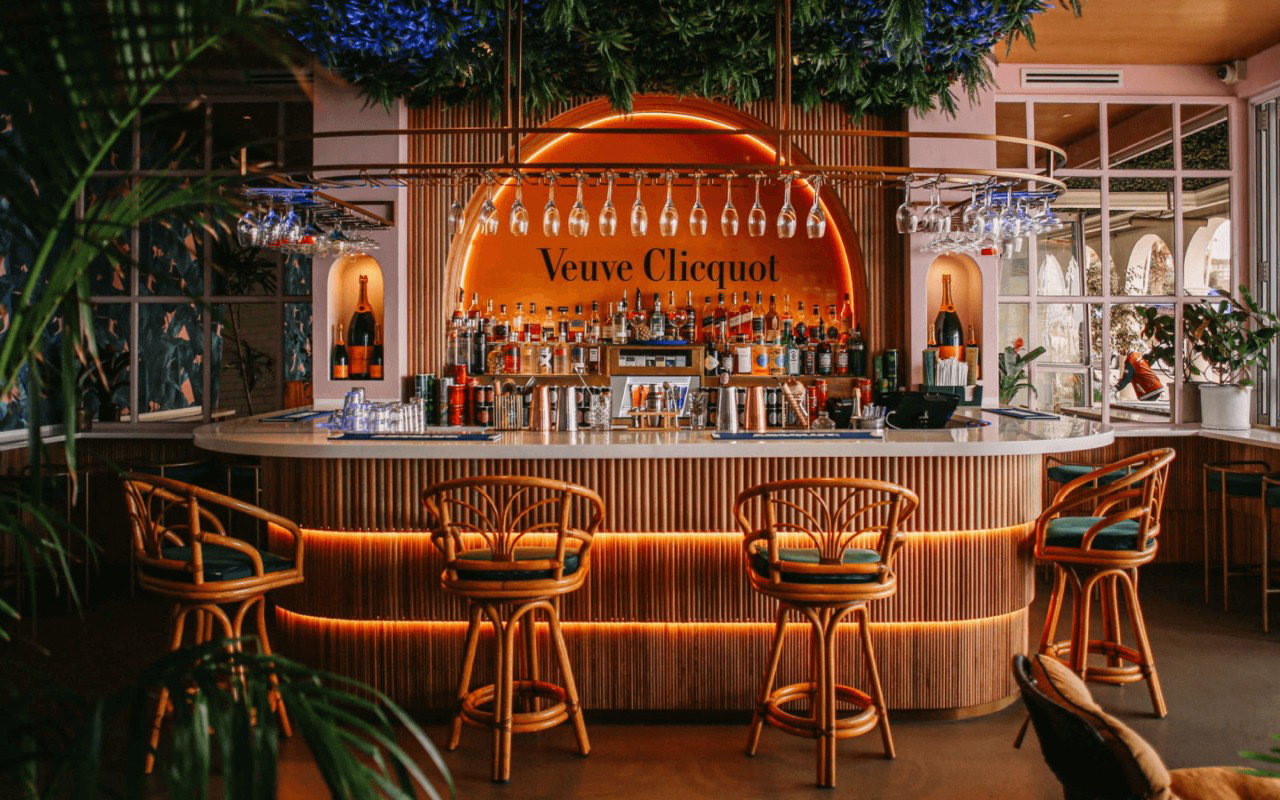
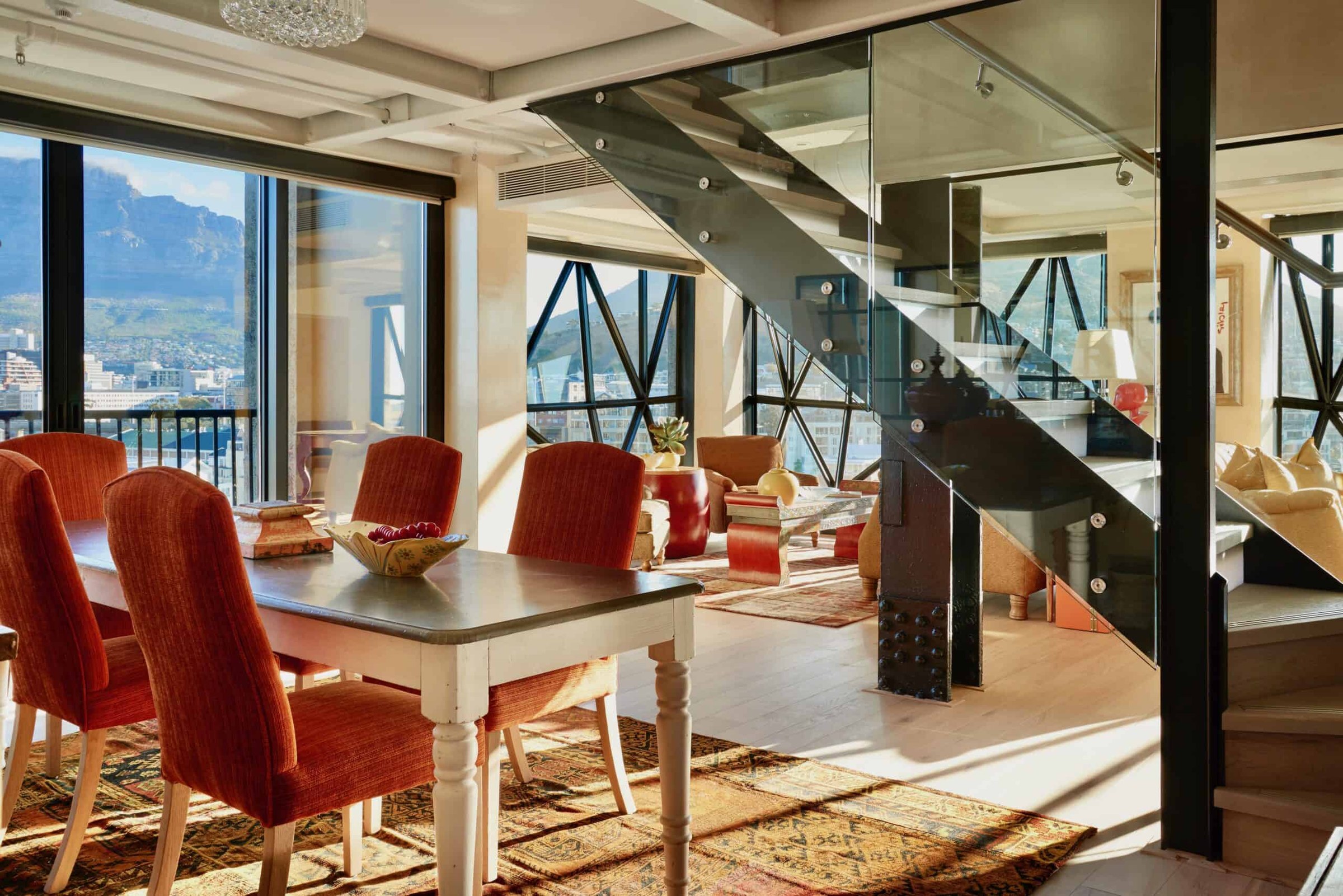
Contemporary glass-encased tasting room with serene, light-filled atmosphere blending seamlessly into stunning natural vineyard and mountain landscape.
Tags
Vibe
Best For
Experience
Sourcing
View
At the Vineyard
- Appellation
- Constantia
- Varietals
- Viognier, Sauvignon Blanc, Semillon, Cabernet Franc, Merlot
- Tour Duration
- 60-90 minutes
- Visits
- By reservation
- Farming
- Sustainable
- Wine Styles
- Still White, Still Red
- Food Pairing
- Offered
- Wine Club
- Not available
Know before you go
Know Before You Go
- Getting there
- 1043 Constantia Main Rd, Constantia, Cape Town, 7806
Planning details
Location
Also consider
If Beau Constantia is unavailable
Try Eagles' Nest Wines for a smaller Constantia alternative with a similarly focused feel, or Groot Constantia if the group is larger and needs a less fragile plan. Buitenverwachting is the safer choice when the day needs flexibility more than a tightly curated stop.
Winery context
How Beau Constantia compares in Constantia
Beau Constantia is the sharper choice for visitors who want a polished, high-demand winery stop rather than a broad estate day. Constantia Glen is the cleaner cross-shop if the priority is an easier, classic tasting-room plan, while Eagles' Nest Wines is better for a smaller-scale Constantia feel when availability is the deciding factor.
For heritage and range, Groot Constantia and Klein Constantia are stronger choices. Groot Constantia makes more sense for larger groups and first-time visitors who want the historic estate context; Klein Constantia is the more obvious pick for wine-focused travellers who care about producer legacy. Beau Constantia works better when ambiance and a more contemporary visit matter more than breadth.
Buitenverwachting is the safer alternative for mixed groups because its estate format is easier to fit into a flexible day. Beau Constantia is less of a value-by-volume choice and more of a targeted booking: go when the plan calls for a composed, scenic Constantia stop, not when the group needs maximum tasting-room flexibility.
Around this place
Discover more on Pearl
Unlock the full Beau Constantia guide in Pearl, including awards, comparisons, FAQs, planning details, and nearby places.
Compare Beau Constantia
| Venue | Location | Awards |
|---|---|---|
| Beau Constantia | Cape Town | No published awards |
| Constantia Glen | Cape Town | 2026 Falstaff Winery Guide |
| Eagles’ Nest Wines | Cape Town | No published awards |
| Groot Constantia | Cape Town | 2026 Falstaff Winery Guide |
| Klein Constantia | Cape Town | 2026 Falstaff Winery Guide2025 World's 50 Best Vineyards · #62024 World's 50 Best Vineyards · #412023 World's 50 Best Vineyards · #322022 World's 50 Best Vineyards · #392021 World's 50 Best Vineyards · #44 |
| Buitenverwachting | Cape Town | 2026 Falstaff Winery Guide |


How Beau Constantia Cape Town compares with similar nearby venues.
FAQ
Frequently Asked Questions
Can Beau Constantia handle large groups?
Group capacity should be confirmed directly with the venue. Beau Constantia has Pearl 2 Star Prestige recognition for 2025 and a smart casual dress code, but larger parties should confirm arrangements directly with the venue before planning around it.
What practical details are confirmed for Beau Constantia?
Practical details include Beau Constantia's Cape Town location, Pearl 2 Star Prestige recognition for 2025, and smart casual dress code.
What is Beau Constantia known for?
Beau Constantia is known for its Pearl 2 Star Prestige recognition for 2025 in Cape Town and its smart casual dress code.