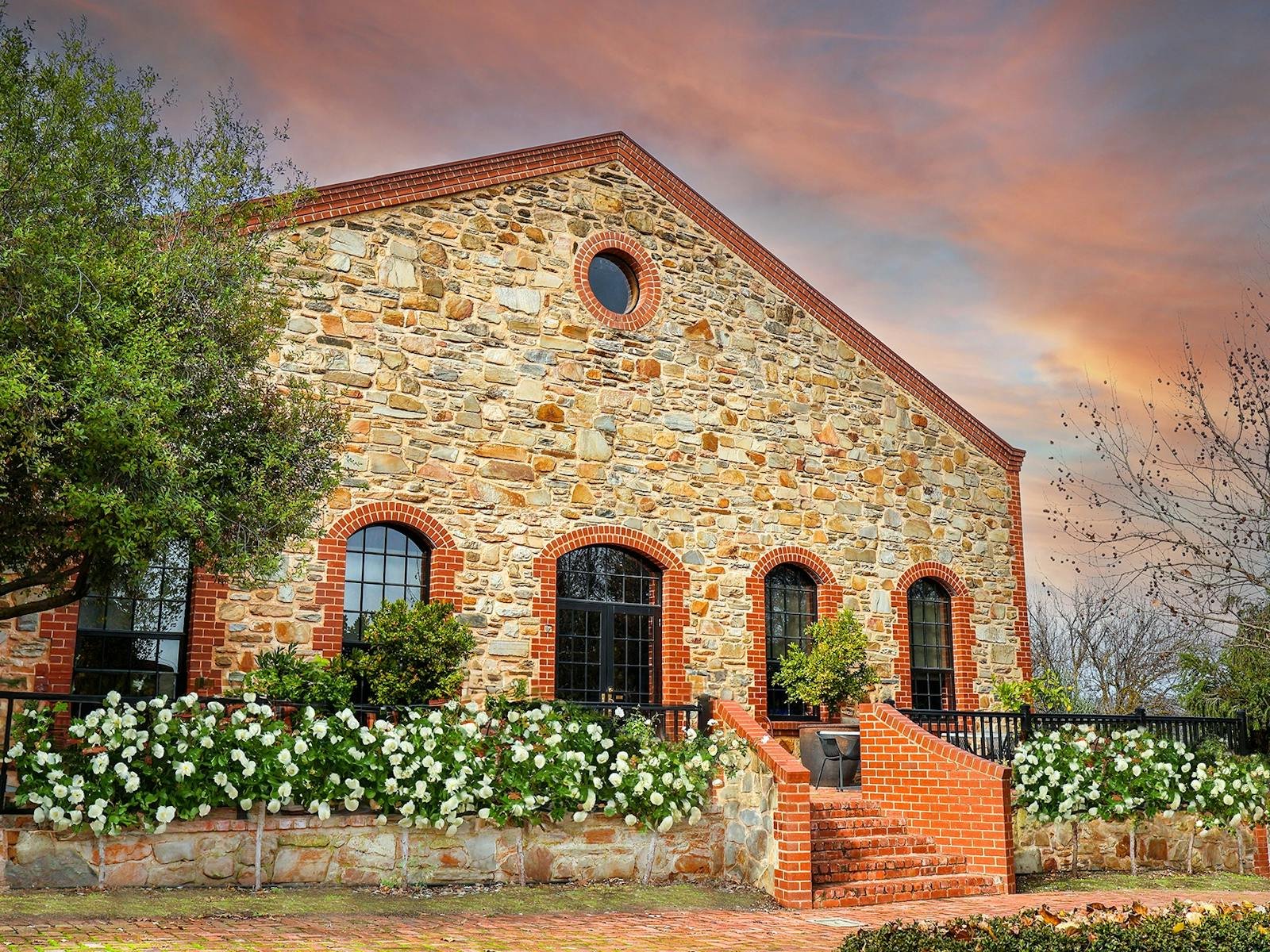

Kaesler Wines
Nuriootpa, Barossa Valley
Winery in Barossa Valley, Australia
 Book with Pearl
The Read
Old-Vine Barossa Precision
Why go
A serious Nuriootpa stop for Barossa visitors who want focused regional context rather than a broad tourism experience. Book it for a calmer, wine-led itinerary; cross-shop larger estates if the group wants dining, architecture, or an easier social tasting built into the same stop.
About Kaesler Wines
Kaesler Wines is a Barossa Valley venue with a casual dress code and Pearl 2 Star Prestige recognition for 2025. Details are limited, so it's best to plan for it as a Barossa Valley stop without assuming a specific format, menu, price, address, schedule, or reservation policy.
For a wider day plan, pair it with Our full Barossa Valley guide, then use Our full Barossa Valley restaurants guide and Our full Barossa Valley hotels guide to keep the rest of the itinerary grounded in current planning needs.
Book this when the Barossa agenda is focused and low-fuss
The strongest reasons to keep Kaesler Wines on the shortlist are simple: it is in Barossa Valley, the dress code is casual, and Pearl recognizes it with 2 Star Prestige in 2025. If you are comparing venues, other names to consider alongside it include Elderton, John Duval Wines, Langmeil, Peter Lehmann, and Spinifex.
Because hours, prices, visit structure, food service, or booking requirements are not confirmed, avoid building a tight itinerary around assumptions. Confirm practical details directly before visiting, especially if your day depends on a specific arrival time or format.
Use it as one Barossa Valley option, then build the rest of the day carefully
The practical move is to treat Kaesler Wines as one Barossa Valley stop and add any other venues only after confirming their current details. If you want a comparison set, consider Elderton, John Duval Wines, Langmeil, Peter Lehmann, and Spinifex, or browse other Barossa Valley options generically.
Verdict: consider Kaesler Wines if you want a casual-dress Barossa Valley venue with Pearl 2 Star Prestige recognition. For anything more specific, including timing, arrangements, food, pricing, or access, confirm directly before finalizing the plan.
Planning details
- Location
- 3174 Barossa Valley Way, Nuriootpa SA 5355
- Website
- kaesler.com.au
- Phone
- +61 8 8562 4488
The take
The Take
The Vibe
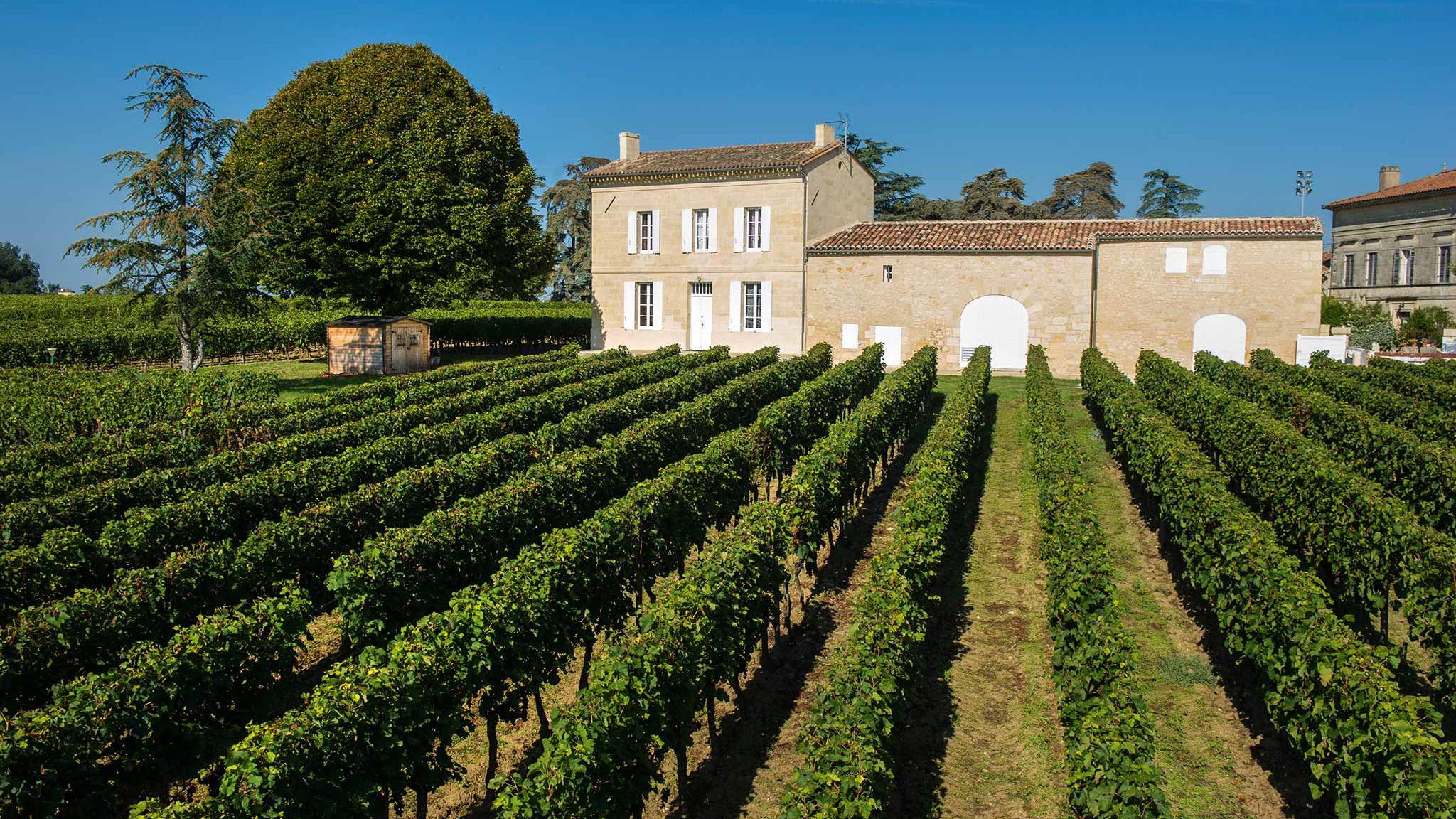
Kaesler sits firmly in the Barossa’s thoughtful, serious wing of producers. You feel the working-ranch character the moment you arrive: vines press close to the road and the cellar door operates as part of the valley’s rhythm rather than a staged tourist stop. The wines carry critical weight, and the tasting room reflects that — it’s less about spectacle and more about careful attention to vintage, vine age and site. The overall tone is quietly sophisticated and quietly proud: attentive service, a clear sense of place and a focus on wines that reward time and interest, not flash.
Best For
Kaesler is ideally suited to visitors who come with curiosity and an appetite to learn. The cellar door culture here privileges conversation and context, so it is a good match for solo explorers, enthusiasts on a wine-education bent and small groups who want to discuss vintage conditions, vine age and specific blocks. It is not a stop for rushed tastings; instead it rewards paced visits where each pour is considered. The winery’s standing among critics means tastings have substance that benefits anyone looking to deepen their understanding of Barossa Shiraz and Grenache.
Tasting Tips
Follow the Barossa tasting conventions when you visit Kaesler: begin with lighter whites and Rieslings, move through Grenache blends and finish with the region’s heavyweight Shiraz. The cellar door treats tasting as a paced conversation, so allow each wine to register before asking for the next pour. Arrive with a little background on varietals or vintages if you can — the staff expect engaged visitors and their commentary on vine age, block selection and vintage conditions will enrich the experience. Book a focused slot rather than dropping in for a hurried tasting.
Venue details
Ambiance
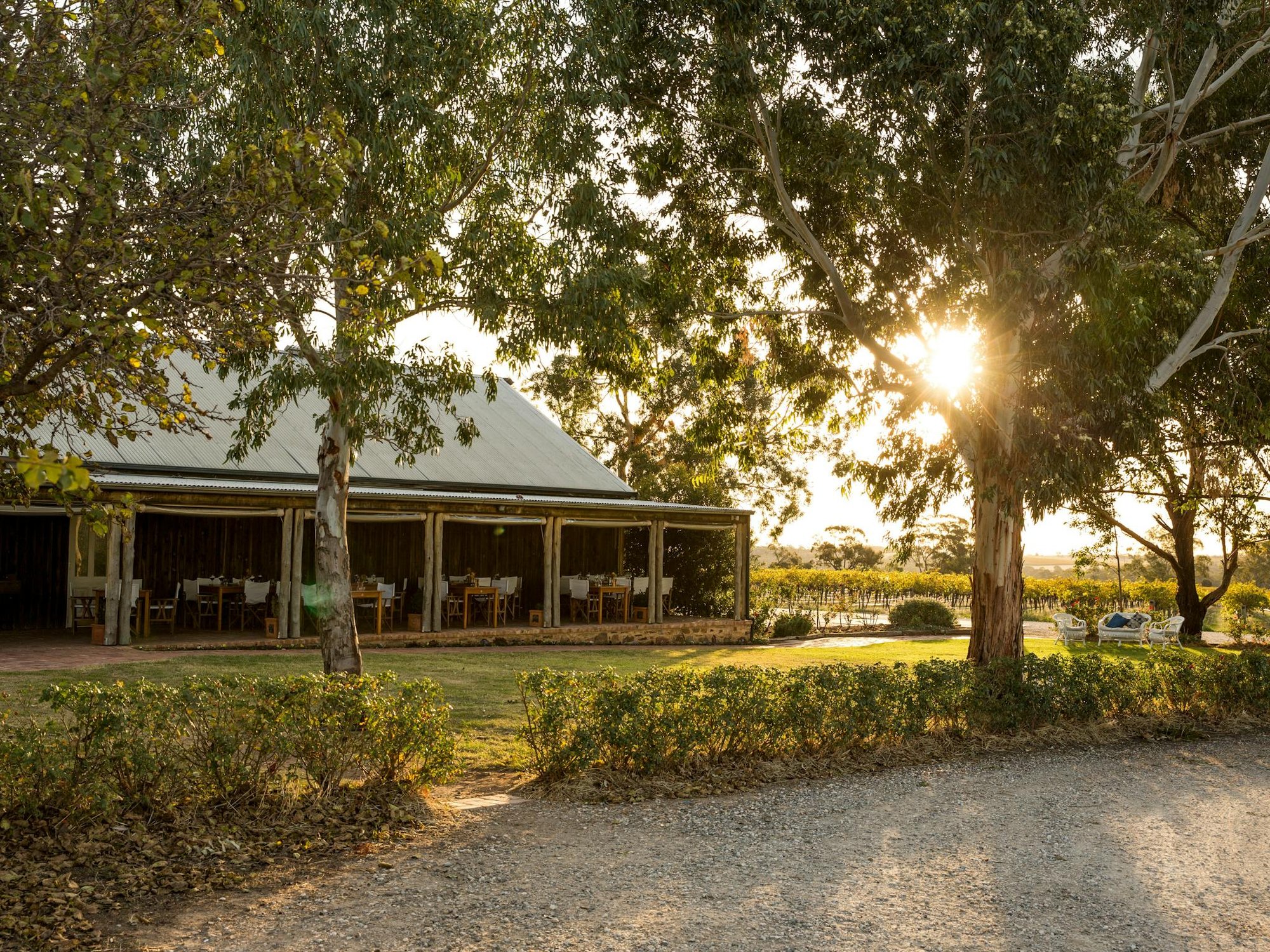
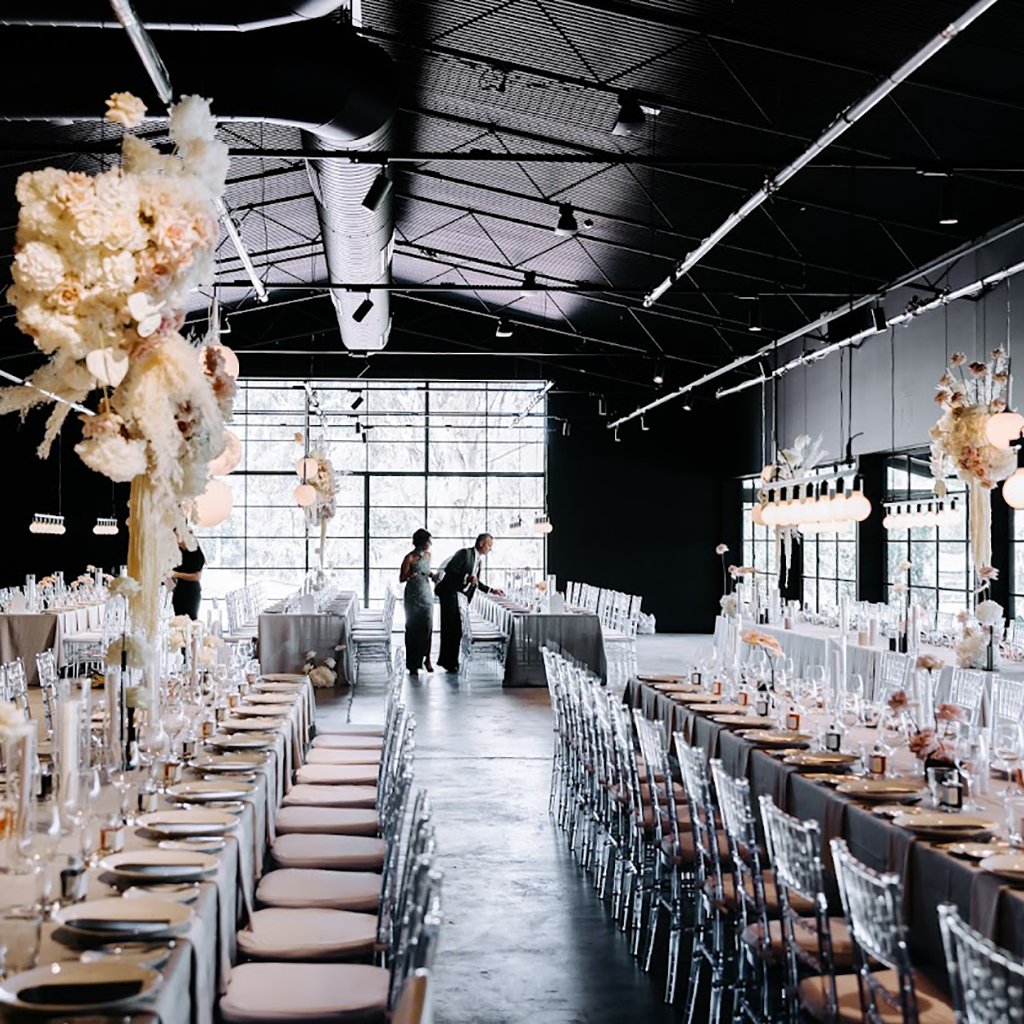
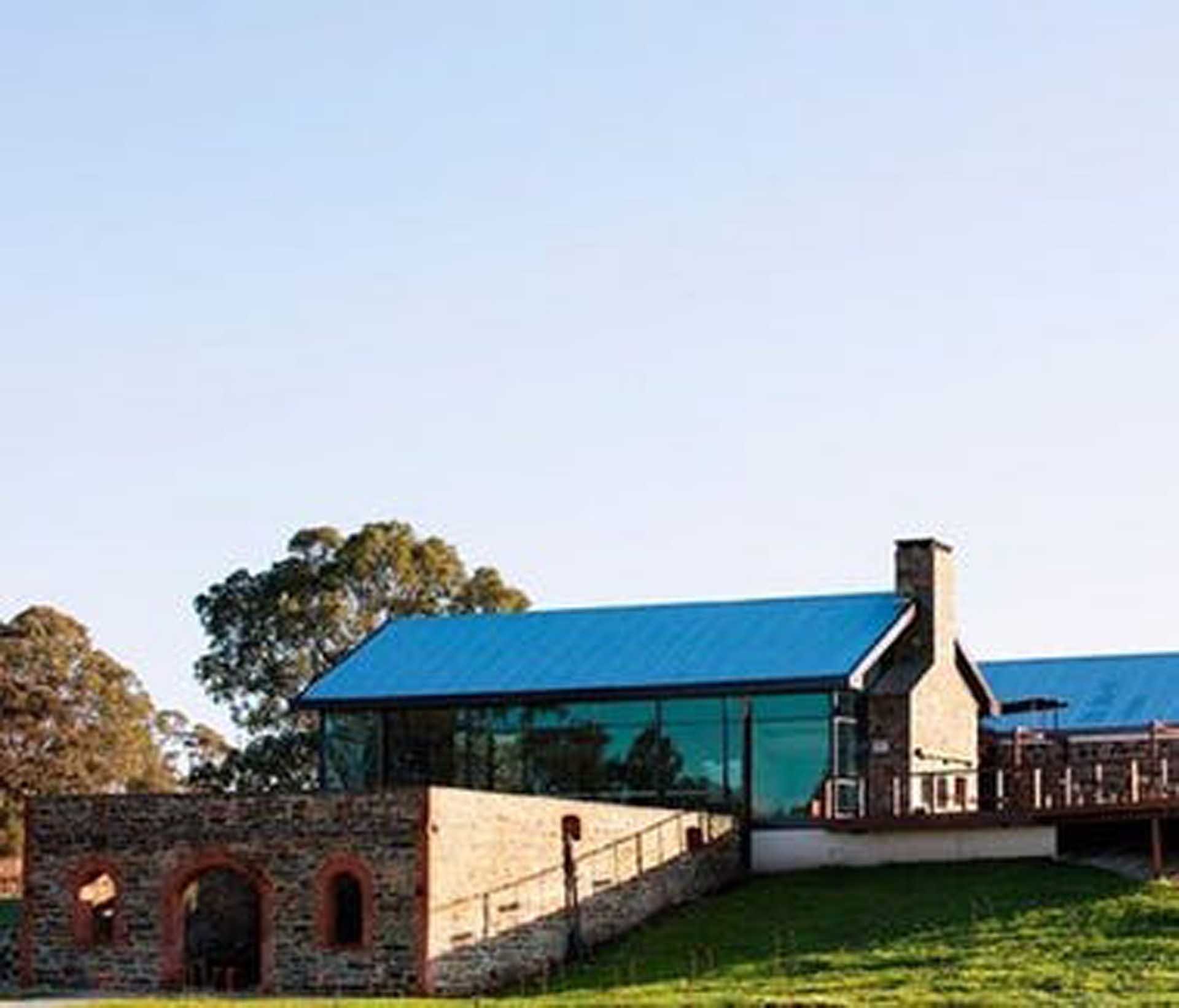
Relaxed and intimate atmosphere in a scenic cellar door full of character and charm, with picturesque vineyard surroundings.
Tags
Vibe
Best For
Experience
View
At the Vineyard
- Appellation
- Barossa Valley
- Varietals
- Shiraz, Grenache, Mourvèdre, Cabernet Sauvignon, Riesling
- Visits
- Walk-ins welcome
- Farming
- Regenerative
- Wine Styles
- Still Red
- Food Pairing
- Offered
- Wine Club
- Not available
Know before you go
Know Before You Go
- Getting there
- 3174 Barossa Valley Way, Nuriootpa SA 5355
Planning details
Location
Recognition and awards

Also consider
Where to go if you cannot get in
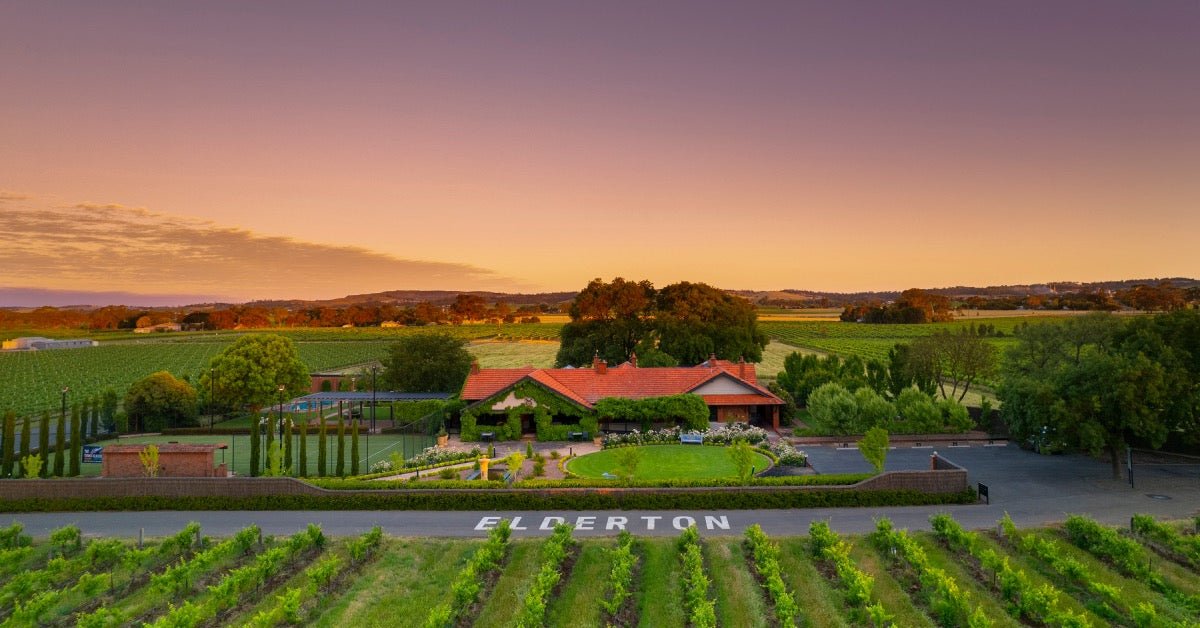
Try Elderton if the goal is a classic Barossa cellar-door stop with broad appeal. Choose John Duval Wines if the group wants another producer-led tasting and cares more about wine context than a big visitor experience.
Winery context
How it compares in Barossa Valley
Choose Kaesler Wines when the priority is a focused Barossa tasting in Nuriootpa and the group cares more about producer identity than a broad visitor setup. Elderton is the more obvious cross-shop for a classic Barossa cellar-door day, especially if the group wants a familiar heritage-style stop. Kaesler is the sharper call for visitors who want the itinerary to feel more wine-led and less general.
Spinifex and John Duval Wines are better comparisons for drinkers who want producer focus and a more specialist read on the region. If booking pressure is a concern, do not leave any of these until the day itself. Treat Kaesler as the anchor, then add one of those peers only if the group has the stamina for a more technical second tasting.
For a broader, easier day, Peter Lehmann and Langmeil are the safer alternatives. They make more sense for mixed-interest groups, while Kaesler is stronger for visitors who want a quieter stop with a clearer wine agenda.
Explore Barossa Valley
Around this place
Discover more on Pearl
Unlock the full Kaesler Wines guide in Pearl, including awards, comparisons, FAQs, planning details, and nearby places.
Compare Kaesler Wines
| Venue | Location | Awards |
|---|---|---|
| Kaesler Wines | Barossa Valley | 2026 Falstaff Winery Guide |
| Elderton | Barossa Valley | 2026 Falstaff Winery Guide |
| Spinifex | Barossa Valley | No published awards |
| John Duval Wines | Barossa Valley | No published awards |
| Peter Lehmann | Barossa Valley | 2026 Falstaff Winery Guide |
| Langmeil | Barossa Valley | No published awards |
How Kaesler Wines Barossa Valley compares with similar nearby venues.
FAQ
Frequently Asked Questions
What other venues can I compare with Kaesler Wines?
For comparison planning, consider Elderton, Peter Lehmann, John Duval Wines, Langmeil, and Spinifex alongside Kaesler Wines. Confirm current visit details directly before building a schedule.
What specific offering is Kaesler Wines known for?
No specific offering is identified. Treat Kaesler Wines as a Barossa Valley venue to assess through confirmed current information rather than assuming a particular product, menu, or format.