
San Leonardo
Vallagarina, Avio
Winery in Avio, Italy
 Book with Pearl
The Read
Vallagarina Bordeaux Precision
Why go
San Leonardo is worth prioritizing if the goal is a serious, quiet winery visit in Avio rather than an easy drop-in tasting. Access looks difficult, so treat it as the anchor booking and keep alternatives ready, especially if the group needs clearer food, pricing, or hospitality details in advance.
About San Leonardo
San Leonardo in Avio has limited details. Its distinctions include Pearl 3 Star Prestige recognition for 2025 and a smart casual dress code. Those two points are useful, but they do not answer the wider practical questions that usually shape a visit. Beyond that, specifics such as visit format, booking requirements, menus, pricing, hours, services, or named products are not available and should not be assumed when planning. The recognition can help establish that San Leonardo is a notable point of interest, while the dress guidance gives a basic sense of how to present yourself, but neither should be stretched into conclusions about what will happen on arrival.
The practical takeaway is to confirm details directly with San Leonardo before building an itinerary around it. If the recognition is the main reason for interest, use that as the distinction, but avoid relying on assumptions about access, hospitality format, or visitor logistics. A careful plan would leave room for uncertainty rather than locking in a full day around details that are not available. That means checking whether the venue is receiving visitors in the way you expect, whether advance contact is needed, and whether any element you consider essential is actually available at the time of travel. For any current arrangements, check the venue's official channels before you go.
Plan your Avio visit, not assumptions about the format
San Leonardo suits travelers who are comfortable planning from limited information. It has Pearl 3 Star Prestige (2025) recognition, and smart casual is the dress guidance. Taken together, these details suggest a place that should be approached with some polish and preparation, but not with a fixed idea of a particular experience. Details about food, timing, reservations, visitor experiences, and services are not available, so build the day with flexibility and verify essentials in advance. This is especially important if your schedule depends on a specific appointment, a meal, a purchase, a guided component, or any other structured element, because none of those details is available. For broader trip planning, use general Avio resources first, then confirm any meals, stays, evening plans, or experiences separately. Keeping available details separate from assumptions will make the visit easier to manage and reduce the risk of planning around unsupported expectations.
For comparison, Allegrini, Bertani, Giuseppe Quintarelli, Masi, and Masi Agricola S.p.A. are useful names to consider separately when planning a wider itinerary. They can help frame the broader landscape for travelers looking beyond a single stop, but they should remain separate reference points rather than substitutes for direct confirmation about San Leonardo. Do not assume they share the same location, format, or visitor arrangements as San Leonardo. Even when venues seem connected by region, reputation, or traveler interest, the practical details that matter on the ground can differ significantly, and shared arrangements are not available. If San Leonardo is your focus, keep the plan centered on Avio and confirm the practical details directly before making it the anchor of the day. The safest approach is to treat the recognition as a reason to investigate further, the smart casual note as the only firm dress guidance, and every other logistical question as something to confirm before committing your time around it.
Planning details
- Location
- Località San Leonardo, 1, 38063 Avio TN
- Website
- sanleonardo.it
- Phone
- +39 0464 689004
The take
The Take
The Vibe
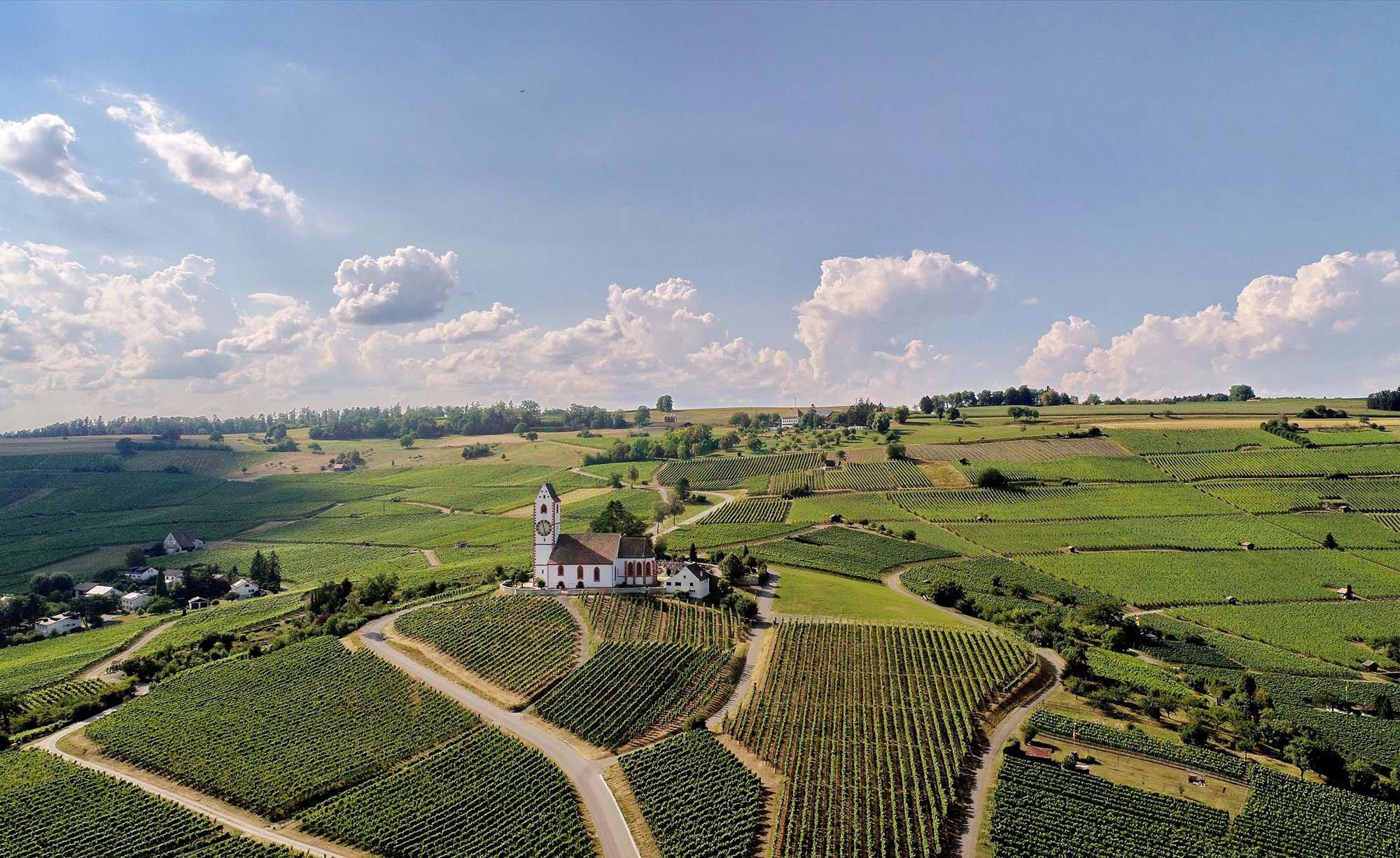
San Leonardo reads like a thoughtful, place-driven estate: quiet vineyards tucked into the narrowing Adige valley, limestone bluffs that shape microclimate, and the influence of mountain and lake air on grape physiology. The writing emphasizes terroir and technical nuance rather than flash, and the 2025 Pearl 3 Star Prestige recognition reinforces a sustained, serious approach to winemaking. Visit expecting a sophisticated, classic tasting experience that foregrounds landscape and site specificity rather than trendy theatrics.
Best For
This estate is best for visitors who want to study terroir and taste wines that aim to express a distinct site. The copy highlights climatic contrasts and recorded locality — topics well suited to educational tastings and visits framed around vineyard character. With the property’s high-level award, it also fits special-occasion visits in which guests want to sample prestige bottlings and discuss how mountain and Garda influences shape acidity and phenolic development.
Tasting Tips
When you taste at San Leonardo, prioritize the estate expressions that speak to site and vintage; the text stresses translating place into bottle, so single-estate or cru bottlings are the clearest way to assess that aim. Ask staff to explain the role of nighttime mountain air and Lake Garda’s moderating influence on specific vintages, and inquire about older or prestige releases recognized by recent awards to understand how the estate’s style evolves with age.
Venue details
Ambiance
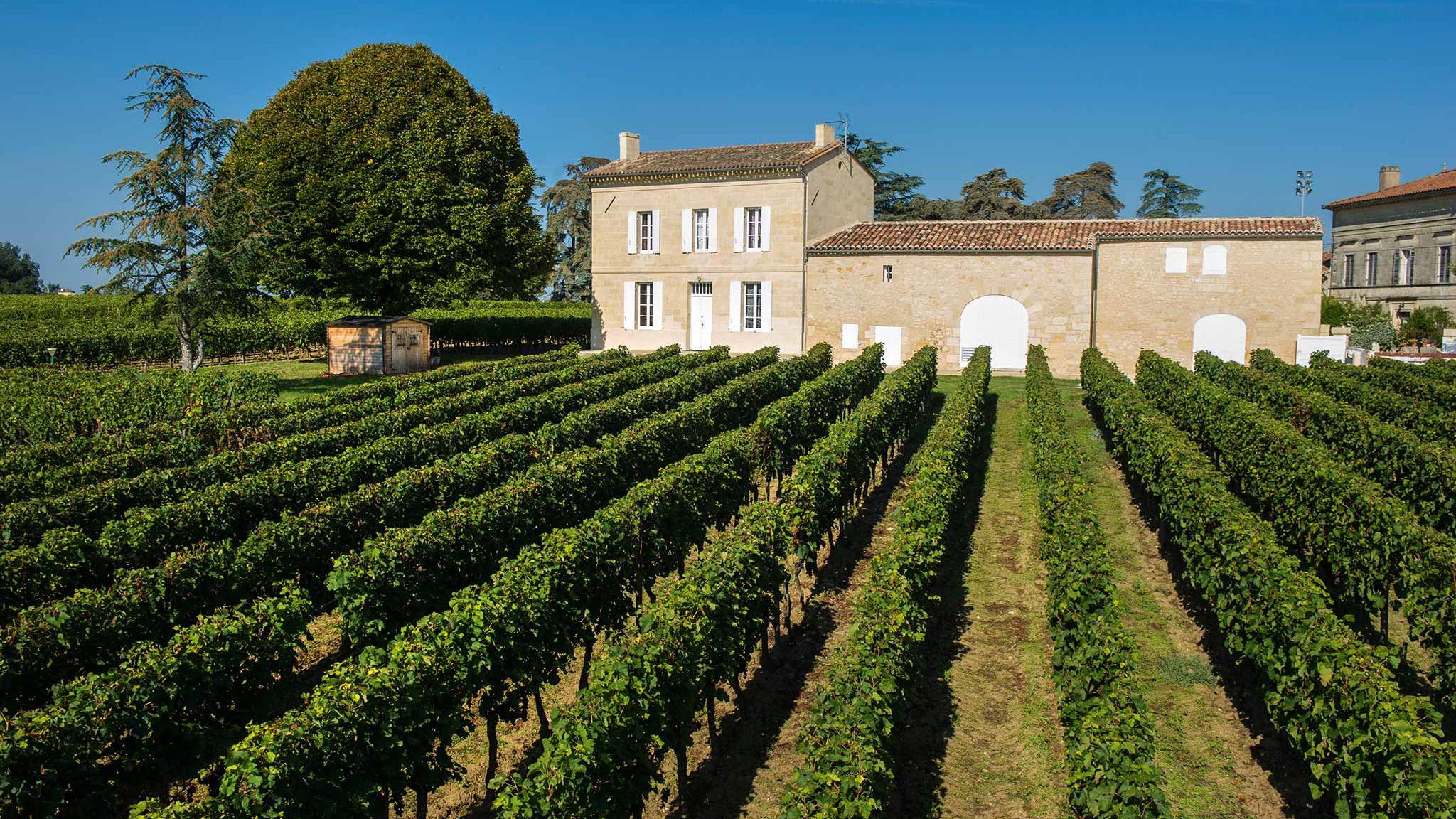
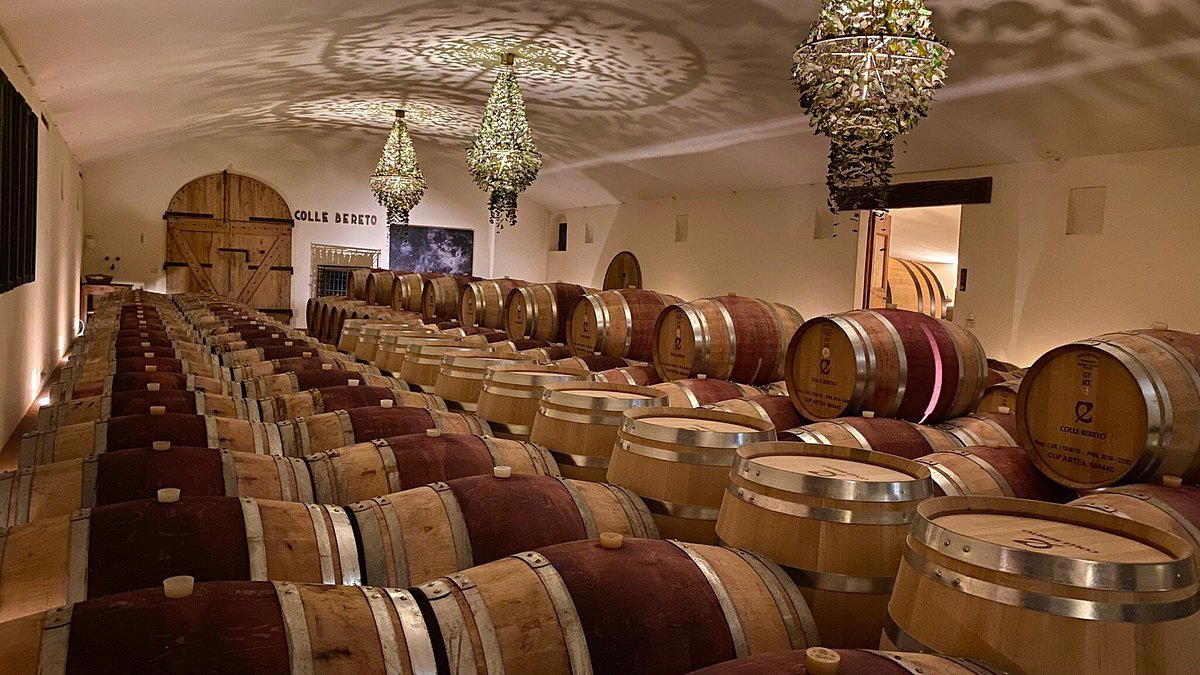
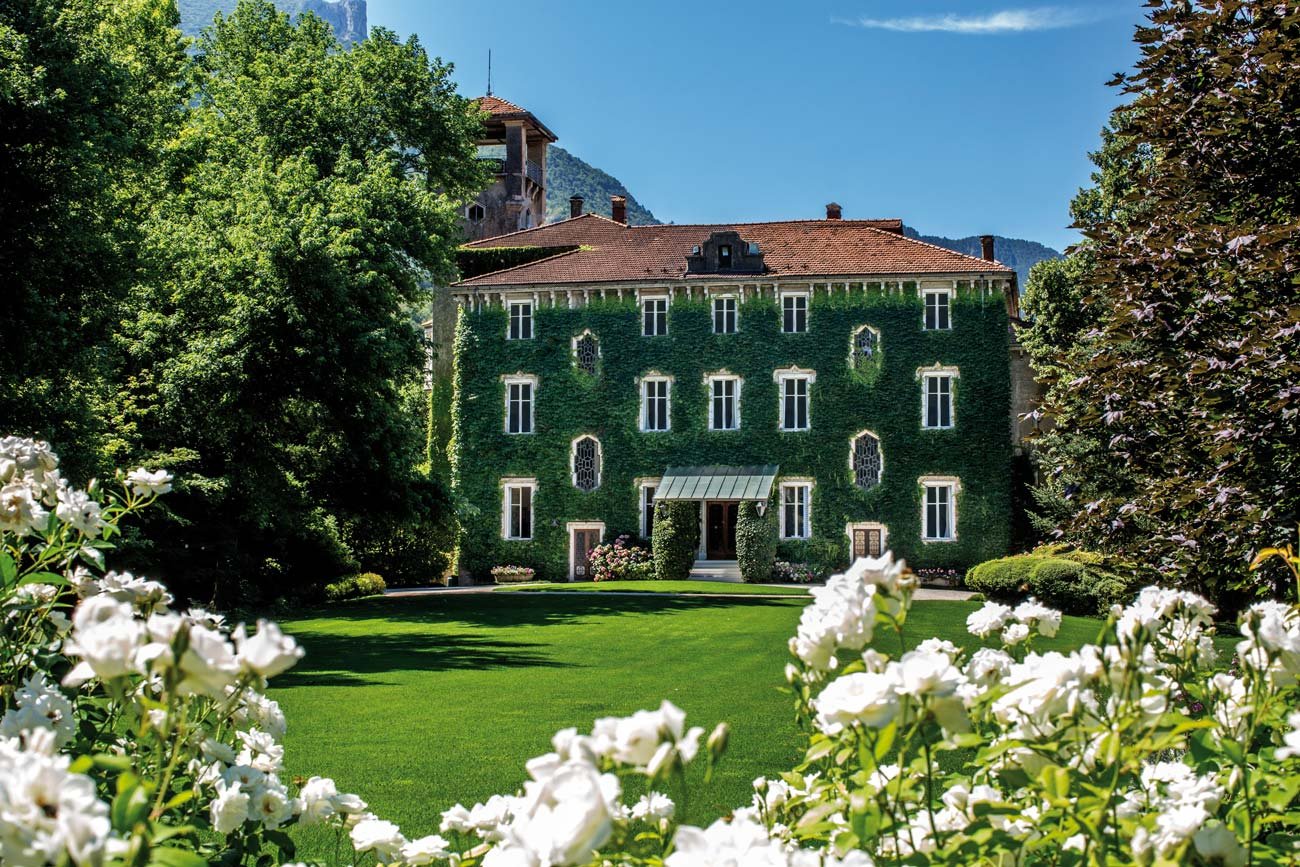
Aristocratic elegance with picturesque vineyards, rose and herb gardens, and Dolomites views, offering an intimate and sophisticated atmosphere.
Tags
Vibe
Best For
Experience
Sourcing
View
At the Vineyard
- Appellation
- Vigneti delle Dolomiti IGT
- Varietals
- Cabernet Sauvignon, Carmenère, Merlot, Cabernet Franc, Sauvignon Blanc
- Tour Duration
- 120 minutes
- Visits
- By reservation
- Farming
- Organic
- Wine Styles
- Still Red
- Wine Club
- Not available
Know before you go
Know Before You Go
- Getting there
- Località San Leonardo, 1, 38063 Avio TN
Planning details
Location
Recognition and awards

Also consider
Where to look if access does not work
If San Leonardo is not workable, start with Allegrini for a recognisable northern Italian winery alternative, or Bertani for another serious name with a more practical cross-shop profile.
Winery context
How it compares in the northern Italy winery set
San Leonardo is the better choice for a quieter, more appointment-led wine stop in Avio; Allegrini is the safer cross-shop if the group wants a more familiar Valpolicella reference point and likely broader visitor expectations. For travelers who have already done the larger-name circuit, San Leonardo feels more selective, but that also means less certainty around logistics.
Giuseppe Quintarelli is the stronger pick for collectors chasing a cult-name comparison, while Masi and Masi Agricola S.p.A. are easier recommendations for groups that value recognisable scale and a more mainstream winery framework. San Leonardo is more compelling when ambience and focus matter more than breadth.
Bertani is the practical backup for readers who want another serious northern Italian wine name without making the Avio booking the whole day. Choose San Leonardo when the visit itself is the point; choose Bertani, Masi, or Allegrini when the plan needs more predictable visitor flow.
Explore Avio
Around this place
Discover more on Pearl
Unlock the full San Leonardo guide in Pearl, including awards, comparisons, FAQs, planning details, and nearby places.
Compare San Leonardo
| Venue | Location | Awards |
|---|---|---|
| San Leonardo | Avio | 2026 Falstaff Winery Guide |
| Allegrini | Fumane | 2026 Falstaff Winery Guide2025 Decanter Winery Prestige |
| Giuseppe Quintarelli | Negrar | 2026 Falstaff Winery Guide |
| Masi | Sant'Ambrogio di Valpolicella | No published awards |
| Masi Agricola S.p.A. | Sant'Ambrogio di Valpolicella | No published awards |
| Bertani | Grezzana | 2026 Falstaff Winery Guide |

How San Leonardo Avio compares with similar nearby venues.
FAQ
Frequently Asked Questions
Do I need a reservation at San Leonardo?
Reservation requirements are not available. San Leonardo is in Avio and has Pearl 3 Star Prestige (2025) recognition, so confirm directly with the venue before you go.
What other venues can I compare with San Leonardo?
Allegrini, Giuseppe Quintarelli, Masi, Masi Agricola S.p.A. and Bertani are comparison names to consider when planning a broader itinerary. Check each venue's location and visitor details separately rather than assuming the same arrangements as San Leonardo in Avio.
Does San Leonardo serve food?
Food service details are not available. San Leonardo is listed in Avio, with Pearl 3 Star Prestige (2025) recognition and a smart casual dress code. If food is important to your plans, confirm directly with the venue or arrange a separate meal.
Are memberships or special programs available at San Leonardo?
Membership or special-program details are not available. Base any decision on information confirmed directly by San Leonardo, not on assumptions from its Pearl 3 Star Prestige (2025) recognition.
Does San Leonardo offer shipping or delivery?
Shipping and delivery details are not available. If either matters, ask San Leonardo directly while planning your visit to Avio.
How long should I plan for a visit to San Leonardo?
Visit length is not available. Confirm timing directly with San Leonardo before setting your Avio itinerary, especially if you are coordinating other plans on the same day.
What is San Leonardo known for?
San Leonardo in Avio has Pearl 3 Star Prestige (2025) and a smart casual dress code. More specific claims are not available.