

Numanthia
Valdefinjas
Winery in Valdefinjas, Spain
 Book with Pearl
The Read
Old-Vine Toro Terroir
Why go
Numanthia is worth pursuing for serious Spanish red-wine travellers, especially collectors who value external recognition and scarcity over an easy tasting-room setup. Treat it as a hard-to-secure anchor booking in Valdefinjas, with backup wineries planned before committing the rest of the day.
About Numanthia
Numanthia is located in Valdefinjas. It has smart casual dress guidance and carries 2025 Pearl 2 Star Prestige recognition, along with 2025 Decanter World Wine Awards Derived Winery Prestige recognition. Beyond these points, do not assume public-facing details such as visit format, pricing, availability, group handling, or service style without checking directly.
Book with facts in mind
The clearest reason to consider Numanthia is its recognition. Pearl 2 Star Prestige and Decanter World Wine Awards Derived Winery Prestige in 2025 make it a stronger candidate for a prestige-led wine itinerary than a venue with no external signals. However, practical details are not specified, so the safest plan is to confirm timing, access, and any visitor arrangements before building the day around it.
Dress guidance is smart casual. This is the only guest-facing policy specified, so visitors should avoid making assumptions beyond this. The rest of the experience should be directly rather than assuming a particular tasting structure, menu, price point, or hospitality format.
First-timers should keep the day simple
For a first visit, keep the Valdefinjas portion of the itinerary direct. Confirm Numanthia first, then plan any meals, lodging, or other stops around the actual appointment information you receive. If the visit cannot be confirmed, compare the trip with other serious Spanish wine names such as Abadía Retuerta, Arzuaga Navarro, Pingus, Tinto Pesquera (Alejandro Fernández), and Vega Sicilia, without assuming they share the same location or visitor setup.
This information is best used as a credibility check, not as a complete planning sheet. Numanthia has 2025 Pearl prestige recognition and a smart casual dress code; specific claims about access, format, pricing, shipping, or group arrangements should be confirmed directly with the venue.
Planning details
- Location
- Real, s/n, 49882 Valdefinjas, Zamora
- Website
- numanthia.com
- Phone
- +34 980 69 91 47
The take
The Take
The Vibe
Numanthia reads like an expression of place: high, exposed, and uncompromising. The estate sits on the Toro meseta where extremes of heat, cold and scant rainfall concentrate the grapes and produce wines of deep pigment and structural weight. Its reputation grew in the early 2000s—briefly becoming part of a global portfolio—yet the story the winery tells is older than any owner: old-vine Tinta de Toro clones that pushed roots deep into limestone-threaded soils. The tone is serious and assured rather than flashy, a winery defined by terroir, longevity and a sense of lineage rooted in Valdefinjas.
Best For
Numanthia is best for visits that prioritize learning about terroir and tasting age-worthy, dense expressions of Tinta de Toro. The site’s climatic extremes and preserved old vines make it a natural destination for focused wine education and for marking a special occasion with wines that show depth and ageing potential. Tastings here are likely to foreground the relationship between the plateau’s soils and the wines’ power and structure, so reservations or guided sessions that explore vineyard origins and vinification choices are the most rewarding approach.
Tasting Tips
When engaging with Numanthia’s wines, look for bottlings that emphasize old-vine fruit and provenance; the description highlights vines that survived phylloxera and develop deep pigment and structural weight. Expect higher natural alcohol and concentrated flavors, so choose wines with supporting acidity and tannin for ageing if you want cellar potential. In tastings, ask about specific vineyard parcels, clone selection and how the winery adapts cellar work to the grape’s structural heft—those details explain the difference between local Tinta de Toro expressions and more familiar Tempranillo styles.
Venue details
Ambiance
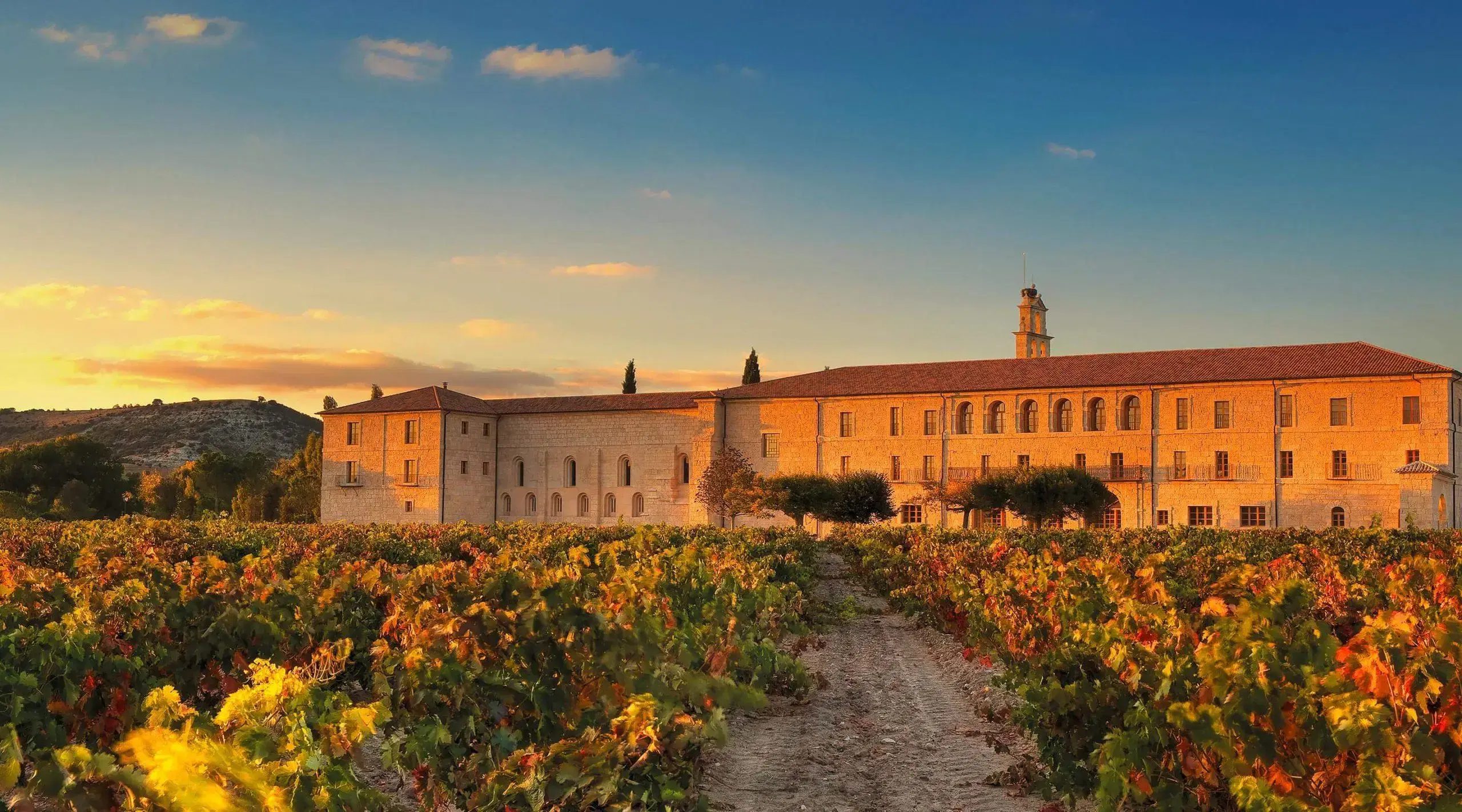
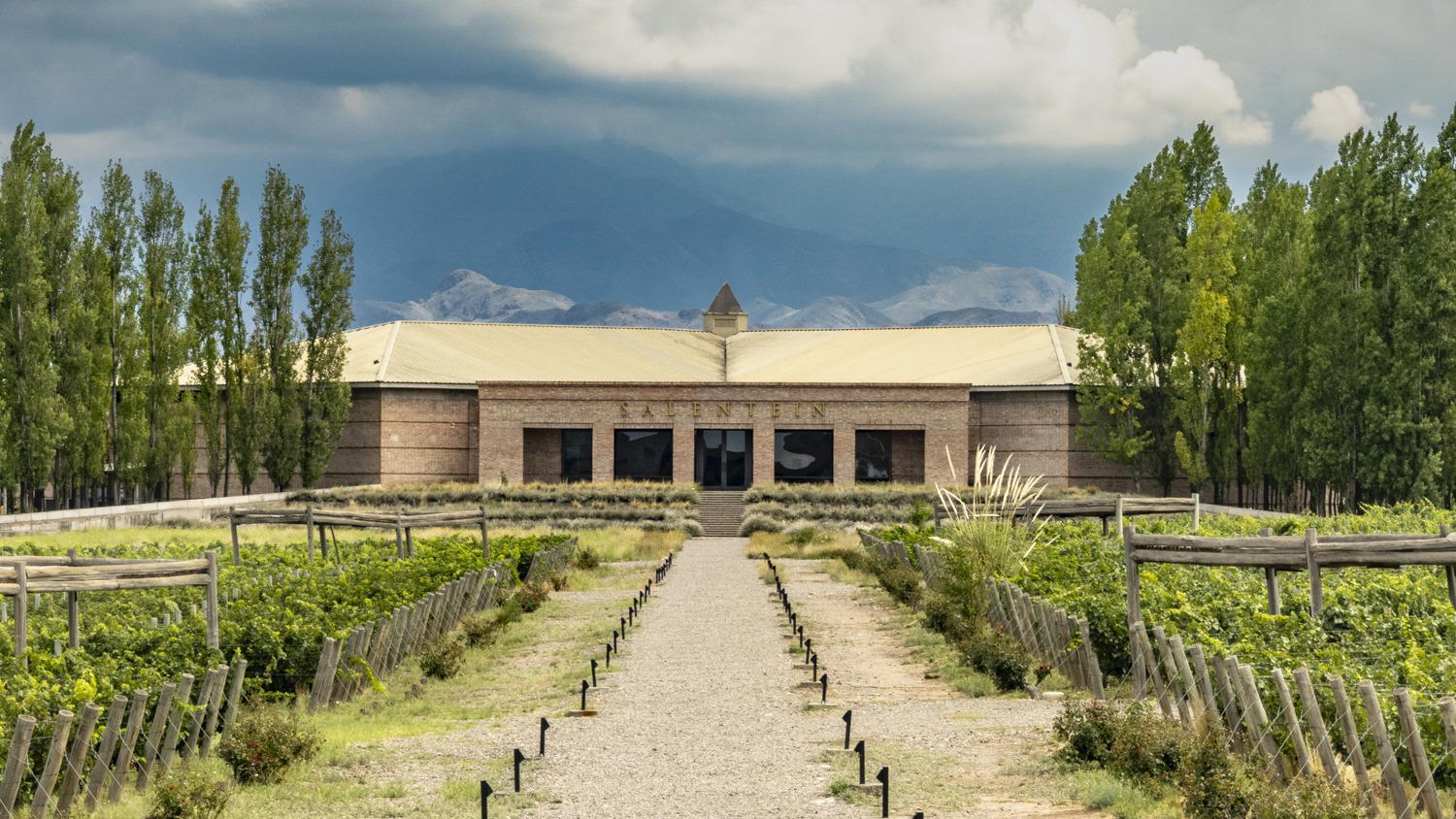
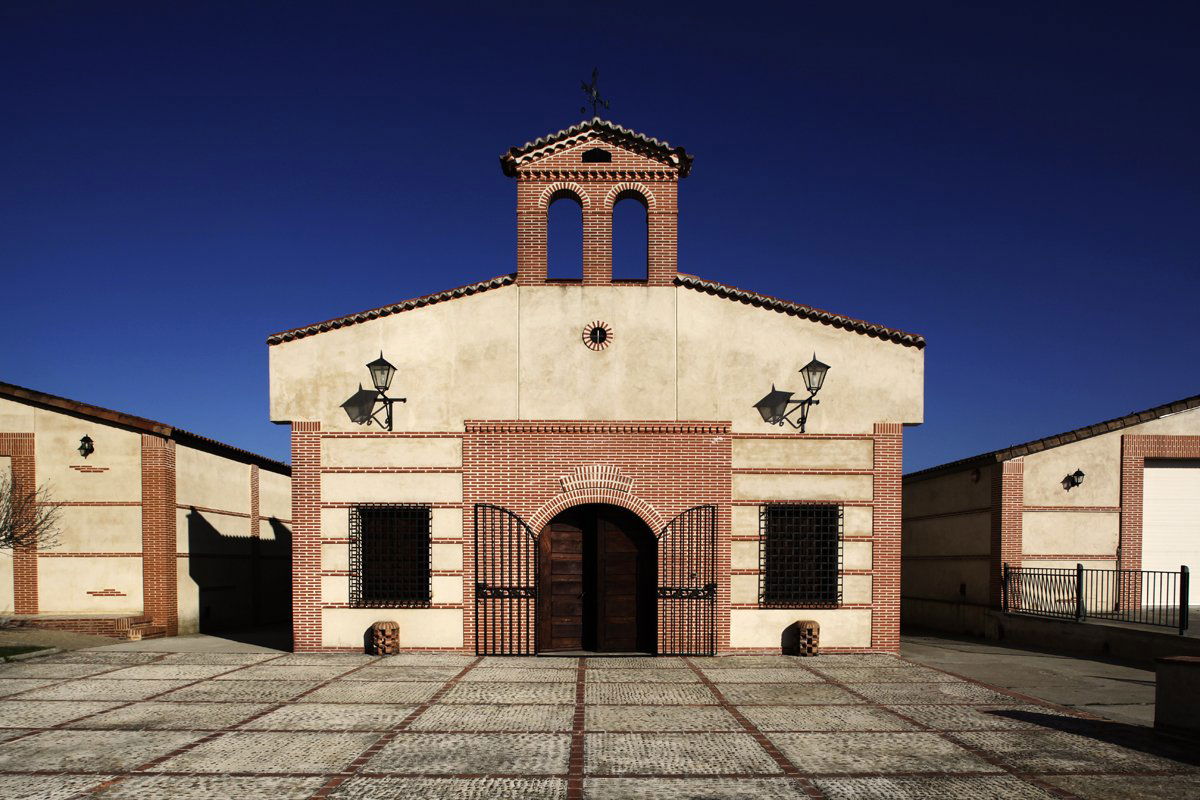
Rustic elegance amid resilient old vineyards and a restored 16th-century church, evoking timeless Spanish heritage.
Tags
Vibe
Best For
Experience
Sourcing
View
At the Vineyard
- Appellation
- Toro DO
- Varietals
- Tinta de Toro
- Visits
- By appointment only
- Farming
- Organic
- Wine Styles
- Still Red
- Wine Club
- Not available
Know before you go
Know Before You Go
- Getting there
- Real, s/n, 49882 Valdefinjas, Zamora
Planning details
Location
Recognition and awards

Also consider
If Numanthia is unavailable
Cross-shop Abadía Retuerta for a more estate-led day, or Arzuaga Navarro for a group-friendlier fallback. For collectors, Vega Sicilia and Pingus belong on the same shortlist, but they should not be treated as easy replacements.
For a wider wine-country itinerary beyond Spain, compare with 00 Wines in Carlton and 1310 Spirit of the Country Distillery in Sierning only if the trip is already stretching across regions rather than staying around Zamora.
Winery context
How it compares with nearby Spanish wine names
Choose Numanthia when the priority is a focused, high-barrier red-wine visit in Valdefinjas. Abadía Retuerta is the stronger cross-shop for travellers who want a broader estate-style experience, while Arzuaga Navarro is the safer choice for groups that need a more conventional hospitality feel.
Pingus and Vega Sicilia sit in the same serious-collector conversation, but they are not substitutes for an easy day out. If the goal is access, ambiance, and lower planning stress, Tinto Pesquera (Alejandro Fernández) is a more practical fallback than chasing every scarce appointment.
Value comes down to what the traveller wants from the day. Numanthia is the right call for a first visit built around prestige and scarcity; Abadía Retuerta or Arzuaga Navarro make more sense when comfort, group logistics, and a fuller estate rhythm matter more than allocation-minded bragging rights.
Explore Valdefinjas
Around this place
Discover more on Pearl
Unlock the full Numanthia guide in Pearl, including awards, comparisons, FAQs, planning details, and nearby places.
Compare Numanthia
| Venue | Location | Awards |
|---|---|---|
| Numanthia | Valdefinjas | 2026 Falstaff Winery Guide2025 Decanter Winery Prestige |
| Abadía Retuerta | Sardón de Duero | 2026 Falstaff Winery Guide2025 World's 50 Best Vineyards · #382025 Decanter Winery Prestige2024 World's 50 Best Vineyards · #82023 World's 50 Best Vineyards · #272022 World's 50 Best Vineyards · #292021 World's 50 Best Vineyards · #32 |
| Pingus | Ribera del Duero | 2026 Falstaff Winery Guide2025 Pearl 4 Star Prestige |
| Arzuaga Navarro | Quintanilla de Onésimo | 2026 Falstaff Winery Guide2025 World's 50 Best Vineyards · #64 |
| Vega Sicilia | Valbuena de Duero | 2026 Falstaff Winery Guide |
| Tinto Pesquera (Alejandro Fernández) | Pesquera de Duero | 2026 Falstaff Winery Guide |


How Numanthia Valdefinjas compares with similar nearby venues.
FAQ
Frequently Asked Questions
When is the best time to visit Numanthia?
Numanthia is located in Valdefinjas. Specific hours, seasonal timing, and visit availability are not specified, so the best time to go is whenever Numanthia directly confirms access for your plans.
What is the flagship wine at Numanthia?
A specific flagship wine is not specified. However, Numanthia has 2025 Pearl 2 Star Prestige recognition and 2025 Decanter World Wine Awards Derived Winery Prestige recognition.
Is the wine club at Numanthia worth joining?
Wine club details are not provided. Decide only after confirming membership terms, access, pricing, and benefits directly with Numanthia.
Does Numanthia ship wine?
What other wineries are useful to compare with Numanthia?
For a prestige-led Spanish wine comparison, consider Abadía Retuerta, Arzuaga Navarro, Pingus, Tinto Pesquera (Alejandro Fernández), and Vega Sicilia. Treat each as a separate planning option and confirm its location, access, and visitor details independently.