
Weingut Weedenborn
Monzernheim
Winery in Monzernheim, Germany
 Book with Pearl
The Read
Calcareous-Soil Precision
Why go
Book Weingut Weedenborn if the goal is a serious Rheinhessen producer visit rather than a casual tasting-room stop. It suits small groups and wine-focused travellers, especially if a more private format can be arranged; larger groups should confirm fit before building the day around it.
About Weingut Weedenborn
Weingut Weedenborn is a Monzernheim venue with Pearl 2 Star Prestige recognition for 2025. Plan carefully as specific hours, tasting formats, food service, prices, or group capacity are not known. The dress code is smart casual.
A Monzernheim pick to plan carefully
For a Monzernheim visit, treat Weingut Weedenborn as a venue to check directly before you go. While Weingut Weedenborn is located in Monzernheim, has a smart casual dress code, and holds 2025 Pearl 2 Star Prestige recognition, a restaurant format, walk-in policy, opening hours, tasting length, or visitor capacity are not available. If the wider trip needs backup meals, rooms, or evening plans, use general Monzernheim planning resources rather than assuming Weingut Weedenborn provides those services.
The safest approach is to confirm current arrangements through the venue's own channels before building an itinerary around it. Do not assume lunch, dinner, private service, a specific tasting format, or a large-group setup unless the venue confirms those details for your date.
How to decide if the visit is worth prioritising
Weingut Weedenborn is worth shortlisting if you are specifically planning time in Monzernheim and want to include a venue with Pearl 2 Star Prestige recognition in 2025. Because prices, hours, menu details, or booking terms are not available, the decision should come down to whether the venue can confirm the experience you want for your date.
Use comparison research to keep expectations realistic. Consider Sekthaus Raumland, Weingut Battenfeld-Spanier, Weingut Eric Manz, Weingut Keller, and Weingut Wittmann alongside Weingut Weedenborn. Treat those as separate reference points rather than assumptions about what Weingut Weedenborn offers.
Planning details
- Location
- Am Römer 4, 55234 Monzernheim
- Website
- weedenborn.de
- Phone
- +49 6244 387
The take
The Take
The Vibe
Weingut Weedenborn presents as a quietly distinguished estate tucked into the limestone-tinged soils of the Wonnegau. The write-up frames the producer as part of Rheinhessen’s modern reawakening—small-scale, terroir-driven and rewarded with notable critical recognition—so the overall mood is one of understated prestige rather than flash. Visitors encounter a focused, site-minded winery experience rooted in village life; the emphasis on geology and precision gives the place a serious, contemplative air that appeals to people who appreciate craft and place over spectacle.
Best For
This estate is best for visitors seeking deeper understanding of Rheinhessen’s terroirs and for milestone moments that call for a regarded producer. The text emphasizes soil-driven wines, regional reconsideration and a Pearl 2 Star Prestige award, making the property suited to wine-education visits and special-occasion tastings. Because Weedenborn sits in a small agricultural village and ‘visiting requires intent,’ it also fits travelers or couples looking for a quiet, focused stop rather than a bustling tourist destination.
Tasting Tips
Plan ahead: the description stresses that Monzernheim is a working agricultural village and that visiting requires intent, so arrange appointments or confirmations before you go. Allow time to travel and to discuss sites and soils with the host—questions about the Wonnegau’s limestone and its effect on acidity and precision are appropriate. Treat tastings here as educational and deliberate rather than hurried; expect a small-scale, appointment-driven experience and confirm practical details (opening times, directions) in advance.
Venue details
Ambiance
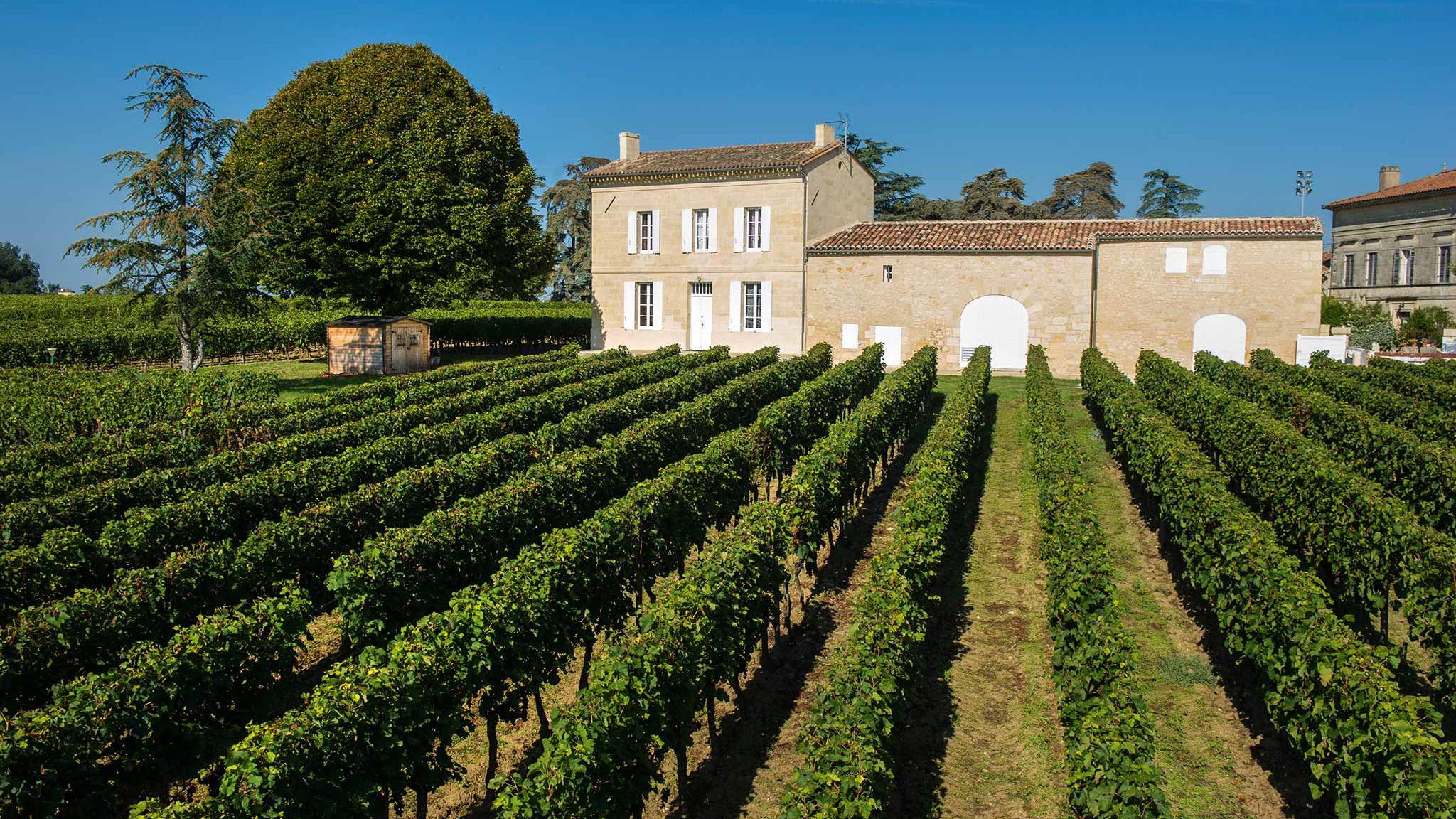
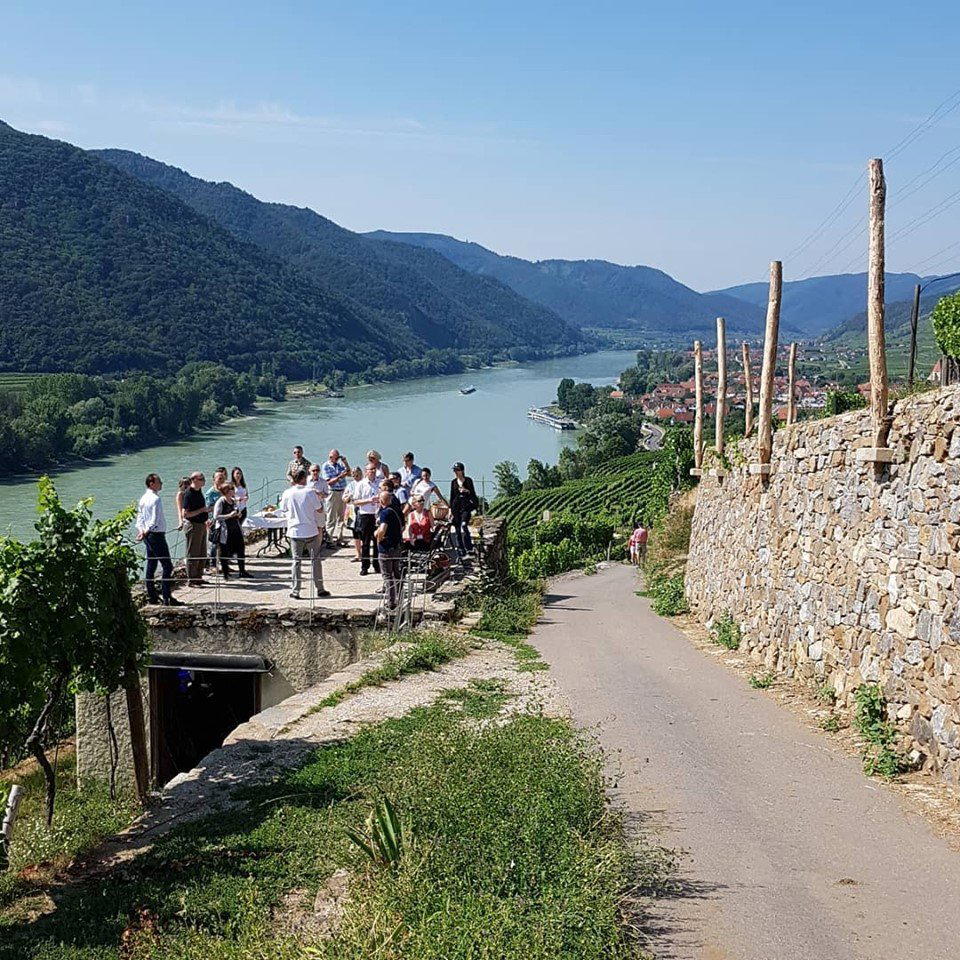
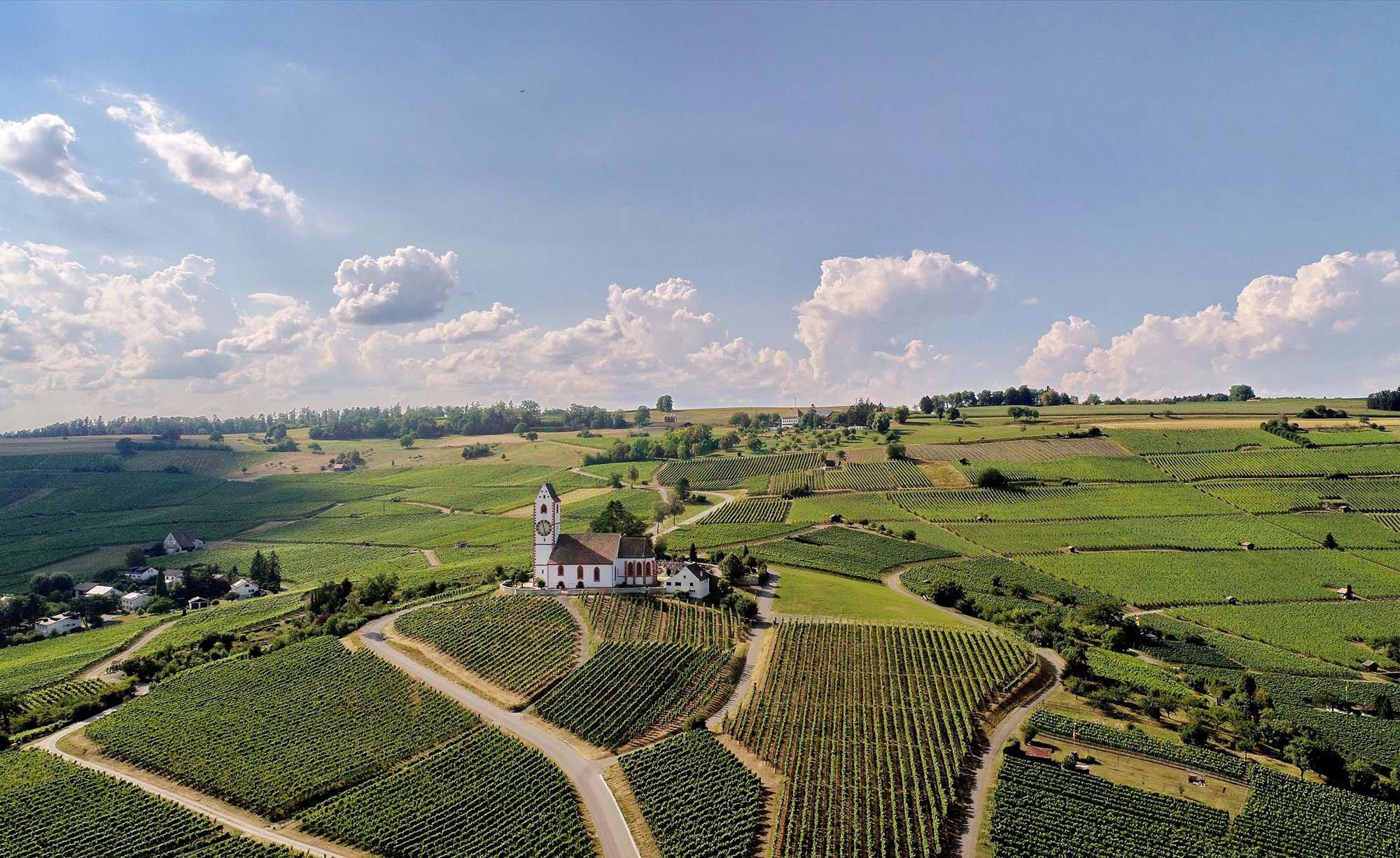
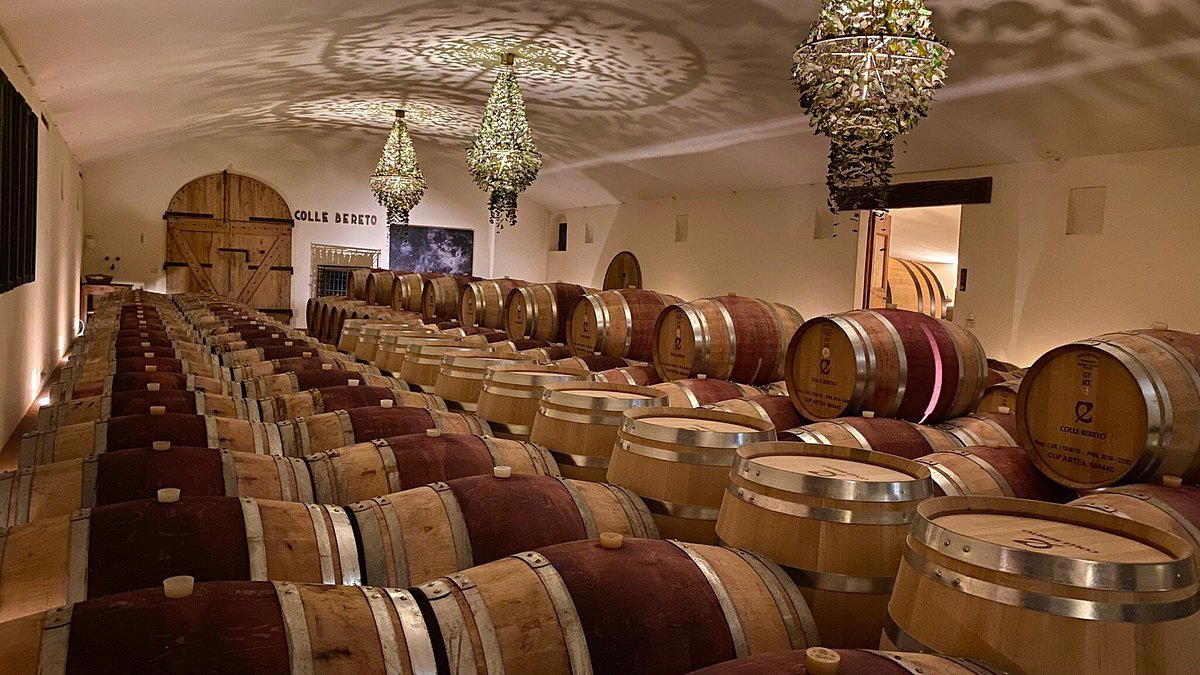
Refined courtyard setting with picturesque vineyard views overlooking the Morstein and Kirchspiel vineyards; elegant and sophisticated atmosphere emphasizing precision and purity.
Tags
Vibe
Best For
Experience
Sourcing
View
At the Vineyard
- Appellation
- Rheinhessen
- Varietals
- Sauvignon Blanc, Chardonnay, Riesling, Weissburgunder, Pinot Noir
- Tour Duration
- 90 minutes
- Tour Languages
- English, German
- Visits
- By appointment only
- Farming
- Sustainable
- Wine Styles
- Still White, Sparkling
- Food Pairing
- Offered
- Shipping
- Available
- Wine Club
- Not available
Know before you go
Know Before You Go
- Getting there
- Am Römer 4, 55234 Monzernheim
Planning details
Location
Recognition and awards

Also consider
Also Consider
- Weingut Wittmann, Notable alternative
- Weingut Keller, Notable alternative
- Sekthaus Raumland, Notable alternative
- Weingut Eric Manz, Notable alternative
- Weingut Battenfeld-Spanier, Notable alternative
Winery context
How Weingut Weedenborn compares in Rheinhessen
Choose Weingut Weedenborn when the priority is a focused Monzernheim producer visit and the group is small enough to keep the experience wine-led. Weingut Wittmann and Weingut Keller are stronger cross-shops for travellers chasing name recognition and a more competitive booking target; they are likely to suit collectors who want the bigger regional benchmark rather than a quieter stop.
Sekthaus Raumland is the better alternative if sparkling wine is the focus of the day. Weingut Eric Manz is the more practical fallback for readers who want a less pressured Rheinhessen plan, while Weingut Battenfeld-Spanier works better for travellers building a deeper producer itinerary across the region.
For value, the decision is less about posted price and more about access. If a private or upgraded format is possible at Weingut Weedenborn, it is worth chasing for two to four people who want conversation and context. If availability is the main concern, cross-shop Weingut Eric Manz first, then Sekthaus Raumland if the group is open to a different style of wine experience.
Explore Monzernheim
Around this place
Discover more on Pearl
Unlock the full Weingut Weedenborn guide in Pearl, including awards, comparisons, FAQs, planning details, and nearby places.
Compare Weingut Weedenborn
| Venue | Location | Awards |
|---|---|---|
| Weingut Weedenborn | Monzernheim | 2026 Falstaff Winery Guide |
| Weingut Wittmann | Westhofen | 2026 Falstaff Winery Guide |
| Weingut Keller | Flörsheim-Dalsheim | 2026 Falstaff Winery Guide |
| Sekthaus Raumland | Flörsheim-Dalsheim | 2026 Falstaff Winery Guide |
| Weingut Eric Manz | Weinolsheim | No published awards |
| Weingut Battenfeld-Spanier | Hohen-Sülzen | 2026 Falstaff Winery Guide2025 Decanter Winery Prestige |

How Weingut Weedenborn Monzernheim compares with similar nearby venues.
FAQ
Frequently Asked Questions
When is the best time to visit Weingut Weedenborn?
Opening hours or preferred visit times are not available. Choose a time only after confirming current availability with Weingut Weedenborn.
What other venues can I compare with Weingut Weedenborn?
Useful comparison names include Weingut Wittmann, Weingut Keller, Sekthaus Raumland, Weingut Eric Manz, and Weingut Battenfeld-Spanier. Research each separately, and do not assume their formats or visitor policies match Weingut Weedenborn.