
Pannonhalmi Apátsági Pincészet
Pannonhalma
Winery in Pannonhalma, Hungary
 Book with Pearl
The Read
Monastic Terroir Viticulture
Why go
Prioritise Pannonhalmi Apátsági Pincészet if the Pannonhalma trip is wine-led and you want the more serious, prestige-coded stop rather than an easy backup tasting. It is a better fit for planned visits and potential allocation interest than for casual walk-ins, especially when food, shipping, and membership terms need to be confirmed before committing.
About Pannonhalmi Apátsági Pincészet
For a Pannonhalma visit, Pannonhalmi Apátsági Pincészet is a venue to note for its Pearl 2 Star Prestige recognition in 2025 and casual dress code. Use this as a concise guide, and check details such as services, formats, prices, and visitor amenities before planning around them.
The reason to consider it is direct: it is Pannonhalmi Apátsági Pincészet in Pannonhalma with Pearl 2 Star Prestige recognition in 2025. That makes it relevant for travellers comparing recognised venues, but it does not point to a particular tasting format, food service, shipping policy, membership programme, or booking process. If those details matter to the trip, confirm them directly before building the day around the visit.
Book this as a Pannonhalma stop only after confirming current details
Avoid assuming walk-in access, tasting structure, pricing, food availability, or delivery options. The practical approach is to check current arrangements directly, keep expectations flexible, and make any firm plans only after the venue confirms what is available.
For wider context, compare it with other named venues rather than treating any one of them as a direct substitute. Babarczi Winery, Csetvei Pince, Hilltop Neszmély Winery, Miklós Csabi Pincészet, and Szöllősi Pincészet can be useful reference points when deciding what kind of visit best fits the trip.
Who should put it on the shortlist
Put Pannonhalmi Apátsági Pincészet on the shortlist if the trip is already centred on Pannonhalma and a Pearl 2 Star Prestige venue is a priority. It is also a reasonable name to keep in view for travellers who prefer recognised venues over loosely planned stops.
Save the decision for later if the group needs food service, transparent shipping terms, a stated visit format, or a low-commitment arrival plan. Confirm those details directly before committing the itinerary.
Planning details
- Location
- Pannonhalma, Vár 1, 9090
- Website
- apatsagipinceszet.hu
- Phone
- +36 96 570 171
The take
The Take
The Vibe
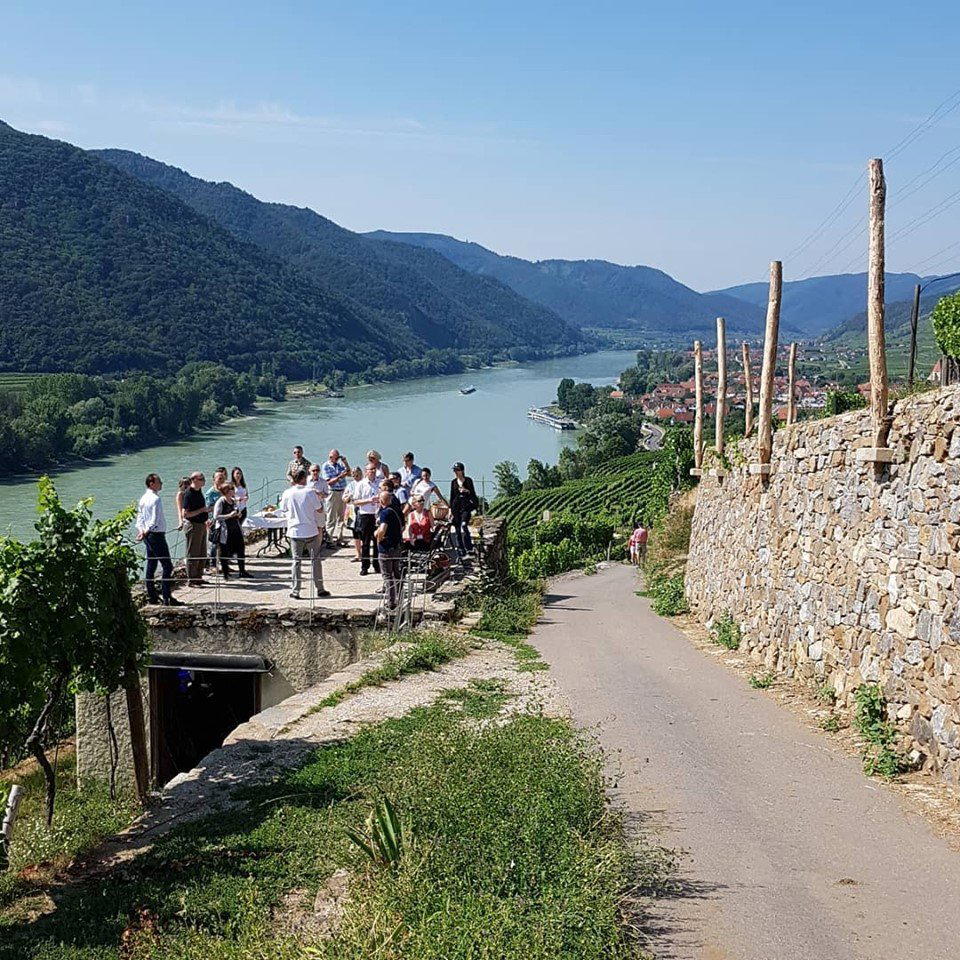
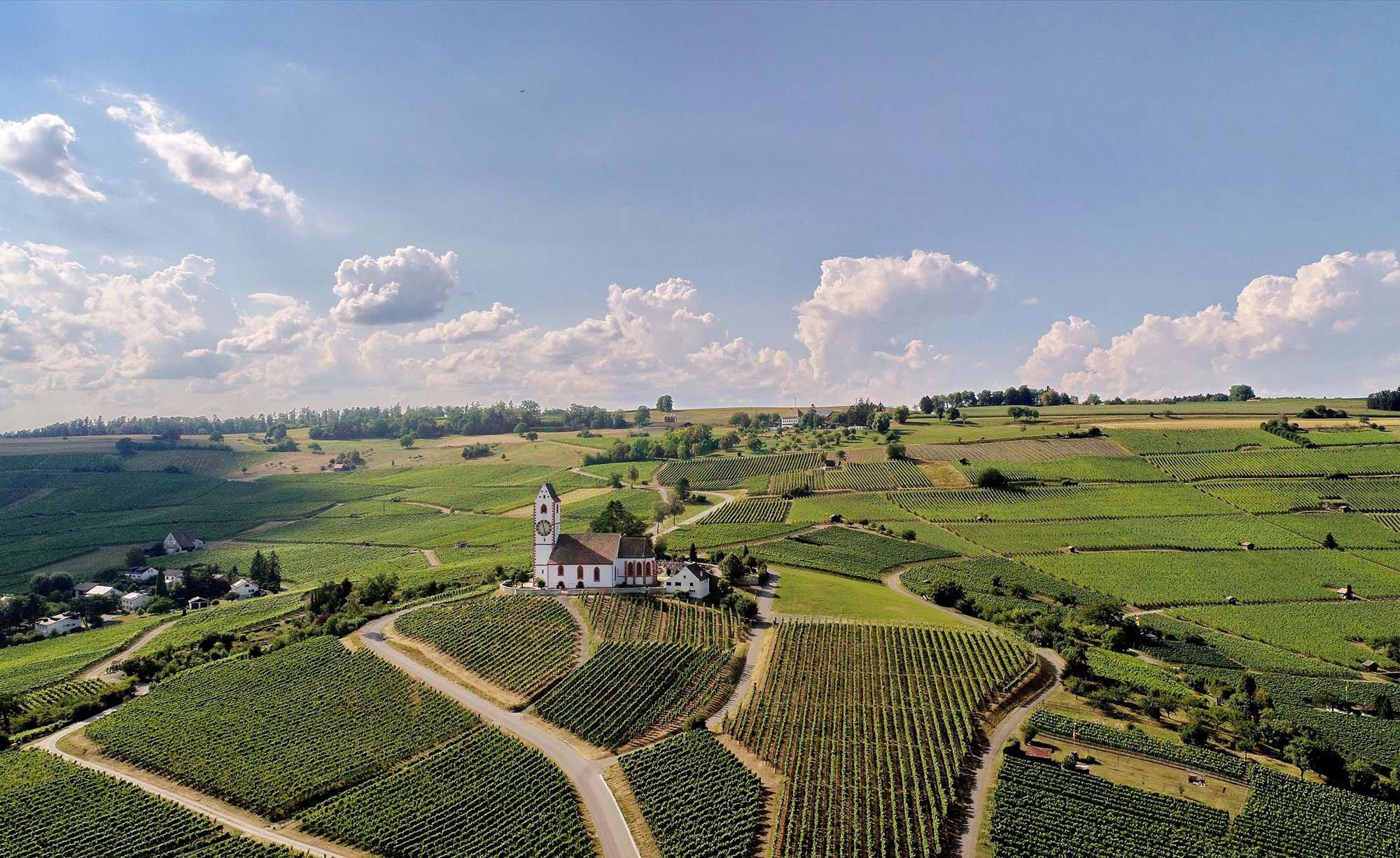
Perched on a limestone hill above the Győr plain, Pannonhalmi Apátsági Pincészet reads like a place where landscape and history set the tone. The abbey’s pale silhouette and steep slopes create a calm, elevated environment that feels quintessentially monastic: measured, enduring, and quietly refined. Centuries of Benedictine cultivation are legible in the vineyards, and the description foregrounds terroir over stylistic intervention — basalt subsoils, loess topsoil and a 282‑metre site that channels cool night air. The result is a contemplative, serene winery experience rooted in place and lineage.
Best For
This estate is especially well suited to visitors who care about terroir and history. The long documented continuity of monastic viticulture and the text’s emphasis on site knowledge make it a natural setting for focused tasting and learning: educators, students of viticulture, and groups interested in how slope, soil and exposure shape wines will get the most from a visit. The hillside setting also supports leisurely, small-group explorations of the vineyards and cellar, where conversation can center on the local geology and varietal expression.
Tasting Tips
When you visit or taste, prioritize the aromatic white varieties highlighted in the description — Riesling and Pinot Gris — since the hill’s cooling influence and basalt subsoils favor freshness and aromatic concentration. Ask the staff about the different parcels on the slope and how loess over basalt and clay‑loam variations influence each cuvée; inquire which vintages best illustrate the site’s slow ripening. If available, request a walk of the estate grounds to see exposure and soil changes firsthand, and look for tasting notes that reference the hill’s thermal drainage and mineral profile.
Venue details
Ambiance
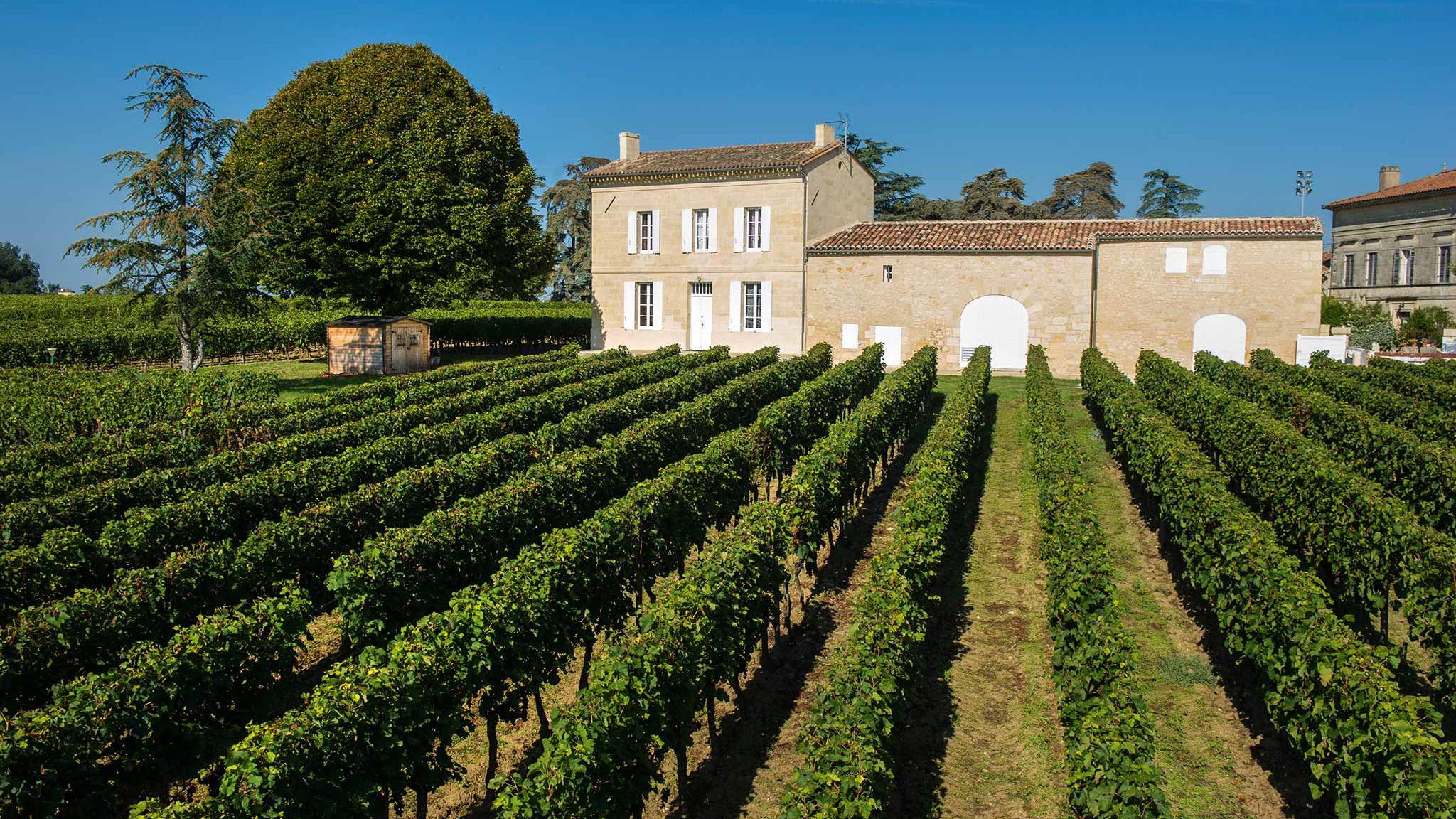
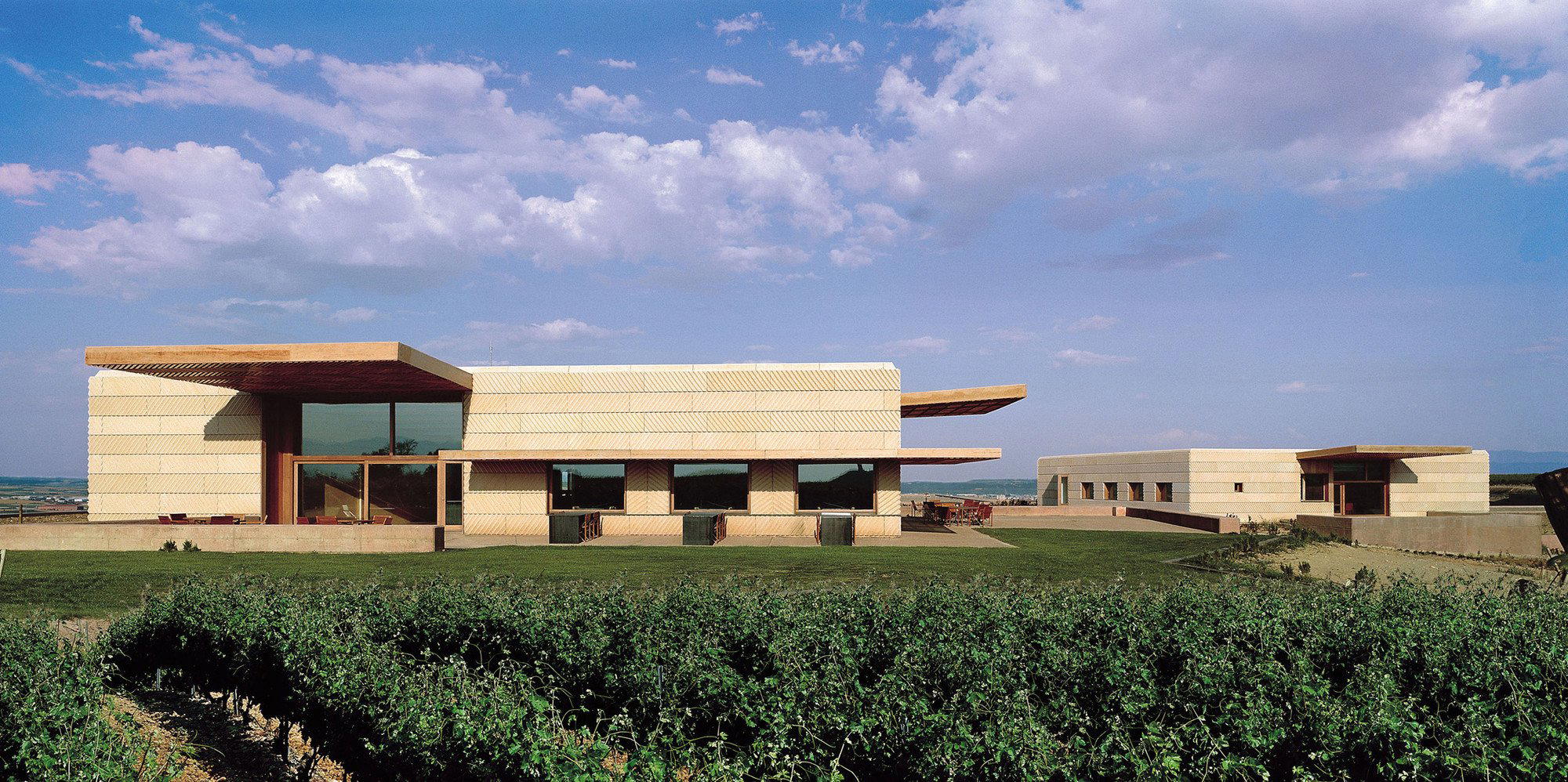
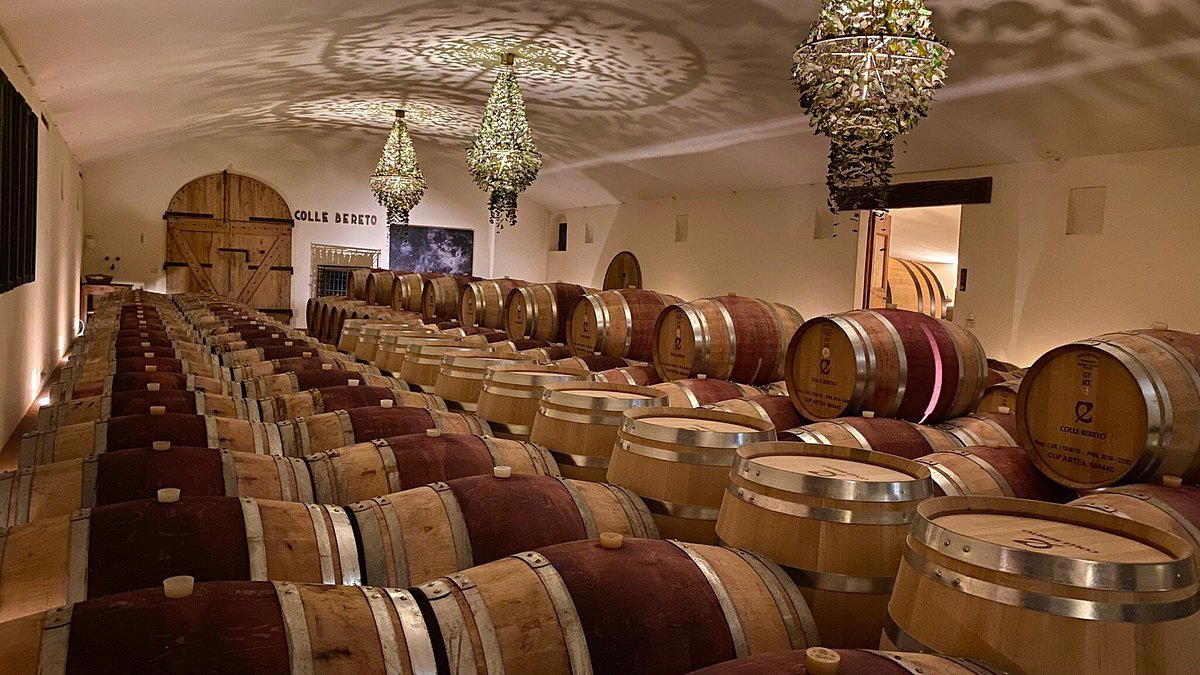
Brick-lined arched cellars with classic ambiance; modern four-story press house with stainless steel tanks; tasting terrace with magnificent monastery and lavender field views.
Tags
Vibe
Best For
Experience
Sourcing
View
At the Vineyard
- Appellation
- Pannonhalma
- Varietals
- Rheinriesling, Sauvignon Blanc, Gewürztraminer, Welshriesling, Királyleányka
- Tour Duration
- 90-120 minutes
- Tour Languages
- English, Hungarian
- Visits
- By reservation
- Farming
- Sustainable
- Wine Styles
- Still White, Still Red, Still Rose
- Food Pairing
- Offered
- Wine Club
- Not available
Know before you go
Know Before You Go
- Getting there
- Pannonhalma, Vár 1, 9090
Planning details
Location
Recognition and awards

Also consider
Also Consider
- Babarczi Winery, Notable alternative
- Miklós Csabi Pincészet, Notable alternative
- Csetvei Pince, Notable alternative
- Szöllősi Pincészet, Notable alternative
- Hilltop Neszmély Winery, Notable alternative
Winery context
How it compares in the Pannonhalma wine set
Pannonhalmi Apátsági Pincészet is the pick when prestige and a Pannonhalma-specific visit matter more than ease. Against Babarczi Winery, it reads as the more destination-led choice; Babarczi is the more practical cross-shop if the priority is a simpler regional winery visit with less pressure around access.
Miklós Csabi Pincészet, Csetvei Pince, and Szöllősi Pincészet are better comparisons for drinkers weighing winery personality and value over a Pannonhalma anchor. Choose them when the trip is built around a looser tasting route; choose Pannonhalmi Apátsági Pincészet when the setting and recognition justify planning around one appointment.
Hilltop Neszmély Winery is the easier alternative for readers who want a broader, lower-friction winery stop. Pannonhalmi Apátsági Pincészet is the stronger call for a focused wine day, but not the safer backup if booking flexibility is the deciding factor.
Explore Pannonhalma
Around this place
Discover more on Pearl
Unlock the full Pannonhalmi Apátsági Pincészet guide in Pearl, including awards, comparisons, FAQs, planning details, and nearby places.
Compare Pannonhalmi Apátsági Pincészet
| Venue | Location | Awards |
|---|---|---|
| Pannonhalmi Apátsági Pincészet | Pannonhalma | 2026 Falstaff Winery Guide |
| Babarczi Winery | Gyor | No published awards |
| Miklós Csabi Pincészet | Mór | No published awards |
| Csetvei Pince | Mór | No published awards |
| Szöllősi Pincészet | Neszmély | No published awards |
| Hilltop Neszmély Winery | Neszmély | No published awards |
How Pannonhalmi Apátsági Pincészet compares with similar nearby venues.
FAQ
Frequently Asked Questions
What is the flagship wine at Pannonhalmi Apátsági Pincészet?
The clearest draw is the Pannonhalma venue itself, with Pearl 2 Star Prestige recognition in 2025. Ask the winery directly about current flagship bottles or recommended wines.
Does Pannonhalmi Apátsági Pincészet serve food?
Does Pannonhalmi Apátsági Pincészet ship wine?
Is the wine club at Pannonhalmi Apátsági Pincészet worth joining?
Ask Pannonhalmi Apátsági Pincészet directly about any wine-club or membership terms before deciding whether to join.
Do I need a reservation at Pannonhalmi Apátsági Pincészet?
Because the venue has Pearl 2 Star Prestige recognition in 2025, it is sensible to check current visiting arrangements before making the trip.