
Porto Carras Winery
Sithonia, Halkidiki
Winery in Halkidiki, Greece
 Book with Pearl
The Read
Aegean-Influenced Estate Viticulture
Why go
Book Porto Carras Winery when the winery visit needs to feel occasion-worthy, with Sithonia's coastal setting doing much of the work. It is a stronger choice for a polished Halkidiki wine day than for a casual, last-minute tasting stop, so line up alternatives if your date is fixed.
About Porto Carras Winery
Porto Carras Winery is a Pearl 2 Star Prestige venue in Halkidiki for 2025. Consider it when you want a recognized winery stop in Halkidiki, and confirm current visit details directly with the venue before arranging the rest of your day.
The dress code is casual. Beyond that, do not assume specific hours, tasting formats, food service, shipping, seating, prices, or reservation rules; those details should be checked with Porto Carras Winery before you go.
Choose it for a recognized Halkidiki winery stop
The clearest reason to put Porto Carras Winery on a Halkidiki itinerary is its Pearl 2 Star Prestige recognition for 2025. If you are comparing it with other options, keep the decision simple: choose the venue that best matches your timing, route, and preferred style of winery visit after confirming details directly. Readers planning a wider trip can also use Our full Halkidiki restaurants guide and Our full Halkidiki hotels guide to coordinate meals and stays around the visit.
For comparison, consider Akrathos Newlands Winery, Biblia Chora Estate, Claudia Papayianni Winery, Tsantali Winery, or Tsantali Distillery. Porto Carras Winery remains the focus, but these names can help travelers build a broader itinerary.
Plan around confirmed facts, then cross-shop by itinerary
The safest planning approach is to confirm the basics with Porto Carras Winery first: opening times, visit format, booking needs, food availability, purchase options, and any current visitor requirements. The dress code is casual, so the practical emphasis should be on timing and logistics rather than formal attire.
If Porto Carras Winery does not fit your schedule, compare it with Akrathos Newlands Winery, Biblia Chora Estate, Claudia Papayianni Winery, Tsantali Winery, or Tsantali Distillery. Treat each as a separate planning option and confirm current details before committing to a route.
Planning details
- Location
- Neos Marmaras, 63081 Sithonia, Chalkidiki, Greece
- Website
- domaineportocarras.com
- Phone
- +302375077437
The take
The Take
The Vibe
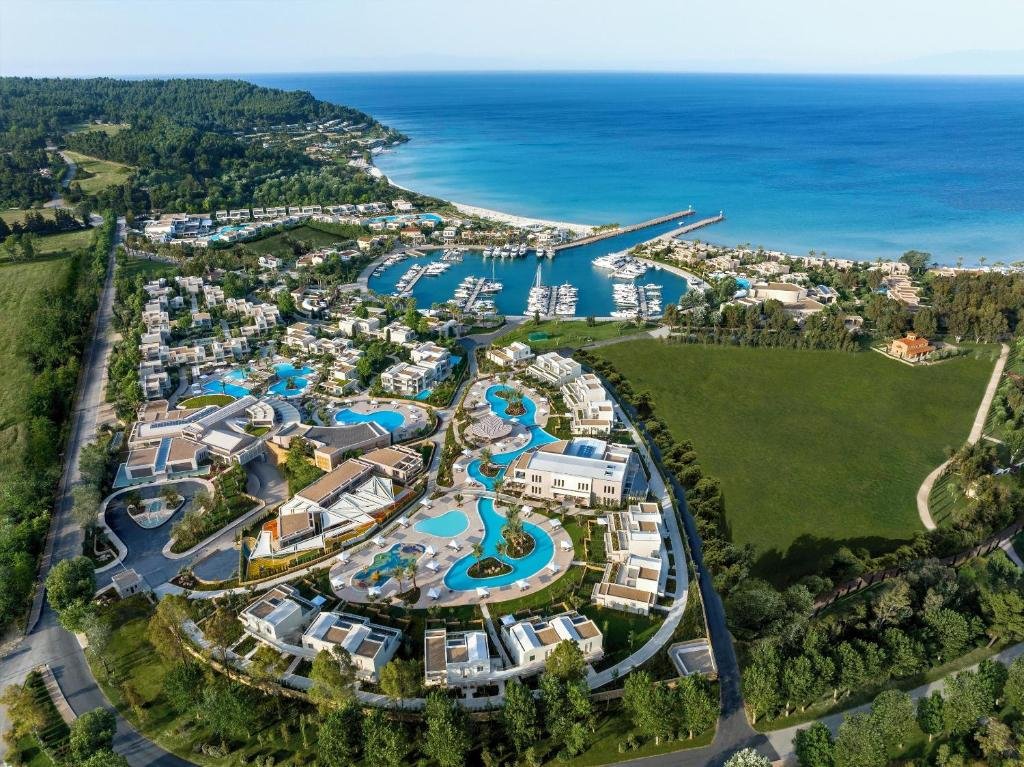
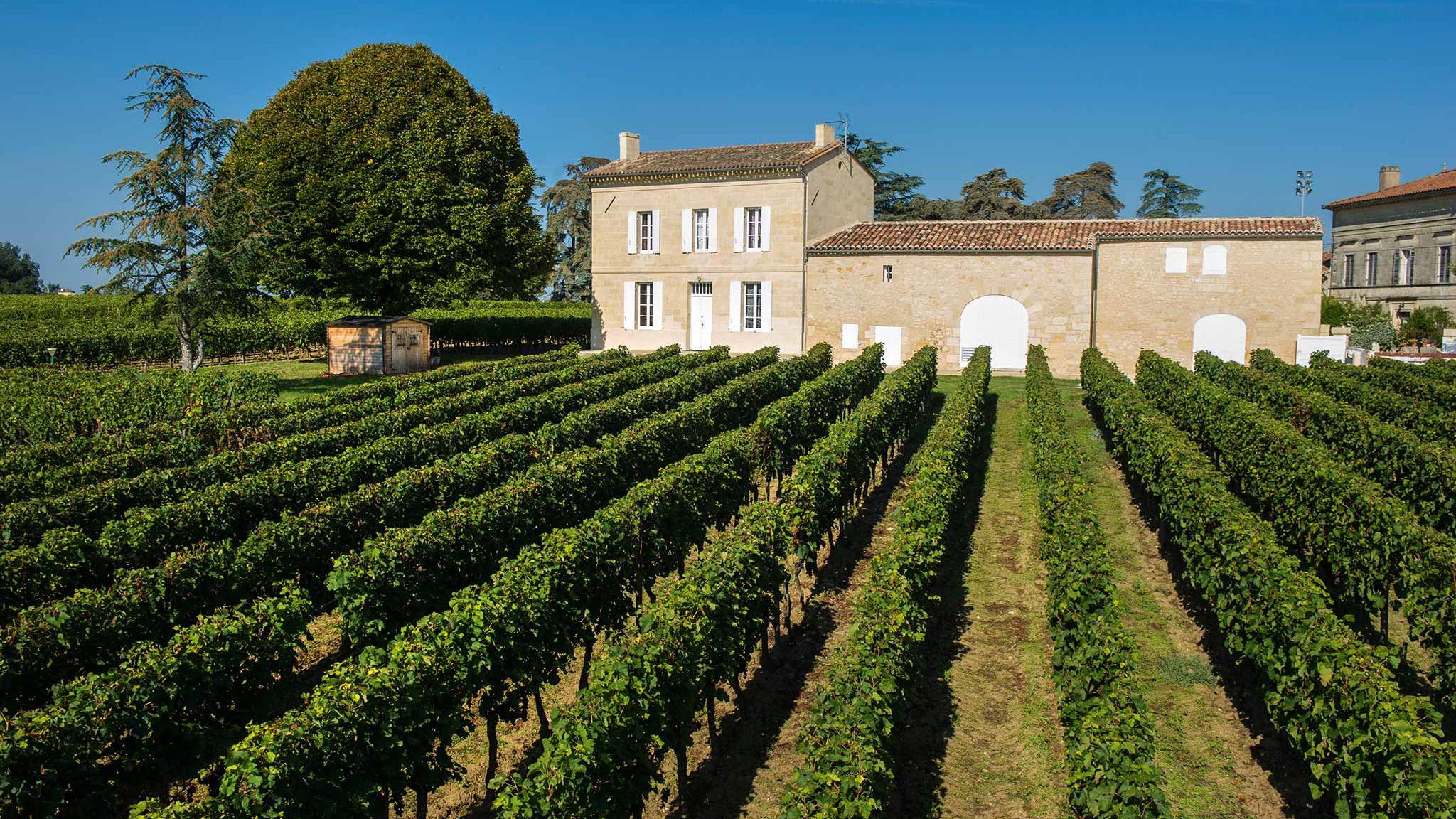
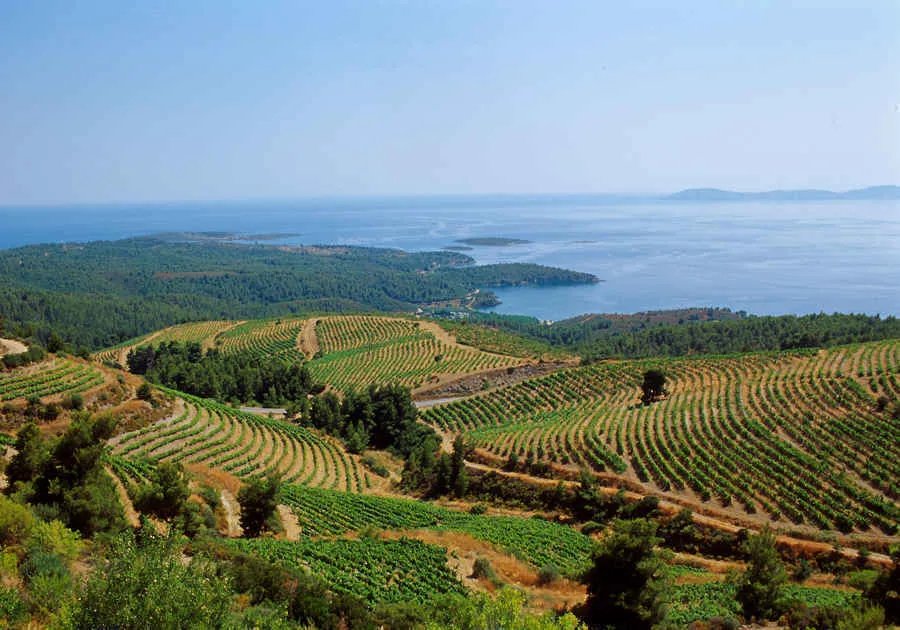
Porto Carras presents as a large, place‑rooted estate where landscape and winemaking are inseparable. Pines and the opening Aegean frame an expansive property whose ambition is evident in its vineyard holdings; the writing situates the winery at the centre of a regional conversation about serious Macedonian viticulture. The tone is measured and sophisticated rather than boutique — scale here underlines significance rather than dilution. Expect an understated, iconic feel: an estate that reads like a record of its soils and climate, where maritime influence and limestone‑to‑clay geology shape both the land and the wines.
Best For
This estate is best for visitors focused on wine education and group exploration of regional terroir. The copy explicitly addresses those "tracing Greek viticulture," so Porto Carras suits students, wine‑curious travelers and organized groups who want to understand how maritime cooling, soil variation and agricultural scale influence Greek wines. It also works for visitors who appreciate learning the geographic and technical forces behind bottles rather than a purely tourist‑oriented tasting experience; the estate’s ambition and holdings reward time and attention.
Tasting Tips
When tasting here, prioritize wines that illustrate place: ask staff for vineyard‑ or site‑specific bottlings that reflect the estate’s limestone outcrops and clay‑loam valleys. The description emphasizes maritime moderation and stress‑driven concentration, so frame questions around how sea breezes and soil depth influence ripeness and phenolic profile. If available, request a comparative tasting that contrasts parcels or styles — that approach best reveals why the estate is presented as a record of its landscape.
Venue details
Ambiance
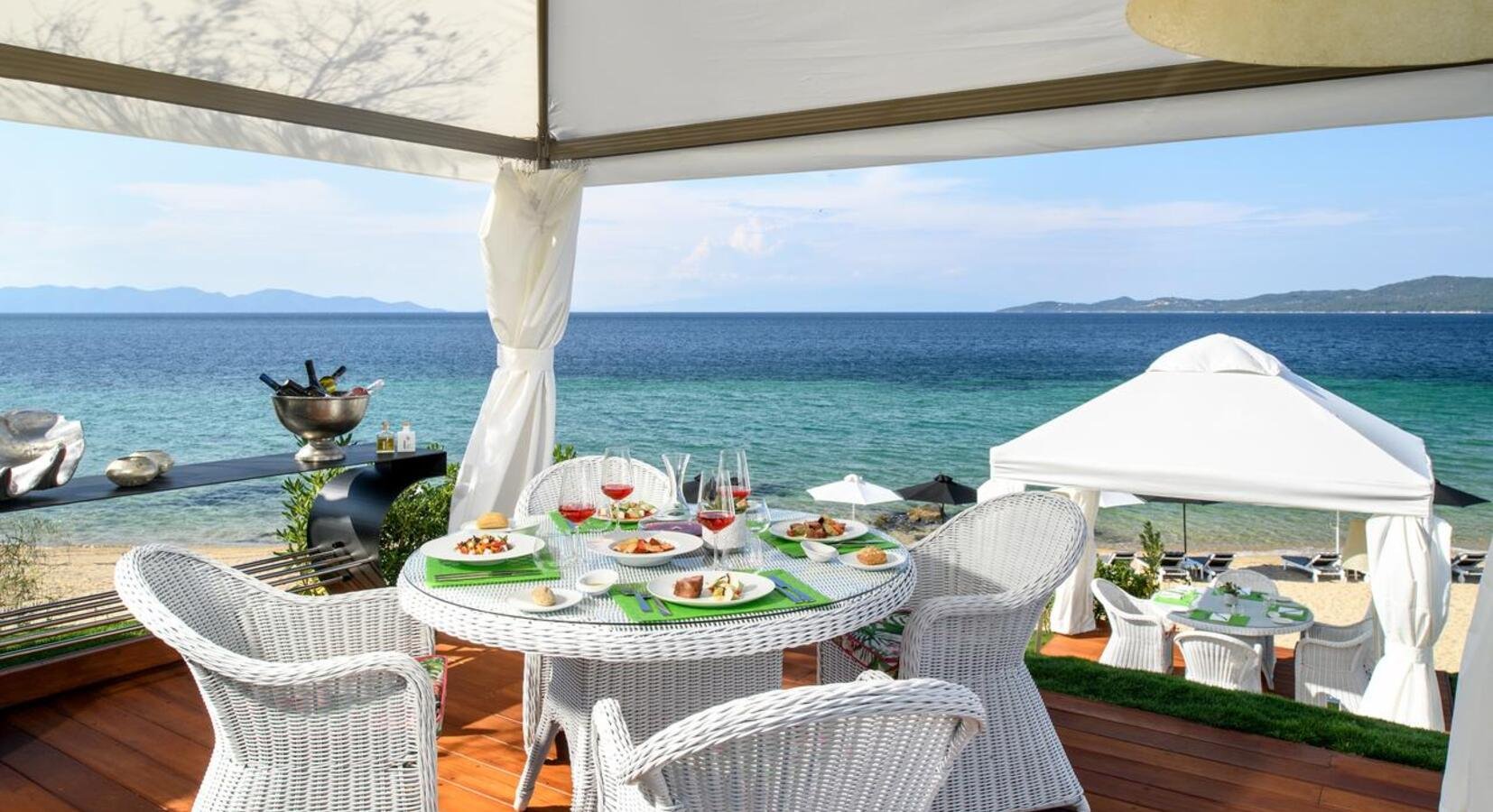
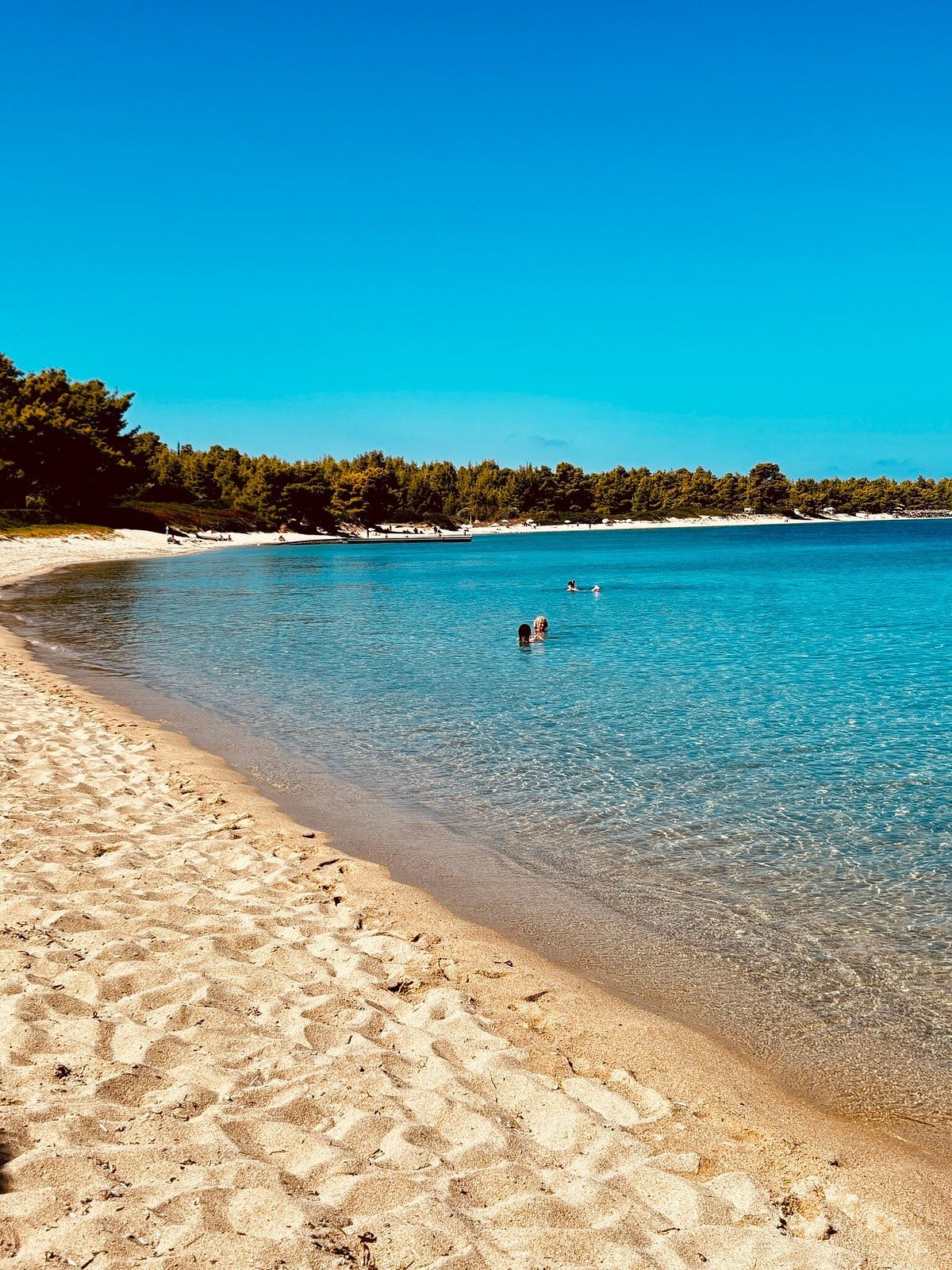
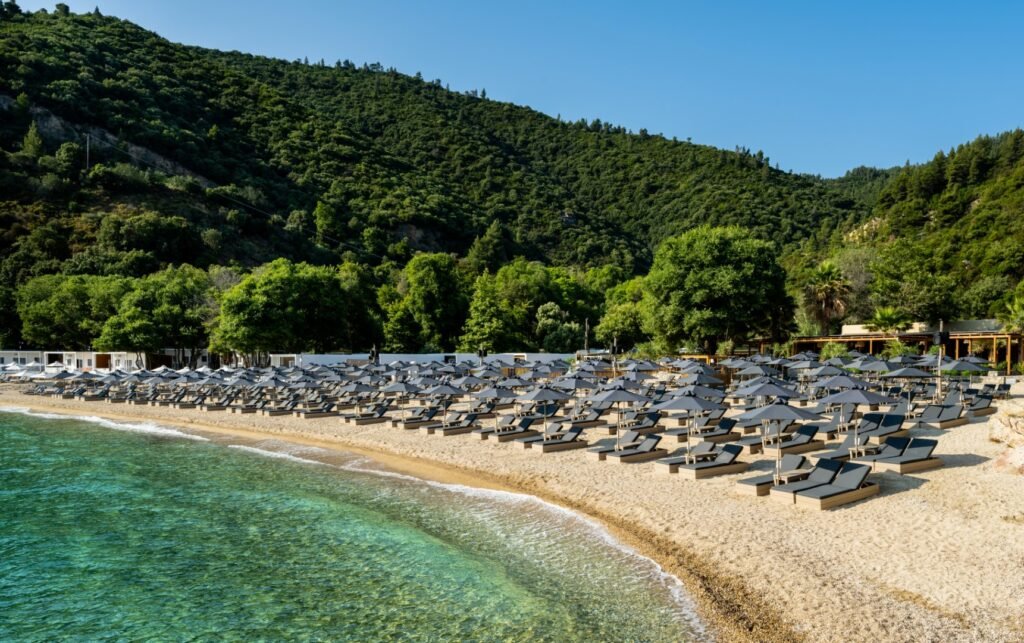
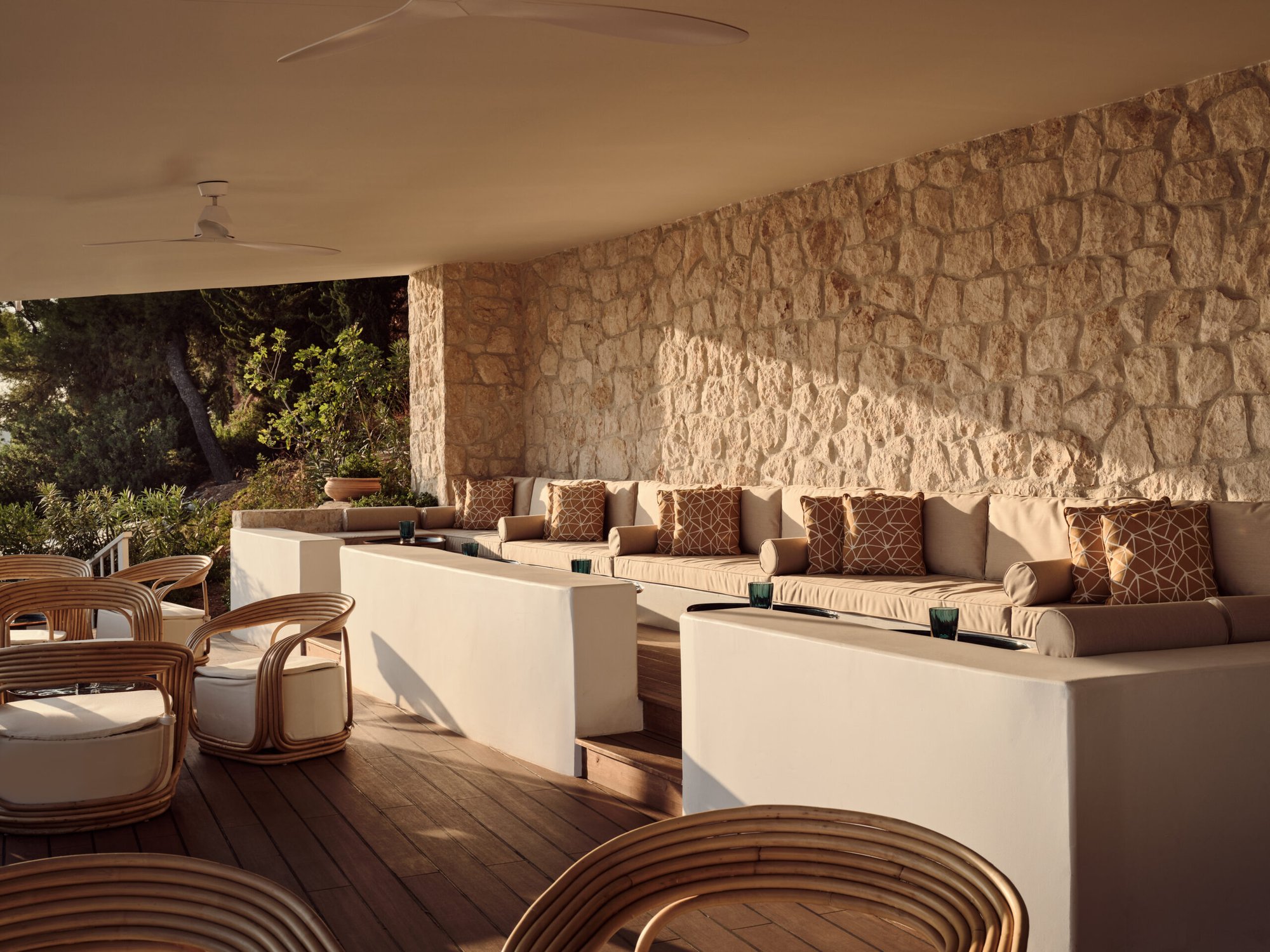
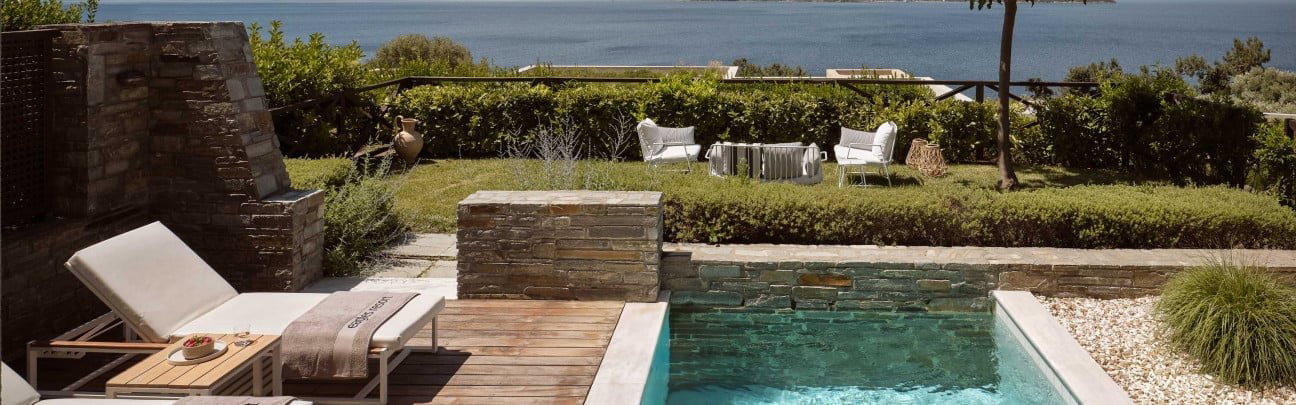
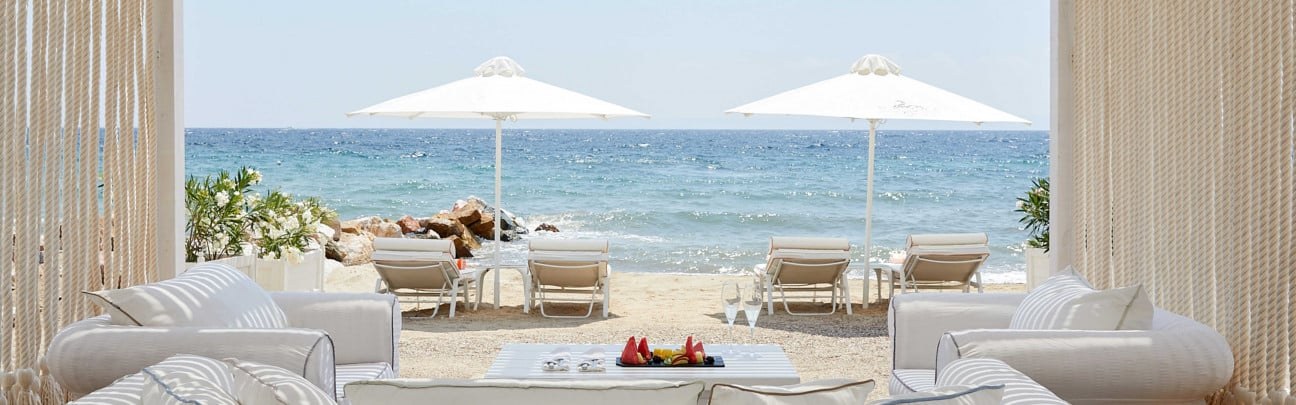
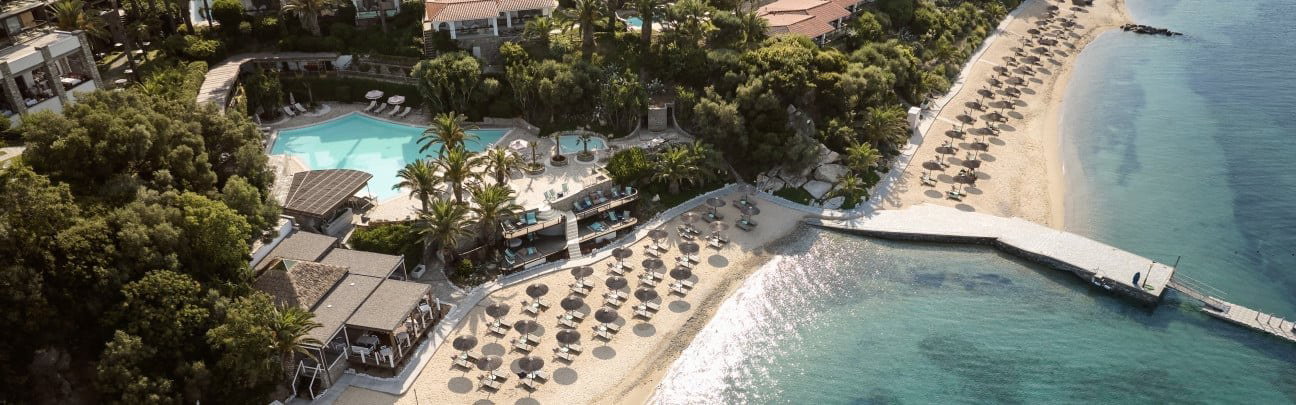
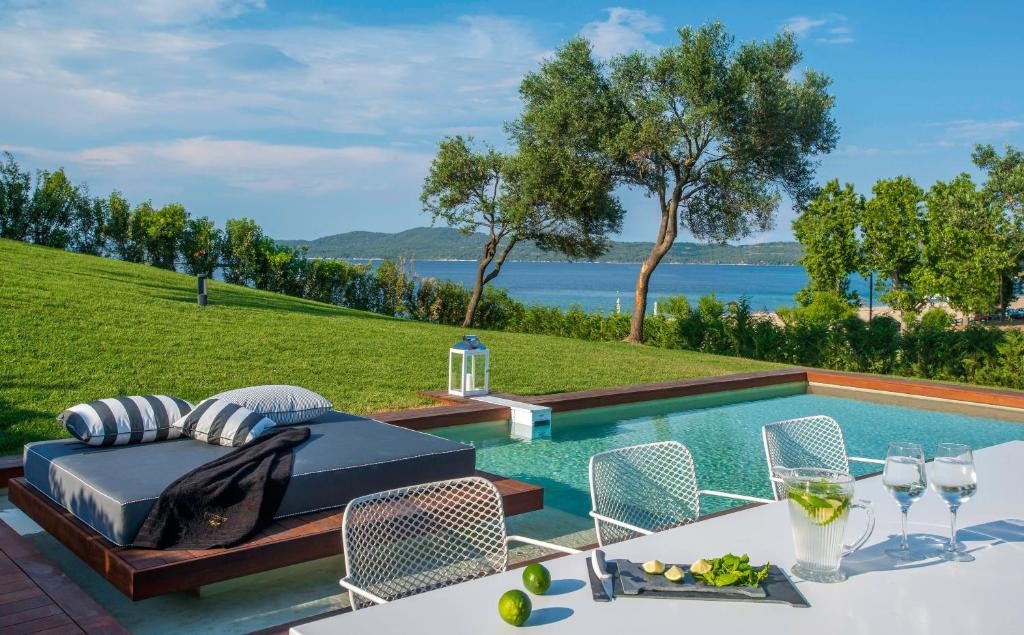
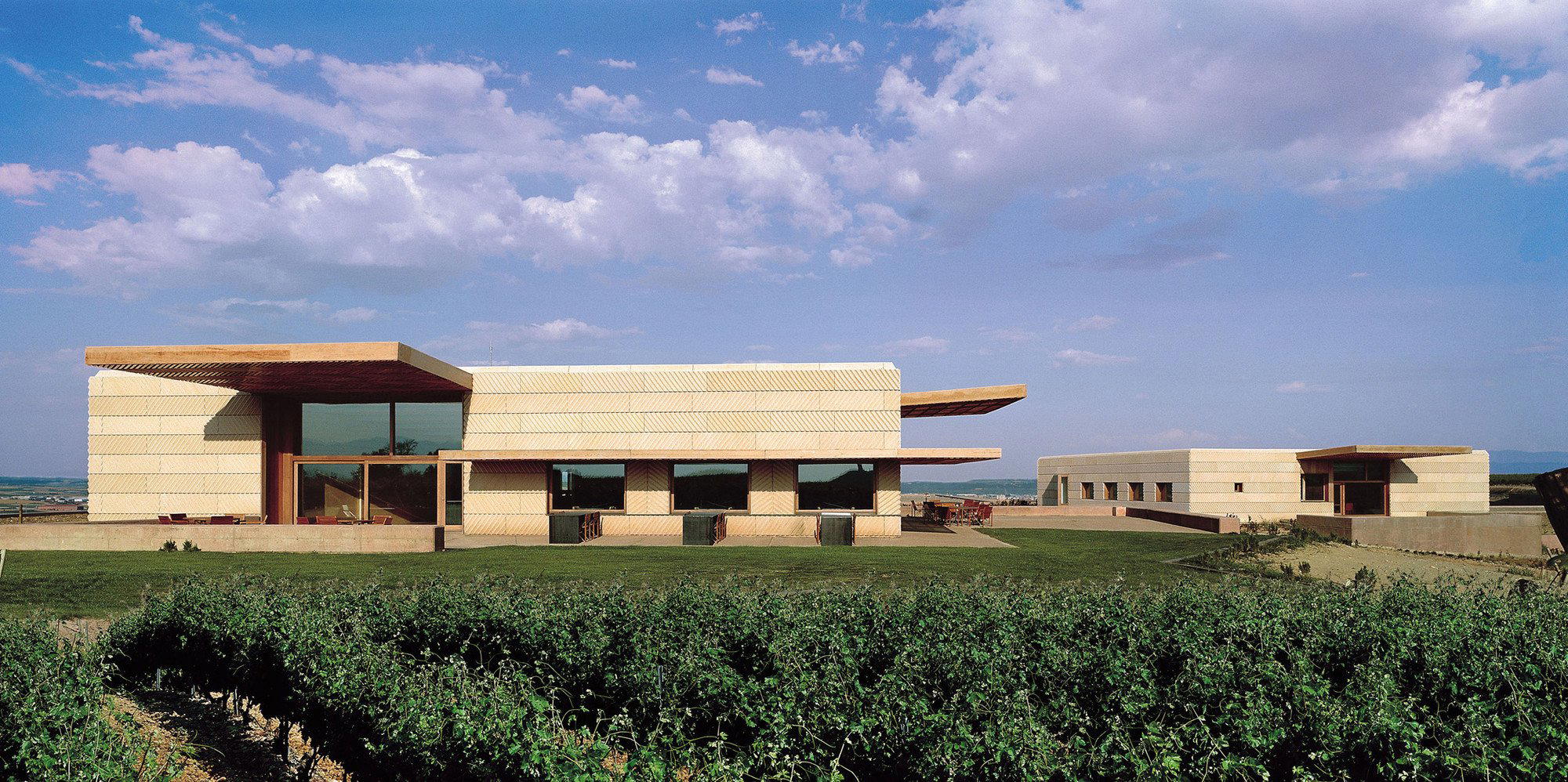
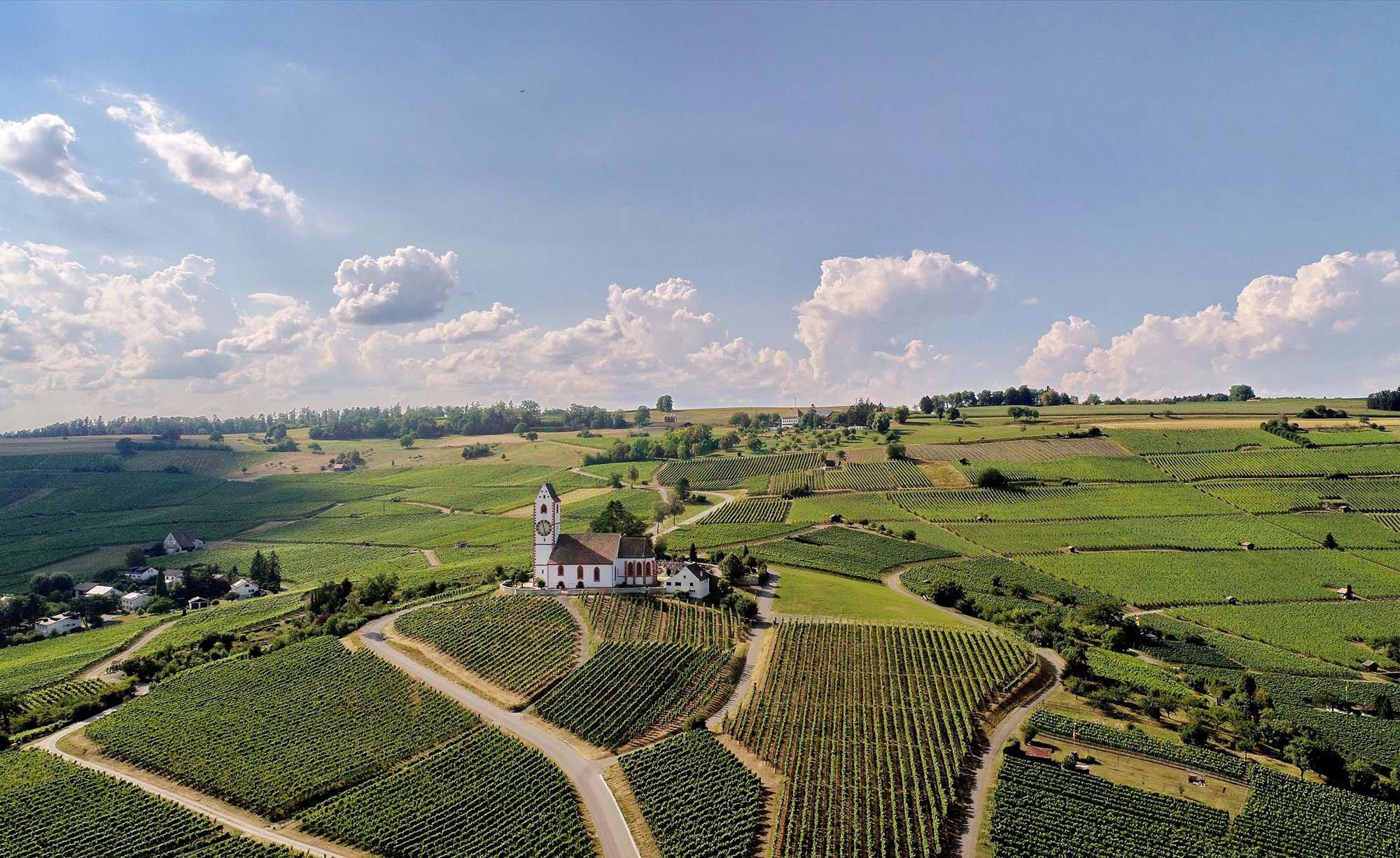
Amphitheatrical vineyard estate atmosphere with a scenic, coastal-Halkidiki setting and a polished wine-tourism feel.
Tags
Vibe
Best For
Experience
Sourcing
View
Accessibility
At the Vineyard
- Appellation
- PDO Meliton Slopes
- Varietals
- Assyrtiko, Athiri, Limnio, Malagouzia, Cabernet Sauvignon
- Tour Duration
- 60-120 minutes
- Wine Club
- Not available
Know before you go
Know Before You Go
- Getting there
- Neos Marmaras, 63081 Sithonia, Chalkidiki, Greece
Planning details
Location
Recognition and awards

Also consider
Where to look if you cannot get in
Try Akrathos Newlands Winery first if the priority is a more wine-focused visit. Choose Biblia Chora Estate if the group wants another polished Greek estate option with strong trip-planning appeal.
Winery context
How It Compares
Porto Carras Winery is the pick for travelers who want the winery stop to carry the day visually and socially. Compared with Akrathos Newlands Winery and Biblia Chora Estate, it reads more like an occasion-led Sithonia visit than a tighter wine-geek appointment. Choose it for ambiance; choose those peers if the tasting itself is the main event.
Claudia Papayianni Winery is the softer cross-shop for a regional-winery mood, while Tsantali Winery and Tsantali Distillery make more sense if the group wants a broader Greek drinks itinerary. For fixed-date celebrations, treat Porto Carras as the first inquiry and keep Akrathos or Biblia Chora ready as the practical fallback.
Around this place
Discover more on Pearl
Unlock the full Porto Carras Winery guide in Pearl, including awards, comparisons, FAQs, planning details, and nearby places.
Compare Porto Carras Winery
| Venue | Location | Awards |
|---|---|---|
| Porto Carras Winery | Halkidiki | 2026 Falstaff Winery Guide |
| Tsantali Distillery | Thessaloniki | 2026 Falstaff Winery Guide |
| Akrathos Newlands Winery | Panagia | 2026 Falstaff Winery Guide |
| Claudia Papayianni Winery | Arnea | No published awards |
| Tsantali Winery | Agios Pavlos | No published awards |
| Biblia Chora Estate | Kokkinochori | 2026 Falstaff Winery Guide |
How Porto Carras Winery Halkidiki: Pearl Guide compares with similar nearby venues.
FAQ
Frequently Asked Questions
What other wineries can I compare with Porto Carras Winery?
Relevant comparison options include Tsantali Distillery, Akrathos Newlands Winery, Claudia Papayianni Winery, Tsantali Winery, and Biblia Chora Estate. Use them to compare itinerary fit, then confirm current visit details directly with each venue.
Does Porto Carras Winery serve food?
Treat Porto Carras Winery in Halkidiki as a winery stop first, and confirm any current dining or snack options directly with the venue before planning a meal around the visit.
How long should I plan for a visit to Porto Carras Winery?
If timing matters, ask Porto Carras Winery directly about the current visit format and expected length before setting the rest of your Halkidiki itinerary.
Does Porto Carras Winery offer a membership or wine club?
Does Porto Carras Winery ship wine?
Do I need a reservation at Porto Carras Winery?
Contact Porto Carras Winery directly before visiting, especially if your Halkidiki schedule is fixed.