

Domaine de la Vougeraie
Premeaux-Prissey
Winery in Premeaux-Prissey, France
 Book with Pearl
The Read
Multi-Appellation Terroir Mapping
Why go
A serious Premeaux-Prissey target for Burgundy-focused travelers, not a casual food-and-wine stop. Domaine de la Vougeraie is worth prioritizing if producer depth, vintage continuity, and Côte de Nuits context matter more than convenience; keep nearby backups ready because access should be treated as difficult.
About Domaine de la Vougeraie
Should you book Domaine de la Vougeraie? Domaine de la Vougeraie is in Premeaux-Prissey, Pierre Vincent is listed as chef/owner, the dress code is smart casual, and the venue holds Pearl 3 Star Prestige recognition for 2025. Beyond those points, specific claims about format, pricing, opening hours, visitor services, or booking difficulty should be confirmed directly with the venue before you plan around them.
If Domaine de la Vougeraie is part of a wider Premeaux-Prissey plan, keep the confirmed basics in mind and verify the details that matter for your visit.
Worth targeting if basics fit your plan
Domaine de la Vougeraie is a Premeaux-Prissey venue with Pierre Vincent named as chef/owner and a smart casual dress code. Its Pearl 3 Star Prestige (2025) recognition is the clearest quality signal available here, but specific service formats, menus, prices, hours, or group policies should be confirmed directly before you go.
For comparison planning, you can also consider Domaine Jérôme Chezeaux, Domaine Jacques-Frédéric Mugnier, Domaine Jean-Marc Millot, Domaine Prieuré Roch, and Domaine de l'Arlot. Treat those as separate options to research on their own terms rather than assuming the same format, availability, or experience.
How to build the rest of the day around it
Use Domaine de la Vougeraie as a confirmed Premeaux-Prissey anchor, then verify practical details before committing the rest of the day. For area logistics, use Our full Premeaux-Prissey restaurants guide, along with broader Premeaux-Prissey planning resources as needed.
Because the record here is limited, avoid building the day around assumptions about services, availability, or capacity. Confirm practical details directly with Domaine de la Vougeraie, and use other Premeaux-Prissey options generically if you need backup plans.
Planning details
- Location
- 7 bis Rue de l'Église, 21700 Premeaux-Prissey
- Website
- domainedelavougeraie.com
- Phone
- +33 3 80 62 48 25
The take
The Take
The Vibe
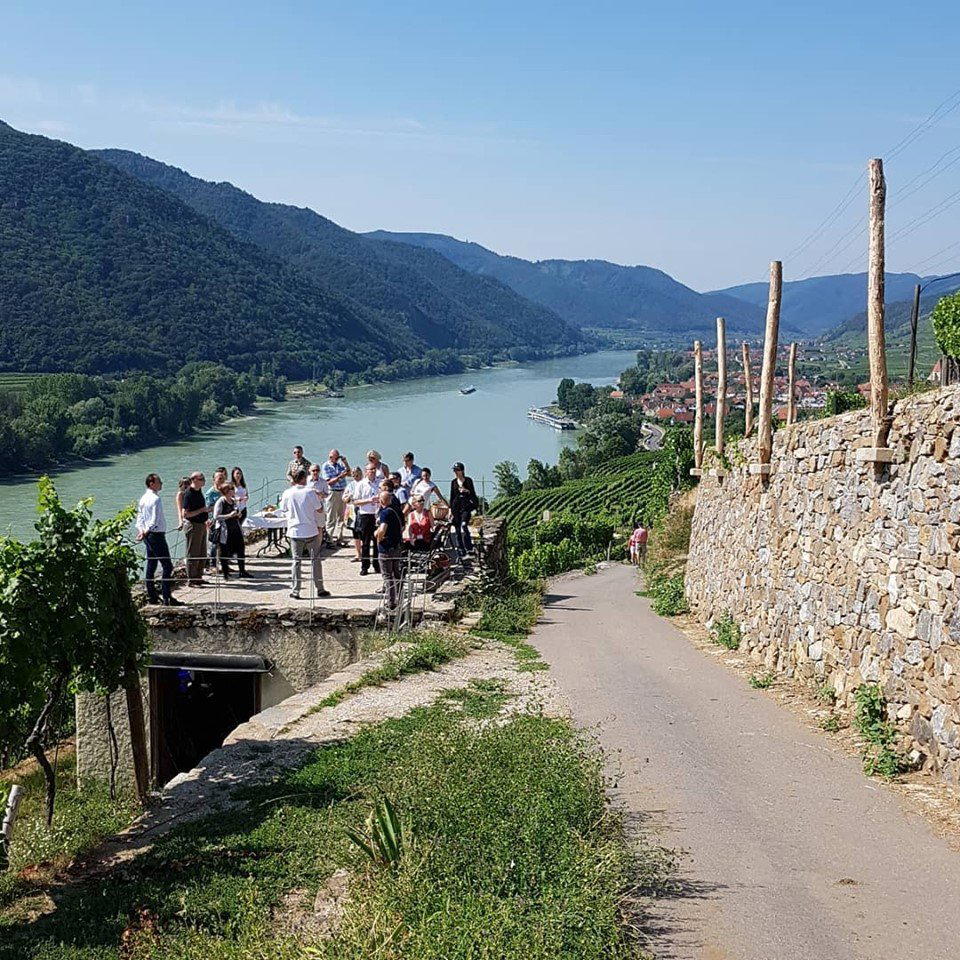
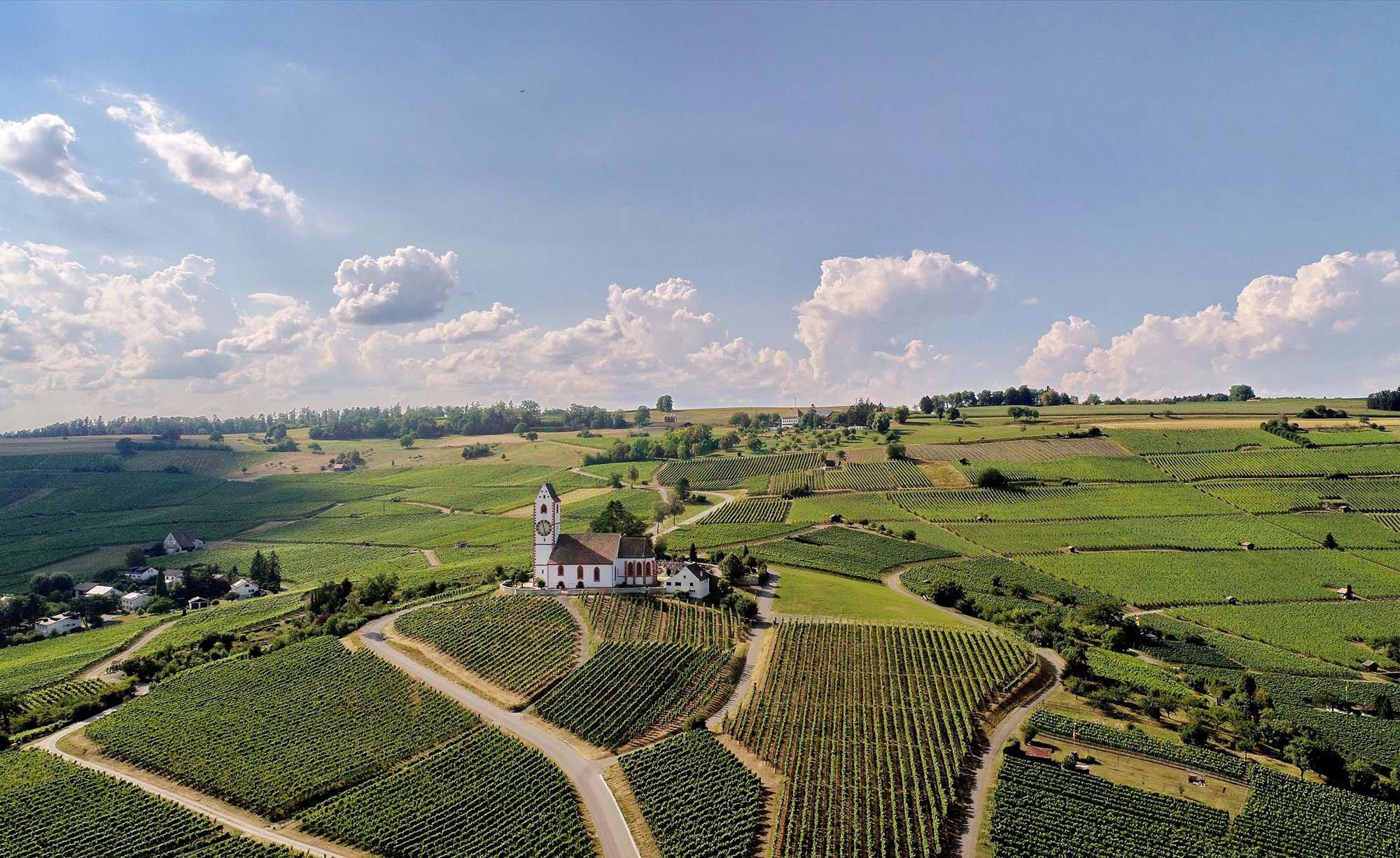
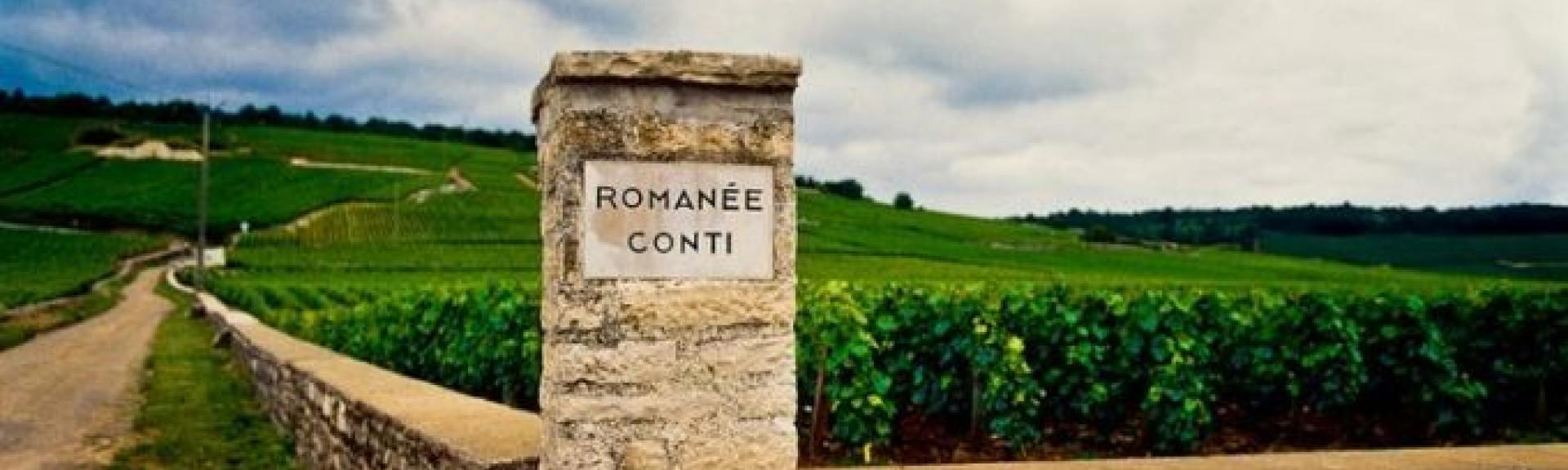
Domaine de la Vougeraie reads like a working study of Burgundy rather than a single-site showcase. The estate spans village plots through premier cru and grand cru holdings, and that breadth frames its identity: methodical, terroir-focused and quietly rigorous. Its biodynamic program, established across holdings since the early 2000s, is presented as a tool for sharpening site expression rather than a label, so the overall impression is one of thoughtful stewardship. The mood is measured and instructive, rewarding visitors who appreciate detailed distinctions in soil, drainage and microclimate rather than theatrical tasting-room flash.
Best For
This domaine is best for people who come to learn. Wine students, serious Burgundy enthusiasts and anyone interested in how classification and terroir translate into differences in the glass find it especially revealing. The estate’s cross-appellation holdings make it a practical setting for comparative tasting of village, premier cru and grand cru expressions, so solo visitors on a focused exploration or small groups pursuing wine education get the most from a visit. It also suits wine lovers seeking a contemplative, terroir-driven tasting rather than casual sightseeing.
Tasting Tips
When tasting here, prioritize comparison. Ask to sample wines from the same winemaking approach but different parcels to see how soils and microclimate reshape the result — for example, a village-level bottling alongside a premier cru or a Vougeot grand cru. Inquire about the domaine’s biodynamic practices and how they influence specific plots; staff and the winemaker’s notes often frame differences in terms of drainage, limestone-clay soils and aspect. Treat the tasting as a brief field study: focus on texture, persistence and mineral expression to follow the argument the estate makes about terroir.
Venue details
Ambiance
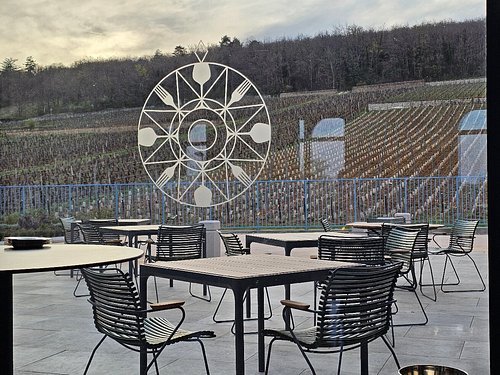
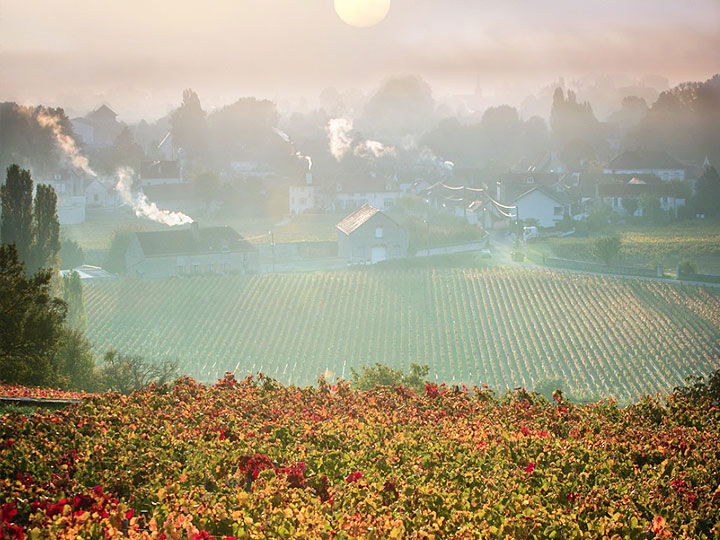
Refined and serene atmosphere emphasizing purity, elegance, and depth reflective of Burgundy's finest terroirs, with meticulous care evoking a sense of place and tradition.
Tags
Vibe
Best For
Experience
Sourcing
View
At the Vineyard
- Appellation
- Cote de Nuits; Cote de Beaune
- Varietals
- Pinot Noir, Chardonnay, Gamay Noir
- Visits
- By appointment only
- Farming
- Biodynamic
- Wine Styles
- Still Red, Still White
- Wine Club
- Not available
Know before you go
Know Before You Go
- Getting there
- 7 bis Rue de l'Église, 21700 Premeaux-Prissey
Planning details
Location
Recognition and awards

Also consider
If this is not available
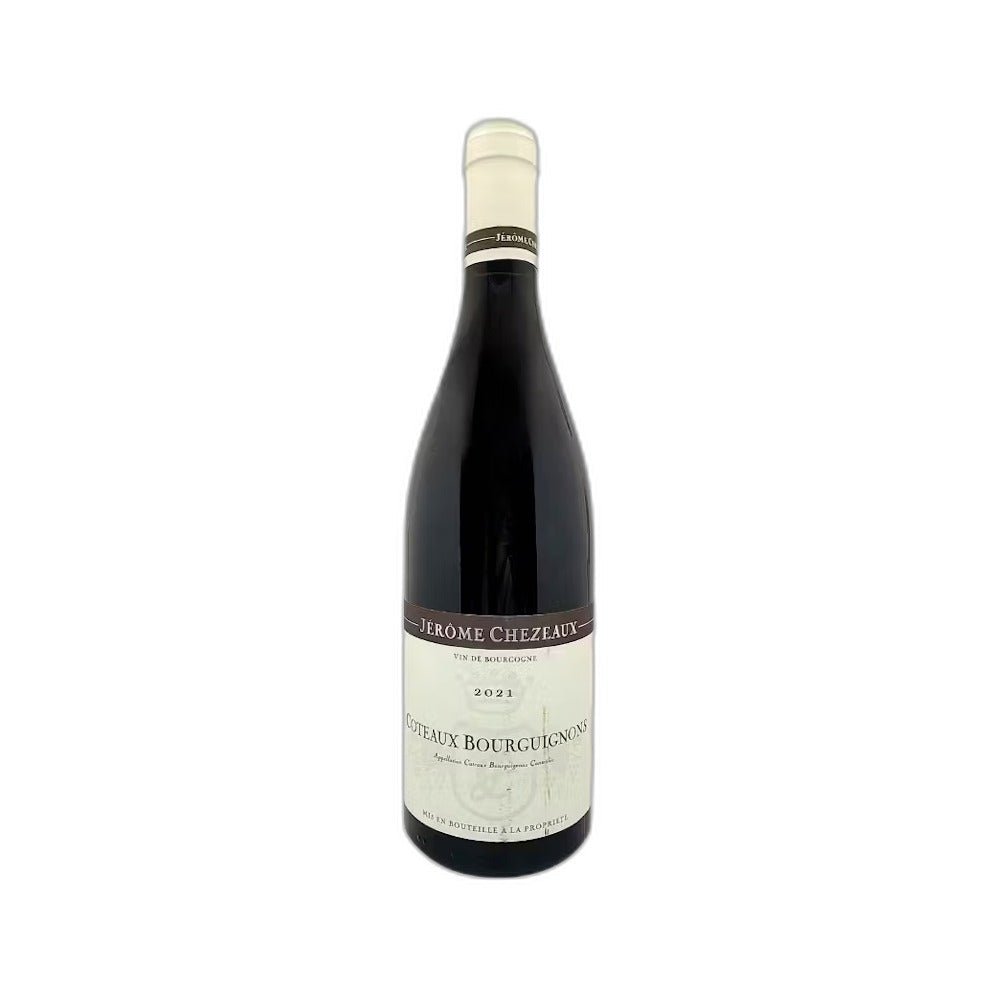
Try Domaine Jérôme Chezeaux first if staying close to Premeaux-Prissey matters. If the trip can stretch wider, compare Domaine de l'Arlot or Domaine Jean-Marc Millot for a Burgundy-focused alternative rather than switching to a different wine region.
Winery context
How It Compares
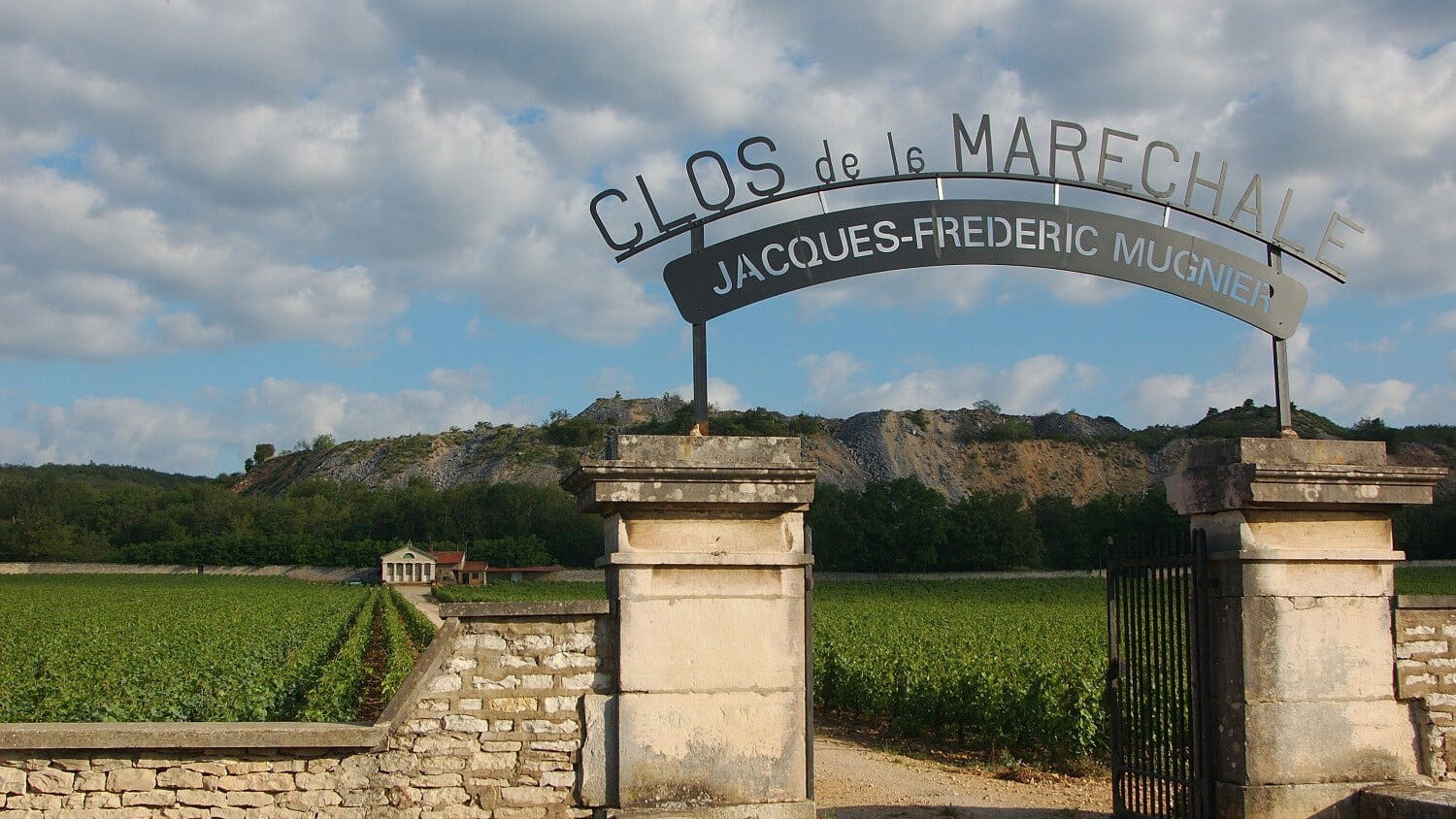
Among Premeaux-Prissey-area choices, Domaine de la Vougeraie is the stronger pick for travelers who want a producer-led Burgundy stop with collector appeal. Domaine Jérôme Chezeaux is the more practical nearby backup if the priority is keeping the itinerary local, while Domaine Jacques-Frédéric Mugnier belongs on the same serious-drinker shortlist for readers comparing high-demand Côte de Nuits names.
Domaine Prieuré Roch, Domaine de l'Arlot, and Domaine Jean-Marc Millot are better treated as cross-shops for a wider Burgundy trip rather than direct convenience substitutes. If access is the deciding factor, build the day around whichever domaine confirms first; if wine identity is the deciding factor, keep Domaine de la Vougeraie high on the list and use the others to protect the itinerary from a failed booking.
Explore Premeaux-Prissey
Around this place
Discover more on Pearl
Unlock the full Domaine de la Vougeraie guide in Pearl, including awards, comparisons, FAQs, planning details, and nearby places.
Compare Domaine de la Vougeraie
| Venue | Location | Awards |
|---|---|---|
| Domaine de la Vougeraie | Premeaux-Prissey | 2026 Falstaff Winery Guide2025 Pearl 3 Star Prestige |
| Domaine Jérôme Chezeaux | Premeaux-Prissey | 2026 Falstaff Winery Guide |
| Domaine Prieuré Roch | Nuits-Saint-Georges | No published awards |
| Domaine de l'Arlot | Nuits-Saint-Georges | 2026 Falstaff Winery Guide |
| Domaine Jacques-Frédéric Mugnier | Premeaux-Prissey | 2026 Michelin 2 Grapes - Burgundy2026 Falstaff Winery Guide2025 Pearl 5 Star Prestige |
| Domaine Jean-Marc Millot | Nuits-Saint-Georges | No published awards |

How Domaine de la Vougeraie compares with similar nearby venues.
FAQ
Frequently Asked Questions
What other venues can I compare with Domaine de la Vougeraie?
Relevant comparison names include Domaine Jérôme Chezeaux, Domaine Prieuré Roch, Domaine de l'Arlot, Domaine Jacques-Frédéric Mugnier, and Domaine Jean-Marc Millot. Research each separately, because the information for Domaine de la Vougeraie does not establish the same services, hours, or format for any other venue.
What should I confirm before visiting Domaine de la Vougeraie?
Confirm any practical details that matter to your plans directly with Domaine de la Vougeraie. Specific hours, prices, services, and booking policies should be checked before you go.
Where is Domaine de la Vougeraie?
Domaine de la Vougeraie is in Premeaux-Prissey.