Book with Pearl
New York City$395
New York City Apéro au Champagne
La Fête du Champagne opens its New York City weekend with a walk-around Champagne party at Nine Orchard.
Full La Fête du Champagne program →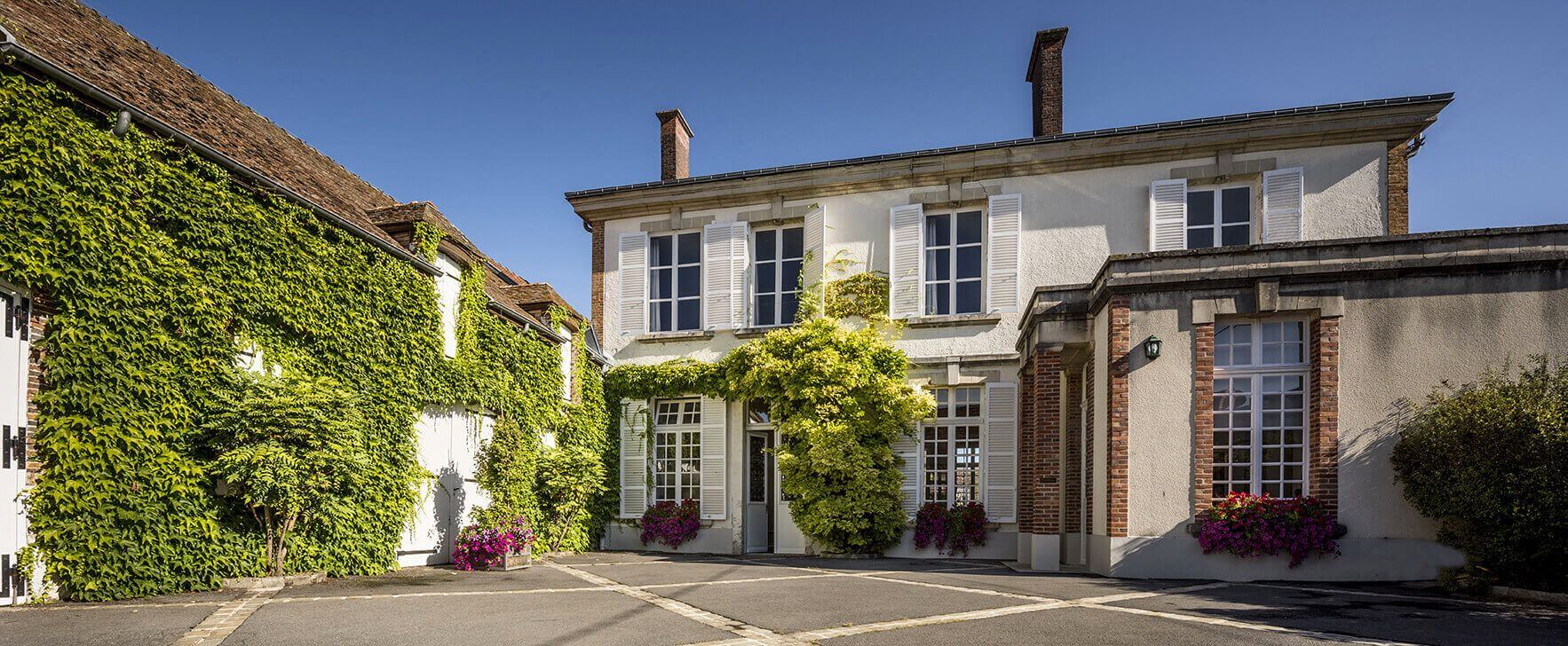


Le Mesnil-sur-Oger
Winery in Le Mesnil-sur-Oger, France
Côte des Blancs House
Why go
Delamotte is a historic Champagne house now based in Le Mesnil-sur-Oger. François Delamotte founded it in Reims in 1760; the house dates its Le Mesnil-sur-Oger chapter to 1927. Its four Champagnes include Brut, Rosé and two Blanc de Blancs wines that put Côte des Blancs Chardonnay in focus. House visits are restricted to wine professionals.
Delamotte is based in Le Mesnil-sur-Oger, but François Delamotte founded the house in Reims in 1760. Marie-Louise de Nonancourt established its Le Mesnil-sur-Oger chapter in 1927. Today the range is small enough to compare bottle by bottle.
Blanc de Blancs puts Côte des Blancs Chardonnay in focus; the vintage Blanc de Blancs offers a one-harvest comparison. Brut and Rosé use different blends. Ask a retailer or sommelier which releases are available rather than assuming the same vintages are always on sale.
Delamotte says house visits are available only to wine professionals, including retailers and sommeliers. Trade visitors are asked to contact their country’s importer. There is no general-public cellar visit to book in Le Mesnil-sur-Oger.
Delamotte reads like a quietly authoritative Grand Cru house set in a compact village. The property’s long production history — dating back to 1760 — and its location on the chalky Côte des Blancs give the place a deep sense of provenance. The surroundings are understated: a small church, tight vineyard plots and streets that funnel attention back to the vines. The editorial tone of the house is measured and terroir-driven, prioritising clarity and mineral tension in Chardonnay rather than showy manipulation. The overall impression is historic, refined and quietly scenic.
Compare non-vintage and vintage Blanc de Blancs to explore Delamotte’s Côte des Blancs Chardonnay. Brut and Rosé offer different blends. The house restricts visits to wine professionals.
Start with Blanc de Blancs, then compare a vintage release if available. Ask a retailer or sommelier which current bottles are in stock. General-public cellar visits are not offered.
Elegant and refined with a focus on finesse, freshness, and mineral-driven character in a historic setting.
7 Rue de la Brèche d'Oger, 51190 Le Mesnil-sur-Oger · Directions
Unlock the full Delamotte guide in Pearl, including awards, comparisons, FAQs, planning details, and nearby places.
François Delamotte founded the Champagne house in Reims in 1760.
The house traces its Le Mesnil-sur-Oger chapter to 1927, when Marie-Louise de Nonancourt took over.
Its range comprises Brut, Blanc de Blancs, vintage Blanc de Blancs and Rosé.
Pearl events
Public events currently associated with this Pearl venue.
La Fête du Champagne opens its New York City weekend with a walk-around Champagne party at Nine Orchard.
Full La Fête du Champagne program →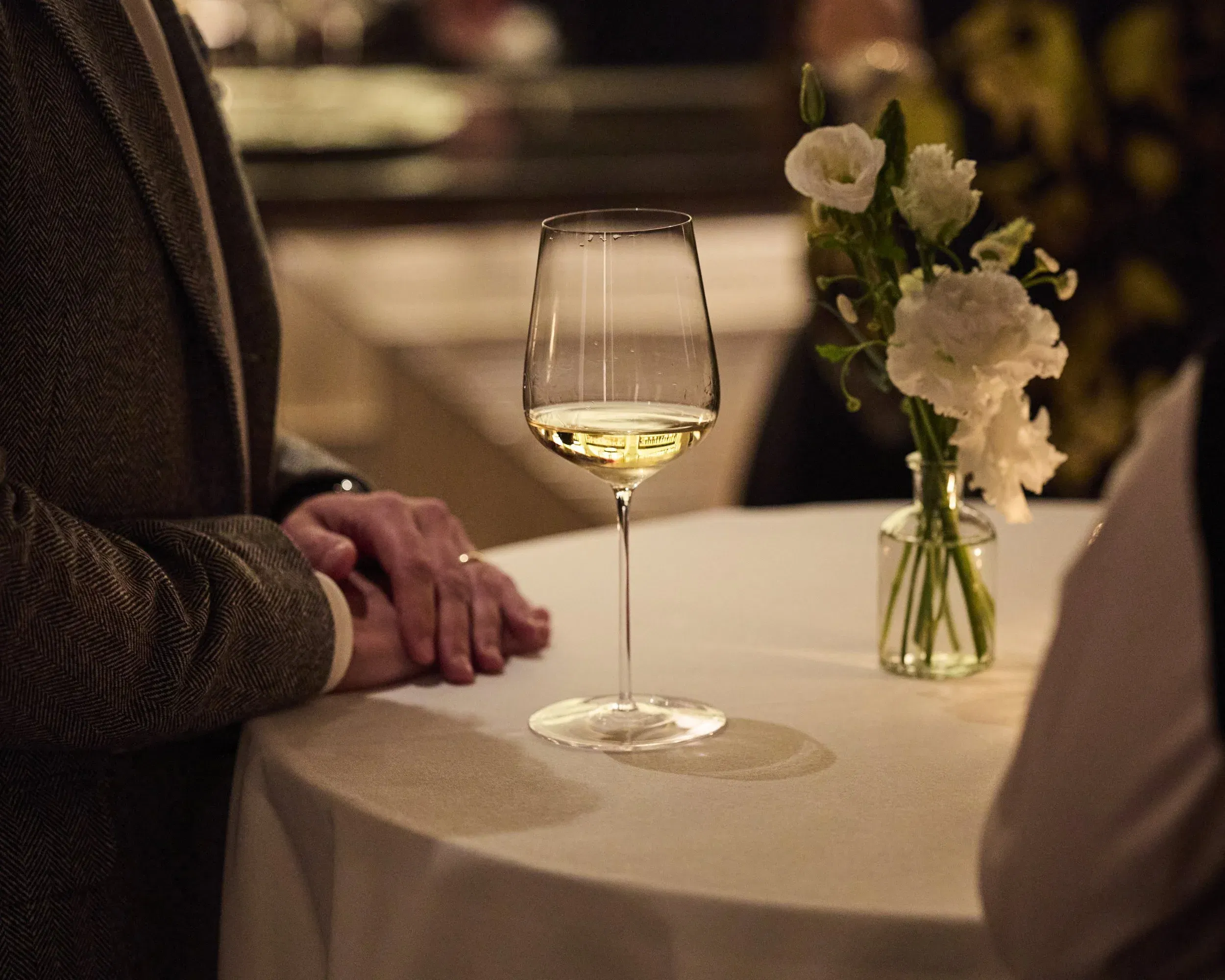
La Fête du Champagne’s New York City Grand Tasting brings more than 100 Champagnes, small plates, and attending winemakers to Pier Sixty.
Full La Fête du Champagne program →
La Fête du Champagne’s New York City Gala Dinner pairs a Domaine William Fèvre Chablis reception with a Champagne-friendly multi-course chef collaboration.
Full La Fête du Champagne program →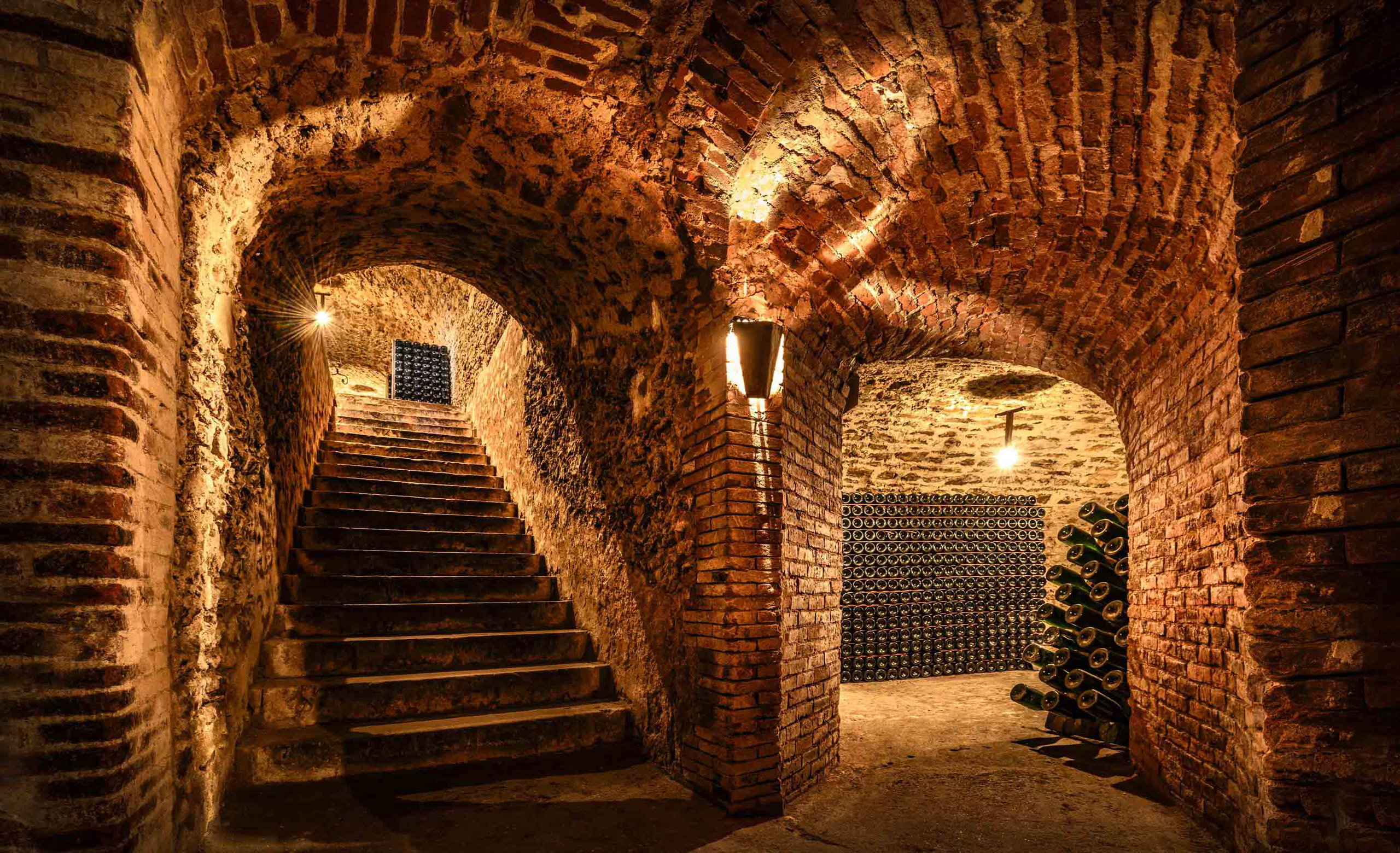 Champagne SalonLe Mesnil-sur-OgerSalon makes a single vintage Blanc de Blancs from Le Mesnil-sur-Oger Chardonnay in selected years. Check the vintage…
 Pierre PetersLe Mesnil-sur-OgerPierre Péters offers reserved tastings in Le Mesnil-sur-Oger when available, Monday through Thursday. Compare the…
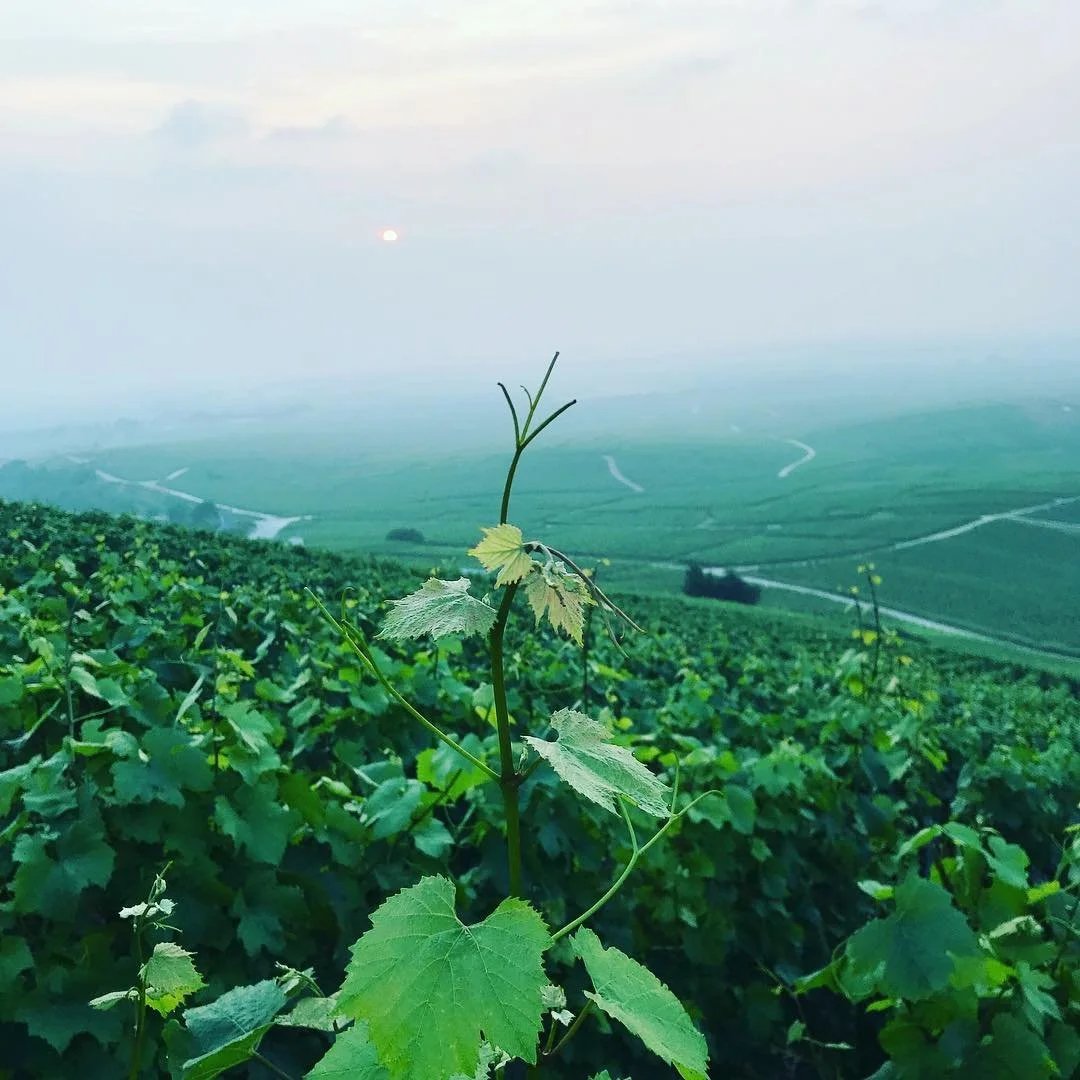 Champagne Gimonnet-GonetLe Mesnil-sur-OgerBook Champagne Gimonnet-Gonet if you want a focused grower Champagne stop in Le Mesnil-sur-Oger with Chardonnay…
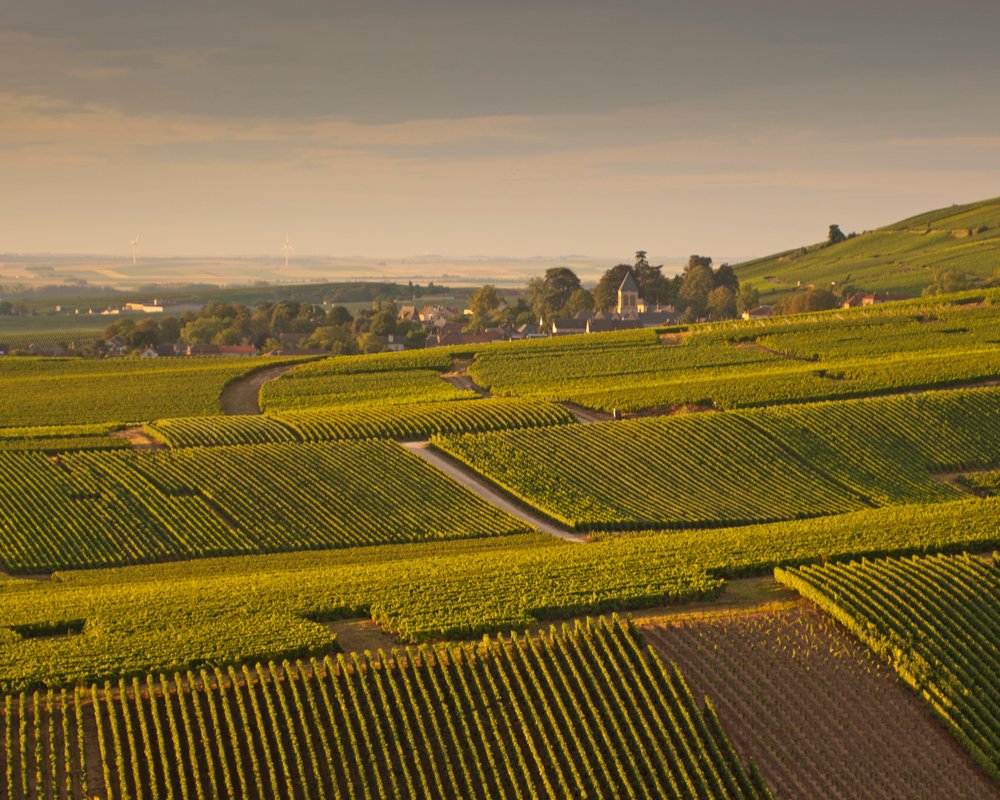 Champagne Jean PernetLe Mesnil-sur-OgerA strong pick for Champagne travellers who want a Chardonnay-led grower visit in Chavot-Courcourt rather than a glossy…
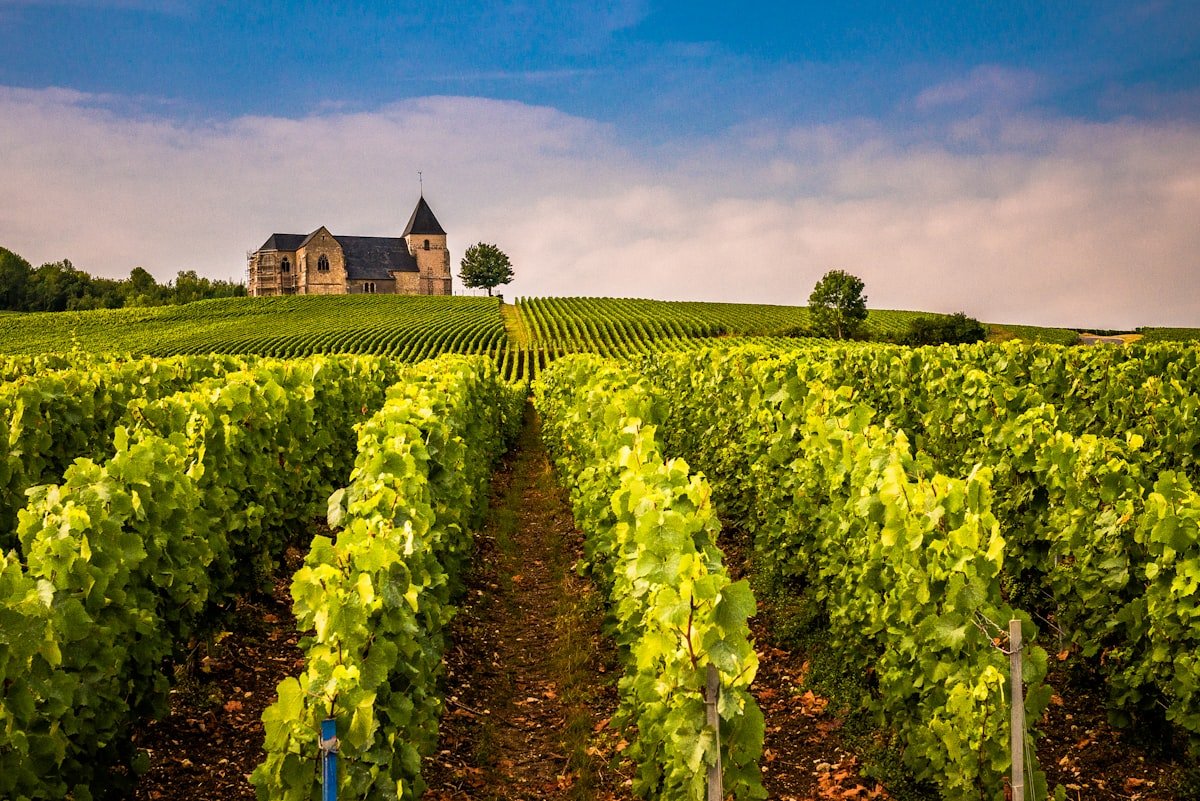 Champagne Pertois-MorisetLe Mesnil-sur-OgerBook Champagne Pertois-Moriset if the priority is a small, appointment-only grower Champagne visit focused on mineral…
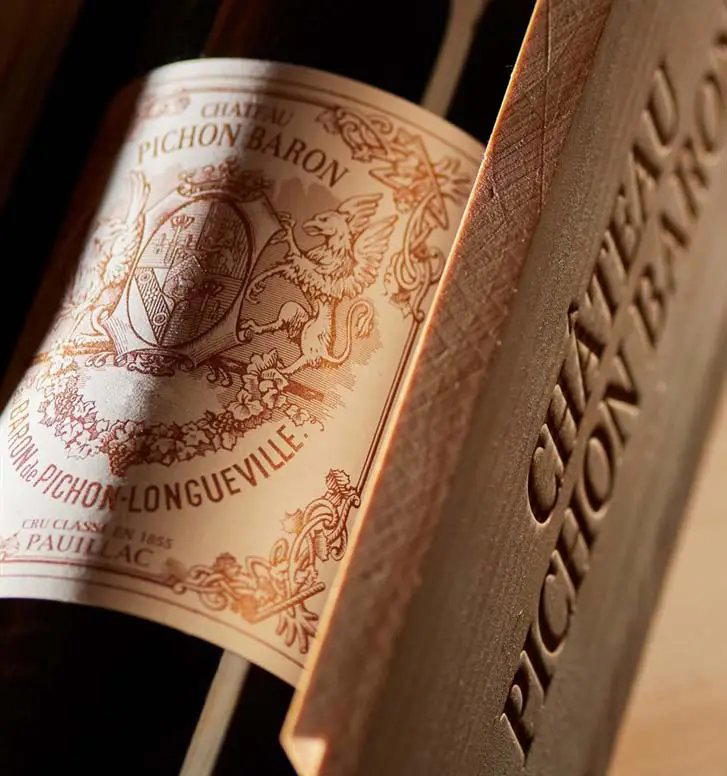 Château Pichon Longueville BaronPauillacChâteau Pichon Longueville Baron is a winery in Pauillac, Bordeaux.
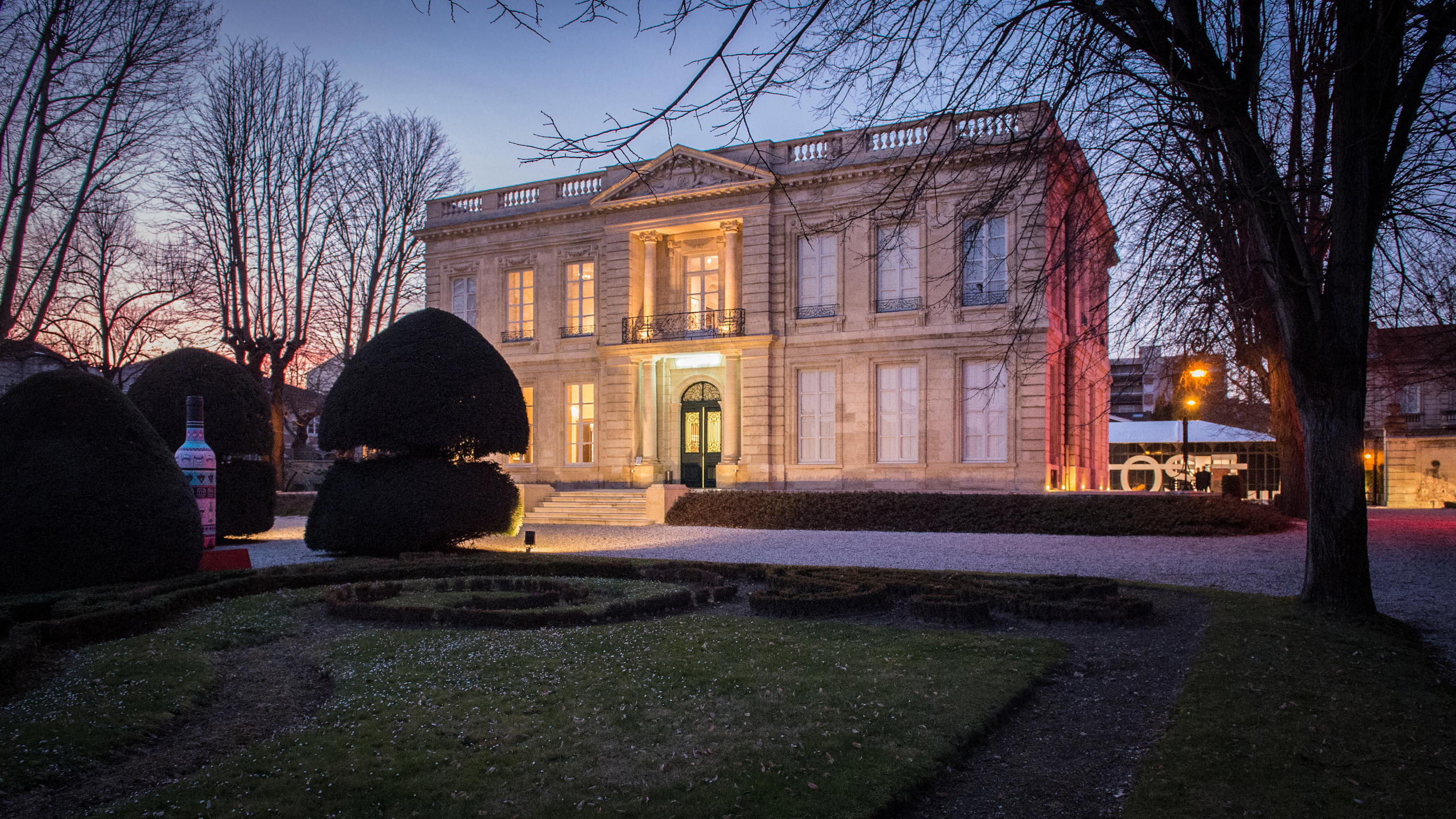 Château Pape ClementPessacChâteau Pape Clément is a wine estate in Pessac, Bordeaux.
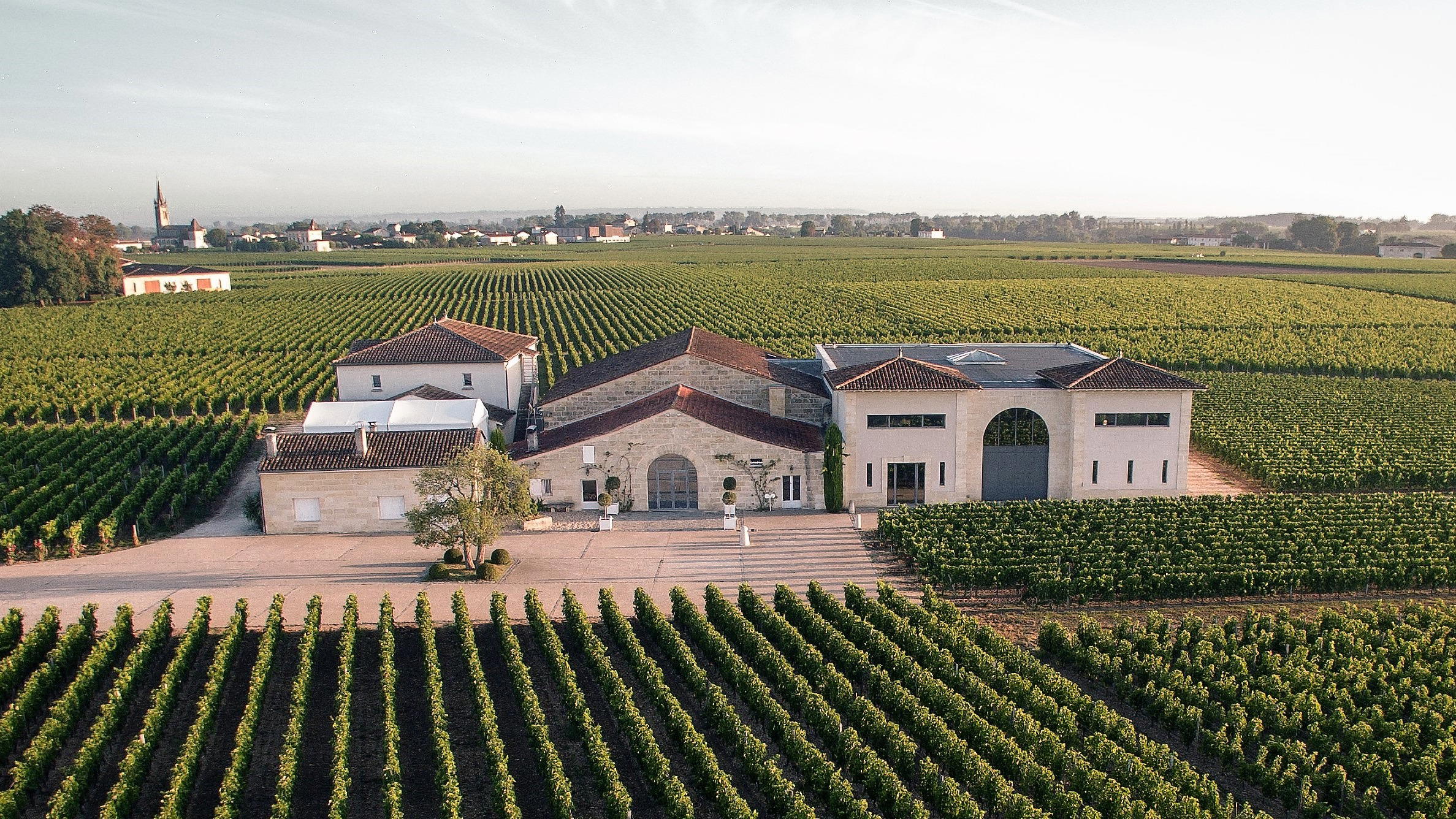 Château La ConseillantePomerolChâteau La Conseillante is worth pursuing for serious Pomerol collectors and first-timers who care about access more than casual cellar-door ease. Treat any allocation or club-style opportunity as a due-diligence decision: confirm terms, purchase expectations, and shipping before committing.
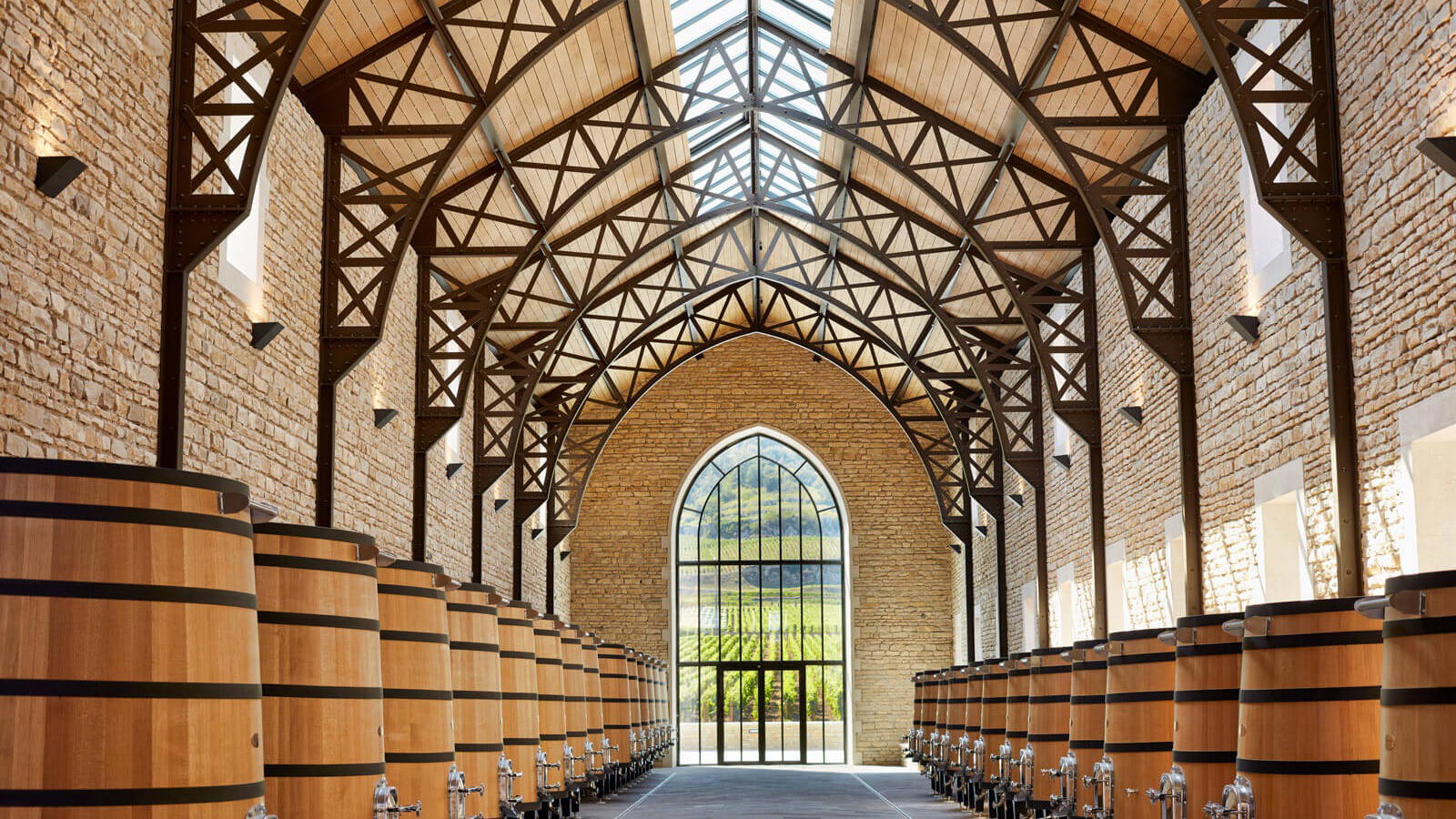 Domaine FaiveleyNuits-Saint-GeorgesDomaine Faiveley is a winery on Rue du Tribourg in Nuits-Saint-Georges.
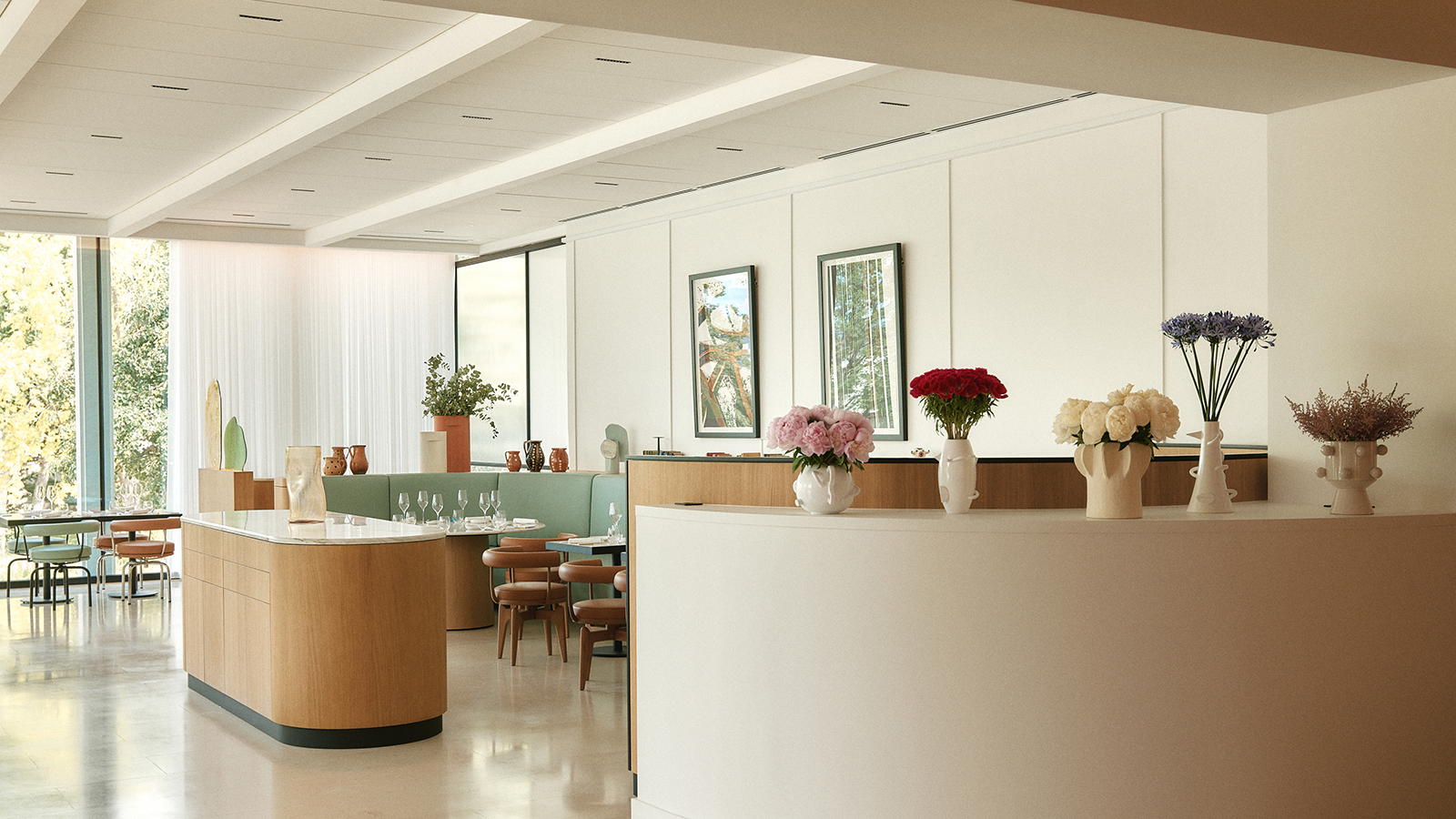 TaittingerReimsTaittinger is a winery on Place Saint-Nicaise in Reims.