

    Winery in Le Mesnil-sur-Oger, France

    Pierre Peters

    1,250pts

    Chalk-Rooted Blanc de Blancs

    Pierre Peters, Winery in Le Mesnil-sur-Oger

    About Pierre Peters

    Pierre Peters is a grower Champagne house in Le Mesnil-sur-Oger with roots stretching back to 1946, producing Blanc de Blancs from some of the Côte des Blancs' most prized Grand Cru parcels. Under winemaker Rodolphe Péters, the house has earned EP Club's Pearl 4 Star Prestige recognition in 2025, placing it among a tight peer set of domaine-bottled Chardonnay specialists whose identity is inseparable from the chalk beneath their vines.

    Chalk, Terroir, and the Blanc de Blancs Tradition of Le Mesnil-sur-Oger

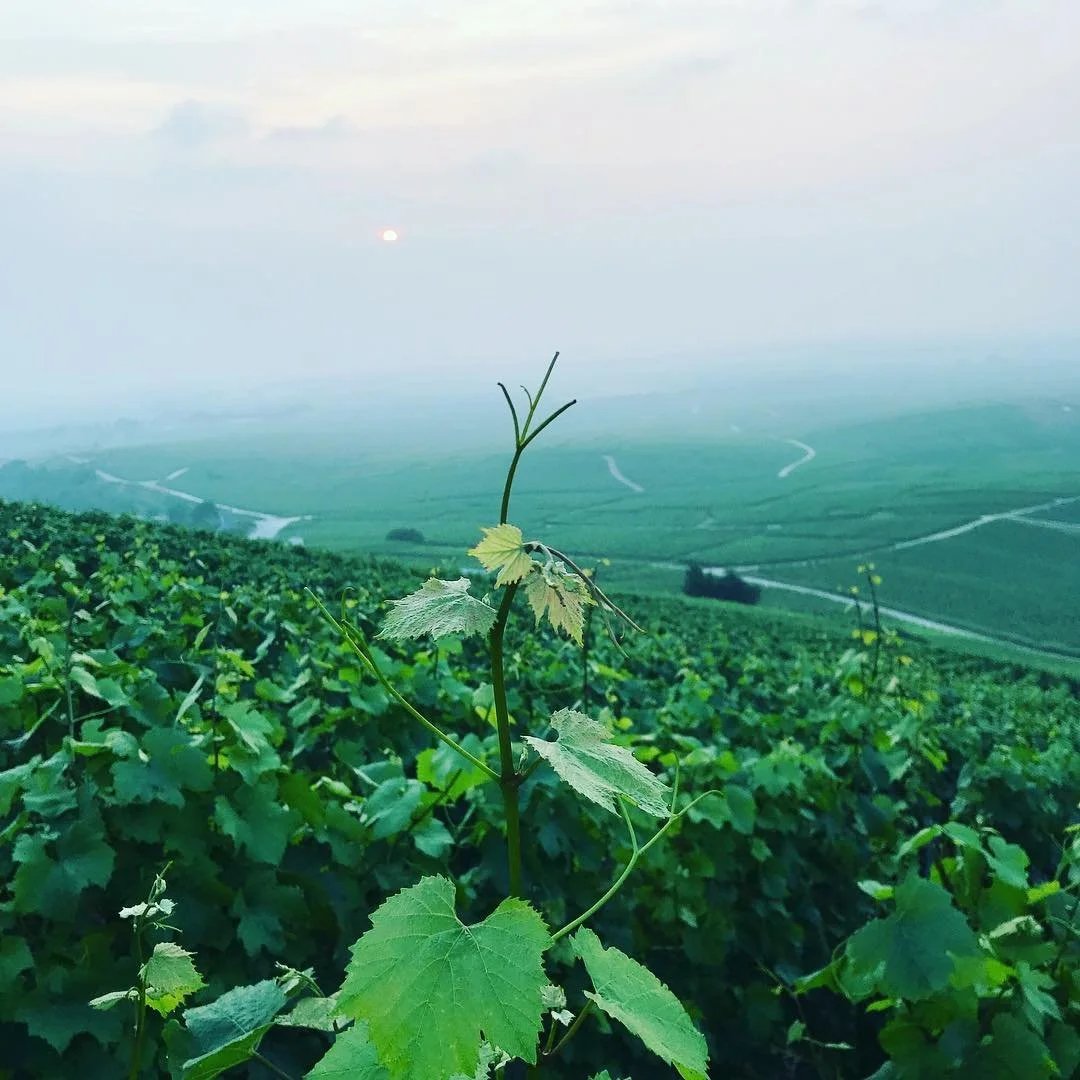
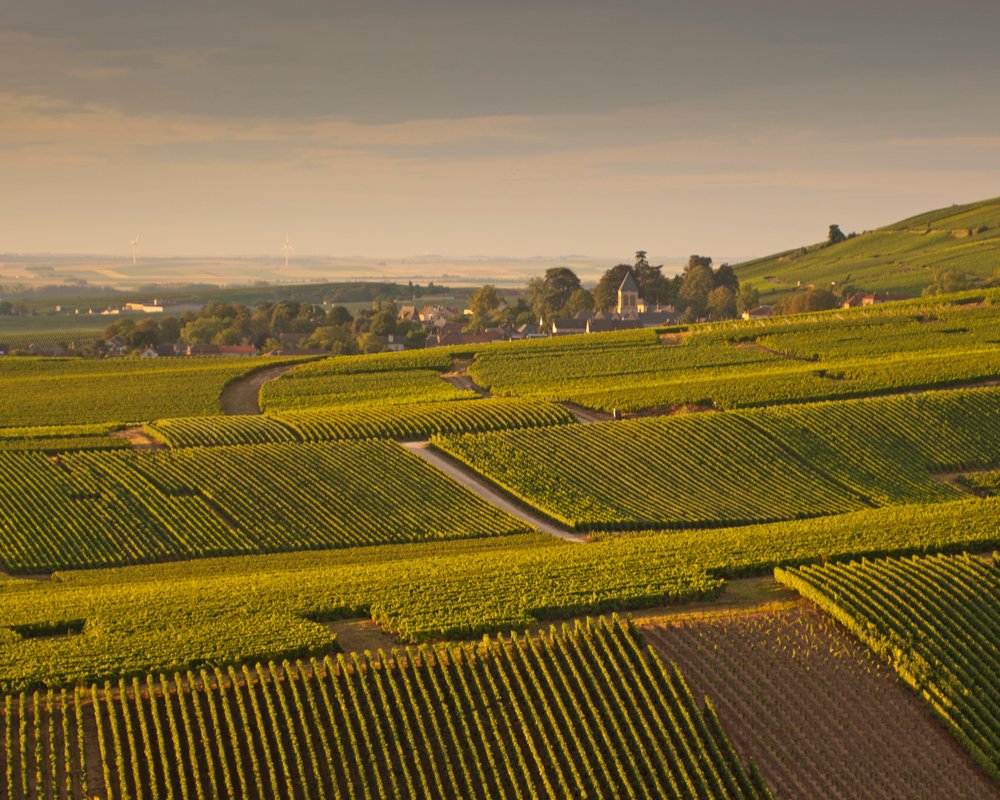
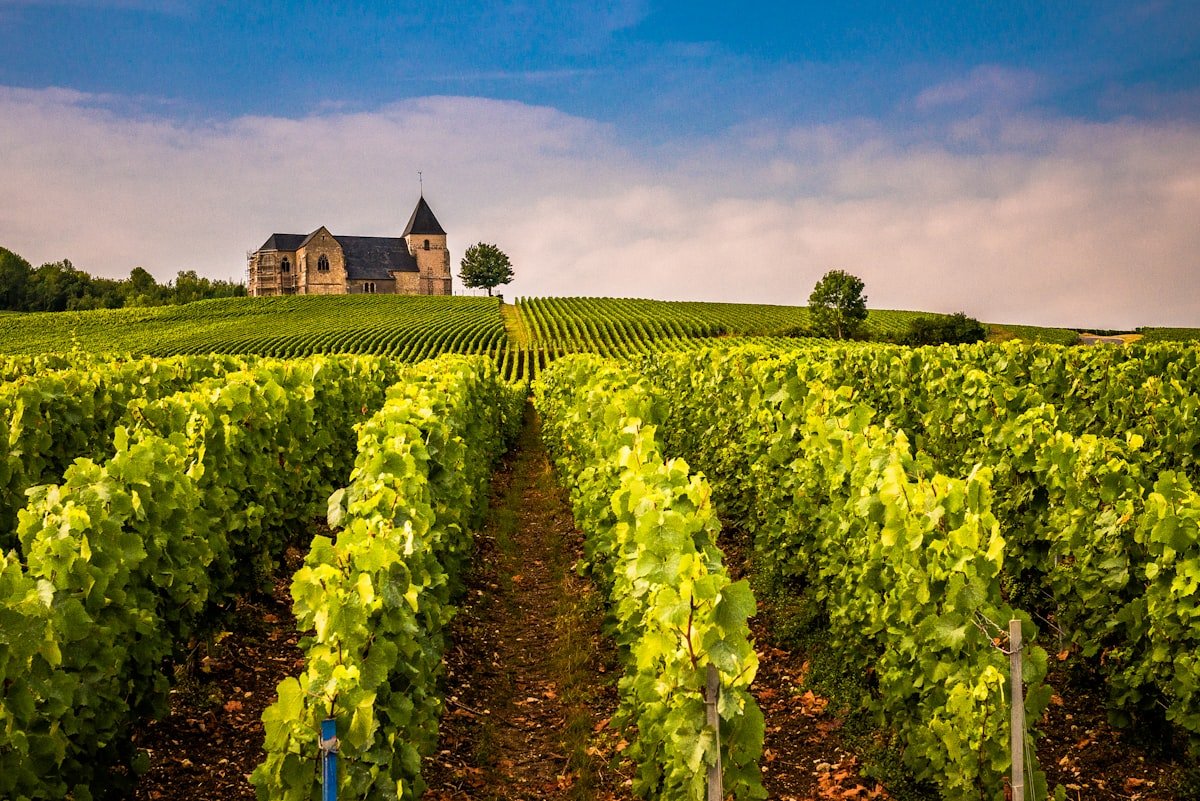
    Drive south from Épernay along the D10 and the Côte des Blancs announces itself through a gradual shift in the agricultural register: the mixed plantings thin out, Chardonnay takes over, and the villages you pass through — Cramant, Avize, Oger — carry Grand Cru classifications that serious buyers know without being told. Le Mesnil-sur-Oger sits at the southern end of this stretch and occupies a specific position in the Champagne hierarchy. The chalk subsoil here is deep and well-draining, the microclimate slightly cooler, and the resulting wines consistently tighter and longer-lived than those produced a few kilometres north. It is on this terroir that Pierre Peters has operated since 1946, making it one of the older continuous estates in a village whose name appears on a disproportionate number of prestige Blanc de Blancs cuvées.

    The grower Champagne movement has reshaped how buyers approach the category over the past two decades. Where once the major négociant houses defined Champagne's premium identity, the market has progressively rewarded producers who control their own vines, vinify parcel by parcel, and express a single appellation or sub-zone rather than a blended house style. Le Mesnil sits at the leading of that conversation, alongside Champagne Salon and Delamotte, both of which operate from the same village and have long anchored its international reputation. Pierre Peters competes within this tight peer set, with a generational estate model rather than the luxury conglomerate ownership that defines its two closest neighbours.

    What a Visit to Pierre Peters Looks Like

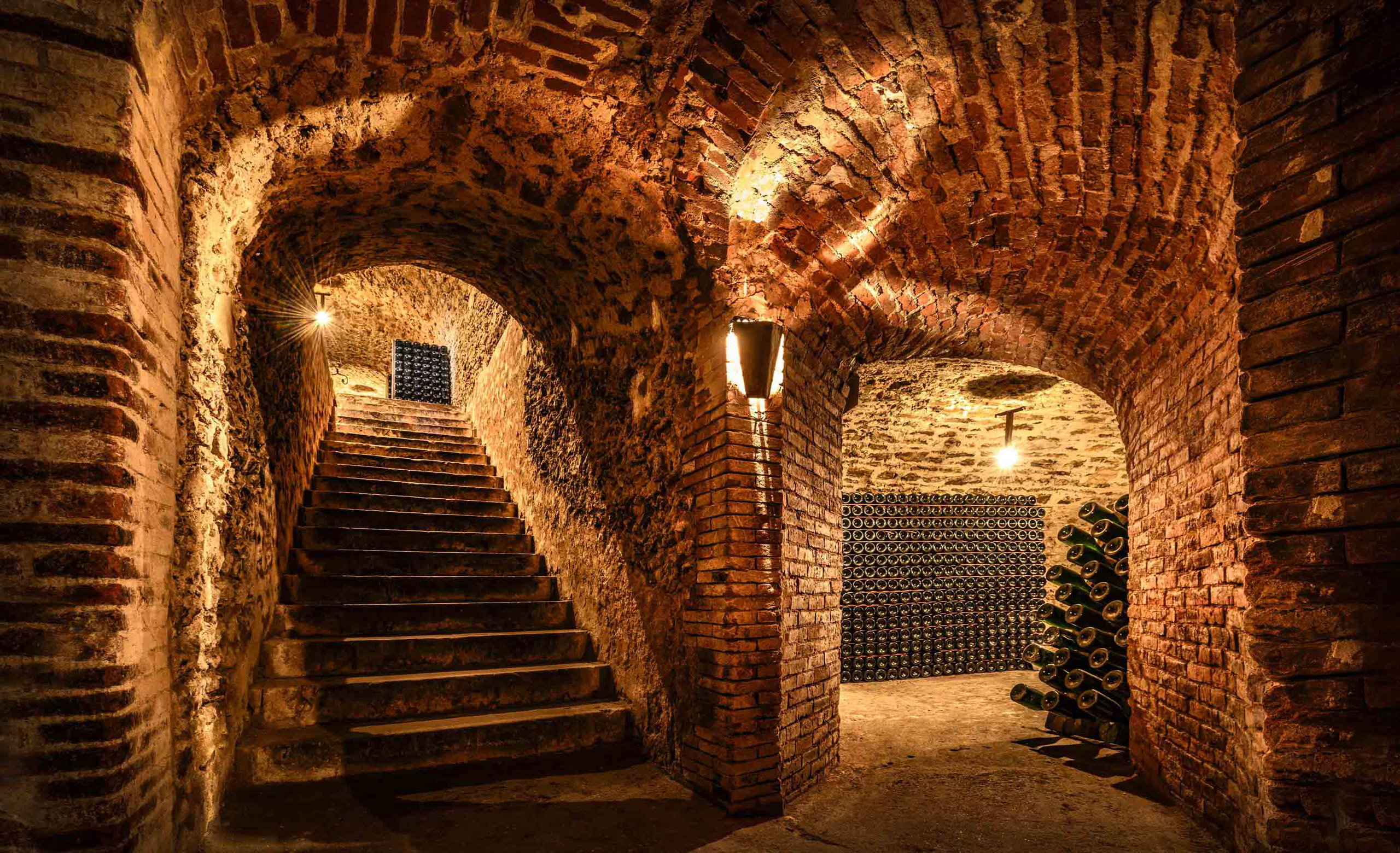
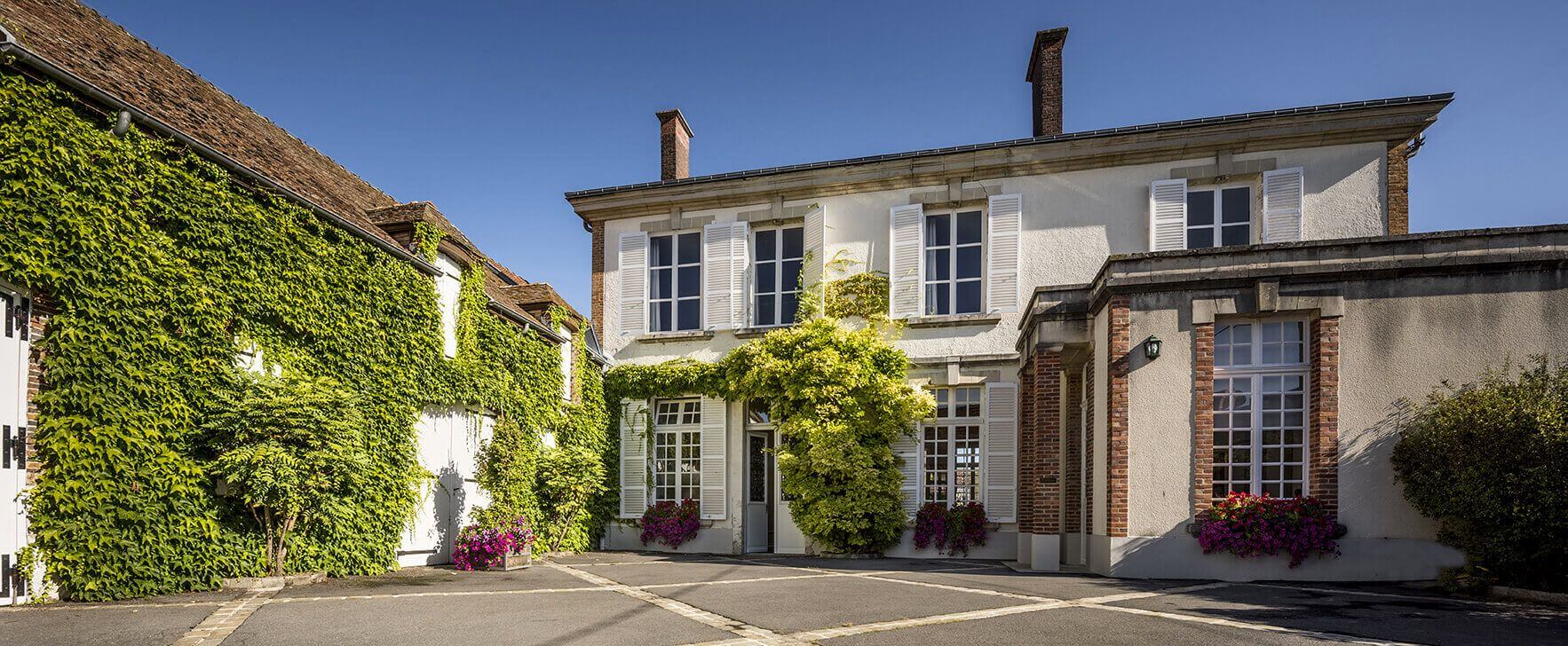
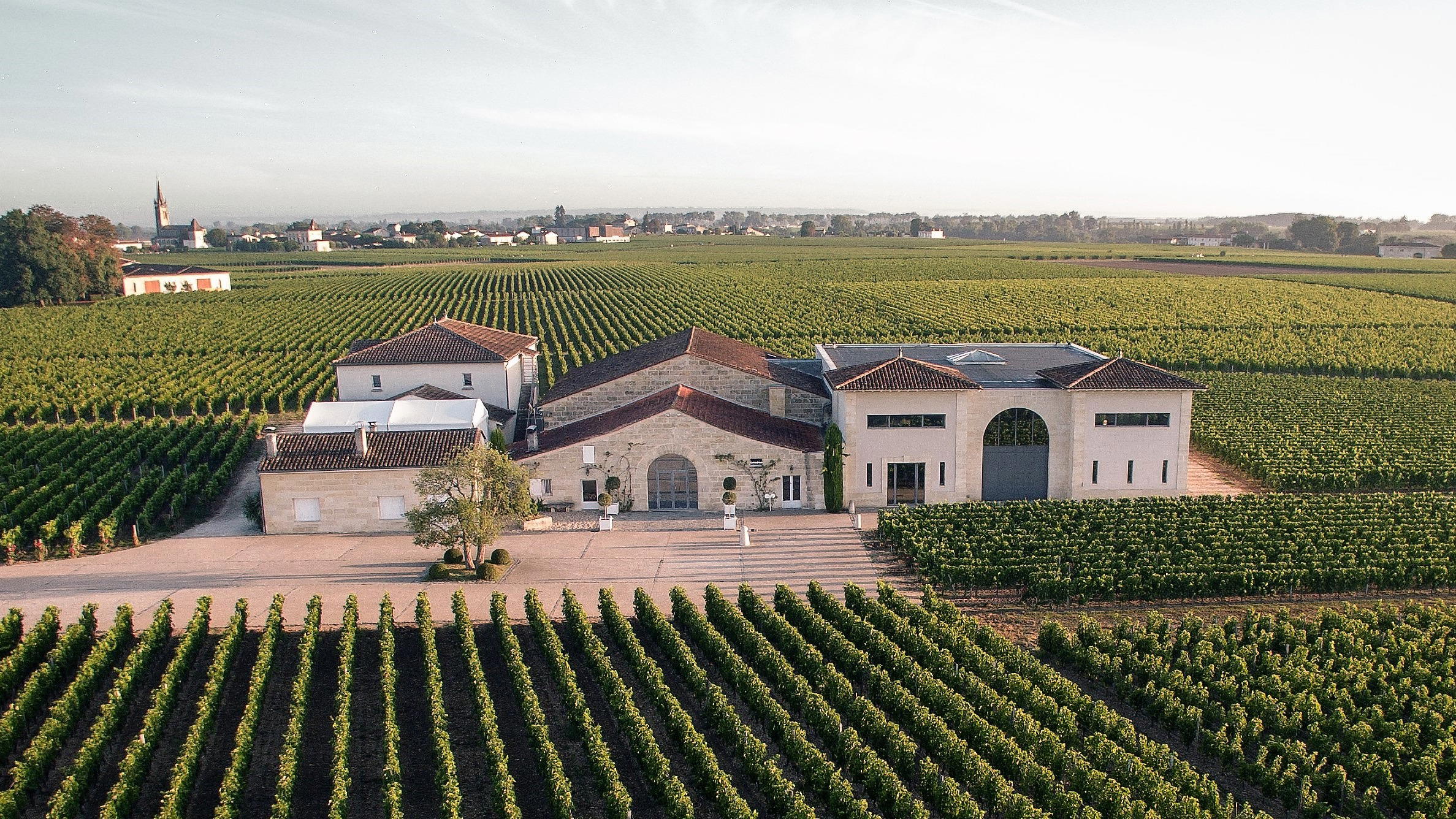
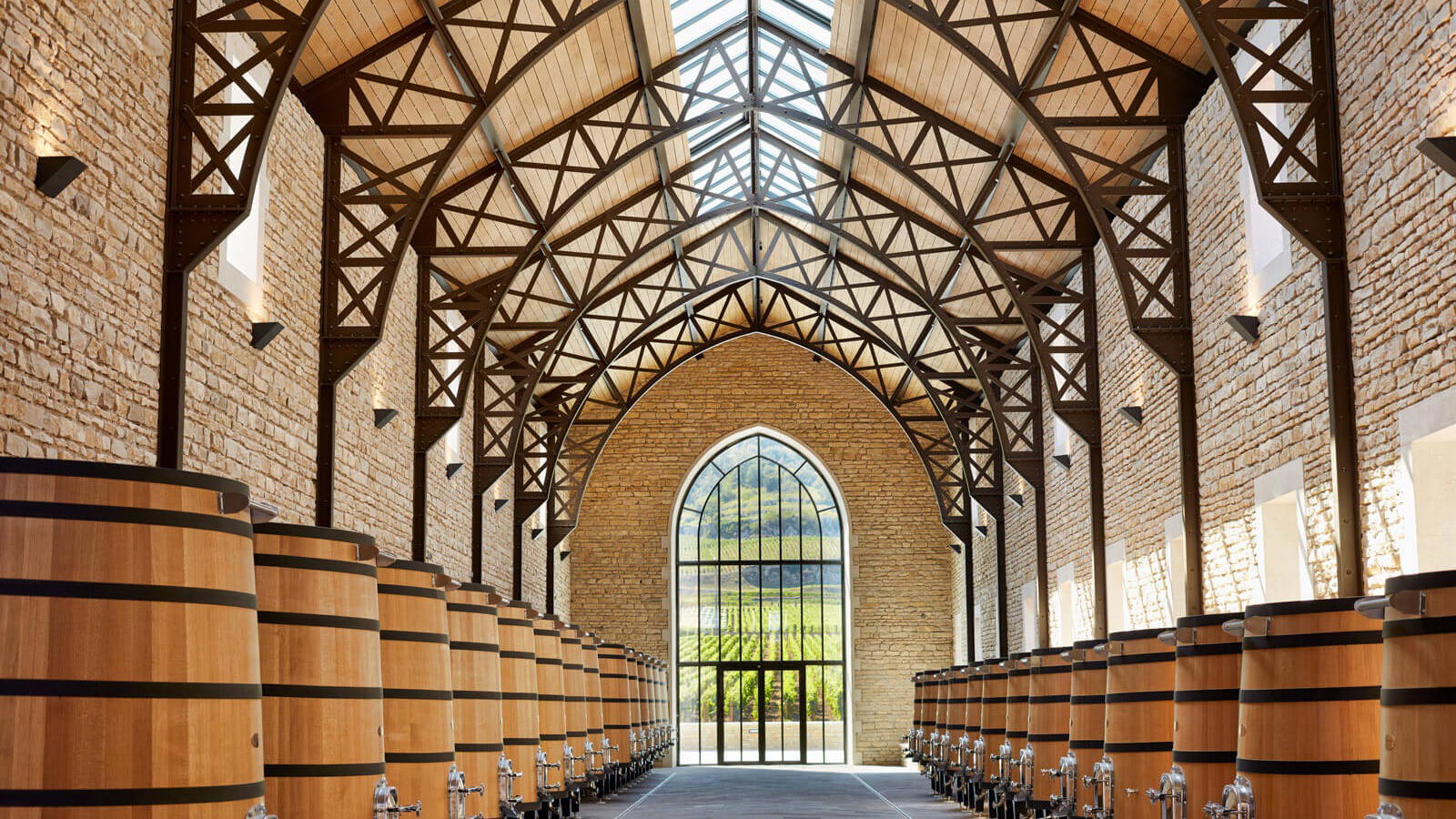
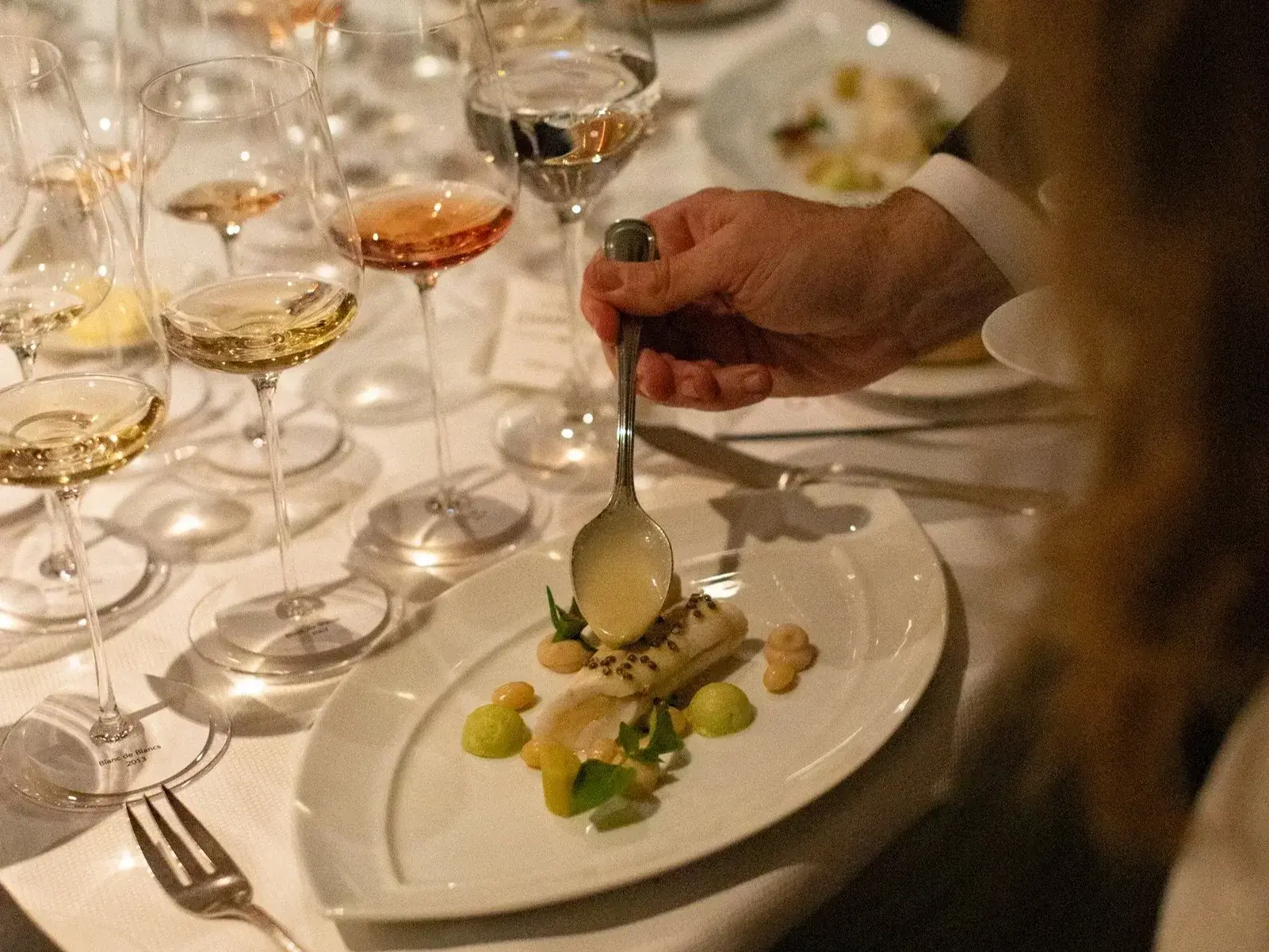
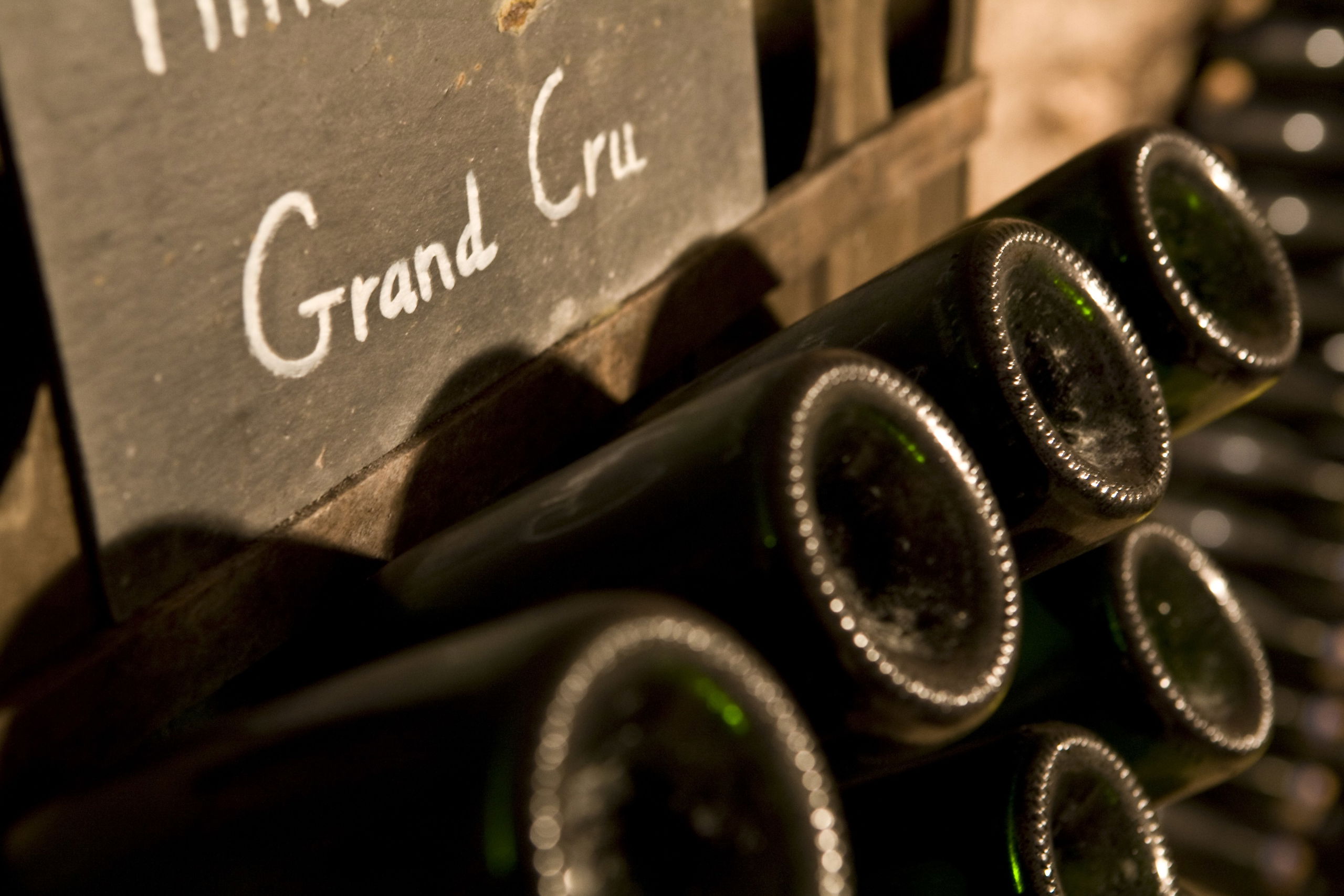
    Tasting rooms at grower houses in the Marne follow a different logic than the grand visitor centres of the major Champagne brands. There are no theatre-designed cellars fitted out for tour groups, no brand heritage films, no retail concessions. What you find instead is an encounter with the production itself: a working estate at 9 Rue de l'Église in the centre of Le Mesnil-sur-Oger, where the architectural scale reflects a family operation rather than a corporate hospitality programme. The visit format at houses of this size typically centres on the cellar, where the chalk geology that defines the wine becomes tangible , you see the riddling, the disgorgement lines, the reserve wine system that allows the house to maintain continuity across variable harvests.

    Winemaker Rodolphe Péters leads the estate, and visits in this format are often guided by family members or senior cellar staff rather than professional tour guides. That proximity to the production side changes the character of the tasting considerably. Conversations tend toward viticulture and vinification specifics , how individual parcels within Le Mesnil are handled separately, what the house philosophy around dosage is, how a given vintage compares to the reserve wine baseline. For visitors accustomed to highly structured luxury tastings with theatrical presentation, the directness of a grower visit can require a recalibration of expectations. The substance is there; the packaging is not.

    EP Club's Pearl 4 Star Prestige rating for 2025 positions Pierre Peters within the upper tier of grower Champagne producers in the region, a recognition that reflects both the consistent quality of the wines and the integrity of the estate's vineyard-first approach. In a market where small growers increasingly carry credibility that large houses have to work harder to maintain, a rating of this kind functions as peer confirmation rather than discovery.

    The Wines: Blanc de Blancs as a Category

    Pierre Peters works exclusively with Chardonnay, which is not uncommon for a Le Mesnil estate but does narrow the tasting focus in a way that rewards visitors who come prepared. Blanc de Blancs Champagne occupies a distinct niche within the appellation: without Pinot Noir or Meunier to add body and colour, the wine's character depends entirely on the chalk terroir and the winemaking decisions around oxidation, malo-lactic fermentation, and lees ageing. The leading examples from Le Mesnil are known for their mineral precision, slow evolution in bottle, and a tautness that can read as austere in youth but opens considerably with age.

    The house's first vintage dates to 1946, which gives Rodolphe Péters access to decades of house data on how the estate's parcels perform across different climatic conditions. That longitudinal knowledge is a genuine production asset. For comparison, estates like Albert Boxler in Niedermorschwihr operate on a similarly deep generational timeline, and in both cases the institutional memory embedded in family operations shapes wine style in ways that newer projects cannot easily replicate.

    The house produces multiple cuvées, typically including a non-vintage Blanc de Blancs, vintage expressions, and the prestige Cuvée Spéciale Les Chétillons, which draws from a single lieu-dit within Le Mesnil. Lieu-dit releases from this village attract the kind of collector attention that pushes allocations into scarcity quickly. Visitors to the estate should factor this into expectations: not all wines are available for purchase on-site, and certain cuvées operate on allocation with established clients taking priority.

    Le Mesnil-sur-Oger in Context

    Village itself is not a dining destination. Serious meals in the region require a drive to Épernay or further into Reims, and the village's character is agricultural rather than tourist-facing. This is, depending on your perspective, either a limitation or part of the appeal. Estates like Pierre Peters exist in their landscape without concession to passing trade, which means visits are intentional rather than incidental. You make the trip because the wine is the reason, not because the village offers a broader programme of activities.

    For visitors building an itinerary around the Côte des Blancs, Le Mesnil anchors the southern end while Cramant and Avize offer different Chardonnay expressions further north. The contrast between a Pierre Peters visit and a major négociant tour in Épernay is instructive , both experiences have value, but they teach different things about how Champagne is made and why terroir specificity matters to producers who have staked their identity on a single commune. Our full Le Mesnil-sur-Oger restaurants guide covers the wider area for those planning a longer stay.

    Among French artisan producers operating at a high level, Pierre Peters belongs to a lineage that includes estates in very different regions: Château Bastor-Lamontagne in Preignac, Château Batailley in Pauillac, Château Bélair-Monange in Saint-Emilion, Château Boyd-Cantenac in Cantenac, Château Branaire Ducru in St-Julien, Château Cantemerle in Haut-Médoc, Château Clinet in Pomerol, and Château d'Arche in Sauternes. Each of these houses holds a defined position within its appellation's hierarchy. What connects them is the relationship between place and producer identity: the wine cannot be separated from the site, and the value of a visit lies in experiencing that relationship directly rather than reading about it.

    Planning Your Visit

    Pierre Peters is located at 9 Rue de l'Église in Le Mesnil-sur-Oger, approximately 15 kilometres south of Épernay. Visits to grower houses of this scale are typically arranged in advance by email or through the estate's contact channels; walk-in availability is limited and should not be assumed, particularly during the harvest period in September and October when production activity takes priority. Spring and early summer offer the most reliable access windows. For broader reference, serious wine travellers also building Champagne itineraries around producers from outside France might note parallels with estate-visit formats at Aberlour in Aberlour, Accendo Cellars in St. Helena, or Chartreuse in Voiron , all production-first operations where the visit serves the product, not the reverse.

    Frequently Asked Questions

    What do visitors recommend trying at Pierre Peters?
    Visitors consistently focus on the Blanc de Blancs range, which draws exclusively from Grand Cru Chardonnay in Le Mesnil-sur-Oger. The prestige cuvées tied to specific parcels within the village attract the most attention from serious buyers. Winemaker Rodolphe Péters oversees a portfolio that has earned EP Club's Pearl 4 Star Prestige recognition in 2025, which gives context to where the upper-range cuvées sit within the regional peer set.
    What is Pierre Peters known for?
    Pierre Peters is known as a grower Champagne house producing Blanc de Blancs exclusively from Grand Cru parcels in Le Mesnil-sur-Oger, one of the Côte des Blancs' most prized communes. The estate has operated continuously since 1946 and holds an EP Club Pearl 4 Star Prestige rating for 2025. Its position in Le Mesnil places it in direct comparison with Salon and Delamotte, both from the same village, though as a grower-producer it operates on a smaller, family-controlled scale.
    Do they take walk-ins at Pierre Peters?
    Walk-in visits are not standard practice at grower Champagne estates of this scale. Pierre Peters operates at 9 Rue de l'Église, Le Mesnil-sur-Oger, and visits are typically arranged in advance. No public booking portal or phone number is listed, so contacting the estate directly by email ahead of your trip is advisable. Harvest season (September to October) is the least reliable period for access.
    What's Pierre Peters a good pick for?
    Pierre Peters suits visitors with a specific interest in Blanc de Blancs Champagne and the terroir of Le Mesnil-sur-Oger, rather than those seeking a broad introduction to the appellation. The estate's EP Club Pearl 4 Star Prestige rating and 1946 founding date indicate depth of production history, and the grower model means the visit engages directly with vineyard and cellar practice. It is not a large-format hospitality experience.
    How does Pierre Peters compare to other Le Mesnil-sur-Oger producers in terms of style and standing?
    Pierre Peters sits alongside Salon and Delamotte in Le Mesnil-sur-Oger's small cluster of high-profile Blanc de Blancs producers, but operates as an independent grower-producer rather than under luxury group ownership. The estate's wines are recognised by EP Club with a Pearl 4 Star Prestige designation in 2025, and its first vintage of 1946 gives it one of the longer continuous production records in the village. Stylistically, the house's focus on individual parcels and lieu-dit bottlings places it within the precision-driven, terroir-specific tier of Champagne production.

    Recognized By

    Keep this place

    Save or rate Pierre Peters on Pearl

    Keep this venue in your Pearl passport, rate it after you visit, and track it alongside every other place you collect.