.png?width=1200&quality=80)
Shinrakuki
Chinese · Shinjuku, Tokyo
Restaurant in Tokyo, Japan
 Book with Pearl
The Read
Open-Hearth Cantonese Roasting
Price
$300–500per person
Dress
Smart Casual
Why go
Shinrakuki in Shinjuku holds a 2025 Michelin Plate and, making it one of Tokyo's most compelling cases for Hong Kong-style Cantonese cooking at a ¥¥ price point. Open-hearth roasting, tamari-pickled pigeon by advance reservation, and an organic wine programme built around Cantonese flavours set it apart. Book at least two visits to do it justice.
About Shinrakuki
Verdict
This is one of the few places in the city building a serious case for Hong Kong-style Cantonese cooking paired with organic wine, and it holds a 2025 Michelin Plate to reinforce the point. At a ¥¥ price range, the value proposition is clear: you are getting open-hearth roasting and whole-fish cookery at a fraction of what comparable ambition costs elsewhere in Tokyo. Book it, particularly if you are willing to plan across two or three visits to work through what the kitchen actually does leading.
The Space
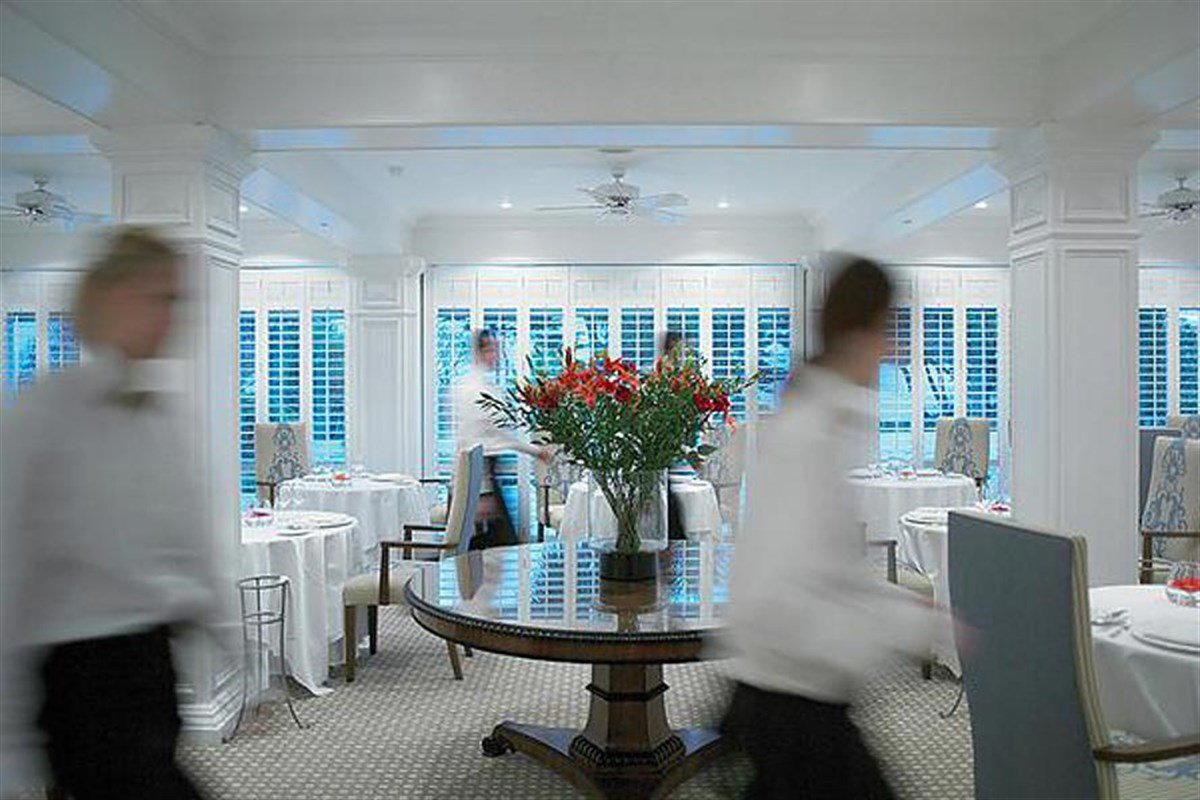
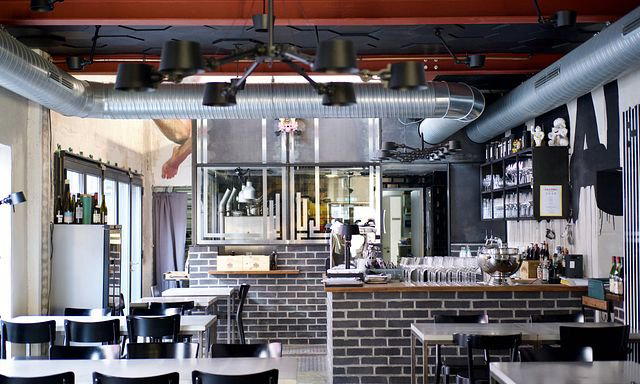
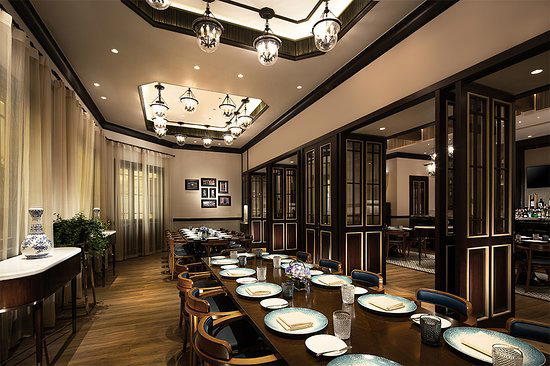
Shinrakuki occupies the ground floor of the Video Focus Building on Wakaba 2-chome in Shinjuku City, a low-key address that does nothing to signal what is inside. The room is compact, which is standard for this part of Tokyo, and the physical centrepiece is the cooking itself: an open hearth over which meat is suspended for patient roasting, and a grill where cuts are skewered or hung from hooks over direct flame. If you have eaten at larger Cantonese roast houses in Hong Kong or at venues like Chugoku Hanten Fureika or Chugoku Hanten Kohakukyu (Amber Palace) in Tokyo, Shinrakuki will feel more intimate. The hearth is not decorative — it is the operational core of the menu, and the room is arranged around that reality. For a first-timer, that spatial logic is worth registering before you sit down, because it shapes what you should order.
First Visit: Where to Start
The venue's own guidance is to open with the Cantonese flame-broiled items, and that is the right call. Pork cuts and duck roasted over the open hearth are treated with honey or malt sugar and seasoned with soy sauce or Chinese five-spice powder. The process concentrates umami as the exterior caramelises and the fat renders slowly. For a first-timer, this is the clearest statement of what the kitchen prioritises. Pair these with whatever organic wine the list offers that has enough acidity to cut through the fat — the concept is explicitly built around this pairing, and it works better here than a sake-forward approach would.
On that first visit, keep the order focused. The flame-broiled and grilled items are the reason to be here, and spreading across too many categories on visit one means you leave without a clear read on the kitchen's strengths. Tokyo has no shortage of Chinese restaurants at this price point, from Ippei Hanten to itsuka and Koshikiryori Koki, but the open-hearth roasting format here is specific enough to justify treating it as a specialist visit rather than a general Chinese dinner.
Second Visit: Advance-Reservation Dishes
Two dishes at Shinrakuki require advance reservation: the steamed whole grouper and the pigeon pickled in tamari soy sauce. These are not available on the day, which means your second visit needs to be planned ahead. The whole grouper is a classic Cantonese preparation where the quality of the fish and the precision of the steaming time determine everything, it is a direct measure of the kitchen's sourcing and technique beyond the grill. The tamari-pickled pigeon is a less common preparation and the kind of dish that distinguishes a restaurant with a considered identity from one simply executing a standard roast house menu.
If you are visiting Tokyo and want to benchmark Shinrakuki against Cantonese cooking elsewhere in the region, the comparison set is worth knowing. HAJIME in Osaka and Gion Sasaki in Kyoto operate in different registers entirely, but for visitors building a broader Japan itinerary, akordu in Nara and Goh in Fukuoka show the range of what serious cooking looks like across the country. Closer to Tokyo, 1000 in Yokohama and 6 in Okinawa offer different reference points. For Chinese cooking in other cities globally, Restaurant Tim Raue in Berlin and Mister Jiu's in San Francisco represent different takes on what refined Chinese food looks like outside Asia.
Third Visit: Organic Wine Focus
The concept at Shinrakuki is explicitly dual-track: Hong Kong cuisine and organic wine. Most diners will engage primarily with the food on early visits, but the wine pairing deserves attention on a return trip. Cantonese roast cooking, with its layered sweetness from honey or malt sugar and the depth of five-spice, is a demanding partner for wine, and organic producers often bring higher acidity and lower residual sugar that can handle it better than conventional bottlings. On a third visit, ask what the kitchen recommends pairing with the grill items specifically, and treat that conversation as the point of the visit. This is the kind of restaurant where the organic wine programme is a differentiator, not an afterthought.
Practical Details
Shinrakuki is in Wakaba, Shinjuku City, at the ground floor of the Video Focus Building. For broader planning across Tokyo, see our full Tokyo restaurants guide, our full Tokyo hotels guide, our full Tokyo bars guide, our full Tokyo wineries guide, and our full Tokyo experiences guide. Booking difficulty is low relative to comparable Tokyo venues, but advance reservation is required for the whole grouper and tamari pigeon, confirm these when you book. Price range ¥¥.
Quick reference: Shinjuku City, Wakaba 2-chome | ¥¥ | Michelin Plate 2025 | Advance booking needed for grouper and pigeon | Booking difficulty: Easy.
Planning details
- Location
- Japan, 〒160-0011 Tokyo, Shinjuku City, Wakaba, 2 Chome−7−1 ビデオフォーカスビル 1階
- Website
- instagram.com/shin_rakuki?igsh=YnphY2lpOGs0eXB6
- Phone
- +81 3-6380-0423
The take
The Take
The Vibe
Shinrakuki presents a classical take on Cantonese roasting in a focused, craft-driven setting. The open hearth sits at the center of the room and organizes both technique and service: meats are skewered, hung or slow-roasted over direct flame and finished with honey or malt sugar before seasoning. That commitment to traditional method gives the restaurant a warm, tactile character — the smells of blistered skin and caramelized glaze are integral to the experience. Pairing the roast-focused menu with organic wine and the kitchen’s consistent, highly rated delivery creates an assured, heritage-minded dining environment.
Best For
This is primarily a dinner destination built around whole-fire roasting. The kitchen recommends sequencing the meal to begin with flame-broiled items, which positions roasted proteins as the evening’s anchor. Shinrakuki’s Michelin Plate recognition and a strong public rating make it a natural choice for date nights or special-occasion dinners where craftsmanship and a theater of cooking matter. Guests who want a focused, sensory meal of glazed pork, duck and pigeon will find the restaurant especially well suited to an attentive, sit-down evening.
Ordering Tips
Follow the restaurant’s own guidance and start with the flame-broiled items: the flame-broiled pork and duck are written up as central preparations, and whole-fire pigeon is part of the roasting lineage. The menu also highlights steamed grouper and a tamari-pickled pigeon, giving some contrast to the broiled proteins. Meats are finished with honey or malt sugar and seasoned with soy or Chinese five‑spice, so expect pronounced glaze and umami. Consider pairing these dishes with the house’s organic wine selections to complement the concentrated, savory flavors.
Venue details
Ambiance
The room glows with embers from the open hearth, perfumed smoke, firelight, and soft attentive service creating cultivated calm.
Tags
Vibe
Best For
Experience
At the Table
- Dress Code
- Smart Casual
- Noise Level
- Quiet
- Service Style
- Upscale Casual
- Meal Pacing
- Leisurely
- Capacity
- Small
- Kitchen
- Modern
- Menu Format
- A la carte, Small plates
- Wine Program
- Curated
- Drinks Focus
- Organic wine
Signature Dishes
- steamed grouper
- tamari-pickled pigeon
- flame-broiled pork
- flame-broiled duck
Know before you go
Know Before You Go
- Getting there
- Japan, 〒160-0011 Tokyo, Shinjuku City, Wakaba, 2 Chome−7−1 ビデオフォーカスビル 1階
Planning details
Location
Japan, 〒160-0011 Tokyo, Shinjuku City, Wakaba, 2 Chome−7−1 ビデオフォーカスビル 1階 · Directions
Recognition and awards
Also consider
Also Consider
- Harutaka, Sushi, ¥¥¥¥
- L'Effervescence, French, ¥¥¥¥
- RyuGin, Kaiseki, Japanese, ¥¥¥¥
- HOMMAGE, Innovtive French, French, ¥¥¥¥
- Crony, Innovative, French, ¥¥¥¥
Restaurant context
Shinrakuki sits in a different tier and category from most of Tokyo's celebrated dining names. Against ¥¥¥¥ destinations like Harutaka for sushi, RyuGin for kaiseki, or L'Effervescence for French, Shinrakuki is not competing on ceremony or tasting-menu architecture. It competes on specificity: open-hearth Cantonese roasting paired with organic wine, delivered at a price point that makes repeat visits realistic. If your Tokyo dining budget is finite and you need to choose between a single high-end kaiseki meal and two or three visits to Shinrakuki, the latter gives you more cumulative value and more to explore, particularly once you factor in the advance-reservation dishes.
For diners choosing between Shinrakuki and the innovative French end of Tokyo's market, venues like HOMMAGE and Crony offer a very different experience: elaborate tasting menus, high service polish, and French technique applied to Japanese ingredients. Those are the right choice if you want a single-occasion, structured dinner. Shinrakuki is the better call if you want a focused, ingredient-led meal where the cooking method is the story, the wine programme is genuinely integrated, and the room does not ask anything of you beyond showing up hungry.
On booking difficulty, Shinrakuki is among the easier serious restaurants to secure in Tokyo, a meaningful advantage in a city where the best omakase counters and kaiseki rooms require planning months in advance. That accessibility, combined with the Michelin Plate recognition, makes it a practical anchor for any Tokyo food itinerary, especially for first-time visitors who want quality without the reservation logistics that venues like Harutaka or RyuGin demand.
Explore Tokyo
Around this place
Discover more on Pearl
Unlock the full Shinrakuki guide in Pearl, including awards, comparisons, FAQs, planning details, and nearby places.
Compare Shinrakuki
| Venue | Price | Booking Difficulty | Awards |
|---|---|---|---|
| Shinrakuki | ¥¥ | Easy | 2026 Bib Gourmand2025 Michelin Plate |
| Harutaka | ¥¥¥¥ | Unknown | 2026 Tabelog Silver · #312026 OAD Top Restaurants in Japan Ranked · #1282026 Michelin 3 Stars2026 La Liste Top RestaurantsTabelog 100 - Sushi - TOKYO - 2025 · #372025 Asia's 50 Best Restaurants · #762025 OAD Top Restaurants in Japan Ranked · #1172025 La Liste Top Restaurants2025 Tabelog Bronze |
| L'Effervescence | ¥¥¥¥ | Unknown | 2026 Tabelog Silver · #682026 OAD Top Restaurants in Japan Ranked · #103Star Wine Lists 20262026 Black Pearl 2 Diamond2026 Relais Chateaux Restaurants2026 La Liste Top Restaurants2026 Michelin 3 Stars2025 Asia's 50 Best Restaurants · #692025 OAD Top Restaurants in Japan Ranked · #92 |
| RyuGin | ¥¥¥¥ | Unknown | 2026 OAD Top Restaurants in Japan Ranked · #802026 Tabelog Bronze · #3772026 Michelin 3 Stars2026 La Liste Top RestaurantsTabelog 100 - Japanese cuisine - TOKYO - 2025 · #212025 OAD Top Restaurants in Japan Ranked · #542025 Michelin 3 Stars2025 La Liste Top Restaurants2025 The Best Chef Three Knives |
| HOMMAGE | ¥¥¥¥ | Unknown | 2026 Tabelog Bronze · #1232026 OAD Top Restaurants in Japan Highly Recommended2026 Michelin 2 StarsTabelog 100 - French - TOKYO - 2025 · #762025 Asia's 50 Best Restaurants · #782025 OAD Top Restaurants in Japan Ranked · #1752025 Michelin 2 Stars2025 The Best Chef One Knife2025 La Liste Top Restaurants |
| Crony | ¥¥¥¥ | Unknown | 2026 Asia's 50 Best Restaurants · #34Star Wine Lists 20262026 OAD Top Restaurants in Japan Recommended2026 Michelin 2 Stars2025 Asia's 50 Best Restaurants · #30Tabelog 100 - French - TOKYO - 2025 · #782025 OAD Top Restaurants in Japan Ranked · #227We're Smart World Top Restaurants 20252025 Michelin 2 Stars |
.png?width=1200&quality=80)














Key differences to consider before you reserve.
FAQ
Frequently Asked Questions
Is Shinrakuki good for solo dining?
Yes, and it may be the format where Shinrakuki works best. The ¥¥ price point keeps the spend manageable for one, and the flame-broiled items are straightforward to order without needing to share. The open-hearth concept rewards attention, which solo diners are better positioned to give. Note that the advance-reservation dishes (grouper and pigeon) require planning regardless of group size.
Is the tasting menu worth it at Shinrakuki?
The venue does not operate a set tasting menu in the conventional sense — the format is à la carte Cantonese, anchored by roast and grilled items from the open hearth. The higher-commitment dishes (steamed whole grouper, tamari-pickled pigeon) require advance reservation and represent the ceiling of what the kitchen produces. If you want the full picture, call ahead and book both.
Is Shinrakuki good for a special occasion?
Yes, if the occasion suits an intimate, food-focused setting rather than a grand dining room. The advance-reservation dishes — steamed whole grouper and pigeon pickled in tamari soy sauce — give a special visit a clear structure. Book those when you reserve.
What should I wear to Shinrakuki?
No dress code is documented for Shinrakuki. The address — ground floor of the Video Focus Building in Wakaba, Shinjuku — is a low-key commercial block, and the ¥¥ pricing points to a neighbourhood restaurant register rather than formal dining. Smart casual is a reasonable default, but there is no evidence the venue enforces a policy either way.
Is Shinrakuki worth the price?
At ¥¥, yes — the value case is strong. The ceiling dishes (grouper, tamari pigeon) require advance reservation, so the full experience takes planning, but the base menu alone covers the spend.