
Yoshoku Matsushita
Chūō, Osaka
Restaurant in Osaka, Japan
 Book with Pearl
The Read
Price
JPY 10,000 - JPY 14,999 JPY 1,000 - JPY 1,999 View spending breakdown
Dress
Casual
Why go
At JPY 10,000–14,999 for dinner near Nagahoribashi Station, this Tabelog Yoshoku WEST 100 selection (2025) executes Japan's century-old interpretation of Western cooking—French technique applied to local ingredients, without the prix-fixe formality of high-end French dining. Lunch (Friday–Saturday only) drops to JPY 1,000–1,999, though the kitchen reserves its full effort for evening service. Worth booking if you want quiet, technically disciplined cooking in a format most visitors overlook.
About Yoshoku Matsushita
What makes a small Osaka restaurant worth JPY 10,000–14,999 at dinner when lunch costs barely JPY 1,000? Recognition on Tabelog's 2025 Yoshoku WEST 100 list signals technical discipline in a format most visitors overlook, yoshoku, Japan's century-old interpretation of Western cooking. At 18 seats near Nagahoribashi Station, this is dinner-focused cooking that follows rules of its own: French sauces meet Japanese ingredients, but without the prix-fixe formality of high-end French dining in Osaka.
The dinner price places this within reach of travelers willing to spend on a single standout meal but not ready for three-hour tasting menus. Reservations open through standard channels; no two-month advance scramble. Friday and Saturday lunch service (11:30 AM–3 PM and noon–3 PM respectively) offers a back-door entry at JPY 1,000–1,999, though the kitchen holds its technique for evening hours when the Tabelog score of 3.61 was earned. Monday through Thursday runs dinner-only from 5–10 PM; Sunday closes entirely.
Yoshoku for Travelers Who Skip Steak Houses
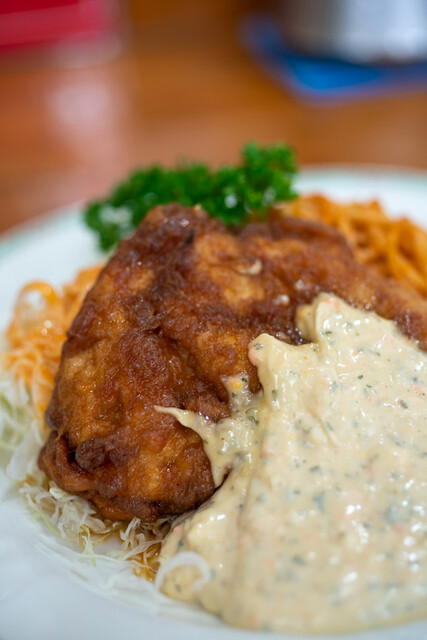
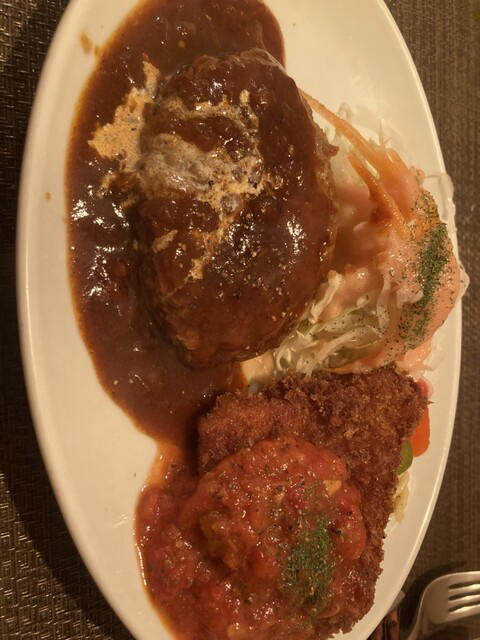
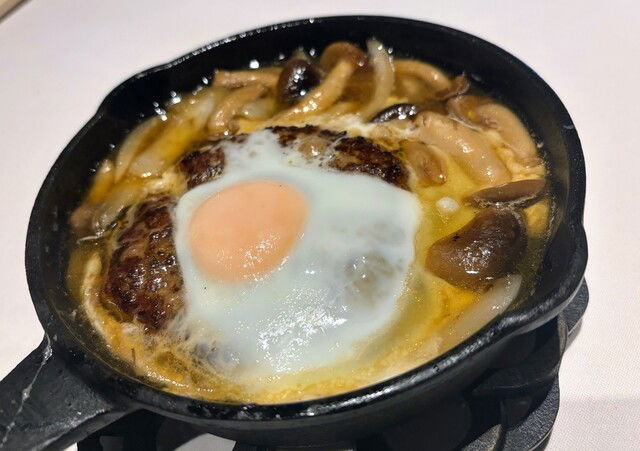
Yoshoku occupies a strange middle ground in Japan's dining taxonomy. Born from Meiji-era attempts to recreate Western dishes with local ingredients and sensibilities, the genre now includes omurice, hambāgu (hamburger steak), and hayashi rice, comfort food to Japanese diners, curiosity to foreigners. This kitchen executes the format with enough finesse to stand alongside French specialists charging similar prices, but without the wine pairings or linen service that justify premium yoshoku elsewhere in Osaka. Expect plated entrées that follow French technique (demi-glace reductions, butter emulsions) but arrive on Japanese ceramics with portion sizes that feel generous rather than precious.
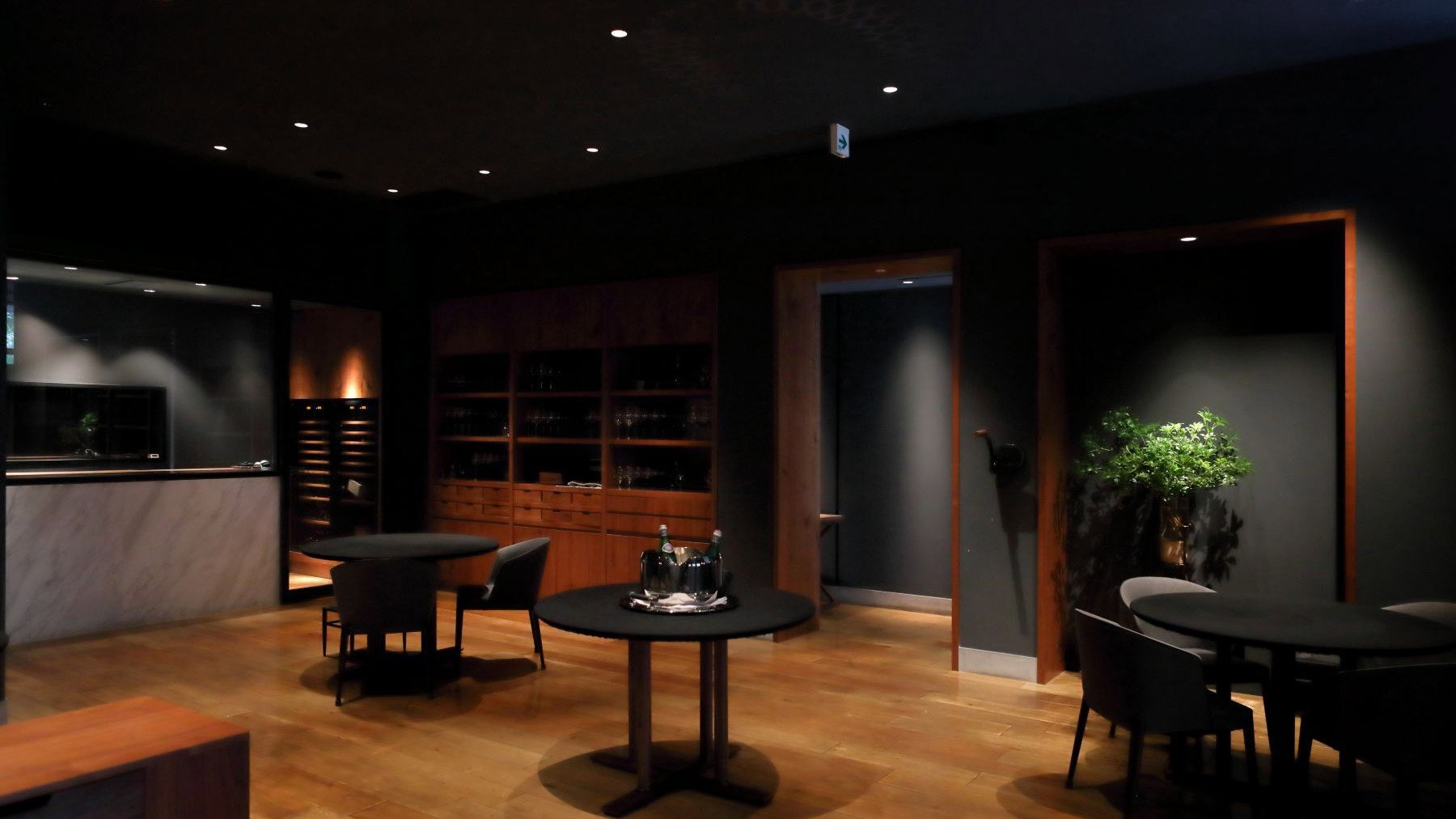
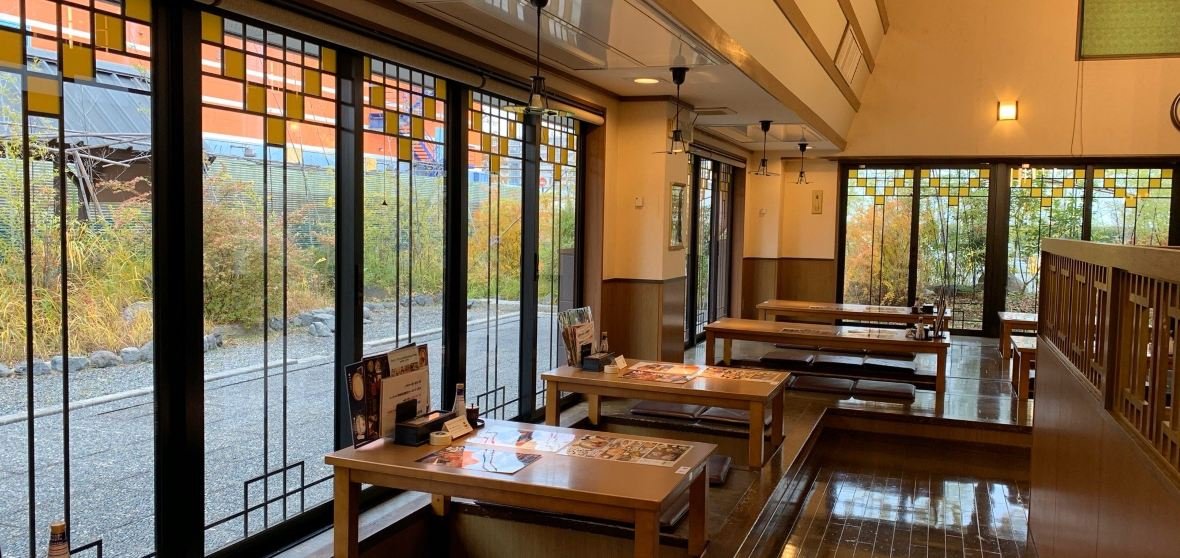
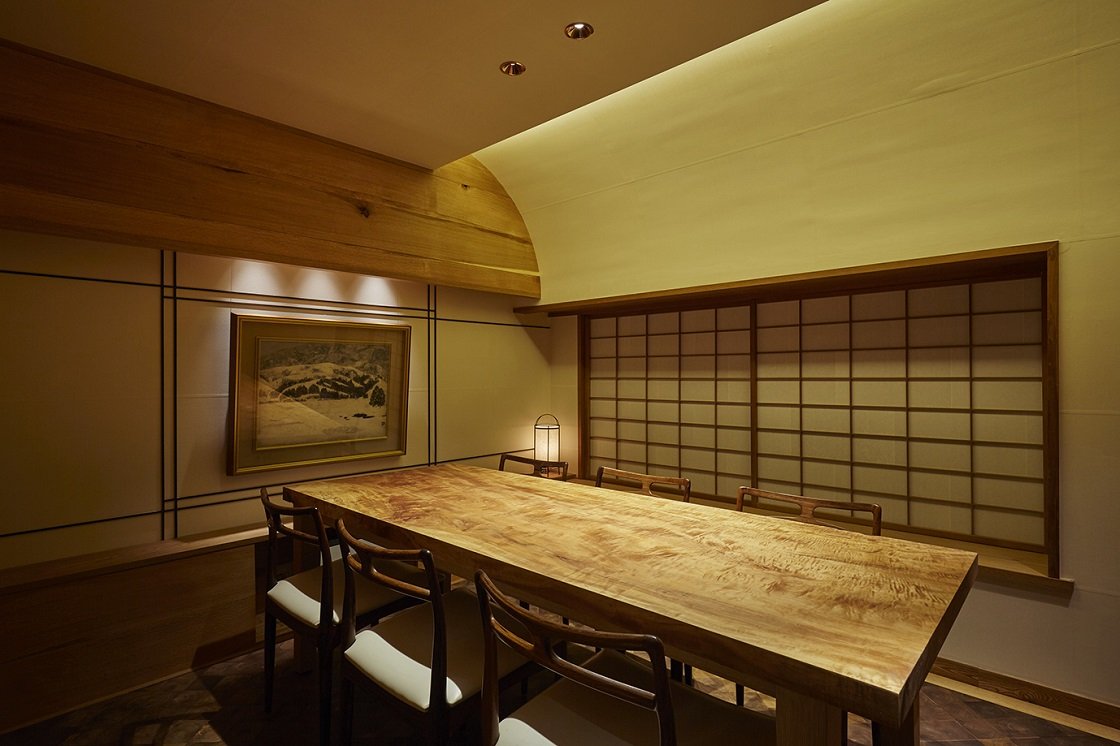
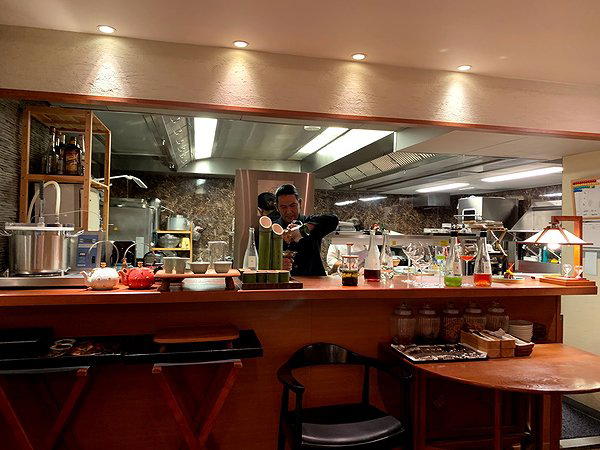
The 18-seat count keeps turnover slow and noise low. Groups larger than four will struggle; solo diners and couples fit the format best. No private rooms, no counter theater, just tables arranged across a second-floor dining room. Credit cards (JCB, Amex, Diners), electronic money, and PayPay accepted; parking unavailable. The Higashishinsaibashi address sits 178 meters from Nagahoribashi Station, a quieter pocket than the Dotonbori chaos 15 minutes south on foot.
Timing, Value, and the Lunch Gamble
Dinner represents the kitchen's full effort; lunch reads as a calculated discount to fill Friday and Saturday midday slots. That JPY 9,000–13,000 spread between services suggests different menus entirely, not just smaller portions. For visitors on a tight timeline, the Friday 11:30 AM or Saturday noon opening offers the cleanest entry, arrive at the start of service rather than competing for late-lunch seats. Evening slots book steadily but not impossibly; calling a week ahead typically clears the calendar.
At JPY 10,000–14,999, this lands below PESCE ROSSO's JPY 15,000–19,999 Italian fine dining and well above Buttah's JPY 1,000–1,999 casual Western plates. The question is whether yoshoku's hybrid approach, neither fully French nor traditionally Japanese, justifies that mid-tier positioning. For diners curious about how Japan interprets European cooking without trying to replicate it, the format delivers something distinct from both the pizza joints and kaiseki temples that dominate Osaka's dinner scene.
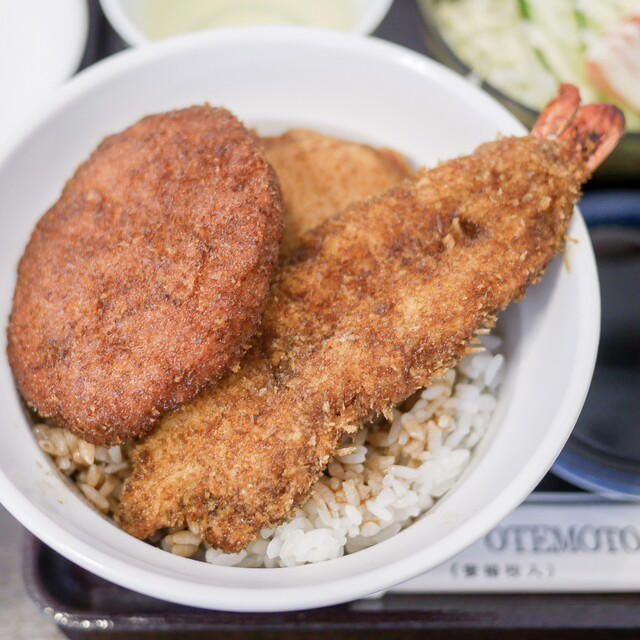
The Tabelog Yoshoku WEST 100 inclusion (2025) confirms peer respect within a niche category. Unlike Michelin stars or Asia's 50 Best mentions, Tabelog's hyper-local rankings reflect sustained user scoring over years, useful for gauging consistency rather than breakthrough creativity. This kitchen won't reinvent the genre, but it executes yoshoku's familiar repertoire (likely hambāgu, fried prawns, demi-glace-heavy mains) with the kind of precision that keeps regulars returning.
Skip this if you're chasing Instagram moments, chef's table intimacy, or wine-pairing spectacle. Book it if you want a quiet dinner that respects both French technique and Japanese ingredient sourcing, served without the ceremony (or the three-hour commitment) of Osaka's top-tier French addresses. The neighborhood lacks foot traffic after dark, which means the room stays calm even on weekends, a small luxury worth noting for travelers exhausted by Namba's neon overload.
Planning details
- Location
- 1 Chome-9-13 Higashishinsaibashi, Chuo Ward, Osaka, 542-0083, Japan
- Website
- yoshoku-matsushita.com
- Phone
- +81 6-6227-8455
Venue details
Ambiance
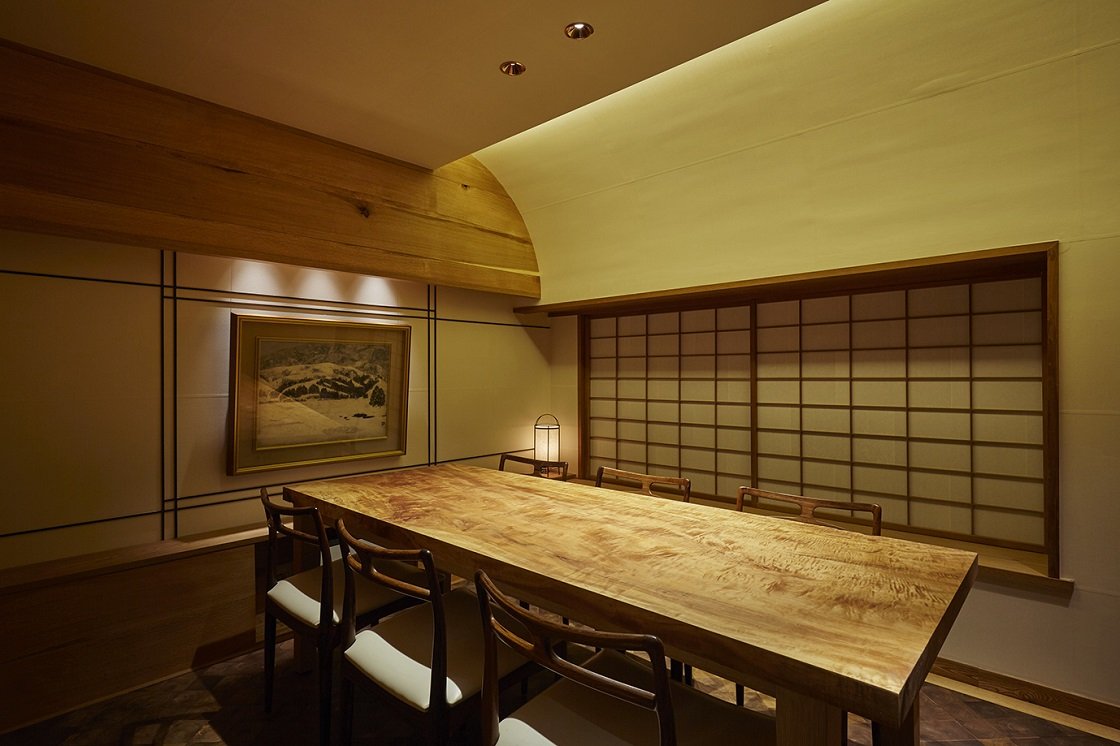
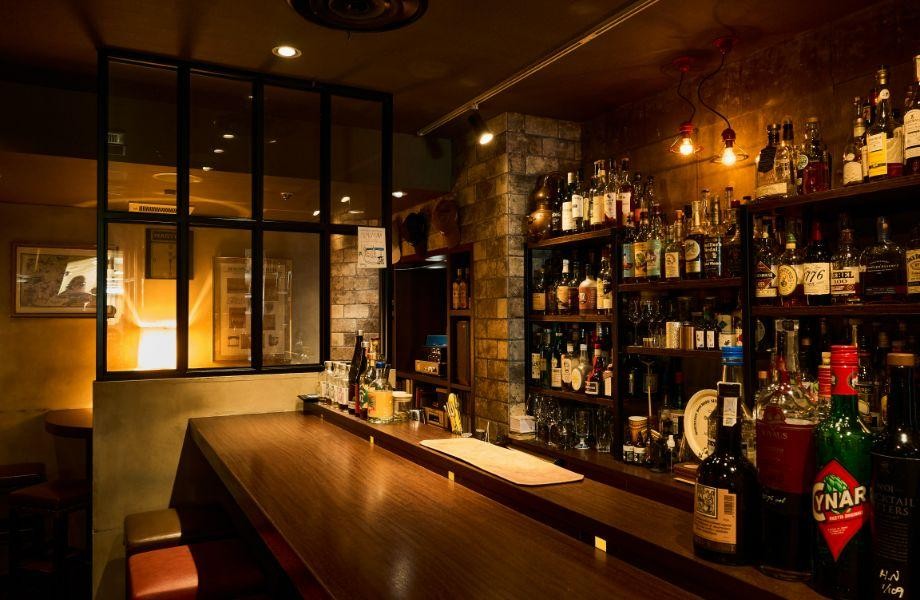
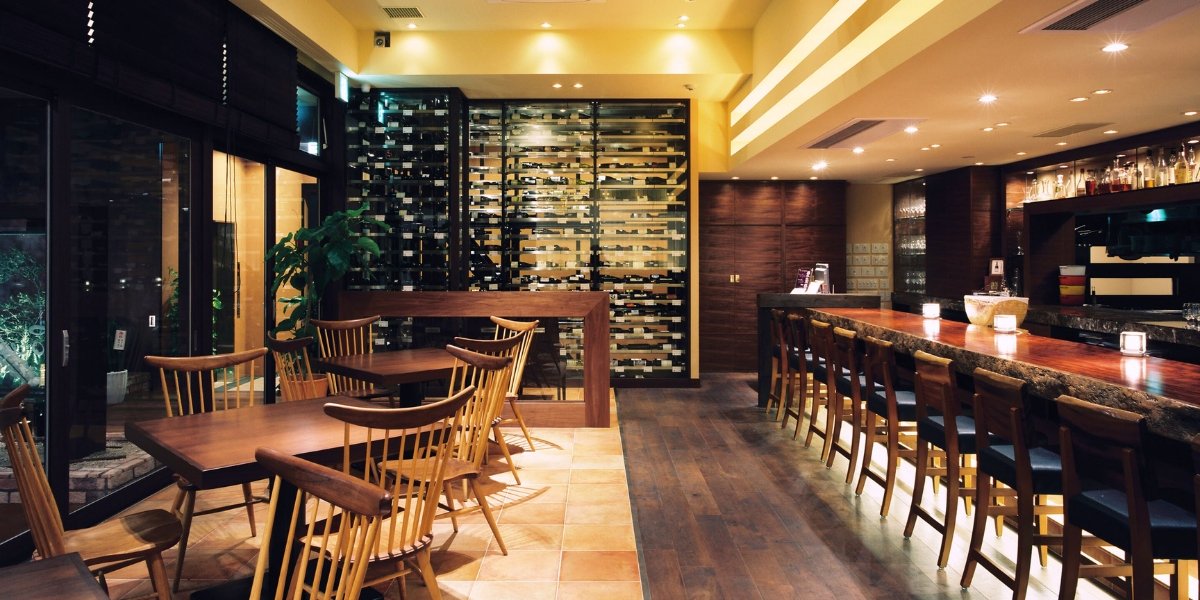
A small, all-non‑smoking second‑floor dining room with counter and table seating, giving a cozy, classic yoshoku feel that is more refined than a casual diner but still relaxed and unpretentious.
Tags
Vibe
Best For
Experience
At the Table
- Dress Code
- Casual
- Noise Level
- Conversational
- Service Style
- Upscale Casual
- Meal Pacing
- Standard
- Capacity
- Intimate
Signature Dishes
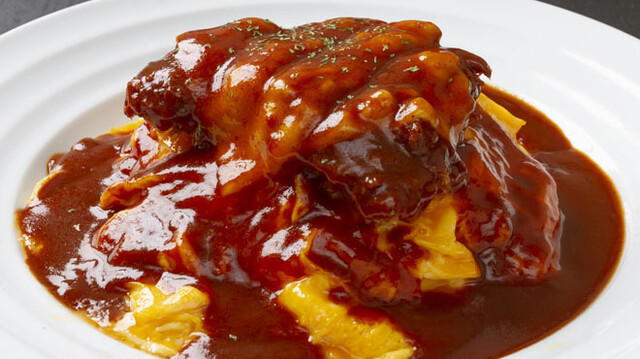
Omelette rice
Know before you go
Know Before You Go
- Getting there
- 1 Chome-9-13 Higashishinsaibashi, Chuo Ward, Osaka, 542-0083, Japan
Planning details
Location
1 Chome-9-13 Higashishinsaibashi, Chuo Ward, Osaka, 542-0083, Japan · Directions
Recognition and awards
Also consider
Also Consider
- Buttah, JPY 1,000 - JPY 1,999 JPY 1,000 - JPY 1,999 View spending breakdown, JPY 1,000 - JPY 1,999 JPY 1,000 - JPY 1,999 View spending breakdown
- Le Nez, French, ¥¥¥
- PESCE ROSSO, JPY 15,000 - JPY 19,999, JPY 15,000 - JPY 19,999
- Shigeki Ya, - JPY 999 - JPY 999, - JPY 999 - JPY 999
- sake stand Ponshu Mania, JPY 2,000 - JPY 2,999 - JPY 999, JPY 2,000 - JPY 2,999 - JPY 999
Restaurant context
At JPY 10,000–14,999 for dinner, this sits between Buttah's casual JPY 1,000–1,999 Western plates and PESCE ROSSO's JPY 15,000–19,999 Italian fine dining. Buttah offers lighter spending but no Tabelog recognition; PESCE ROSSO delivers higher ambition at a steeper cost. For travelers who want technical yoshoku without chasing reservations two months out, this lands in the practical middle, easier to book than the top French addresses, more disciplined than the hambāgu chains clustering around Umeda Station.
Le Nez runs a similar price tier (¥¥¥) with French focus and likely tighter seating; choose it if you prefer wine pairings and European ingredient sourcing over yoshoku's hybrid approach. For ultra-casual yoshoku, Shigeki Ya (under JPY 999) handles the genre's comfort-food side without ceremony. If the goal is simply exploring Osaka's Western-style cooking without overspending, the Friday or Saturday lunch window here (JPY 1,000–1,999) offers the best value-to-quality ratio in this, though dinner service justifies the full investment for first-time yoshoku diners.
Sake stand Ponshu Mania shifts the format entirely, JPY 2,000–2,999 for standing sake flights rather than plated entrées, but pairs well as a pre- or post-dinner stop if you're building a Nagahoribashi evening. None of these peers hold Tabelog Yoshoku recognition, which makes this the safer bet when the format itself is unfamiliar and you need a kitchen that executes yoshoku's core repertoire without improvisation.
Explore Osaka
Around this place
Discover more on Pearl
Unlock the full Yoshoku Matsushita guide in Pearl, including awards, comparisons, FAQs, planning details, and nearby places.
FAQ
Frequently Asked Questions
What should I wear to Yoshoku Matsushita?
The 18-seat counter runs non-smoking and relaxed. Smart casual works, but the Tabelog 100 yoshoku audience skews business-casual to dressy-casual at dinner. Avoid gym wear or flip-flops.
What should I order at Yoshoku Matsushita?
The kitchen serves yoshoku, Japanese interpretations of Western classics like hamburg steak, fried prawns, and demi-glace preparations. Dinner courses run JPY 10,000–14,999. There is no à la carte menu, so expect a set progression.
What should a first-timer know about Yoshoku Matsushita?
Reservations are accepted; walk-ins may succeed Friday or Saturday lunch but dinner fills fast. Tabelog 100 recognition (yoshoku WEST, 2025) means consistent bookings. The counter seats 18, so groups larger than four may face limited options. Credit cards and PayPay accepted.
Is lunch or dinner better at Yoshoku Matsushita?
Dinner delivers the full yoshoku repertoire at JPY 10,000–14,999; lunch (Friday–Saturday only, JPY 1,000–1,999) offers a compressed version at significant savings. If your schedule allows lunch, the value proposition flips decisively in your favor. Dinner makes sense only when lunch timing is impossible.
Is Yoshoku Matsushita good for a special occasion?
The 18-seat counter and yoshoku format read more weeknight-friendly than anniversary-level formal. For occasions demanding private rooms or theatrical presentation, look elsewhere. That said, Tabelog 100 status and non-smoking policy suit low-key celebrations.
Is Yoshoku Matsushita worth the price?
At JPY 10,000–14,999 dinner, Tabelog 100 recognition justifies the cost for yoshoku devotees. Lunch (JPY 1,000–1,999) offers exceptional value if you can secure a Friday or Saturday midday slot. The format is set-course only, so assess your appetite and yoshoku interest before booking.
What are alternatives to Yoshoku Matsushita in Osaka?
Buttah delivers modern Western-leaning plates in a compact setting. Le Nez offers French-inflected counter dining. PESCE ROSSO focuses on Italian seafood preparations. Shigeki Ya runs izakaya-adjacent Japanese small plates. Each steers away from yoshoku's hybrid Western-Japanese canon, so choose based on format preference rather than cuisine overlap.