
Le Nez
French · Chūō, Osaka
Restaurant in Osaka, Japan
 Book with Pearl
The Read
Olfactory French Cuisine
Price
¥¥¥
Dress
Smart Casual
Why go
A Michelin Plate French restaurant in Osaka's Higashishinsaibashi that builds its menus around Wakayama Prefecture produce and the cooking philosophy of scent as structure. At the ¥¥¥ tier, it offers more culinary identity than most French tables at this price point in the city, and it is easy to book. Best for food-focused diners willing to return across seasons.
About Le Nez
Le Nez, Osaka: The Verdict
Le Nez is not the French restaurant in Osaka you book when you want European comfort food transplanted to Japan. It is, instead, a French kitchen that has made a deliberate argument for the produce of the Kii Peninsula, particularly Wakayama Prefecture, and built its menus around what that region smells and tastes like at any given moment. If you come expecting a classically French experience, you will be pleasantly corrected. If you come curious about how a French culinary framework can illuminate Japanese regional ingredients, this is one of the more coherent answers you will find at the ¥¥¥ price tier.
The restaurant holds a Michelin Plate for both 2024 and 2025, which places it in recognised territory without the full-star pressure that shapes dining at La Cime or Différence. The guest base is clearly engaged, not casual, and repeat visitors make up a meaningful share of that feedback.
What Le Nez Actually Is
The name means "the nose," and the kitchen takes that seriously. Aroma is the organising principle of the meal rather than a byproduct of it. The Michelin documentation describes the house as "redolent of ingredients in season and the fragrances of fresh cooking" — scent here is not ambient atmosphere but active content. Kishu-binchotan, the high-grade charcoal from Wakayama's Kishū region, fuels the meat cookery, and its clean, faintly mineral smoke is reportedly present in the dining room before the dish arrives. For food-focused diners, this kind of olfactory sequencing is a signal that the kitchen is thinking carefully about the full sensory arc of a meal, not just plating.
Amuse-bouche named Hakoniwa, meaning "miniature garden," arrives as a small box that mirrors the season in miniature. This is not a gimmick: it establishes the meal's seasonal logic from the first bite and tells you immediately that the kitchen is working from a specific place and moment rather than a fixed year-round menu. Nanko plums from Minabe, the chef's home town in Wakayama, appear as a recurring reference point — a way of anchoring French technique in geography.
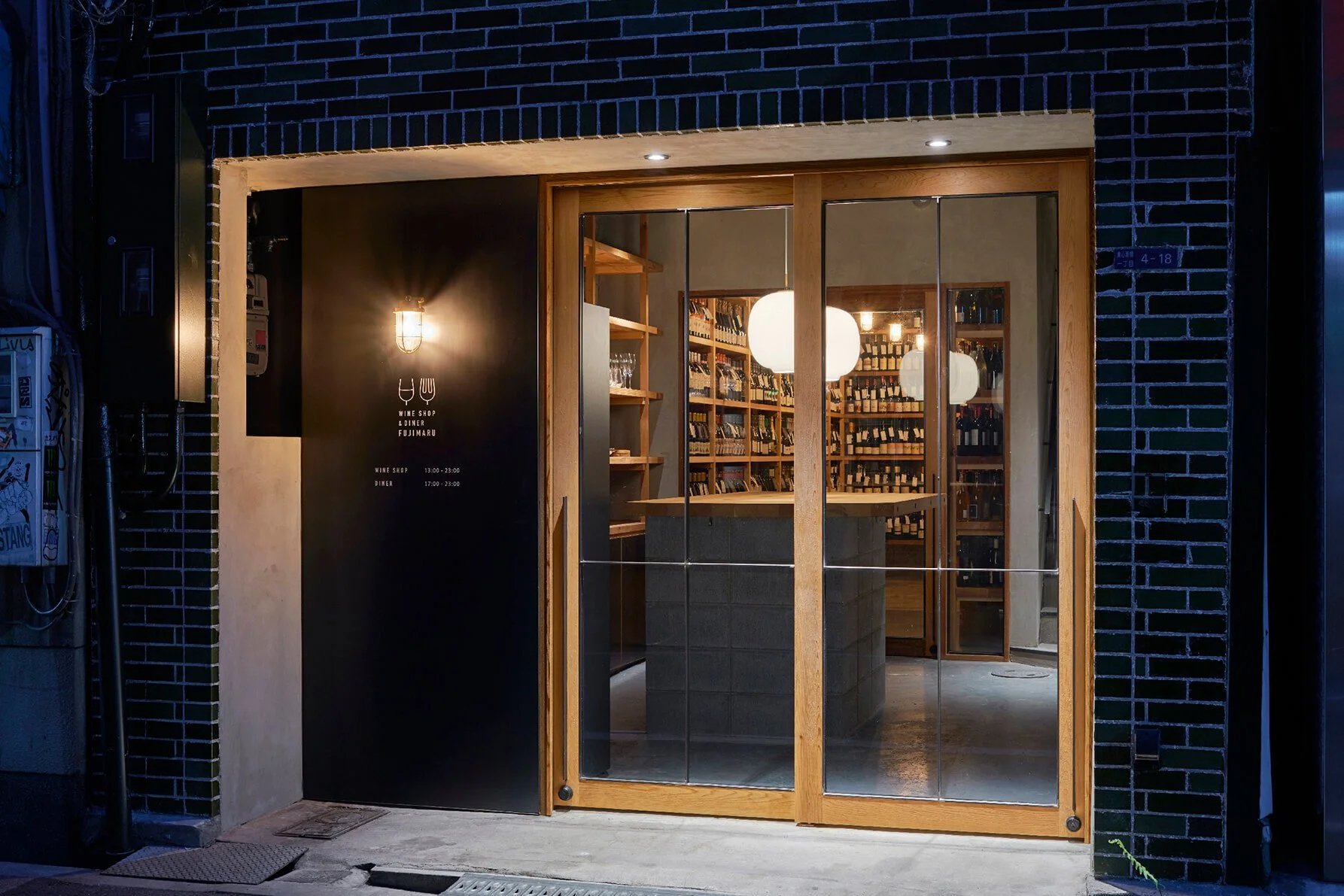
Address is in Higashishinsaibashi, on the second floor of the East Shinsaibashi K.M. Building in Chuo Ward. It is not a room designed to announce itself from the street. The building-entry format and second-floor position mean walk-in discovery is unlikely; you will be booking ahead, and that is fine because this is a meal that rewards a little planning.
Multi-Visit Strategy
Le Nez is a restaurant that compounds in value across visits, specifically because its seasonal framework means the experience changes meaningfully between spring, summer, autumn, and winter. The Hakoniwa amuse-bouche alone will be a different dish in February than in September. A first visit is well spent orienting yourself to the kitchen's regional argument: understand where Wakayama sits in the menu's logic, pay attention to the charcoal-grilled meat course, and note how the kitchen uses aroma as a structural device.
A second visit is the right moment to focus on what is changing. The Nanko plum reference, for instance, is most potent in plum season, roughly June to July, when the fruit is being processed across Minabe. Booking during that window gives you the most direct connection between the ingredient and its origin. A third visit, for those building a relationship with the restaurant, is the moment to start communicating preferences in advance. At this price tier and scale, kitchens that work from a place-based philosophy often have flexibility for guests who signal genuine interest. For comparable depth of regional engagement through a French lens in the Kansai area, akordu in Nara is worth adding to your circuit.
For diners building a broader picture of where French cooking intersects with Japanese regional produce in Japan, Le Nez fits usefully alongside Gion Sasaki in Kyoto and Goh in Fukuoka as a set of restaurants that each make a distinct regional argument through a non-Japanese culinary framework. Further afield, Harutaka in Tokyo offers a different but equally focused single-chef perspective. Internationally, Les Amis in Singapore and Hotel de Ville Crissier in Switzerland represent the French fine dining tradition that Le Nez is consciously reworking through a Wakayama lens.
Booking and Access
Booking difficulty is rated easy. Le Nez does not have the reservation friction of Osaka's most sought-after tables, which makes it a practical first-choice booking rather than a fallback. If you are planning an Osaka itinerary and want to anchor one meal at a Michelin-recognised French table without the lead time required by ¥¥¥¥-tier restaurants, this is a sensible place to start. Check our full Osaka restaurants guide for current booking windows across the city's dining tiers. For broader Osaka planning, our Osaka hotels guide, bars guide, and experiences guide cover the full picture.
Other French options in Osaka worth comparing before you commit: La Bécasse, LE PONT DE CIEL, and nent each occupy different positions in the city's French offering. For experimental approaches, 1000 in Yokohama and 6 in Okinawa show how other Japanese chefs are working in adjacent conceptual territory. Our Osaka wineries guide is also useful if wine sourcing matters to your visit.
Quick reference:
Planning details
- Location
- Japan, 〒542-0083 Osaka, Chuo Ward, Higashishinsaibashi, 1 Chome−3−29 East Shinsaibashi K.M Building, 2階
- Website
- lenez-osaka.com
- Phone
- +81 6-6243-8500
The take
The Take
The Vibe
Le Nez privileges smell and season over spectacle, creating a quietly intense dining room on the second floor of a low‑key Higashishinsaibashi building. The service is restrained and the cooking leans toward an olfactory logic: the faint char of Kishu binchotan, citrus and plum notes from Wakayama, and herbal undertones arrive before the plate does. The result feels warm and intimate rather than theatrical — a compact, ingredient-minded spot that rewards close attention to smoke, salt and seasonal produce rather than showy technique.
Best For
This is a dinner destination for intimate, special-occasion meals where nuance matters. Sitting a notch below the city’s most extravagant French tables, Le Nez focuses on coherent, ingredient-led cooking rooted in Wakayama sourcing — a mode that suits couples or small parties seeking a considered, sensory evening. Expect a refined, formal service rhythm and courses that prioritize seasonal aromas and binchotan-charred flavors; the setting and cuisine align more with deliberate dinner experiences than quick lunches or casual late-night visits.
Ordering Tips
Pay attention to dishes that spotlight the restaurant’s Wakayama thread and charcoal technique. The menu highlights items such as Hakoniwa, a Consommé soup, Samurai Oyster with shell dashi, and Golden eye snapper with rapeseed flowers — examples of the kitchen’s seasonal sourcing and flavor focus. Look for preparations that reference Kishu-binchotan or local plums (Nanko) when available, since these elements are central to the kitchen’s identity and reveal the contrast between radiant binchotan heat and more conventional methods.
Venue details
Ambiance
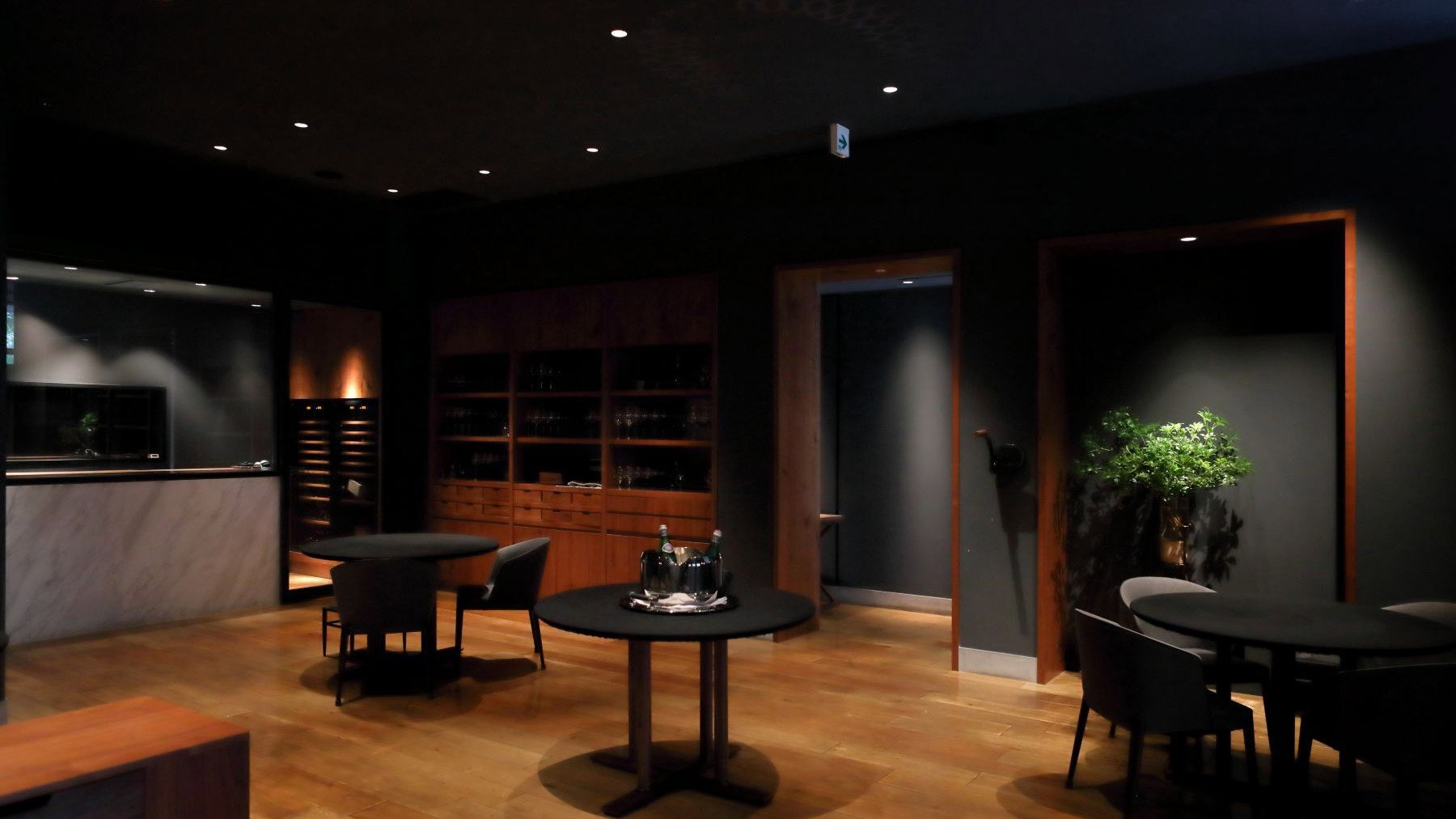
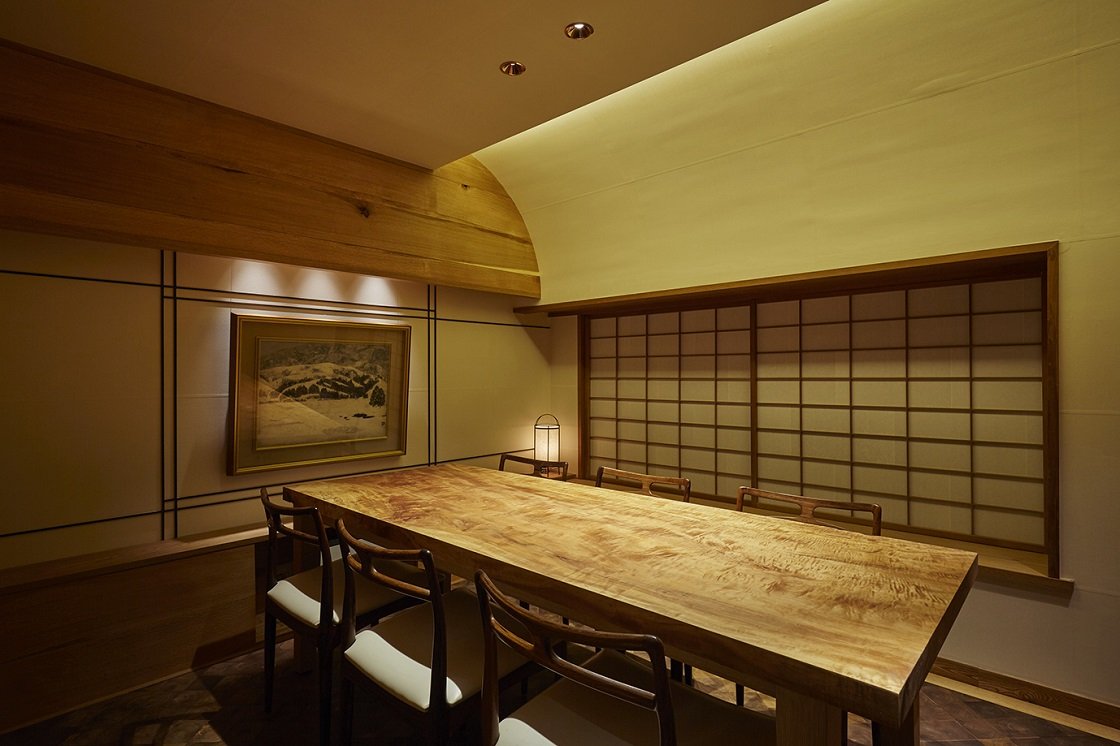
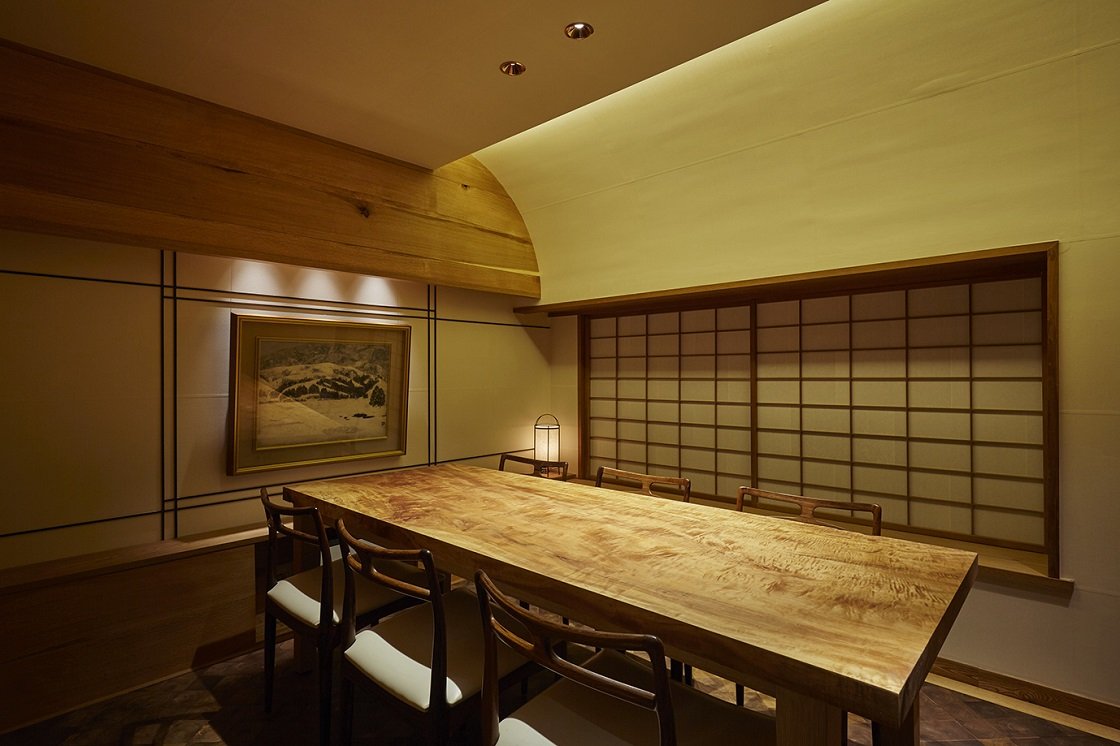
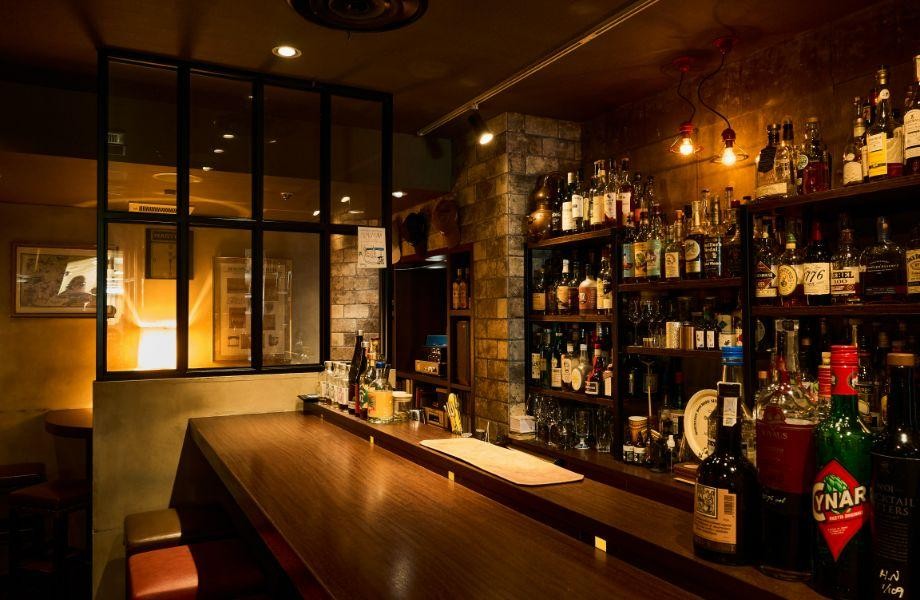
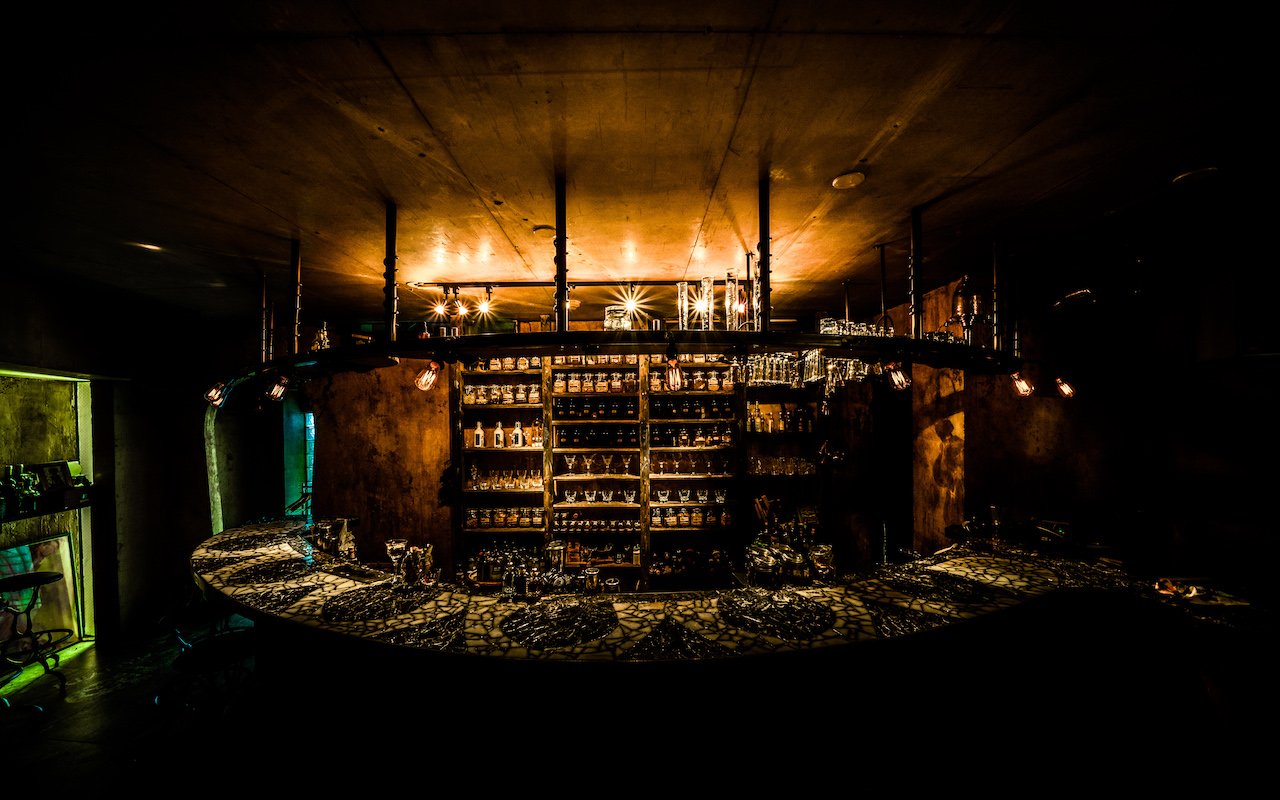
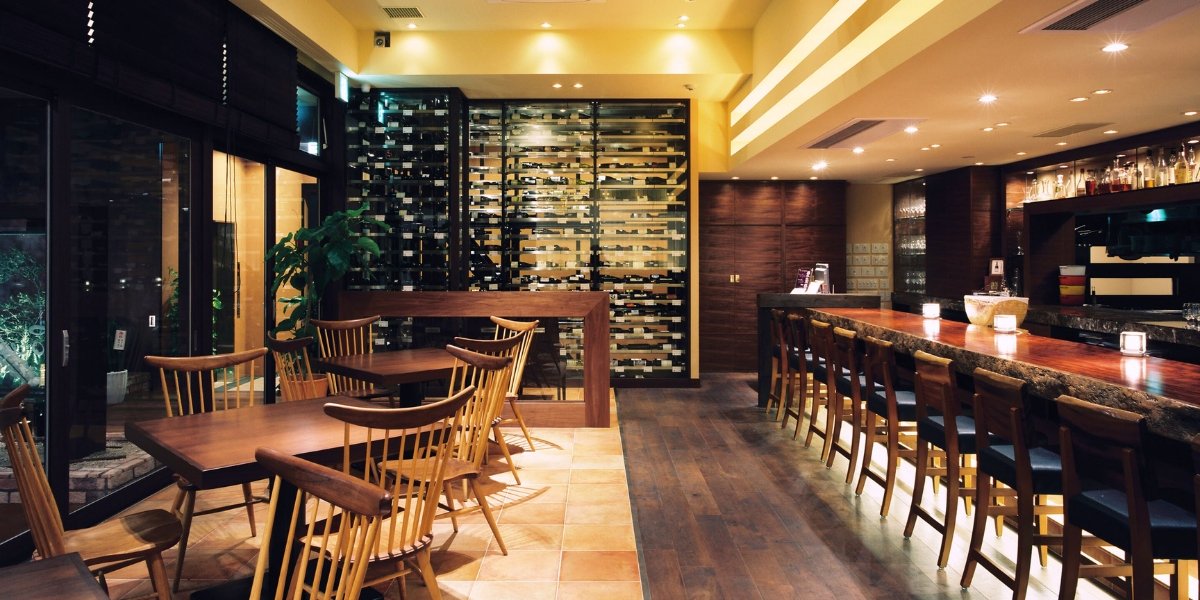
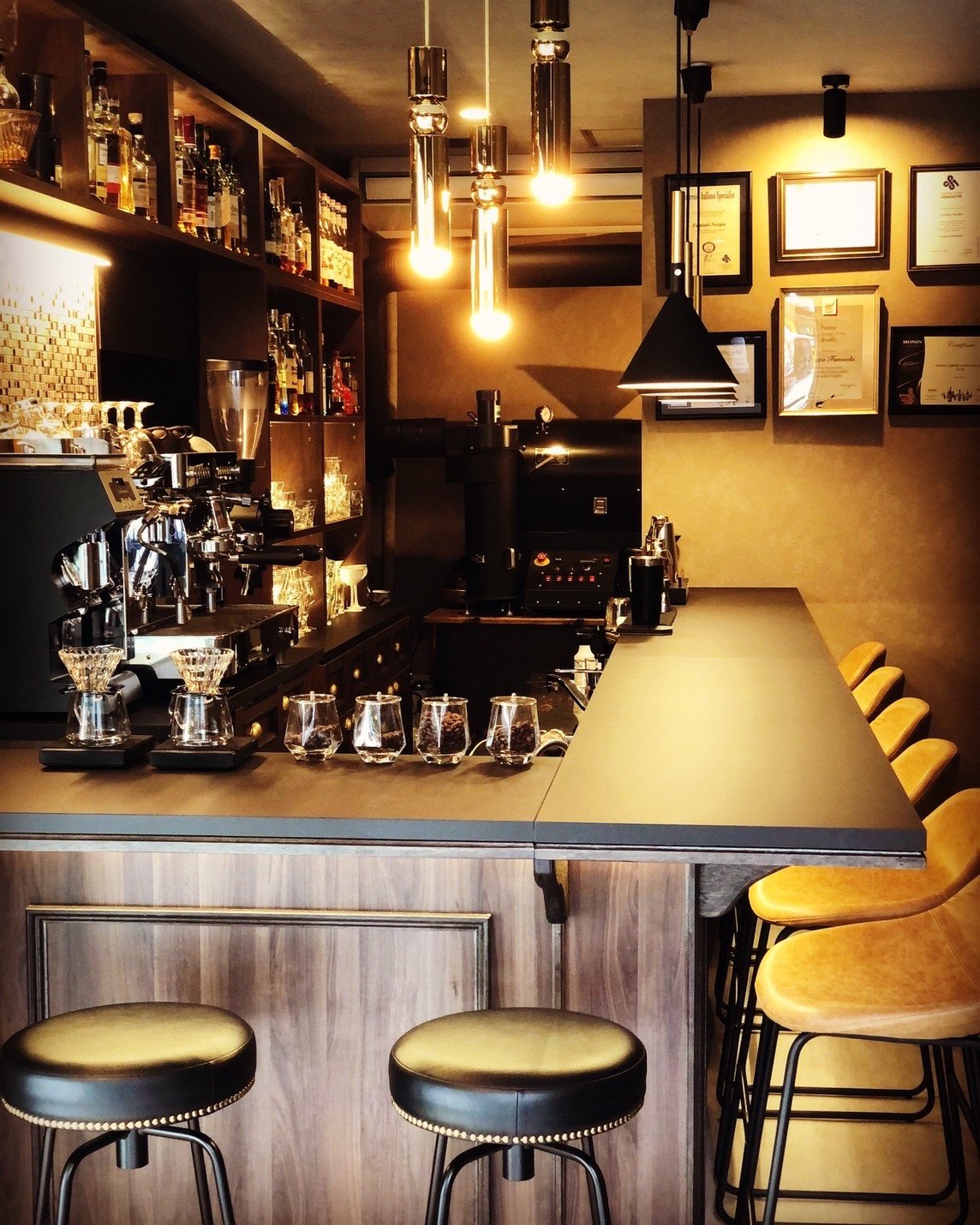
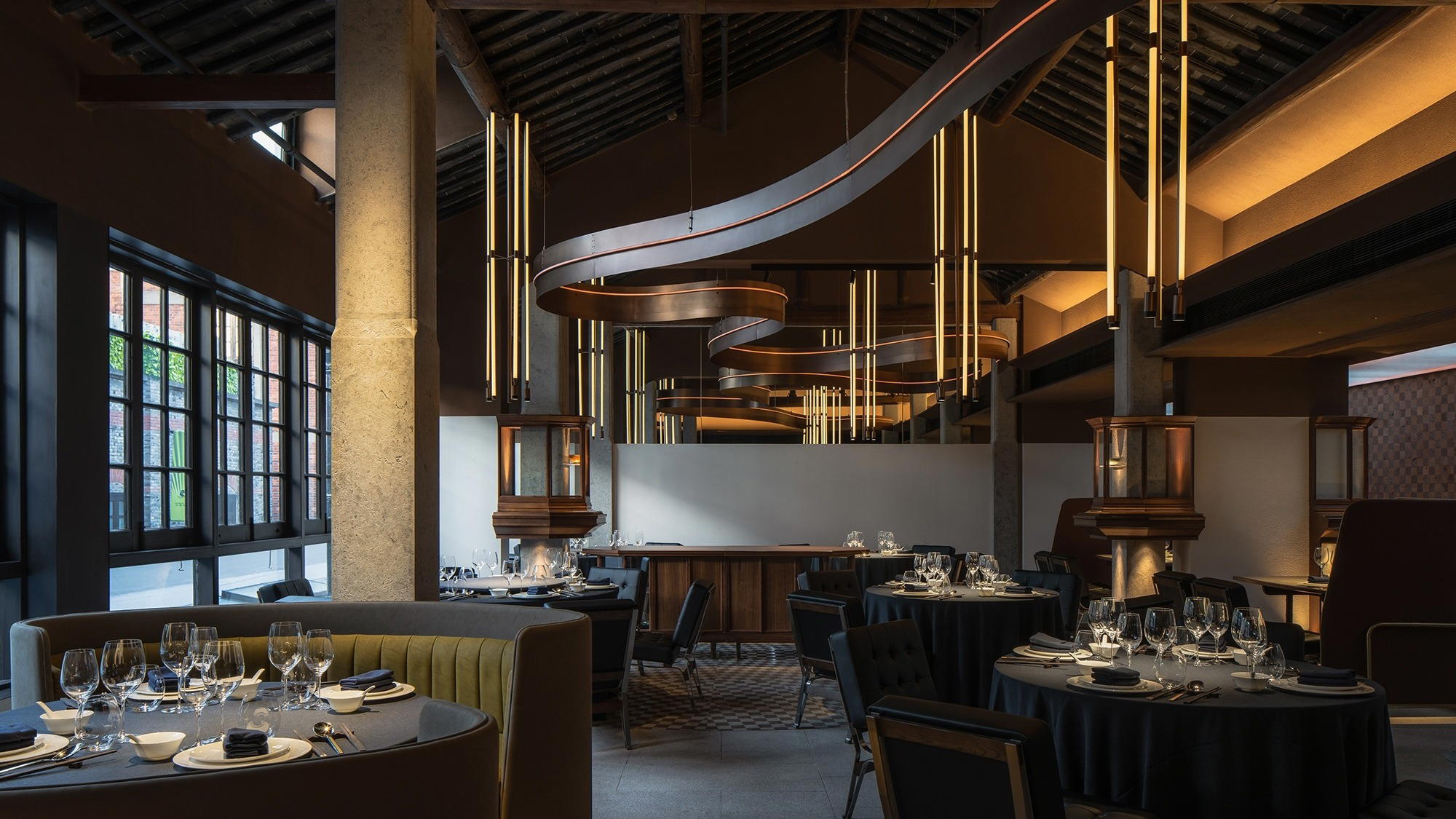
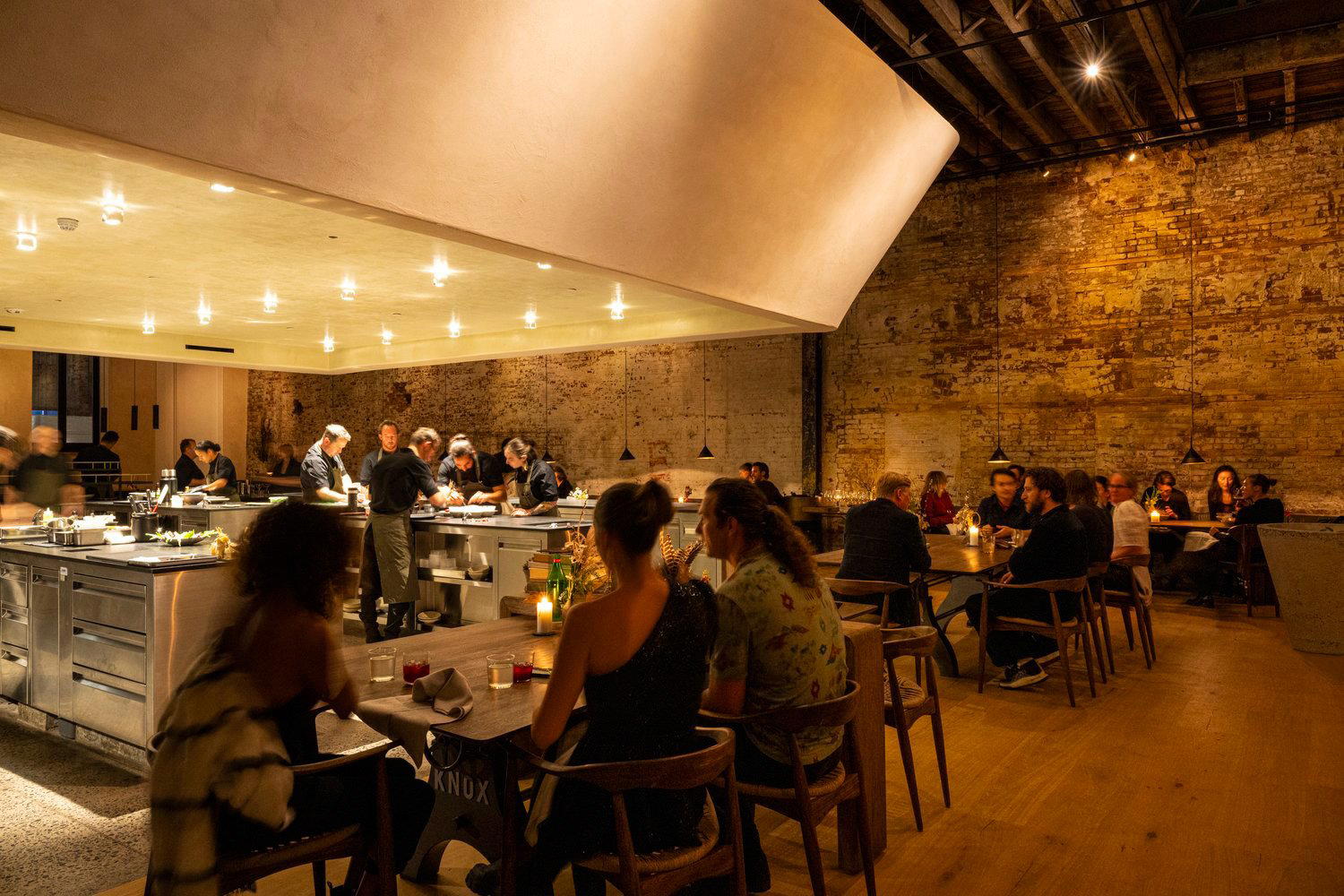
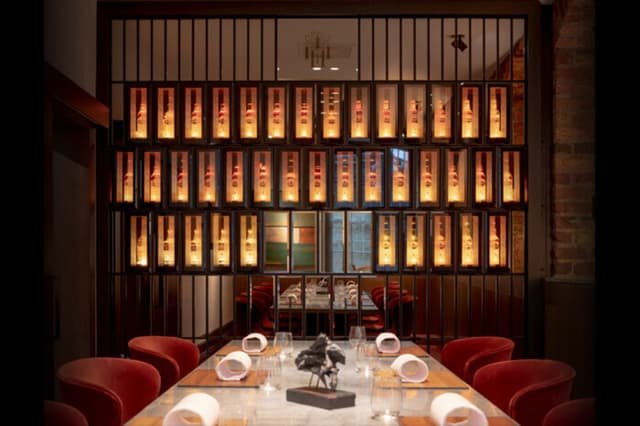
Stylish, warm, and intimate setting with refined decor that creates an unforgettable sensory experience; the space is redolent with seasonal ingredients and fresh cooking aromas.
Tags
Vibe
Best For
Experience
Sourcing
Accessibility
At the Table
- Dress Code
- Smart Casual
- Noise Level
- Quiet
- Service Style
- Formal
- Meal Pacing
- Extended Experience
- Capacity
- Intimate
Signature Dishes
- Hakoniwa
- Consommé soup
- Samurai Oyster with shell dashi
- Golden eye snapper with rapeseed flowers
Know before you go
Know Before You Go
- Getting there
- Japan, 〒542-0083 Osaka, Chuo Ward, Higashishinsaibashi, 1 Chome−3−29 East Shinsaibashi K.M Building, 2階
Planning details
Location
Japan, 〒542-0083 Osaka, Chuo Ward, Higashishinsaibashi, 1 Chome−3−29 East Shinsaibashi K.M Building, 2階 · Directions
Recognition and awards
Also consider
Also Consider
- HAJIME, French, Innovative, ¥¥¥¥
- La Cime, French, ¥¥¥¥
- Kashiwaya Osaka Senriyama, Japanese, ¥¥¥
- Taian, Kaiseki, Japanese, ¥¥¥
- Fujiya 1935, Innovative, ¥¥¥¥
Restaurant context
Le Nez sits in a different tier from Osaka's most decorated French tables. HAJIME and La Cime both operate at ¥¥¥¥ with full Michelin star recognition and the booking difficulty that comes with that status. If your priority is maximum technical ambition and you are prepared to plan months ahead, those rooms deliver more on a single-visit basis. Le Nez at ¥¥¥ is the better choice if you want Michelin-recognised French cooking in Osaka without the price step-up or the reservation friction. Fujiya 1935 at ¥¥¥¥ is another high-investment option, but its innovative format is quite different from the regionally grounded French approach Le Nez takes.
Against the Japanese-cuisine peers at the same price tier, the comparison is more about format than quality. Kashiwaya Osaka Senriyama and Taian both operate at ¥¥¥ in kaiseki and Japanese formats. If your trip already includes a kaiseki meal, Le Nez gives you a meaningfully different experience at the same spend. If you have not yet had a strong kaiseki meal in Osaka, Taian and Kashiwaya may deserve priority on a first visit, with Le Nez slotting into a return trip or a longer itinerary.
The clearest case for booking Le Nez over its peers is the combination of easy availability, a coherent culinary identity, and a price point that does not require the same financial commitment as the starred rooms. For an explorer building a multi-meal Osaka itinerary, it earns its place as the French option that over-delivers for its tier rather than as a compromise when the top tables are full.
Explore Osaka
Around this place
Discover more on Pearl
Unlock the full Le Nez guide in Pearl, including awards, comparisons, FAQs, planning details, and nearby places.
Compare Le Nez
| Venue | Awards | Price |
|---|---|---|
| Le Nez | Michelin Guide Kyoto Osaka 20262026 Michelin Plate2025 Michelin Plate2024 Michelin Plate | ¥¥¥ |
| HAJIME | Star Wine Lists 2026 · #12026 Tabelog Bronze · #922026 OAD Top Restaurants in Japan Ranked · #98Michelin Guide Kyoto Osaka 20262026 La Liste Top RestaurantsTabelog 100 - Innovative / Creative cuisine - 2025 · #692025 Asia's 50 Best Restaurants · #832025 OAD Top Restaurants in Japan Ranked · #87We're Smart World Top Restaurants 2025 | ¥¥¥¥ |
| La Cime | 2026 Asia's 50 Best Restaurants · #132026 OAD Top Restaurants in Japan Ranked · #1492026 Tabelog Bronze · #231Michelin Guide Kyoto Osaka 20262026 La Liste Top Restaurants2025 Asia's 50 Best Restaurants · #82025 World's 50 Best Restaurants · #44Tabelog 100 - French - WEST - 2025 · #932025 OAD Top Restaurants in Japan Ranked · #123 | ¥¥¥¥ |
| Kashiwaya Osaka Senriyama | 2026 Tabelog Bronze · #1682026 OAD Top Restaurants in Japan Recommended2026 Relais Chateaux RestaurantsMichelin Guide Kyoto Osaka 20262026 La Liste Top RestaurantsTabelog 100 - Japanese cuisine - WEST - 2025 · #772025 OAD Top Restaurants in Japan Ranked · #1552025 Relais Chateaux Award2025 Michelin 3 Stars | ¥¥¥ |
| Taian | 2026 OAD Top Restaurants in Japan RecommendedMichelin Guide Kyoto Osaka 20262026 La Liste Top Restaurants2025 OAD Top Restaurants in Japan Ranked · #2042025 La Liste Top Restaurants2025 Michelin 3 Stars2024 OAD Top Restaurants in Japan Ranked · #1912024 Michelin 3 Stars2023 OAD Top Restaurants in Japan Highly Recommended | ¥¥¥ |
| Fujiya 1935 | 2026 Tabelog Bronze · #752026 OAD Top Restaurants in Japan RecommendedMichelin Guide Kyoto Osaka 20262026 La Liste Top Restaurants2025 Michelin 2 Stars2025 Tabelog Silver2025 La Liste Top Restaurants2024 OAD Top Restaurants in Japan Ranked · #2392024 Michelin 2 Stars | ¥¥¥¥ |
.png?width=1200&quality=80)









Side-by-side comparison to help you decide where to book.
FAQ
Frequently Asked Questions
What should I wear to Le Nez?
The address — a second-floor space in the East Shinsaibashi K.M Building — sits within one of Osaka's more polished dining corridors, so dress accordingly: neat and put-together rather than formal. There is no evidence in the venue record of a dress code, but the ¥¥¥ price point and Michelin Plate recognition suggest that overly casual clothing would feel out of place. Think business casual as a practical floor.
Is Le Nez good for solo dining?
Yes. A French kitchen built around a single organising concept — aroma — tends to reward focused, unhurried eating, which suits solo diners well. The easy booking rating means you are unlikely to face the awkward solo-table friction that plagues harder-to-book Osaka restaurants. If solo omakase-style French is your format, Le Nez is a lower-stress entry point than, say, Taian or Fujiya 1935.
Is Le Nez worth the price?
At ¥¥¥, Le Nez sits in a competitive bracket alongside Michelin-recognised French and Japanese restaurants across Osaka. The Michelin Plate in both 2024 and 2025 confirms a baseline of quality, and the seasonal framework — anchored in Wakayama produce including Minabe's Nanko plums — gives the menu a regional specificity that justifies a return visit. It is not priced at the level of a starred room, which makes the value case straightforward if French cuisine with a Japanese ingredient lens is what you want.
Is Le Nez good for a special occasion?
Yes, with a caveat on format fit. The aroma-led concept — seasonal amuse-gueule, Kishu-binchotan-grilled meat, Wakayama produce — gives the meal a sense of deliberate composition that works well for occasions where the experience itself is the point. The easy booking rating is a practical advantage: you can actually secure a table without a month of planning. If you want a Michelin-starred room with more ceremony, Kashiwaya Osaka Senriyama is the comparison; Le Nez trades some of that formality for a more concept-driven, accessible meal.