

Tabelog 100 Yoshoku Restaurants in West Japan; 2025
Tabelog 100 (Hyakumeiten) Yoshoku - WEST selection for 2025. Tabelog publishes these as source-ordered lists of 100 restaurants.

Venues on this list
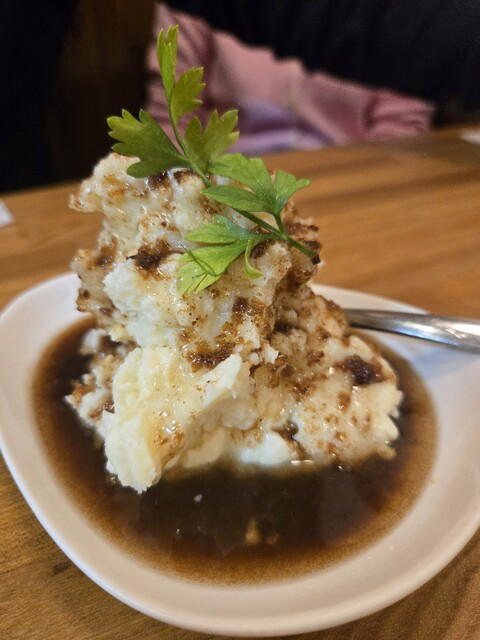
Taishu Shokudo Kawaramachi Blanc
Osaka, Japan
Tabelog 100-recognized yoshoku bistro in Nishitenma offering Japanese-style Western classics with sommelier-curated wine pairings at JPY 6,000–7,999. Dinner-only, cash-only, reservations advised. A hideout format for couples and small groups seeking technique-driven comfort cooking in a relaxed, conversation-friendly room.
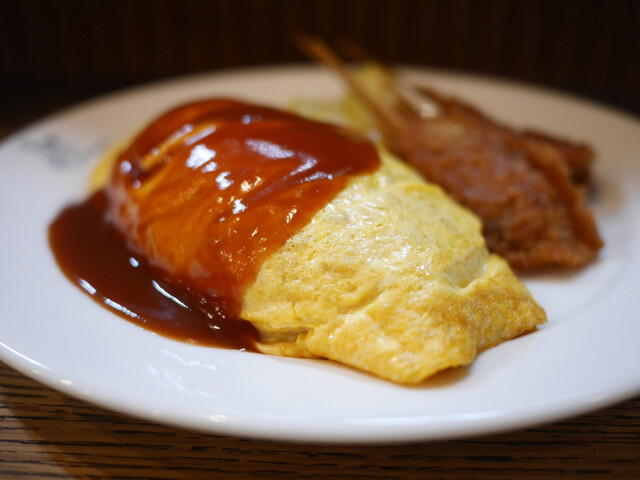
Meiji Ken
Osaka, Japan
A walk-in-only yoshoku institution in Shinsaibashi, serving omurice and kushi katsu since 1925. Three Tabelog 100 nods validate consistency at JPY 1,000–1,999 per head, but queues are real and the format is comfort food, not craft. Worth the wait if yoshoku is your goal; skip if you're after a quiet or conversation-forward meal.
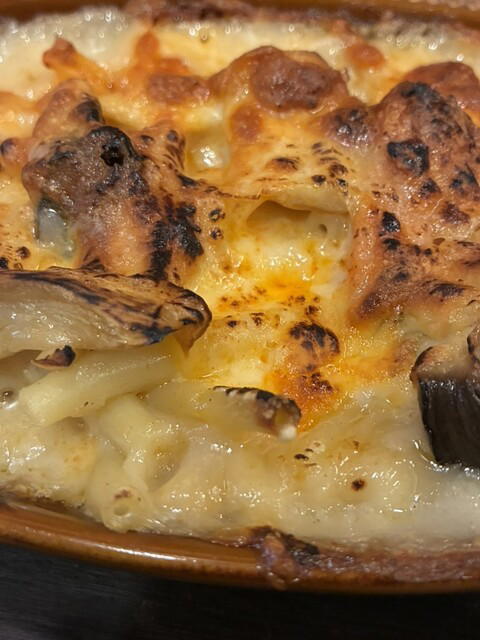
Gratin no Omise Dotsubodoru
Takarazuka, Japan
Gratin no Omise Dotsubodoru earned Tabelog's 2025 Yoshoku WEST 百名店 recognition while keeping prices under JPY 2,000; rare for a vegetable-forward gratin specialist in Takarazuka. The kitchen emphasizes local produce and health-conscious preparation, with wine pairings available but optional. Counter seating and spacious tables welcome families and solo diners alike, though weekend walk-in waits can stretch to 30 minutes.
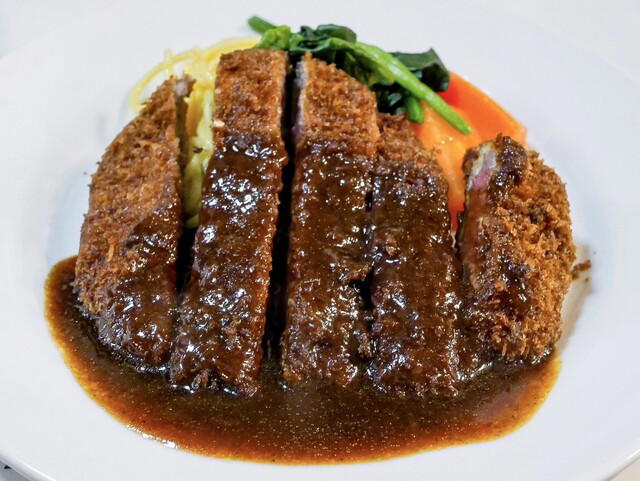
European Ryori Mon
Kobe, Japan
European Ryori Mon is a three-time Tabelog 100 yoshoku specialist in Kobe, charging JPY 2,000–2,999 for both lunch and dinner. The 170-seat, four-floor venue handles walk-ins, groups, and solo diners with equal ease, delivering European-Japanese cooking at neighborhood prices. Award recognition without reservation anxiety or premium bills.
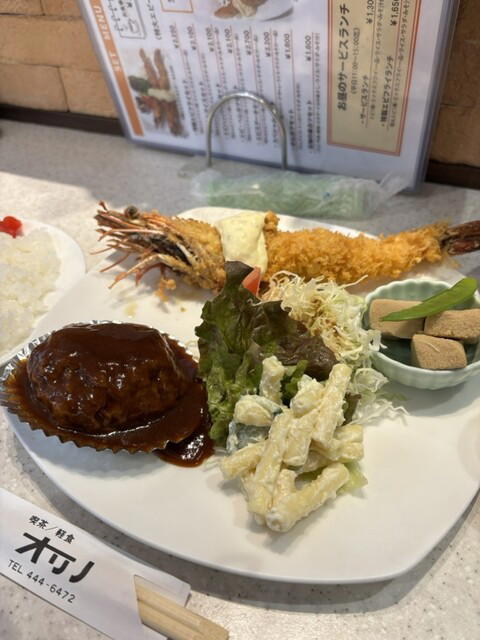
Kissa Orino
Wakayama, Japan
A Tabelog Yoshoku WEST 100 selection for 2025, Kissa Orino serves Japanese-style Western comfort food from 8 AM to 8 PM Tuesday through Sunday in Wakayama's Sekido neighborhood. Expect classics like omuraisu and hambāgu at JPY 2,000 to JPY 2,999 per person, with parking available and a walk-in-only policy. The extended hours and cash-only counter make it a reliable stop between temple visits or coastal drives when other spots close mid-afternoon.
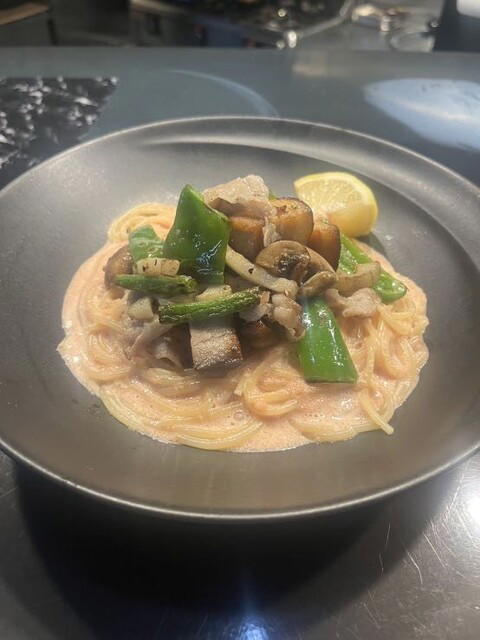
TOROMI Yoshokudo
Osaka, Japan
A 10-seat yoshoku spot in Nakazakicho that earned Tabelog Yoshoku 100 WEST recognition for its Japanese Black Beef hamburger steak and Chateaubriand cutlet sandwiches. Dinner runs JPY 5,000–5,999, lunch JPY 1,000–1,999. Reservations recommended for dinner courses; lunch books only at 11:30. Closed Tuesdays and Wednesdays.
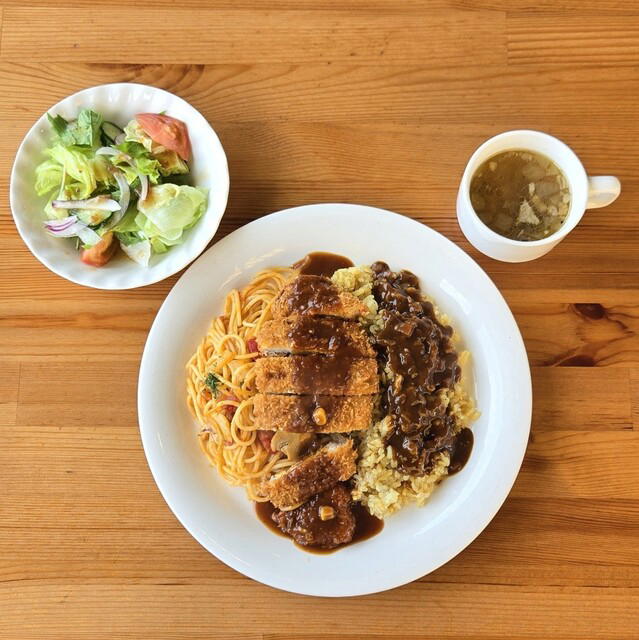
Kitchen Suzutatoge
Omura, Japan
Tabelog 100–recognized yoshoku specialist in Omura, serving hamburger steak at JPY 1,000–1,999 lunch-only. Counter-and-tatami setup suits solo diners and small groups; takeout travels well. Tuesday–Saturday, 11 AM–2 PM only; miss the window, miss the meal.
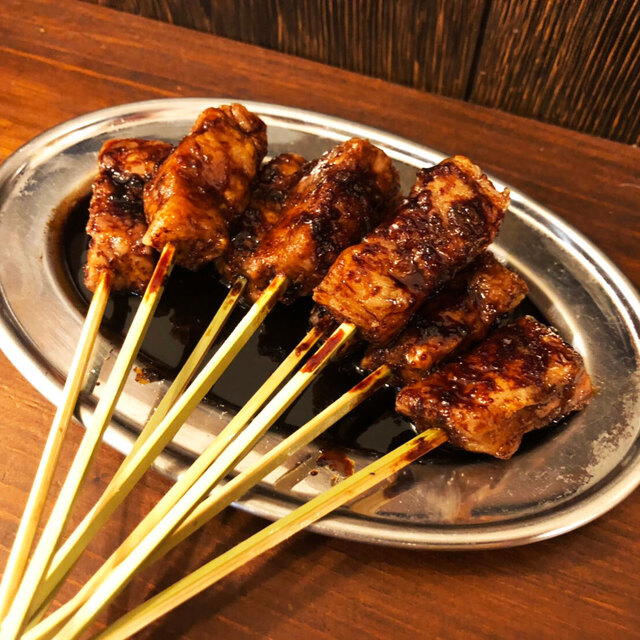
Saru Shokudo Honmachi honten
Osaka, Japan
A Tabelog 100 Best yoshoku diner in Honmachi serving tonteki and hamburgers at lunch, izakaya-style plates at dinner. Since 2016, it has drawn office crowds for JPY 1,000–1,999 lunches and JPY 2,000–2,999 dinners executed with more consistency than the format typically delivers. Counter seating and semi-private rooms; reservations accepted; cash only.
Restaurant Genchan
Osaka, Japan
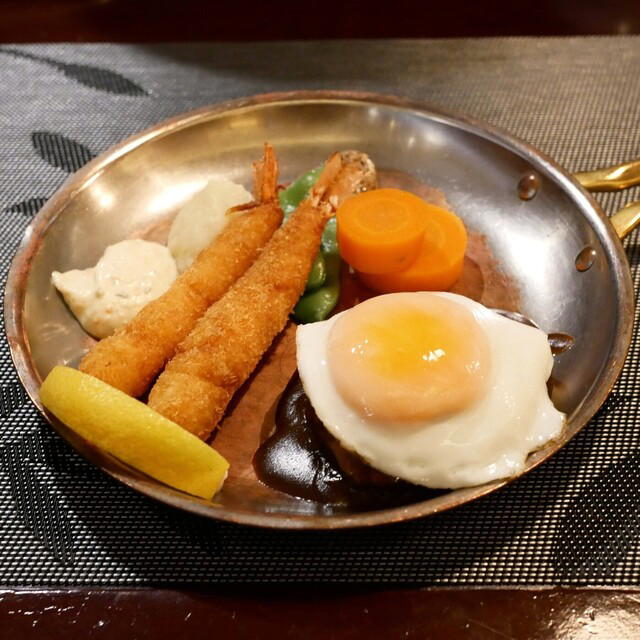
A Minamisenba yoshoku specialist recognized three times by Tabelog 100 (2020, 2022, 2025) for hamburger steak execution. The kitchen prioritizes technique over atmosphere; high-heat sears, proper resting, consistent seasoning; at prices that split lunch (JPY 2,000–JPY 2,999) and dinner (JPY 10,000–JPY 14,999). Counter seating offers the clearest view of timing and temperature control. Book three to five days ahead for dinner; weekday lunch walk-ins often succeed.
Yoshoku SAEKI
Kobe, Japan
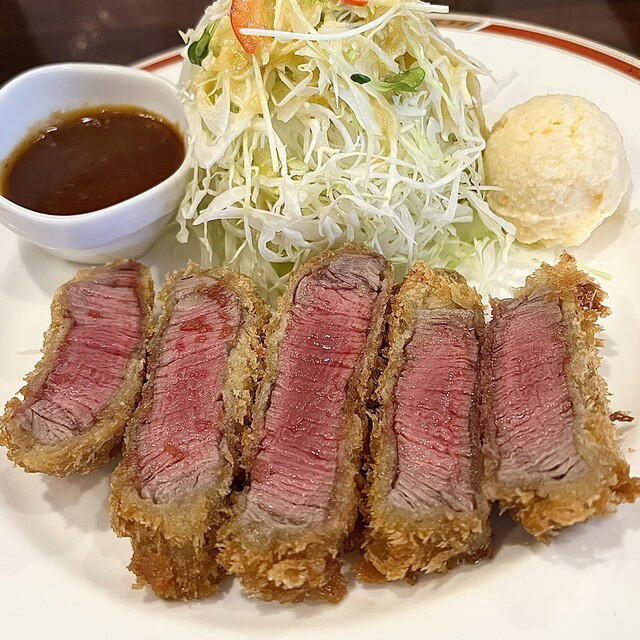
Walk-in yoshoku in Nada delivering hamburger steak, curry, and unlimited sauce refills for under JPY 2,000. Recognized on Tabelog 100 (2023, 2025) for consistent technique and generous portions, it offers award-level craft without the eight-thousand-yen price tag or advance booking stress of Kobe's kaiseki yoshoku peers.
Primrose
Nagasaki, Japan
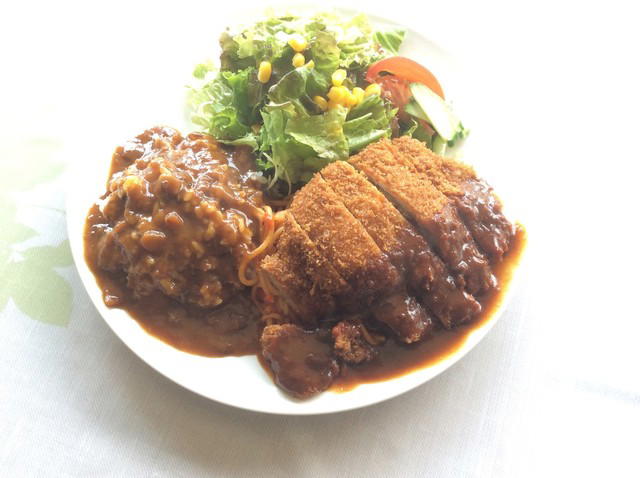
A Tabelog 100 yoshoku specialist near Meganebashi Bridge offering Japanese-style Western cuisine at lunch-counter prices. The twenty-seat dining room accepts walk-ins and reservations, with lunch under ¥1,000 and dinner between ¥1,000-¥1,999; one of Nagasaki's most accessible recognized yoshoku destinations.
Heike no Sato Shinbeppu ten
Miyazaki, Japan
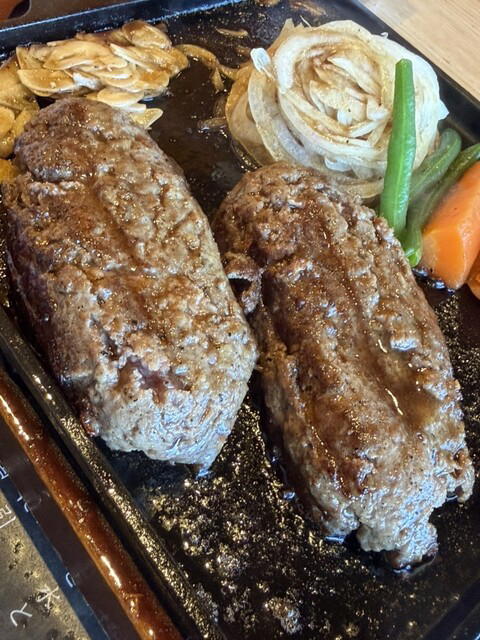
Tabelog 100 - Yoshoku - WEST - 2025 (#12) yoshoku specialist in Miyazaki delivering hamburger steak and steak at JPY 2,000–2,999. Family-friendly room, easy booking, and precise technique at 30% less than Miyazaki's formal teppanyaki venues. Best for weekday lunch when tables turn quickly and the price-to-quality ratio shines.
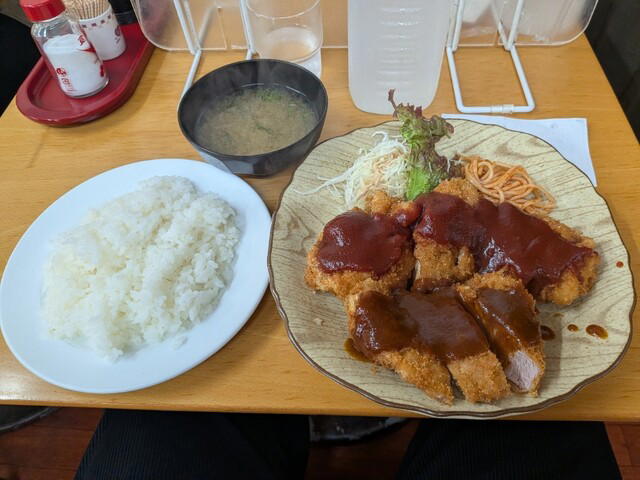
Aji Ichi
Wakayama, Japan
Tabelog 100; Yoshoku; WEST; 2025 selection in Wakayama, serving tonkatsu and curry at JPY 1,000 – JPY 1,999. Twenty-two seats, cash only, weeknight service Monday through Thursday. Parking available, two minutes from Wakayamashi Station. Book ahead for dinner; limited hours and award visibility pack the small counter quickly.
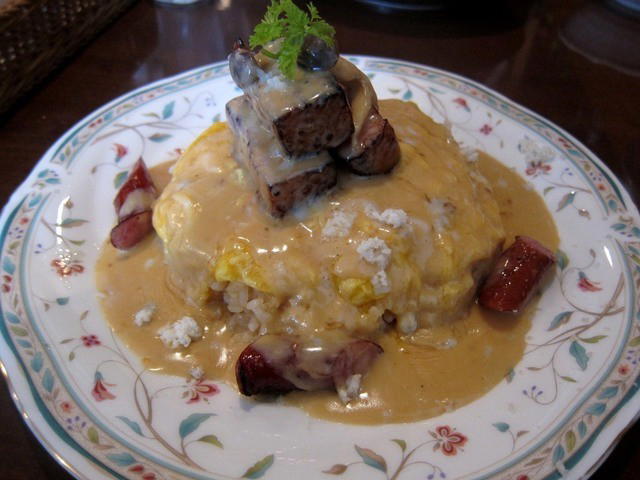
MUGUNI
Osaka, Japan
MUGUNI is a 10-seat yoshoku counter in Nishishinsaibashi serving Tabelog 100-recognized omurice and curry at JPY 2,000–2,999. Walk-in only, no reservations, and closes by 3 PM when ingredients sell out. Arrive before 11:30 AM to skip the longest queues; execution is careful, the room is spare, and the price justifies the wait for casual yoshoku done well.
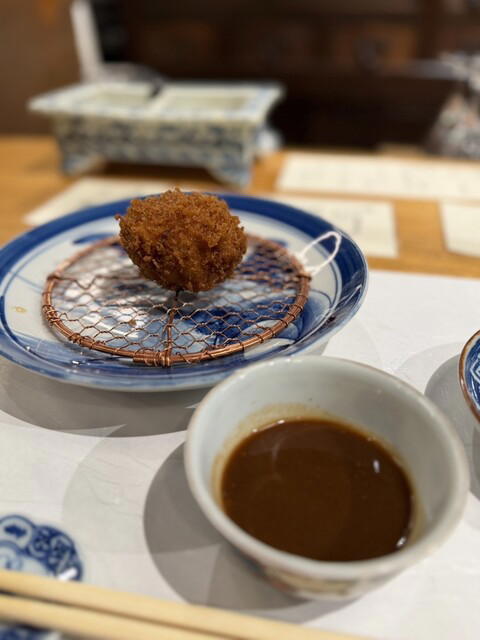
Yoshokudo Suzuki
Kyoto, Japan
An eight-seat yoshoku counter near Nijojo-mae Station that earned Tabelog 100 WEST 2025 recognition while keeping dinner under ¥10,000. Counter-only seating, reservations required, and a no-photography policy signal precision without the formality of kaiseki. New guests start with a chef's choice from ¥4,500, making it one of Kyoto's better values for technique-driven Japanese-style Western cuisine. Closed Sunday and Monday; parties of four or more aren't accepted for first visits.
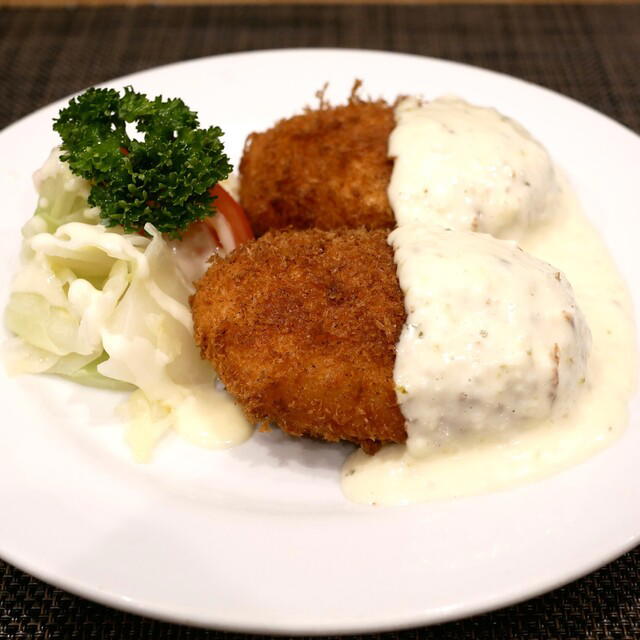
Grill Suematsu
Kobe, Japan
A Tabelog Yoshoku 100 West selection since 2020, this 18-seat Kanocho house restaurant delivers Japanese-style Western cooking at JPY 1,000–2,999. The ground-floor counter seats six; the tatami room upstairs handles groups to twelve. Lunch is walk-in only, dinner takes phone reservations, and cash is required. The format suits diners after yoshoku technique without premium pricing.
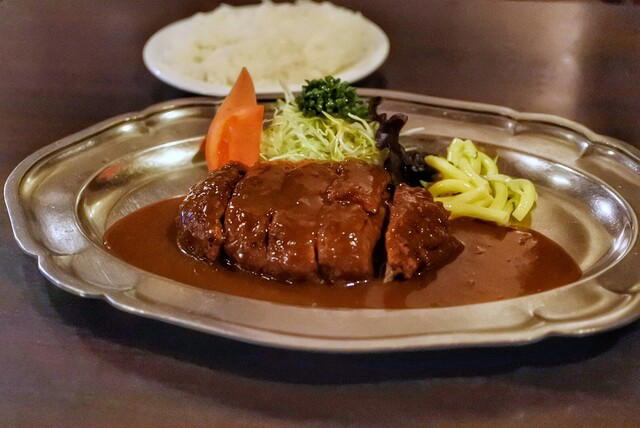
Grill Bon
Osaka, Japan
Yoshoku specialist in an Ebisuhigashi alley, earning a Tabelog 100 West 2025 slot for steak, sandwiches, and demi-glace plates at JPY 2,000–2,999. The 15-seat counter and table setup fills fast and closes when ingredients run out, so early arrival beats reservation timing. Family-friendly, non-smoking, two minutes from Ebisucho Station.
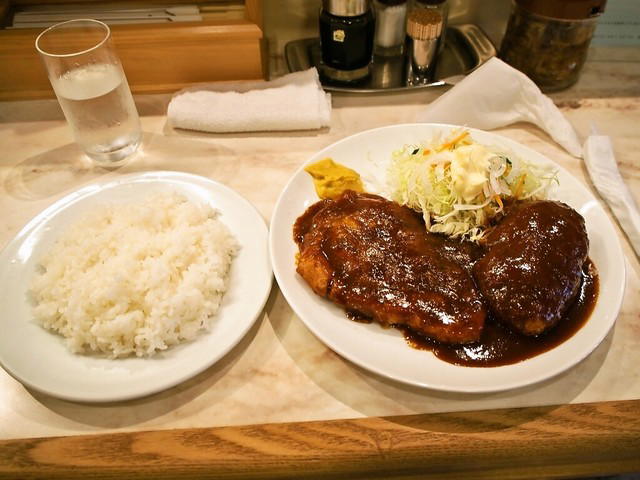
New Tonsuke
Osaka, Japan
This 13-seat yoshoku counter in Suminoe Ward earned a 2025 Tabelog 100 West spot for tonkatsu and hamburger steak at JPY 1,000–1,999. Lunch-only service (10:25 AM–1:10 PM, Monday/Tuesday/Friday/Saturday) with no reservations means early arrival is essential. Best for solo diners and pairs willing to work around the tight midday window.
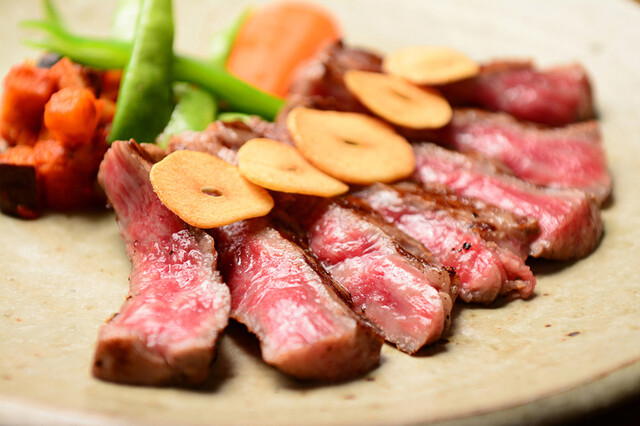
Hafuu Honten
Kyoto, Japan
Hafuu Honten delivers Tabelog-recognized yoshoku and steak in a quiet Gosho Minami hideaway, backed by the owner's family meat-wholesale business. Dinner runs JPY 10,000–14,999 with reservations; lunch (JPY 3,000–3,999) is walk-in only and offers better value if you can queue. Book two weeks out for weekend dinners, or arrive before noon for lunch.
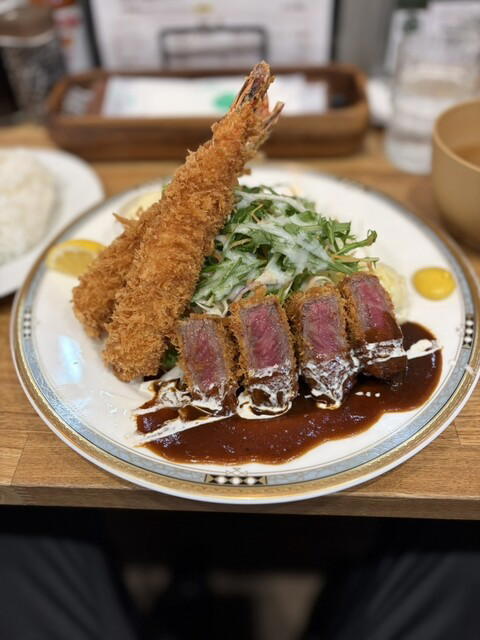
Yoshoku GURa
Kobe, Japan
A two-year-old yoshoku spot near Kenchomae Station, Yoshoku GURa earned Tabelog recognition for accessible hamburger steak and omurice at JPY 1,000-2,999. The 15-seat space offers casual counter service during lunch and a single private group buyout each evening, making it a practical choice for families or small parties who want comfort food without competition for tables.
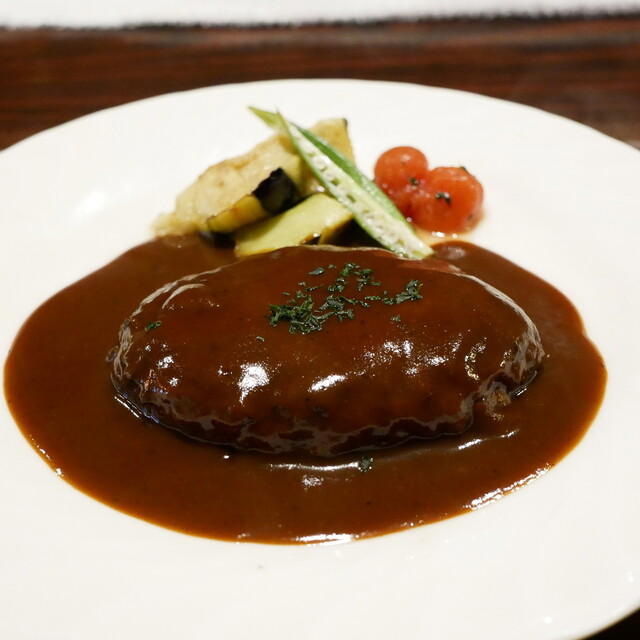
Grill Baranoki
Osaka, Japan
A charcoal-grill yoshoku counter in Higashishinsaibashi, recognized on Tabelog's Yoshoku WEST 100 list since 2020. The menu centers on steak and Hamburg steak, cooked by a solo chef and served à la carte. Lunch costs JPY 2,000–JPY 2,999, dinner JPY 4,000–JPY 4,999, and reservations are same-day only by phone. Cash only, walk-ins accepted at lunch, and the counter seats eight to ten.
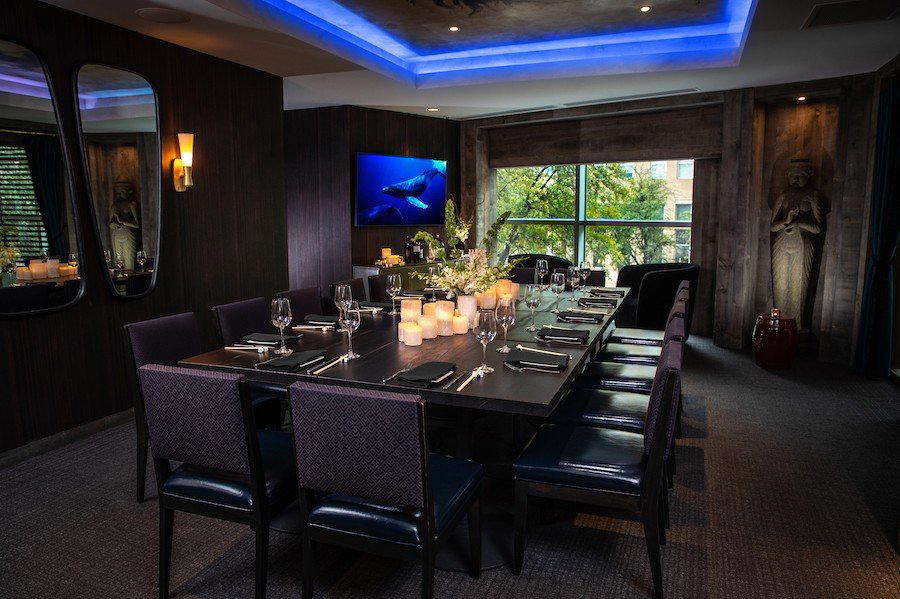
Bomber Kitchen Yakuin honten
Fukuoka, Japan
Tabelog Yoshoku 100 West 2025 recognition at JPY 1,000–1,999 makes this Chuo ward cafeteria Fukuoka's most accessible award-winning yoshoku spot. Walk-in only, 18 seats, seasonal rotation, and counter seating for solo diners. Best for lunch when the full menu is available and the kitchen's demi-glace execution justifies the queue.
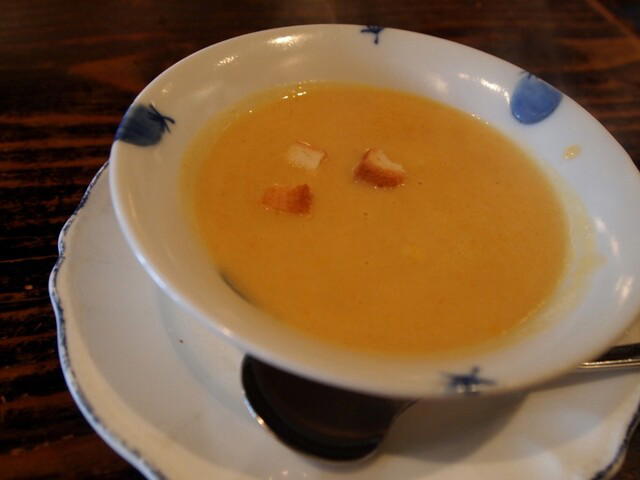
Osaka, Japan
Tabelog 100 yoshoku in Momodani with counter, tatami, and private rooms; JPY 5,000–5,999 at dinner, JPY 1,000–1,999 at lunch. Sommelier-staffed sake and wine program, credit cards accepted, take-out available. Book a few days ahead; smoking allowed inside.
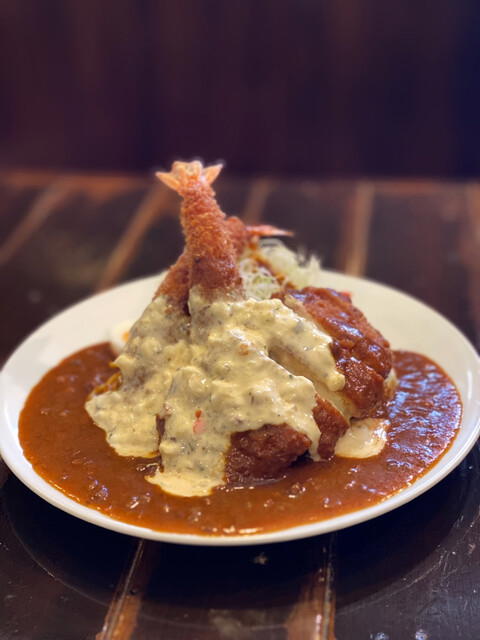
Kobe Turkish Rice
Kobe, Japan
A lunch-only yoshoku specialist near Okurayama earning Tabelog 100 recognition for Turkish rice and tonkatsu at under JPY 2,000. The 15-seat room runs walk-in only, cash-only, and fills before noon; arrive early or wait. Practical for a midday stop, less so if you need dinner hours or reservations.
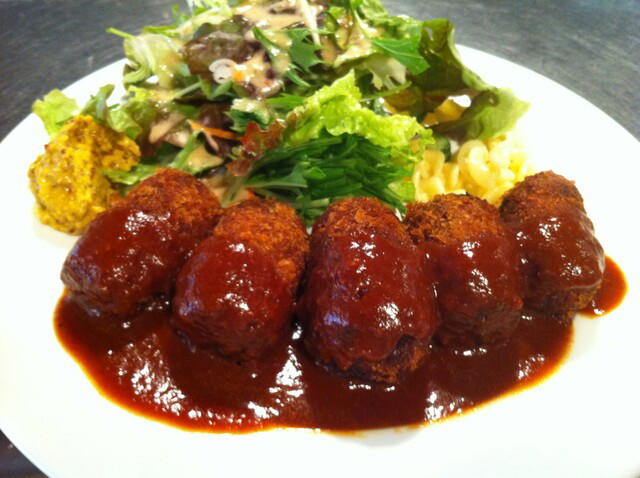
QUATTRO
Kobe, Japan
QUATTRO delivers Kobe yoshoku at JPY 1,000–1,999 per head, earning back-to-back Tabelog 100 selections for its daily-sourced seafood, wine-and-cocktail program, and accessible take on Western-Japanese hybrid cooking. The 32-seat Motomachi room favors sofa seating over counter spectacle, making it a quieter, family-friendly alternative to the city's pricier kaiseki and steakhouse anchors.
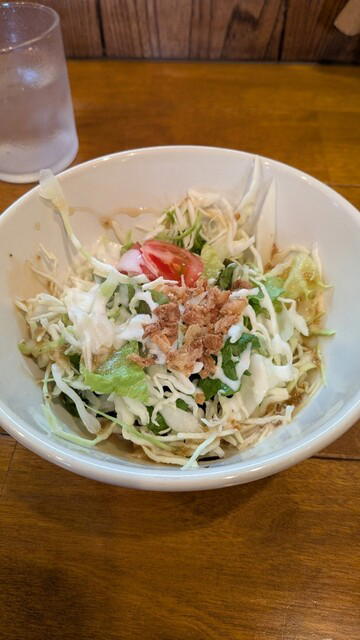
Tamago Monogatari Egg Story
Kitakyushu, Japan
<p>Tabelog 100 Yoshoku WEST 2025 omurice specialist near Kokura Station, priced JPY 1,000–1,999 for lunch and dinner. Walk-in only, cash only, serviceable egg technique in a 30-seat room. Worth a stop if you're already at the station and chasing yoshoku completism; skip if you're making a special trip or expect the award to signal fine-dining ambition.</p>
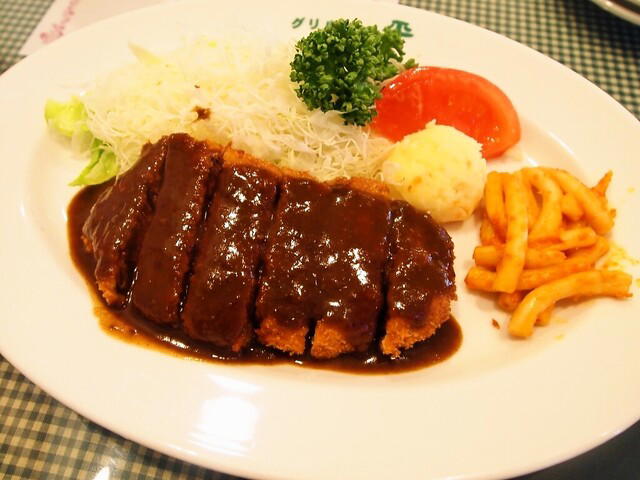
Grill Ippei Shinkaiti honten
Kobe, Japan
A Tabelog 100 Yoshoku (WEST) 2025 selection serving generous demi-glace omurice, fried shrimp, and Italian spaghetti at under JPY 2,000 per head. The four-seat counter offers direct kitchen sightlines in a spacious, family-friendly dining room above Shinkaichi Station. Walk-ins only, cash only, and closed Wednesday and Thursday.
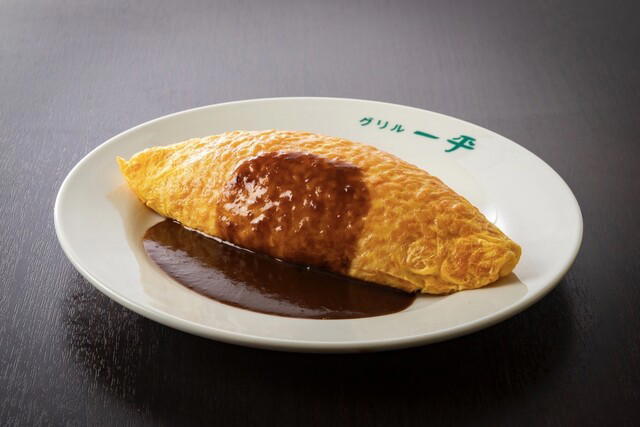
Grill Ippei Sannomiya ten
Kobe, Japan
Walk-in yoshoku restaurant two minutes from Sannomiya Station, serving omurice and croquettes with 70-year-tradition demi-glace. Lunch runs JPY 1,000–1,999, dinner JPY 2,000–2,999. No reservations; use the ticket machine and expect queues at peak hours. Tabelog Yoshoku West 100 (2020, 2022, 2023, 2025).
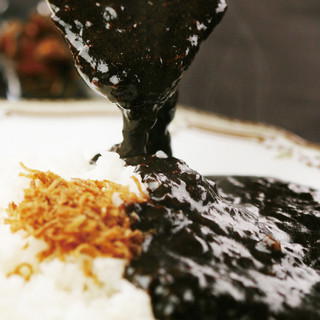
Toyo Ken Honten
Tsu, Japan
Recognized on the 2025 Tabelog Yoshoku WEST list, Toyo Ken Honten is Tsu's mid-priced anchor for Western-Japanese cooking: curry, fried seafood, demi-glace stews informed by Mie's fishing-port fish. Lunch runs JPY 1,000–1,999, dinner JPY 4,000–4,999, with 135 seats and private rooms for 2 to 55. Reservations accepted but walk-ins usually clear; book ahead only for large groups or weekend dinners.
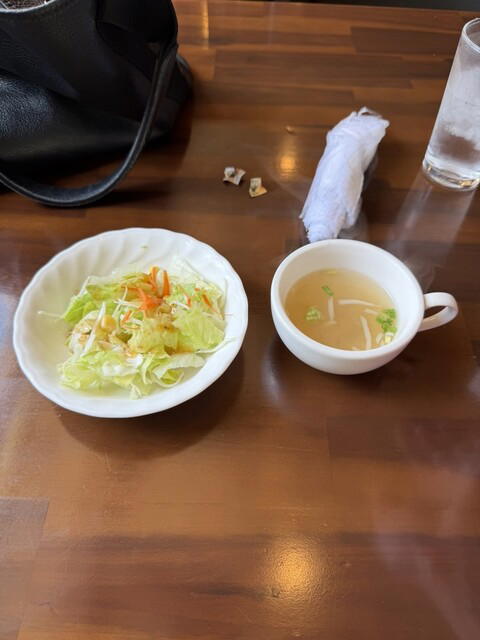
Hungry Bear
Kochi, Japan
A cash-only yoshoku specialist in Kochi recognized by the 2025 Tabelog 100 (West), offering hamburger steak and Western-style comfort plates at JPY 1,000–1,999. Service runs 11 AM–2:30 PM and 5–8:30 PM (closed Tuesdays); parking available for ten cars. A practical, value-driven choice for lunch or early dinner, but not a late-night option.
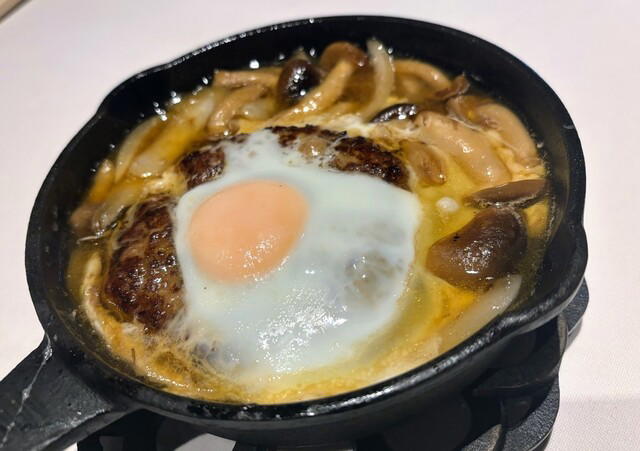
Yoshoku Matsushita
Osaka, Japan
At JPY 10,000–14,999 for dinner near Nagahoribashi Station, this Tabelog Yoshoku WEST 100 selection (2025) executes Japan's century-old interpretation of Western cooking; French technique applied to local ingredients, without the prix-fixe formality of high-end French dining. Lunch (Friday–Saturday only) drops to JPY 1,000–1,999, though the kitchen reserves its full effort for evening service. Worth booking if you want quiet, technically disciplined cooking in a format most visitors overlook.
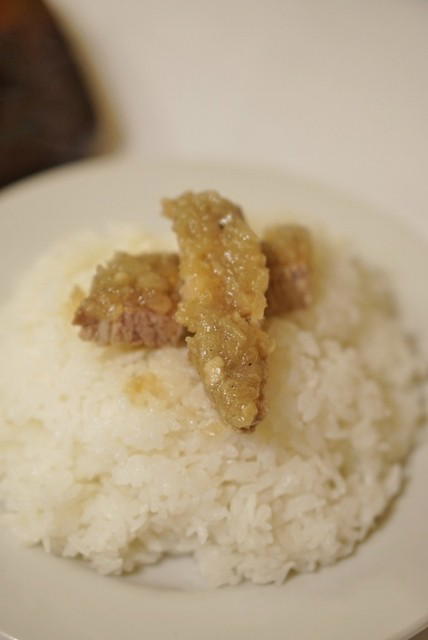
Grill Sen
Fukuoka, Japan
A cash-only yoshoku spot in Sasaoka serving hamburg steak and grilled meats at under JPY 1,000 for lunch. Recognized in the 2025 Tabelog Yoshoku WEST 100, it offers neighborhood-level consistency without the booking hassle or price inflation of higher-tier options. Walk-ins work, but bring cash and plan for an 8 PM last-order cutoff.
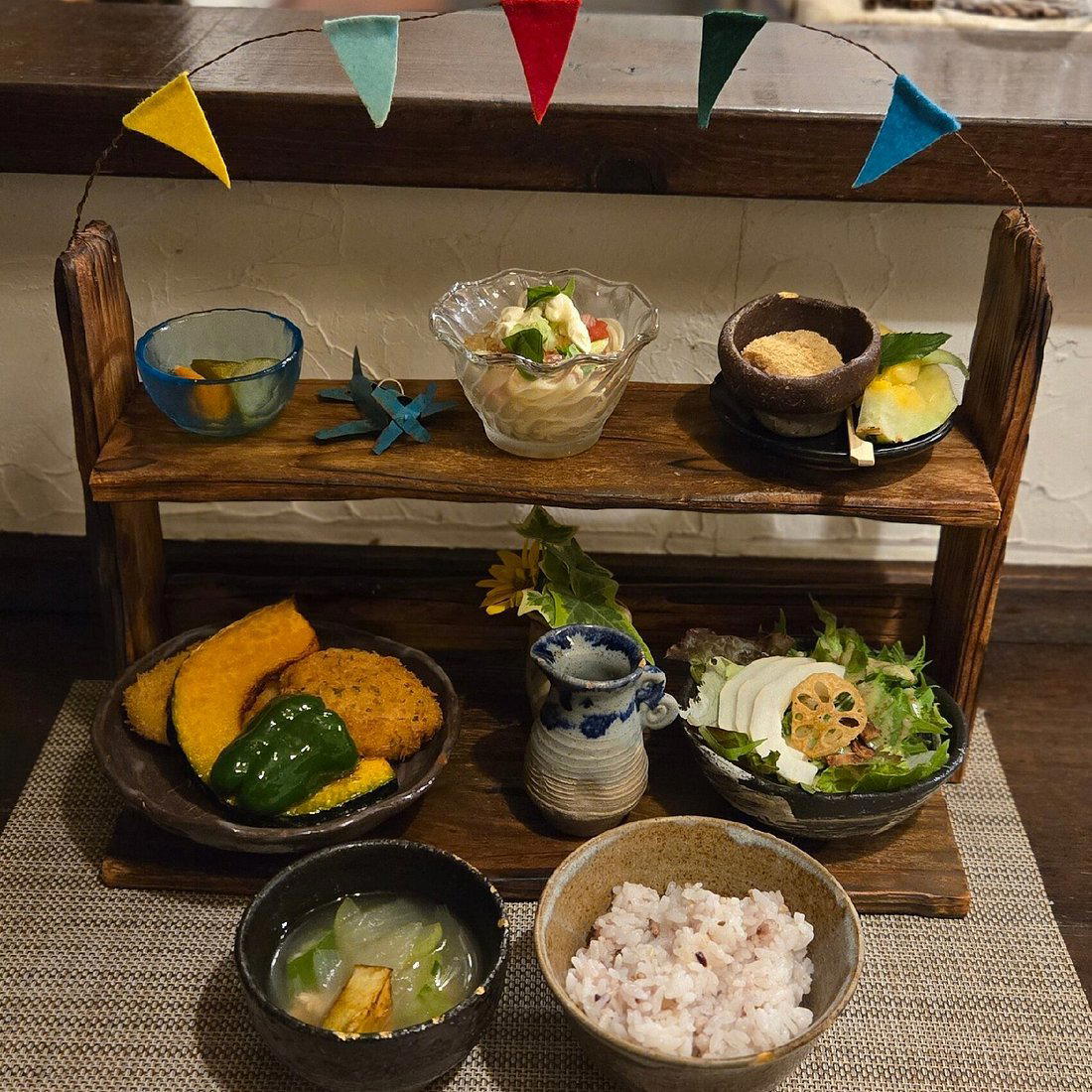
Tsuyoshi no Croquette Honpo
Nara, Japan
A five-seat Tabelog Yoshoku 100 counter serving croquettes at under JPY 1,000 for dinner and JPY 1,000–1,999 for lunch. Recognized for consistent frying technique and seasonal varieties, with easy phone reservations three weeks out and decent walk-in odds at off-peak hours. Best for solo diners or casual pairs, not group celebrations.
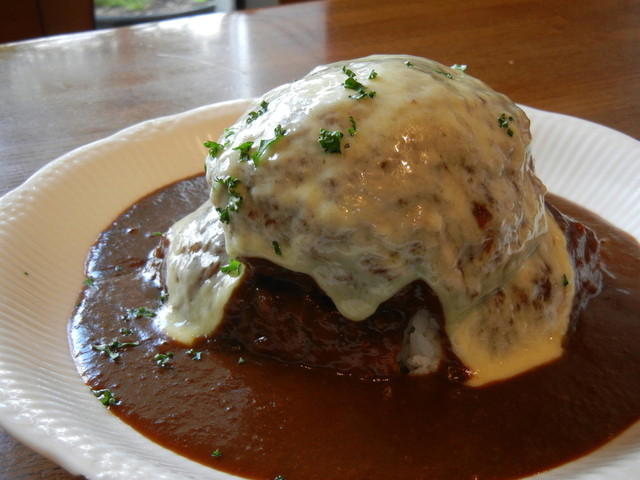
Izumi Burger
Osaka, Japan
Walk-in yoshoku specialist near Kujo Station delivering European-style curry and hamburger steak at JPY 1,000–1,999. Tabelog-recognized, 12 seats, no reservations required. Lunch service edges dinner on value and execution; best for solo diners and pairs prioritizing affordability over ambiance.
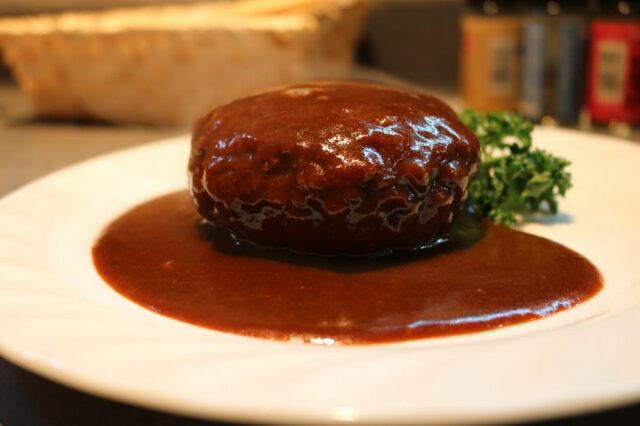
Gomenne JIRO
Osaka, Japan
Temma bistro serving French-leaning yoshoku at JPY 2,000–2,999, a Tabelog 100 fixture since 2020. Same-day reservations only, no solo diners, smoking permitted. The price and format suit groups looking for butter-rich cooking and bistro wine without the kaiseki bill.
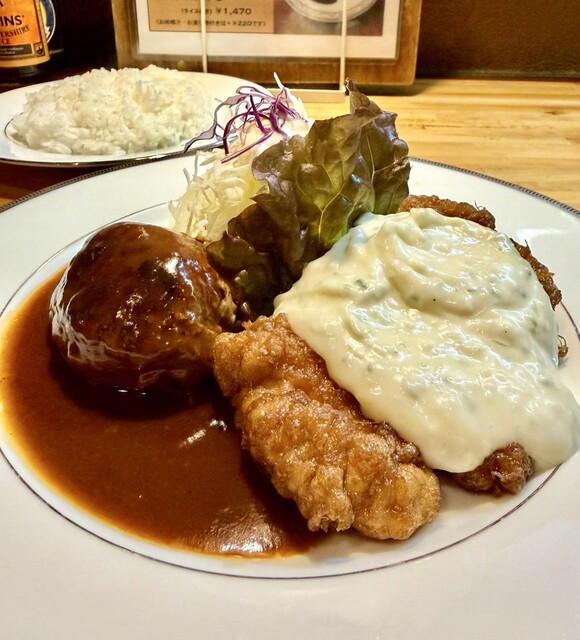
GRILL Ranman
Miyazaki, Japan
A Tabelog 100 Yoshoku WEST 2025 grill in central Miyazaki that trades formal polish for direct, technically sound cooking at lunch prices under JPY 2,000. The first-floor counter and four-seat tatami room fill quickly at lunch but rarely require advance planning; worth booking for travelers who want award-caliber yoshoku without the ceremony or price tag.
Momoya
Saga, Japan
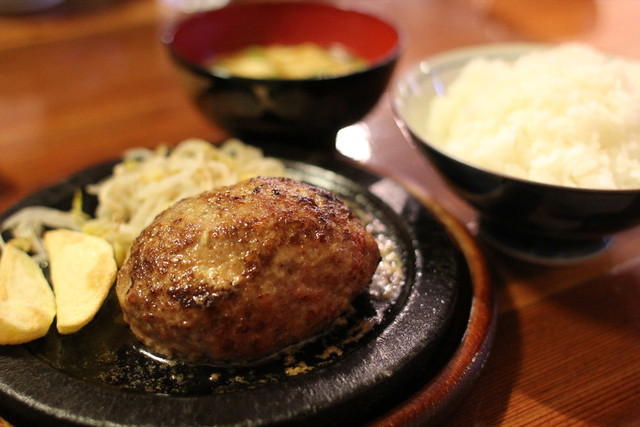
A no-reservations yoshoku counter in Karatsu serving hamburger steak and gyoza at JPY 1,000–1,999, named to Tabelog's WEST 100 for 2025. Arrive by 11:20 AM for lunch to avoid waits; takeout available, cash only, closed Wednesdays.
Sangourmand
Osaka, Japan
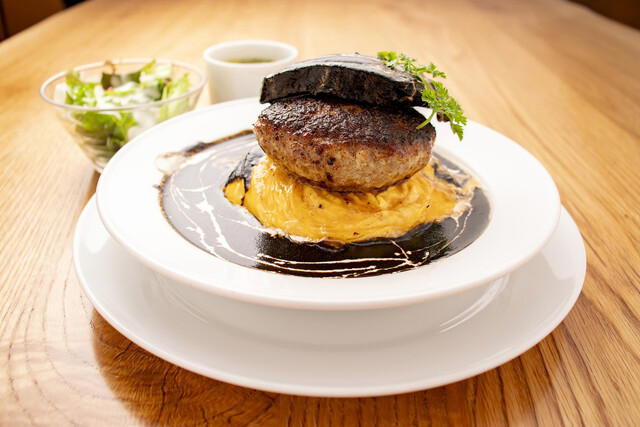
A walk-up-only yoshoku spot in Kita Ward serving Hamburg steak and omurice for under 2,000 yen, named to Tabelog's 2025 West Japan top 100. No reservations since 2023, cash-only, and open for lunch daily except Wednesday, with dinner service Friday through Sunday.
Yoshoku no Mise Mishina
Kyoto, Japan
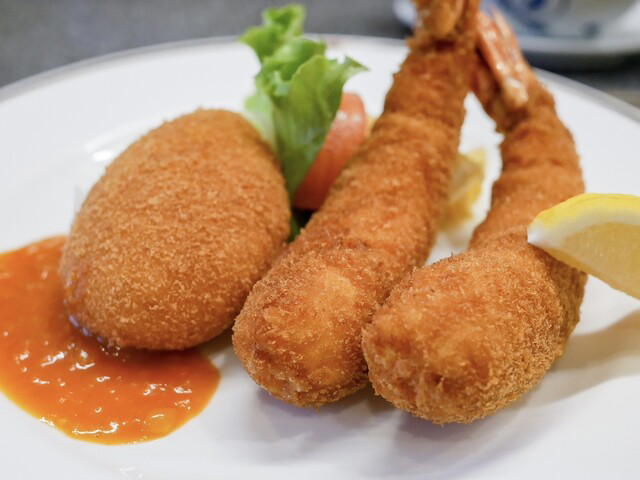
A 10-seat yoshoku counter in Higashiyama serving Japanese-Western hybrid cooking at JPY 3,000–4,999. Four-time Tabelog 100 selection (2020–2025) with reservation-only service, cash-only payment, and lunch priced lower than dinner. The counter format puts the chef's technique in full view.
Yoshoku no Fuji
Kobe, Japan
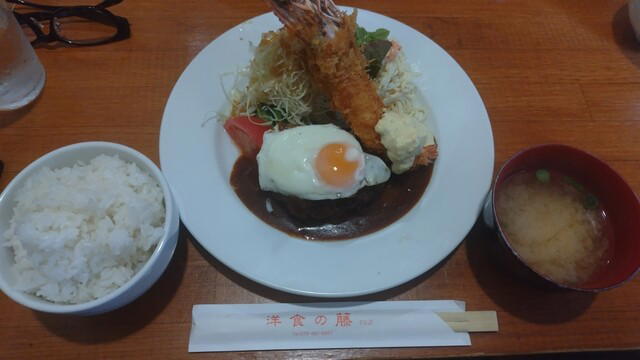
Tabelog 100–recognized yoshoku near Harborland Station, serving omurice and hamburger steak at JPY 1,000 to JPY 1,999. No reservations, cash-only, and open for lunch and dinner except Tuesdays; a solid midprice option for seasonal comfort-Western plates in a 15-seat room.
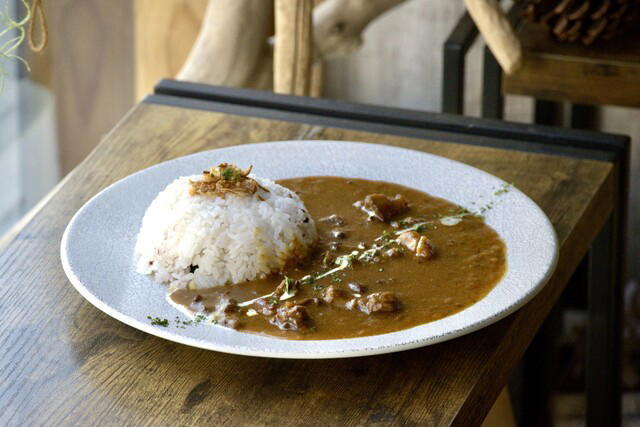
SACHiA Beef stroganoff
Fukuoka, Japan
A 10-seat yoshoku counter near Maidashi station, recognized twice in Tabelog 100 West – Yoshoku (2023, 2025) for beef stroganoff technique at under JPY 2,000 dinner, under JPY 999 lunch. Non-smoking, family-friendly, and more affordable than most award-holding yoshoku specialists in Fukuoka.
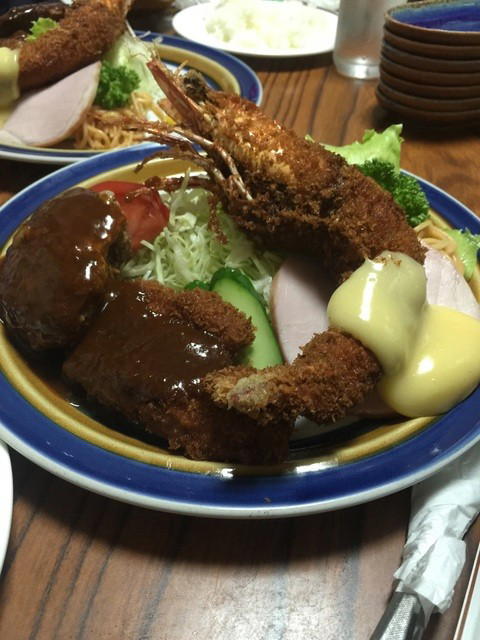
Shinfuji Honten
Osaka, Japan
A Tabelog Yoshoku 100 West repeat honoree since 2020, Shinfuji Honten serves tonkatsu and pork-focused yoshoku at JPY 1,000-JPY 1,999 per head; award-tier cooking at everyday prices. The 20-seat house restaurant runs two 90-minute windows daily (11 AM-12:30 PM, 4 PM-5:30 PM), closed Wednesdays, and accepts phone reservations; cash only, family-friendly, with tatami rooms for groups of six.
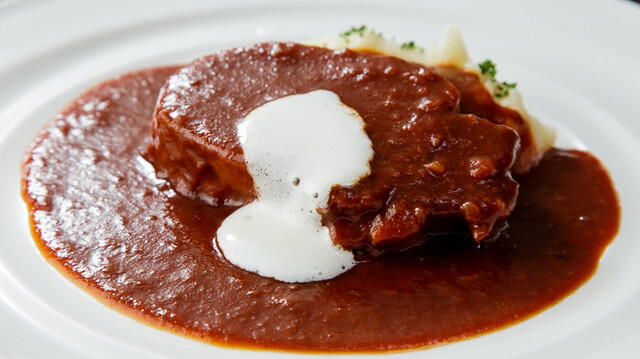
Yoshoku to Wine no Omise Tsukushien
Takamatsu, Japan
A Tabelog 100 yoshoku restaurant in Nishinomiya offering wine-focused Japanese-western cuisine at JPY 5,000–5,999 for dinner. Private rooms seat up to 50, reservations are easy, and the venue welcomes families. Lunch runs first-come at JPY 2,000–2,999 with no advance booking.
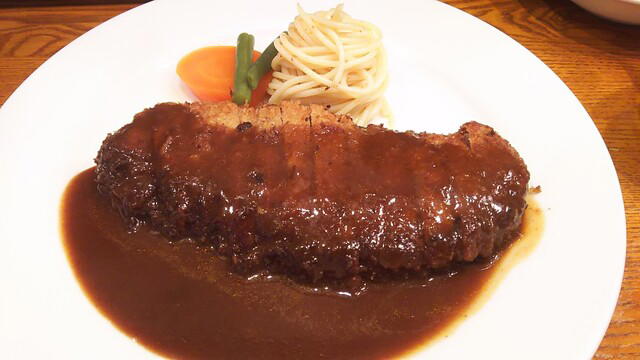
Yoshokuya Yuuki
Kobe, Japan
A Tabelog 100 Yoshoku (WEST) pick in Shinkaichi, delivering hamburger steak and croquettes at JPY 1,000–JPY 1,999. Cash-only, 18 seats, one minute from the station; book for predictable yoshoku execution without the wait times of busier addresses.
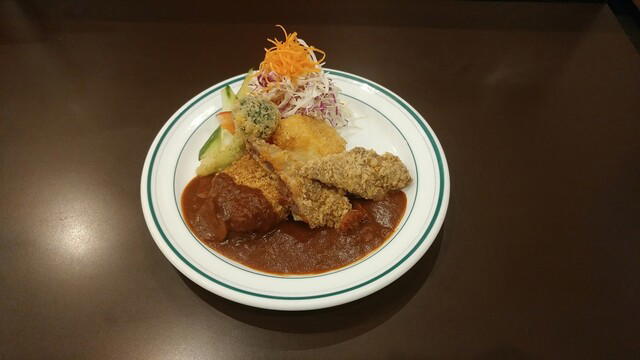
Yoshokuya Gyugin
Matsusaka, Japan
Yoshokuya Gyugin is the sensible Matsusaka pick when a meal should feel special without reaching the city's highest beef-restaurant spend. Choose it over Gyugin Honten for a more controlled occasion, or compare with Beef Club Noel if the priority is a more explicitly premium dinner.
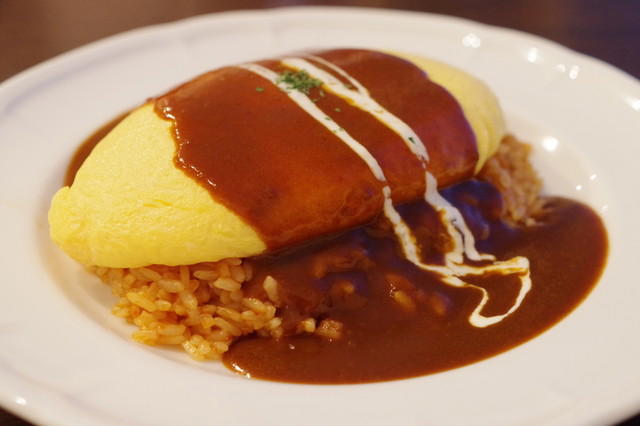
Yuki Tei
Nara, Japan
A Tabelog 100 Yoshoku (WEST) 2025 house restaurant serving omurice and Japanese-style Western comfort food at JPY 1,000–1,999 for lunch. No reservations accepted; arrive early to avoid midday queues near Kintetsu Nara Station.
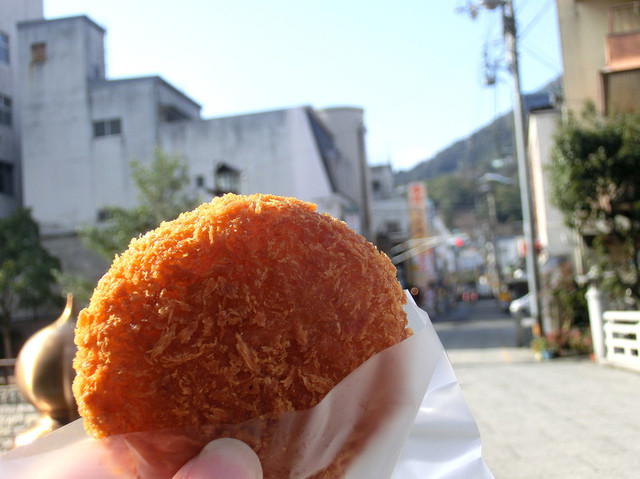
Hiraoka Seiniku Ten
nakatadogunkotohirachou, Japan
A practical Kotohira pick for a quick, low-cost local food stop rather than a formal meal. Hiraoka Seiniku Ten works especially well after you have already done the udon circuit; choose Kami Tsubaki instead if you want a slower, more comfortable sit-down setting.
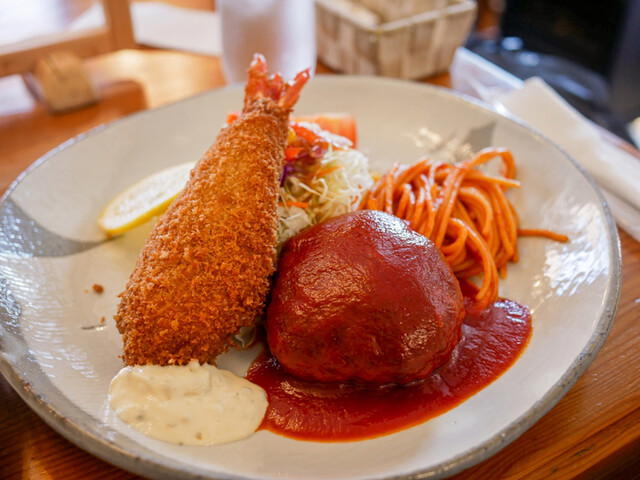
Grill & Coffee Hasegawa
Kyoto, Japan
Tabelog 100 yoshoku near Kitaoji Station at JPY 1,000–1,999 per head, walk-in only. The format is efficient but no-frills; expect hamburger steak and steaks executed with consistency rather than ceremony. The 41-seat house restaurant fills fast, especially weekend lunch, but turnover is faster than reservation-bound peers. Best for diners prioritizing value and Tabelog recognition over ambiance depth.
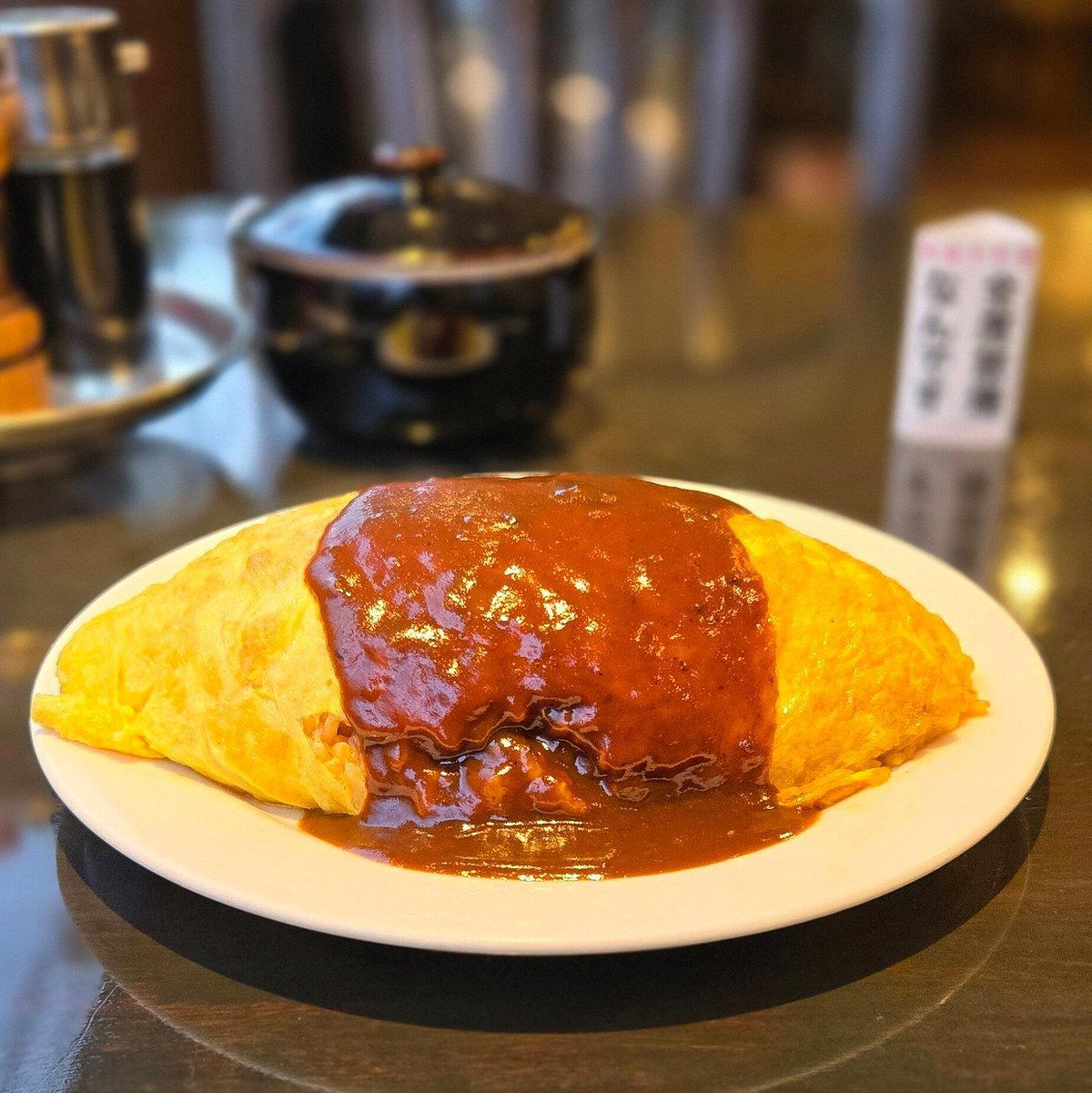
Grill Kodakara (グリル小宝)
Kyoto, Japan
Grill Kodakara (グリル小宝) is worth keeping on the Kyoto list for an easygoing Okazaki meal backed by Tabelog 100 recognition in 2025. Treat it as a dependable neighborhood-side choice rather than a high-ceremony splurge, especially when eastern Kyoto plans make a long cross-town dinner less appealing.
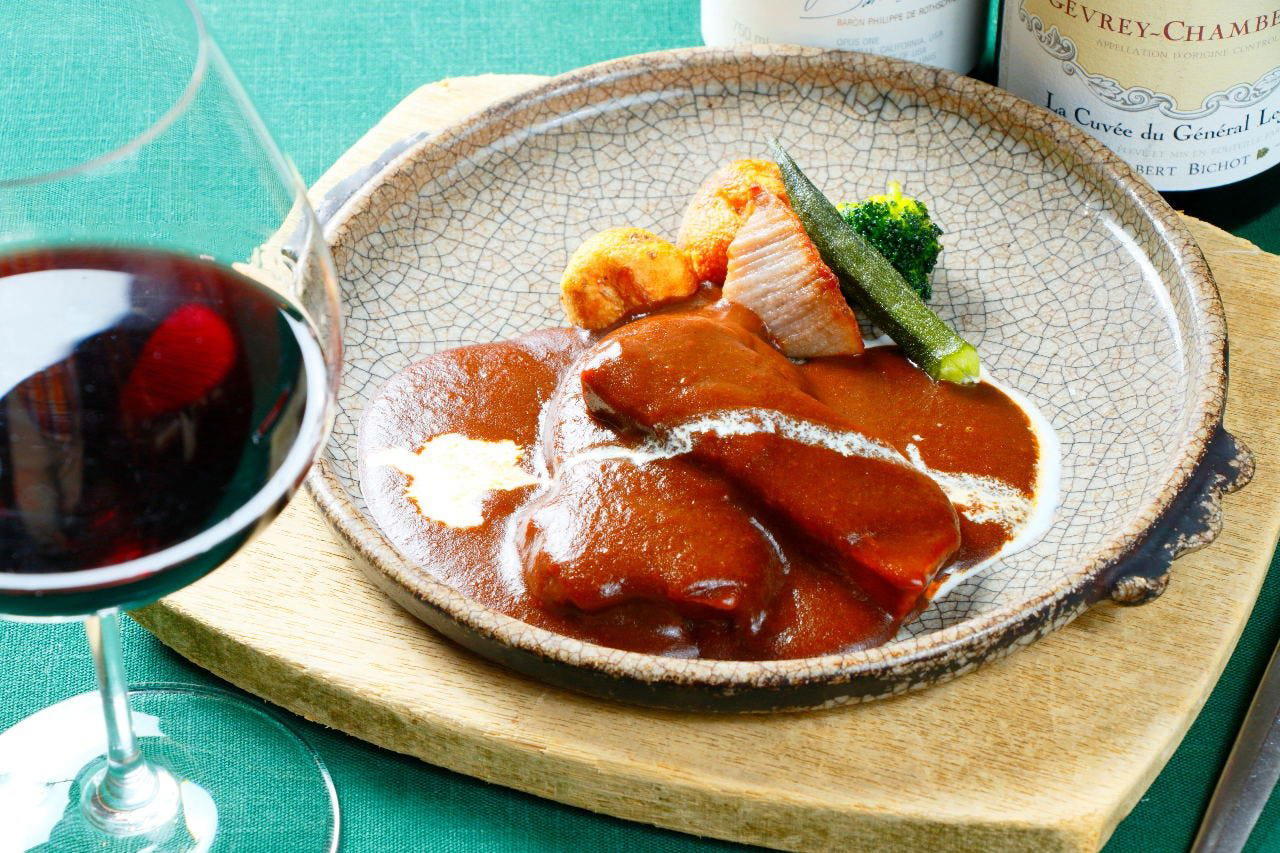
Noro
Osaka, Japan
A 60-year yoshoku house in Higashishinsaibashi serving hamburger steak and seasonal Western-Japanese plates. Lunch runs JPY 3,000–3,999, dinner JPY 10,000–14,999. Counter seats for solo diners, private rooms for groups of five or more. Tabelog 100 recognition for 2025.
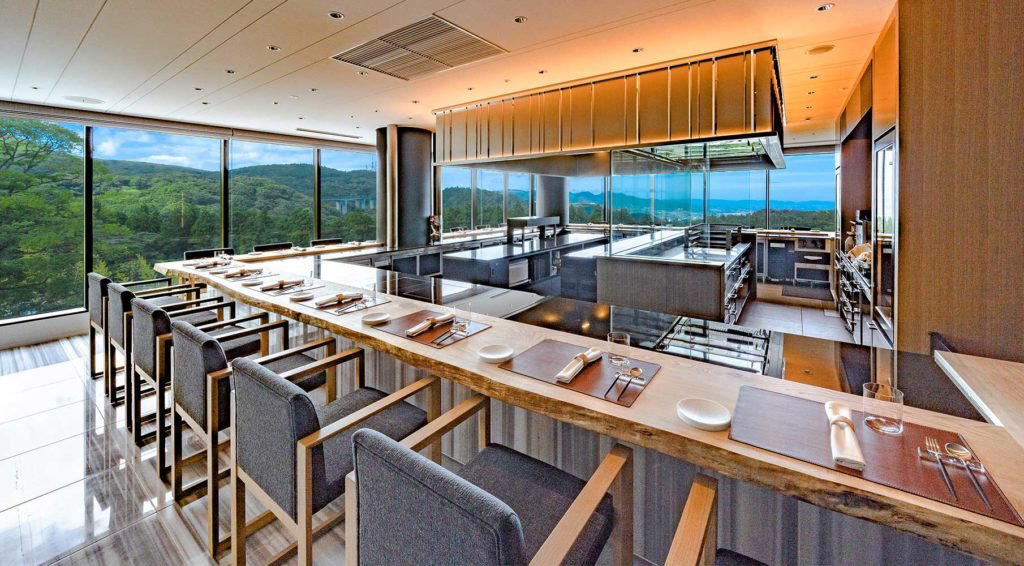
Atelier
Beppu, Japan
Tabelog 100 (Yoshoku, West) 2025 selection inside ANA InterContinental Beppu, serving French-inflected Japanese Western cuisine at JPY 15,000–19,999. The 21-seat dining room offers private-event capacity up to 20 guests, nightly dinner service, and easier booking than metropolitan yoshoku peers. Best for special occasions and hotel guests seeking refined yoshoku technique in Beppu's onsen district.
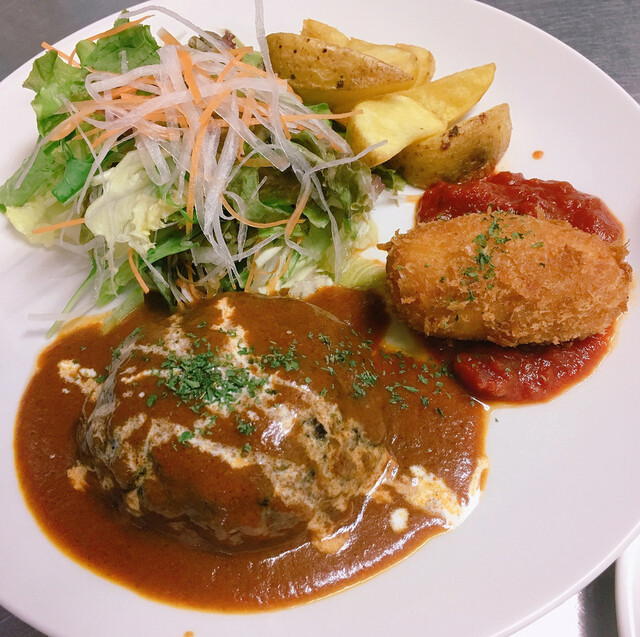
Yoshoku Bistro Awano
Osaka, Japan
Twenty-seat yoshoku counter in Bingomachi with Tabelog 100 recognition and tight lunch/dinner hours. Lunch runs JPY 1,000–1,999, dinner JPY 3,000–3,999, with a focus on precise Japanese-style Western cooking in a no-frills, business-district setting. Book ahead; capacity fills fast.
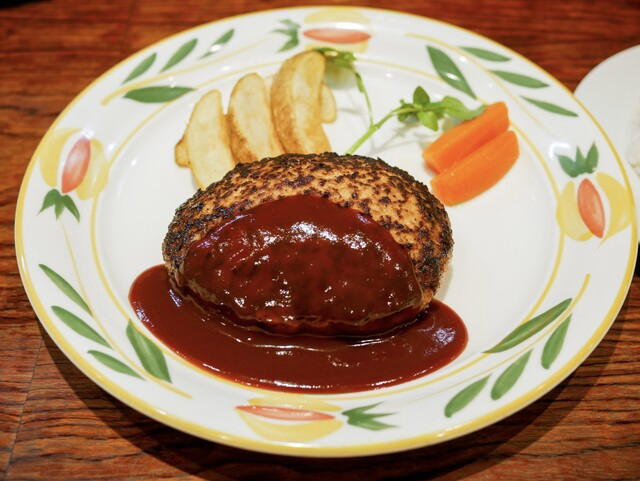
Tokura Kyoto sanjou ten
Kyoto, Japan
Tokura Kyoto sanjou ten serves handmade hamburger steak at a no-reservations counter near Karasuma Oike Station. Named to the Tabelog 100 Yoshoku WEST 2025 list, it delivers yoshoku craft at JPY 1,000–1,999 per head; faster turnover and tighter seating than kaiseki-adjacent spots, with walk-in availability outside peak lunch hours.
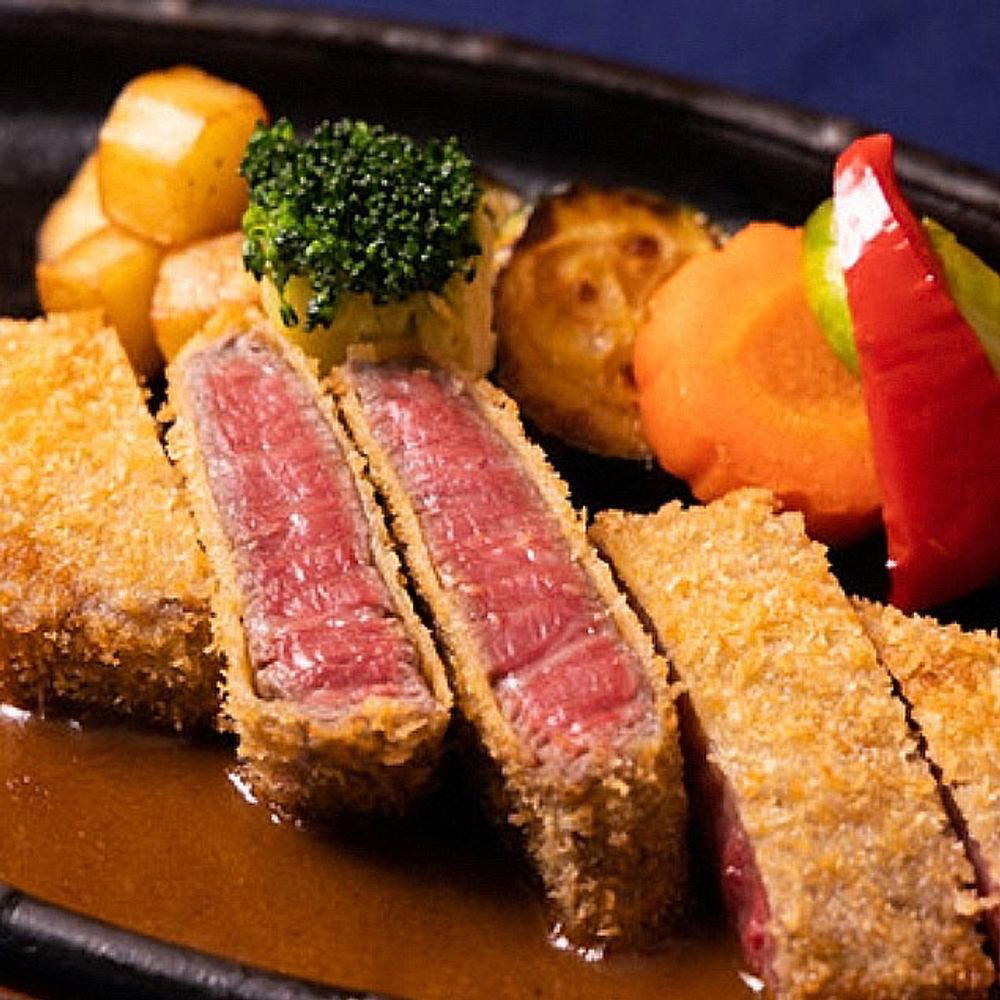
Yoshokuya Fujiya
Osaka, Japan
Yoshokuya Fujiya has served yoshoku comfort cooking in Osaka's Chuo Ward since 1935, earning back-to-back Michelin Bib Gourmand awards in 2024 and 2025. At the ¥ price point, the lunchtime set meals; anchored by hamburger patties with demi-glace sauce; deliver consistent, honest cooking with easy walk-in access. The right call for an affordable, genuinely local lunch in central Osaka.
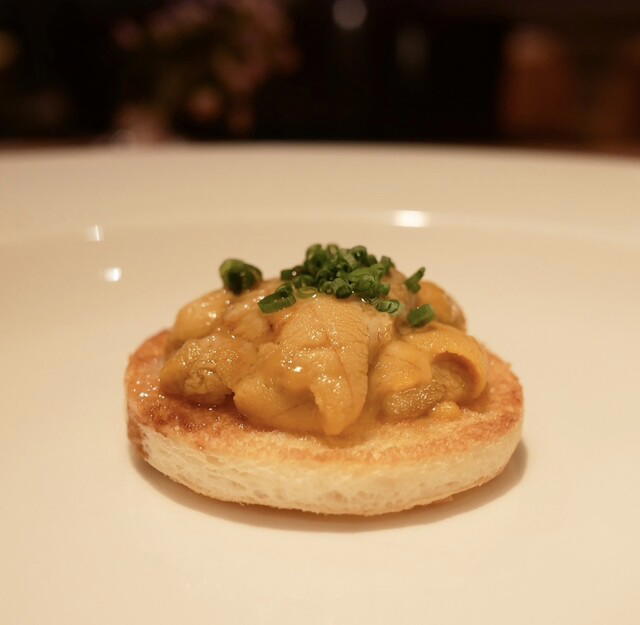
Yoshoku no Mise Hashimoto
Kumamoto, Japan
A Tabelog Award 2025 Bronze yoshoku venue in Kamitoricho that keeps dinner service open until 9 PM, serving Japanese-style Western fare and curry in a non-smoking 36-seat room. Lunch runs JPY 2,000–JPY 2,999, dinner JPY 5,000–JPY 5,999, and reservations are easier late in the window. Walk-in friendly but Tabelog 100-listed, so book ahead for weekend evenings.
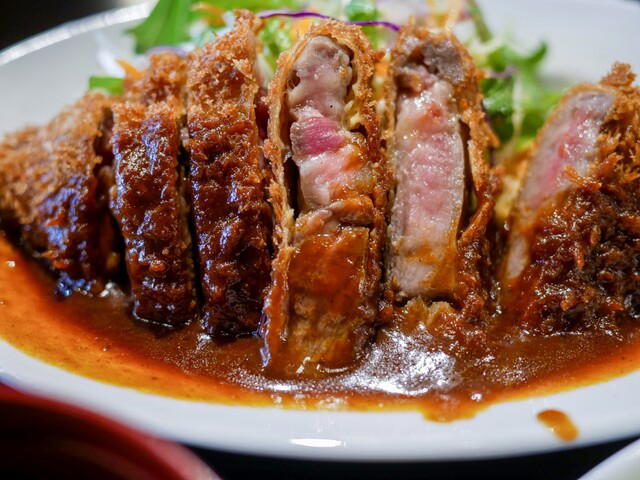
Yoshoku no Asahi
Kobe, Japan
Weekday-lunch-only yoshoku specialist in Kobe's Shimoyamatedori neighborhood, holding a Tabelog 100 WEST slot since 2020. Walk-in only, cash-only, JPY 1,000–1,999 per head, open Monday–Friday 11 AM–3 PM. Counter and terrace seating reward regulars more than first-timers seeking polished service.
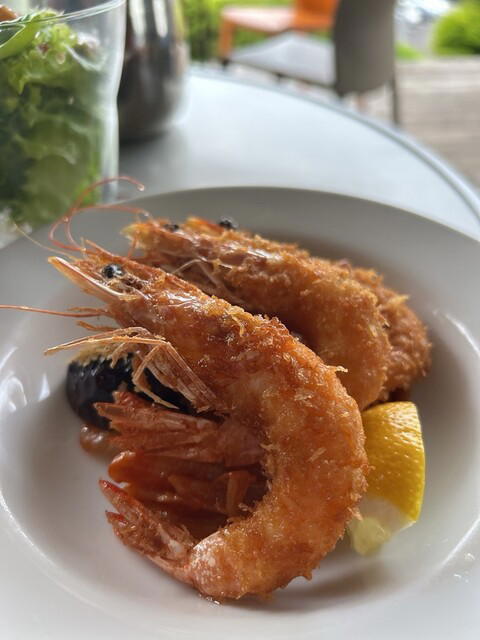
Yoshoku Katsui
Tenri, Japan
Tabelog 100 yoshoku specialist inside Tenri's Trail Center, charging JPY 4,000–4,999 for dinner and under JPY 2,000 for lunch courses. Recognized for technical execution in the Japanese-Western hybrid tradition, with parking, smoke-free seating, and a location that rewards the 10–15 minute walk from Yanagimoto Station.
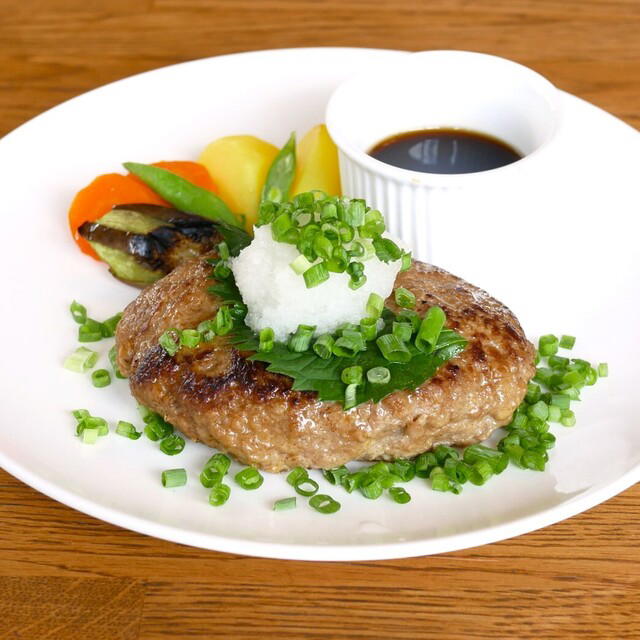
Yoshokuya Shii
Matsuyama, Japan
Tabelog 100-recognized yoshoku in an 11-seat Matsuyama space that privatizes easily for groups. Lunch at JPY 1,000–1,999 and dinner under JPY 3,000 deliver French-inflected hamburger steak and demi-glace technique without kaiseki formality, five minutes from Matsuyama City Station.
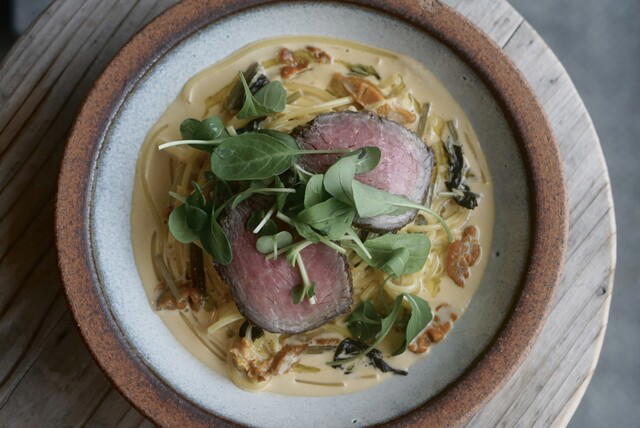
Nukazuke Kobo nipote Misasa honten
Hiroshima, Japan
A Nishi Ward counter where rice-bran fermentation drives the entire menu, from pickled oysters to fruit, plated as yoshoku courses. Dinner runs JPY 5,000–5,999 and earned a Tabelog 100 Yoshoku WEST 2025 nod. Book for technique-focused cooking in a format most Hiroshima restaurants skip.
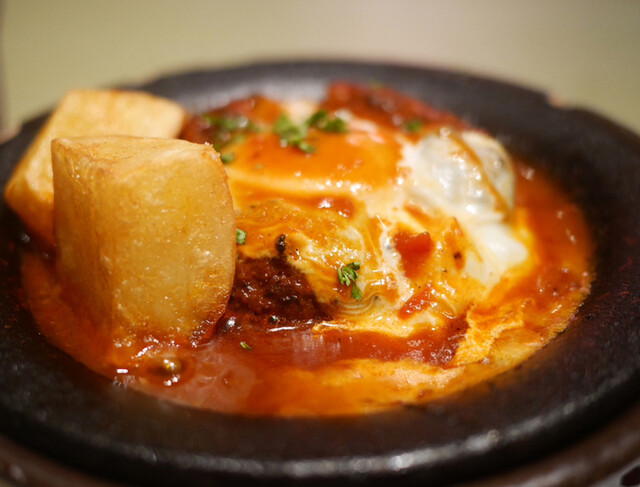
Midosuji Lodge
Osaka, Japan
Tabelog Yoshoku 100 West 2025 specialist in a Minamisenba basement, serving refined Japanese-Western plates at JPY 6,000–7,999 dinner. Fifteen years of consistent operation, family-friendly weekend service, and a format that earns its premium without omakase formality. Lunch at JPY 2,000–2,999 offers strong value; dinner is the full expression.
Ranpu Tei
Miyazaki, Japan
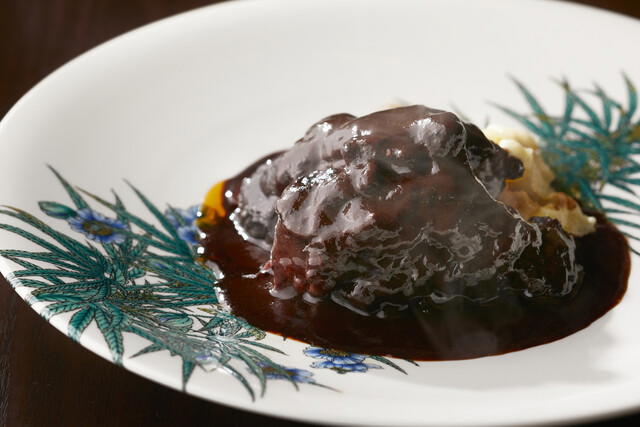
Ranpu Tei is the Miyazaki splurge to choose when yoshoku is the point and the evening needs to feel considered. The JPY 8,000 to JPY 9,999 spend is high against local peers, but Tabelog Bronze 2026 and Tabelog 100 recognition make it a credible special-occasion pick.
YOSHOKU OGATA
Kyoto, Japan
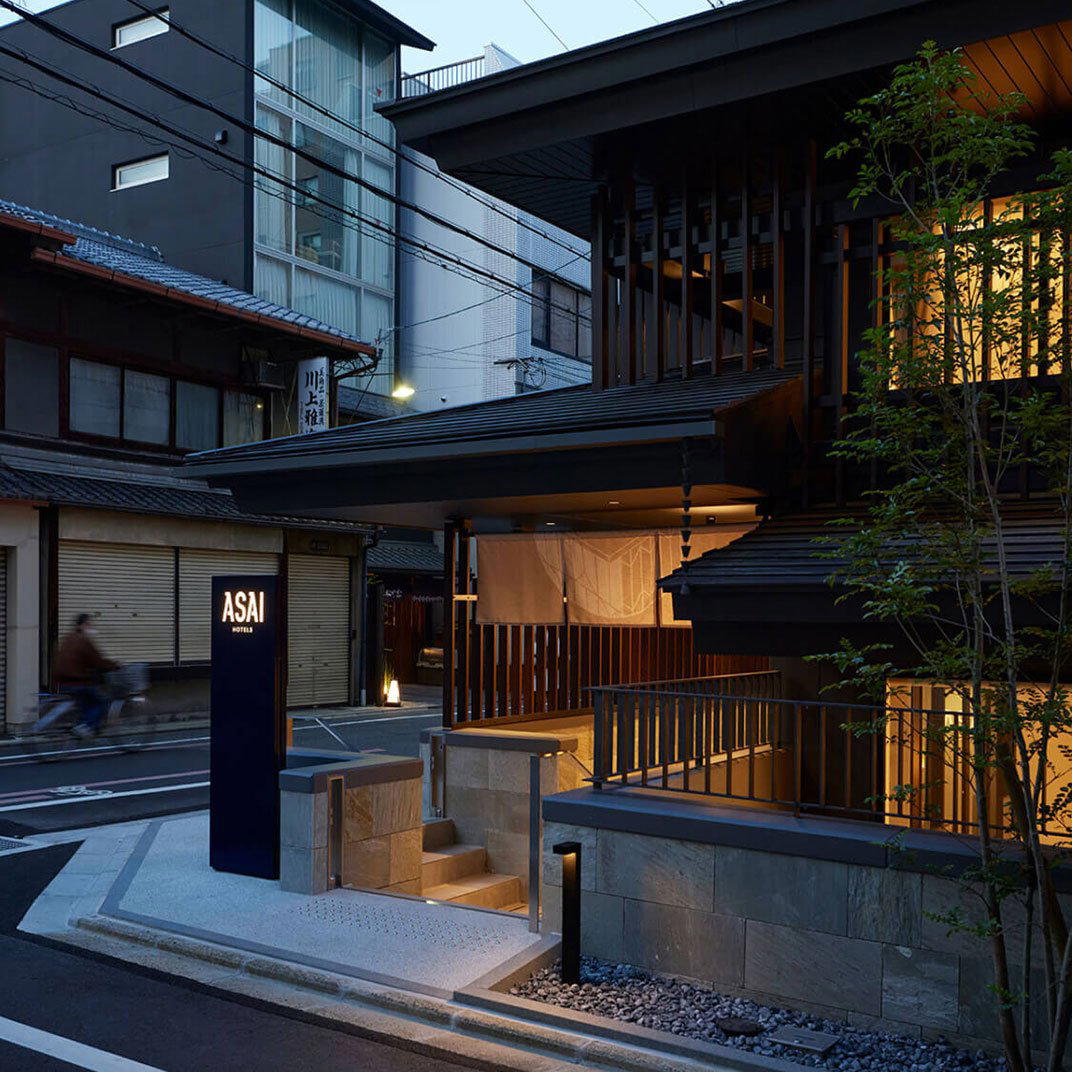
YOSHOKU OGATA works if you want a focused Kyoto meal without the friction of a difficult booking. It suits diners who care more about cooking and pacing than a big-format splurge, while MOTOÏ and Takezaki are better fits for ¥¥¥ French or Japanese dining.
Petit Restaurant Naitou
Kyoto, Japan
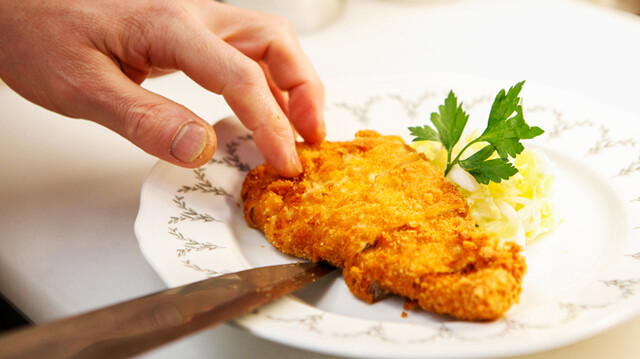
A neighborhood yoshoku specialist in Nakagyo Ward serving tonkatsu fried in heritage oils, plus hamburger steak and seasonal fish. Named to Tabelog's 2025 Yoshoku (West) 100 list. Dinner runs JPY 8,000-9,999, lunch JPY 2,000-2,999. Book 3-5 days ahead for weekend dinner; walk-ins often possible at lunch. Casual enough for repeat visits, polished enough for quiet anniversaries.
Grill French
Kyoto, Japan
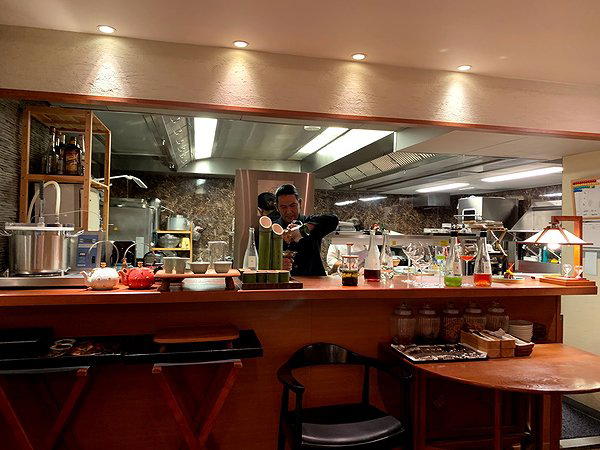
Grill French has earned three consecutive years of Opinionated About Dining recognition in Japan, climbing to a ranked position under chef Nagatsuku Fujii. Dinner only, five nights a week in central Kyoto's Nakagyo Ward. Booking is relatively straightforward, but with no published website or phone number, go through your hotel concierge.
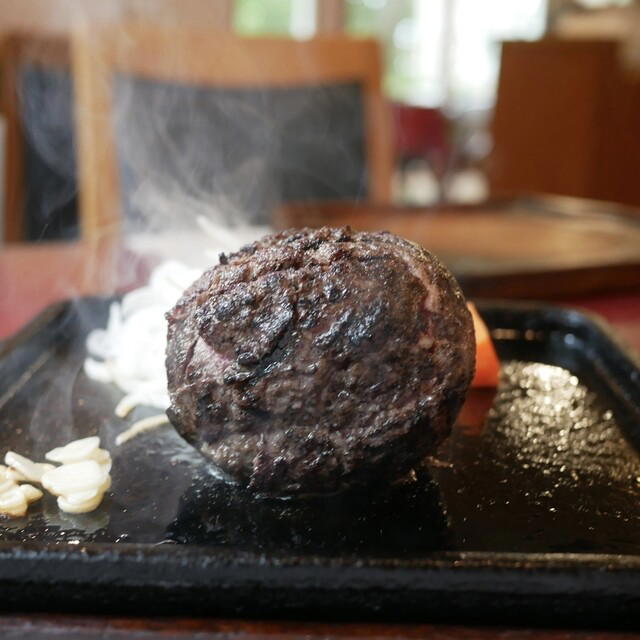
Sumiyaki Hamburger Steak Gyusen
Saga, Japan
A strong Tosu pick when you want hamburger steak or steak to carry the meal, not just a quick casual stop. Sumiyaki Hamburger Steak Gyusen is better for a date, small celebration, or business lunch than for a bar-led night, with recognition that makes the mid-range spend easier to justify.
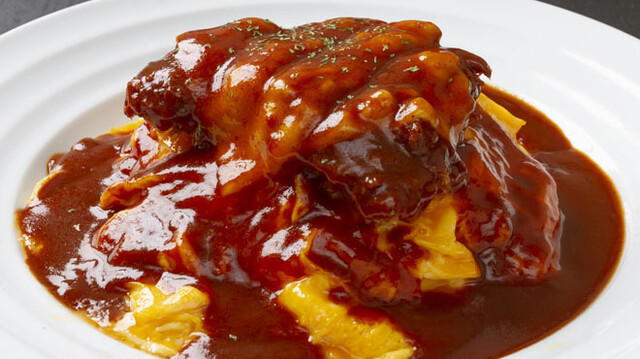
Aji no Mise Ichiban
Osaka, Japan
A 50-year-old Nakamozucho yoshoku spot serving tonkatsu, hamburg steak, and ebi fry at JPY 1,000–1,999 per person. Recognized on the 2025 Tabelog Yoshoku WEST 100 list, it's family-friendly, walk-in only, and draws students, athletes, and locals for generous portions without the formality of higher-priced award winners.
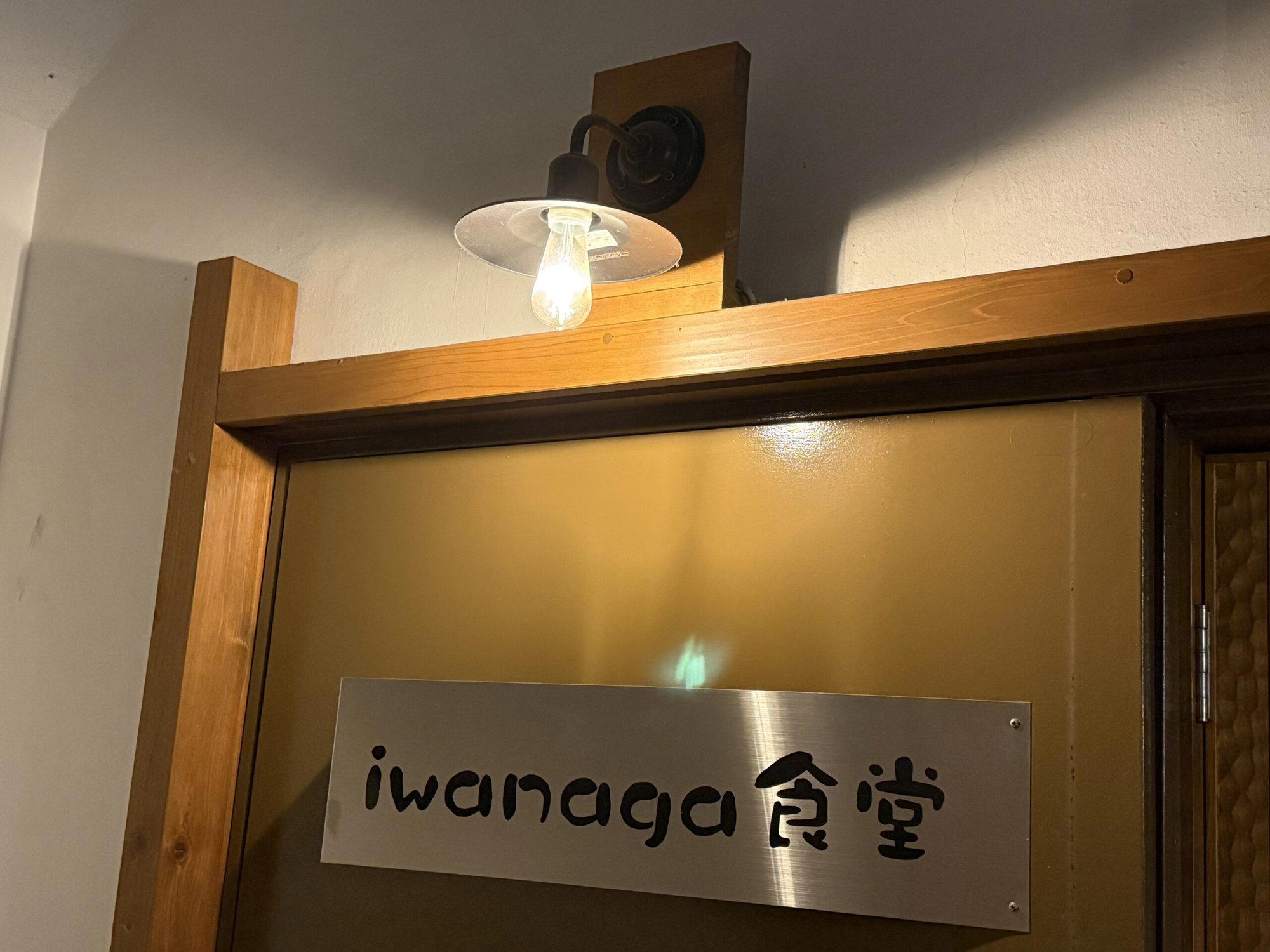
イワナガ食堂
Miyazaki, Japan
A sensible dinner-only choice in central Miyazaki if you want an easy evening booking rather than a highly documented destination meal. For tighter budget certainty, compare it with Aji no Ogura Honten; for a more occasion-led dinner, Chinese Sen is the stronger cross-shop.
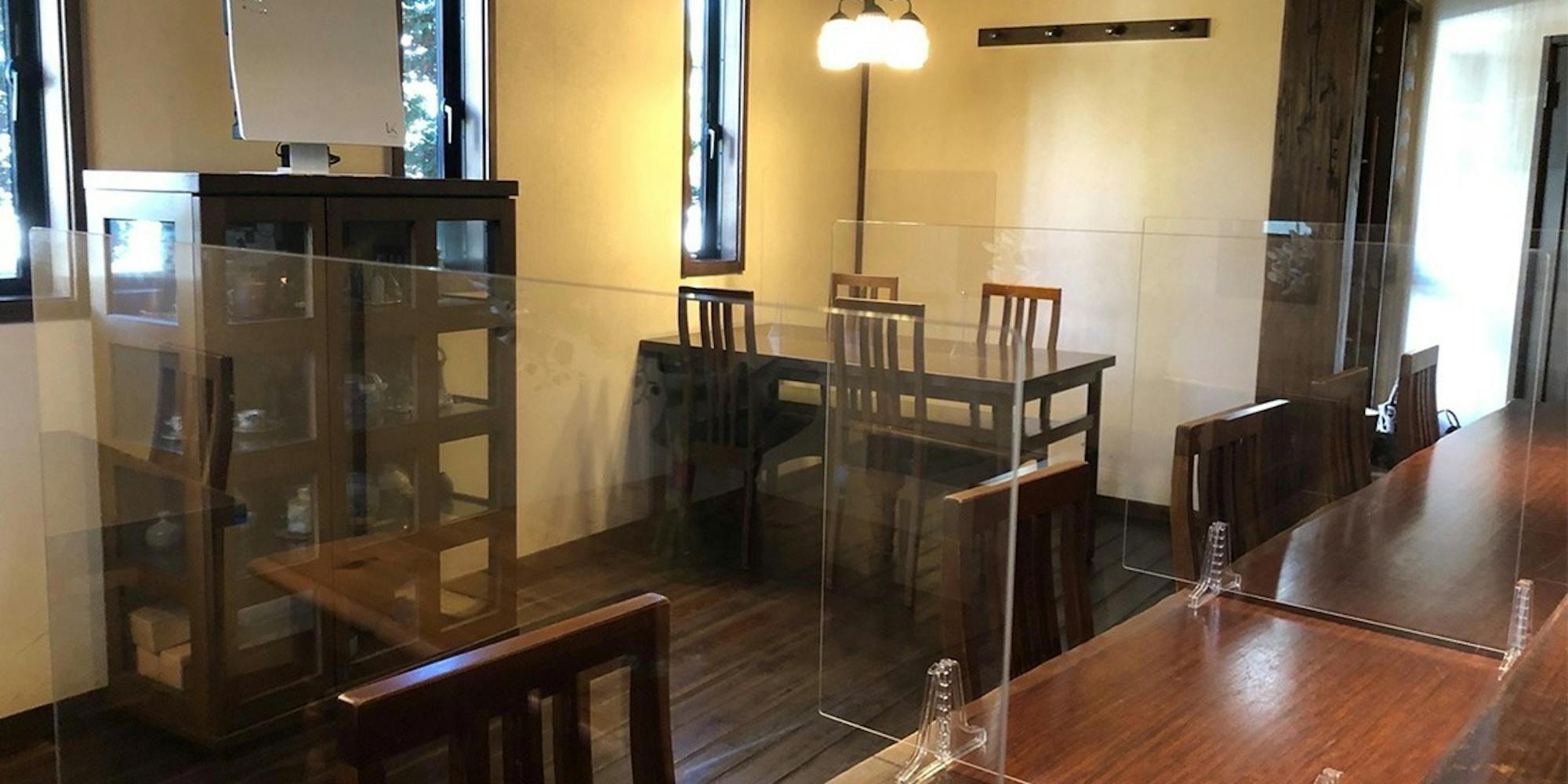
Yoshoku Izumi
Osaka, Japan
Yoshoku Izumi is worth booking if the goal is a focused yoshoku dinner in Osaka rather than a casual lunch stop. The ¥¥ price tier and Michelin Plate recognition make it a researched, moderate-spend choice, while Yoshokuya Fujiya is the better lower-cost alternative and Oimatsu Miyamoto is the higher-commitment Japanese meal.
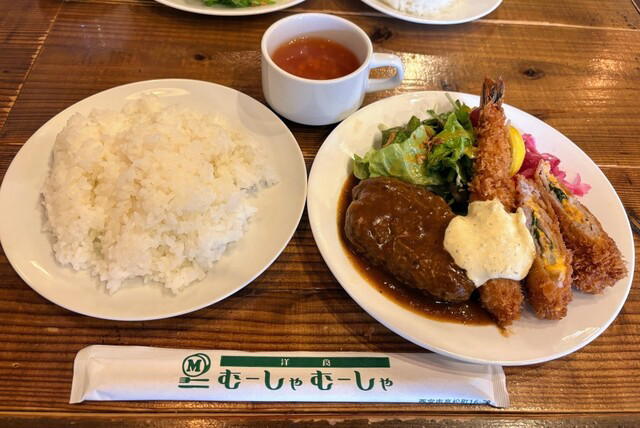
Yoshoku Musha Musha
Takamatsu, Japan
Tabelog 100-recognized yoshoku specialist serving fried prawns, Hamburg steak, and omelette rice at under JPY 2,000. Lunch-only, walk-in only, three minutes from Nishinomiya Kitaguchi Station. Counter and table seating for 24; families and solo diners welcome. Open Tuesday–Sunday until 3:30 PM.
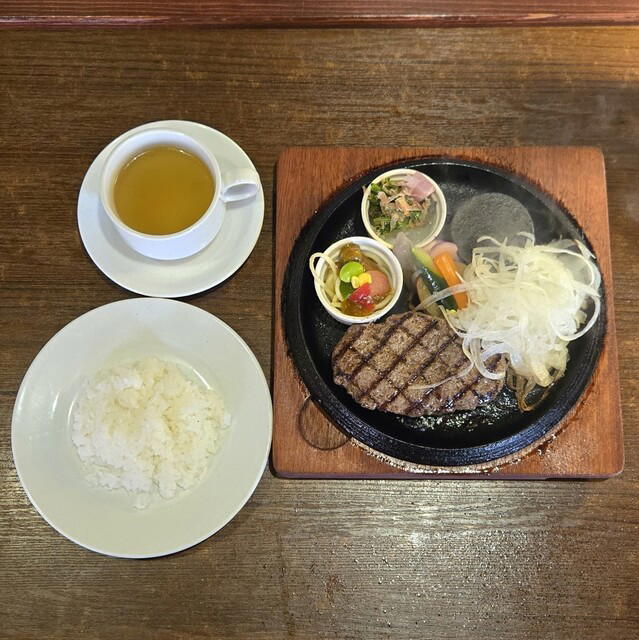
Saffron
Yanagawa, Japan
A house restaurant in Yanagawa earning Tabelog Yoshoku WEST 100 recognition for hamburger steak served at under JPY 2,000 per head. Lunch-only format, informal setting, and single-dish focus make this a strong value choice for yoshoku enthusiasts visiting Fukuoka's canal town, though the residential location and limited hours require advance planning by phone.
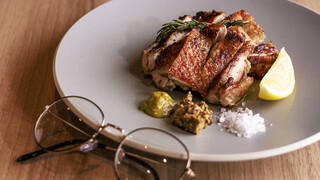
Meganeya
Osaka, Japan
Spring and autumn Osaka evenings are the cleanest fit for Meganeya: it is better treated as a recognized dinner booking than a brunch or daytime stop. The price sits in a useful middle lane, with a Tabelog 100 #71 (2025) signal that makes it worth considering for a date or small celebration without moving into splurge territory.
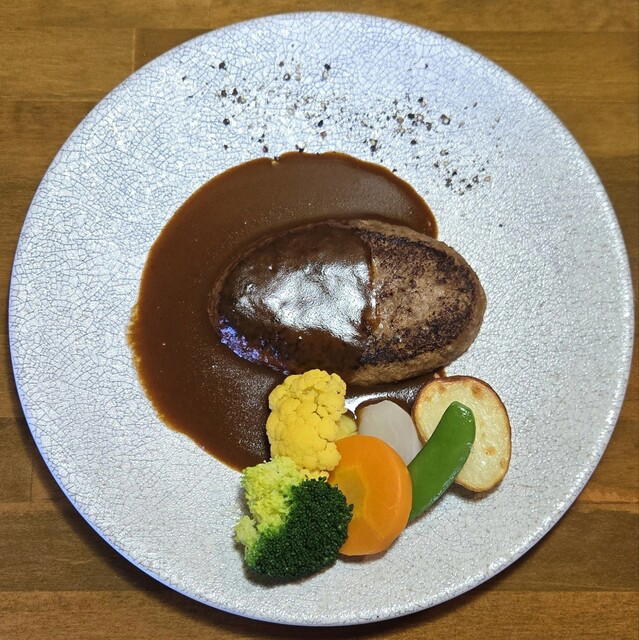
La Casa
Munakata, Japan
Weekend-only yoshoku specialist two minutes from Munakata Taisha Shrine, named to Tabelog 100 Yoshoku WEST in 2025 and 2023. The converted house operates walk-in lunch service only (11 AM–2:30 PM Saturday and Sunday) with a seafood-focused menu at JPY 1,500 per course. Counter seats five; tables seat 18. Dinner requires one day's notice. Cash only, no website, parking on site.
Marche
Kobe, Japan
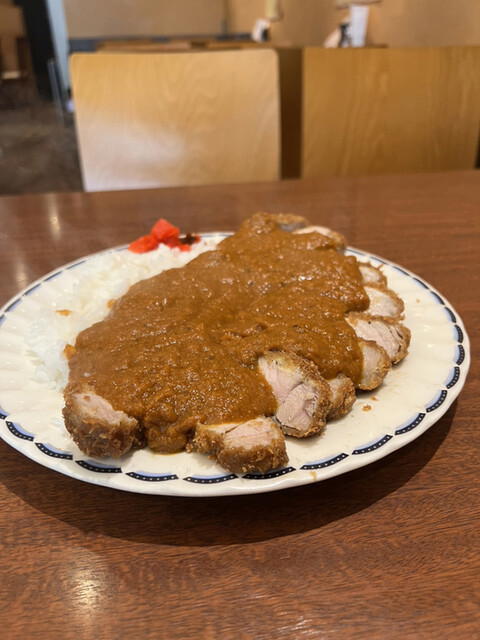
Tabelog 100-recognized yoshoku cafeteria serving Japanese-style Western comfort food at JPY 1,000–1,999 per head, lunch-only with no reservations. Counter seating and cafeteria pace reward solo diners and early arrivals; expect queues past noon. Closed Sundays, walkable from Motomachi Station.
Juutei
Osaka, Japan
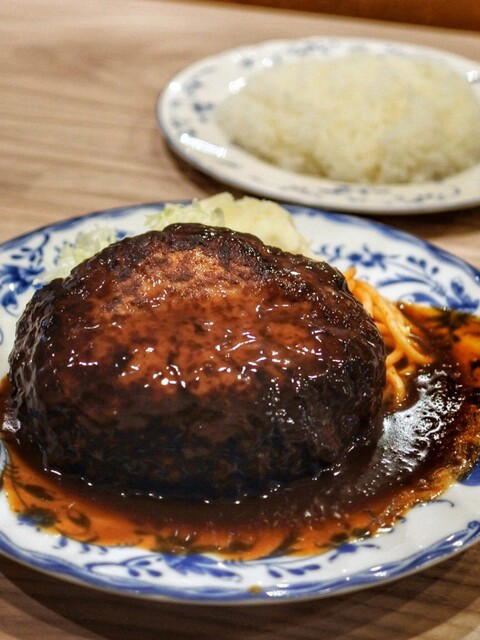
Tabelog Yoshoku 100 - WEST 2025 winner in Namba serving hamburger steak, beef cutlet, and omurice at JPY 1,000–JPY 2,999. No reservations, cash only, 30 seats; lines form before 11:30 AM lunch service. Straightforward execution and house demi-glace sauce earn the wait for yoshoku purists.
Wine Chan Kawara Machi Roji
Osaka, Japan
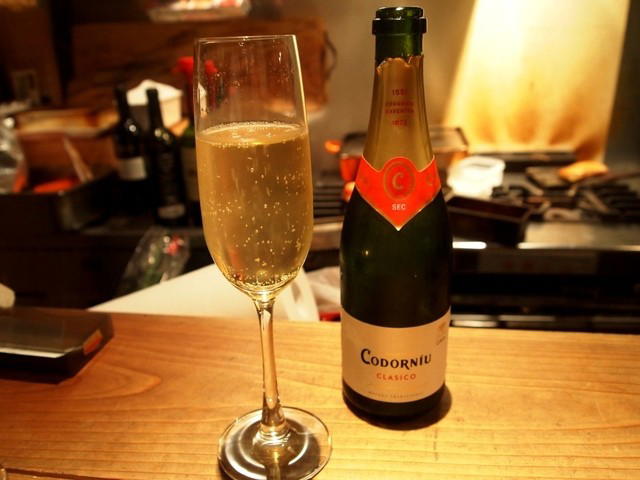
A Tabelog 2025 Yoshoku WEST 100 selection delivering French-Italian-inflected hamburger steak and natural wine pairings at JPY 8,000–9,999 dinner, JPY 1,000–1,999 lunch. The 18-seat house near Sakaisuji Hommachi runs no-reservation lunch service (arrive early) and reservation-required dinners with counter seating and a convivial, casual-house mood.
KANNOSUKE
Fukushima, Japan
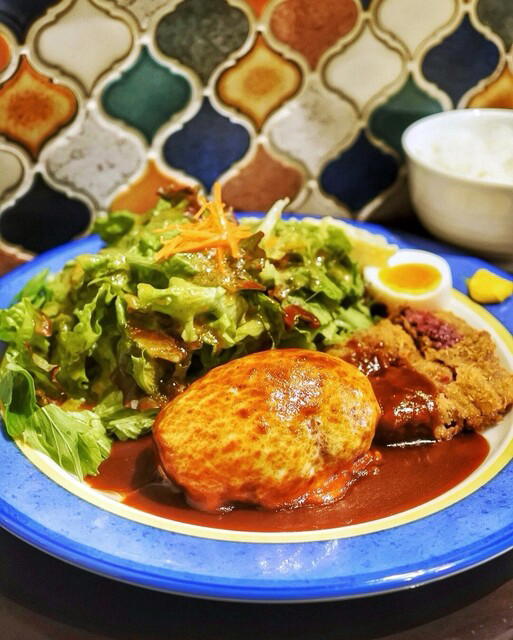
Tabelog 100 Yoshoku WEST 2025 counter specialist near Shin Fukushima station, serving hamburger steak and beef cuts under JPY 2,000 per head. No reservations, cash only, and a 20-seat counter that fills quickly with solo diners and neighbourhood regulars. Worth the queue if yoshoku at budget-canteen pricing appeals more than white-tablecloth formality.
MINOYA
Hiroshima, Japan
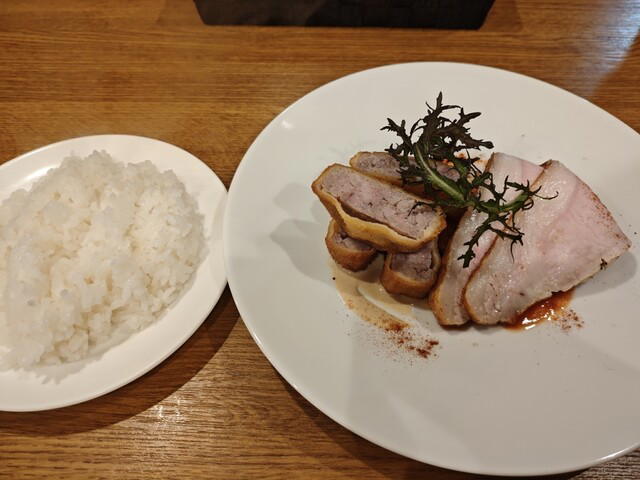
MINOYA is worth shortlisting in Hiroshima if you want a researched local meal without a difficult booking process. The value case is strong thanks to moderate pricing and Tabelog 100 recognition, but it is better for dining in than for takeout unless off-premise service is confirmed when arranging the meal.
Porco
Suzuka, Japan
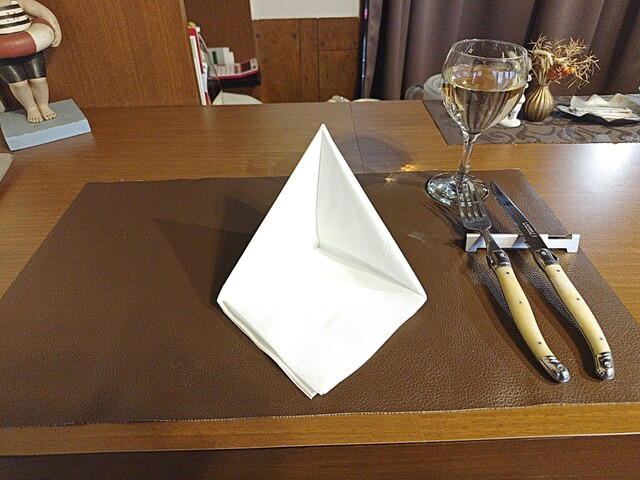
Neighborhood yoshoku specialist in Suzuka offering comfort-food staples; hamburg steaks, cream croquettes, demi-glace sauces; at JPY 2,000–JPY 2,999 for dinner. The 2025 Tabelog 100 West listing confirms technical discipline, and the cash-only, 20-seat setup keeps the focus on the food rather than the décor. Reliable, approachable, and well-priced for the category.
Kitchen Papa
Kyoto, Japan
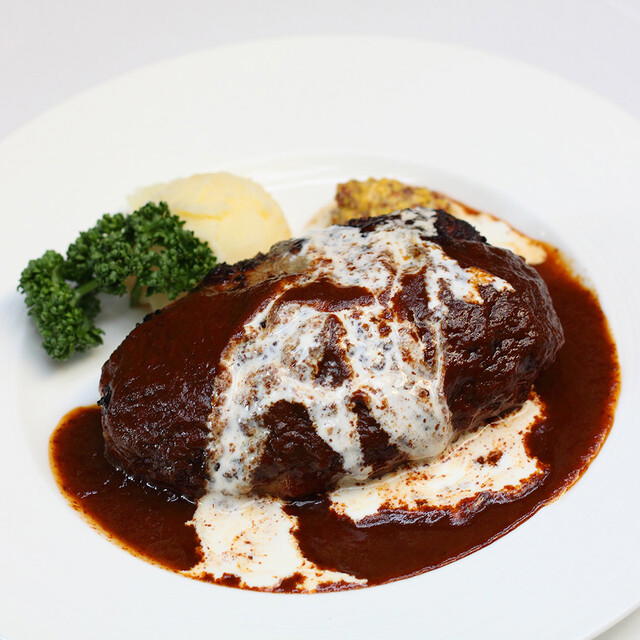
No-reservations yoshoku spot in Kamigyo Ward, named to Tabelog's 100 WEST in 2023 and 2025. Homemade hamburger steak, daily-milled rice with free refills, and family-friendly service at JPY 1,000–1,999. Arrive at opening to avoid a queue; the kitchen sells out before closing most days.
GRILL DEMI
Kyoto, Japan
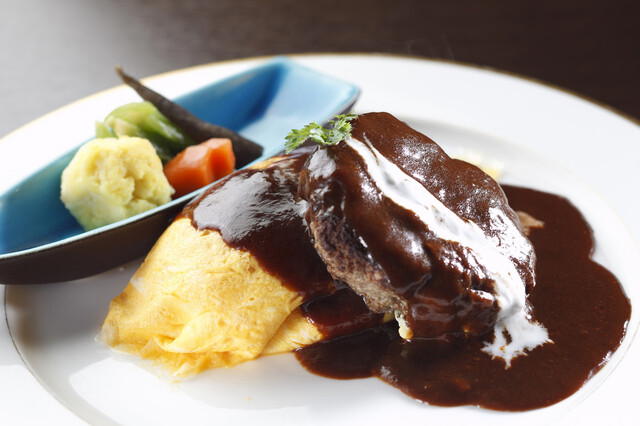
Walk-in-only yoshoku counter in Nakagyo serving hamburger steak under JPY 2,000, recognized in Tabelog's 2025 Yoshoku 100 for Western Japan. No reservations means queue-dependent access, but the low price and family-friendly format make it a practical choice for casual lunch or dinner near Marutamachi Station.
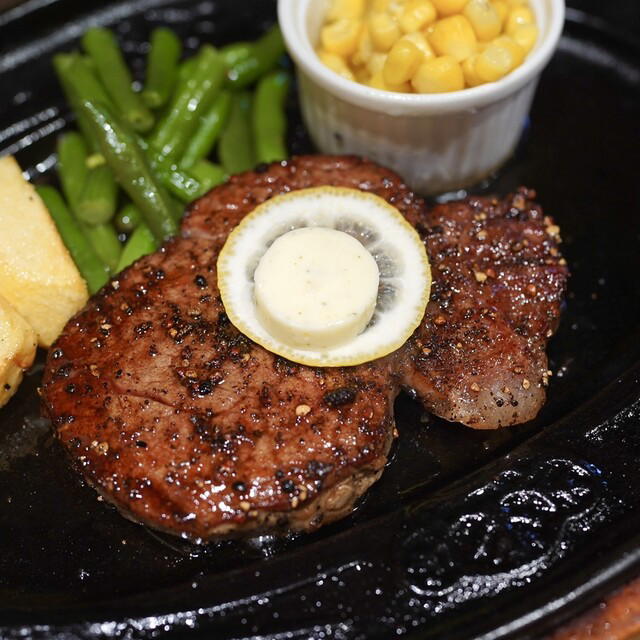
Mochizuki
Goto, Japan
Goto's sole Tabelog 100 Yoshoku specialist, serving Japanese-style Western dishes; steak, hambagu, fried cutlets; at JPY 5,000–5,999 for lunch or dinner. No website, phone reservations only, closed Tuesdays. The reliable mid-range choice when ferry logistics rule out returning to Nagasaki mainland for dinner.
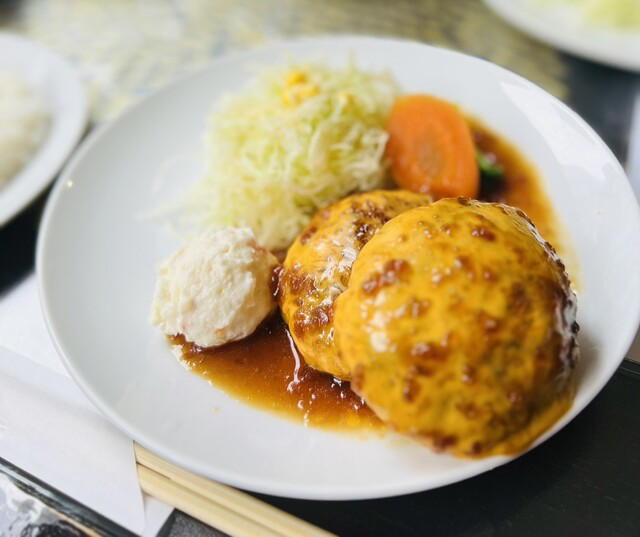
Yotsubashi Cafe
Osaka, Japan
A no-reservation hamburger steak counter in Nishiohashi recognized in Tabelog's 2025 Yoshoku WEST 100. Lunch-only service closes when the day's hamburg sells out, usually within a few hours of opening. Pricing runs under JPY 2,000, and the 31-seat café layout includes counter, table, and sofa seating. Walk-ins only, cash only, and early arrival strongly advised.
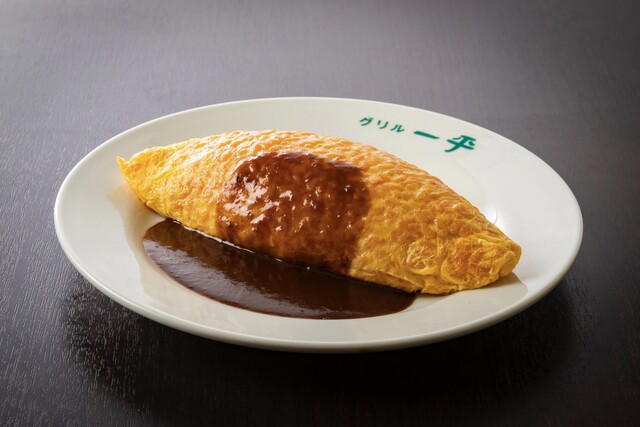
Grill Ippei Motomachi ten
Kobe, Japan
Grill Ippei Motomachi ten is worth booking for a value-led Kobe meal with a credible Tabelog 100 signal, especially if the plan is casual rather than ceremonial. It sits between low-cost Motomachi staples like Gyoza Daigaku and higher-spend options such as Ito Grill or legno, making it a smart middle choice for a researched but unfussy lunch or dinner.
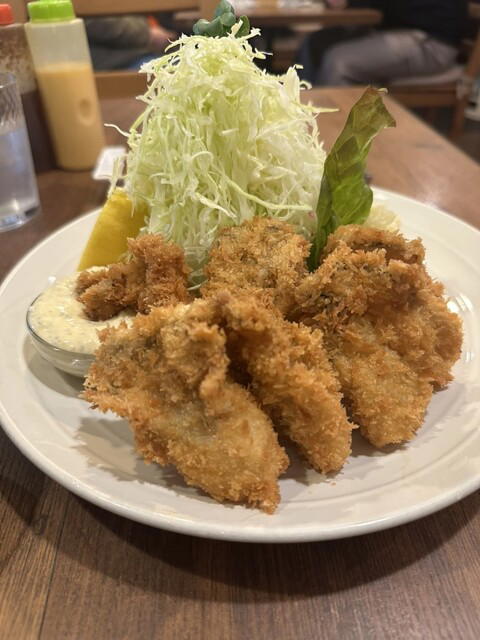
Yoshoku Masuda
Kobe, Japan
Walk-in-only yoshoku counter in Kobe with Tabelog 100 recognition for western Japan. At JPY 1,000–1,999, the hamburger steak and curry earn their national pedigree; but the fourteen-seat layout and no-reservations policy mean queues are the price of entry. Arrive early or build in wait time.
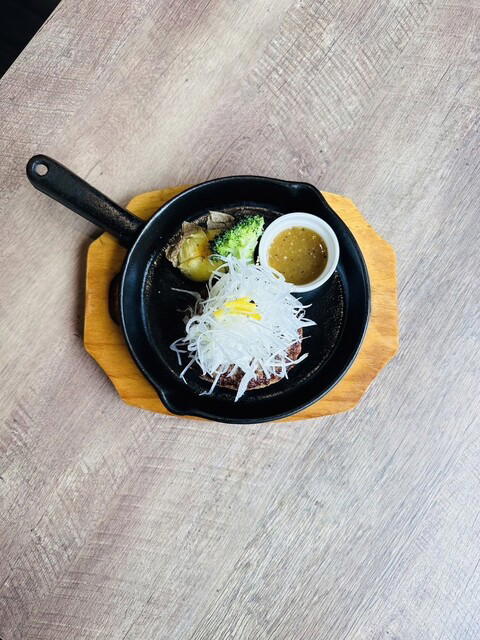
Tezukuri Hamburger steak Apeze
Kusatsu, Japan
A Kusatsu yoshoku specialist making daily handcrafted Hamburg steak from 100% coarse-ground wagyu, with private rooms for groups and a wine program uncommon in the category. Recognized on Tabelog's 2025 Yoshoku WEST 100 list, the house restaurant suits family celebrations and longer meals better than quick solo lunches.
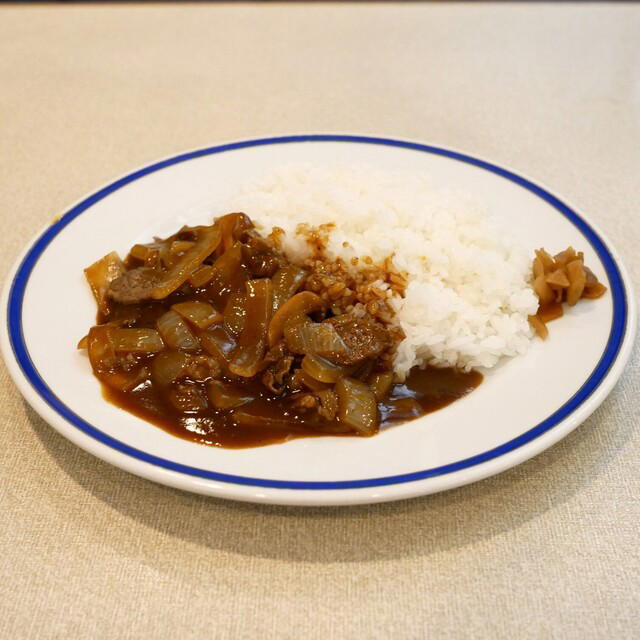
Cock Doll
Kochi, Japan
Tabelog 100 Yoshoku WEST 2025 selection serving omurice and Japanese-style Western dishes in a sofa-seated neighborhood room. JPY 1,000-1,999 across lunch and dinner, with better availability at lunch and the same kitchen standards across both services. Reservations available; walk-ins possible but confirm ahead for Thursdays.
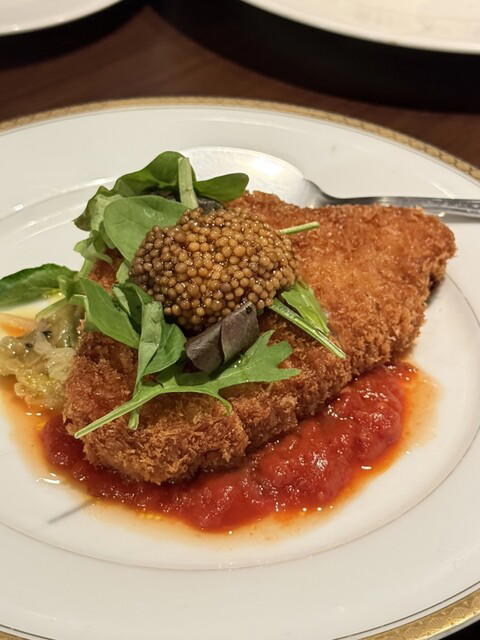
Yoshoku Teshima
Osaka, Japan
A 2025 Tabelog 100 yoshoku specialist in Shinmachi offering hamburger steak and cream-forward Western-Japanese classics. Lunch runs JPY 1,000–1,999 Thursday through Sunday, dinner JPY 6,000–7,999 nightly except Monday. Ingredient sourcing justifies the dinner price, but lunch delivers Tabelog-level technique at a fraction of the cost. Book a few days ahead; walk-ins possible at lunch.
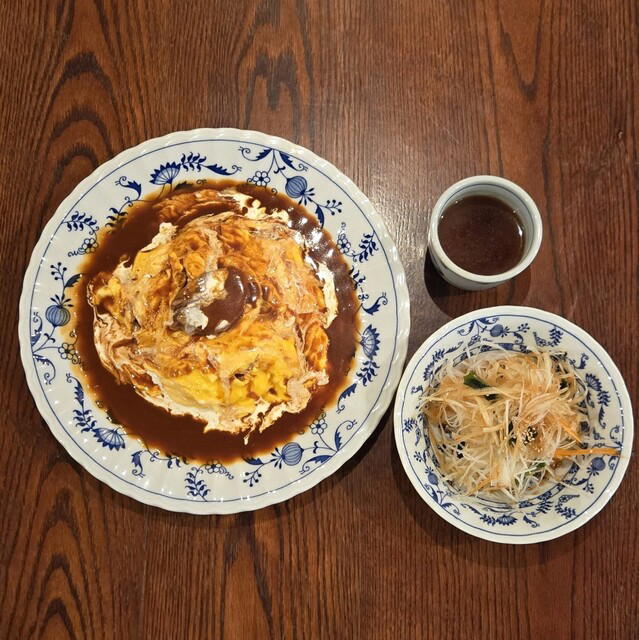
Shin Kimura
Yatsushiro, Japan
Tabelog Yoshoku 100 WEST honoree serving omurice and Japanese-Western classics in a 21-seat house-restaurant. Lunch runs JPY 1,000–JPY 1,999, dinner JPY 2,000–JPY 2,999. Service prioritizes kitchen output over hospitality polish; book ahead and expect reliable technique rather than formality.
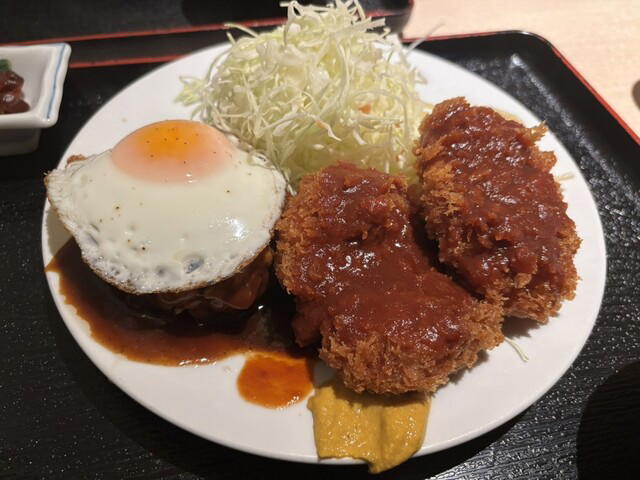
Tonkatsu So Fujimaru
Wakayama, Japan
Tabelog 100 tonkatsu counter in Wakayama serving crisp, grease-free cutlets at JPY 1,000–1,999. No reservations; cash only; lunch-focused with evening takeout. Counter seating for six, kotatsu tables for groups. Worth queuing when precision frying matters more than plating drama.
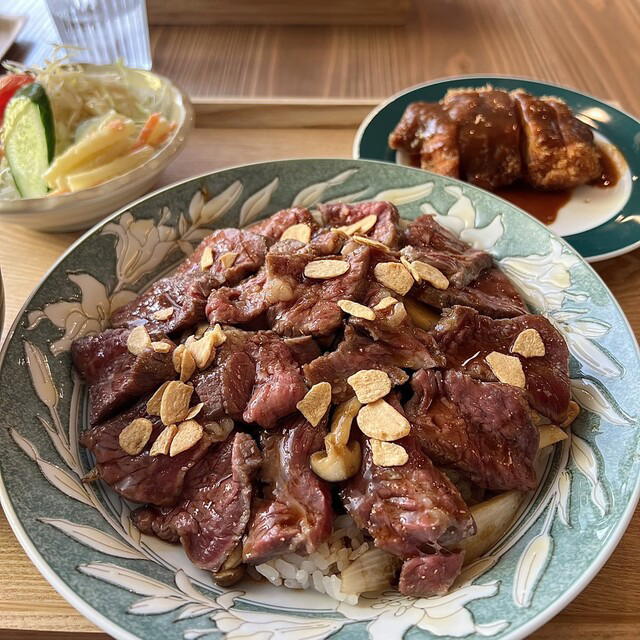
Kakui Ni Iku Ka
Kobe, Japan
A 12-seat yoshoku counter in Aratacho that earned Tabelog's 2025 WEST 100 recognition within months of opening. Walk-in only, lunch-only service Tuesday through Saturday, JPY 1,000–1,999, with hamburger steak and classic Western-Japanese preparations. Better value and tighter execution than similarly-priced Kobe peers, but requires flexible timing and cash payment.
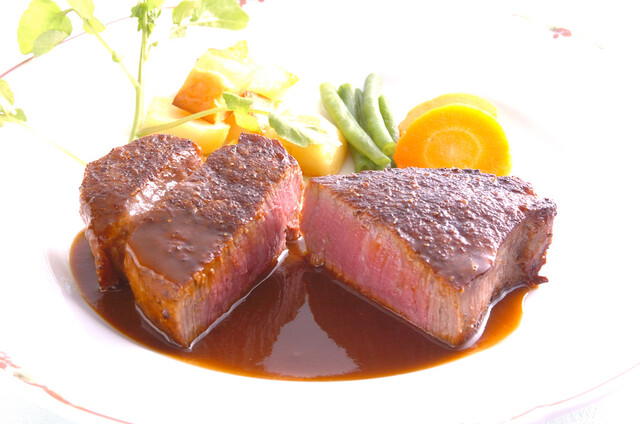
Ito Grill
Kobe, Japan
A 103-year-old yoshoku specialist in Motomachi serving Kobe beef steak and stew at JPY 8,000–9,999 per head. Named to Tabelog's Yoshoku West 100 multiple times, the 20-seat room delivers century-old Western-Japanese recipes without the premium pricing of neighboring steakhouses. Reservations required for dinner; lunch is walk-in friendly.
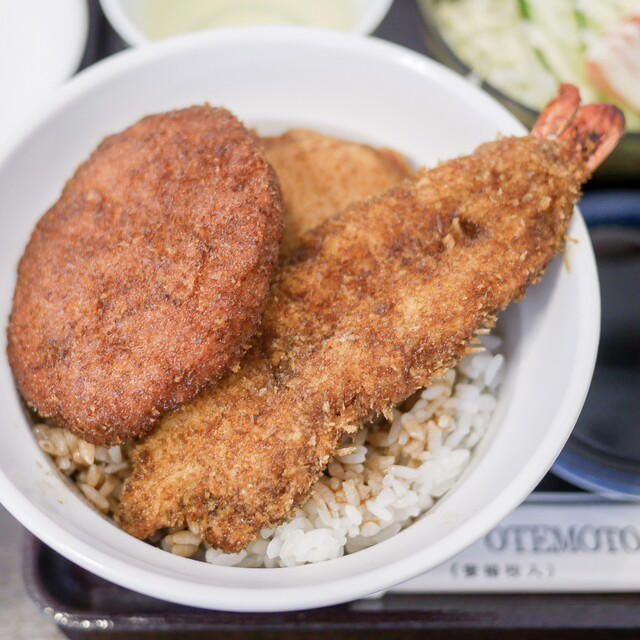
Europe Ken Souhonten
Fukui, Japan
A 95-year-old yoshoku specialist in Fukui recognized by Tabelog's 2025 western Japan list, serving 8mm-thick pork loin tonkatsu with proprietary Worcestershire sauce at JPY 1,000–1,999. Three floors, 95 seats, no reservations, cash-only; heritage execution at neighborhood prices.
KORISU
Kyoto, Japan
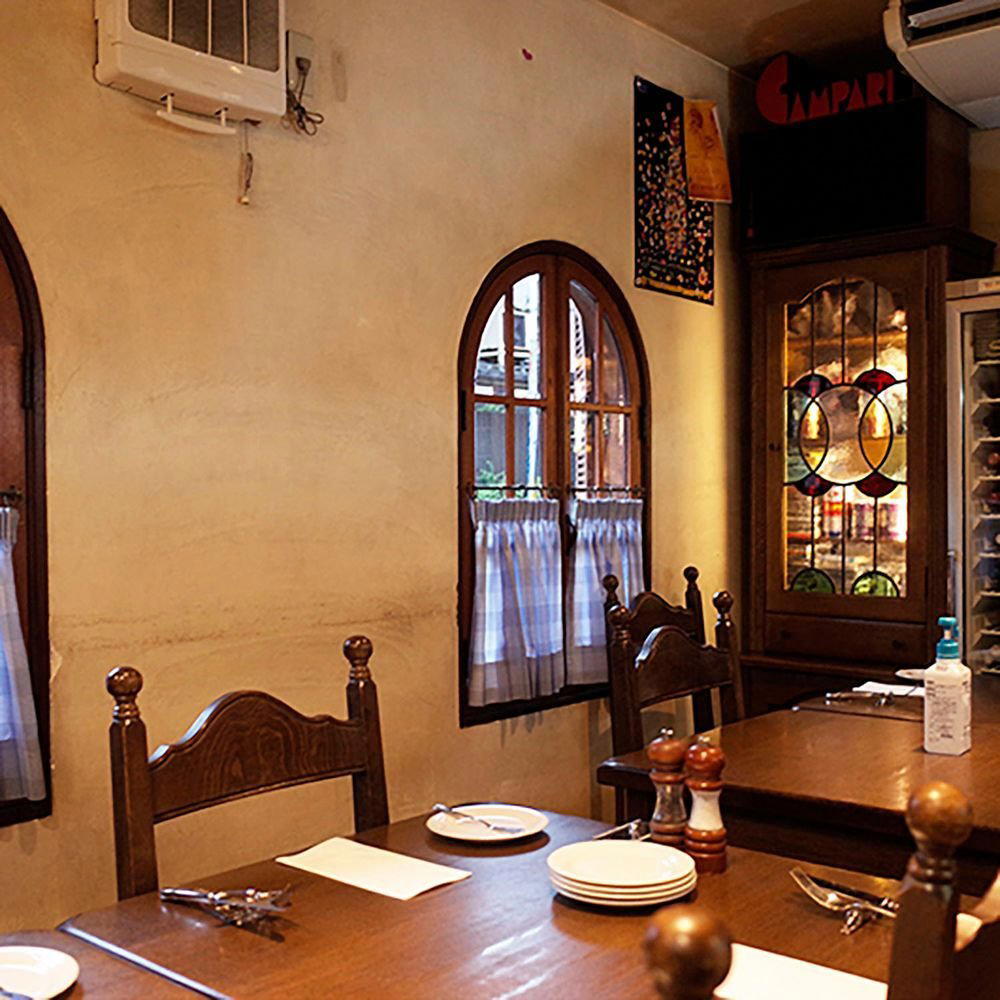
A three-table yoshoku restaurant in Higashiyama with back-to-back Michelin Bib Gourmands (2024 and 2025) and. At the ¥¥ price point, KORISU delivers French-influenced home cooking; hamburger steak, fried shrimp, lamb, escargot; in a family-run room that feels nothing like the kaiseki circuit. Booking requires persistence: phone-only, frequently unanswered, no website.
Revo Honten
Osaka, Japan
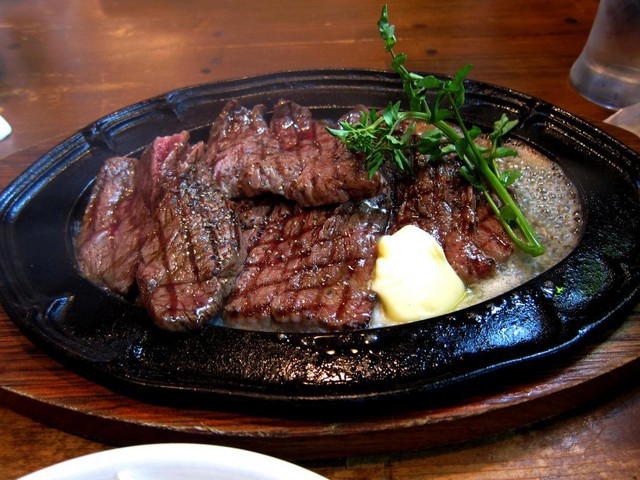
Nishinari yoshoku specialist sourcing whole black wagyu cattle at auction, delivering JPY 3,000–JPY 3,999 dinners with cuts typically priced double elsewhere. Four-time Tabelog 100 selection; the 18-seat counter-and-table space rewards early arrivals and regularity, as menu availability shifts with auction cycles. Best for diners prioritizing beef value over beverage depth or central location.
Sakura Grill
Osaka, Japan
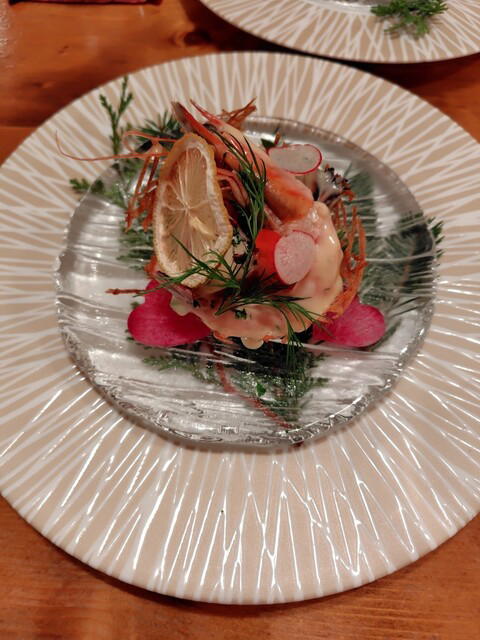
Tabelog 2025 Yoshoku West 100 grill in Toyonaka serving hamburger steak and charcoal-grilled proteins at JPY 4,000–4,999 per head. Dinner-only format (5–10 PM, closed Wednesday and Sunday) in a 32-seat room that balances craft with neighborhood ease. Easier booking than central Osaka, family-friendly, wine-focused. Book ahead for Thursday–Saturday; Monday and Tuesday offer quieter slots.
Aji no Ogura Honten
Miyazaki, Japan
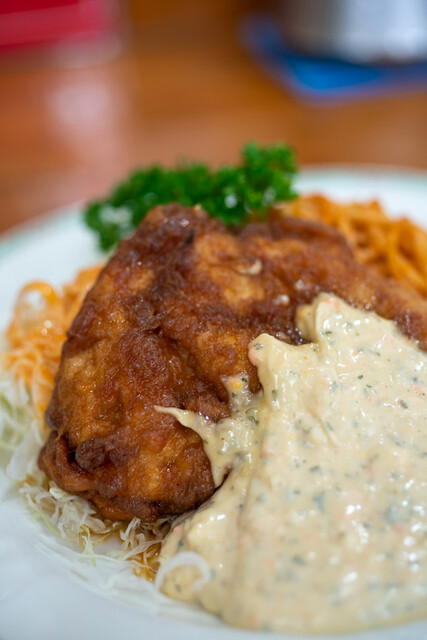
Aji no Ogura Honten is a good value pick in central Miyazaki for lunch or early dinner, especially if ease matters more than a formal experience. The price tier is low for a recognized local restaurant, but special-occasion diners should compare Chinese Sen or Taban Kusano Ya before committing.
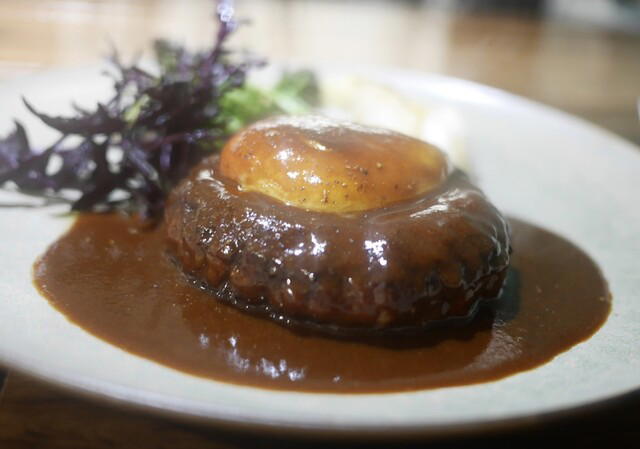
Yoshokudo Noro
Kyoto, Japan
A yoshoku specialist recognized on Tabelog's 100 Best within eighteen months of opening, offering hambagu steak and Western-style Japanese dishes at JPY 3,000-3,999 lunch and JPY 8,000-9,999 dinner. The Nakagyo Ward location near Karasuma Oike Station provides easier booking than Gion or Arashiyama, and the format suits solo diners or families seeking a break from kaiseki formality.
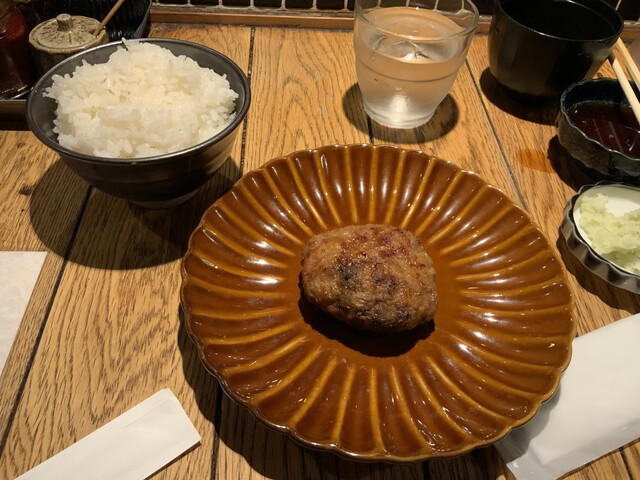
MIYAKO HAMBURG
Oita, Japan
A 28-seat counter in Oita serving charcoal-grilled free-range chicken hamburgers for JPY 1,100, recognized on Tabelog's 2025 Yoshoku 100 WEST list. Lunch-only, walk-ins only, cash-only format with free rice and soup refills. Opens at 11:30 AM Tuesday through Sunday and closes when the daily chicken supply runs out.
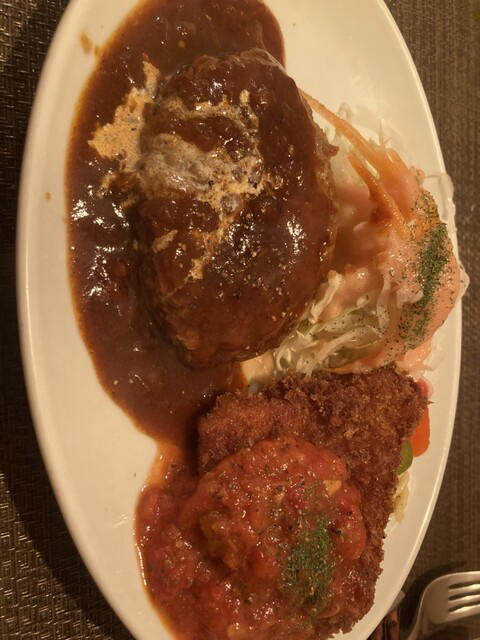
Bistro Taku
Kobe, Japan
A Tabelog 100-listed yoshoku counter in Kaigandori serving lunch Tuesday through Sunday, JPY 1,000 to JPY 1,999. Email reservations required at least one day ahead; cash-only, counter seating only, no dinner service. Solid value for western Japan yoshoku recognition at an accessible price point.
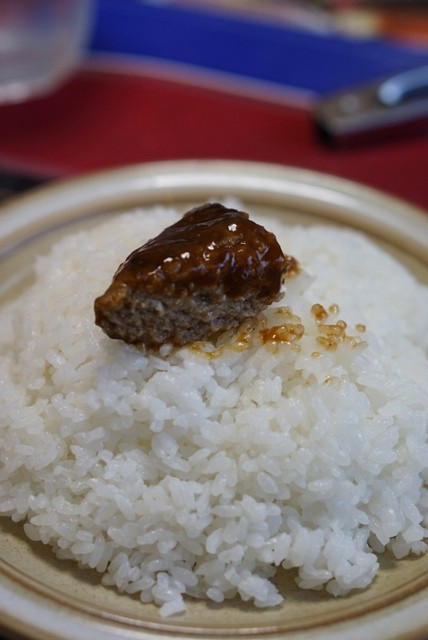
Shitamachi no Yoshoku Jidaiya
Sasebo, Japan
Tabelog 100-recognized yoshoku specialist in Sasebo offering steak and Western-Japanese fusion at JPY 2,000–2,999 per head. The 54-seat dining room handles groups of 2–25 with tatami and private room options, making it a practical choice for family gatherings and banquets. Cash-only, parking available, closed Mondays.
Overview
Tabelog 100 - Yoshoku - WEST - 2025 is a curated list of the top 100 yoshoku (Western-influenced Japanese cuisine) restaurants across Western Japan, selected annually by Tabelog, Japan's leading restaurant review platform. This prestigious list highlights standout establishments blending Western flavors with Japanese culinary techniques, reflecting regional tastes and innovation.
Tabelog, Japan’s largest and most influential restaurant review platform, annually compiles the Tabelog 100 lists to spotlight the best dining establishments across various cuisines and regions. The 2025 Yoshoku list for Western Japan celebrates restaurants excelling in yoshoku, a beloved category where Western dishes are reinterpreted with Japanese ingredients and sensibilities. Spanning cities like Osaka, Kyoto, Kobe, and Hiroshima, this list captures evolving trends and regional specialties, serving both local gourmands and international travelers eager for authentic yet innovative yoshoku experiences.
For discerning diners and culinary travelers exploring West Japan, the Tabelog 100 - Yoshoku - WEST - 2025 list is an essential guide to the finest yoshoku eateries. This curated selection showcases chefs and establishments pushing the boundaries of yoshoku; Japan’s cherished Western-style cuisine; through inventive takes on classics like omurice, hambāgu, and korokke. Whether in bustling Osaka or historic Kyoto, these restaurants reflect the region’s rich gastronomic heritage fused with global influences, offering an authentic taste of contemporary Japan.
Quick Facts
- Publisher
- Tabelog
- Year
- 2025
- Coverage
- Western Japan (including Osaka, Kyoto, Hyogo, Hiroshima, and surrounding prefectures)
- Items
- 100 Yoshoku restaurants
- Frequency
- Annual
About This Edition
The 2025 edition of the Tabelog 100 - Yoshoku - WEST list highlights a renewed emphasis on sustainable ingredients and regional sourcing, with several new entries championing organic and locally grown produce. It also reflects a rising trend of fusion yoshoku, where chefs incorporate global flavors such as Mediterranean and Southeast Asian influences into traditional dishes. This year’s list underscores West Japan’s evolving yoshoku scene as both rooted in tradition and boldly innovative.
Frequently Asked Questions
What is Tabelog 100 - Yoshoku - WEST - 2025?
How are honorees selected?
How often is this list updated?
How can I find these on Pearl?
How many of these have you visited?
Find out on Pearl and keep score across every place in Tabelog 100 - Yoshoku - WEST - 2025.