

KORISU
Yoshoku · Higashiyama, Kyoto
Restaurant in Kyoto, Japan
 Book with Pearl
The Read
Family-Run Yoshoku Counter
Price
$50–100per person
Dress
Smart Casual
Why go
A three-table yoshoku restaurant in Higashiyama with back-to-back Michelin Bib Gourmands (2024 and 2025). At the ¥¥ price point, KORISU delivers French-influenced home cooking, hamburger steak, fried shrimp, lamb, escargot, in a family-run room that feels nothing like the kaiseki circuit. Booking requires persistence: phone-only, frequently unanswered, no website.
About KORISU
Should You Book KORISU?
Getting a table at KORISU is genuinely difficult. At the ¥¥ price point, it is among the most credible value propositions in a city where the kaiseki restaurants at ¥¥¥¥ command all the attention.
What KORISU Is
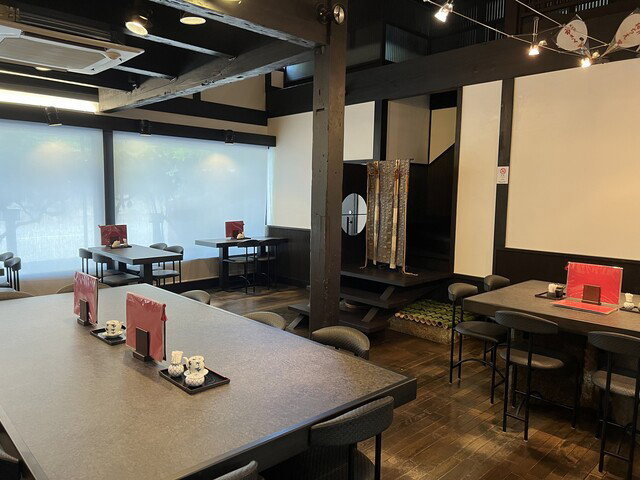
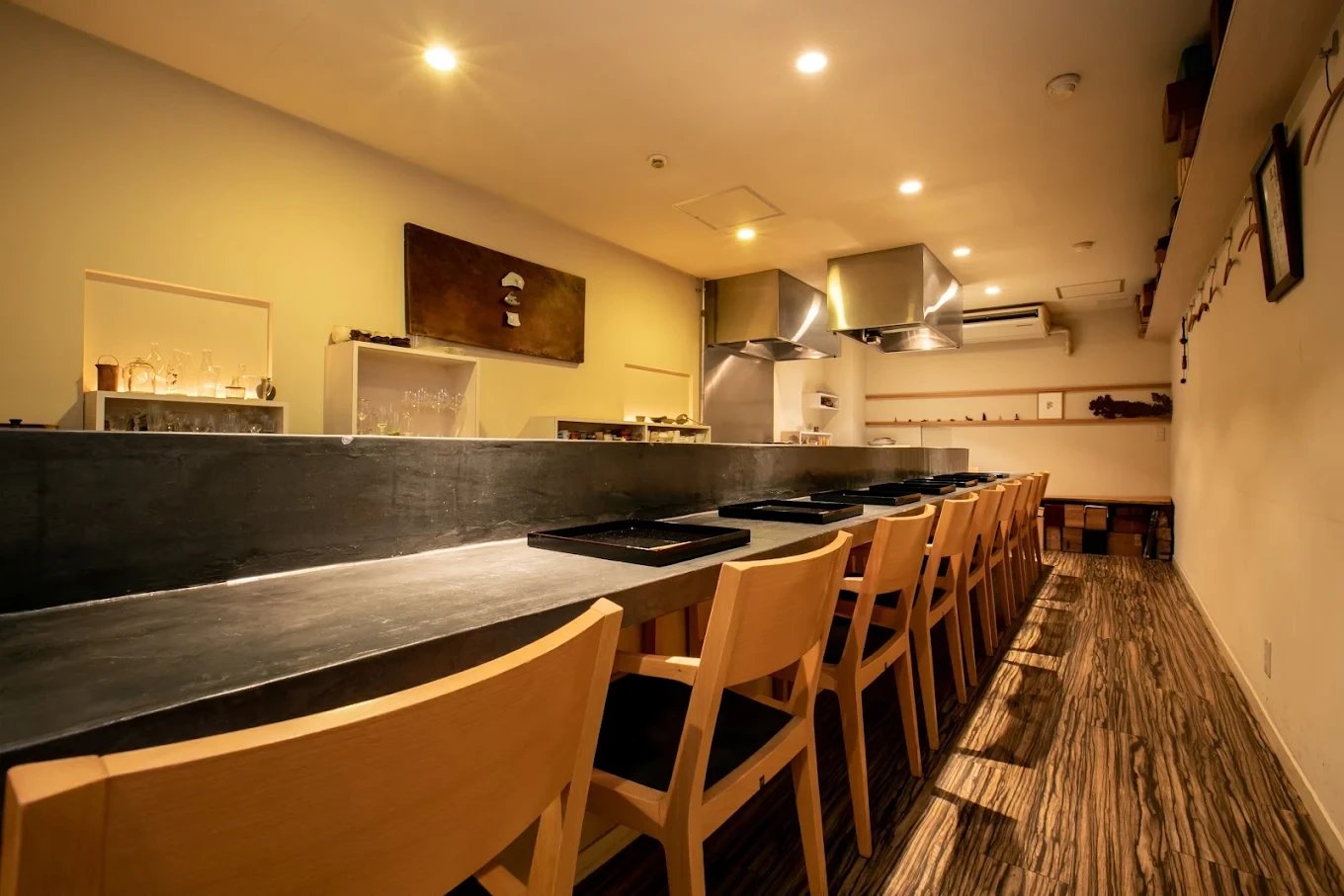
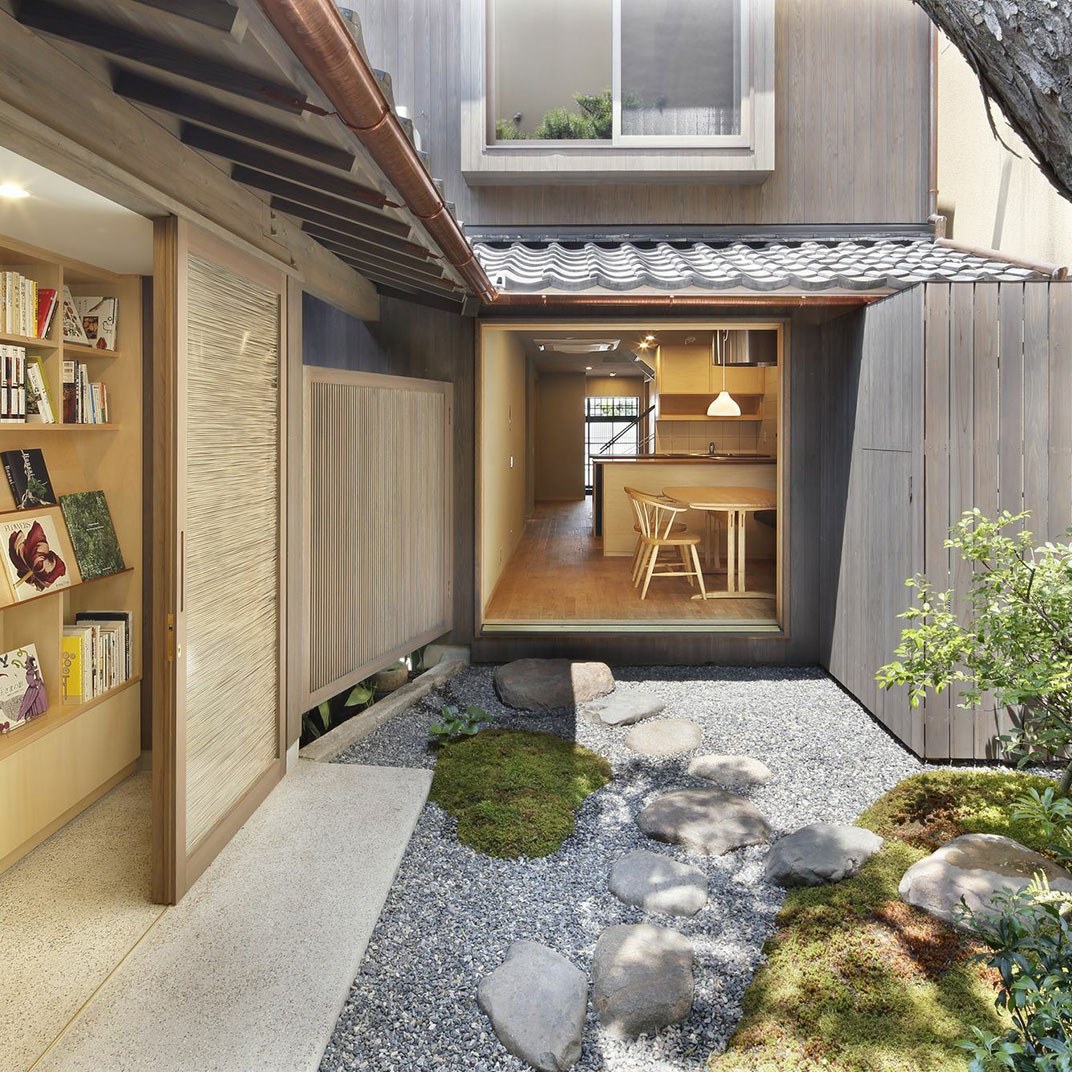
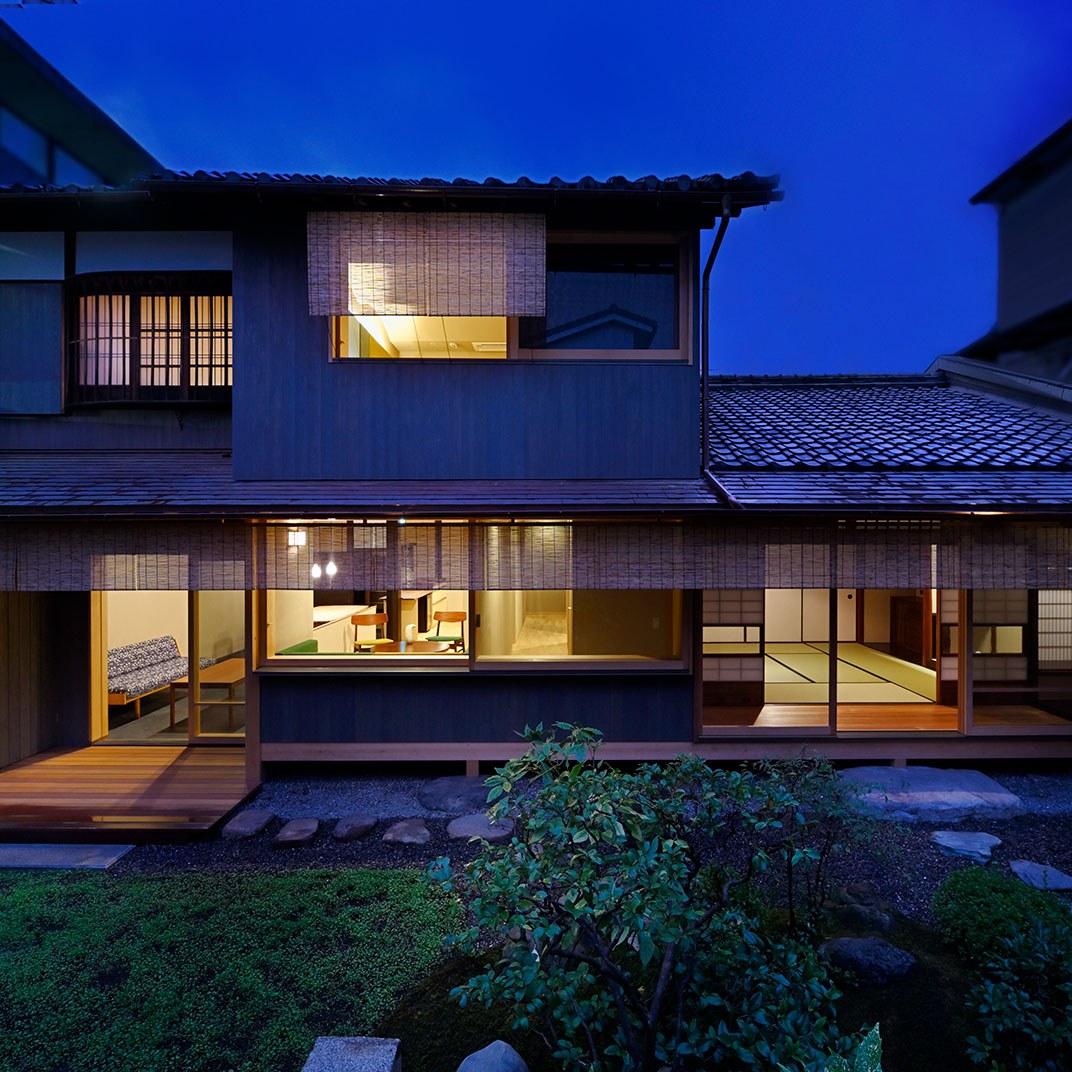
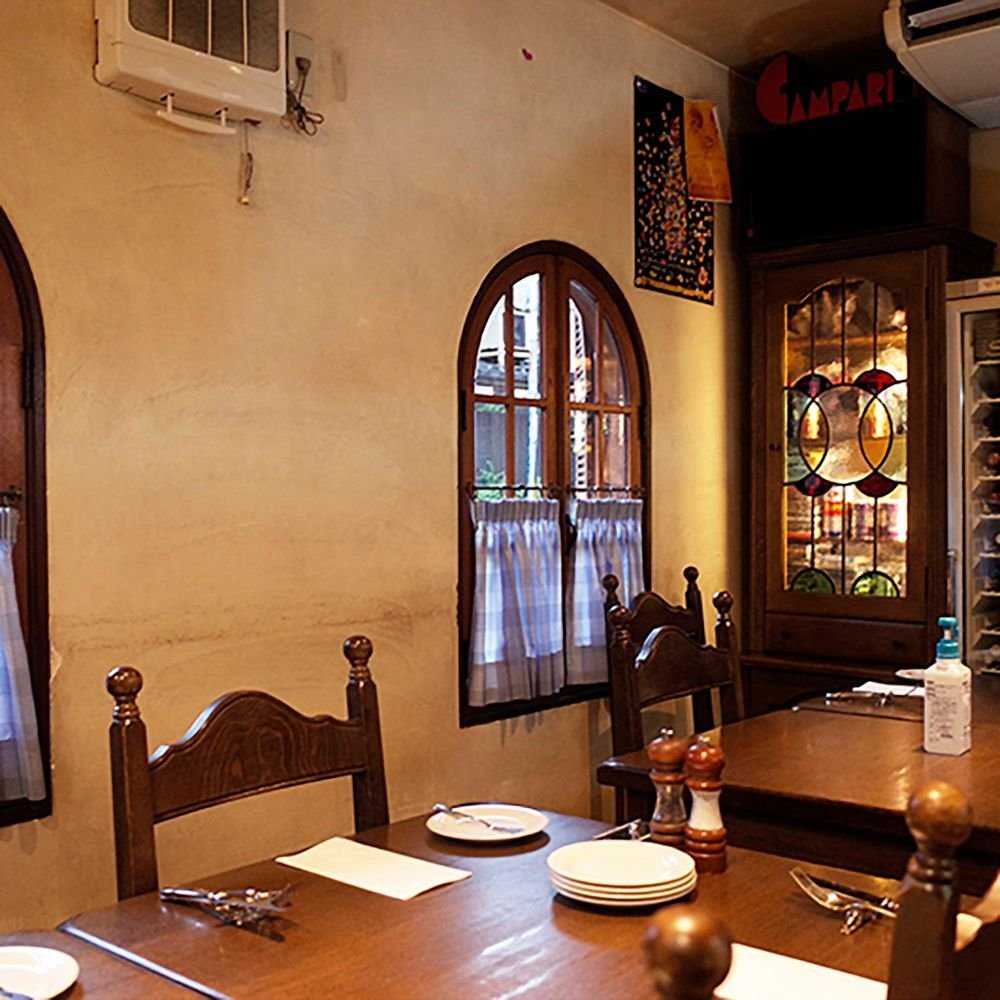
Yoshoku is Japan's tradition of Western-influenced cooking: French and continental dishes reinterpreted through a Japanese kitchen sensibility, refined over generations. KORISU is a family operation: a mother and two daughters run the room in white smocks, and the hospitality is domestic in the leading sense. This is not a performance of warmth; it reads as the real thing. The portions are generous, the cooking is consistent enough to have earned back-to-back Bib Gourmands, and the dishes, hamburger steak, fried shrimp, escargot, lamb, are built around flavours that reward rather than challenge.
The wine angle is worth flagging for food and wine enthusiasts. The Bib Gourmand notes specifically that escargot and lamb pair well with wine, which suggests the kitchen is thinking about the relationship between the food and the glass. At a ¥¥ price point, you are unlikely to encounter a deep wine list, but the pairing logic built into the menu itself, rich, wine-friendly proteins cooked in French tradition, means your bottle choices are largely self-directing. Bring a Burgundy or a northern Rhône red and you will not go wrong with the lamb. For those who want to explore Kyoto's wine scene more broadly, see our full Kyoto wineries guide.
Chef Iván Abril leads the kitchen, an unusual name for a Kyoto yoshoku restaurant, and a detail that adds an extra layer of cross-cultural interest to what is already a genre defined by its hybridity. The Michelin consistency across two consecutive years speaks to the kitchen's reliability.
Who Should Book
KORISU is the right call for travellers who want something outside Kyoto's kaiseki circuit without dropping into tourist-trap territory. If you have already covered the high-end kaiseki end of the spectrum, Gion Sasaki, Hyotei, or Kikunoi Honten, KORISU offers a completely different register: casual, family-run, French-inflected, and priced to match. It is particularly well-suited to solo diners and pairs who want a real meal in a small room without the ceremony or the bill that come with Kyoto's kaiseki institutions.
It is less suited to groups. Three tables is a hard constraint, and nothing suggests private dining or flexibility for larger parties. If you are travelling with four or more people, you are better served looking at other options in our full Kyoto restaurants guide.
For food and wine travellers who enjoy the yoshoku genre, it is also worth comparing KORISU against the Osaka options: Yoshoku Izumi and Yoshokuya Fujiya offer useful benchmarks for what the category delivers at different price points and settings.
Know Before You Go
- Address: 101 Rokurocho, Higashiyama Ward, Kyoto, 605-0813, Japan
- Cuisine: Yoshoku (French and Western dishes in Japanese tradition)
- Price range: ¥¥, mid-range, strong value for a Michelin Bib Gourmand
- Awards: Michelin Bib Gourmand 2024 and 2025
- Capacity: Three tables only, one of Kyoto's smallest dining rooms
- Booking: Phone-only; phone frequently goes unanswered, persistence required
- Website: None available
- Hours: Contact the restaurant directly before visiting
- Dress code: The casual family atmosphere suggests smart casual is more than sufficient
How It Compares
See the full comparison below.
More to Explore in Kyoto and Beyond
- Mizai, Kaiseki, Kyoto
- Isshisoden Nakamura, Japanese, Kyoto
- HAJIME, Osaka
- akordu, Nara
- Goh, Fukuoka
- Harutaka, Tokyo
- 1000, Yokohama
- 6, Okinawa
- Our full Kyoto hotels guide
- Our full Kyoto bars guide
- Our full Kyoto experiences guide
Planning details
- Hours
- Monday: 11:30 AM–9 PM · Tuesday: Closed
- Location
- 101 Rokurocho, Higashiyama Ward, Kyoto, 605-0813, Japan
- Phone
- +81 75-561-9281
The take
The Take
The Vibe
KORISU presents itself as an intensely small, family-run yoshoku spot that feels more like a private dining room than a conventional restaurant. Its three-table scale and the white-smocked family on the floor shape an intimate, domestic atmosphere; you are literally dining in a space the household can look after. The kitchen sits squarely within the Meiji-era yoshoku tradition, Western techniques reinterpreted through Japanese home cooking, so the room is quietly historic and warm rather than theatrical. The result is a focused, low-key dining experience that rewards attention to simple, lovingly prepared comfort dishes.
Best For
This is a place for intimacy and quiet appreciation rather than large groups. The three-table layout and family service make KORISU well suited to date nights and solo diners seeking close-up engagement with neighborhood cooking. Its mid-range pricing and Michelin Bib recognition attract diners who want thoughtful yoshoku without formal fuss. It is not positioned for loud celebrations or big parties; instead, it works best when you want to settle into a domestic, attentive meal that reads like an evening in someone’s home more than a conventional restaurant visit.
Ordering Tips
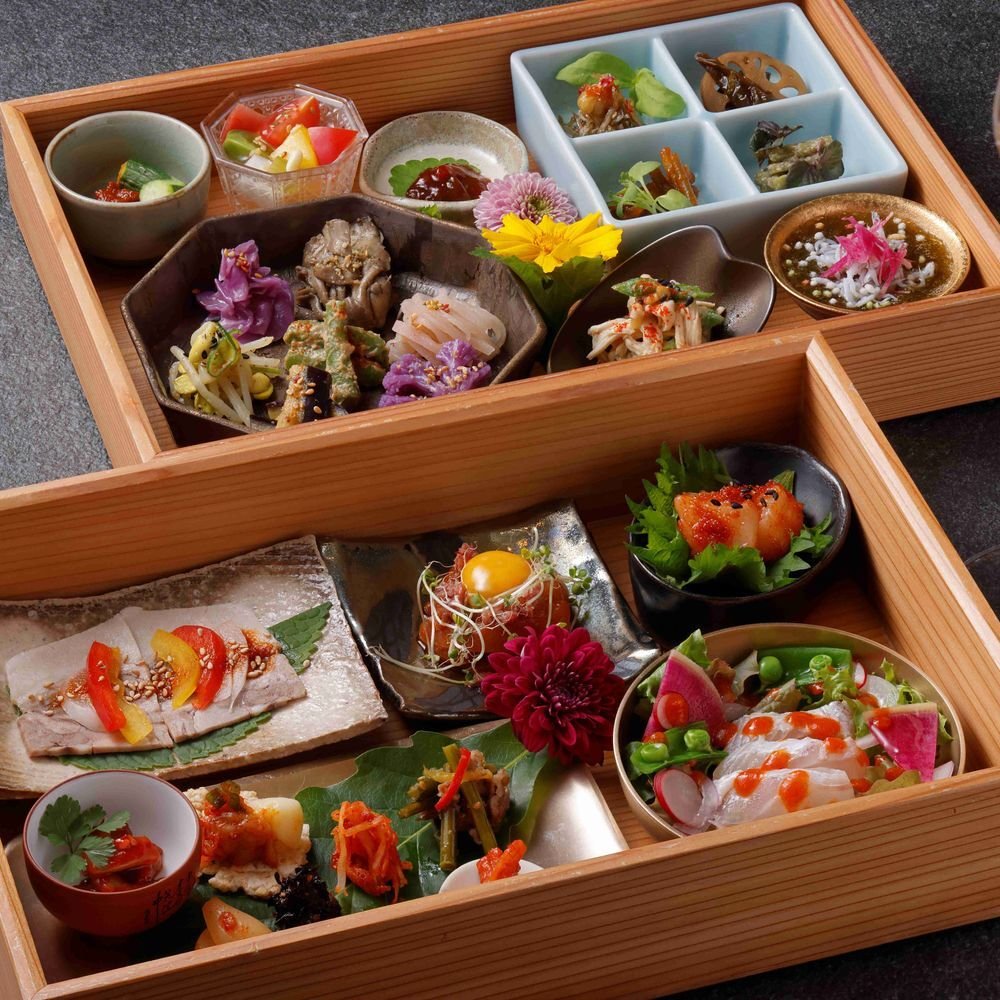
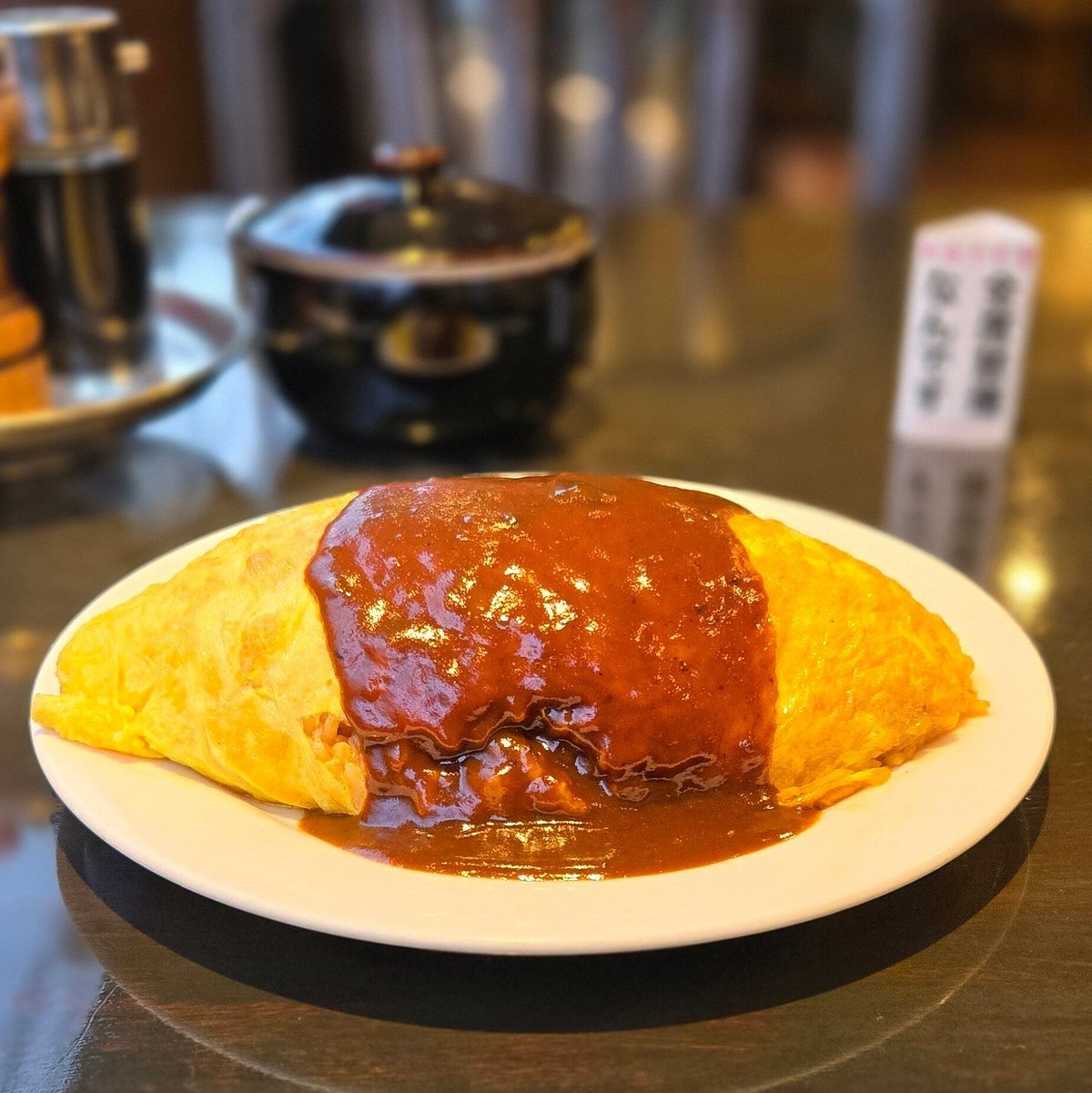
The menu leans on classic yoshoku and neighborhood specialties: think hammered-out Western-Japanese homestyle plates. The description and signaled specialties point you toward the Pork blue cheese cutlet, the Beef cutlet sandwich and the Macaroni gratin as highlights. More broadly, look for yoshoku staples referenced in the write-up (hambāgu, omurice and dishes with demi-glace influences) if they appear. Expect straightforward, well-executed comfort dishes rather than elaborate tasting menus; choose a few signature items that showcase the family’s long familiarity with these recipes.
Venue details
Ambiance
Cozy and intimate family atmosphere with warm hospitality, clean lines, and a hushed, contemplative setting.
Tags
Vibe
Best For
At the Table
- Dress Code
- Smart Casual
- Noise Level
- Quiet
- Service Style
- Upscale Casual
- Meal Pacing
- Standard
- Capacity
- Intimate
- Kitchen
- Traditional
- Menu Format
- A la carte
- Drinks Focus
- Wine, Sake
Signature Dishes
- Pork blue cheese cutlet
- Beef cutlet sandwich
- Macaroni gratin
Know before you go
Know Before You Go
- Getting there
- 101 Rokurocho, Higashiyama Ward, Kyoto, 605-0813, Japan
Planning details
Hours
- Monday
- 11:30 AM–9 PM
- Tuesday
- Closed
- Wednesday
- 11:30 AM–9 PM
- Thursday
- 11:30 AM–9 PM
- Friday
- 11:30 AM–9 PM
- Saturday
- 11:30 AM–9 PM
- Sunday
- 11:30 AM–9 PM
Location
101 Rokurocho, Higashiyama Ward, Kyoto, 605-0813, Japan · Directions
Also consider
Also Consider
- Gion Sasaki: Kaiseki, Japanese, ¥¥¥¥
- cenci: Italian, ¥¥¥
- Ifuki: Kaiseki, ¥¥¥¥
- Kyokaiseki Kichisen: Japanese, ¥¥¥¥
- SEN: French, Japanese, ¥¥¥¥
Restaurant context
KORISU sits in a completely different tier from most of Kyoto's celebrated dining. Gion Sasaki, Ifuki, and Kyokaiseki Kichisen are all ¥¥¥¥ kaiseki experiences: technically accomplished, ceremonially presented, and priced to match. If that is what you are after, those restaurants offer it at a level KORISU does not attempt. But if your trip already includes one kaiseki meal and you want a credible, Michelin-recognised dinner at half the price or less, KORISU is the more practical choice.
cenci at ¥¥¥ is the closest comparison in terms of Western-influenced cooking in Kyoto, but it operates at a higher price point and in a more formal register. SEN at ¥¥¥¥ targets French-Japanese fusion at the top end of the market. KORISU is neither of those things: it is a family kitchen serving yoshoku classics with genuine warmth and Bib Gourmand consistency. For value-focused food travellers, it is the easier recommendation.
On booking difficulty, KORISU is genuinely harder to reach than its price point suggests, phone-only with frequent non-answers, but easier to secure than the top kaiseki rooms, which can require months of lead time. If you are deciding where to allocate your booking effort, put your kaiseki energy into Gion Sasaki or Ifuki and use the remaining flexibility in your itinerary for KORISU.
Explore Kyoto
Around this place
Discover more on Pearl
Unlock the full KORISU guide in Pearl, including awards, comparisons, FAQs, planning details, and nearby places.
Compare KORISU
| Venue | Price | Booking Difficulty | Awards |
|---|---|---|---|
| KORISU | ¥¥ | Easy | Michelin Guide Kyoto Osaka 20262026 Bib GourmandTabelog 100 - Yoshoku - WEST - 2025 · #932025 Michelin Bib Gourmand2024 Michelin Bib Gourmand |
| Gion Sasaki | ¥¥¥¥ | Unknown | 2026 Tabelog Bronze · #3862026 OAD Top Restaurants in Japan RecommendedMichelin Guide Kyoto Osaka 20262026 La Liste Top RestaurantsTabelog 100 - Japanese cuisine - WEST - 2025 · #132025 OAD Top Restaurants in Japan Ranked · #2462025 Tabelog Silver2025 Michelin 3 Stars2025 La Liste Top Restaurants |
| cenci | ¥¥¥ | Unknown | 2026 Tabelog Bronze · #442026 Asia's 50 Best Restaurants · #762026 OAD Top Restaurants in Japan Highly RecommendedMichelin Guide Kyoto Osaka 2026Tabelog 100 - Italian - WEST - 2025 · #632025 Asia's 50 Best Restaurants · #632025 OAD Top Restaurants in Japan Ranked · #1682025 Tabelog Bronze2024 OAD Top Restaurants in Japan Ranked · #135 |
| Ifuki | ¥¥¥¥ | Unknown | 2026 OAD Top Restaurants in Japan Ranked · #1222026 Tabelog Bronze · #128Michelin Guide Kyoto Osaka 20262026 La Liste Top RestaurantsTabelog 100 - Japanese cuisine - WEST - 2025 · #622025 OAD Top Restaurants in Japan Ranked · #1002025 La Liste Top Restaurants2025 Tabelog Bronze2025 Michelin 2 Stars |
| Kyokaiseki Kichisen | ¥¥¥¥ | Unknown | 2026 Tabelog Bronze · #1752026 OAD Top Restaurants in Japan Highly RecommendedMichelin Guide Kyoto Osaka 20262025 OAD Top Restaurants in Japan Ranked · #1862025 Michelin 2 Stars2025 La Liste Top Restaurants2024 OAD Top Restaurants in Japan Ranked · #1422024 Michelin 2 Stars2023 OAD Top Restaurants in Japan Ranked · #136 |
| SEN | ¥¥¥¥ | Unknown | 2026 Tabelog Bronze · #3952026 OAD Top Restaurants in Japan RecommendedMichelin Guide Kyoto Osaka 20262026 Michelin PlateTabelog 100 - Japanese cuisine - WEST - 2025 · #652025 Michelin Plate2025 Tabelog Bronze2024 OAD Top Restaurants in Japan Ranked · #3622024 Michelin Plate |
.png?width=1200&quality=80)






.png?width=1200&quality=80)
Side-by-side comparison to help you decide where to book.
FAQ
Frequently Asked Questions
How far ahead should I book KORISU?
Book as far in advance as possible: weeks rather than days. With only three tables and a phone that frequently goes unanswered, persistence is the strategy: call repeatedly and accept that confirmation may take multiple attempts. There is no website or online booking option.
Can KORISU accommodate groups?
Three tables total means KORISU is not suited to large groups. A party of more than four risks taking up most of the dining room, which is worth considering before you ask. Smaller groups of two to three are the practical fit here.
Does KORISU handle dietary restrictions?
The menu centres on yoshoku classics, hamburger steak, fried shrimp, escargot, and lamb, so guests with shellfish allergies or red meat restrictions will find options limited. Raise restrictions directly when you manage to reach someone by phone.
Is KORISU good for solo dining?
Yes, and more so than many Kyoto restaurants in this price range. The family-run, three-table format is intimate rather than formal, and the Bib Gourmand pricing at ¥¥ keeps a solo meal affordable. Solo diners should still book ahead: walk-in chances are slim given the size.
What should I order at KORISU?
The hamburger steak and fried shrimp are the dishes the Michelin guides specifically call out as the flavours that built the restaurant's reputation. If you drink wine, the escargot and lamb are noted as good pairings. Stick to those four and you have covered the kitchen's core.
What should I wear to KORISU?
This is a neighbourhood yoshoku spot run by a mother and two daughters: the vibe is welcoming and unpretentious, not formal. Neat casual clothing is appropriate; there is no indication of a dress code and the hospitality style is explicitly described as making guests feel at home.
What should a first-timer know about KORISU?
The hardest part is getting in: no website, three tables, and an unreliable phone line. Once you have a booking, expect generous portions of French-inflected yoshoku at ¥¥ pricing with two consecutive Michelin Bib Gourmand nods (2024 and 2025) behind it. It sits in Higashiyama Ward at 101 Rokurocho, so pair it with the neighbourhood rather than treating it as a standalone destination.