

Jingji
Beijing Cuisine · Chaoyangmen, Beijing
Restaurant in Beijing, China
 Book with Pearl
The Read
Formal Beijing Cuisine Precision
Price
¥¥¥¥
Dress
Formal
Why go
Jingji holds two Michelin stars in consecutive years (2024 and 2025) and a La Liste score of 78 points, placing it among Beijing's most decorated Beijing Cuisine tables. Located inside the Peninsula Hotel on Jinyu Hutong in Dongcheng, the restaurant operates at the ¥¥¥¥ tier under chef Eric Francou. from early reviewers reflects a kitchen still building its public audience.
About Jingji
Who Should Book Jingji — and When
Jingji is the right call for a formal business dinner, a milestone celebration, or anyone who wants to eat Beijing cuisine at the highest technical level the city currently offers. Holding two Michelin stars in both 2024 and 2025, and scoring 78 points on the 2026 La Liste ranking, this is one of a small number of Beijing restaurants where the credentials match the price. If your occasion demands somewhere that carries genuine weight, Jingji belongs at the top of your shortlist. If you are after a casual weeknight dinner or a flexible walk-in, look elsewhere.
The Restaurant
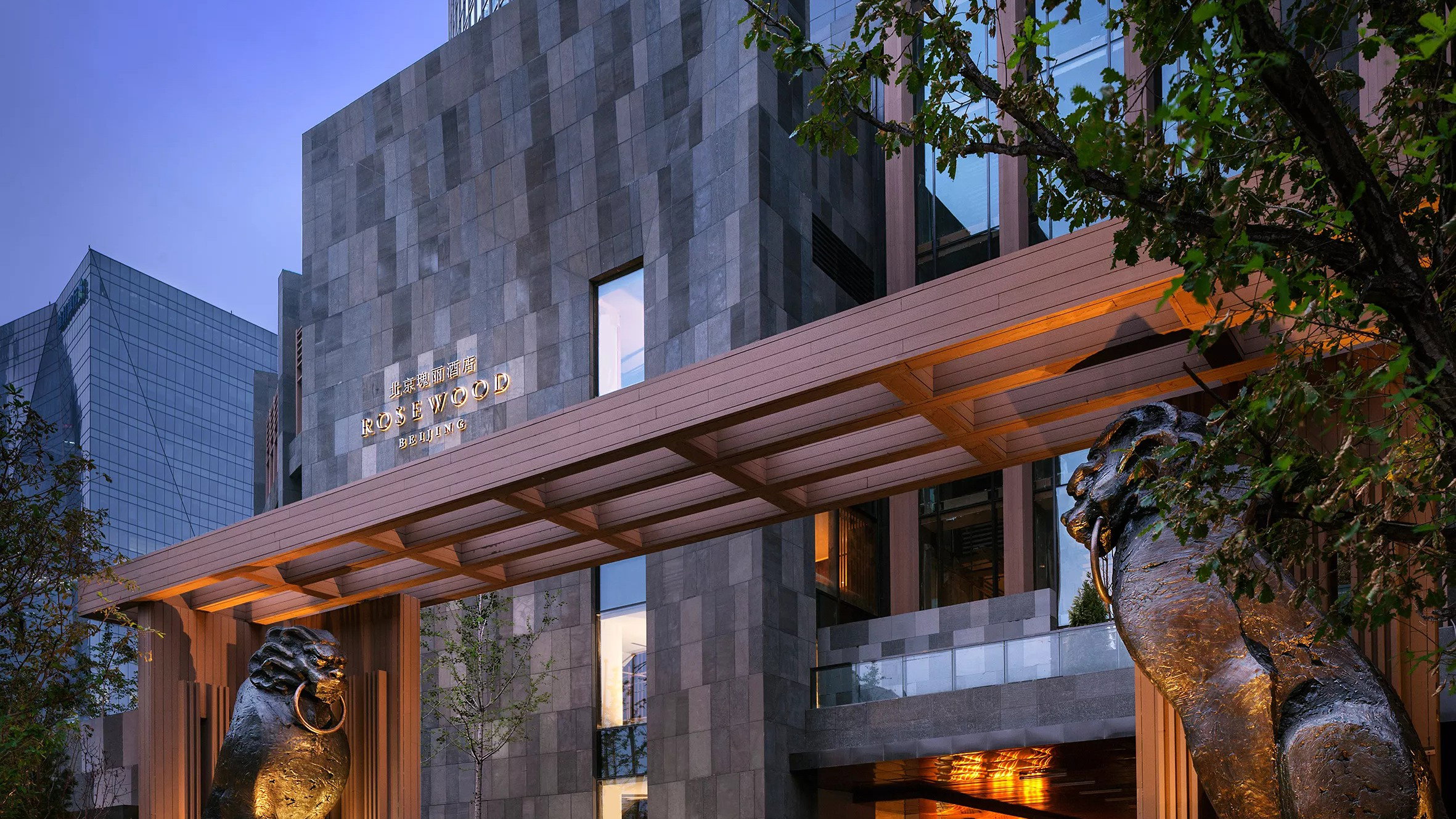
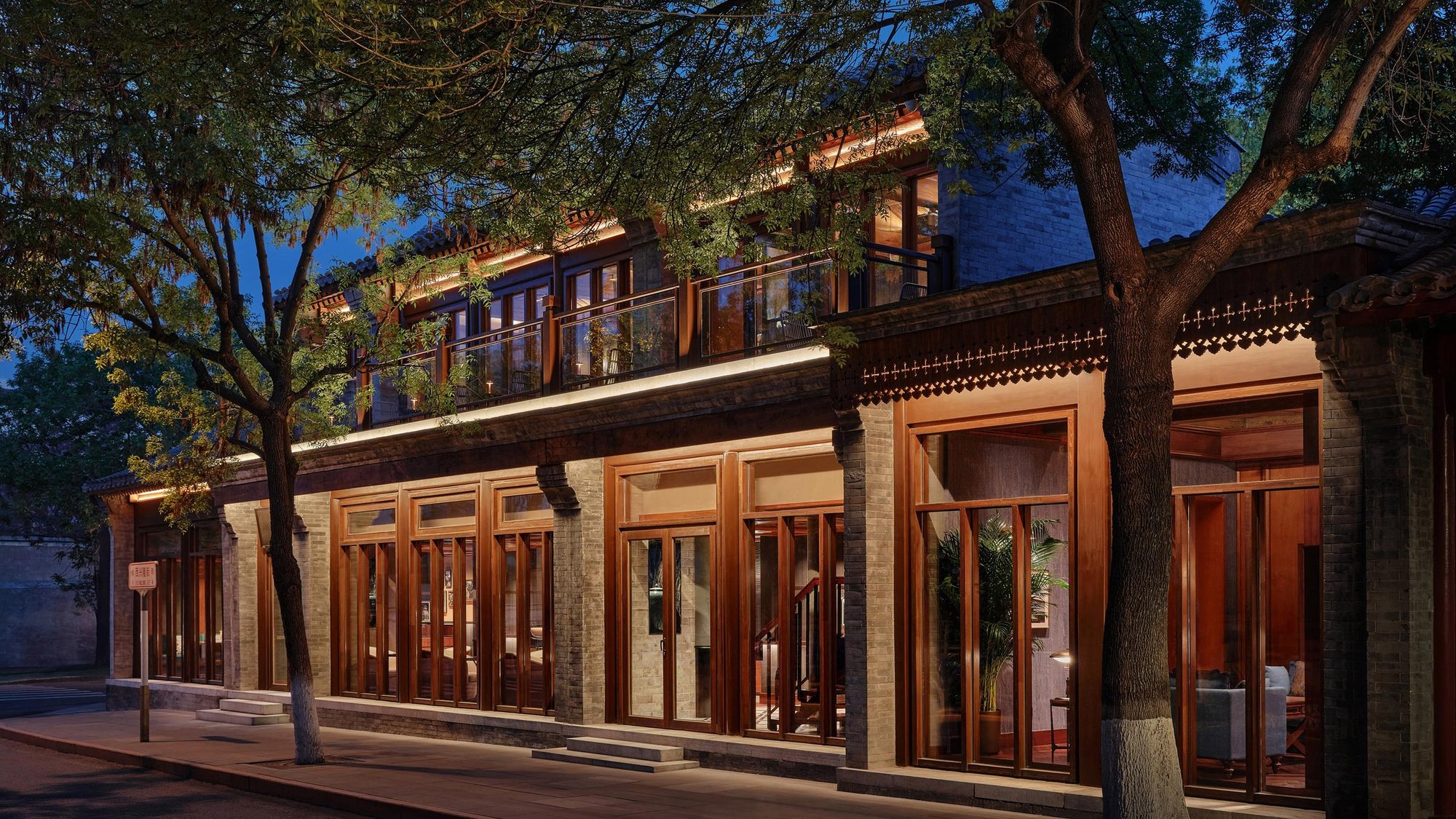
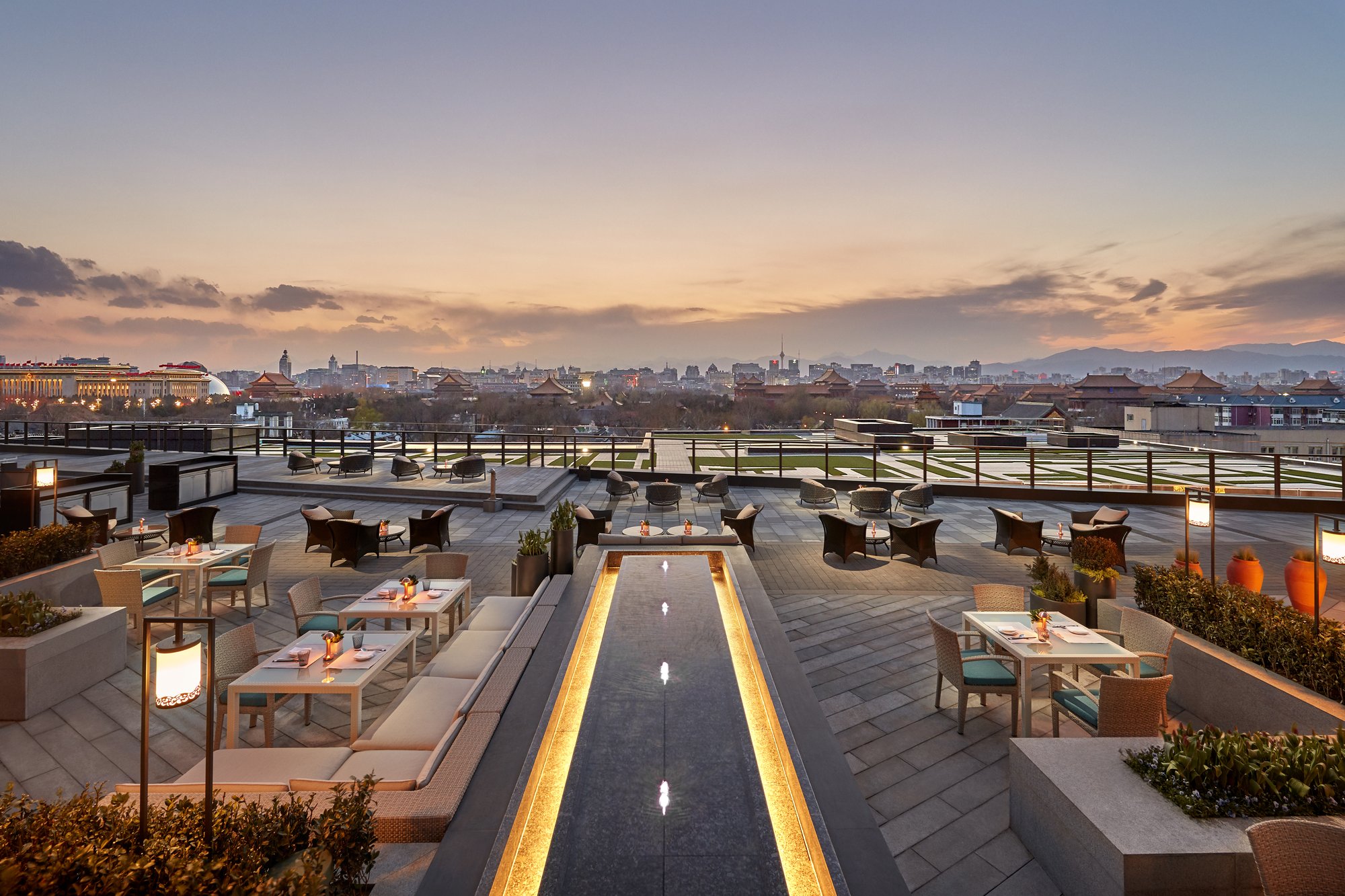
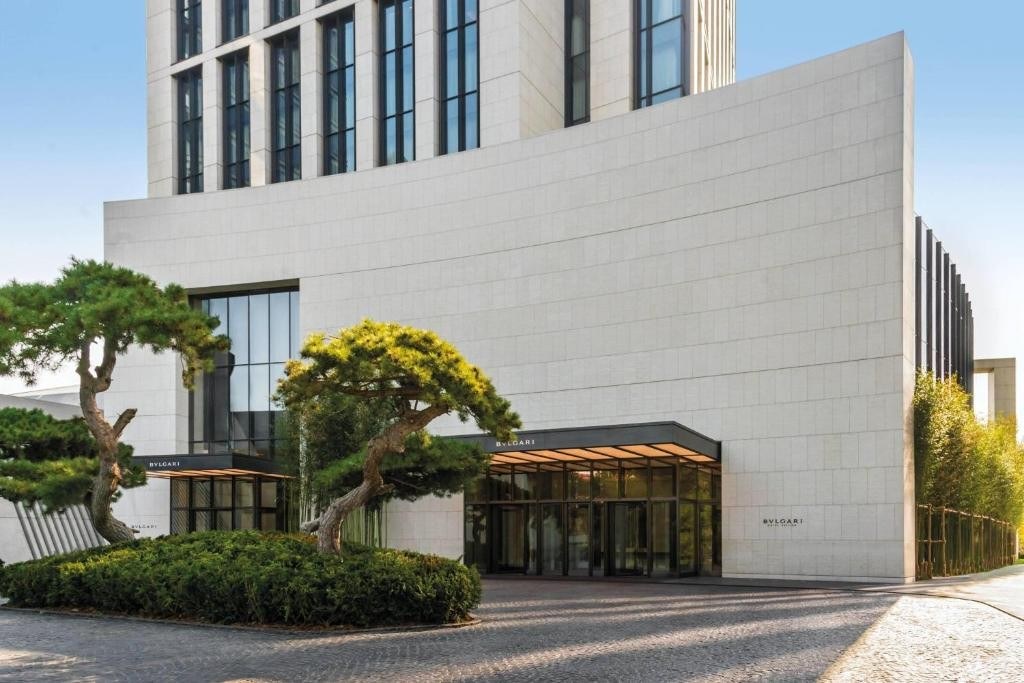
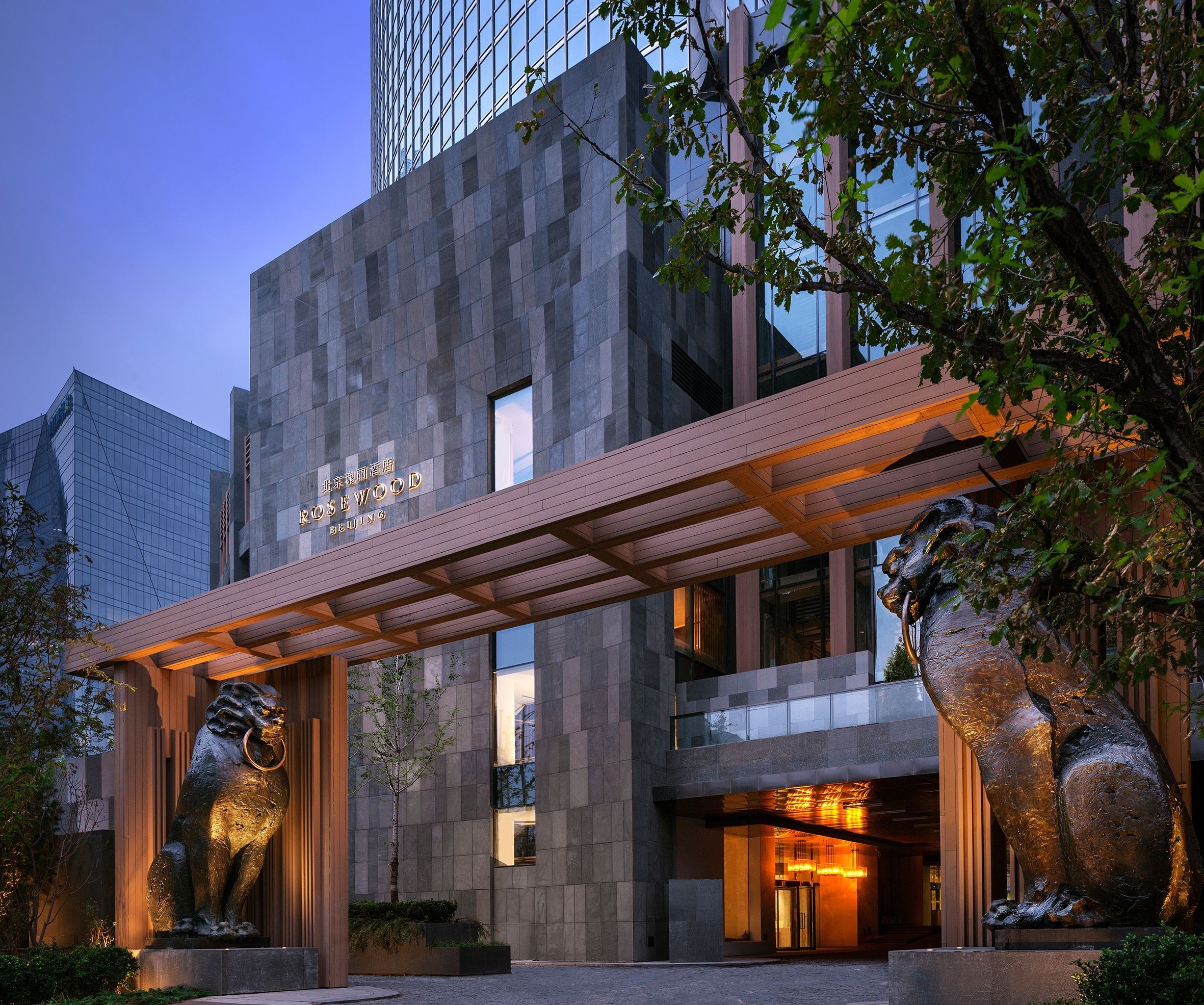
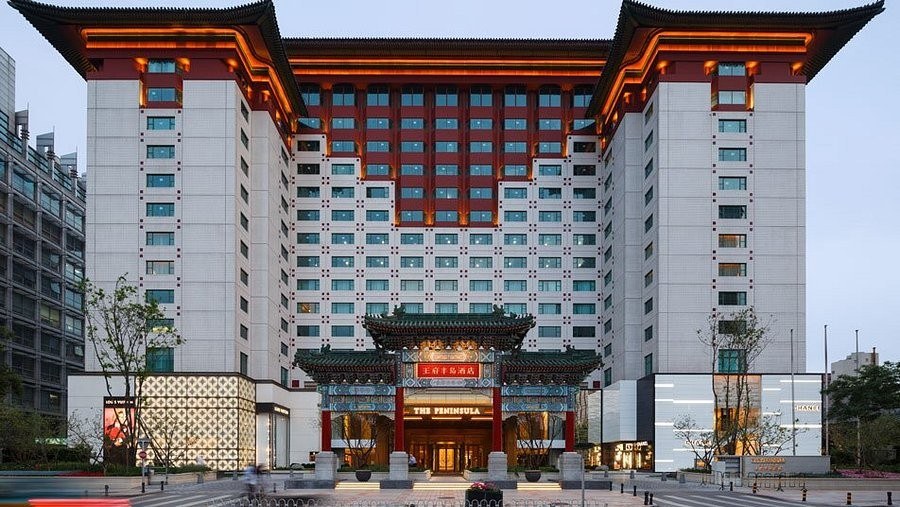
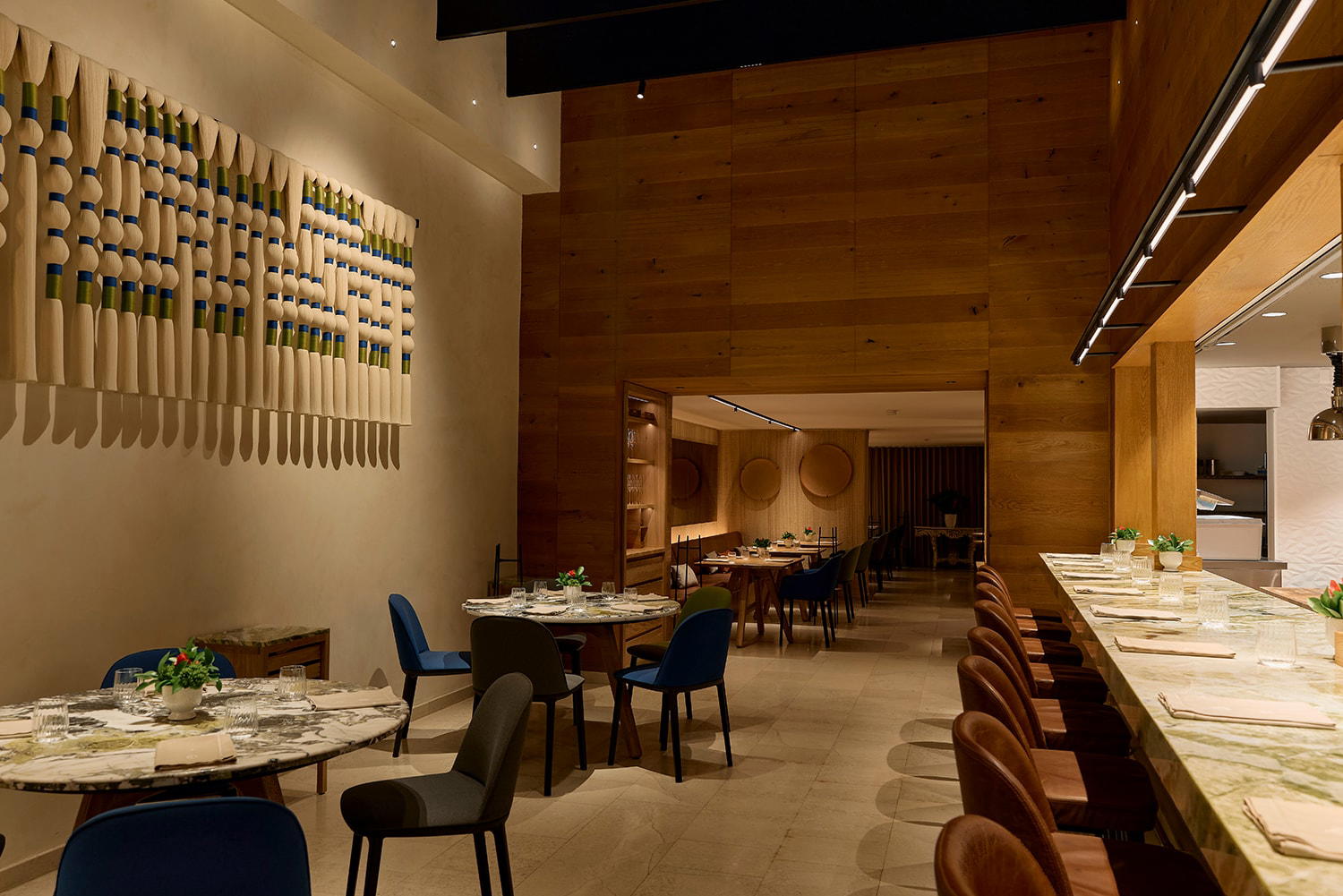
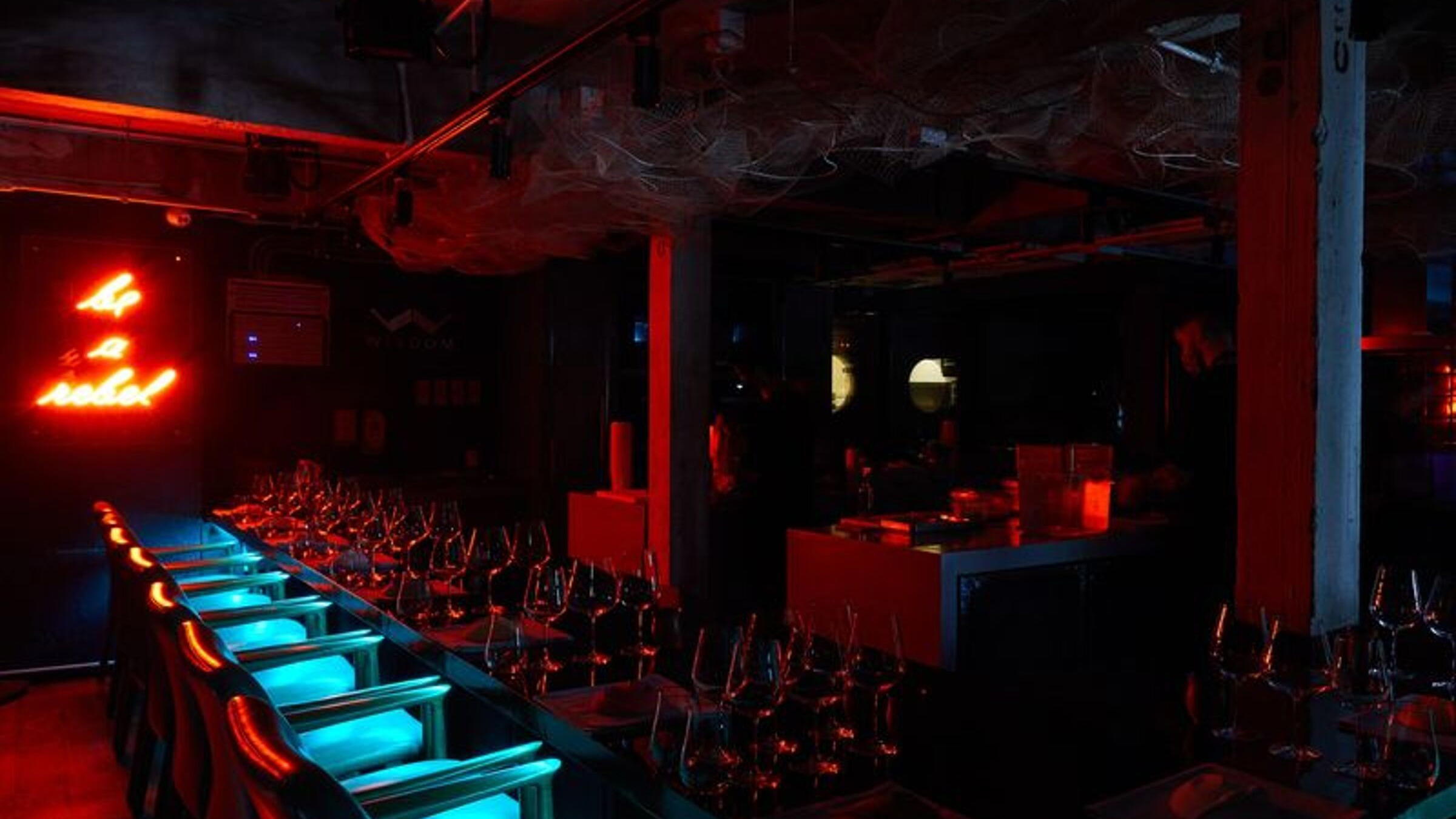
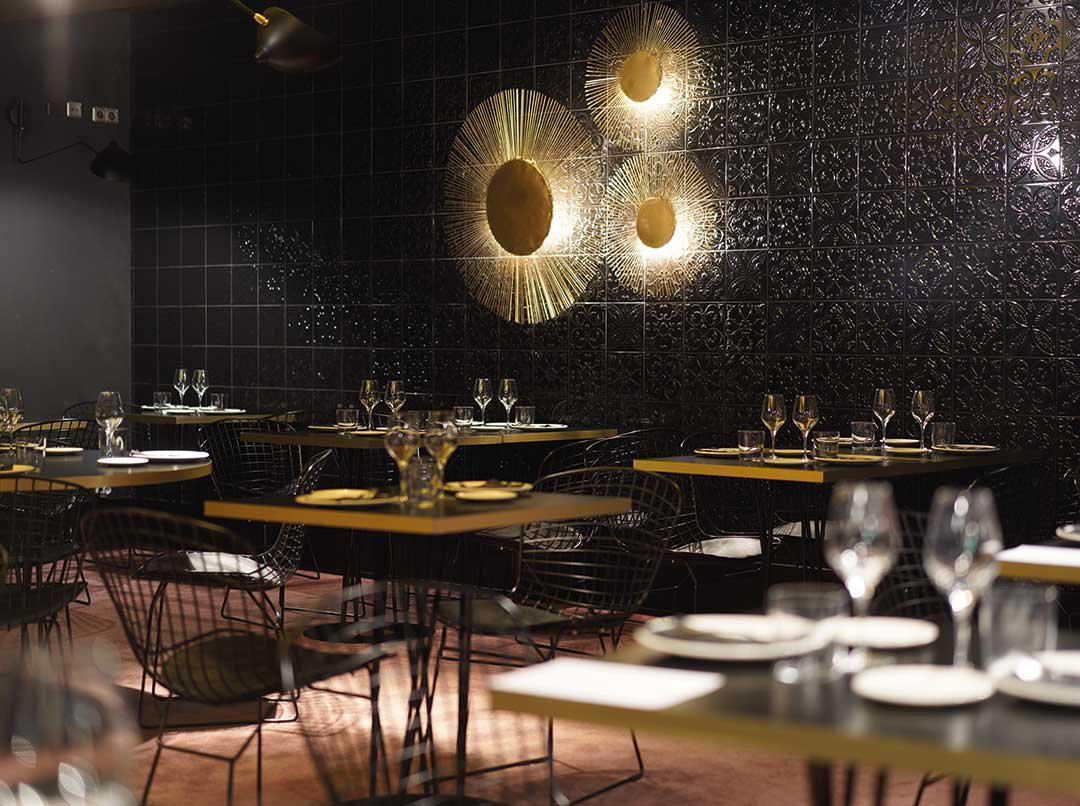
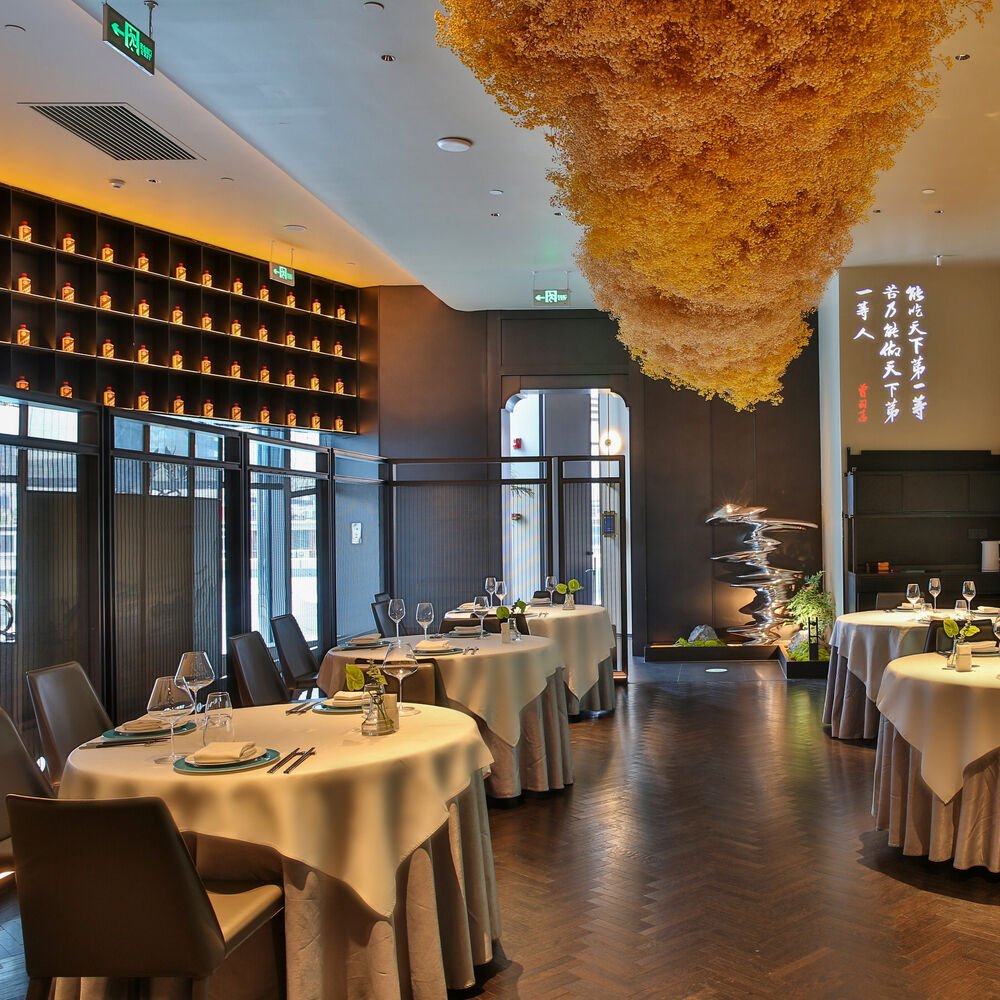
Jingji sits inside the Peninsula Beijing on Jinyu Hutong in Dongcheng, one of the city's most historically significant neighbourhoods. Being inside a Peninsula property means the service architecture is hotel-grade: attentive, polished, and attuned to the particular needs of guests treating the meal as an event. For a special occasion dinner, that context matters. The room carries the kind of considered formality that makes the meal feel like an occasion rather than just a transaction.
The cuisine is classified as Beijing cuisine, which at this price tier means a focus on classical northern Chinese techniques brought into a fine-dining frame. Think of it as the city's culinary tradition expressed with the rigour and precision that Michelin rewards. At ¥¥¥¥ pricing across two Michelin stars, you are paying for refinement, not just ingredients.
Lunch vs Dinner: How the Two Experiences Compare
At a two-star hotel restaurant like Jingji, the lunch versus dinner question is genuinely worth thinking through before booking. Dinner is the obvious setting for special occasions: the full ceremony, the longer arc of a meal, the formality that suits celebration or high-stakes business entertaining. Most guests who are booking Jingji for the first time should default to dinner.
Lunch, however, can offer a more accessible entry point into the same kitchen. Many Michelin-starred restaurants in Beijing and across China offer weekday lunch sets at a meaningfully lower price point than dinner, which can shift the value calculation considerably. Whether Jingji follows this pattern is worth confirming directly when you book, but it is a question worth asking. For a first visit — particularly if you are uncertain whether the format suits you, lunch can be the smarter test.
For a celebratory dinner, the full evening experience at Jingji is likely the stronger choice. The Peninsula setting, the pacing of a longer meal, and the formality of the room all work better across a dinner service. Anniversary dinners, significant birthdays, or high-level client entertaining should default to dinner. Solo diners or pairs looking for a more relaxed encounter with the same kitchen should consider whether a lunch visit makes more sense logistically and financially.
Booking Jingji
Expect this to be difficult. A two-star Michelin restaurant inside the Peninsula Beijing, in one of the capital's most in-demand dining corridors, does not have open inventory sitting around. Book as far ahead as possible, four to six weeks is a reasonable starting assumption, and for dinner on prime nights (Friday, Saturday, any major holiday period), you should plan further out than that. If you have a fixed date in mind for a celebration, treat securing the reservation as the first step, not something to sort out once plans solidify. Jingji's booking difficulty is rated near impossible on Pearl's scale. That is not hyperbole: it reflects the reality of two-star demand in a city with a growing appetite for this tier of dining.
Ratings and Trust Signals
- Michelin Stars: 2 Stars (2024 and 2025), consecutive awards signal consistency, not a one-year spike
- La Liste 2026: 78 points, places Jingji within the top tier of Chinese fine dining on a global ranking
Practical Details
| Detail | Jingji | Xin Rong Ji (Xinyuan South Road) | King's Joy |
|---|---|---|---|
| Cuisine | Beijing Cuisine | Taizhou | Chinese / Vegetarian |
| Price Tier | ¥¥¥¥ | ¥¥¥¥ | ¥¥¥¥ |
| Michelin Stars | 2 Stars (2025) | Data not confirmed | Data not confirmed |
| Location | Peninsula Beijing, Dongcheng | Xinyuan South Road | Dongcheng |
| Booking Difficulty | Near Impossible | Difficult | Difficult |
| Leading For | Celebration / Business dinner | Regional Chinese fine dining | Vegetarian fine dining |
Beijing Cuisine Worth Knowing
Jingji is not the only place to explore Beijing cuisine or broader Chinese fine dining in the capital. For more context on the city's restaurant scene, see our full Beijing restaurants guide. If you are staying in the area and want hotel recommendations, our full Beijing hotels guide covers the full range. For a broader picture of what's happening after dinner, our full Beijing bars guide is worth a read, and our full Beijing experiences guide covers what to do around your meal.
If you want to understand how Beijing cuisine plays at different price tiers, Mansion Cuisine by Jingyan offers a different take on classical northern cooking. Jing Hua Lou and Fu Man Yuan (Xinyuanli) are worth knowing for more accessible Beijing cuisine without the ¥¥¥¥ price tag. For a fast, no-fuss taste of the city's noodle tradition, Fortune Long Beijing Bean Sauce Noodles (East Xinglong Street) is a practical counterpoint. Poetry·Wine (Dongsanhuan Middle Road) is worth considering if you want a more relaxed high-end dining experience in the capital.
For Beijing cuisine beyond Beijing, Sheng Yong Xing (Huangpu) in Shanghai and Do It True (Xinyi) in Taipei show how the tradition travels. Across China at a comparable prestige tier, 102 House in Shanghai, Xin Rong Ji in Chengdu, Ru Yuan in Hangzhou, Chef Tam's Seasons in Macau, Imperial Treasure Fine Chinese Cuisine in Guangzhou, and Dai Yuet Heen in Nanjing all represent the same tier of serious Chinese fine dining if you are travelling regionally.
Planning details
- Location
- China, Beijing, Dongcheng, Jinyu Hu Tong, 8号王府半岛酒店 邮政编码: 100006
- Website
- techsmith.com/jing-tool.html
- Phone
- +86 10 6510 6714
The take
The Take
The Vibe
Jingji presents Beijing Cuisine in a formal, classic register rooted in the city’s imperial and hutong history. Operating within the Peninsula Hotel, the restaurant reads as a historic and opulent outpost of northern Chinese fine dining: slow-braised sauces, Shandong technique and courtly presentations inform the menu. At a high price tier and with two-Michelin-star-level positioning, the room feels restrained and ceremonial rather than trendy. The overall impression is one of measured luxury and culinary rigor — a place where tradition and contemporary hospitality converge to showcase the gravitas of classical Beijing cooking.
Best For
Jingji is best for business dinners and milestone gatherings where formality and culinary precision matter. Its positioning inside a luxury hotel and its operation at the top tier of Beijing Cuisine make it a natural choice for international visitors and diners seeking a high-end, structured meal. The kitchen’s focus on imperial techniques and slow-braised, sauce-led dishes suits celebratory evenings and special occasions that call for refined plates and an attentive beverage programme. Guests who prioritize an elevated, composed dining experience will find Jingji aligned with those expectations.
Ordering Tips
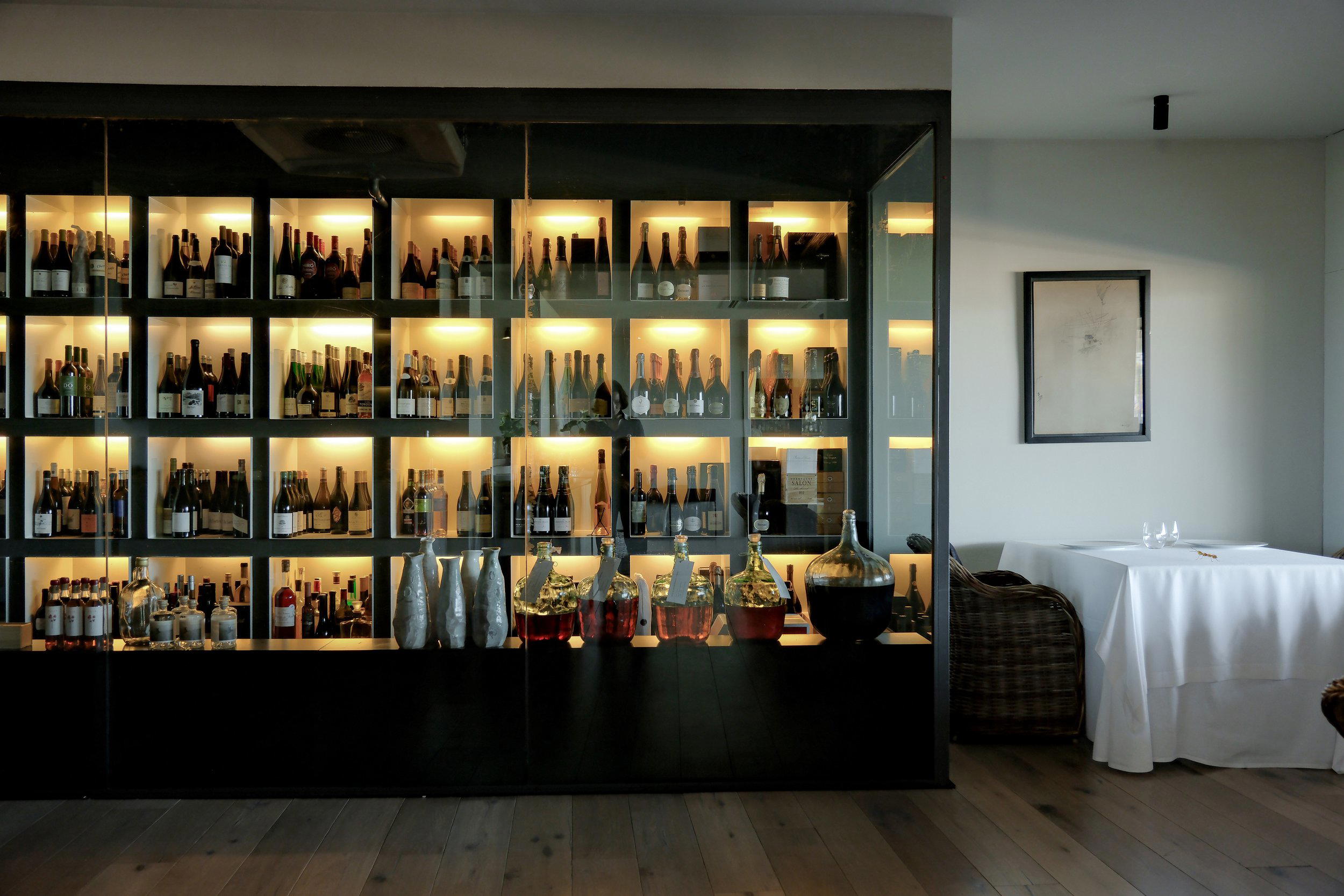
Focus on the house’s signatures and the heavy-hitting northern preparations: items like crabmeat and crab roe on crispy fish maw, bird’s nest, and abalone exemplify Jingji’s classical, sauce-forward approach. Because the kitchen emphasizes roasted and slow-braised flavours, lighter wines can be overwhelmed; the text underlines that Jingji treats its cellar seriously, so ask for the restaurant’s pairing recommendations to navigate rich, umami-forward dishes. Expect composed, heritage-driven plates rather than molecular tricks, and plan for a structured multi-course meal at this formal, high-tier venue.
Venue details
Ambiance
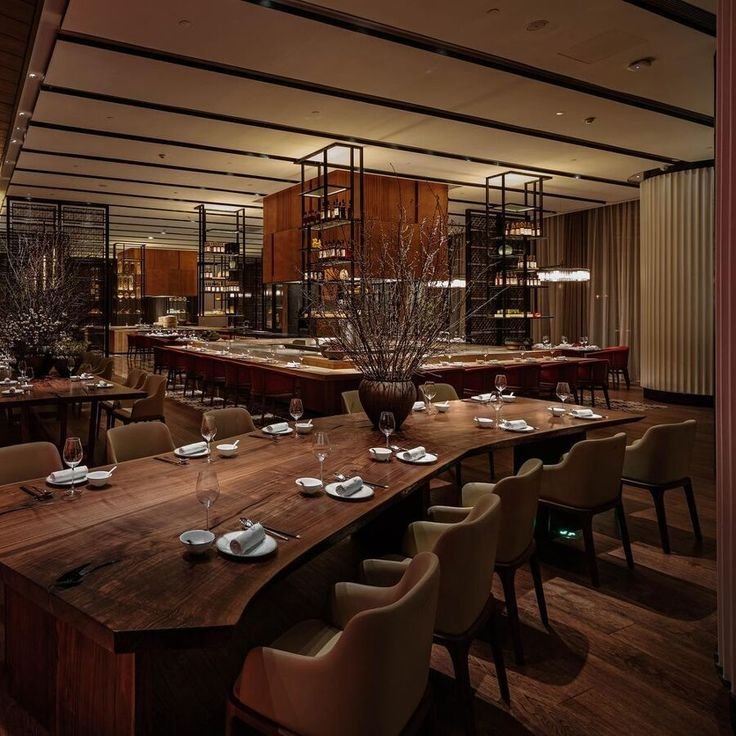
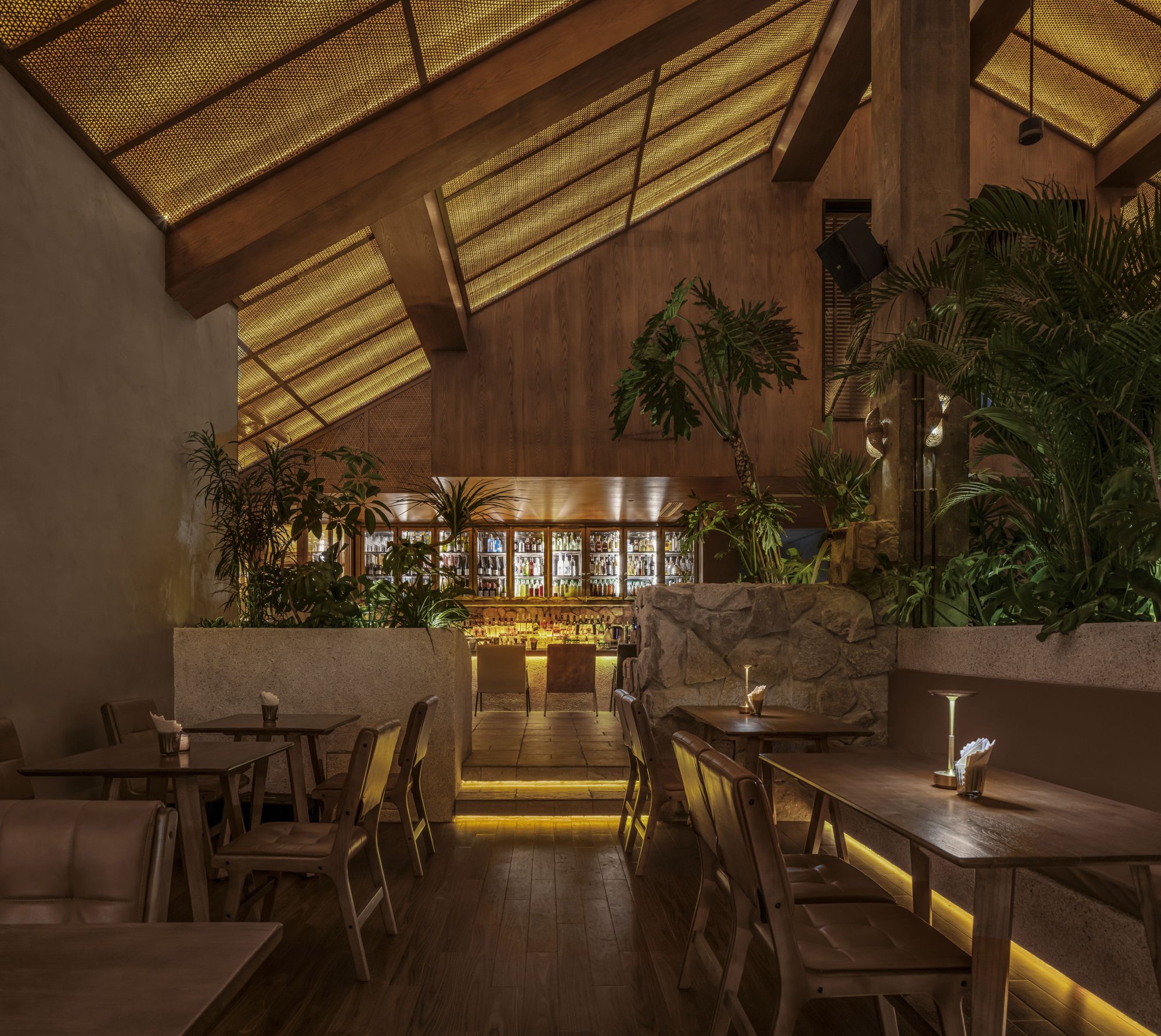
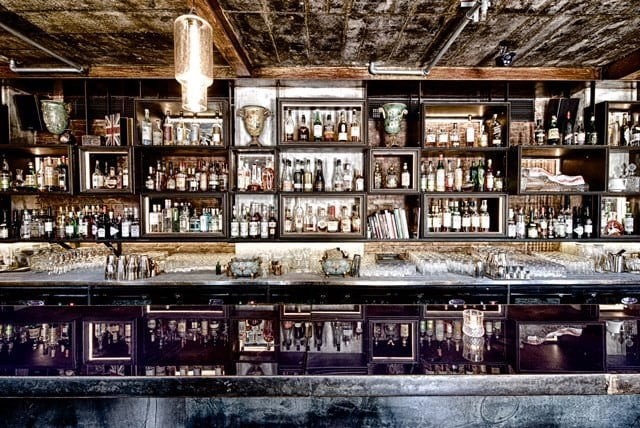
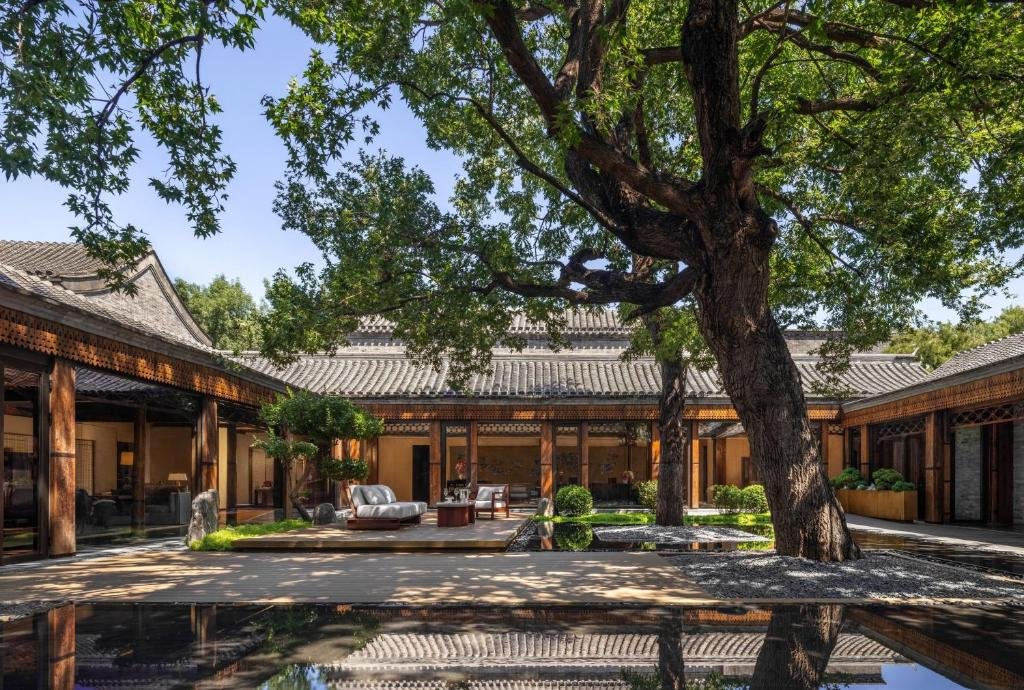
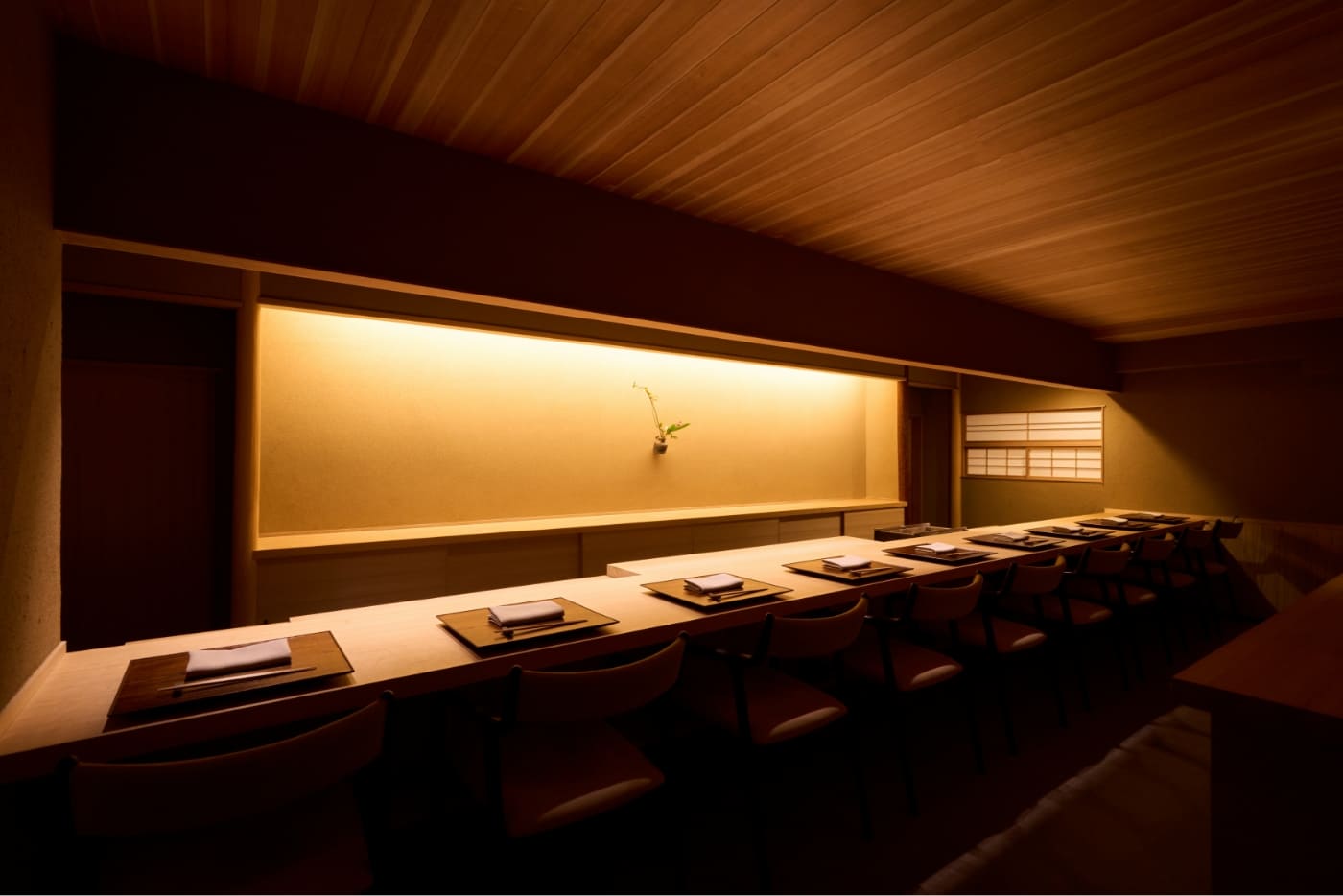
Understated elegance with sophisticated design sensibilities drawing inspiration from Beijing's cultural heritage; refined dining room with intimate setting for culinary theater.
Tags
Vibe
Best For
Experience
Sourcing
Accessibility
At the Table
- Dress Code
- Formal
- Noise Level
- Conversational
- Service Style
- Formal
- Meal Pacing
- Extended Experience
- Capacity
- Small
Signature Dishes
- crabmeat and crab roe on crispy fish maw
- bird's nest
- abalone
Know before you go
Know Before You Go
- Getting there
- China, Beijing, Dongcheng, Jinyu Hu Tong, 8号王府半岛酒店 邮政编码: 100006
Planning details
Location
China, Beijing, Dongcheng, Jinyu Hu Tong, 8号王府半岛酒店 邮政编码: 100006 · Directions
Recognition and awards

Also consider
Also Consider
- Jing, French Contemporary, ¥¥¥
- Xin Rong Ji (Xinyuan South Road), Taizhou, ¥¥¥¥
- Chao Shang Chao (Chaoyang), Chao Zhou, ¥¥¥¥
- Lamdre, Vegetarian, ¥¥¥¥
- King's Joy, Chinese, Vegetarian, ¥¥¥¥
Restaurant context
At ¥¥¥¥ with two Michelin stars, Jingji sits in a small group of Beijing restaurants where the price is justified by verifiable credentials. Among its closest peers, Xin Rong Ji (Xinyuan South Road) is the strongest direct comparison: same price tier, serious Chinese cooking, and a reputation for precision with Taizhou cuisine. If you want a regional Chinese fine-dining experience and are open on cuisine type, Xin Rong Ji is worth booking alongside Jingji for a two-restaurant trip to understand the range of what Beijing's top end offers. Jingji's edge is its Michelin recognition and hotel-grade service platform; Xin Rong Ji's edge is a more intimate, chef-driven setting.
King's Joy and Lamdre both sit at ¥¥¥¥ and serve vegetarian menus, which makes them a different proposition entirely, the right choice if plant-based Chinese fine dining is the goal, not a direct substitute for Jingji's Beijing cuisine. Chao Shang Chao (Chaoyang) covers Chao Zhou cuisine at the same price tier, and is worth considering if you want a contrast to northern Chinese cooking during a longer Beijing visit.
For a lower-spend option, Jing at ¥¥¥ offers French Contemporary cuisine and is the easiest of this peer group to book. It does not compete with Jingji on Chinese cuisine credibility, but if budget is a constraint or you want a more accessible evening, it is a practical alternative. The clearest decision rule: if the occasion demands Beijing cuisine at the highest available level and you can secure the reservation, Jingji is the correct choice. If you want flexibility, a lower price point, or a vegetarian menu, the peer group above gives you covered alternatives.
Explore Beijing
Around this place
Discover more on Pearl
Unlock the full Jingji guide in Pearl, including awards, comparisons, FAQs, planning details, and nearby places.
Compare Jingji
| Venue | Cuisine | Price | Booking Difficulty | Awards |
|---|---|---|---|---|
| Jingji | Beijing Cuisine | ¥¥¥¥ | Near Impossible | 2026 La Liste Top Restaurants2025 Michelin 2 Stars2024 Michelin 2 Stars |
| Jing | French Contemporary | ¥¥¥ | Unknown | 2025 OAD Top Restaurants in Asia Ranked · #3842025 Wine Spectator Best of Award of Excellence2025 The Best Chef One Knife2025 Michelin 1 Star2025 Black Diamond 1 Diamond2024 OAD Top Restaurants in Asia Ranked · #3522024 Michelin 1 Star2023 OAD Top Restaurants in Asia RecommendedWorld's Best Wine Lists 2022 |
| Xin Rong Ji (Xinyuan South Road) | Taizhou | ¥¥¥¥ | Unknown | 2026 Asia's 50 Best Restaurants · #842026 La Liste Top Restaurants2025 Asia's 50 Best Restaurants · #732025 Black Diamond 2 Diamond2025 La Liste Top Restaurants2025 Michelin 3 Stars2025 Relais Chateaux Award |
| Chao Shang Chao (Chaoyang) | Chao Zhou | ¥¥¥¥ | Unknown | 2026 La Liste Top Restaurants2025 The Best Chef Three Knives2025 Michelin Plate2025 Michelin 3 Stars2024 Michelin 3 Stars |
| Lamdre | Vegetarian | ¥¥¥¥ | Unknown | 2026 Asia's 50 Best Restaurants · #172026 OAD Top Restaurants in Asia Highly Recommended2026 Black Pearl 2 Diamond2026 La Liste Top Restaurants2025 Asia's 50 Best Restaurants · #502025 OAD Top Restaurants in Asia Ranked · #224We're Smart World Top Restaurants 2025We're Smart World Top 100 2025Tatler Best Restaurants Asia-Pacific 2025 |
| King's Joy | Chinese, Vegetarian | ¥¥¥¥ | Unknown | 2026 OAD Top Restaurants in Asia Highly Recommended2026 Relais Chateaux Restaurants2026 Les Grandes Tables du Monde Members2026 La Liste Top Restaurants2025 OAD Top Restaurants in Asia Ranked · #194We're Smart World Top Restaurants 2025World's Best Wine Lists 20252025 Michelin 2 Stars2025 Relais Chateaux Award |









.png?width=1200&quality=80)



What to weigh when choosing between Jingji and alternatives.
FAQ
Frequently Asked Questions
Is Jingji worth the price?
At ¥¥¥¥ pricing with two consecutive Michelin stars (2024 and 2025) and 78 points on La Liste's 2026 ranking, Jingji is priced at the top of Beijing's restaurant market and broadly earns it. The value proposition is strongest for those who want Beijing cuisine executed at a technical level you won't find at mid-range alternatives like Chao Shang Chao. If you're comparing against King's Joy for a comparable spend, the cuisine styles differ enough that the choice comes down to format preference rather than quality.
Is Jingji good for solo dining?
Possible, but Jingji's Peninsula Beijing setting and formal register make it a less natural solo fit than a counter-style omakase or brasserie. Solo diners who are comfortable in formal hotel restaurant environments will be fine, but this isn't a venue that orients itself around the solo experience the way a tasting-menu counter might. If solo dining comfort matters, King's Joy or Lamdre may offer a more relaxed format for one.
How far ahead should I book Jingji?
Book at least three to four weeks out for weekend dinners, and two weeks minimum for weekday lunch. A two-Michelin-starred hotel restaurant in Dongcheng's Jinyu Hutong corridor draws both domestic and international demand, and availability tightens sharply around Chinese national holidays. Don't assume a Peninsula Beijing address means walk-in flexibility — it doesn't.
Does Jingji handle dietary restrictions?
Dietary requirements at this level of restaurant — two Michelin stars, hotel-backed kitchen — are typically accommodated with advance notice, but the specifics of Jingji's policy are not publicly documented. Contact the Peninsula Beijing directly before booking if you have significant restrictions, particularly for a tasting menu format where substitution complexity is higher.
Is Jingji good for a special occasion?
Yes, and it's one of the stronger cases for booking. The combination of two Michelin stars, a historically significant Dongcheng address inside the Peninsula Beijing, and Beijing cuisine as the format makes it a credible choice for a milestone dinner or a formal celebration. It works better for occasions where the setting is part of the occasion rather than incidental to it.
What are alternatives to Jingji in Beijing?
King's Joy is the most direct peer for formal, high-concept Chinese dining in Beijing, though its focus is vegetarian. Xin Rong Ji (Xinyuan South Road) offers a refined take on regional Chinese cuisine at a comparable tier. Lamdre leans into a more contemporary Chinese direction and may suit diners looking for something less formally structured than a hotel dining room. For a more accessible entry into Beijing cuisine without the full ¥¥¥¥ commitment, Chao Shang Chao (Chaoyang) is a reasonable step down.