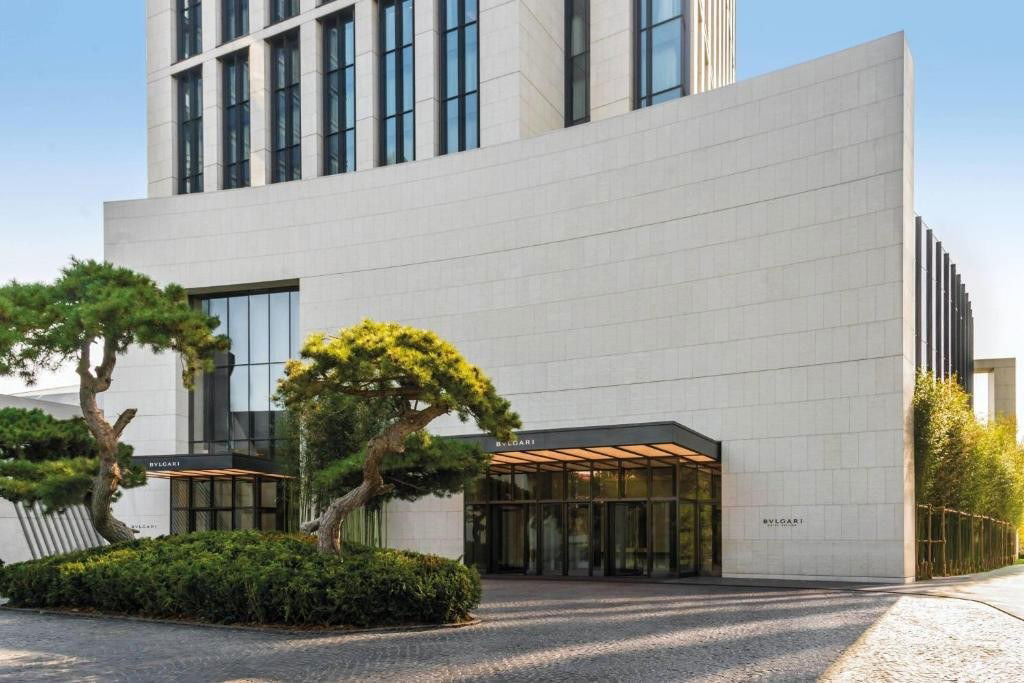





Bvlgari Hotel Beijing
Sanlitun, Beijing
Hotel in Beijing, China
 Book with Pearl
The Read
Roman Material Precision
Why go
Worth booking when the rate is competitive with Beijing's upper luxury hotels and the trip values design, calm, and a Chaoyang base over big-hotel machinery. Michelin 2 Keys, Forbes 5-Star status, La Liste recognition, and Virtuoso partnership make the quality signal strong, but the value case is strongest when you will actually use the property rather than treat it as a sleep-only stop.
About Bvlgari Hotel Beijing
Bvlgari Hotel Beijing is a luxury hotel in Beijing with several clearly documented recognition points: Michelin 2 Keys for 2025, La Liste Top Hotels 2026 at 95.5 points, Forbes 5-Star for 2026, World Travel Awards 2025 recognition as a Leading Boutique Hotel, and Virtuoso Luxury Hotel Partner status for 2026. Those are the safest reasons to place it on a premium Beijing shortlist.
Its value judgment should stay focused on confirmed positioning rather than assumed facilities, neighborhood advantages, room layouts, dining, or loyalty mechanics. Book it when those hotel-level accolades and the Bvlgari name are central to the trip; compare elsewhere if your decision depends on specific amenities or operational details before travel.
Book for confirmed luxury-hotel recognition
The strongest grounded case for Bvlgari Hotel Beijing is its cluster of hotel awards and recognition. Michelin 2 Keys and Forbes 5-Star status support its position in the upper luxury set, while La Liste Top Hotels and Virtuoso recognition add further signals for travelers comparing premium hotels in Beijing.
Guests should confirm the room category, dining format, wellness setup, meeting infrastructure, and loyalty-benefit experience directly with the hotel before deciding.
Beijing planning notes
The location is Beijing. Specific street, district, landmark, or neighborhood claims should not be used as the basis for the stay decision unless confirmed separately. For practical planning, compare Bvlgari Hotel Beijing with other premium Beijing options such as CHAO Sanlitun Beijing, Conrad Beijing, Four Seasons Hotel Beijing, InterContinental Beijing Sanlitun, and The Opposite House.
The dress code is smart casual. For a wider scan of the city, use our full Beijing hotels guide; for dining around the trip, pair it with our full Beijing restaurants guide, our full Beijing bars guide, and our full Beijing experiences guide.
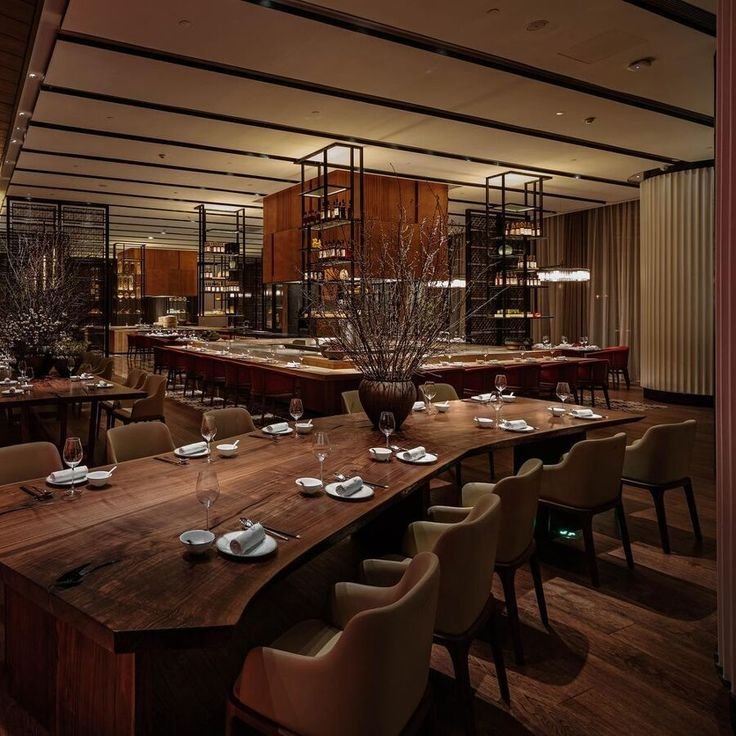
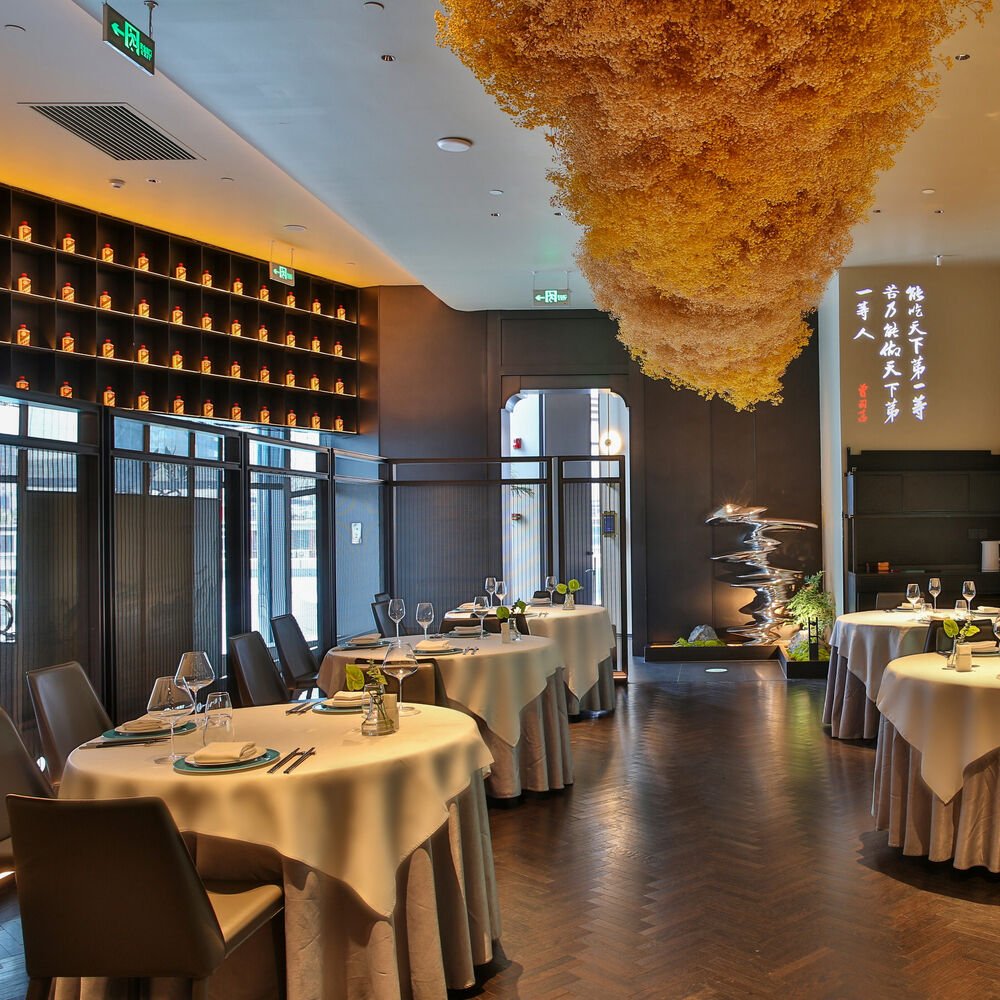
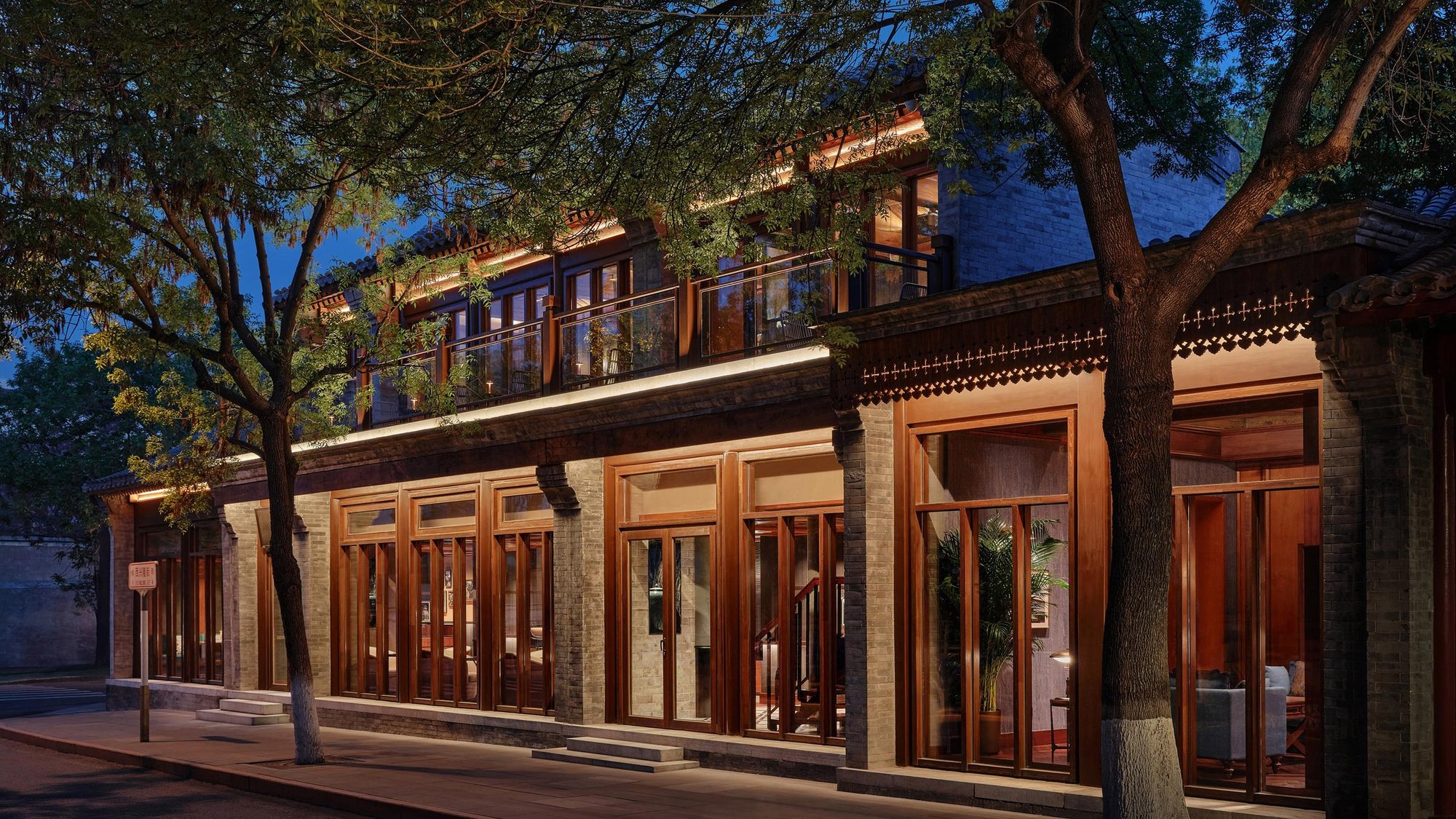
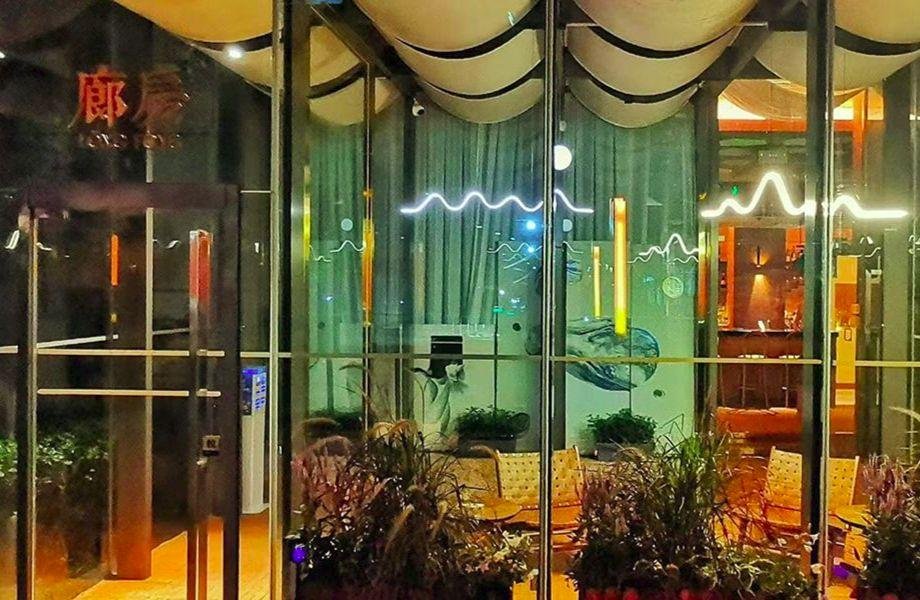
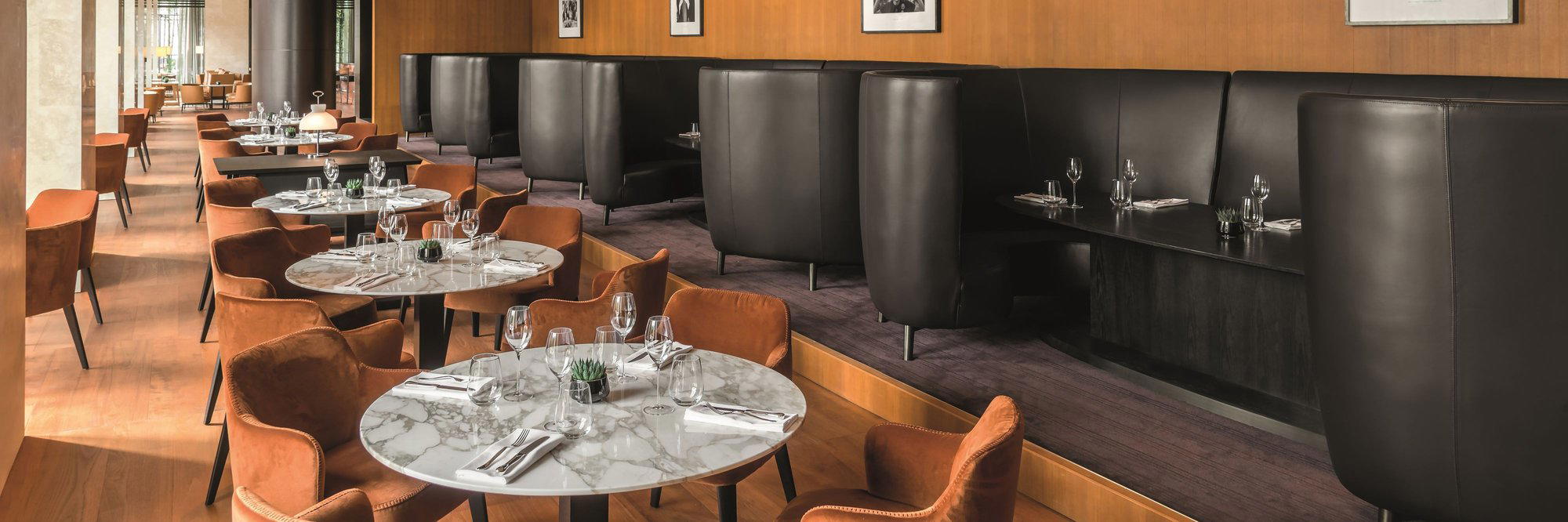
Inside Bvlgari Hotel Beijing
Planning details
- Location
- Bei Jing Shi, Chao Yang Qu, CN CN 北京市 朝阳区新源南路8号院2号楼 邮政编码: 100027
- Website
- bulgarihotels.com/zh_CN/beijing
- Phone
- +86 10 8555 8687
The take
The Take
The Vibe
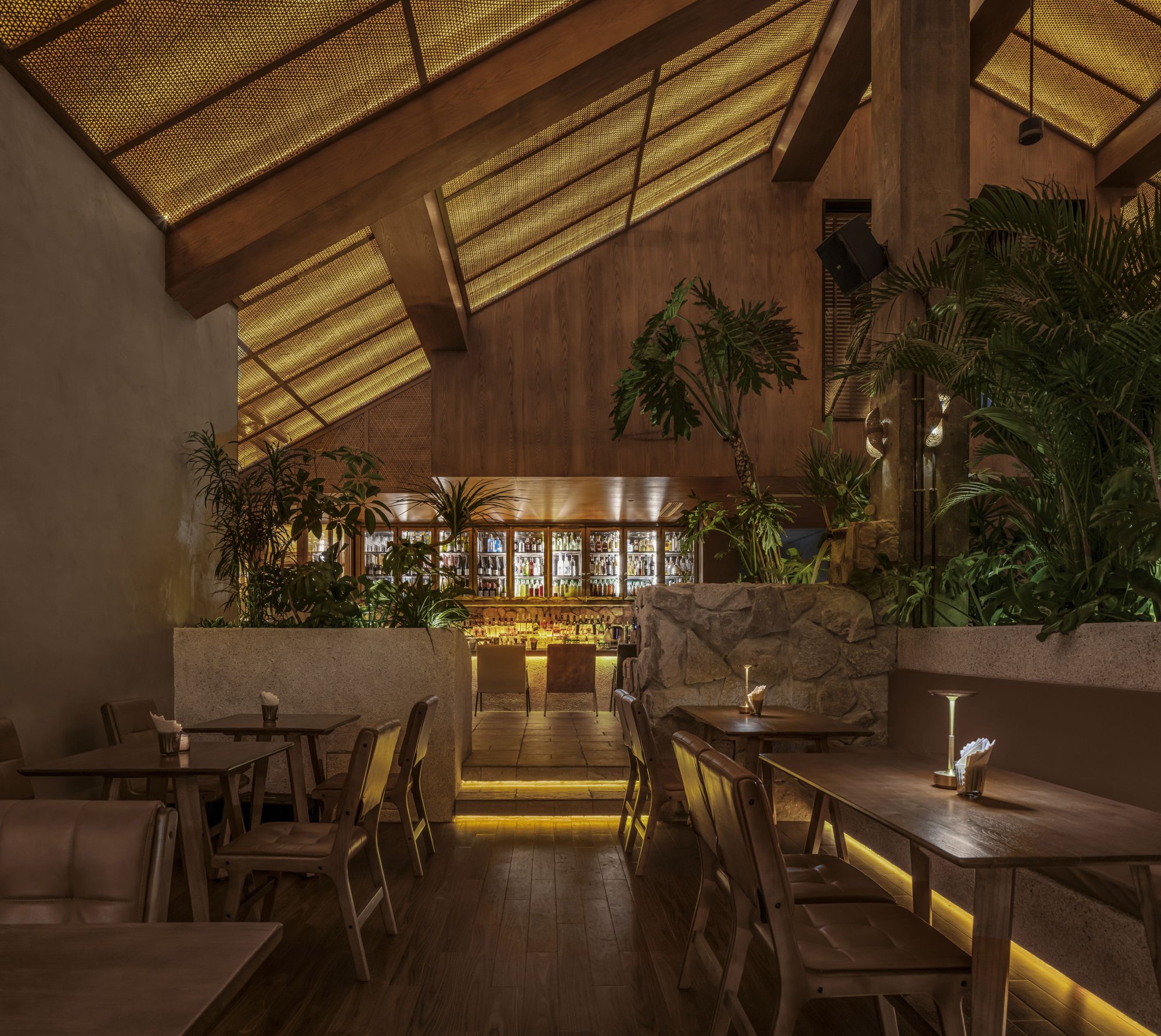
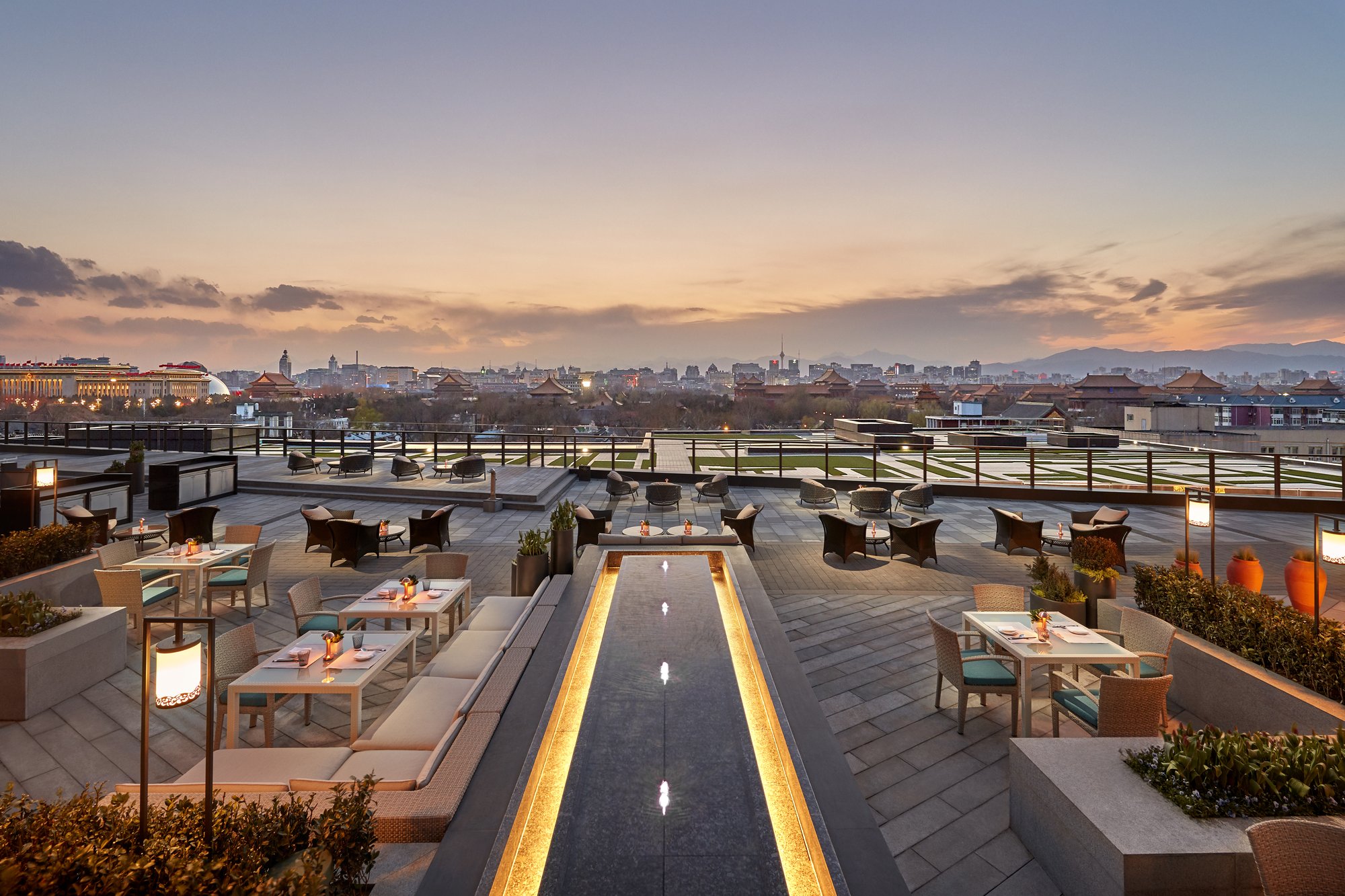
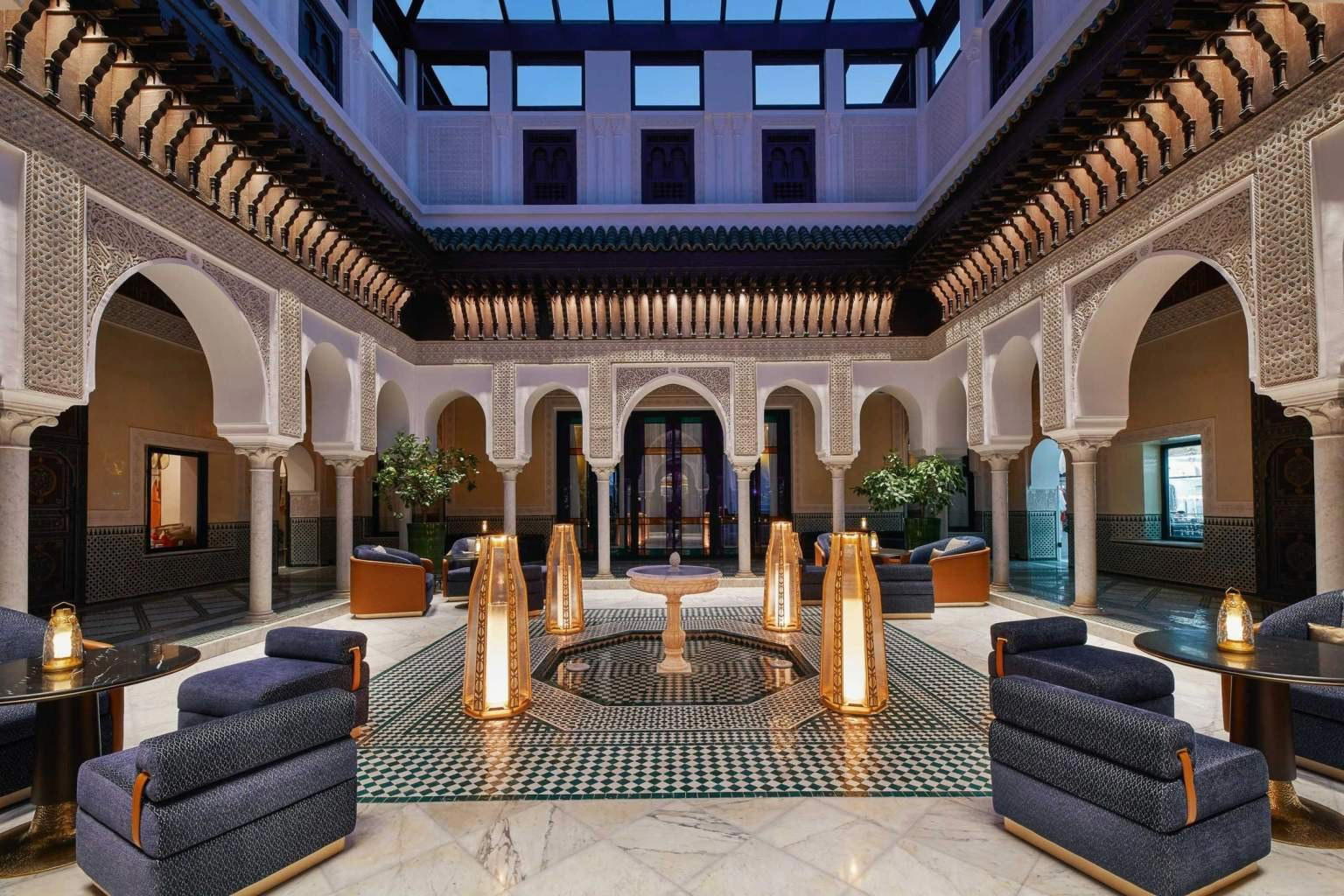
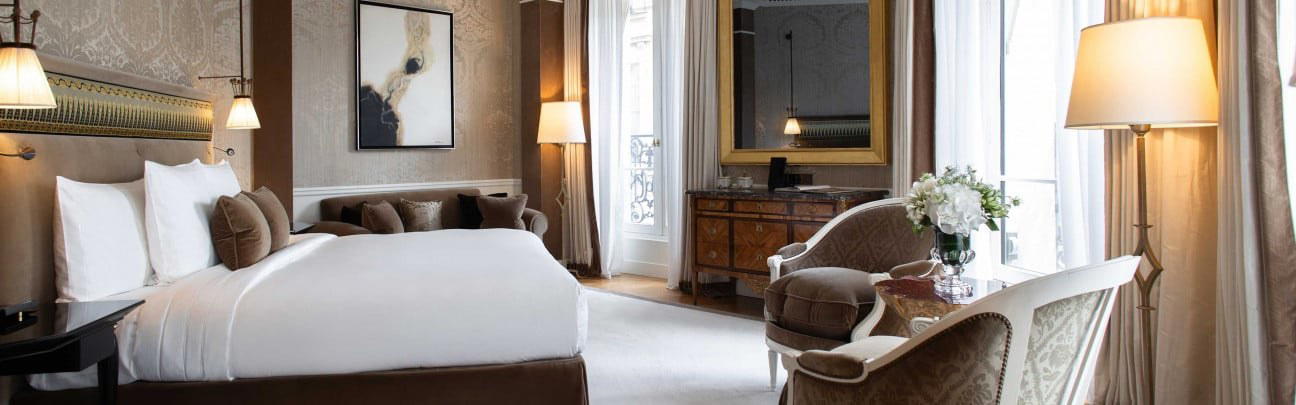
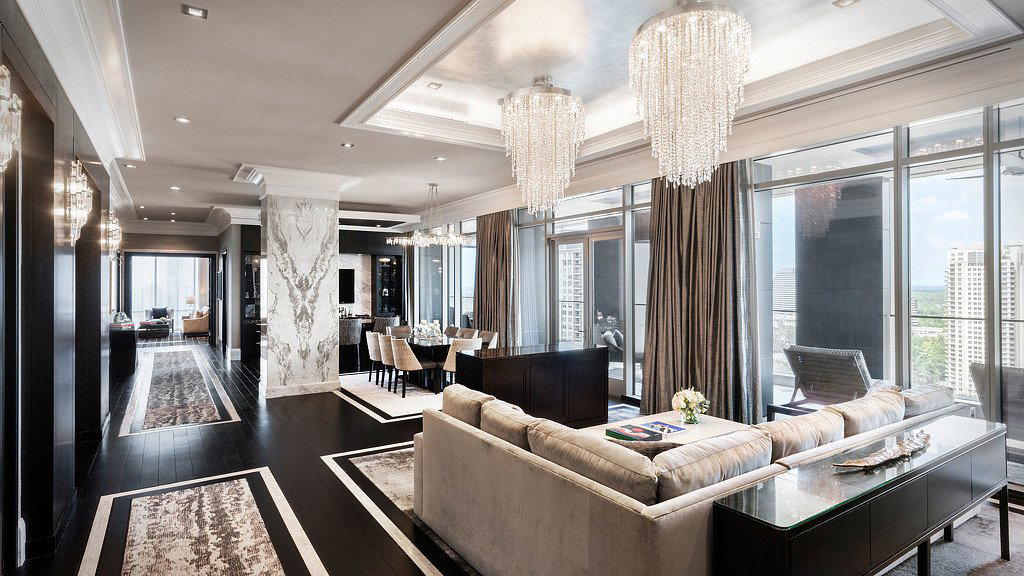
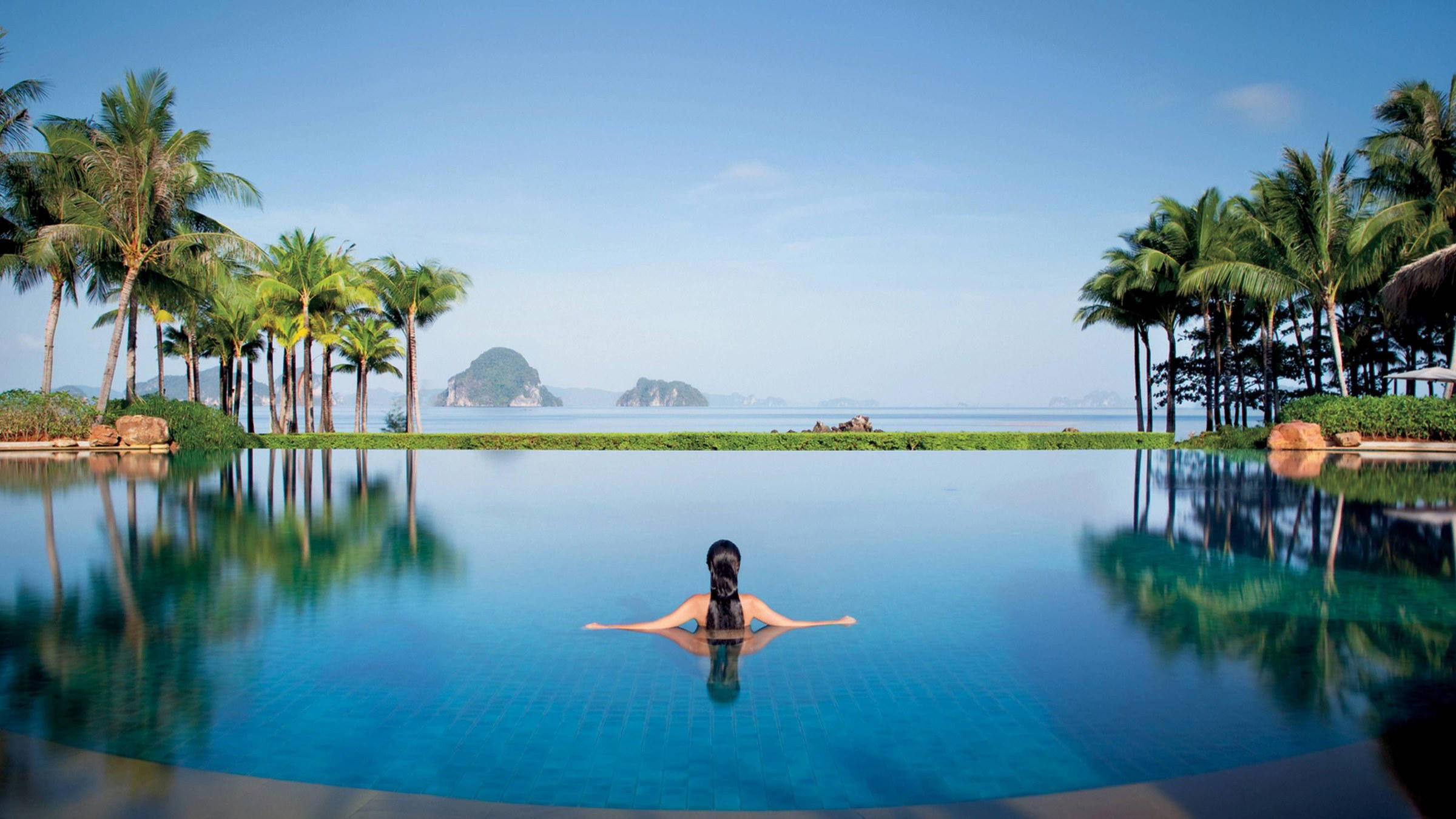
Bvlgari Hotel Beijing projects a composed, intimate calm rooted in a consistent Bulgari design language. Antonio Citterio Patricia Viel and Partners translate the brand’s signature materials—volcanic Vincenza stone, teak accents and Navona travertine—into compact, quietly luxurious spaces. At 119 keys the hotel reads less like a city anchor and more like a privately scaled retreat, with corner rooms that catch generous light and a pool terrace that sets a leisurely pace. The riverside setting provides a green buffer from Chaoyang’s density, reinforcing a restrained, classic Italian sensibility that favors refinement and measured quiet over theatricality.
Best For
This is a hotel for travelers who prize design, privacy and wellness within the city. Its boutique scale and riverside location make it well suited to honeymooners and couples seeking a romantic, retreat-like stay, while its quiet, refined interiors also accommodate business travelers who want calm between meetings. The property’s emphasis on spa and wellness programming further makes it appealing for short restorative breaks. Guests who value material-driven interiors and a measured, service-forward luxury experience find this hotel especially rewarding.
Stay Tips
Request a corner room facing the Liangma River to maximize natural light and the quieter outlook described in the copy; those rooms are highlighted as shaping the 'light in corner rooms.' Reserve spa appointments early—copy frames wellness as a core part of the hotel’s offer—and plan downtime on the pool terrace, which the text cites as setting the property’s pace. Given the hotel’s boutique scale, booking in advance for peak travel dates helps secure preferred room types and terrace access.
Venue details
Ambiance
Sophisticated and serene with warm earth tones, premium Italian furnishings, and a calming spa atmosphere praised for exceptional personalized service.
Tags
Vibe
Best For
Experience
Amenities
View
Accessibility
About the Stay
- Rooms
- 119
- Property Style
- Contemporary Italian Luxury Residential Design by Antonio Citterio Patricia Viel
- Design Style
- Modern Italian with Warm Earth Tones, Premium Leather, Wood, Marble, and Teak Finishings
Know before you go
Know Before You Go
- Getting there
- Bei Jing Shi, Chao Yang Qu, CN CN 北京市 朝阳区新源南路8号院2号楼 邮政编码: 100027
Planning details
Location
Bei Jing Shi, Chao Yang Qu, CN CN 北京市 朝阳区新源南路8号院2号楼 邮政编码: 100027 · Directions
Recognition and awards



Also consider
Also Consider
- InterContinental Beijing Sanlitun, Notable alternative
- The Opposite House, Notable alternative
- Four Seasons Hotel Beijing, Notable alternative
- CHAO Sanlitun Beijing, Notable alternative
- Conrad Beijing, Notable alternative
Hotel context
How It Compares
Choose Bvlgari Hotel Beijing over InterContinental Beijing Sanlitun if the stay is about design, privacy, and a more composed luxury feel. Choose the InterContinental instead if Sanlitun convenience and a more business-friendly setup matter more than atmosphere. For pure price-to-function, the InterContinental is likely the easier sell; for a splurge where the hotel itself is part of the trip, Bvlgari is the stronger call.
The Opposite House and CHAO Sanlitun Beijing are the sharper cross-shops for travelers who want a design-led stay with more Sanlitun energy. Pick Bvlgari for a quieter, more polished luxury mood; pick The Opposite House or CHAO if being closer to a more social neighborhood rhythm is worth trading down some of the formal luxury cues.
Four Seasons Hotel Beijing and Conrad Beijing are safer choices for travelers who prefer familiar five-star systems, broader corporate comfort, and a more conventional hotel experience. Bvlgari is the better fit when ambiance and brand-specific design carry the decision; Four Seasons or Conrad make more sense when predictability, easier planning, and business-trip practicality are the priority.
Explore Beijing
Around this place
Discover more on Pearl
Unlock the full Bvlgari Hotel Beijing guide in Pearl, including awards, comparisons, FAQs, planning details, and nearby places.
Compare Bvlgari Hotel Beijing
| Venue | Location | Awards |
|---|---|---|
| Bvlgari Hotel Beijing | Beijing | 2026 Virtuoso Luxury Hotel Collection2026 Forbes 5-Star2026 La Liste Top HotelsWorld Travel Awards 2025Michelin 2 Keys 20252025 Michelin 2 Keys2025 Forbes 5-Star |
| InterContinental Beijing Sanlitun | Beijing | 2026 Forbes 4-Star2026 La Liste Top Hotels2025 Michelin Selected Hotels2025 Forbes 4-Star |
| The Opposite House | Beijing | 2026 La Liste Top Hotels |
| Four Seasons Hotel Beijing | Beijing | 2026 Forbes 4-Star2026 Virtuoso Luxury Hotel Collection2026 La Liste Top Hotels2025 Forbes 4-Star2025 Michelin Selected HotelsFour Seasons Hotels |
| CHAO Sanlitun Beijing | Beijing | No published awards |
| Conrad Beijing | Beijing | 2026 Forbes Recommended2025 Forbes Recommended |



How Bvlgari Hotel Beijing compares with similar nearby venues.
FAQ
Frequently Asked Questions
Which room category is best at Bvlgari Hotel Beijing?
Choose based on your own space needs, budget, and the details the hotel confirms for your dates.
What is check-in like at Bvlgari Hotel Beijing?
How is the location of Bvlgari Hotel Beijing?
The location is Beijing. Use only Beijing as the planning location unless you confirm more precise information separately.
How is the dining at Bvlgari Hotel Beijing?
Dining specifics are not covered here. The confirmed strengths in this guide are hotel-level recognition, including Michelin 2 Keys, Forbes 5-Star status, La Liste Top Hotels recognition, World Travel Awards recognition, and Virtuoso Luxury Hotel Partner status.
When is the best time to book Bvlgari Hotel Beijing?
If you are considering the hotel for fixed Beijing dates, compare rates and confirm the details that matter most before committing.
Do loyalty programs work at Bvlgari Hotel Beijing?
Virtuoso Luxury Hotel Partner status for 2026 is confirmed. Other loyalty-program details should be checked directly before relying on benefits for a stay.
How is the pool and spa at Bvlgari Hotel Beijing?
Pool and spa details are not covered here. If wellness facilities are important to the stay, confirm the current offering directly with the hotel before booking.