Hotel in Beijing, China
Beijing Marriott Marquis Hotel
150Pearl PointsConvention-Class City Anchor

About Beijing Marriott Marquis Hotel
The Beijing Marriott Marquis occupies a position in Beijing's upper-tier international hotel segment, where large-footprint convention properties compete on scale, location, and service infrastructure rather than boutique intimacy. For travellers whose itineraries require proximity to major commercial and cultural corridors, it represents a reliable anchor in a city that rewards strategic base-camp choices.
Scale as a Design Statement: Beijing's Convention-Class Hotels
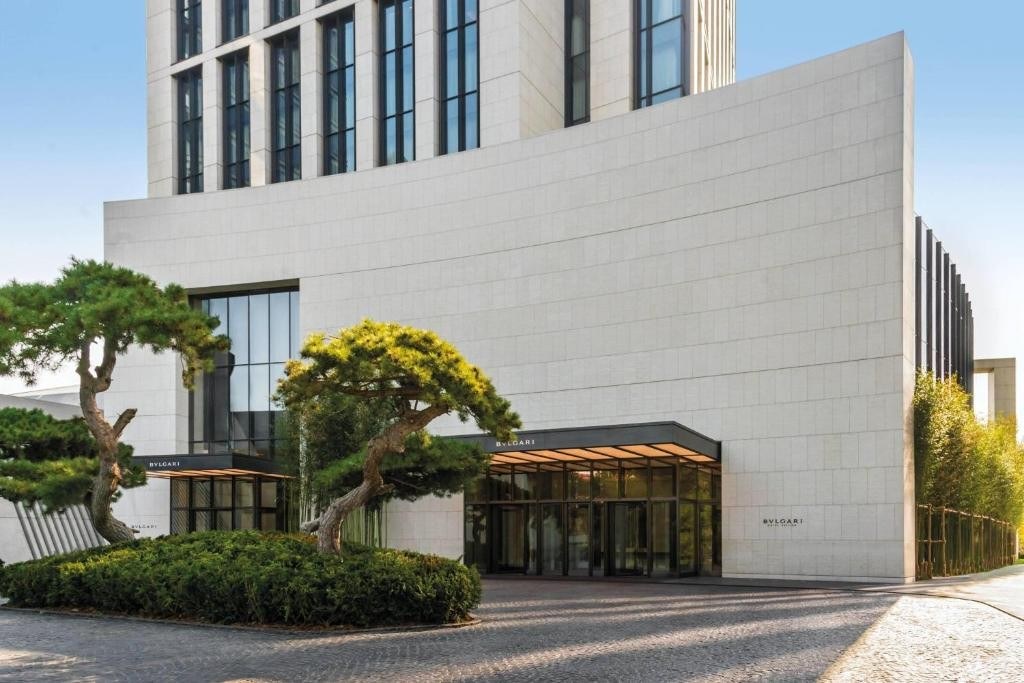
Beijing's premium hotel market has stratified in ways that matter to how you choose a base. At one end sit the smaller, design-led properties, the intimate courtyard conversions and fashion-house flagships like Bvlgari Hotel Beijing and Mandarin Oriental Qianmen, where low key counts and neighbourhood rootedness are the core proposition. At the other end sit the large international convention hotels, properties built around ballroom capacity, multi-outlet food and beverage, and the logistical muscle to handle both leisure travellers and large corporate groups simultaneously. The Beijing Marriott Marquis belongs firmly to the second cohort.
That distinction carries real architectural consequences. Convention-scale hotels in Beijing, particularly those built or substantially renovated in the past two decades, tend to prioritise vertical circulation, lobby volumes, and multi-function floor plates over the horizontal intimacy of a courtyard property. The Marquis brand within Marriott International's portfolio is specifically positioned as the company's flagship convention hotel tier, which means the physical language of the building, its public spaces, ceiling heights, and arrival sequence, is calibrated for first impressions at scale rather than quiet discovery.
The Marquis Tier: What the Brand Signal Means
Within Marriott's global architecture, the Marquis designation is reserved for a small number of high-capacity city properties where location and convention infrastructure converge. Globally, the tier includes addresses in New York, Atlanta, and Chicago where the hotel functions partly as an anchor for conference districts. In Beijing, that same logic applies. The Marquis positioning places the property in dialogue with other large international flagships in the city, including China World Summit Wing and the Conrad Beijing, rather than with the smaller-room-count luxury entrants.
For the reader deciding between property types, that positioning has practical weight. Large convention hotels in Beijing typically offer a broader array of on-site dining and meeting infrastructure, and the Marriott Bonvoy loyalty framework is one of the most extensively redeemable in the city, with point accumulation and status recognition that frequent travellers to China find logistically useful across multi-city itineraries. Those visiting JW Marriott Hotel Changsha, Conrad Hangzhou, or properties further afield such as Pudong in Shanghai will find the Beijing Marriott Marquis fits into a coherent network rather than sitting as an isolated choice.
Beijing's Broader Hotel Architecture: Placing the Property
Understanding where the Beijing Marriott Marquis sits requires a brief sketch of how Beijing's premium accommodation has evolved. The city's central business district and financial corridors expanded significantly through the 2000s and 2010s, pulling international hotel brands eastward from the historic centre. Properties oriented toward business travellers tend to cluster near major transport nodes and embassy districts, while design-driven leisure hotels have carved out positions closer to cultural sites. Aman Summer Palace sits at the far end of that spectrum, on the grounds of an imperial retreat, while CHAO Sanlitun Beijing occupies a position in the city's most active nightlife and retail precinct.
The Marriott Marquis format does not compete with either of those positions. Its competitive set is the full-service international hotel that handles volume, delivers consistent service standards across hundreds of rooms, and maintains multiple restaurant and bar concepts under one roof. For delegates arriving for multi-day conferences, or for travellers who want familiar infrastructure in an unfamiliar city, that value proposition is coherent. For those whose priority is spatial intimacy or neighbourhood immersion, properties like EAST Beijing or the Brickyard Retreat at Mutianyu Great Wall represent fundamentally different bets.
What the Marquis Format Delivers
Convention-tier hotels in Beijing typically provide the broadest range of on-property food and beverage options of any hotel segment in the city. Where a boutique property might offer a single restaurant concept with a short menu, a Marriott Marquis format tends to operate multiple outlets covering different dayparts and cuisines, a practical advantage for guests who arrive after a long flight and want options without leaving the building. The same logic applies to fitness and spa infrastructure, where scale allows for larger facilities than a smaller property can justify.
Service consistency is the other marker of the Marquis tier. Large international flag properties operating in Beijing are staffed to handle volume in a way that smaller properties are not, which means the experience for a solo business traveller is likely to be efficient and procedurally smooth, even if it lacks the personalised texture of a fifty-room property. For those who have stayed at comparable properties such as The Fifth Avenue Hotel in New York City or One&Only Mandarina in Riviera Nayarit, the distinction between convention-scale and boutique-scale service is immediately legible.
Planning Your Stay: Practical Orientation
Beijing rewards advance planning regardless of which hotel you choose. Rooms at large convention properties in the city move with conference calendars, and rates around major political meetings, trade expos, and national holiday periods, particularly Golden Week in early October, can rise substantially. Booking several weeks ahead provides both better rate access and more room-category choice. The Marriott Bonvoy platform is the primary booking channel, and status members will find that larger-footprint properties in the portfolio typically offer more reliable upgrade availability than smaller, fully subscribed boutique addresses.
For dining beyond the property, Beijing's restaurant and bar scene is documented in depth in our full Beijing restaurants guide. Across China more broadly, the EP Club covers properties across a wide range of formats and price tiers, from Pearl Gallery Hotel in Guiyang and Kaipuu on the Reef in Quanzhou to Waldorf Astoria Xiamen, The St. Regis Qingdao, Pushine Jinfoshan Resort in Chongqing, Huyi District in Xi'an, Langham Place Guangzhou, Songtsam Basongcuo Linka Hotel in Nyingchi, Star Tower at Studio City Macau, and Conrad Jiuzhaigou. Further afield, Casa Maria Luigia in Modena illustrates the other end of the scale spectrum: a property where food, setting, and intimacy are the entire point, with no convention infrastructure in sight.
Frequently Asked Questions
- What is the atmosphere like at Beijing Marriott Marquis Hotel?
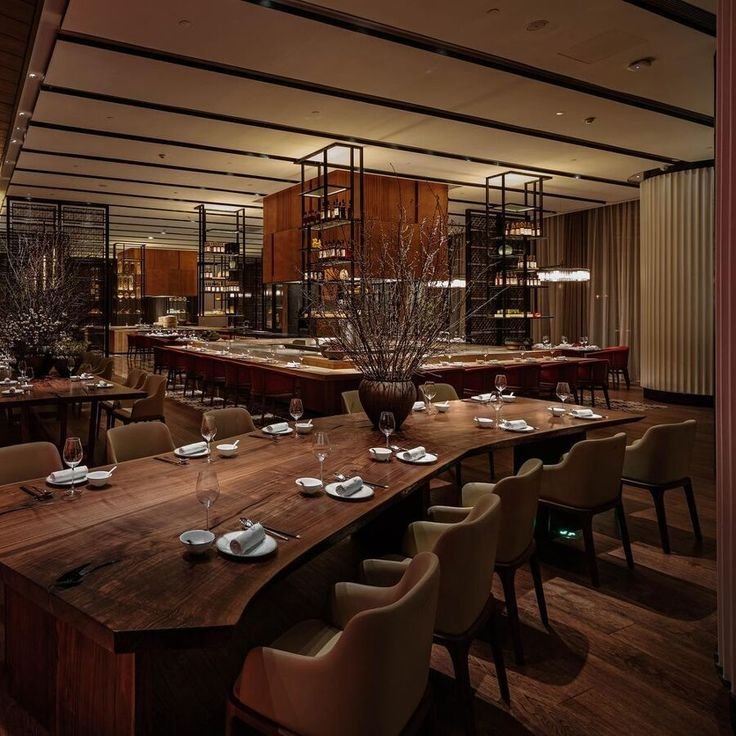
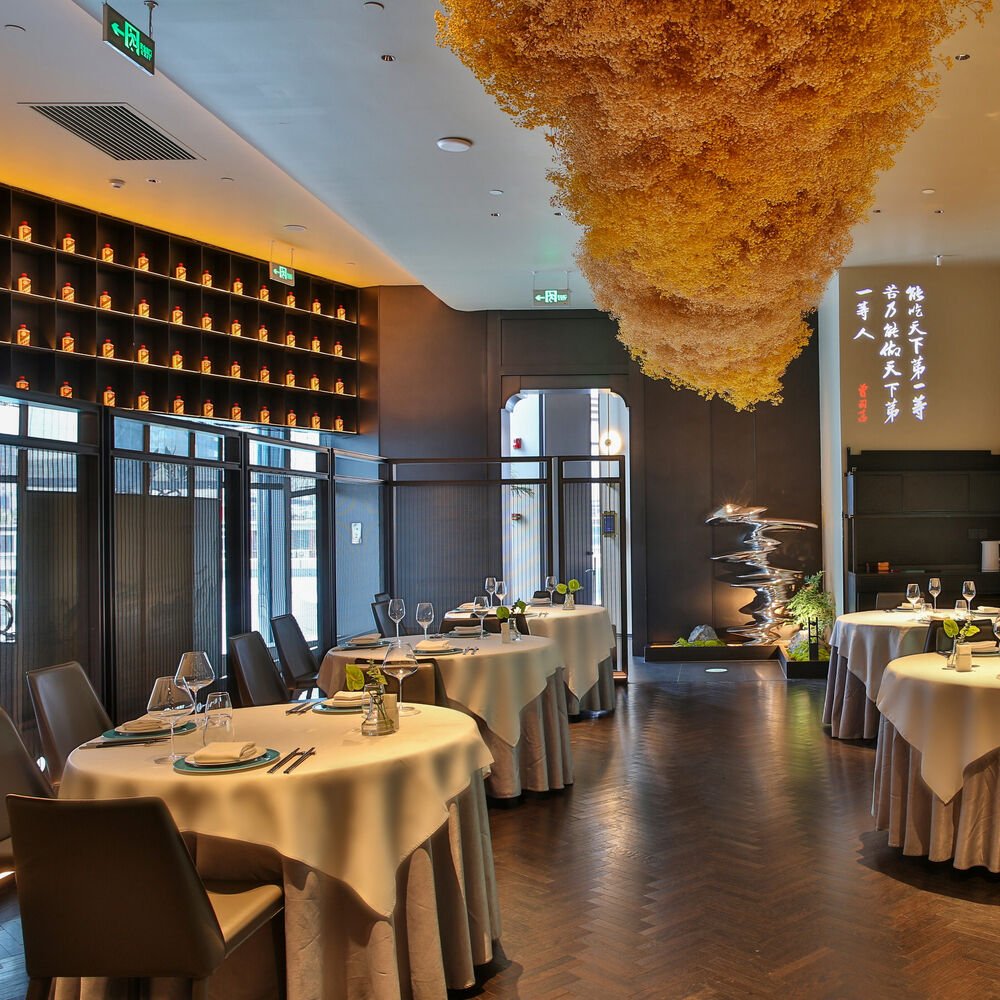
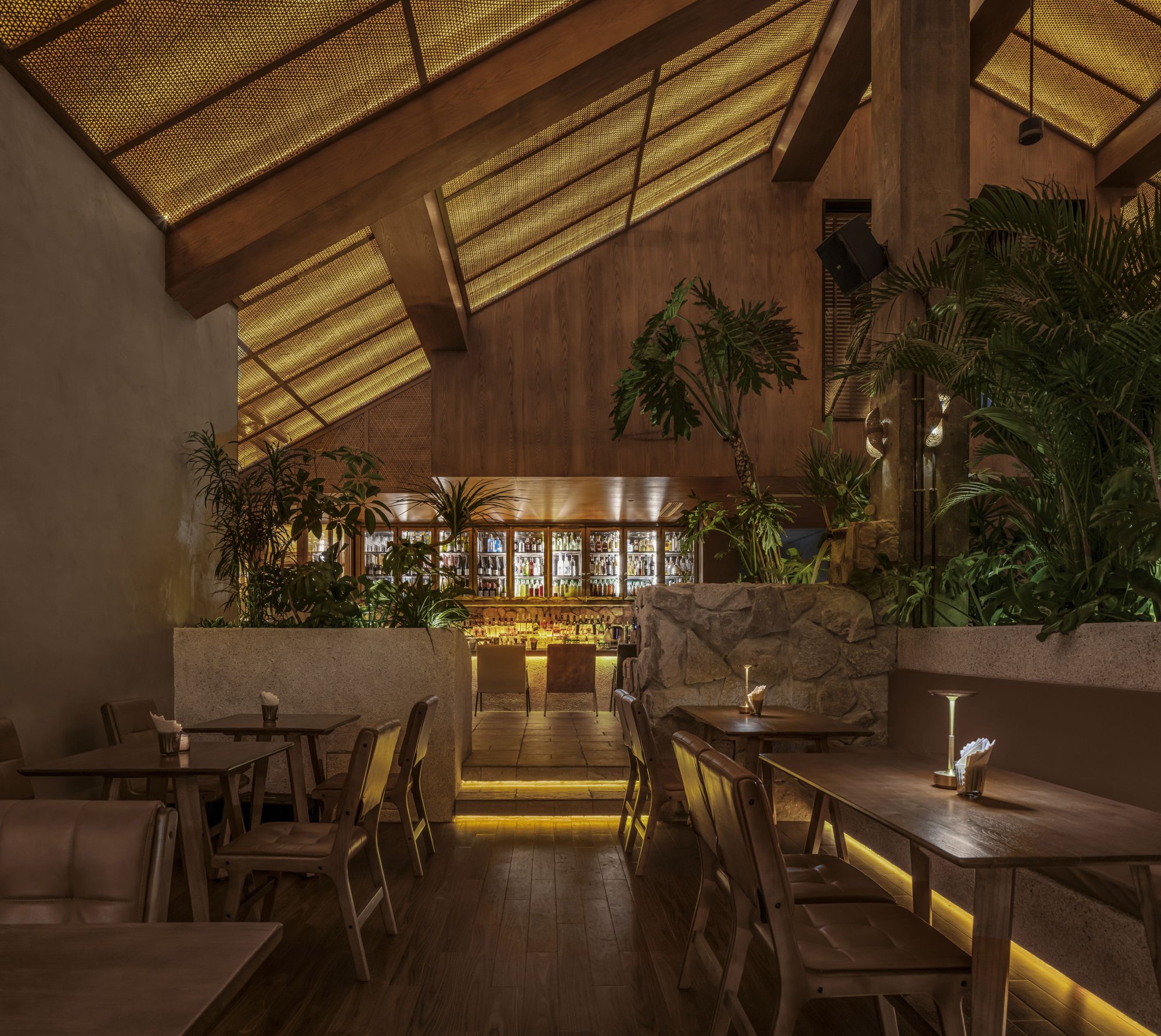
- The atmosphere follows the convention-tier international hotel format: generous public spaces, a multi-function lobby designed to handle simultaneous arrivals from large group bookings, and a service register calibrated for efficiency at volume. It is a professional, polished environment rather than an atmospheric one. Travellers seeking neighbourhood texture or design-led interiors will find more of both at smaller Beijing properties across different price points.
- What is the most popular room type at Beijing Marriott Marquis Hotel?
- Specific room-category data is not available in our current record. As a general pattern in the Marriott Marquis tier globally, Deluxe rooms on higher floors with city-facing orientations are the most requested by returning guests, while suite categories tend to attract corporate and long-stay bookers. Checking current inventory through the Marriott Bonvoy platform will show which categories remain available for your dates.
- What is Beijing Marriott Marquis Hotel leading at?
- The property's strongest suit is the same as most Marquis-tier addresses: handling scale without visible friction. Large group logistics, multi-day conference stays, and itineraries that require reliable loyalty-programme integration are where the format performs most consistently. For leisure travellers, the trade-off is lower spatial intimacy compared to the smaller properties in Beijing's premium tier.
- Can I walk in to Beijing Marriott Marquis Hotel?
- Walk-in availability depends on occupancy levels, which at a large convention property fluctuate with conference and events calendars. Beijing's major international hotels do occasionally hold rooms for walk-in guests, but rates on the day tend to be higher than advance booking rates. Using the Marriott Bonvoy platform or contacting the hotel directly ahead of arrival is the more reliable approach, particularly during peak travel periods such as Golden Week in October.
- How does the Beijing Marriott Marquis compare to other Marriott-brand properties in China for business travellers?
- The Marquis designation sits above the standard Marriott and JW Marriott tiers in terms of convention infrastructure and public-space scale. Within China, properties like JW Marriott Hotel Changsha offer comparable loyalty-network benefits but with a different footprint and city context. For business travellers whose work takes them across multiple Chinese cities, the Bonvoy framework means status and preferences carry across all of these addresses, making a stay at the Beijing Marriott Marquis part of a larger, coordinated travel infrastructure rather than a standalone choice.
Location
Beijing, China
Explore Beijing
Save or rate Beijing Marriott Marquis Hotel on Pearl
Keep this venue in your Pearl passport, rate it after you visit, and track it alongside every other place you collect.