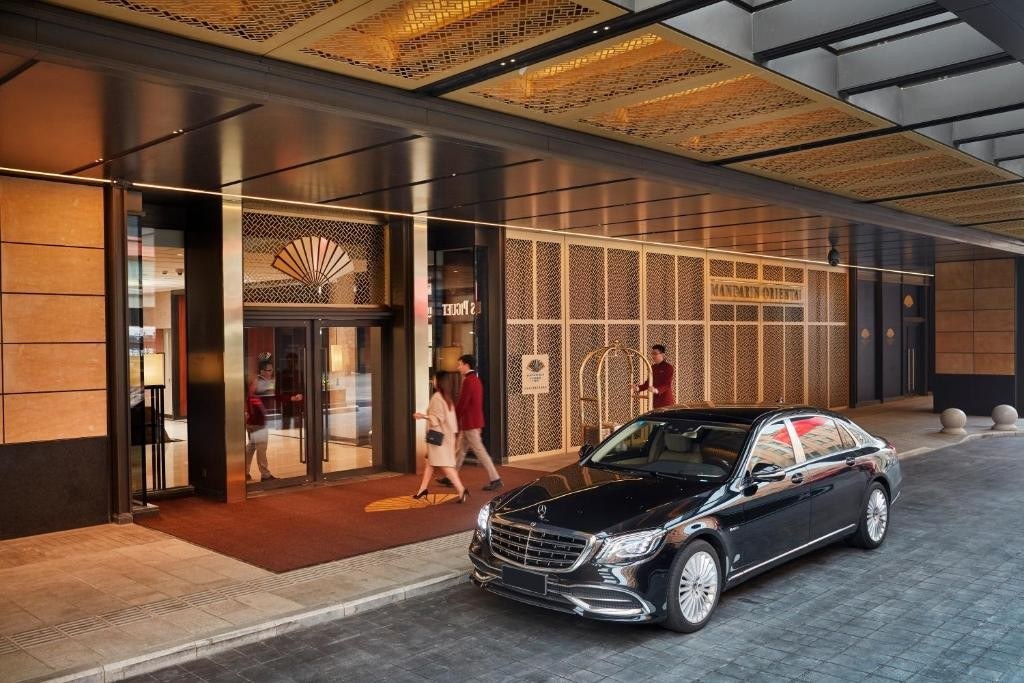







Mandarin Oriental Qianmen, Beijing
Zhengyilu, Beijing
Hotel in Beijing, China
 Book with Pearl
Why go
A strong choice for a quieter Beijing celebration or family stay, especially if Qianmen's historic setting matters more than a large business-hotel setup. The 2025 MICHELIN Guide Hotels 2 Keys and boutique-hotel awards give it real luxury credibility, but travelers who need scale, meeting convenience, or a grand-hotel rhythm should cross-shop Beijing's larger peers.
About Mandarin Oriental Qianmen, Beijing
Mandarin Oriental Qianmen, Beijing is a hotel in Beijing with a strong recognition profile for 2025. Its accolades include MICHELIN Guide, Hotels 2 Keys, World Travel Awards 2025, Leading Boutique Hotel, Tatler 2025, Listed in Best Hotels Asia-Pacific, and Tatler 2025, Best Innovation.
With a recognition-led profile, the safest way to evaluate the hotel is by its awards and by whether Mandarin Oriental Qianmen, Beijing fits the tone of the trip you are planning. The dress code is smart casual.
A Beijing hotel with 2025 recognition
A key reason to consider Mandarin Oriental Qianmen, Beijing is its award profile. MICHELIN Guide Hotels 2 Keys places it in a selective hotel-recognition context, while the World Travel Awards Leading Boutique Hotel recognition supports its boutique-hotel positioning.
Tatler also listed Mandarin Oriental Qianmen, Beijing in Best Hotels Asia-Pacific for 2025 and recognized it for Best Innovation. Those are useful signals for travelers comparing notable Beijing stays, especially when the hotel itself is part of the reason for the trip.
Specific claims about room layouts, facilities, dining style, spa offerings, pool details, or service formats should be checked directly with the hotel before booking.
Who should book it, and who should cross-shop
Book Mandarin Oriental Qianmen, Beijing if you want a Beijing hotel with notable 2025 recognition and a smart-casual setting. It is especially relevant for travelers who value award signals when choosing a stay.
Cross-shop if you are comparing different Beijing hotel experiences. The Peninsula Beijing, Mandarin Oriental Wangfujing, Beijing, The PuXuan Hotel and Spa, Regent Beijing, and Waldorf Astoria Beijing are natural names to consider alongside Mandarin Oriental Qianmen, Beijing.
For a broader view of hotels and dining in the city, use Our full Beijing hotels guide and Our full Beijing restaurants guide. For other dining or evening plans, compare options in Beijing generically and check current details before booking.
Part of
Mandarin Oriental116 locations on PearlInside Mandarin Oriental Qianmen, Beijing
Planning details
- Location
- No.1, 10 Caochang Alley, Dongcheng, Beijing, China, 100005
- Website
- mandarinoriental.com/en/beijing/qianmen
- Phone
- +86 10 8592 8888
The take
The Take
The Vibe
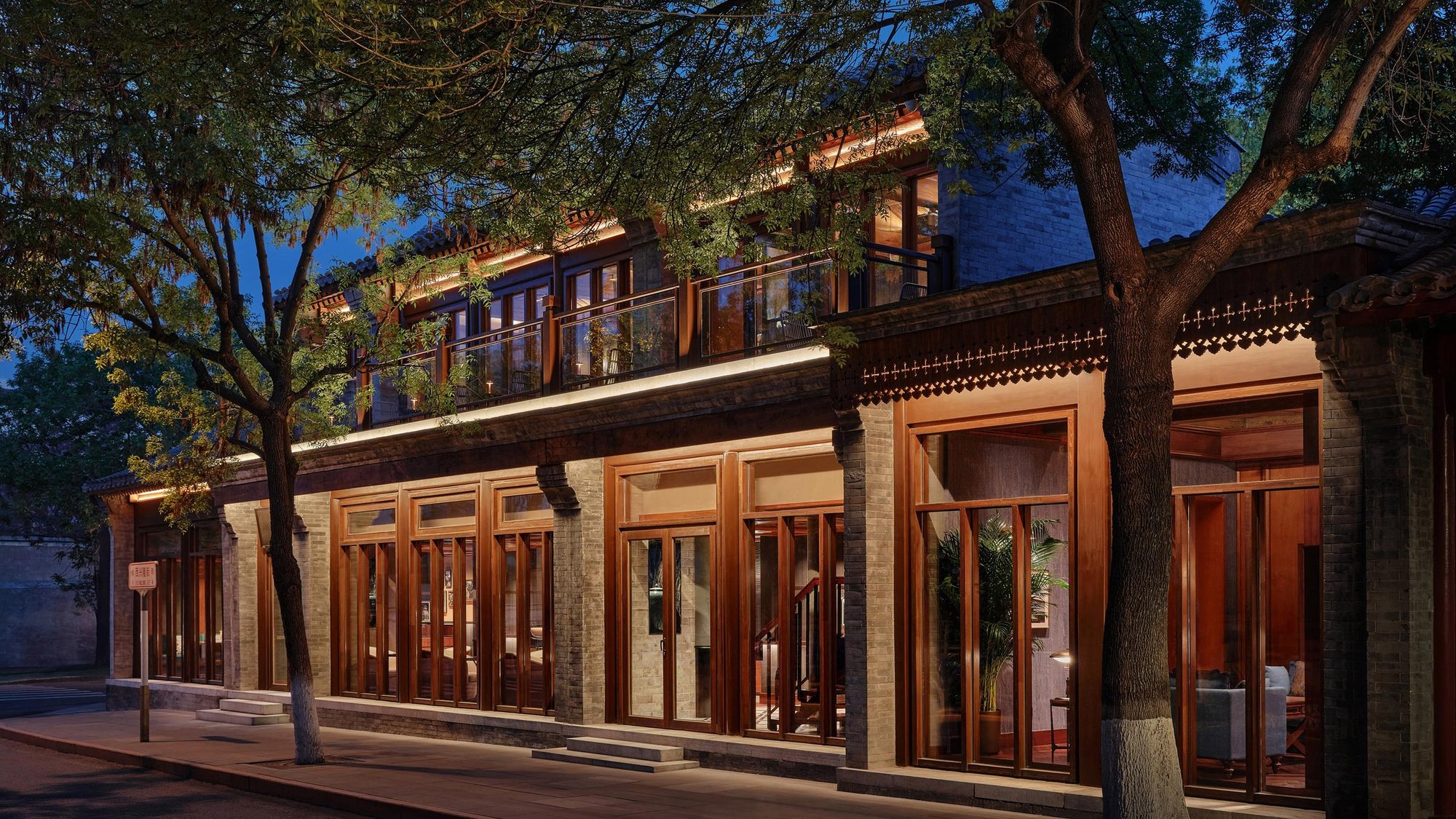
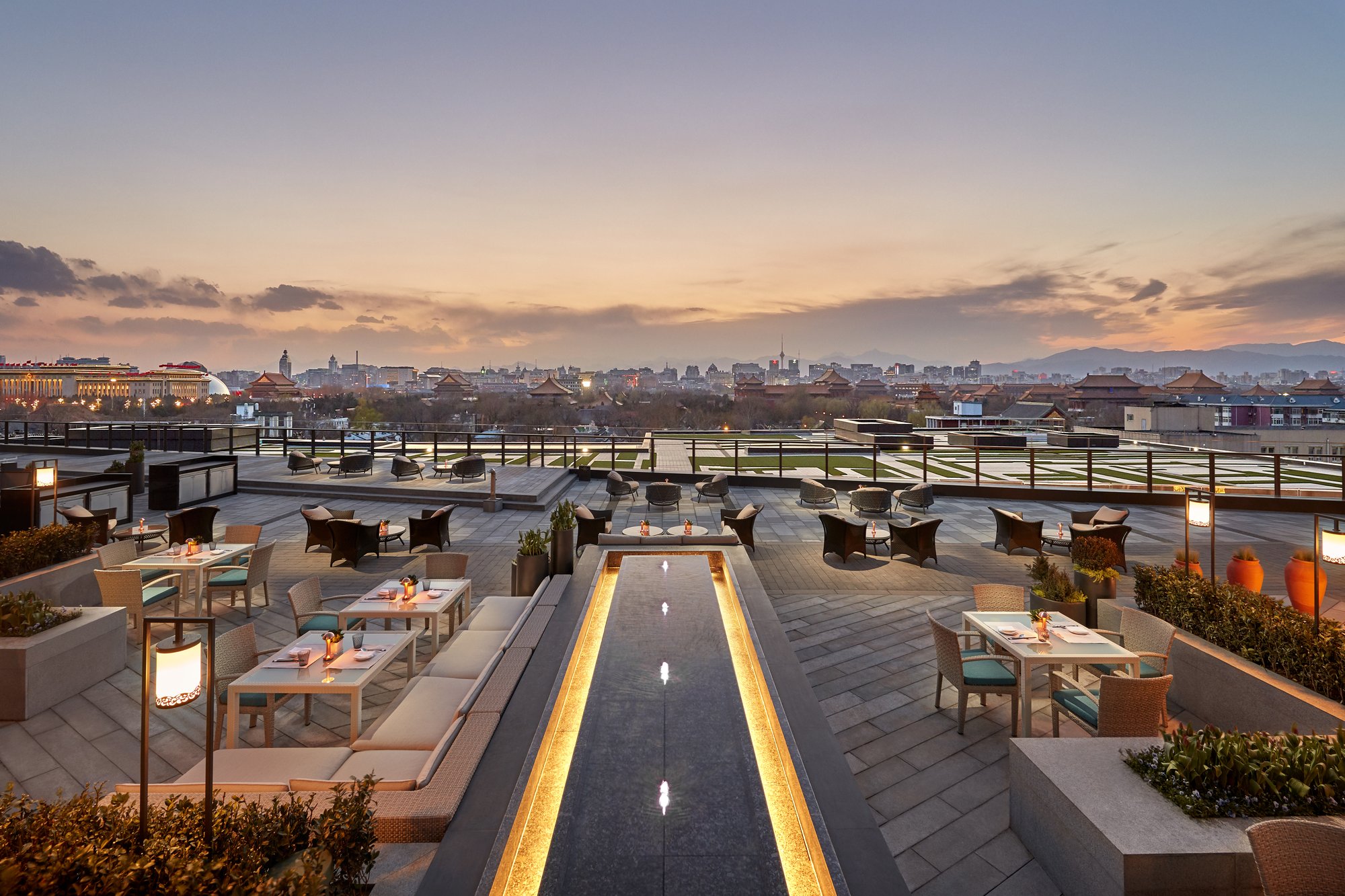
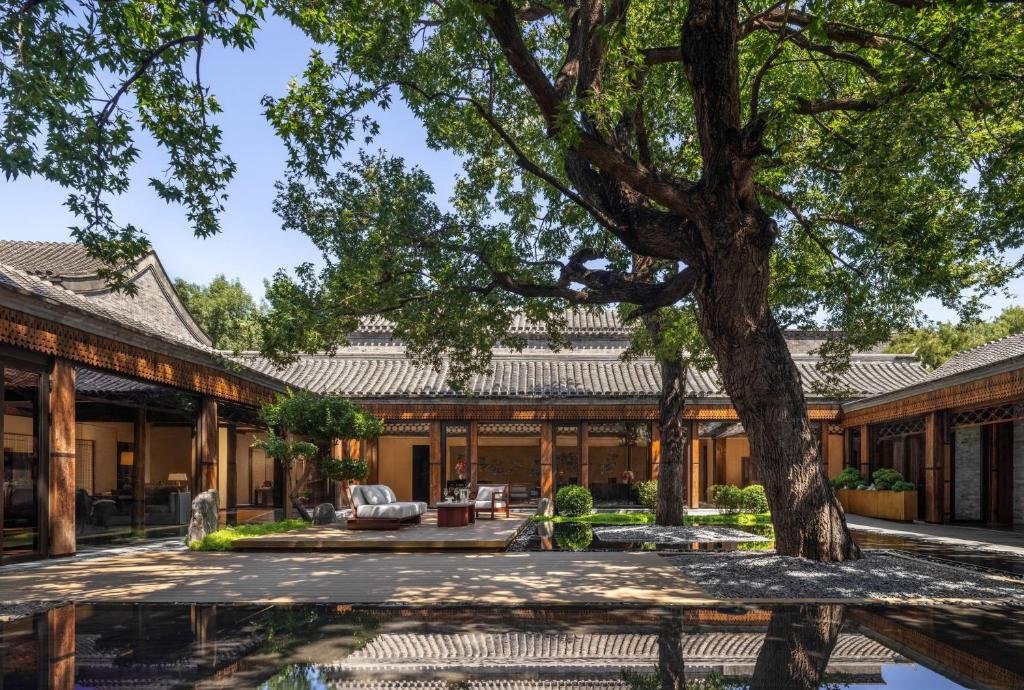
Mandarin Oriental Qianmen reads as a boutique, context-driven address that leans into Beijing's layered past. It sits among low-rise hutongs and courtyard footprints, so the hotel's scale feels human and closely tied to the street. The setting emphasizes long sightlines and the sensory qualities of Dongcheng — less traffic roar, more the textured quiet of narrow alleys and interior courtyards. That connection to historic urban fabric gives the property a restrained, classic charm: it is a place where the surrounding architecture and the slant of late afternoon light shape the stay as much as the guest rooms do.
Best For
This hotel suits travelers who want to be grounded in old Beijing rather than the city's glass towers. Its proximity to Qianmen Gate and the Forbidden City's southern axis makes it an appealing base for cultural exploration, short city breaks and solitary wandering through hutongs. The pedestrian scale and quieter streets invite guests to stroll out of the lobby and immediately feel part of the neighbourhood. Visitors looking for a calm, centrally positioned launch point for museums, ceremonial sites and street-level discoveries will find this location especially well matched to their plans.
Stay Tips
Plan arrivals to take advantage of the neighbourhood's mood: the text notes that arriving from the airport expressway or from Guomao involves a distinct crossing of the city's temporal layers, and that late-afternoon light alters the way the grey brick reads. Allow time to approach the hotel on foot where possible so you can experience the hutong scale and quieter soundscape. Because the property's identity is tightly linked to its address on Caochang Alley and Qianmen, factor in a stroll around the surrounding alleys to orient yourself rather than treating the hotel as an isolated tower stop.
Venue details
Ambiance
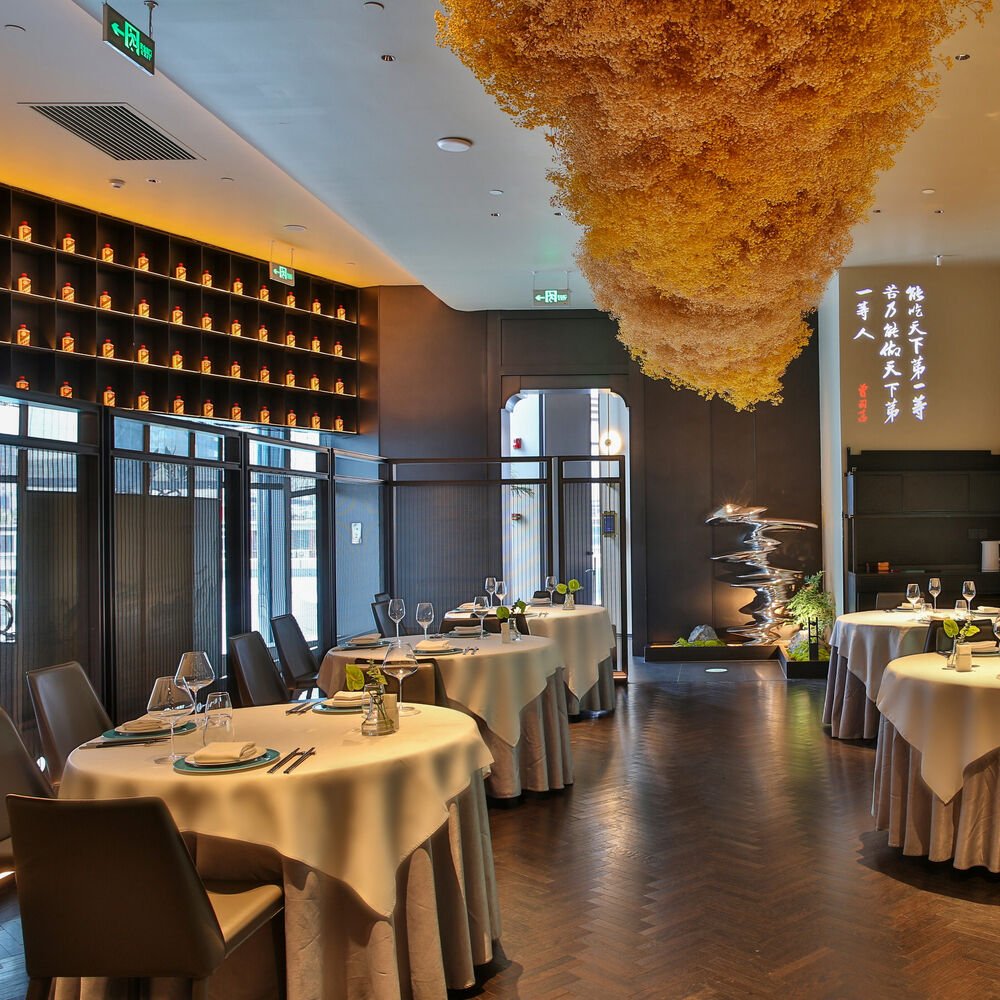
Serene and tranquil with natural light flooding through floor-to-ceiling windows into quiet private courtyards, creating a calming retreat amid historic surroundings.
Tags
Vibe
Best For
Experience
Amenities
View
About the Stay
- Rooms
- 42
- Check-in
- 15:00
- Check-out
- 12:00
- Property Style
- Restored Historic Siheyuan Courtyards with Modern Luxury Interiors
- Design Style
- Contemporary Chinese Elegance with Traditional Craftsmanship
Know before you go
Know Before You Go
- Getting there
- No.1, 10 Caochang Alley, Dongcheng, Beijing, China, 100005
Planning details
Location
No.1, 10 Caochang Alley, Dongcheng, Beijing, China, 100005 · Directions
Recognition and awards




Also consider
Also Consider
- The PuXuan Hotel and Spa, Notable alternative
- Mandarin Oriental Wangfujing, Beijing, Notable alternative
- The Peninsula Beijing, Notable alternative
- Waldorf Astoria Beijing, Notable alternative
- Regent Beijing, Notable alternative
Hotel context
How It Compares
Choose Mandarin Oriental Qianmen, Beijing when the brief is a quieter, more residential-feeling luxury stay around historic Dongcheng. Compared with The Peninsula Beijing, it is the more intimate call for a celebration or family trip, while The Peninsula is the safer choice for travelers who want a grand-hotel rhythm and a more conventional luxury footprint.
Mandarin Oriental Wangfujing, Beijing is the cleaner comparison for guests who already know they want the brand but prefer the Wangfujing orbit. Pick Qianmen for atmosphere and a lower-key base; pick Wangfujing if the trip is centered on shopping, meetings, and more familiar central-hotel logistics.
The PuXuan Hotel and Spa is the sharper cross-shop for design-minded travelers, while Waldorf Astoria Beijing and Regent Beijing make more sense for guests who want a larger luxury-hotel feel. For families and special occasions, Qianmen is the more distinctive-feeling choice; for easier conventional planning, the bigger-name central peers may be simpler.
Explore Beijing
Around this place
Discover more on Pearl
Unlock the full Mandarin Oriental Qianmen, Beijing guide in Pearl, including awards, comparisons, FAQs, planning details, and nearby places.
Compare Mandarin Oriental Qianmen, Beijing
| Venue | Location | Awards |
|---|---|---|
| Mandarin Oriental Qianmen, Beijing | Beijing | 2026 World’s 50 Best Hotels 1-50 · #72026 Forbes 5-Star2026 Virtuoso Luxury Hotel Collection2025 World’s 50 Best Hotels · #14Tatler Best Hotels Asia-Pacific 2025World Travel Awards 20252025 Architectural Digest Great Design Hotel Award WinnersMichelin 2 Keys 20252025 Michelin 2 Keys |
| The PuXuan Hotel and Spa | Beijing | 2026 Virtuoso Luxury Hotel Collection2026 Forbes Recommended2026 La Liste Top HotelsLeading Hotels of the World 20262025 Forbes Recommended2025 Michelin 1 Key |
| Mandarin Oriental Wangfujing, Beijing | Beijing | 2026 Forbes 5-Star2026 Virtuoso Luxury Hotel Collection2026 La Liste Top Hotels2025 Forbes 5-Star2025 Michelin 1 Key |
| The Peninsula Beijing | Beijing | 2026 Forbes 5-Star2026 Virtuoso Luxury Hotel Collection2026 La Liste Top HotelsWorld Travel Awards 20252025 Michelin 1 Key2025 Forbes 5-Star |
| Waldorf Astoria Beijing | Beijing | 2026 Forbes 4-Star2026 La Liste Top HotelsWorld Travel Awards 20252025 Michelin 1 Key2025 Forbes 4-Star |
| Regent Beijing | Beijing | 2026 Travel + Leisure 100 Favorite Hotels in the World · #502026 Forbes 4-Star2026 La Liste Top Hotels2025 Travel + Leisure 100 Favorite Hotels in the World · #35Tatler Best Hotels Asia-Pacific 20252025 Michelin Selected Hotels2025 Forbes 4-Star |







How Mandarin Oriental Qianmen, Beijing compares with similar nearby venues.
FAQ
Frequently Asked Questions
Is Mandarin Oriental Qianmen, Beijing good for business travel?
It can be considered for business travel if you want a Beijing hotel with hotel recognition, including MICHELIN Guide Hotels 2 Keys in 2025. Check business facilities, meeting services, and transport logistics directly before booking.
How is the pool and spa at Mandarin Oriental Qianmen, Beijing?
If wellness facilities are central to the trip, check current pool and spa offerings directly with the hotel and compare with The PuXuan Hotel and Spa or other Beijing options.
What is check-in like at Mandarin Oriental Qianmen, Beijing?
Ask the hotel directly about arrival and check-in procedures. Mandarin Oriental Qianmen, Beijing is in Beijing, has a smart-casual dress code, and holds 2025 hotel recognition including MICHELIN Guide Hotels 2 Keys.
Which room category is best at Mandarin Oriental Qianmen, Beijing?
For celebrations, family stays, or trips where space matters, ask Mandarin Oriental Qianmen, Beijing directly which category best fits your needs before booking.
When is the best time to book Mandarin Oriental Qianmen, Beijing?
If you are choosing the hotel because of its 2025 recognitions, including MICHELIN Guide Hotels 2 Keys and World Travel Awards Leading Boutique Hotel, confirm rates and availability directly for your travel dates.