
Lu Shang Lu
Shandong · Zizhuyuan, Beijing
Restaurant in Beijing, China
 Book with Pearl
The Read
Imperial Lu Cuisine Codified
Dress
Smart Casual
Why go
Lu Shang Lu holds Michelin 2-star recognition in 2024 and 2025, making it Beijing's most formally awarded address for Shandong cuisine. At ¥¥¥¥ in Haidian District, this is a serious special-occasion restaurant: book the moment reservations open, as availability is near impossible. First-timers should arrive with expectations calibrated to technical precision rather than casual regional dining.
About Lu Shang Lu
Book the moment reservations open: Lu Shang Lu runs at near-impossible availability
If you are planning a special occasion dinner in Beijing and Shandong cuisine is on your radar, the single most important piece of practical advice is this: Lu Shang Lu's reservations move fast. At the ¥¥¥¥ price tier, it carries back-to-back Michelin 2-star recognition in both 2024 and 2025, which means the window between tables becoming available and tables being gone is extremely narrow. Set a calendar reminder for when the booking window opens, pursue it through every channel available to you, and treat a weekday dinner as your leading realistic shot at a seat. Weekend slots, particularly Friday and Saturday evenings, are the first to disappear.
What Lu Shang Lu is
Lu Shang Lu sits in Beijing's Haidian District and focuses on Shandong cuisine: one of China's most historically significant regional cooking traditions, with documented roots stretching back to the imperial court. Shandong, or Lu cuisine, is one of the Eight Great Cuisines of China, and it has shaped the flavour profile of northern Chinese cooking more than almost any other regional tradition. At this level, the kitchen is expected to execute technically demanding preparations: precise knife work, disciplined use of stock, and the kind of seasoning restraint that lets the quality of primary ingredients carry the dish rather than masking them. Under two consecutive Michelin 2-star cycles, Lu Shang Lu has positioned itself as the most formally recognised address in Beijing for this style of cooking.
The chef on record is David Yárnoz, an unusual name in the context of Shandong cuisine, and one that signals the restaurant may bring an internationally trained perspective to a deeply regional tradition. Without detail on the specific menu, it would be wrong to speculate on how that background translates to the plate. The standard of execution has satisfied Michelin inspectors across two full evaluation cycles at the two-star level. That consistency matters: a single-year result can reflect a strong performance; two consecutive years indicate a kitchen operating to a reliable standard.
Service and whether it earns the price
At ¥¥¥¥ in Beijing, you are entering a price bracket where the experience needs to deliver beyond the food itself. Michelin 2-star restaurants at this tier are assessed not only on cooking but on the full hospitality experience, the coherence of service, the pacing of a meal, and the attention to what guests actually need rather than a scripted sequence of table interactions. The service philosophy at a room like this should be fluent enough to handle both Chinese and international guests without making either feel like the secondary audience. For a special occasion booking, that read on the room matters: a birthday dinner or a significant business meal requires a team that can modulate formality and pace rather than deliver a rigid tasting-menu rhythm.
If you are booking for a celebration, request the specific occasion at the time of reservation. At this price point and recognition level, the expectation is that the kitchen and front-of-house team will acknowledge it. If they do not, that is useful information about whether the service philosophy matches the price.
How Lu Shang Lu compares in the Shandong category across China
For context on where this restaurant sits within the broader Shandong dining picture, Lu Style (Anding Road) and Tong He Ju (Yuetan South Street) represent alternative Beijing addresses for the cuisine at different price points. Outside Beijing, Lu Style (Huangpu) and Bai Rong in Shanghai extend the category for travellers covering multiple cities. For broader regional fine-dining comparisons across China, 102 House in Shanghai, Xin Rong Ji in Chengdu, Ru Yuan in Hangzhou, Chef Tam's Seasons in Macau, Imperial Treasure Fine Chinese Cuisine in Guangzhou, and Dai Yuet Heen in Nanjing offer useful benchmarks for understanding where ¥¥¥¥ fine-dining Chinese cuisine sits regionally.
Practical details
Lu Shang Lu is in the Haidian District of Beijing (postal code 100089). No phone number or website is listed in data, which means your booking path likely runs through a third-party reservation platform or direct contact via the restaurant's own channels, confirm this before your trip rather than arriving without a confirmed seat. Hours are not publicly confirmed in current data; contact the restaurant directly to verify service times before planning travel, particularly if you are combining this with a visit to Haidian's cultural sites. For a broader picture of Beijing's dining options at every price point, see our full Beijing restaurants guide. If you are planning a longer stay, our Beijing hotels guide, bars guide, wineries guide, and experiences guide cover the full city picture.
Verdict
Book Lu Shang Lu if you want Beijing's most formally recognised address for Shandong cuisine and you are prepared for the effort the booking requires. The two consecutive Michelin 2-star results are the clearest signal available that this kitchen is operating at a level that justifies the ¥¥¥¥ price. For a special occasion dinner in Beijing where the cuisine itself is the event, this is the address the awards record points to.
Planning details
- Location
- Haidian District, China, 100089
- Reservations
- Book on the venue's website
- Website
- shangri-la.com/beijing/shangrila/dining/restaurants/shang-palace
- Phone
- +86 10 8882 6732
The take
The Take
The Vibe
Lu Shang Lu presents a rigorous, historically rooted fine-dining experience built on Shandong (Lu) culinary traditions. The room reads as purposefully classical: techniques like precise braising, complex stocks and exacting knife work drive the kitchen’s argument. Its consecutive two-Michelin-star recognition underscores a restaurant that prizes consistency and technical command over novelty. Rather than rustic regionality, the cooking is formal and considered, carrying the lineage of imperial Beijing cuisine into a contemporary service. The overall impression is of a serious, canon-minded destination for diners who appreciate disciplined technique and culinary lineage.
Best For
This is a restaurant best suited to formal dinners and milestone meals where craftsmanship matters. With back-to-back Michelin stars and a focus on classical Lu cuisine, it caters to diners seeking a composed, high‑calibre dining experience: including business dinners and special occasions. Its location in Haidian means the room also speaks to a local, academically minded clientele, so the tone of service and the pacing is more deliberate and less about spectacle. Expect a measured, thoughtful evening focused on technique and tradition rather than casual grazing.
Ordering Tips
Focus on dishes that showcase Shandong techniques and the kitchen’s technical strengths. The venue’s signature items, notably the roast 45-day-old duck with caviar and preparations featuring sea cucumber, are highlighted for a reason and exemplify the restaurant’s formal approach. Look for preparations that emphasize braising, refined stocks and precise knife work, since those methods are central to the Lu culinary canon described. Given the restaurant’s emphasis on consistency and technique, choose plates that let the kitchen’s skills and the province’s classic flavours take centre stage.
Venue details
Ambiance
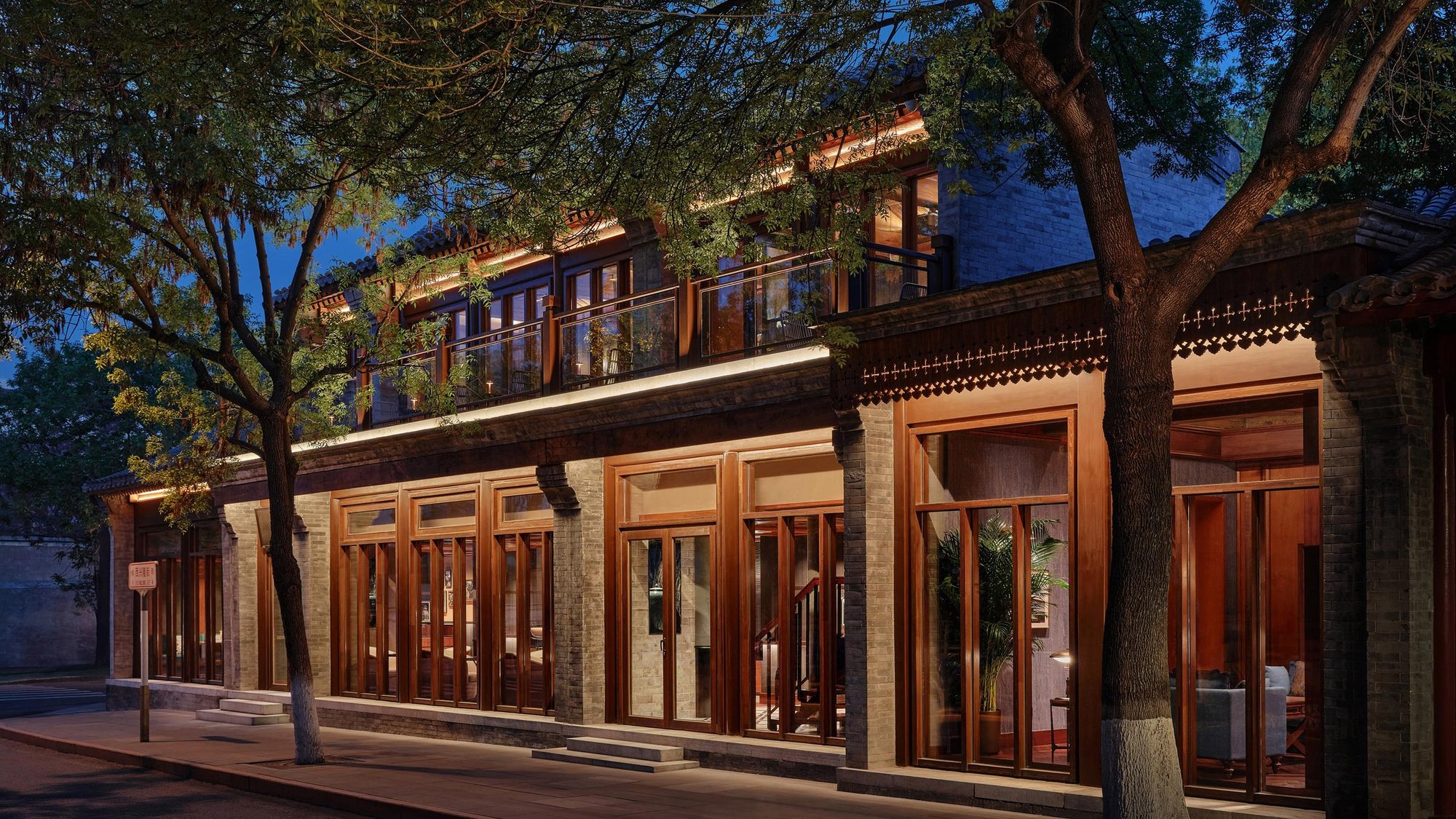
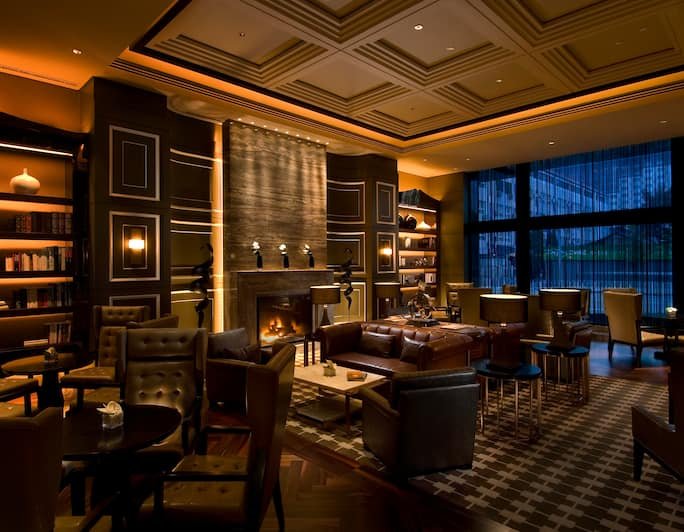
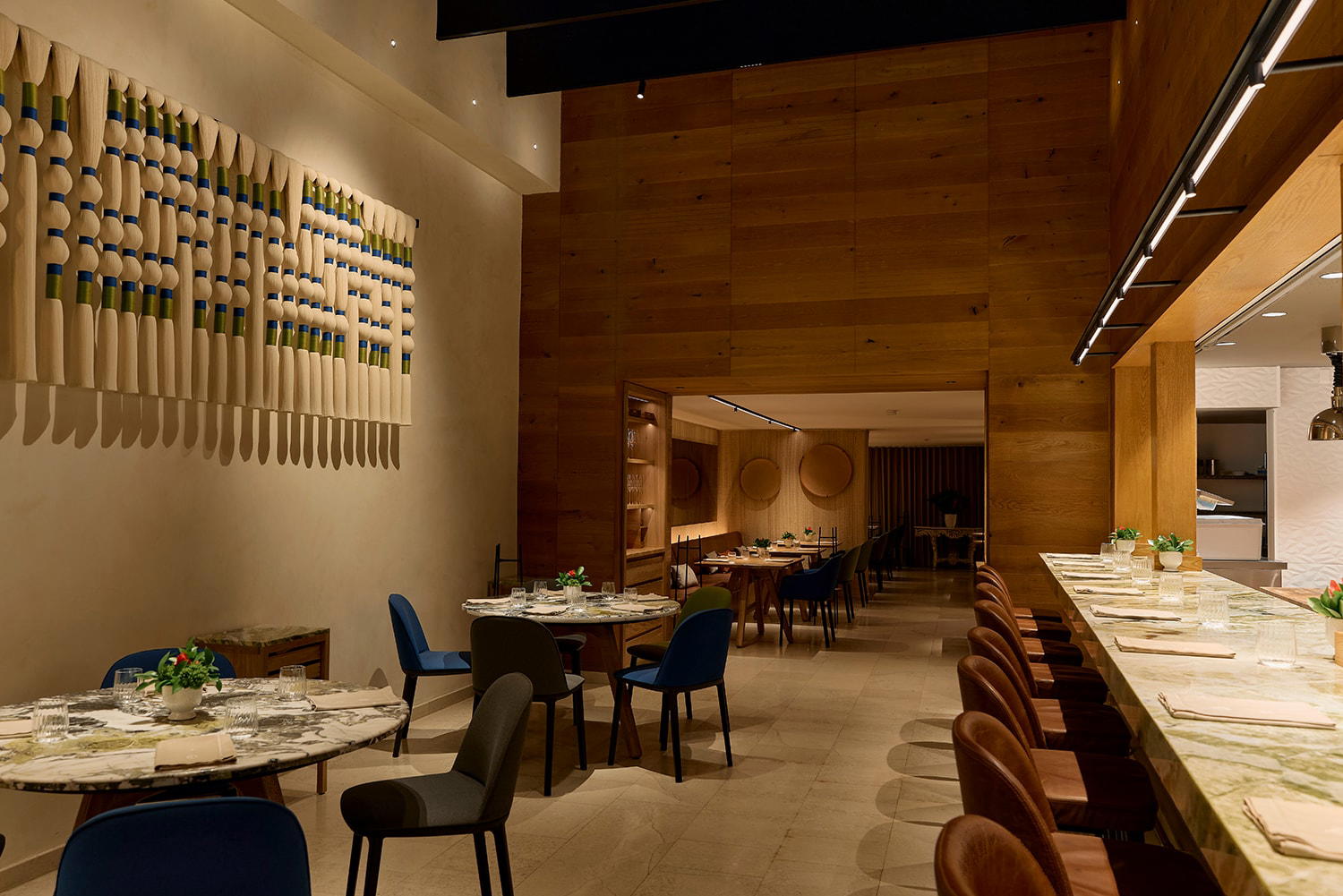
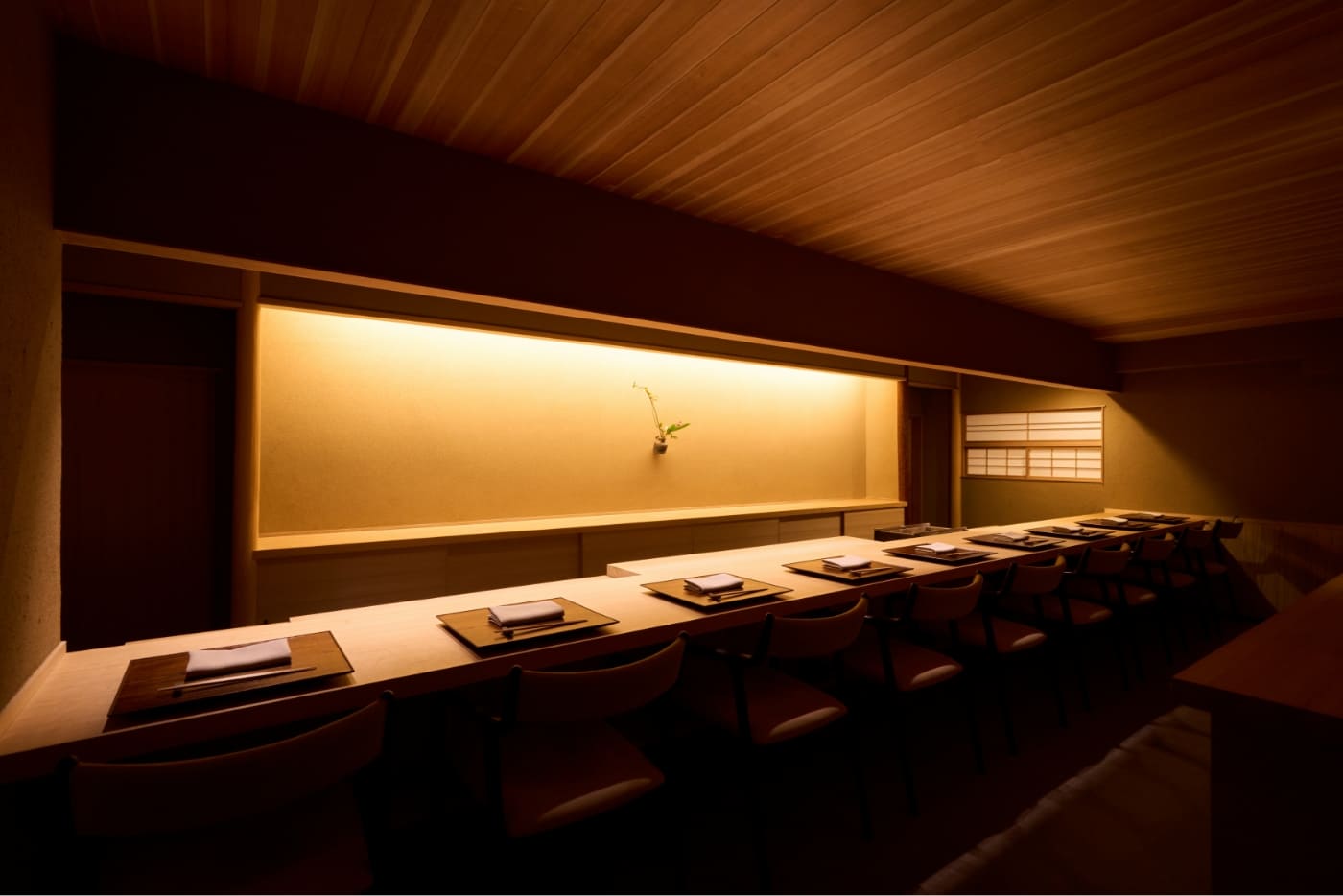
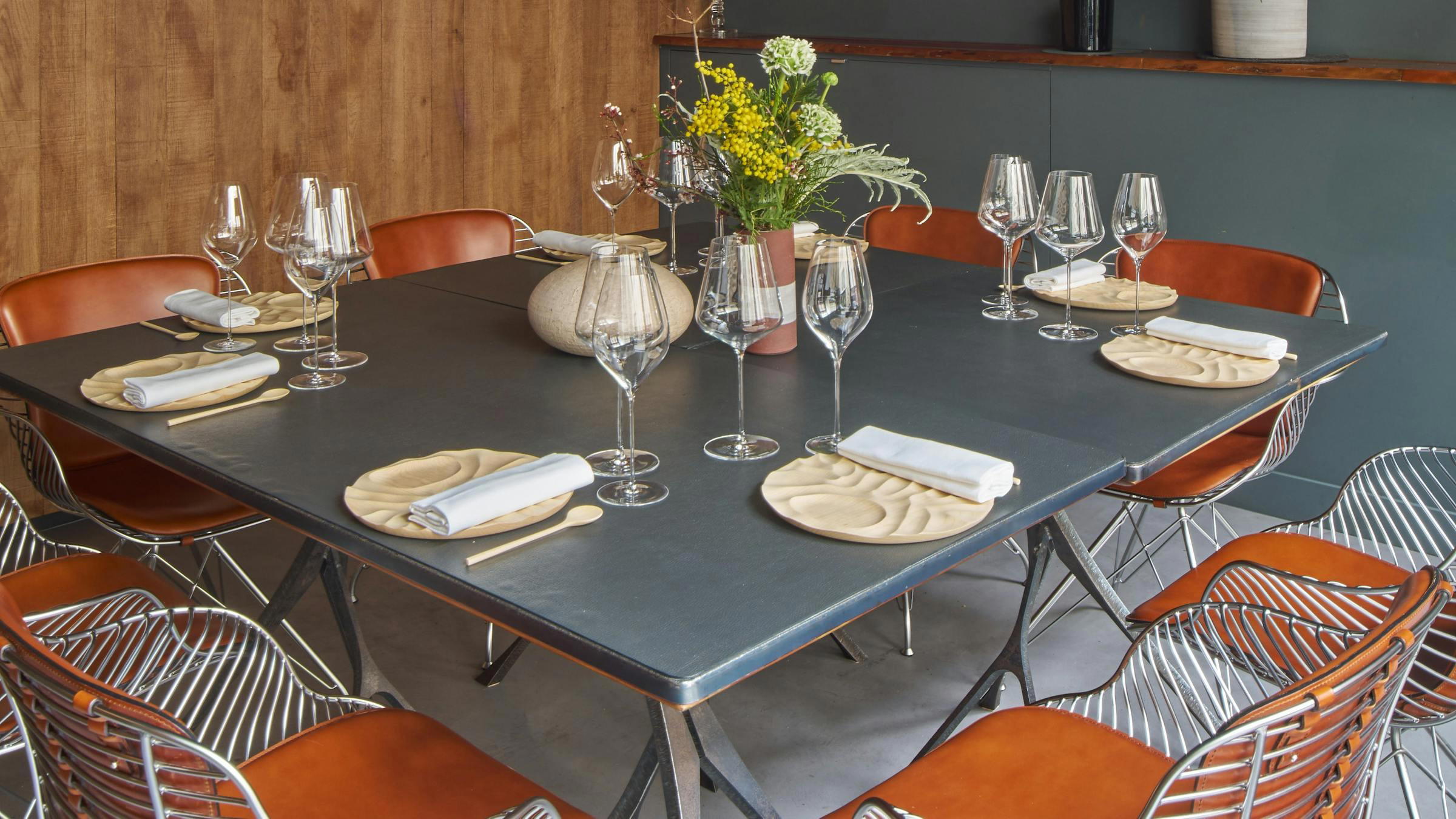
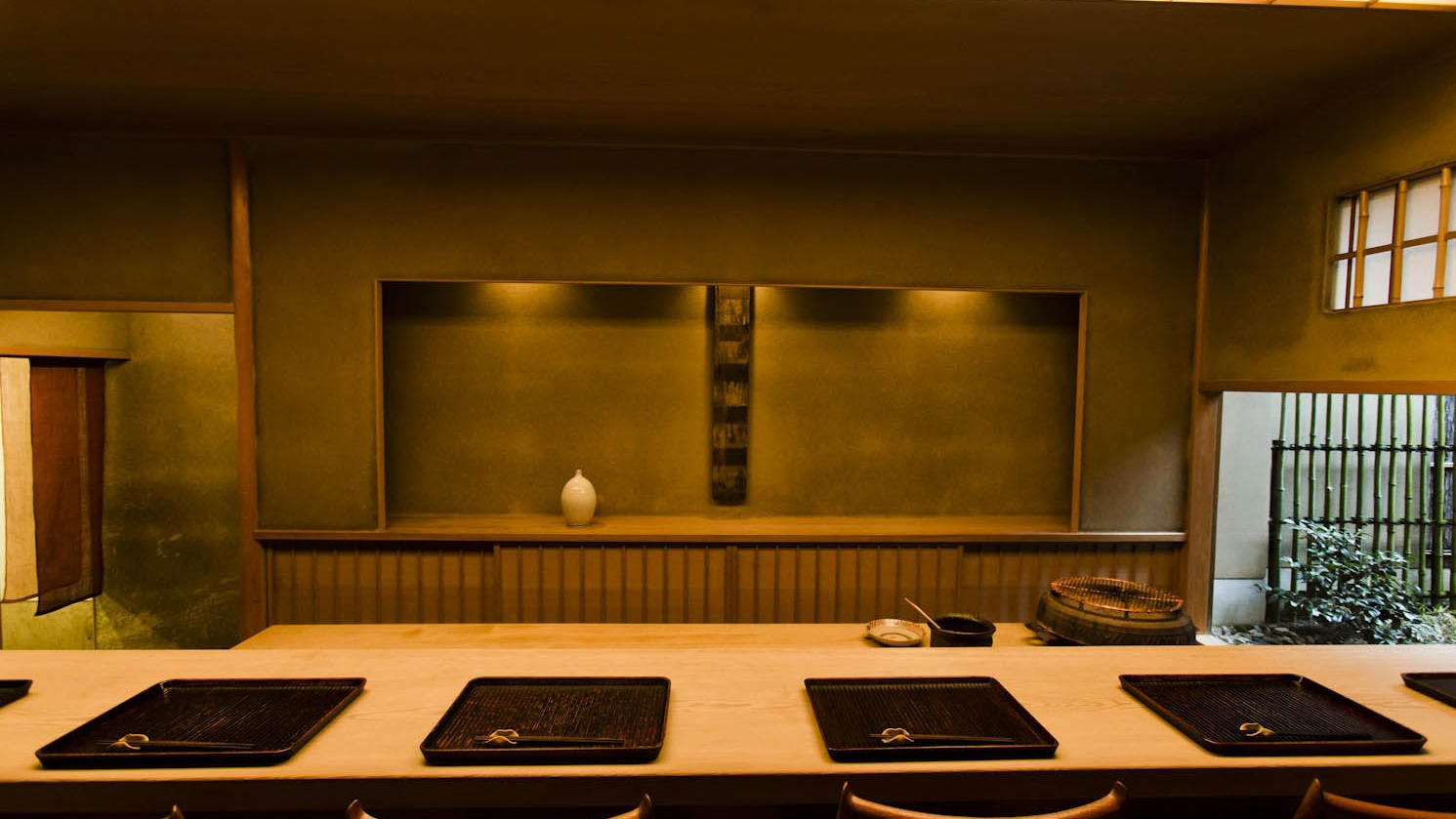
Elegant and refined atmosphere suitable for fine dining, with a focus on quality and consistency as per Michelin standards.
Tags
Vibe
Best For
Sourcing
At the Table
- Dress Code
- Smart Casual
- Noise Level
- Quiet
- Service Style
- Formal
- Meal Pacing
- Leisurely
- Capacity
- Medium
- Kitchen
- Modern
- Menu Format
- Tasting menu
- Dietary
- Vegetarian friendly, Gluten-free options, Pescatarian friendly
Signature Dishes
- roast 45-day-old duck with caviar
- sea cucumber
Know before you go
Know Before You Go
- Getting there
- Haidian District, China, 100089
Planning details
Location
Haidian District, China, 100089 · Directions
shangri-la.com/beijing/shangrila/dining/restaurants/shang-palace
Recognition and awards
Also consider
Also Consider
- Jing: French Contemporary, ¥¥¥
- Xin Rong Ji (Xinyuan South Road): Taizhou, ¥¥¥¥
- Chao Shang Chao (Chaoyang): Chao Zhou, ¥¥¥¥
- Lamdre: Vegetarian, ¥¥¥¥
- Jingji: Beijing Cuisine, ¥¥¥¥
Restaurant context
At ¥¥¥¥ with back-to-back Michelin 2-star results, Lu Shang Lu is the hardest reservation and the highest formal recognition in Beijing's Chinese fine-dining tier. If your priority is a Michelin-credentialled meal focused on a specific regional Chinese tradition, this is where the awards record points. The closest comparisons at the same price tier are Xin Rong Ji (Xinyuan South Road) for Taizhou cuisine, Chao Shang Chao (Chaoyang) for Chao Zhou, Lamdre for vegetarian fine dining, and Jingji for Beijing cuisine: all operating at ¥¥¥¥ but without Lu Shang Lu's two-star Michelin profile.
If booking difficulty is your primary concern, Jingji or Chao Shang Chao (Chaoyang) are worth investigating as alternatives where availability may be less constrained. For diners who want regional Chinese cuisine at a step down in price, Jing offers French Contemporary at ¥¥¥, though that is a different cuisine category entirely. If Shandong is the specific priority, Lu Style (Anding Road) and Tong He Ju (Yuetan South Street) are the next logical addresses to consider in Beijing.
The practical decision is this: if the combination of Shandong cuisine and Michelin 2-star recognition matters for your occasion, Lu Shang Lu has no direct equivalent in Beijing at this level. If you want regional Chinese fine dining at ¥¥¥¥ with more flexible booking, the same-tier options above are worth the comparison. For a celebration where the awards credential is part of the point, Lu Shang Lu is the choice.
Explore Beijing
Around this place
Discover more on Pearl
Unlock the full Lu Shang Lu guide in Pearl, including awards, comparisons, FAQs, planning details, and nearby places.
Compare Lu Shang Lu
| Venue | Cuisine | Awards | Booking Difficulty |
|---|---|---|---|
| Lu Shang Lu | Shandong | 2025 Michelin 2 Stars2024 Michelin 2 Stars | Near Impossible |
| Jing | French Contemporary | 2025 OAD Top Restaurants in Asia Ranked · #3842025 Wine Spectator Best of Award of Excellence2025 The Best Chef One Knife2025 Michelin 1 Star2025 Black Diamond 1 Diamond2024 OAD Top Restaurants in Asia Ranked · #3522024 Michelin 1 Star2023 OAD Top Restaurants in Asia RecommendedWorld's Best Wine Lists 2022 | Unknown |
| Xin Rong Ji (Xinyuan South Road) | Taizhou | 2026 Asia's 50 Best Restaurants · #842026 La Liste Top Restaurants2025 Asia's 50 Best Restaurants · #732025 Black Diamond 2 Diamond2025 La Liste Top Restaurants2025 Michelin 3 Stars2025 Relais Chateaux Award | Unknown |
| Chao Shang Chao (Chaoyang) | Chao Zhou | 2026 La Liste Top Restaurants2025 The Best Chef Three Knives2025 Michelin Plate2025 Michelin 3 Stars2024 Michelin 3 Stars | Unknown |
| Lamdre | Vegetarian | 2026 Asia's 50 Best Restaurants · #172026 OAD Top Restaurants in Asia Highly Recommended2026 Black Pearl 2 Diamond2026 La Liste Top Restaurants2025 Asia's 50 Best Restaurants · #502025 OAD Top Restaurants in Asia Ranked · #224We're Smart World Top Restaurants 2025We're Smart World Top 100 2025Tatler Best Restaurants Asia-Pacific 2025 | Unknown |
| Jingji | Beijing Cuisine | 2026 La Liste Top Restaurants2025 Michelin 2 Stars2024 Michelin 2 Stars | Unknown |










.png?width=1200&quality=80)


Side-by-side comparison to help you decide where to book.
FAQ
Frequently Asked Questions
What should a first-timer know about Lu Shang Lu?
Expect a formal, Michelin 2-star experience built around Shandong cuisine, which leans on precise technique and classic Northern Chinese flavour profiles rather than the bold spice of Sichuan or the sweetness of Shanghainese cooking. The price bracket is ¥¥¥¥, so budget accordingly and treat this as a destination meal rather than a casual dinner. Most critically: reservations are extremely difficult to secure, and with no listed website or phone number in data, you will likely need to book through a hotel concierge or a third-party reservation platform. First-timers should come with a clear occasion in mind: this is not the venue for an exploratory walk-in.
Can I eat at the bar at Lu Shang Lu?
No bar seating is documented for Lu Shang Lu in data. At a Michelin 2-star restaurant in this price range, the format is almost always table service with advance reservations required: counter or bar dining is not a feature associated with Shandong fine dining at this level. If walk-in flexibility matters to you, Lu Shang Lu is not the right call.
What should I wear to Lu Shang Lu?
No dress code is specified in data, but a Michelin 2-star restaurant at the ¥¥¥¥ price point in Beijing warrants formal or at minimum business-casual attire. Arriving underdressed at this level risks standing out in the wrong way. When in doubt, err on the formal side.
Can Lu Shang Lu accommodate groups?
Group bookings are not addressed in data, but at a Michelin 2-star restaurant with notoriously tight availability, large groups should assume it is difficult. If you are planning for four or more, contact the restaurant well in advance through a hotel concierge: no direct phone or website is publicly listed. For parties where guaranteed group seating matters more than prestige, a venue with documented private dining rooms may be a more practical option.