The Orchid
Dianmen, Beijing
Hotel in Beijing, China
 Book with Pearl
The Read
Price
$100–200per night
Why go
Choose The Orchid if a hutong setting matters more than big-hotel facilities. It is a better fit for couples, solo travelers, and families with older children who want a quieter Dongcheng base; business travelers or families needing broad services should compare it with Beijing's larger luxury hotels.
About The Orchid
The Orchid is a venue in Beijing.
Use The Orchid as a Beijing shortlist entry, with details to confirm directly
The Orchid may still belong on a Beijing shortlist, but the decision should not rest on assumptions about setting, amenities, style, dining, family facilities, or business services. Before booking or planning around it, confirm the practical details that matter for your trip directly with the venue or your travel advisor.
For comparison planning, consider The Orchid alongside Waldorf Astoria Beijing, The Peninsula Beijing, or Regent Beijing, depending on what kind of Beijing trip or itinerary you are evaluating.
Compare it carefully against other Beijing options
If you are still shaping the trip, compare The Orchid with Aman Summer Palace and Mandarin Oriental Wangfujing, Beijing, and then use our full Beijing hotels guide, our full Beijing restaurants guide, and our full Beijing experiences guide for broader planning.
Quick read: The Orchid is a Beijing venue to confirm directly before booking or planning; use named comparisons to decide which profile best fits your trip.
Planning details
- Location
- 65 Baochao Hu Tong, Dongcheng, Beijing, China, 100009
- Website
- theorchidbeijing.com/?lang=zh-hans
- Phone
- +86 10 8404 4818
The take
The Take
The Vibe
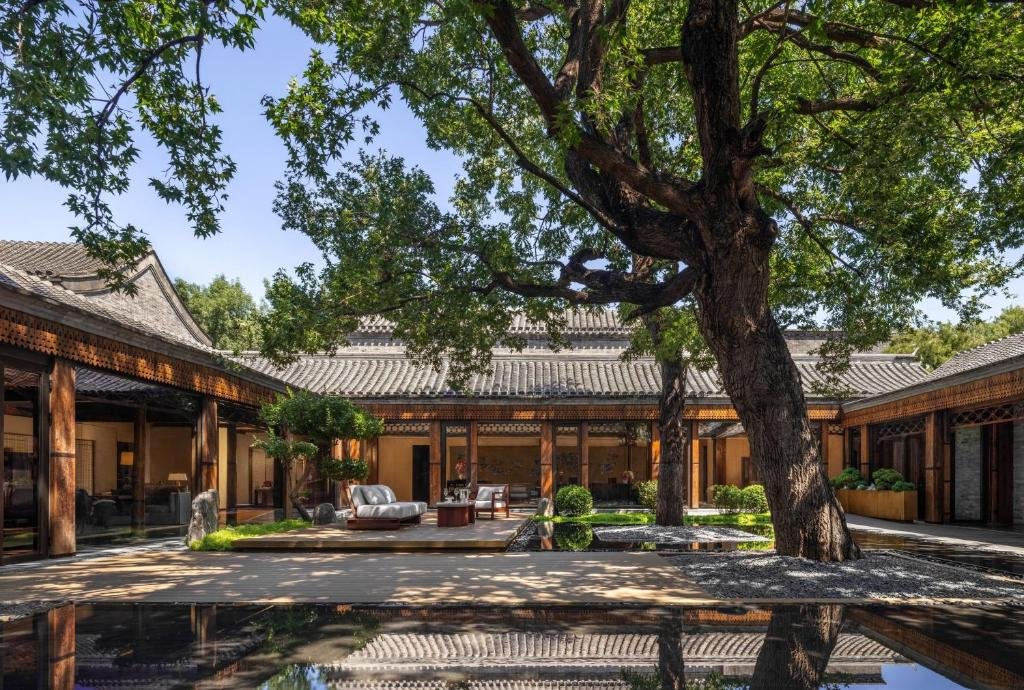
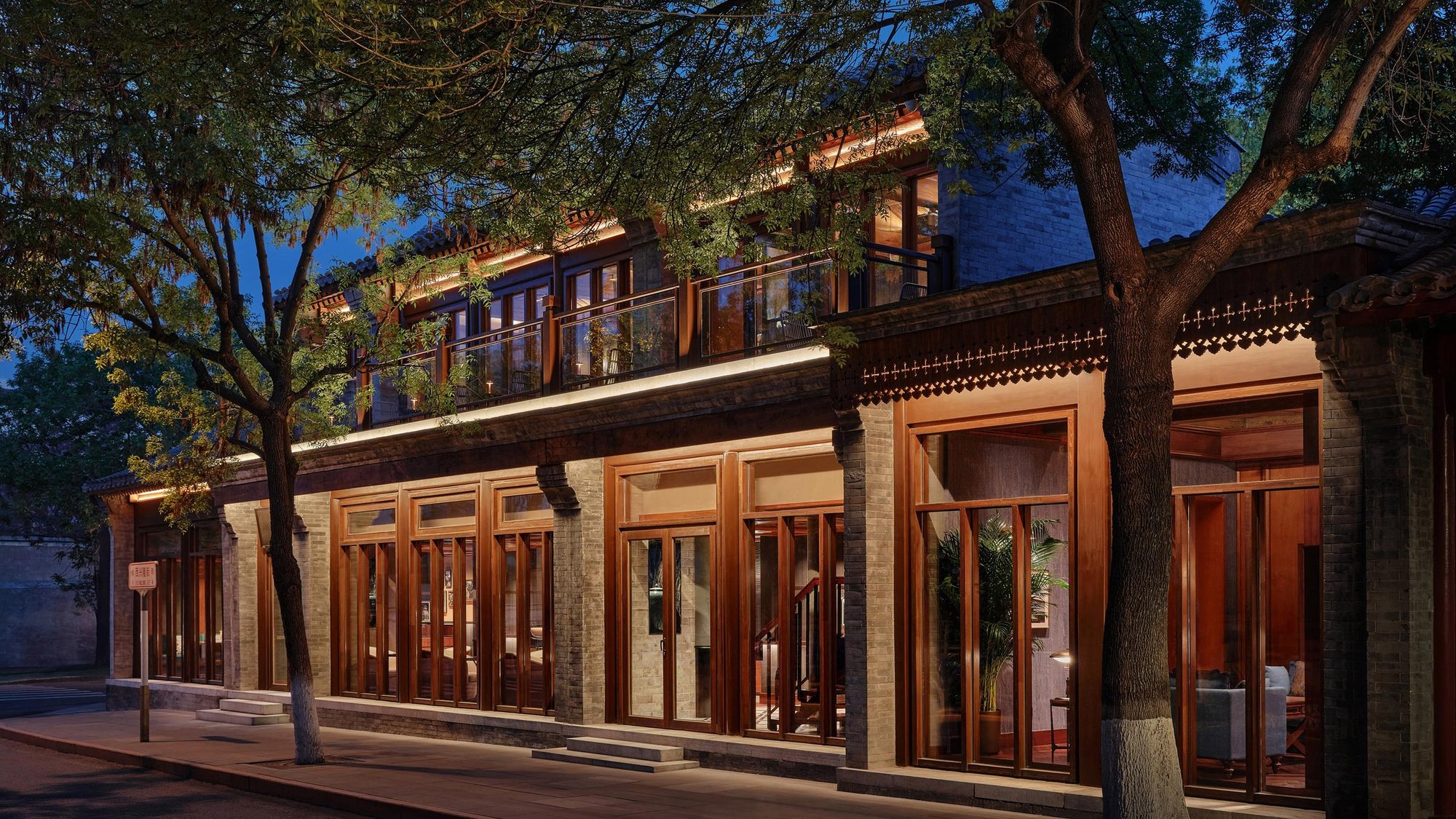
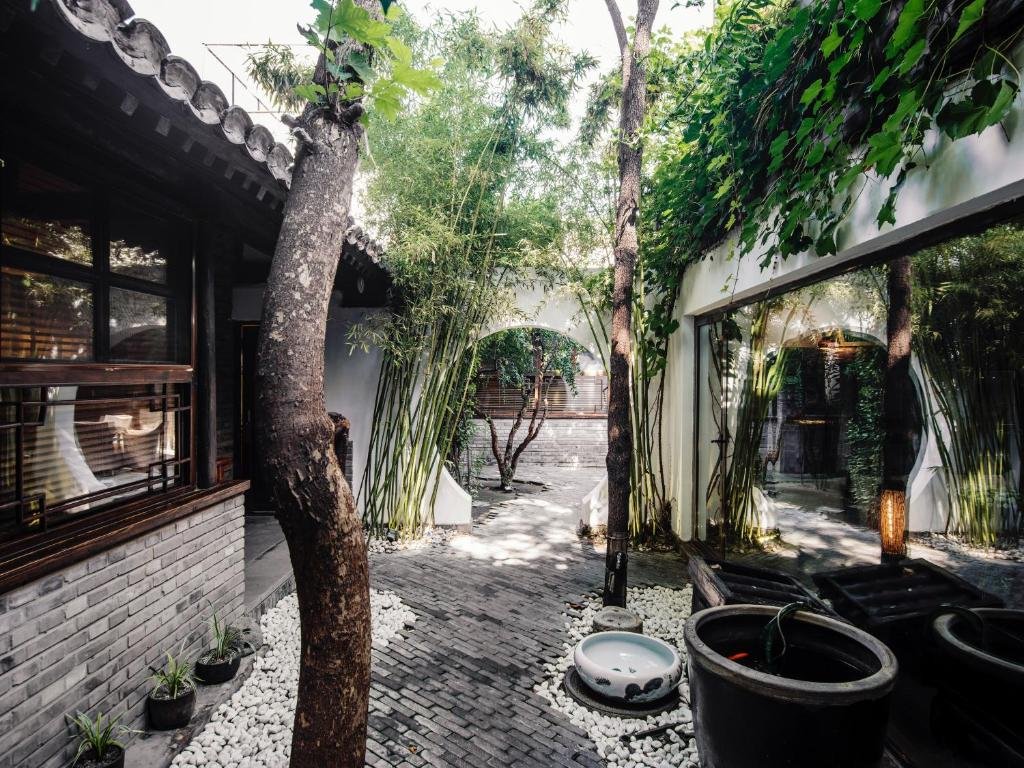
The Orchid occupies a restored siheyuan tucked into Baochao Hutong, and it foregrounds the quiet, small-scale rhythm of old Beijing rather than the gleam of the CBD. The guest experience privileges the courtyard typology — grey brick, timber framing and enclosed outdoor rooms — so the property reads as measured and classical rather than flashy. Streets and lanes remain the defining backdrop: cycles, morning vendors and the residential scale keep the atmosphere intimate and charming. The editorial tone favours heritage and restraint; the hotel presents conservation and lived-in local fabric as its central aesthetic argument.
Best For
The Orchid suits travelers who want to experience Beijing on foot and sleep inside the hutong network rather than in a tower hotel. It particularly appeals to visitors who value historic urban fabric, morning market rituals and a quieter, walkable neighborhood near the Drum and Bell Towers. The property is a good fit for weekend escapes, romantic getaways and solo explorers who prize context over conspicuous modern lobby drama. Guests looking to immerse themselves in local routines — dawn markets, tofu vendors and narrow lanes — will find the location and scale especially rewarding.
Stay Tips
Plan to spend time in the surrounding lanes at dawn: the write-up highlights wet markets and tofu vendors setting up before 7am, a distinct neighborhood ritual worth seeing. Treat the hotel as a base for walking — the narrative emphasizes that the hutong is "navigable on foot" — rather than as a destination for in-house spectacle. If you care about the conservation story, ask staff about the restoration approach and the traditional materials mentioned (rammed earth, recycled grey brick, timber framing) to better appreciate the hotel's sustainability argument and historic fabric.
Venue details
Ambiance
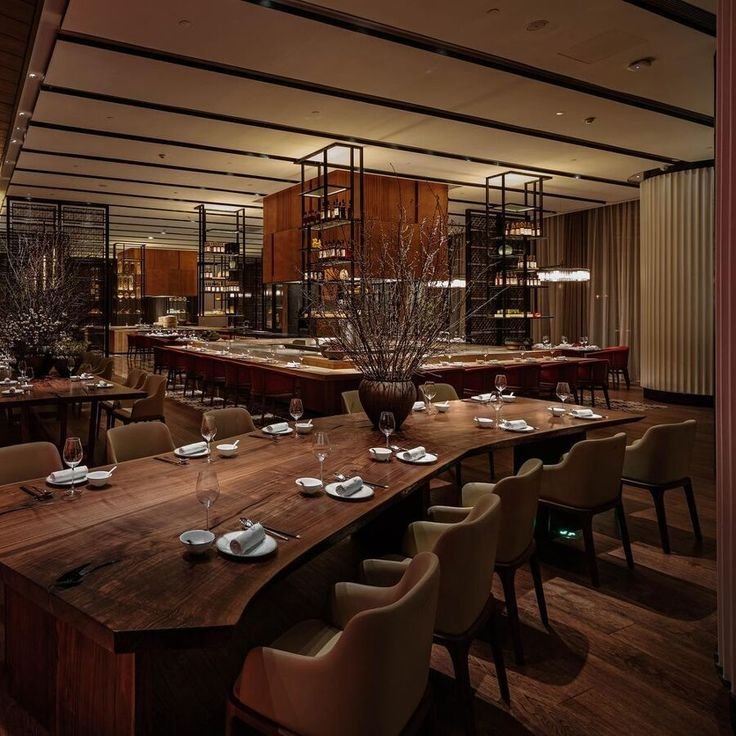
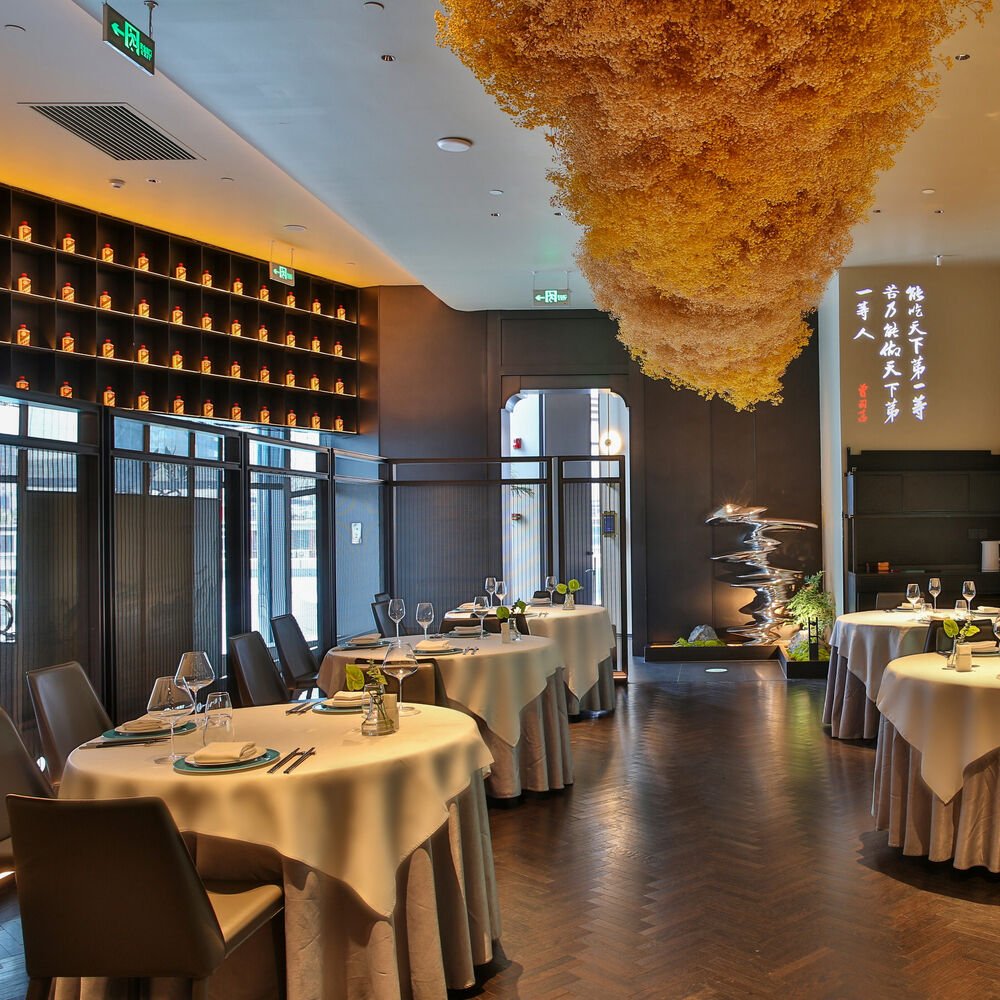
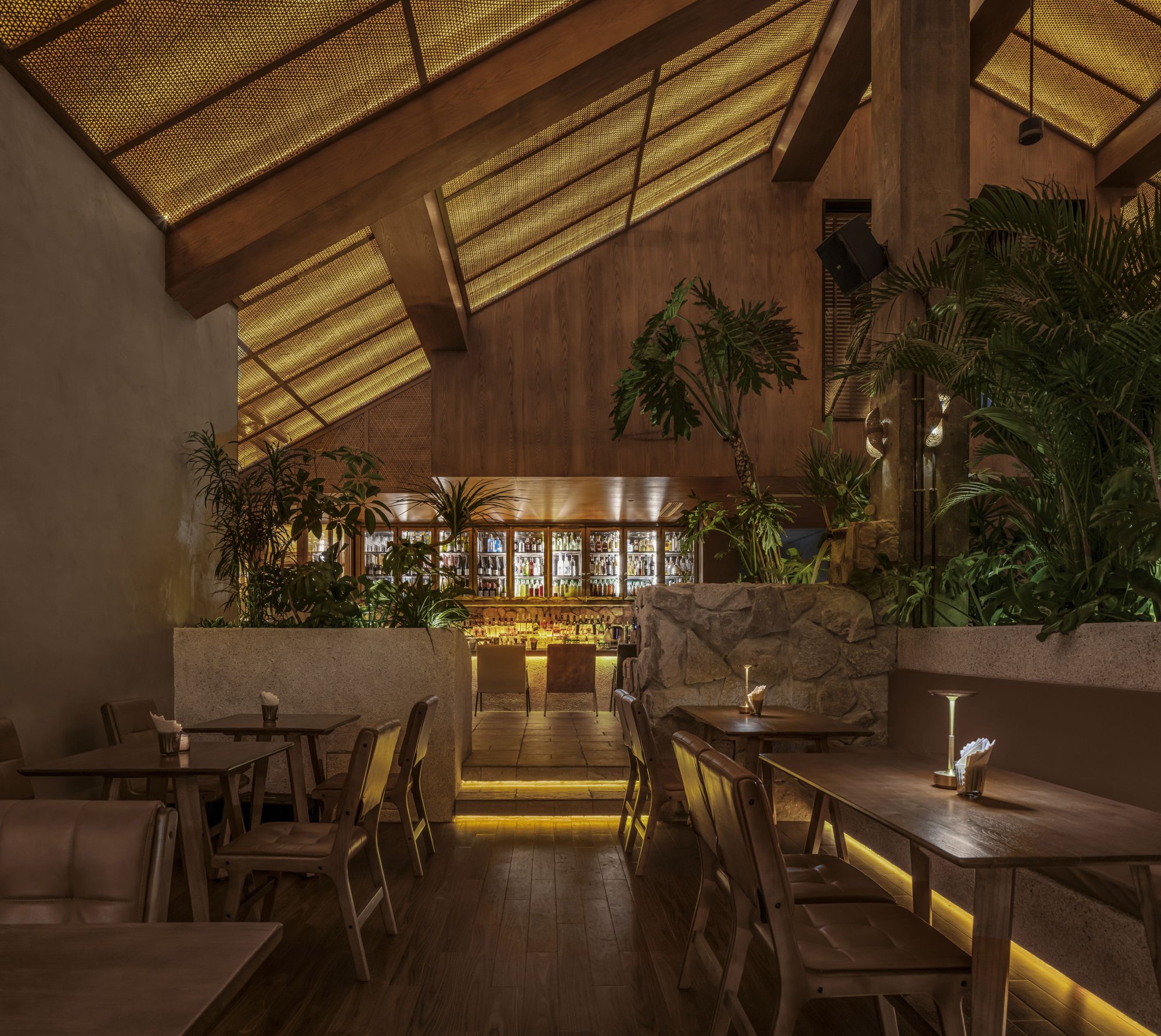
A tranquil hutong courtyard atmosphere with natural light, restored wood beams, muted/minimal design, and a calm, intimate feel that softens the bustle of central Beijing.
Tags
Vibe
Best For
Experience
Amenities
View
Accessibility
About the Stay
- Rooms
- 17
- Check-in
- 15:00
- Check-out
- 12:00
- Property Type
- Boutique hotel
- Property Style
- Boutique Courtyard Hotel in a Restored Hutong Residence.
- Design Style
- Restored Hutong Courtyard Hotel with Traditional Wood Beams, Natural Materials, Minimalist Styling, and Modern Comforts.
- Breakfast
- Included
- Airport Transfer
- Available
- Families
- Welcome
- Opened
- 2011
Know before you go
Know Before You Go
- Getting there
- 65 Baochao Hu Tong, Dongcheng, Beijing, China, 100009
Planning details
Location
65 Baochao Hu Tong, Dongcheng, Beijing, China, 100009 · Directions
Also consider
Also Consider
- Aman Summer Palace, Notable alternative
- Waldorf Astoria Beijing, Notable alternative
- The Peninsula Beijing, Notable alternative
- Regent Beijing, Notable alternative
- Mandarin Oriental Wangfujing, Beijing, Notable alternative
Hotel context
How It Compares
The Orchid is the more neighborhood-led choice in this Beijing set. Pick it when the stay itself should feel connected to Dongcheng's hutong rhythm rather than the formality of a large luxury hotel. Aman Summer Palace is the stronger call for a retreat-style stay tied to palace-side calm, while The Orchid is better for travelers who want easier access to central old-city wandering.
Against Waldorf Astoria Beijing, The Peninsula Beijing, and Regent Beijing, the trade-off is clear: The Orchid offers a smaller, more local-feeling base, while those peers are safer for business travel, larger rooms, formal service, and family facilities. If predictability matters, choose one of the larger hotels.
Mandarin Oriental Wangfujing, Beijing is the cleanest cross-shop for travelers who want centrality with a more polished luxury frame. Choose The Orchid for atmosphere and neighborhood scale; choose Mandarin Oriental Wangfujing, Beijing for a smoother high-end stay with less logistical guesswork.
Explore Beijing
Around this place
Discover more on Pearl
Unlock the full The Orchid guide in Pearl, including awards, comparisons, FAQs, planning details, and nearby places.
Compare The Orchid
| Venue | Location | Awards |
|---|---|---|
| The Orchid | Beijing | No published awards |
| Aman Summer Palace | Beijing | 2025 Forbes 4-Star2025 Michelin 1 KeyAman Hotels |
| Waldorf Astoria Beijing | Beijing | 2026 Forbes 4-Star2026 La Liste Top Hotels2026 Michelin 1 KeyWorld Travel Awards 20252025 Michelin 1 Key2025 Forbes 4-Star |
| The Peninsula Beijing | Beijing | 2026 Forbes 5-Star2026 Virtuoso Luxury Hotel Collection2026 La Liste Top Hotels2026 Michelin 1 KeyWorld Travel Awards 20252025 Michelin 1 Key2025 Forbes 5-Star |
| Regent Beijing | Beijing | 2026 Travel + Leisure 100 Favorite Hotels in the World · #502026 Forbes 4-Star2026 La Liste Top Hotels2025 Travel + Leisure 100 Favorite Hotels in the World · #35Tatler Best Hotels Asia-Pacific 20252025 Michelin Selected Hotels2025 Forbes 4-Star |
| Mandarin Oriental Wangfujing, Beijing | Beijing | 2026 Forbes 5-Star2026 Virtuoso Luxury Hotel Collection2026 La Liste Top Hotels2026 Michelin 1 Key2025 Forbes 5-Star2025 Michelin 1 Key |











How The Orchid Beijing compares with similar nearby venues.
FAQ
Frequently Asked Questions
When is the best time to book The Orchid?
If timing matters, confirm availability and cancellation terms directly before making plans, and compare with Aman Summer Palace if you are considering another Beijing option.
Is The Orchid family-friendly?
Is The Orchid good for business travel?
For a meeting-focused trip, confirm the details you need directly and compare with The Peninsula Beijing or Regent Beijing as part of your Beijing planning.
How does The Orchid compare to other Beijing venues?
For a feature-by-feature comparison, check current details directly, and compare The Orchid with Mandarin Oriental Wangfujing, Beijing and The Peninsula Beijing when narrowing your list.