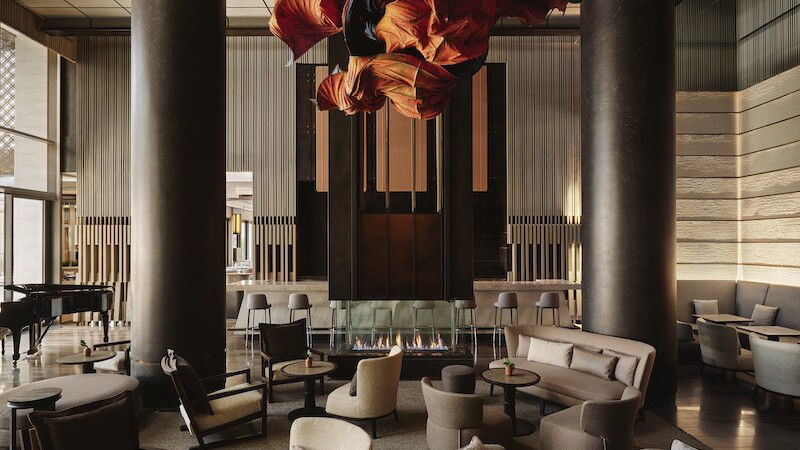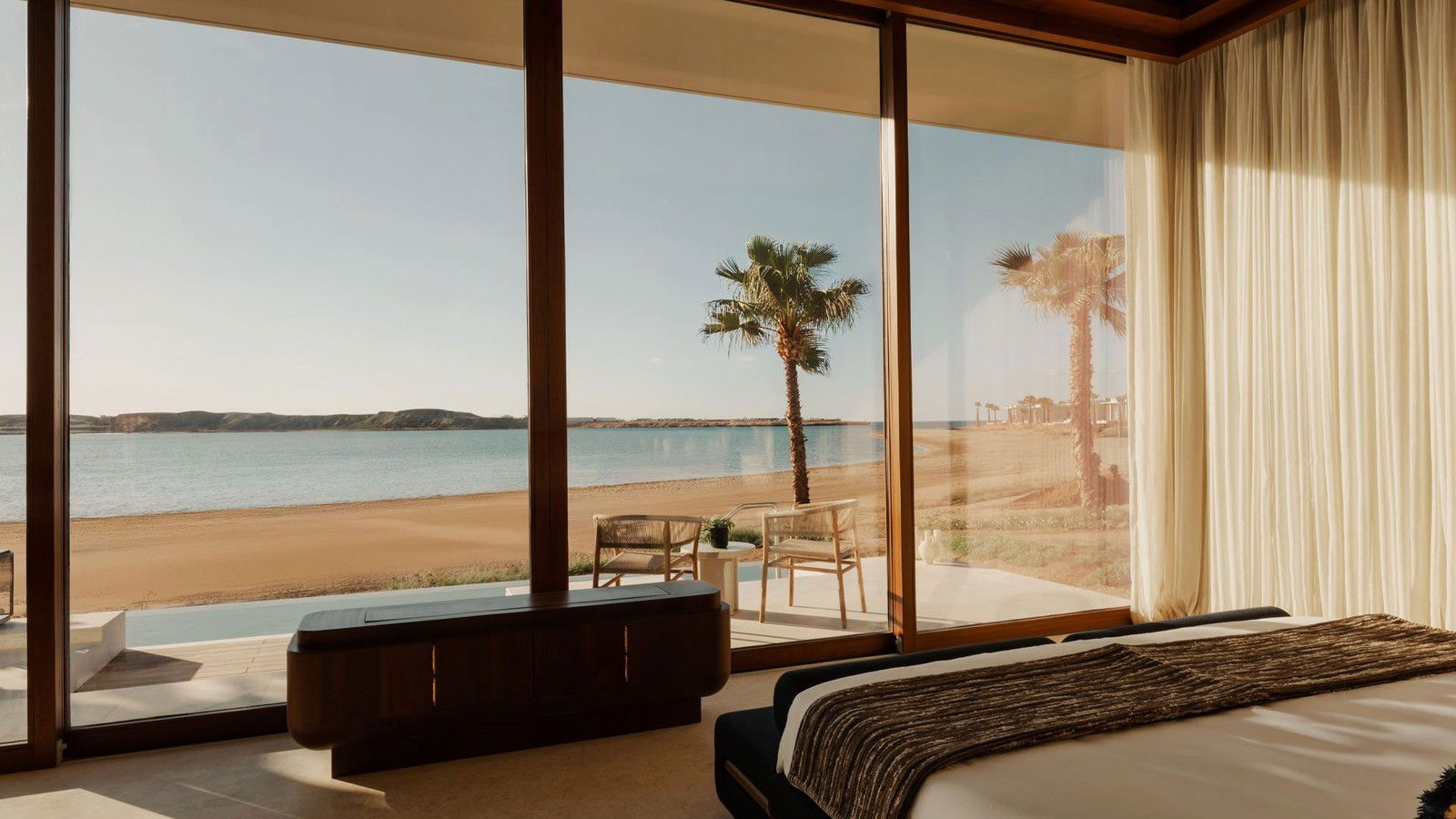
Four Seasons' new 'Tokyo to Seoul, Perfectly Placed' package pairs two of the brand's strongest Asian properties under a single bookable offer, and it belongs on your shortlist if a Japan, Korea trip is anywhere in your 2026 plans. The package runs until September 30, 2026, covers both Four Seasons Hotel Tokyo at Otemachi and Four Seasons Hotel Seoul, and is worth booking because the property locations alone justify the choice: one sits beside the Imperial Palace Gardens in Otemachi, the other is steps from the 14th-century Gyeongbokgung Palace in Gwanghwamun. Neither placement is incidental. Both hotels function as genuine entry points into their cities' histories, not just comfortable places to sleep between flights.
What the Tokyo to Seoul Four Seasons Package Actually Includes
The mechanics are straightforward. Book a minimum of two nights at each property and you receive USD 100 in hotel credit per stay at both Four Seasons Hotel Tokyo at Otemachi and Four Seasons Hotel Seoul, plus one-way airport transportation to or from each hotel. The itinerary is flexible, shaped around individual preferences rather than a fixed schedule, which matters on a trip where the gap between Tokyo's pace and Seoul's energy is real enough to require different rhythms.
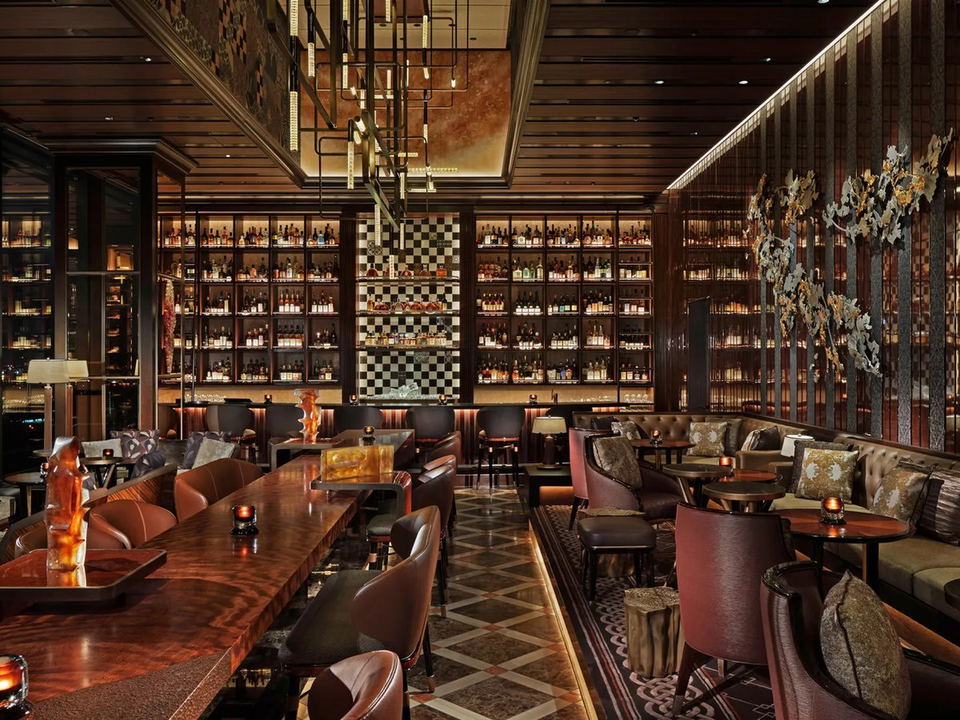
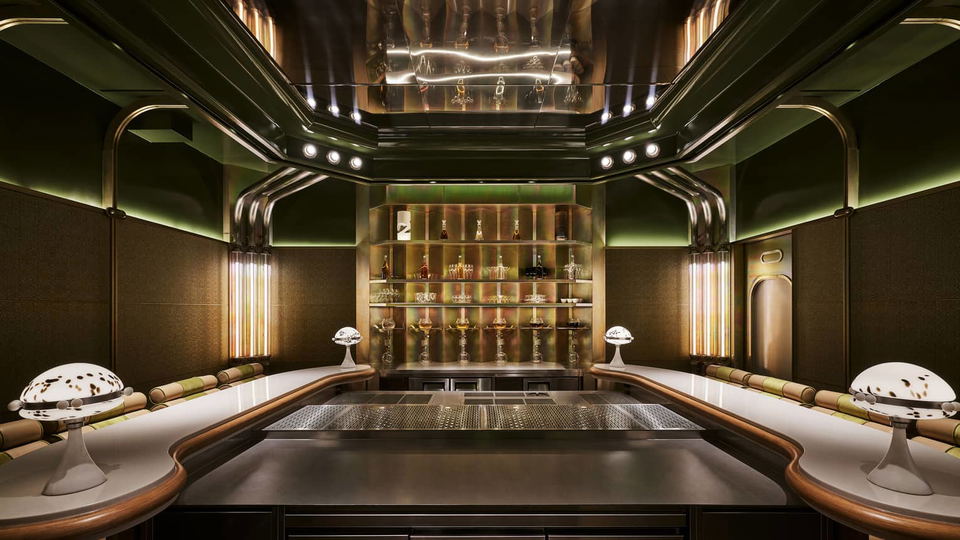
The USD 200 in total credits won't cover a tasting menu at either property's Michelin-starred restaurant, but they take the edge off a bar tab at VIRTÙ or a wellness session in Seoul. The airport transfer inclusion is more practically useful than it sounds: both cities have airports that are efficient but not close to their hotel districts, and a coordinated transfer removes one of the more friction-prone moments in any multi-city trip.
Tokyo, Seoul is one of Asia's busiest short-haul corridors. Travelers already planning a Japan trip routinely add Korea as a second leg, or vice versa. What this package formalizes is the curatorial layer: two properties with genuine neighborhood roots, coordinated logistics, and a single reservation contact at reservations.tokyo@fourseasons.com. Independent booking gets you the rooms; this gets you the rooms with the connective tissue already in place.
Four Seasons Hotel Tokyo at Otemachi: A Gateway Beside the Imperial Palace
Four Seasons Hotel Tokyo at Otemachi was named Condé Nast Traveler's number one hotel in Japan in 2025, a credential that puts it ahead of Aman Tokyo, The Peninsula, and Mandarin Oriental on the list that matters most to this audience. The Otemachi location is the key differentiator. The hotel rises above the Imperial Palace Gardens, placing guests at the intersection of Tokyo's feudal history and its contemporary financial core. That's not a marketing line: the Imperial Palace moats are walkable from the front door, and centuries-old shrines sit among the government institutions that surround the district.
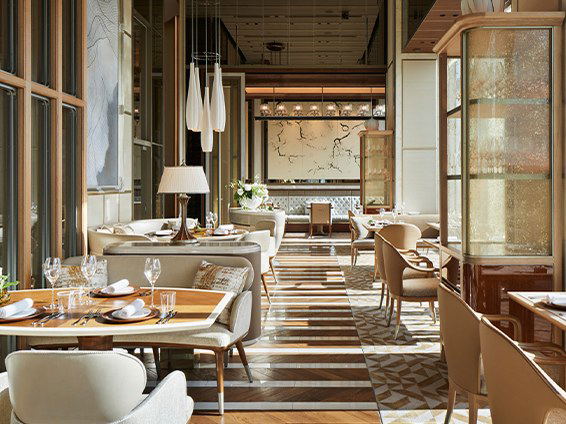
Inside, the dining and bar program is the strongest argument for choosing this property over its Tokyo peers. Est, the hotel's Michelin-starred French restaurant, is built around precision, seasonality, and restraint, a format that suits the Otemachi setting, where understatement is architectural policy. VIRTÙ, the Parisian-inspired bar, is ranked number 45 on The World's 50 Best Bars, which puts it in the same conversation as the best cocktail programs in Asia. For guests who track bar rankings the way others track restaurant guides, that placement alone makes the Tokyo leg worth anchoring here rather than at a competing property.
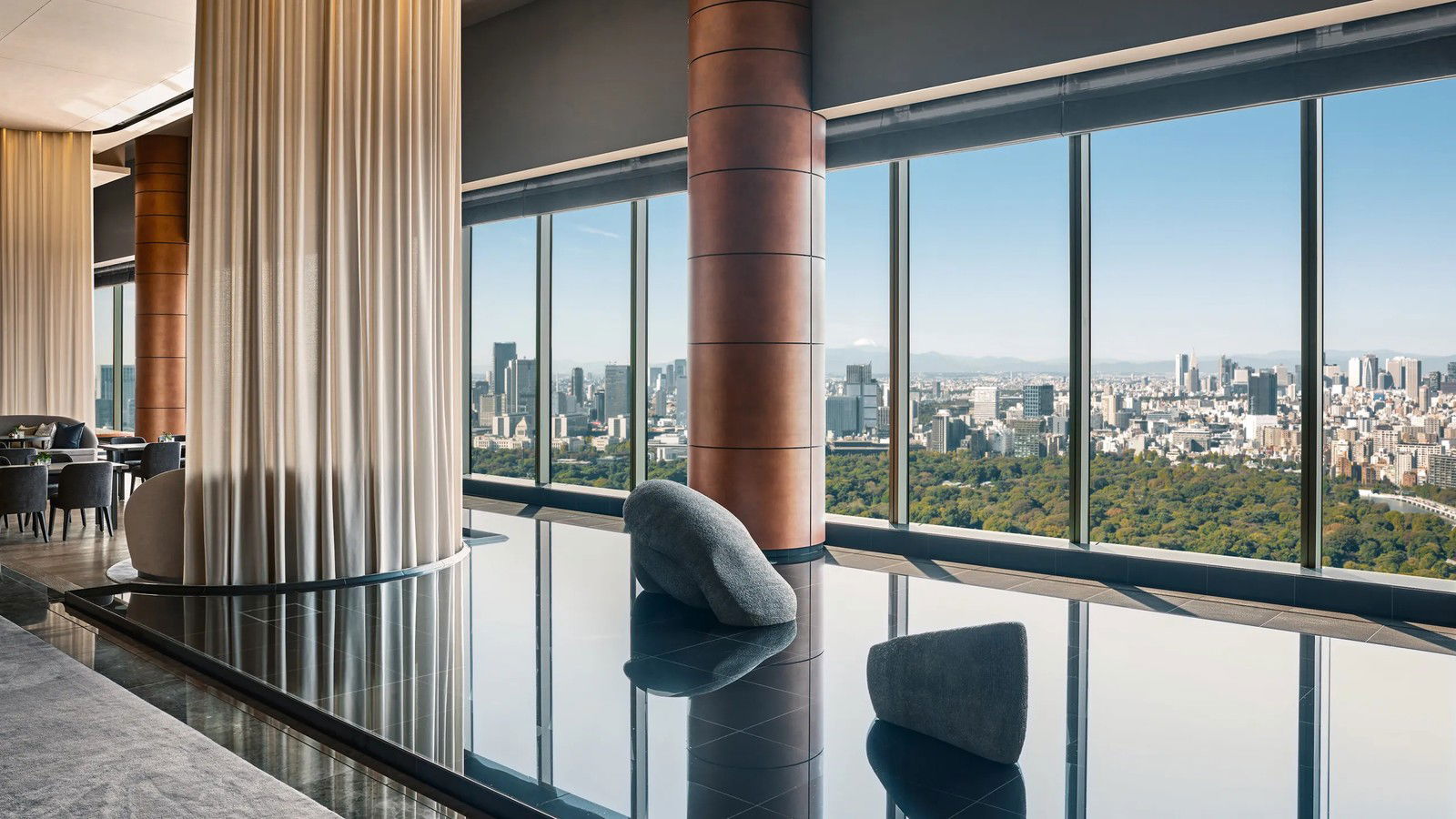
The hotel's indoor infinity pool offers panoramic city views, a practical amenity on a trip where jet lag and long walking days make recovery infrastructure matter. Beyond the hotel, Otemachi connects naturally to Asakusa's Edo-era streets and temples, giving guests a legible arc from the city's political and financial present back to its pre-modern past. That geographic logic is harder to replicate from a property in Shinjuku or Shibuya.
Four Seasons Hotel Seoul: Luxury Anchored at Gwanghwamun
The Seoul property's location in the Gwanghwamun district is the equivalent argument for the Korean leg. Gyeongbokgung Palace, the 14th-century seat of the Joseon dynasty, is steps away. The neighborhood sits at the literal threshold between Korea's dynastic past and the contemporary creative energy that has made Seoul one of the most closely watched cities in Asia over the past decade. Staying here rather than in a hotel in Gangnam or near the Han River means the city's historical core is your starting point each morning, not a day-trip destination.
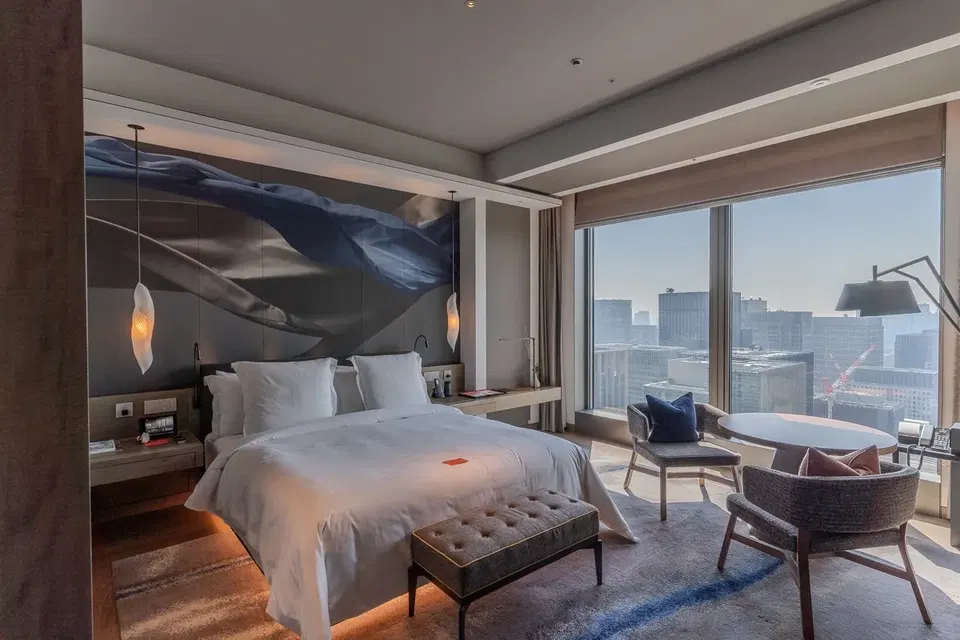
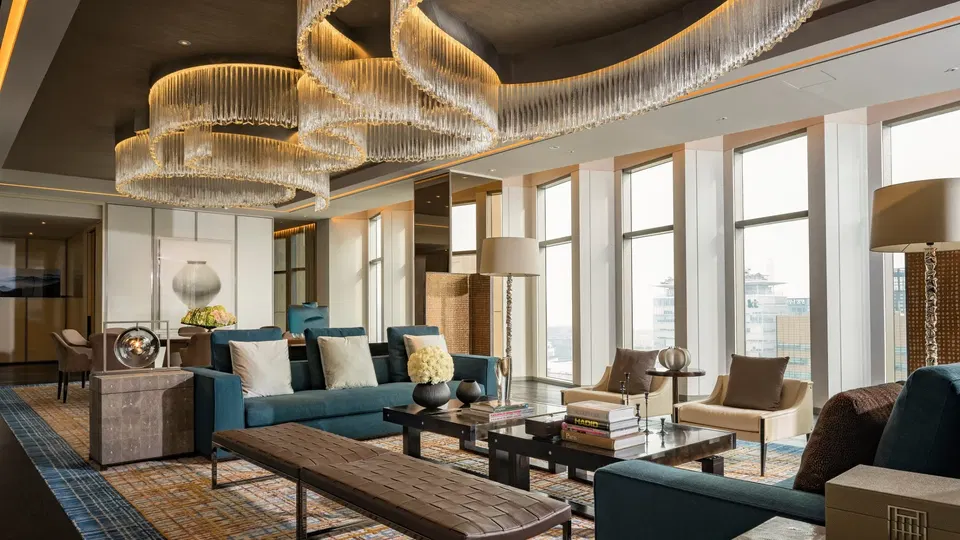
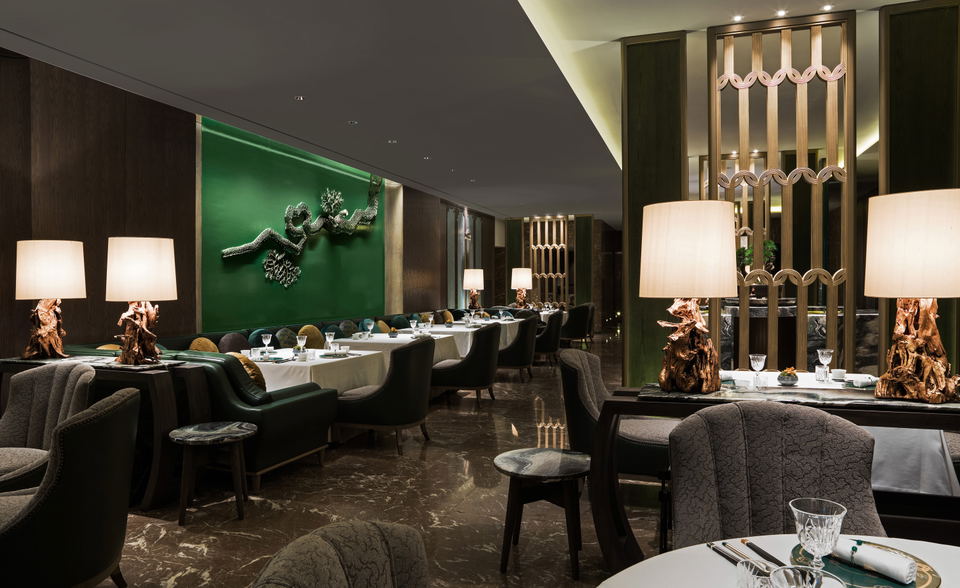
Four Seasons Hotel Seoul runs eight restaurants and bars, which is a significant internal dining ecosystem for a single property. The anchor is Yu Yuan, the hotel's Michelin-starred Chinese restaurant, which positions the Seoul property as a serious dining destination in its own right rather than a hotel with a competent in-house option. Charles H., the hotel's celebrated bar, adds a second reason to stay in for the evening. The suites at both properties are designed to make the most of their locations: floor-to-ceiling windows frame city skylines at Otemachi and Gwanghwamun alike, and the living spaces are scaled for travelers who spend more than a few hours in the room. The Seoul property also incorporates a modern take on Korean sauna culture for guests returning from the city's neighborhoods, a wellness offering that connects to Seoul's cultural identity rather than defaulting to a generic spa format.
The neighborhood programming available from the Seoul property covers a wide range: Hanok Village's centuries-old alleyways, K-beauty concept stores and pop-ups in Seongsu, 24-hour shopping in Dongdaemun, art galleries and cafes in Insadong, expert-led tours of the Joseon Kingdom's history, and hikes up Bugaksan Mountain. That range reflects how layered Seoul is as a destination, the city rewards guests who move between its registers, from ancient palace grounds to contemporary design districts, within the same day. The Gwanghwamun location makes that movement efficient rather than effortful.
Why This Dual-City Format Works Better Than Booking Separately
The honest case for this package over independent booking comes down to three things: location coherence, logistical coordination, and the Four Seasons service continuity across both legs.
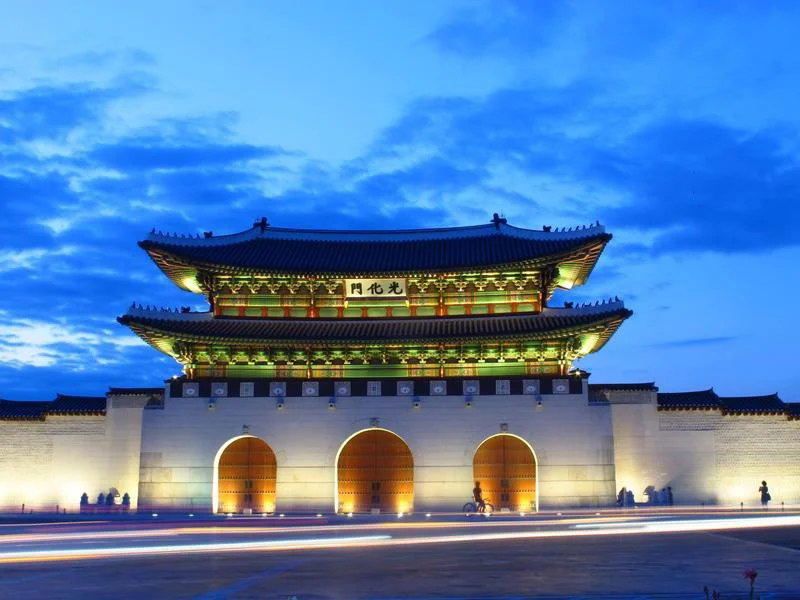
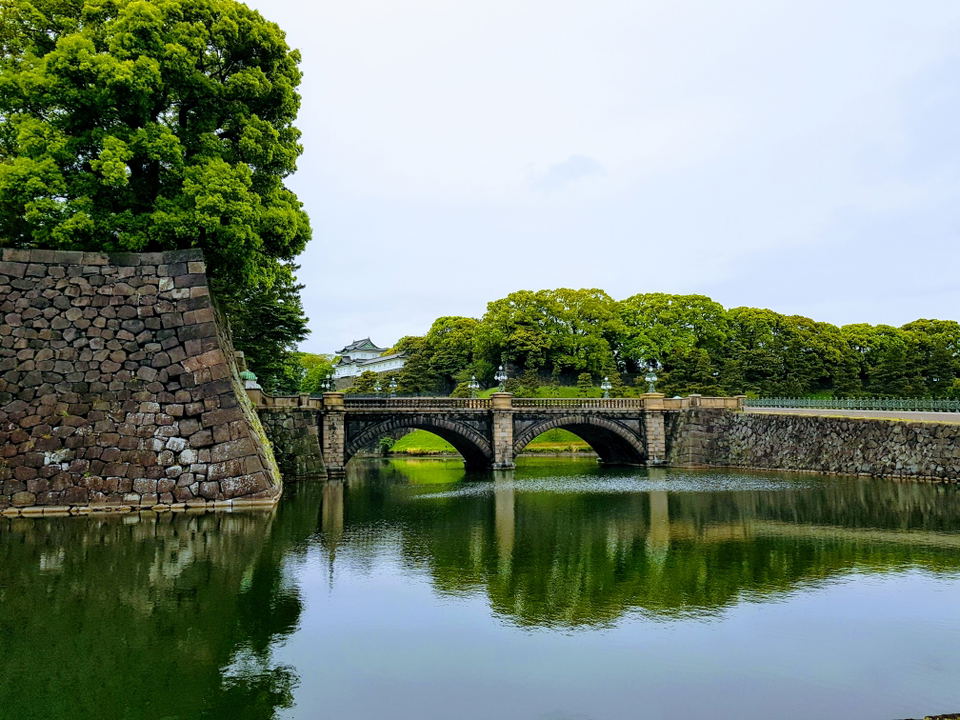
On location: both properties are positioned where the history is, not where the airport transfer is shortest. That's a deliberate choice, and it shapes the quality of the trip in ways that show up in every walk you take from the front door. A hotel in a more convenient but less historically embedded neighborhood gives you a base; these properties give you a position.
On logistics: the included one-way airport transfers at each property and the single reservation contact remove the coordination overhead that multi-city trips typically generate. For travelers who have done the Tokyo, Seoul run independently, the friction points are familiar: arrival transfers, hotel credits that require separate negotiation, itinerary gaps between properties. The package resolves those structurally rather than asking guests to manage them case by case.
On continuity: Four Seasons' service standard is consistent enough across both properties that guests aren't recalibrating expectations at each stop. That matters more on a two-city trip than on a single-destination stay, where any service inconsistency compounds across the itinerary rather than resolving itself.
The package is not the cheapest way to do Tokyo and Seoul. Both properties are premium-tier Four Seasons hotels in two of Asia's most expensive capitals. But for travelers already planning to stay at this level, the bundled credits, transfers, and coordinated booking represent real added value over assembling the same trip independently.
How to Book and What to Know Before You Go
The package is available until September 30, 2026, which gives travelers planning a 2026 Asia trip a clear deadline. The minimum requirement is two consecutive nights at each property: Four Seasons Hotel Tokyo at Otemachi and Four Seasons Hotel Seoul. Reservations go through reservations.tokyo@fourseasons.com.
A few practical notes worth knowing before you book. The USD 100 hotel credit per property applies per stay, not per night, so a longer stay at either hotel doesn't increase the credit value, factor that into how you distribute your nights between the two cities.
The airport transfer is one-way at each property, so plan which direction (arrival or departure) makes more logistical sense for your routing.
And the itinerary flexibility the package advertises is real: there's no fixed schedule or group programming, which means the cultural depth you get from each city is proportional to how much you engage with the neighborhood programming each property facilitates.
Uday Rao, Regional Vice President and General Manager at Four Seasons Hotel Tokyo at Otemachi, described the package as a journey that immerses guests in two of Asia's renowned metropolises in one seamless trip, with Four Seasons bringing each city to life through art, cuisine, and hospitality. That framing is accurate to what the package actually delivers. Whether it's the right trip for you depends on whether Tokyo and Seoul are already on your 2026 calendar, if they are, this is the most coherent way to structure both legs before the September deadline closes.