The Capella Taipei opening brings an 86-room hotel by Hong Kong-based architect André Fu to Taipei's Songshan neighborhood. Book it if you want a design-led Taipei base with a residential brief, a 14th-floor pool facing Taipei 101, and cultural programming that pushes you beyond the lobby (Cntraveler) (Cntraveler1).
This is not the Taipei hotel to choose only because you need the nearest bed to a meeting. It is the one to book if the hotel itself is part of the trip: Fu's "modern mansion" concept, Capella Culturist-led outings to Pinglin tea farms, Plume for a see-and-be-seen meal, and The Glasshouse nearby for drinks built around Taiwanese kumquat, guava, sand ginger, and tangerine. If your stay is a 36-hour business sprint, pick the most convenient address. If you have two or three nights and want Taipei to show up in the design, the drinks, and the day plan, Capella Taipei belongs on the short list (Cntraveler).
Why the Capella Taipei Opening Matters Now
The opening report describes Capella Taipei as the buzziest new hotel opening in Taipei in more than a decade. Treat that as the first useful filter, not a slogan. Taipei has plenty of competent high-end hotels, but this opening gives design-focused travelers a new reason to stay in Songshan rather than defaulting to a hotel chosen only for business logistics.
Songshan matters here. The source places Capella Taipei in a tree-lined neighborhood among office blocks and apartment buildings, which tells you the hotel is not trying to sell resort isolation. It is a city hotel that expects you to move between meetings, restaurants, bars, and cultural stops, then come back to spaces that feel calmer than the street outside.
The Capella Taipei opening is also a useful test of what a luxury city hotel now has to provide in Asia. A large room and a marble bathroom are not enough for this audience. The hotel needs a design point of view, a food-and-drink reason to stay on property, and a concierge layer that can get you into the local texture without handing you a generic checklist. Capella Taipei's answer is Fu's residential design brief plus Capella Culturists leading experiences such as tea farm visits to Pinglin and boba-making sessions for kids.
The booking verdict is narrow but clear. Book Capella Taipei over a conventional business hotel if design, drinks, and cultural access matter more than corporate predictability. Skip it if your main requirement is the fastest possible commute between an office tower, a banquet room, and the airport.
André Fu's Modern Mansion Brief Is the Main Reason to Care
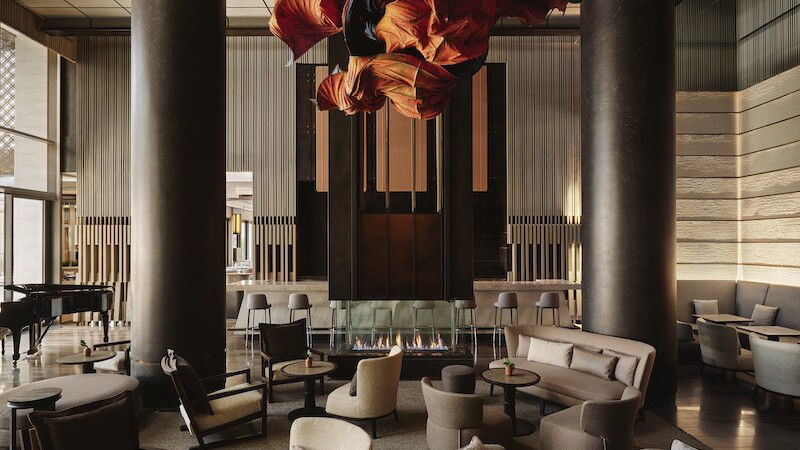
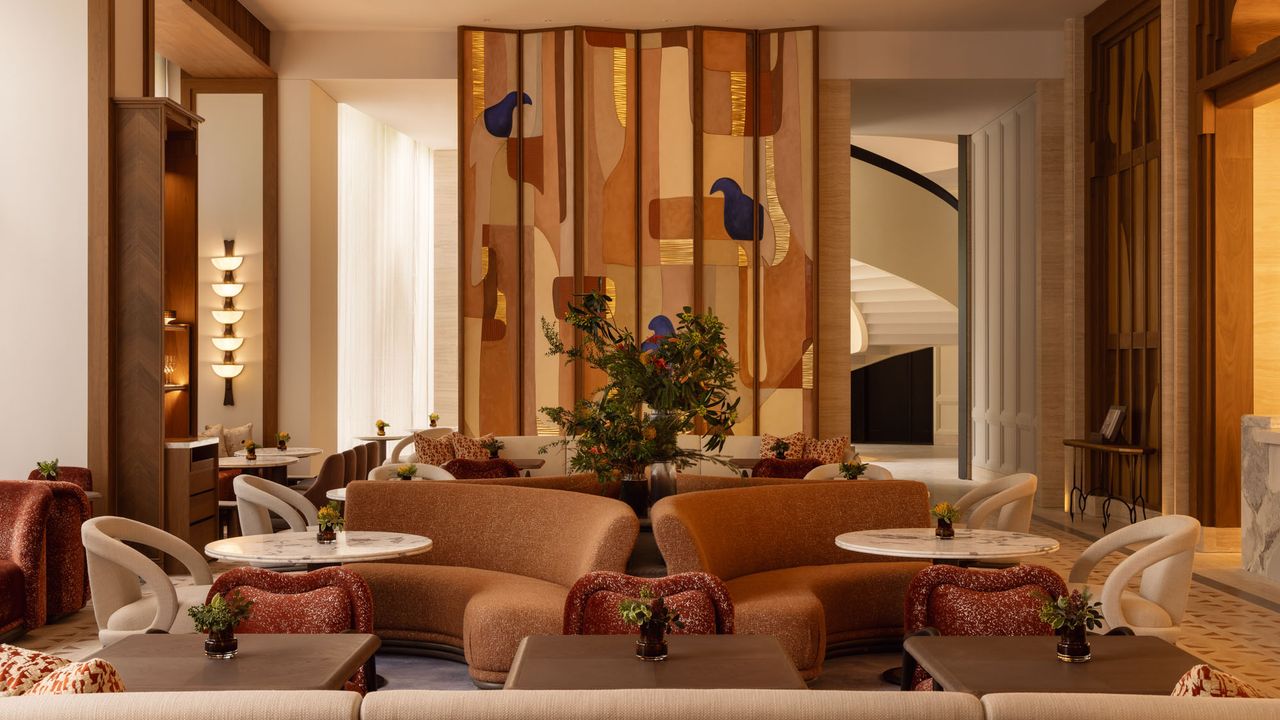
André Fu gives this hotel its reason to exist. The source identifies Fu as the Hong Kong-based architect behind Capella Taipei and says he worked from a "modern mansion" brief. That phrase can sound vague until you look at the details the report names: textile art, Art Deco furniture, travertine floors, wood headboards, curved lines, and a sculptural spiral staircase.
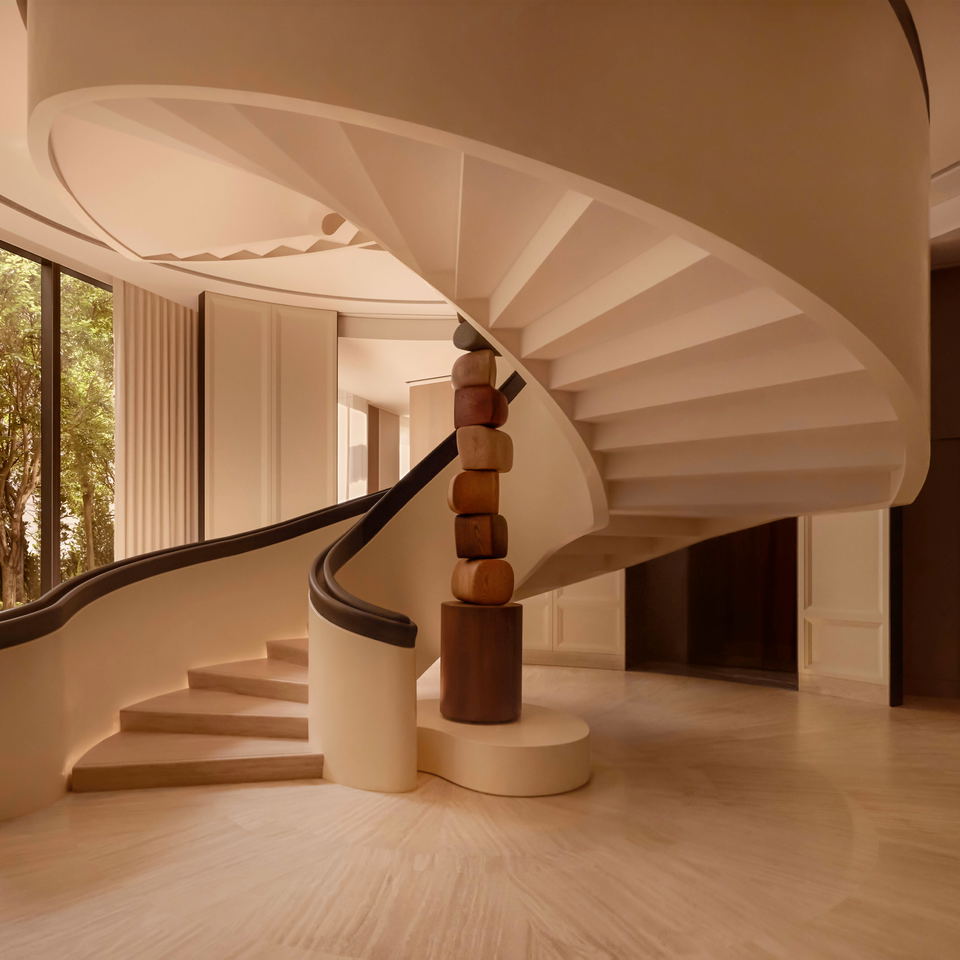
Those details point to a hotel that wants to feel residential rather than corporate. That is the practical distinction. If you dislike hotels where every corridor, lounge, and restaurant feels built for a conference group, Fu's brief is the reason to look here. The 86-room count helps too. The report's number suggests a property with scale, but not the anonymous feel of a giant city hotel (Cntraveler).
The 14th-floor Living Room is another clue to how Capella Taipei wants to be used. The source places it alongside the welcome salons and the 86 rooms as part of the arrival sequence, which means the hotel is building its public life above the street rather than relying only on a grand ground-floor lobby. For guests, that usually changes the rhythm of a stay: you check in, go up, and use the hotel as a private city perch instead of a pass-through lobby (Cntraveler1).
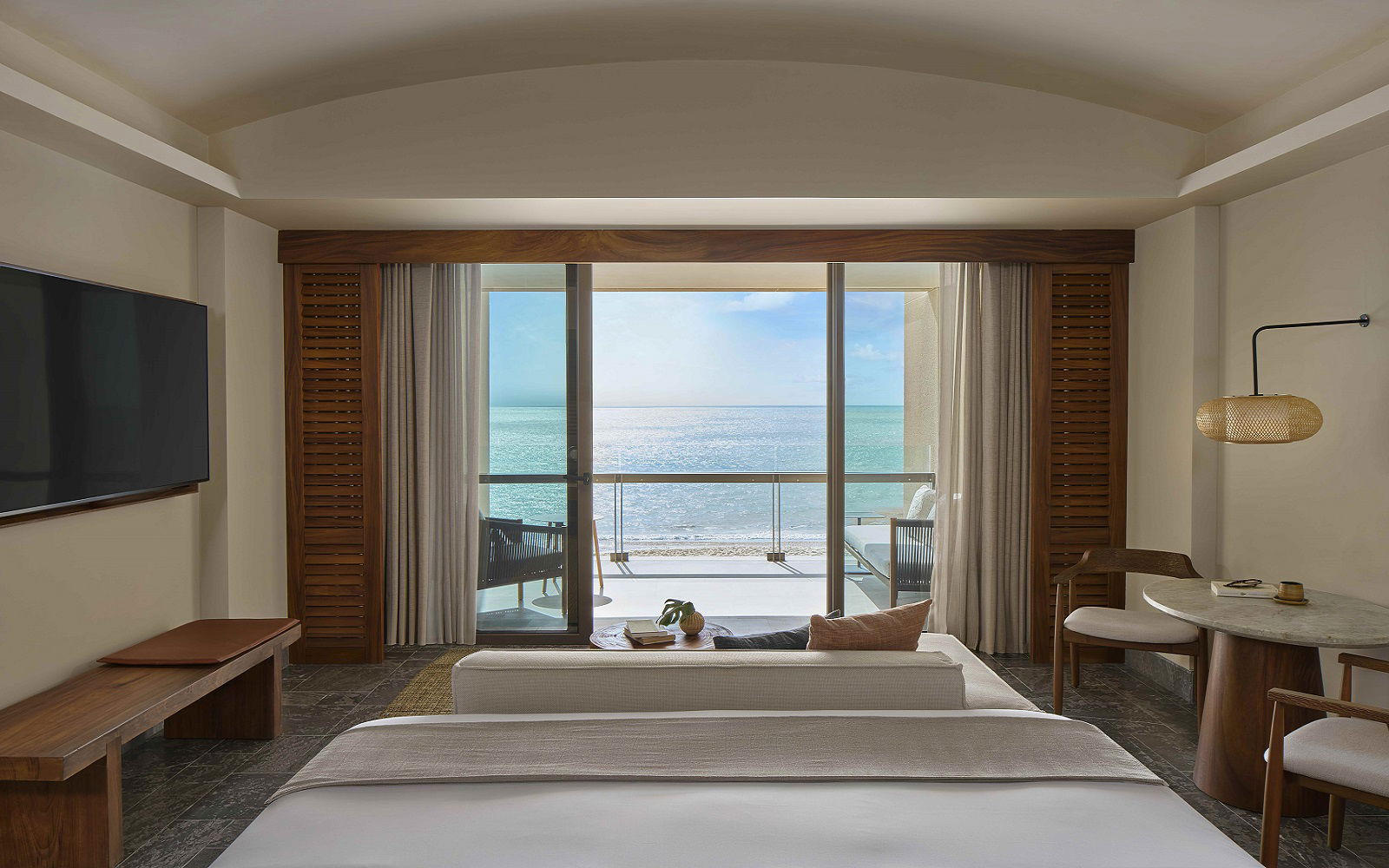
The pool is the clearest visual sell, because the report places it on the 14th floor with skyline views and Taipei 101 in sight. That does not make Capella Taipei a resort. It makes it a better fit for travelers who want one hotel moment in the day that is not a restaurant reservation or a meeting. Morning swim, late-afternoon reset, then dinner or drinks. That is the use case (Cntraveler1).
The Capella Culturist Programming Is the Smarter Luxury Move
The most useful detail in the report is not the pool. It is the Capella Culturist programming, because that is where Capella Taipei starts to separate itself from hotels that stop at a good room and a good bar. The source says experiences are led by a team of Capella Culturists and include expert-led tasting journeys to tea farms in Pinglin, plus boba-making sessions designed for kids.
That matters because Taipei is an easy city to under-plan. Many affluent travelers arrive with restaurant names, a museum or two, and a shopping plan, then leave the cultural layer to chance. A tea farm visit to Pinglin gives the hotel a way to put guests into a Taiwan-specific experience without forcing them to solve transport, translation, and timing alone. For families, the boba-making sessions are the useful clue: this is not adult-only culture packaged as homework.
The comparison is not another named hotel. It is the difference between a concierge who books what you ask for and a hotel that has already decided what is worth doing locally. Capella Taipei appears to be leaning toward the latter. That is good for travelers who want hotel-shaped access and less useful for guests who prefer to plan everything themselves and use the property only as a room key.
There is also a stay-length implication. For one night, you may not touch the programming. For three nights, Pinglin becomes plausible. If you are coming to Taipei with children, the boba-making detail gives you a rare family-friendly luxury activity that still connects to the city rather than trapping everyone in a kids' room. That makes Capella Taipei more useful for a multi-generational trip than a hotel whose family offer begins and ends with a larger room category.
Plume, The Glasshouse, and Tilt Give You a Reason to Stay Nearby
Capella Taipei is not asking you to leave the hotel for every meal or drink. The source names multiple restaurants, including Plume, which it describes as see-and-be-seen. That tells you the hotel wants a local audience, not just house guests filling tables because they are tired. For a new luxury hotel, that distinction matters. A dining room with Taipei residents in it usually has more energy than a room surviving on room-charge convenience.
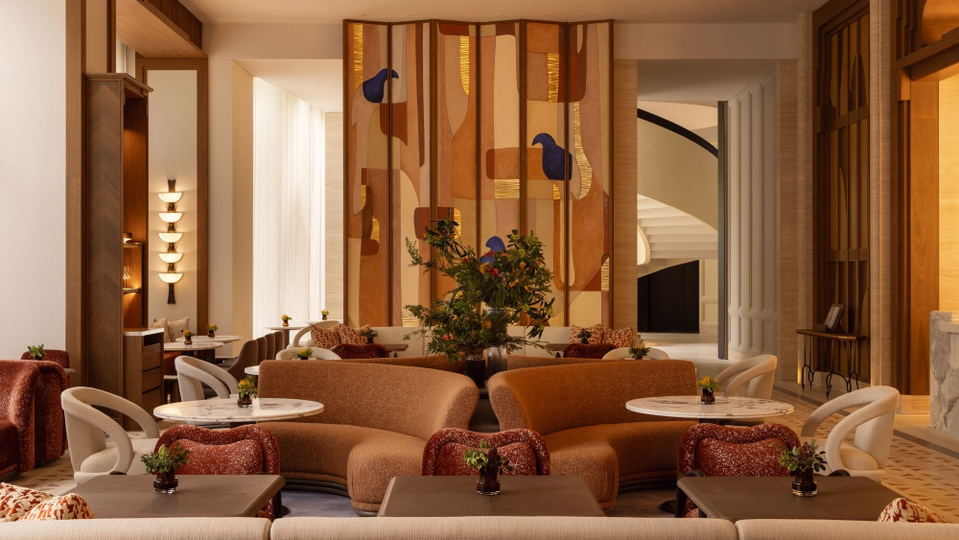
Plume is the room to watch if you care about the social side of a hotel opening. The report does not give a chef name, menu format, or pricing, so do not book the hotel expecting a fully proven destination restaurant yet. Book it because the presence of a see-and-be-seen restaurant changes the property's center of gravity. It means you can use the hotel for a dressed-up night without automatically leaving Songshan.
The Glasshouse is the more interesting practical asset for drinkers. The source describes it as a three-story standalone venue near the hotel with three bars, including Tilt. That matters because a separate bar venue can carry a different rhythm from a hotel lobby lounge. You can have the convenience of staying close without drinking in the same room where people are checking in (Cntraveler1).
Tilt has the clearest point of view in the report: cocktails built with local Taiwanese ingredients such as kumquat, guava, sand ginger, and tangerine. That is the detail to use when deciding whether to go. If your bar preference is classic hotel martinis and a quiet corner, Tilt may not be your first stop. If you want the drinks program to taste of Taiwan rather than imported luxury shorthand, put it on the first-night plan.
Rooms, Location, and Who Should Actually Book
The opening report puts Capella Taipei at 86 rooms. That number is useful because it suggests the hotel can feel personal without being tiny. It is not a hideout with a handful of keys, and it is not a huge convention address. For most Pearl readers, that middle scale is the sweet spot if service execution keeps up with the design ambition.
Songshan is the other planning variable. The source describes the neighborhood as tree-lined and places the hotel among office blocks and apartment buildings. That means you should think of Capella Taipei as a city base with neighborhood texture, not a landmark hotel set apart from daily Taipei life. If you want to walk out into a district that feels lived-in, that is a plus. If you want every major tourist stop directly outside the door, check your map before committing.
Pricing, opening packages, exact reservation mechanics, restaurant menus, and bar hours were not included in the source material. That is not a reason to ignore the hotel, but it should shape how you book. Ask before confirming: which room category has the view or layout you want, whether Plume is accepting reservations for non-guests, how the Capella Culturist experiences are scheduled, and whether The Glasshouse requires separate booking for Tilt.
The clean verdict: book Capella Taipei if you want André Fu's "modern mansion" design, a smaller room count, a pool view toward Taipei 101, and hotel-led access to Taiwanese tea culture and local-ingredient cocktails. Skip it if you need every rate, menu, and bar detail before you care, or if your Taipei stay is built around business logistics with little time to use the hotel. The Capella Taipei opening is worth watching because it gives Taiwan's capital a new luxury hotel with a point of view, and the next test is whether Plume, Tilt, and the Culturist program become reasons for locals and repeat guests to keep returning.