Treat Private Dining Tokyo as a direct-access request. The safest route is a specific inquiry backed by a hotel concierge and a firm backup table.
Inside Private Dining Tokyo: confirm the room before you imagine the dinner
A private Tokyo dinner sounds appealing, but the decision point is whether you can secure enough detail before you commit flights, clients, or a celebration around it.
For now, the experience should be treated as unconfirmed until the host puts the basics in writing: address or meeting point, arrival time, guest count, menu format, drink structure, payment terms, cancellation terms, and who is actually cooking or hosting. Without those details, you do not have a booking. You have an inquiry.
That matters because "private dining" in Tokyo can mean several different things: a private room inside an established restaurant, a buyout, a chef's counter for your party, a members-only arrangement, or a residential-style dinner with limited public information. Those formats behave differently. A private room can run like a normal restaurant reservation. A buyout often turns on minimum spend. A chef-led private dinner may depend on the chef's travel, prep calendar, or existing regulars. Do not assume the format from the name.
If your priority is food above privacy, a named restaurant with a known reservation route is usually a cleaner chase. Pearl's guides to Den and Florilège are better starting points for diners who want a Tokyo table with a defined booking problem. Private Dining Tokyo makes more sense when the occasion needs a closed room, flexible conversation, or a hosted format that a dining room cannot give you.
The experience, if it comes together, should feel less like beating a reservation system and more like passing a host's filter. That means your first email matters. A vague "do you have availability?" note is weak. A better inquiry gives the exact month or preferred dates, number of guests, occasion, dietary constraints, language needs, hotel, desired spend structure, and whether wine, sake, or non-alcoholic pairings matter.
Why Private Dining Tokyo is harder than a normal restaurant booking
Private Dining Tokyo is difficult for a simple reason: there is no verified public booking machinery to work with. No published drop time means you cannot win by refreshing a calendar. No confirmed platform means you cannot rely on a saved card, browser autofill, or waitlist alerts. No verified price or deposit means you cannot compare the ask against a tasting menu before you start the conversation.
That makes it less predictable than a restaurant with an open reservations page and more relationship-driven than a typical hotel dining room. For a leisure dinner, that uncertainty may be annoying. For a client dinner, proposal, milestone birthday, or family trip built around Tokyo, it can become a planning risk.
You may be competing with regulars, corporate hosts, hotel concierges, local diners, and parties willing to take awkward dates or larger spends. In practice, the host will likely respond faster to an inquiry that looks ready to confirm than to one that reads like a fantasy itinerary.
This is where private dining differs from the usual trophy-table chase. At a restaurant with a visible release system, speed matters. Here, clarity matters more. The party that knows its date range, guest count, budget posture, and dietary limits gives the host fewer reasons to move on.
Private Dining Tokyo's 2026 calendar: no verified drop, so confirm before you plan
Do not plan around a rumored midnight release, monthly drop, concierge allocation, or members-only window unless the venue or host confirms it directly.
Once your Tokyo dates are firm enough to protect, send the direct request and ask when the host expects to confirm availability. If the answer is vague, ask for the next decision point: when to follow up, what information is missing, and whether the host holds a waitlist or cancellation file.
For a private dinner tied to a trip, your personal deadline matters more than the venue's unpublished schedule. If flights, hotels, or guests depend on the dinner, set an internal cut-off date. If you do not have written confirmation by that point, move to a named restaurant or hotel private room with clearer mechanics.
Cost timeline: what you should pay, and when
At inquiry stage, you should pay nothing until the host identifies the format, date, party size, cancellation terms, and payment recipient. If someone requests money before confirming those basics, slow down.
At hold stage, ask whether the booking requires a deposit, full prepayment, minimum spend, room fee, menu pre-order, or beverage commitment. The answer needs to come in writing. If the booking involves a company card, ask for the invoice name and tax treatment before your finance team gets involved.
Before arrival, lock the beverage structure. This is where private dining can move from manageable to painful: pairings, bottles, corkage, sake service, and non-alcoholic options can change the final bill more than the food menu. If you are hosting clients, ask whether the host can cap beverage spend or pre-select bottles.
After the dinner, expect settlement to depend on whatever was agreed in writing. If the host cannot tell you what happens with cancellations, late arrivals, extra guests, or dietary changes, the access is not solid enough for a high-stakes occasion.
Where to ask for Private Dining Tokyo access first
Start direct if you have a verified contact route from the host, restaurant group, chef, or dining room. A direct inquiry gives you the cleanest paper trail and the fewest intermediaries. Keep it short, specific, and easy to forward.
Use a luxury hotel concierge as your second channel, not your first excuse to be vague. A concierge can add legitimacy, especially if you are staying at a hotel with strong Tokyo dining relationships, but the concierge still needs facts: dates, party size, dietary constraints, occasion, language needs, and price tolerance. "Anything special" is not enough.
If the dinner is for clients, involve the person who can approve cost before you send the request. Private dining inquiries often stall because the host asks for a deposit, menu minimum, or beverage decision and the guest has to circle back through three layers of approval.
Avoid third-party fixers unless you can verify their relationship to the host. For Tokyo private dining, a polished WhatsApp message is not proof of access. Ask who issues the confirmation, who receives payment, and what happens if the host cancels.
If your real goal is a serious Tokyo dinner rather than a private format, shift early to a restaurant with a clearer access route. Pearl's Den booking guide and Florilège booking guide are more useful for that version of the chase.
The 2026 playbook: how to make the Private Dining Tokyo inquiry hard to ignore
Your first message should read like a confirmation draft. Include your preferred date, acceptable backup dates, guest count, hotel, occasion, dietary restrictions, language needs, desired start time, beverage preference, and whether you are open to a private room inside a restaurant rather than a fully private dinner.
Give the host a reason to say yes quickly. "Four guests, flexible between Tuesday and Thursday, no allergies, staying in Ginza, open to sake pairing, ready to confirm on written terms" is stronger than "We are visiting Tokyo and want something special." The former can be placed. The latter creates work.
If you are using a concierge, send the same structured brief. Do not ask the concierge to "see what they can do" without a spend range or occasion. The best concierges can open doors, but they cannot turn an unclear request into a clean booking without more back-and-forth.
Use a two-track plan. Keep the Private Dining Tokyo inquiry alive, but hold a backup dinner with clearer booking rules. If the private format confirms, cancel the backup within the venue's policy. If it does not, you still have a credible Tokyo dinner. Pearl has a guide to Rao's reservations in 2026.
The mistakes that cost people Private Dining Tokyo access
- Ask before you know your party size. Private dining inventory depends on room fit, staffing, and menu planning. A host cannot place a floating group.
- Do not hide budget sensitivity until the end. If you need a cap, say so early. If you are flexible, say that too. Silence wastes time.
- Assume a concierge has an allocation. Unless the concierge confirms a real route, treat the request as an inquiry, not a hold.
- A backup table protects the rest of the Tokyo trip, and Tokyo rewards backup planning.
Follow up once with useful new information, not pressure. A better follow-up says your hotel is now confirmed, your party count is final, and you can take an alternate date. A worse follow-up asks whether there is "any update" without changing the host's ability to help.
Who should spend effort on Private Dining Tokyo in 2026
Choose Private Dining Tokyo when privacy is the point. It suits client dinners, family celebrations, founders' dinners, collector groups, and travelers who care more about control than restaurant theater. If conversation, discretion, and hosting rhythm matter, the private route earns the effort.
Skip it if your priority is chef recognition, critic validation, or a clean reservation experience. A named restaurant gives you more certainty, easier comparison, and fewer unknowns. For most food-focused travelers, a hard restaurant booking is still the better use of planning energy.
It is also not ideal for a first night in Tokyo if your flight schedule is fragile. Private dinners punish late arrivals more than casual bookings, and you do not want jet lag, luggage delays, and airport traffic sitting on top of an opaque cancellation policy.
The strongest use case is a mid-trip anchor: enough time to settle into Tokyo, enough planning runway to confirm details, and enough flexibility to move to another table if the private booking stalls.
If Private Dining Tokyo stalls, chase these reservations instead
Den: choose this route if the real goal is a serious Tokyo restaurant reservation rather than a closed-room format. Start with Pearl's guide to getting into Den and treat the booking itself as the access problem.
Florilège: use this as the alternative if you want a Tokyo dining room with a defined reservation chase. Pearl's Florilège guide is the cleaner planning document if your group can give up the private-dinner premise.
Tawaraya in Kyoto: if the Japan trip can absorb a Kyoto night, a ryokan stay may solve the occasion better than a private Tokyo dinner. Pearl's Tawaraya booking guide is the better reference for travelers who want lodging, dining, and service under one roof.
Arpège: opaque access makes you impatient, so consider a restaurant chase with a clearer identity and a different city attached. Pearl's Arpège guide is useful for comparing how a famous dining room differs from a private access request.
Private Dining Tokyo vs. Alternatives: Booking Difficulty, Cost, and Lead Time
| Venue | Difficulty | Cost | Lead Time | How to Book |
|---|---|---|---|---|
| Private Dining Tokyo | High (no verified public booking system) | Unverified, confirm directly with host | Unverified, confirm directly with host | Direct inquiry or hotel concierge |
| Den | High (competitive public drop) | ¥20,000 to 40,000 per person for dinner omakase1 | 4 to 6 weeks in advance2 | Omakase, TableCheck, or TABLEALL3 |
| Florilège | High (competitive public drop) | ¥20,000 to 40,000 per person for dinner omakase1 | 4 to 6 weeks in advance2 | Omakase, TableCheck, or TABLEALL3 |
| Udatsu Sushi (private room) | Moderate (private room within restaurant) | Lunch USD 61 to 253, Dinner USD 211 to 2534 | 4 to 6 weeks in advance2 | Omakase, TableCheck, or TABLEALL3 (2 to 4 or 4 to 8 guests4) |
| Sushi Masashi (private room) | Moderate (private room within restaurant) | USD 268 to 306 per person4 | 4 to 6 weeks in advance2 | Omakase, TableCheck, or TABLEALL3 (up to 4 guests4) |
| JO (private room) | Moderate (private room within restaurant) | USD 244 per person4 | 4 to 6 weeks in advance2 | Omakase, TableCheck, or TABLEALL3 (up to 4 guests4) |
Worth the chase?
The only route that makes sense is a direct, specific inquiry backed by a capable concierge and a firm backup table.
If you are hosting clients or marking a serious occasion, push for written terms before you shape the trip around it: date, room, menu, drinks, payment, cancellation, and who is responsible if the plan changes. If the host cannot provide that, move to Den, Florilège, or a hotel private room with clearer mechanics.
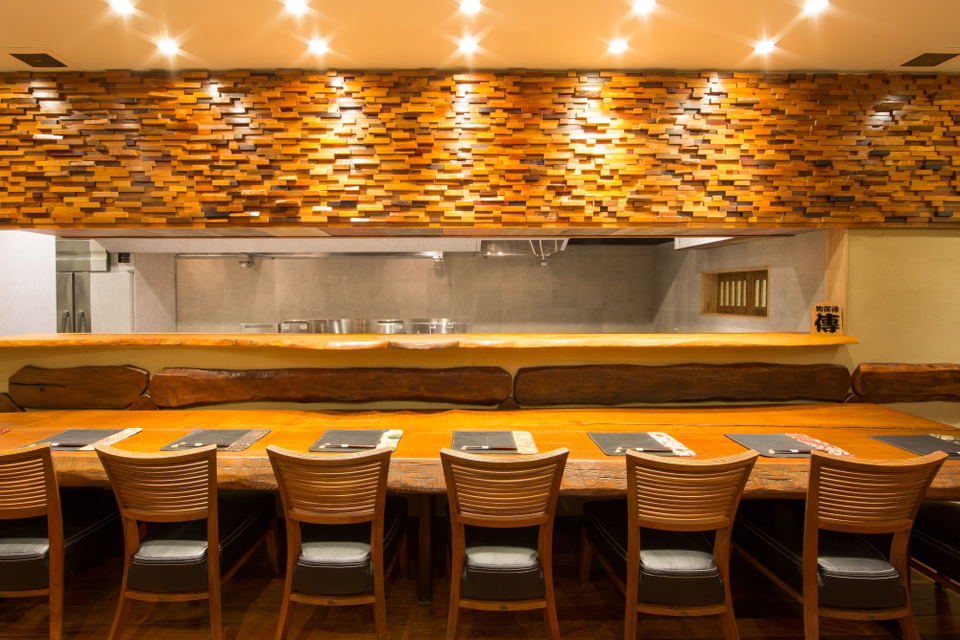
A patient planner who can tolerate silence and uncertainty will find the private format rewarding; most travelers will find a confirmed chef-led table the cleaner 2026 chase.
Frequently Asked Questions
When should I inquire about Private Dining Tokyo for 2026?
Private Dining Tokyo has no verified public reservation window available for this guide. Send the inquiry once your Tokyo dates and guest count are firm, then confirm directly with the host before planning around any timing assumption.
Does Private Dining Tokyo use Resy, Tock, OpenTable, or SevenRooms?
Do not plan around a platform drop unless the host confirms the exact booking surface.
Can a Tokyo hotel concierge secure Private Dining Tokyo for my group?
Give the concierge exact dates, guest count, dietary limits, occasion, and spend posture so the inquiry can move quickly.
What should I budget for Private Dining Tokyo?
Ask for the menu cost, beverage structure, tax or service treatment, deposit, refund terms, and payment recipient before confirming.
Is Private Dining Tokyo better than Den or Florilège?
It works only if privacy is the main point. If you want a serious Tokyo restaurant table with a clearer reservation chase, Den or Florilège is the more practical target.