Yes, book a London tasting menu if the meal is the reason for the trip; choose the format you actually want, then use the restaurant's own calendar as the anchor.
The room should be chosen by format, not by bragging rights. A counter suits chef proximity and a tighter rhythm; a dining-room menu suits wine, pacing, and conversation; lunch suits trips with theatre, meetings, or a fragile evening schedule.
Inside a London tasting-menu night, before you commit the evening
A London tasting menu is a fixed-plan evening. It is a fixed-plan evening, usually with limited freedom to compress the pace, swap the format, or rescue a late arrival. The access decision is whether the party needs à la carte flexibility somewhere else or wants the chef's sequence enough to give the restaurant the evening.
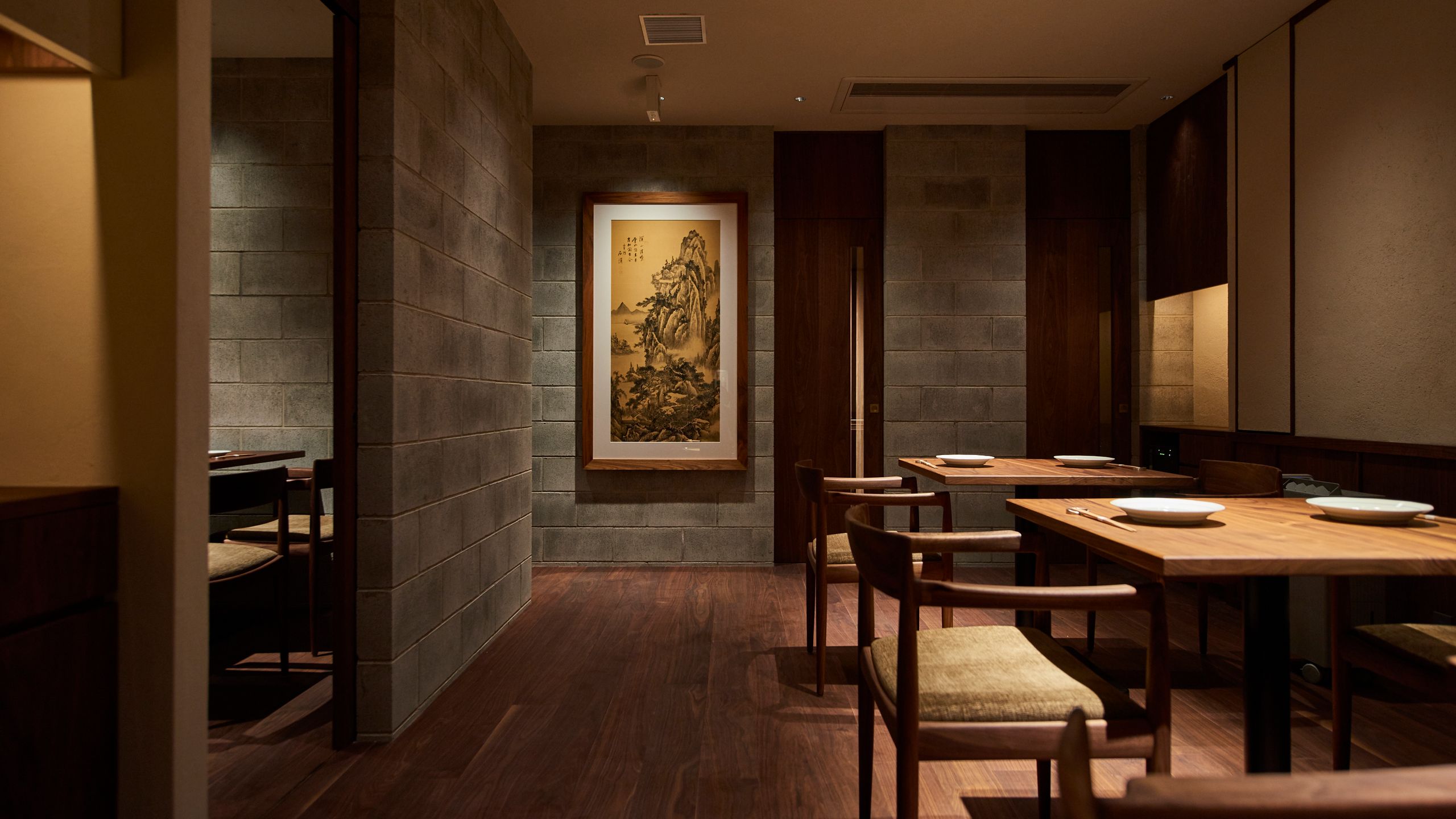
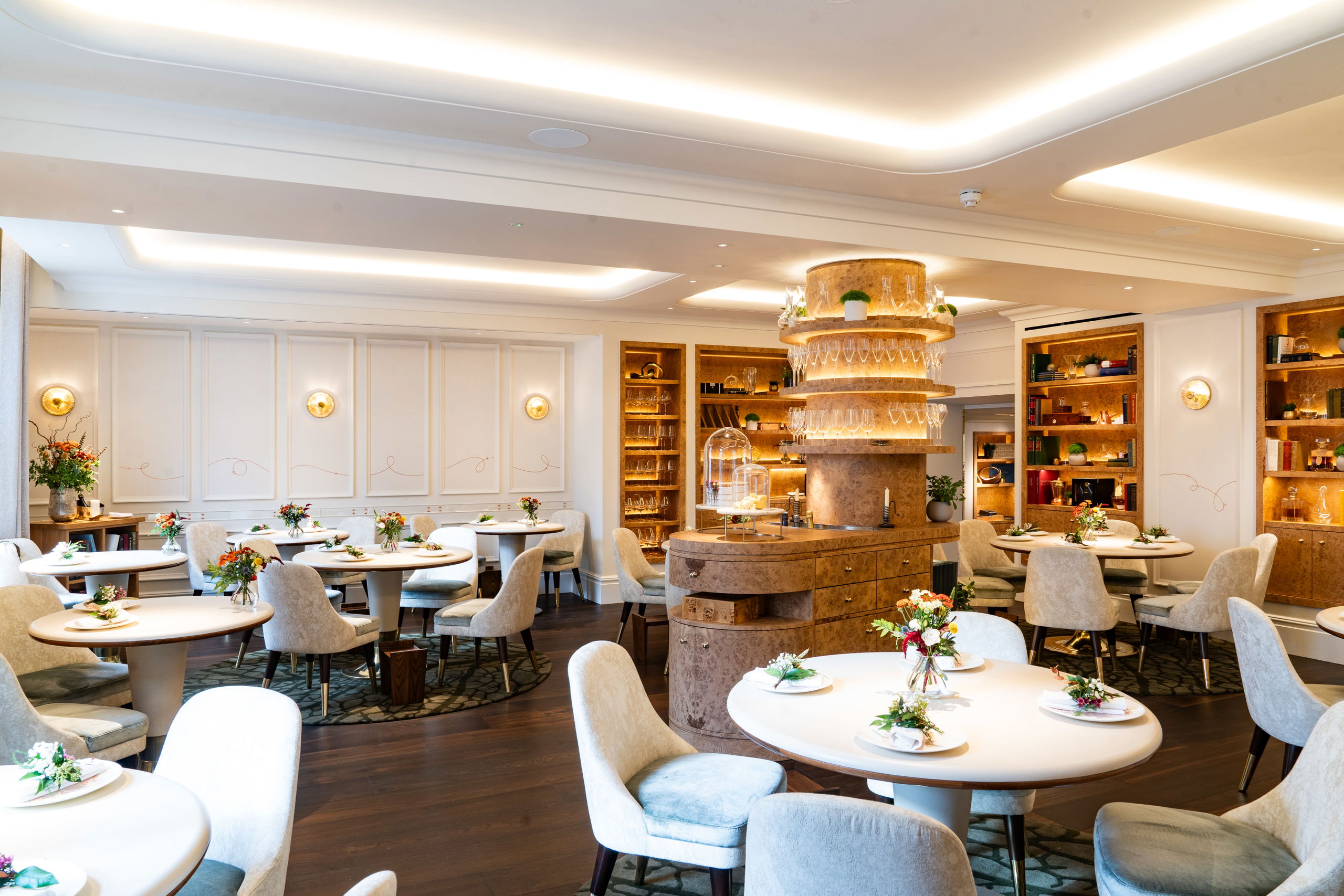
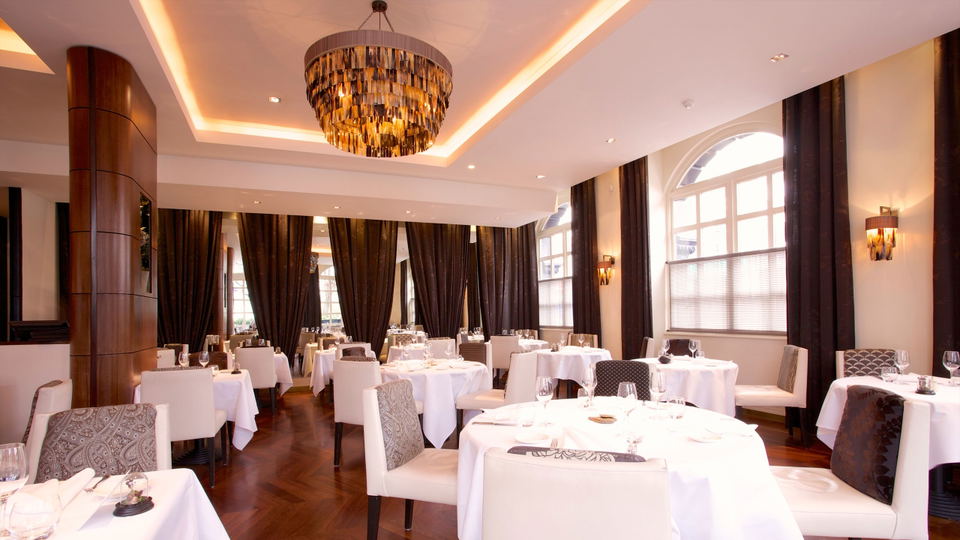
The room type matters more than many diners admit. A counter seat puts diners closer to the pass and usually suits people who like watching the work; a dining-room table gives better conditions for business, birthdays, parents, or anyone who wants the food without the microscope. A wine-focused booking fits poorly before another commitment. A tasting menu with pairings and a hard stop rarely ends well.
The right booking also depends on how much conversation the party wants. Chef's counters can make a solo dinner or two-person meal feel focused. Larger groups face more risk because fixed menus magnify dietary issues, late arrivals, and different appetites. A dining room with a shorter format or a restaurant where à la carte is still the main event suits a guest who is mainly there for the room, not the menu.
Why London tasting-menu tables disappear before casual diners decide
The access pressure is simple: high-end tasting menus ask diners to commit early, while many London trips stay fluid until the week of travel. Booking late punishes visitors who wait to see how the itinerary feels. An anchor-meal restaurant should be booked before theatre tickets, late meetings, or a second dinner reservation start limiting the schedule.
The competition includes tourists, London regulars, hotel guests using concierges, birthday planners, business hosts, and diners who will take lunch, early dinner, or a quieter weekday without complaint. Those diners beat the person who wants only Friday or Saturday dinner at the most comfortable hour.
The other problem is false precision. London reservation talk travels quickly: a friend says a calendar opens on a certain morning, a forum repeats it, then a diner plans a trip around a rule the restaurant may never have published. A drop time is real only when the venue states the release schedule on its own booking page or confirms it directly.
Pearl covers Arpège, Florilège, and Den.
When London tasting-menu calendars open, and what you should not assume
The booking process starts when the restaurant's own calendar allows and depends on direct confirmation. A wrong drop time can cost the table, while an extra email or phone confirmation costs less than a missed anchor dinner.
Timing depends on the trip's stakes. A birthday, anniversary, client dinner, or one-night stop in London puts the tasting menu first, with flexible meals placed around it. A casual London week with several free evenings allows more room for cancellations.
A seasonal risk calendar is more useful than a fake universal rule. Holiday periods, major event weeks, and Saturday dinners are high-risk unless the restaurant says otherwise. Weekday lunches, early dinners, and post-holiday weeks are usually the slots to test first when you care more about getting in than about the exact hour. Do not call that a guarantee; call it a better target.
The cleanest planning move is to separate "calendar opens" from "trip becomes expensive." If flights, hotels, theatre, or clients are already locked, your room for compromise shrinks. If the restaurant matters most, check the booking calendar before you make the rest of the trip rigid.
Where London tasting-menu tables actually move: official calendar, direct contact, concierge
Rank the channels by reliability. The restaurant's own booking surface comes first whenever it is published, because that is where the live inventory usually appears. Core by Clare Smyth reservations open 91 days in advance and can be made online,1 Ikoyi releases tables on the first of each month at noon GMT for dates up to two months out,2 and The Devonshire bookings are released three weeks in advance on Thursday mornings at 10.30am.1 Search from the restaurant's official site and confirm the booking partner there.
Direct contact comes next when the online calendar is closed or unclear. Keep the message short: date range, party size, dietary constraints, whether lunch works, and whether you can take an early or late sitting. A vague "anything available?" is weaker than a request the reservations team can actually place.
A luxury-hotel concierge can help, but only if you give them a clean brief. Ask for one target restaurant, acceptable backup dates, and your flexibility on lunch or counter seating. Do not ask three concierges, email the restaurant yourself, and then let everyone chase the same table. That creates confusion and makes you look less bookable.
Waitlists and cancellation alerts are useful only when the official booking system offers them. Add yourself where the venue allows it, keep the party size realistic, and be ready to answer quickly if a table appears.
The London tasting-menu playbook that actually improves your odds
If you want Saturday dinner at the most convenient time, you have chosen the same slot as almost everyone else. If you can take lunch, early dinner, a counter, or a midweek table, you are giving the reservations team something useful.
State dietary constraints early and once. Tasting menus plan purchasing and prep around the menu. If your party has a long list of substitutions, choose a restaurant with more menu flexibility.
Late cancellations after placeholder bookings do not build goodwill. Regulars get remembered for being easy to seat, easy to confirm, and easy to trust with a return booking.
Mistakes that cost London tasting-menu tables
- Wait for a rumored drop time instead of checking the restaurant's own calendar and confirming the rule directly.
- Do not insist on the peak dinner hour when lunch, a counter seat, or an earlier sitting would solve the access problem.
- Do not use a concierge with a vague brief, then separately email the restaurant with a different request.
- Do not book a long tasting menu before theatre, a late train, or another dinner, then try to rush a format designed not to be rushed.
What London regulars do differently
Regulars remove friction. They take the less glamorous slot, reply to confirmation requests quickly, avoid overexplaining special occasions, and make the party size easy to seat. Over time, that matters more than one dramatic request. A reservations team can work with a guest who knows the format and gives usable options.
They also know when not to force it. If the only available time ruins the rest of the night, they book another serious room and come back later. That is the move many travelers miss: access is not a moral victory if the booking makes the trip worse.
A seasonal calendar for London tasting-menu planning
For winter holidays, assume prime dinners will be unforgiving and confirm opening hours before you promise the meal to anyone. For early-year dining, test lunches and midweek evenings first. For summer travel, watch for restaurant closures and reduced city routines rather than assuming availability will be easier. For autumn, plan around the fact that business dining and travel often return with force.
None of that replaces a published release schedule. It gives you a risk map. If the meal matters, use the lower-risk part of the week and the most flexible format the restaurant offers.
Who should chase London tasting menus, and who should order à la carte
Chase the tasting menu if the table is the event. It works for diners who want the chef's sequence, a longer evening, and fewer choices once seated. It is also the right call for solo diners and couples who enjoy a structured meal rather than a broad menu negotiation.
Order à la carte if the group is mixed, the schedule is unstable, or the occasion is more social than culinary. A tasting menu can punish the guest who is late, tired, jet-lagged, or not hungry enough for the full format. The more variables in the party, the more value there is in a restaurant that lets people choose their own pace.
For client dinners, be careful. A tasting menu can feel generous when everyone wants the format. It can feel like a trap when the conversation is the priority or the guest needs control over time. If the guest has not explicitly opted into a long menu, choose a dining room with more flexibility.
If London tasting-menu access stalls, try these formats instead
First, book the same level of cooking in a shorter format. A lunch tasting menu, counter menu, or abbreviated seasonal menu can give you the kitchen's point of view without taking over the whole night. If the flagship dinner is gone, ask whether lunch or a shorter sitting exists before you abandon the restaurant.
Second, book a dining-room restaurant with à la carte strength and a serious wine list. This is often the better move for groups, especially if the occasion needs conversation more than course-by-course attention. You lose some ceremony; you gain control.
Third, use a hotel dining room when the trip needs reliability. The strongest hotel restaurants can be easier to coordinate with a concierge, especially when you are already staying in the building. That does not make them lesser choices; it makes them better logistics.
Fourth, if the point is the reservation chase itself, compare the mechanics before choosing the city. Pearl's guides to Tawaraya, Rao's in 2026, and Arpège separate desire from access. A hard table is only worth chasing when the route is real.
London Tasting Menus: Booking Difficulty and Cost Comparison
| Restaurant | Booking Difficulty | Lead Time | Tasting Menu Price | How to Book |
|---|---|---|---|---|
| Core by Clare Smyth | High, reservations fill up almost immediately as released on rolling 90-day basis3 | 91 days in advance1 | £265-£2754 | OpenTable, rolling daily release4 |
| Ikoyi | High, monthly release at noon GMT | First of each month for dates up to two months out2 | £380 (full tasting),2 £170 (shorter menu)2 | ikoyilondon.com2 |
| The Ledbury | Moderate to High | £2105 | ||
| Aulis London | Moderate, exclusively limited to twelve guests6 | £1956 | ||
| Da Terra | Moderate | £245 (full tasting),7 £110 (three-course lunch)7 |
The verdict
Book one when the meal is the anchor, not when the plan needs a flexible dinner that can bend around the rest of the trip.
My advice: choose format first, then prestige.
Counter for technique, dining room for conversation, lunch for easier logistics, à la carte when the group has mixed priorities. For most diners, the right one is the table they can secure cleanly without turning the trip into a reservation stakeout.
Frequently Asked Questions
How far ahead should I try for London tasting menus?
Use the restaurant's own published calendar as the rule. No venue-specific release window is verified in this guide, so confirm directly with the restaurant before planning around any claimed drop time.
Do London tasting-menu restaurants publish reservation drops?
Some restaurants may publish booking rules on their own sites or booking partners, but this guide does not have a verified venue-level release schedule. Treat any exact timing you hear elsewhere as unconfirmed until the restaurant confirms it.
Can a hotel concierge get London tasting-menu tables?
A concierge can help when your request is clear: target restaurant, date range, party size, and flexibility on lunch or earlier sittings. Do not ask multiple concierges and the restaurant at the same time with conflicting requests.
Are London tasting menus worth booking for a first trip?
Yes, if dining is the point of the trip and you are happy to give one evening to a fixed format. If you are trying to fit dinner between theatre, meetings, and late arrivals, book a more flexible restaurant.
Should I book lunch instead of dinner for London tasting menus?
Lunch is often the better target when the exact dinner slot matters less than getting in. Confirm the restaurant's current lunch format directly, because menus and availability can change.