Rao's is worth chasing only if you can get invited to someone else's table; tables are owned by regulars with weekly, biweekly, monthly, or quarterly assignments,1 and at least 60% of tables are already accounted for by regulars. Most readers should treat it as effectively closed and book a controllable alternative instead.
The practical answer is "find the human who can host you." If the table-ownership story is why you are here, think of Rao's less like a restaurant booking and more like a private social invitation with dinner attached. That changes the tactics completely.
Why there are no reservations in the usual sense
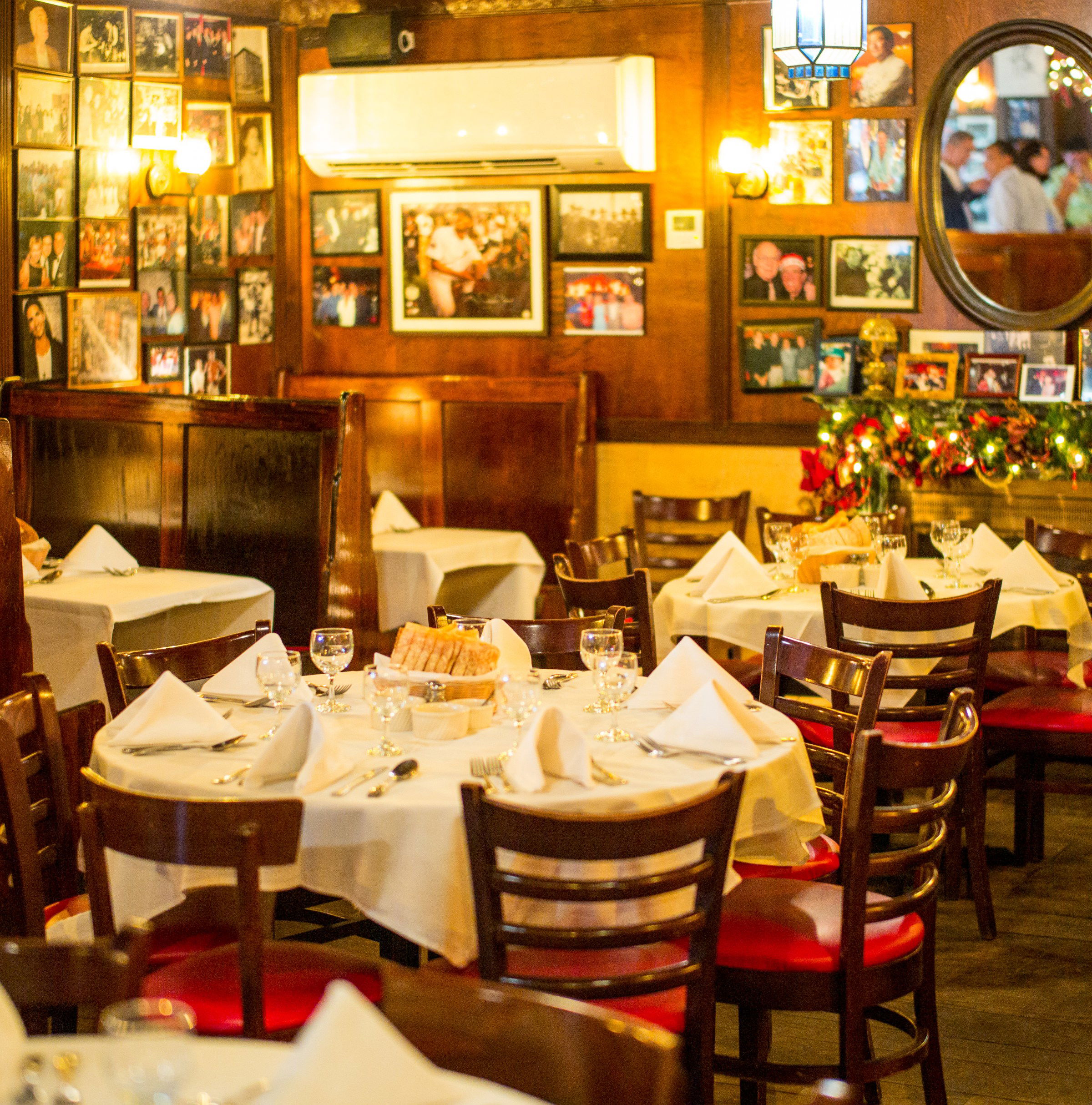
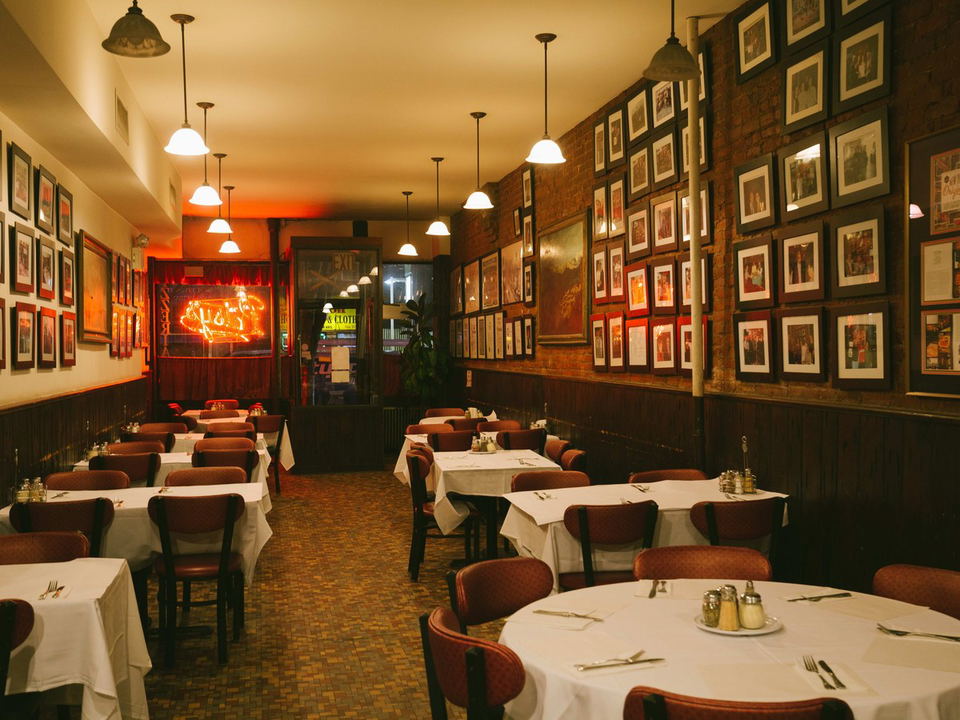
Rao's has ten tables total,2 four big tables and six booths,1 with only one table for two.1 Every table has been booked every night for the past 38 years.1 The access problem is not demand beating a normal reservation system; it is that tables are owned by regulars with weekly, biweekly, monthly, or quarterly assignments.1
That is why standard restaurant tactics fail here. Refreshing an app, asking a hotel concierge for a prime slot, or setting calendar alerts works when a venue sells tables through a public inventory pool. Rao's runs on social access. You are not competing with anonymous diners for a cancellation. You are waiting for someone with a table to include you.
They are regulars, their guests, friends of friends, and people who have spent years being useful before asking for anything. That is a different contest. Money helps less than proximity, trust, and timing.
The honest frustration: even if you can afford the dinner, you may not be able to buy the access. For a reader who values control, that is the reason to skip the chase. For a reader who likes long-game hospitality access, Rao's is the kind of room where the process is the point.
The tableholder route that matters at Rao's
Rank the channels this way: a tableholder invitation first, a trusted introduction second, direct confirmation with the venue third, and everything else a long shot. It is efficient.
A tableholder invitation is the only route that makes sense under the table-ownership model. You are not asking "Can I get a reservation?" You are asking "Can I be someone's guest?" That means the etiquette shifts. Do not ask a casual acquaintance to "get you into Rao's." Ask only if there is already enough trust that the request would not feel like a transaction.
A trusted introduction can work over time, but not if it arrives as a cold favor. The useful version is quiet and specific: you would be grateful to join if an extra seat ever opens, you can keep plans flexible, and you understand if the answer is no. The bad version is a status request with pressure attached.
Your best bet to get reservations is to call the phone number listed on the website3 for current policy confirmation. Direct contact with Rao's is worth doing only to confirm whether any public access route exists. Do not assume a website, concierge rumor, or resale-style approach is valid without confirming with the restaurant first.
Hotel concierges and card programs are better used for substitutes. A strong concierge can be useful if you want a hard Italian table elsewhere that has a public reservation system. For Rao's, unless the concierge can name a real tableholder path, they are probably managing expectations rather than producing access.
When a Rao's seat appears, if it appears at all
Rao's is closed on Saturday and Sunday,1 and the restaurant opens at 7 p.m.2 Beyond that, confirm directly with the venue before relying on any claimed timing.
In practice, the useful calendar is social rather than technical. Seats appear when a host chooses to include someone, when plans change, or when a regular has room. That means the question to ask is not "when do reservations open?" It is "when are my odds of being a low-friction guest highest?"
Seasonally, treat major celebration periods as harder and ordinary weeknights as more plausible, unless a tableholder tells you otherwise. Do not press for year-end dates, holiday dinners, or weeks when every guest in New York wants the same social trophy. If you get offered an off-night, take it.
The regular's calendar also matters more than yours. If someone with access floats a date, do not counter with a narrower window unless you have to. The easiest guest to invite is the one who can say yes quickly, show up on time, and not make the host manage logistics.
How regulars improve Rao's odds over time
The insider move is to stop treating Rao's as a reservation problem. Treat it as a relationship problem with a dinner outcome. That means your odds improve through repeated, low-pressure contact with people who already belong in the room.
Start with the right ask. Do not ask for a table. Ask to be kept in mind if an extra seat ever appears. That wording matters because it respects the difference between ownership and inventory. A tableholder may not be able to solve your request on command, and pressure makes you less attractive as a guest.
Be flexible about date, party size, and format. The larger your group, the harder the ask becomes. The cleaner request is a solo seat or a pair, with the understanding that you will follow the host's lead. Rao's is not the place to negotiate the room, the time, or the guest list.
Offer social value before asking for access. Host well elsewhere. Pick up checks when appropriate. Send people to places they will actually like. Remember preferences. Hospitality insiders notice who makes evenings easier. That work compounds.
Use concierges for parallel tracks. Ask them for a serious Italian room you can actually book, then keep the Rao's hope separate. That protects the trip. If the invitation arrives, you can adjust. If it does not, you still have dinner.
Do not chase public hacks. If someone claims a precise Rao's drop time, ask them to identify the official source. If they cannot, ignore it. A fake mechanic is worse than no mechanic because it makes you plan around the wrong door.
Also, do not make the host perform. No content agenda. No grandstanding about how impossible the table is. No bringing a guest who will treat the evening as a conquest. The room, by the tableholder logic, is built on repeat social trust. Act like someone who could be invited again.
Inside a Rao's dinner when a seat finally appears
Seating capacity is about 60 people,4 and dinner costs about $75 per person.4 Payment is cash or check only,4 and payment is at the end of the meal.2 The bartender keeps track of guests by face, not by name.2
That changes how you behave once inside. You are not the primary customer controlling the table. You are a guest of the person who made the seat possible. Follow their lead on arrival time, ordering, check handling, photos, and how much attention you draw.
The crowd, by the table-ownership premise, is not a room of reservation winners. It is regulars, their guests, and people close enough to be included. That is the appeal if you care about social hospitality. It is also the reason the wrong guest can be a liability.
Dress like you are joining a private dinner where your host's reputation travels with you. If the venue confirms a current dress policy, follow that over any secondhand advice. In the absence of a verified dress code here, restraint is the safer read.
Better substitutes when there are no reservations to book
If what you want is certainty, the better substitute is a bookable Italian dinner with a public reservation system. You give up the table-ownership mythology, but you gain control over date, party size, and guest list. For most travelers, that is the trade to make.
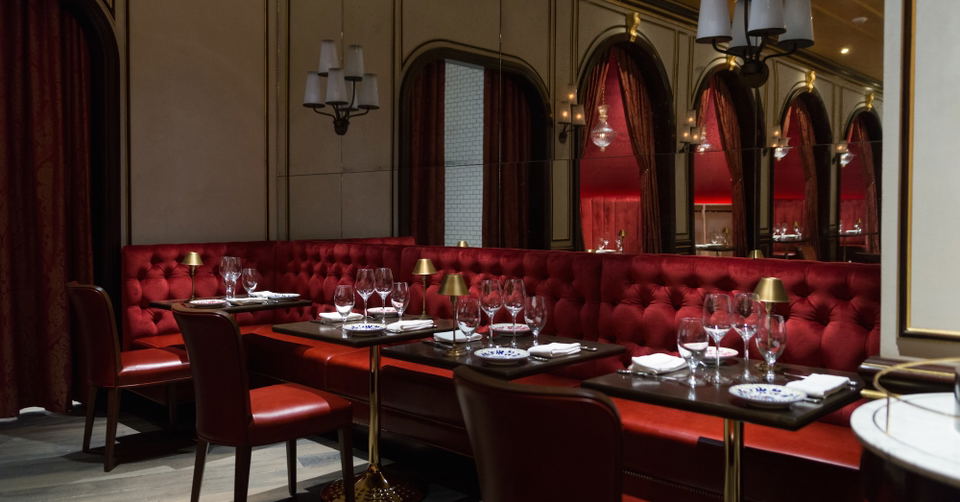
If what you want is privacy, choose a private dining room instead. A buyout or semi-private room gives you the host energy people project onto Rao's, without depending on someone else's table. It is also the better format for birthdays, client dinners, and family milestones where uncertainty would punish the host.
If what you want is social access, lean on a members' club dining room or a restaurant where you already have relationship capital. The point is to sit in a room where the staff knows who you are and your guests feel looked after.
If what you want is the bragging-rights dinner, ask your concierge for a hard reservation that actually has a booking channel. That may not carry the Rao's story, but it gives you a real plan. A confirmed table beats an access fantasy when flights and guests are involved.
The mistake is treating any Italian table as an equivalent substitute. Rao's substitutes are about control, privacy, social capital, or scarcity. Decide which itch you are scratching, then book around that.
Rao's vs. Alternatives: Access Comparison
| Venue | Difficulty | Cost | Lead Time | How to Book |
|---|---|---|---|---|
| Rao's | Tableholder invitation required; every table booked every night for 38 years1 | ~$75/person;4 cash or check only4 | Indefinite, depends on social access | Call the phone number listed on the website3 to confirm current policy |
| Carbone | High, books out weeks ahead on Resy | ~$150-200/person | 30-60 days | Resy (public release) |
| Don Angie | Moderate, Resy release, competitive but achievable | ~$100/person | 14-30 days | Resy (public release) |
| Private Dining Room (various) | Low, buyout guarantees access | Varies by venue; typically $2,000+ minimum | 7-30 days | Direct contact with venue |
| Members' Club Dining | Low for members; closed to non-members | Varies; typically $100-200/person | Same-day to 7 days | Member booking system |
Who should spend social capital on Rao's
Chase Rao's if you already have a plausible path to a tableholder and you enjoy the etiquette of private access. This is for the person who understands that a soft ask made well now may pay off months later, or not at all.
It also suits the guest who can accept someone else's rules. If you need to control the date, the menu, the seating time, the check split, and the photos, skip it. Rao's access, on the table-ownership story, rewards the guest who is easy to host.
It is a bad target for proposal dinners, client meals with fixed dates, or once-a-year trips where dinner has to happen. The risk is too high. Book something confirmable and let Rao's remain a bonus if the invitation appears.
For hospitality obsessives, the appeal is academic as much as culinary: this is a case study in access, loyalty, and old New York social mechanics. For everyone else, the chase may feel irrational. That is a fair response.
Worth the chase?
Chase Rao's only if you have a real social path to a tableholder. Tables are owned by regulars with weekly, biweekly, monthly, or quarterly assignments.1 Confirm directly with Rao's. For most readers, the more practical move is to book a controllable Italian dinner, use a concierge for a confirmed hard table elsewhere, and treat Rao's as a possible invitation rather than a plan.
If you do get offered a seat, accept with flexibility and behave like a guest whose presence reflects on the host. If you do not have that route, do not waste the trip chasing rumors. Rao's rewards patience, proximity, and restraint; the smarter dinner is often the one you can actually confirm.
Frequently Asked Questions
Can you make a reservation at Rao's in 2026?
Tables are owned by regulars with weekly, biweekly, monthly, or quarterly assignments,1 and every table has been booked every night for the past 38 years.1 Treat Rao's as effectively closed to normal booking unless the venue confirms otherwise.
Does Rao's publish a reservation drop?
Do not plan around any claimed release mechanic without confirming directly with Rao's.
Is Rao's worth chasing without knowing a tableholder?
Usually no. The realistic route is a guest invitation through someone with access. Without that, book a restaurant you can confirm and keep Rao's as a long-shot social possibility.
Can a hotel concierge get you into Rao's?
A concierge may help with alternatives, but no verified concierge route to Rao's is available. Ask the concierge for a confirmed substitute rather than relying on a miracle table.
What should you book instead of Rao's?
Choose based on the itch: a bookable Italian restaurant for control, a private dining room for hosting, or a members' club-style room for social access. Those substitutes are easier to plan than a tableholder invitation.