

Yu Yuan
Chinese · Sajik-dong, Seoul
Restaurant in Seoul, South Korea
 Book with Pearl
The Read
Cantonese-Anchored Regional Chinese
Price
$150–200per person
Dress
Smart Casual
Why go
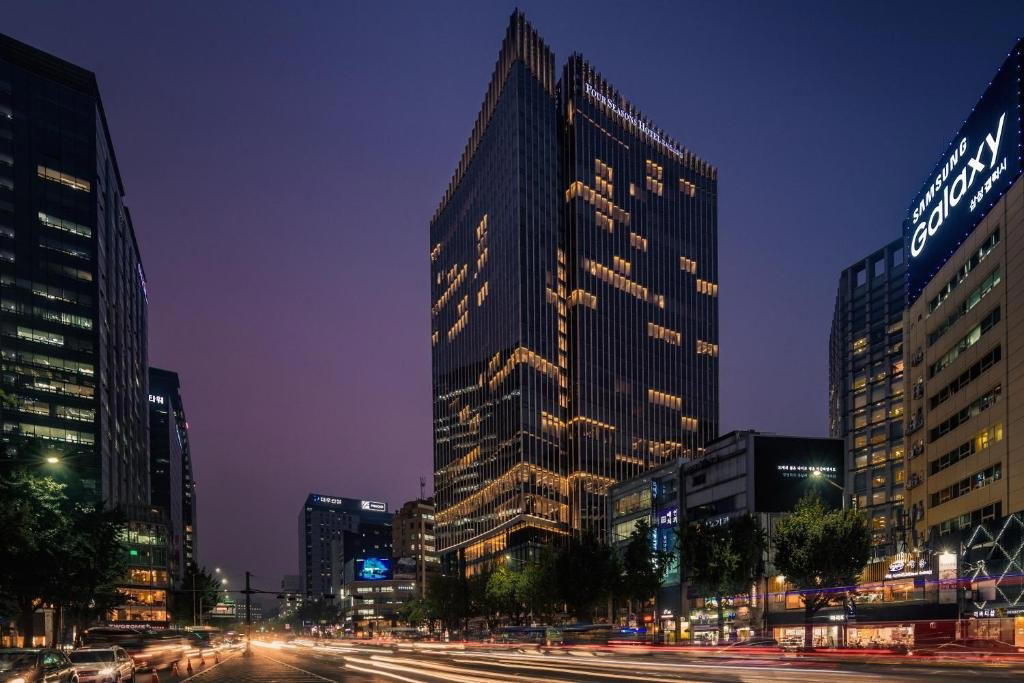
Yu Yuan holds a Michelin 1 Star (2026) and is the reference point for serious Chinese dining in Seoul. Based on the 11th floor of the Four Seasons, it serves Cantonese-led cooking with regional Chinese specials, including an extensive dim sum lunch and wok-fried Hoengseong Hanwood beef. Book two to three weeks ahead: this is a hard reservation at the ₩₩₩₩ tier.
About Yu Yuan
Is Yu Yuan the leading Chinese restaurant in Seoul? Here's the honest answer.
If you're looking for Michelin-recognised Chinese cooking in Seoul at the top end of the price range, Yu Yuan at the Four Seasons is the most credible option in the city right now. The restaurant earned its Michelin 1 Star in 2024, and the combination of Cantonese-led cooking with regional Chinese specialities gives it more range than most hotel Chinese restaurants manage. That said, booking here is genuinely difficult, the price commitment is real at ₩₩₩₩, and you should go in knowing exactly what you're coming for.
What kind of restaurant is this, really?
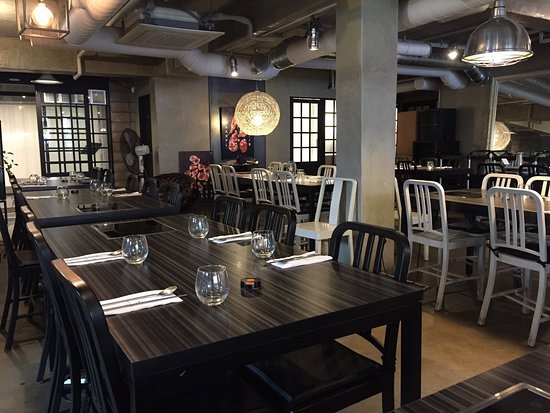
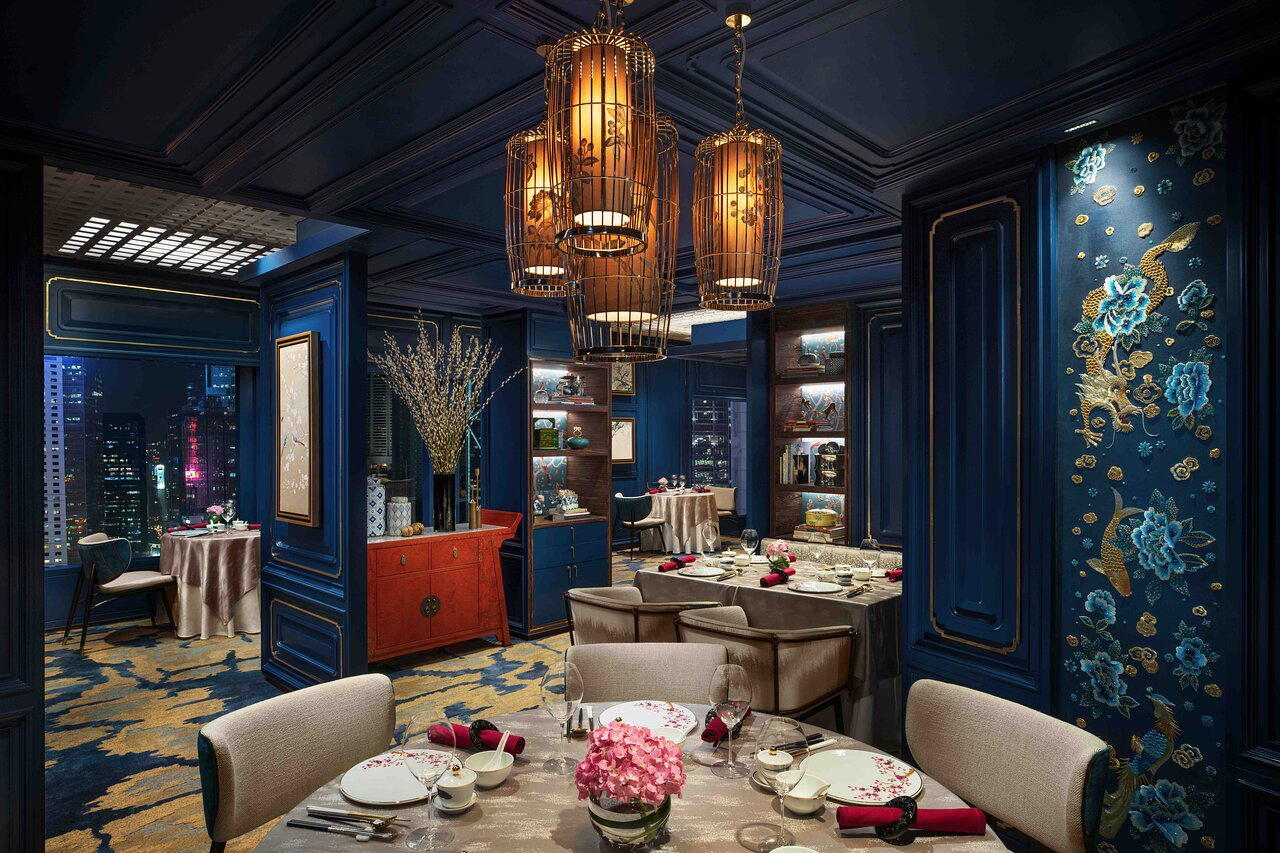
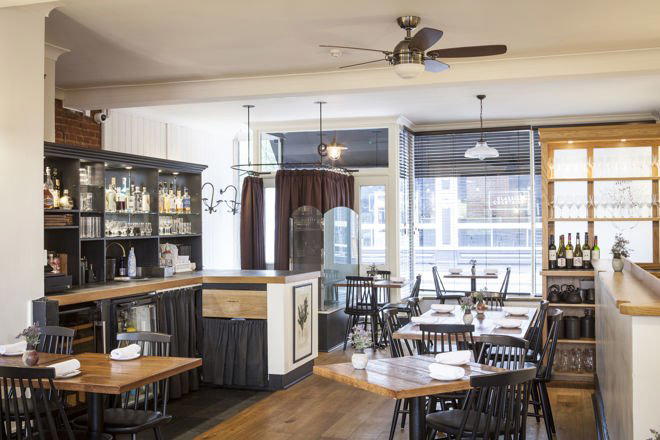
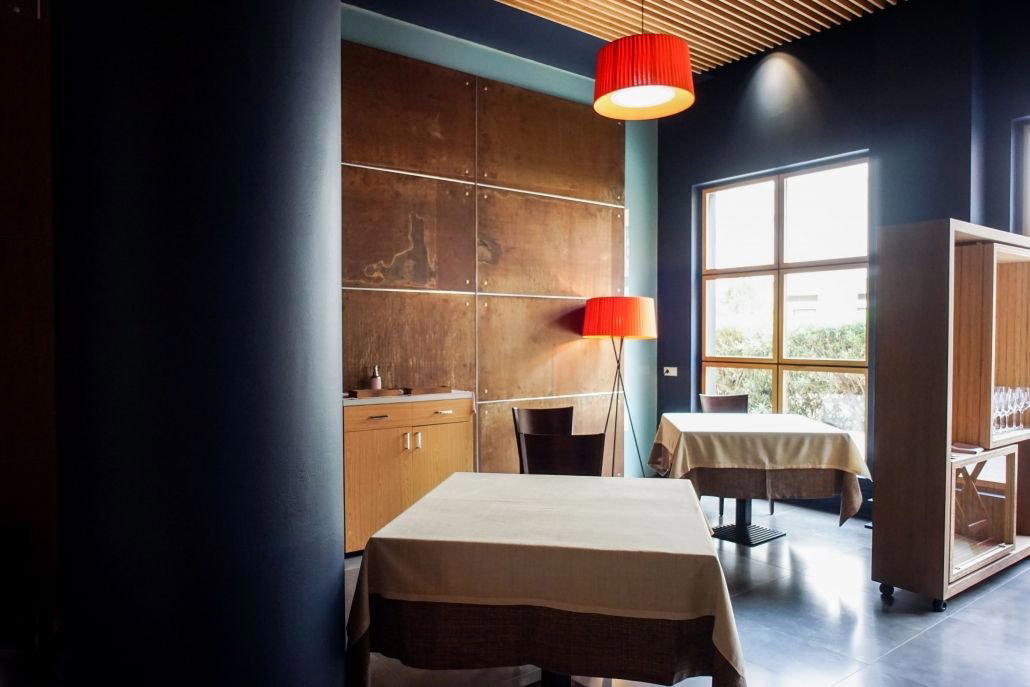
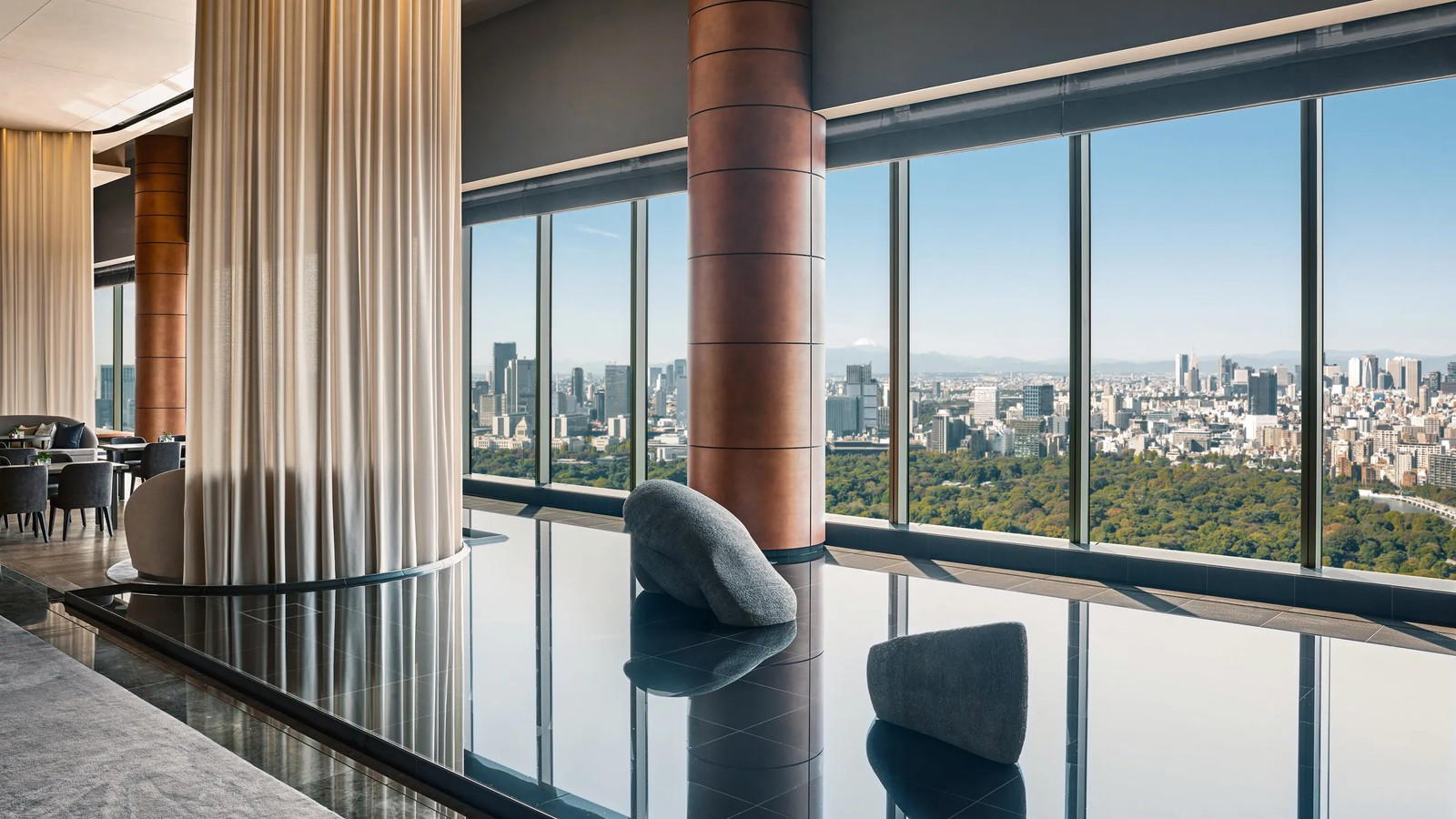
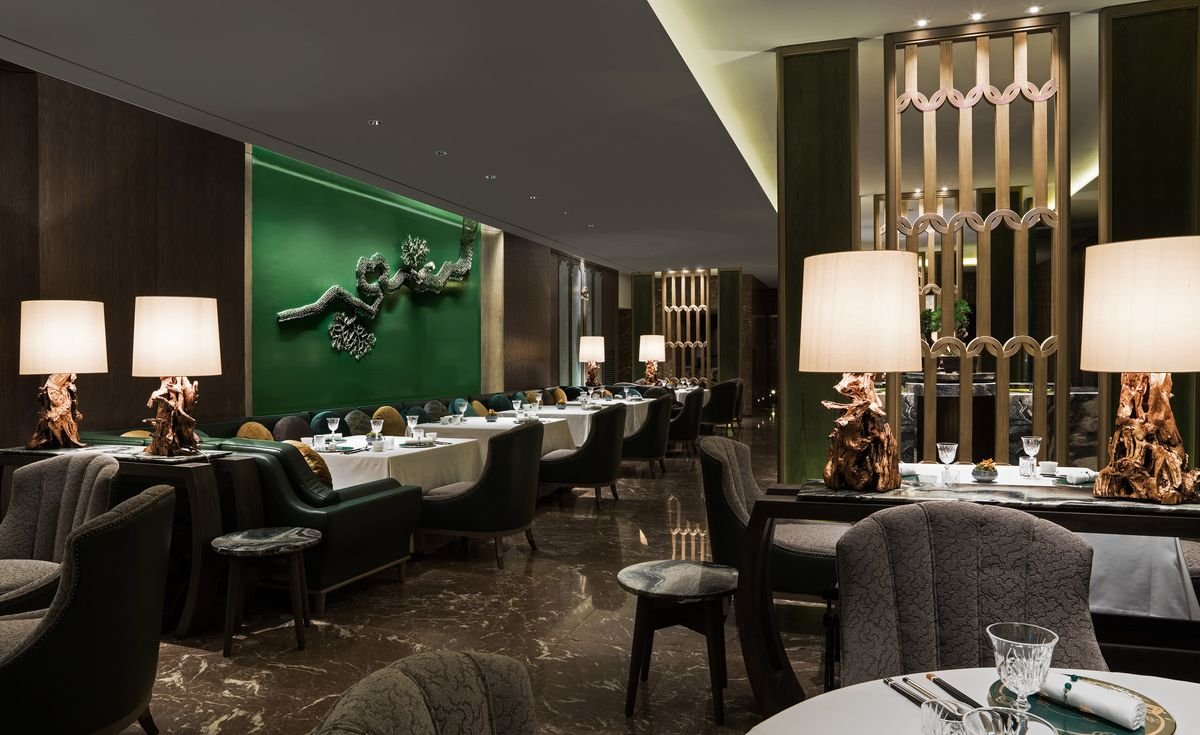
Yu Yuan sits on the 11th floor of the Four Seasons Seoul, and the room carries the quiet confidence of a hotel restaurant that doesn't need to try too hard. The energy is composed rather than lively: low ambient noise, well-spaced tables, attentive service. If you've been once and found it almost too calm for a celebratory dinner, that's a fair read. It works better for a focused lunch or a dinner where conversation is the point. For a louder, more festive energy, the room won't deliver that.
The sensory register here is controlled throughout. The kitchen's display of Peking duck near the entrance sets an expectation the meal broadly meets: this is serious Chinese cooking with visible craft, not a hotel restaurant coasting on its postcode. The wok-fried Hoengseong Hanwood beef with ginger is documented as a dish worth ordering, and it's the kind of item that shows the kitchen's willingness to anchor regional Chinese technique to quality Korean ingredients. That combination is what separates Yu Yuan from generic hotel Chinese across Seoul.
The counter and the room: where to sit
Yu Yuan doesn't operate a traditional chef's counter in the open-kitchen sense, but the Peking duck cabinet visible on the way to your table functions as a kind of theatre that orients the meal before you've sat down. If you're returning after a first visit, use that signal: the duck is a reliable reference point, and so is the dim sum at lunch, which is documented as extensive and consistently popular with regulars. A second visit is a good time to move beyond the most-ordered items and test the regional Chinese specials, which vary and represent the kitchen's more interesting work.
For solo diners or pairs returning for a second visit, the bar or quieter counter-adjacent seating (where available) lets you observe the room and order more deliberately. The format rewards a methodical approach: start with dim sum if you're at lunch, anchor a dinner with the duck or the beef, and treat the regional specials as the variable worth exploring on repeat visits.
How it earns its Michelin star
A 2024 Michelin 1 Star in Seoul's competitive dining field is not a routine credential. The city's Michelin Guide covers a dense field, and a Chinese restaurant earning recognition in a market dominated by Korean fine dining and French tasting menus is a meaningful signal. That's the relevant data point for a returning guest: this is a kitchen that performs reliably, not one that hits peaks and troughs.
For context beyond Seoul, the wider category of ambitious Chinese cooking in global hotel settings is a competitive one. Restaurant Tim Raue in Berlin and Mister Jiu's in San Francisco represent different takes on Chinese cuisine with serious culinary credentials, which gives some measure of what Yu Yuan is reaching for in Seoul.
Seoul Chinese dining: the full picture
Yu Yuan is the reference point for serious Chinese dining in Seoul, but it's not the only option worth knowing. Haobin, Crystal Jade, Hong Yuan, Jin Jin, and JUE cover different price points and formats across the city. If you're building a Seoul dining itinerary beyond Chinese cuisine, our full Seoul restaurants guide covers the city's full range. For where to stay, the Seoul hotels guide includes properties across all budgets. And if you're exploring further afield in South Korea, Mori in Busan, Double T Dining in Gangneung, and Doosoogobang in Suwon are worth knowing. Our Seoul bars guide, Seoul wineries guide, and Seoul experiences guide round out the city picture. For more regional Korea options, see also Injegol in Inje County, Pool House in Incheon, and 에버리움펜션 in Cheoin.
Know Before You Go
- Address: 11F Four Seasons Hotel, 97 Saemunan-ro, Jongno-gu, Seoul
- Hours: Daily 11:30 AM – 2:30 PM (lunch) | 5:30 PM – 9:30 PM (dinner)
- Price range: ₩₩₩₩ (top tier for Seoul dining)
- Awards: Michelin 1 Star (2024)
- Booking difficulty: Hard: reserve well in advance, especially for dinner
- Leading for: Focused business lunches, couples dining, solo diners who want serious Chinese cooking in a quiet room
- Signature order: Peking duck; wok-fried Hoengseong Hanwood beef with ginger; lunchtime dim sum
Part of
Four Seasons246 locations on PearlLocated inside
 HotelFour Seasons Hotel SeoulFull hotel guide
Planning details
- Hours
- Monday: 11:30 AM-2:30 PM 5:30 PM-9:30 PM · Tuesday: 11:30 AM-2:30 PM 5:30 PM-9:30 PM
- Location
- 11F Four Seasons Hotel, 97 Saemunan-ro, Jongno-gu, Seoul, 03183, South Korea
- Website
- fourseasons.com/seoul/dining/restaurants/yu_yuan
- Phone
- +82 2-6388-5500
The take
The Take
The Vibe
Yu Yuan sits as a polished, classic hotel restaurant that treats Chinese cooking with ceremonial care. Located on the eleventh floor of the Four Seasons Jongno and awarded a Michelin star, it foregrounds Cantonese technique, delicate dim sum and precision whole-bird roasting, while drawing on regional specialties to demonstrate technical range. The room and menu present dining as a considered occasion: restrained, refined and oriented around execution rather than trend-chasing. That balance makes Yu Yuan feel traditional in its culinary roots while contemporarily ambitious in presentation and service.
Best For
Yu Yuan is best for deliberate, special-occasion meals: think date nights, business dinners and milestone celebrations. Lunch centers on dim sum service, offering a daytime opportunity to sample Cantonese staples, while dinner expands into regional specialties and whole-bird roasting, with Peking duck as a marquee order. The Four Seasons setting and Michelin recognition make it a destination for guests seeking a high-quality, well-executed Chinese fine-dining experience rather than casual, everyday dining.
Ordering Tips
Plan to arrive with an appetite for the signature preparations: dim sum at lunch and the Peking duck at dinner are highlighted in the dining narrative. The duck is prominently displayed near the restaurant entrance, a signal that it is a priority dish and a frequent inspector favourite: request it if you want a showpiece course. For lunch, order a selection of dim sum to sample the kitchen’s technical range; for dinner, consider dishes that showcase whole-bird roasting and regional specialties that demonstrate the restaurant’s broader repertoire.
Venue details
Ambiance
Chic and luxurious atmosphere evoking 1920s Shanghai grandeur with elegant decor, beautiful lighting, and sophisticated design elements.
Tags
Vibe
Best For
Experience
Sourcing
Accessibility
At the Table
- Dress Code
- Smart Casual
- Noise Level
- Conversational
- Service Style
- Formal
- Meal Pacing
- Leisurely
- Capacity
- Medium
- Kitchen
- Traditional
- Menu Format
- A la carte, Set menu
- Drinks Focus
- Wine, Sake
- Dietary
- Vegetarian friendly, Vegan options, Gluten-free options, Allergy accommodating
- Private Dining
- Available
Signature Dishes
- Peking duck
- dim sum
Know before you go
Know Before You Go
- Getting there
- 11F Four Seasons Hotel, 97 Saemunan-ro, Jongno-gu, Seoul, 03183, South Korea
Planning details
Hours
- Monday
- 11:30 AM-2:30 PM 5:30 PM-9:30 PM
- Tuesday
- 11:30 AM-2:30 PM 5:30 PM-9:30 PM
- Wednesday
- 11:30 AM-2:30 PM 5:30 PM-9:30 PM
- Thursday
- 11:30 AM-2:30 PM 5:30 PM-9:30 PM
- Friday
- 11:30 AM-2:30 PM 5:30 PM-9:30 PM
- Saturday
- 11:30 AM-2:30 PM 5:30 PM-9:30 PM
- Sunday
- 11:30 AM-2:30 PM 5:30 PM-9:30 PM
Location
11F Four Seasons Hotel, 97 Saemunan-ro, Jongno-gu, Seoul, 03183, South Korea · Directions
Recognition and awards
Also consider
Also Consider
- 7th Door: Korean, Contemporary, ₩₩₩₩
- Solbam: Contemporary, ₩₩₩₩
- Onjium: Korean, ₩₩₩₩
- L'Amitié: French, ₩₩₩
- Zero Complex: Korean-French, Innovative, ₩₩₩₩
Restaurant context
At the ₩₩₩₩ tier in Seoul, Yu Yuan competes with a strong field of Korean and contemporary fine dining rather than other Chinese restaurants, which is itself a useful framing. If your priority is Michelin-recognised cooking at the top end of the Seoul price range, Yu Yuan is the most direct choice for Chinese cuisine. But if you're open to format, Onjium offers a more culturally specific Seoul experience at the same price tier, with its focus on reconstructed Korean court cuisine giving it a stronger sense of place. Book Onjium if regional depth and local provenance matter more than Chinese culinary range.
7th Door and Zero Complex both operate at ₩₩₩₩ and offer contemporary Korean and Korean-French formats respectively. Zero Complex is the pick if you want innovation and a more experimental evening; 7th Door suits diners who want a refined but grounded Korean experience. Neither competes directly with Yu Yuan's Chinese kitchen, so the comparison is really about how much the cuisine type matters to your booking decision. Solbam rounds out the ₩₩₩₩ contemporary field and is worth considering if you've already done Yu Yuan and want a contrast.
For a more accessible spend, L'Amitié at ₩₩₩ is the easiest booking in this peer group and delivers a credible French dining experience without the full luxury hotel price overhead. If your trip includes multiple dinners and you need to balance the budget, L'Amitié is the sensible release valve. Yu Yuan is the right choice when you want serious Chinese cooking with hotel-standard service and a Michelin credential to back it up: but it's harder to book and more expensive than most of its Seoul peers.
Explore Seoul
Around this place
Discover more on Pearl
Unlock the full Yu Yuan guide in Pearl, including awards, comparisons, FAQs, planning details, and nearby places.
Compare Yu Yuan
| Venue | Cuisine | Price | Awards | Booking Difficulty |
|---|---|---|---|---|
| Yu Yuan | Chinese | ₩₩₩₩ | Michelin Guide Seoul & Busan 20262026 Wine Spectator Best of Award of Excellence2025 Michelin 1 Star2024 Michelin 1 Star | Hard |
| 7th Door | Korean, Contemporary | ₩₩₩₩ | 2026 Asia's 50 Best Restaurants · #492026 OAD Top Restaurants in Asia Ranked · #842026 Black Pearl 1 DiamondMichelin Guide Seoul & Busan 20262026 La Liste Top Restaurants2025 Asia's 50 Best Restaurants · #232025 Michelin 1 Star2025 La Liste Top Restaurants2024 OAD Top Restaurants in Asia Ranked · #192 | Unknown |
| Solbam | Contemporary | ₩₩₩₩ | 2026 Asia's 50 Best Restaurants · #552026 Wine Spectator Best of Award of Excellence2026 OAD Top Restaurants in Asia RecommendedMichelin Guide Seoul & Busan 20262026 La Liste Top Restaurants2025 Asia's 50 Best Restaurants · #552025 OAD Top Restaurants in Asia Ranked · #277Tatler Best Restaurants Asia-Pacific 20252025 Wine Spectator Best of Award of Excellence | Unknown |
| Onjium | Korean | ₩₩₩₩ | 2026 Asia's 50 Best Restaurants · #142026 OAD Top Restaurants in Asia Ranked · #852026 La Liste Top RestaurantsMichelin Guide Seoul & Busan 20262026 Wine Spectator Best of Award of Excellence2025 Asia's 50 Best Restaurants · #102025 World's 50 Best Restaurants · #572025 OAD Top Restaurants in Asia Ranked · #1342025 La Liste Top Restaurants | Unknown |
| L'Amitié | French | ₩₩₩ | 2026 La Liste Top Restaurants2025 La Liste Top Restaurants2025 Michelin 1 Star2024 Michelin 1 Star | Unknown |
| Zero Complex | Korean-French, Innovative | ₩₩₩₩ | Star Wine Lists 20262026 OAD Top Restaurants in Asia Recommended2026 La Liste Top Restaurants2025 OAD Top Restaurants in Asia Ranked · #1992025 La Liste Top Restaurants2025 Michelin 1 Star2025 The Best Chef One Knife2024 OAD Top Restaurants in Asia Ranked · #2792024 Michelin 1 Star | Unknown |








Key differences to consider before you reserve.
FAQ
Frequently Asked Questions
Is lunch or dinner better at Yu Yuan?
Lunch is the stronger value case. The dim sum service runs 11:30 AM to 2:30 PM daily and the selection is extensive, making it a more accessible entry point into a Michelin-starred kitchen at a lower spend than dinner. Dinner opens up the fuller regional Chinese menu, including dishes like wok-fried Hoengseong Hanwood beef, which suits those who want a more complete meal. If you're deciding between the two, lunch is better for groups; dinner is better for a focused meal around the kitchen's range.
How far ahead should I book Yu Yuan?
Book at least two to three weeks out for dinner, longer for Friday and Saturday evenings. Yu Yuan operates inside the Four Seasons Seoul, which means hotel guests compete for the same tables, so availability tightens faster than standalone restaurants at this price point. Lunch slots are generally easier to secure on shorter notice, particularly mid-week.
Is Yu Yuan good for solo dining?
Yes, with a caveat on format. The dim sum lunch works well solo since dishes are ordered individually rather than shared across a large spread. Dinner at the ₩₩₩₩ price range is harder to optimise alone, as many of the regional Chinese specialities are built around table sharing. The room has the quiet comfort of a Four Seasons hotel restaurant, so you won't feel conspicuous dining alone, but the menu format is designed with groups in mind.
Does Yu Yuan handle dietary restrictions?
The venue data doesn't confirm specific dietary accommodation policies, so contact the Four Seasons Seoul directly before booking if you have strict requirements. The menu spans Cantonese dim sum and multiple regional Chinese styles, a format that typically allows flexible choices. For a completely allergen-controlled experience at this price tier, confirming directly with the kitchen in advance is the right move.