Château de Cîteaux Meursault opened on July 24, 2026 as Fontenille Collection's first Burgundy property, with 18 rooms at launch above 12th-century Cistercian cellars. Book it if you want a Meursault base with a fine dining restaurant, Alaena spa, and wine cellars on site; skip until January 2027 if you need the full 35-room inventory.
Why Château de Cîteaux Meursault Belongs on the Shortlist
Fontenille Collection chose a useful address for its Burgundy debut: Meursault, 10 minutes from Beaune and about 2h30 from Paris by train, according to the opening announcement. That matters if your Burgundy trip is built around tastings rather than city hotel life. Staying in Beaune keeps you close to restaurants and wine merchants. Staying at Château de Cîteaux puts you directly in the Meursault vineyards, with Beaune still close enough for lunch, dinner, or a cellar appointment.
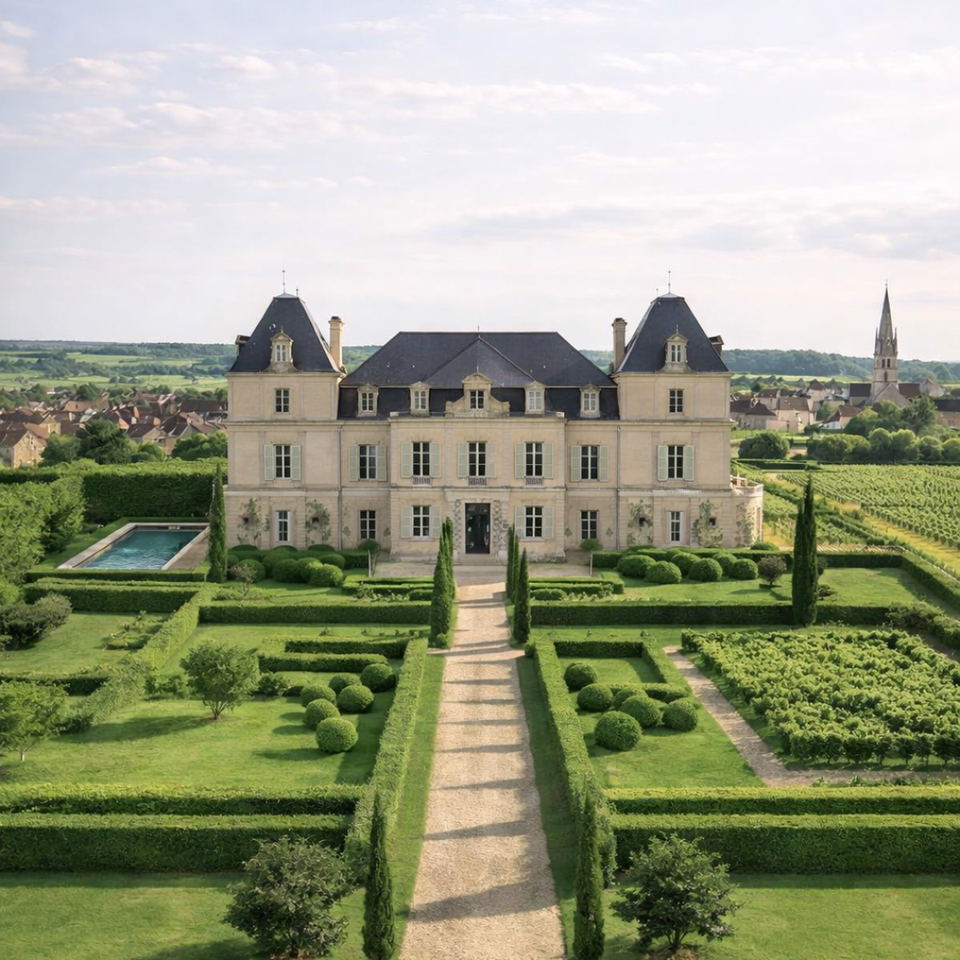
The better comparison is not another château hotel, based on the facts provided; it is the decision between sleeping in the wine village or using Beaune or Paris as the base. Compared with a Paris day trip, Château de Cîteaux removes the 2h30 train leg from the middle of the wine day. Compared with Beaune, it trades urban convenience for a quieter Meursault address and a property built over monastic wine cellars. If your trip is two nights and tasting-heavy, Meursault makes sense. If your group wants late dinners, multiple city stops, and easy taxi logistics, Beaune may still be the simpler base.
The timing also gives the opening weight. Fontenille Collection is using its 10-year anniversary to enter Burgundy for the first time, rather than adding another property in a region where the group already has name recognition. For readers who track hotel groups through wine regions, that is the useful signal: this is not a seasonal villa rental or a restaurant-with-rooms conversion. It is a 35-room hotel project rolling out in two phases, with 18 rooms now and 17 more in Vieux-Clos scheduled for January 2027.
The Cellars Are the Reason to Care
The hotel story starts below ground. Fontenille Collection says Château de Cîteaux rises above 12th-century Cistercian cellars tied to the Abbey of Cîteaux, founded in 1098 by Robert de Molesme about 35 kilometres north-east of Meursault. The Dukes of Burgundy granted the monks vineyards in Meursault's Vieux-Clos, and the monks built vaulted cellars there to vinify and store wine. Those cellars survive beneath the château today.
That is the part you are paying attention to if you already know Burgundy can be short on hotel rooms that feel connected to the vineyards rather than merely near them. A spa, restaurant, and tasteful room scheme are table stakes at this level. The cellars give Château de Cîteaux its reason to exist as a hotel rather than as another handsome address on a wine route. They also make the property easier to justify for a traveler who wants the stay itself to carry part of the wine education.
The house above those cellars came much later. In 1865, architect Jules Bernard constructed the current château directly over the monastic foundations, according to the source material. That layering is the useful fact: 12th-century wine infrastructure below, a 19th-century residence above, and a hotel conversion now. You do not need invented romance here. The building has the timeline most Burgundy hotels would like to claim.
There is also a living local connection rather than only archival history. Philippe Bouzereau, the estate's former owner and a member of an emblematic Meursault winemaking family, remains a neighbor, and several wines from Domaine Château de Cîteaux appear on the property's list, according to Fontenille Collection. For guests, that is more practical than a vague promise of wine programming. It tells you the list will at least include bottles tied to the address and the village, not only the region at large.
What Fontenille Adds, and What Is Still Coming
Fontenille Collection operates hotels, restaurants, and spas across France and Spain, and Château de Cîteaux is its first step into Burgundy. The 10-year anniversary matters because Burgundy is not an easy region in which to enter quietly. The villages are small, the vineyard names carry their own gravity, and travelers who come here often know exactly which appellations they want to sleep near. A generic country-house hotel would not be enough in Meursault.
Fontenille's opening announcement frames the project around the château, the cellars, and a phased room count. That last point is the one to watch before booking a group stay. At launch, there are 18 rooms in the château. The full count reaches 35 rooms and suites only when 17 more rooms in the restored Vieux-Clos open in January 2027. If you are planning a buyout, wedding weekend, board retreat, or multi-family wine trip, the second phase matters more than the first.
For couples or small groups, the opening phase is the more interesting window. Eighteen rooms create natural scarcity without requiring the hotel to be tiny. You get the early version of the property, the château rooms, and the first season of the restaurant, spa, and wine cellar setup. You also accept the usual risk of any new opening: operations may still be settling, and the property will not yet have its complete room inventory.
The cleaner recommendation is this: book the château phase for a focused Meursault stay, especially if you care more about address and cellar history than full resort scale. Wait for January 2027 if your trip depends on room variety, larger group logistics, or the restored Vieux-Clos component. Fontenille has made the timing easy to read; the hotel is open, but the complete version is still ahead.
Rooms, Dining, Spa: What You Can Actually Use
The room count is the most practical detail. Château de Cîteaux will have 35 rooms and suites across the château and Vieux-Clos, with 18 in the château at opening and 17 more due in January 2027. That is enough for privacy and service focus, but not enough to assume last-minute availability during Burgundy's busier wine-travel periods. If you need specific dates around tastings or a larger party, treat this as an early-booking hotel.
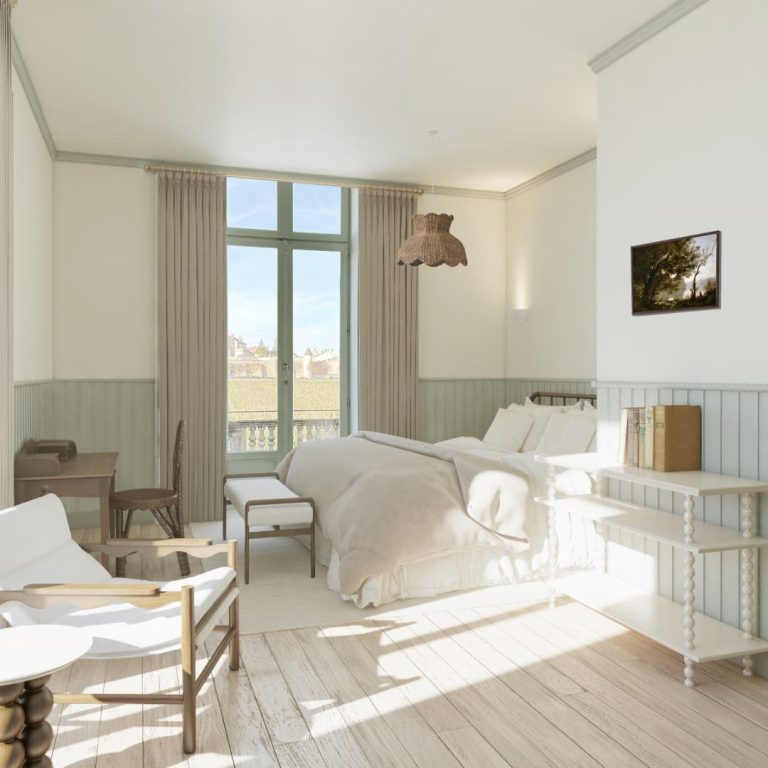
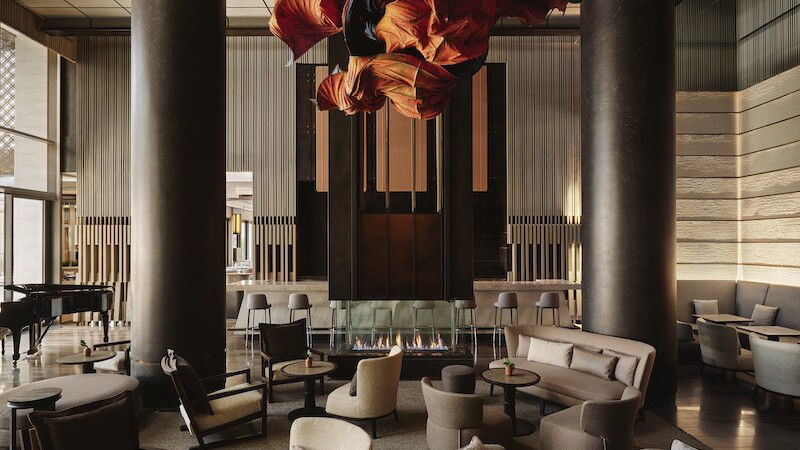
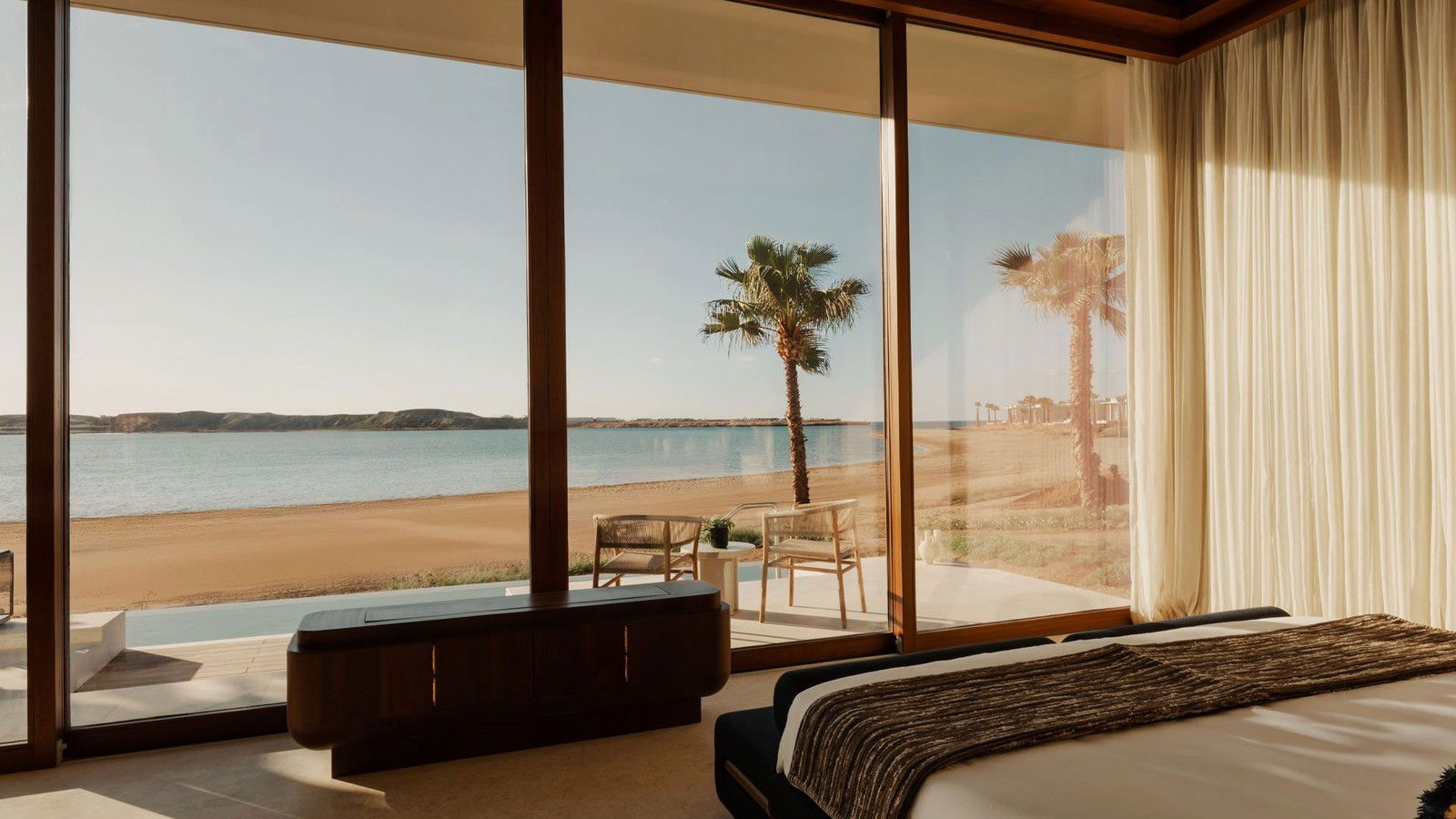
The design references the Second Empire and Napoleon III era, according to the source material, with torsade columns, moldings, aged greens, stone greys, earthy browns, parquet, terracotta, restored stonework, and patinated woodwork. Several rooms open onto private terraces set into the building's historic base, with views over the Côte de Beaune. Those are the rooms to ask about first if the terrace and vineyard outlook matter more to you than square footage.
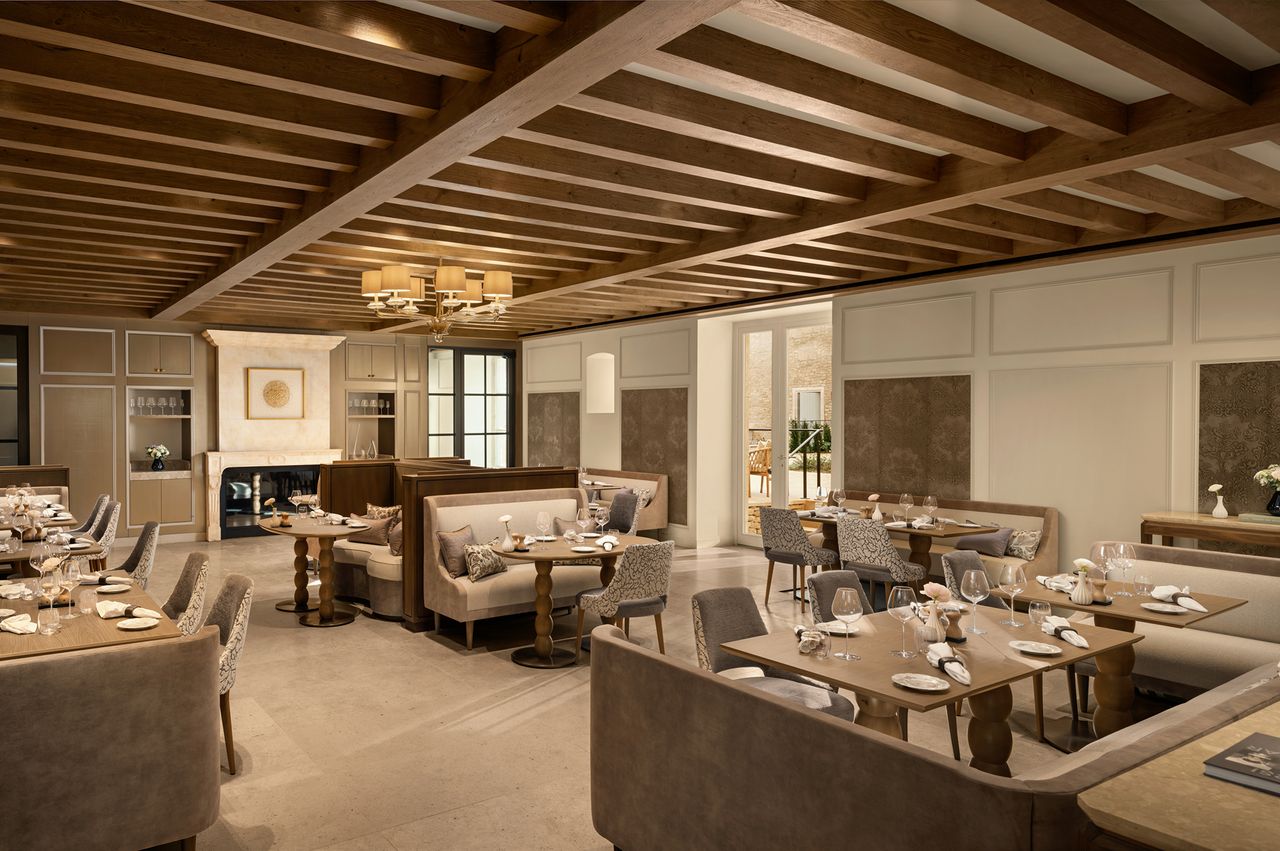
The property includes a fine dining restaurant, an Alaena spa, wine cellars, and a seminar room. The restaurant details in the available material stop at format rather than chef, menu price, or cover count, so do not book expecting a named Michelin-star chef unless Fontenille confirms one later. For now, the dining case rests on location, cellar proximity, and the Bouzereau wines on the list. That is enough for a hotel dinner after a day of tastings; it is not yet enough to plan the trip around the restaurant alone.
The Alaena spa gives the hotel a second use case beyond wine. That matters for mixed groups where one person wants appointments in Meursault and another wants a slower afternoon on property. The seminar room also points to corporate or private-event potential, though the current 18-room launch count limits how large those gatherings can be before 2027. Again, the phased opening should shape the booking decision.
What is missing from the public detail is just as important: no room rates, tasting menu price, chef name, spa menu, or reservation window appear in the source material provided. Do not let anyone sell this to you as a fully transparent value proposition yet. The book-now case is about place, history, and timing; the wait-and-see case is about price, service maturity, and restaurant identity.
How to Plan the Burgundy Stay
Use Château de Cîteaux as a Meursault anchor, not as a generic Burgundy hotel. The location is the point: 10 minutes from Beaune, 30 minutes from Dijon, and about 2h30 from Paris by train, according to Fontenille Collection's opening announcement. That makes it workable as an add-on to Paris, but better as a proper wine-country stay where you are not trying to compress vineyard visits into one rushed day.
For a first stay, the strongest plan is two or three nights. One night risks turning the property into a pretty bed between transfers. Two nights let you use the restaurant, spa, and cellars without sacrificing your outside appointments. Three nights make sense if your itinerary includes Beaune, Dijon, and multiple village tastings. Assume you will still need to plan drivers or cars for producer visits rather than relying on the hotel address to solve logistics.
Dress expectations are not stated, but the format tells you enough: this is a château hotel with a fine dining restaurant and spa, not a casual inn. Pack for vineyard appointments during the day and a smarter dinner on property at night. If you are traveling with wine luggage, confirm storage and transfer plans before arrival; the presence of wine cellars does not automatically mean guest bottle services are available.
Château de Cîteaux Meursault is strongest for couples, collectors, and small groups who want Burgundy history built into the stay. It is weaker for travelers who need published rates, a known chef, or a completed 35-room inventory before committing. The January 2027 Vieux-Clos opening is the next date to watch, because that is when this becomes less of a château-phase opening and more of a full Burgundy hotel play.