


Imperial Treasure Fine Teochew Cuisine
Chao Zhou · Guangzhoushi, Guangzhou
Restaurant in Guangzhou, China
 Book with Pearl
The Read
Cold-Braised Precision
Chef
Alfred Leung
Dress
Smart Casual
Why go
A Michelin 1 Star Teochew restaurant in Guangzhou's Tianhe District, Imperial Treasure Fine Teochew Cuisine has earned OAD Top Asia recognition every year since 2023. At the ¥¥¥ price tier, it delivers technically precise regional Chinese cooking in a composed, quieter setting. Book three to four weeks out minimum — this is a hard reservation.
About Imperial Treasure Fine Teochew Cuisine
A Michelin-starred case for Teochew cuisine in Guangzhou — if you can get a table
At the ¥¥¥ price tier, Imperial Treasure Fine Teochew Cuisine asks you to spend serious money on a style of Chinese cooking that many diners in Guangzhou associate with home kitchens rather than white-tablecloth rooms. That tension is exactly what makes this reservation worth chasing. The credentials are consistent. The question is whether the service philosophy and the dining room experience justify the outlay — and for the right type of diner, they do.
The room and the mood
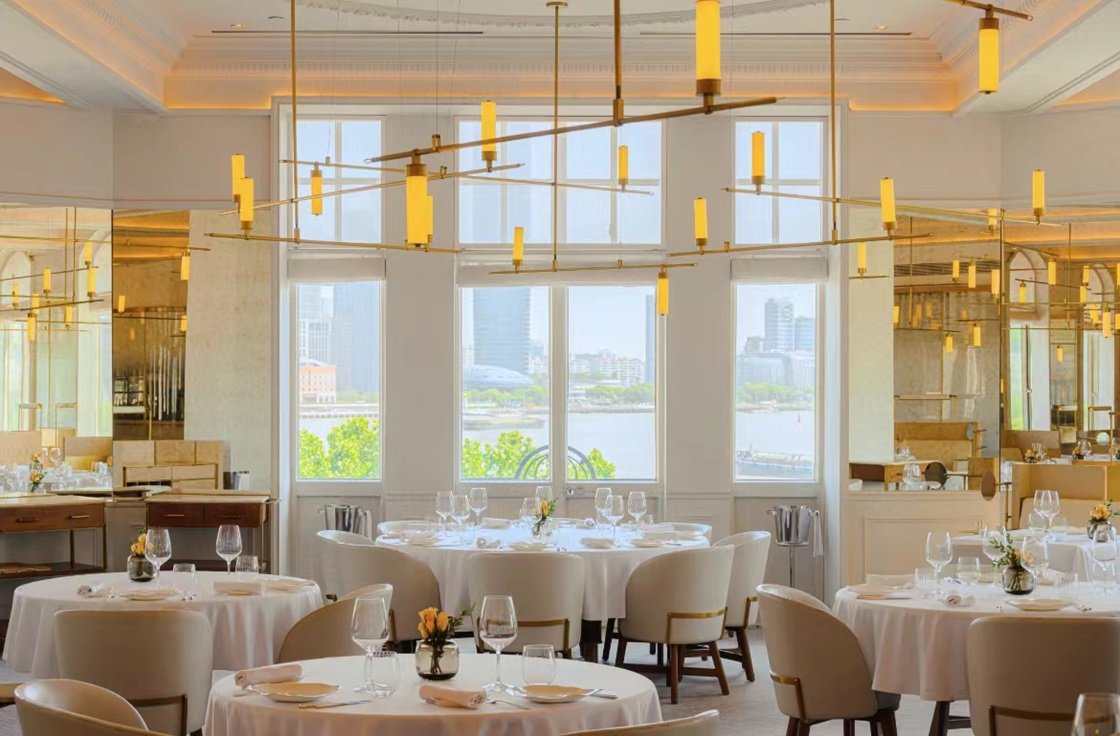
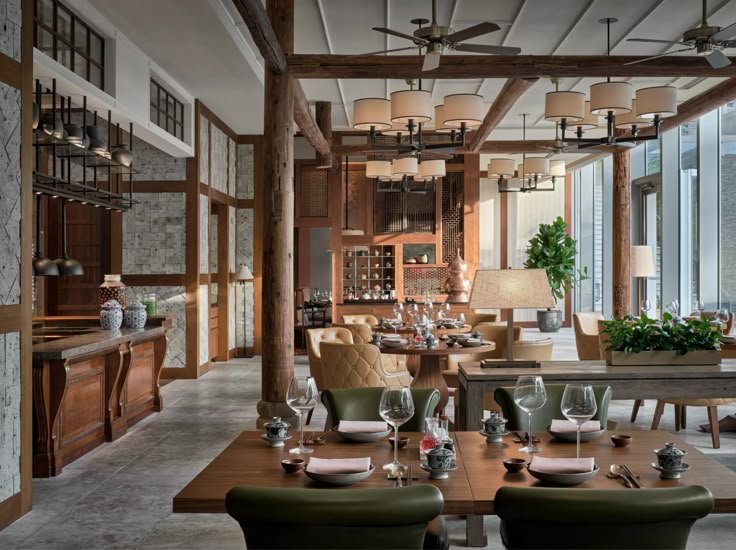
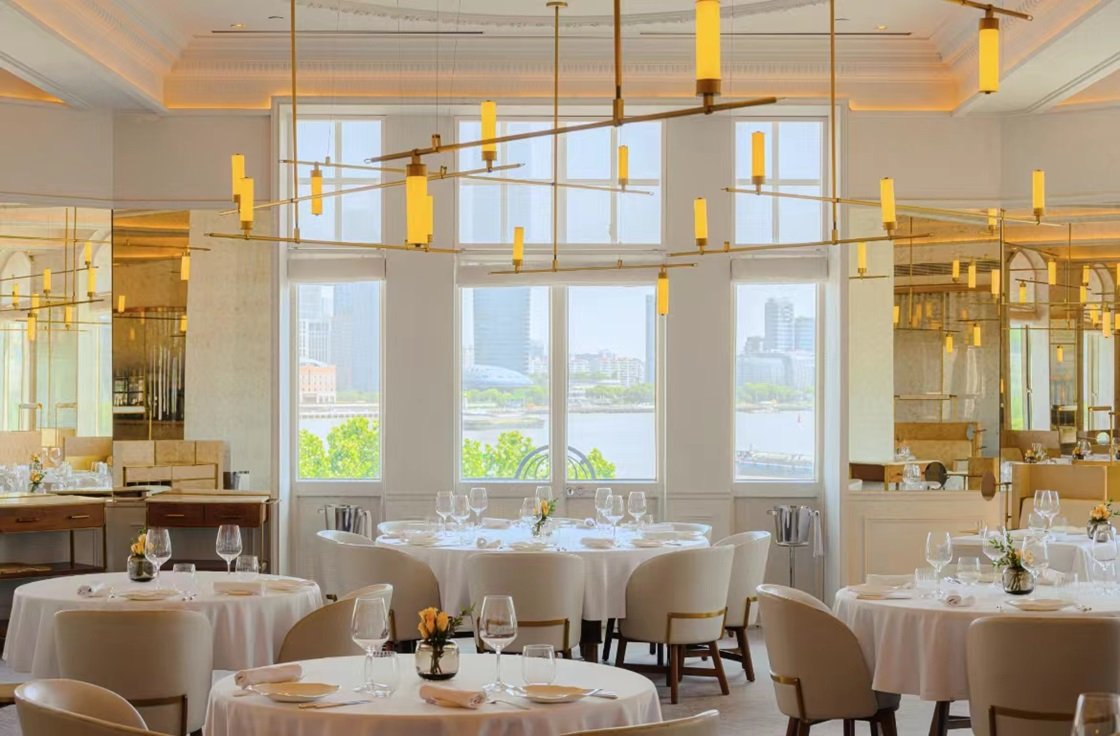
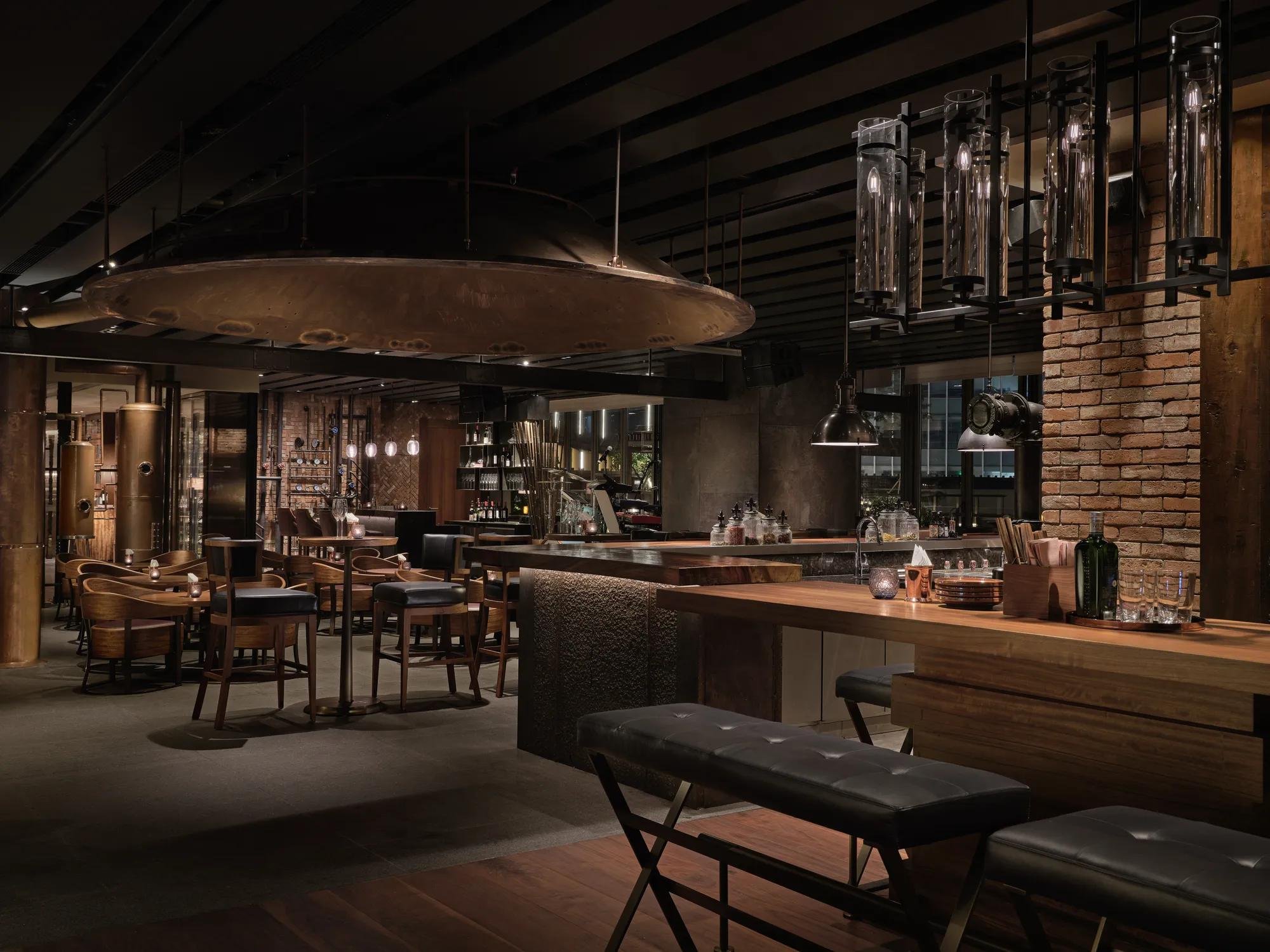
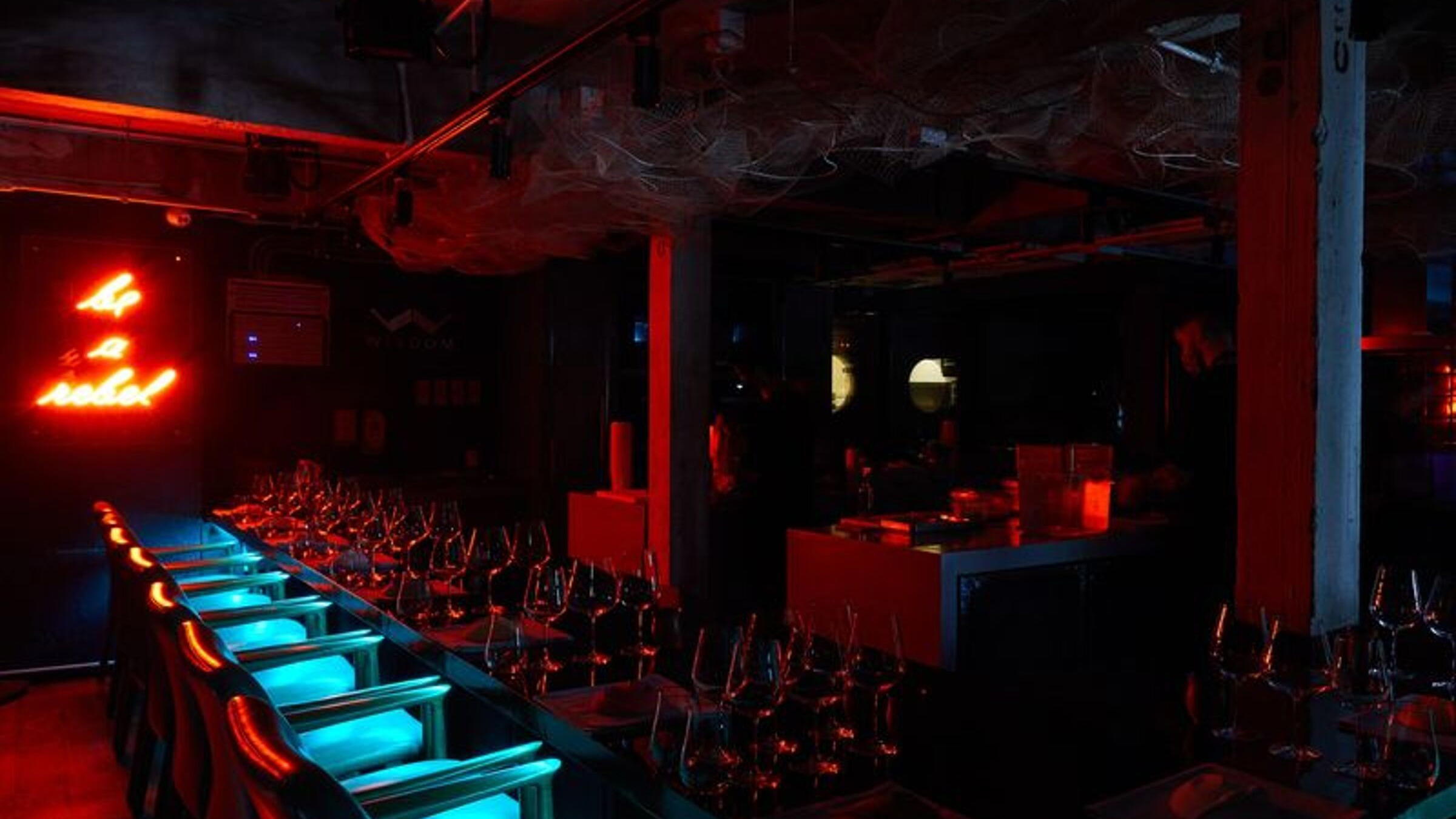
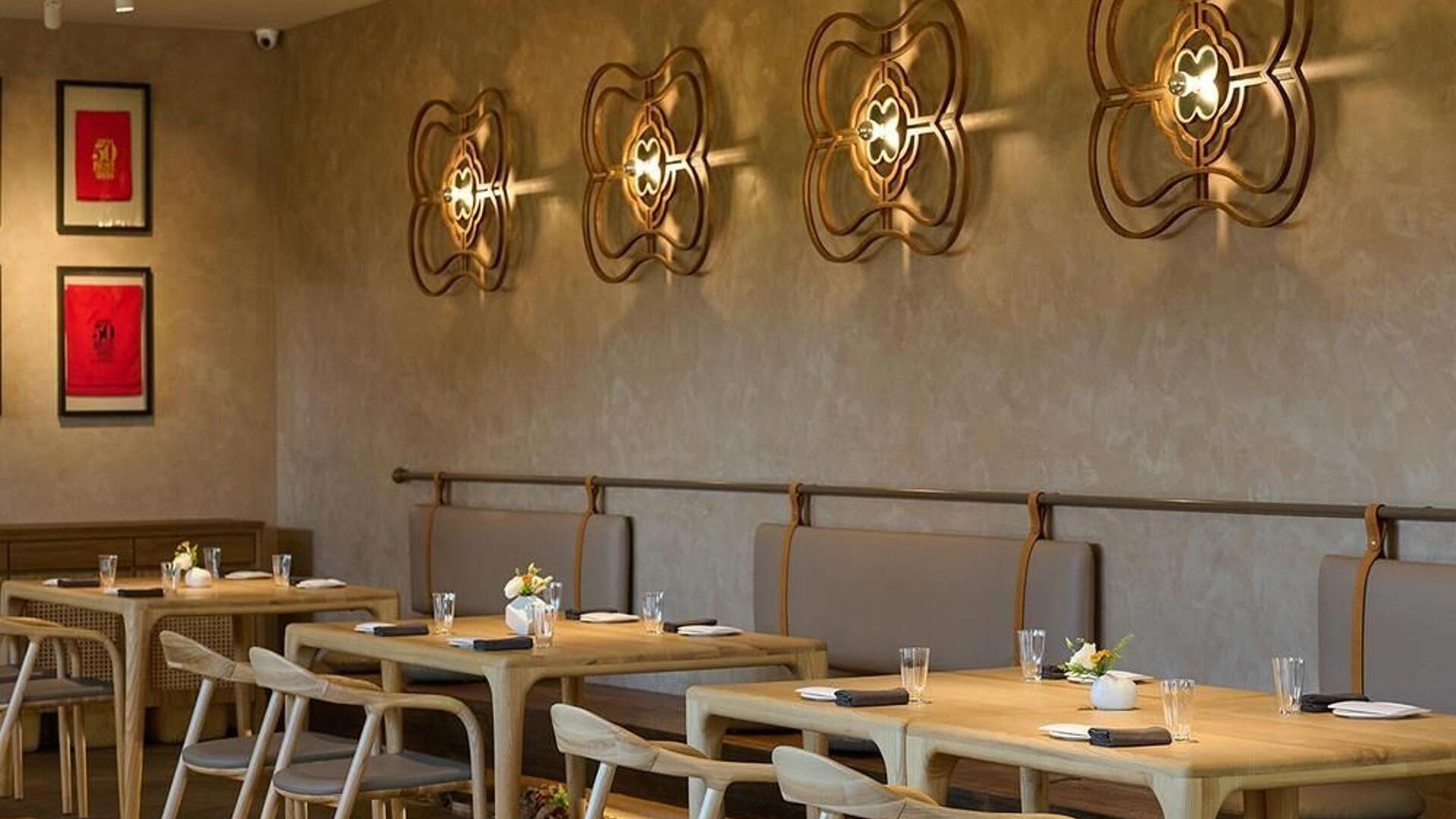
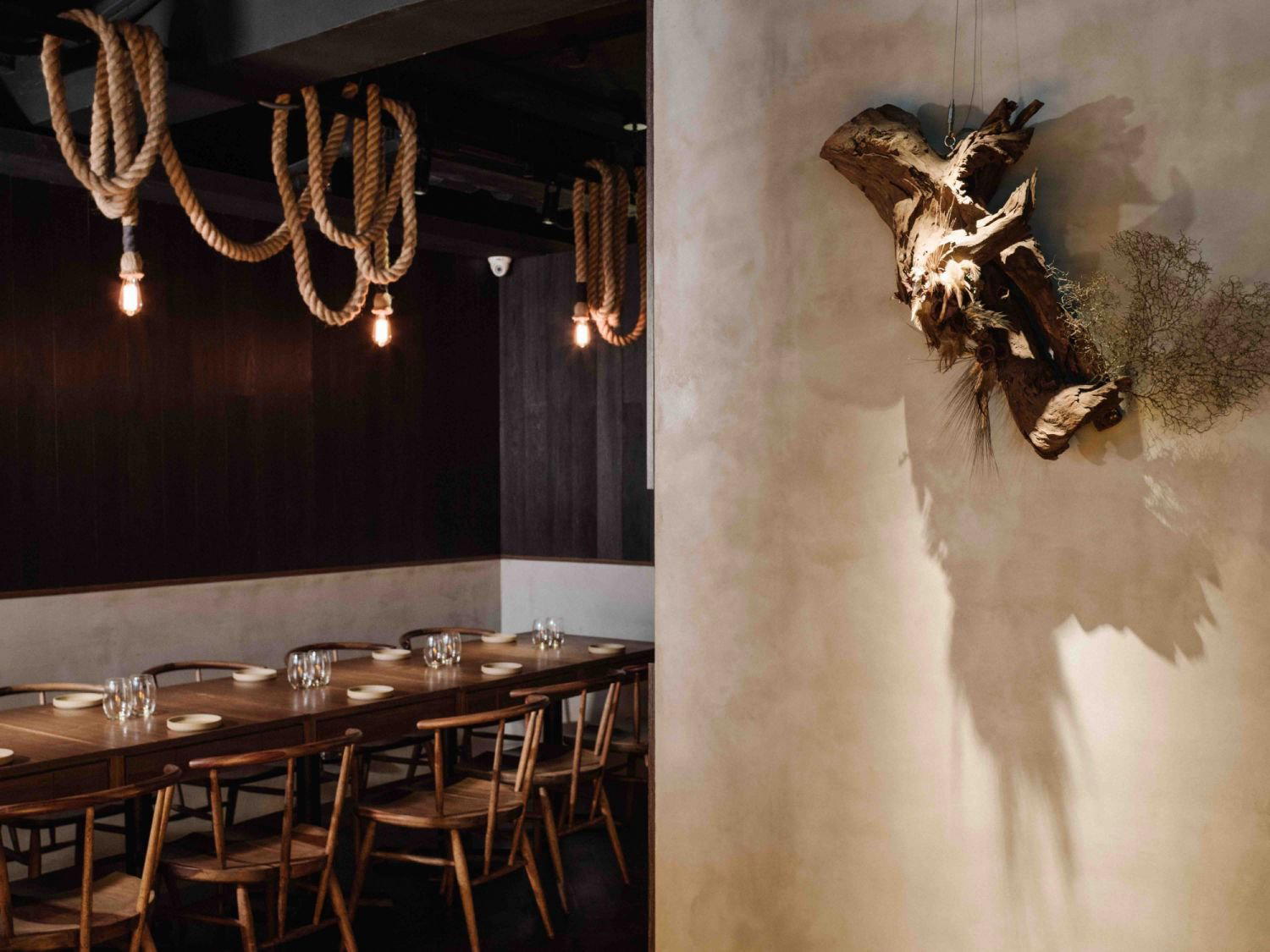
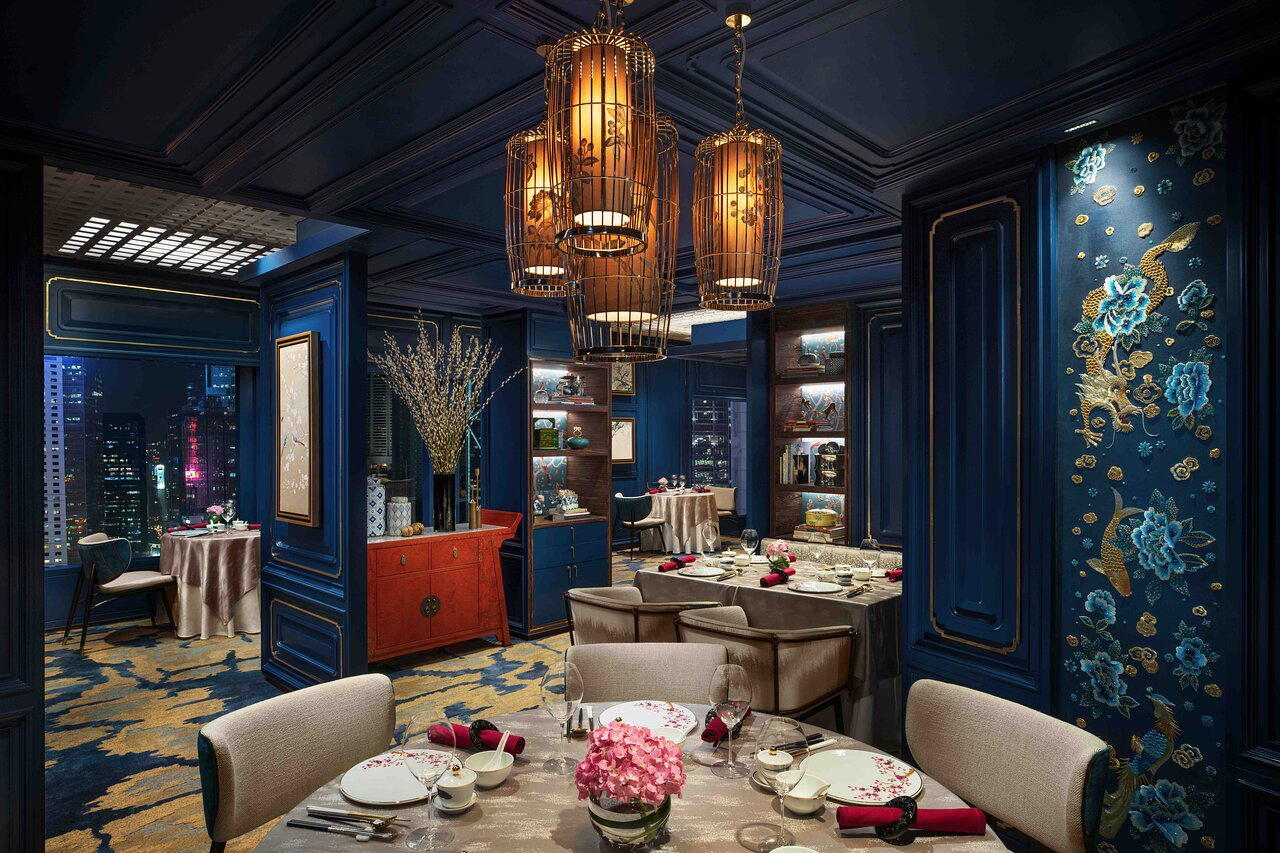
Teochew restaurants at this tier tend toward composed restraint rather than theatrical spectacle, and Imperial Treasure fits that register. The ambient feel here is quieter and more deliberate than the louder, busier Cantonese banquet halls that dominate formal dining in Guangzhou. That calm works in your favour if you are coming with a small group to eat and talk with real attention, or if you are a solo diner willing to sit with the food. It works against you if you are expecting the high-energy social performance of a large Cantonese banquet. The dining room rewards focus.
Service at this price point in a Michelin-recognised house is where Imperial Treasure earns its standing most clearly. Teochew cuisine is technically specific, cold crab, goose prepared in a particular brine, hand-made rice noodles, and a long tradition of clean, precise flavours that rely on technique rather than heavy seasoning. A service team that can explain the logic of the cuisine, guide first-timers through an unfamiliar menu structure, and manage the pacing of a multi-course meal without rushing the table is doing real work. Based on its sustained recognition across three consecutive OAD cycles, the team appears to deliver that.
The cuisine case
Teochew cooking originates from the Chaoshan region of eastern Guangdong and is distinct from the Cantonese tradition that defines much of Guangzhou's fine dining scene. Where Cantonese cuisine often centres on wok technique, dim sum, and seafood cooked at high heat, Teochew cooking is known for its slow braises, cold dishes, congee, and a refined restraint that lets individual ingredients speak clearly. At a Michelin-starred house, that restraint is the point. You are not paying for bold saucing or elaborate garnish, you are paying for sourcing discipline and technical precision applied to a cuisine that punishes shortcuts immediately.
If you have eaten Teochew cooking in its more casual forms, late-night crab congee in Hong Kong, marinated goose from a street stall in Shantou, the fine-dining iteration at Imperial Treasure gives you a way to understand what the cuisine looks like when every variable is controlled. For food-focused travellers, that comparison is genuinely interesting. For diners who are indifferent to that kind of depth, the ¥¥¥ price tier may feel harder to justify.
For broader context on Teochew cooking at the fine-dining level across China, it is worth knowing that Chao Shang Chao (Chaoyang) in Beijing and Fleurs Et Festin in Xiamen represent the cuisine in different regional registers. Guangzhou, sitting within Guangdong Province, is arguably the most natural city in mainland China to encounter Teochew cooking at this level.
Booking and logistics
This is a hard booking. A Michelin 1 Star in a major Chinese city at a price point that attracts both local regulars and visiting food travellers means the reservation calendar fills quickly. Plan for a minimum of three to four weeks lead time; for weekend evenings or occasions around public holidays in China, book further out. No phone or website data is currently held in our records, so approach booking through the restaurant's official channels or a hotel concierge in Guangzhou who can confirm current reservation protocols. Walk-in availability at this tier is not a reliable strategy.
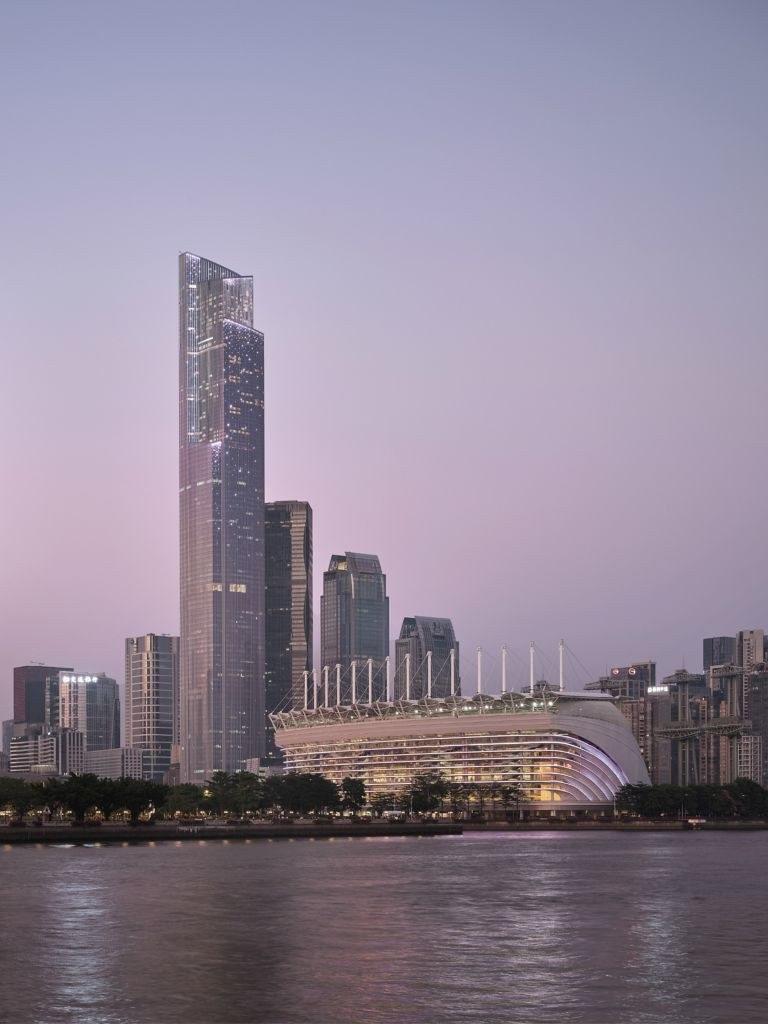
The restaurant is located at 293 Guangzhou Boulevard Middle in the Yuexiu District, which is a central and accessible part of the city. For other dining options in the area, Suyab Courtyard/Pickmoon Gourmet, Dai Yong Town, Hai Men Yu Zi Dian (Yanling Road), Hui Cheng (Dunhe Road), and Stay Here are worth considering depending on your broader itinerary. See our full Guangzhou restaurants guide for the complete picture, or explore hotels, bars, wineries, and experiences across the city.
For travellers moving through China who want to track fine Teochew or regional Chinese cooking at comparable levels, Xin Rong Ji (Xinyuan South Road) in Beijing, 102 House in Shanghai, Xin Rong Ji in Chengdu, Ru Yuan in Hangzhou, Chef Tam's Seasons in Macau, and Dai Yuet Heen in Nanjing each offer different windows into Chinese fine dining at a similar or adjacent tier.
Quick reference: Michelin 1 Star (2025) | OAD Leading Asia #147 (2025) | ¥¥¥ | Yuexiu District, Guangzhou | Booking: hard, 3-4 weeks minimum.
Planning details
- Location
- 293 Guangzhou Blvd Middle, Yuexiu District, Guangzhou, Guangdong Province, China, 510600
- Website
- imperialtreasure.com
- Phone
- +86 20 8737 1288
The take
The Take
The Vibe
Imperial Treasure Fine Teochew Cuisine presents a quiet, classic dining experience that privileges restraint over showmanship. The kitchen follows Teochew values—lighter saucing, long braises and an emphasis on freshness—so the room feels measured and serene rather than theatrical. The restaurant sits in an older, established quarter of Guangzhou where longevity and formality shape expectations, and the tone of the meal matches that setting. Diners encounter a polished, deliberate service and cuisine that rewards attention to subtle textures and tempered flavors rather than flashy climaxes.
Best For
This is a place for deliberate, sit-down meals: business dinners and group tables fit naturally alongside family gatherings. The write-up highlights the neighbourhood’s long-standing restaurants that serve business tables and local families, and the Teochew meal’s lateral pacing suits shared, multi-course dining rather than a quick bite. Because the dining rhythm focuses on balance and sequence, it works best when you can settle in and let dishes arrive in the intended order.
Ordering Tips
Approach the menu with Teochew sequencing in mind: begin with cold plates or marinated combinations, move into braised items prepared in master stock, and place seafood and vegetable dishes toward the middle of the table. Signature items such as chilled flower crab and stewed pomfret with salted vegetables and tomatoes exemplify the restaurant’s priorities. Congee or plain rice commonly closes a Teochew meal, so leave room for that simple finish. The meal is meant to be shared and savored slowly rather than rushed.
Venue details
Ambiance
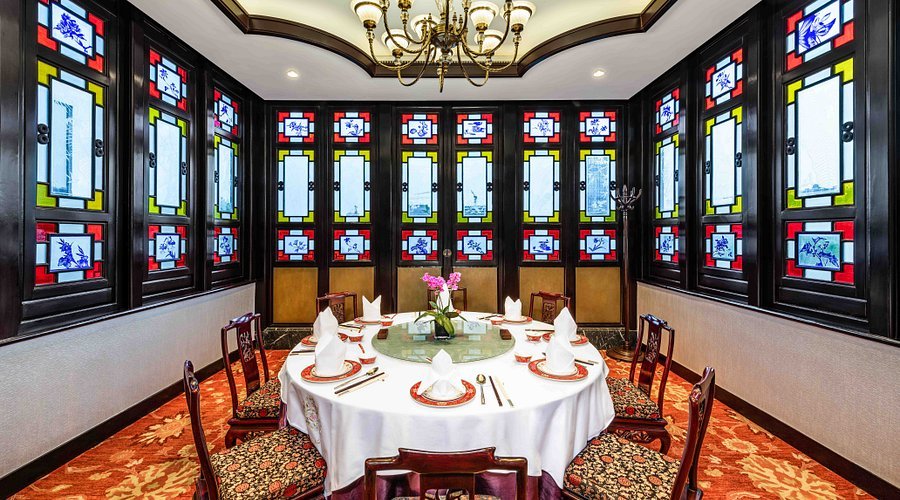
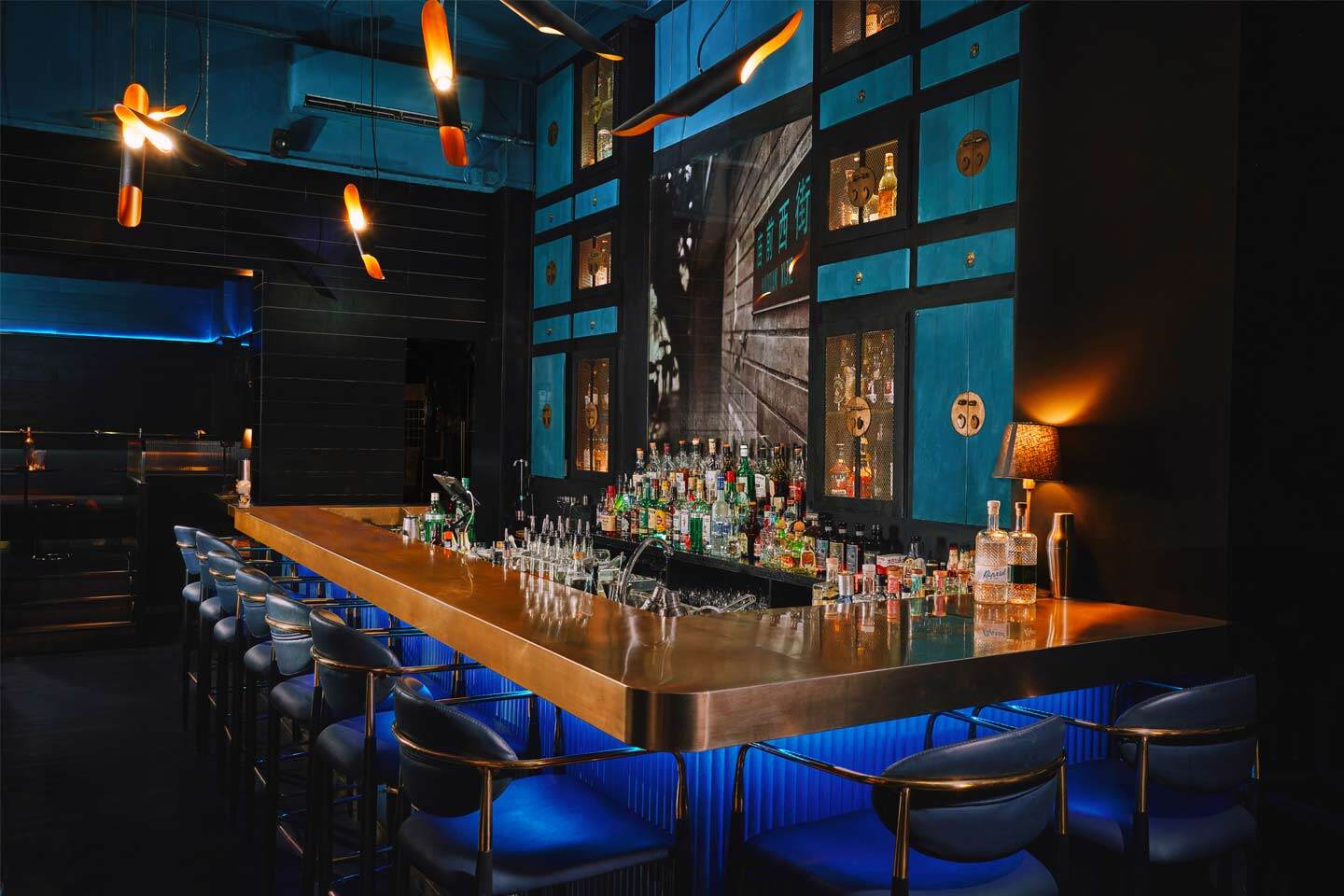
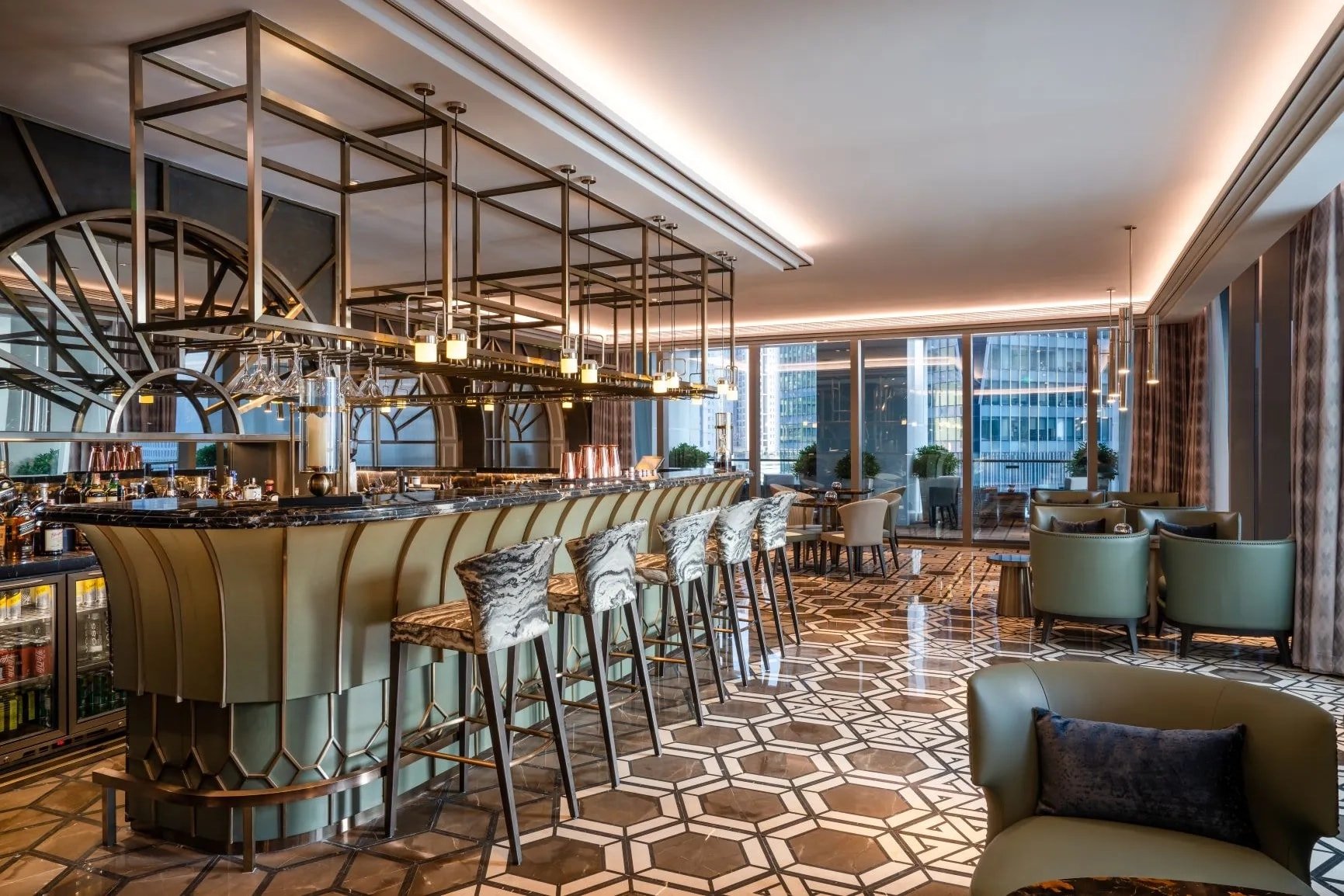
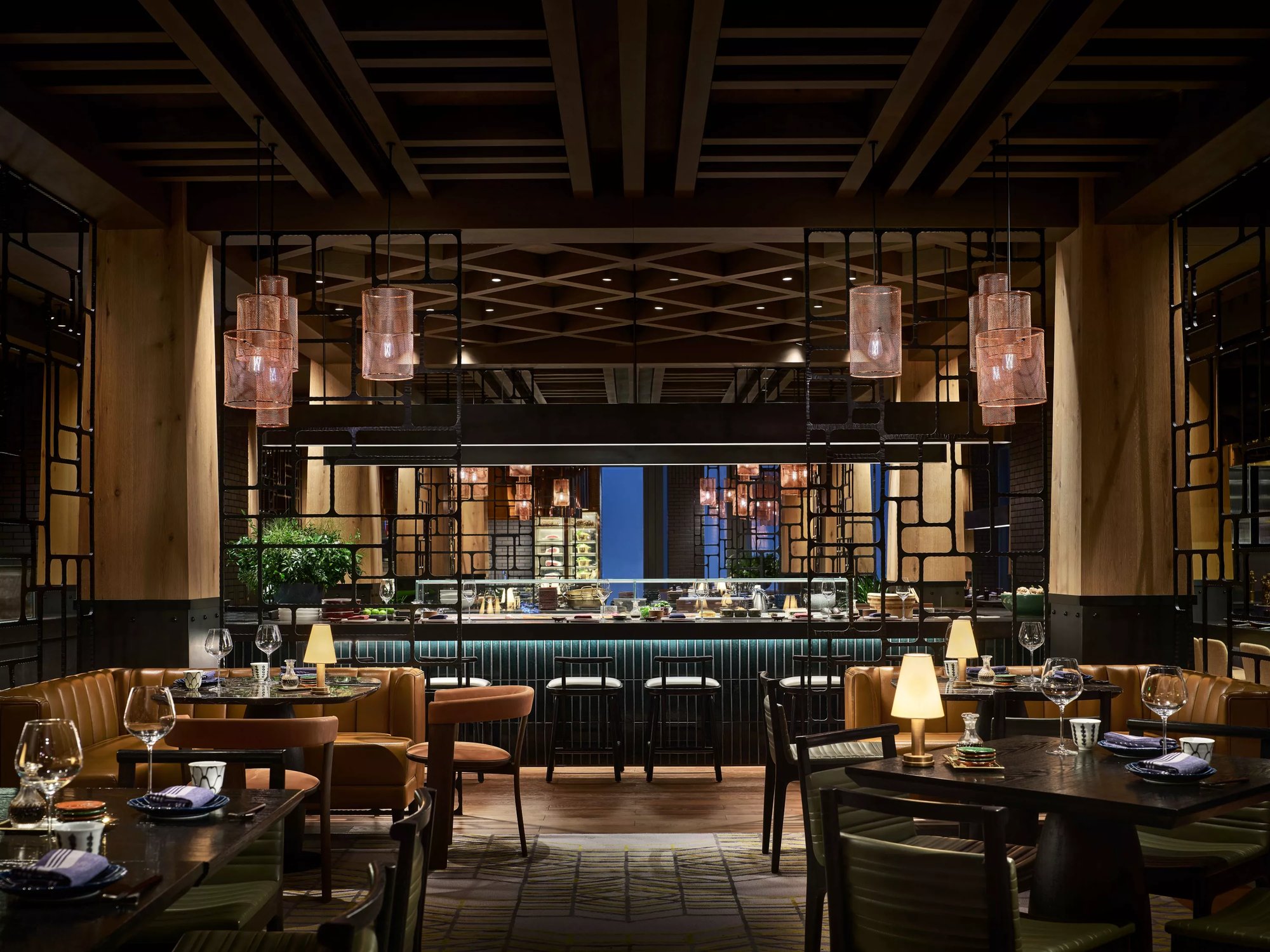
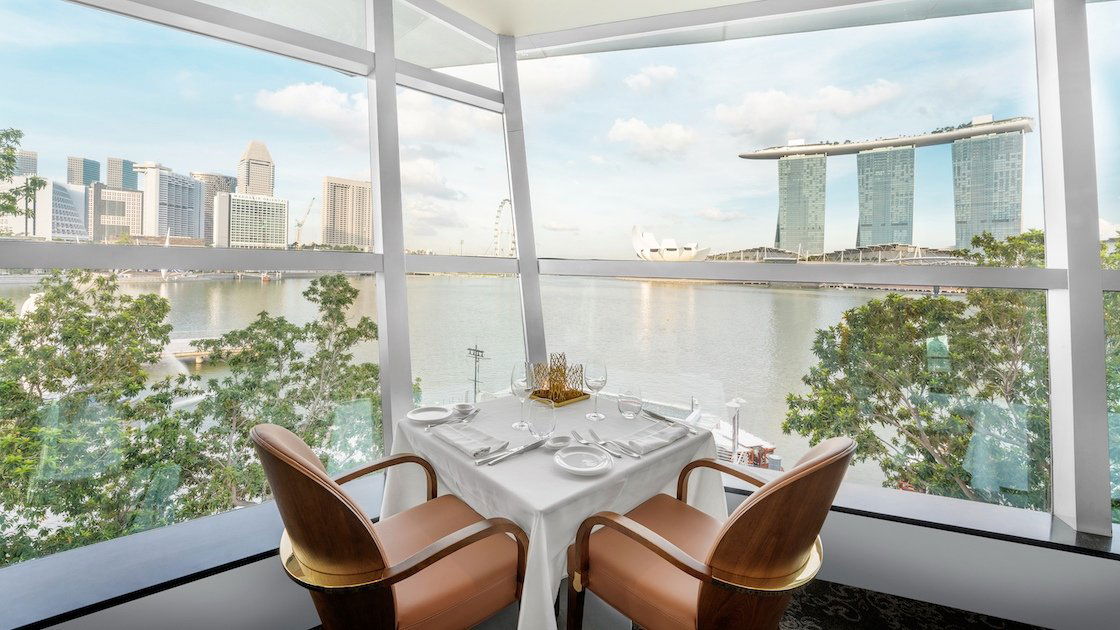
Refined and sophisticated ambience blending modern chic with traditional aesthetics and soft ambient lighting.
Tags
Vibe
Best For
Experience
At the Table
- Dress Code
- Smart Casual
- Noise Level
- Conversational
- Service Style
- Formal
- Meal Pacing
- Leisurely
- Capacity
- Large
- Kitchen
- Traditional
- Menu Format
- A la carte
- Wine Program
- Curated
- Private Dining
- Available
Signature Dishes
- Chilled Flower Crab
- Three Kinds of Marinated Combination
- Stewed Pomfret Fillet with Salted Vegetables & Tomatoes
Know before you go
Know Before You Go
- Getting there
- 293 Guangzhou Blvd Middle, Yuexiu District, Guangzhou, Guangdong Province, China, 510600
Planning details
Location
293 Guangzhou Blvd Middle, Yuexiu District, Guangzhou, Guangdong Province, China, 510600 · Directions


Also consider
Also Consider
- Imperial Treasure Fine Chinese Cuisine, Cantonese, ¥¥¥
- Taian Table, Modern European, European Contemporary, ¥¥¥¥
- Chōwa, Innovative, ¥¥¥
- Rêver, French Contemporary, ¥¥¥¥
- Song, Sichuan, ¥¥
Restaurant context
Within the ¥¥¥ tier in Guangzhou, the most direct comparison is Imperial Treasure Fine Chinese Cuisine, which operates under the same group banner but focuses on Cantonese cooking. If you already know Cantonese fine dining well and want to understand what the same level of kitchen discipline looks like applied to Teochew traditions, the Teochew address is the more interesting choice. If Cantonese is the cuisine you are specifically seeking, the Fine Chinese Cuisine branch is the right call. Both carry comparable price expectations; the decision is purely about which regional tradition you want to explore.
At the ¥¥¥¥ tier, Taian Table and Rêver offer Modern European and French Contemporary experiences respectively, a different category entirely. If your Guangzhou dining budget has room for one serious Chinese meal and one European splurge, Imperial Treasure Teochew and Taian Table make a coherent pairing. Chōwa at ¥¥¥ sits at the same price tier with an innovative approach, giving you a more experimental alternative if you want to stay in the same spend range but move away from traditional Chinese cuisine formats.
For the best value in the group, Song covers Sichuan at ¥¥, a lower-cost evening with a completely different flavour profile. It is not a substitute for Imperial Treasure Teochew, but it is worth knowing as a complementary option across a multi-night Guangzhou itinerary. If booking difficulty is your primary concern, Song will be the most accessible of the group; Imperial Treasure Teochew, with its Michelin recognition, will require the most lead time.
Explore Guangzhou
Around this place
Discover more on Pearl
Unlock the full Imperial Treasure Fine Teochew Cuisine guide in Pearl, including awards, comparisons, FAQs, planning details, and nearby places.
Compare Imperial Treasure Fine Teochew Cuisine
| Venue | Price | Awards |
|---|---|---|
| Imperial Treasure Fine Teochew Cuisine | ¥¥¥ | 2026 La Liste Top Restaurants2025 OAD Top Restaurants in Asia Ranked · #1472025 Michelin 1 Star2025 Michelin 2 Stars2025 La Liste Top Restaurants2024 OAD Top Restaurants in Asia Ranked · #1382023 OAD Top Restaurants in Asia Ranked · #117 |
| Imperial Treasure Fine Chinese Cuisine | ¥¥¥ | Michelin Guide Shanghai Jiangsu Zhejiang 20262025 OAD Top Restaurants in Asia Ranked · #2952025 Michelin 2 Stars2025 La Liste Top Restaurants2024 OAD Top Restaurants in Asia Ranked · #2752024 Michelin 2 Stars2023 OAD Top Restaurants in Asia Highly Recommended |
| Taian Table | ¥¥¥¥ | 2026 OAD Top Restaurants in Asia Ranked · #62Star Wine Lists 20262026 La Liste Top Restaurants2026 Black Pearl 1 Diamond2026 Les Grandes Tables du Monde Members2025 OAD Top Restaurants in Asia Ranked · #852025 Michelin 2 Stars2025 Michelin 3 Stars2025 La Liste Top Restaurants |
| Chōwa | ¥¥¥ | 2025 Michelin 1 Star2025 The Best Chef Two Knives2024 Michelin Plate |
| Rêver | ¥¥¥¥ | 2025 Michelin 1 Star2025 The Best Chef One Knife2024 Michelin 1 Star |
| Song | ¥¥ | 2025 Michelin 1 Star |







.png?width=1200&quality=80)

How Imperial Treasure Fine Teochew Cuisine stacks up against the competition.
FAQ
Frequently Asked Questions
Is Imperial Treasure Fine Teochew Cuisine good for solo dining?
Solo dining is workable here, but this is not a counter-seat or bar-seat format typical of Japanese omakase. At the ¥¥¥ price tier, solo diners will likely be seated in the main dining room, and Teochew cuisine is built around shared portions, so ordering solo means either over-ordering or missing the range of the menu. Two diners is the practical minimum to get a proper read on the kitchen.
What should a first-timer know about Imperial Treasure Fine Teochew Cuisine?
Teochew cooking is not Cantonese, even though the restaurant is in Guangzhou — expect lighter, cleaner flavours, cold-marinated proteins, and a strong emphasis on seafood and congee rather than the roasted meats and dim sum that define most Guangzhou fine dining. The Michelin 1 Star and consecutive OAD Top 150 Asia rankings (2023–2025) under chef Alfred Leung signal a kitchen operating at a consistent standard. Come with some familiarity with the format or you may underorder.
Is the tasting menu worth it at Imperial Treasure Fine Teochew Cuisine?
At the ¥¥¥ tier with a Michelin 1 Star and OAD Asia Top 150 ranking, the structured menu is the right way to experience the kitchen's range — Teochew cuisine rewards breadth across courses more than single-dish ordering. Whether the price is justified depends on whether you want to understand Teochew cooking at its most refined or simply eat a good Cantonese-adjacent meal; for the latter, there are cheaper options in Guangzhou. For the former, this is the benchmark in the city.
Is Imperial Treasure Fine Teochew Cuisine good for a special occasion?
Yes, with caveats. The ¥¥¥ price point, Michelin recognition, and the prestige of the Imperial Treasure group make it a credible special-occasion choice for guests who appreciate understated, technique-driven Chinese fine dining. It is not a theatrical or celebratory room in the Western steakhouse sense — Teochew restaurants at this tier run composed and quiet. If the occasion calls for spectacle or a familiar crowd-pleaser format, look elsewhere.
What are alternatives to Imperial Treasure Fine Teochew Cuisine in Guangzhou?
For Cantonese fine dining in Guangzhou at a comparable or higher tier, Taian Table (Thomas Bühner's Guangzhou outpost) offers a high-profile tasting menu format in a different register entirely. Song is worth considering for a different take on southern Chinese cooking. If you want to stay within the Teochew tradition but explore a different market, the Imperial Treasure group operates other outposts across Asia. Within Guangzhou specifically, Imperial Treasure Fine Teochew Cuisine is the most credentialed Teochew-specific option in the city.
Is Imperial Treasure Fine Teochew Cuisine worth the price?
At ¥¥¥ with a Michelin 1 Star and three consecutive OAD Top 150 Asia placements (ranked #117 in 2023, #138 in 2024, #147 in 2025), the credential case holds up. The value question is really about cuisine fit: Teochew cooking's precision and restraint are harder to sell to diners expecting the richness of Cantonese or the drama of Sichuan, and the price gap versus casual Teochew restaurants in Guangdong is significant. If refined southern Chinese seafood cooking is what you want, this justifies the spend. If you are not sure, it does not.